

Prevalence of cardiovascular disease in type 2 diabetes: a systematic literature review of scientific evidence from across the world in 2007–2017
Open accessThe DOI matches its Crossref record; 123 of the 124 references it cites were found in a registry or an index; 41 of the 102 sources its claims cite were checked for support.
Abstract
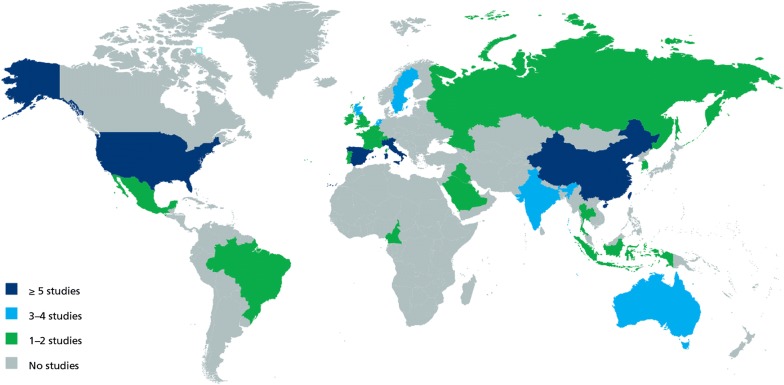
BACKGROUND: Cardiovascular disease (CVD) is a common comorbidity in type 2 diabetes (T2DM). CVD's prevalence has been growing over time. PURPOSE: To estimate the current prevalence of CVD among adults with T2DM by reviewing literature published within the last 10 years (2007-March 2017). METHODS: We searched Medline, Embase, and proceedings of major scientific meetings for original research documenting the prevalence of CVD in T2DM. CVD included stroke, myocardial infarction, angina pectoris, heart failure, ischemic heart disease, cardiovascular disease, coronary heart disease, atherosclerosis, and cardiovascular death. No restrictions were placed on country of origin or publication language. Two reviewers independently searched for articles and extracted data, adjudicating results through consensus. Data were summarized descriptively. Risk of bias was examined by applying the STROBE checklist. RESULTS: We analyzed data from 57 articles with 4,549,481 persons having T2DM. Europe produced the most articles (46%), followed by the Western Pacific/China (21%), and North America (13%). Overall in 4,549,481 persons with T2DM, 52.0% were male, 47.0% were obese, aged 63.6 ± 6.9 years old, with T2DM duration of 10.4 ± 3.7 years. CVD affected 32.2% overall (53 studies, N = 4,289,140); 29.1% had atherosclerosis (4 studies, N = 1153), 21.2% had coronary heart disease (42 articles, N = 3,833,200), 14.9% heart failure (14 studies, N = 601,154), 14.6% angina (4 studies, N = 354,743), 10.0% myocardial infarction (13 studies, N = 3,518,833) and 7.6% stroke (39 studies, N = 3,901,505). CVD was the cause of death in 9.9% of T2DM patients (representing 50.3% of all deaths). Risk of bias was low; 80 ± 12% of STROBE checklist items were adequately addressed. CONCLUSIONS: Globally, overall CVD affects approximately 32.2% of all persons with T2DM. CVD is a major cause of mortality among people with T2DM, accounting for approximately half of all deaths over the study period. Coronary artery disease and stroke were the major contributors.
Overview
CoChat Summary
TL;DR
This systematic review estimated global cardiovascular disease (CVD) prevalence among adults with type 2 diabetes (T2DM) from 57 articles covering 4,549,481 persons published 2007–March 2017. Overall CVD prevalence was 32.2%, and CVD accounted for 50.3% of all deaths in T2DM patients.
Key findings
- Among 4,549,481 persons with T2DM, overall CVD prevalence was 32.2% (53 studies, N = 4,289,140); coronary artery disease was 21.2% (42 studies, N = 3,833,200), atherosclerosis 29.1% (4 studies, N = 1,153), heart failure 14.9% (14 studies, N = 601,154), angina 14.6% (4 studies, N = 354,743), myocardial infarction 10.0% (13 studies, N = 3,518,833), and stroke 7.6% (39 studies, N = 3,901,505).
- CVD was the cause of death in 9.9% of T2DM patients (8 studies, N = 3,208,557) and represented 50.3% of all deaths (7 studies, N = 86,557); CAD deaths were 6.3% and cerebrovascular deaths 1.5%.
- Regional overall CVD prevalence was highest in North America/Caribbean (46.0%), Southeast Asia (42.5%), and Western Pacific/China (33.6%); Europe produced the most articles (46%).
- Males had higher prevalence than females for all outcomes except overall CVD, where both sexes had approximately 27%; five papers found a positive relationship between obesity and CVD, e.g., heart failure prevalence was 38.7% with BMI ≥ 30 kg/m² versus 23.4% with BMI < 30 kg/m².
Methods
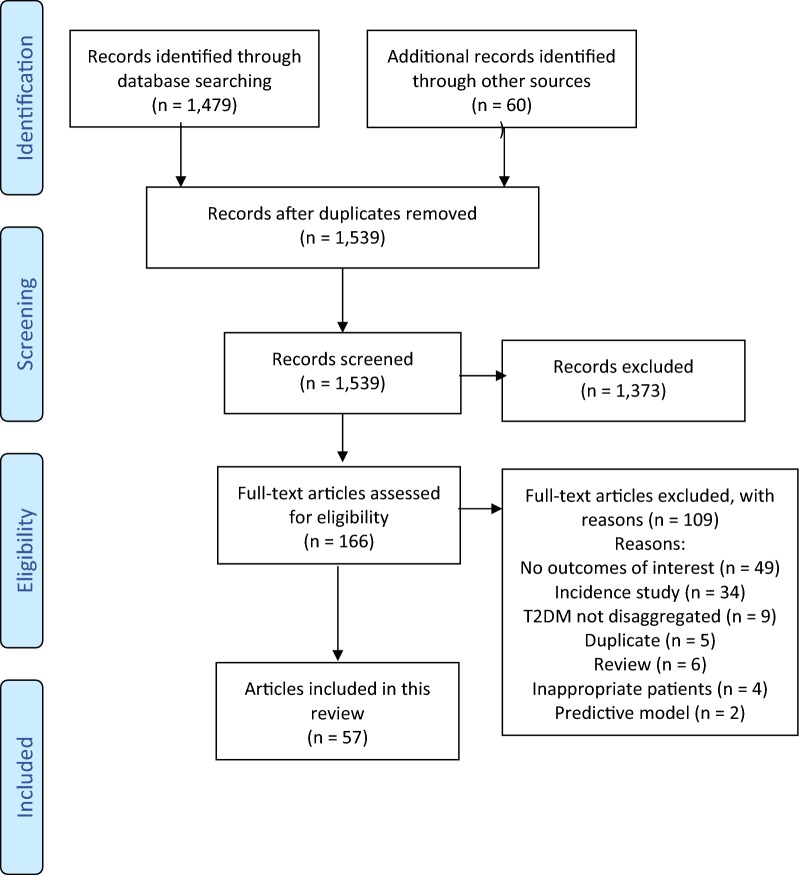
- Systematic literature review following PRISMA; searched Medline, Embase, PubMed ahead-of-print, and proceedings of ISPOR, ADA, EASD, and AACE for original research published January 2007–March 2017, with no country or language restrictions; two reviewers independently searched and extracted data, with a third reviewer for quality assurance.
- Included adults ≥ 18 years with T2DM; eligible designs were prevalence studies, cross-sectional surveys, database studies, or chart reviews, with incidence studies accepted only if they provided population-based baseline and follow-up data; excluded clinical trial programs or individual pharmaceutical product studies and certain CVDs such as peripheral artery disease, rheumatic heart disease, dysrhythmias, and CABG/revascularization.
- Data were summarized descriptively with sums, averages, medians, and ranges; weighted averages were calculated for countries and IDF regions; risk of bias was assessed with the STROBE checklist; 57 articles (60 analyses) with 4,549,481 persons were included.
Limitations
- Stated by the authors: limited by available literature and article validity/quality; some results appeared only as abstracts with space limitations; incomplete or selective outcome reporting; restricted to adults ≥ 18 and T2DM only; inconsistent CVD definitions and varied outcomes across studies; prevalence studies only; varied data collection methods and time periods; possible overestimation due to sicker clinical populations and inclusion of patients with existing CVD; only 25 countries represented, with little from Africa, the Asian subcontinent, or Latin America.
- Evident in the text: no overall quantitative synthesis or meta-analysis was undertaken; one Russian study of 3,060,517 patients skewed weighted averages, so the authors calculated weighted averages with and without that study; prevalence estimates were based only on studies reporting each outcome, which may represent subgroups and may underestimate some outcomes.
Model-written summary. Check it against the paper before relying on it.
Integrity signals
Registry
Cites
Statistics
Figures
Verification
Claims the paper makes
32 Valid · 1 Not valid · 37 Not checked · 73 Own results and interpretations
Some cited sources support this claim and some don’t — read each source’s verdict below.
In the paper
“The weighted average of death rates from the eight studies with 3,208,557 patients with T2DM was 9.9% (95% CI 8.6–11.3%) [29–36].”
§ Prevalence of cardiovascular disease in type 2 diabetes: a systematic literature review of scientific evidence from across the world in 2007–2017 > Results > CVD mortality among patients with T2DM
What the sources say
- Not checked yetcites [29] 29. Shestakova M: Dynamics in prevalence of diabetes, diabetic complications and quality of diabetes care in Russian Federation in 2014–2015 by data of national diabetes register. In: Conference: 52nd annual meeting of the european association for the study of diabetes, EASD. 2016. p. 309.
- Not checked yetcites [30] 30. Alwakeel JS Sulimani R Al-Asaad H Al-Harbi A Tarif N Al-Suwaida A Al-Mohaya S Isnani AC Alam A Hammad D Diabetes complications in 1952 type 2 diabetes mellitus patients managed in a single institution in Saudi Arabia Ann Saudi Med 2008 28 260 266 10.4103/0256-4947.51702 18596402 PMC6074352 source
- Not checked yetcites [31] 31. Cardoso C Salles G Gross proteinuria is a strong risk predictor for cardiovascular mortality in Brazilian type 2 diabetic patients Braz J Med Biol Res 2008 41 674 680 10.1590/S0100-879X2008000800006 18797700 source
- Disputedcites [32] 32. Carnethon MR Biggs ML Barzilay J Kuller LH Mozaffarian D Mukamal K Smith NL Siscovick D Diabetes and coronary heart disease as risk factors for mortality in older adults Am J Med 2010 123 556 10.1016/j.amjmed.2009.11.023 20569763 PMC3145803 sourceExperimental — accuracy not yet measured
Our copy of Carnethon et al. (2010) is a single prospective cohort analysis, not a pooled estimate over multiple studies: the Methods (CHS section) state it is 'a prospective cohort study... in men and women aged ≥65 years' with 'a final analysis sample included 5,784 participants' (Abstract Methods: n=5784, followed through June 30, 2005). Nothing in the paper reports eight studies, 3,208,557 patients with T2DM, or a weighted average cardiovascular death rate of 9.9% (95% CI 8.6–11.3%); its mortality results are expressed as crude rates per 1000 person-years (e.g., CHD mortality 20.1 per 1000 person-years in diabetes alone, Discussion) and as hazard ratios/PAR% (Results, Abstract Results). Searches for 'meta-analysis/pooled analysis of published studies', 'weighted average death rate', and the 9.9%/8.6–11.3% figures returned no such estimate, so the pooled, multi-study quantity attributed here conflicts with what this source actually is and reports. (LLM, conf=0.70)
Checked by a reasoning model — may be wrong.
- Not checked yetcites [33] 33. Eeg-Olofsson K Cederholm J Nilsson PM Zethelius B Svensson AM Gudbjörnsdóttir S Eliasson B New aspects of HbA1c as a risk factor for cardiovascular diseases in type 2 diabetes: an observational study from the Swedish National Diabetes Register (NDR) J Intern Med 2010 268 471 482 10.1111/j.1365-2796.2010.02265.x 20804517 source
- Partly supportedcites [34] 34. Malik MO Govan L Petrie JR Ghouri N Leese G Fischbacher C Colhoun H Philip S Wild S McCrimmon R Ethnicity and risk of cardiovascular disease (CVD): 4.8 year follow-up of patients with type 2 diabetes living in Scotland Diabetologia 2015 58 716 725 10.1007/s00125-015-3492-0 25669630 sourceExperimental — accuracy not yet measured
Our copy is a single Scottish cohort (SCIDiabetes, n=121,535 people with T2DM free of CVD at baseline, mean follow-up 4.8 years), not a pooled analysis: it nowhere reports a weighted average of eight studies, 3,208,557 patients, or a 9.9% (95% CI 8.6–11.3%) figure (searches: 9.9%/weighted average/meta-analysis pooling, CVD death rate, 16,265 (13.4%) events). What it does supply is its own CVD mortality data — Results p. 4: 17,637 deaths total with 3,722 due to CVD (21% of deaths), and 16,265 (13.4%) incident fatal/non-fatal CVD events — so it is consistent with being one study contributing a CVD death rate to a pooled estimate, but the 9.9% pooled value attributed here is the citing authors' calculation, not this paper's finding. (LLM, conf=0.70)
- Not checked yetcites [35] 35. Salinero-Fort MA Andres-Rebollo FJ Burgos-Lunar C Abanades-Herranz JC Carrillo-de-Santa-Pau E Chico-Moraleja RM Jimenez-Garcia R Lopez-de-Andres A Gomez-Campelo P Cardiovascular and all-cause mortality in patients with type 2 diabetes mellitus in the MADIABETES Cohort Study: association with chronic kidney disease J Diab Complications 2016 30 227 236 10.1016/j.jdiacomp.2015.10.007 26627635 source
- Could not verifycites [36] 36. Menzaghi C Xu M Salvemini L De Bonis C Palladino G Huang T Copetti M Zheng Y Li Y Fini G Circulating adiponectin and cardiovascular mortality in patients with type 2 diabetes mellitus: evidence of sexual dimorphism Cardiovasc Diabetol 2014 13 130 10.1186/s12933-014-0130-y 25200659 PMC4172916 sourceExperimental — accuracy not yet measured
Our copy of Menzaghi et al. 2014 is a three-cohort prospective analysis (GHS 359, HPFS 833, NHS 902; Abstract > Methods, and Study populations) of adiponectin and CV mortality, reporting annual incidence rates (1.9% NHS, 2.8% HPFS; Results) and pooled hazard ratios from a fixed-effects meta-analysis of two cohorts each (Table 2) — nothing about a weighted average death rate of 9.9% (95% CI 8.6–11.3%) across eight studies or 3,208,557 patients. Searched queries ('weighted average death rate ... 9.9%', 'crude/overall death rate percentage', 'previous meta-analysis pooling death rates in type 2 diabetes', 'percentage of participants who died') returned no passage stating or contradicting the claimed pooled figure. The paper therefore neither supports nor opposes the claim; the number likely comes from another source. (LLM, conf=0.70)
plainn = 3,208,557- Asserted: passes — The authors put it forward as true.
- Checkable: passes — It can be checked against evidence.
- Load-bearing: unclear — It is unclear whether the paper’s conclusions depend on it.
- Based: passes — The paper gives a reason why it holds.
The sources with a verdict support this claim; the rest weren’t checked yet, have no full text we could read, or their verdicts aren’t rated yet.
In the paper
“its role for reducing cardiovascular risk has not been established as clearly in people with T2DM [11–13].”
§ Prevalence of cardiovascular disease in type 2 diabetes: a systematic literature review of scientific evidence from across the world in 2007–2017 > Background
What the sources say
- Supportedcites [11] 11. ADVANCE Collaborative Group Intensive blood glucose control and vascular outcomes in patients with type 2 diabetes N Engl J Med 2008 358 2560 2572 10.1056/NEJMoa0802987 18539916 source
The Background (p. 2) of our copy states that in patients with type 2 diabetes 'the effects of intensive glucose control on vascular outcomes remain uncertain,' which is exactly the level of establishment the citing sentence denies. The Results (p. 2) and Discussion (pp. 11–12) corroborate: no significant effect on major macrovascular events (HR 0.94; 95% CI 0.84–1.06; P=0.32), death from cardiovascular causes (HR 0.88; P=0.12) or all-cause death, with the authors noting the trial lacked adequate power to detect the macrovascular benefit predicted from observational data. Thus the source supports that intensive glycemic control's role in reducing cardiovascular (macrovascular) risk in T2DM is not clearly established. (LLM, conf=0.90)
- Not checked yetcites [12] 12. UK Prospective Diabetes Study (UKPDS) Group: intensive blood-glucose control with sulphonylureas or insulin compared with conventional treatment and risk of complications in patients with type 2 diabetes (UKPDS 33). UK prospective diabetes study (UKPDS) group Lancet 1998 352 837 853 10.1016/S0140-6736(98)07019-6 9742976 source
- Not checked yetcites [13] 13. Action to Control Cardiovascular Risk in Diabetes Study Group: effects of intensive glucose lowering in type 2 diabetes N Engl J Med 2008 358 2545 2559 10.1056/NEJMoa0802743 18539917 PMC4551392 source
plain- Asserted: passes — The authors put it forward as true.
- Checkable: passes — It can be checked against evidence.
- Load-bearing: passes — The paper’s conclusions depend on it.
- Based: passes — The paper gives a reason why it holds.
- Supported
Every source the paper cites for this claim was checked and supports it.
In the paper
“Furthermore, people with T2DM are disproportionately affected by CVD compared with non-diabetic subjects [6].”
§ Prevalence of cardiovascular disease in type 2 diabetes: a systematic literature review of scientific evidence from across the world in 2007–2017 > Background
What the sources say
- Supportedcites [6] 6. Haffner SM Lehto S Rönnemaa T Pyörälä K Laakso M Mortality from coronary heart disease in subjects with type 2 diabetes and in nondiabetic subjects with and without prior myocardial infarction N Engl J Med 1998 339 229 234 10.1056/NEJM199807233390404 9673301 source
The Abstract (Background) of our copy states that type 2 diabetes is associated with a marked increase (by a factor of two to four) in the risk of coronary heart disease, and the Discussion reports that 'diabetic subjects had much higher mortality from coronary heart disease than nondiabetic subjects, confirming previous results.' The Results (Abstract) give the concrete figures behind the disproportion (7-year MI incidence 20.2% in diabetic subjects without prior MI vs 3.5% in nondiabetic subjects without prior MI; 45.0% vs 18.8% in those with prior MI). The claim is a broad background paraphrase and is fully carried by our copy, though the underlying cohort is a Finnish population-based sample rather than a global estimate. (LLM, conf=0.90)
plainstates an association- Asserted: passes — The authors put it forward as true.
- Checkable: passes — It can be checked against evidence.
- Load-bearing: passes — The paper’s conclusions depend on it.
- Based: passes — The paper gives a reason why it holds.
- Supported
Every source the paper cites for this claim was checked and supports it.
In the paper
“In contrast, patients who did not have T2DM, the death rates due to cardiovascular causes were 2.1 and 15.9%, respectively.”
§ Prevalence of cardiovascular disease in type 2 diabetes: a systematic literature review of scientific evidence from across the world in 2007–2017 > Background
What the sources say
- Supportedcites [6] 6. Haffner SM Lehto S Rönnemaa T Pyörälä K Laakso M Mortality from coronary heart disease in subjects with type 2 diabetes and in nondiabetic subjects with and without prior myocardial infarction N Engl J Med 1998 339 229 234 10.1056/NEJM199807233390404 9673301 source
Table 2 ("Incidence of Cardiovascular Events During a Seven-Year Follow-up") reports death from cardiovascular causes among nondiabetic subjects as 15.9% during follow-up in those with prior MI (n=69) and 2.1% in those without prior MI (n=1304), P<0.001, so both figures attributed to the nondiabetic group are in our copy. The Results section confirms these are the seven-year incidences in relation to diabetic status and prior-MI history. The only differences are presentation: the citing sentence reverses the order of the two groups and calls the follow-up incidences "death rates," which does not alter the substance. (LLM, conf=0.90)
plain- Asserted: passes — The authors put it forward as true.
- Checkable: passes — It can be checked against evidence.
- Load-bearing: unclear — It is unclear whether the paper’s conclusions depend on it.
- Based: passes — The paper gives a reason why it holds.
- Supported
The cited sources support only part of this claim — read each source’s verdict below.
In the paper
“In a longitudinal study of 881 patients with T2DM over 10 years, van Hateren et al. [8] indicated that the hazard ratio for death due to CVD was constantly increasing each year.”
§ Prevalence of cardiovascular disease in type 2 diabetes: a systematic literature review of scientific evidence from across the world in 2007–2017 > Background
What the sources say
- Partly supportedcites [8] 8. Van Hateren KJ Landman GW Kleefstra N Logtenberg SJ Groenier KH Kamper AM Houweling ST Bilo HJ The lipid profile and mortality risk in elderly type 2 diabetic patients: a 10-year follow-up study (ZODIAC-13) PLoS ONE 2009 4 e8464 10.1371/journal.pone.0008464 20041116 PMC2795197 sourceExperimental — accuracy not yet measured
The Results report 326 patients in the high age group and 555 in the low age group (881 total), with a median follow-up of 9.8 years. The Results’ “Exclusion of Early Mortality” section says the association between LDL cholesterol and mortality became more pronounced in the low age group when early deaths were excluded; it does not report that the hazard ratio for cardiovascular death rose every year of follow-up. (LLM, conf=0.87)
hedgedstates a causen = 881- Asserted: passes — The authors put it forward as true.
- Checkable: passes — It can be checked against evidence.
- Load-bearing: unclear — It is unclear whether the paper’s conclusions depend on it.
- Based: passes — The paper gives a reason why it holds.
- Partly supported
73 more claims · 25 with their cited sources checked
Create a free account to see all 143 claims and to verify the 61 references still open.
- Probably not a substantial claim. 35
- It may state two separate claims as one. 34
- The quote only partly states this claim. 2
Claims other papers make about this one
Each is checked against this paper’s own text: does it say what the citing paper says it does?
The source backs part of the claim, not all of it — or backs it for a different population, condition or comparison.
In the citing paper
“CVD, one of the most severe systemic complications of diabetes, remains the leading cause of mortality among diabetic patients [9, 81, 82].”
From Artificial intelligence-powered prediction of diabetic complications: from clinical data to molecular omics (2026) · cites this paper as [9]
Experimental — accuracy not yet measuredThe cited source says what the claim attributes to it.
In the citing paper
“Cardiovascular disease remains the leading cause of death among patients with T2DM [101].”
In the citing paper
“Because the prevalence of CVD in the population with T2DM is around 32% [33], at least one fourth of the average patient with T2DM is possible a candidate for the use of the GLP-1RA, or sodium-glucose transporter-2 inhibitors [34], to improve the MACE outcome.”
From GLP-1 receptor agonists and cardiorenal outcomes in type 2 diabetes: an updated meta-analysis of eight CVOTs (2021) · cites this paper as [33]
In the citing paper
“Type 2 diabetes mellitus (T2DM) is a chronic metabolic disease causing a variety of complications, including atherosclerosis which is associated with increased cardiovascular risk contributing to reduced life expectancy [1].”
From Neuroprotective effect of SGLT2 inhibitors. (2021) · cites this paper as [1]
In the citing paper
“Patients with diabetes more often present with non-typical symptoms compared with those without diabetes, and this impacts prompt diagnosis and treatment.411”
From 2023 ESC guidelines for the management of cardiovascular disease in patients with diabetes. (2023) · cites this paper as [411]
2 more claims about this paper
Create a free account to see every claim other papers make about this one.
Self-check
Percentages, sums and reported differences re-computed from the paper’s own numbers.
Each contradiction between two passages listed here was confirmed by an independent check.
Rated minor: it would not touch a result — a value no result rests on, a p-value that stays on the same side of the significance level, or a conflict that is clerical, resolved elsewhere in the paper, or outside its own findings.
In the paper
§ Prevalence of cardiovascular disease in type 2 diabetes: a systematic literature review of scientific evidence from across the world in 2007–2017 > Results > CVD among obese vs. non-obese people with T2DM
“Five papers reported prevalence rates of CVD according to obesity status, and all of them found a positive relationship between obesity and increased prevalence rates of CVD [26, 37–40].”
§ Prevalence of cardiovascular disease in type 2 diabetes: a systematic literature review of scientific evidence from across the world in 2007–2017 > Results > CVD among obese vs. non-obese people with T2DM
“However, MI prevalence rates declined thereafter with each increasing category of obesity. The highest category (BMI ≥ 40) had a prevalence rate of 5.01%, which was 27% lower than those in the lowest category (BMI < 20).”
Rated minor: it would not touch a result — a value no result rests on, a p-value that stays on the same side of the significance level, or a conflict that is clerical, resolved elsewhere in the paper, or outside its own findings.
In the paper
§ Prevalence of cardiovascular disease in type 2 diabetes: a systematic literature review of scientific evidence from across the world in 2007–2017 > Discussion > CVD prevalence rates across regions and countries
“North America and Caribbean (46.0%; N = 4,327,503)”
§ Prevalence of cardiovascular disease in type 2 diabetes: a systematic literature review of scientific evidence from across the world in 2007–2017 > Results > Included studies
“| North America and Caribbean | 344 | 8 | 170,963 | 10.9 | 13.6% | 17.2% | 29.5% | NR | 20.1% | 46.0 |”
Rated minor: it would not touch a result — a value no result rests on, a p-value that stays on the same side of the significance level, or a conflict that is clerical, resolved elsewhere in the paper, or outside its own findings.
In the paper
§ Prevalence of cardiovascular disease in type 2 diabetes: a systematic literature review of scientific evidence from across the world in 2007–2017 > Discussion > CVD prevalence rates across regions and countries
“Southeast Asia (42.5%, N = 537)”
§ Prevalence of cardiovascular disease in type 2 diabetes: a systematic literature review of scientific evidence from across the world in 2007–2017 > Results > Included studies
“| Southeast Asia | 926 | 3b | 1656 | 3.1 | NR | NR | NR | NR | 29.4% | 42.5 |”
Rated minor: it would not touch a result — a value no result rests on, a p-value that stays on the same side of the significance level, or a conflict that is clerical, resolved elsewhere in the paper, or outside its own findings.
In the paper
§ Prevalence of cardiovascular disease in type 2 diabetes: a systematic literature review of scientific evidence from across the world in 2007–2017 > Conclusions
“with CAD having the highest prevalence.”
§ Prevalence of cardiovascular disease in type 2 diabetes: a systematic literature review of scientific evidence from across the world in 2007–2017 > Abstract > Results
“29.1% had atherosclerosis (4 studies, N = 1153), 21.2% had coronary heart disease (42 articles, N = 3,833,200)”
Rated minor: it would not touch a result — a value no result rests on, a p-value that stays on the same side of the significance level, or a conflict that is clerical, resolved elsewhere in the paper, or outside its own findings.
In the paper
“Out of the 57 articles, thirteen (25%) reported on the relationship between age and CVD”
§ Prevalence of cardiovascular disease in type 2 diabetes: a systematic literature review of scientific evidence from across the world in 2007–2017 > Discussion > Age as a risk factor for CVD
Reported 25 · recomputed 22.807018
2 more findings
Create a free account to see every finding of this check.
Citations
Cites
Preferred Reporting Items for Systematic Reviews and Meta-Analyses: the PRISMA statement
Moher, D., Liberati, A., Tetzlaff, J., Altman, D. G., & for the PRISMA Group (2009) · BMJ · doi:10.1136/bmj.b2535 · Cited by 83,823
Preferred reporting items for systematic reviews and meta-analyses: The PRISMA statement
Moher, D., Liberati, A., Tetzlaff, J., Altman, D. G., & the PRISMA Group* (2009) · Annals of Internal Medicine · doi:10.7326/0003-4819-151-4-200908180-00135 · Cited by 37,554
(1993) · New England Journal of Medicine · doi:10.1056/nejm199309303291401 · Cited by 24,667
von Elm, E., Altman, D. G., Egger, M., Pocock, S. J., Gøtzsche, P. C., Vandenbroucke, J. P., & Initiative, F. T. S. (2007) · PLoS Medicine · doi:10.1371/journal.pmed.0040296 · Cited by 23,020 · cited 1×
“The risk of bias was explored by applying the checklist from the STROBE initiative [25].”
International Diabetes Federation 2017
Carracher, A. M., Marathe, P. H., & Close, K. L. (2018) · Journal of Diabetes · doi:10.1111/1753-0407.12644 · Cited by 13,418
(2004) · The Lancet · doi:10.1016/s0140-6736(03)15268-3 · Cited by 12,717
von Elm, E., Altman, D. G., Egger, M., Pocock, S. J., Gøtzsche, P. C., & Vandenbroucke, J. P. (2014) · International Journal of Surgery · doi:10.1016/j.ijsu.2014.07.013 · Cited by 9,909
Global status report on noncommunicable diseases 2010.
Alwan, A. (2011) · Cited by 8,494
Turner, R. C., Fox, C., Matthews, McElroy, H. H., Cull, C. A., Holman, R. R., Neil, P., Hadden, D. R., Wright, D., Manley, E., et al. (1998) · The Lancet · Cited by 8,419
Effects of Intensive Glucose Lowering in Type 2 Diabetes
(2008) · New England Journal of Medicine · doi:10.1056/nejmoa0802743 · Cited by 7,888
Liraglutide and Cardiovascular Outcomes in Type 2 Diabetes
Marso, S. P., Daniels, G. H., Brown-Frandsen, K., Kristensen, P., Mann, J. F. E., Nauck, M. A., Nissen, S. E., Pocock, S., Poulter, N. R., Ravn, L. S., et al. (2016) · New England Journal of Medicine · doi:10.1056/nejmoa1603827 · Cited by 7,629
Intensive blood glucose control and vascular outcomes in patients with type 2 diabetes
(2008) · New England Journal of Medicine · doi:10.1056/nejmoa0802987 · Cited by 7,397
Haffner, S. M., Lehto, S., Rönnemaa, T., Pyörälä, K., & Laakso, M. (1998) · New England Journal of Medicine · doi:10.1056/nejm199807233390404 · Cited by 7,000 · cited 2×
“[6] reported death rates due to cardiovascular causes over a 7-year period in patients with and without T2DM.”
BackgroundSemaglutide and Cardiovascular Outcomes in Patients with Type 2 Diabetes
Marso, S. P., Bain, S. C., Consoli, A., Eliaschewitz, F. G., Jódar, E., Leiter, L. A., Lingvay, I., Rosenstock, J., Seufert, J., Warren, M. L., et al. (2016) · New England Journal of Medicine · doi:10.1056/nejmoa1607141 · Cited by 6,900
Intensive diabetes treatment and cardiovascular disease in patients with type 1 diabetes
(2005) · New England Journal of Medicine · doi:10.1056/nejmoa052187 · Cited by 5,138
The Emerging Risk Factors Collaboration (2010) · The Lancet · doi:10.1016/s0140-6736(10)60484-9 · Cited by 5,125
Intensive versus Moderate Lipid Lowering with Statins after Acute Coronary Syndromes
Cannon, C. P., Braunwald, E., McCabe, C. H., Rader, D. J., Rouleau, J. L., Belder, R., Joyal, S. V., Hill, K. A., Pfeffer, M. A., & Skene, A. M. (2004) · New England Journal of Medicine · doi:10.1056/nejmoa040583 · Cited by 4,938
Hubert, H. B., Feinleib, M., McNamara, P. M., & Castelli, W. P. (1983) · Circulation · doi:10.1161/01.cir.67.5.968 · Cited by 4,241
Gupta, A., & Uribarri, J. (2016) · Hormone Research in Paediatrics · doi:10.1159/000444053 · Cited by 4,006
U.S. Department of Health and Human Services
(2006) · Encyclopedia of Sexual Behavior and the Law · doi:10.4135/9781452240107.n226 · Cited by 3,170
Diabetes and cardiovascular disease
Howard, B. V., & Magee, M. F. (2000) · Current Atherosclerosis Reports · doi:10.1007/s11883-000-0046-8 · Cited by 1,381
Global status report on noncommunicable diseases
Chan, M. (2010) · Cited by 1,065
Mendis, S., Davis, S., & Norrving, B. (2015) · Stroke · doi:10.1161/strokeaha.115.008097 · Cited by 1,019
Gerstein, H. C., Miller, M., & Byington, R. P. (2010) · Cited by 981
Singh, G. M., Danaei, G., Farzadfar, F., Stevens, G. A., Woodward, M., Wormser, D., Kaptoge, S., Whitlock, G., Qiao, Q., Lewington, S., et al. (2013) · PLoS ONE · doi:10.1371/journal.pone.0065174 · Cited by 772 · cited 1×
“Adults with diabetes historically have a higher prevalence rate of CVD than adults without diabetes [4], and the risk of CVD increases continuously with rising fasting plasma glucose levels, even before reaching levels sufficient for a diabetes diagnosis [5].”
Body Fat Distribution and Insulin Resistance in Healthy Asian Indians and Caucasians
Raji, A., Seely, E. W., Arky, R. A., & Simonson, D. C. (2001) · The Journal of Clinical Endocrinology & Metabolism · doi:10.1210/jcem.86.11.7992 · Cited by 541 · cited 1×
“[60] noted that compared with Caucasians, Asian Indians had significantly greater total abdominal and visceral fat matched with Caucasians of the same age, gender, and BMI, meaning that this population has an increased CVD risk.”
ResultShepherd, J., Barter, P., Carmena, R., Deedwania, P., Fruchart, J.-C., Haffner, S., Hsia, J., Breazna, A., LaRosa, J., Grundy, S., et al. (2006) · Diabetes Care · doi:10.2337/dc05-2465 · Cited by 525 · cited 1×
“Lipid profile has long been considered among the most important risk factors for CVD in T2DM, and several trials have confirmed that lowering low-density lipoprotein cholesterol (LDL-C) via statins in T2DM was effective in reducing the risk of CVD [81, 82].”
BackgroundPre-Diabetes and the Risk for Cardiovascular Disease
Ford, E. S., Zhao, G., & Li, C. (2010) · Journal of the American College of Cardiology · doi:10.1016/j.jacc.2009.10.060 · Cited by 480 · cited 1×
“Reviews have been published on the epidemiology of type 1 diabetes (T1DM), and CVD [21], pre-diabetes and the risk of CVD [22], or reviews have focused on specific countries [23].”
BackgroundNunnelee, J. D. (2008) · Journal of Vascular Nursing · doi:10.1016/j.jvn.2008.08.002 · Cited by 407
Gujral, U. P., Pradeepa, R., Weber, M. B., Narayan, K. M. V., & Mohan, V. (2013) · Annals of the New York Academy of Sciences · doi:10.1111/j.1749-6632.2012.06838.x · Cited by 398
Comparison of statins in hypertriglyceridemia
Stein, E. A., Lane, M., & Laskarzewski, P. (1998) · The American Journal of Cardiology · doi:10.1016/s0002-9149(98)00041-1 · Cited by 386
Rabkin, S. W., Mathewson, F. A. L., & Hsu, P.-H. (1977) · The American Journal of Cardiology · doi:10.1016/s0002-9149(77)80104-5 · Cited by 345 · cited 1×
“Obesity as a risk factor for CVD Obesity has long been established as an independent risk factor for CVD [7, 52], and is associated with CAD [53, 54], atherosclerosis [51], and cardiac death [55, 56].”
BackgroundBoonman-de Winter, L. J. M., Rutten, F. H., Cramer, M. J. M., Landman, M. J., Liem, A. H., Rutten, G. E. H. M., & Hoes, A. W. (2012) · Diabetologia · doi:10.1007/s00125-012-2579-0 · Cited by 343
Huxley, R., James, W. P. T., Barzi, F., Patel, J. V., Lear, S. A., Suriyawongpaisal, P., Janus, E., Caterson, I., Zimmet, P., Prabhakaran, D., et al. (2008) · Obesity Reviews · doi:10.1111/j.1467-789x.2007.00439.x · Cited by 330 · cited 1×
“Besides, there is a weaker association between increasing BMI and T2DM in Asian populations compared with Caucasians due to the risk for T2DM begins increasing at comparatively normal BMI in Asian populations [61].”
BackgroundTrends in Death Rates Among U.S. Adults With and Without Diabetes Between 1997 and 2006
Gregg, E. W., Cheng, Y. J., Saydah, S., Cowie, C., Garfield, S., Geiss, L., & Barker, L. (2012) · Diabetes Care · doi:10.2337/dc11-1162 · Cited by 303
Fox, C. S., Pencina, M. J., Wilson, P. W. F., Paynter, N. P., Vasan, R. S., & D’Agostino, R. B. (2008) · Diabetes Care · doi:10.2337/dc08-0025 · Cited by 247 · cited 2×
“Obesity as a risk factor for CVD Obesity has long been established as an independent risk factor for CVD [7, 52], and is associated with CAD [53, 54], atherosclerosis [51], and cardiac death [55, 56].”
BackgroundEngeland, A. (2003) · American Journal of Epidemiology · doi:10.1093/aje/kwf219 · Cited by 238 · cited 1×
“Obesity as a risk factor for CVD Obesity has long been established as an independent risk factor for CVD [7, 52], and is associated with CAD [53, 54], atherosclerosis [51], and cardiac death [55, 56].”
BackgroundThe Task Force on diabetes, P.-D. (2014) · Diabetes and Vascular Disease Research · doi:10.1177/1479164114525548 · Cited by 236
Vinagre, I., Mata-Cases, M., Hermosilla, E., Morros, R., Fina, F., Rosell, M., Castell, C., Franch-Nadal, J., Bolíbar, B., & Mauricio, D. (2012) · Diabetes Care · doi:10.2337/dc11-1679 · Cited by 217
Malik, S., Zhao, Y., Budoff, M., Nasir, K., Blumenthal, R. S., Bertoni, A. G., & Wong, N. D. (2017) · JAMA Cardiology · doi:10.1001/jamacardio.2017.4191 · Cited by 215 · cited 1×
“In addition, coronary artery calcium (CAC) assessments have been found to significantly improve the risk classification for CHD and atherosclerotic CVD events in people with T2DM—regardless of the duration of diabetes [80].”
BackgroundSaquib, N., Saquib, J., Ahmed, T., Khanam, M. A., & Cullen, M. R. (2012) · BMC Public Health · doi:10.1186/1471-2458-12-434 · Cited by 210
Azoulay, L., & Suissa, S. (2017) · Diabetes Care · doi:10.2337/dc16-1943 · Cited by 195 · cited 1×
“For example, sulfonylureas which are the second most commonly used antidiabetic drug after metformin, have been shown to be associated with an increased risk of cardiovascular events and mortality [71].”
BackgroundThe Effects of Estrogen in Ischemic Stroke
Koellhoffer, E. C., & McCullough, L. D. (2013) · Translational Stroke Research · doi:10.1007/s12975-012-0230-5 · Cited by 186 · cited 1×
“While the authors do not explain the reduced prevalence of stroke/ TIA, it may be explained by differences in vascular risk markers in men, such as pre-existing ischemic heart disease, age, and smoking [63].”
BackgroundEeg‐Olofsson, K., Cederholm, J., Nilsson, P. M., Zethelius, B., Svensson, A. ‐., Gudbjörnsdóttir, S., & Eliasson, B. (2010) · Journal of Internal Medicine · doi:10.1111/j.1365-2796.2010.02265.x · Cited by 178 · cited 2×
“Eeg‐Olofsson (2010) [33] Sweden 18,334 BMI = 28.”
Song, S. H., & Hardisty, C. A. (2009) · QJM · doi:10.1093/qjmed/hcp121 · Cited by 147 · cited 1×
“Other authors reported that older patients had higher prevalence rates than younger patients, but provided few details on age categories [30, 41, 43, 45, 46].”
BackgroundNorhammar, A., Bodegård, J., Nyström, T., Thuresson, M., Eriksson, J. W., & Nathanson, D. (2016) · Diabetologia · doi:10.1007/s00125-016-3971-y · Cited by 129 · cited 2×
“Three other studies used age as a covariate in a logistic regression with no further details [28, 50, 51].”
MethodType 1 diabetes and cardiovascular disease
Schnell, O., Cappuccio, F. P., Genovese, S., Standl, E., Valensi, P. E., & Ceriello, A. (2013) · Cardiovascular Diabetology · doi:10.1186/1475-2840-12-156 · Cited by 126 · cited 1×
“Reviews have been published on the epidemiology of type 1 diabetes (T1DM), and CVD [21], pre-diabetes and the risk of CVD [22], or reviews have focused on specific countries [23].”
BackgroundMohammedi, K., Woodward, M., Marre, M., Colagiuri, S., Cooper, M., Harrap, S., Mancia, G., Poulter, N., Williams, B., Zoungas, S., et al. (2017) · Cardiovascular Diabetology · doi:10.1186/s12933-017-0574-y · Cited by 111 · cited 1×
“[79] found that major peripheral arterial disease (PAD) presenting as lower-extremity ulceration or amputation and peripheral revascularization is associated with increased risk of death and CV events in people with T2DM.”
BackgroundAlonso-Morán, E., Orueta, J. F., Esteban, J. I. F., Axpe, J. M. A., González, M. L. M., Polanco, N. T., Loiola, P. E., Gaztambide, S., & Nuño-Solinis, R. (2014) · BMC Public Health · doi:10.1186/1471-2458-14-1059 · Cited by 110 · cited 3×
“Alonso‐Moran (2014) [42] Spain 134,421 NR 54.”
BackgroundInfluentialTrends in Diabetes Incidence: The Framingham Heart Study
Abraham, T. M., Pencina, K. M., Pencina, M. J., & Fox, C. S. (2015) · Diabetes Care · doi:10.2337/dc14-1432 · Cited by 110 · cited 1×
“[2] noted that the overall annualized incidence rates of the disease per 1000 persons increased from 3.”
BackgroundSudden cardiac death and obesity
Plourde, B., Sarrazin, J.-F., Nault, I., & Poirier, P. (2014) · Expert Review of Cardiovascular Therapy · doi:10.1586/14779072.2014.952283 · Cited by 91
Sex Steroid Biosynthesis in White Adipose Tissue
Meseguer, A., Puche, C., & Cabero, A. (2002) · Hormone and Metabolic Research · doi:10.1055/s-2002-38249 · Cited by 84 · cited 1×
“Furthermore, the presence of gonadal steroids, most notably estrogen, may lend a protective effect against stroke/TIA in women and it has been shown that adiposity is associated with increased levels of estrogen [64].”
BackgroundMazza, A., Zamboni, S., Rizzato, E., Pessina, A. C., Tikhonoff, V., Schiavon, L., & Casiglia, E. (2007) · Acta Diabetologica · doi:10.1007/s00592-007-0249-3 · Cited by 79 · cited 3×
“CHF Mazza (2007) [104] 1983–1985 to 1997 All 581 369 63.”
InfluentialDiabetes and Coronary Heart Disease as Risk Factors for Mortality in Older Adults
Carnethon, M. R., Biggs, M. L., Barzilay, J., Kuller, L. H., Mozaffarian, D., Mukamal, K., Smith, N. L., & Siscovick, D. (2010) · The American Journal of Medicine · doi:10.1016/j.amjmed.2009.11.023 · Cited by 77 · cited 9×
“CVD Carnethon (2010) [32] 1989–93 to 2005 No T2DM or CVD 3997 2095 52.”
InfluentialAlaboud, A. F., Tourkmani, A. M., Alharbi, T., Alobikan, A. H., Abdelhay, O., AlBattal, S. M., Alkhashan, H. I., & Mohammed, U. Y. (2016) · Saudi Medical Journal · doi:10.15537/smj.2016.12.17062 · Cited by 77
on Behalf of the Taskforce Team of Diabetes Fact Sheet of the Korean Diabetes Association, Jung, C. H., Chung, J. O., Han, K., Ko, S.-H., Ko, K. S., & Park, J.-Y. (2017) · Cardiovascular Diabetology · doi:10.1186/s12933-016-0482-6 · Cited by 74 · cited 1×
“[73] estimated trends in CVD in people with and without T2DM in South Korea using data from the national health insurance system.”
MethodDiabetes and the risk of sudden cardiac death, the Atherosclerosis Risk in Communities study
Kucharska-Newton, A. M., Couper, D. J., Pankow, J. S., Prineas, R. J., Rea, T. D., Sotoodehnia, N., Chakravarti, A., Folsom, A. R., Siscovick, D. S., & Rosamond, W. D. (2010) · Acta Diabetologica · doi:10.1007/s00592-009-0157-9 · Cited by 73 · cited 3×
“SCD Kucharska‐New‐ ton (2010) [99] 1987–89 to 2001 No T2DM 12,428 NR – 140 1.”
InfluentialCarrasco-Sánchez, F. J., Gómez-Huelgas, R., Formiga, F., Martel, A. C., Trullàs, J. C., Bettencourt, P., Arévalo‐Lorido, J. C., & Montero-Pérez-Barquero, M. (2014) · Diabetes Research and Clinical Practice · doi:10.1016/j.diabres.2014.03.015 · Cited by 70 · cited 2×
“Carrasco‐Sánchez (2014) [43] Spain 490 BMI = 31.”
BackgroundSimmons, R. K., Griffin, S. J., Lauritzen, T., & Sandbæk, A. (2017) · Diabetologia · doi:10.1007/s00125-017-4299-y · Cited by 69 · cited 7×
“3 Novo Nordisk A/S, Søborg, Denmark.”
BackgroundInfluentialRossi, M. C. E., Lucisano, G., Comaschi, M., Coscelli, C., Cucinotta, D., Di Blasi, P., Bader, G., Pellegrini, F., Valentini, U., Vespasiani, G., et al. (2011) · Diabetes Care · doi:10.2337/dc10-1709 · Cited by 69 · cited 2×
“Obesity as a risk factor for CVD Obesity has long been established as an independent risk factor for CVD [7, 52], and is associated with CAD [53, 54], atherosclerosis [51], and cardiac death [55, 56].”
BackgroundMethodStraka, R. J., Liu, L. Z., Girase, P. S., DeLorenzo, A., & Chapman, R. H. (2009) · Cardiovascular Diabetology · doi:10.1186/1475-2840-8-53 · Cited by 67 · cited 1×
“[68] followed 29,863 patients (5501 with T2DM and 24,362 without T2DM) over a 1-year period.”
BackgroundDiabetes complications in 1952 type 2 diabetes mellitus patients managed in a single institution
Alwakeel, J., Sulimani, R., Al-Asaad, H., Al-Harbi, A., Tarif, N., Al-Suwaida, A., Al-Mohaya, S., Isnani, A., Alam, A., & Hammad, D. (2008) · Annals of Saudi Medicine · doi:10.4103/0256-4947.51702 · Cited by 66 · cited 3×
“Other authors reported that older patients had higher prevalence rates than younger patients, but provided few details on age categories [30, 41, 43, 45, 46].”
BackgroundCollier, A., Ghosh, S., Hair, M., & Waugh, N. (2015) · Diabetes & Metabolism · doi:10.1016/j.diabet.2014.09.004 · Cited by 65
Wong, K., Glovaci, D., Malik, S., Franklin, S. S., Wygant, G., Iloeje, U., Kan, H., & Wong, N. D. (2012) · Journal of Diabetes and its Complications · doi:10.1016/j.jdiacomp.2012.03.006 · Cited by 62
Li, M.-F., Zhao, C.-C., Li, T.-T., Tu, Y.-F., Lu, J.-X., Zhang, R., Chen, M.-Y., Bao, Y.-Q., Li, L.-X., & Jia, W.-P. (2016) · Cardiovascular Diabetology · doi:10.1186/s12933-016-0360-2 · Cited by 60 · cited 1×
“[78] found that the combined application of carotid and lower extremity ultrasonography may be helpful to identify patients with T2DM who have a higher CVD risk.”
BackgroundWhy Do South Asians Have High Risk for CAD?
Nair, M., & Prabhakaran, D. (2012) · Global Heart · doi:10.1016/j.gheart.2012.09.001 · Cited by 58 · cited 4×
“[60] noted that compared with Caucasians, Asian Indians had significantly greater total abdominal and visceral fat matched with Caucasians of the same age, gender, and BMI, meaning that this population has an increased CVD risk.”
BackgroundInfluentialon behalf of the LEADER investigators, Masmiquel, L., Leiter, L. A., Vidal, J., Bain, S., Petrie, J., Franek, E., Raz, I., Comlekci, A., Jacob, S., et al. (2016) · Cardiovascular Diabetology · doi:10.1186/s12933-016-0341-5 · Cited by 57
Hartrumpf, M., Kuehnel, R.-U., & Albes, J. M. (2017) · Interactive Cardiovascular and Thoracic Surgery · doi:10.1093/icvts/ivx058 · Cited by 55 · cited 1×
“Although obesity is identified as a risk factor for CVD, it is associated with a paradox in that mortality is lower in patients who are overweight or obese than in those whose BMI is normal or underweight [65].”
BackgroundUpdates on cardiovascular outcome trials in diabetes
on behalf of the D&CVD EASD Study Group, Schnell, O., Rydén, L., Standl, E., & Ceriello, A. (2017) · Cardiovascular Diabetology · doi:10.1186/s12933-017-0610-y · Cited by 52 · cited 1×
“Furthermore, there is increasing pressure from regulatory agencies that antidiabetic treatments demonstrate cardiovascular safety and benefits, especially for major cardiovascular events such as cardiovascular mortality, non-fatal MI, and stroke [15, 16].”
BackgroundSimmons, R. K., Griffin, S. J., Witte, D. R., Borch-Johnsen, K., Lauritzen, T., & Sandbæk, A. (2017) · Diabetologia · doi:10.1007/s00125-017-4323-2 · Cited by 51
Area-based socioeconomic status, type 2 diabetes and cardiovascular mortality in Scotland
on behalf of the Scottish Diabetes Research Network (SDRN) Epidemiology Group, Jackson, C. A., Jones, N. R. V., Walker, J. J., Fischbacher, C. M., Colhoun, H. M., Leese, G. P., Lindsay, R. S., McKnight, J. A., Morris, A. D., et al. (2012) · Diabetologia · doi:10.1007/s00125-012-2667-1 · Cited by 50 · cited 9×
“CAD Jackson (2012) [97] 2001–2007 Male non‐ diabetics 2,433,748 36,801 1.”
InfluentialObesity and Coronary Artery Disease: Evaluation and Treatment
Garcia‐Labbé, D., Ruka, E., Bertrand, O. F., Voisine, P., Costerousse, O., & Poirier, P. (2014) · Canadian Journal of Cardiology · doi:10.1016/j.cjca.2014.12.008 · Cited by 50 · cited 1×
“Obesity as a risk factor for CVD Obesity has long been established as an independent risk factor for CVD [7, 52], and is associated with CAD [53, 54], atherosclerosis [51], and cardiac death [55, 56].”
BackgroundSuh, D., Kim, C., Choi, I., & Plauschinat, C. A. (2008) · Journal of the American Geriatrics Society · doi:10.1111/j.1532-5415.2007.01563.x · Cited by 49
Bhatti, G. K., Bhadada, S. K., Vijayvergiya, R., Mastana, S. S., & Bhatti, J. S. (2016) · Journal of Diabetes and its Complications · doi:10.1016/j.jdiacomp.2015.07.008 · Cited by 48
Jurado, J., Ybarra, J., Solanas, P., Caula, J., Gich, I., Pou, J. M., & Romeo, J. H. (2009) · Journal of the American Academy of Nurse Practitioners · doi:10.1111/j.1745-7599.2008.00377.x · Cited by 48
Admission hypoglycemia and increased mortality in patients hospitalized with pneumonia
Gamble, J.-M., Eurich, D. T., Marrie, T. J., & Majumdar, S. R. (2010) · The American Journal of Medicine · doi:10.1016/j.amjmed.2009.11.021 · Cited by 45
Trujillo, J. M., & Nuffer, W. A. (2017) · Pharmacotherapy: The Journal of Human Pharmacology and Drug Therapy · doi:10.1002/phar.1903 · Cited by 42
Luo, Y., Wang, X., Wang, Y., Wang, C., Wang, H., Wang, D., Liu, L., Jia, Q., Liu, G., Zhao, X., et al. (2013) · Diabetes Care · doi:10.2337/dc13-1931 · Cited by 41
Menzaghi, C., Xu, M., Salvemini, L., De Bonis, C., Palladino, G., Huang, T., Copetti, M., Zheng, Y., Li, Y., Fini, G., et al. (2014) · Cardiovascular Diabetology · doi:10.1186/s12933-014-0130-y · Cited by 40
on behalf of Scottish Diabetes Research Network (SDRN) Epidemiology group, Malik, M. O., Govan, L., Petrie, J. R., Ghouri, N., Leese, G., Fischbacher, C., Colhoun, H., Philip, S., Wild, S., et al. (2015) · Diabetologia · doi:10.1007/s00125-015-3492-0 · Cited by 36 · cited 3×
“CVD Malik (2015) [34] 2005–2011 T2DM adults 121,523 17,637 14.”
BackgroundCortez‐Dias, N., Martins, S. R., Belo, A., et al. (2010) · PubMed · Cited by 35
Salinero-Fort, M. Á., San Andrés-Rebollo, F. J., de Burgos-Lunar, C., Abánades-Herranz, J. C., Carrillo-de-Santa-Pau, E., Chico-Moraleja, R. M., Jiménez-García, R., López-de-Andrés, A., & Gómez-Campelo, P. (2016) · Journal of Diabetes and its Complications · doi:10.1016/j.jdiacomp.2015.10.007 · Cited by 35
van Hateren, K. J. J., Landman, G. W. D., Kleefstra, N., Logtenberg, S. J. J., Groenier, K. H., Kamper, A. M., Houweling, S. T., & Bilo, H. J. G. (2009) · PLoS ONE · doi:10.1371/journal.pone.0008464 · Cited by 34 · cited 1×
“[8] indicated that the hazard ratio for death due to CVD was constantly increasing each year.”
BackgroundYang, H. K., Kang, B., Lee, S., Yoon, K., Hwang, B., Chang, K., Han, K., Kang, G., & Cho, J. (2015) · Journal of Diabetes and its Complications · doi:10.1016/j.jdiacomp.2015.04.008 · Cited by 34
Glogner, S., Rosengren, A., Olsson, M., Gudbjörnsdottir, S., Svensson, A. ‐., & Lind, M. (2014) · Diabetic Medicine · doi:10.1111/dme.12340 · Cited by 33
Kelsall, H. L., Fernando, P. H. S., Gwini, S. M., & Sim, M. R. (2018) · Journal of Occupational & Environmental Medicine · doi:10.1097/jom.0000000000001228 · Cited by 33 · cited 1×
“[77] found that targeting specific occupational and industry groups with health checks could help identify individuals at high risk of both T2DM and CVD.”
BackgroundIncidence and Prevalence of Unrecognized Myocardial Infarction in People With Diabetes
MacDonald, M. R., Petrie, M. C., Home, P. D., Komajda, M., Jones, N. P., Beck-Nielsen, H., Gomis, R., Hanefeld, M., Pocock, S. J., Curtis, P. S., et al. (2011) · Diabetes Care · doi:10.2337/dc10-2398 · Cited by 32
Mundet, X., Cano, F., Mata‐Cases, M., Roura, P., Franch‐Nadal, J., Birules, M., Gimbert, R., Llusa, J., & Cos, X. (2011) · Primary care diabetes · doi:10.1016/j.pcd.2011.06.005 · Cited by 30
Khalil, C. A., Sulaiman, K., Singh, R., Jayyousi, A., Asaad, N., AlHabib, K. F., Alsheikh-Ali, A. A. A., Al‐Jarallah, M., Bulbanat, B., Almahmeed, W. A., et al. (2017) · International Journal of Cardiology · doi:10.1016/j.ijcard.2017.02.119 · Cited by 29 · cited 1×
“In contrast, a group led by Abi Khalil [67] examined a cohort of 2492 T2DM patients in seven countries in the Middle East, Gulf region, with acute heart failure.”
ResultEconomic impact of cardiovascular co-morbidity in patients with type 2 diabetes
Mody, R., Kalsekar, I. D., Kavookjian, J., Iyer, S. S., Rajagopalan, R., & Pawar, V. S. (2007) · Journal of Diabetes and its Complications · doi:10.1016/j.jdiacomp.2006.02.005 · Cited by 29
Cheng, Y., Zhang, H., Chen, R., Yang, F., Li, W., Chen, L., Lin, S., Liang, G., Cai, D.-H., & Chen, H. (2014) · PLoS ONE · doi:10.1371/journal.pone.0101289 · Cited by 29
Zekry, D., Frangos, E., Graf, C. E., Michel, J., Gold, G., Krause, K., Herrmann, F. R., & Vischer, U. M. (2011) · Diabetes & Metabolism · doi:10.1016/j.diabet.2011.10.001 · Cited by 29 · cited 1×
“Zekry (2012) [116] Switzerland 83 BMI = 27.”
Yan, B. P., Zhang, Y., Kong, A. P. S., Luk, A. O. Y., Ozaki, R., Yeung, R. O., Tong, P. C. Y., Chan, W. B., Tsang, C.-C., Lau, K.-P., et al. (2015) · Diabetes and Vascular Disease Research · doi:10.1177/1479164115590559 · Cited by 26
Gobardhan, S. N., Dimitriu‐Leen, A. C., van Rosendael, A. R., van Zwet, E. W., Roos, C. J., Oemrawsingh, P. V., Kharagjitsingh, A. V., Jukema, J. W., Delgado, V., Schalij, M. J., et al. (2016) · The American Journal of Cardiology · doi:10.1016/j.amjcard.2016.11.029 · Cited by 24 · cited 1×
“Gobardhan (2017) [93] Netherlands 318 53.”
Gondim, F. J., Caribé, A., Vasconcelos, K. F., Segundo, A. D., & Bandeira, F. A. F. (2016) · Clinical Medicine Insights Endocrinology and Diabetes · doi:10.4137/cmed.s39427 · Cited by 23
Atherosclerotic cardiovascular disease among patients with type 2 diabetes in Basrah
Mansour, A. A., & Ajeel, N. A. (2013) · World Journal of Diabetes · doi:10.4239/wjd.v4.i3.82 · Cited by 22 · cited 4×
“…BMI: 24.3 57.6% 64.9 NR 1.0 China MacDonald (2011) [103] 247 countries 669 BMI = 31.2 ± 4.6 51.7% 58.8 7.2 2.0 247 countries Malik (2015) [34] Scotland 121,523 BMI = 31.7 ± 6.6 52.0% 63.0 4.2 4.8 Scotland Mansour (2013) [48] Iraq 1079 33.8% 58.8% 56.3 7.4 NR Iraq Mazza (2007) [104] Italy 581 30.1%…”
BackgroundInfluentialObesity Paradox: Comparison of Heart Failure Patients With and Without Comorbid Diabetes
Lee, K. S., Moser, D. K., Lennie, T. A., Pelter, M. M., Nesbitt, T. S., Southard, J. A., & Dracup, K. (2017) · American Journal of Critical Care · doi:10.4037/ajcc2017634 · Cited by 22 · cited 1×
“[66] reported that obesity provided a survival benefit to patients with heart failure who did not have comorbid diabetes, but not in patients who did have concomitant diabetes.”
Backgroundon behalf of CCMR-3B STUDY Investigators, Huang, Y., Li, J., Zhu, X., Sun, J., Ji, L., Hu, D., Pan, C., Tan, W., Jiang, S., et al. (2017) · Acta Diabetologica · doi:10.1007/s00592-017-0981-2 · Cited by 21 · cited 1×
“A study from China analyzed the relationship between lifestyle behaviors and multiple CV risk factors in 25,454 people with T2DM [74].”
BackgroundComparison of comorbidities in patients with pre-diabetes to those with diabetes mellitus type 2.
Farrell, C. M., & Moran, J. (2014) · PubMed · Cited by 21
Rodríguez‐Poncelas, A., de Tuero, G. C., Garriga, O. T., Barrot, J., Franch‐Nadal, J., Mundet, X., & on behalf RedGDPS Study Group (2014) · BMC Nephrology · doi:10.1186/1471-2369-15-150 · Cited by 21 · cited 1×
“Rodriguez‐Poncelas (2014) [109] Spain 1141 46.”
Doucet, J., Bauduceau, B., Floch, J. P. L., Verny, C., & Intergroup, T. S. (2015) · Fundamental and Clinical Pharmacology · doi:10.1111/fcp.12160 · Cited by 19 · cited 1×
“Doucet (2016) [89] France 987 BMI = 29.”
Ren, Y., Ren, Q., Lu, J., Guo, X., Huo, X., Ji, L., & Yang, X. (2018) · Diabetes/Metabolism Research and Reviews · doi:10.1002/dmrr.2960 · Cited by 18 · cited 1×
“In a cross-sectional study of 223,612 patients with T2DM in China, researchers found that although lower triglyceride was associated with reduced CVD risk in the short-term, it was associated with increased risk in the long-term [84].”
BackgroundTamba, S. M., Ewane, M. E., Bonny, A., Muisi, C. N., Nana, E., Ellon, A., Mvogo, C. E., & Mandengue, S. H. (2013) · Pan African Medical Journal · doi:10.11604/pamj.2013.15.141.2104 · Cited by 18 · cited 1×
“[37] reported positive correlations between obesity and both CAD (r = 0.”
BackgroundDiabetes and Cardiovascular Disease
Sidhu, M. S., & Farkouh, M. E. (2017) · Elsevier eBooks · doi:10.1016/b978-0-323-47870-0.00043-x · Cited by 17
Wentworth, J. M., Fourlanos, S., & Colman, P. G. (2012) · Diabetes Research and Clinical Practice · doi:10.1016/j.diabres.2012.02.012 · Cited by 16 · cited 4×
“Overall, the studies found a positive relationship between increasing BMI and CVD; except in one study [39], where women with severe obesity had a reduced prevalence of stroke.”
BackgroundInfluentialLiu, X., Liu, Y., Lv, Y., Li, C., Cui, Z., & Ma, J. (2015) · BMJ Open · doi:10.1136/bmjopen-2014-007362 · Cited by 15
Mortality and Cardiovascular Complications in Older Complex Chronic Patients with Type 2 Diabetes
Clua-Espuny, J. L., González-Henares, M. A., Queralt-Tomas, M. L. L., Campo-Tamayo, W., Muria-Subirats, E., Panisello-Tafalla, A., & Lucas-Noll, J. (2017) · BioMed Research International · doi:10.1155/2017/6078498 · Cited by 13 · cited 1×
“[85] suggest that the relative importance of risk factors wanes in complex chronic patients with T2DM with advancing age.”
BackgroundLipoprotein profile in Arabian type 2 diabetic patients. Relationship to coronary artery diseases
Daghash, M. H., Bener, A., Zirie, M. A., et al. (2007) · International Journal of Cardiology · doi:10.1016/j.ijcard.2006.08.033 · Cited by 12 · cited 1×
“Daghash (2007) [88] Qatar 180 BMI = 30.”
Fu, A. Z., Qiu, Y., Radican, L., Yin, D., & Mavros, P. (2010) · Diabetes Obesity and Metabolism · doi:10.1111/j.1463-1326.2010.01200.x · Cited by 12 · cited 1×
“Fu (2010) [91] Spain, France, UK, Norway, Finland, Germany, Poland 1942 52.”
Renal Insufficiency Cardiovascular Events (RIACE) Study Group, Penno, G., Solini, A., Zoppini, G., Fondelli, C., Trevisan, R., Vedovato, M., Cavalot, F. L., Gruden, G., Lamacchia, O., et al. (2015) · Acta Diabetologica · doi:10.1007/s00592-015-0789-x · Cited by 12
Tan, E. D. D., Davis, W. A., & Davis, T. M. E. (2016) · Journal of Diabetes · doi:10.1111/1753-0407.12267 · Cited by 11 · cited 1×
“Three other studies used age as a covariate in a logistic regression with no further details [28, 50, 51].”
MethodClinical characteristics and course of patients with diabetes entering cardiac rehabilitation
Giallauria, F., Fattirolli, F., Tramarin, R., Ambrosetti, M., Griffo, R., Riccio, C., Feo, S. D., Piepoli, M. F., & Vigorito, C. (2014) · Diabetes Research and Clinical Practice · doi:10.1016/j.diabres.2014.11.006 · Cited by 9 · cited 1×
“Giallauria (2015) [92] Italy 475 NR 74% 69.”
How to transform a metabolic syndrome score into an insulin sensitivity value?
Hermans, M. P., Bouénizabila, E., Ahn, S. A., & Rousseau, M. F. (2015) · Diabetes/Metabolism Research and Reviews · doi:10.1002/dmrr.2675 · Cited by 9 · cited 1×
“Hermans (2016) [95] Belgium 711 BMI = 29.”
Hunt, K. J., Kistner‐Griffin, E., Spruill, I. J., Teklehaimanot, A. A., Garvey, W. T., Sale, M. M., & Fernandes, J. K. (2014) · Southern Medical Journal · doi:10.14423/smj.0000000000000172 · Cited by 8
Cardoso, C. R. L., & Salles, G. F. (2008) · Brazilian Journal of Medical and Biological Research · doi:10.1590/s0100-879x2008000800006 · Cited by 8 · cited 2×
“CAD Cardoso (2008) [31] 1994–1996 to 2001 T2DM adults 471 121 25.”
Abnormal myocardial perfusion and risk of heart failure in patients with type 2 diabetes mellitus.
Utrera-Lagunas, M., Orea‐Tejeda, A., Castillo‐Martínez, L., Balderas-Muñoz, K., Keirns‐Davis, C., Espinoza-Rosas, S., Sánchez‐Ortiz, N. A., & Olvera-Mayorga, G. (2013) · Europe PMC (PubMed Central) · Cited by 8
Sanon, V., Patel, S., Sanon, S., Rodriguez, R., Pham, S., & Chilton, R. (2017) · Therapeutics and Clinical Risk Management · doi:10.2147/tcrm.s97619 · Cited by 6
Narksawat, K., Sujirarat, D., & Panket, P. (2013) · PubMed · Cited by 3
Patterns Of Comorbidity Clusters Among Adults With Diabetes
Lin, P., Cohen, J. L., Kent, W. A., et al. (2013) · Value in Health · doi:10.1016/j.jval.2013.03.774 · Cited by 3 · cited 2×
“Other authors reported that older patients had higher prevalence rates than younger patients, but provided few details on age categories [30, 41, 43, 45, 46].”
BackgroundSenthil, A. N., Ravishankar, G., Ravi, M. S., Meenakshi, K., Muthu Kumar, D., Swaminathan, N., Paul, J., & Venkatesan, S. (2014) · Indian Heart Journal · doi:10.1016/j.ihj.2014.10.130 · Cited by 2 · cited 5×
“Part of Table 1 (continued) Author (year) Country Patients % obese or reported BMI % males Age (years) Diabetes duration (years) Follow-up (years) Time of data collection Menzaghi (2014) [36] Italy 2094 BMI = 29.1 ± 5.3 51.3% 61.9 10.4 12.9 Italy Mody (2007) [105] USA 4816 NR 34.4% 50.9 NR NR USA Mundet (2012) [106] S…”
BackgroundInfluentialZhao, M. (2014) · Journal of the American College of Cardiology · doi:10.1016/j.jacc.2014.06.1062 · Cited by 2 · cited 4×
“On the other hand, four studies reported no differences between age categories [26, 34, 48, 49].”
BackgroundInfluentialSoetedjo, N. N. M., Permana, H., Ruslami, R., et al. (2014) · Diabetes Research and Clinical Practice · doi:10.1016/s0168-8227(14)70330-4 · Cited by 1
Research works printed but not linked: 5
- 1. International Diabetes Federation idf diabetes atlas 2015 7 Brussels International Diabetes Federation 35914061
- 29. Shestakova M: Dynamics in prevalence of diabetes, diabetic complications and quality of diabetes care in Russian Federation in 2014–2015 by data of national diabetes register. In: Conference: 52nd annual meeting of the european association for the study of diabetes, EASD. 2016. p. 309.
- 58. World Health Organization Obesity and Overweight. Factsheet No 311 2017 Geneva World Health Organization
- 87. Cortez-Dias N Martins S Belo A Fiuza M em nome dos Investigadores do Estudio VALSIM: prevalência, tratamento e controlo da diabetes mellitus e dos factores de risco associados nos cuidados de saúde primários em Portugal Rev Port Cardiol 2010 29 509 537
- 100. Kwon H Lim J Shin J Son J Lee S Kim S Yoo S A relationship of asymptomatic coronary artery disease and type 2 diabetes in acute ischaemic stroke patients; cerebral angiography and coronary angiography study Diabetoligia 2014 57 S26
Cited by
Vos, T., Lim, S. S., Abbafati, C., Abbas, K. M., Abbasi, M., Abbasifard, M., Abbasi-Kangevari, M., Abbastabar, H., Abd-Allah, F., Abdelalim, A., et al. (2020) · The Lancet · doi:10.1016/s0140-6736(20)30925-9 · Cited by 19,358
Semaglutide and Cardiovascular Outcomes in Obesity without Diabetes
Lincoff, A. M., Brown-Frandsen, K., Colhoun, H. M., Deanfield, J., Emerson, S. S., Esbjerg, S., Hardt-Lindberg, S., Hovingh, G. K., Kahn, S. E., Kushner, R. F., et al. (2023) · New England Journal of Medicine · doi:10.1056/nejmoa2307563 · Cited by 3,236
2023 ESC guidelines for the management of cardiovascular disease in patients with diabetes.
Marx, N., Federici, M., Schütt, K., Müller-Wieland, D., Ajjan, R. A., Antunes, M. J., Christodorescu, R. M., Crawford, C., Di Angelantonio, E., Eliasson, B., et al. (2023) · European Heart Journal · doi:10.1093/eurheartj/ehad192 · Cited by 1,642
The burden and risks of emerging complications of diabetes mellitus
Tomic, D., Shaw, J. E., & Magliano, D. J. (2022) · Nature Reviews Endocrinology · doi:10.1038/s41574-022-00690-7 · Cited by 1,163
Dal Canto, E., Ceriello, A., Rydén, L., Ferrini, M., Hansen, T. B., Schnell, O., Standl, E., & Beulens, J. W. (2019) · European Journal of Preventive Cardiology · doi:10.1177/2047487319878371 · Cited by 1,009
“At the patient level, treating patients with both CVD and T2DM resulted in a cost increase of $3418–9705 /patient/year compared with treating patients with only T2DM.40”
BackgroundInfluential
Metadata
- Authors
- Einarson, T. R., Acs, A., Ludwig, C., & Panton, U. H.
- Affiliations
- University of Toronto (CA)
- Novo Nordisk (Denmark) (DK)
- Corresponding author
- Ludwig, Craig
- Venue
- Cardiovascular Diabetology
- Published
- 2018-06-08
- Volume
- 17
- Issue
- 1
- Pages
- 83-83
- ISSN
- 1475-2840 (ISSN-L)
- PMC
- PMC5994068
- OpenAlex
- W2806521060
- Cited by
- 2,312
- References
- 124
- Citations by year
- 2026: 191 · 2025: 345 · 2024: 432 · 2023: 344 · 2022: 391 · 2021: 291 · 2020: 217 · 2019: 92 · 2018: 5
- FWCI
- 23.31
- Type
- journal article
- Language
- en
- Open access
- gold
- doi.org
- Licence
- cc-by
- creativecommons.org/licenses/by/4.0/ (tdm)
- Locations
- Cardiovascular Diabetology (publishedVersion, cc-by)
- Europe PMC (PubMed Central) (publishedVersion, cc-by)
- PubMed Central (publishedVersion, cc-by)
- PubMed (publishedVersion)
- TSpace (University of Toronto) (submittedVersion, other-oa)
- DOAJ (DOAJ: Directory of Open Access Journals) (submittedVersion, cc-by-sa)
- Funders
- Novo Nordisk
- Topics
- Health Sciences › Medicine › Endocrinology, Diabetes and Metabolism › Diabetes, Cardiovascular Risks, and Lipoproteins
- Health Sciences › Medicine › Endocrinology, Diabetes and Metabolism › Diabetes Treatment and Management
- Health Sciences › Medicine › Cardiology and Cardiovascular Medicine › Cardiovascular Function and Risk Factors
- Keywords
- cardiovascular disease, type 2 diabetes, prevalence, coronary artery disease, heart failure, stroke, myocardial infarction, angina pectoris, cardiovascular mortality, atherosclerosis, comorbidities
- MeSH terms
- Adult, Aged, Cardiovascular Diseases, Cause of Death, Diabetes Mellitus, Type 2, Female, Humans, Male, Middle Aged, Prognosis, Risk Factors, Time Factors, Global Health, Comorbidity, Prevalence
About these checks
Registry, retraction, Cites and statistics results are computed, not judged, with one exception: a printed reference that no index lists is read once by a model before it counts as a citation error. Claims are extracted by a model and kept only when their quote appears verbatim in the text; each cited source is then checked, with a model’s help, for whether it says what the claim relies on. Those verdicts can be wrong — read the claim’s quote and the cited source before relying on one.
The claim verdicts this report counts are experimental: their accuracy is not yet measured.
A language model drew the claims from the paper on 2026-10-04, under version 3 of the claim definition (model deepseek-v4.1-flash, prompt extract-v3).
A second model labelled each claim on 2026-10-04 (model jev-1.13-20260917, definition revision gold-guideline-v0.2).
Cited sources are checked with a language model’s help (qwen3.8-omni-flash and gpt-6-sol).
Statistics and arithmetic are recomputed, not judged.
Confidence bands are shown only for fields calibrated on our annotated test set. None is calibrated yet, so no band is shown.
What counts as a claim ›How we measure confidence ›How we check this ›
Are you an author, or do you see a problem with this page? Request a review
Data sources
Bibliographic data: Semantic Scholar, OpenAlex, Crossref.
Contains information from the Semantic Scholar Academic Graph Datasets, made available under the ODC Attribution License (ODC-BY 1.0).
Semantic Scholar’s data is described in: Kinney, R., et al. (2023). The Semantic Scholar Open Data Platform. arXiv:2301.10140.
