

Prevalence of cardiovascular disease in type 2 diabetes: a systematic literature review of scientific evidence from across the world in 2007–2017
Open accessThe DOI matches its Crossref record; 123 of the 124 references it cites were found in a registry or an index; 41 of the 102 sources its claims cite were checked for support.
Abstract
BACKGROUND: Cardiovascular disease (CVD) is a common comorbidity in type 2 diabetes (T2DM). CVD's prevalence has been growing over time. PURPOSE: To estimate the current prevalence of CVD among adults with T2DM by reviewing literature published within the last 10 years (2007-March 2017). METHODS: We searched Medline, Embase, and proceedings of major scientific meetings for original research documenting the prevalence of CVD in T2DM. CVD included stroke, myocardial infarction, angina pectoris, heart failure, ischemic heart disease, cardiovascular disease, coronary heart disease, atherosclerosis, and cardiovascular death. No restrictions were placed on country of origin or publication language. Two reviewers independently searched for articles and extracted data, adjudicating results through consensus. Data were summarized descriptively. Risk of bias was examined by applying the STROBE checklist. RESULTS: We analyzed data from 57 articles with 4,549,481 persons having T2DM. Europe produced the most articles (46%), followed by the Western Pacific/China (21%), and North America (13%). Overall in 4,549,481 persons with T2DM, 52.0% were male, 47.0% were obese, aged 63.6 ± 6.9 years old, with T2DM duration of 10.4 ± 3.7 years. CVD affected 32.2% overall (53 studies, N = 4,289,140); 29.1% had atherosclerosis (4 studies, N = 1153), 21.2% had coronary heart disease (42 articles, N = 3,833,200), 14.9% heart failure (14 studies, N = 601,154), 14.6% angina (4 studies, N = 354,743), 10.0% myocardial infarction (13 studies, N = 3,518,833) and 7.6% stroke (39 studies, N = 3,901,505). CVD was the cause of death in 9.9% of T2DM patients (representing 50.3% of all deaths). Risk of bias was low; 80 ± 12% of STROBE checklist items were adequately addressed. CONCLUSIONS: Globally, overall CVD affects approximately 32.2% of all persons with T2DM. CVD is a major cause of mortality among people with T2DM, accounting for approximately half of all deaths over the study period. Coronary artery disease and stroke were the major contributors.
Overview
CoChat Summary
TL;DR
This systematic review estimated global cardiovascular disease (CVD) prevalence among adults with type 2 diabetes (T2DM) from 57 articles covering 4,549,481 persons published 2007–March 2017. Overall CVD prevalence was 32.2%, and CVD accounted for 50.3% of all deaths in T2DM patients.
Key findings
- Among 4,549,481 persons with T2DM, overall CVD prevalence was 32.2% (53 studies, N = 4,289,140); coronary artery disease was 21.2% (42 studies, N = 3,833,200), atherosclerosis 29.1% (4 studies, N = 1,153), heart failure 14.9% (14 studies, N = 601,154), angina 14.6% (4 studies, N = 354,743), myocardial infarction 10.0% (13 studies, N = 3,518,833), and stroke 7.6% (39 studies, N = 3,901,505).
- CVD was the cause of death in 9.9% of T2DM patients (8 studies, N = 3,208,557) and represented 50.3% of all deaths (7 studies, N = 86,557); CAD deaths were 6.3% and cerebrovascular deaths 1.5%.
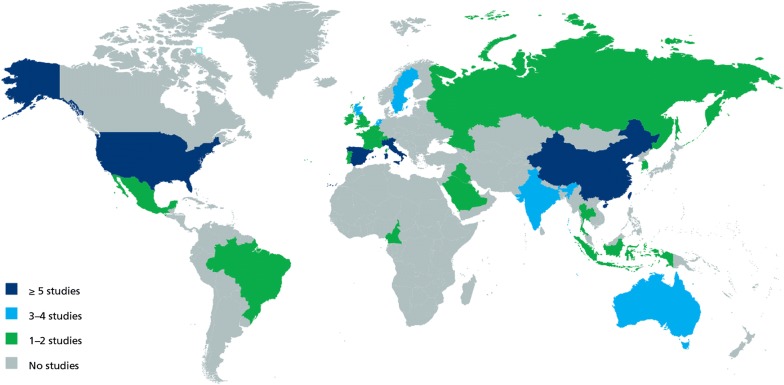
- Regional overall CVD prevalence was highest in North America/Caribbean (46.0%), Southeast Asia (42.5%), and Western Pacific/China (33.6%); Europe produced the most articles (46%).
- Males had higher prevalence than females for all outcomes except overall CVD, where both sexes had approximately 27%; five papers found a positive relationship between obesity and CVD, e.g., heart failure prevalence was 38.7% with BMI ≥ 30 kg/m² versus 23.4% with BMI < 30 kg/m².
Methods
- Systematic literature review following PRISMA; searched Medline, Embase, PubMed ahead-of-print, and proceedings of ISPOR, ADA, EASD, and AACE for original research published January 2007–March 2017, with no country or language restrictions; two reviewers independently searched and extracted data, with a third reviewer for quality assurance.
- Included adults ≥ 18 years with T2DM; eligible designs were prevalence studies, cross-sectional surveys, database studies, or chart reviews, with incidence studies accepted only if they provided population-based baseline and follow-up data; excluded clinical trial programs or individual pharmaceutical product studies and certain CVDs such as peripheral artery disease, rheumatic heart disease, dysrhythmias, and CABG/revascularization.
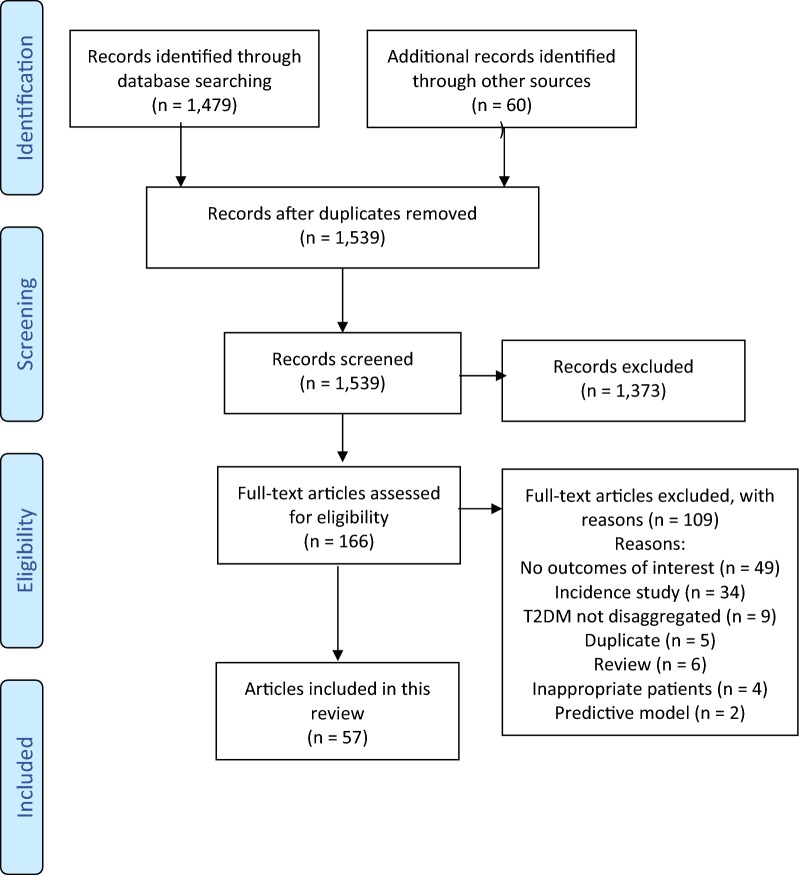
- Data were summarized descriptively with sums, averages, medians, and ranges; weighted averages were calculated for countries and IDF regions; risk of bias was assessed with the STROBE checklist; 57 articles (60 analyses) with 4,549,481 persons were included.
Limitations
- Stated by the authors: limited by available literature and article validity/quality; some results appeared only as abstracts with space limitations; incomplete or selective outcome reporting; restricted to adults ≥ 18 and T2DM only; inconsistent CVD definitions and varied outcomes across studies; prevalence studies only; varied data collection methods and time periods; possible overestimation due to sicker clinical populations and inclusion of patients with existing CVD; only 25 countries represented, with little from Africa, the Asian subcontinent, or Latin America.
- Evident in the text: no overall quantitative synthesis or meta-analysis was undertaken; one Russian study of 3,060,517 patients skewed weighted averages, so the authors calculated weighted averages with and without that study; prevalence estimates were based only on studies reporting each outcome, which may represent subgroups and may underestimate some outcomes.
Model-written summary. Check it against the paper before relying on it.
Integrity signals
Registry
Cites
Statistics
Figures
Verification
Claims the paper makes
32 Valid · 1 Not valid · 37 Not checked · 73 Own results and interpretations
Some cited sources support this claim and some don’t — read each source’s verdict below.
In the paper
“The weighted average of death rates from the eight studies with 3,208,557 patients with T2DM was 9.9% (95% CI 8.6–11.3%) [29–36].”
§ Prevalence of cardiovascular disease in type 2 diabetes: a systematic literature review of scientific evidence from across the world in 2007–2017 > Results > CVD mortality among patients with T2DM
What the sources say
- Not checked yetcites [29] 29. Shestakova M: Dynamics in prevalence of diabetes, diabetic complications and quality of diabetes care in Russian Federation in 2014–2015 by data of national diabetes register. In: Conference: 52nd annual meeting of the european association for the study of diabetes, EASD. 2016. p. 309.
- Not checked yetcites [30] 30. Alwakeel JS Sulimani R Al-Asaad H Al-Harbi A Tarif N Al-Suwaida A Al-Mohaya S Isnani AC Alam A Hammad D Diabetes complications in 1952 type 2 diabetes mellitus patients managed in a single institution in Saudi Arabia Ann Saudi Med 2008 28 260 266 10.4103/0256-4947.51702 18596402 PMC6074352 source
- Not checked yetcites [31] 31. Cardoso C Salles G Gross proteinuria is a strong risk predictor for cardiovascular mortality in Brazilian type 2 diabetic patients Braz J Med Biol Res 2008 41 674 680 10.1590/S0100-879X2008000800006 18797700 source
- Disputedcites [32] 32. Carnethon MR Biggs ML Barzilay J Kuller LH Mozaffarian D Mukamal K Smith NL Siscovick D Diabetes and coronary heart disease as risk factors for mortality in older adults Am J Med 2010 123 556 10.1016/j.amjmed.2009.11.023 20569763 PMC3145803 sourceExperimental — accuracy not yet measured
Our copy of Carnethon et al. (2010) is a single prospective cohort analysis, not a pooled estimate over multiple studies: the Methods (CHS section) state it is 'a prospective cohort study... in men and women aged ≥65 years' with 'a final analysis sample included 5,784 participants' (Abstract Methods: n=5784, followed through June 30, 2005). Nothing in the paper reports eight studies, 3,208,557 patients with T2DM, or a weighted average cardiovascular death rate of 9.9% (95% CI 8.6–11.3%); its mortality results are expressed as crude rates per 1000 person-years (e.g., CHD mortality 20.1 per 1000 person-years in diabetes alone, Discussion) and as hazard ratios/PAR% (Results, Abstract Results). Searches for 'meta-analysis/pooled analysis of published studies', 'weighted average death rate', and the 9.9%/8.6–11.3% figures returned no such estimate, so the pooled, multi-study quantity attributed here conflicts with what this source actually is and reports. (LLM, conf=0.70)
Checked by a reasoning model — may be wrong.
- Not checked yetcites [33] 33. Eeg-Olofsson K Cederholm J Nilsson PM Zethelius B Svensson AM Gudbjörnsdóttir S Eliasson B New aspects of HbA1c as a risk factor for cardiovascular diseases in type 2 diabetes: an observational study from the Swedish National Diabetes Register (NDR) J Intern Med 2010 268 471 482 10.1111/j.1365-2796.2010.02265.x 20804517 source
- Partly supportedcites [34] 34. Malik MO Govan L Petrie JR Ghouri N Leese G Fischbacher C Colhoun H Philip S Wild S McCrimmon R Ethnicity and risk of cardiovascular disease (CVD): 4.8 year follow-up of patients with type 2 diabetes living in Scotland Diabetologia 2015 58 716 725 10.1007/s00125-015-3492-0 25669630 sourceExperimental — accuracy not yet measured
Our copy is a single Scottish cohort (SCIDiabetes, n=121,535 people with T2DM free of CVD at baseline, mean follow-up 4.8 years), not a pooled analysis: it nowhere reports a weighted average of eight studies, 3,208,557 patients, or a 9.9% (95% CI 8.6–11.3%) figure (searches: 9.9%/weighted average/meta-analysis pooling, CVD death rate, 16,265 (13.4%) events). What it does supply is its own CVD mortality data — Results p. 4: 17,637 deaths total with 3,722 due to CVD (21% of deaths), and 16,265 (13.4%) incident fatal/non-fatal CVD events — so it is consistent with being one study contributing a CVD death rate to a pooled estimate, but the 9.9% pooled value attributed here is the citing authors' calculation, not this paper's finding. (LLM, conf=0.70)
- Not checked yetcites [35] 35. Salinero-Fort MA Andres-Rebollo FJ Burgos-Lunar C Abanades-Herranz JC Carrillo-de-Santa-Pau E Chico-Moraleja RM Jimenez-Garcia R Lopez-de-Andres A Gomez-Campelo P Cardiovascular and all-cause mortality in patients with type 2 diabetes mellitus in the MADIABETES Cohort Study: association with chronic kidney disease J Diab Complications 2016 30 227 236 10.1016/j.jdiacomp.2015.10.007 26627635 source
- Could not verifycites [36] 36. Menzaghi C Xu M Salvemini L De Bonis C Palladino G Huang T Copetti M Zheng Y Li Y Fini G Circulating adiponectin and cardiovascular mortality in patients with type 2 diabetes mellitus: evidence of sexual dimorphism Cardiovasc Diabetol 2014 13 130 10.1186/s12933-014-0130-y 25200659 PMC4172916 sourceExperimental — accuracy not yet measured
Our copy of Menzaghi et al. 2014 is a three-cohort prospective analysis (GHS 359, HPFS 833, NHS 902; Abstract > Methods, and Study populations) of adiponectin and CV mortality, reporting annual incidence rates (1.9% NHS, 2.8% HPFS; Results) and pooled hazard ratios from a fixed-effects meta-analysis of two cohorts each (Table 2) — nothing about a weighted average death rate of 9.9% (95% CI 8.6–11.3%) across eight studies or 3,208,557 patients. Searched queries ('weighted average death rate ... 9.9%', 'crude/overall death rate percentage', 'previous meta-analysis pooling death rates in type 2 diabetes', 'percentage of participants who died') returned no passage stating or contradicting the claimed pooled figure. The paper therefore neither supports nor opposes the claim; the number likely comes from another source. (LLM, conf=0.70)
plainn = 3,208,557- Asserted: passes — The authors put it forward as true.
- Checkable: passes — It can be checked against evidence.
- Load-bearing: unclear — It is unclear whether the paper’s conclusions depend on it.
- Based: passes — The paper gives a reason why it holds.
The sources with a verdict support this claim; the rest weren’t checked yet, have no full text we could read, or their verdicts aren’t rated yet.
In the paper
“its role for reducing cardiovascular risk has not been established as clearly in people with T2DM [11–13].”
§ Prevalence of cardiovascular disease in type 2 diabetes: a systematic literature review of scientific evidence from across the world in 2007–2017 > Background
What the sources say
- Supportedcites [11] 11. ADVANCE Collaborative Group Intensive blood glucose control and vascular outcomes in patients with type 2 diabetes N Engl J Med 2008 358 2560 2572 10.1056/NEJMoa0802987 18539916 source
The Background (p. 2) of our copy states that in patients with type 2 diabetes 'the effects of intensive glucose control on vascular outcomes remain uncertain,' which is exactly the level of establishment the citing sentence denies. The Results (p. 2) and Discussion (pp. 11–12) corroborate: no significant effect on major macrovascular events (HR 0.94; 95% CI 0.84–1.06; P=0.32), death from cardiovascular causes (HR 0.88; P=0.12) or all-cause death, with the authors noting the trial lacked adequate power to detect the macrovascular benefit predicted from observational data. Thus the source supports that intensive glycemic control's role in reducing cardiovascular (macrovascular) risk in T2DM is not clearly established. (LLM, conf=0.90)
- Not checked yetcites [12] 12. UK Prospective Diabetes Study (UKPDS) Group: intensive blood-glucose control with sulphonylureas or insulin compared with conventional treatment and risk of complications in patients with type 2 diabetes (UKPDS 33). UK prospective diabetes study (UKPDS) group Lancet 1998 352 837 853 10.1016/S0140-6736(98)07019-6 9742976 source
- Not checked yetcites [13] 13. Action to Control Cardiovascular Risk in Diabetes Study Group: effects of intensive glucose lowering in type 2 diabetes N Engl J Med 2008 358 2545 2559 10.1056/NEJMoa0802743 18539917 PMC4551392 source
plain- Asserted: passes — The authors put it forward as true.
- Checkable: passes — It can be checked against evidence.
- Load-bearing: passes — The paper’s conclusions depend on it.
- Based: passes — The paper gives a reason why it holds.
- Supported
Every source the paper cites for this claim was checked and supports it.
In the paper
“Furthermore, people with T2DM are disproportionately affected by CVD compared with non-diabetic subjects [6].”
§ Prevalence of cardiovascular disease in type 2 diabetes: a systematic literature review of scientific evidence from across the world in 2007–2017 > Background
What the sources say
- Supportedcites [6] 6. Haffner SM Lehto S Rönnemaa T Pyörälä K Laakso M Mortality from coronary heart disease in subjects with type 2 diabetes and in nondiabetic subjects with and without prior myocardial infarction N Engl J Med 1998 339 229 234 10.1056/NEJM199807233390404 9673301 source
The Abstract (Background) of our copy states that type 2 diabetes is associated with a marked increase (by a factor of two to four) in the risk of coronary heart disease, and the Discussion reports that 'diabetic subjects had much higher mortality from coronary heart disease than nondiabetic subjects, confirming previous results.' The Results (Abstract) give the concrete figures behind the disproportion (7-year MI incidence 20.2% in diabetic subjects without prior MI vs 3.5% in nondiabetic subjects without prior MI; 45.0% vs 18.8% in those with prior MI). The claim is a broad background paraphrase and is fully carried by our copy, though the underlying cohort is a Finnish population-based sample rather than a global estimate. (LLM, conf=0.90)
plainstates an association- Asserted: passes — The authors put it forward as true.
- Checkable: passes — It can be checked against evidence.
- Load-bearing: passes — The paper’s conclusions depend on it.
- Based: passes — The paper gives a reason why it holds.
- Supported
Every source the paper cites for this claim was checked and supports it.
In the paper
“In contrast, patients who did not have T2DM, the death rates due to cardiovascular causes were 2.1 and 15.9%, respectively.”
§ Prevalence of cardiovascular disease in type 2 diabetes: a systematic literature review of scientific evidence from across the world in 2007–2017 > Background
What the sources say
- Supportedcites [6] 6. Haffner SM Lehto S Rönnemaa T Pyörälä K Laakso M Mortality from coronary heart disease in subjects with type 2 diabetes and in nondiabetic subjects with and without prior myocardial infarction N Engl J Med 1998 339 229 234 10.1056/NEJM199807233390404 9673301 source
Table 2 ("Incidence of Cardiovascular Events During a Seven-Year Follow-up") reports death from cardiovascular causes among nondiabetic subjects as 15.9% during follow-up in those with prior MI (n=69) and 2.1% in those without prior MI (n=1304), P<0.001, so both figures attributed to the nondiabetic group are in our copy. The Results section confirms these are the seven-year incidences in relation to diabetic status and prior-MI history. The only differences are presentation: the citing sentence reverses the order of the two groups and calls the follow-up incidences "death rates," which does not alter the substance. (LLM, conf=0.90)
plain- Asserted: passes — The authors put it forward as true.
- Checkable: passes — It can be checked against evidence.
- Load-bearing: unclear — It is unclear whether the paper’s conclusions depend on it.
- Based: passes — The paper gives a reason why it holds.
- Supported
The cited sources support only part of this claim — read each source’s verdict below.
In the paper
“In a longitudinal study of 881 patients with T2DM over 10 years, van Hateren et al. [8] indicated that the hazard ratio for death due to CVD was constantly increasing each year.”
§ Prevalence of cardiovascular disease in type 2 diabetes: a systematic literature review of scientific evidence from across the world in 2007–2017 > Background
What the sources say
- Partly supportedcites [8] 8. Van Hateren KJ Landman GW Kleefstra N Logtenberg SJ Groenier KH Kamper AM Houweling ST Bilo HJ The lipid profile and mortality risk in elderly type 2 diabetic patients: a 10-year follow-up study (ZODIAC-13) PLoS ONE 2009 4 e8464 10.1371/journal.pone.0008464 20041116 PMC2795197 sourceExperimental — accuracy not yet measured
The Results report 326 patients in the high age group and 555 in the low age group (881 total), with a median follow-up of 9.8 years. The Results’ “Exclusion of Early Mortality” section says the association between LDL cholesterol and mortality became more pronounced in the low age group when early deaths were excluded; it does not report that the hazard ratio for cardiovascular death rose every year of follow-up. (LLM, conf=0.87)
hedgedstates a causen = 881- Asserted: passes — The authors put it forward as true.
- Checkable: passes — It can be checked against evidence.
- Load-bearing: unclear — It is unclear whether the paper’s conclusions depend on it.
- Based: passes — The paper gives a reason why it holds.
- Partly supported
73 more claims · 25 with their cited sources checked
Create a free account to see all 143 claims and to verify the 61 references still open.
- Probably not a substantial claim. 35
- It may state two separate claims as one. 34
- The quote only partly states this claim. 2
Claims other papers make about this one
Each is checked against this paper’s own text: does it say what the citing paper says it does?
The source backs part of the claim, not all of it — or backs it for a different population, condition or comparison.
In the citing paper
“CVD, one of the most severe systemic complications of diabetes, remains the leading cause of mortality among diabetic patients [9, 81, 82].”
From Artificial intelligence-powered prediction of diabetic complications: from clinical data to molecular omics (2026) · cites this paper as [9]
Experimental — accuracy not yet measuredThe cited source says what the claim attributes to it.
In the citing paper
“Cardiovascular disease remains the leading cause of death among patients with T2DM [101].”
In the citing paper
“Because the prevalence of CVD in the population with T2DM is around 32% [33], at least one fourth of the average patient with T2DM is possible a candidate for the use of the GLP-1RA, or sodium-glucose transporter-2 inhibitors [34], to improve the MACE outcome.”
From GLP-1 receptor agonists and cardiorenal outcomes in type 2 diabetes: an updated meta-analysis of eight CVOTs (2021) · cites this paper as [33]
In the citing paper
“Type 2 diabetes mellitus (T2DM) is a chronic metabolic disease causing a variety of complications, including atherosclerosis which is associated with increased cardiovascular risk contributing to reduced life expectancy [1].”
From Neuroprotective effect of SGLT2 inhibitors. (2021) · cites this paper as [1]
In the citing paper
“Patients with diabetes more often present with non-typical symptoms compared with those without diabetes, and this impacts prompt diagnosis and treatment.411”
From 2023 ESC guidelines for the management of cardiovascular disease in patients with diabetes. (2023) · cites this paper as [411]
2 more claims about this paper
Create a free account to see every claim other papers make about this one.
Self-check
Percentages, sums and reported differences re-computed from the paper’s own numbers.
Each contradiction between two passages listed here was confirmed by an independent check.
Rated minor: it would not touch a result — a value no result rests on, a p-value that stays on the same side of the significance level, or a conflict that is clerical, resolved elsewhere in the paper, or outside its own findings.
In the paper
§ Prevalence of cardiovascular disease in type 2 diabetes: a systematic literature review of scientific evidence from across the world in 2007–2017 > Results > CVD among obese vs. non-obese people with T2DM
“Five papers reported prevalence rates of CVD according to obesity status, and all of them found a positive relationship between obesity and increased prevalence rates of CVD [26, 37–40].”
§ Prevalence of cardiovascular disease in type 2 diabetes: a systematic literature review of scientific evidence from across the world in 2007–2017 > Results > CVD among obese vs. non-obese people with T2DM
“However, MI prevalence rates declined thereafter with each increasing category of obesity. The highest category (BMI ≥ 40) had a prevalence rate of 5.01%, which was 27% lower than those in the lowest category (BMI < 20).”
Rated minor: it would not touch a result — a value no result rests on, a p-value that stays on the same side of the significance level, or a conflict that is clerical, resolved elsewhere in the paper, or outside its own findings.
In the paper
§ Prevalence of cardiovascular disease in type 2 diabetes: a systematic literature review of scientific evidence from across the world in 2007–2017 > Discussion > CVD prevalence rates across regions and countries
“North America and Caribbean (46.0%; N = 4,327,503)”
§ Prevalence of cardiovascular disease in type 2 diabetes: a systematic literature review of scientific evidence from across the world in 2007–2017 > Results > Included studies
“| North America and Caribbean | 344 | 8 | 170,963 | 10.9 | 13.6% | 17.2% | 29.5% | NR | 20.1% | 46.0 |”
Rated minor: it would not touch a result — a value no result rests on, a p-value that stays on the same side of the significance level, or a conflict that is clerical, resolved elsewhere in the paper, or outside its own findings.
In the paper
§ Prevalence of cardiovascular disease in type 2 diabetes: a systematic literature review of scientific evidence from across the world in 2007–2017 > Discussion > CVD prevalence rates across regions and countries
“Southeast Asia (42.5%, N = 537)”
§ Prevalence of cardiovascular disease in type 2 diabetes: a systematic literature review of scientific evidence from across the world in 2007–2017 > Results > Included studies
“| Southeast Asia | 926 | 3b | 1656 | 3.1 | NR | NR | NR | NR | 29.4% | 42.5 |”
Rated minor: it would not touch a result — a value no result rests on, a p-value that stays on the same side of the significance level, or a conflict that is clerical, resolved elsewhere in the paper, or outside its own findings.
In the paper
§ Prevalence of cardiovascular disease in type 2 diabetes: a systematic literature review of scientific evidence from across the world in 2007–2017 > Conclusions
“with CAD having the highest prevalence.”
§ Prevalence of cardiovascular disease in type 2 diabetes: a systematic literature review of scientific evidence from across the world in 2007–2017 > Abstract > Results
“29.1% had atherosclerosis (4 studies, N = 1153), 21.2% had coronary heart disease (42 articles, N = 3,833,200)”
Rated minor: it would not touch a result — a value no result rests on, a p-value that stays on the same side of the significance level, or a conflict that is clerical, resolved elsewhere in the paper, or outside its own findings.
In the paper
“Out of the 57 articles, thirteen (25%) reported on the relationship between age and CVD”
§ Prevalence of cardiovascular disease in type 2 diabetes: a systematic literature review of scientific evidence from across the world in 2007–2017 > Discussion > Age as a risk factor for CVD
Reported 25 · recomputed 22.807018
2 more findings
Create a free account to see every finding of this check.
Citations
Cites
Preferred Reporting Items for Systematic Reviews and Meta-Analyses: the PRISMA statement
Moher, D., Liberati, A., Tetzlaff, J., Altman, D. G., & for the PRISMA Group (2009) · BMJ · doi:10.1136/bmj.b2535 · Cited by 83,823
Preferred reporting items for systematic reviews and meta-analyses: The PRISMA statement
Moher, D., Liberati, A., Tetzlaff, J., Altman, D. G., & the PRISMA Group* (2009) · Annals of Internal Medicine · doi:10.7326/0003-4819-151-4-200908180-00135 · Cited by 37,554
(1993) · New England Journal of Medicine · doi:10.1056/nejm199309303291401 · Cited by 24,667
von Elm, E., Altman, D. G., Egger, M., Pocock, S. J., Gøtzsche, P. C., Vandenbroucke, J. P., & Initiative, F. T. S. (2007) · PLoS Medicine · doi:10.1371/journal.pmed.0040296 · Cited by 23,020 · cited 1×
“The risk of bias was explored by applying the checklist from the STROBE initiative [25].”
International Diabetes Federation 2017
Carracher, A. M., Marathe, P. H., & Close, K. L. (2018) · Journal of Diabetes · doi:10.1111/1753-0407.12644 · Cited by 13,418
(2004) · The Lancet · doi:10.1016/s0140-6736(03)15268-3 · Cited by 12,717
von Elm, E., Altman, D. G., Egger, M., Pocock, S. J., Gøtzsche, P. C., & Vandenbroucke, J. P. (2014) · International Journal of Surgery · doi:10.1016/j.ijsu.2014.07.013 · Cited by 9,909
Global status report on noncommunicable diseases 2010.
Alwan, A. (2011) · Cited by 8,494
Turner, R. C., Fox, C., Matthews, McElroy, H. H., Cull, C. A., Holman, R. R., Neil, P., Hadden, D. R., Wright, D., Manley, E., et al. (1998) · The Lancet · Cited by 8,419
Research works printed but not linked: 5
- 1. International Diabetes Federation idf diabetes atlas 2015 7 Brussels International Diabetes Federation 35914061
- 29. Shestakova M: Dynamics in prevalence of diabetes, diabetic complications and quality of diabetes care in Russian Federation in 2014–2015 by data of national diabetes register. In: Conference: 52nd annual meeting of the european association for the study of diabetes, EASD. 2016. p. 309.
- 58. World Health Organization Obesity and Overweight. Factsheet No 311 2017 Geneva World Health Organization
- 87. Cortez-Dias N Martins S Belo A Fiuza M em nome dos Investigadores do Estudio VALSIM: prevalência, tratamento e controlo da diabetes mellitus e dos factores de risco associados nos cuidados de saúde primários em Portugal Rev Port Cardiol 2010 29 509 537
- 100. Kwon H Lim J Shin J Son J Lee S Kim S Yoo S A relationship of asymptomatic coronary artery disease and type 2 diabetes in acute ischaemic stroke patients; cerebral angiography and coronary angiography study Diabetoligia 2014 57 S26
Cited by
Vos, T., Lim, S. S., Abbafati, C., Abbas, K. M., Abbasi, M., Abbasifard, M., Abbasi-Kangevari, M., Abbastabar, H., Abd-Allah, F., Abdelalim, A., et al. (2020) · The Lancet · doi:10.1016/s0140-6736(20)30925-9 · Cited by 19,358
Semaglutide and Cardiovascular Outcomes in Obesity without Diabetes
Lincoff, A. M., Brown-Frandsen, K., Colhoun, H. M., Deanfield, J., Emerson, S. S., Esbjerg, S., Hardt-Lindberg, S., Hovingh, G. K., Kahn, S. E., Kushner, R. F., et al. (2023) · New England Journal of Medicine · doi:10.1056/nejmoa2307563 · Cited by 3,236
2023 ESC guidelines for the management of cardiovascular disease in patients with diabetes.
Marx, N., Federici, M., Schütt, K., Müller-Wieland, D., Ajjan, R. A., Antunes, M. J., Christodorescu, R. M., Crawford, C., Di Angelantonio, E., Eliasson, B., et al. (2023) · European Heart Journal · doi:10.1093/eurheartj/ehad192 · Cited by 1,642
The burden and risks of emerging complications of diabetes mellitus
Tomic, D., Shaw, J. E., & Magliano, D. J. (2022) · Nature Reviews Endocrinology · doi:10.1038/s41574-022-00690-7 · Cited by 1,163
Dal Canto, E., Ceriello, A., Rydén, L., Ferrini, M., Hansen, T. B., Schnell, O., Standl, E., & Beulens, J. W. (2019) · European Journal of Preventive Cardiology · doi:10.1177/2047487319878371 · Cited by 1,009
“At the patient level, treating patients with both CVD and T2DM resulted in a cost increase of $3418–9705 /patient/year compared with treating patients with only T2DM.40”
BackgroundInfluentialAntar, S. A., Ashour, N. A., Sharaky, M., Khattab, M., Ashour, N. A., Zaid, R. T., Roh, E. J., Elkamhawy, A., & Al-Karmalawy, A. A. (2023) · Biomedicine & Pharmacotherapy · doi:10.1016/j.biopha.2023.115734 · Cited by 622
Burgos-Morón, E., Abad-Jiménez, Z., Martínez de Marañón, A., Iannantuoni, F., Escribano-López, I., López-Domènech, S., Salom, C., Jover, A., Mora, V., Roldan, I., et al. (2019) · Journal of Clinical Medicine · doi:10.3390/jcm8091385 · Cited by 581
“In fact, mitochondria are the main source of reactive oxygen species (ROS) and participate in redox homeostasis and other functions, such as apoptosis and Ca2+ metabolism [3,4] and ATP (adenosine triphosphate) production or heat generation.”
BackgroundTrends in Prevalence of Diabetes and Control of Risk Factors in Diabetes Among US Adults, 1999-2018
Wang, L., Li, X., Wang, Z., Bancks, M. P., Carnethon, M. R., Greenland, P., Feng, Y.-Q., Wang, H., & Zhong, V. W. (2021) · JAMA · doi:10.1001/jama.2021.9883 · Cited by 571
Emerging Targets in Type 2 Diabetes and Diabetic Complications
Demir, S., Nawroth, P. P., Herzig, S., & Ekim Üstünel, B. (2021) · Advanced Science · doi:10.1002/advs.202100275 · Cited by 525
Epidemiology and Risk of Amputation in Patients With Diabetes Mellitus and Peripheral Artery Disease
Barnes, J. A., Eid, M. A., Creager, M. A., & Goodney, P. P. (2020) · Arteriosclerosis, Thrombosis, and Vascular Biology · doi:10.1161/atvbaha.120.314595 · Cited by 516
From pre-diabetes to diabetes: diagnosis, treatments and translational research
Khan, R., Chua, Z., Tan, J., Yang, Y., Liao, Z., & Zhao, Y. (2019) · Medicina · doi:10.3390/medicina55090546 · Cited by 484
“Cardiovascular diseases are the main contributor of death and disability in diabetic patients [229,230].”
BackgroundCardiovascular disease in type 2 diabetes mellitus: progress toward personalized management
Ma, C.-X., Ma, X.-N., Guan, C.-H., Li, Y.-D., Mauricio, D., & Fu, S.-B. (2022) · Cardiovascular Diabetology · doi:10.1186/s12933-022-01516-6 · Cited by 464
“The major CV diseases (CVDs) associated with T2DM include ischemic heart disease, heart failure (HF), stroke, coronary artery disease (CAD), and peripheral artery disease, and these complications can result in death for at least 50% of patients with T2DM [4].”
BackgroundA data-driven approach to predicting diabetes and cardiovascular disease with machine learning
Dinh, A., Miertschin, S., Young, A., & Mohanty, S. D. (2019) · BMC Medical Informatics and Decision Making · doi:10.1186/s12911-019-0918-5 · Cited by 447
“A systematic literature review by Einarson et al. [5], the authors concluded that 32.2% of all patients with type 2 diabetes are affected by heart disease.”
InfluentialSingle-nucleus cross-tissue molecular reference maps toward understanding disease gene function
Eraslan, G., Drokhlyansky, E., Anand, S., Fiskin, E., Subramanian, A., Slyper, M., Wang, J., Van Wittenberghe, N., Rouhana, J. M., Waldman, J., et al. (2022) · Science · doi:10.1126/science.abl4290 · Cited by 405
“Type 2 diabetes loci were enriched in skeletal muscle adipocytes and in lymphatic endothelial cells in multiple tissues, which might contribute to the predisposition of type 2 diabetes to vascular disease (156, 157) (Fig.”
BackgroundOral Semaglutide and Cardiovascular Outcomes in High-Risk Type 2 Diabetes
McGuire, D. K., Marx, N., Mulvagh, S. L., Deanfield, J. E., Inzucchi, S. E., Pop-Busui, R., Mann, J. F. E., Emerson, S. S., Poulter, N. R., Engelmann, M. D. M., et al. (2025) · New England Journal of Medicine · doi:10.1056/nejmoa2501006 · Cited by 416
Lopez-Jimenez, F., Almahmeed, W., Bays, H., Cuevas, A., Di Angelantonio, E., le Roux, C. W., Sattar, N., Sun, M. C., Wittert, G., Pinto, F. J., et al. (2022) · European Journal of Preventive Cardiology · doi:10.1093/eurjpc/zwac187 · Cited by 362
Nahra, R., Wang, T., Gadde, K. M., Oscarsson, J., Stumvoll, M., Jermutus, L., Hirshberg, B., & Ambery, P. (2021) · Diabetes Care · doi:10.2337/dc20-2151 · Cited by 323
“Increased adipose tissue has been associated with increased cardiometabolic risk (43,44).”
BackgroundMicrobiome and metabolome features of the cardiometabolic disease spectrum
Fromentin, S., Forslund, S. K., Chechi, K., Aron-Wisnewsky, J., Chakaroun, R., Nielsen, T., Tremaroli, V., Ji, B., Prifti, E., Myridakis, A., et al. (2022) · Nature Medicine · doi:10.1038/s41591-022-01688-4 · Cited by 281
Cardiovascular disease and cancer: shared risk factors and mechanisms
Wilcox, N. S., Amit, U., Reibel, J. B., Berlin, E., Howell, K., & Ky, B. (2024) · Nature Reviews Cardiology · doi:10.1038/s41569-024-01017-x · Cited by 310
“In a systematic review of 57 studies including more than 4.5 million adults with type 2 diabetes, 50.3% of all deaths were attributed to CVD 55,56 .”
InfluentialNeuroprotective effect of SGLT2 inhibitors.
Pawlos, A., Broncel, M., Woźniak, E., & Gorzelak-Pabiś, P. (2021) · Molecules · doi:10.3390/molecules26237213 · Cited by 304
“Type 2 diabetes mellitus (T2DM) is a chronic metabolic disease causing a variety of complications, including atherosclerosis which is associated with increased cardiovascular risk contributing to reduced life expectancy [1].”
BackgroundYun, J.-S., & Ko, S.-H. (2021) · Metabolism · doi:10.1016/j.metabol.2021.154838 · Cited by 292
Stöhr, J., Barbaresko, J., Neuenschwander, M., & Schlesinger, S. (2021) · Scientific Reports · doi:10.1038/s41598-021-93062-6 · Cited by 287
“Studies were excluded, if (1) they were animal studies, cross-sectional studies, case–control studies, conference abstracts or reviews, (2) they only reported crude estimates, (3) the study population was not relevant (including pregnant women or children and adolescents), (4) they focused on hyperglycemia (Fasting pl…”
BackgroundInter-organ crosstalk during development and progression of type 2 diabetes mellitus
Xourafa, G., Korbmacher, M., & Roden, M. (2024) · Nature Reviews Endocrinology · doi:10.1038/s41574-023-00898-1 · Cited by 274
“CVD are present in approximately 32% of people with T2DM, and are therefore the main cause of T2DM mortality 204 .”
BackgroundGiugliano, D., Scappaticcio, L., Longo, M., Caruso, P., Maiorino, M. I., Bellastella, G., Ceriello, A., Chiodini, P., & Esposito, K. (2021) · Cardiovascular Diabetology · doi:10.1186/s12933-021-01366-8 · Cited by 263
“Because the prevalence of CVD in the population with T2DM is around 32% [33], at least one fourth of the average patient with T2DM is possible a candidate for the use of the GLP-1RA, or sodium-glucose transporter-2 inhibitors [34], to improve the MACE outcome.”
BackgroundMosenzon, O., Alguwaihes, A., Leon, J. L. A., Bayram, F., Darmon, P., Davis, T. M. E., Dieuzeide, G., Eriksen, K. T., Hong, T., Kaltoft, M. S., et al. (2021) · Cardiovascular Diabetology · doi:10.1186/s12933-021-01344-0 · Cited by 247
Qiao, T., Luo, T., Pei, H., Yimingniyazi, B., Aili, D., Aimudula, A., Zhao, H., Zhang, H., Dai, J., & Wang, D. (2022) · Cardiovascular Diabetology · doi:10.1186/s12933-022-01670-x · Cited by 175
Kadowaki, T., Maegawa, H., Watada, H., Yabe, D., Node, K., Murohara, T., & Wada, J. (2022) · Diabetes, Obesity and Metabolism · doi:10.1111/dom.14829 · Cited by 190
“Overall, people with T2D are approximately 2-4 times more likely to develop chronic heart failure,(48,49) and there may be differences by race and ethnicity.(5)”
BackgroundPathophysiological Association between Diabetes Mellitus and Endothelial Dysfunction
Maruhashi, T., & Higashi, Y. (2021) · Antioxidants · doi:10.3390/antiox10081306 · Cited by 185
“3% of all deaths in diabetic patients [2].”
BackgroundPrecision medicine: Concept and tools
Naithani, N., Sinha, S., Misra, P., Vasudevan, B., & Sahu, R. (2021) · Medical Journal Armed Forces India · doi:10.1016/j.mjafi.2021.06.021 · Cited by 172
Adhikari, R., Jha, K., Dardari, Z., Heyward, J., Blumenthal, R. S., Eckel, R. H., Alexander, G. C., & Blaha, M. J. (2022) · Journal of the American Heart Association · doi:10.1161/jaha.121.023811 · Cited by 166
“Because cardiologists out-number most other specialists that regularly manage the microvascular and macrovascular consequences of T2D 27 and have more frequent encounters than other specialists with high-risk patients with T2D with comorbid CVD, 28 they may be well positioned to deploy these treatments.”
Nutritional Value, Phytochemical Potential, and Therapeutic Benefits of Pumpkin (Cucurbita sp.)
Batool, M., Ranjha, M. M. A. N., Roobab, U., Manzoor, M. F., Farooq, U., Nadeem, H. R., Nadeem, M., Kanwal, R., AbdElgawad, H., Al Jaouni, S. K., et al. (2022) · Plants · doi:10.3390/plants11111394 · Cited by 165
“Of note, the aforementioned diabetes has been associated with cardiovascular diseases, which is the main cause of death worldwide due to DM [123].”
BackgroundLiu, Z., Ma, X., Ilyas, I., Zheng, X., Luo, S., Little, P. J., Kamato, D., Sahebkar, A., Wu, W., Weng, J., et al. (2021) · Theranostics · doi:10.7150/thno.54498 · Cited by 155
“CVDs are the leading cause of morbidity and mortality globally [1, 2].”
BackgroundSingh, A., Shadangi, S., Gupta, P. K., & Rana, S. (2025) · Comprehensive Physiology · doi:10.1002/cph4.70003 · Cited by 163
“Globally, an estimated 32% (Einarson et al. 2018; Joseph et al. 2022) of T2DM patients suffer from CVDs such as ischemic heart disease, heart failure, stroke, coronary artery disease (CAD), and peripheral artery disease, all of which have a high mortality rate.”
An, J., Nichols, G. A., Qian, L., Munis, M. A., Harrison, T. N., Li, Z., Wei, R. X., Weiss, T., Rajpathak, S. N., & Reynolds, K. (2021) · BMJ Open Diabetes Research & Care · doi:10.1136/bmjdrc-2020-001847 · Cited by 190
Wilson, S. M., Mone, P., Kansakar, U., Jankauskas, S. S., Donkor, K., Adebayo, A., Varzideh, F., Eacobacci, M., Gambardella, J., Lombardi, A., et al. (2022) · Cardiovascular Diabetology · doi:10.1186/s12933-022-01460-5 · Cited by 153
Giugliano, D., Longo, M., Signoriello, S., Maiorino, M. I., Solerte, B., Chiodini, P., & Esposito, K. (2022) · Cardiovascular Diabetology · doi:10.1186/s12933-022-01474-z · Cited by 153
Benefits and harms of intensive glycemic control in patients with type 2 diabetes
Rodriguez-Gutierrez, R., Gonzalez-Gonzalez, J. G., Zuñiga-Hernandez, J. A., & McCoy, R. G. (2019) · BMJ · doi:10.1136/bmj.l5887 · Cited by 152
Diabetic cardiomyopathy: prevalence, determinants and potential treatments
Gulsin, G. S., Athithan, L., & McCann, G. P. (2019) · Therapeutic Advances in Endocrinology and Metabolism · doi:10.1177/2042018819834869 · Cited by 159
Diagnosis and Treatment of Type 2 Diabetes in Adults: A Review
Kalyani, R. R., Neumiller, J. J., Maruthur, N. M., & Wexler, D. J. (2025) · JAMA · doi:10.1001/jama.2025.5956 · Cited by 204
An overview on glycation: molecular mechanisms, impact on proteins, pathogenesis, and inhibition
Uceda, A. B., Mariño, L., Casasnovas, R., & Adrover, M. (2024) · Biophysical Reviews · doi:10.1007/s12551-024-01188-4 · Cited by 190
“Diabetic vascular complications are the main cause of diabetes-related mortality for both DM1 and DM2 subjects (Einarson et al. 2018), and in them, it seems that MG plays a major role (Stratmann 2022).”
BackgroundMeng, Y., Li, S., Khan, J., Dai, Z., Li, C., Hu, X., Shen, Q., & Xue, Y. (2021) · Nutrients · doi:10.3390/nu13082636 · Cited by 138
“Type 2 diabetes (T2D), characterized by increased blood glucose levels and insulin resistance, is a major risk factor for cardiovascular diseases (CVDs), which is mainly responsible for half the mortality in T2D patients [15].”
BackgroundVascular complications of diabetes: A narrative review
Lu, Y., Wang, W., Liu, J., Xie, M., Liu, Q., & Li, S. (2023) · Medicine · doi:10.1097/md.0000000000035285 · Cited by 219
“2% of all individuals with type 2 diabetes.[80] Additionally, DM is strongly associated with an elevated risk of CAD, such that patients with diabetes have a considerably higher 7-year risk of myocardial infarction than those without diabetes, regardless of the presence of prior myocardial infarction history.”
Mahtta, D., Ramsey, D. J., Lee, M. T., Chen, L., Al Rifai, M., Akeroyd, J. M., Vaughan, E. M., Matheny, M. E., Santo, K. R. D. E., Navaneethan, S. D., et al. (2022) · Diabetes Care · doi:10.2337/dc21-1815 · Cited by 137
Sánchez‐García, A., Simental-Mendía, M. A., Millán-Alanís, J. M., & Simental‐Mendía, L. E. (2020) · Pharmacological Research · doi:10.1016/j.phrs.2020.105068 · Cited by 142
Sarcopenia and Chronic Complications of Type 2 Diabetes Mellitus
Purnamasari, D., Tetrasiwi, E. N., Kartiko, G. J., Astrella, C., Husam, K., & Laksmi, P. W. (2022) · The Review of Diabetic Studies · doi:10.1900/rds.2022.18.157 · Cited by 158
“The underlying mechanism of how sarcopenia might affect CAD seemed to be related to insulin resistance.”
InfluentialSiam, N. H., Snigdha, N. N., Tabasumma, N., & Parvin, I. (2024) · Reviews in Cardiovascular Medicine · doi:10.31083/j.rcm2512436 · Cited by 219
“[29,30].”
Weiss, T., Carr, R. D., Pal, S., Yang, L., Sawhney, B., Boggs, R., Rajpathak, S., & Iglay, K. (2020) · Patient Preference and Adherence · doi:10.2147/ppa.s277676 · Cited by 126
Li, S., Vandvik, P. O., Lytvyn, L., Guyatt, G. H., Palmer, S. C., Rodriguez-Gutierrez, R., Foroutan, F., Agoritsas, T., Siemieniuk, R. A. C., Walsh, M., et al. (2021) · BMJ · doi:10.1136/bmj.n1091 · Cited by 123
Nauck, M. A., & Quast, D. R. (2021) · Frontiers in Endocrinology · doi:10.3389/fendo.2021.645566 · Cited by 112
“Approximately one-third of all individuals with type 2 diabetes (T2D) are or will be affected by CVD and it is a major cause of mortality, accounting for around half of all deaths (2).”
BackgroundJubaidi, F. F., Zainalabidin, S., Taib, I. S., Hamid, Z. A., & Budin, S. B. (2021) · International Journal of Molecular Sciences · doi:10.3390/ijms22105094 · Cited by 138
“Cardiovascular diseases generally are the main factors that contribute to the high morbidity among diabetic patients [2].”
BackgroundAl-Ibrahim, A. A. H., & Jackson, R. T. (2019) · Nutrition Journal · doi:10.1186/s12937-019-0450-6 · Cited by 134
“The meta-analysis included seven reported studies (six in the United States and one in Europe) on T2DM as the main disease outcome, with age ranging from 30 to 79 years, among individuals from different ethnic groups including Caucasian (European), non-Hispanic White, African American, Hispanic, and Asian.”
BackgroundInfluentialMitochondrial Dynamics in Adult Cardiomyocytes and Heart Diseases
Li, A., Gao, M., Jiang, W., Qin, Y. H., & Gong, G. (2020) · Frontiers in Cell and Developmental Biology · doi:10.3389/fcell.2020.584800 · Cited by 133
“Vascular diseases, particularly coronary artery disease and stroke, are the major common causes of death in people with diabetes (Einarson et al., 2018).”
BackgroundMarilly, E., Cottin, J., Cabrera, N., Cornu, C., Boussageon, R., Moulin, P., Lega, J., Gueyffier, F., Cucherat, M., & Grenet, G. (2022) · Diabetologia · doi:10.1007/s00125-022-05773-8 · Cited by 139
“In a population of individuals with type 2 diabetes and a high CVD risk, the cardiovascular and renal benefits seem to remain greater than the risk of adverse drug reactions.”
BackgroundInfluentialStructural insights and biological activities of flavonoids: Implications for novel applications
Tang, S., Wang, B., Liu, X., Xi, W., Yue, Y., Tan, X. S., Bai, J., & Huang, L. (2024) · Food Frontiers · doi:10.1002/fft2.494 · Cited by 165
Li, L., Chang, Z., Sun, J., Garcia‐Argibay, M., Du Rietz, E., Dobrosavljevic, M., Brikell, I., Jernberg, T., Solmi, M., Cortese, S., et al. (2022) · World Psychiatry · doi:10.1002/wps.21020 · Cited by 108
Kuppa, A., Tripathi, H., Al‐Darraji, A., Tarhuni, W. M., & Abdel‐Latif, A. (2023) · International Journal of Molecular Sciences · doi:10.3390/ijms24119129 · Cited by 136
“Individuals suffering from T2D are also at a higher risk of CVD events due to accelerated atherosclerosis [40,41].”
BackgroundDual Roles of the AMP-Activated Protein Kinase Pathway in Angiogenesis
Li, Y., Sun, R., Zou, J., Ying, Y., & Luo, Z. (2019) · Cells · doi:10.3390/cells8070752 · Cited by 116
“Atherosclerosis, and myocardial infarction are commonly associated with type 2 diabetes [35].”
BackgroundD’Onofrio, N., Sardu, C., Trotta, M. C., Scisciola, L., Turriziani, F., Ferraraccio, F., Panarese, I., Petrella, L., Fanelli, M., Modugno, P., et al. (2021) · Molecular Metabolism · doi:10.1016/j.molmet.2021.101337 · Cited by 116
Enzymatic and non-enzymatic crosslinks found in collagen and elastin and their chemical synthesis
Gaar, J., Naffa, R., & Brimble, M. A. (2020) · Organic Chemistry Frontiers · doi:10.1039/d0qo00624f · Cited by 120
Batta, A., Hatwal, J., Batta, A., Verma, S., & Sharma, Y. P. (2023) · World Journal of Cardiology · doi:10.4330/wjc.v15.i5.229 · Cited by 127
Direct healthcare costs of sedentary behaviour in the UK
Heron, L., O’Neill, C., McAneney, H., Kee, F., & Tully, M. A. (2019) · Journal of Epidemiology & Community Health · doi:10.1136/jech-2018-211758 · Cited by 134
Diabetic Vasculopathy: Molecular Mechanisms and Clinical Insights
Jia, G., Bai, H., Mather, B., Hill, M. A., Jia, G., & Sowers, J. R. (2024) · International Journal of Molecular Sciences · doi:10.3390/ijms25020804 · Cited by 136
“[16].”
BackgroundHossain, M. E., Uddin, S., & Khan, A. (2021) · Expert Systems with Applications · doi:10.1016/j.eswa.2020.113918 · Cited by 103
Heuvelman, V. D., Van Raalte, D. H., & Smits, M. M. (2020) · Cardiovascular Research · doi:10.1093/cvr/cvz323 · Cited by 106
Xie, X., Wu, C., Hao, Y., Wang, T., Yang, Y., Cai, P., Zhang, Y., Huang, J., Deng, K., Yan, D., et al. (2023) · Frontiers in Endocrinology · doi:10.3389/fendo.2023.1301093 · Cited by 141
Handelsman, Y., Butler, J., Bakris, G. L., DeFronzo, R. A., Fonarow, G. C., Green, J. B., Grunberger, G., Januzzi, J. L., Klein, S., Kushner, P. R., et al. (2023) · Journal of Diabetes and its Complications · doi:10.1016/j.jdiacomp.2022.108389 · Cited by 120
Liu, C., Liang, D., Xiao, K., & Xie, L. (2024) · Cardiovascular Diabetology · doi:10.1186/s12933-024-02269-0 · Cited by 117
“Notably, the prevalence of CVD among individuals with type 2 diabetes can be as high as 32.2% [17].”
BackgroundInfluentialVisceral Adipose Tissue: The Hidden Culprit for Type 2 Diabetes
Dhokte, S., & Czaja, K. (2024) · Nutrients · doi:10.3390/nu16071015 · Cited by 134
Shabalala, S. C., Johnson, R., Basson, A. K., Ziqubu, K., Hlengwa, N., Mthembu, S. X. H., Mabhida, S. E., Mazibuko-Mbeje, S. E., Hanser, S., Cirilli, I., et al. (2022) · Antioxidants · doi:10.3390/antiox11102071 · Cited by 102
Qaseem, A., Obley, A. J., Shamliyan, T., Hicks, L. A., Harrod, C. S., Crandall, C. J., Clinical Guidelines Committee of the American College of Physicians, Balk, E. M., Cooney, T. G., Cross, J. T., et al. (2024) · Annals of Internal Medicine · doi:10.7326/m23-2788 · Cited by 102
“Major treatment goals for patients with type 2 diabetes include adequate glycemic control and primary and secondary prevention of atherosclerotic cardiovascular and kidney diseases, which account for nearly half of all deaths among adults with type 2 diabetes (18).”
BackgroundDziopa, K., Asselbergs, F. W., Gratton, J., Chaturvedi, N., & Schmidt, A. F. (2022) · Diabetologia · doi:10.1007/s00125-021-05640-y · Cited by 96
“Despite major advances in treatment, people with type 2 diabetes remain at high risk of CVD, the main cause of morbidity and mortality in this population [3].”
BackgroundPlatelets and diseases: signal transduction and advances in targeted therapy
Tian, Y., Yao, Z., Pang, Y., Zheng, Z., Ma, Y., Zhang, C., & Gao, J. (2025) · Signal Transduction and Targeted Therapy · doi:10.1038/s41392-025-02198-8 · Cited by 145
“420 In diabetes, the imbalance between circulating coagulation factors and the endothelial cell surface leads to a hypercoagulable state, primarily driven by platelet hyperactivity.”
Liu, Y. K., Ling, S., Lui, L. M. W., Ceban, F., Vinberg, M., Kessing, L. V., Ho, R., Rhee, T. G., Gill, H., Cao, B., et al. (2021) · Journal of Affective Disorders · doi:10.1016/j.jad.2021.12.110 · Cited by 117
Aikaeli, F., Njim, T. N., Gissing, S., Moyo, F., Alam, U., Mfinanga, S., Okebe, J., Ramaiya, K. L., Webb, E. L., Jaffar, S. S., et al. (2022) · PLOS Global Public Health · doi:10.1371/journal.pgph.0000599 · Cited by 125
“Macrovascular complications such as cardiovascular diseases are the leading cause of disability and death among individuals with diabetes, accounting for approximately half the deaths globally [55].”
BackgroundSun, Y., Yu, C., Ma, S., Mao, Z., Meng, D., Xuan, K., Lu, R., Pan, X., & Zhu, X. (2025) · Cardiovascular Diabetology · doi:10.1186/s12933-025-02835-0 · Cited by 130
“Notably, type 2 diabetes mellitus (T2DM) frequently coexists with manifest CVD and correlates with adverse clinical outcomes [7–10].”
The role of interleukin-1β in type 2 diabetes mellitus: A systematic review and meta-analysis
Alfadul, H., Sabico, S., & Al‐Daghri, N. M. (2022) · Frontiers in Endocrinology · doi:10.3389/fendo.2022.901616 · Cited by 104
Sardu, C., Massetti, M., Testa, N., Martino, L. D., Castellano, G., Turriziani, F., Sasso, F. C., Torella, M., FEO, M. D., Santulli, G., et al. (2021) · Frontiers in Pharmacology · doi:10.3389/fphar.2021.777083 · Cited by 91
Cross Talks between Oxidative Stress, Inflammation and Epigenetics in Diabetic Retinopathy
Kowluru, R. A. (2023) · Cells · doi:10.3390/cells12020300 · Cited by 112
“Some of the major ‘macrovascular’ complications are cerebrovascular and cardiovascular diseases; diabetic patients are over two times more susceptible to heart attack and stroke than nondiabetic individuals [2,3].”
BackgroundBabeş, E. E., Bustea, C., Behl, T., Abdel‐Daim, M. M., Nechifor, A. C., Stoicescu, M., Brisc, M. C., Moisi, M. I., Gîtea, D., Iovanovici, D. C., et al. (2022) · Biomedicine & Pharmacotherapy · doi:10.1016/j.biopha.2022.112772 · Cited by 110
Zaiou, M. (2020) · Cells · doi:10.3390/cells9030659 · Cited by 96
“Currently, a number of evidences exist, demonstrating that CVD is one of the leading causes of death and disability among patients with DM [97].”
BackgroundSerum concentration of asprosin in new-onset type 2 diabetes
Naiemian, S., Naeemipour, M., Zarei, M., Najafi, M. L., Gohari, A., Behroozikhah, M. R., Heydari, H., & Miri, M. (2020) · Diabetology & Metabolic Syndrome · doi:10.1186/s13098-020-00564-w · Cited by 109
Kröger, J., Fasching, P., & Hanaire, H. (2020) · Diabetes Therapy · doi:10.1007/s13300-019-00741-9 · Cited by 90
He, K., Wang, H., Xu, J., Gong, G., Liu, X., & Guan, H. (2024) · Frontiers in Endocrinology · doi:10.3389/fendo.2024.1501690 · Cited by 138
“Characterized by insulin resistance (2) and relative insulin de fi ciency (3), T2DM leads to numerous long-term complications, including cardiovascular disease (4), kidney failure (5), neuropathy (6), and retinopathy (7).”
Kahkoska, A. R., Geybels, M. S., Klein, K. R., Kreiner, F. F., Marx, N., Nauck, M. A., Pratley, R. E., Wolthers, B. O., & Buse, J. B. (2020) · Diabetes, Obesity and Metabolism · doi:10.1111/dom.14063 · Cited by 87
The EN-TEx resource of multi-tissue personal epigenomes & variant-impact models
Rozowsky, J., Gao, J., Borsari, B., Yang, Y. T., Galeev, T., Gürsoy, G., Epstein, C. B., Xiong, K., Xu, J., Li, T., et al. (2023) · Cell · doi:10.1016/j.cell.2023.02.018 · Cited by 78
Natural antioxidants in diabetes treatment and management: prospects of astaxanthin
Kanwugu, O. N., Glukhareva, T. V., Danilova, I. G., & Kovaleva, E. G. (2021) · Critical Reviews in Food Science and Nutrition · doi:10.1080/10408398.2021.1881434 · Cited by 99
“In T2DM on the other hand, a systematic review of global publications estimated a prevalence of 32.2% (Einarson et al. 2018).”
BackgroundInfluentialVascular nitric oxide resistance in type 2 diabetes
Bahadoran, Z., Mirmiran, P., Kashfi, K., & Ghasemi, A. (2023) · Cell Death and Disease · doi:10.1038/s41419-023-05935-5 · Cited by 107
“3% of all deaths in patients with T2D [2].”
Backgroundthe BETonMACE Investigators, Nicholls, S. J., Schwartz, G. G., Buhr, K. A., Ginsberg, H. N., Johansson, J. O., Kalantar‐Zadeh, K., Kulikowski, E., Toth, P. P., Wong, N. C. W., et al. (2021) · Cardiovascular Diabetology · doi:10.1186/s12933-020-01199-x · Cited by 87
Epigenetic modifications in diabetes
Kowluru, R. A., & Mohammad, G. (2021) · Metabolism · doi:10.1016/j.metabol.2021.154920 · Cited by 97
Multifunctional hybrid skin patch for wearable smart healthcare applications
Yoon, S., Yoon, H., Zahed, M. A., Park, C., Kim, D., & Park, J. Y. (2021) · Biosensors and Bioelectronics · doi:10.1016/j.bios.2021.113685 · Cited by 88
NLRP3 inflammasome and IL-1β pathway in type 2 diabetes and atherosclerosis: Friend or foe?
Chen, X., Zhang, D., Li, Y., Wang, W., Bei, W., & Guo, J. (2021) · Pharmacological Research · doi:10.1016/j.phrs.2021.105885 · Cited by 86
Way, K. L., Sabag, A., Sultana, R. N., Baker, M. K., Keating, S. E., Lanting, S. M., Gerofi, J. A., Chuter, V., Caterson, I. D., Twigg, S. M., et al. (2020) · International Journal of Cardiology · doi:10.1016/j.ijcard.2020.06.019 · Cited by 100
Jia, C., Hussain, N., Ujiroghene, O. J., Pang, X., Zhang, S., Lu, J., Liu, L., & Lv, J. (2020) · Food Chemistry · doi:10.1016/j.foodchem.2020.126333 · Cited by 94
The interface of depression and diabetes: treatment considerations
Fanelli, G., Raschi, E., Hafez, G., Matura, S., Schiweck, C., Poluzzi, E., & Lunghi, C. (2025) · Translational Psychiatry · doi:10.1038/s41398-025-03234-5 · Cited by 129
Accumulation of Advanced Glycation End-Products in the Body and Dietary Habits
Zawada, A. E., Machowiak, A., Rychter, A. M., Ratajczak, A. E., Szymczak‐Tomczak, A., Dobrowolska, A., & Krela‐Kaźmierczak, I. (2022) · Nutrients · doi:10.3390/nu14193982 · Cited by 101
“Additionally, increased serum AGE levels have also been associated with higher coronary heart disease mortality in persons with type 2 diabetes [46].”
BackgroundDiabetes comorbidities in low- and middle-income countries: An umbrella review
Lam, A. A., Lepe, A., Wild, S. H., & Jackson, C. (2021) · Journal of Global Health · doi:10.7189/jogh.11.04040 · Cited by 104
Filippatos, T. D., Alexakis, K., Mavrikaki, V., & Mikhailidis, D. P. (2021) · Digestive Diseases and Sciences · doi:10.1007/s10620-021-06824-7 · Cited by 93
Tian, Y., Xu, B., Bao, M., Gao, Y., Zhang, Q., Zhang, X., & Liu, R. (2022) · Frontiers in Endocrinology · doi:10.3389/fendo.2022.981100 · Cited by 83
“These T2DM patients are also more likely to develop unstable AS plaques, resulting in more serious cardiovascular events (34).”
Malachias, M. V. B., Jhund, P. S., Claggett, B. L., Wijkman, M. O., Bentley–Lewis, R., Chaturvedi, N., Desai, A. S., Haffner, S. M., Parving, H., PRESCOTT, M. F., et al. (2020) · Journal of the American Heart Association · doi:10.1161/jaha.120.017462 · Cited by 78
Jubaidi, F. F., Zainalabidin, S., Mariappan, V., & Budin, S. B. (2020) · International Journal of Molecular Sciences · doi:10.3390/ijms21176043 · Cited by 82
Metadata
- Authors
- Einarson, T. R., Acs, A., Ludwig, C., & Panton, U. H.
- Affiliations
- University of Toronto (CA)
- Novo Nordisk (Denmark) (DK)
- Corresponding author
- Ludwig, Craig
- Venue
- Cardiovascular Diabetology
- Published
- 2018-06-08
- Volume
- 17
- Issue
- 1
- Pages
- 83-83
- ISSN
- 1475-2840 (ISSN-L)
- PMC
- PMC5994068
- OpenAlex
- W2806521060
- Cited by
- 2,312
- References
- 124
- Citations by year
- 2026: 191 · 2025: 345 · 2024: 432 · 2023: 344 · 2022: 391 · 2021: 291 · 2020: 217 · 2019: 92 · 2018: 5
- FWCI
- 23.31
- Type
- journal article
- Language
- en
- Open access
- gold
- doi.org
- Licence
- cc-by
- creativecommons.org/licenses/by/4.0/ (tdm)
- Locations
- Cardiovascular Diabetology (publishedVersion, cc-by)
- Europe PMC (PubMed Central) (publishedVersion, cc-by)
- PubMed Central (publishedVersion, cc-by)
- PubMed (publishedVersion)
- TSpace (University of Toronto) (submittedVersion, other-oa)
- DOAJ (DOAJ: Directory of Open Access Journals) (submittedVersion, cc-by-sa)
- Funders
- Novo Nordisk
- Topics
- Health Sciences › Medicine › Endocrinology, Diabetes and Metabolism › Diabetes, Cardiovascular Risks, and Lipoproteins
- Health Sciences › Medicine › Endocrinology, Diabetes and Metabolism › Diabetes Treatment and Management
- Health Sciences › Medicine › Cardiology and Cardiovascular Medicine › Cardiovascular Function and Risk Factors
- Keywords
- cardiovascular disease, type 2 diabetes, prevalence, coronary artery disease, heart failure, stroke, myocardial infarction, angina pectoris, cardiovascular mortality, atherosclerosis, comorbidities
- MeSH terms
- Adult, Aged, Cardiovascular Diseases, Cause of Death, Diabetes Mellitus, Type 2, Female, Humans, Male, Middle Aged, Prognosis, Risk Factors, Time Factors, Global Health, Comorbidity, Prevalence
About these checks
Registry, retraction, Cites and statistics results are computed, not judged, with one exception: a printed reference that no index lists is read once by a model before it counts as a citation error. Claims are extracted by a model and kept only when their quote appears verbatim in the text; each cited source is then checked, with a model’s help, for whether it says what the claim relies on. Those verdicts can be wrong — read the claim’s quote and the cited source before relying on one.
The claim verdicts this report counts are experimental: their accuracy is not yet measured.
A language model drew the claims from the paper on 2026-10-04, under version 3 of the claim definition (model deepseek-v4.1-flash, prompt extract-v3).
A second model labelled each claim on 2026-10-04 (model jev-1.13-20260917, definition revision gold-guideline-v0.2).
Cited sources are checked with a language model’s help (qwen3.8-omni-flash and gpt-6-sol).
Statistics and arithmetic are recomputed, not judged.
Confidence bands are shown only for fields calibrated on our annotated test set. None is calibrated yet, so no band is shown.
What counts as a claim ›How we measure confidence ›How we check this ›
Are you an author, or do you see a problem with this page? Request a review
Data sources
Bibliographic data: Semantic Scholar, OpenAlex, Crossref.
Contains information from the Semantic Scholar Academic Graph Datasets, made available under the ODC Attribution License (ODC-BY 1.0).
Semantic Scholar’s data is described in: Kinney, R., et al. (2023). The Semantic Scholar Open Data Platform. arXiv:2301.10140.
