

Effectiveness of a Medifast meal replacement program on weight, body composition and cardiometabolic risk factors in overweight and obese adults: a multicenter systematic retrospective chart review study
Open accessThe DOI matches its Crossref record; 55 of the 55 references it cites were found in a registry or an index.
Abstract
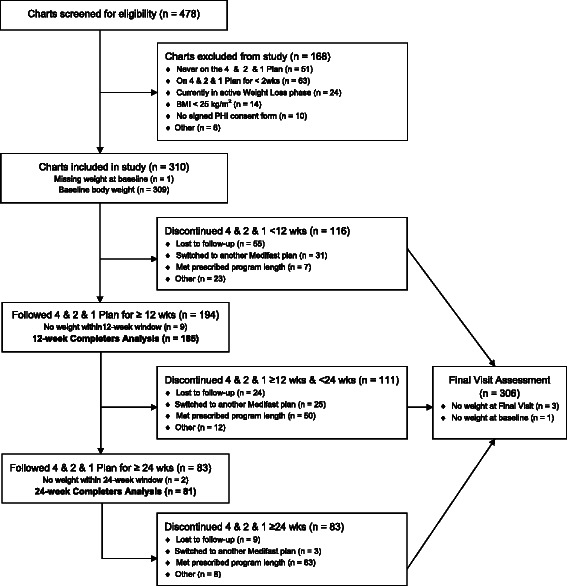
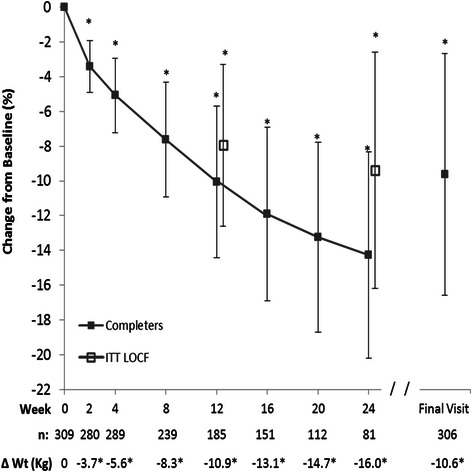
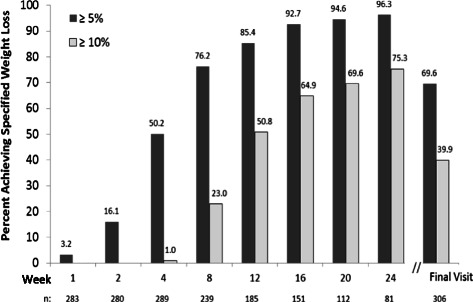
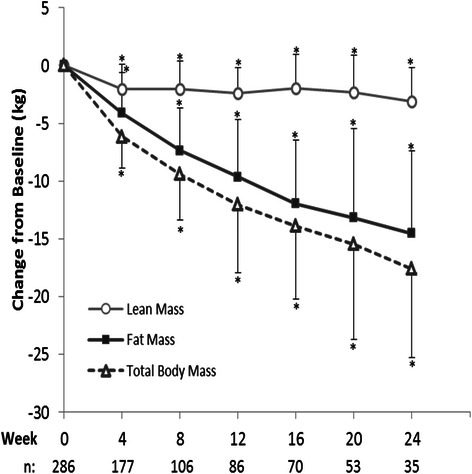
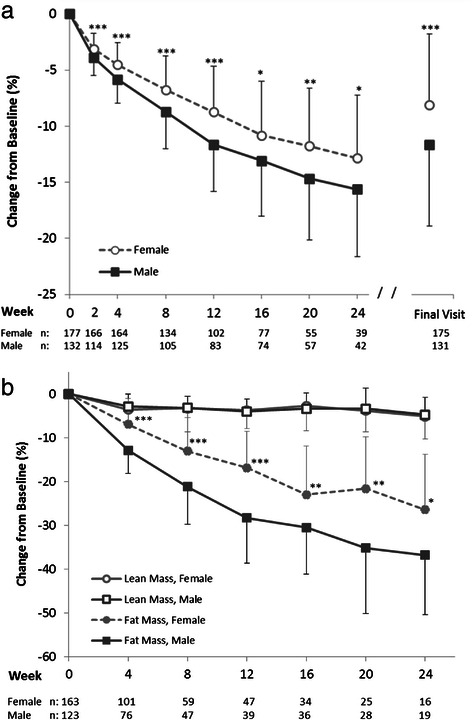
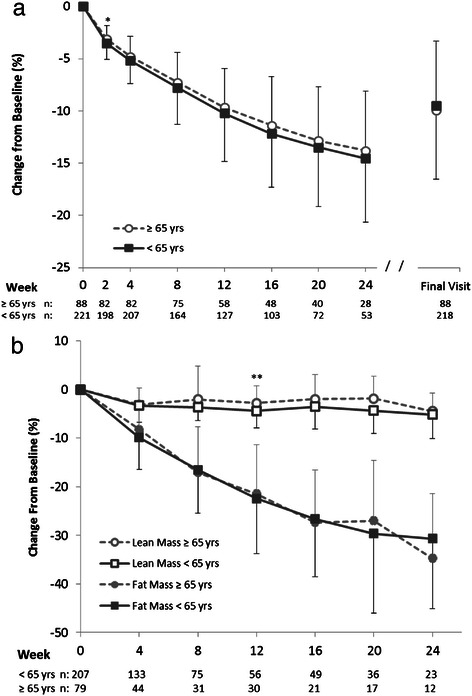
BACKGROUND: Recent medical guidelines emphasize the importance of actively treating overweight and obesity with diet and lifestyle intervention to achieve ≥ 5% weight loss in a 6-month period. Commercial programs offer one approach provided there is evidence of their efficacy and safety. This study was conducted to evaluate the effectiveness of the Medifast® 4 & 2 & 1 Plan™ on weight loss, body composition and cardiometabolic risk factors in overweight and obese adults. METHODS: A systematic retrospective chart review of 310 overweight and obese clients following the Medifast 4 & 2 & 1 Plan at one of 21 Medifast Weight Control Centers® was conducted. Data were recorded electronically and key data points were independently verified. The primary endpoint was change from baseline body weight at 12 weeks. Within group paired t-tests were used to examine changes from baseline in a completers population. Differences between gender and age subgroups were examined using bivariate t-tests and mixed model regression analyses. RESULTS: For the primary endpoint at 12 weeks, body weight among completers (n = 185) was reduced by a mean of 10.9 ± 5.6 kg (-10.1%, p < 0.0001), and at 24 weeks (n = 81) mean weight was reduced by 16.0 ± 7.9 kg (-14.3%). At 12 and 24 weeks, 85% and 96% of those remaining on the plan, respectively, had lost ≥ 5% of their baseline body weight. Lean mass was preserved to within 5% of baseline throughout the 24 weeks, and fat mass represented ≥ 80% of the body weight lost from 12 weeks onward. Men, women, seniors (≥ 65 years), and non-seniors (<65 years) all had significant weight reductions with preservation of lean mass. Significant improvements in blood pressure, pulse and waist-to-hip ratio were observed. Mean weight regain among the subset who entered a formal maintenance phase was <2% during an average follow-up of 34 weeks. The meal plan was well tolerated, and program adherence was >85%. CONCLUSIONS: The 4 & 2 & 1 Plan used at Medifast Weight Control Centers was effective for weight loss, preservation of lean mass and improvement in cardiometabolic risk factors. The plan was generally well tolerated in a broad population of overweight and obese adults. #NCT02150837.
Overview
The claims and statistics of this paper haven’t been checked yet.
Free: it reads the open-access text and checks the first 5 claims that cite a source we can check. Create a free account to check every claim.
Integrity signals
Registry
Cites
Statistics
Figures
Verification
Claims the paper makes
The claims and statistics of this paper haven’t been checked yet.
Free: it reads the open-access text and checks the first 5 claims that cite a source we can check. Create a free account to check every claim.
Claims other papers make about this one
Each is checked against this paper’s own text: does it say what the citing paper says it does?
The source backs part of the claim, not all of it — or backs it for a different population, condition or comparison.
In the citing paper
“VLCDs are very effective at achieving weight loss and significant improvement in cardiometabolic parameters in short periods [221,222], including diabetes remission”
From Lifestyle Medicine for Obesity in the Era of Highly Effective Anti-Obesity Treatment (2025) · cites this paper as [222]
Experimental — accuracy not yet measured
Self-check
Percentages, sums and reported differences re-computed from the paper’s own numbers.
The self-check needs the paper’s full text.
Citations
Cites
Prevalence of Childhood and Adult Obesity in the United States, 2011-2012
Ogden, C. L., Carroll, M. D., Kit, B. K., & Flegal, K. M. (2014) · JAMA · doi:10.1001/jama.2014.732 · Cited by 8,072 · cited 1×
“overweight and 35 % are obese [2].”
Prevalence and Trends in Obesity Among US Adults, 1999-2008
Flegal, K. M. (2010) · JAMA · doi:10.1001/jama.2009.2014 · Cited by 7,580 · cited 1×
“3 % [4, 5].”
2013 AHA/ACC/TOS Guideline for the Management of Overweight and Obesity in Adults
Jensen, M. D., Ryan, D. H., Apovian, C. M., Ard, J. D., Comuzzie, A. G., Donato, K. A., Hu, F. B., Hubbard, V. S., Jakicic, J. M., Kushner, R. F., et al. (2014) · Journal of the American College of Cardiology · doi:10.1016/j.jacc.2013.11.004 · Cited by 4,058
Prevalence of obesity in the United States, 2009-2010.
Ogden, C. L., Carroll, M. D., Kit, B. K., & Flegal, K. M. (2012) · PubMed · Cited by 2,467
Fuller, N. R., Colagiuri, S., Schofield, D., Olson, A. D., Shrestha, R., Holzapfel, C., Wolfenstetter, S. B., Holle, R., Ahern, A. L., Hauner, H., et al. (2013) · International Journal of Obesity · doi:10.1038/ijo.2012.139 · Cited by 2,117
Wing, R. R., Lang, W., Wadden, T. A., Safford, M., Knowler, W. C., Bertoni, A. G., Hill, J. O., Brancati, F. L., Peters, A., Wagenknecht, L., et al. (2011) · Diabetes Care · doi:10.2337/dc10-2415 · Cited by 1,828 · cited 1×
“For overweight or obese individuals, even a relatively small amount of weight loss can reduce the risk of developing related co-morbidities, such as cardiovascular disease, type 2 diabetes and some forms of cancers [1, 8–11].”
BackgroundGadde, K. M., Allison, D. B., Ryan, D. H., Peterson, C. A., Troupin, B., Schwiers, M. L., & Day, W. W. (2011) · The Lancet · doi:10.1016/s0140-6736(11)60205-5 · Cited by 1,064 · cited 1×
“Indeed, the observed rate of serious events is similar to placebo rates observed in pharmacotherapy trials with similar populations [47–49].”
ResultUS Department of Health & Human Services; Public Health Service; Office of Surgeon General (2001) · PsycEXTRA Dataset · doi:10.1037/e301232004-001 · Cited by 1,001
Multicenter, placebo-controlled trial of lorcaserin for weight management.
Smith, S. R., Weissman, N. J., Anderson, C. M., Sanchez, M., Chuang, E., Stubbe, S., Bays, H., & Shanahan, W. R. (2010) · New England Journal of Medicine · doi:10.1056/nejmoa0909809 · Cited by 911 · cited 1×
“Indeed, the observed rate of serious events is similar to placebo rates observed in pharmacotherapy trials with similar populations [47–49].”
Result(2008) · Encyclopedia of Obesity · doi:10.4135/9781412963862.n17 · Cited by 861
Prevalence of Obesity in the United States
Ogden, C. L., Carroll, M. D., & Flegal, K. M. (2014) · JAMA · doi:10.1001/jama.2014.6228 · Cited by 734
Adult Weight Change and Risk of Postmenopausal Breast Cancer
Eliassen, A. H., Colditz, G. A., Rosner, B., Willett, W. C., & Hankinson, S. E. (2006) · JAMA · doi:10.1001/jama.296.2.193 · Cited by 654
The retrospective chart review: important methodological considerations
Vassar, M., & Matthew, H. (2013) · Journal of Educational Evaluation for Health Professions · doi:10.3352/jeehp.2013.10.12 · Cited by 603 · cited 1×
“This study adhered to current methodological standards for retrospective chart reviews [19] and was registered in the ClinicalTrials.”
Weight management using a meal replacement strategy: meta and pooling analysis from six studies.
Heymsfield, S. B., van Mierlo, C. A. J., van der Knaap, H. C. M., Heo, M., & Frier, H. I. (2003) · International Journal of Obesity · doi:10.1038/sj.ijo.0802258 · Cited by 557 · cited 4×
“Additionally, evidence also supports the use of meal replacements as part of a structured approach to obesity treatment, as meal replacements have been shown to be a safe and effective tool for limiting calorie intake and promoting weight loss and weight maintenance among overweight and obese individuals [14, 15].”
BackgroundResultInfluentialOne-year weight losses in the Look AHEAD study: factors associated with success
Wadden, T. A., West, D. S., Neiberg, R. H., Wing, R. R., Ryan, D. H., Johnson, K. C., Foreyt, J. P., Hill, J. O., Trence, D. L., Vitolins, M. Z., et al. (2009) · Obesity · doi:10.1038/oby.2008.637 · Cited by 525 · cited 2×
“Results from previous studies have shown that the use of highly structured meal plans [38, 39], consumption of portion-controlled meal replacements [14, 21, 23, 36], and support session attendance [16, 36, 37]”
BackgroundChanges in fat-free mass during significant weight loss: a systematic review
Chaston, T. B., Dixon, J. B., & O'Brien, P. E. (2007) · International Journal of Obesity · doi:10.1038/sj.ijo.0803483 · Cited by 493 · cited 1×
“, protein intake, activity type and level, stage of weight loss, gender, BMI, age), cross-sectional estimates of these proportions typically range from 36 to 40 % for men and from 31 to 33 % for women [26–29].”
BackgroundKrieger, J. W., Sitren, H. S., Daniels, M. J., & Langkamp-Henken, B. (2006) · The American Journal of Clinical Nutrition · doi:10.1093/ajcn/83.2.260 · Cited by 466 · cited 1×
“is optimal for retention of lean mass during weight loss [30–32].”
BackgroundFour-year weight losses in the Look AHEAD study: factors associated with long-term success
Wadden, T. A., Neiberg, R. H., Wing, R. R., Clark, J. M., Delahanty, L. M., Hill, J. O., Krakoff, J., Otto, A., Ryan, D. H., Vitolins, M. Z., et al. (2011) · Obesity · doi:10.1038/oby.2011.230 · Cited by 465
Position of the American Dietetic
Cummings, S., Parham, E. S., & Strain, G. W. (2002) · Journal of the American Dietetic Association · doi:10.1016/s0002-8223(02)90255-5 · Cited by 432
Male Inclusion in Randomized Controlled Trials of Lifestyle Weight Loss Interventions
Pagoto, S. L., Schneider, K. L., Oleski, J. L., Luciani, J. M., Bodenlos, J. S., & Whited, M. C. (2012) · Obesity · doi:10.1038/oby.2011.140 · Cited by 388 · cited 2×
“Unfortunately, there is a paucity of research in both men and older adults as most existing weight loss intervention studies have under-represented or excluded these populations [6, 7].”
BackgroundHeymsfield, S. B., Gonzalez, M. C. C., Shen, W., Redman, L., & Thomas, D. (2014) · Obesity Reviews · doi:10.1111/obr.12143 · Cited by 350 · cited 1×
“Body composition was also examined by gender as previous reports have suggested that changes in body composition during energy deficit may be gender specific [27, 34].”
BackgroundEfficacy of Commercial Weight-Loss Programs: An Updated Systematic Review
Gudzune, K. A., Doshi, R. S., Mehta, A. K., Chaudhry, Z. W., Jacobs, D. K., Vakil, R. M., Lee, C. J., Bleich, S. N., & Clark, J. M. (2015) · Annals of Internal Medicine · doi:10.7326/m14-2238 · Cited by 325 · cited 1×
“Nonetheless, retention of approximately 60 % at 12 weeks is generally lower than that the rates previously reported in a meta-analysis of randomized, controlled weight loss trials, but higher than other commercial programs where reported retention at 10 weeks and 3 months was 50 and 42 %, respectively [40, 41].”
ResultPosition of the American Dietetic Association: Weight Management
(2009) · Journal of the American Dietetic Association · doi:10.1016/j.jada.2008.11.041 · Cited by 285
Expert panel report: Guidelines (2013) for the management of overweight and obesity in adults
(2014) · Obesity · doi:10.1002/oby.20660 · Cited by 257
Intentional weight loss and incidence of obesity-related cancers: the Iowa Women's Health Study
Parker, E. D., & Folsom, A. R. (2003) · International Journal of Obesity · doi:10.1038/sj.ijo.0802437 · Cited by 203 · cited 1×
“For overweight or obese individuals, even a relatively small amount of weight loss can reduce the risk of developing related co-morbidities, such as cardiovascular disease, type 2 diabetes and some forms of cancers [1, 8–11].”
BackgroundLorcaserin (APD356), a Selective 5‐HT2CAgonist, Reduces Body Weight in Obese Men and Women
Smith, S. R., Prosser, W. A., Donahue, D. J., Morgan, M. E., Anderson, C. M., Shanahan, W. R., & APD356‐004 Study Group (2009) · Obesity · doi:10.1038/oby.2008.537 · Cited by 192
Contributions of Obesity and Weight Loss to Gallstone Disease
Everhart, J. E. (1993) · Annals of Internal Medicine · doi:10.7326/0003-4819-119-10-199311150-00010 · Cited by 189 · cited 1×
“This rate is considerably lower than the 10–36 % rate of gallstones reported among obese subjects who lose weight rapidly [43–46], perhaps reflecting a more moderate rate of weight loss and adequate fat provided by the meal plan.”
BackgroundInternational Textbook of Obesity
(2001) · Wiley eBooks · doi:10.1002/0470846739 · Cited by 184
Weight loss in obese adults 65years and older: A review of the controversy
Waters, D. L., Ward, A. L., & Villareal, D. T. (2013) · Experimental Gerontology · doi:10.1016/j.exger.2013.02.005 · Cited by 176 · cited 3×
“Unfortunately, there is a paucity of research in both men and older adults as most existing weight loss intervention studies have under-represented or excluded these populations [6, 7].”
BackgroundTsai, S. A., Lv, N., Xiao, L., & Ma, J. (2016) · American Journal of Men's Health · doi:10.1177/1557988314567223 · Cited by 148 · cited 1×
“However, other physiological and/or behavioral factors known to contribute to differences in weight loss between the genders may also have factored into this differential response [24, 25].”
BackgroundValidation of a portable bioelectrical impedance analyzer for the assessment of body composition
Karelis, A. D., Chamberland, G., Aubertin-Leheudre, M., Duval, C., & Ecological mobility in Aging and Parkinson (EMAP) group (2013) · Applied Physiology, Nutrition, and Metabolism · doi:10.1139/apnm-2012-0129 · Cited by 124
Davis, L. M., Coleman, C., Kiel, J., Rampolla, J., Hutchisen, T., Ford, L., Andersen, W. S., & Hanlon-Mitola, A. (2010) · Nutrition Journal · doi:10.1186/1475-2891-9-11 · Cited by 119
Self-citationRetention rates and weight loss in a commercial weight loss program
Finley, C. E., Barlow, C. E., Greenway, F. L., Rock, C. L., Rolls, B. J., & Blair, S. N. (2007) · International Journal of Obesity · doi:10.1038/sj.ijo.0803395 · Cited by 117
Food Provision as a Strategy to Promote Weight Loss
Wing, R. R., & Jeffery, R. W. (2001) · Obesity Research · doi:10.1038/oby.2001.130 · Cited by 117 · cited 1×
“Results from previous studies have shown that the use of highly structured meal plans [38, 39], consumption of portion-controlled meal replacements [14, 21, 23, 36], and support session attendance [16, 36, 37]”
BackgroundBenefits of Modest Weight Loss on the Management of Type 2 Diabetes Mellitus
Lau, D. C. W., & Teoh, H. (2013) · Canadian Journal of Diabetes · doi:10.1016/j.jcjd.2013.03.023 · Cited by 110 · cited 1×
“For overweight or obese individuals, even a relatively small amount of weight loss can reduce the risk of developing related co-morbidities, such as cardiovascular disease, type 2 diabetes and some forms of cancers [1, 8–11].”
BackgroundOchner, C. N., Tsai, A. G., Kushner, R. F., & Wadden, T. A. (2015) · The Lancet Diabetes & Endocrinology · doi:10.1016/s2213-8587(15)00009-1 · Cited by 110 · cited 1×
“Understanding obesity as a complex, chronic disease is essential for providing effective interventions and “obligate[s] clinicians to go beyond mere recommendations to eat less and move more” [12, 13].”
BackgroundMeal Replacements in Weight Intervention
Ashley, J. M., St. Jeor, S. T., Perumean‐Chaney, S., Schrage, J., & Bovee, V. (2001) · Obesity Research · doi:10.1038/oby.2001.136 · Cited by 100 · cited 1×
“The use of portion-controlled meal replacements as a part of a structured meal plan has been shown to be a safe and effective method for increasing dietary compliance and providing clinically meaningful, sustainable weight loss and improvements in weight-related disease risk factors [14, 16, 17, 21–23].”
MethodNjeze, G. (2013) · Nigerian Journal of Surgery · doi:10.4103/1117-6806.119236 · Cited by 100
Wirth, A., & Steinmetz, B. (1998) · Obesity Research · doi:10.1002/j.1550-8528.1998.tb00370.x · Cited by 98 · cited 1×
“Body composition was also examined by gender as previous reports have suggested that changes in body composition during energy deficit may be gender specific [27, 34].”
BackgroundUse of Portion‐Controlled Entrees Enhances Weight Loss in Women
Hannum, S. M., Carson, L., Evans, E. M., Canene, K. A., Petr, E. L., Bui, L., & Erdman, J. W. (2004) · Obesity Research · doi:10.1038/oby.2004.61 · Cited by 97 · cited 1×
“Results from previous studies have shown that the use of highly structured meal plans [38, 39], consumption of portion-controlled meal replacements [14, 21, 23, 36], and support session attendance [16, 36, 37]”
BackgroundLowering blood pressure for cardiovascular risk reduction
McInnes, G. T. (2005) · Journal of Hypertension · doi:10.1097/01.hjh.0000165622.34192.fd · Cited by 80 · cited 1×
“The magnitude of the blood pressure reductions observed in this study (10–11 mm Hg systolic and 4–6 mm Hg diastolic) is associated with a substantial reduction in cardiovascular disease risk [35].”
BackgroundPasiakos, S. M., Margolis, L. M., & Orr, J. S. (2015) · The FASEB Journal · doi:10.1096/fj.14-266890 · Cited by 55 · cited 1×
“is optimal for retention of lean mass during weight loss [30–32].”
BackgroundWeight loss with meal replacement and meal replacement plus snacks: a randomized trial
Poston, W. S. C., Haddock, C. K., Pinkston, M. M., Pace, P. W., Karakoc, N. D., Reeves, R. S., & Foreyt, J. P. (2005) · International Journal of Obesity · doi:10.1038/sj.ijo.0803007 · Cited by 49
Exploration of the protein requirement during weight loss in obese older adults
Weijs, P. J. M., & Wolfe, R. R. (2016) · Clinical Nutrition · doi:10.1016/j.clnu.2015.02.016 · Cited by 48 · cited 1×
“is optimal for retention of lean mass during weight loss [30–32].”
BackgroundFat‐free mass loss generated with weight loss in overweight and obese adults: what may we expect?
Dixon, J. B., Lambert, E. A., Grima, M., Rice, T., Lambert, G. W., & Straznicky, N. E. (2015) · Diabetes, Obesity and Metabolism · doi:10.1111/dom.12389 · Cited by 40 · cited 1×
“Although some loss of lean mass is always expected during weight loss [26], minimizing lean mass loss is an important health and safety consideration in order to maintain strength and physical function and also to maximize basal metabolic rate for long term weight maintenance.”
BackgroundBeavers, K. M., Gordon, M. M., Easter, L., Beavers, D. P., Hairston, K. G., Nicklas, B. J., & Vitolins, M. Z. (2015) · The Journal of nutrition, health and aging · doi:10.1007/s12603-015-0438-7 · Cited by 39 · cited 1×
“5 kg lean mass) with no loss in physical function [33].”
BackgroundMeal replacements and energy balance
Heymsfield, S. B. (2010) · Physiology & Behavior · doi:10.1016/j.physbeh.2010.02.010 · Cited by 39 · cited 2×
“This study reinforces previous findings that weight loss programs incorporating meal replacements can be an effective approach to weight loss and weight maintenance [14, 21].”
BackgroundResultReview: low caloric intake and gall‐bladder motor function
Festi, D., Colecchia, A., Larocca, A., Villanova, N., Mazzella, G., Petroni, M. L., Romano, F., & Roda, E. (2000) · Alimentary Pharmacology & Therapeutics · doi:10.1046/j.1365-2036.2000.014s2051.x · Cited by 36 · cited 1×
“This rate is considerably lower than the 10–36 % rate of gallstones reported among obese subjects who lose weight rapidly [43–46], perhaps reflecting a more moderate rate of weight loss and adequate fat provided by the meal plan.”
BackgroundRandomized controlled trial of the Medifast 5 & 1 Plan for weight loss
Shikany, J. M., Thomas, A. S., Beasley, T. M., Lewis, C. E., & Allison, D. B. (2013) · International Journal of Obesity · doi:10.1038/ijo.2013.43 · Cited by 34 · cited 2×
“weight loss in both retrospective studies and controlled trials [16–18].”
BackgroundGender differences in weight loss; evidence from a NHS weight management service
Bhogal, M. S., & Langford, R. (2014) · Public Health · doi:10.1016/j.puhe.2014.06.019 · Cited by 33 · cited 2×
“However, other physiological and/or behavioral factors known to contribute to differences in weight loss between the genders may also have factored into this differential response [24, 25].”
BackgroundResultChung, M.-H. (2013) · Journal of Educational Evaluation for Health Professions · doi:10.3352/jeehp.2013.10.1 · Cited by 22
Tang, M., Leidy, H. J., & Campbell, W. W. (2013) · Nutrition Research · doi:10.1016/j.nutres.2013.05.012 · Cited by 22 · cited 1×
“, protein intake, activity type and level, stage of weight loss, gender, BMI, age), cross-sectional estimates of these proportions typically range from 36 to 40 % for men and from 31 to 33 % for women [26–29].”
BackgroundVezina, W. C., Grace, D., Hutton, L. C., Alfieri, M. H., Colby, P. R., Downey, D. B., Vanderwerf, R. J., White, N. F., & Ward, R. P. (1998) · Digestive Diseases and Sciences · doi:10.1023/a:1018863108262 · Cited by 17 · cited 1×
“This rate is considerably lower than the 10–36 % rate of gallstones reported among obese subjects who lose weight rapidly [43–46], perhaps reflecting a more moderate rate of weight loss and adequate fat provided by the meal plan.”
BackgroundColeman, C. D., Kiel, J., Mitola, A. H., Sonzone, C. M., Fuller, N. R., & Davis, L. (2012) · Food and Nutrition Sciences · doi:10.4236/fns.2012.310187 · Cited by 9 · cited 4×
“This is similar to other retrospective weight loss studies [16, 40] and likely reflects the fact that the study included real customers who were not following a defined study protocol.”
BackgroundResultInfluentialSelf-citationHeshka, S., & Heymsfield, S. B. (2001) · Wiley eBooks · doi:10.1002/0470846739.ch28 · Cited by 7 · cited 1×
“Both obesity and weight loss are known to be significant risk factors for the development of gallstones [42, 43].”
Background
Cited by
Vest, A. R., Chan, M., Deswal, A., Givertz, M. M., Lekavich, C., Lennie, T., Litwin, S. E., Parsly, L., Rodgers, J. E., Rich, M. W., et al. (2019) · Journal of Cardiac Failure · doi:10.1016/j.cardfail.2019.03.007 · Cited by 230
“Meal replacement programs, eg, with high-protein shakes, may help to support short- and medium-term weight loss.(52) Cardiovascular obesity management guidelines recommend a diet of 1200 1500 kcal/d for women and 1500 1800 kcal/d for men without endorsing any specific dietary strategies, but they do recommend a person…”
BackgroundValidation of a portable bioelectrical impedance analyzer for the assessment of body composition
Karelis, A. D., Chamberland, G., Aubertin-Leheudre, M., Duval, C., & Ecological mobility in Aging and Parkinson (EMAP) group (2013) · Applied Physiology, Nutrition, and Metabolism · doi:10.1139/apnm-2012-0129 · Cited by 124
“38: 27–32 (2013) dx.”
Jakše, B., Pinter, S., Jakše, B., Bučar Pajek, M., & Pajek, J. (2017) · BioMed Research International · doi:10.1155/2017/9626390 · Cited by 96
“Inclusion of meal replacements may therefore represent one of the solutions for improving the long-term success of weight-reducing diets in free-living subjects [17, 18].”
BackgroundVenkatakrishnan, K., Chiu, H., & Wang, C. (2019) · Food & Function · doi:10.1039/c9fo00293f · Cited by 85
Moldovan, C. P., Weldon, A. J., Daher, N. S., Schneider, L. E., Bellinger, D. L., Berk, L. S., Hermé, A. C., Aréchiga, A. L., Davis, W. L., & Peters, W. R. (2016) · Obesity · doi:10.1002/oby.21649 · Cited by 55
“The InBody 230 was used in a previous study that examined weight loss with Medifast MRS (29).”
Method
Metadata
- Authors
- Coleman, C. D., Kiel, J. R., Mitola, A. H., Langford, J. S., Davis, K. N., & Arterburn, L. M.
- Affiliations
- Medifast, Inc. (United States) (US)
- Corresponding author
- Coleman, Christopher D.
- Venue
- Nutrition Journal
- Published
- 2015-08-06
- Volume
- 14
- Issue
- 1
- Pages
- 77-77
- ISSN
- 1475-2891 (ISSN-L)
- PMC
- PMC4527127
- OpenAlex
- W1922250856
- Cited by
- 34
- References
- 55
- Citations by year
- 2026: 1 · 2025: 2 · 2024: 2 · 2023: 5 · 2022: 1 · 2020: 4 · 2019: 4 · 2018: 7 · 2017: 5 · 2016: 1 · 2015: 1
- FWCI
- 3.44
- Type
- journal article
- Language
- en
- Open access
- gold
- doi.org
- Licence
- Locations
- Nutrition Journal (publishedVersion, cc-by)
- Europe PMC (PubMed Central) (publishedVersion, cc-by)
- PubMed Central (publishedVersion, cc-by)
- PubMed (publishedVersion)
- Topics
- Health Sciences › Medicine › Physiology (medical) › Diet and metabolism studies
- Health Sciences › Medicine › Physiology (medical) › Dietary Effects on Health
- Health Sciences › Medicine › Public Health, Environmental and Occupational Health › Obesity, Physical Activity, Diet
- Keywords
- meal replacement, weight loss, obesity, overweight adults, body composition, lean mass preservation, fat loss, cardiometabolic risk factors, blood pressure, waist-to-hip ratio, weight regain, program adherence, commercial weight loss programs, weight maintenance, gender differences, age differences, older adults
- MeSH terms
- Adult, Aged, Body Composition, Body Weight, Cardiovascular Diseases, Diet, Diet, Reducing, Female, Follow-Up Studies, Humans, Life Style, Male, Middle Aged, Obesity, Retrospective Studies, Risk Factors, Body Mass Index, Metabolic Syndrome, Overweight, Meals
About these checks
Registry, retraction, Cites and statistics results are computed, not judged, with one exception: a printed reference that no index lists is read once by a model before it counts as a citation error. Claims are extracted by a model and kept only when their quote appears verbatim in the text; each cited source is then checked, with a model’s help, for whether it says what the claim relies on. Those verdicts can be wrong — read the claim’s quote and the cited source before relying on one.
Statistics and arithmetic are recomputed, not judged.
Confidence bands are shown only for fields calibrated on our annotated test set. None is calibrated yet, so no band is shown.
What counts as a claim ›How we measure confidence ›How we check this ›
Are you an author, or do you see a problem with this page? Request a review
Data sources
Bibliographic data: Semantic Scholar, OpenAlex, Crossref.
Contains information from the Semantic Scholar Academic Graph Datasets, made available under the ODC Attribution License (ODC-BY 1.0).
Semantic Scholar’s data is described in: Kinney, R., et al. (2023). The Semantic Scholar Open Data Platform. arXiv:2301.10140.
