

Processing of collagen based biomaterials and the resulting materials properties
Open accessThe DOI matches its Crossref record; 514 of the 514 references it cites were found in a registry or an index.
Abstract
Collagen, the most abundant extracellular matrix protein in animal kingdom belongs to a family of fibrous proteins, which transfer load in tissues and which provide a highly biocompatible environment for cells. This high biocompatibility makes collagen a perfect biomaterial for implantable medical products and scaffolds for in vitro testing systems. To manufacture collagen based solutions, porous sponges, membranes and threads for surgical and dental purposes or cell culture matrices, collagen rich tissues as skin and tendon of mammals are intensively processed by physical and chemical means. Other tissues such as pericardium and intestine are more gently decellularized while maintaining their complex collagenous architectures. Tissue processing technologies are organized as a series of steps, which are combined in different ways to manufacture structurally versatile materials with varying properties in strength, stability against temperature and enzymatic degradation and cellular response. Complex structures are achieved by combined technologies. Different drying techniques are performed with sterilisation steps and the preparation of porous structures simultaneously. Chemical crosslinking is combined with casting steps as spinning, moulding or additive manufacturing techniques. Important progress is expected by using collagen based bio-inks, which can be formed into 3D structures and combined with live cells. This review will give an overview of the technological principles of processing collagen rich tissues down to collagen hydrolysates and the methods to rebuild differently shaped products. The effects of the processing steps on the final materials properties are discussed especially with regard to the thermal and the physical properties and the susceptibility to enzymatic degradation. These properties are key features for biological and clinical application, handling and metabolization.
Overview
The claims and statistics of this paper haven’t been checked yet.
Free: it reads the open-access text and checks the first 5 claims that cite a source we can check. Create a free account to check every claim.
Integrity signals
Registry
Cites
Statistics
Figures
Verification
Claims the paper makes
The claims and statistics of this paper haven’t been checked yet.
Free: it reads the open-access text and checks the first 5 claims that cite a source we can check. Create a free account to check every claim.
Claims other papers make about this one
Each is checked against this paper’s own text: does it say what the citing paper says it does?
The source backs part of the claim, not all of it — or backs it for a different population, condition or comparison.
In the citing paper
“which can be associated with the reduction of lipid-soluble components, leaving behind only the denatured ECM molecules and water-soluble substances [65].”
From Effects of Various Decellularization Methods for the Development of Decellularized Extracellular Matrix from Tilapia (Oreochromis niloticus) Viscera (2024) · cites this paper as [65]
Experimental — accuracy not yet measured
Self-check
Percentages, sums and reported differences re-computed from the paper’s own numbers.
The self-check needs the paper’s full text.
Citations
Cites
1 retracted
Items 401–514 of 514
The tensile strength of natural and chemically modified bovine pericardium
Crofts, C. E., & Trowbridge, E. A. (1988) · Journal of Biomedical Materials Research · doi:10.1002/jbm.820220202 · Cited by 47
Engel, J., & Bächinger, H. P. (2000) · Matrix Biology · doi:10.1016/s0945-053x(00)00071-8 · Cited by 47 · cited 2×
“It is hindered by cis–trans transitions, structural features and partial cleavages [134, 148].”
BackgroundUzel, S. G. M., & Buehler, M. J. (2009) · Integrative Biology · doi:10.1039/b906864c · Cited by 46 · cited 1×
“This has also been proposed to be the link between genetics, biochemistry and biomechanics [126, 127].”
BackgroundThermoplastic processing, rheology, and extrudate properties of wheat, soy, and pea proteins
Klüver, E., & Meyer, M. (2014) · Polymer Engineering and Science · doi:10.1002/pen.24032 · Cited by 46 · cited 2×
“This powder is prepared for extrusion by addition of water, glycerol and other additives [205, 229].”
BackgroundSelf-citationEnzymatic cross-linking of gelatine with laccase and tyrosinase
Jus, S., Stachel, I., Fairhead, M., Meyer, M., Thöny-meyer, L., & Guebitz, G. M. (2012) · Biocatalysis and Biotransformation · doi:10.3109/10242422.2012.646036 · Cited by 46 · cited 1×
“Dityrosine in collagen was found to be formed only in the presence of tyrosinase and hydrogenperoxide [374, 375].”
BackgroundSelf-citationA Review on Collagen Based Drug Delivery Systems
Chak, V., Kumar, D., & Visht, S. (2013) · Cited by 46
Pulver, A. Y., Shevtsov, A. N., Leybovich, B. Y., Artyuhov, I., Maleev, Y. V., & Peregudov, А. S. (2014) · PubMed · Cited by 45
Diffusion characteristics of collagen film
Ho, H., Lin, C., & Sheu, M. (2001) · Journal of Controlled Release · doi:10.1016/s0168-3659(01)00467-9 · Cited by 44 · cited 1×
“[169] used films of soluble collagen which had been crosslinked and found that the crosslinking degree affects the diffusion behaviour.”
BackgroundX‐Ray diffraction studies on the structure of hydrated collagen
Sasaki, N., Shiwa, S., Yagihara, S., & Hikichi, K. (1983) · Biopolymers · doi:10.1002/bip.360221208 · Cited by 43
Influence of Neutral Salts on the Hydrothermal Stability of Acid-Soluble Collagen
Brown, E. M., Farrell, H. M., & Wildermuth, R. (2000) · Journal of Protein Chemistry · doi:10.1023/a:1007074314686 · Cited by 42
Hysteresis in the triple helix-coil transition of type III collagen.
Davis, J. M., & Bächinger, H. P. (1993) · Journal of Biological Chemistry · doi:10.1016/s0021-9258(19)74481-0 · Cited by 42
Thermal Stability of Collagen Fibers in Ethylene Glycol
Miles, C. A., & Burjanadze, T. V. (2001) · Biophysical Journal · doi:10.1016/s0006-3495(01)76120-6 · Cited by 42
Gelatine – ein vielseitiges Biopolymer
Babel, W. (1996) · Chemie in unserer Zeit · doi:10.1002/ciuz.19960300205 · Cited by 42 · cited 2×
“Gelatine is a hydrolysate of collagen, which is manufactured by topochemical hydrolysis, that means selective cleavage of specific bonds to make the collagenous tissue soluble [150].”
BackgroundDunn, R. M. (2012) · Plastic & Reconstructive Surgery · doi:10.1097/prs.0b013e31825efea6 · Cited by 41 · cited 2×
“In contrast, Dunn [256] argued in a recent review that long term clinical investigations are still missing, in vivo trials with animals”
BackgroundStudies on diffusion through surviving isolated intestine
Auchinachie, D. W., Macleod, J. J. R., & Magee, H. E. (1930) · The Journal of Physiology · doi:10.1113/jphysiol.1930.sp002644 · Cited by 41
Microcalorimetry of Macromolecules
Privalov, P. L. (2012) · Wiley eBooks · doi:10.1002/9781118337509 · Cited by 40
Microcalorimetry of Macromolecules: The Physical Basis of Biological Structures
Privalov, P. L. (2015) · Journal of Solution Chemistry · doi:10.1007/s10953-015-0337-x · Cited by 39 · cited 3×
“The hydroxiproline content correlates with TD and it is assumed that the thermal stability of collagen is adjusted by the hydroxylation intensity of proline [67, 133].”
BackgroundDifferential healing and neovascularization of ePTFE implants in subcutaneous versus adipose tissue
Williams, S. K., Berman, S. S., & Kleinert, L. B. (1997) · Journal of Biomedical Materials Research · doi:10.1002/(sici)1097-4636(19970615)35:4<473::aid-jbm7>3.0.co;2-e · Cited by 39
Static L anger's line and wound contraction rates according to anatomical regions in a porcine model
Kwak, M., Son, D., Kim, J., & Han, K. (2014) · Wound Repair and Regeneration · doi:10.1111/wrr.12206 · Cited by 39
Burjanadze, T. V., & Veis, A. (1997) · Connective Tissue Research · doi:10.3109/03008209709160233 · Cited by 39 · cited 1×
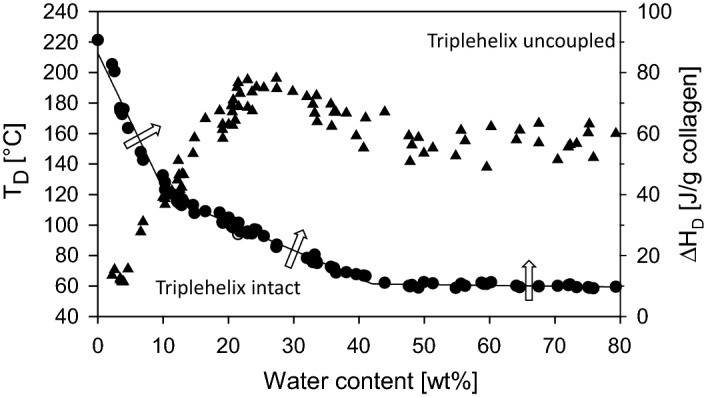
“The triple helices are surrounded by a network of water molecules that increases the thermal stability of the triple helices and supports their high denaturation enthalpy ΔHD [137, 139, 140].”
BackgroundCollagen type II modification by hypochlorite.
Olszowski, S., Mak, P., Olszowska, E., & Marcinkiewicz, J. (2003) · Acta Biochimica Polonica · doi:10.18388/abp.2003_3699 · Cited by 38 · cited 1×
“Methionine is transferred into methionine sulfoxide or methionine sulfone, hypochlorite can lead to desamidation as well, and crosslinking may occur by generation of dityrosine [372, 373].”
BackgroundThe effect of deamination and esterification on the reactivity of collagen
Bowes, J. H., & Kenten, R. H. (1949) · Biochemical Journal · doi:10.1042/bj0440142 · Cited by 37 · cited 1×
“An IEP of 5 or lower is then achieved [340, 341].”
BackgroundThe kinetics of 1,4-butanediol diglycidyl ether crosslinking of dermal sheep collagen
Zeeman, R., Dijkstra, P. J., van Wachem, P. B., van Luyn, M. J. A., Hendriks, M., Cahalan, P. T., & Feijén, J. (2000) · Journal of Biomedical Materials Research · doi:10.1002/1097-4636(20000915)51:4<541::aid-jbm1>3.0.co;2-p · Cited by 37
Russell, A. E. (1973) · Biochemical Journal · doi:10.1042/bj1310335 · Cited by 36 · cited 1×
“The use of polyhydric alcohols additionally stabilize the collagen against heat [350–352], but in the presence of KCl adverse effects are observed [353].”
BackgroundBasil‐Jones, M. M., Edmonds, R. L., Cooper, S. M., & Haverkamp, R. (2011) · Journal of Agricultural and Food Chemistry · doi:10.1021/jf202579b · Cited by 36
Biochemical and mechanical behavior of ostrich pericardium as a new biomaterial
Maestro, M. M., Turnay, J., Olmo, N., Hernando, P. F., Suárez, D., Páez, J. M. G., Urillo, S., Lizarbe, M. A., & Jorge‐Herrero, E. (2006) · Acta Biomaterialia · doi:10.1016/j.actbio.2005.11.004 · Cited by 35
Collagen crosslinks: Stabilization by borohydride reduction
Tanzer, M. L. (1967) · Biochimica et Biophysica Acta (BBA) - Protein Structure · doi:10.1016/0005-2795(67)90564-8 · Cited by 35 · cited 1×
“The use of further reductive agents, especially to investigate chemical or structural effects on collagen, is limited to analytical approaches [87, 370, 371].”
BackgroundMonomer and oligomer of type I collagen: molecular properties and fibril assembly
Na, G. C. (1989) · Biochemistry · doi:10.1021/bi00444a005 · Cited by 35 · cited 1×
“Disassembly < 37; < 5 Seconds Minutes to hours Seconds At pH deviating from the IEP a high swelling is observed which can be assumed as disassembly [343] [189, 191, 487]”
BackgroundMendoza-Novelo, B., Alvarado-Castro, D. I., Mata-Mata, J. L., Cauich-Rodríguez, J. V., Vega-González, A., Jorge-Herrero, E., Rojo, F. J., & Guinea, G. V. (2013) · Materials Science and Engineering: C · doi:10.1016/j.msec.2013.02.001 · Cited by 35 · cited 1×
“Water-based systems or DMSO were used to stabilize pericardium by polyurethane prepolymers which still possess reactive isocyanate groups [354, 418].”
MethodEffect of ethylene oxide sterilization on human demineralized bone
Doherty, M. J., Mollan, R. A. B., & Wilson, D. J. (1993) · Biomaterials · doi:10.1016/0142-9612(93)90191-4 · Cited by 33 · cited 1×
“For safety reasons, it is crucial to flush the treated materials intensely with dry warm air and to evaporate any toxic remnant [460, 461].”
BackgroundEdwards, J. H., Herbert, A., Jones, G. L., Manfield, I. W., Fisher, J., & Ingham, E. (2017) · Journal of Biomedical Materials Research Part B: Applied Biomaterials · doi:10.1002/jbm.b.33786 · Cited by 33 · cited 1×
“The comparison between both methods showed no remarkable difference, but this technique is not as common as γ-irradiation [451, 458, 459].”
BackgroundMrázová, H., Koller, J., Kubišová, K., Fujeríková, G., Klincová, E., & Babál, P. (2015) · Cell and Tissue Banking · doi:10.1007/s10561-015-9536-3 · Cited by 32 · cited 1×
“The comparison between both methods showed no remarkable difference, but this technique is not as common as γ-irradiation [451, 458, 459].”
BackgroundDistribution map of collagen fiber orientation in a whole calf skin
Osaki, S. (1999) · The Anatomical Record · doi:10.1002/(sici)1097-0185(19990101)254:1<147::aid-ar18>3.0.co;2-i · Cited by 32
Byard, R. W., Gehl, A., & Tsokos, M. (2005) · International Journal of Legal Medicine · doi:10.1007/s00414-005-0539-7 · Cited by 31
Diffusion Potentials across the Small Intestine
WRIGHT, E. M. (1966) · Nature · doi:10.1038/212189a0 · Cited by 31
Collagen cross linking and fibril alignment in pericardium
Kayed, H. R., Sizeland, K. H., Kirby, N. M., Hawley, A. M., Mudie, S., & Haverkamp, R. (2015) · RSC Advances · doi:10.1039/c4ra10658j · Cited by 31
Stähli, A., Miron, R. J., Bosshardt, D. D., Sculean, A., & Gruber, R. (2016) · Journal of Periodontology · doi:10.1902/jop.2016.150538 · Cited by 31
Compressed carbon dioxide (CO2) for decontamination of biomaterials and tissue scaffolds
Tarafa, P. J., Jiménez, A., Zhang, J., & Matthews, M. (2010) · The Journal of Supercritical Fluids · doi:10.1016/j.supflu.2010.02.006 · Cited by 30
Fietzek, P. P., & Kühn, K. (1975) · European Journal of Biochemistry · doi:10.1111/j.1432-1033.1975.tb03974.x · Cited by 29
Detoxification of Salmonella typhimurium Lipopolysaccharide by Ionizing Radiation
Previte, J. J., Chang, Y., & El-Bisi, H. M. (1967) · Journal of Bacteriology · doi:10.1128/jb.93.5.1607-1614.1967 · Cited by 29
Meyer, M., Prade, I., Leppchen‐Fröhlich, K., Felix, A., Herdegen, V., Haseneder, R., & Repke, J. (2015) · The Journal of Supercritical Fluids · doi:10.1016/j.supflu.2015.04.006 · Cited by 29 · cited 1×
“preparation technologies often contain decontamination steps which use hydrogen peroxide [478, 479].”
BackgroundSelf-citationSilver, F. H. (2007) · Digital Access to Libraries (Université catholique de Louvain (UCL), l'Université de Namur (UNamur) and the Université Saint-Louis (USL-B)) · doi:10.1007/978-0-387-28176-6 · Cited by 29
Lim, J. J. (1976) · Biopolymers · doi:10.1002/bip.1976.360151205 · Cited by 28
Degradation of collagen and its possible applications in medicine
Rudakova, T. E., & Заиков, Г. Е. (1987) · Polymer Degradation and Stability · doi:10.1016/0141-3910(87)90015-2 · Cited by 28
Modulation of collagen by addition of Hofmeister salts
Oechsle, A. M., Landenberger, M., Gibis, M., Irmscher, S. B., Kohlus, R., & Weiß, J. (2015) · International Journal of Biological Macromolecules · doi:10.1016/j.ijbiomac.2015.05.023 · Cited by 27
Ear Reconstruction through Tissue Engineering
Haisch, A. (2010) · Advances in oto-rhino-laryngology · doi:10.1159/000314566 · Cited by 27
Stability of the hydration layer of tropocollagen: A QM study
Pálfi, V. K., & Perczel, A. (2009) · Journal of Computational Chemistry · doi:10.1002/jcc.21361 · Cited by 27 · cited 1×
“The triple helices are surrounded by a network of water molecules that increases the thermal stability of the triple helices and supports their high denaturation enthalpy ΔHD [137, 139, 140].”
BackgroundInhibitory action of cyanide on aniline hydroxylase system
Matsubara, T., & Tochino, Y. (1975) · FEBS Letters · doi:10.1016/0014-5793(75)80642-9 · Cited by 27
The swelling of protein fibres. Part I. The swelling of collagen
Lloyd, D. J., Marriott, R. H., & Pleass, W. B. (1933) · Transactions of the Faraday Society · doi:10.1039/tf9332900554 · Cited by 27 · cited 1×
“The collagen molecules are separated and uncoupled from the stabilizing surrounding collagen molecules [135, 343, 344], and the material appears glassy and partly transparent.”
BackgroundInvestigations Towards the Binding Mechanisms of Vegetable Tanning Agents to Collagen
Schröpfer, M., & Meyer, M. (2016) · Research Journal of Phytochemistry · doi:10.3923/rjphyto.2016.58.66 · Cited by 27 · cited 2×
“Both groups comprise typical tanning agents which were extracted from leaves, wood, galls, bark or other plant parts (for survey see [194]).”
BackgroundSelf-citationSontheimer, R. D. (2013) · Journal of Investigative Dermatology · doi:10.1038/jid.2013.335 · Cited by 26 · cited 1×
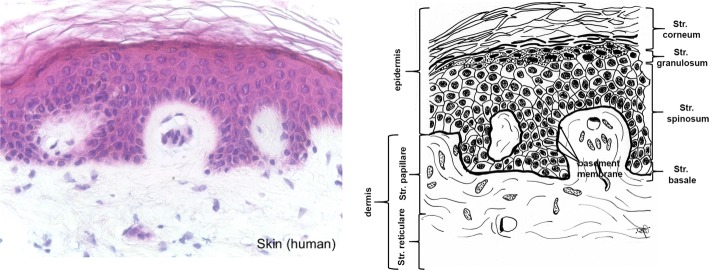
“For long time skin has been discussed as largest organ [32, 33] but neither by weight nor by area this seems to be true [34].”
BackgroundPreparation, processing, and rheology of thermoplastic collagen
Klüver, E., & Meyer, M. (2012) · Journal of Applied Polymer Science · doi:10.1002/app.38644 · Cited by 26 · cited 5×
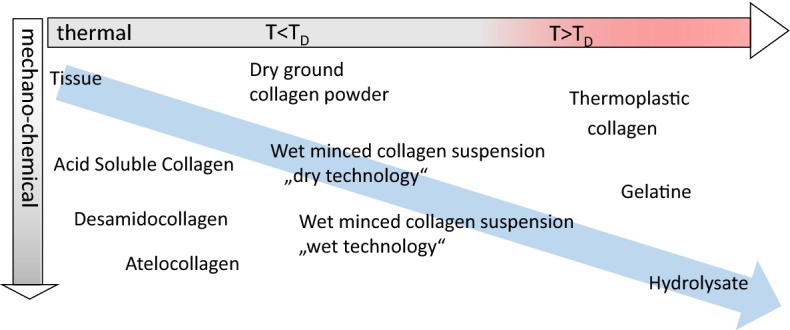
“While thermoplastic collagen describes an intermediate which sustained only a short treatment with chemicals and thermal uncoupling of the triple helices [205], gelatine and hydrolysates are intensively processed by chemical, mechanical and heat treatment.”
BackgroundInfluentialSelf-citationThermal stabilization of collagen in skin and decalcified bone
Miles, C. A., & Avery, N. C. (2011) · Physical Biology · doi:10.1088/1478-3975/8/2/026002 · Cited by 26
Material properties of living soft tissue composites
Jain, M. K., Chernomorsky, A., Silver, F. H., & Berg, R. A. (1988) · Journal of Biomedical Materials Research · doi:10.1002/jbm.820221409 · Cited by 26
Sterilization of Medical Products from Collagen by Means of Supercritical CO2
Herdegen, V., Felix, A., Haseneder, R., Repke, J., Leppchen‐Fröhlich, K., Prade, I., & Meyer, M. (2014) · Chemical Engineering & Technology · doi:10.1002/ceat.201300679 · Cited by 26 · cited 1×
“preparation technologies often contain decontamination steps which use hydrogen peroxide [478, 479].”
BackgroundSelf-citationBiomedical and Pharmaceutical Application of Fish Collagen and Gelatin: A Review
Jeevithan, E., Qingbo, Z., Bao, B., & Wu, W. (2013) · Journal of Nutritional Therapeutics · doi:10.6000/1929-5634.2013.02.04.6 · Cited by 26
Not only tendons: The other architecture of collagen fibrils
Raspanti, M., Reguzzoni, M., Protasoni, M., & Basso, P. R. (2017) · International Journal of Biological Macromolecules · doi:10.1016/j.ijbiomac.2017.10.037 · Cited by 26
人の皮膚コラーゲンにおける年齢関連差異-溶液中の溶解性、ペプシン消化に対する感受性、および可溶化ポリメリックコラーゲン分子のスペクトル
Miyahara, T., Murai, A., Tanaka, T., Shiozawa, S., & Kameyama, M. (1982) · The Journals of Gerontology Series A · Cited by 26
Chvapil, M. S., HURYCH, J., Ehrlichová, E., & Čmuchalová, B. (1967) · Biochimica et Biophysica Acta (BBA) - Protein Structure · doi:10.1016/0005-2795(67)90474-6 · Cited by 25 · cited 1×
“The chelating agents neither affect the collagen structure nor the amino acid composition [366], but they have to be removed completely, because during formation of collagen by cells in vitro and in vivo the new collagen has to be hydroxylated by prolylhydroxylases which contain Fe2+ as central ion [367].”
BackgroundThe effect of gamma-ray and ethylene oxide sterilization on collagen-based wound-repair materials
Gorham, S. D., Srivastava, S., French, D. A., & Scott, R. (1993) · Journal of Materials Science Materials in Medicine · doi:10.1007/bf00122976 · Cited by 25 · cited 1×
“Only low or no effects on the structure or the mechanical stability of collagen materials have been described yet [462, 463].”
BackgroundDecellularization technology in CNS tissue repair
Wang, H., Lin, X., Wang, L., Lin, Y.-Q., Wang, J., Liu, W., Zhu, G., Braddock, M., Zhong, M., & Zheng, M. (2015) · Expert Review of Neurotherapeutics · doi:10.1586/14737175.2015.1030735 · Cited by 24
Science and technology of gelatin
Ward, A. G., & Courts, A. (1977) · Cited by 23
Stabilizing effect of glycerol on collagen type I isolated from different species
Komsa‐Penkova, R., Goshev, I., Gorinstein, S., & NEDKOV, P. (1999) · Food Chemistry · doi:10.1016/s0308-8146(99)00097-7 · Cited by 23
Faraj, K. A., Brouwer, K. M., Geutjes, P. J., Versteeg, E. M. M., Wismans, P. G. P., Deprest, J. A., Chajra, H., Tiemissen, D. M., Feitz, W. F. J., Oosterwijk, E., et al. (2011) · Radboud Repository (Radboud University) · Cited by 23
Kayed, H. R., Kirby, N. M., Hawley, A. M., Mudie, S., & Haverkamp, R. (2015) · RSC Advances · doi:10.1039/c5ra21870e · Cited by 23 · cited 1×
“During tension measurement the tension curves then decrease not abruptly but stepwise with slight oscillation [42, 104, 115].”
BackgroundDevelopment of a terminally sterilised decellularised dermis
Hogg, P., Rooney, P., Leow‐Dyke, S., Brown, C., Ingham, E., & Kearney, J. N. (2014) · Cell and Tissue Banking · doi:10.1007/s10561-014-9479-0 · Cited by 22
The binding of anionic and nonionic surfactants to collagen through the hydrophobic effect
Maldonado, F., Almela, M., Otero Areán, C., & Costa-López, J. (1991) · Journal of Protein Chemistry · doi:10.1007/bf01024783 · Cited by 22 · cited 1×
“The detergents not only liberate hydrophobic substances as well as GAGs, growth factors and non-collagenous proteins, but also adsorb to the collagen matrix [358, 360].”
BackgroundEffects of non-enzymatic glycation on the micro- and nano-mechanics of articular cartilage
Moshtagh, P. R., Korthagen, N. M., van Rijen, M. H. P., Castelein, R. M., ZADPOOR, A. A., & Weinans, H. (2017) · Journal of the mechanical behavior of biomedical materials/Journal of mechanical behavior of biomedical materials · doi:10.1016/j.jmbbm.2017.09.035 · Cited by 22
Park, C. S., Kim, Y. J., Lee, J. R., Lim, H., Chang, J., Jeong, S., & Kwon, N. (2017) · Interactive Cardiovascular and Thoracic Surgery · doi:10.1093/icvts/ivx131 · Cited by 21 · cited 1×
“Others showed that the treatment of glutaraldehyde crosslinked pericardium with glycine to prepare cardial valve leaflets prevented calcification [417].”
BackgroundEffect of Tris-acetate buffer on endotoxin removal from human-like collagen used biomaterials
Zhang, H., Fan, D., Deng, J., Zhu, C., Hui, J., & Ma, X. (2014) · Materials Science and Engineering C · doi:10.1016/j.msec.2014.05.015 · Cited by 20 · cited 1×
“To remove the endotoxins, the alternating use of extreme pH changes (pH 2; pH 14) in cold state and the application of hydrogen peroxide was successful [179, 180].”
BackgroundEffect of Deamidation on Stability for the Collagen to Gelatin Transition
Silva, T., Kirkpatrick, A., Brodsky, B., & Ramshaw, J. A. M. (2005) · Journal of Agricultural and Food Chemistry · doi:10.1021/jf050944d · Cited by 20 · cited 2×
“Specific actions of chemical treatments, which affect some amino acids such as Cys, Met (reduction/oxidation), Gln, Asn (alkaline treatment) or reactions with Lys and Hyl (chemical crosslinking), are discussed in the corresponding chapters.”
BackgroundChanges in bone collagen with age and disease.
Aj, B. (2002) · PubMed · Cited by 20
Stabilization of Collagen Fibrils by Gelatin Addition: A Study of Collagen/Gelatin Dense Phases
Portier, F., Teulon, C., Nowacka‐Perrin, A., Guenneau, F., Schanne‐Klein, M., & Mosser, G. (2017) · Langmuir · doi:10.1021/acs.langmuir.7b02142 · Cited by 20 · cited 1×
“One reflects melting of gelatine gels, the other TD of collagen [238].”
BackgroundStudies on the desamidation of bovine collagen
Radhika, M., & Sehgal, P. K. (1997) · Journal of Biomedical Materials Research · doi:10.1002/(sici)1097-4636(19970615)35:4<497::aid-jbm9>3.0.co;2-c · Cited by 20
Mendoza‐Novelo, B., & Cauich‐Rodríguez, J. V. (2009) · PubMed · Cited by 18
Rbii, K., Violleau, F., Guedj, S., & Surel, O. (2008) · Food Hydrocolloids · doi:10.1016/j.foodhyd.2008.08.004 · Cited by 17 · cited 1×
“Depending on how the tissue is processed, distinct peaks (gelatine type B) or broad peakless distributions (gelatine type A) are observed [151, 152, 206, 207].”
BackgroundTHE PROTEIN-FORMALDEHYDE REACTION
Theis, E. R. (1944) · Journal of Biological Chemistry · doi:10.1016/s0021-9258(18)71946-7 · Cited by 16
Dölz, R., & Engel, J. (1990) · Annals of the New York Academy of Sciences · doi:10.1111/j.1749-6632.1990.tb17948.x · Cited by 16 · cited 1×
“Nucleation begins randomly at different sites where the iminoacids are in cis configuration [75].”
BackgroundWu, C. C. (1993) · Macromolecules · doi:10.1021/ma00072a020 · Cited by 16 · cited 1×
“Depending on how the tissue is processed, distinct peaks (gelatine type B) or broad peakless distributions (gelatine type A) are observed [151, 152, 206, 207].”
BackgroundPrevention of Bioprosthetic Heart Valve Calcification: Strategies and Outcomes
Bré, L. P., McCarthy, R. J., & Wang, W. (2014) · Current Medicinal Chemistry · doi:10.2174/0929867321666131212151216 · Cited by 16
Interaction of mixture of anionic surfactants with collagen
Krejčí, J. (2007) · International Journal of Cosmetic Science · doi:10.1111/j.1467-2494.2007.00368.x · Cited by 16 · cited 1×
“The detergents not only liberate hydrophobic substances as well as GAGs, growth factors and non-collagenous proteins, but also adsorb to the collagen matrix [358, 360].”
BackgroundMendoza‐Novelo, B., & Valerio, J. C. (2011) · InTech eBooks · doi:10.5772/25184 · Cited by 15
Solubilisation of cattle hide collagen by thermo-mechanical treatment
Meyer, M., Mühlbach, R., & Harzer, D. (2004) · Polymer Degradation and Stability · doi:10.1016/j.polymdegradstab.2004.07.015 · Cited by 15 · cited 2×
“In contrast to synthetic thermoplastic polymers, which melt at higher temperatures to achieve low viscosities, thermoplastic collagen behaves gum-like and has to be extruded under shear [205, 230].”
BackgroundSelf-citationCollagen Fibril Orientation and Tear Strength across Ovine Skins
Basil‐Jones, M. M., Edmonds, R. L., Cooper, S. M., Kirby, N. M., Hawley, A. M., & Haverkamp, R. (2013) · Journal of Agricultural and Food Chemistry · doi:10.1021/jf4038375 · Cited by 15
Regenerative medicine: are we there yet?
Badylak, S. F., & Rosenthal, N. A. (2017) · npj Regenerative Medicine · doi:10.1038/s41536-016-0005-9 · Cited by 15 · cited 1×
“These investigations aimed to save the complex structures of the organs, especially the vascular networks and the mechanical stability of the constructs [18, 23, 214, 218, 260, 261] and others.”
BackgroundHasan, M. M., Alam, A., & Nayem, K. A. (2014) · European Scientific Journal ESJ · Cited by 13
Dietz, U. A., Kehl, F., Hamelmann, W., & Weißer, C. (2007) · World Journal of Surgery · doi:10.1007/s00268-007-9216-y · Cited by 13 · cited 1×
“Catgut had been used for centuries as surgical sewing thread and Franz Kuhn was the first who was able to completely disinfect the material by proving all manufacturing steps according to their purity [271].”
BackgroundBiomaterials and Tissue Biomechanics: A Match Made in Heaven?
ZADPOOR, A. A. (2017) · Materials · doi:10.3390/ma10050528 · Cited by 13
Additive manufacturing in the development of 3D skin tissues
Retting, K. N., & Nguyen, D. G. (2017) · Elsevier eBooks · doi:10.1016/b978-0-12-810545-0.00016-4 · Cited by 13 · cited 1×
“When focusing on solely processed collagen and its derivative gelatine without other polymers, much less has been published yet, though both materials are highly suitable from the biological aspect [296].”
BackgroundHahn, J., Hoyer, M., Hillig, S., Schulze-Tanzil, G. G., Meyer, M., Schröpfer, M., Lohan, A., Garbe, L.-A., Heinrich, G., & Breier, A. (2015) · Journal of Biomaterials Science Polymer Edition · doi:10.1080/09205063.2015.1076714 · Cited by 12
Self-citationScheffler, S. U., Trautmann, S., Smith, M. D., Kalus, U. J., von Versen, R., Pauli, G., & Prüß, A. (2007) · Biologicals · doi:10.1016/j.biologicals.2007.03.004 · Cited by 12 · cited 1×
“The method is permitted by the authorities to sterilize implants, though it is not an end product sterilization [451, 465, 466].”
MethodChemical sterilization of allograft dermal tissues
Phipps, A., Vaynshteyn, E., Kowalski, J. B., Ngo, M.-D., Merritt, K., Osborne, J., & Chnari, E. (2017) · Cell and Tissue Banking · doi:10.1007/s10561-017-9647-0 · Cited by 12 · cited 1×
“The method is permitted by the authorities to sterilize implants, though it is not an end product sterilization [451, 465, 466].”
MethodResidual transglutaminase in collagen – Effects, detection, quantification, and removal
Schloegl, W., Klein, A., Fürst, R., Leicht, U., Volkmer, E., Schieker, M., Jus, S., Guebitz, G. M., Stachel, I., Meyer, M., et al. (2011) · European Journal of Pharmaceutics and Biopharmaceutics · doi:10.1016/j.ejpb.2011.10.018 · Cited by 11 · cited 1×
“an excess of water four times, half of the Tgase still remained in the material [405, 406].”
BackgroundSelf-citationThe bioengineered kidney: science or science fiction?
Oxburgh, L. H., & Carroll, T. J. (2016) · Current Opinion in Nephrology & Hypertension · doi:10.1097/mnh.0000000000000235 · Cited by 11
The influence of age on cross-links of elastin in ligamentum nuchae
Ledvina, M., & Bartoš, F. (1968) · Experimental Gerontology · doi:10.1016/0531-5565(68)90026-0 · Cited by 10 · cited 1×
“Concentrations up to 70% elastin are found in ligamentum nuchae of cattle and horses [91].”
BackgroundThermodynamic vs. kinetic stability of collagen triple helices
Bächinger, H. P., & Engel, J. (2001) · Matrix Biology · doi:10.1016/s0945-053x(01)00138-x · Cited by 9 · cited 2×
“It is hindered by cis–trans transitions, structural features and partial cleavages [134, 148].”
BackgroundThe impact of vacuum freeze-drying on collagen sponges after gas plasma sterilization
Markowicz, M., Koellensperger, E., Steffens, G. C. M., Frentz, M., Schrage, N. F., & Pallua, N. (2005) · Journal of Biomaterials Science Polymer Edition · doi:10.1163/156856206774879135 · Cited by 8 · cited 1×
“It is especially used to detoxify the hydrogen peroxide molecules in the gas phase rather than to achieve sterilization [471].”
BackgroundUtilisation of Oleuropein as a crosslinking agent in collagenic films
Antunes, A. P. M., Attenburrow, G. E., Covington, A. D., & Ding, J. (2006) · Cited by 7
A note on Fick's law with phase transitions
Masi, A. D., Olla, S., & Presutti, E. (2019) · HAL (Le Centre pour la Communication Scientifique Directe) · doi:10.1007/s1095 · Cited by 7
Influence of elastin degradation on the mechanical properties of leather
Schröpfer, M., Klurer, E., & Meyer, M. (2014) · Journal of the American Leather Chemists Association · Cited by 6
Self-citationEffect of surfactant structure on diffusion through a collagen membrane
Pinazo, A. (1996) · Colloids and Surfaces B Biointerfaces · doi:10.1016/s0927-7765(96)01306-9 · Cited by 5 · cited 2×
“10b), and other authors observed adsorption for calcium ions [166, 170], surfactants [167, 171, 172], growth factors [173–176], but also endotoxins [177–180].”
BackgroundResultCatgut sutures‐possible BSE risk
Adams, A. P. D. (2001) · Australian Veterinary Journal · doi:10.1111/j.1751-0813.2001.tb11969.x · Cited by 5
Focus Issue | Bioartificial Organs and Tissue Engineering
Stamatialis, D. F. (2017) · The International Journal of Artificial Organs · doi:10.5301/ijao.5000599 · Cited by 5
Comparison of diffusion by anionic surfactants through cellulose acetate and collagen membranes
RAMÓN, M. T. G., Ribosa, I., Leal, J. S., & Parra, J. L. (1989) · International Journal of Cosmetic Science · doi:10.1111/j.1467-2494.1989.tb00501.x · Cited by 4 · cited 1×
“10b), and other authors observed adsorption for calcium ions [166, 170], surfactants [167, 171, 172], growth factors [173–176], but also endotoxins [177–180].”
BackgroundSoft Collagen-Gelatine Sponges by Convection Drying
Meyer, M., & Trommer, Κ. (2014) · Brazilian Archives of Biology and Technology · doi:10.1590/s1516-8913201400139 · Cited by 4 · cited 2×
“This technique made it possible to manufacture porous structures fast and continuously [221].”
BackgroundMethodSelf-citationNovel Collagen-based Scaffolds For Hollow Organ Regeneration
Hoogenkamp, H. R. (2015) · Radboud Repository (Radboud University) · Cited by 4
Non-linear diffusion model for optimization of leather manufacturing: Lime extraction from calcimine
Kolomaznı́k, K., Fürst, T., & Bařinová, M. (2009) · Chemical Engineering Science · doi:10.1016/j.ces.2009.09.030 · Cited by 3 · cited 1×
“10b), and other authors observed adsorption for calcium ions [166, 170], surfactants [167, 171, 172], growth factors [173–176], but also endotoxins [177–180].”
BackgroundStability of Synthetic Single-Strand DNA as a Criterion for the Usage as Marking System
Stenzel, S., & Meyer, M. (2014) · Journal of Advanced Biotechnology and Bioengineering · doi:10.12970/2311-1755.2014.02.01.5 · Cited by 2 · cited 1×
“Own trials showed that especially acids (< pH2) effectively attack DNA, but also that adsorbed DNA is much more stable against deterioration [401].”
BackgroundSelf-citationBioaktive und abbaubare Materialien (Polymere, Metalle und Keramiken) (P050–P074)
(2013) · BioNanoMaterials · doi:10.1515/bnm-2013-1013 · Cited by 1
Electro-spinning of pure collagen nano-fibres–just an expensive way to make gelatin?
Zeugolis, D. I., Khew, S. T., Yew, E. S. Y., Ekaputra, A. K., Tong, Y. W., Yung, L.-Y. L., Hutmacher, D. W., Sheppard, C., & Raghunath, M. (2008) · Biomaterials · doi:10.1016/j.biomaterials.2008.02.009 · Cited by 1 · cited 1×
“If collagen is spun from aqueous solution, it usually denatures [279].”
BackgroundAnnual Conference of the German Society for Biomaterials 2016 – Abstracts
Gittel, B., Kemkemer, R., Krastev, R., Athanasopulu, K., & Rudt, A. (2016) · BioNanoMaterials · doi:10.1515/bnm-2016-1001 · Cited by 1
Application of Thiol Amino Acids in a Reductive Liming Process
Klüver, E., & Meyer, M. (2018) · ICAMS · doi:10.24264/icams-2018.vi.9 · Cited by 1
Self-citationSession 1: Additive Manufacturing
(2017) · Biomedizinische Technik/Biomedical Engineering · doi:10.1515/bmt-2017-6001 · Cited by 1
Barbero (2014) · doi:10.1016/j · Cited by 1
Research works printed but not linked: 18
- 29. International Consensus. Acellular matrices for the treatment of wounds-an expert working group review. London: Wounds International; 2010.
- 68. Burjanadze T, Kiziria E, Mikeladze S. Molecular mechanism for the phylogenetic change of thermostability of fibril- forming collagen. Evidence that (Gly-X-Hyp) triplets are main factors determining stability of collagen. Bull Georg Natl Acad Sci. 2010;4:137-41.
- Gosline J, Lillie M, Carrington E, Guerette P, Ortlepp C, Savage K. Elastic proteins: biological roles and mechanical properties. Philos Trans R Soc B Biol Sci. 2002;357:121–32. https://doi.org/10.1098/rstb.2001.1022 . · DOI · Paper page
- Cu Y, Saltzman WM. Mathematical modeling of molecular diffusion through mucus. Adv Drug Deliv Rev. 2009;61:101–14. https://doi.org/10.1016/j.addr.2008.09.006 . · DOI · Paper page
- Savic Z, Savic I. Sausage Casings. 2nd ed. Wien: VICTUS International; 2016.
- Kanda N, Morimoto N, Ayvazyan AA, Takemoto S, Kawai K, Nakamura Y, Sakamoto Y, Taira T, Suzuki S. Evaluation of a novel collagen-gelatin scaffold for achieving the sustained release of basic fibroblast growth factor in a diabetic mouse model: sustained release of bFGF from CGS-accelerated tissue regeneration in diabetic mice. J Tissue Eng Regen Med. 2014;8:29–40. https://doi.org/10.1002/term.1492 . · DOI
- Hong N, Yang G-H, Lee J, Kim G. 3D bioprinting and its in vivo applications. J Biomed Mater Res B Appl Biomater. 2018;106:444–59. https://doi.org/10.1002/jbm.b.33826 . · DOI · Paper page
- Landmann W. The machines in the tannery: a review of leather produciong machinery and equipment in current use. Liverpool: World Trades Pub; 2003.
- Nageotte J. Coagulation fibrillaire in vitro du collagène dissous dans un acide dilué. Hebd Seances Acad Sci. 1927;184:115.
- Kühn K. The classical collagens: types I, II and III in structure and function of collagen types. New York: Academic Press; 1987. p. 1–42.
- Schroepfer M. Influences on thermal stability of fibrous collagen—calorimetric investigations. In: Talk at 5th Freiberg collagen symposium. Freiberg. 2012.
- Song M, Wang W, Ye Q, Bu S, Shen Z, Zhu Y. The repairing of full-thickness skin deficiency and its biological mechanism using decellularized human amniotic membrane as the wound dressing. Mater Sci Eng C. 2017;77:739–47. https://doi.org/10.1016/j.msec.2017.03.232 . · DOI
- Schloegl W, Klein A, Fürst R, Leicht U, Volkmer E, Schieker M, Jus S, Guebitz GM, Stachel I, Meyer M, Wiggenhorn M, Friess W. Residual transglutaminase in collagen—effects, detection, quantification, and removal. Eur J Pharm Biopharm. 2012;80:282–8. https://doi.org/10.1016/j.ejpb.2011.10.018 . · DOI
- Cooper R, Morré DJ, Morré DM. Medicinal benefits of green tea: part I. Review of noncancer health benefits. J Altern Complement Med. 2005;11:521–8. https://doi.org/10.1089/acm.2005.11.521 . · DOI · Paper page
- Oetjen G-W, Haseley P. Transplants, collagen. Weinheim: Wiley-VCH; 2004. p. 333–40.
- Edwards JH, Herbert A, Jones GL, Manfield IW, Fisher J, Ingham E. The effects of irradiation on the biological and biomechanical properties of an acellular porcine superflexor tendon graft for cruciate ligament repair. J Biomed Mater Res B Appl Biomater. 2017;105:2477–86. https://doi.org/10.1002/jbm.b.33786 . · DOI · Paper page
- Ruef C, Harbarth S, Henry A, Pittet D. Sterilisation mit ethylenoxid: anwendungen und grenzen, swiss-noso–nosokomiale infekt. Spit. 1997;4:3–6.
- Mizuno K, Boudko SP, Engel J, Bächinger HP. Kinetic hysteresis in collagen folding. Biophys J. 2010;98:3004–14. https://doi.org/10.1016/j.bpj.2010.03.019 . · DOI
Cited by
Mathew-Steiner, S. S., Roy, S., & Sen, C. K. (2021) · Bioengineering · doi:10.3390/bioengineering8050063 · Cited by 993
“The technological processing of collagen tissues to hydrolysates and subsequent rebuilding into formats used for clinical applications was recently reviewed [98].”
MethodFish Collagen: Extraction, Characterization, and Applications for Biomaterials Engineering
Jafari, H., Lista, A., Siekapen, M. M., Ghaffari-Bohlouli, P., Nie, L., Alimoradi, H., & Shavandi, A. (2020) · Polymers · doi:10.3390/polym12102230 · Cited by 520
“Moreover, a network of water molecules surrounds the triple helices, ensuring the thermal stability of the triple helices due to the high denaturation enthalpy, which directly reflects the number of hydrogen bonds, as well as functions as a sensitive parameter of the degree of the triple helical structure [30].”
BackgroundInfluentialAmirrah, I. N., Lokanathan, Y., Zulkiflee, I., Wee, M. F. M. R., Motta, A., & Fauzi, M. B. (2022) · Biomedicines · doi:10.3390/biomedicines10092307 · Cited by 426
“There are 28 types of collagen that have been identified and well characterised [4].”
BackgroundNatural Polymeric Scaffolds in Bone Regeneration
Filippi, M., Born, G., Chaaban, M., & Scherberich, A. (2020) · Frontiers in Bioengineering and Biotechnology · doi:10.3389/fbioe.2020.00474 · Cited by 376
“In vertebrates, they account for 28 distinct types coded by at least 45 different genes (Meyer, 2019).”
BackgroundBiobased materials for active food packaging: A review
Atta, O. M., Manan, S., Shahzad, A., Ul-Islam, M., Ullah, M. W., & Yang, G. (2022) · Food Hydrocolloids · doi:10.1016/j.foodhyd.2021.107419 · Cited by 351
Metadata
- Authors
- Meyer, M.
- Affiliations
- Forschungsinstitut für Leder und Kunststoffbahnen (DE)
- Corresponding author
- Meyer, Michael
- ORCID
- Meyer, Michael
- Venue
- BioMedical Engineering OnLine
- Published
- 2019-03-18
- Volume
- 18
- Issue
- 1
- Pages
- 24-24
- ISSN
- 1475-925X (ISSN-L)
- PMC
- PMC6423854
- OpenAlex
- W2939654433
- Cited by
- 539
- References
- 511
- Citations by year
- 2026: 46 · 2025: 63 · 2024: 82 · 2023: 76 · 2022: 119 · 2021: 88 · 2020: 54 · 2019: 10
- FWCI
- 4.30
- Type
- journal article
- Language
- en
- Open access
- gold
- doi.org
- Licence
- cc-by
- creativecommons.org/licenses/by/4.0/ (tdm)
- Locations
- BioMedical Engineering OnLine (publishedVersion, cc-by)
- Europe PMC (PubMed Central) (publishedVersion, cc-by)
- PubMed Central (publishedVersion, cc-by)
- PubMed (publishedVersion)
- DOAJ (DOAJ: Directory of Open Access Journals) (submittedVersion)
- Topics
- Physical Sciences › Materials Science › Biomaterials › Collagen: Extraction and Characterization
- Physical Sciences › Materials Science › Biomaterials › Silk-based biomaterials and applications
- Health Sciences › Medicine › Surgery › Tissue Engineering and Regenerative Medicine
- Keywords
- collagen, collagen-based biomaterials, decellularization, tissue processing, scaffolds, porous sponge, membranes, chemical crosslinking, drying methods, sterilization, enzymatic degradation, thermal stability, bioinks, 3D bioprinting, collagen peptides, biocompatibility
- MeSH terms
- Animals, Biocompatible Materials, Collagen, Humans, Materials Testing, Mechanical Phenomena
About these checks
Registry, retraction, Cites and statistics results are computed, not judged, with one exception: a printed reference that no index lists is read once by a model before it counts as a citation error. Claims are extracted by a model and kept only when their quote appears verbatim in the text; each cited source is then checked, with a model’s help, for whether it says what the claim relies on. Those verdicts can be wrong — read the claim’s quote and the cited source before relying on one.
Statistics and arithmetic are recomputed, not judged.
Confidence bands are shown only for fields calibrated on our annotated test set. None is calibrated yet, so no band is shown.
What counts as a claim ›How we measure confidence ›How we check this ›
Are you an author, or do you see a problem with this page? Request a review
Data sources
Bibliographic data: Semantic Scholar, OpenAlex, Crossref.
Contains information from the Semantic Scholar Academic Graph Datasets, made available under the ODC Attribution License (ODC-BY 1.0).
Semantic Scholar’s data is described in: Kinney, R., et al. (2023). The Semantic Scholar Open Data Platform. arXiv:2301.10140.
