

Processing of collagen based biomaterials and the resulting materials properties
Open accessThe DOI matches its Crossref record; 514 of the 514 references it cites were found in a registry or an index.
Abstract
Collagen, the most abundant extracellular matrix protein in animal kingdom belongs to a family of fibrous proteins, which transfer load in tissues and which provide a highly biocompatible environment for cells. This high biocompatibility makes collagen a perfect biomaterial for implantable medical products and scaffolds for in vitro testing systems. To manufacture collagen based solutions, porous sponges, membranes and threads for surgical and dental purposes or cell culture matrices, collagen rich tissues as skin and tendon of mammals are intensively processed by physical and chemical means. Other tissues such as pericardium and intestine are more gently decellularized while maintaining their complex collagenous architectures. Tissue processing technologies are organized as a series of steps, which are combined in different ways to manufacture structurally versatile materials with varying properties in strength, stability against temperature and enzymatic degradation and cellular response. Complex structures are achieved by combined technologies. Different drying techniques are performed with sterilisation steps and the preparation of porous structures simultaneously. Chemical crosslinking is combined with casting steps as spinning, moulding or additive manufacturing techniques. Important progress is expected by using collagen based bio-inks, which can be formed into 3D structures and combined with live cells. This review will give an overview of the technological principles of processing collagen rich tissues down to collagen hydrolysates and the methods to rebuild differently shaped products. The effects of the processing steps on the final materials properties are discussed especially with regard to the thermal and the physical properties and the susceptibility to enzymatic degradation. These properties are key features for biological and clinical application, handling and metabolization.
Overview
The claims and statistics of this paper haven’t been checked yet.
Free: it reads the open-access text and checks the first 5 claims that cite a source we can check. Create a free account to check every claim.
Integrity signals
Registry
Cites
Statistics
Figures
Verification
Claims the paper makes
The claims and statistics of this paper haven’t been checked yet.
Free: it reads the open-access text and checks the first 5 claims that cite a source we can check. Create a free account to check every claim.
Claims other papers make about this one
Each is checked against this paper’s own text: does it say what the citing paper says it does?
The source backs part of the claim, not all of it — or backs it for a different population, condition or comparison.
In the citing paper
“which can be associated with the reduction of lipid-soluble components, leaving behind only the denatured ECM molecules and water-soluble substances [65].”
From Effects of Various Decellularization Methods for the Development of Decellularized Extracellular Matrix from Tilapia (Oreochromis niloticus) Viscera (2024) · cites this paper as [65]
Experimental — accuracy not yet measured
Self-check
Percentages, sums and reported differences re-computed from the paper’s own numbers.
The self-check needs the paper’s full text.
Citations
Cites
1 retracted
Items 201–400 of 514
Studies on bullfrog skin collagen
Li, H., Liu, B. L., Gao, L. Z., & Chen, H. L. (2004) · Food Chemistry · doi:10.1016/s0308-8146(03)00167-5 · Cited by 189
Scanning microcalorimeters for studying macromolecules
Privalov, P. L. (1980) · Pure and Applied Chemistry · doi:10.1351/pac198052020479 · Cited by 188 · cited 2×
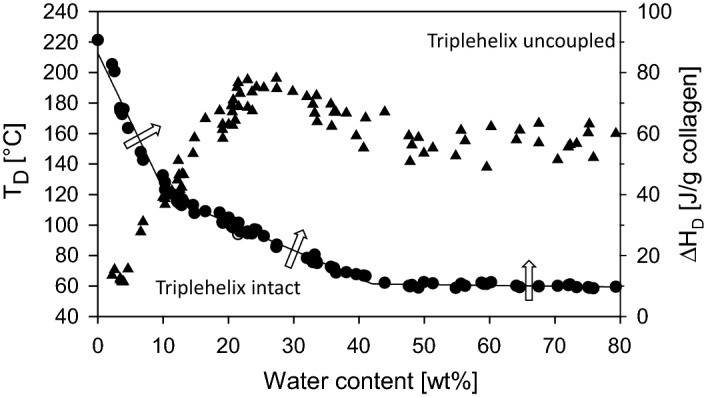
“The hydroxyl group of hydroxyproline (Hyp) has an important influence on the stabilising principle of the triple helix, because a species-dependent increase of Hyp can be correlated to an increase in TD and ΔHD [130].”
BackgroundEXTRACTION OF COLLAGEN FROM CONNECTIVE TISSUE BY NEUTRAL SALT SOLUTIONS
Gross, J., Highberger, J. H., & Schmitt, F. O. (1955) · Proceedings of the National Academy of Sciences · doi:10.1073/pnas.41.1.1 · Cited by 186 · cited 2×
“Usually one collagen molecule is named monomer and the triple helix is called collagen molecule [66] in contrast to the nomenclature in polymer chemistry, where the monomer is the smallest unit before polymerization, e.”
BackgroundSung, H.-W., Chang, Y., Chiu, C.-T., Chen, C.-N., & Liang, H.-C. (1999) · Journal of Biomedical Materials Research · doi:10.1002/(sici)1097-4636(199911)47:2<116::aid-jbm2>3.0.co;2-j · Cited by 184
Reiffel, A. J., Kafka, C., Hernandez, K. A., Popa, S., Perez, J. L., Zhou, S., Pramanik, S., Brown, B. N., Ryu, W. S., Bonassar, L. J., et al. (2013) · PLoS ONE · doi:10.1371/journal.pone.0056506 · Cited by 182 · cited 1×
“Moulds have also been made by additive manufacturing [268] or by handcrafting to”
Schwarz, F., Rothamel, D., Herten, M., Sager, M., & Becker, J. (2006) · Clinical Oral Implants Research · doi:10.1111/j.1600-0501.2005.01225.x · Cited by 182
Ramshaw, J. A. M., Werkmeister, J. A., & Glattauer, V. (1996) · Biotechnology and Genetic Engineering Reviews · doi:10.1080/02648725.1996.10647934 · Cited by 182 · cited 4×
“Nevertheless, after one or repeated freeze–thaw cycles, decellularization comprises an intensive treatment with complexing agents, surfactants, also alkaline and acids and possibly enzymes [3, 4, 20, 21].”
BackgroundMethodInfluentialJellyfish collagen scaffolds for cartilage tissue engineering
Hoyer, B., Bernhardt, A., Lode, A., Heinemann, S., Sewing, J., Klinger, M., Notbohm, H., & Gelinsky, M. (2014) · Acta Biomaterialia · doi:10.1016/j.actbio.2013.10.022 · Cited by 180
The host response to naturally-derived extracellular matrix biomaterials
Morris, A. H., Stamer, D. K., & Kyriakides, T. R. (2017) · Seminars in Immunology · doi:10.1016/j.smim.2017.01.002 · Cited by 180 · cited 1×
“bound carbohydrates, growth factors and elastin [27, 315].”
Dinda, B., Debnath, S., & Harigaya, Y. (2007) · Chemical and Pharmaceutical Bulletin · doi:10.1248/cpb.55.689 · Cited by 178
Conconi, M. T., Coppi, P. D., Liddo, R. D., Vigolo, S., Zanon, G. F., Parnigotto, P. P., & Nussdorfer, G. G. (2005) · Transplant International · doi:10.1111/j.1432-2277.2005.00082.x · Cited by 175
Collagen and Elastin Biomaterials for the Fabrication of Engineered Living Tissues
Miranda-Nieves, D., & Chaikof, E. L. (2017) · ACS Biomaterials Science & Engineering · doi:10.1021/acsbiomaterials.6b00250 · Cited by 175 · cited 6×
“The techniques of shaping comprise extrusion, mould casting, injection moulding, textile techniques, electrospinning, and end up with additive manufacturing techniques which allow to manufacture very complex structures [13, 209, 222, 262].”
BackgroundMethodInfluentialStudies on collagen from the skin of channel catfish (Ictalurus punctaus)
Liu, H., Li, D., & Guo, S. (2007) · Food Chemistry · doi:10.1016/j.foodchem.2006.01.059 · Cited by 174
Xu, H., Xu, B., Yang, Q., Li, X., Ma, X., Xia, Q., Zhang, Y., Zhang, C., Wu, Y., & Zhang, Y. (2014) · PLoS ONE · doi:10.1371/journal.pone.0086723 · Cited by 173
Lü, J.-M., Nurko, J., Weakley, S. M., Jiang, J. H., Kougias, P., Lin, P. H., Yao, Q. C., & Chen, C. (2010) · PubMed · Cited by 172
The influence of peptidyl-prolyl cis-trans isomerase on the in vitro folding of type III collagen.
Bächinger, H. P. (1987) · Journal of Biological Chemistry · doi:10.1016/s0021-9258(18)45502-0 · Cited by 170 · cited 1×
“required which is presumably enzymatically enhanced [65, 73].”
Camenisch, G., Folkers, G., & van de Waterbeemd, H. (1996) · Pharmaceutica Acta Helvetiae · doi:10.1016/s0031-6865(96)00031-3 · Cited by 169
Anisotropy of light propagation in human skin
Nickell, S., Hermann, M., Essenpreis, M., Farrell, T. J., Krämer, U., & Patterson, M. S. (2000) · Physics in Medicine and Biology · doi:10.1088/0031-9155/45/10/310 · Cited by 167
Naturally Occurring Iridoids, Secoiridoids and Their Bioactivity. An Updated Review, Part 3
Dinda, B., Chowdhury, D. R., & Mohanta, B. C. (2009) · Chemical and Pharmaceutical Bulletin · doi:10.1248/cpb.57.765 · Cited by 166
Sterilization and virus inactivation by supercritical fluids (a review)
Perrut, M. (2011) · The Journal of Supercritical Fluids · doi:10.1016/j.supflu.2011.07.007 · Cited by 166
Production and characterization of ECM powder: implications for tissue engineering applications
Gilbert, T. W., Stolz, D. B., Biancaniello, F. S., Simmons-Byrd, A., & Badylak, S. F. (2004) · Biomaterials · doi:10.1016/j.biomaterials.2004.04.042 · Cited by 166
Elastases and Elastin Degradation
Werb, Z., Banda, M. J., Mckerrow, J. H., & Sandhaus, R. A. (1982) · Journal of Investigative Dermatology · doi:10.1038/jid.1982.28 · Cited by 165 · cited 1×
“while the collagen structure is saved [96].”
Naturally Occurring Iridoids and Secoiridoids. An Updated Review, Part 4
Dinda, B., Debnath, S., & Banik, R. (2011) · Chemical and Pharmaceutical Bulletin · doi:10.1248/cpb.59.803 · Cited by 164
He, M., & Callanan, A. (2013) · Tissue Engineering Part B: Reviews · doi:10.1089/ten.teb.2012.0340 · Cited by 159 · cited 1×
“These investigations aimed to save the complex structures of the organs, especially the vascular networks and the mechanical stability of the constructs [18, 23, 214, 218, 260, 261] and others.”
BackgroundBiomimetically Mineralized Salmon Collagen Scaffolds for Application in Bone Tissue Engineering
Hoyer, B., Bernhardt, A., Heinemann, S., Stachel, I., Meyer, M., & Gelinsky, M. (2012) · Biomacromolecules · doi:10.1021/bm201776r · Cited by 159
Self-citationDevelopment and Characterization of an Acellular Human Pericardial Matrix for Tissue Engineering
Mirsadraee, S., Wilcox, H. E., Korossis, S. A., Kearney, J. N., Watterson, K. G., Fisher, J., & Ingham, E. (2006) · Tissue Engineering · doi:10.1089/ten.2006.12.763 · Cited by 157
Ramshaw, J. A. M., Peng, Y. Y., Glattauer, V., & Werkmeister, J. A. (2008) · Journal of Materials Science Materials in Medicine · doi:10.1007/s10856-008-3415-4 · Cited by 157 · cited 1×
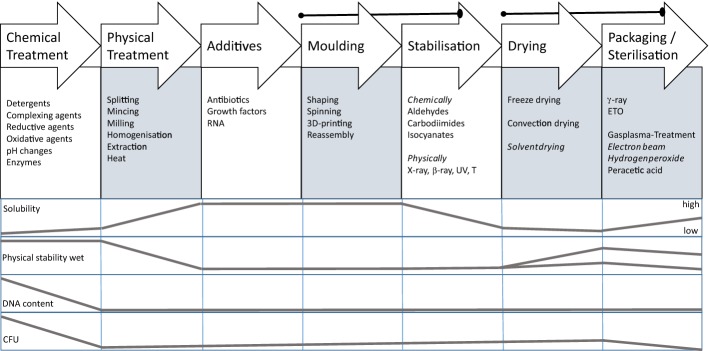
“By application of different variants of the mentioned series of technological steps, such different materials are prepared as for instance decellularized membranes from dermis, pericardium, small intestine or urinary bladder, injectable solution, injectable suspension, membranes from tendon and minced skin, powder, an…”
BackgroundDirect Construction of a Three-dimensional Structure with Cells and Hydrogel
Yan, Y., Wang, X., Xiong, Z., Liu, H., Liu, F., Lin, F., Wu, R., Zhang, R., & Lu, Q. (2005) · Journal of Bioactive and Compatible Polymers · doi:10.1177/0883911505053658 · Cited by 154 · cited 1×
“Furthermore, gelatine was combined with other biopolymers such as hyaluronic acid [300, 301], alginate [302], fibrin [303], chitosan [304] and silk [305] but also polyethyleneglycol [306].”
BackgroundDjabourov, M. (1991) · Polymer International · doi:10.1002/pi.4990250302 · Cited by 154
Cornwell, K. G., Lei, P., Andreadis, S. T., & Pins, G. D. (2007) · Journal of Biomedical Materials Research Part A · doi:10.1002/jbm.a.30893 · Cited by 153
Collagens, Suprastructures, and Collagen Fibril Assembly
Birk, D. E., & Brückner, P. (2010) · Springer eBooks · doi:10.1007/978-3-642-16555-9_3 · Cited by 152 · cited 2×
“required which is presumably enzymatically enhanced [65, 73].”
BackgroundHelix–coil transition of gelatin: helical morphology and stability
Gornall, J. L., & Terentjev, E. M. (2008) · Soft Matter · doi:10.1039/b713075a · Cited by 151 · cited 1×
“Not least, the gelling rate of gelatine gels depends on the isomerization of the iminoacids in cis configuration to trans [154] and the triple helix content of gelatine gels is increasing over months [152].”
BackgroundStructural basis of collagen fiber degradation by cathepsin K
Aguda, A. H., Panwar, P., Du, X., Nguyen, N. T., Brayer, G. D., & Brömme, D. (2014) · Proceedings of the National Academy of Sciences · doi:10.1073/pnas.1414126111 · Cited by 151 · cited 1×
“In bone and cartilage the collagen can also be cleaved by cathepsin K [382].”
BackgroundEndotoxin removal by affinity sorbents
Anspach, F. B. (2001) · Journal of Biochemical and Biophysical Methods · doi:10.1016/s0165-022x(01)00228-7 · Cited by 150
Characterization of absorbable collagen sponges as rhBMP-2 carriers
Frieß, W. (1999) · International Journal of Pharmaceutics · doi:10.1016/s0378-5173(99)00174-x · Cited by 149
Comparative Veterinary Histology with Clinical Correlates
Aughey, E. A., & Frye, F. L. (2001) · CRC Press eBooks · doi:10.1201/b15184 · Cited by 149 · cited 1×
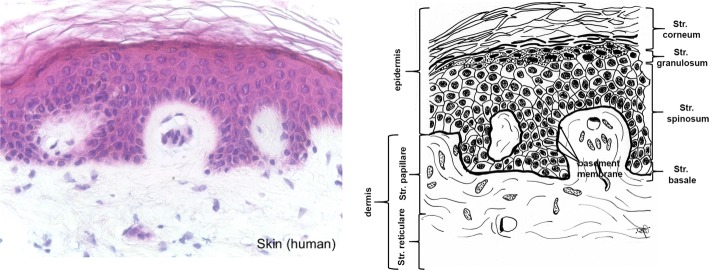
“The colour of the skin is caused by pigments produced by melanocytes originating from the neural crest, and which are found in the basal layer [32, 36].”
BackgroundDesign strategies and applications of biomaterials and devices for Hernia repair
Kalaba, S., Gerhard, E., Winder, J. S., Pauli, E. M., Haluck, R. S., & Yang, J. (2016) · Bioactive Materials · doi:10.1016/j.bioactmat.2016.05.002 · Cited by 149
Role of collagen in wound management
Rangaraj, A., Harding, K. G., & Leaper, D. J. (2011) · Cited by 148
Use of the acyl azide method for cross‐linking collagen‐rich tissues such as pericardium
Petite, H., Rault, I., Huc, A., Menasche, P., & Herbage, D. (1990) · Journal of Biomedical Materials Research · doi:10.1002/jbm.820240205 · Cited by 147 · cited 1×
“[419] activated carboxylic groups into acylazides by methylation, transfer with hydrazine and finally reaction with nitrite in aqueous saline solution.”
Alers, J. C., Krijtenburg, P.-J., Vissers, K. J., & van Dekken, H. (1999) · Journal of Histochemistry & Cytochemistry · doi:10.1177/002215549904700512 · Cited by 146 · cited 1×
“ethylenaminotetraacetate (EDTA) to remove mineral components [364, 365].”
Deformation micromechanisms of collagen fibrils under uniaxial tension
Tang, Y., Ballarini, R., Buehler, M. J., & Eppell, S. J. (2009) · Journal of The Royal Society Interface · doi:10.1098/rsif.2009.0390 · Cited by 144 · cited 1×
“The principle of softer and stiffer regions is found again on the fibril level reflected by kinks [128] and again on the tissue level as zig-zag shape in tendon or non-parallel fibre orientation in skin (see above).”
BackgroundGautieri, A., Redaelli, A., Buehler, M. J., & Vesentini, S. (2014) · Matrix Biology · doi:10.1016/j.matbio.2013.09.004 · Cited by 143
Matriderm® versus Integra®: A comparative experimental study
Schneider, J., Biedermann, T., Widmer, D., Montaño, I., Meuli, M., Ernst Reichmann, A., & Schiestl, C. M. (2008) · Burns · doi:10.1016/j.burns.2008.07.018 · Cited by 143
The Role of Cis-Trans Isomerization of Peptide Bonds in the Coil Triple Helix Conversion of Collagen
BACHINGER, H. P., ENGEL, J., BRUCKNER, P., & TIMPL, R. (1978) · European Journal of Biochemistry · doi:10.1111/j.1432-1033.1978.tb12641.x · Cited by 139
The effect of source animal age upon extracellular matrix scaffold properties
Tottey, S., Johnson, S. A., Crapo, P. M., Reing, J. E., Zhang, L., Jiang, H., Medberry, C. J., Reines, B., & Badylak, S. F. (2011) · Biomaterials · doi:10.1016/j.biomaterials.2010.09.006 · Cited by 138
Thermal conformational transformation of tropocollagen. I. Calorimetric study
Privalov, P. L., & Tiktopulo, E. I. (1970) · Biopolymers · doi:10.1002/bip.1970.360090202 · Cited by 137
Nam, K., Kimura, T., & Kishida, A. (2008) · Macromolecular Bioscience · doi:10.1002/mabi.200700206 · Cited by 137
The Effect of Ions on the Kinetics of Formation and the Stability of the Collagen-Fold*
von Hippel, P. H., & Wong, K.-Y. (1962) · Biochemistry · doi:10.1021/bi00910a020 · Cited by 136
Thermal stability of calf skin collagen type I in salt solutions
Komsa‐Penkova, R., Koynova, R. D., Kostov, G., & Tenchov, B. G. (1996) · Biochimica et Biophysica Acta (BBA) - Protein Structure and Molecular Enzymology · doi:10.1016/s0167-4838(96)00092-1 · Cited by 136 · cited 2×
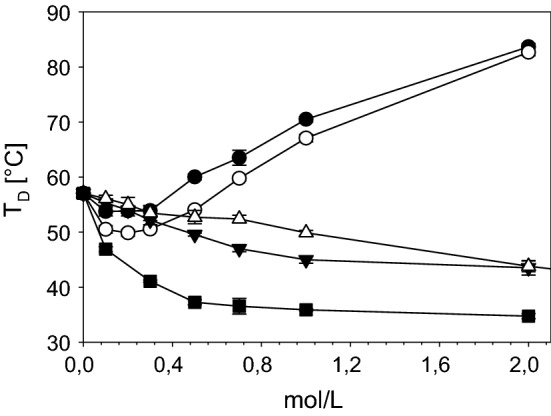
“Concentrations higher than 500 mM/L have been found to further increase TD [316, 345, 346].”
BackgroundRecombinant protein scaffolds for tissue engineering
Werkmeister, J. A., & Ramshaw, J. A. M. (2012) · Biomedical Materials · doi:10.1088/1748-6041/7/1/012002 · Cited by 136 · cited 1×
“coli, yeast, mammalian cell culture, insects, and also plants [11, 51, 52].”
BackgroundCosta, A., Naranjo, J. D., Londono, R., & Badylak, S. F. (2017) · Cold Spring Harbor Perspectives in Medicine · doi:10.1101/cshperspect.a025676 · Cited by 135 · cited 5×
“By application of different variants of the mentioned series of technological steps, such different materials are prepared as for instance decellularized membranes from dermis, pericardium, small intestine or urinary bladder, injectable solution, injectable suspension, membranes from tendon and minced skin, powder, an…”
BackgroundInfluentialCollagen‐based matrices with axially oriented pores
Madaghiele, M., Sannino, A., Yannas, I. V., & Spector, M. (2008) · Journal of Biomedical Materials Research Part A · doi:10.1002/jbm.a.31517 · Cited by 134 · cited 1×
“Aligned pores and tubelike channels of small size can be achieved by polar temperature gradients [263, 448, 449].”
BackgroundCollee, J. G., & Bradley, R. (1997) · The Lancet · doi:10.1016/s0140-6736(96)01310-4 · Cited by 134
Study on Genipin: A New Alternative Natural Crosslinking Agent for Fixing Heterograft Tissue
Yoo, J. S., Kim, Y. J., Kim, S. H., & Choi, S. H. (2011) · The Korean Journal of Thoracic and Cardiovascular Surgery · doi:10.5090/kjtcs.2011.44.3.197 · Cited by 133
"Tissue Papers" from organ-specific decellularized extracellular matrices
Jakus, A. E., Laronda, M. M., Rashedi, A. S., Robinson, C. M., Lee, C., Jordan, S. W., Orwig, K. E., Woodruff, T. K., & Shah, R. N. (2017) · Advanced Functional Materials · doi:10.1002/adfm.201700992 · Cited by 133 · cited 1×
“Real dry grinding (dry matter content > 85%) is also possible from dried tissues [27, 319].”
BackgroundCrosslinking of dermal sheep collagen using hexamethylene diisocyanate
Damink, L. H. H. O., Dijkstra, P. J., van Luyn, M. J. A., van Wachem, P. B., Nieuwenhuis, P., & Feijén, J. (1995) · Journal of Materials Science Materials in Medicine · doi:10.1007/bf00120286 · Cited by 132 · cited 1×
“It is only sparingly soluble in water and needs to be emulsified by the use of surfactants [247].”
BackgroundMicrostructural heterogeneity and the fracture toughness of bone
Phelps, J. B., Hubbard, G. B., Wang, X., & Agrawal, C. M. (2000) · Journal of Biomedical Materials Research · doi:10.1002/1097-4636(20000915)51:4<735::aid-jbm23>3.0.co;2-g · Cited by 131
Lüscher, M., Rüegg, M., & SCHINDLER, P. W. (1974) · Biopolymers · doi:10.1002/bip.1974.360131208 · Cited by 131 · cited 2×
“It predominates more and more upon increasing dehydration of collagen [142, 155, 156].”
BackgroundBirk, D. E., & Brückner, P. (2005) · Topics in current chemistry · doi:10.1007/b103823 · Cited by 130
Collee, J. G., & Bradley, R. (1997) · The Lancet · doi:10.1016/s0140-6736(96)08496-6 · Cited by 129
Hwang, Y.-J., Larsen, J., Krasieva, T. B., & Lyubovitsky, J. G. (2011) · ACS Applied Materials & Interfaces · doi:10.1021/am200416h · Cited by 129
Kawecki, M., Łabuś, W., Klama‐Baryla, A., Kitala, D., Kraut, M., Glik, J., Misiuga, M., Nowak, M., Bielecki, T., & Kasperczyk, A. (2018) · Journal of Biomedical Materials Research Part B: Applied Biomaterials · doi:10.1002/jbm.b.33865 · Cited by 129
Collagen fibril biosynthesis in tendon: a review and recent insights
Canty‐Laird, E. G., & Kadler, K. E. (2002) · Comparative Biochemistry and Physiology Part A Molecular & Integrative Physiology · doi:10.1016/s1095-6433(02)00212-x · Cited by 128
Collagen: Finding a Solution for the Source
Browne, S., Zeugolis, D. I., & Pandit, A. (2013) · Tissue Engineering Part A · doi:10.1089/ten.tea.2012.0721 · Cited by 127 · cited 1×
“Secondly, posttranslational modification such as hydroxylation of Pro and Lys in the right amount, glycosylation and the heterotrimeric compositions are challenges which have not completely been solved successfully [53, 54].”
BackgroundMathematical modeling of molecular diffusion through mucus
Cu, Y., & Saltzman, W. M. (2009) · Advanced Drug Delivery Reviews · doi:10.1016/j.addr.2008.09.006 · Cited by 127
Repair of the dura mater with processed collagen devices
Zerris, V. A., James, K. S., Roberts, J. B., Bell, E., & Heilman, C. B. (2007) · Journal of Biomedical Materials Research Part B: Applied Biomaterials · doi:10.1002/jbm.b.30831 · Cited by 127
Geerligs, M. (2010) · TU/e Research Portal · doi:10.6100/ir657803 · Cited by 126
Photopolymerizable chitosan-collagen hydrogels for bone tissue engineering
Arakawa, C., Ng, R., Tan, S., Kim, S., Wu, B., & Lee, M. (2017) · Journal of Tissue Engineering and Regenerative Medicine · doi:10.1002/term.1896 · Cited by 126
Polyphenol Conjugates and Human Health: A Perspective Review
Cirillo, G., Curcio, M., Vittorio, O., Iemma, F., Restuccia, D., Spizzirri, U. G., Puoci, F., & Picci, N. (2016) · Critical Reviews in Food Science and Nutrition · doi:10.1080/10408398.2012.752342 · Cited by 126
Evaluation of the porcine intestinal collagen layer as a biomaterial
Abraham, G. A., Murray, J., Billiar, K., & Sullivan, S. J. (2000) · Journal of Biomedical Materials Research · doi:10.1002/1097-4636(20000905)51:3<442::aid-jbm19>3.0.co;2-4 · Cited by 126 · cited 1×
“As it cannot be excluded that remnants of enzymes remain in the purified material, the use of enzymes should be reduced to a minimum when preparing collagen-based biomaterials and decellularization technologies [362].”
BackgroundEffect of Collagen Crosslinking on Collagen-Water Interactions (A DSC Investigation)
Kopp, J., Bonnet, M., & Renou, J. P. (1990) · Matrix · doi:10.1016/s0934-8832(11)80013-2 · Cited by 125
Pathology of collagen degradation. A review.
Pérez-Tamayo, R. (1978) · PubMed Central · Cited by 124
Wess, T. J., & Orgel, J. P. R. O. (2000) · Thermochimica Acta · doi:10.1016/s0040-6031(00)00619-5 · Cited by 123 · cited 1×
“Only some water molecules remain bound to the collagen structure also in dry state [156, 444].”
BackgroundHistologic and ultrastructural features of normal human parietal pericardium
Ishihara, T., Ferrans, V. J., Jones, M., Boyce, S. W., Kawanami, O., & Roberts, W. C. (1980) · The American Journal of Cardiology · doi:10.1016/0002-9149(80)90424-5 · Cited by 122
Terzi, A., Storelli, E., Bettini, S., Sibillano, T., Altamura, D., Salvatore, L., Madaghiele, M., Romano, A., Siliqi, D., Ladisa, M., et al. (2018) · Scientific Reports · doi:10.1038/s41598-018-19786-0 · Cited by 122 · cited 1×
“[320] described correlations between different commercial equine, tendon-derived fibrous collagen intermediate materials, structural information and biological properties of prepared films.”
BackgroundThe Effect of Gamma Radiation on Collagen
Bowes, J. H., & Moss, J. A. (1962) · Radiation Research · doi:10.2307/3571153 · Cited by 121
Gomes, M. E., & Reis, R. L. (2004) · International Materials Reviews · doi:10.1179/095066004225021918 · Cited by 120
Reaction Pathways in Catechol/Primary Amine Mixtures: A Window on Crosslinking Chemistry
Yang, J., Saggiomo, V., Velders, A. H., Cohen Stuart, M. A., & Kamperman, M. (2016) · PLOS ONE · doi:10.1371/journal.pone.0166490 · Cited by 119
Determination of the elastin content of tissues by measuring desmosine and isodesmosine
STARCHER, B. C. (1977) · Analytical Biochemistry · doi:10.1016/0003-2697(77)90372-4 · Cited by 118 · cited 1×
“It is found in different concentrations especially in blood vessels, ligaments and to some extent in skin [47, 88, 89].”
BackgroundHeinemann, S., Heinemann, C., Bernhardt, R., Reinstorf, A., Nies, B. A., Meyer, M., Worch, H., & Hanke, T. (2009) · Acta Biomaterialia · doi:10.1016/j.actbio.2009.02.029 · Cited by 118
Self-citationScott, P. G., & Veis, A. (1976) · Connective Tissue Research · doi:10.3109/03008207609152206 · Cited by 117
Callis, G. M., & Sterchi, D. L. (1998) · Journal of Histotechnology · doi:10.1179/his.1998.21.1.49 · Cited by 116 · cited 1×
“ethylenaminotetraacetate (EDTA) to remove mineral components [364, 365].”
Caves, J. M., Kumar, V. A., Martinez, A. W., Kim, J., Ripberger, C. M., Haller, C. A., & Chaikof, E. L. (2010) · Biomaterials · doi:10.1016/j.biomaterials.2010.05.014 · Cited by 116 · cited 1×
“Recent developments add elastin as elastic component to prevent wound contraction (Matriderm®) to improve angiogenesis, and elastin is as well proposed to be used as sole biomaterial [13, 94, 98].”
BackgroundSung, H.-W., Chang, Y., Liang, I.-L., Chang, W.-H., & Chen, Y.-C. (2000) · Journal of Biomedical Materials Research · doi:10.1002/1097-4636(200010)52:1<77::aid-jbm10>3.0.co;2-6 · Cited by 116
Structure and Anatomy of the Human Pericardium
Rodríguez, E. R., & Tan, C. D. (2017) · Progress in Cardiovascular Diseases · doi:10.1016/j.pcad.2016.12.010 · Cited by 115 · cited 1×
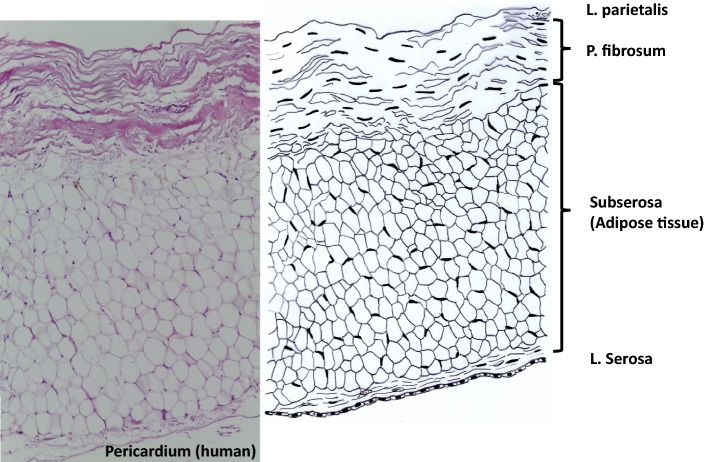
“fibrosum, the Lamina visceralis (not shown) is separated from the other lamina by a slippy liquid layer and covers the myocardium [43].”
BackgroundA cryogenic direct-plotting system for fabrication of 3D collagen scaffolds for tissue engineering
Kim, G., Ahn, S., Yoon, H., Kim, Y., & Chun, W. (2009) · Journal of Materials Chemistry · doi:10.1039/b914187a · Cited by 113 · cited 1×
“[311] solidified extruded atelocollagen dissolved in acetic acid (dry matter content 4.”
Skin Substitutes for Treating Chronic Wounds
Snyder, D. L., Sullivan, N., & Schoelles, K. M. (2020) · Europe PMC (PubMed Central) · doi:10.26300/p3e4-6g48 · Cited by 112
Production of recombinant collagen: state of the art and challenges
Wang, T., Lew, J., Premkumar, J., Poh, C. L., & Win Naing, M. (2017) · Engineering Biology · doi:10.1049/enb.2017.0003 · Cited by 111 · cited 1×
“Secondly, posttranslational modification such as hydroxylation of Pro and Lys in the right amount, glycosylation and the heterotrimeric compositions are challenges which have not completely been solved successfully [53, 54].”
BackgroundPanwar, P., Lamour, G., Mackenzie, N. C. W., Yang, H., Ko, F., Li, H., & Brömme, D. (2015) · Journal of Biological Chemistry · doi:10.1074/jbc.m115.644310 · Cited by 110
Thermodynamic studies of the assembly in vitro of native collagen fibrils
Cooper, A. J. (1970) · Biochemical Journal · doi:10.1042/bj1180355 · Cited by 110 · cited 1×
“In vitro collagen assembles into microfibrils and fibrils of varying length and thickness which depends on temperature, pH, and additives [185, 186].”
BackgroundMicroanatomy of the Dermis in Relation to Relaxed Skin Tension Lines and Langerʼs Lines
Piérard, G. E., & Lapière, C. M. (1987) · The American Journal of Dermatopathology · doi:10.1097/00000372-198706000-00007 · Cited by 110
Yang, M., Chen, C., Wang, X., Zhu, Y., & Gu, Y. J. (2009) · Journal of Biomedical Materials Research Part B: Applied Biomaterials · doi:10.1002/jbm.b.31409 · Cited by 108
Boudko, S. P., Frank, S., Kammerer, R. A., Stetefeld, J., Schulthess, T., Landwehr, R., Lustig, A., Bächinger, H. P., & Engel, J. (2002) · Journal of Molecular Biology · doi:10.1006/jmbi.2002.5439 · Cited by 107 · cited 1×
“Renaturation 0 to ~ 20; 4 to 10 Hours to months Hours to months Hours to months Dependent on the sequence, molecular length and covalent crosslinks [152, 481, 484, 485]”
BackgroundSolid organ fabrication: comparison of decellularization to 3D bioprinting
Jung, J. P., Bhuiyan, D. B., & Ogle, B. M. (2016) · Biomaterials Research · doi:10.1186/s40824-016-0074-2 · Cited by 107 · cited 1×
“This is all the more important with regard to the technological progress in organ decellularization, that aims to save structures and additive manufacturing, where new structures are rebuilt from smaller units [26].”
BackgroundSilver, F. H., Seehra, G. P., Freeman, J. W., & DeVore, D. (2002) · Journal of Applied Polymer Science · doi:10.1002/app.11119 · Cited by 106 · cited 2×
“The ventral zones and the extremities show higher pre-stress and are much more elastic [41, 42].”
BackgroundDeeken, C. R., Eliason, B. J., Pichert, M. D., Grant, S. A., Frisella, M. M., & Matthews, B. D. (2012) · Annals of Surgery · doi:10.1097/sla.0b013e3182445341 · Cited by 106
Collagen and its modifications—crucial aspects with concern to its processing and analysis
Rýglová, Š., Braun, M., & Suchý, T. (2017) · Macromolecular Materials and Engineering · doi:10.1002/mame.201600460 · Cited by 106
Collagen Fiber Architecture of Bovine Pericardium
Sacks, M. S., Chuong, C. J. C., & More, R. (1994) · ASAIO Journal · doi:10.1097/00002480-199407000-00075 · Cited by 104 · cited 1×
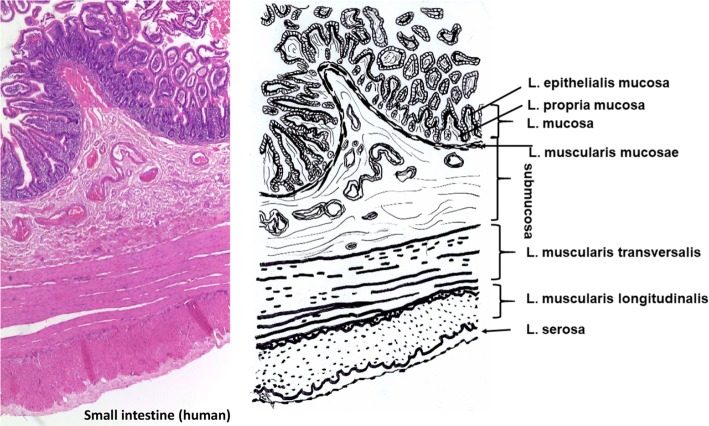
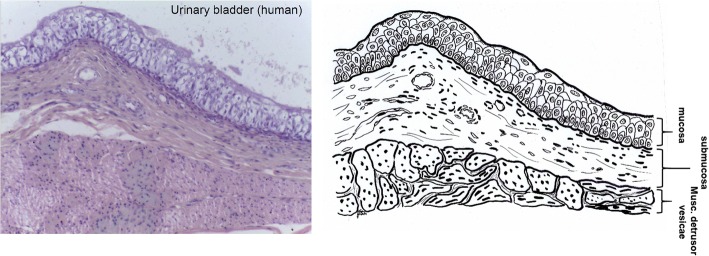
“Small intestine submucosa (SIS) shows fibres in longitudinal orientation, the fibres of pericard and also urinary bladder are locally oriented but not over larger areas [45, 113, 114].”
BackgroundIrradiation-Induced Crosslinking of Collagen
Bailey, A. J., Rhodes, D. N., & Cater, C. W. (1964) · Radiation Research · doi:10.2307/3571543 · Cited by 104 · cited 2×
“However, each physical treatment causes at once also chain scissions and it depends on the conditions which effect occurs preferably [439, 440].”
BackgroundBailey, A. J., Sims, T. J., Avery, N. C., & Miles, C. A. (1993) · Biochemical Journal · doi:10.1042/bj2960489 · Cited by 104 · cited 1×
“maturation by several degrees [77, 87, 144] and synthetic chemical agents by 15 K up to 60 K and more.”
BackgroundBrinckmann, J. (2005) · Topics in current chemistry · doi:10.1007/b103817 · Cited by 104
Sophie Böttcher-haberzeth, A., Biedermann, T., Schiestl, C. M., Hartmann-Fritsch, F., Schneider, J., Ernst Reichmann, A., & Meuli, M. (2011) · Pediatric Surgery International · doi:10.1007/s00383-011-2990-5 · Cited by 103
New analysis of the phylogenetic change of collagen thermostability
Burjanadze, T. V. (2000) · Biopolymers · doi:10.1002/(sici)1097-0282(200005)53:6<523::aid-bip8>3.0.co;2-7 · Cited by 103 · cited 1×
“The hydroxiproline content correlates with TD and it is assumed that the thermal stability of collagen is adjusted by the hydroxylation intensity of proline [67, 133].”
BackgroundGorham, S. D., Light, N. D., Diamond, A. M., Willins, M. J., Bailey, A. J., Wess, T. J., & Leslie, N. J. (1992) · International Journal of Biological Macromolecules · doi:10.1016/s0141-8130(05)80002-9 · Cited by 102 · cited 1×
“Therefore, denaturation of some parts of the collagen cannot be prevented [440, 442].”
BackgroundThe Limited Cleavage of Native Collagen with Chymotrypsin, Trypsin, and Cyanogen Bromide*
BORNSTEIN, P. K., Kang, A. H., & Piez, K. A. (1966) · Biochemistry · doi:10.1021/bi00876a010 · Cited by 102
Molecular pathways of cell-mediated degradation of fibrillar collagen
Sprangers, S., & Everts, V. (2019) · Matrix Biology · doi:10.1016/j.matbio.2017.11.008 · Cited by 102 · cited 1×
“Collagen in vivo is almost exclusively digested by matrix metallo proteinases (MMPs), a group of endopeptidases which specifically metabolize connective tissue proteins [381].”
BackgroundKakivaya, S. R., & Hoeve, C. A. J. (1975) · Proceedings of the National Academy of Sciences · doi:10.1073/pnas.72.9.3505 · Cited by 101 · cited 1×
“In contrast to triple helical collagen, which shows a distinct denaturation temperature, elastin has a glass transition temperature in fully hydrated state of 30 °C [95].”
BackgroundKasimir, M.-T., Weigel, G., Sharma, J., Rieder, E., Seebacher, G., Wolner, E., & Simon, P. (2005) · Thrombosis and Haemostasis · doi:10.1160/th05-01-0025 · Cited by 101
Weymann, A., Loganathan, S., Takahashi, H., Schies, C., Claus, B., Hirschberg, K., Soós, P., Korkmaz, S., Schmack, B., Karck, M., et al. (2011) · Circulation Journal · doi:10.1253/circj.cj-10-0717 · Cited by 100
Hierarchical Mechanics of Connective Tissues: Integrating Insights from Nano to Macroscopic Studies
Goh, K. L., Listrat, A., & Béchet, D. (2014) · Journal of Biomedical Nanotechnology · doi:10.1166/jbn.2014.1960 · Cited by 99 · cited 2×
“The elastin network stores the energy and resets after unloading [41, 116, 118, 119].”
BackgroundA Novel Biomimetic Hybrid Material Made of Silicified Collagen: Perspectives for Bone Replacement
Heinemann, S., Heinemann, C., Ehrlich, H., Meyer, M., Baltzer, H., Worch, H., & Hanke, T. (2007) · Advanced Engineering Materials · doi:10.1002/adem.200700219 · Cited by 98
Self-citationDecellularization of human dermis using non-denaturing anionic detergent and endonuclease: a review
Moore, M. A., Samsell, B., Wallis, G., Triplett, S., Chen, S., Jones, A. L., & Qin, X. (2015) · Cell and Tissue Banking · doi:10.1007/s10561-014-9467-4 · Cited by 97
Toxic effects of aldehydes released from fixed pericardium on bovine aortic endothelial cells
Eybl, E., Griesmacher, A., Grimm, M., & Wolner, E. (1989) · Journal of Biomedical Materials Research · doi:10.1002/jbm.820231111 · Cited by 96 · cited 1×
“The aldehyde may be liberated again during degradation and could cause toxic effects [411, 412], and crosslinking with glutaraldehyde initiates calcification [413–415] though the exact mechanism is not clear.”
BackgroundFehrenbach, H., Kasper, M., Haase, M., Schuh, D., & M�ller, M. (1999) · The Anatomical Record · doi:10.1002/(sici)1097-0185(19990101)254:1<61::aid-ar8>3.0.co;2-d · Cited by 95
The effect of chelating agents on collagen interfibrillar matrix interactions in connective tissue
Steven, F. S. (1967) · Biochimica et Biophysica Acta (BBA) - Protein Structure · doi:10.1016/0005-2795(67)90526-0 · Cited by 94 · cited 1×
“The chelating agents neither affect the collagen structure nor the amino acid composition [366], but they have to be removed completely, because during formation of collagen by cells in vitro and in vivo the new collagen has to be hydroxylated by prolylhydroxylases which contain Fe2+ as central ion [367].”
BackgroundDecellularized and Engineered Tendons as Biological Substitutes: A Critical Review
Lovati, A. B., Bottagisio, M., & Moretti, M. (2016) · Stem Cells International · doi:10.1155/2016/7276150 · Cited by 93
Lee, J. M., & Boughner, D. R. (1985) · Circulation Research · doi:10.1161/01.res.57.3.475 · Cited by 90
Cross-linking of collagen with laccases and tyrosinases
Jus, S., Stachel, I., Schloegl, W., Pretzler, M., Frieß, W., Meyer, M., Birner‐Gruenberger, R., & Guebitz, G. M. (2011) · Materials Science and Engineering C · doi:10.1016/j.msec.2011.03.007 · Cited by 88 · cited 2×
“Dityrosine in collagen was found to be formed only in the presence of tyrosinase and hydrogenperoxide [374, 375].”
BackgroundSelf-citationChemical Stabilisation of Collagen as a Biomimetic
Paul, R. G., & Bailey, A. J. (2003) · The Scientific World JOURNAL · doi:10.1100/tsw.2003.13 · Cited by 88 · cited 1×
“To stabilize biomaterials, crosslinking can be achieved chemically and physically (for review see [408]).”
BackgroundKoob, T. J., & Hernandez, D. J. (2002) · Biomaterials · doi:10.1016/s0142-9612(01)00096-5 · Cited by 87 · cited 1×
“postulated that NDGA polymerizes to a matrix which encloses the collagen fibres rather than collagen is directly crosslinked [428, 429].”
BackgroundDearth, C. L., Keane, T. J., Carruthers, C. A., Reing, J. E., Huleihel, L., Ranallo, C. A., Kollar, E. W., & Badylak, S. F. (2016) · Acta Biomaterialia · doi:10.1016/j.actbio.2016.01.038 · Cited by 87
Additive Manufacturing of Vascular Grafts and Vascularized Tissue Constructs
Elomaa, L., & Yang, Y. (2017) · Tissue Engineering Part B Reviews · doi:10.1089/ten.teb.2016.0348 · Cited by 87
Miles, C. A. (1993) · International Journal of Biological Macromolecules · doi:10.1016/0141-8130(93)90025-h · Cited by 86 · cited 1×
“Miles [181] assumed an irreversible rate process, while others interpreted the calorimetric results as an equilibrium of monomers and trimers [58, 134, 136, 148].”
BackgroundWet Spinning and Drawing of Human Recombinant Collagen
Yaari, A., Schilt, Y., Tamburu, C., Raviv, U., & Shoseyov, O. (2016) · ACS Biomaterials Science & Engineering · doi:10.1021/acsbiomaterials.5b00461 · Cited by 86 · cited 1×
“Collagen suspensions have also been extruded to manufacture threads and filaments [13, 232, 264, 265].”
Characterization of nuclei in in vitro collagen fibril formation
Comper, W. D., & Veis, A. (1977) · Biopolymers · doi:10.1002/bip.1977.360161005 · Cited by 85 · cited 2×
“In contrast to earlier investigations, which assumed crosslinking as a reason of these stable aggregates [189, 190], de Wild et al.”
BackgroundResultBiomedical applications of collagens
Ramshaw, J. A. M. (2015) · Journal of Biomedical Materials Research Part B Applied Biomaterials · doi:10.1002/jbm.b.33541 · Cited by 84 · cited 2×
“However, only the past 50 years brought a more frequent use of collagen as medical product because technologies of intensive cleaning and sterilization procedures were developed [1].”
BackgroundMicrofibrillar elements of the dermal matrix
Kielty, C. M., & Shuttleworth, C. A. (1997) · Microscopy Research and Technique · doi:10.1002/(sici)1097-0029(19970815)38:4<413::aid-jemt9>3.0.co;2-j · Cited by 82
Recent advances in predicting skin permeability of hydrophilic solutes
Chen, L., Han, L., & Lian, G. (2012) · Advanced Drug Delivery Reviews · doi:10.1016/j.addr.2012.05.001 · Cited by 82
Fell Muir Lecture: Collagen fibril formation in vitro and in vivo
Kadler, K. E. (2017) · International Journal of Experimental Pathology · doi:10.1111/iep.12224 · Cited by 81
Rochdi, A., Foucat, L., & Renou, J. P. (1999) · Biopolymers · doi:10.1002/(sici)1097-0282(199912)50:7<690::aid-bip2>3.0.co;2-p · Cited by 81
Mechanical behaviour of snake skin
Jayne, B. C. (1988) · Journal of Zoology · doi:10.1111/j.1469-7998.1988.tb04991.x · Cited by 80
The Isoelectric Point of Collagen
Highberger, J. H. (1939) · Journal of the American Chemical Society · doi:10.1021/ja01878a010 · Cited by 80
Wolf, K. L., Sobral, P. J. D. A., & Telis, V. R. N. (2009) · Food Hydrocolloids · doi:10.1016/j.foodhyd.2009.01.013 · Cited by 79 · cited 1×
“The particles appear as fragments of fibres [203, 204].”
BackgroundA new method for purification of mature elastin
Rasmussen, B. L., Bruenger, E., & Sandberg, L. B. (1975) · Analytical Biochemistry · doi:10.1016/0003-2697(75)90426-1 · Cited by 79 · cited 1×
“treatment with BrCN in formic acid [97].”
Song, M., Wang, W., Ye, Q., Bu, S., Shen, Z., & Zhu, Y. (2017) · Materials Science and Engineering C · doi:10.1016/j.msec.2017.03.232 · Cited by 78
Monboisse, J. C., & Borel, J. P. (1992) · Free Radicals and Aging · doi:10.1007/978-3-0348-7460-1_32 · Cited by 76 · cited 1×
“Monboisse and Borel [441] found that the presence of oxygen during γ- and β- irradiation leads to superoxide radicals (O2) which they assumed to cause chain scissions.”
BackgroundApplication of whole-organ tissue engineering in hepatology
Uygun, B. E., Yarmush, M. L., & Uygun, K. (2012) · Nature Reviews Gastroenterology & Hepatology · doi:10.1038/nrgastro.2012.140 · Cited by 76 · cited 1×
“These investigations aimed to save the complex structures of the organs, especially the vascular networks and the mechanical stability of the constructs [18, 23, 214, 218, 260, 261] and others.”
BackgroundEffect of enzymatic degradation on the mechanical properties of biological scaffold materials
Annor, A. H., Tang, M. E., Pui, C. L., Ebersole, G. C., Frisella, M. M., Matthews, B. D., & Deeken, C. R. (2012) · Surgical Endoscopy · doi:10.1007/s00464-012-2277-5 · Cited by 75 · cited 1×
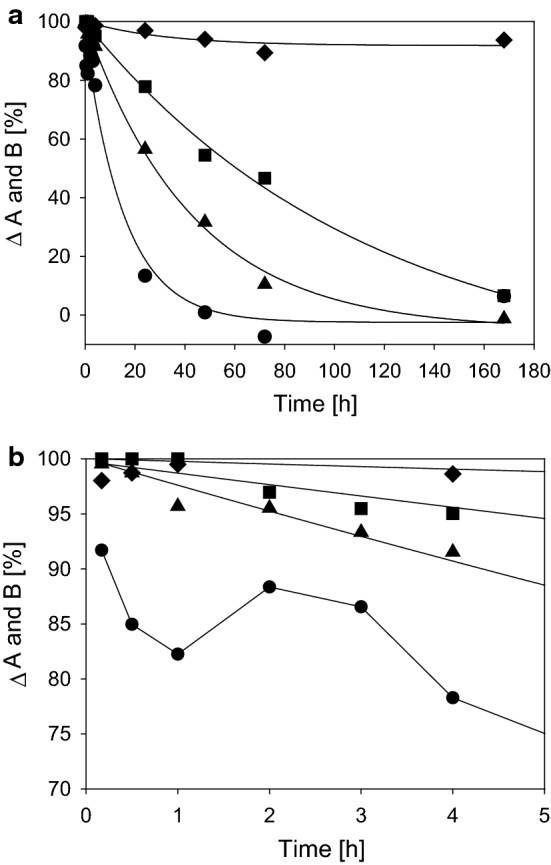
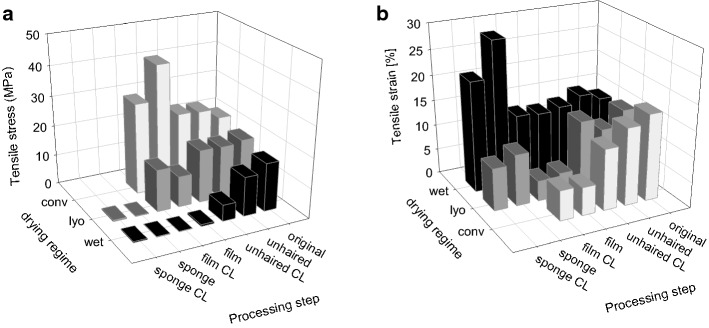
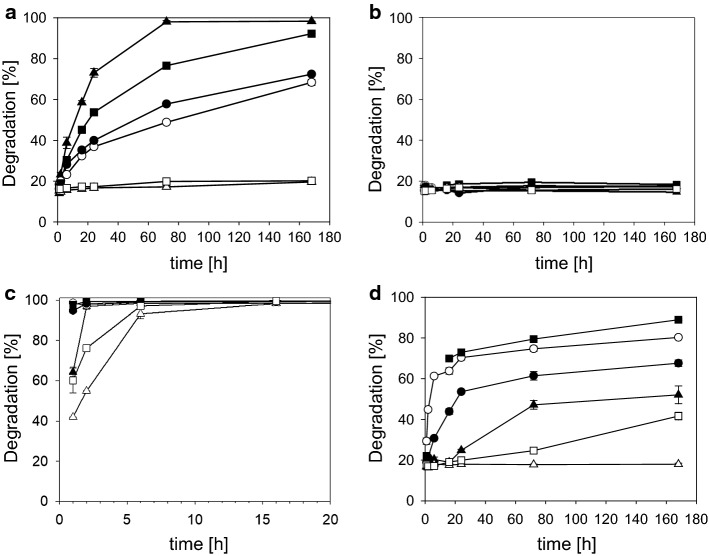
“The tensile strength and also the strain was found to decrease by enzymatic digestion down to a stable limit [239, 252].”
BackgroundInterpretation of the renaturation kinetics of gelatin solutions
Busnel, J. P., Morris, E. R., & Ross-Murphy, S. B. (1989) · International Journal of Biological Macromolecules · doi:10.1016/0141-8130(89)90053-6 · Cited by 75
Damink, L. H. H. O., Dijkstra, P. J., van Luyn, M. J. A., van Wachem, P. B., Nieuwenhuis, P., & Feijén, J. (1995) · Journal of Biomedical Materials Research · doi:10.1002/jbm.820290203 · Cited by 75 · cited 2×
“Only low or no effects on the structure or the mechanical stability of collagen materials have been described yet [462, 463].”
BackgroundWynd, S., Chernecky, R., Pereira, C. A., Abdulla, D., & Lee, J. M. (1999) · Biomaterials · doi:10.1016/s0142-9612(98)00142-2 · Cited by 74 · cited 1×
“The elastin network stores the energy and resets after unloading [41, 116, 118, 119].”
BackgroundCharacterization of Acid‐soluble Collagen from Pacific Whiting Surimi Processing Byproducts
Kim, J. ‐., & Park, J. W. (2004) · Journal of Food Science · doi:10.1111/j.1365-2621.2004.tb09912.x · Cited by 74
Ultrastructural Organization of Skin: Classification on the Basis of Mechanical Role
Craig, A. S., Eikenberry, E. F., & Parry, D. A. D. (1987) · Connective Tissue Research · doi:10.3109/03008208709006977 · Cited by 73
Lode, A., Meyer, M., Brüggemeier, S., Paul, B., Baltzer, H., Schröpfer, M., Winkelmann, C., Sonntag, F., & Gelinsky, M. (2016) · Biofabrication · doi:10.1088/1758-5090/8/1/015015 · Cited by 73 · cited 1×
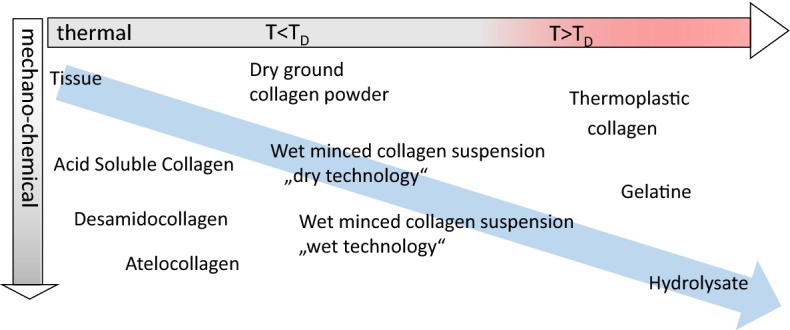
“By hot extrusion it was also possible to process thermoplastic collagen [232], and extrusion in cold and hot state may also be a shaping technology for additive manufacturing [13, 266, 267].”
BackgroundSelf-citationMullen, L. M., Best, S. M., Brooks, R. A., Ghose, S., Gwynne, J. H., Wardale, J., Rushton, N., & Cameron, R. E. (2010) · Tissue Engineering Part C Methods · doi:10.1089/ten.tec.2009.0806 · Cited by 72
Kanda, N., Morimoto, N., Ayvazyan, A. A., Takemoto, S., Kawai, K., Nakamura, Y., Sakamoto, Y., Taira, T., & Suzuki, S. (2012) · Journal of Tissue Engineering and Regenerative Medicine · doi:10.1002/term.1492 · Cited by 72
Scott, P. G., & Veis, A. (1976) · Connective Tissue Research · doi:10.3109/03008207609152207 · Cited by 71
Hiester, E. D., & Sacks, M. S. (1998) · Journal of Biomedical Materials Research · doi:10.1002/(sici)1097-4636(199802)39:2<207::aid-jbm6>3.0.co;2-t · Cited by 71 · cited 1×
“Small intestine submucosa (SIS) shows fibres in longitudinal orientation, the fibres of pericard and also urinary bladder are locally oriented but not over larger areas [45, 113, 114].”
BackgroundInteraction of calf skin collagen with glycerol: linked function analysis
Na, G. C. (1986) · Biochemistry · doi:10.1021/bi00353a004 · Cited by 70
Influence of sterilisation methods on collagen-based devices stability and properties
Delgado, L. M., Pandit, A., & Zeugolis, D. I. (2014) · Expert Review of Medical Devices · doi:10.1586/17434440.2014.900436 · Cited by 70 · cited 3×
“The comparison between both methods showed no remarkable difference, but this technique is not as common as γ-irradiation [451, 458, 459].”
BackgroundMethodDermic diffusion and stratum corneum: A state of the art review of mathematical models
Couto, A. L. D., Fernandes, R., Cordeiro, M. N. D. S., Reis, S. S., Ribeiro, R. T., & Pessoa, A. M. (2013) · Journal of Controlled Release · doi:10.1016/j.jconrel.2013.12.005 · Cited by 69
DSC investigation of bovine hide collagen at varying degrees of crosslinking and humidities
Schröpfer, M., & Meyer, M. (2017) · International Journal of Biological Macromolecules · doi:10.1016/j.ijbiomac.2017.04.124 · Cited by 69 · cited 3×
“It predominates more and more upon increasing dehydration of collagen [142, 155, 156].”
BackgroundSelf-citationMultiple denaturational transitions in fibrillar collagen
Wallace, D. G., Condell, R. A., Donovan, J. W., Paivinen, A., Rhee, W. M., & Wade, S. B. (1986) · Biopolymers · doi:10.1002/bip.360251006 · Cited by 68
Changes in the mechanical properties of dermal sheep collagen during in vitro degradation
Damink, L. H. H. O., Dijkstra, P. J., Van Luyn, M. J. A., Van Wachem, P. B., Nieuwenhuis, P., & Feijen, J. (1995) · Journal of Biomedical Materials Research · doi:10.1002/jbm.820290202 · Cited by 68 · cited 2×
“However, collagenase degrades crosslinked tissue at higher concentrations (sheep skin) [239].”
BackgroundTubular collagen scaffolds with radial elasticity for hollow organ regeneration
Versteegden, L. R. M., van Kampen, K. A., Janke, H. P., Tiemessen, D. M., Hoogenkamp, H. R., Hafmans, T. G. M., Roozen, E. A., Lomme, R. M. L. M., van Goor, H., Oosterwijk, E., et al. (2017) · Acta Biomaterialia · doi:10.1016/j.actbio.2017.02.005 · Cited by 68 · cited 1×
“The techniques of shaping comprise extrusion, mould casting, injection moulding, textile techniques, electrospinning, and end up with additive manufacturing techniques which allow to manufacture very complex structures [13, 209, 222, 262].”
MethodImproved input parameters for diffusion models of skin absorption
Hansen, S., Lehr, C., & Schaefer, U. F. (2012) · Advanced Drug Delivery Reviews · doi:10.1016/j.addr.2012.04.011 · Cited by 67
Effects of Various Collagen Crosslinking Techniques on Mechanical Properties of Collagen Film
KOIDE, T., & DAITO, M. (1997) · Dental Materials Journal · doi:10.4012/dmj.16.1 · Cited by 67
Kinetic Hysteresis in Collagen Folding
Mizuno, K., Boudko, S. P., Engel, J., & Bächinger, H. P. (2010) · Biophysical Journal · doi:10.1016/j.bpj.2010.03.019 · Cited by 66
Collagen barrier membranes adsorb growth factors liberated from autogenous bone chips
Caballé‐Serrano, J., Sawada, K., Miron, R. J., Bosshardt, D. D., Buser, D., & Gruber, R. (2016) · Clinical Oral Implants Research · doi:10.1111/clr.12789 · Cited by 66
Ll, H. (1987) · Europe PMC (PubMed Central) · Cited by 65
Effects of processing conditions on the rheological behavior of collagen dispersions
Friess, W. (2001) · European Journal of Pharmaceutics and Biopharmaceutics · doi:10.1016/s0939-6411(01)00136-9 · Cited by 64 · cited 1×
“5, the collagen fibres precipitate and water separates [200, 267].”
BackgroundSung, H.-W., Hsu, C.-S., Lee, Y.-S., & Lin, D.-S. (1996) · Journal of Biomedical Materials Research · doi:10.1002/(sici)1097-4636(199608)31:4<511::aid-jbm11>3.0.co;2-j · Cited by 63 · cited 1×
“[420] achieved TD of 78 °C in porcine tendons with 4% EGDGE solution at pH 10.”
MethodMeyer, M., & Morgenstern, B. (2003) · Biomacromolecules · doi:10.1021/bm0341531 · Cited by 63 · cited 3×
“A chromatographic separation of α1(I) and α2(I) chains was not possible [151].”
BackgroundSelf-citationBoccafoschi, F., Botta, M., Fusaro, L., Copes, F., Ramella, M., & Cannas, M. F. (2015) · Journal of Tissue Engineering and Regenerative Medicine · doi:10.1002/term.2103 · Cited by 63
Glutaraldehyde release from vascular prostheses of biologic origin.
Wiebe, D. J., Megerman, J. J., L'Italien, G. J., & Wm, A. (1988) · PubMed · Cited by 63
Thermal Memory in Self-Assembled Collagen Fibril Networks
de Wild, M., Pomp, W., & Koenderink, G. H. (2013) · Biophysical Journal · doi:10.1016/j.bpj.2013.05.035 · Cited by 62 · cited 2×
“[191] assumed that they are stabilized kinetically, because the stable aggregates can be completely dissolved again in acid.”
BackgroundKinetic study of collagen fixation with polyepoxy fixatives
Tu, R., Lu, C. ‐., Thyagarajan, K., Wang, E., Nguyen, H., Shen, S., Hata, C., & Quijano, R. C. (1993) · Journal of Biomedical Materials Research · doi:10.1002/jbm.820270103 · Cited by 62
Zhang, J., Wang, G. Y., Xiao, Y. P., Fan, L. Y., & Wang, Q. (2011) · Biomaterials · doi:10.1016/j.biomaterials.2011.06.016 · Cited by 61
Directing collagen fibers using counter-rotating cone extrusion
Hoogenkamp, H. R., Bakker, G., Wolf, L., Suurs, P., Dunnewind, B., Barbut, S., Friedl, P., Kuppevelt, T. H. V., & Daamen, W. F. (2014) · Acta Biomaterialia · doi:10.1016/j.actbio.2014.10.012 · Cited by 60 · cited 2×
“In case of extrusion of collagen suspensions through dies with rotating installations in cold state, collagen fibres are oriented in specific angles leading to higher mechanical stability in various directions than by extrusion without this adjustment [2, 222].”
BackgroundMethodCollagen fibres by thermoplastic and wet spinning
Meyer, M., Baltzer, H., & Schwikal, K. (2010) · Materials Science and Engineering C · doi:10.1016/j.msec.2010.07.005 · Cited by 60 · cited 4×
“By hot extrusion it was also possible to process thermoplastic collagen [232], and extrusion in cold and hot state may also be a shaping technology for additive manufacturing [13, 266, 267].”
BackgroundMethodInfluentialSelf-citationStachel, I., Schwarzenbolz, U., Henle, T., & Meyer, M. (2010) · Biomacromolecules · doi:10.1021/bm901284x · Cited by 60 · cited 1×
“an excess of water four times, half of the Tgase still remained in the material [405, 406].”
BackgroundSelf-citationThe effect of alkalis on collagen
Bowes, J. H., & Kenten, R. H. (1948) · Biochemical Journal · doi:10.1042/bj0430365 · Cited by 59 · cited 1×
“An IEP of 5 or lower is then achieved [340, 341].”
BackgroundCollagen as a Vehicle for Drug Delivery
Rubin, A. L., Stenzel, K. H., Miyata, T., WHITE, M. J., & Dunn, M. W. (1973) · The Journal of Clinical Pharmacology · doi:10.1002/j.1552-4604.1973.tb00217.x · Cited by 59 · cited 1×
“It is used as drug delivery system [4, 10, 11], as matrices for tissue engineering [12, 13], topical hemostyptics [14], for soft tissue repair [15], and as membrane for diverse applications [16, 17].”
BackgroundCsákó, G., Elin, R. J., Hochstein, H. D., & Tsai, C.-Y. (1983) · Infection and Immunity · doi:10.1128/iai.41.1.190-196.1983 · Cited by 58
The effect of gamma irradiation on injectable human amnion collagen
Liu, B., Harrell, R., Davis, R. H., Dresden, M. H., & Spira, M. (1989) · Journal of Biomedical Materials Research · doi:10.1002/jbm.820230803 · Cited by 58
Renaturation of soluble collagen
Kühn, K., Engel, J., Zimmermann, B. K., & Graßmann, W. (1964) · Archives of Biochemistry and Biophysics · doi:10.1016/0003-9861(64)90023-2 · Cited by 57
Modification of Collagen for Biomedical Applications: A Review of Physical and Chemical Methods
Yu, X., Tang, C., Xiong, S., Yuan, Q., Gu, Z., Li, Z., & Hu, Y. (2015) · Current Organic Chemistry · doi:10.2174/1385272820666151102213025 · Cited by 57
Effects of Ionizing Radiation on the Ultrastructure of Collagen Fibrils
Bailey, A. J., & Tromans, W. J. (1964) · Radiation Research · doi:10.2307/3571687 · Cited by 56
Collagen entanglement influenced by the addition of acids
Oechsle, A. M., Wittmann, X., Gibis, M., Kohlus, R., & Weiß, J. (2014) · European Polymer Journal · doi:10.1016/j.eurpolymj.2014.06.015 · Cited by 56
George, A. R., & Howlett, D. R. (1999) · Biopolymers · doi:10.1002/(sici)1097-0282(199912)50:7<733::aid-bip6>3.0.co;2-7 · Cited by 55
Kinetic study of the crosslinking of gelatin by formaldehyde and glyoxal
Davis, P., & Tabor, B. E. (1963) · Journal of Polymer Science Part A General Papers · doi:10.1002/pol.1963.100010217 · Cited by 55
Naimark, W. A., Pereira, C. A., Tsang, K., & Lee, J. M. (1995) · Journal of Materials Science Materials in Medicine · doi:10.1007/bf00146862 · Cited by 55
Carmen-Cerdán, R. (2026) · Hipogrifo Revista de literatura y cultural del Siglo de Oro · doi:10.13035/h.2026.14.01.38 · Cited by 55
Heinrich, W., Lange, P. M., STIRTZ, T., Iancu, C., & Heidemann, E. (1971) · FEBS Letters · doi:10.1016/0014-5793(71)80687-7 · Cited by 54
The swelling of collagen in alkaline solutions. 1. Swelling in solutions of sodium hydroxide
Bowes, J. H., & Kenten, R. H. (1950) · Biochemical Journal · doi:10.1042/bj0460001 · Cited by 52 · cited 4×
“The collagen molecules are separated and uncoupled from the stabilizing surrounding collagen molecules [135, 343, 344], and the material appears glassy and partly transparent.”
BackgroundInfluentialBiomaterials-based in situ tissue engineering
Murdock, M. H., & Badylak, S. F. (2017) · Current Opinion in Biomedical Engineering · doi:10.1016/j.cobme.2017.01.001 · Cited by 52
Variations in collagen fibril structure in tendons
Brodsky, B., Eikenberry, E. F., Cassidy, K., & Sterling, K. (1982) · Biopolymers · doi:10.1002/bip.360210507 · Cited by 51
Wells, H. C., Sizeland, K. H., Kirby, N. M., Hawley, A. M., Mudie, S., & Haverkamp, R. (2015) · ACS Biomaterials Science & Engineering · doi:10.1021/acsbiomaterials.5b00310 · Cited by 51
Maillard Proteomics: Opening New Pages
Soboleva, A., Schmidt, R., Vikhnina, M., Grishina, T., & Frolov, A. (2017) · International Journal of Molecular Sciences · doi:10.3390/ijms18122677 · Cited by 51
The Role of Aliphatic Alcohols on the Stability of Collagen and Tropocollagen
Bianchi, E., Rampone, R., Tealdi, A., & CIFERRI, A. (1970) · Journal of Biological Chemistry · doi:10.1016/s0021-9258(18)63001-7 · Cited by 50 · cited 1×
“The addition of simple alcohols leads to unswelling as well as an increase of the denaturation temperature in tissue, and solved collagen is precipitated [349].”
BackgroundHigh glutaraldehyde concentrations mitigate bioprosthetic root calcification in the sheep model
Zilla, P., Weissenstein, C., Human, P., Dower, T., & Oppell, U. O. V. (2000) · The Annals of Thoracic Surgery · doi:10.1016/s0003-4975(00)02011-7 · Cited by 50 · cited 1×
“[416] found that a very high concentration of glutaraldehyde can prevent calcification.”
BackgroundMandelkern, L., & Stewart, W. E. (1964) · Biochemistry · doi:10.1021/bi00896a022 · Cited by 50 · cited 1×
“Renaturation 0 to ~ 20; 4 to 10 Hours to months Hours to months Hours to months Dependent on the sequence, molecular length and covalent crosslinks [152, 481, 484, 485]”
BackgroundIn vitro collagen fibril assembly: thermodynamic studies
Na, G. C., Phillips, L. J., & Freire, E. (1989) · Biochemistry · doi:10.1021/bi00444a004 · Cited by 50 · cited 1×
“In vitro collagen assembles into microfibrils and fibrils of varying length and thickness which depends on temperature, pH, and additives [185, 186].”
BackgroundGrant, R. A., Cox, R., & Kent, C. (1973) · PubMed · Cited by 49
Miyahara, T., Murai, A., Tanaka, T., Shiozawa, S., & Kameyama, M. (1982) · Journal of Gerontology · doi:10.1093/geronj/37.6.651 · Cited by 49 · cited 1×
“The susceptibility against acid and proteases decreases with increasing age [323] which is a result of specific and unspecific natural crosslinking of the tissue [77].”
BackgroundOn the mechanisms of deactivation of Bacillus atrophaeus spores using supercritical carbon dioxide
Zhang, J., Dalal, N. S., Gleason, C., Matthews, M., Waller, L. N., Fox, K. F., Fox, A., Drews, M. J., LaBerge, M., & An, Y. H. (2006) · The Journal of Supercritical Fluids · doi:10.1016/j.supflu.2006.02.015 · Cited by 49
Bielli, A., Bernardini, R., Varvaras, D., Rossi, P., Blasi, G. D., Petrella, G., Buonomo, O. C., Mattei, M., & Orlandi, A. (2017) · Journal of the mechanical behavior of biomedical materials/Journal of mechanical behavior of biomedical materials · doi:10.1016/j.jmbbm.2017.12.003 · Cited by 49 · cited 1×
“Decellularization removes the serosae and adipose tissue [46].”
BackgroundSlusarewicz, P., Zhu, K., & Hedman, T. (2010) · Journal of Materials Science: Materials in Medicine · doi:10.1007/s10856-010-3986-8 · Cited by 48
Electrospinning collagen and elastin for tissue engineering small diameter blood vessels.
Buttafoco, L., Kolkman, N. G., Poot, A. A., Dijkstra, P. J., Vermes, I., & Feijén, J. (2005) · PubMed · Cited by 48
Dong, J., Yu, L., & Mo, X. (2012) · Journal of Surgical Research · doi:10.1016/j.jss.2012.11.047 · Cited by 47
Research works printed but not linked: 18
- 29. International Consensus. Acellular matrices for the treatment of wounds-an expert working group review. London: Wounds International; 2010.
- 68. Burjanadze T, Kiziria E, Mikeladze S. Molecular mechanism for the phylogenetic change of thermostability of fibril- forming collagen. Evidence that (Gly-X-Hyp) triplets are main factors determining stability of collagen. Bull Georg Natl Acad Sci. 2010;4:137-41.
- Gosline J, Lillie M, Carrington E, Guerette P, Ortlepp C, Savage K. Elastic proteins: biological roles and mechanical properties. Philos Trans R Soc B Biol Sci. 2002;357:121–32. https://doi.org/10.1098/rstb.2001.1022 . · DOI · Paper page
- Cu Y, Saltzman WM. Mathematical modeling of molecular diffusion through mucus. Adv Drug Deliv Rev. 2009;61:101–14. https://doi.org/10.1016/j.addr.2008.09.006 . · DOI · Paper page
- Savic Z, Savic I. Sausage Casings. 2nd ed. Wien: VICTUS International; 2016.
- Kanda N, Morimoto N, Ayvazyan AA, Takemoto S, Kawai K, Nakamura Y, Sakamoto Y, Taira T, Suzuki S. Evaluation of a novel collagen-gelatin scaffold for achieving the sustained release of basic fibroblast growth factor in a diabetic mouse model: sustained release of bFGF from CGS-accelerated tissue regeneration in diabetic mice. J Tissue Eng Regen Med. 2014;8:29–40. https://doi.org/10.1002/term.1492 . · DOI
- Hong N, Yang G-H, Lee J, Kim G. 3D bioprinting and its in vivo applications. J Biomed Mater Res B Appl Biomater. 2018;106:444–59. https://doi.org/10.1002/jbm.b.33826 . · DOI · Paper page
- Landmann W. The machines in the tannery: a review of leather produciong machinery and equipment in current use. Liverpool: World Trades Pub; 2003.
- Nageotte J. Coagulation fibrillaire in vitro du collagène dissous dans un acide dilué. Hebd Seances Acad Sci. 1927;184:115.
- Kühn K. The classical collagens: types I, II and III in structure and function of collagen types. New York: Academic Press; 1987. p. 1–42.
- Schroepfer M. Influences on thermal stability of fibrous collagen—calorimetric investigations. In: Talk at 5th Freiberg collagen symposium. Freiberg. 2012.
- Song M, Wang W, Ye Q, Bu S, Shen Z, Zhu Y. The repairing of full-thickness skin deficiency and its biological mechanism using decellularized human amniotic membrane as the wound dressing. Mater Sci Eng C. 2017;77:739–47. https://doi.org/10.1016/j.msec.2017.03.232 . · DOI
- Schloegl W, Klein A, Fürst R, Leicht U, Volkmer E, Schieker M, Jus S, Guebitz GM, Stachel I, Meyer M, Wiggenhorn M, Friess W. Residual transglutaminase in collagen—effects, detection, quantification, and removal. Eur J Pharm Biopharm. 2012;80:282–8. https://doi.org/10.1016/j.ejpb.2011.10.018 . · DOI
- Cooper R, Morré DJ, Morré DM. Medicinal benefits of green tea: part I. Review of noncancer health benefits. J Altern Complement Med. 2005;11:521–8. https://doi.org/10.1089/acm.2005.11.521 . · DOI · Paper page
- Oetjen G-W, Haseley P. Transplants, collagen. Weinheim: Wiley-VCH; 2004. p. 333–40.
- Edwards JH, Herbert A, Jones GL, Manfield IW, Fisher J, Ingham E. The effects of irradiation on the biological and biomechanical properties of an acellular porcine superflexor tendon graft for cruciate ligament repair. J Biomed Mater Res B Appl Biomater. 2017;105:2477–86. https://doi.org/10.1002/jbm.b.33786 . · DOI · Paper page
- Ruef C, Harbarth S, Henry A, Pittet D. Sterilisation mit ethylenoxid: anwendungen und grenzen, swiss-noso–nosokomiale infekt. Spit. 1997;4:3–6.
- Mizuno K, Boudko SP, Engel J, Bächinger HP. Kinetic hysteresis in collagen folding. Biophys J. 2010;98:3004–14. https://doi.org/10.1016/j.bpj.2010.03.019 . · DOI
Cited by
Mathew-Steiner, S. S., Roy, S., & Sen, C. K. (2021) · Bioengineering · doi:10.3390/bioengineering8050063 · Cited by 993
“The technological processing of collagen tissues to hydrolysates and subsequent rebuilding into formats used for clinical applications was recently reviewed [98].”
MethodFish Collagen: Extraction, Characterization, and Applications for Biomaterials Engineering
Jafari, H., Lista, A., Siekapen, M. M., Ghaffari-Bohlouli, P., Nie, L., Alimoradi, H., & Shavandi, A. (2020) · Polymers · doi:10.3390/polym12102230 · Cited by 520
“Moreover, a network of water molecules surrounds the triple helices, ensuring the thermal stability of the triple helices due to the high denaturation enthalpy, which directly reflects the number of hydrogen bonds, as well as functions as a sensitive parameter of the degree of the triple helical structure [30].”
BackgroundInfluentialAmirrah, I. N., Lokanathan, Y., Zulkiflee, I., Wee, M. F. M. R., Motta, A., & Fauzi, M. B. (2022) · Biomedicines · doi:10.3390/biomedicines10092307 · Cited by 426
“There are 28 types of collagen that have been identified and well characterised [4].”
BackgroundNatural Polymeric Scaffolds in Bone Regeneration
Filippi, M., Born, G., Chaaban, M., & Scherberich, A. (2020) · Frontiers in Bioengineering and Biotechnology · doi:10.3389/fbioe.2020.00474 · Cited by 376
“In vertebrates, they account for 28 distinct types coded by at least 45 different genes (Meyer, 2019).”
BackgroundBiobased materials for active food packaging: A review
Atta, O. M., Manan, S., Shahzad, A., Ul-Islam, M., Ullah, M. W., & Yang, G. (2022) · Food Hydrocolloids · doi:10.1016/j.foodhyd.2021.107419 · Cited by 351
Metadata
- Authors
- Meyer, M.
- Affiliations
- Forschungsinstitut für Leder und Kunststoffbahnen (DE)
- Corresponding author
- Meyer, Michael
- ORCID
- Meyer, Michael
- Venue
- BioMedical Engineering OnLine
- Published
- 2019-03-18
- Volume
- 18
- Issue
- 1
- Pages
- 24-24
- ISSN
- 1475-925X (ISSN-L)
- PMC
- PMC6423854
- OpenAlex
- W2939654433
- Cited by
- 539
- References
- 511
- Citations by year
- 2026: 46 · 2025: 63 · 2024: 82 · 2023: 76 · 2022: 119 · 2021: 88 · 2020: 54 · 2019: 10
- FWCI
- 4.30
- Type
- journal article
- Language
- en
- Open access
- gold
- doi.org
- Licence
- cc-by
- creativecommons.org/licenses/by/4.0/ (tdm)
- Locations
- BioMedical Engineering OnLine (publishedVersion, cc-by)
- Europe PMC (PubMed Central) (publishedVersion, cc-by)
- PubMed Central (publishedVersion, cc-by)
- PubMed (publishedVersion)
- DOAJ (DOAJ: Directory of Open Access Journals) (submittedVersion)
- Topics
- Physical Sciences › Materials Science › Biomaterials › Collagen: Extraction and Characterization
- Physical Sciences › Materials Science › Biomaterials › Silk-based biomaterials and applications
- Health Sciences › Medicine › Surgery › Tissue Engineering and Regenerative Medicine
- Keywords
- collagen, collagen-based biomaterials, decellularization, tissue processing, scaffolds, porous sponge, membranes, chemical crosslinking, drying methods, sterilization, enzymatic degradation, thermal stability, bioinks, 3D bioprinting, collagen peptides, biocompatibility
- MeSH terms
- Animals, Biocompatible Materials, Collagen, Humans, Materials Testing, Mechanical Phenomena
About these checks
Registry, retraction, Cites and statistics results are computed, not judged, with one exception: a printed reference that no index lists is read once by a model before it counts as a citation error. Claims are extracted by a model and kept only when their quote appears verbatim in the text; each cited source is then checked, with a model’s help, for whether it says what the claim relies on. Those verdicts can be wrong — read the claim’s quote and the cited source before relying on one.
Statistics and arithmetic are recomputed, not judged.
Confidence bands are shown only for fields calibrated on our annotated test set. None is calibrated yet, so no band is shown.
What counts as a claim ›How we measure confidence ›How we check this ›
Are you an author, or do you see a problem with this page? Request a review
Data sources
Bibliographic data: Semantic Scholar, OpenAlex, Crossref.
Contains information from the Semantic Scholar Academic Graph Datasets, made available under the ODC Attribution License (ODC-BY 1.0).
Semantic Scholar’s data is described in: Kinney, R., et al. (2023). The Semantic Scholar Open Data Platform. arXiv:2301.10140.
