

STING: a master regulator in the cancer-immunity cycle
Open accessThe DOI matches its Crossref record; 129 of the 129 references it cites were found in a registry or an index.
Abstract
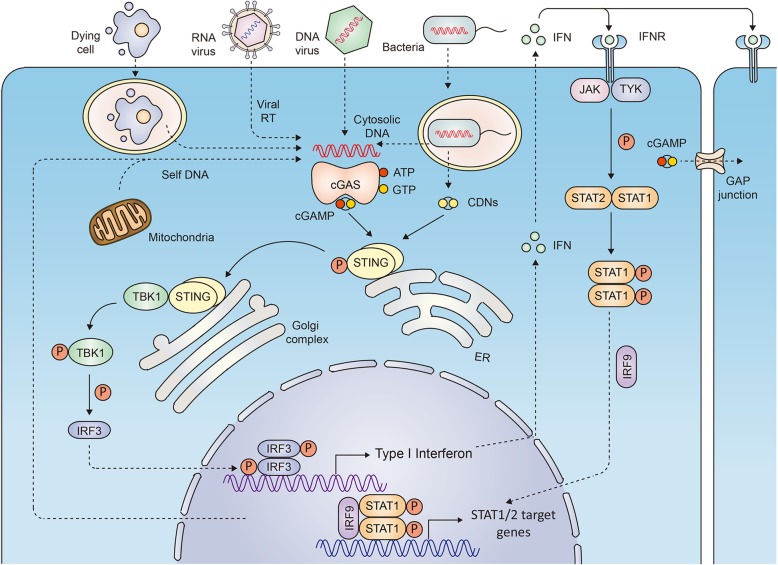
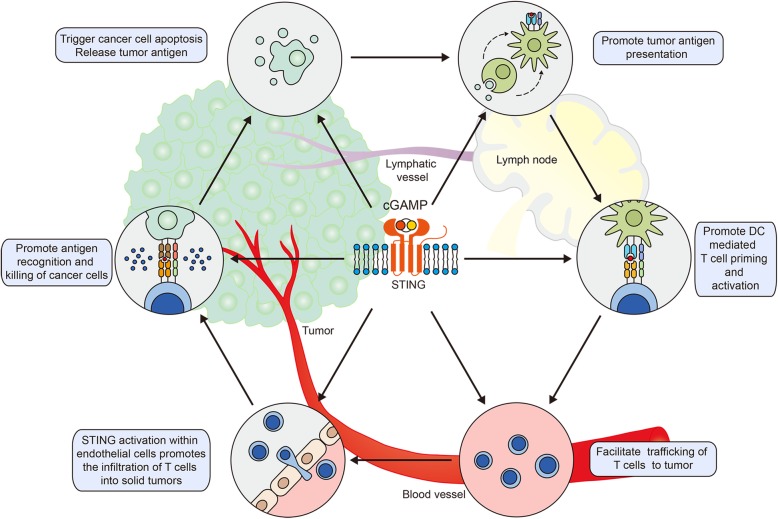
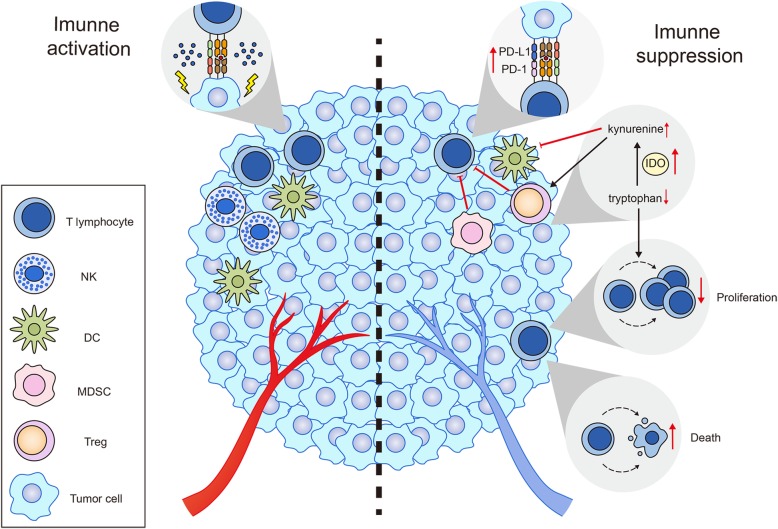
The aberrant appearance of DNA in the cytoplasm triggers the activation of cGAS-cGAMP-STING signaling and induces the production of type I interferons, which play critical roles in activating both innate and adaptive immune responses. Recently, numerous studies have shown that the activation of STING and the stimulation of type I IFN production are critical for the anticancer immune response. However, emerging evidence suggests that STING also regulates anticancer immunity in a type I IFN-independent manner. For instance, STING has been shown to induce cell death and facilitate the release of cancer cell antigens. Moreover, STING activation has been demonstrated to enhance cancer antigen presentation, contribute to the priming and activation of T cells, facilitate the trafficking and infiltration of T cells into tumors and promote the recognition and killing of cancer cells by T cells. In this review, we focus on STING and the cancer immune response, with particular attention to the roles of STING activation in the cancer-immunity cycle. Additionally, the negative effects of STING activation on the cancer immune response and non-immune roles of STING in cancer have also been discussed.
Overview
The claims and statistics of this paper haven’t been checked yet.
Free: it reads the open-access text and checks the first 5 claims that cite a source we can check. Create a free account to check every claim.
Integrity signals
Registry
Cites
Statistics
Figures
Verification
Claims the paper makes
The claims and statistics of this paper haven’t been checked yet.
Free: it reads the open-access text and checks the first 5 claims that cite a source we can check. Create a free account to check every claim.
Claims other papers make about this one
Each is checked against this paper’s own text: does it say what the citing paper says it does?
The source backs part of the claim, not all of it — or backs it for a different population, condition or comparison.
In the citing paper
“Intact TBK1 signaling is required for response to STING agonists, innate immune stimulatory molecules that mimic response to cytosolic DNA, which have been shown to limit tumour growth alone or in combination with cancer immunotherapy 46-48 .”
From Targeting TBK1 to overcome resistance to cancer immunotherapy (2023) · cites this paper as [46]
Experimental — accuracy not yet measured
Self-check
Percentages, sums and reported differences re-computed from the paper’s own numbers.
The self-check needs the paper’s full text.
Citations
Cites
Pattern Recognition Receptors and Inflammation
Takeuchi, O., & Akira, S. (2010) · Cell · doi:10.1016/j.cell.2010.01.022 · Cited by 8,895
Oncology meets immunology: the cancer-immunity cycle.
Chen, D. S., & Mellman, I. (2013) · Immunity · doi:10.1016/j.immuni.2013.07.012 · Cited by 6,929
Cyclic GMP-AMP Synthase Is a Cytosolic DNA Sensor That Activates the Type I Interferon Pathway
Sun, L., Wu, J., Du, F., Chen, X., & Chen, Z. J. (2013) · Science · doi:10.1126/science.1232458 · Cited by 4,996
STING is an endoplasmic reticulum adaptor that facilitates innate immune signalling
Ishikawa, H., & Barber, G. N. (2008) · Nature · doi:10.1038/nature07317 · Cited by 3,576
STING regulates intracellular DNA-mediated, type I interferon-dependent innate immunity
Ishikawa, H., Ma, Z., & Barber, G. N. (2009) · Nature · doi:10.1038/nature08476 · Cited by 2,759
Prevention of Allogeneic Fetal Rejection by Tryptophan Catabolism
Munn, D. H., Zhou, M., Attwood, J. T., Bondarev, I., Conway, S. J., Marshall, B., Brown, C., & Mellor, A. L. (1998) · Science · doi:10.1126/science.281.5380.1191 · Cited by 2,585
Cyclic GMP-AMP Is an Endogenous Second Messenger in Innate Immune Signaling by Cytosolic DNA
Wu, J., Sun, L., Chen, X., Du, F., Shi, H., Chen, C., & Chen, Z. J. (2013) · Science · doi:10.1126/science.1229963 · Cited by 2,541
The PD‐1 pathway in tolerance and autoimmunity
Francisco, L. M., Sage, P. T., & Sharpe, A. H. (2010) · Immunological Reviews · doi:10.1111/j.1600-065x.2010.00923.x · Cited by 2,300
Murphy, K., & Weaver, C. (2016) · W.W. Norton eBooks · doi:10.1201/9781315533247 · Cited by 2,258
CTLA-4 can function as a negative regulator of T cell activation
Walunas, T. L., Lenschow, D. J., Bakker, C. Y., Linsley, P. S., Freeman, G. J., Green, J. M., Thompson, C. B., & Bluestone, J. A. (1994) · Immunity · doi:10.1016/1074-7613(94)90071-x · Cited by 2,222
Cited by
Items 201–300 of 458
Ahmed, W., Li, S., Liang, M., Peng, P., Muhammad, W., Wang, Q., & Gao, C. (2025) · Biomaterials Advances · doi:10.1016/j.bioadv.2025.214289 · Cited by 16
Nanoimmunotherapy: the smart trooper for cancer therapy
Parveen, S., Konde, D. V., Paikray, S. K., Tripathy, N. S., Sahoo, L., Samal, H. B., & Dilnawaz, F. (2025) · Exploration of Targeted Anti-tumor Therapy · doi:10.37349/etat.2025.1002308 · Cited by 15
Innate myeloid cells in the tumor microenvironment
Duhan, V., & Smyth, M. J. (2021) · Current Opinion in Immunology · doi:10.1016/j.coi.2021.01.001 · Cited by 15
Corke, L., & Sacher, A. G. (2021) · Current Oncology · doi:10.3390/curroncol29010004 · Cited by 15
Pu, Z., Liu, J., Liu, Z., Peng, F., Zhu, Y., Wang, X., He, J., Yi, P., Hu, X., Fan, X., et al. (2022) · Cancer Cell International · doi:10.1186/s12935-022-02734-4 · Cited by 15
“Subsequently, the adaptive immune was activated [13, 14].”
Self-citationVinylphosphonate-based cyclic dinucleotides enhance STING-mediated cancer immunotherapy
Dejmek, M., Brázdová, A., Otava, T., Polidarova, M. P., Klíma, M., Smola, M., Vavřina, Z., Buděšínský, M., Dračínský, M., Liboska, R., et al. (2023) · European Journal of Medicinal Chemistry · doi:10.1016/j.ejmech.2023.115685 · Cited by 15
Toney, N. J., Schlom, J., & Donahue, R. N. (2023) · Journal of Experimental & Clinical Cancer Research · doi:10.1186/s13046-023-02802-1 · Cited by 15
Hasegawa, T., Yanagitani, N., Ninomiya, H., Sakamoto, H., Tozuka, T., Yoshida, H., Amino, Y., Uematsu, S., YOSHIZAWA, T., Ariyasu, R., et al. (2020) · In Vivo · doi:10.21873/invivo.12131 · Cited by 15
Borzi, C., Galli, G., Ganzinelli, M., Signorelli, D., Vernieri, C., Garassino, M. C., Sozzi, G., & Moro, M. (2020) · Pharmaceuticals · doi:10.3390/ph13110385 · Cited by 16
“Moreover, Kitajima and colleagues demonstrated that LKB1 loss leads to the suppression of stimulator of interferon genes (STING) [44], whose activation is critical for anticancer immune response [45].”
BackgroundWu, Y., Tang, C.-H. A., Mealer, C., Bastian, D. A., Sofi, M. H., Tian, L., Schutt, S. D., Choi, H.-J., Ticer, T. D., Zhang, M., et al. (2021) · Cellular and Molecular Immunology · doi:10.1038/s41423-020-00611-6 · Cited by 14
Wang, X., Zhan, Z., Wang, Z., Zhang, Y., Zhao, K., Han, L., Zhou, X., Guo, Y., Fan, F., Ding, J., et al. (2024) · MedComm · doi:10.1002/mco2.70001 · Cited by 14
TAX1BP1-dependent autophagic degradation of STING1 impairs anti-tumor immunity
Zhang, R., Yu, C., Zeh, H. J., Kroemer, G., Klionsky, D. J., Tang, D., & Kang, R. (2025) · Autophagy · doi:10.1080/15548627.2025.2471736 · Cited by 15
Villaruz, L. C., Blumenschein, G. R., Otterson, G. A., & Leal, T. A. B. (2023) · Cancer · doi:10.1002/cncr.34683 · Cited by 14
“17,30,39 133 Phase 1 studies of STING agonists combined with PD-(L)1 inhibitors in advanced solid tumors are ongoing, potentially including patients with NSCLC (Table 4).”
BackgroundSaulters, E. L., Kennedy, P. T., Carter, R. J., Alsufyani, A., Jones, T. M., Woolley, J. F., & Dahal, L. N. (2024) · Cancer Research Communications · doi:10.1158/2767-9764.crc-23-0299 · Cited by 14
“Our results agree with studies demonstrating that STING stimulation leads to increased immune cell activation and tumor cell targeting (66), suggesting that STING agonist treatment in addition to conventional therapies would have a positive impact on antitumor immune responses in HNSCCs.”
Yang, H., Zhan, X., Jia, Z., Shi, W., Liu, T., Wei, Z., Li, H., Hou, X., Mu, W., Chen, Y., et al. (2024) · Frontiers in Pharmacology · doi:10.3389/fphar.2024.1369563 · Cited by 14
You, Z., Lv, M., He, X., Pan, Y., Ge, J., Hu, X., Zheng, Y., Huang, M., Zhou, C., & You, C. (2022) · Frontiers in Immunology · doi:10.3389/fimmu.2022.871756 · Cited by 14
“In the immune microenvironment, previous studies have shown that the DDR pathway can activate and upregulate most immune cells including T cells, B cells, macrophages, and Tregs through the activation of CGAS-STING, making these patients more likely to benefit from immunity (35, 36).”
BackgroundKotani, H., Yamano, T., Boucher, J. C., Sato, S., Sakaguchi, H., Fukuda, K., Nishiyama, A., Yamashita, K., Ohtsubo, K., Takeuchi, S., et al. (2024) · Experimental Hematology and Oncology · doi:10.1186/s40164-024-00563-x · Cited by 13
“Since CCL5 upregulation is considered the STING activation effect of a classic Type I interferon response [11], these data indicate that TAK-981-induced MYC downregulation activates STING, which could drive the cancer-immu-nity cycle [12].”
BackgroundShu, C., Li, J., Rui, J., Fan, D., Niu, Q., Bai, R., Cicka, D., Doyle, S. P., Wahafu, A., Zheng, X., et al. (2025) · Nature Communications · doi:10.1038/s41467-025-57297-5 · Cited by 13
“3B), a reported STING-downstream event 45,46 , which was suppressed in LKB1-mut LUAD (Supplementary Fig.”
Animal Models for the Study of Nucleic Acid Immunity: Novel Tools and New Perspectives
Vila, I. K., Frétaud, M., Vlachakis, D. P., Laguette, N., & Langevin, C. (2020) · Journal of Molecular Biology · doi:10.1016/j.jmb.2020.08.016 · Cited by 13
“[71] Zhu Y, An X, Zhang X, Qiao Y, Zheng T, Li X.”
BackgroundA Large-Scale Exome-Wide Association Study Identifies Novel Germline Mutations in Lung Cancer
Shen, S., Li, Z., Jiang, Y., Duan, W., Li, H., Du, S., Esteller, M., Shen, H., Hu, Z., Zhao, Y., et al. (2023) · American Journal of Respiratory and Critical Care Medicine · doi:10.1164/rccm.202212-2199oc · Cited by 13
Prognostic significance of STING expression in solid tumor: a systematic review and meta-analysis
Kim, Y.-H., Cho, N.-Y., Jin, L., Jin, H. Y., & Kang, G. H. (2023) · Frontiers in Oncology · doi:10.3389/fonc.2023.1244962 · Cited by 13
Applications of nanotechnology in remodeling the tumour microenvironment for glioblastoma treatment
Mu, Y., Zhang, Z., Zhou, H., Ma, L., & Wang, D. (2024) · Biomaterials Science · doi:10.1039/d4bm00665h · Cited by 13
Kumar, V., Randhawa, P., Bilodeau, R. E., Mercola, D., McClelland, M., Agrawal, A., Nguyen, J., Castro, P. D., Ittmann, M., & Rahmatpanah, F. B. (2022) · Cancers · doi:10.3390/cancers14194923 · Cited by 12
Selective BCL-2 inhibitor triggers STING-dependent antitumor immunity via inducing mtDNA release
Zhang, W., Pan, X., Wang, L., Li, W., Dai, X., Zheng, M., Guo, H., Chen, X., Xu, Y., Wu, H., et al. (2025) · Journal for ImmunoTherapy of Cancer · doi:10.1136/jitc-2024-010889 · Cited by 12
Yao, S., Chen, S., Wang, A., Liang, Z., Liu, X., Gao, Y., & Cai, H. (2025) · Advanced Science · doi:10.1002/advs.202414637 · Cited by 12
Aljabali, A. A. A., Bashatwah, R. M., & Gammoh, O. (2025) · Exploration of Immunology · doi:10.37349/ei.2025.1003204 · Cited by 13
Bi, S., Yang, R., Cong, Y., Ju, H., & Liu, Y. (2025) · Journal of the American Chemical Society · doi:10.1021/jacs.5c08583 · Cited by 12
Wang, S., Diao, S., Kim, H., Zou, J. Y., Li, K., & Koromilas, A. E. (2025) · Communications Biology · doi:10.1038/s42003-025-08740-2 · Cited by 12
“However, research has shown that cholesterol biosynthesis can undermine STING signaling in virus-infected cells and tumor cells 67 – 69 .”
Xian, Y., Chen, Z., Lan, Z., Zhang, C., Sun, H., Liu, Z., Kong, P., Liang, Y., Zhao, Y., Liu, S. M., et al. (2025) · Gut Microbes · doi:10.1080/19490976.2025.2557978 · Cited by 12
“20 Recent studies have shown that microbiota could reprogram the tumor microenvironment and enhance the ICB efficacy via STING-type I interferon-dependent.”
Cationic nanogel–based nasal therapeutic HPV vaccine prevents the development of cervical cancer
Nakahashi-Ouchida, R., Mori, H., Yuki, Y., Machita, T., Katakai, Y., Umemoto, S., Uchida, Y., Yamanoue, T., Sawada, S., Ishige, K., et al. (2025) · Science Translational Medicine · doi:10.1126/scitranslmed.ado8840 · Cited by 12
c-di-GMP Induces COX-2 Expression in Macrophages in a STING-Independent Manner
Wang, M., Chaudhuri, R., Ong, W. W. S., & Sintim, H. O. (2021) · ACS Chemical Biology · doi:10.1021/acschembio.1c00342 · Cited by 12
Mancarella, D., Ellinghaus, H., Sigismondo, G., Veselinov, O., Kühn, A., Goyal, A., Hartmann, M., Fellenberg, J., Krijgsveld, J., Plass, C., et al. (2024) · International Journal of Cancer · doi:10.1002/ijc.34883 · Cited by 12
Dou, Y., Zheng, J., Kang, J. Y., Wang, L., Huang, D., Liu, Y., He, C., Lin, C., Lu, C., Wu, D., et al. (2024) · iScience · doi:10.1016/j.isci.2024.110150 · Cited by 13
“40 Recently, multiple studies have discovered that Mn 2+ ions can directly activate the cGAS-STING pathway and improve the efficacy of anti-tumor immunity.”
STING Agonists in Head and Neck Squamous Cell Carcinoma
Wallington, D. G., Contessa, J. N., & Hayman, T. J. (2022) · The Cancer Journal · doi:10.1097/ppo.0000000000000620 · Cited by 12
Majerčiak, V., & Zheng, Z. (2024) · hLife · doi:10.1016/j.hlife.2024.11.005 · Cited by 11
“Released type I IFN binds to IFN receptor and activates Janus kinase 1 (JAK1) and tyrosine kinase 2 (TYK2) to phosphorylate transcription factor STAT1 and promote expression of IFN-stimulated genes (ISGs) [41,42].”
Du, R., Zhang, J., Lukas, R. V., Tripathi, S., Ahrendsen, J. T., Curran, M. A., Dmello, C., Zhang, P., Stupp, R., Rao, G., et al. (2024) · Neuro-Oncology · doi:10.1093/neuonc/noae193 · Cited by 12
Improved bladder cancer antitumor efficacy with a recombinant BCG that releases a STING agonistPreprint
Um, P. K., Praharaj, M., Lombardo, K. A., Yoshida, T., Matoso, A., Baras, A. S., Zhao, L., Srikrishna, G., Huang, J., Prasad, P., et al. (2023) · bioRxiv (Cold Spring Harbor Laboratory) · doi:10.1101/2023.12.15.571740 · Cited by 11
Shaik, R., Suthar, K., Balija, C., Aleem, S., Syeda, F. S., Syeda, S., & Begum, S. (2025) · Cancer Biotherapy and Radiopharmaceuticals · doi:10.1177/10849785251362585 · Cited by 10
“49 However, the effectiveness of STING pathway agonists is constrained by numerous drug delivery and pharmacological challenges.”
Chen, X., Wu, Q., Cao, X., Yang, Y., Gong, Z., Ren, T., Du, Q., Yuan, Y., Zuo, Y., Miao, Y., et al. (2022) · International Immunopharmacology · doi:10.1016/j.intimp.2022.109228 · Cited by 10
Liu, H., Trani, N. D., Conte, M., Nguyen, D. C., Jokonya, S., Wu, A., Pol, R. V., Joubert, A. L., Facchi, I., Wood, A. M., et al. (2024) · Nano Today · doi:10.1016/j.nantod.2024.102258 · Cited by 10
Xue, P., Wang, Y., Wang, X. J., Zhou, S., Wu, X., Long, L., & Guo, C. (2024) · Chemical Engineering Journal · doi:10.1016/j.cej.2024.156729 · Cited by 10
Ozawa, Y., Koh, Y., Shibaki, R., Harutani, Y., Akamatsu, H., Hayata, A., Sugimoto, T., Kitamura, Y., Fukuoka, J., Nakanishi, M., et al. (2024) · Cancer Immunology Immunotherapy · doi:10.1007/s00262-024-03861-9 · Cited by 10
“This cGAS/STING pathway is thought to be a key factor in the immune-driven initiation, progression, and spread of cancer [4, 5] .”
BackgroundSOCS1 Protects Acute Myeloid Leukemia against Allogeneic T Cell–Mediated Cytotoxicity
Tin, E., Rutella, S., Khatri, I. A., Na, Y., Yan, Y., MacLean, N., Vadakekolathu, J. N., Minden, M. D., Schimmer, A. D., Lee, J. B., et al. (2025) · Blood Cancer Discovery · doi:10.1158/2643-3230.bcd-24-0140 · Cited by 10
Future of immunotherapy in pancreas cancer and the trials, tribulations and successes thus far
Wong, W., Alouani, E. L., Wei, A. Z., Ryu, Y. K., Chabot, J. A., & Manji, G. A. (2021) · Seminars in Oncology · doi:10.1053/j.seminoncol.2021.02.007 · Cited by 10
STINGing Viral Tumors: What We Know from Head and Neck Cancers
Saulters, E. L., Woolley, J. F., Varadarajan, S., Jones, T. M., & Dahal, L. N. (2021) · Cancer Research · doi:10.1158/0008-5472.can-21-0785 · Cited by 10
“Immune cells can have high levels of STING (48), suggesting that the true cancer cell–specific expression of STING may be misconstrued across highly infiltrated HPVþ samples.”
BackgroundBoosting Doxil-Based Chemoimmunotherapy Via Reprogramming Tumor-Associated Macrophages
Zhang, X., Wei, Z., Ding, Z., Lv, W., Li, J., Li, X., Liu, H., Yu, P., Yang, X., & Gan, L. (2022) · Chemical Engineering Journal · doi:10.1016/j.cej.2022.138971 · Cited by 10
Self-citationCoarse-grained simulations of phase separation driven by DNA and its sensor protein cGAS
Su, Z., Dhusia, K., & Wu, Y. (2021) · Archives of Biochemistry and Biophysics · doi:10.1016/j.abb.2021.109001 · Cited by 10
Gao, Z., Azar, J. H., Zhu, H., Williams-Perez, S. M., Kang, S. W., Marginean, C. E., Rubinstein, M. P., Makawita, S., Lee, H., & Camp, E. R. (2024) · Frontiers in Immunology · doi:10.3389/fimmu.2024.1324093 · Cited by 10
“Stimulator of interferon genes, or STING, is a double-stranded DNA sensor, that along with STING agonists, can activate antitumoral immune responses (158).”
BackgroundWu, G., Yu, C., Ding, C., Yao, S., Du, J., Fu, Z., Liu, Y., Fan, Y., Wu, G., Zhang, A., et al. (2025) · MedComm · doi:10.1002/mco2.70254 · Cited by 9
CAD hijacks STING to impair antitumor immunity and radiotherapy efficacy of colorectal cancer
Cai, Z., Cheng, Z., Zhang, L., Zhang, Y., Shi, J., Jin, J., Mi, Z., Yuan, Z., & Wu, Z. (2025) · Cell Death and Disease · doi:10.1038/s41419-025-07964-8 · Cited by 9
“The phosphorylated IRF3 then translocates into the nucleus to transcribe IFN-Is and chemokines, establishing an immunogenic tumor microenvironment (TME) [9, 10].”
Innate Immune Mechanisms and Immunotherapy of Myeloid Malignancies
Small, S. H., Numan, Y., & Platanias, L. C. (2021) · Biomedicines · doi:10.3390/biomedicines9111631 · Cited by 9
Rodrigues, J. M., Lokhande, L., Olsson, L. M., Hassan, M., Johansson, A., Janská, A., Kumar, D., Schmidt, L., Nikkarinen, A., Hollander, P., et al. (2024) · Blood Advances · doi:10.1182/bloodadvances.2023012039 · Cited by 9
“54 Therapeutic strategies that include small molecules that activate STING in combination with anti-PD-1 treatment are being explored in clinical trials for advanced solid tumors and lymphomas.”
BackgroundYuan, H., Bai, Y., Gu, D., Wang, P., Sun, X., Yang, J., Wong, Y. K., Huang, W., Wang, X., Ma, J., et al. (2024) · Nano Today · doi:10.1016/j.nantod.2024.102419 · Cited by 9
STING is crucial for the survival of RUNX1::RUNX1T1 leukemia cells
Sun, Y., Wu, Y., Pang, G.-Z., Huang, J., Sheng, M., Xie, J., Chen, P., Wang, Y., Yin, D., Zhao, G., et al. (2024) · Leukemia · doi:10.1038/s41375-024-02383-8 · Cited by 9
Hoover, A. R., Liu, K., Furrer, C. L., Lam, S. S. K., Anderson, D. W., Zhou, Z., Yang, J., Wong, C. F., Medcalf, A. D., Sun, X., et al. (2024) · Advanced Functional Materials · doi:10.1002/adfm.202410079 · Cited by 9
Liu, H., Sun, Y., Li, J., Chen, Y., Liu, J., Fang, J., Yang, H., Feng, L., Peng, S., Zhuang, R., et al. (2023) · Molecular Pharmaceutics · doi:10.1021/acs.molpharmaceut.3c00137 · Cited by 9
Self-citationInterferon induction by STING requires its translocation to the late endosomes
Wang, C., Sharma, N., Kessler, P., & Sen, G. C. (2023) · Traffic · doi:10.1111/tra.12918 · Cited by 9
Chemical Biology Perspectives on STING Agonists as Tumor Immunotherapy
Xuan, C., & Hu, R. (2023) · ChemMedChem · doi:10.1002/cmdc.202300405 · Cited by 9
Ji, S. H., Kang, M., Ahn, H., Baek, S. Y., Lee, I., Jeon, H., Chung, H. W., Han, D. K., Yang, S., Lee, H., et al. (2025) · Journal of Medicinal Chemistry · doi:10.1021/acs.jmedchem.5c01021 · Cited by 8
Liu, Y., Wu, Z., Wang, Z., Khan, M. K., & Wu, F. (2025) · Science China Materials · doi:10.1007/s40843-025-3621-y · Cited by 8
“Currently, the STING pathway is commonly pharmacologically activated by endogenous cyclic dinucleotides (CDNs) or non-nucleotide agonists such as benzothiophene oxobutanoic acid (MSA-2) [61,72].”
Zhang, Y., Feng, S., Luo, J., Xu, K., Guo, J., Zhang, X., Yuan, M., Luo, Q., Huang, Y., Fan, C., et al. (2025) · Advanced Functional Materials · doi:10.1002/adfm.202520463 · Cited by 9
Self-citationSterile innate immune mechanisms in neurodegenerative diseases
Ealy, A., Serapiglia, A. M., & Panicker, N. (2025) · Journal of Biological Chemistry · doi:10.1016/j.jbc.2025.111039 · Cited by 8
“…role in peripheral innate immune regulation by sensing cytosolic DNA and inducing the production of IFN β to mount antiviral responses (91, 98, 102, 105, 106). cGAS-generated cGAMP can be transferred from one cell to neighboring cells through gap junctions, serving to propagate cGAS/ STING…”
Zhang, X., Gu, A., Zhou, L., Ma, Y., Wu, P., Zhu, B., Yan, R., Cong, G., Ma, X., & Jia, S. (2026) · PLoS ONE · doi:10.1371/journal.pone.0341839 · Cited by 8
“…cyclic GMP–AMP synthase (cGAS) senses cytosolic DNA and generates cyclic GMP– AMP (cGAMP). cGAMP binds and activates STING, which dimerizes and translocates to recruit TANK-binding kinase 1 (TBK1) and phosphorylate IRF3, thereby inducing type I interferons and other inflammatory mediators [12–14].”
Self-citationWang, B., Wang, Z., Li, Y., Shang, Z., Liu, Z., Fan, H., Zhan, R., & Xin, T. (2024) · Frontiers in Immunology · doi:10.3389/fimmu.2024.1327898 · Cited by 8
“In a previous study, TRIM56 was shown to be an interferon-inducible E3 ubiquitin ligase that can be overexpressed upon stimulation with double-stranded DNA to regulate stimulator of interferon genes (STING) to produce type I interferon and thus mediate innate immune responses (12, 13).”
BackgroundQi, X., Cheng, C., Zhang, D., Yu, Z., & Meng, X. (2024) · Frontiers in Immunology · doi:10.3389/fimmu.2024.1488345 · Cited by 8
“Targeting Tregs through STING agonists may lead to a decrease in their suppressive effects, allowing for a more robust T cell response against tumor cells (15).”
Deubiquitination enzyme USP35 negatively regulates MAVS signaling to inhibit anti-tumor immunity
Zhang, H., Zhu, J., He, R. X., Xu, L., Chen, Y., Yu, H., Sun, X., Wan, S., Yin, X., Liu, Y., et al. (2025) · Cell Death and Disease · doi:10.1038/s41419-025-07411-8 · Cited by 8
Jeon, M. J., Lee, H., Jo, S., Kang, M., Jeong, J. H., Jeong, S. H., Lee, J., Song, G. Y., Choo, H., Lee, S., et al. (2023) · European Journal of Medicinal Chemistry · doi:10.1016/j.ejmech.2023.115834 · Cited by 8
Li, F., Wang, D., Gao, Y., & Cui, Y. (2025) · Frontiers in Immunology · doi:10.3389/fimmu.2025.1648698 · Cited by 7
Piseddu, I., Endres, R., Lanzl, F., Hammann, L., Bérouti, M., Thaler, M. B., Fahr, L., Fischer, H., Varlamova, V., Gärtig, J., et al. (2026) · Gastroenterology · doi:10.1053/j.gastro.2026.01.031 · Cited by 7
Hydrogel‐Based Strategies to Enhance T‐Cell Performance for Solid Tumor Immunotherapy
Oh, S. W., & Kim, P. (2023) · Advanced Therapeutics · doi:10.1002/adtp.202300094 · Cited by 8
Ho, M., Zhang, C., Moon, I., Tunçtürk, M., Coombes, B. J., Biernacka, J. M., Skime, M. K., Oesterle, T., Karpyak, V. M., Li, H., et al. (2024) · Translational Psychiatry · doi:10.1038/s41398-024-02880-5 · Cited by 7
“5D) [43, 44].”
Choi, E.-S., Bagley, A. F., Haque, S., Winters, C., & Sun, C. (2024) · Materials Today Advances · doi:10.1016/j.mtadv.2024.100539 · Cited by 7
Chen, L., Yin, J., Xu, K., Cui, Y., Zhu, S., Li, T. X., Lv, T., Song, Y., & Zhan, P. (2025) · Critical Reviews in Oncology/Hematology · doi:10.1016/j.critrevonc.2025.104717 · Cited by 7
Hashemi, S. M. J., Ghalehnoei, H., Barzegar, A., Feizi‐Dehnayebi, M., Akhtari, J., & Mellati, A. (2025) · Journal of Molecular Graphics and Modelling · doi:10.1016/j.jmgm.2025.109086 · Cited by 7
Enhancement of Immunotherapies in Head and Neck Cancers Using Biomaterial-Based Treatment Strategies
Sunga, G. M., Hartgerink, J. D., Sikora, A. G., & Young, S. W. (2023) · Tissue Engineering Part C Methods · doi:10.1089/ten.tec.2023.0090 · Cited by 7
“181 An ongoing phase I clinical trial is testing a novel systemically delivered anti-HER2-STING agonist antibody-drug conjugate (XMT-2056) in advanced or recurrent HER2 + solid tumors.”
Microglial inflammation in genome instability: A neurodegenerative perspective
Maliar, N. L., Talbot, E., Edwards, A. R., & Khoronenkova, S. V. (2024) · DNA repair · doi:10.1016/j.dnarep.2024.103634 · Cited by 7
Fang, J., Wang, X., Meng, L., Zhang, J., Zhuang, R., Li, Y., Zhang, X., & Guo, Z. (2024) · ACS Pharmacology & Translational Science · doi:10.1021/acsptsci.3c00398 · Cited by 7
Self-citationLuo, S., Li, S., Liu, C., Yu, D., Sun, L., Zhang, S., Zhao, N., Zhang, M., Nie, J., Zhao, Y., et al. (2024) · Cancer Letters · doi:10.1016/j.canlet.2024.216992 · Cited by 7
Self-citationKobatake, K., Ikeda, K., Nakata, Y., Yamasaki, N., Kanai, A., Sekino, Y., Takemoto, K., Fukushima, T., Babasaki, T., Kitano, H., et al. (2022) · Urologic Oncology Seminars and Original Investigations · doi:10.1016/j.urolonc.2022.07.001 · Cited by 7
Yan, X., Gao, X., Li, X., Qiu, Q., Li, C., Yan, N. J., Li, J., Liu, M., Tang, X., Liu, X., et al. (2022) · International Journal of Pharmaceutics · doi:10.1016/j.ijpharm.2022.122467 · Cited by 7
Self-citation18F-Labeled Amidobenzimidazole Analogue for Visualizing STING Expression in Tumor
Fang, J., Zhang, J., Meng, L., Li, H., Xia, D., Wang, Y., Chen, H., Liao, Z., Zhuang, R., Li, Y., et al. (2024) · Molecular Pharmaceutics · doi:10.1021/acs.molpharmaceut.3c01201 · Cited by 6
Self-citationZhang, Q., Chan, W.-L., Fung, S., Pang, L., Ding, T., Teo, J. M. N., Zhou, Y., Wu, C. M. A., Siu, K., Bi, J., et al. (2025) · Molecular Therapy · doi:10.1016/j.ymthe.2025.01.043 · Cited by 6
Advances in Antioxidant Nanofibers for Skin Tissue Engineering: A Comprehensive Review
Selvaraj, S., & Fathima, N. N. (2025) · ChemistrySelect · doi:10.1002/slct.202503190 · Cited by 6
Leveraging innate immune signals in CD8+ T cells to boost antitumor immunity
Albert, G. K., Cao, P., & Davila, E. (2025) · Frontiers in Immunology · doi:10.3389/fimmu.2025.1617773 · Cited by 6
“STING is located in the membrane of the Endoplasmic Reticulum and upon interaction with cGAMP, STING is activated and translocates to the Golgi Apparatus.”
InfluentialJUN–ENPP1–cGAS–STING axis mediates immune evasion and tumor progression in bladder cancer
You, C., Fang, Q., Qing, L., Xiao, X., Liu, Y., Yang, W., Li, Q., Li, R., Wang, Y., & Dong, Z. (2025) · Journal of Translational Medicine · doi:10.1186/s12967-025-07275-8 · Cited by 6
“…downstream of ENPP1-mediated attenuation of cGAS–STING/type-I IFN signaling, (ii) literature precedent linking CCR5/CXCR3 axes to CD8 ⁺ homing and effector function in solid tumors, and (iii) pilot data in our models showing concordant modulation of CCL5/ CXCL10 upon ENPP1 perturbation [49–54].”
Targeting autophagy in dysfunctional tumor vasculature
Lin, Q., Cai, B., Ke, R., Ni, X., Wan, X., Chen, L., Huang, T., Shan, X., & Wang, B. (2025) · iScience · doi:10.1016/j.isci.2025.114084 · Cited by 6
Zheng, S., Zheng, Y., Hu, H., Liu, M., He, C., Wu, Z., Hou, M., Liu, G., Xu, Y., Yan, C., et al. (2025) · Journal of Nanobiotechnology · doi:10.1186/s12951-025-03808-x · Cited by 6
“Additionally, downstream type I interferon (IFN) production and secretion of inflammatory cytokines contribute to the formation of an immunologically active TME, facilitating the conversion of immunologically “cold tumors” into “hot tumors” to enhance antitumor immunity [23, 24].”
Park, J. Y., Kang, M., Lim, S., Cho, H., Yang, S., Baek, S. Y., Tan, L., Song, C., Lee, M., Yeom, B., et al. (2024) · Chemical Engineering Journal · doi:10.1016/j.cej.2024.157037 · Cited by 6
Zhang, S., Zhou, H., Liu, Y., Chen, G., Li, Q., Xu, Y., Zheng, R., Li, S., Chen, X., & Zhao, L. (2025) · Journal of Colloid and Interface Science · doi:10.1016/j.jcis.2025.02.179 · Cited by 6
STING and transplantation: can targeting this pathway improve outcomes?
Bader, C. S., Jin, L., & Levy, R. B. (2021) · Blood · doi:10.1182/blood.2020008911 · Cited by 6
Xu, J., Solban, N., Wang, Y., Ferguson, H. M., Perera, S. A., Lin, K. Y., Cai, M., Miller, P. L., Schutt, E. G., Larsen, C. T., et al. (2021) · Advanced Therapeutics · doi:10.1002/adtp.202100154 · Cited by 6
Resistance to Immunotherapy: Mechanisms and Means for Overcoming
Salkeni, M. A., Shin, J. Y., & Gulley, J. L. (2021) · Advances in experimental medicine and biology · doi:10.1007/978-3-030-79308-1_2 · Cited by 6
Zhou, L. Q., Xu, Q., Huang, L., Zhan, P., Jin, J., Ye, M., Liu, H., Zhang, F., Wang, Z., Liu, J., et al. (2022) · Immunology · doi:10.1111/imm.13549 · Cited by 6
Du, M., Han, L., Shen, P., Wu, D., & Tu, S.-H. (2022) · Journal of Oncology · doi:10.1155/2022/2054901 · Cited by 6
“It is beyond question that macrophages with an M2-like phenotype might contribute to immunosuppression, tumor development, and angiogenesis [37, 38].”
BackgroundcGAS-STING signaling is blunted in senescent macrophages and monocytes in obesity
Schmitz, C. R. R., Grün, L. K., Makiyama, B. K., Piazza, L. S., Padoin, A. V., Mottin, C. C., Bauer, M. E., Guma, F. T. C. R., & Barbé‐Tuana, F. M. (2025) · Mechanisms of Ageing and Development · doi:10.1016/j.mad.2025.112140 · Cited by 5
STING agonist-primed supramolecular oncolytic hydrogel vaccine for tuning tumors against themselves
Guo, M., Xie, S., Jiang, C., Tang, M., Zhang, W., Xiong, L., Shang, Q., An, X., & Wang, F. (2026) · Journal of Controlled Release · doi:10.1016/j.jconrel.2026.115032 · Cited by 5
Self-citationYun, Y. I., Ko, J. H., Ryu, J. S., Kim, S.-H., Jeon, H. S., Kim, N., Kim, M. K., & Oh, J. Y. (2024) · The Ocular Surface · doi:10.1016/j.jtos.2024.07.002 · Cited by 5
Hemmingsen, J. K., Enemark, M. B., Sørensen, E. F., Lauridsen, K. L., Hamilton-Dutoit, S. J., Kridel, R., Honoré, B., & Ludvigsen, M. (2024) · Cancers · doi:10.3390/cancers16193278 · Cited by 5
“Upon cyclic GMP-AMP synthase recognizing foreign DNA, STING1 is activated by sensing the second messenger cyclic GMP-AMP, initiating an interferon type I (IFN-I) response [27].”
BackgroundHarnessing the cooperation between DNA‐PK and cGAS in cancer therapies
Taffoni, C., Schüssler, M., Vila, I. K., & Laguette, N. (2023) · BioEssays · doi:10.1002/bies.202300045 · Cited by 5
VRK1 promotes DNA-induced type I interferon production
Fan, Z., Wang, X., Cheng, H., & Pan, M. (2024) · Molecular Biology Reports · doi:10.1007/s11033-024-09414-8 · Cited by 6
“Recently, a series of studies indicate that the cGAS-STING pathway plays an important role in the anticancer immunity [34 ].”
Metadata
- Authors
- Zhu, Y., An, X., Zhang, X., Qiao, Y., Zheng, T., & Li, X.
- Affiliations
- Harbin Medical University (CN)
- Corresponding author
- Zheng, Tongsen
- Li, Xiaobo
- Venue
- Molecular Cancer
- Published
- 2019-11-04
- Volume
- 18
- Issue
- 1
- Pages
- 152-152
- ISSN
- 1476-4598 (ISSN-L)
- PMC
- PMC6827255
- OpenAlex
- W2988506530
- Semantic Scholar
- 177707de7d3a71a037aa8b264878f0aed2f06276
- Cited by
- 431
- References
- 129
- Citations by year
- 2026: 47 · 2025: 82 · 2024: 70 · 2023: 78 · 2022: 67 · 2021: 56 · 2020: 31
- FWCI
- 3.32
- Type
- journal article
- Language
- en
- Open access
- gold
- doi.org
- Licence
- cc-by
- creativecommons.org/licenses/by/4.0/ (tdm)
- creativecommons.org/licenses/by/4.0/ (vor)
- Locations
- Molecular Cancer (publishedVersion, cc-by)
- PubMed Central (publishedVersion, cc-by)
- PubMed (publishedVersion)
- DOAJ (DOAJ: Directory of Open Access Journals) (submittedVersion, cc-by-sa)
- Funders
- National Natural Scientific Foundation of China (NO. 81872435, NO. 81672930, No. 81871976)
- Fok Ying Tung Education Foundation (No. 151037)
- National Youth Talent Support Program (W03070060)
- Academician Yu Weihan Outstanding youth foundation of Harbin Medical University
- Topics
- Life Sciences › Immunology and Microbiology › Immunology › interferon and immune responses
- Health Sciences › Medicine › Oncology › Cancer Immunotherapy and Biomarkers
- Life Sciences › Immunology and Microbiology › Immunology › Immunotherapy and Immune Responses
- Keywords
- STING, cancer-immunity cycle, type I interferon, cytosolic DNA sensing, cancer immunotherapy, cancer cell death, tumor immunosuppression
- MeSH terms
- STING Protein, Animals, Antigens, Neoplasm, Disease Susceptibility, Humans, Immunity, Innate, Immunotherapy, Interferon Type I, Membrane Proteins, Neoplasms, Signal Transduction, Gene Expression Regulation, Neoplastic, Immunomodulation
About these checks
Registry, retraction, Cites and statistics results are computed, not judged, with one exception: a printed reference that no index lists is read once by a model before it counts as a citation error. Claims are extracted by a model and kept only when their quote appears verbatim in the text; each cited source is then checked, with a model’s help, for whether it says what the claim relies on. Those verdicts can be wrong — read the claim’s quote and the cited source before relying on one.
Statistics and arithmetic are recomputed, not judged.
Confidence bands are shown only for fields calibrated on our annotated test set. None is calibrated yet, so no band is shown.
What counts as a claim ›How we measure confidence ›How we check this ›
Are you an author, or do you see a problem with this page? Request a review
Data sources
Bibliographic data: Semantic Scholar, OpenAlex, Crossref.
Contains information from the Semantic Scholar Academic Graph Datasets, made available under the ODC Attribution License (ODC-BY 1.0).
Semantic Scholar’s data is described in: Kinney, R., et al. (2023). The Semantic Scholar Open Data Platform. arXiv:2301.10140.
