

STING: a master regulator in the cancer-immunity cycle
Open accessThe DOI matches its Crossref record; 129 of the 129 references it cites were found in a registry or an index.
Abstract
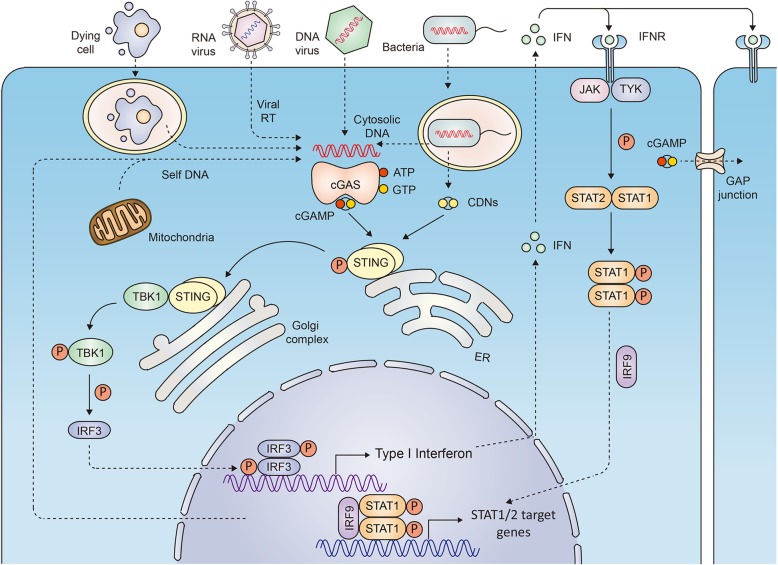
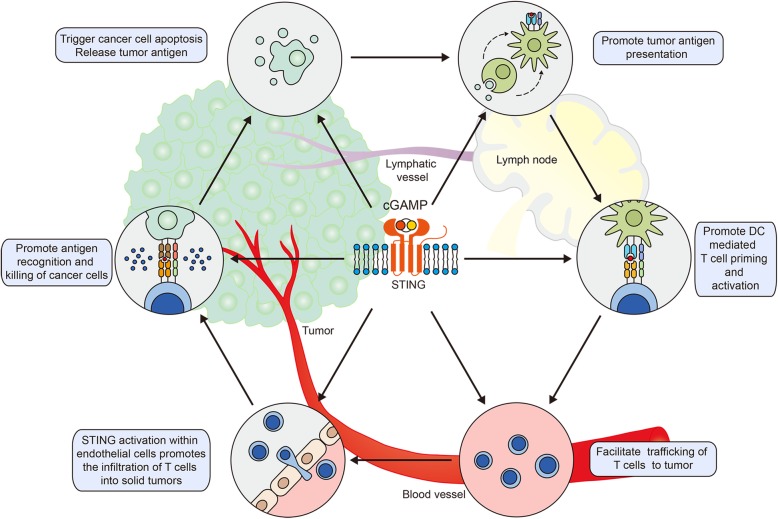
The aberrant appearance of DNA in the cytoplasm triggers the activation of cGAS-cGAMP-STING signaling and induces the production of type I interferons, which play critical roles in activating both innate and adaptive immune responses. Recently, numerous studies have shown that the activation of STING and the stimulation of type I IFN production are critical for the anticancer immune response. However, emerging evidence suggests that STING also regulates anticancer immunity in a type I IFN-independent manner. For instance, STING has been shown to induce cell death and facilitate the release of cancer cell antigens. Moreover, STING activation has been demonstrated to enhance cancer antigen presentation, contribute to the priming and activation of T cells, facilitate the trafficking and infiltration of T cells into tumors and promote the recognition and killing of cancer cells by T cells. In this review, we focus on STING and the cancer immune response, with particular attention to the roles of STING activation in the cancer-immunity cycle. Additionally, the negative effects of STING activation on the cancer immune response and non-immune roles of STING in cancer have also been discussed.
Overview
The claims and statistics of this paper haven’t been checked yet.
Free: it reads the open-access text and checks the first 5 claims that cite a source we can check. Create a free account to check every claim.
Integrity signals
Registry
Cites
Statistics
Figures
Verification
Claims the paper makes
The claims and statistics of this paper haven’t been checked yet.
Free: it reads the open-access text and checks the first 5 claims that cite a source we can check. Create a free account to check every claim.
Claims other papers make about this one
Each is checked against this paper’s own text: does it say what the citing paper says it does?
The source backs part of the claim, not all of it — or backs it for a different population, condition or comparison.
In the citing paper
“Intact TBK1 signaling is required for response to STING agonists, innate immune stimulatory molecules that mimic response to cytosolic DNA, which have been shown to limit tumour growth alone or in combination with cancer immunotherapy 46-48 .”
From Targeting TBK1 to overcome resistance to cancer immunotherapy (2023) · cites this paper as [46]
Experimental — accuracy not yet measured
Self-check
Percentages, sums and reported differences re-computed from the paper’s own numbers.
The self-check needs the paper’s full text.
Citations
Cites
Pattern Recognition Receptors and Inflammation
Takeuchi, O., & Akira, S. (2010) · Cell · doi:10.1016/j.cell.2010.01.022 · Cited by 8,895
Oncology meets immunology: the cancer-immunity cycle.
Chen, D. S., & Mellman, I. (2013) · Immunity · doi:10.1016/j.immuni.2013.07.012 · Cited by 6,929
Cyclic GMP-AMP Synthase Is a Cytosolic DNA Sensor That Activates the Type I Interferon Pathway
Sun, L., Wu, J., Du, F., Chen, X., & Chen, Z. J. (2013) · Science · doi:10.1126/science.1232458 · Cited by 4,996
STING is an endoplasmic reticulum adaptor that facilitates innate immune signalling
Ishikawa, H., & Barber, G. N. (2008) · Nature · doi:10.1038/nature07317 · Cited by 3,576
STING regulates intracellular DNA-mediated, type I interferon-dependent innate immunity
Ishikawa, H., Ma, Z., & Barber, G. N. (2009) · Nature · doi:10.1038/nature08476 · Cited by 2,759
Prevention of Allogeneic Fetal Rejection by Tryptophan Catabolism
Munn, D. H., Zhou, M., Attwood, J. T., Bondarev, I., Conway, S. J., Marshall, B., Brown, C., & Mellor, A. L. (1998) · Science · doi:10.1126/science.281.5380.1191 · Cited by 2,585
Cyclic GMP-AMP Is an Endogenous Second Messenger in Innate Immune Signaling by Cytosolic DNA
Wu, J., Sun, L., Chen, X., Du, F., Shi, H., Chen, C., & Chen, Z. J. (2013) · Science · doi:10.1126/science.1229963 · Cited by 2,541
The PD‐1 pathway in tolerance and autoimmunity
Francisco, L. M., Sage, P. T., & Sharpe, A. H. (2010) · Immunological Reviews · doi:10.1111/j.1600-065x.2010.00923.x · Cited by 2,300
Murphy, K., & Weaver, C. (2016) · W.W. Norton eBooks · doi:10.1201/9781315533247 · Cited by 2,258
CTLA-4 can function as a negative regulator of T cell activation
Walunas, T. L., Lenschow, D. J., Bakker, C. Y., Linsley, P. S., Freeman, G. J., Green, J. M., Thompson, C. B., & Bluestone, J. A. (1994) · Immunity · doi:10.1016/1074-7613(94)90071-x · Cited by 2,222
Cited by
Exploring the next generation of antibody–drug conjugates
Tsuchikama, K., Anami, Y., Ha, S. Y. Y., & Yamazaki, C. M. (2024) · Nature Reviews Clinical Oncology · doi:10.1038/s41571-023-00850-2 · Cited by 659
“The cGAS–cGAMP–STING axis is activated by exposure to foreign DNA derived from microbial pathogens and/or dying tumour cells, leading to the production of type I interferons and activation of innate immunity 205 .”
Chemical and Biomolecular Strategies for STING Pathway Activation in Cancer Immunotherapy
Garland, K. M., Sheehy, T. L., & Wilson, J. T. (2022) · Chemical Reviews · doi:10.1021/acs.chemrev.1c00750 · Cited by 357
Cytokinocytes: the diverse contribution of keratinocytes to immune responses in skin
Jiang, Y., Tsoi, L. C., Billi, A. C., Ward, N. L., Harms, P. W., Zeng, C., Maverakis, E., Kahlenberg, J. M., & Gudjonsson, J. E. (2020) · JCI Insight · doi:10.1172/jci.insight.142067 · Cited by 348
“Keratinocyte apoptosis is considered to play a role in CLE pathogenesis (83, 156), and increased type I IFNs are considered an important pathway in its pathogenesis (83).”
BackgroundInfluentialEpigenetic modulation of antitumor immunity for improved cancer immunotherapy
Dai, E., Zhu, Z., Wahed, S., Qu, Z., Storkus, W. J., & Guo, Z. S. (2021) · Molecular Cancer · doi:10.1186/s12943-021-01464-x · Cited by 328
“STING STING is a master regulator of cancer immunity [193, 194].”
BackgroundComprehensive elaboration of the cGAS-STING signaling axis in cancer development and immunotherapy
Zheng, J., Mo, J., Zhu, T., Zhuo, W., Yi, Y., Hu, S., Yin, J., Zhang, W., Zhou, H., & Liu, Z. (2020) · Molecular Cancer · doi:10.1186/s12943-020-01250-1 · Cited by 326
Jiang, M., Jia, K., Wang, L., Li, W., Chen, B., Liu, Y., Wang, H., Zhao, S., He, Y., & Zhou, C. (2021) · Acta Pharmaceutica Sinica B · doi:10.1016/j.apsb.2021.01.003 · Cited by 320
Designing spatial and temporal control of vaccine responses
Roth, G. A., Picece, V. C. T. M., Ou, B. S., Luo, W., Pulendran, B., & Appel, E. A. (2021) · Nature Reviews Materials · doi:10.1038/s41578-021-00372-2 · Cited by 316
Trial watch: STING agonists in cancer therapy
Le Naour, J., Zitvogel, L., Galluzzi, L., Vacchelli, E., & Kroemer, G. (2020) · OncoImmunology · doi:10.1080/2162402x.2020.1777624 · Cited by 289
The Role of Inflammation in Cancer: Mechanisms of Tumor Initiation, Progression, and Metastasis
Nishida, A., & Andoh, A. (2025) · Cells · doi:10.3390/cells14070488 · Cited by 270
“Furthermore, STING agonists can enhance the efficacy of chemotherapy and radiotherapy by improving immune recognition of tumor cells [203].”
Trial watch: TLR3 agonists in cancer therapy
Le Naour, J., Galluzzi, L., Zitvogel, L., Kroemer, G., & Vacchelli, E. (2020) · OncoImmunology · doi:10.1080/2162402x.2020.1771143 · Cited by 239
Zhang, P., Rashidi, A., Zhao, J., Silvers, C., Wang, H., Castro, B., Ellingwood, A., Han, Y., Lopez-Rosas, A., Zannikou, M., et al. (2023) · Nature Communications · doi:10.1038/s41467-023-37328-9 · Cited by 234
A protein-based cGAS-STING nanoagonist enhances T cell-mediated anti-tumor immune responses
Wang, X., Liu, Y., Xue, C., Hu, Y., Zhao, Y., Cai, K., Li, M., & Luo, Z. (2022) · Nature Communications · doi:10.1038/s41467-022-33301-0 · Cited by 222
Lampert, E. J., Zimmer, A., Padget, M., Cimino-Mathews, A., Nair, J. R., Liu, Y., Swisher, E. M., Hodge, J. W., Nixon, A. B., Nichols, E., et al. (2020) · Clinical Cancer Research · doi:10.1158/1078-0432.ccr-20-0056 · Cited by 220
Responsive biomaterials: optimizing control of cancer immunotherapy
Xue, L., Thatte, A. S., Mai, D., Haley, R. M., Gong, N., Han, X., Wang, K., Sheppard, N. C., June, C. H., & Mitchell, M. J. (2023) · Nature Reviews Materials · doi:10.1038/s41578-023-00617-2 · Cited by 212
Wang, X., Chen, T., Chen, S., Zhang, J., Cai, L., Liu, C., Zhang, Y., Wu, X. M., Li, N., Ma, Z., et al. (2025) · Signal Transduction and Targeted Therapy · doi:10.1038/s41392-025-02216-9 · Cited by 213
“These include, but are not limited to, type I IFN diseases, 10 where the normal IFN signaling pathways are disrupted, and in cancer, 11 where STING regulates anticancer immunity in both IFN-dependent and IFN-independent manners.”
Chelvanambi, M., Fecek, R. J., Taylor, J. L., & Storkus, W. J. (2021) · Journal for ImmunoTherapy of Cancer · doi:10.1136/jitc-2020-001906 · Cited by 201
Exosomes as mediators of immune regulation and immunotherapy in cancer
Kugeratski, F. G., & Kalluri, R. (2021) · The FEBS Journal · doi:10.1111/febs.15558 · Cited by 192
Vila, I. K., Chamma, H., Steer, A., Saccas, M., Taffoni, C., Turtoi, E., Reinert, L. S., Hussain, S., Marines, J., Jin, L., et al. (2022) · Cell Metabolism · doi:10.1016/j.cmet.2021.12.007 · Cited by 192
Nanoparticle‐Mediated Radiotherapy Remodels the Tumor Microenvironment to Enhance Antitumor Efficacy
Zhen, W., Weichselbaum, R. R., & Lin, W. (2023) · Advanced Materials · doi:10.1002/adma.202206370 · Cited by 177
Targeting TBK1 to overcome resistance to cancer immunotherapy
Sun, Y., Revach, O.-Y., Anderson, S., Kessler, E. A., Wolfe, C. H., Jenney, A., Mills, C. E., Robitschek, E. J., Davis, T. G. R., Kim, S., et al. (2023) · Nature · doi:10.1038/s41586-023-05704-6 · Cited by 174
Mechanism and therapeutic potential of targeting cGAS-STING signaling in neurological disorders
Huang, Y., Liu, B., Sinha, S. C., Amin, S., & Gan, L. (2023) · Molecular Neurodegeneration · doi:10.1186/s13024-023-00672-x · Cited by 164
“[136, 137].”
Type I and II Interferons in the Anti-Tumor Immune Response
Fenton, S. E., Saleiro, D., & Platanias, L. C. (2021) · Cancers · doi:10.3390/cancers13051037 · Cited by 161
Biomarkers of Radiotherapy-Induced Immunogenic Cell Death
Vaes, R. D. W., Hendriks, L. E. L., Vooijs, M., & Ruysscher, D. D. (2021) · Cells · doi:10.3390/cells10040930 · Cited by 141
DNA Damage Response and Immune Defense
Nastasi, C., Mannarino, L., & D’Incalci, M. (2020) · International Journal of Molecular Sciences · doi:10.3390/ijms21207504 · Cited by 118
Wehbe, M., Wang-Bishop, L., Becker, K. W., Shae, D., Baljon, J. J., He, X., Christov, P. P., Boyd, K. L., Balko, J. M., & Wilson, J. T. (2020) · Journal of Controlled Release · doi:10.1016/j.jconrel.2020.11.017 · Cited by 132
STK11/LKB1 Modulation of the Immune Response in Lung Cancer: From Biology to Therapeutic Impact
Tostivint, E. P., Lugat, A., Fontenau, J.-F., Denis, M. G., & Bennouna, J. (2021) · Cells · doi:10.3390/cells10113129 · Cited by 126
Lee, S. J., Yang, H., Kim, W. R., Lee, Y. S., Lee, W. S., Kong, S. J., Lee, H. J., Kim, J. H., Cheon, J., Kang, B., et al. (2021) · Journal for ImmunoTherapy of Cancer · doi:10.1136/jitc-2020-002195 · Cited by 118
Marzio, A., Kurz, E., Sahni, J. M., Di Feo, G., Puccini, J., Jiang, S., Hirsch, C. A., Arbini, A. A., Wu, W. L., Pass, H. I., et al. (2022) · Cell · doi:10.1016/j.cell.2021.12.005 · Cited by 110
Zhou, L., Xu, Q., Huang, L., Jin, J., Zuo, X., Zhang, Q., Ye, L., Zhu, S., Zhan, P., Ren, J., et al. (2020) · Cancer Letters · doi:10.1016/j.canlet.2020.11.049 · Cited by 111
Singh, A. K., Praharaj, M., Lombardo, K. A., Yoshida, T., Matoso, A., Baras, A. S., Zhao, L., Srikrishna, G., Huang, J., Prasad, P., et al. (2022) · Nature Communications · doi:10.1038/s41467-022-28509-z · Cited by 111
RetractedGou, S., Liu, W., Wang, S., Chen, G., Chen, Z., Qiu, L., Zhou, X., Wu, Y., Qi, Y., & Gao, Y. (2021) · Nano Letters · doi:10.1021/acs.nanolett.1c03243 · Cited by 108
Ma, W., Sun, R., Tang, L., Li, Z., Lin, L., Mai, Z., Chen, G., & Yu, Z. (2023) · Advanced Materials · doi:10.1002/adma.202303149 · Cited by 109
Tumor microenvironment-responsive manganese-based nanomaterials for cancer treatment
Fan, H., & Guo, Z. (2023) · Coordination Chemistry Reviews · doi:10.1016/j.ccr.2023.215027 · Cited by 108
Huang, C., Shao, N., Huang, Y., Chen, J., Wang, D., Hu, G., Zhang, H., Luo, L., & Xiao, Z. (2023) · Materials Today Bio · doi:10.1016/j.mtbio.2023.100839 · Cited by 105
“On one hand, the effectiveness of cancer immunotherapy with ICIs relies on the presence of a pre-existing antitumor T cell response within the tumors, often referred to as "hot tumors" [95].”
BackgroundcGAS-STING pathway as a potential trigger of immunosenescence and inflammaging
Schmitz, C. R. R., Maurmann, R. M., Guma, F. T. C. R., Bauer, M. E., & Barbé‐Tuana, F. M. (2023) · Frontiers in Immunology · doi:10.3389/fimmu.2023.1132653 · Cited by 105
Deubiquitinase USP35 restrains STING-mediated interferon signaling in ovarian cancer
Zhang, J., Chen, Y., Chen, X., Zhang, W., Zhao, L., Weng, L., Tian, H., Wu, Z., Tan, X., Ge, X., et al. (2020) · Cell Death and Differentiation · doi:10.1038/s41418-020-0588-y · Cited by 103
From Tissue-Agnostic to N-of-One Therapies: (R)Evolution of the Precision Paradigm
Adashek, J. J., Subbiah, V., & Kurzrock, R. (2020) · Trends in cancer · doi:10.1016/j.trecan.2020.08.009 · Cited by 103
Neutrophils Extracellular Traps Inhibition Improves PD-1 Blockade Immunotherapy in Colorectal Cancer
Zhang, H., Wang, Y., Onuma, A. E., He, J., Wang, H., Xia, Y., Lal, R., Cheng, X., Kasumova, G. G., Hu, Z., et al. (2021) · Cancers · doi:10.3390/cancers13215333 · Cited by 99
Nanocatalysts for modulating antitumor immunity: fabrication, mechanisms and applications
Wu, X., Li, Y., Wen, M., Xie, Y., Zeng, K., Liu, Y., Chen, W., & Zhao, Y. (2024) · Chemical Society Reviews · doi:10.1039/d3cs00673e · Cited by 101
Yi, L., Jiang, X., Zhou, Z., Xiong, W., Xue, F., Liu, Y., Xu, H., Fan, B., Li, Y., & Shen, J. (2024) · Advanced Materials · doi:10.1002/adma.202304328 · Cited by 98
Sun, J., Zhou, Y., Xu, B., Li, J., Zhang, L.-Q., Li, D., Zhang, S., Wu, J., Gao, S., Ye, D., et al. (2021) · Journal of Neuroimmune Pharmacology · doi:10.1007/s11481-021-10031-6 · Cited by 99
“STING, acts as a central immune molecule, usually in a state of self-inhibition and was found to be predominantly located in the endoplasmic reticulum (ER) (Zhu et al. 2019).”
BackgroundMcAndrews, K. M., Che, S. P. Y., LeBleu, V. S., & Kalluri, R. (2021) · Journal of Biological Chemistry · doi:10.1016/j.jbc.2021.100523 · Cited by 93
“Activation of the STING pathway promotes innate and adaptive immune cell infiltration in tumors, but also exerts antitumor effects by triggering apoptosis, inducing autophagy, and suppressing cell cycle progression of cancer cells, and by promoting vascular normalization in endothelial cells (8).”
BackgroundHaase, S., Banerjee, K., Mujeeb, A., Hartlage, C. S., Núñez, F. M., Núñez, F. J., Alghamri, M. S., Kadiyala, P., Carney, S. V., Barissi, M. N., et al. (2022) · Journal of Clinical Investigation · doi:10.1172/jci154229 · Cited by 95
“The cGAS-STING pathway senses 609 the presence of aberrant dsDNA in the cytoplasm, inducing the release of type I 610 immune-stimulatory interferons (36, 46).”
Type I interferons and related pathways in cell senescence
Frisch, S. M., & MacFawn, I. P. (2020) · Aging Cell · doi:10.1111/acel.13234 · Cited by 85
Kimmel, B. R., Arora, K., Chada, N. C., Bharti, V., Kwiatkowski, A. J., Finkelstein, J. E., Hanna, A., Arner, E. N., Sheehy, T. L., Pastora, L. E., et al. (2025) · Nature Biomedical Engineering · doi:10.1038/s41551-025-01400-0 · Cited by 86
“Innate immunity fuels the cancer immunity cycle, playing critical roles in antitumour T-cell priming, recruitment of cytotoxic immune cells, and recognition of tumour antigens 68–70 .”
Double-edged effects of interferons on the regulation of cancer-immunity cycle
Zhang, X., Wang, S., Zhu, Y., Zhang, M., Zhao, Y., Yan, Z., Wang, Q., & Li, X. (2021) · OncoImmunology · doi:10.1080/2162402x.2021.1929005 · Cited by 85
“the TME and enhance the antigen-presentation ability of DCs through the STING-TBK1 signaling pathway.(97,135,136)”
BackgroundSelf-citationImmunogenic cell death in cancer immunotherapy
Choi, M., Shin, J., Lee, C.-E., Chung, J.-Y., Kim, M., Yan, X., Yang, W., & Cha, J. (2023) · BMB Reports · doi:10.5483/bmbrep.2023-0024 · Cited by 86
Luo, T., Nash, G. T., Jiang, X., Feng, X., Mao, J., Liu, J., Juloori, A., Pearson, A. T., & Lin, W. (2022) · Advanced Materials · doi:10.1002/adma.202110588 · Cited by 84
Hong, S. M., Lee, A., Kim, B., Lee, J., Seon, S., Ha, Y., Ng, J. T., Yoon, G., Lim, S. B., Morgan, M. J., et al. (2024) · Advanced Science · doi:10.1002/advs.202303177 · Cited by 84
Lipid‐based nanoparticles as drug delivery systems for cancer immunotherapy
Hao, Y., Ji, Z., Zhou, H., Wu, D., Gu, Z., Wang, D., & ten Dijke, P. (2023) · MedComm · doi:10.1002/mco2.339 · Cited by 82
STING Agonists and How to Reach Their Full Potential in Cancer Immunotherapy
Gehrcken, L., Deben, C., Smits, E., & Audenaerde, J. R. M. V. (2025) · Advanced Science · doi:10.1002/advs.202500296 · Cited by 78
Subversion of Host Innate Immunity by Human Papillomavirus Oncoproteins
Cigno, I. L., Calati, F., Albertini, S., & Gariglio, M. (2020) · Pathogens · doi:10.3390/pathogens9040292 · Cited by 77
Non-muscle-invasive bladder cancer: An overview of potential new treatment options
Shore, N. D., Palou, J., Robert, G., Hutson, T. E., Cesari, R., Hariharan, S., Faba, O. R., Briganti, A., & Steinberg, G. D. (2021) · Urologic Oncology Seminars and Original Investigations · doi:10.1016/j.urolonc.2021.05.015 · Cited by 76
Immunotherapy for Colorectal Cancer: Mechanisms and Predictive Biomarkers
Carlsen, L., Huntington, K. E., & El‐Deiry, W. S. (2022) · Cancers · doi:10.3390/cancers14041028 · Cited by 74
Garcia-Diaz, C., Pöysti, A., Mereu, E., Clements, M., Brooks, L. J., Gálvez‐Cancino, F., Castillo, S. P., Tang, W., Beattie, G., Courtot, L., et al. (2023) · Cell Reports · doi:10.1016/j.celrep.2023.112472 · Cited by 76
Tian, Y., Bao, Z., Ji, Y., Mei, X., & Yang, H. (2020) · Drug Design Development and Therapy · doi:10.2147/dddt.s251623 · Cited by 73
Activation of Stimulation of Interferon Genes (STING) Signal and Cancer Immunotherapy
Luo, K.-W., Li, N., Ye, W., Gao, H., Luo, X., & Cheng, B. (2022) · Molecules · doi:10.3390/molecules27144638 · Cited by 75
“Then, mature DCs migrate to lymph nodes, activate CD8+ T cells, and promote anti-tumor cytotoxic T lymphocytes (CTLs) reaction [25,26].”
BackgroundDeng, R., Zuo, C., Li, Y., Xue, B., Xun, Z., Guo, Y., Wang, X., Xu, Y., Tian, R., Chen, S., et al. (2020) · Cellular and Molecular Immunology · doi:10.1038/s41423-020-00549-9 · Cited by 72
The Evolution of STING Signaling and Its Involvement in Cancer
Vashi, N., & Bakhoum, S. F. W. (2021) · Trends in Biochemical Sciences · doi:10.1016/j.tibs.2020.12.010 · Cited by 72
Oh, G., Wang, A., Wang, L., Li, J., Werba, G., Weissinger, D., Zhao, E., Dhara, S., Hernandez, R. E., Ackermann, A., et al. (2023) · Journal of Clinical Investigation · doi:10.1172/jci165934 · Cited by 71
“The accumulation of aberrant DNA in the cytoplasm of cancer cells can lead to STING activation, thereby inducing the expression of type I Interferons that play a critical role in innate and adaptive immune cell activation (37, 39).”
TAK1 is an essential kinase for STING trafficking
Ma, M., Dang, Y., Chang, B., Wang, F., Xu, J., Chen, L., Su, H., Li, J., Ge, B., Chen, C., et al. (2023) · Molecular Cell · doi:10.1016/j.molcel.2023.09.009 · Cited by 71
Cheng, S., Lee, H.-M., Li, C., Lin, M., Chou, M., Yen, Y., Wu, T. B., Lian, Y., Shih, Y., Chiang, C., et al. (2024) · ACS Nano · doi:10.1021/acsnano.3c12337 · Cited by 71
Nanoparticle‐Mediated STING Activation for Cancer Immunotherapy
Li, Y., Li, X., Yi, J., Cao, Y., Qin, Z., Zhong, Z., & Yang, W. (2023) · Advanced Healthcare Materials · doi:10.1002/adhm.202300260 · Cited by 70
Self-citationCigno, I. L., Calati, F., Girone, C., Catozzo, M., & Gariglio, M. (2024) · Journal of Medical Virology · doi:10.1002/jmv.29685 · Cited by 70
Zhong, Z., Deng, W., Wu, J., Shang, H., Tong, Y., Yu, H., Huang, Q., Ba, X., Chen, Z., & Tang, K. (2024) · Nanoscale · doi:10.1039/d4nr00284a · Cited by 69
Cunniff, E. C., Sato, Y., Mai, D., Appleman, V. A., Iwasaki, S., Kolev, V. N., Matsuda, A., Shi, J. Q., Mochizuki, M., Yoshikawa, M., et al. (2022) · Cancer Research Communications · doi:10.1158/2767-9764.crc-21-0161 · Cited by 67
“Collective evidence highlights that agonism of the host STING pathway plays a critical role in eliciting robust and durable antitumor immunity (9, 10).”
BackgroundThe interplay between autophagy and cGAS-STING signaling and its implications for cancer
Schmid, M., Fischer, P., Engl, M., Widder, J., Gruber, S., & Slade, D. (2024) · Frontiers in Immunology · doi:10.3389/fimmu.2024.1356369 · Cited by 68
A Novel Ferroptosis Related Gene Signature for Prognosis Prediction in Patients With Colon Cancer
Nie, J., Shan, D., Li, S., Zhang, S., Zi, X., Xing, F., Shi, J., Liu, C., Wang, T., Sun, X., et al. (2021) · Frontiers in Oncology · doi:10.3389/fonc.2021.654076 · Cited by 67
“Stimulator of interferon genes (STING) is a new immune target in cancer therapy (14).”
BackgroundSelf-citationGao, X., Lei, G., Wang, B., Deng, Z., Karges, J., Xiao, H., & Tan, D. (2022) · Advanced Science · doi:10.1002/advs.202205241 · Cited by 64
Engineered Cancer Nanovaccines: A New Frontier in Cancer Therapy
Wang, Y., Liu, C., Fang, C., Peng, Q., Qin, W., Yan, X., & Zhang, K. (2024) · Nano-Micro Letters · doi:10.1007/s40820-024-01533-y · Cited by 64
“Moreover, STING agonists markedly enhance the production of type I interferon (IFN) in Clec9a + DCs [141, 142].”
Wang, D., Nie, T., Huang, C., Chen, Z., Ma, X., Fang, W., Huang, Y., Luo, L., & Xiao, Z. (2022) · Small · doi:10.1002/smll.202203227 · Cited by 63
cGAS–STING signalling in cancer: striking a balance with chromosomal instability
Beernaert, B., & Parkes, E. E. (2023) · Biochemical Society Transactions · doi:10.1042/bst20220838 · Cited by 62
Chen, G., Zheng, D.-X., Zhou, Y., Du, S., & Zeng, Z. (2023) · Cancer Letters · doi:10.1016/j.canlet.2023.216507 · Cited by 62
Enhancing Immunity with Nanomedicine: Employing Nanoparticles to Harness the Immune System
Perciani, C. T., Liu, L. Y., Wood, L. M., & MacParland, S. A. (2020) · ACS Nano · doi:10.1021/acsnano.0c08913 · Cited by 62
Kaneta, A., Nakajima, S., Okayama, H., Matsumoto, T., Saito, K., Kikuchi, T., Endo, E., Ito, M., Mimura, K., Kanke, Y., et al. (2022) · Cancer Immunology Immunotherapy · doi:10.1007/s00262-022-03200-w · Cited by 62
Dou, Y., Chen, R., Liu, S., Lee, Y., Ji, J., Liu, X., Ke, Y., Wang, R., Zhou, Y., & Huang, Y. (2023) · Nature Communications · doi:10.1038/s41467-023-41164-2 · Cited by 62
Zhu, D., Zeng, S., Su, C., Li, J., Xuan, Y., Lin, Y., Xu, E., & Fan, Q. (2024) · Clinical Epigenetics · doi:10.1186/s13148-024-01633-x · Cited by 63
“One possible mechanism for this phenomenon is that STING, an essential tumor suppressor gene and vital regulator of tumor immunity, has been shown to play an important role in tumor suppression and immune control [20].”
BackgroundCombination of Irreversible Electroporation and STING Agonist for Effective Cancer Immunotherapy
Go, E.-J., Yang, H., Chon, H. J., Yang, D. S., Ryu, W., Kim, D., Han, D. K., Kim, C., & Park, W. (2020) · Cancers · doi:10.3390/cancers12113123 · Cited by 61
Schijns, V. E. C. J., Majhen, D., van der Ley, P., Thakur, A., Summerfield, A., Berisio, R., Nativi, C., Fernández‐Tejada, A., Alvarez-Domínguez, C., Gizurarson, S. S., et al. (2021) · Pharmaceutics · doi:10.3390/pharmaceutics13040501 · Cited by 60
“Moreover, for most tumors we know that in general type‐1 immune and STING pathway interferon responses are related to protection [55].”
BackgroundLeukocytes mediate disease pathogenesis in the Ndufs4(KO) mouse model of Leigh syndrome
Stokes, J., Bornstein, R., James, K., Park, K. Y., Spencer, K. A., Vo, K., Snell, J. C., Johnson, B. M., Morgan, P. G., Sedensky, M. M., et al. (2022) · JCI Insight · doi:10.1172/jci.insight.156522 · Cited by 60
The crosstalk between the caspase family and the cGAS‒STING signaling pathway
Xiong, Y., Tang, Y.-D., & Zheng, C. (2021) · Journal of Molecular Cell Biology · doi:10.1093/jmcb/mjab071 · Cited by 58
“STING is often regarded in mammalian cells as a factor dedicated to defense innate immunity triggered by DNA viruses (Zhu et al., 2019).”
Mannosylated STING Agonist Drugamers for Dendritic Cell-Mediated Cancer Immunotherapy
Nguyen, D. C., Song, K., Jokonya, S., Yazdani, O., Sellers, D. L., Wang, Y., Zakaria, A., Pun, S. H., & Stayton, P. S. (2024) · ACS Central Science · doi:10.1021/acscentsci.3c01310 · Cited by 57
The Promise and Challenges of Cyclic Dinucleotides as Molecular Adjuvants for Vaccine Development
Yan, H., & Chen, W. (2021) · Vaccines · doi:10.3390/vaccines9080917 · Cited by 55
“from Figure 2 of [84] with permission under the terms of the Creative Commons Attribution 4.”
MethodMutant p53 drives an immune cold tumor immune microenvironment in oral squamous cell carcinoma
Shi, Y., Xie, T., Wang, B., Wang, R., Cai, Y., Yuan, B., Gleber‐Netto, F. O., Tian, X., Rodriguez-Rosario, A. E., Osman, A. A., et al. (2022) · Communications Biology · doi:10.1038/s42003-022-03675-4 · Cited by 56
Neuroblastoma: an ongoing cold front for cancer immunotherapy
Kennedy, P. T., Zannoupa, D., Son, M. H., Dahal, L. N., & Woolley, J. F. (2023) · Journal for ImmunoTherapy of Cancer · doi:10.1136/jitc-2023-007798 · Cited by 55
“91 Multiple preclinical studies have demonstrated beneficial therapeutic responses to dimethylxanthone acetic acid (DMXAA) and cyclic dinucleutides (CDNs) in transgenic models of pancreatic ductal adenocarcinoma, in addition to promising combination strategies with gemcitabine and ICIs.”
Shi, J., Liu, C., Luo, S., Cao, T., Lin, B., Zhou, M., Zhang, X., Wang, S., Zheng, T., & Li, X. (2021) · Cellular Immunology · doi:10.1016/j.cellimm.2021.104384 · Cited by 56
Self-citationTargeting TANK-binding kinase 1 (TBK1) in cancer
Revach, O., Liu, S., & Jenkins, R. W. (2020) · Expert Opinion on Therapeutic Targets · doi:10.1080/14728222.2020.1826929 · Cited by 55
Immunotherapies targeting stimulatory pathways and beyond
Marin-Acevedo, J. A., Kimbrough, E. O., Manochakian, R., Zhao, Y., & Lou, Y. (2021) · Journal of Hematology & Oncology · doi:10.1186/s13045-021-01085-3 · Cited by 52
“Constitutive activation of STING has been associated with autoimmune disorders and raises concern regarding the safety of this therapy [84].”
BackgroundInfluentialExploring the Role of SGLT2 Inhibitors in Cancer: Mechanisms of Action and Therapeutic Opportunities
Pandey, A., Alcaraz, M., Saggese, P., Soto, A., Gomez, E., Jaldu, S., Yanagawa, J., & Scafoglio, C. (2025) · Cancers · doi:10.3390/cancers17030466 · Cited by 52
“The STING pathway, which was up-regulated in vitro by SGLT2 inhibition [15], is an inducer of anti-cancer immunity through activation of type I interferons [101].”
Protein Arginine Methylation: An Emerging Modification in Cancer Immunity and Immunotherapy
Dai, W., Zhang, J., Li, S., He, F., Liu, Q., Gong, J., Yang, Z., Gong, Y. Q., Tang, F., Wang, Z., et al. (2022) · Frontiers in Immunology · doi:10.3389/fimmu.2022.865964 · Cited by 52
“Many studies have now shown that type I interferon (IFN) is critical for anticancer immune responses as IFN is a major regulator and mediator at each step of the cancerimmunity cycle (31, 32).”
BackgroundTargeting the epigenome to reinvigorate T cells for cancer immunotherapy
Xiong, D., Zhang, L., & Sun, Z. (2023) · Military Medical Research · doi:10.1186/s40779-023-00496-2 · Cited by 51
“…monophos-phate-adenosine monophosphate (cGAS)-STING signaling pathway is repressed via promoter hypermethylation of the cGAS and STING genes, and can be rescued by KDM5i and AZA, leading to pro-inflammatory cytokine production, enhanced antigen presentation and tumor immunogenicity [130–132].”
BackgroundBaharom, F., Hermans, D., Delamarre, L., & Seder, R. A. (2024) · Nature reviews. Immunology · doi:10.1038/s41577-024-01091-9 · Cited by 53
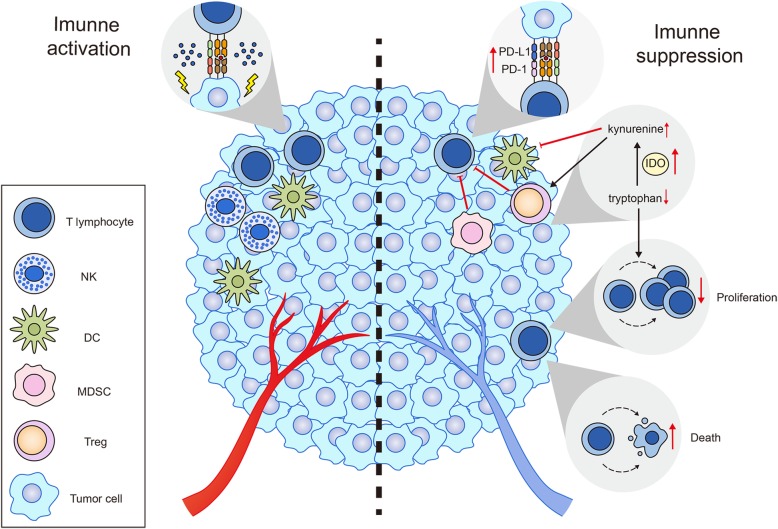
“Of note, other studies have suggested that direct STING activation in T cells may lead to decreased proliferation and cell death 142,143 , highlighting the need for further compound development to improve pharmacokinetics and specificity of biological activity 144 .”
Harnessing Mn2+ Ions and Antitumor Peptides: A Robust Hydrogel for Enhanced Tumor Immunotherapy
Guan, T., Chen, Z., Wang, X., Gao, S., Lu, X., Li, Y., Wang, Z., Zhang, S., Guo, Y., Guo, M., et al. (2025) · Journal of the American Chemical Society · doi:10.1021/jacs.4c14700 · Cited by 50
Precision targeting of STING: Challenges, innovations, and clinical outlook for cancer therapy
Shi, J., Zhang, Y., Zhao, N., Seki, E., Ma, L., Kocic, G. M., Li, X., Terzić, J., & Zheng, T. (2025) · The Innovation · doi:10.1016/j.xinn.2025.101074 · Cited by 51
“4,106,107 The immunomodulatory effect of STING activation remains unclear, and current STING agonists lack specificity for particular cell types within tumors.”
Self-citationGong, W., Liu, P., Zhao, F., Liu, J., Hong, Z., Ren, H., Gu, G., Wang, G., Wu, X., Zheng, T., et al. (2021) · Inflammatory Bowel Diseases · doi:10.1093/ibd/izab217 · Cited by 51
Self-citationLi, H., Chen, J., Li, Z., Chen, M., Ou, Z., Mo, M., Wang, R., Tong, S., Liu, P., Cai, Z., et al. (2023) · Advanced Science · doi:10.1002/advs.202300110 · Cited by 49
Mekers, V. E., Kho, V. M., Ansems, M., & Adema, G. J. (2022) · Radiotherapy and Oncology · doi:10.1016/j.radonc.2022.07.014 · Cited by 49
Chen, C., Yang, R., & Xu, H. (2021) · Journal of Gastroenterology · doi:10.1007/s00535-021-01803-1 · Cited by 49
Alwahsh, M., Farhat, J., Talhouni, S., Hamadneh, L., & Hergenröder, R. (2023) · EXCLI journal · doi:10.17179/excli2022-5653 · Cited by 47
“STING activation has been proved to enhance cancer antigen presentation, contribute to the priming and activation of T cells, and facilitate the trafficking and infiltration of T cells into tumors in order to kill cancer cells (Zhu et al., 2019).”
BackgroundTargeting MYC at the intersection between cancer metabolism and oncoimmunology
Venkatraman, S., Balasubramanian, B., Thuwajit, C., Meller, J., Tohtong, R., & Chutipongtanate, S. (2024) · Frontiers in Immunology · doi:10.3389/fimmu.2024.1324045 · Cited by 47
Metadata
- Authors
- Zhu, Y., An, X., Zhang, X., Qiao, Y., Zheng, T., & Li, X.
- Affiliations
- Harbin Medical University (CN)
- Corresponding author
- Zheng, Tongsen
- Li, Xiaobo
- Venue
- Molecular Cancer
- Published
- 2019-11-04
- Volume
- 18
- Issue
- 1
- Pages
- 152-152
- ISSN
- 1476-4598 (ISSN-L)
- PMC
- PMC6827255
- OpenAlex
- W2988506530
- Cited by
- 431
- References
- 129
- Citations by year
- 2026: 47 · 2025: 82 · 2024: 70 · 2023: 78 · 2022: 67 · 2021: 56 · 2020: 31
- FWCI
- 3.32
- Type
- journal article
- Language
- en
- Open access
- gold
- doi.org
- Licence
- cc-by
- creativecommons.org/licenses/by/4.0/ (tdm)
- creativecommons.org/licenses/by/4.0/ (vor)
- Locations
- Molecular Cancer (publishedVersion, cc-by)
- PubMed Central (publishedVersion, cc-by)
- PubMed (publishedVersion)
- DOAJ (DOAJ: Directory of Open Access Journals) (submittedVersion, cc-by-sa)
- Funders
- National Natural Scientific Foundation of China (NO. 81872435, NO. 81672930, No. 81871976)
- Fok Ying Tung Education Foundation (No. 151037)
- National Youth Talent Support Program (W03070060)
- Academician Yu Weihan Outstanding youth foundation of Harbin Medical University
- Topics
- Life Sciences › Immunology and Microbiology › Immunology › interferon and immune responses
- Health Sciences › Medicine › Oncology › Cancer Immunotherapy and Biomarkers
- Life Sciences › Immunology and Microbiology › Immunology › Immunotherapy and Immune Responses
- Keywords
- STING, cancer-immunity cycle, type I interferon, cytosolic DNA sensing, cancer immunotherapy, cancer cell death, tumor immunosuppression
- MeSH terms
- STING Protein, Animals, Antigens, Neoplasm, Disease Susceptibility, Humans, Immunity, Innate, Immunotherapy, Interferon Type I, Membrane Proteins, Neoplasms, Signal Transduction, Gene Expression Regulation, Neoplastic, Immunomodulation
About these checks
Registry, retraction, Cites and statistics results are computed, not judged, with one exception: a printed reference that no index lists is read once by a model before it counts as a citation error. Claims are extracted by a model and kept only when their quote appears verbatim in the text; each cited source is then checked, with a model’s help, for whether it says what the claim relies on. Those verdicts can be wrong — read the claim’s quote and the cited source before relying on one.
Statistics and arithmetic are recomputed, not judged.
Confidence bands are shown only for fields calibrated on our annotated test set. None is calibrated yet, so no band is shown.
What counts as a claim ›How we measure confidence ›How we check this ›
Are you an author, or do you see a problem with this page? Request a review
Data sources
Bibliographic data: Semantic Scholar, OpenAlex, Crossref.
Contains information from the Semantic Scholar Academic Graph Datasets, made available under the ODC Attribution License (ODC-BY 1.0).
Semantic Scholar’s data is described in: Kinney, R., et al. (2023). The Semantic Scholar Open Data Platform. arXiv:2301.10140.
