

Diacylglycerol-evoked activation of PKC and PKD isoforms in regulation of glucose and lipid metabolism: a review
Open accessThe DOI matches its Crossref record; 206 of the 206 references it cites were found in a registry or an index.
Abstract
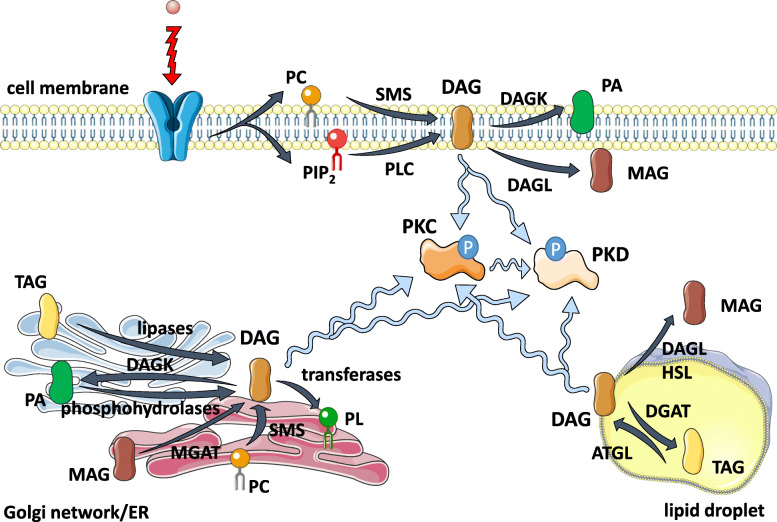
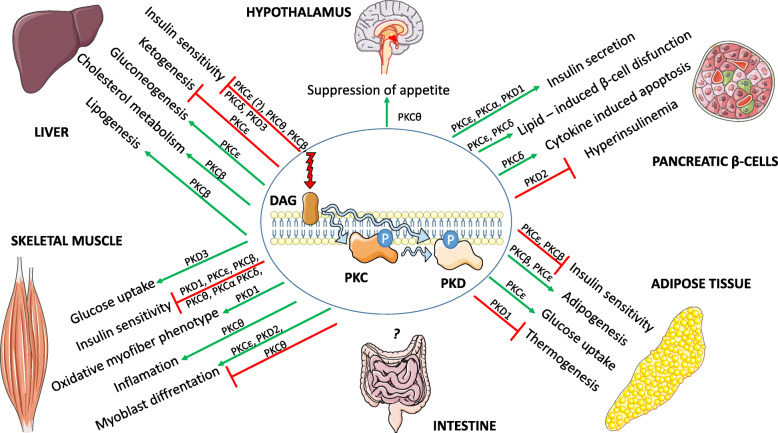
Protein kinase C (PKC) and Protein kinase D (PKD) isoforms can sense diacylglycerol (DAG) generated in the different cellular compartments in various physiological processes. DAG accumulates in multiple organs of the obese subjects, which leads to the disruption of metabolic homeostasis and the development of diabetes as well as associated diseases. Multiple studies proved that aberrant activation of PKCs and PKDs contributes to the development of metabolic diseases. DAG-sensing PKC and PKD isoforms play a crucial role in the regulation of metabolic homeostasis and therefore might serve as targets for the treatment of metabolic disorders such as obesity and diabetes.
Overview
The claims and statistics of this paper haven’t been checked yet.
Free: it reads the open-access text and checks the first 5 claims that cite a source we can check. Create a free account to check every claim.
Integrity signals
Registry
Cites
Statistics
Figures
Verification
Claims the paper makes
The claims and statistics of this paper haven’t been checked yet.
Free: it reads the open-access text and checks the first 5 claims that cite a source we can check. Create a free account to check every claim.
Claims other papers make about this one
Each is checked against this paper’s own text: does it say what the citing paper says it does?
The source backs part of the claim, not all of it — or backs it for a different population, condition or comparison.
In the citing paper
“Treatment with GLP-1RAs can alleviate insulin signaling by reducing the phosphorylation of Akt protein (Decreased Akt-P) and activating Protein Kinase C-ε (PKC-ε).485,486”
From Glucagon-like peptide-1 receptor: mechanisms and advances in therapy (2024) · cites this paper as [486]
Experimental — accuracy not yet measured
Self-check
Percentages, sums and reported differences re-computed from the paper’s own numbers.
The self-check needs the paper’s full text.
Citations
Cites
Calcium's Role in Mechanotransduction during Muscle Development
Benavides Damm, T., & Egli, M. (2014) · Cellular Physiology and Biochemistry · doi:10.1159/000356667 · Cited by 14,502
The role of protein kinase C in cell surface signal transduction and tumour promotion
Nishizuka, Y. (1984) · Nature · doi:10.1038/308693a0 · Cited by 7,454
In situ click chemistry generation of cyclooxygenase-2 inhibitors
Bhardwaj, A., Kaur, J., Wuest, M., & Wuest, F. (2017) · Nature Communications · doi:10.1038/s41467-016-0009-6 · Cited by 7,448
Structural absorption by barbule microstructures of super black bird of paradise feathers
McCoy, D. E., Feo, T., Harvey, T. A., & Prum, R. O. (2018) · Nature Communications · doi:10.1038/s41467-017-02088-w · Cited by 7,424
Reactive oxygen species have a causal role in multiple forms of insulin resistance
Houstis, N., Rosen, E. D., & Lander, E. S. (2006) · Nature · doi:10.1038/nature04634 · Cited by 2,525
Mechanisms for Insulin Resistance: Common Threads and Missing Links
Samuel, V. T., & Shulman, G. I. (2012) · Cell · doi:10.1016/j.cell.2012.02.017 · Cited by 2,294
Skeletal Muscle Insulin Resistance Is the Primary Defect in Type 2 Diabetes
DeFronzo, R. A., & Tripathy, D. (2009) · Diabetes Care · doi:10.2337/dc09-s302 · Cited by 2,102
Yu, C., Chen, Y., Cline, G. W., Zhang, D., Zong, H., Wang, Y., Bergeron, R., Kim, J. K., Cushman, S. W., Cooney, G. J., et al. (2002) · Journal of Biological Chemistry · doi:10.1074/jbc.m200958200 · Cited by 1,561
Adipogenesis and metabolic health
Ghaben, A. L., & Scherer, P. E. (2019) · Nature Reviews Molecular Cell Biology · doi:10.1038/s41580-018-0093-z · Cited by 1,395
Itani, S. I., Ruderman, N. B., Schmieder, F., & Boden, G. (2002) · Diabetes · doi:10.2337/diabetes.51.7.2005 · Cited by 1,390
Australian vegetated coastal ecosystems as global hotspots for climate change mitigation
Serrano, O., Lovelock, C. E., B. Atwood, T., Macreadie, P. I., Canto, R., Phinn, S., Arias-Ortiz, A., Bai, L., Baldock, J., Bedulli, C., et al. (2019) · Nature Communications · doi:10.1038/s41467-019-12176-8 · Cited by 1,166
Regulation of hepatic glucose metabolism in health and disease
Petersen, M. C., Vatner, D. F., & Shulman, G. I. (2017) · Nature Reviews Endocrinology · doi:10.1038/nrendo.2017.80 · Cited by 1,133
Signal-dependent nuclear export of a histone deacetylase regulates muscle differentiation
McKinsey, T. A., Zhang, C.-L., Lu, J., & Olson, E. N. (2000) · Nature · doi:10.1038/35040593 · Cited by 1,052
Signaling Pathways in Skeletal Muscle Remodeling
Bassel-Duby, R., & Olson, E. N. (2006) · Annual Review of Biochemistry · doi:10.1146/annurev.biochem.75.103004.142622 · Cited by 803
Hypothalamic circuits regulating appetite and energy homeostasis: pathways to obesity
Timper, K., & Brüning, J. C. (2017) · Disease Models & Mechanisms · doi:10.1242/dmm.026609 · Cited by 802
Takai, Y., Kishimoto, A., Kikkawa, U., Mori, T., & Nishizuka, Y. (1979) · Biochemical and Biophysical Research Communications · doi:10.1016/0006-291x(79)91197-5 · Cited by 731
Schweiger, M., Schreiber, R., Haemmerle, G., Lass, A., Fledelius, C., Jacobsen, P., Tornqvist, H., Zechner, R., & Zimmermann, R. (2006) · Journal of Biological Chemistry · doi:10.1074/jbc.m608048200 · Cited by 728
Plasmon induced thermoelectric effect in graphene
Shautsova, V., Sidiropoulos, T., Xiao, X., Güsken, N. A., Black, N. C. G., Gilbertson, A. M., Giannini, V., Maier, S. A., Cohen, L. F., & Oulton, R. F. (2018) · Nature Communications · doi:10.1038/s41467-018-07508-z · Cited by 710
Metabolites as regulators of insulin sensitivity and metabolism
Yang, Q., Vijayakumar, A., & Kahn, B. B. (2018) · Nature Reviews Molecular Cell Biology · doi:10.1038/s41580-018-0044-8 · Cited by 663
Ross, A. M., Gibbons, R. J., Stone, G. W., Kloner, R. A., & Alexander, R. W. (2005) · Journal of the American College of Cardiology · doi:10.1016/j.jacc.2005.02.061 · Cited by 610
Lu, J., McKinsey, T. A., Zhang, C.-L., & Olson, E. N. (2000) · Molecular Cell · doi:10.1016/s1097-2765(00)00025-3 · Cited by 547
[The role of protein kinase C in cell surface signal transduction and tumor promotion].
Kikkawa, U., Ase, K., Ogita, K., & Nishizuka, Y. (1986) · PubMed · Cited by 508
PKC-θ knockout mice are protected from fat-induced insulin resistance
Kim, J. K., Fillmore, J. J., Sunshine, M. J., Albrecht, B., Higashimori, T., Kim, D.-W., Liu, Z.-X., Soos, T. J., Cline, G. W., O’Brien, W. R., et al. (2004) · Journal of Clinical Investigation · doi:10.1172/jci200422230 · Cited by 500 · cited 1×
“Lack of PKCθ protects skeletal muscle from lipidinduced insulin resistance [152].”
BackgroundSamuel, V. T., Liu, Z.-X., Wang, A., Beddow, S. A., Geisler, J. G., Kahn, M., Zhang, X.-M., Monia, B. P., Bhanot, S., & Shulman, G. I. (2007) · Journal of Clinical Investigation · doi:10.1172/jci30400 · Cited by 497
Regulation of insulin secretion: a matter of phase control and amplitude modulation
Henquin, J. C. (2009) · Diabetologia · doi:10.1007/s00125-009-1314-y · Cited by 496
Membrane phospholipid synthesis and endoplasmic reticulum function
Fagone, P., & Jackowski, S. (2009) · Journal of Lipid Research · doi:10.1194/jlr.r800049-jlr200 · Cited by 491
Rozengurt, E., Rey, O., & Waldron, R. T. (2005) · Journal of Biological Chemistry · doi:10.1074/jbc.r500002200 · Cited by 435
Diacylglycerol, when simplicity becomes complex
Carrasco, S., & Mérida, I. (2007) · Trends in Biochemical Sciences · doi:10.1016/j.tibs.2006.11.004 · Cited by 422
Role of diacylglycerol activation of PKCθ in lipid-induced muscle insulin resistance in humans
Szendroedi, J., Yoshimura, T., Phielix, E., Koliaki, C., Marcucci, M., Zhang, D., Jelenik, T., Müller, J., Herder, C., Nowotny, P., et al. (2014) · Proceedings of the National Academy of Sciences · doi:10.1073/pnas.1409229111 · Cited by 415
Role of Diacylglycerol in PKD Recruitment to the TGN and Protein Transport to the Plasma Membrane
Baron, C. L., & Malhotra, V. (2002) · Science · doi:10.1126/science.1066759 · Cited by 412
Roles of diacylglycerols and ceramides in hepatic insulin resistance
Petersen, M. C., & Shulman, G. I. (2017) · Trends in Pharmacological Sciences · doi:10.1016/j.tips.2017.04.004 · Cited by 373
Kotani, K., Ogawa, W., Matsumoto, M., Kitamura, T., Sakaue, H., Hino, Y., Miyake, K., Sano, W., Akimoto, K., Ohno, S., et al. (1998) · Molecular and Cellular Biology · doi:10.1128/mcb.18.12.6971 · Cited by 360
Protein Kinase C θ Inhibits Insulin Signaling by Phosphorylating IRS1 at Ser1101
Li, Y., Soos, T. J., Li, X., Wu, J., DeGennaro, M., Sun, X., Littman, D. R., Birnbaum, M. J., & Polakiewicz, R. D. (2004) · Journal of Biological Chemistry · doi:10.1074/jbc.c400186200 · Cited by 358
Benoit, S. C., Kemp, C. J., Elias, C. F., Abplanalp, W., Herman, J. P., Migrenne, S., Lefevre, A.-L., Cruciani-Guglielmacci, C., Magnan, C., Yu, F., et al. (2009) · Journal of Clinical Investigation · doi:10.1172/jci36714 · Cited by 351
Brose, N., & Rosenmund, C. (2002) · Journal of Cell Science · doi:10.1242/jcs.00122 · Cited by 347
Protein kinase C: perfectly balanced
Newton, A. C. (2018) · Critical Reviews in Biochemistry and Molecular Biology · doi:10.1080/10409238.2018.1442408 · Cited by 335
Mammalian Triacylglycerol Metabolism: Synthesis, Lipolysis, and Signaling
Coleman, R. A., & Mashek, D. G. (2011) · Chemical Reviews · doi:10.1021/cr100404w · Cited by 330
DAG tales: the multiple faces of diacylglycerol—stereochemistry, metabolism, and signaling
Eichmann, T. O., & Lass, A. (2015) · Cellular and Molecular Life Sciences · doi:10.1007/s00018-015-1982-3 · Cited by 314
Schmitz-Peiffer, C., Browne, C. L., Oakes, N. D., Watkinson, A., Chisholm, D. J., Kraegen, E. W., & Biden, T. J. (1997) · Diabetes · doi:10.2337/diab.46.2.169 · Cited by 314
Protein kinase D at the Golgi controls NLRP3 inflammasome activation
Zhang, Z., Meszaros, G., He, W.-T., Xu, Y., de Fatima Magliarelli, H., Mailly, L., Mihlan, M., Liu, Y., Puig Gámez, M., Goginashvili, A., et al. (2017) · Journal of Experimental Medicine · doi:10.1084/jem.20162040 · Cited by 282
Bollag, G. E., Roth, R. A., Beaudoin, J., Mochly-Rosen, D., & Koshland, D. E. (1986) · Proceedings of the National Academy of Sciences · doi:10.1073/pnas.83.16.5822 · Cited by 273
Protein kinase C (PKC) isoforms in cancer, tumor promotion and tumor suppression
Isakov, N. (2018) · Seminars in Cancer Biology · doi:10.1016/j.semcancer.2017.04.012 · Cited by 270
Montell, E., Turini, M., Marotta, M., Roberts, M., Noé, V., Ciudad, C. J., Macé, K., & Gómez-Foix, A. M. (2001) · American Journal of Physiology-Endocrinology and Metabolism · doi:10.1152/ajpendo.2001.280.2.e229 · Cited by 245
Regulation of PKD by the MAPK p38δ in Insulin Secretion and Glucose Homeostasis
Sumara, G., Formentini, I., Collins, S., Sumara, I., Windak, R., Bodenmiller, B., Ramracheya, R., Caille, D., Jiang, H., Platt, K. A., et al. (2009) · Cell · doi:10.1016/j.cell.2008.11.018 · Cited by 244
Self-citationProtein Kinase D Signaling: Multiple Biological Functions in Health and Disease
Rozengurt, E. (2011) · Physiology · doi:10.1152/physiol.00037.2010 · Cited by 242
Insulin receptor Thr1160 phosphorylation mediates lipid-induced hepatic insulin resistance
Petersen, M. C., Madiraju, A. K., Gassaway, B. M., Marcel, M., Nasiri, A. R., Butrico, G., Marcucci, M. J., Zhang, D., Abulizi, A., Zhang, X.-M., et al. (2016) · Journal of Clinical Investigation · doi:10.1172/jci86013 · Cited by 240
Involvement of protein kinase C in human skeletal muscle insulin resistance and obesity.
Itani, S. I., Zhou, Q., Pories, W. J., MacDonald, K. G., & Dohm, G. L. (2000) · Diabetes · doi:10.2337/diabetes.49.8.1353 · Cited by 233
Divergence and complexities in DAG signaling: looking beyond PKC
Yang, C., & Kazanietz, M. G. (2003) · Trends in Pharmacological Sciences · doi:10.1016/j.tips.2003.09.003 · Cited by 232
Boni, L. T., & Rando, R. R. (1985) · Journal of Biological Chemistry · doi:10.1016/s0021-9258(19)85156-6 · Cited by 232
Yan, L.-J., & Wu, J. (2015) · Diabetes, Metabolic Syndrome and Obesity: Targets and Therapy · doi:10.2147/dmso.s82272 · Cited by 223 · cited 1×
“Streptozotocin treatment induces type 1 diabetes and this model is widely used to study autoimmune distruction of β-cells [127].”
BackgroundNovel “Nonkinase” Phorbol Ester Receptors: The C1 Domain Connection
Kazanietz, M. G. (2002) · Molecular Pharmacology · doi:10.1016/s0026-895x(24)12326-7 · Cited by 221
Bandyopadhyay, G., Standaert, M. L., Galloway, L., Moscat, J., & Farese, R. V. (1997) · Endocrinology · doi:10.1210/endo.138.11.5473 · Cited by 218
The PKC-DRS Study Group (2005) · Diabetes · doi:10.2337/diabetes.54.7.2188 · Cited by 218
Eichmann, T. O., Kumari, M., Haas, J. T., Farese, R. V., Zimmermann, R., Lass, A., & Zechner, R. (2012) · Journal of Biological Chemistry · doi:10.1074/jbc.m112.400416 · Cited by 215
Roose, J. P., Mollenauer, M., Gupta, V. A., Stone, J., & Weiss, A. (2005) · Molecular and Cellular Biology · doi:10.1128/mcb.25.11.4426-4441.2005 · Cited by 212
The Formation of TGN-to-Plasma-Membrane Transport Carriers
Bard, F., & Malhotra, V. (2006) · Annual Review of Cell and Developmental Biology · doi:10.1146/annurev.cellbio.21.012704.133126 · Cited by 209
Warnotte, C., Gilon, P., Nenquin, M., & Henquin, J.-C. (1994) · Diabetes · doi:10.2337/diab.43.5.703 · Cited by 206
Schweiger, M., Romauch, M., Schreiber, R., Grabner, G. F., Hütter, S., Kotzbeck, P., Benedikt, P., Eichmann, T. O., Yamada, S., Knittelfelder, O., et al. (2017) · Nature Communications · doi:10.1038/ncomms14859 · Cited by 202 · cited 1×
“ATGLdeficiency in mice that leads to decreased DAG level and increased TAG content, protects from HFD-induced insulin resistance and glucose intolerance [15].”
BackgroundHarsman, A., Oeljeklaus, S., Wenger, C., Huot, J. L., Warscheid, B., & Schneider, A. (2017) · Nature Communications · doi:10.1038/ncomms16123 · Cited by 201
Fukami, K., Inanobe, S., Kanemaru, K., & Nakamura, Y. (2010) · Progress in Lipid Research · doi:10.1016/j.plipres.2010.06.001 · Cited by 197
Cellular and enzymic synthesis of sphingomyelin
Voelker, D. R., & Kennedy, E. P. (1982) · Biochemistry · doi:10.1021/bi00540a027 · Cited by 190
GLP-1 stimulates insulin secretion by PKC-dependent TRPM4 and TRPM5 activation
Shigeto, M., Ramracheya, R., Tarasov, A. I., Cha, C. Y., Chibalina, M. V., Hastoy, B., Philippaert, K., Reinbothe, T., Rorsman, N., Salehi, A., et al. (2015) · Journal of Clinical Investigation · doi:10.1172/jci81975 · Cited by 189
Ammälä, C., Eliasson, L., Bokvist, K., Berggren, P. O., Honkanen, R. E., Sjöholm, A., & Rorsman, P. (1994) · Proceedings of the National Academy of Sciences · doi:10.1073/pnas.91.10.4343 · Cited by 187
Haluzik, M., Colombo, C., Gavrilova, O., Chua, S., Wolf, N., Chen, M., Stannard, B., Dietz, K. R., Le Roith, D., & Reitman, M. L. (2004) · Endocrinology · doi:10.1210/en.2004-0219 · Cited by 182
Plasma Protein Carbonylation in Haemodialysed Patients: Focus on Diabetes and Gender
Colombo, G., Reggiani, F., Cucchiari, D., Astori, E., Garavaglia, M. L., Portinaro, N. M., Saino, N., Finazzi, S., Milzani, A., Badalamenti, S., et al. (2018) · Oxidative Medicine and Cellular Longevity · doi:10.1155/2018/4149681 · Cited by 174
Translocation Inhibitors Define Specificity of Protein Kinase C Isoenzymes in Pancreatic β-Cells
Yedovitzky, M., Mochly-Rosen, D., Johnson, J. A., Gray, M. O., Ron, D., Abramovitch, E., Cerasi, E., & Nesher, R. (1997) · Journal of Biological Chemistry · doi:10.1074/jbc.272.3.1417 · Cited by 172
Myocardial Damage Prevented by Volatile Anesthetics: A Multicenter Randomized Controlled Study
Guarracino, F., Landoni, G., Tritapepe, L., Pompei, F., Leoni, A., Aletti, G., Scandroglio, A. M., Maselli, D., De Luca, M., Marchetti, C., et al. (2006) · Journal of Cardiothoracic and Vascular Anesthesia · doi:10.1053/j.jvca.2006.05.012 · Cited by 167
Chin, J. E., Dickens, M., Tavare, J. M., & Roth, R. A. (1993) · Journal of Biological Chemistry · doi:10.1016/s0021-9258(18)53258-0 · Cited by 164
ter Horst, K. W., Gilijamse, P. W., Versteeg, R. I., Ackermans, M. T., Nederveen, A. J., la Fleur, S. E., Romijn, J. A., Nieuwdorp, M., Zhang, D., Samuel, V. T., et al. (2017) · Cell Reports · doi:10.1016/j.celrep.2017.05.035 · Cited by 162
Insulin secretory granules control autophagy in pancreatic β cells
Goginashvili, A., Zhang, Z., Erbs, E., Spiegelhalter, C., Kessler, P., Mihlan, M., Pasquier, A., Krupina, K., Schieber, N., Cinque, L., et al. (2015) · Science · doi:10.1126/science.aaa2628 · Cited by 160
Ferdaoussi, M., Bergeron, V., Zarrouki, B., Kolic, J., Cantley, J., Fielitz, J., Olson, E. N., Prentki, M., Biden, T., MacDonald, P. E., et al. (2012) · Diabetologia · doi:10.1007/s00125-012-2650-x · Cited by 160
Dries, D. R., Gallegos, L. L., & Newton, A. C. (2007) · Journal of Biological Chemistry · doi:10.1074/jbc.c600268200 · Cited by 159
Knockout of PKCα Enhances Insulin Signaling Through PI3K
Letiges, M., Plomann, M., Standaert, M. L., Bandyopadhyay, G., Sajan, M. P., Kanoh, Y., & Farese, R. V. (2002) · Molecular Endocrinology · doi:10.1210/mend.16.4.0809 · Cited by 158
Schmitz-Peiffer, C., & Biden, T. J. (2008) · Diabetes · doi:10.2337/db07-1769 · Cited by 158
Protein kinase D: coupling extracellular stimuli to the regulation of cell physiology
Fu, Y., & Rubin, C. S. (2011) · EMBO Reports · doi:10.1038/embor.2011.139 · Cited by 155
Protein kinase C in the immune system: from signalling to chromatin regulation
Lim, P. S., Sutton, C. R., & Rao, S. (2015) · Immunology · doi:10.1111/imm.12510 · Cited by 150
Pkc-Drs, G. B. (2005) · Clinical Diabetology · Cited by 148
PKCδ regulates hepatic insulin sensitivity and hepatosteatosis in mice and humans
Bezy, O., Tran, T. T., Pihlajamäki, J., Suzuki, R., Emanuelli, B., Winnay, J., Mori, M. A., Haas, J., Biddinger, S. B., Leitges, M., et al. (2011) · Journal of Clinical Investigation · doi:10.1172/jci46045 · Cited by 147
Eitel, K., Staiger, H., Rieger, J., Mischak, H., Brandhorst, H., Brendel, M. D., Bretzel, R. G., Häring, H.-U., & Kellerer, M. (2003) · Diabetes · doi:10.2337/diabetes.52.4.991 · Cited by 142
The stereospecific activation of protein kinase C
Rando, R. R., & Young, N. D. (1984) · Biochemical and Biophysical Research Communications · doi:10.1016/s0006-291x(84)80107-2 · Cited by 138
Sorting out adipocyte precursors and their role in physiology and disease
Hepler, C., Vishvanath, L., & Gupta, R. K. (2017) · Genes & Development · doi:10.1101/gad.293704.116 · Cited by 131
Protein kinase C and cardiac dysfunction: a review
Singh, R. M., Cummings, E., Pantos, C. I., & Singh, J. (2017) · Heart Failure Reviews · doi:10.1007/s10741-017-9634-3 · Cited by 131
Packer, M., The Principal Investigators of the Reflect Study, Narahara, K. A., Elkayam, U., Sullivan, J. M., Pearle, D. L., Massie, B. M., & Creager, M. A. (1993) · Journal of the American College of Cardiology · doi:10.1016/0735-1097(93)90816-j · Cited by 119
Giorgione, J. R., Lin, J.-H., McCammon, J. A., & Newton, A. C. (2006) · Journal of Biological Chemistry · doi:10.1074/jbc.m510251200 · Cited by 118
PKD Regulates Membrane Fission to Generate TGN to Cell Surface Transport Carriers
Malhotra, V., & Campelo, F. (2011) · Cold Spring Harbor Perspectives in Biology · doi:10.1101/cshperspect.a005280 · Cited by 117
Inhibition of PKCɛ Improves Glucose-Stimulated Insulin Secretion and Reduces Insulin Clearance
Schmitz‐Peiffer, C., Laybutt, D. R., Burchfield, J. G., Gurisik, E., Narasimhan, S. R., Mitchell, C. J., Pedersen, D. J., Braun, U., Cooney, G. J., Leitges, M., et al. (2007) · Cell Metabolism · doi:10.1016/j.cmet.2007.08.012 · Cited by 114
Phorbol esters and neurotransmitter release: more than just protein kinase C?
Silinsky, E. M., & Searl, T. J. (2003) · British Journal of Pharmacology · doi:10.1038/sj.bjp.0705213 · Cited by 112
Lincoff, A. M., Roe, M. T., Aylward, P. E., Galla, J. M., Rynkiewicz, A., Guetta, V., Želízko, M., Kleiman, N. S., White, H. D., McErlean, E. S., et al. (2014) · European Heart Journal · doi:10.1093/eurheartj/ehu177 · Cited by 111
Protein Kinase C Signaling Mediates a Program of Cell Cycle Withdrawal in the Intestinal Epithelium
Frey, M. R., Clark, J. A., Leontieva, O., Uronis, J. M., Black, A. R., & Black, J. D. (2000) · The Journal of Cell Biology · doi:10.1083/jcb.151.4.763 · Cited by 111
Carpenter, L., Cordery, D., & Biden, T. J. (2001) · Journal of Biological Chemistry · doi:10.1074/jbc.m010036200 · Cited by 108
The BAR Domain Protein Arfaptin-1 Controls Secretory Granule Biogenesis at the trans-Golgi Network
Gehart, H., Goginashvili, A., Beck, R., Morvan, J., Erbs, E., Formentini, I., Matteis, M. A. D., Schwab, Y., Wieland, F., & Ricci, R. (2012) · Developmental Cell · doi:10.1016/j.devcel.2012.07.019 · Cited by 108
Borg, M. L., Omran, S. F., Weir, J., Meikle, P. J., & Watt, M. J. (2012) · The Journal of Physiology · doi:10.1113/jphysiol.2012.233288 · Cited by 108
Pereira, S., Park, E., Mori, Y., Haber, C. A., Han, P., Uchida, T., Stavar, L., Oprescu, A. I., Koulajian, K., Ivovic, A., et al. (2014) · American Journal of Physiology-Endocrinology and Metabolism · doi:10.1152/ajpendo.00436.2013 · Cited by 107
Cardiac protection by volatile anaesthetics
Tritapepe, L., Landoni, G., Guarracino, F., Pompei, F., Crivellari, M., Maselli, D., Luca, M. D., Fochi, O., DʼAvolio, S., Bignami, E. G., et al. (2006) · European Journal of Anaesthesiology · doi:10.1017/s0265021506001931 · Cited by 103
Protein Kinase D1 Stimulates MEF2 Activity in Skeletal Muscle and Enhances Muscle Performance
Kim, M.-S., Fielitz, J., McAnally, J., Shelton, J. M., Lemon, D. D., McKinsey, T. A., Richardson, J. A., Bassel-Duby, R., & Olson, E. N. (2008) · Molecular and Cellular Biology · doi:10.1128/mcb.00189-08 · Cited by 103
Post-Reperfusion Myocardial Infarction
Mangano, D. T., Miao, Y., Tudor, I. C., & Dietzel, C. (2006) · Journal of the American College of Cardiology · doi:10.1016/j.jacc.2006.04.044 · Cited by 99
Adenosine Myocardial Protection
Mentzer, R. M., Birjiniuk, V., Khuri, S. F., Lowe, J. E., Rahko, P. S., Weisel, R. D., Wellons, H. A., Barker, M. L., & Lasley, R. D. (1999) · Annals of Surgery · doi:10.1097/00000658-199905000-00006 · Cited by 98
Jacamo, R. O., Sinnett‐Smith, J. W., Rey, O., Waldron, R. T., & Rozengurt, E. (2008) · Journal of Biological Chemistry · doi:10.1074/jbc.m800442200 · Cited by 97
Graybill, C., Wee, B., Atwood, S. X., & Prehoda, K. E. (2012) · Journal of Biological Chemistry · doi:10.1074/jbc.m112.360495 · Cited by 95
Cellular Mechanism of Nutritionally Induced Insulin Resistance in Psammomys Obesus
Ikeda, Y., Olsen, G. S., Ziv, E., Hansen, L. L., Busch, A. K., Hansen, B. F., Shafrir, E., & Mosthaf-Seedorf, L. (2001) · Diabetes · doi:10.2337/diabetes.50.3.584 · Cited by 94
Chin, J. E. (1994) · Molecular Endocrinology · doi:10.1210/me.8.1.51 · Cited by 93
Islet β-cell failure in type 2 diabetes – Within the network of toxic lipids
Janikiewicz, J., Hanzelka, K., Koziński, K., Kolczyńska, K., & Dobrzyń, A. (2015) · Biochemical and Biophysical Research Communications · doi:10.1016/j.bbrc.2015.03.153 · Cited by 92
Pinton, P., Tsuboi, T., Ainscow, E. K., Pozzan, T., Rizzuto, R., & Rutter, G. A. (2002) · Journal of Biological Chemistry · doi:10.1074/jbc.m204478200 · Cited by 92
Regulation of Protein Kinase D1 Activity
Steinberg, S. F. (2011) · Molecular Pharmacology · doi:10.1124/mol.111.075986 · Cited by 92
Protein kinase C isoforms β 1 and β 2 inhibit the tyrosine kinase activity of the insulin receptor
Bossenmaier, B., Mosthaf, L., Mischak, H., Ullrich, A., & Häring, H. (1997) · Diabetologia · doi:10.1007/s001250050761 · Cited by 91
Ittner, A., Block, H., Reichel, C. A., Varjosalo, M., Gehart, H., Sumara, G., Gstaiger, M., Krombach, F., Zarbock, A., & Ricci, R. (2012) · Journal of Experimental Medicine · doi:10.1084/jem.20120677 · Cited by 91
Self-citationLewis, R. E., Cao, L., Perregaux, D., & Czech, M. P. (1990) · Biochemistry · doi:10.1021/bi00459a020 · Cited by 90
Protein Kinase C-Independent Effects of Protein Kinase D3 in Glucose Transport in L6 Myotubes
Chen, J., Lu, G., & Wang, Q. J. (2004) · Molecular Pharmacology · doi:10.1124/mol.104.004200 · Cited by 87
Marrocco, V., Bogomolovas, J., Ehler, E., dos Remedios, C. G., Yu, J., Gao, C., & Lange, S. (2019) · Journal of Molecular and Cellular Cardiology · doi:10.1016/j.yjmcc.2019.01.029 · Cited by 87
Ganesan, S., Calle, R. A., Zawalich, K. C., Greenawalt, K. D., Zawalich, W. S., Shulman, G. I., & Rasmussen, H. (1992) · The Journal of Cell Biology · doi:10.1083/jcb.119.2.313 · Cited by 86
Sánchez‐Ruiloba, L., Cabrera-Poch, N., Rodríguez‐Martínez, M., López‐Menéndez, C., Jean‐Mairet, R. M., Higuero, A. M., & Iglesias, T. (2006) · Journal of Biological Chemistry · doi:10.1074/jbc.m603044200 · Cited by 85
Tian, Y., Urquidi, V., & Ashcroft, S. J. H. (1996) · Molecular and Cellular Endocrinology · doi:10.1016/0303-7207(96)03811-7 · Cited by 85
Thore, S., Dyachok, O., Gylfe, E., & Tengholm, A. (2005) · Journal of Cell Science · doi:10.1242/jcs.02577 · Cited by 82
Arkhammar, P., Nilsson, T., Welsh, M., Welsh, N., & Berggren, P. O. (1989) · Biochemical Journal · doi:10.1042/bj2640207 · Cited by 82
Lysosomal degradation of newly formed insulin granules contributes to β cell failure in diabetes
Pasquier, A., Vivot, K., Erbs, E., Spiegelhalter, C., Zhang, Z., Aubert, V., Liu, Z., Senkara, M., Maillard, E., Pinget, M., et al. (2019) · Nature Communications · doi:10.1038/s41467-019-11170-4 · Cited by 80
Phosphorylation of Farnesoid X Receptor by Protein Kinase C Promotes Its Transcriptional Activity
Gineste, R., Sirvent, A., Paumelle, R., Helleboid, S., Aquilina, A., Darteil, R., Hum, D. W., Fruchart, J.-C., & Staels, B. (2008) · Molecular Endocrinology · doi:10.1210/me.2008-0092 · Cited by 79
Raddatz, K., Turner, N. A., Frangioudakis, G., Liao, B. M., Pedersen, D. J., Cantley, J., Wilks, D. L., Preston, E., Hegarty, B. D., Leitges, M., et al. (2011) · Diabetologia · doi:10.1007/s00125-011-2073-0 · Cited by 79
Coughlan, K. A., Valentine, R. J., Sudit, B. S., Allen, K., Dagon, Y., Kahn, B. B., Ruderman, N. B., & Saha, A. K. (2016) · Journal of Biological Chemistry · doi:10.1074/jbc.m115.696849 · Cited by 79
Effects of Knockout of the Protein Kinase C β Gene on Glucose Transport and Glucose Homeostasis1
Standaert, M. L., Bandyopadhyay, G., Galloway, L., Soto, J., Ono, Y., Kikkawa, U., Farese, R. V., & Leitges, M. (1999) · Endocrinology · doi:10.1210/endo.140.10.7073 · Cited by 77
Regulation of insulin exocytosis by calcium-dependent protein kinase C in beta cells
Trexler, A., & Taraska, J. W. (2017) · Cell Calcium · doi:10.1016/j.ceca.2017.07.008 · Cited by 73
Sinnett-Smith, J., Jacamo, R., Kui, R., Wang, Y. M., Young, S. H., Rey, O., Waldron, R. T., & Rozengurt, E. (2009) · Journal of Biological Chemistry · doi:10.1074/jbc.m806554200 · Cited by 70
Farese, R. V., Standaert, M. L., Francois, A. J., Ways, K., Arnold, T. P., Hernandez, H., & Cooper, D. R. (1992) · Biochemical Journal · doi:10.1042/bj2880319 · Cited by 70
Huang, W., Bansode, R., Mehta, M., & Mehta, K. D. (2009) · Hepatology · doi:10.1002/hep.22815 · Cited by 69
Rapid Association of Protein Kinase C-ϵ with Insulin Granules Is Essential for Insulin Exocytosis
Mendez, C. F., Leibiger, I. B., Leibiger, B., Høy, M., Gromada, J., Berggren, P.-O., & Bertorello, A. M. (2003) · Journal of Biological Chemistry · doi:10.1074/jbc.m308664200 · Cited by 68
Gao, Z., Wang, Z., Zhang, X., Butler, A. A., Zuberi, A., Gawronska-Kozak, B., Lefevre, M., York, D., Ravussin, E., Berthoud, H.-R., et al. (2007) · American Journal of Physiology-Endocrinology and Metabolism · doi:10.1152/ajpendo.00178.2006 · Cited by 66
Hennige, A. M., Ranta, F., Heinzelmann, I., Düfer, M., Michael, D., Braumüller, H., Lutz, S. Z., Lammers, R., Drews, G., Bosch, F., et al. (2010) · Diabetes · doi:10.2337/db09-0512 · Cited by 65
Diacylglycerol kinase control of protein kinase C
Mérida, I., Arranz‐Nicolás, J., Rodríguez‐Rodríguez, C., & Ávila‐Flores, A. (2019) · Biochemical Journal · doi:10.1042/bcj20180620 · Cited by 64
Protein Kinase C Epsilon Deletion in Adipose Tissue, but Not in Liver, Improves Glucose Tolerance
Brandon, A. E., Liao, B. M., Diakanastasis, B., Parker, B. L., Raddatz, K., McManus, S. A., O'Reilly, L., Kimber, E., van der Kraan, A. G., Hancock, D., et al. (2019) · Cell Metabolism · doi:10.1016/j.cmet.2018.09.013 · Cited by 63
Protein kinase C isoforms play differential roles in the regulation of adipocyte differentiation
FLEMING, I., MacKenzie, S. J., Vernon, R. G., Anderson, N. G., Houslay, M. D., & Kilgour, E. (1998) · Biochemical Journal · doi:10.1042/bj3330719 · Cited by 61
Mogami, H., Zhang, H., Suzuki, Y., Urano, T., Saito, N., Kojima, I., & Petersen, O. H. (2003) · Journal of Biological Chemistry · doi:10.1074/jbc.m210653200 · Cited by 61
Brown and beige fat: From molecules to physiology and pathophysiology
Carobbio, S., Guénantin, A.-C., Samuelson, I., Bahri, M., & Vidal-Puig, A. (2019) · Biochimica et Biophysica Acta (BBA) - Molecular and Cell Biology of Lipids · doi:10.1016/j.bbalip.2018.05.013 · Cited by 61
A role of PLC/PKC-dependent pathway in GLP-1-stimulated insulin secretion
Shigeto, M., Cha, C. Y., Rorsman, P., & Kaku, K. (2017) · Journal of Molecular Medicine · doi:10.1007/s00109-017-1508-6 · Cited by 60
Li, J., O’Connor, K. L., Hellmich, M. R., Greeley, G. H., Townsend, C. M., & Evers, B. M. (2004) · Journal of Biological Chemistry · doi:10.1074/jbc.m314307200 · Cited by 59
Wrede, C., Dickson, L., Lingohr, M. K., Briaud, I., & Rhodes, C. J. (2003) · Journal of Molecular Endocrinology · doi:10.1677/jme.0.0300271 · Cited by 59
Harris, T. E., Persaud, S. J., & Jones, P. M. (1996) · Biochemical and Biophysical Research Communications · doi:10.1006/bbrc.1996.1567 · Cited by 58
Hypothalamic Protein Kinase C Regulates Glucose Production
Ross, R., Wang, P. Y. T., Chari, M., Lam, C. K. L., Caspi, L., Ono, H., Muse, E. D., Li, X., Gutierrez-Juarez, R., Light, P. E., et al. (2008) · Diabetes · doi:10.2337/db08-0206 · Cited by 58
Kim, M.-H., Kim, E.-H., Jung, H. S., Yang, D., Park, E.-Y., & Jun, H. (2016) · Toxicology and Applied Pharmacology · doi:10.1016/j.taap.2016.12.005 · Cited by 58
Alcáazar, O., Qiu-yue, Z., Giné, E., & Tamarit-Rodriguez, J. (1997) · Diabetes · doi:10.2337/diab.46.7.1153 · Cited by 56
Contribution of the C1A and C1B Domains to the Membrane Interaction of Protein Kinase C
Giorgione, J. R., Hysell, M., Harvey, D. F., & Newton, A. C. (2003) · Biochemistry · doi:10.1021/bi0350046 · Cited by 54
P2Y 1 receptor‐dependent diacylglycerol signaling microdomains in β cells promote insulin secretion
Wuttke, A., Idevall‐Hagren, O., & Tengholm, A. (2013) · The FASEB Journal · doi:10.1096/fj.12-221499 · Cited by 53
Effects of protein kinase C inhibitors on insulin secretory responses from rodent pancreatic islets
Zawalich, W. S., & Zawalich, K. C. (2001) · Molecular and Cellular Endocrinology · doi:10.1016/s0303-7207(01)00422-1 · Cited by 53
Protein Kinase Cβ Deficiency Increases Fatty Acid Oxidation and Reduces Fat Storage
Bansode, R. R., Huang, W., Roy, S. K., Mehta, M., & Mehta, K. D. (2008) · Journal of Biological Chemistry · doi:10.1074/jbc.m707268200 · Cited by 52
McGee, S. L., Swinton, C., Morrison, S., Gaur, V., Campbell, D. E., Jorgensen, S. B., Kemp, B. E., Baar, K., Steinberg, G. R., & Hargreaves, M. (2014) · The FASEB Journal · doi:10.1096/fj.14-249359 · Cited by 52
PKC Theta Ablation Improves Healing in a Mouse Model of Muscular Dystrophy
Madaro, L., Pelle, A., Nicoletti, C., Crupi, A., Marrocco, V., Bossi, G., Soddu, S., & Bouché, M. (2012) · PLoS ONE · doi:10.1371/journal.pone.0031515 · Cited by 50
Jin, Y., Bai, Y., Ni, H., Li, Q., Ye, L., Shan, Y., & Zhou, M. (2016) · FEBS Letters · doi:10.1002/1873-3468.12090 · Cited by 50
Function and Regulation of Protein Kinase D in Oxidative Stress: A Tale of Isoforms
Cobbaut, M., & Lint, J. V. (2018) · Oxidative Medicine and Cellular Longevity · doi:10.1155/2018/2138502 · Cited by 49
Greene, M. W., Burrington, C. M., Lynch, D. T., Davenport, S. K., Johnson, A. K., Horsman, M. J., Chowdhry, S., Zhang, J., Sparks, J. D., & Tirrell, P. C. (2014) · PLoS ONE · doi:10.1371/journal.pone.0085848 · Cited by 48
Huang, W., Bansode, R. R., Bal, N. C., Mehta, M., & Mehta, K. D. (2012) · Journal of Lipid Research · doi:10.1194/jlr.m019687 · Cited by 48
Macrae, K., Stretton, C., Lipina, C., Blachnio-Zabielska, A., Baranowski, M., Gorski, J., Marley, A., & Hundal, H. S. (2013) · Journal of Lipid Research · doi:10.1194/jlr.m036996 · Cited by 46
PKCθ is a key player in the development of insulin resistance
Haasch, D. L., Berg, C. E., Clampit, J. E., Pederson, T. M., Frost, L., Kroeger, P., & Rondinone, C. M. (2006) · Biochemical and Biophysical Research Communications · doi:10.1016/j.bbrc.2006.02.177 · Cited by 45
In vitro stereoselective hydrolysis of diacylglycerols by hormone-sensitive lipase
Rodríguez, J. A., Ali, Y. B., Abdelkafi, S., Mendoza, L. D., Leclaire, J., Fotiadu, F., Buono, G., Carrière, F., & Abousalham, A. (2009) · Biochimica et Biophysica Acta (BBA) - Molecular and Cell Biology of Lipids · doi:10.1016/j.bbalip.2009.09.020 · Cited by 45
Protein kinase Cδ regulates nuclear export of FOXO1 through phosphorylation of the chaperone 14-3-3ζ
Gerst, F., Kaiser, G., Panse, M., Sartorius, T., Pujol, A., Hennige, A. M., Machicao, F. E., Lammers, R., Bosch, F., Häring, H., et al. (2015) · Diabetologia · doi:10.1007/s00125-015-3744-z · Cited by 44
Watson, M., Macrae, K., Marley, A. E., & Hundal, H. S. (2011) · PLoS ONE · doi:10.1371/journal.pone.0025975 · Cited by 44
Selective binding of phorbol esters and diacylglycerol by individual C1 domains of the PKD family
Chen, J., Deng, F., Li, J., & Wang, Q. J. (2008) · Biochemical Journal · doi:10.1042/bj20071334 · Cited by 43
Protein kinase D1 deletion in adipocytes enhances energy dissipation and protects against adiposity
Löffler, M. C., Mayer, A. E., Viera, J. T., Loza‐Valdes, A., El‐Merahbi, R., Ade, C. P., Karwen, T., Schmitz, W., Slotta, A. M., Erk, M., et al. (2018) · The EMBO Journal · doi:10.15252/embj.201899182 · Cited by 43 · cited 3×
“On the other hand, the deletion of PKD1 specifically in adipocytes protects the development of od liver steatosis evoked by HFD feeding [79].”
BackgroundSelf-citationFREVERT, E. U., & KAHN, B. B. (1996) · Biochemical Journal · doi:10.1042/bj3160865 · Cited by 41
Koshio, O., Akanuma, Y., & Kasuga, M. (1989) · FEBS Letters · doi:10.1016/0014-5793(89)81001-4 · Cited by 41
Cantley, J., Boslem, E., Laybutt, D. R., Cordery, D. V., Pearson, G. L., Carpenter, L., Leitges, M., & Biden, T. J. (2010) · Diabetologia · doi:10.1007/s00125-010-1962-y · Cited by 41
Role of PKCδ in Insulin Sensitivity and Skeletal Muscle Metabolism
Li, M., Vienberg, S. G., Bezy, O., O’Neill, B. T., & Kahn, C. R. (2015) · Diabetes · doi:10.2337/db14-1891 · Cited by 40
Cooper, D. R. (1993) · Endocrinology · doi:10.1210/en.133.5.2241 · Cited by 40
Deficiency of PRKD2 triggers hyperinsulinemia and metabolic disorders
Xiao, Y., Wang, C., Chen, J., Lu, F., Wang, J., Hou, N., Hu, X., Zeng, F., Ma, D., Sun, X., et al. (2018) · Nature Communications · doi:10.1038/s41467-018-04352-z · Cited by 40 · cited 3×
“are also characterized by improved glucose tolerance and slightly decreased insulin tolerance [133].”
BackgroundInfluentialMayer, A. E., Löffler, M. C., Loza‐Valdes, A., Schmitz, W., El‐Merahbi, R., Viera, J. T., Erk, M., Zhang, T., Braun, U., Heikenwälder, M. F., et al. (2019) · Science Signaling · doi:10.1126/scisignal.aav9150 · Cited by 40
Self-citationDeletion of Protein Kinase D3 Promotes Liver Fibrosis in Mice
Zhang, S., Liu, H., Yin, M., Pei, X., Hausser, A., Ishikawa, E., Yamasaki, S., & Jin, Z. G. (2020) · Hepatology · doi:10.1002/hep.31176 · Cited by 40
Bimodal role of conventional protein kinase C in insulin secretion from rat pancreatic β cells
Zhang, H., Nagasawa, M., Yamada, S., Mogami, H., Suzuki, Y., & Kojima, I. (2004) · The Journal of Physiology · doi:10.1113/jphysiol.2004.071241 · Cited by 39
Protein Kinase D Isoforms Are Activated in an Agonist-specific Manner in Cardiomyocytes
Guo, J., Gertsberg, Z. V., Özgen, N., Sabri, A., & Steinberg, S. F. (2010) · Journal of Biological Chemistry · doi:10.1074/jbc.m110.208058 · Cited by 39
Physiological functions of protein kinase D in vivo
Ellwanger, K., & Haußer, A. (2013) · IUBMB Life · doi:10.1002/iub.1116 · Cited by 38
Yamamoto, T., Watanabe, K., Inoue, N., Nakagawa, Y., Ishigaki, N., Matsuzaka, T., Takeuchi, Y., Kobayashi, K., Yatoh, S., Takahashi, A., et al. (2010) · Journal of Lipid Research · doi:10.1194/jlr.m004234 · Cited by 37
Mack, E., Ziv, E., Reuveni, H., Kalman, R., Niv, M. Y., Jörns, A., Lenzen, S., & Shafrir, E. (2008) · Diabetes/Metabolism Research and Reviews · doi:10.1002/dmrr.881 · Cited by 36
Obis, T., Hurtado, E., Nadal, L., Tomàs, M., Priego, M., Simó, A., García, N., Santafé, M. M., Lanuza, M. A., & Tomàs, J. M. (2015) · Molecular Brain · doi:10.1186/s13041-015-0171-5 · Cited by 35
Thams, P., & Capito, K. (2001) · Diabetologia · doi:10.1007/s001250051683 · Cited by 34
Marrocco, V., Fiore, P. F., Benedetti, A., Pisu, S., Rizzuto, E., Musarò, A., Madaro, L., Lozanoska‐Ochser, B., & Bouché, M. (2017) · EBioMedicine · doi:10.1016/j.ebiom.2017.01.001 · Cited by 33
Deconstructing the Role of PKC Epsilon in Glucose Homeostasis
Schmitz‐Peiffer, C. (2020) · Trends in Endocrinology and Metabolism · doi:10.1016/j.tem.2020.01.016 · Cited by 33
Rao, X., Zhong, J., Xu, X., Jordan, B. A., Maurya, S. K., Braunstein, Z., Wang, T.-Y., Huang, W., Aggarwal, S., Periasamy, M., et al. (2013) · PLoS ONE · doi:10.1371/journal.pone.0081364 · Cited by 32
Lorenzo, M. (2002) · Experimental Cell Research · doi:10.1006/excr.2002.5570 · Cited by 32
Weight gain related to treatment with atypical antipsychotics is due to activation of PKC-β
Pavan, C., Vindigni, V., Michelotto, L., Rimessi, A., Abatangelo, G., Cortivo, R., Pinton, P., & Zavan, B. (2009) · The Pharmacogenomics Journal · doi:10.1038/tpj.2009.67 · Cited by 32
Emerging role of protein kinase C in energy homeostasis: A brief overview
Mehta, K. D. (2014) · World Journal of Diabetes · doi:10.4239/wjd.v5.i3.385 · Cited by 27
Acute and Chronic Effects of Protein Kinase-D Signaling on Cardiac Energy Metabolism
Papur, Ö. Ş., Sun, A., Glatz, J. F. C., Luiken, J. J. F. P., & Nabben, M. (2018) · Frontiers in Cardiovascular Medicine · doi:10.3389/fcvm.2018.00065 · Cited by 26
Chappell, D. S., Patel, N. A., Jiang, K., Li, P., Watson, J. E., Byers, D. M., & Cooper, D. R. (2009) · Diabetologia · doi:10.1007/s00125-009-1298-7 · Cited by 25
Jin, Z., Duan, W., Chen, M., Yu, S., Zhang, H., Feng, G., Xiong, L., & Yi, D. (2011) · European Journal of Cardio-Thoracic Surgery · doi:10.1016/j.ejcts.2010.12.052 · Cited by 25
Bergeron, V., Ghislain, J. J., Vivot, K., Tamarina, N. A., Philipson, L. H., Fielitz, J., & Poitout, V. (2017) · Diabetes · doi:10.2337/db17-0982 · Cited by 25
Tsuchiya, A., Kanno, T., & Nishizaki, T. (2013) · Life Sciences · doi:10.1016/j.lfs.2013.06.014 · Cited by 24
Protein Kinase D2 Is an Essential Regulator of Murine Myoblast Differentiation
Kleger, A., Loebnitz, C., Pusapati, G. V., Armacki, M., Müller, M., Tümpel, S., Illing, A., Hartmann, D., Brunner, C., Liebau, S., et al. (2011) · PLoS ONE · doi:10.1371/journal.pone.0014599 · Cited by 23
Regulation of GLUT1-mediated glucose uptake by PKCλ–PKCβII interactions in 3T3-L1 adipocytes
Bosch, R. R., Bazuine, M., Span, P. N., Willems, P. H. G. M., Olthaar, A. J., van Rennes, H., Maassen, J. A., Tack, C. J., Hermus, A. R., & Sweep, F. C. G. J. (2004) · Biochemical Journal · doi:10.1042/bj20040797 · Cited by 22
Greene, M. W., Burrington, C. M., Luo, Y., Ruhoff, M. S., Lynch, D. T., & Chaithongdi, N. (2013) · The Journal of Nutritional Biochemistry · doi:10.1016/j.jnutbio.2013.10.008 · Cited by 22
Liu, Y., Contreras, M., Shen, T., Randall, W. R., & Schneider, M. F. (2009) · The Journal of Physiology · doi:10.1113/jphysiol.2008.164566 · Cited by 21
Role of Protein Kinase C Isoenzymes in Fatty Acid Stimulation of Insulin Secretion
Littman, E. D., Pitchumoni, S., Garfinkel, M. R., & Opara, E. C. (2000) · Pancreas · doi:10.1097/00006676-200004000-00006 · Cited by 21
Amplification of Diacylglycerol Activation of Protein Kinase C by Cholesterol
Armstrong, D. L., & Zidovetzki, R. (2008) · Biophysical Journal · doi:10.1529/biophysj.107.121426 · Cited by 20
Huang, W., Bansode, R. R., Xie, Y., Rowland, L. A., Mehta, M., Davidson, N., & Mehta, K. D. (2011) · Journal of Biological Chemistry · doi:10.1074/jbc.m111.250282 · Cited by 20
Hurtado, E., Cilleros‐Mañé, V., Just‐Borràs, L., Simó, A., Nadal, L., Tomàs, M., García, N., Lanuza, M. A., & Tomàs, J. M. (2017) · Frontiers in Molecular Neuroscience · doi:10.3389/fnmol.2017.00270 · Cited by 20
PKCε as a novel promoter of skeletal muscle differentiation and regeneration
Marcantonio, D. D., Galli, D., Carubbi, C., Gobbi, G., Queirolo, V., Martini, S., Merighi, S., Vaccarezza, M., Maffulli, N., Sykes, S. M., et al. (2015) · Experimental Cell Research · doi:10.1016/j.yexcr.2015.09.017 · Cited by 19
PKCδ regulates hepatic triglyceride accumulation and insulin signaling in Leprdb/db mice
Zhang, J., Burrington, C. M., Davenport, S. K., Johnson, A. K., Horsman, M. J., Chowdhry, S., & Greene, M. W. (2014) · Biochemical and Biophysical Research Communications · doi:10.1016/j.bbrc.2014.07.048 · Cited by 19
Protein kinase D controls voluntary-running-induced skeletal muscle remodelling
Ellwanger, K., Kienzle, C., Lutz, S., Jin, Z., Wiekowski, M., Pfizenmaier, K., & Haußer, A. (2011) · Biochemical Journal · doi:10.1042/bj20101980 · Cited by 19
Osterhoff, M. A., Heuer, S., Pfeiffer, M., Tasic, J., Kaiser, S., Isken, F., Spranger, J., Weickert, M. O., Möhlig, M., & Pfeiffer, A. F. H. (2007) · Molecular Genetics and Metabolism · doi:10.1016/j.ymgme.2007.09.004 · Cited by 18
Wuttke, A., Yu, Q., & Tengholm, A. (2016) · Journal of Biological Chemistry · doi:10.1074/jbc.m115.698456 · Cited by 18
Domingo, J. S., Chareyron, I., Dayon, L., Galindo, A. N., Cominetti, O., Giner, M. P., Marchi, U. D., Cantó, C., Kussmann, M., & Wiederkehr, A. (2016) · The FASEB Journal · doi:10.1096/fj.201600837r · Cited by 17
Marino, J. S., Hinds, T. D., Potter, R. A., Ondrus, E., Onion, J. L., Dowling, A. R., McLoughlin, T. J., Sánchez, E. R., & Hill, J. W. (2013) · BMC Cell Biology · doi:10.1186/1471-2121-14-39 · Cited by 16
Wang, J., Han, L., Sinnett‐Smith, J. W., Han, L., Stevens, J. V., Rozengurt, N., Young, S. H., & Rozengurt, E. (2016) · American Journal of Physiology-Cell Physiology · doi:10.1152/ajpcell.00302.2015 · Cited by 16
The inhibitory effects of PKCθ on adiponectin expression is mediated by ERK in 3T3-L1 adipocytes
Sun, S., Liu, Y., Lu, J., Omar, A., Sun, S., Bi, Y., & Wang, C. (2011) · Journal of Endocrinological Investigation · doi:10.1007/bf03346688 · Cited by 15
Protein kinase C: a regulator of cytoskeleton remodelling and T-cell migration
Long, A., & Freeley, M. (2014) · Biochemical Society Transactions · doi:10.1042/bst20140204 · Cited by 14
PKCβ: Expanding role in hepatic adaptation of cholesterol homeostasis to dietary fat/cholesterol
Mehta, D., & Mehta, K. D. (2017) · American Journal of Physiology-Gastrointestinal and Liver Physiology · doi:10.1152/ajpgi.00373.2016 · Cited by 14
Cited by
Glucagon-like peptide-1 receptor: mechanisms and advances in therapy
Zheng, Z., Zong, Y., Ma, Y., Tian, Y., Pang, Y., Zhang, C., & Gao, J. (2024) · Signal Transduction and Targeted Therapy · doi:10.1038/s41392-024-01931-z · Cited by 1,036
“485,486 This affects the synthesis of triacylglycerol (TAG), phosphatidic acid (di-P PA), and diacylglycerol (DAG) in the liver.”
BackgroundA new perspective on NAFLD: Focusing on lipid droplets
Scorletti, E., & Carr, R. M. (2022) · Journal of Hepatology · doi:10.1016/j.jhep.2021.11.009 · Cited by 373
Causal relationship between insulin resistance and sarcopenia
Liu, Z.-J., & Zhu, C. (2023) · Diabetology & Metabolic Syndrome · doi:10.1186/s13098-023-01022-z · Cited by 177
“PKCθ in the muscle leads to inhibition of ISR1, leading to the development of insulin resistance [56].”
BackgroundJubaidi, F. F., Zainalabidin, S., Taib, I. S., Hamid, Z. A., Anuar, N. N. M., Jalil, J., Nor, N. A. M., & Budin, S. B. (2022) · International Journal of Molecular Sciences · doi:10.3390/ijms23158582 · Cited by 130
“One of the most common ways is by increasing de novo DAG synthesis from the glycolytic intermediate dihydroxyacetone phosphate (DHAP) through its reduction to glycerol-3-phosphate (G3P) and stepwise acylation [23].”
BackgroundWen, J.-J., Li, M., Chen, C., Hong, T., Yang, J., Huang, X.-J., Geng, F., Hu, J., & Nie, S. (2022) · Food Chemistry · doi:10.1016/j.foodchem.2022.134591 · Cited by 107
Metadata
- Authors
- Kolczynska, K., Loza-Valdes, A., Hawro, I., & Sumara, G.
- Affiliations
- Instytut Biologii Doświadczalnej im. Marcelego Nenckiego (PL)
- Corresponding author
- Sumara, Grzegorz
- Venue
- Lipids in Health and Disease
- Published
- 2020-05-28
- Volume
- 19
- Issue
- 1
- Pages
- 113-113
- ISSN
- 1476-511X (ISSN-L)
- PMC
- PMC7257441
- OpenAlex
- W3030139699
- Cited by
- 199
- References
- 206
- Citations by year
- 2026: 23 · 2025: 41 · 2024: 59 · 2023: 29 · 2022: 22 · 2021: 17 · 2020: 8
- FWCI
- 1.87
- Type
- journal article
- Language
- en
- Open access
- gold
- doi.org
- Licence
- cc-by
- creativecommons.org/licenses/by/4.0 (tdm)
- creativecommons.org/licenses/by/4.0 (vor)
- Locations
- Lipids in Health and Disease (publishedVersion, cc-by)
- PubMed Central (publishedVersion, cc-by)
- PubMed (publishedVersion)
- DOAJ (DOAJ: Directory of Open Access Journals) (submittedVersion, cc-by-sa)
- Funders
- H2020 European Research Council (678119 - SiCMetabol)
- Polish Ministry of Science and Higher Education (Dioscuri Centre of Scientific Excellence)
- European Molecular Biology Organization (EMBO Installation Grant 2020 - GSumara)
- Topics
- Life Sciences › Biochemistry, Genetics and Molecular Biology › Molecular Biology › Protein Kinase Regulation and GTPase Signaling
- Life Sciences › Biochemistry, Genetics and Molecular Biology › Molecular Biology › Metabolism, Diabetes, and Cancer
- Life Sciences › Biochemistry, Genetics and Molecular Biology › Molecular Biology › Sphingolipid Metabolism and Signaling
- Keywords
- diacylglycerol, protein kinase C, protein kinase D, PKC isoforms, glucose metabolism, lipid metabolism, metabolic homeostasis, obesity, diabetes mellitus, metabolic disorders
- MeSH terms
- Animals, Diabetes Mellitus, Diglycerides, Glucose, Humans, Insulin, Obesity, Protein Kinase C, Signal Transduction, Lipid Metabolism
About these checks
Registry, retraction, Cites and statistics results are computed, not judged, with one exception: a printed reference that no index lists is read once by a model before it counts as a citation error. Claims are extracted by a model and kept only when their quote appears verbatim in the text; each cited source is then checked, with a model’s help, for whether it says what the claim relies on. Those verdicts can be wrong — read the claim’s quote and the cited source before relying on one.
Statistics and arithmetic are recomputed, not judged.
Confidence bands are shown only for fields calibrated on our annotated test set. None is calibrated yet, so no band is shown.
What counts as a claim ›How we measure confidence ›How we check this ›
Are you an author, or do you see a problem with this page? Request a review
Data sources
Bibliographic data: Semantic Scholar, OpenAlex, Crossref.
Contains information from the Semantic Scholar Academic Graph Datasets, made available under the ODC Attribution License (ODC-BY 1.0).
Semantic Scholar’s data is described in: Kinney, R., et al. (2023). The Semantic Scholar Open Data Platform. arXiv:2301.10140.
