

Exercise training modalities in patients with type 2 diabetes mellitus: a systematic review and network meta-analysis
Open accessThe DOI matches its Crossref record; 86 of the 87 references it cites were found in a registry or an index.
Abstract
INTRODUCTION: Current international guidelines recommend aerobic, resistance, and combined exercises for the management of type 2 diabetes mellitus (T2DM). In our study, we conducted a network meta-analysis to assess the comparative impact of different exercise training modalities on glycemic control, cardiovascular risk factors, and weight loss in patients with T2DM. METHODS: We searched five electronic databases to identify randomized controlled trials (RCTs) that compared the differences between different exercise training modalities for patients with T2DM. The risk of bias in the included RCTs was evaluated according to the Cochrane tool. Network meta-analysis was performed to calculate mean difference the ratio of the mean and absolute risk differences. Data were analyzed using R-3.4.0. RESULTS: A total of 37 studies with 2208 patients with T2DM were included in our study. Both supervised aerobic and supervised resistance exercises showed a significant reduction in HbA1c compared to no exercise (0.30% lower, 0.30% lower, respectively), however, there was a less reduction when compared to combined exercise (0.17% higher, 0.23% higher). Supervised aerobic also presented more significant improvement than no exercise in fasting plasma glucose (9.38 mg/dl lower), total cholesterol (20.24 mg/dl lower), triacylglycerol (19.34 mg/dl lower), and low-density lipoprotein cholesterol (11.88 mg/dl lower). Supervised resistance showed more benefit than no exercise in improving systolic blood pressure (3.90 mmHg lower]) and total cholesterol (22.08 mg/dl lower]. In addition, supervised aerobic exercise was more powerful in improving HbA1c and weight loss than unsupervised aerobic (HbA1c: 0.60% lower; weight loss: 5.02 kg lower) and unsupervised resistance (HbA1c: 0.53% lower) exercises. CONCLUSION: Compared with either supervised aerobic or supervised resistance exercise alone, combined exercise showed more pronounced improvement in HbA1c levels; however, there was a less marked improvement in some cardiovascular risk factors. In terms of weight loss, there were no significant differences among the combined, supervised aerobic, and supervised resistance exercises. TRIAL REGISTRATION: Our study protocol was registered with the International Prospective Register of Systematic Reviews (PROSPERO); registration number: CRD42017067518 .
Overview
The claims and statistics of this paper haven’t been checked yet.
Free: it reads the open-access text and checks the first 5 claims that cite a source we can check. Create a free account to check every claim.
Integrity signals
Registry
Cites
Statistics
Figures
Verification
Claims the paper makes
The claims and statistics of this paper haven’t been checked yet.
Free: it reads the open-access text and checks the first 5 claims that cite a source we can check. Create a free account to check every claim.
Claims other papers make about this one
Each is checked against this paper’s own text: does it say what the citing paper says it does?
The source backs part of the claim, not all of it — or backs it for a different population, condition or comparison.
In the citing paper
“Resistance exercise (i.e., using your own body weight or working against a resistance) also improves blood glucose levels, fl exibility, and balance (101,110).”
From Management of Hyperglycemia in Type 2 Diabetes, 2022. A Consensus Report by the American Diabetes Association (ADA) and the European Association for the Study of Diabetes (EASD) (2022) · cites this paper as [110]
Experimental — accuracy not yet measuredThe source backs part of the claim, not all of it — or backs it for a different population, condition or comparison.
In the citing paper
“and induces clinically signi fi cant bene fi ts in cardiorespiratory fi tness (101,110,119).”
From Management of Hyperglycemia in Type 2 Diabetes, 2022. A Consensus Report by the American Diabetes Association (ADA) and the European Association for the Study of Diabetes (EASD) (2022) · cites this paper as [110]
Experimental — accuracy not yet measuredThe source backs part of the claim, not all of it — or backs it for a different population, condition or comparison.
In the citing paper
“Multiple studies have shown significant improvements in hemoglobin A1c (0.5-0.7%) of patients with T2DM through a combination of aerobic and resistance training.”
From The Impact of Physical Activity in Patients With Type 2 Diabetes (2025) · cites this paper as [37]
Experimental — accuracy not yet measuredIn the citing paper
“Another metaanalysis showed improvement in A1c of 0.53% with combined exercise and an improvement of only 0.3% with either aerobic or resistance exercise separately.”
From The Impact of Physical Activity in Patients With Type 2 Diabetes (2025) · cites this paper as [37]
Self-check
Percentages, sums and reported differences re-computed from the paper’s own numbers.
The self-check needs the paper’s full text.
Citations
Cites
International Diabetes Federation 2017
Carracher, A. M., Marathe, P. H., & Close, K. L. (2018) · Journal of Diabetes · doi:10.1111/1753-0407.12644 · Cited by 13,418
Role of Insulin Resistance in Human Disease
Reaven, G. M. (1988) · Diabetes · doi:10.2337/diab.37.12.1595 · Cited by 12,154
Garber, C. E., Blissmer, B., Deschenes, M. R., Franklin, B. A., Lamonte, M. J., Lee, I.-M., Nieman, D. C., & Swain, D. P. (2011) · Medicine & Science in Sports & Exercise · doi:10.1249/mss.0b013e318213fefb · Cited by 9,319 · cited 1×
“It has been shown that resistance exercise can benefit all adults and patients with T2DM by improving physical function, fat mass, lipid profiles, cardiovascular health, blood pressure, and insulin sensitivity [75, 76].”
BackgroundGlobal estimates of the prevalence of diabetes for 2010 and 2030
Shaw, J. E., Sicree, R. A., & Zimmet, P. Z. (2010) · Diabetes Research and Clinical Practice · doi:10.1016/j.diabres.2009.10.007 · Cited by 7,216 · cited 2×
“Type 2 diabetes mellitus (T2DM) accounts for 85–95% of all diabetes cases in the world [2].”
BackgroundEckel, R. H., Alberti, K., Grundy, S. M., & Zimmet, P. Z. (2010) · The Lancet · doi:10.1016/s0140-6736(09)61794-3 · Cited by 6,295
Stearne, M. R., Palmer, S. L., Hammersley, M. S., Franklin, S. L., Spivey, R. S., Lévy, J., Tidy, C. R., Bell, N. J., Steemson, J., Barrow, B. A., et al. (1998) · UCL Discovery (University College London) · Cited by 6,090
Eckel, R. H., Grundy, S. M., & Zimmet, P. Z. (2005) · The Lancet · doi:10.1016/s0140-6736(05)66378-7 · Cited by 5,550
Standards of Medical Care in Diabetes—2012
(2012) · Diabetes Care · doi:10.2337/dc12-s011 · Cited by 2,240
Turner, R. D., & Holman, R. R. (1998) · Cited by 1,974
Cited by
Items 201–300 of 523
Kadoglou, N. P. E., Georgiou, C., Balaskas, N., Panayiotou, C., Vardas, M., Mitsis, A., & Antonopoulos, C. N. (2025) · Biomolecules · doi:10.3390/biom15101417 · Cited by 9
“In agreement to previous studies and meta-analyses [34,35], we confirmed the improvement of glycemic profile (both FPG and HbA1c) after RET.”
Qin, L., Junjie, P., Xinhong, W., Shengju, F., & Sun, R. (2024) · Diabetology & Metabolic Syndrome · doi:10.1186/s13098-023-01248-x · Cited by 8
Schalla, J., Frommelt, S., Geisler, S., & Isenmann, E. (2024) · Frontiers in Sports and Active Living · doi:10.3389/fspor.2024.1346637 · Cited by 8
Wang, J., Chen, S., Wu, Y., Zhang, Q., Wu, M., Chen, Y., Chen, L., Hong, X., Wang, Y., & Huang, S. (2024) · PubMed Central · doi:10.3290/j.jad.b5378611 · Cited by 8
“NMA can provide a ranking of optimal pretreatment strategies 55 by evaluating direct comparisons and calculating the indirect effect size based on logical relationships.”
Self-citationHan, X., Zou, Y., & Zhang, S. (2024) · BMJ Open Diabetes Research & Care · doi:10.1136/bmjdrc-2024-004400 · Cited by 8
“6 Furthermore, the optimal dose of CT for most patients with type 2 diabetes is currently unclear.”
Self-citationKindlovits, R., Sousa, A., Viana, J. L., Milheiro, J., Oliveira, B. M. P. M., Marques, F., Santos, A., & Teixeira, V. H. (2025) · Nutrients · doi:10.3390/nu17030522 · Cited by 10
“Most T2DM patients are not active [9], and a sedentary lifestyle, together with poor nutrition, are considered as the major risk factors for T2DM and its complications [10].”
Li, R., Li, X., Yan, P., Bing, Z., Cao, L., Xu, H., Li, J., Liu, X., & Yang, K. (2021) · Future Oncology · doi:10.2217/fon-2020-0822 · Cited by 8
Self-citationGaamouch, F. E., Lin, H., Wang, Q., Zhao, W., Pan, J., Liu, K., Wong, J., Wu, C., Yuan, C., Cheng, H. M., et al. (2022) · Scientific Reports · doi:10.1038/s41598-022-07252-x · Cited by 8
Sandholzer-Yilmaz, A. S., Kroeber, E. S., Ayele, W., Frese, T., Kantelhardt, E. J., & Unverzagt, S. (2022) · BMJ Open · doi:10.1136/bmjopen-2021-050021 · Cited by 10
Fadhila, R. (2019) · Jurnal Keperawatan Abdurrab · doi:10.36341/jka.v3i1.766 · Cited by 8
“Namun, terdapat perubahan yang kurang berarti dalam hal penurunan berat badan, dimana tidak ada perbedaan antara kombinasi latihan aerobik dengan latihan kekuatan yang diawasi ataupun yang tidak diawasi (Pan et al., 2018).”
BackgroundPromoting physical activity in older women to maximize health
Chavez, A. S., Scales, R., & Kling, J. M. (2021) · Cleveland Clinic Journal of Medicine · doi:10.3949/ccjm.88a.20170 · Cited by 10
“5,9,23,24 In a meta-analysis by Smith et al, 5 higher levels and intensity of physical activity led to a lower incidence of diabetes, especially for women.”
BackgroundFilho, B. F. D. L., Bessa, N. P. O. S., Fernandes, A. C. T., Patrício, Í. F. D. S., de Souza, R. N. S., & Cavalcanti, F. A. D. C. (2020) · Research Society and Development · doi:10.33448/rsd-v9i8.5106 · Cited by 8
Cândido, G. D. N., Batalha, A. P. D. B., Chaves, G., Pereira, D. S., & Britto, R. R. (2023) · Journal of Diabetes & Metabolic Disorders · doi:10.1007/s40200-023-01205-5 · Cited by 9
Soares, A. L. D. S., Brech, G. C., Machado‐Lima, A., dos Santos, J. R., Greve, J. M. D., Grecco, M. V., Afonso, M. S., Sousa, J. C., Rodrigues, A. T., Lino, M. H. D. S., et al. (2025) · International Journal of Environmental Research and Public Health · doi:10.3390/ijerph22020184 · Cited by 9
“Thus, we can see the propensity to improve the lipid profile as a desired outcome, though this requires a long exercise training period in order to produce substantial changes in its values, as corroborating Pan et al. [44].”
Ge, L., Hou, L., Yang, Q., Wu, Y., Shi, X., Jiang, L., & Yang, K. (2019) · Medicine · doi:10.1097/md.0000000000014478 · Cited by 7
“Network meta-analysis has become increasingly popular to evaluate healthcare interventions since it allows for estimation of the relative effectiveness among all interventions and rank ordering of the interventions even if head-to-head comparisons are lacking.([12,13]) Two recent network meta-analyses have focused on…”
ResultSelf-citationSarría‐Santamera, A., Alexeyeva, Z., Chan, M., Ortega, M. A., Asúnsolo, Á., & Navarro-García, C. (2022) · Healthcare · doi:10.3390/healthcare10040752 · Cited by 8
“However, a plausible explanation based on previous works is that DM patients engaging in physical activity may have better glycemic and HbA1c values as well as in other metabolic pathways [41], leading to an overall improvement in cardiovascular risk factors [42].”
BackgroundRogers-Shepp, I., Bhattacharya, S., Mennillo, H., Kumar, R. P., Hsieh, B., & Anandarajah, G. (2023) · Palliative Medicine · doi:10.1177/02692163231162888 · Cited by 7
“37(5) 677 –691 © The Author(s) 2023 Article reuse guidelines: sagepub.”
BackgroundEffects of Inspiratory Muscle Training in Type 2 Diabetes: A Systematic Review
de Arruda, N. S., Peixoto, N. D. M., Callegaro, C. C., Trevisan, M. E., & Jaenisch, R. B. (2023) · Brazilian Journal of Cardiovascular Surgery · doi:10.21470/1678-9741-2022-0366 · Cited by 7
Feng, Z., Yan, P., Hou, X., Feng, J., He, X., & Yang, K. (2020) · Annals of Palliative Medicine · doi:10.21037/apm.2020.04.26 · Cited by 7
“The risk of bias assessment was completed independently by two reviewers, and any conflicts were resolved by a third reviewer (15-17).”
BackgroundSelf-citationAune, S. K., Byrkjeland, R., Solheim, S., Arnesen, H., Trøseid, M., Awoyemi, A., Seljeflot, I., & Helseth, R. (2021) · Diabetology & Metabolic Syndrome · doi:10.1186/s13098-021-00655-2 · Cited by 8
Iranian National Clinical Practice Guideline for Exercise in Patients with Diabetes
Hassabi, M., Esteghamati, A., Halabchi, F., Yekta, A. H. A., Mahdaviani, B., Hassanmirzaie, B., Hosseinpanah, F., & Valizadeh, M. (2021) · Intern J Endocrinol Metab · doi:10.5812/ijem.109021 · Cited by 7
“In addition, systolic blood pressure and total cholesterol are positively influenced by resistance exercise (53).”
BackgroundInfluentialCai, Y., Zhou, Y., Xing, L.-N., Kang, Y., Li, H., Cheng, P., & Wang, Y. (2021) · Medicine · doi:10.1097/md.0000000000023520 · Cited by 7
“In the last decade, network meta-analysis (NMA) has been introduced.([14,15]) A good NMA of the randomized controlled trial (RCTs) is considered the best quality evidence to provide sufficient information for practice.”
BackgroundExercise Training Protocols to Improve Obesity, Glucose Homeostasis, and Subclinical Inflammation
Diniz, T. A., Antunes, B. M., Little, J. P., Lira, F. S., & Neto, J. C. R. (2021) · Methods in molecular biology · doi:10.1007/978-1-0716-1558-4_7 · Cited by 8
Indonesian Nursing Journal of Education and Clinic (INJEC)
Hadi, M. (2021) · Cited by 7
Cifuentes‐Mendiola, S. E., Solís-Suárez, D. L., Martínez-Dávalos, A., Perrusquía-Hernández, E., & García‐Hernández, A. L. (2022) · Journal of Biomechanics · doi:10.1016/j.jbiomech.2022.111354 · Cited by 6
Exercise-induced intertissue communication: adipose tissue and the heart
Blackwell, J. A., & Stanford, K. I. (2022) · Current Opinion in Physiology · doi:10.1016/j.cophys.2022.100626 · Cited by 7
Galmes-Panades, A. M., Bennasar‐Veny, M., Oliver, P., García-Coll, N., Chaplin, A. M. L., Fresneda, S., Gallardo-Alfaro, L., García‐Ruano, C., Konieczna, J., Leiva, A., et al. (2022) · Metabolites · doi:10.3390/metabo12121286 · Cited by 7
“Some examples of RT are bench press, seated row, shoulder press, leg press, or weight strength [35].”
BackgroundVidanage, D., Wasalathanthri, S., & Hettiarachchi, P. (2023) · BMC Sports Science Medicine and Rehabilitation · doi:10.1186/s13102-023-00655-x · Cited by 7
“Although the differences obtained between the two exercise groups in the present study did not show statistical significance, a recent systematic review highlights that combined exercises produce a pronounced improvement in the glycemic response when compared with either aerobic or resistance exercises alone [5].”
BackgroundResultBeigi, S., Shabkhiz, F., Kordi, M. R., Ashtiani, B. H., Hashemi‐Madani, N., & Żmijewski, P. (2023) · Journal of Human Kinetics · doi:10.5114/jhk/161610 · Cited by 6
“, 2022) and control blood sugar and HbA1c levels (Castaneda et al., 2002.; Pan et al., 2018).”
BackgroundInfluentialThe Role of Tele-Exercise for People with Type 2 Diabetes: A Scoping Review
Albalawi, H. (2024) · Healthcare · doi:10.3390/healthcare12090917 · Cited by 6
“Studies examining the effects of supervised exercise found that such programs are more effective than either unsupervised exercise or physical activity advice alone [25,28,29].”
BackgroundSkeletal Muscle Ratio: A Complete Mediator of Physical Activity and HbA1C in Type 2 Diabetes
Wang, S., Lin, Y., Weng, S.-F., Huang, C.-L., Huang, H., Chiu, Y.-C., & Sophia Huey-Lan, H. U. (2020) · Biological Research For Nursing · doi:10.1177/1099800420942884 · Cited by 8
“A recent network metaanalysis revealed that the combination of aerobics and resistance exercise was more powerful than either exercise alone in improving HbA1C (Pan et al., 2018).”
BackgroundEnguita‐Germán, M., Tamayo, I., Galbete, A., Librero, J., Cambra, K., & Ibáñez, B. (2021) · International Journal of Environmental Research and Public Health · doi:10.3390/ijerph182312370 · Cited by 6
“A meta-analysis conducted to assess the comparative impact of different exercise training on risk factors [8] concluded that, compared to supervised aerobic or resistance exercise alone, combined exercise was more effective at reducing HbA1c, but no differences between modalities were found for other risk factors.”
MethodRossen, J., Hagströmer, M., Larsson, K., Johansson, U., & Rosen, P. (2022) · International Journal of Environmental Research and Public Health · doi:10.3390/ijerph19063667 · Cited by 7
Naimi, S. S., Rahbar, S., Asadi, M. R., Radinmehr, H., Talimkhani, A., Doosti‐Irani, A., & Hajvalie, G. (2023) · The Journal of Tehran University Heart Center · doi:10.18502/jthc.v18i1.12580 · Cited by 6
Pilates for people with type 2 diabetes: A systematic review
González-Devesa, D., Rodríguez, A. O., Blanco-Martínez, N., & Ayán, C. (2023) · Diabetes & Metabolic Syndrome Clinical Research & Reviews · doi:10.1016/j.dsx.2023.102922 · Cited by 6
Effects of Physical Exercise on the Quality of Life of Type 2 Diabetes Patients
Tomás-Carús, P., Leite, N. J. C., & Raimundo, A. M. D. M. (2020) · IntechOpen eBooks · doi:10.5772/intechopen.87110 · Cited by 7
Therapeutic Exercise Platform for Type-2 Diabetic Mellitus
Lee, J.-H., Park, J.-C., & Kim, S.-B. (2021) · Electronics · doi:10.3390/electronics10151820 · Cited by 6
de Oude, K. I., Elbers, R. G., Gerger, H., Festen, D. A. M., & Oppewal, A. (2025) · European Heart Journal Open · doi:10.1093/ehjopen/oeaf093 · Cited by 6
“Given the limited number of trials investigating the effect of low, high, and progressive intensity resistance training on CVRFs, future research should prioritize investigating these intensities.”
InfluentialLiu, H., Wang, W., & Sun, J. (2025) · Frontiers in Endocrinology · doi:10.3389/fendo.2025.1658739 · Cited by 5
Cho, S.-H., & Shin, I. (2022) · Healthcare · doi:10.3390/healthcare10122371 · Cited by 5
Impact of Physical Exercise on the Executive Function and Mental Health of Heroin Addicts
Fang, C., & Zheng, G.-H. (2024) · Exercise Science · doi:10.15857/ksep.2024.00402 · Cited by 5
Si, S., Shou, L., Gao, Q., Qin, W., & Zhao, D. (2024) · Medicine · doi:10.1097/md.0000000000036507 · Cited by 5
“[35,36] Therefore, bias in our findings may also present.”
BackgroundCao, P., Cai, Y., Zhang, S., & Wan, Q. (2020) · Medicine · doi:10.1097/md.0000000000021169 · Cited by 6
Navas‐Carretero, S., San-Cristóbal, R., Álvarez‐Álvarez, I., Celis-Morales, C. A., Livingstone, K. M., O’Donovan, C. B., Mavrogianni, C., Lambrinou, C. P., Μanios, Y., Traczyk, I., et al. (2021) · Lifestyle Genomics · doi:10.1159/000515068 · Cited by 6
Delevatti, R. S., Leonel, L. D. S., Schuch, F. B., Marson, E. C., Lisboa, S. C., Reichert, T. L., Kanitz, A. C., Bones, V., & Kruel, L. F. M. (2025) · Mental health and physical activity · doi:10.1016/j.mhpa.2025.100670 · Cited by 4
Kılıç, Y., Dalkılıç, S., Dalkılıç, L. K., Özdemir, E., UĞURLU, F. M., Pala, R., Yıldız, Y. A., Hepsert, S., & Ayılgan, E. (2025) · Diabetology & Metabolic Syndrome · doi:10.1186/s13098-025-01893-4 · Cited by 4
“The RNA sample solution was kept on ice for 15–20 min [34].”
Mingwang, Z., Zhuanli, D., Changhao, W., Lufang, F., Xiaoping, W., Liu, H., Xing, J. I., Kehu, Y., & Li, S. (2024) · PubMed Central · doi:10.19852/j.cnki.jtcm.20231226.002 · Cited by 4
Breuil-Marsal, Z., Godek, C., Lotti, A., Feiereisen, P., Marçal, I. R., Rehder‐Santos, P., Milan‐Mattos, J. C., & de Abreu, R. M. (2024) · Frontiers in Sports and Active Living · doi:10.3389/fspor.2024.1423308 · Cited by 4
Jeong, M., McColl, T. J., & Clarke, D. C. (2025) · Applied Physiology, Nutrition, and Metabolism · doi:10.1139/apnm-2025-0017 · Cited by 5
Meuffels, F. M., Lichtmess, C., Kreutz, T., Held, S., & Brinkmann, C. K. (2025) · Diabetology · doi:10.3390/diabetology6080077 · Cited by 4
“However, several studies have shown that supervised training is more effective than unsupervised home-based exercise [70].”
Shute, R. J., Montalvo, R. N., Shen, W., Guan, Y., Yu, Q. T., Zhang, M., & Yan, Z. (2025) · Journal of sport and health science/Journal of Sport and Health Science · doi:10.1016/j.jshs.2025.101100 · Cited by 5
“48 (cid:2) 51 Within these studies, the reduction of glycated hemoglobin (HbA1c) served as the primary outcome measure over weeks to months of training.”
Vasconcelos, C. E. G. D. C., Cabral, M., Ramos, E., & Mendes, R. (2021) · Journal of Nutritional Science · doi:10.1017/jns.2021.50 · Cited by 7
Exercise Increasing Health-Related Quality of Life in Type 2 Diabetics: A Meta-Analysis
Amiri, S., & Fathi-Ashtiani, M. (2022) · Physical & Occupational Therapy In Geriatrics · doi:10.1080/02703181.2022.2154883 · Cited by 5
Doulatyari, P. K., Ghahramani, M., & Mozaffari, K. (2023) · Journal of Clinical Research in Paramedical Sciences · doi:10.5812/jcrps-134510 · Cited by 4
Effect of Pilates on Anxiety, Depression, and Anthropometric Indices of Women with Type 2 Diabetes
Alizadeh, R., Zolfaghari, Z., Nosratzehi, S., & Mofrad, Z. P. (2023) · Medical - Surgical Nursing Journal · doi:10.5812/msnj-143695 · Cited by 6
Toward Active Transport as a Utilitarian and Recreational Form of Sustainable Urban Mobility
Arbab, P., Martínez, J. A., Amer, S., & Pfeffer, K. (2020) · Advances in intelligent systems and computing · doi:10.1007/978-3-030-61075-3_62 · Cited by 6
Petronilho, A., Góis, M. D. O., Sakaguchi, C. A., Frade, M. C. M., Roscani, M. G., & Catai, A. M. (2023) · International Journal of Cardiovascular Sciences · doi:10.36660/ijcs.20220020 · Cited by 4
“This result is in agreement with those reported by Gusso et al., 31 who observed improvement of left ventricular function in type 1 DM adolescents submitted to regular vigorous aerobic and resistance exercise combined.”
ResultZhang, G., Fu, L., Wang, Y., Liu, B., Ma, S., Ma, H., Zhang, H., Zhang, F., Yang, K., & Cai, H. (2022) · Pathology - Research and Practice · doi:10.1016/j.prp.2022.154140 · Cited by 4
Self-citationCox, M., Raman, A., Fairchild, T. J., Beilby, J. P., Yeap, B. B., Nicholson, J. K., Wist, J., Peiffer, J. J., & Lawler, N. G. (2025) · Experimental Physiology · doi:10.1113/ep092768 · Cited by 3
Mou, C., Miao, X., & Wang, Z. (2026) · Healthcare · doi:10.3390/healthcare14020244 · Cited by 3
“…activity’s multi-system biological impacts, including improved insulin sensitivity through Glucose transporter type 4 (GLUT4) translocation [32], enhanced cardiovascular function via angiogenesis and endothelial improvement [33], reduced systemic inflammation through visceral fat reduction…”
Tianle, J., Jiang, H., Jiayu, W., Ping, Y., Xinyi, M., Shuomin, C., Bin, L., Yang, C., Yixin, M., Febbraio, M., et al. (2026) · Oral Diseases · doi:10.1111/odi.70302 · Cited by 4
Carcelén, R., Navarro, J., Juesas, Á., Baños, R., Colado, J. C., & Lisón, J. F. (2022) · Cultura Ciencia y Deporte · doi:10.12800/ccd.v17i53.1833 · Cited by 4
Leonel, L. D. S., Wolin, I. A. V., Danielevicz, A., Diesel, M., Constantini, M. I., de Oliveira, J. B., Souza, A. A., Reichert, T. L., Silveira-Rodrigues, J. G., Soares, D. D., et al. (2025) · Trials · doi:10.1186/s13063-024-08660-2 · Cited by 3
Hale, L. A., Higgs, C., Keen, D., & Smith, C. (2021) · Frontiers in Rehabilitation Sciences · doi:10.3389/fresc.2021.692311 · Cited by 5
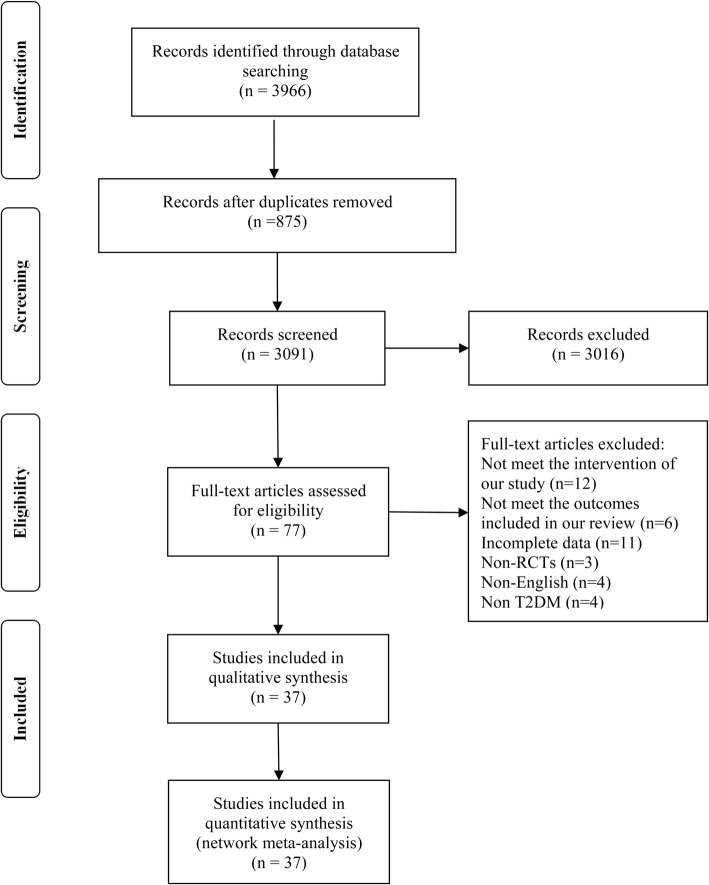
“For example, a network meta-analysis investigating different exercise training modalities demonstrated that a combined programme of supervised aerobic and resistance exercise improved glycaemic control, but none of the included 37 studies had an exercise programme duration range of longer than 6 months (10).”
BackgroundCorrêa, R. F., Vieira, J. G., & Dias, M. R. (2021) · Revista Brasileira de Atividade Física & Saúde · doi:10.12820/rbafs.26e0222 · Cited by 3
Menek, M. Y., & Budak, M. (2022) · Düzce Tıp Fakültesi Dergisi · doi:10.18678/dtfd.1109209 · Cited by 4
Bewegung, körperliche Aktivität und Alter
Köppel, M. (2023) · B&G Bewegungstherapie und Gesundheitssport · doi:10.1055/a-2152-4168 · Cited by 3
Sousa, C. V., Filho, A. S. S., Aguiar, S. D. S., Souza, G. V. E., Guerra, M. F., Ernesto, C., Guido, M., Cantão, E. W., Bezerra, M. L. D. D., Inácio, P. A., et al. (2024) · Manual Therapy Posturology & Rehabilitation Journal · doi:10.17784/mtprehabjournal.2024.22.1335 · Cited by 4
“On the other hand, exercise has been suggested as a great non-pharmacological therapy to reduce overweight (13) , oxidative stress (14) and as treatment for T2D (15) .”
BackgroundDelevatti, R. S., Leonel, L. D. S., Silveira-Rodrigues, J. G., Kanitz, A. C., Alberton, C. L., Lovatel, G. A., Siqueira, I. R., & Kruel, L. F. M. (2024) · International Journal of Environmental Research and Public Health · doi:10.3390/ijerph21070938 · Cited by 5
“Aerobic exercise is widely recognized as an effective tool for glycemic management [1] and cardiovascular risk factors reduction [2,3] in individuals with type 2 diabetes (T2DM).”
BackgroundBeneficios del ejercicio en las enfermedades cardiometabólicas
Insignares, I., Roca, R., & Barraza, J. D. G. (2024) · Revista Ciencias Biomédicas · doi:10.32997/rcb-2024-4666 · Cited by 4
Hu, J., Miao, X., & Yu, L.-H. (2025) · Journal of Cardiovascular Translational Research · doi:10.1007/s12265-024-10586-8 · Cited by 4
“A meta-analysis by Pan et al. (2018) involving 2208 patients with T2DM from 37 studies confirmed that both aerobic and supervised resistance exercises significantly lower blood glucose and HbA1c levels compared to inactivity [44].”
Dai, J. M., Dai, W., & Li, W. (2025) · European Journal of Preventive Cardiology · doi:10.1093/eurjpc/zwaf061 · Cited by 6
Tseng, F. S., Lim, G. H., Bee, Y. M., Lee, P. C., Tai, Y. K., Franco‐Obregón, A., & Tan, H. C. (2025) · Journal of Clinical Medicine · doi:10.3390/jcm14186413 · Cited by 3
“Aerobic exercise has been shown in various meta-analyses to reduce HbA1c by a modest range of 0.3% to 0.7% [45–50].”
InfluentialSookan, T., Vaizie, A., Pillay, T., Moodley, S., Naidoo, S., & Naidoo, K. (2022) · Journal of Endocrinology Metabolism and Diabetes of South Africa · doi:10.1080/16089677.2021.2018802 · Cited by 3
“A recent systematic study concluded that supervised aerobic and resistance training, in combination, leads to a more pronounced improvement in HbA1C levels than unsupervised exercise, or aerobic exercise alone.(9,10) Exercise therapists, such as physiotherapists and biokineticists, are able to provide individualised e…”
BackgroundSong, X., Han, Y., Ma, Y., Tang, J. Y., Peng, J., Hu, Y., Fu, X., Jiang, L., Ma, P., & Wang, S. (2023) · Atmospheric Pollution Research · doi:10.1016/j.apr.2023.101862 · Cited by 2
Li, S., Chen, Y., Zhang, L., Li, R., Kang, N., Hou, J., Wang, J., Bao, Y., Jiang, F., Zhu, R., et al. (2023) · Diabetes Research and Clinical Practice · doi:10.1016/j.diabres.2023.110917 · Cited by 2
Self-citationHaslina, H. (2024) · COMSERVA Jurnal Penelitian dan Pengabdian Masyarakat · doi:10.59141/comserva.v4i4.1412 · Cited by 3
Norooz, M. T., Safavi‐Naini, S. A. A., Jamshidi, P. K., Sadeghi, A., Tabesh, M. R., Abolhasani, M., Abbasi, M., Alamdari, N. M., & Berger, N. A. (2025) · Health Science Reports · doi:10.1002/hsr2.70431 · Cited by 2
Li, H., & Li, L. (2025) · Child Neuropsychology · doi:10.1080/09297049.2025.2517161 · Cited by 4
“Physical activity elicits a cascade of neurobiological benefits, including enhanced cerebral blood flow, glial cell regeneration, and synaptic plasticity – processes mediated by increased neurotransmitter availability (Pan et al., 2016).”
Delevatti, R. S., da Silva, F. D., Braga, F., Pfeifer, L. O., & Sirydakis, M. E. D. M. (2025) · International Journal of Environmental Research and Public Health · doi:10.3390/ijerph22081288 · Cited by 2
“Both aerobic and resistance exercises are recommended as effective strategies [4–6].”
Zhou, L., Li, Y., Zhang, S., Zhang, H., Ji, X., Yu, Y., & Xie, H. (2025) · Frontiers in Nutrition · doi:10.3389/fnut.2025.1694982 · Cited by 2
Chen, L., Wang, L., Fu, A., Yang, J., Lan, Y., Wang, Z., Wang, D., & Cheng, S. (2025) · Diabetes Obesity and Metabolism · doi:10.1111/dom.70297 · Cited by 2
“33 Compared with low-and moderate-intensity exercise, higher-intensity exercise selectively depletes glycogen, and glycogen depletion may underlie the increased insulin sensitivity observed after moderate-to high-intensity exercise.”
Feter, J., Feter, N., Leal-Menezes, R., Hallal, P. C., & Umpierre, D. (2026) · Journal of sport and health science/Journal of Sport and Health Science · doi:10.1016/j.jshs.2026.101123 · Cited by 2
“6,36,37 Despite these benefits, incorporating physical activity into daily routines can be challenging for people with diabetes due to factors like fatigue and fear of hypoglycemia (low blood sugar).”
Pan, W., Liao, Y., Han, Y., Cao, C., & Hu, H. (2026) · Frontiers in Endocrinology · doi:10.3389/fendo.2026.1713333 · Cited by 2
Zhou, T., Su, S., Yuan, C., Jiang, D., Qiu, Y., Xiao, J., Lu, X., Gu, D., & Liu, F. (2026) · Medicine Plus · doi:10.1016/j.medp.2026.100137 · Cited by 2
Bahgat, N. M., Abdel-Salam, M., Latif, M. A., & Abdel‐Hady, E. A. (2022) · Experimental Gerontology · doi:10.1016/j.exger.2022.111711 · Cited by 2
Diesel, M., Heberle, I., Juchem, G., de Barcelos, G. T., Coneglian, J. C., Gerage, A. M., & Delevatti, R. S. (2022) · Clinical and Experimental Hypertension · doi:10.1080/10641963.2022.2065289 · Cited by 3
“hypertensive older people and healthy adults (6,7) and for glycemic control in individuals with type 2 diabetes (8,9).”
BackgroundPengaruh Psikoedukasi Tentang Aktifitas Fisik Terhadap Kualitas Hidup Pasien Diabetes Tipe 2
Rofi’i, A. Y. A. B., & Su’udi (2023) · Jurnal Keperawatan Widya Gantari Indonesia · doi:10.52020/jkwgi.v7i1.4915 · Cited by 2
Increasing muscular strength to improve cardiometabolic risk factors
López-Jaramillo, P. A., López-López, J., TOLE, M. C., & Cohen, D. D. (2023) · Clínica e Investigación en Arteriosclerosis (English Edition) · doi:10.1016/j.artere.2023.06.001 · Cited by 8
Insignares, I., Davila, A. B., Fragozo, A. B., Castro-Leones, M., & Naraina, E. D. A. (2023) · Revista Ciencias Biomédicas · doi:10.32997/rcb-2023-4514 · Cited by 2
Chen, J., Luo, C., Li, Y., & Tan, D. (2024) · World Journal of Clinical Cases · doi:10.12998/wjcc.v12.i23.5382 · Cited by 3
“Subsequently, all data were extracted using sciento-metric tools rather than being manually curated by authors in meta-analyses or systematic review overviews[41-43].”
Yang, J. H., O’Keeffe, R., Shirazi, S. Y., Mehrdad, S., Atashzar, S. F., & Rao, S. (2024) · Physiological Reports · doi:10.14814/phy2.16037 · Cited by 2
“Resistance exercise (RE) confers wide-ranging health benefits including improved neuromuscular function (Grgic et al., 2019), metabolic function (Pan et al., 2018), and psychological well-being (Fragala et al., 2019).”
BackgroundCrosstalk between skeletal muscle ratio and cholesterol metabolism disorders: a cross-section study
Wang, Y., Hu, J., Shen, H., Liu, C., & Yang, L. (2024) · BMC Endocrine Disorders · doi:10.1186/s12902-024-01660-y · Cited by 2
“Emerging research suggests that exercise could modulate cholesteral metabolism mainly in obese adults [6] or those with metabolic disorder syndromes such as diabetes [7].”
BackgroundMcLeod, K. A., Thom, J. M., Jones, M. D., & Parmenter, B. J. (2024) · Australian Journal of General Practice · doi:10.31128/ajgp-08-23-6946 · Cited by 2
Hou, W., Jing, D., Zhou, Y., Dong, L., Zhong, K., Lang, Y., Bian, M., Wang, H., & Sun, L. (2025) · BMC Public Health · doi:10.1186/s12889-025-23508-3 · Cited by 2
Physical activity and supervised exercise among hypertensives and normotensives: status and barriers
Esteves, D., Duarte, P., Pinheiro, P. G., Brás, R. M. M., Rodrigues, R. G., Gouveia, A., & O’Hara, K. (2019) · Sport Sciences for Health · doi:10.1007/s11332-019-00609-2 · Cited by 2
Shen, Y., Yu, L., Hua, Z., Jia, N., Zhou, Y., Dong, X., & Ding, M. (2021) · Medicine · doi:10.1097/md.0000000000023963 · Cited by 2
“Supervised aerobic exercise is more effective in improving HbAlc and weight loss than unsupervised aerobic exercise and unsupervised resistance training.([15]) Another study found that aerobic exercise is more effective than resistance training in improving HbAlc and fasting blood glucose.”
BackgroundDias, A. L. F., do Nascimento, A. A. C., Rosa, L. M., Pereira, M. F. R., Mota, M. A., Filho, P. R. D. M., Colle, S., & Nunes, M. R. (2021) · Brazilian Journal of Health Review · doi:10.34119/bjhrv4n1-014 · Cited by 6
Ayu, Y. D., & Dewi, A. (2021) · Jurnal Keperawatan Muhammadiyah · doi:10.30651/jkm.v6i3.5160 · Cited by 2
Saghiv, M. S., & Sagiv, M. S. (2020) · Springer eBooks · doi:10.1007/978-3-030-48806-2_2 · Cited by 2
Metadata
- Authors
- Pan, B., Ge, L., Xun, Y.-Q., Chen, Y.-J., Gao, C.-Y., Han, X., Zuo, L.-Q., Shan, H.-Q., Yang, K.-H., Ding, G.-W., & Tian, J.-H.
- Affiliations
- Lanzhou University (CN)
- Venue
- International Journal of Behavioral Nutrition and Physical Activity
- Published
- 2018-07-25
- Volume
- 15
- Issue
- 1
- Pages
- 72-72
- ISSN
- 1479-5868 (ISSN-L)
- PMC
- PMC6060544
- OpenAlex
- W2884571905
- Cited by
- 470
- References
- 87
- Citations by year
- 2026: 38 · 2025: 51 · 2024: 57 · 2023: 86 · 2022: 94 · 2021: 83 · 2020: 40 · 2019: 20 · 2018: 1
- FWCI
- 4.73
- Type
- journal article
- Language
- en
- Open access
- gold
- doi.org
- Licence
- cc-by
- creativecommons.org/licenses/by/4.0/ (tdm)
- Locations
- International Journal of Behavioral Nutrition and Physical Activity (publishedVersion, cc-by)
- Europe PMC (PubMed Central) (publishedVersion, other-oa)
- PubMed Central (publishedVersion, cc-by)
- PubMed (publishedVersion)
- Lanzhou University Institutional Repository (submittedVersion)
- DOAJ (DOAJ: Directory of Open Access Journals) (submittedVersion, cc-by-sa)
- Funders
- Lanzhou University
- Karlsruhe House of Young Scientists
- Topics
- Health Sciences › Medicine › Public Health, Environmental and Occupational Health › Physical Activity and Health
- Health Sciences › Medicine › Endocrinology, Diabetes and Metabolism › Diabetes, Cardiovascular Risks, and Lipoproteins
- Health Sciences › Medicine › Physiology (medical) › Cardiovascular and exercise physiology
- Keywords
- type 2 diabetes, exercise training, aerobic exercise, resistance training, concurrent training, glycemic control, HbA1c, fasting blood glucose, cardiovascular risk factors, weight loss, unsupervised exercise, supervised exercise, LDL cholesterol, systolic blood pressure, triglycerides, total cholesterol, lipid profile, blood pressure, diabetes management guidelines, exercise modality comparison
- MeSH terms
- Network Meta-Analysis, Aged, Blood Glucose, Blood Pressure, Diabetes Mellitus, Type 2, Exercise Therapy, Female, Glycated Hemoglobin, Humans, Lipids, Cholesterol, LDL, Male, Middle Aged, Weight Loss, Exercise, Resistance Training
About these checks
Registry, retraction, Cites and statistics results are computed, not judged, with one exception: a printed reference that no index lists is read once by a model before it counts as a citation error. Claims are extracted by a model and kept only when their quote appears verbatim in the text; each cited source is then checked, with a model’s help, for whether it says what the claim relies on. Those verdicts can be wrong — read the claim’s quote and the cited source before relying on one.
Statistics and arithmetic are recomputed, not judged.
Confidence bands are shown only for fields calibrated on our annotated test set. None is calibrated yet, so no band is shown.
What counts as a claim ›How we measure confidence ›How we check this ›
Are you an author, or do you see a problem with this page? Request a review
Data sources
Bibliographic data: Semantic Scholar, OpenAlex, Crossref.
Contains information from the Semantic Scholar Academic Graph Datasets, made available under the ODC Attribution License (ODC-BY 1.0).
Semantic Scholar’s data is described in: Kinney, R., et al. (2023). The Semantic Scholar Open Data Platform. arXiv:2301.10140.
