

Exercise training modalities in patients with type 2 diabetes mellitus: a systematic review and network meta-analysis
Open accessThe DOI matches its Crossref record; 86 of the 87 references it cites were found in a registry or an index.
Abstract
INTRODUCTION: Current international guidelines recommend aerobic, resistance, and combined exercises for the management of type 2 diabetes mellitus (T2DM). In our study, we conducted a network meta-analysis to assess the comparative impact of different exercise training modalities on glycemic control, cardiovascular risk factors, and weight loss in patients with T2DM. METHODS: We searched five electronic databases to identify randomized controlled trials (RCTs) that compared the differences between different exercise training modalities for patients with T2DM. The risk of bias in the included RCTs was evaluated according to the Cochrane tool. Network meta-analysis was performed to calculate mean difference the ratio of the mean and absolute risk differences. Data were analyzed using R-3.4.0. RESULTS: A total of 37 studies with 2208 patients with T2DM were included in our study. Both supervised aerobic and supervised resistance exercises showed a significant reduction in HbA1c compared to no exercise (0.30% lower, 0.30% lower, respectively), however, there was a less reduction when compared to combined exercise (0.17% higher, 0.23% higher). Supervised aerobic also presented more significant improvement than no exercise in fasting plasma glucose (9.38 mg/dl lower), total cholesterol (20.24 mg/dl lower), triacylglycerol (19.34 mg/dl lower), and low-density lipoprotein cholesterol (11.88 mg/dl lower). Supervised resistance showed more benefit than no exercise in improving systolic blood pressure (3.90 mmHg lower]) and total cholesterol (22.08 mg/dl lower]. In addition, supervised aerobic exercise was more powerful in improving HbA1c and weight loss than unsupervised aerobic (HbA1c: 0.60% lower; weight loss: 5.02 kg lower) and unsupervised resistance (HbA1c: 0.53% lower) exercises. CONCLUSION: Compared with either supervised aerobic or supervised resistance exercise alone, combined exercise showed more pronounced improvement in HbA1c levels; however, there was a less marked improvement in some cardiovascular risk factors. In terms of weight loss, there were no significant differences among the combined, supervised aerobic, and supervised resistance exercises. TRIAL REGISTRATION: Our study protocol was registered with the International Prospective Register of Systematic Reviews (PROSPERO); registration number: CRD42017067518 .
Overview
The claims and statistics of this paper haven’t been checked yet.
Free: it reads the open-access text and checks the first 5 claims that cite a source we can check. Create a free account to check every claim.
Integrity signals
Registry
Cites
Statistics
Figures
Verification
Claims the paper makes
The claims and statistics of this paper haven’t been checked yet.
Free: it reads the open-access text and checks the first 5 claims that cite a source we can check. Create a free account to check every claim.
Claims other papers make about this one
Each is checked against this paper’s own text: does it say what the citing paper says it does?
The source backs part of the claim, not all of it — or backs it for a different population, condition or comparison.
In the citing paper
“Resistance exercise (i.e., using your own body weight or working against a resistance) also improves blood glucose levels, fl exibility, and balance (101,110).”
From Management of Hyperglycemia in Type 2 Diabetes, 2022. A Consensus Report by the American Diabetes Association (ADA) and the European Association for the Study of Diabetes (EASD) (2022) · cites this paper as [110]
Experimental — accuracy not yet measuredThe source backs part of the claim, not all of it — or backs it for a different population, condition or comparison.
In the citing paper
“and induces clinically signi fi cant bene fi ts in cardiorespiratory fi tness (101,110,119).”
From Management of Hyperglycemia in Type 2 Diabetes, 2022. A Consensus Report by the American Diabetes Association (ADA) and the European Association for the Study of Diabetes (EASD) (2022) · cites this paper as [110]
Experimental — accuracy not yet measuredThe source backs part of the claim, not all of it — or backs it for a different population, condition or comparison.
In the citing paper
“Multiple studies have shown significant improvements in hemoglobin A1c (0.5-0.7%) of patients with T2DM through a combination of aerobic and resistance training.”
From The Impact of Physical Activity in Patients With Type 2 Diabetes (2025) · cites this paper as [37]
Experimental — accuracy not yet measuredIn the citing paper
“Another metaanalysis showed improvement in A1c of 0.53% with combined exercise and an improvement of only 0.3% with either aerobic or resistance exercise separately.”
From The Impact of Physical Activity in Patients With Type 2 Diabetes (2025) · cites this paper as [37]
Self-check
Percentages, sums and reported differences re-computed from the paper’s own numbers.
The self-check needs the paper’s full text.
Citations
Cites
International Diabetes Federation 2017
Carracher, A. M., Marathe, P. H., & Close, K. L. (2018) · Journal of Diabetes · doi:10.1111/1753-0407.12644 · Cited by 13,418
Role of Insulin Resistance in Human Disease
Reaven, G. M. (1988) · Diabetes · doi:10.2337/diab.37.12.1595 · Cited by 12,154
Garber, C. E., Blissmer, B., Deschenes, M. R., Franklin, B. A., Lamonte, M. J., Lee, I.-M., Nieman, D. C., & Swain, D. P. (2011) · Medicine & Science in Sports & Exercise · doi:10.1249/mss.0b013e318213fefb · Cited by 9,319 · cited 1×
“It has been shown that resistance exercise can benefit all adults and patients with T2DM by improving physical function, fat mass, lipid profiles, cardiovascular health, blood pressure, and insulin sensitivity [75, 76].”
BackgroundGlobal estimates of the prevalence of diabetes for 2010 and 2030
Shaw, J. E., Sicree, R. A., & Zimmet, P. Z. (2010) · Diabetes Research and Clinical Practice · doi:10.1016/j.diabres.2009.10.007 · Cited by 7,216 · cited 2×
“Type 2 diabetes mellitus (T2DM) accounts for 85–95% of all diabetes cases in the world [2].”
BackgroundEckel, R. H., Alberti, K., Grundy, S. M., & Zimmet, P. Z. (2010) · The Lancet · doi:10.1016/s0140-6736(09)61794-3 · Cited by 6,295
Stearne, M. R., Palmer, S. L., Hammersley, M. S., Franklin, S. L., Spivey, R. S., Lévy, J., Tidy, C. R., Bell, N. J., Steemson, J., Barrow, B. A., et al. (1998) · UCL Discovery (University College London) · Cited by 6,090
Eckel, R. H., Grundy, S. M., & Zimmet, P. Z. (2005) · The Lancet · doi:10.1016/s0140-6736(05)66378-7 · Cited by 5,550
Standards of Medical Care in Diabetes—2012
(2012) · Diabetes Care · doi:10.2337/dc12-s011 · Cited by 2,240
Turner, R. D., & Holman, R. R. (1998) · Cited by 1,974
Cited by
Davies, M. J., Aroda, V. R., Collins, B. S., Gabbay, R. A., Green, J., Maruthur, N. M., Rosas, S. E., Del Prato, S., Mathieu, C., Mingrone, G., et al. (2022) · Diabetes Care · doi:10.2337/dci22-0034 · Cited by 2,104
“6%) in HbA1c (118), and induces clinically significant benefits in cardiorespiratory fitness (101,110,119).”
Background2020 ESC guidelines on sports cardiology and exercise in patients with cardiovascular disease
Pelliccia, A., Sharma, S., Gati, S., Bäck, M., Börjesson, M., Caselli, S., Collet, J.-P., Corrado, D., Drezner, J. A., Halle, M., et al. (2021) · European Heart Journal · doi:10.1093/eurheartj/ehaa605 · Cited by 1,958
Davies, M. J., Aroda, V. R., Collins, B. S., Gabbay, R. A., Green, J., Maruthur, N. M., Rosas, S. E., Del Prato, S., Mathieu, C., Mingrone, G., et al. (2022) · Diabetologia · doi:10.1007/s00125-022-05787-2 · Cited by 1,048
“using your own body weight or working against a resistance) also improves blood glucose levels, flexibility and balance [101, 110].”
Type 2 diabetes mellitus in older adults: clinical considerations and management
Bellary, S., Kyrou, I., Brown, J. E., & Bailey, C. J. (2021) · Nature Reviews Endocrinology · doi:10.1038/s41574-021-00512-2 · Cited by 639
Sarcopenia and type 2 diabetes mellitus: a bidirectional relationship
Mesinovic, J., Zengin, A., De Courten, B., Ebeling, P. R., & Scott, D. (2019) · Diabetes, Metabolic Syndrome and Obesity: Targets and Therapy · doi:10.2147/dmso.s186600 · Cited by 553
“However, the greatest reductions in HbA1c were experienced by individuals undertaking combined resistance and aerobic exercise.(127) Furthermore, a recent randomized control trial (RCT) in 137 pre-diabetic adults (mean age 59 years) reported that two-year supervised resistance training alone (HR:0.”
BackgroundInfluentialKnowledge Mapping of Drug-Induced Liver Injury: A Scientometric Investigation (2010–2019)
Ke, L., Lu, C., Shen, R., Lu, T., Ma, B., & Hua, Y. (2020) · Frontiers in Pharmacology · doi:10.3389/fphar.2020.00842 · Cited by 204
Zhang, K., Ma, Y., Luo, Y., Song, Y., Xiong, G., Ma, Y., Sun, X., & Kan, C. (2023) · Frontiers in Public Health · doi:10.3389/fpubh.2023.1253506 · Cited by 227
Kleinloog, J. P. D., Mensink, R. P., Ivanov, D., Adam, J. J., Uludağ, K., & Joris, P. J. (2019) · Frontiers in Aging Neuroscience · doi:10.3389/fnagi.2019.00333 · Cited by 175
New Insights and Potential Therapeutic Interventions in Metabolic Diseases
Clemente‐Suárez, V. J., Martín-Rodríguez, A., Redondo-Flórez, L., López-Mora, C., Sepulveda, R. A. Y., & Tornero-Aguilera, J. F. (2023) · International Journal of Molecular Sciences · doi:10.3390/ijms241310672 · Cited by 198
Exercise and cardiovascular health: A state-of-the-art review
Isath, A., Koziol, K. J., Martinez, M. W., Garber, C. E., Martinez, M. N., Emery, M. S., Baggish, A. L., Naidu, S. S., Lavie, C. J., Arena, R., et al. (2023) · Progress in Cardiovascular Diseases · doi:10.1016/j.pcad.2023.04.008 · Cited by 176
Al-Mhanna, S. B., Batrakoulis, A., Ghazali, W. S. W., Mohamed, M., Aldayel, A. A., Alhussain, M. H., Afolabi, H. A., Wada, Y., Gülü, M., Elkholi, S. M. A., et al. (2024) · PeerJ · doi:10.7717/peerj.17525 · Cited by 178
“Previous research also demonstrated similar effects of CART on several anthropometric and body composition indicators among populations with T2DM and concurrent overweight/obesity ( Pan et al., 2018 ; Zhao et al., 2021 ).”
ResultKemps, H., Kränkel, N., Dörr, M., Moholdt, T., Wilhelm, M., Paneni, F., Serratosa, L., Ekker Solberg, E., Hansen, D., Halle, M., et al. (2019) · European Journal of Preventive Cardiology · doi:10.1177/2047487318820420 · Cited by 144
Gallardo-Gómez, D., Salazar-Martínez, E., Alfonso-Rosa, R. M., Ramos-Munell, J., del Pozo-Cruz, J., del Pozo Cruz, B., & Álvarez-Barbosa, F. (2024) · Diabetes Care · doi:10.2337/dc23-0800 · Cited by 137
Weight loss and serum lipids in overweight and obese adults: A systematic review and meta-analysis
Hasan, B., Nayfeh, T., Alzuabi, M., Wang, Z., Kuchkuntla, A. R., Prokop, L. J., Newman, C. B., Murad, M. H., & Rajjo, T. I. (2020) · The Journal of Clinical Endocrinology & Metabolism · doi:10.1210/clinem/dgaa673 · Cited by 126
Jing, T., Zhang, S., Bai, M., Chen, Z., Gao, S., Li, S., & Zhang, J. (2023) · Nutrients · doi:10.3390/nu15143156 · Cited by 139
“Second, to explore the long-term effects of dietary approaches on glycemic control, we set the minimum study duration to 6 months, while other studies which focused on a similar objective, setting their criteria at 12 weeks [25] or no study length limitation [26,111].”
BackgroundCao, L., Li, X., Yan, P., Wang, X., Li, M., Li, R., Shi, X., Liu, X., & Yang, K. (2019) · Journal of Clinical Hypertension · doi:10.1111/jch.13583 · Cited by 147
Self-citationRigamonti, A. E., Bollati, V., Pergoli, L., Iodice, S., Col, A. D., Tamini, S., Cicolini, S., Tringali, G., Micheli, R. D., Cella, S. G., et al. (2019) · International Journal of Obesity · doi:10.1038/s41366-019-0460-7 · Cited by 151
Mesinovic, J., Fyfe, J. J., Talevski, J., Wheeler, M. J., Leung, G. K. W., George, E. S., Hunegnaw, M. T., Glavas, C., Jansons, P., Daly, R. M., et al. (2023) · Diabetes & Metabolism Journal · doi:10.4093/dmj.2023.0112 · Cited by 114
“Although both aerobic and resistance training appear to independently improve glycemic con-trol, a network meta-analysis showed that the combination of both is more effective for reducing HbA1c than either mode alone in individuals with T2DM [172].”
BackgroundKhutami, C., Sumiwi, S. A., Ikram, N. K. K., & Muchtaridi, M. (2022) · International Journal of Molecular Sciences · doi:10.3390/ijms23042056 · Cited by 106
“Another study by Pan et al. (2018) reported that flavonoids such as resveratrol (3,4′,5-trihydroxy-stilbene, RES) are widely present in vegetables and fruits with biological and pharmacological effects such as antiobesity, antioxidation activity and antidiabetic [15].”
BackgroundZhao, X., He, Q., Zeng, Y., & Cheng, L. (2021) · BMJ Open · doi:10.1136/bmjopen-2020-046252 · Cited by 81
Al-Mhanna, S. B., Rocha‐Rodrigues, S., Mohamed, M., Batrakoulis, A., Aldhahi, M. I., Afolabi, H. A., Yağın, F. H., Alhussain, M. H., Gülü, M., Abubakar, B. D., et al. (2023) · BMC Sports Science Medicine and Rehabilitation · doi:10.1186/s13102-023-00766-5 · Cited by 95
“According to other relevant review studies, combined aerobic and resistance training (CT) evoked similar efficacy on anthropometry and body composition in individuals with T2DM and obesity [53, 54].”
BackgroundKnowledge Mapping of Angelica sinensis (Oliv.) Diels (Danggui) Research: A Scientometric Study
Lu, C., Liu, M., Shang, W., Yuan, Y., Li, M., Deng, X., Li, H., & Yang, K. (2020) · Frontiers in Pharmacology · doi:10.3389/fphar.2020.00294 · Cited by 88
Self-citationMarçal, I. R., Fernandes, B., Viana, A. A., & Ciolac, E. G. (2020) · Frontiers in Endocrinology · doi:10.3389/fendo.2020.584642 · Cited by 92
Al-Mhanna, S. B., Franklin, B. A., Jakicic, J. M., Stamatakis, E., Pescatello, L. S., Riebe, D. A., Thompson, W. R., Skinner, J. S., Colberg, S. R., Alkhamees, N. H., et al. (2025) · British Journal of Sports Medicine · doi:10.1136/bjsports-2024-108947 · Cited by 85
“72”
Trends in Shared Decision-Making Studies From 2009 to 2018: A Bibliometric Analysis
Lu, C., Li, X., & Yang, K. (2019) · Frontiers in Public Health · doi:10.3389/fpubh.2019.00384 · Cited by 83
Self-citation2020 ESC Guidelines on Sports Cardiology and Exercise in Patients with Cardiovascular Disease
Pelliccia, A., Sharma, S., Gati, S., Bäck, M., Börjesson, M., Caselli, S., Collet, J., Corrado, D., Drezner, J. A., Halle, M., et al. (2021) · Revista Española de Cardiología (English Edition) · doi:10.1016/j.rec.2021.05.003 · Cited by 84
Ambelu, T., & Teferi, G. (2023) · BMC Sports Science Medicine and Rehabilitation · doi:10.1186/s13102-023-00762-9 · Cited by 83
“Multiple exercise training modalities have been recommended, however, it is difficult to determine the superiority of different physical activities for T2DM [33].”
BackgroundRao, P., Belanger, M. J., & Robbins, J. (2021) · Cardiology in Review · doi:10.1097/crd.0000000000000416 · Cited by 75
Huang, L., Fang, Y., & Tang, L. (2021) · BMC Endocrine Disorders · doi:10.1186/s12902-021-00846-y · Cited by 74
Magalhães, J. P., Júdice, P. B., Ribeiro, R., Andrade, R., Raposo, J., Dores, H., Bicho, M., & Sardinha, L. B. (2019) · Diabetes, Obesity and Metabolism · doi:10.1111/dom.13551 · Cited by 57
Effectiveness of home visiting on patients with hypertension: A systematic review and meta-analysis
Ma, Y., Lu, H., Zhang, Y., Wang, Y., Li, S., Yan, F., & Han, L. (2021) · Medicine · doi:10.1097/md.0000000000024072 · Cited by 70
Su, X., He, J., Jianmei, C., Li, H., & Men, J. (2022) · Annals of Noninvasive Electrocardiology · doi:10.1111/anec.12996 · Cited by 75
“As a mature and noninvasive method for detecting cardiac autonomic nerve function (sympathetic and vagus nerve activity), HRV analysis is considered an early index for predicting and diagnosing DCAN (Picard et al., 2021).”
MethodMannucci, E., Bonifazi, A., & Monami, M. (2021) · Nutrition, Metabolism and Cardiovascular Diseases · doi:10.1016/j.numecd.2021.02.030 · Cited by 64
Bell, K., Shaw, J. E., Maple-Brown, L., Ferris, W., Gray, S., Murfet, G., Flavel, R., Maynard, B., Ryrie, H., Pritchard, B., et al. (2020) · Diabetes Research and Clinical Practice · doi:10.1016/j.diabres.2020.108188 · Cited by 64
“[57] Pan B, Ge L, Xun YQ, Chen YJ, Gao CY, Han X, et al.”
BackgroundRecomendaciones preventivas cardiovasculares. Actualización PAPPS 2022
Orozco‐Beltrán, D., Cuixart, C. B., Banegas, J. R., Gil-Guillén, V. F., Cuenca, A. M. C., Rioboó, E. M., Baldó, A. J., Vicuña, J., & Pérez, J. N. (2022) · Atención Primaria · doi:10.1016/j.aprim.2022.102444 · Cited by 80
Papagianni, G., Panayiotou, C., Vardas, M., Balaskas, N., Antonopoulos, C., Tachmatzidis, D., Didangelos, T., Lambadiari, V., & Kadoglou, N. P. E. (2023) · Cytokine · doi:10.1016/j.cyto.2023.156157 · Cited by 65
Nasi, M., Patrizi, G., Pizzi, C., Landolfo, M., Boriani, G., Dei, A., Cicero, A. F. G., Fogacci, F., Rapezzi, C., Sisca, G., et al. (2019) · Journal of Cardiovascular Medicine · doi:10.2459/jcm.0000000000000855 · Cited by 69
Chen, Y., Li, X., Pan, B., Wang, B., Jing, G., Liu, Q., Li, Y., Bing, Z., Yang, K., Han, X., et al. (2019) · Aging & Mental Health · doi:10.1080/13607863.2019.1704219 · Cited by 61
Self-citationLiang, Z., Zhang, M., Wang, C., Hao, F., Yu, Y., Tian, S., & Yuan, Y. (2024) · Sports Medicine · doi:10.1007/s40279-024-02057-6 · Cited by 63
“Except for HIIT, CE was the most effective intervention, and a previous NMA on type 2 diabetes found similar results [11].”
Antidiabetic Effects of Physical Activity: How It Helps to Control Type 2 Diabetes
Wake, A. D. (2020) · Diabetes Metabolic Syndrome and Obesity · doi:10.2147/dmso.s262289 · Cited by 68
MacDonald, C. S., Ried‐Larsen, M., Soleimani, J., Alsawas, M., Lieberman, D. E., Ismail, A. S., Serafim, L. P., Yang, T., Prokop, L., Joyner, M., et al. (2021) · Diabetes/Metabolism Research and Reviews · doi:10.1002/dmrr.3444 · Cited by 57
Chen, X., Sun, X., Wang, C., & He, H. (2020) · Oxidative Medicine and Cellular Longevity · doi:10.1155/2020/6660557 · Cited by 59
“There have been numerous systematic reviews and metaanalyses showing that physical exercise can make great improvement in insulin sensitivity, increase glucose uptake in muscles and adipocytes, and reduce blood glucose levels [42, 43], but none of these recent meta-analyses systematically analyzed the long-term effect…”
BackgroundPeiris, C. L., van Namen, M., & O’Donoghue, G. (2021) · Reviews in Endocrine and Metabolic Disorders · doi:10.1007/s11154-021-09644-2 · Cited by 60
“For people with diabetes [7] and peripheral vascular disease [8], supervised exercise appears to be superior.”
BackgroundHou, L., Wang, Q., Pan, B., Li, R., Li, Y., He, J., Qin, T., Cao, L., Zhang, N., Cao, C., et al. (2023) · Diabetes/Metabolism Research and Reviews · doi:10.1002/dmrr.3591 · Cited by 56
“Combined aerobic and resistance exercise was more powerful in reducing HbA1c than aerobic exercise alone, in line with the data published by Schwingshackl et al.38 and our previous NMA.14 The effects of aerobic and resistance exercises on glycaemic control in patients with type 2 diabetes are complementary.”
BackgroundMethodSelf-citationLei, T., Lu, T., Yu, H., Su, X., Zhang, C., Zhu, L., Yang, K., & Liu, J. (2022) · International Journal of COPD · doi:10.2147/copd.s368645 · Cited by 59
Self-citationXing, H., Lu, J., Yoong, S. Q., Tan, Y. Q., Kusuyama, J., & Wu, X. V. (2022) · Journal of the American Medical Directors Association · doi:10.1016/j.jamda.2022.01.055 · Cited by 53
Ranasinghe, C., Devage, S., Constantine, G. R., Katulanda, P., Hills, A. P., & King, N. A. (2020) · Diabetes & Metabolic Syndrome Clinical Research & Reviews · doi:10.1016/j.dsx.2020.12.011 · Cited by 51
Pereira, W. V. C., Vancea, D. M. M., Oliveira, R. D. A., de Freitas, Y. G. P. C., Lamounier, R. N., Júnior, W. S. D. S., Fioretti, A. M. B., Macedo, C. L. D., Bertoluci, M. C., & Zagury, R. (2023) · Diabetology & Metabolic Syndrome · doi:10.1186/s13098-022-00945-3 · Cited by 60
“In terms of weight reduction, there were no significant differences between the benefits obtained from aerobic or resistance exercises, neither in combination or not [2].”
BackgroundInfluentialO’Donoghue, G., O'Sullivan, C. M., Corridan, I., Daly, J., Finn, R., Melvin, K., & Peiris, C. L. (2021) · International Journal of Environmental Research and Public Health · doi:10.3390/ijerph18126273 · Cited by 52
“Indeed, supervised exercise programs may be superior to unsupervised exercise for glycemic control and weight loss in people with T2DM [53].”
BackgroundJayedi, A., Emadi, A., & Shab-Bidar, S. (2022) · Sports Medicine · doi:10.1007/s40279-022-01673-4 · Cited by 47
“The findings of the present meta-analysis confirmed those presented by previous pairwise meta-analyses of randomized trials [10, 11, 59, 60].”
BackgroundResultHejazi, K., Rahimi, G. R. M., & Rosenkranz, S. K. (2022) · Biological Research For Nursing · doi:10.1177/10998004221132841 · Cited by 53
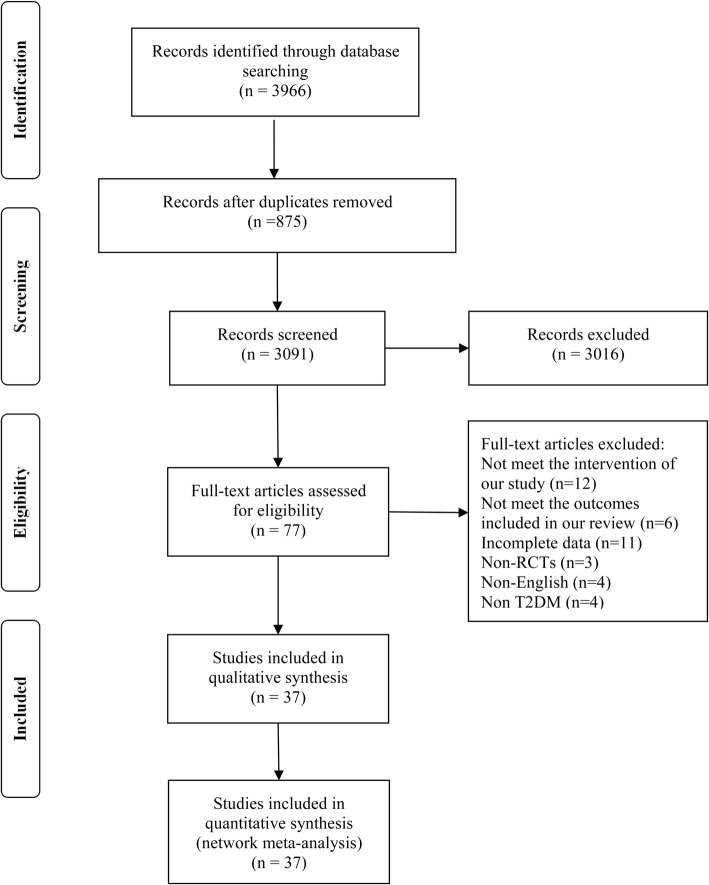
“In contrast, Pan et al. (2018) reviewed 37 clinical trials in 2208 participants (aged ≥18 years) with T2DM.”
BackgroundMeng, Y., Deng, B., Liang, X., Li, J., Li, L., Ou, J., Yu, S., Tan, X., Chen, Y., & Zhang, M. (2022) · Journal of Orthopaedic Surgery and Research · doi:10.1186/s13018-022-03116-2 · Cited by 46
“In fact, for patients with chronic diseases, such as cancer, diabetes, and dementia, supervised exercise interventions yielded benefits superior to non-supervised exercise programs in various outcomes, including quality of life and compliance to exercise and other physical and psychosocial outcomes [33].”
BackgroundSelf-citationCaro‐Bautista, J., Kaknani‐Uttumchandani, S., García‐Mayor, S., Villa‐Estrada, F., Morilla‐Herrera, J. C., León‐Campos, Á., Gómez‐González, A. J., & Morales‐Asencio, J. M. (2020) · Journal of Clinical Nursing · doi:10.1111/jocn.15186 · Cited by 36
Hou, L., Li, X., Yan, P., Li, Y., Wu, Y., Yang, Q., Shi, X., Ge, L., & Yang, K. (2021) · Breastfeeding Medicine · doi:10.1089/bfm.2020.0364 · Cited by 49
“28 In our analysis, we included different intelligence assessment measures.”
Self-citationGarcia, S. P., Cureau, F. V., Iorra, F. D. Q., Bottino, L. G., Monteiro, L. E. R. C., Leivas, G., Umpierre, D., & Schaan, B. D. (2025) · Diabetes Research and Clinical Practice · doi:10.1016/j.diabres.2025.112027 · Cited by 47
Al‐Ozairi, E., Alsaeed, D., Alroudhan, D., Voase, N., Hasan, A., Gill, J. M. R., Sattar, N. A., Welsh, P. I., Gray, C. M., Boonpor, J., et al. (2020) · The Journal of Clinical Endocrinology & Metabolism · doi:10.1210/clinem/dgaa835 · Cited by 47
Han, Y., Su, Y., Han, M., Liu, Y., Shi, Q., Li, X., Wang, P., Li, W., & Li, W. (2022) · Journal of Ethnopharmacology · doi:10.1016/j.jep.2022.115923 · Cited by 42
Wang, M., Xie, K., Zhao, S., Jia, N., Zong, Y., Gu, W., & Cai, Y. (2023) · Molecular Medicine · doi:10.1186/s10020-023-00727-1 · Cited by 44
Li, L.-L., Hu, X., Di, Y.-H., & Wei, J. (2022) · World Journal of Clinical Cases · doi:10.12998/wjcc.v10.i3.954 · Cited by 51
Managing Cardiovascular Risk Factors without Medications: What is the Evidence?
Saha, S. P., Banks, M. A., & Whayne, T. F. (2020) · Cardiovascular & Hematological Agents in Medicinal Chemistry · doi:10.2174/1871525718666200518093418 · Cited by 41
Blioumpa, C., Karanasiou, E., Antoniou, V., Baťalík, L., Kalatzis, K., Lanaras, L., & Pepera, G. (2023) · European Journal of Physical and Rehabilitation Medicine · doi:10.23736/s1973-9087.23.07855-3 · Cited by 42
“54 Moreover, BMI did not significantly change after a home-based unsupervised exercise program, while patients significantly decreased WC. 47 WC is more reflective of visceral obesity than BMI.”
BackgroundLu, T., Lu, C., Li, H., Xing, X., Deng, X., Li, X., Wang, Y., Niu, J., Liu, Y., & Yang, K. (2020) · Complementary Therapies in Medicine · doi:10.1016/j.ctim.2020.102433 · Cited by 39
Self-citationWu, J., Xu, H., Wang, S., Weng, H., Luo, Z., Ou, G., Chen, Y., Xu, L., So, K., Deng, L., et al. (2024) · Cell Death and Disease · doi:10.1038/s41419-024-07132-4 · Cited by 39
“All the results are presented as the means ± standard deviations (SDs) with statistical signi fi cance (* P < 0.05, ** P < 0.01, ns: P > 0.05).”
InfluentialSelf-citationFélez-Nóbrega, M., Raine, L. B., Haro, J. M., Wijndaele, K., & Koyanagi, A. (2020) · International Journal of Behavioral Nutrition and Physical Activity · doi:10.1186/s12966-020-01010-w · Cited by 40
Application of network meta-analysis in the field of physical activity and health promotion
Su, X., McDonough, D. J., Chu, H., Quan, M., & Gao, Z. (2020) · Journal of Sport and Health Science · doi:10.1016/j.jshs.2020.07.011 · Cited by 38
“Most of the studies included in the analysis used a Bayesian approach,(46,47,53) 56 while 2 employed the frequentist approach.(49,50) Six of the studies examined the effects of exercise or other physical-activity-based interventions (e.”
MethodInfluentialPhysical exercise as treatment for adults with type 2 diabetes: a rapid review
Ribeiro, A. K. P. D. L., Carvalho, J. P. R., & Bento-Torres, N. V. O. (2023) · Frontiers in Endocrinology · doi:10.3389/fendo.2023.1233906 · Cited by 47
“This is in contradiction with previous studies showing that the greatest reduction in HbA1c is observed when using combined exercise compared to the other modalities alone (13, 48, 49).”
ResultLi, M., Li, J., Xu, Y., Gao, J., Cao, Q., Ding, Y., Xin, Z., Lu, M., Li, X.-T., Song, H., et al. (2024) · Diabetes Care · doi:10.2337/dc24-0241 · Cited by 40
Exercise in Pregnant Women with Diabetes
Peters, T. M., & Brazeau, A. (2019) · Current Diabetes Reports · doi:10.1007/s11892-019-1204-8 · Cited by 40
Sun, Y., Gao, Y., Ji, C. F., Sun, H., Cai, Y., Ge, L., Li, Y.-N., Zhang, J., & Tian, J. (2019) · Metabolism · doi:10.1016/j.metabol.2019.153956 · Cited by 40
Self-citationEdmunds, K., Tuffaha, H., Scuffham, P., Galvao, D. A., & Newton, R. U. (2020) · Supportive Care in Cancer · doi:10.1007/s00520-020-05637-0 · Cited by 41
Effects of Maternal Exercise Modes on Glucose and Lipid Metabolism in Offspring Stem Cells
Jevtovic, F., Zheng, D., Houmard, J. A., Krassovskaia, P. M., Lopez, C. A., Wisseman, B., Steen, D. M., Broskey, N. T., Isler, C. M., DeVente, J., et al. (2023) · The Journal of Clinical Endocrinology & Metabolism · doi:10.1210/clinem/dgad059 · Cited by 37
Lipotoxicity: A New Perspective in Type 2 Diabetes Mellitus
Chen, B., Li, T., Wu, Y., Song, L., Wang, Y., Bian, Y., Qiu, Y., & Yang, Z. (2025) · Diabetes Metabolic Syndrome and Obesity · doi:10.2147/dmso.s511436 · Cited by 37
“82 These findings suggest that exercise interventions are effective in reducing pancreatic fat accumulation and correcting glucose metabolism disturbances.”
Al-Mhanna, S. B., Alghannam, A. F., Alkhamees, N. H., Sheeha, B. H. B., Omar, N., Albalawi, H., Gülü, M., Canlı, U., Afolabi, H. A., Abubakar, B. D., et al. (2025) · PeerJ · doi:10.7717/peerj.19537 · Cited by 38
“Other relevant studies have shown similar effects of CART on anthropometry and body composition in individuals with T2DM and concurrent overweight/obesity ( Pan et al., 2018 ; Zhao et al., 2021 ).”
Schwingshackl, L., Schwarzer, G., Rücker, G., & Meerpohl, J. J. (2019) · Advances in Nutrition · doi:10.1093/advances/nmz036 · Cited by 37
Tack, W., Cock, A. D., Dirinck, E. L., Bastijns, S., Ariën, F., & Perkisas, S. (2023) · Diabetes Obesity and Metabolism · doi:10.1111/dom.15321 · Cited by 42
“103 The American Diabetes Association has therefore recommended a combination of both training regimes.”
BackgroundPelliccia, A., Sharma, S., Gati, S., Bäck, M., Börjesson, M., Caselli, S., Collet, J., Corrado, D., Drezner, J. A., Halle, M., et al. (2021) · Revista Española de Cardiología · doi:10.1016/j.recesp.2020.11.026 · Cited by 47
Su, W., Tao, M., Ma, L., Tang, K., Xiong, F., Dai, X., & Qin, Y. (2023) · Frontiers in Endocrinology · doi:10.3389/fendo.2023.1224161 · Cited by 35
Latihan Senam Dapat Menurunkan Kadar Glukosa Darah pada Penderita Diabetes Melitus Tipe II
Lubis, R. F. D., & Kanzanabilla, R. (2021) · Jurnal Biostatistik Kependudukan dan Informatika Kesehatan · doi:10.7454/bikfokes.v1i3.1016 · Cited by 36
Sjölin, I., Bäck, M., Nilsson, L. E., Șchiopu, A., & Leósdóttir, M. (2020) · PLoS ONE · doi:10.1371/journal.pone.0232772 · Cited by 39
Exercise-induced regulation of adipose tissue
Stroh, A. M., & Stanford, K. I. (2023) · Current Opinion in Genetics & Development · doi:10.1016/j.gde.2023.102058 · Cited by 35
Food Insecurity is Related to Disordered Eating Behaviors Among College Students
Royer, M. F., Ojinnaka, C. O., & Bruening, M. M. (2021) · Journal of Nutrition Education and Behavior · doi:10.1016/j.jneb.2021.08.005 · Cited by 36
Wang, Y., Fu, L., Lu, T., Zhang, G., Zhang, J., Zhao, Y., Jin, H., Yang, K., & Cai, H. (2021) · Frontiers in Genetics · doi:10.3389/fgene.2021.729768 · Cited by 32
“Data Extraction Two authors independently evaluated and extracted relevant information (Li et al., 2016; Pan et al., 2018).”
MethodSelf-citationGuo, K., Wang, S., Shang, X., Fenfen, E., Hou, L., Li, J., Li, Y., Yang, K., & Li, X. (2022) · Addictive Behaviors · doi:10.1016/j.addbeh.2022.107329 · Cited by 36
Self-citationMorrow, A., Gray, S. R., Bayes, H. K., Sykes, R., McGarry, E., Anderson, D., Boiskin, D., Burke, C., Cleland, J. G. F., Goodyear, C. S., et al. (2022) · Trials · doi:10.1186/s13063-022-06632-y · Cited by 35
“Resistance exercise has similar broad-ranging health benefits, such as reducing blood pressure and improving glycaemic control [14, 15] and is associated with a reduction in cardiovascular disease (CVD) risk [16].”
BackgroundObaya, H. E., Abdeen, H. A. A., Salem, A. A., Shehata, M. A., Aldhahi, M. I., Muka, T., Marqués‐Sulé, E., Taha, M. M., Gaber, M. H., & Atef, H. (2023) · Frontiers in Physiology · doi:10.3389/fphys.2023.1186546 · Cited by 32
Wang, B., Zhou, R., Wang, Y., Liu, X., Shou, X., Yang, Y., Yang, C., Tong, Q., Mao, G., & Wu, Q. H. (2020) · Biomedicine & Pharmacotherapy · doi:10.1016/j.biopha.2020.110690 · Cited by 32
Shah, M., Murad, W., Rehman, N. U., Mubin, S., Al-Sabahi, J. N., Ahmad, M., Zahoor, M., Ullah, O., Waqas, M. S., Ullah, S. M., et al. (2021) · Molecules · doi:10.3390/molecules26247676 · Cited by 29
“Keeping in mind the side effects of the existing synthetic drugs and especially the crucial role of the α-glucosidase enzyme in hyperglycemia, there is an urgent need to discover safe and effective enzyme inhibitors as an approach to effectively control diabetic disorders [15].”
BackgroundHe, M., Hu, S., Wang, J., Wang, J., Găman, M., Hariri, Z., & Tian, Y. (2023) · European Journal of Obstetrics & Gynecology and Reproductive Biology · doi:10.1016/j.ejogrb.2023.06.023 · Cited by 31
The Effects of Asprosin on Exercise-Intervention in Metabolic Diseases
Liu, L., Liu, Y., HUANG, M. L., Zhang, M., Zhu, C., Chen, X., Bennett, S., Xu, J., & Zou, J. (2022) · Frontiers in Physiology · doi:10.3389/fphys.2022.907358 · Cited by 32
Rehabilitation of patients with inflammatory rheumatic diseases and comorbidities: unmet needs
Fedorchenko, Y., Mahmudov, K., Abenov, Z., Zimba, O., & Yessirkepov, M. (2024) · Rheumatology International · doi:10.1007/s00296-023-05529-6 · Cited by 30
“A systematic review demonstrated a significant decrease in HbA1c in subjects with type 2 diabetes involved in supervised aerobic and resistance exercises [85].”
Janssen, S. M., & Connelly, D. M. (2021) · Journal of Bodywork and Movement Therapies · doi:10.1016/j.jbmt.2021.07.022 · Cited by 29
Signals from the Circle: Tricarboxylic Acid Cycle Intermediates as Myometabokines
Maurer, J., Hoene, M., & Weigert, C. (2021) · Metabolites · doi:10.3390/metabo11080474 · Cited by 29
“In general, most subjects participating in lifestyle interventions benefit from both endurance and resistance training [7,8].”
BackgroundA review on associated factors and management measures for sarcopenia in type 2 diabetes mellitus
Zhang, Y., Zhang, K., Huang, S., Li, W., & He, P. (2024) · Medicine · doi:10.1097/md.0000000000037666 · Cited by 30
“The American Diabetes Association pointed out that T2DM patients should accumulate at least 150 minutes of moderate intensity physical activity (40%–60% peak oxygen uptake or 75 minutes of high-intensity physical activity [60%–85% peak oxygen uptake]) every week to maintain or improve health.”
BackgroundMachine learning for predicting diabetes risk in western China adults
Lin, L., Cheng, Y., Ji, W., Liu, M., Hu, Z., Yang, Y., Wang, Y., & Zhou, Y. (2023) · Diabetology & Metabolic Syndrome · doi:10.1186/s13098-023-01112-y · Cited by 32
“According to the World Health Organization, the global increase in the prevalence of diabetes is believed to be related to chronic stress, being overweight [49], lacking of physical activity [50, 51], excessive consumption of alcohol [52, 53] and an unhealthy diet [54].”
BackgroundAl-Mhanna, S. B., Franklin, B. A., Jakicic, J. M., Stamatakis, E., Pescatello, L. S., Riebe, D. A., Thompson, W. R., Skinner, J. S., Colberg, S. R., Ehrman, J. K., et al. (2025) · Journal of Diabetes and its Complications · doi:10.1016/j.jdiacomp.2025.109203 · Cited by 26
Ispoglou, T., Wilson, O. J., McCullough, D., Aldrich, L., Ferentinos, P. P., Lyall, G. K., Stavropoulos‐Kalinoglou, A., Duckworth, L. C., Brown, M. A., Sutton, L., et al. (2023) · Biology · doi:10.3390/biology12070892 · Cited by 29
Food Insecurity Among Health Sciences Graduate Students at a Large Northeastern University
Sackey, J. D., Pike, K., Rothpletz‐Puglia, P., Brody, R. A., & Touger-Decker, R. E. (2021) · Journal of Nutrition Education and Behavior · doi:10.1016/j.jneb.2020.11.003 · Cited by 28
Zhang, Q., Gao, Y., Wang, W., Zhao, X., Yu, J., & Huang, H. (2024) · Frontiers in Oncology · doi:10.3389/fonc.2024.1393902 · Cited by 29
“Therefore, combining resistance exercise with aerobic exercise has been proposed as a multidimensional intervention for patients with cancer to explore new methods of exercise-based therapy (24).”
Eser, P., Marcin, T., Prescott, E., Prins, L. F., Kolkman, E., Bruins, W., van der Velde, A. E., Peña, C., Iliou, M., Ardissino, D., et al. (2020) · Cardiovascular Diabetology · doi:10.1186/s12933-020-01013-8 · Cited by 24
Association between domain-specific physical activity and diabetes in Korean adults
Lee, E.-B., Hong, S., Min, J., Park, D., Cho, W., Suh, S., Lee, H., Lee, H., Kimm, H., Lee, D. H., et al. (2021) · Scientific Reports · doi:10.1038/s41598-021-92560-x · Cited by 26
Metadata
- Authors
- Pan, B., Ge, L., Xun, Y.-Q., Chen, Y.-J., Gao, C.-Y., Han, X., Zuo, L.-Q., Shan, H.-Q., Yang, K.-H., Ding, G.-W., & Tian, J.-H.
- Affiliations
- Lanzhou University (CN)
- Venue
- International Journal of Behavioral Nutrition and Physical Activity
- Published
- 2018-07-25
- Volume
- 15
- Issue
- 1
- Pages
- 72-72
- ISSN
- 1479-5868 (ISSN-L)
- PMC
- PMC6060544
- OpenAlex
- W2884571905
- Cited by
- 470
- References
- 87
- Citations by year
- 2026: 38 · 2025: 51 · 2024: 57 · 2023: 86 · 2022: 94 · 2021: 83 · 2020: 40 · 2019: 20 · 2018: 1
- FWCI
- 4.73
- Type
- journal article
- Language
- en
- Open access
- gold
- doi.org
- Licence
- cc-by
- creativecommons.org/licenses/by/4.0/ (tdm)
- Locations
- International Journal of Behavioral Nutrition and Physical Activity (publishedVersion, cc-by)
- Europe PMC (PubMed Central) (publishedVersion, other-oa)
- PubMed Central (publishedVersion, cc-by)
- PubMed (publishedVersion)
- Lanzhou University Institutional Repository (submittedVersion)
- DOAJ (DOAJ: Directory of Open Access Journals) (submittedVersion, cc-by-sa)
- Funders
- Lanzhou University
- Karlsruhe House of Young Scientists
- Topics
- Health Sciences › Medicine › Public Health, Environmental and Occupational Health › Physical Activity and Health
- Health Sciences › Medicine › Endocrinology, Diabetes and Metabolism › Diabetes, Cardiovascular Risks, and Lipoproteins
- Health Sciences › Medicine › Physiology (medical) › Cardiovascular and exercise physiology
- Keywords
- type 2 diabetes, exercise training, aerobic exercise, resistance training, concurrent training, glycemic control, HbA1c, fasting blood glucose, cardiovascular risk factors, weight loss, unsupervised exercise, supervised exercise, LDL cholesterol, systolic blood pressure, triglycerides, total cholesterol, lipid profile, blood pressure, diabetes management guidelines, exercise modality comparison
- MeSH terms
- Network Meta-Analysis, Aged, Blood Glucose, Blood Pressure, Diabetes Mellitus, Type 2, Exercise Therapy, Female, Glycated Hemoglobin, Humans, Lipids, Cholesterol, LDL, Male, Middle Aged, Weight Loss, Exercise, Resistance Training
About these checks
Registry, retraction, Cites and statistics results are computed, not judged, with one exception: a printed reference that no index lists is read once by a model before it counts as a citation error. Claims are extracted by a model and kept only when their quote appears verbatim in the text; each cited source is then checked, with a model’s help, for whether it says what the claim relies on. Those verdicts can be wrong — read the claim’s quote and the cited source before relying on one.
Statistics and arithmetic are recomputed, not judged.
Confidence bands are shown only for fields calibrated on our annotated test set. None is calibrated yet, so no band is shown.
What counts as a claim ›How we measure confidence ›How we check this ›
Are you an author, or do you see a problem with this page? Request a review
Data sources
Bibliographic data: Semantic Scholar, OpenAlex, Crossref.
Contains information from the Semantic Scholar Academic Graph Datasets, made available under the ODC Attribution License (ODC-BY 1.0).
Semantic Scholar’s data is described in: Kinney, R., et al. (2023). The Semantic Scholar Open Data Platform. arXiv:2301.10140.
