

International Society of Sports Nutrition position stand: safety and efficacy of creatine supplementation in exercise, sport, and medicine
Open accessThe DOI matches its Crossref record; 263 of the 266 references it cites were found in a registry or an index; 65 of the 290 sources its claims cite were checked for support.
Abstract
Position stand summarizing evidence that creatine supplementation increases intramuscular creatine concentrations and is generally safe and well tolerated in studied populations.
Overview
CoChat Summary
TL;DR
This ISSN position stand concludes that creatine monohydrate is the most effective ergogenic nutritional supplement for increasing high-intensity exercise capacity and lean body mass, and that short- and long-term use up to 30 g/day for 5 years is safe and well-tolerated in healthy and clinical populations. It also reports potential therapeutic applications in recovery, injury, neuroprotection, aging, and disease, while calling for further research on medical benefits.
Key findings
- Creatine supplementation increases muscle creatine and phosphocreatine stores by 20–40%; high-intensity and/or repetitive exercise performance is generally increased by 10–20% depending on the magnitude of muscle PCr increase.
- The quickest loading method is ~0.3 g/kg/day of creatine monohydrate for 5–7 days (e.g., 5 g four times daily), followed by 3–5 g/day maintenance; larger athletes may need 5–10 g/day, and clinical populations have used 0.3–0.8 g/kg/day (21–56 g/day for a 70 kg individual).
- Short- and long-term supplementation up to 30 g/day for 5 years is reported as safe and well-tolerated from infants to the elderly; the only consistently reported side effect is weight gain, with no compelling evidence of renal dysfunction or long-term detrimental effects.
- Creatine may enhance post-exercise recovery, injury prevention, thermoregulation, rehabilitation, and concussion/spinal cord neuroprotection; in large clinical trials, it showed no clinical benefit in Parkinson’s disease or ALS, though it slowed brain atrophy in Huntington’s disease without affecting clinical markers.
Methods
- Design: International Society of Sports Nutrition position stand and narrative review updating the literature on creatine supplementation in exercise, sport, and medicine.
- Data: Synthesizes published human and animal studies, clinical trials, and prior position stands; the paper notes over 1,000 studies have been conducted and billions of servings ingested.
- Analysis: Narrative synthesis of the literature, with conclusions formulated as official ISSN position statements; no systematic review, meta-analysis, or formal quantitative pooling methods are described.
Limitations
- The paper states that further research is warranted to examine potential medical benefits of creatine monohydrate and precursors like guanidinoacetic acid.
- The paper notes mixed findings: not all studies show benefit (e.g., ACL surgery recovery, wheelchair performance), and large trials found no clinical benefit in Parkinson’s disease or ALS; it also states that most studies were conducted on men, and some suggest women may not see as much gain in strength and/or muscle mass.
- Evident from the text: as a position stand/narrative review, it does not describe a systematic search strategy, inclusion criteria, risk-of-bias assessment, or quantitative synthesis, so conclusions rely on the cited literature rather than a formal evidence appraisal.
Model-written summary. Check it against the paper before relying on it.
Integrity signals
Registry
Cites
Statistics
Figures
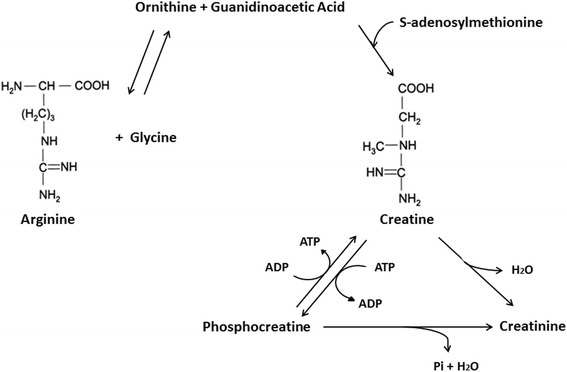
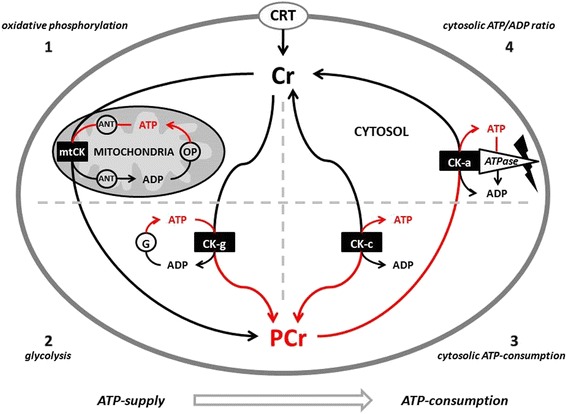
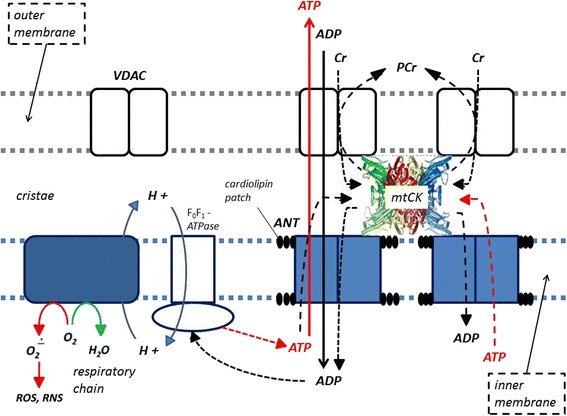
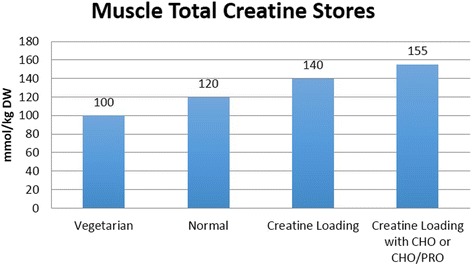
Verification
Claims the paper makes
42 Valid · 1 Not valid · 58 Not checked · 57 Own results and interpretations
Every source the paper cites for this claim was checked and supports it.
In the paper
“Clinical evidence has not demonstrated that different forms of creatine such as creatine citrate [50], creatine serum [58], creatine ethyl ester [59], buffered forms of creatine [60], or creatine nitrate [61] promote greater creatine retention than creatine monohydrate”
§ International Society of Sports Nutrition position stand: safety and efficacy of creatine supplementation in exercise, sport, and medicine > Bioavailability
What the sources say
- Supportedcites [53] Jager R Analysis of the efficacy, safety, and regulatory status of novel forms of creatine Amino Acids 2011 40 5 1369 1383 10.1007/s00726-011-0874-6 21424716 PMC3080578 sourceExperimental — accuracy not yet measured
The Summary (page unavailable) says there is little to no evidence that newer creatine forms increase muscle creatine levels more effectively than creatine monohydrate. The Bioavailability section reports no greater whole-body retention with effervescent tricreatine citrate than with monohydrate and less muscle creatine accumulation with creatine ethyl ester. These passages support the cited paper’s role as evidence for the monohydrate comparison; the other named forms have separate citations in the citing sentence. (LLM, conf=0.90)
plain- Asserted: passes — The authors put it forward as true.
- Checkable: passes — It can be checked against evidence.
- Load-bearing: passes — The paper’s conclusions depend on it.
- Based: passes — The paper gives a reason why it holds.
- Supported
The sources with a verdict support this claim; the rest weren’t checked yet, have no full text we could read, or their verdicts aren’t rated yet.
In the paper
“A growing collection of evidence supports that creatine supplementation may improve health status as individuals age [41, 43–45, 195].”
§ International Society of Sports Nutrition position stand: safety and efficacy of creatine supplementation in exercise, sport, and medicine > Potential medical uses of creatine > Aging
What the sources say
- Not checked — no full text of the sourcecites [41] Candow DG Strategic creatine supplementation and resistance training in healthy older adults Appl Physiol Nutr Metab 2015 40 7 689 694 10.1139/apnm-2014-0498 25993883 source
- Not checked — no full text of the sourcecites [43] Rawson ES Venezia AC Use of creatine in the elderly and evidence for effects on cognitive function in young and old Amino Acids 2011 40 5 1349 1362 10.1007/s00726-011-0855-9 21394604 source
- Not checked — no full text of the sourcecites [44] Candow DG Sarcopenia: current theories and the potential beneficial effect of creatine application strategies Biogerontology 2011 12 4 273 281 10.1007/s10522-011-9327-6 21373890 source
- Supportedcites [45] Candow DG Chilibeck PD Potential of creatine supplementation for improving aging bone health J Nutr Health Aging 2010 14 2 149 153 10.1007/s12603-009-0224-5 20126964 source
The Creatine section reports a positive effect of supplementation on muscle mass in the aging population and describes potential benefits for bone. The Conclusions section characterizes the bone research as emerging and calls for further study, consistent with the claim’s cautious wording. (LLM, conf=0.86)
- Not checked — no full text of the sourcecites [195] Gualano B Creatine supplementation in the aging population: effects on skeletal muscle, bone and brain Amino Acids 2016 48 8 1793 1805 10.1007/s00726-016-2239-7 27108136 source
hedgedstates a possible cause- Asserted: passes — The authors put it forward as true.
- Checkable: passes — It can be checked against evidence.
- Load-bearing: passes — The paper’s conclusions depend on it.
- Based: passes — The paper gives a reason why it holds.
The cited sources support only part of this claim — read each source’s verdict below.
In the paper
“While some have suggested that individuals with pre-existing renal disease consult with their physician prior to creatine supplementation in an abundance of caution, these studies and others have led researchers to conclude that there is no compelling evidence that creatine supplementation negatively affects renal function in healthy or clinical populations [5, 6, 22, 53, 259, 266, 267].”
§ International Society of Sports Nutrition position stand: safety and efficacy of creatine supplementation in exercise, sport, and medicine > Safety
What the sources say
- Partly supportedcites [5] Buford TW International Society of Sports Nutrition position stand: creatine supplementation and exercise J Int Soc Sports Nutr 2007 4 6 10.1186/1550-2783-4-6 17908288 PMC2048496 sourceExperimental — accuracy not yet measured
The Medical Safety of Creatine Supplementation section says controlled studies found no evidence of impaired kidney function in healthy individuals. It also reports no long-term side effects in clinical patient populations, but does not specifically establish the renal-function conclusion for those populations; it notes a case report involving a person with pre-existing kidney disease. No page numbers are available in our copy. (LLM, conf=0.84)
- Not checked — no full text of the sourcecites [6] Kreider RB Jung YP Creatine supplementation in exercise, sport, and medicine J Exerc Nutr Biochem 2011 15 2 53 69 10.5717/jenb.2011.15.2.53 source
- Not checked — no full text of the sourcecites [22] Kreider RB Long-term creatine supplementation does not significantly affect clinical markers of health in athletes Mol Cell Biochem 2003 244 1–2 95 104 10.1023/A:1022469320296 12701816 source
- Partly supportedcites [53] Jager R Analysis of the efficacy, safety, and regulatory status of novel forms of creatine Amino Acids 2011 40 5 1369 1383 10.1007/s00726-011-0874-6 21424716 PMC3080578 sourceExperimental — accuracy not yet measured
The Summary (page not provided) says no medically significant side effects have been reported from creatine monohydrate supplementation, supporting a broad safety conclusion. It does not specifically assess renal function in healthy and clinical populations, and it says the safety of most newer forms of creatine is not well established. (LLM, conf=0.84)
- Not checked — no full text of the sourcecites [259] Poortmans JR Francaux M Adverse effects of creatine supplementation: fact or fiction? Sports Med 2000 30 3 155 170 10.2165/00007256-200030030-00002 10999421 source
- Not checked — no full text of the sourcecites [266] Pline KA Smith CL The effect of creatine intake on renal function Ann Pharmacother 2005 39 6 1093 1096 10.1345/aph.1E628 15886291 source
- Not checked — no full text of the sourcecites [267] Persky AM Rawson ES Safety of creatine supplementation Subcell Biochem 2007 46 275 289 10.1007/978-1-4020-6486-9_14 18652082 source
plain- Asserted: passes — The authors put it forward as true.
- Checkable: passes — It can be checked against evidence.
- Load-bearing: passes — The paper’s conclusions depend on it.
- Based: passes — The paper gives a reason why it holds.
- Partly supported
The cited sources support only part of this claim — read each source’s verdict below.
In the paper
“The only consistently reported side effect from creatine supplementation that has been described in the literature has been weight gain [5, 22, 46, 78, 91, 92, 112].”
§ International Society of Sports Nutrition position stand: safety and efficacy of creatine supplementation in exercise, sport, and medicine > Safety
What the sources say
- Supportedcites [5] Buford TW International Society of Sports Nutrition position stand: creatine supplementation and exercise J Int Soc Sports Nutr 2007 4 6 10.1186/1550-2783-4-6 17908288 PMC2048496 source
The Medical Safety of Creatine Supplementation section states that weight gain is the only clinically significant side effect reported in the research literature. It contrasts this with other side effects described as anecdotal claims, supporting the citing sentence’s paraphrase. (LLM, conf=0.92)
- Not checked — no full text of the sourcecites [22] Kreider RB Long-term creatine supplementation does not significantly affect clinical markers of health in athletes Mol Cell Biochem 2003 244 1–2 95 104 10.1023/A:1022469320296 12701816 source
- Not checked — no full text of the sourcecites [46] Kreider RB Effects of creatine supplementation on performance and training adaptations Mol Cell Biochem 2003 244 1–2 89 94 10.1023/A:1022465203458 12701815 source
- Partly supportedcites [78] Kreider RB ISSN exercise & sport nutrition review: research & recommendations J Int Soc Sports Nutr 2010 7 7 10.1186/1550-2783-7-7 30068354 PMC6090881 sourceExperimental — accuracy not yet measured
The Muscle Building Supplements section identifies potential weight gain as the only clinically significant side effect occasionally reported from creatine monohydrate supplementation. The claim omits the 'clinically significant' qualifier and calls weight gain 'consistently reported,' whereas the source says 'occasionally reported.' (LLM, conf=0.85)
- Not checked — no full text of the sourcecites [91] Rodriguez NR Position of the American Dietetic Association, dietitians of Canada, and the American college of sports medicine: nutrition and athletic performance J Am Diet Assoc 2009 109 3 509 527 10.1016/j.jada.2009.01.005 19278045 source
- Not checked — no full text of the sourcecites [92] Thomas DT Erdman KA Burke LM Position of the academy of nutrition and dietetics, dietitians of Canada, and the American college of sports medicine: nutrition and athletic performance J Acad Nutr Diet 2016 116 3 501 528 10.1016/j.jand.2015.12.006 26920240 source
- Not matchedcites [112] Greenwood M Cramping and injury incidence in collegiate football players Are reduced by creatine supplementation J Athl Train 2003 38 3 216 219 14608430 PMC233174
Its entry has no title and year that we can search by.
plainstates a cause- Asserted: passes — The authors put it forward as true.
- Checkable: passes — It can be checked against evidence.
- Load-bearing: passes — The paper’s conclusions depend on it.
- Based: passes — The paper gives a reason why it holds.
- Supported
The cited sources support only part of this claim — read each source’s verdict below.
In the paper
“Maternal creatine supplementation has been reported to improve neonatal survival and organ function following birth asphyxia in animals [228, 229, 231, 233–235, 237].”
§ International Society of Sports Nutrition position stand: safety and efficacy of creatine supplementation in exercise, sport, and medicine > Potential medical uses of creatine > Pregnancy
What the sources say
- Partly supportedcites [228] Ellery SJ, et al. Renal dysfunction in early adulthood following birth asphyxia in male spiny mice, and its amelioration by maternal creatine supplementation during pregnancy. Pediatr Res. 2017. 27997529 sourceExperimental — accuracy not yet measured
The Discussion reports that maternal creatine supplementation protected male spiny-mouse offspring from nephron loss and reduced kidney function after birth asphyxia. It does not report improved neonatal survival; a search for survival found only a general statement about sex differences in neonatal survival, not an effect of creatine. Page numbers were unavailable in our copy. (LLM, conf=0.86)
- Partly supportedcites [229] LaRosa DA Maternal creatine supplementation during pregnancy prevents acute and long-term deficits in skeletal muscle after birth asphyxia: a study of structure and function of hind limb muscle in the spiny mouse Pediatr Res 2016 80 6 852 860 10.1038/pr.2016.153 27466898 sourceExperimental — accuracy not yet measured
The Articles discussion (page unavailable) reports protection against asphyxia-induced damage to the neonatal brain, kidney and diaphragm, and this study reports protective effects on gastrocnemius muscle function. It says creatine supplementation could prevent asphyxia-induced mortality, but does not report an improvement in neonatal survival. (LLM, conf=0.84)
- Not checked — no full text of the sourcecites [231] Ellery SJ Dietary creatine supplementation during pregnancy: a study on the effects of creatine supplementation on creatine homeostasis and renal excretory function in spiny mice Amino Acids 2016 48 8 1819 1830 10.1007/s00726-015-2150-7 26695944 source
- Not checked — no full text of the sourcecites [233] Bortoluzzi VT Co-administration of creatine plus pyruvate prevents the effects of phenylalanine administration to female rats during pregnancy and lactation on enzymes activity of energy metabolism in cerebral cortex and hippocampus of the offspring Neurochem Res 2014 39 8 1594 1602 10.1007/s11064-014-1353-8 24916961 source
- Not checked — no full text of the sourcecites [234] Vallet JL Miles JR Rempel LA Effect of creatine supplementation during the last week of gestation on birth intervals, stillbirth, and preweaning mortality in pigs J Anim Sci 2013 91 5 2122 2132 10.2527/jas.2012-5610 23463559 source
- Partly supportedcites [235] Ellery SJ Creatine pretreatment prevents birth asphyxia-induced injury of the newborn spiny mouse kidney Pediatr Res 2013 73 2 201 208 10.1038/pr.2012.174 23174701 sourceExperimental — accuracy not yet measured
The Translational Investigation section reports that maternal creatine supplementation improved survival of asphyxiated spiny mouse offspring from 60% to 95% and prevented brain and muscle deficits. The Discussion reports protection against kidney injury, but the Benefits of Maternal Creatine Supplementation section says urinary sodium and plasma potassium abnormalities persisted. Thus the paper supports improved survival and reduced organ injury, but not an unqualified improvement in organ function. (LLM, conf=0.85)
- Not checked — no full text of the sourcecites [237] Ireland Z A maternal diet supplemented with creatine from mid-pregnancy protects the newborn spiny mouse brain from birth hypoxia Neuroscience 2011 194 372 379 10.1016/j.neuroscience.2011.05.012 21640166 source
hedgedstates a cause- Asserted: passes — The authors put it forward as true.
- Checkable: passes — It can be checked against evidence.
- Load-bearing: passes — The paper’s conclusions depend on it.
- Based: passes — The paper gives a reason why it holds.
- Partly supported
108 more claims · 24 with their cited sources checked
Create a free account to see all 158 claims and to verify the 6 references still open.
- It may state two separate claims as one. 41
- Probably not a substantial claim. 4
- The quote only partly states this claim. 2
Claims other papers make about this one
Each is checked against this paper’s own text: does it say what the citing paper says it does?
The source backs part of the claim, not all of it — or backs it for a different population, condition or comparison.
In the citing paper
“Creatine monohydrate powder has been the most extensively studied and commonly used form of creatine in dietary supplements since the early 1990s [2, 125].”
From Common questions and misconceptions about creatine supplementation: what does the scientific evidence really show? (2021) · cites this paper as [2]
Experimental — accuracy not yet measuredThe source backs part of the claim, not all of it — or backs it for a different population, condition or comparison.
In the citing paper
“enhance glycemic control [1,11,140,141,142,143];”
From Creatine in health and disease (2021) · cites this paper as [1]
Experimental — accuracy not yet measuredThe source backs part of the claim, not all of it — or backs it for a different population, condition or comparison.
In the citing paper
“These findings support contentions that it is prudent for individuals to consume at least 3 g/day of creatine to support general health as one ages [1,50].”
From Creatine in health and disease (2021) · cites this paper as [1]
Experimental — accuracy not yet measuredThe source backs part of the claim, not all of it — or backs it for a different population, condition or comparison.
In the citing paper
“On the other hand, a large body of evidence suggests that creatine monohydrate supplementation (0.1 g·kg−1·day−1) not only optimize exercise adaptations and increase performance but also may reduce muscle damage and/or enhance recovery from intense exercise [99].”
From The 4R’s Framework of Nutritional Strategies for Post-Exercise Recovery: A Review with Emphasis on New Generation of Carbohydrates (2020) · cites this paper as [99]
Experimental — accuracy not yet measuredThe source backs part of the claim, not all of it — or backs it for a different population, condition or comparison.
In the citing paper
“Creatine is not only one of the more popular dietary supplements from a performance perspective, but there is also strong evidence to support its use in clinical settings for a variety of patient populations [1,7].”
From Creatine Supplementation in Children and Adolescents (2021) · cites this paper as [1]
Experimental — accuracy not yet measured
77 more claims about this paper
Create a free account to see every claim other papers make about this one.
Self-check
Percentages, sums and reported differences re-computed from the paper’s own numbers.
Each contradiction between two passages listed here was confirmed by an independent check.
Rated minor: it would not touch a result — a value no result rests on, a p-value that stays on the same side of the significance level, or a conflict that is clerical, resolved elsewhere in the paper, or outside its own findings.
In the paper
§ International Society of Sports Nutrition position stand: safety and efficacy of creatine supplementation in exercise, sport, and medicine > Safety
“creatine feeding (2 g/kg/d for 10 weeks equivalent to 140 g/kg/d in a 70 kg person)”
§ International Society of Sports Nutrition position stand: safety and efficacy of creatine supplementation in exercise, sport, and medicine > Safety
“2 g/kg/d of creatine for 1 week (equivalent to 140 g/day for a 70 kg individual)”
Citations
Cites
Thomas, D. T., Erdman, K. A., & Burke, L. M. (2016) · Journal of the Academy of Nutrition and Dietetics · doi:10.1016/j.jand.2015.12.006 · Cited by 1,359
Elevation of creatine in resting and exercised muscle of normal subjects by creatine supplementation
Harris, R. C., Söderlund, K., & Hultman, E. (1992) · Clinical Science · doi:10.1042/cs0830367 · Cited by 1,168 · cited 2×
“3 g/kg body weight) four times daily for 5–7 days [7, 10].”
BackgroundISSN exercise & sports nutrition review update: research & recommendations
Kerksick, C. M., Wilborn, C. D., Roberts, M. D., Smith-Ryan, A., Kleiner, S. M., Jäger, R., Collins, R., Cooke, M., Davis, J. N., Galvan, E., et al. (2018) · Journal of the International Society of Sports Nutrition · doi:10.1186/s12970-018-0242-y · Cited by 945
Self-citation(2009) · Journal of the American Dietetic Association · doi:10.1016/j.jada.2009.01.005 · Cited by 912 · cited 3×
“Creatine is found in high amounts in the food supply and therefore its use is not banned by any sport organization although some organizations prohibit provision of some types of dietary supplements to athletes by their teams [5, 53, 78, 91, 92].”
BackgroundMuscle creatine loading in men
Hultman, E., Soderlund, K., Timmons, J. A., Cederblad, G., & Greenhaff, P. L. (1996) · Journal of Applied Physiology · doi:10.1152/jappl.1996.81.1.232 · Cited by 822 · cited 4×
“3 g/kg body weight) four times daily for 5–7 days [7, 10].”
BackgroundInfluentialThe creatine kinase system and pleiotropic effects of creatine
Wallimann, T., Tokarska-Schlattner, M., & Schlattner, U. (2011) · Amino Acids · doi:10.1007/s00726-011-0877-3 · Cited by 797 · cited 6×
“creatine in their diet particularly as one ages [27].”
BackgroundInfluentialNeuroprotective Effects of Creatine in a Transgenic Mouse Model of Huntington's Disease
Ferrante, R. J., Andreassen, O. A., Jenkins, B. G., Dedeoglu, A., Kuemmerle, S., Kubilus, J. K., Kaddurah-Daouk, R., Hersch, S. M., & Beal, M. F. (2000) · The Journal of Neuroscience · doi:10.1523/jneurosci.20-12-04389.2000 · Cited by 522
AAEM minimonograph #26: The electrodiagnosis of carpal tunnel syndrome
Stevens, J. C. (1997) · Muscle & Nerve · doi:10.1002/(sici)1097-4598(199712)20:12 · Cited by 518
Emergency Department Visits for Adverse Events Related to Dietary Supplements
Geller, A. I., Shehab, N., Weidle, N. J., Lovegrove, M. C., Wolpert, B. J., Timbo, B. B., Mozersky, R. P., & Budnitz, D. S. (2015) · New England Journal of Medicine · doi:10.1056/nejmsa1504267 · Cited by 502
Greenhaff, P. L., Casey, A., Short, A. H., Harris, R., Soderlund, K., & Hultman, E. (1993) · Clinical Science · doi:10.1042/cs0840565 · Cited by 460 · cited 1×
“Research has shown that once creatine stores in the muscle are elevated, it generally takes 4–6 weeks for creatine stores to return to baseline [7, 48, 51].”
Background
Research works printed but not linked: 3
- Kreider RB Effects of serum creatine supplementation on muscle creatine content J Exerc Physiologyonline 2003 6 4 24 33
- Kreider RB Effects of nutritional supplementation during off-season college football training on body composition and strength J Exerc Physiol Online 1999 2 2 24 39
- Shelmadine BD Effects of thirty days of creatine supplementation on total homocysteine in a pilot study of end-stage renal disease patients J Ren Nurs 2012 4 4 6 11
Cited by
Items 601–700 of 845
Davies, T., Watson, N., Pilkington, J., McClelland, T., Azzopardi, G., Pearse, R. M., Prowle, J. R., & Puthucheary, Z. (2023) · medRxiv · doi:10.1101/2023.07.03.23292166 · Cited by 1
“Exercise may have a synergistic effect with creatine supplementation on stimulating muscle protein synthesis, as is seen in health, but is difficult to deliver as an intervention in the clinical environment [18].”
BackgroundMethodLi, T., Luo, T., Chen, B., Huang, C., Shen, Z., Xu, Z., Nissman, D., Golightly, Y. M., Nelson, A. E., Niethammer, M., et al. (2023) · medRxiv · doi:10.1101/2023.09.12.23295398 · Cited by 2
“Other health implications of knee OA include frequent comorbidities (8).”
BackgroundJayawardena, R., Weerasinghe, K., Nanayakkara, I., Madhujith, T., Hills, A. P., & Kalupahana, N. S. (2025) · Research Square · doi:10.21203/rs.3.rs-6571056/v1 · Cited by 1
Wheat peptides improved sarcopenia by enhancing muscle protein synthesis in mice and zebrafish
Wang, Q., Du, J., Ye, E., Bao, Z., Zhao, M., Wang, J., Feng, F., Min, W., & Yang, H. (2025) · Food Bioscience · doi:10.1016/j.fbio.2025.107717 · Cited by 3
Janiec, S., Stępień, K., Skorek, P., Kołodziejski, M., Stępień, A., Olszanecka, A., & Czarnecka, D. (2017) · Arterial Hypertension · doi:10.5603/ah.a2017.0018
“Creatine supplements are considered by many authors to be safe [28].”
BackgroundPhysiological Changes after One Month of Exclusive Supplement Consumption and Exercise: A Case Study
Παπαγεωργίου, Κ., & Salonikidis, K. (2018) · Journal of Sports Science · doi:10.17265/2332-7839/2018.03.006
“A first group of nutrients was selected for its anabolic action: protein and creatine [17, 18].”
BackgroundNutrition for Strength Adaptations
Zbinden‐Foncea, H., Avey, A. M., & Baar, K. (2018) · Elsevier eBooks · doi:10.1016/b978-0-12-813922-6.00029-1
A Review Of Creatine And Its Role In Muscle Strength And Balance
Albl, A. A. (2018) · NC Digital Online Collection of Knowledge and Scholarship (The University of North Carolina at Greensboro) · doi:10.71889/5fylantbak.29862935
Chapter 25: Sports Nutrition and Performance-Enhancing Nutrients and Supplements
Newnham, M. (2017) · The American Pharmacists Association eBooks · doi:10.21019/9781582122656.ch25
Lesiones musculares. Nutrición, suplementación y aplicación en los procesos de recuperación
del Cauca, U. C. D. V., & Pulido, L. H. P. (2018) · Editorial Universidad Santiago de Cali eBooks · doi:10.35985/9789585522220.5
The Good, the Bad, and the Ugly: Not All Supplements Are Equal
Balestrino, M. (2019) · Journal of Adolescent Health · doi:10.1016/j.jadohealth.2019.07.012
Chapter 5: The Use of Supplements for Physical Performance Enhancement
Singletary, S. R. (2020) · doi:10.21019/9781582123226.ch5
Ross, M. K. (2020) · Open Access at Essex (University of Essex)
Novel nutraceuticals to tackle brain and muscle bioenergetics
Ostojić, S. M. (2020) · Elsevier eBooks · doi:10.1016/b978-0-12-819621-2.00019-x
Gonçalves, T. O., Monteiro, F., da Cunha, M. R., & Fernandes, V. A. R. (2021) · Revista CPAQV - Centro de Pesquisas Avançadas em Qualidade de Vida · doi:10.36692/v13n1-20
The Effects of Creatine Monohydrate Supplementation and Resistance Training in Stroke Survivors
Butchart, S. (2020) · oURspace (University of Regina) · doi:10.82465/6352
RELATIONSHIP BETWEEN DIETARY FAT AND PHYSICAL FITNESS AMONG ATHLETES
Pakistan Sports Board. Islamabad Pakistan, Hussein, S. A., Haseeb, M., Pakistan Sports Board. Islamabad Pakistan, Chaudhary, A., Ashraf, M., & Pakistan Sports Board. Islamabad Pakistan (2020) · The Rehabilitation Journal · doi:10.52567/trj.v4i02.5 · Cited by 2
CREATINE IN SPORTS NUTRITION AND CLINICAL PRACTICE. NEW DATA
Стогов, М. В., Nenenko, N. D., & Kuchin, R. V. (2021) · International Journal of Applied and Fundamental Research (Международный журнал прикладных и фундаментальных исследований) · doi:10.17513/mjpfi.13199
“обновленную позицию по безопасности и эффективности применения добавок креатина в практике физической культуры, спорта и медицины [6].”
Efeito agudo da suplementação de creatina em parâmetros morfofuncionais em mulheres veganas
Lisboa, J. D. A., Gomes, J. H., de Santana, L. I. O., Barbosa, W. A., Rica, R. L., Bocalini, D. S., & Mendes, R. R. (2021) · Revista Brasileira de Fisiologia do Exercício · doi:10.33233/rbfex.v20i2.3967 · Cited by 2
Deuterated Creatine Dilution to Assess Muscle Mass (D3‐Cr Muscle Mass) in Humans
Cawthon, P. M., & Evans, W. J. (2021) · Wiley eBooks · doi:10.1002/9781119597896.ch17
EFEKTI KREATIN MONOHIDRATA NA SNAGU I TJELESNU KOMPOZICIJU
Bjelica, B., Aksović, N., Alempijević, R., Zelenović, M., & Dragović, I. (2020) · SPORT I ZDRAVLJE · doi:10.7251/siz2001006b
EXPERIÊNCIAS DE PERDA DENTÁRIA E QUALIDADE DE VIDA EM PACIENTES TRANSPLANTADOS RENAIS HOSPITALIZADOS
Sousa, L. B., dos Santos, D. L. N., Almondes, C. M. S., & Lopes, F. F. (2021) · doi:10.22533/at.ed.7852113095
Supplementation and Ergogenic Aids for Enhancing Muscular Strength Production
Domínguez, R., Naderi, A., & Sánchez-Oliver, A. J. (2021) · Lecture notes in bioengineering · doi:10.1007/978-3-030-81989-7_19
Filho, E. M. D. A., de Souza, Y. B. A., & de Carvalho, L. M. F. (2021) · Research Society and Development · doi:10.33448/rsd-v10i15.22405 · Cited by 1
Beinert, K., Freiwald, J., Kugler, A., Meier, H., Pohl, T., Roser, M., & Schweda, S. (2021) · Elsevier eBooks · doi:10.1016/b978-3-437-23461-3.00030-4
O'Brien, M. J. (2021) · Wiley eBooks · doi:10.1002/9781119413936.ch120
Suplementación con creatina y cerebro: una revisión narrativa que merece ser valorada
Vargas, J. J. N., & Espinoza, M. A. R. (2022) · Revista de Investigación de la Universidad Norbert Wiener · doi:10.37768/unw.rinv.11.01.r0002 · Cited by 2
Benefícios da creatina como suplemento nutricional
Aragão, G. D. C., & Ferreira, J. C. D. S. (2022) · Research Society and Development · doi:10.33448/rsd-v11i5.27827 · Cited by 4
Women in Sports and Exercise: From Health to Sports Performance
Clemente, F. M., & Silva, A. F. (2022) · MDPI eBooks · doi:10.3390/books978-3-0365-3132-8 · Cited by 3
Garcı́a-Falgueras, A. (2019) · Springer eBooks · doi:10.1007/978-3-319-16999-6_2783-1
Esposito, R., Teta, J., & Teta, K. (2020) · Elsevier eBooks · doi:10.1016/b978-0-323-43044-9.00139-4
Modulatory role of creatine in Parkinson's disease
(2020) · Current Science International · doi:10.36632/csi/2020.9.1.3
Chapter 25: Sports Nutrition and Performance-Enhancing Nutrients and Supplements
Newnham, M. (2020) · The American Pharmacists Association eBooks · doi:10.21019/9781582123172.ch25
Parsa, H., & Zareie, M. (2022) · Journal of Sport and Exercise Physiology · doi:10.52547/joeppa.15.1.83
Xu, J. (2020) · Louisiana State University · doi:10.31390/gradschool_dissertations.5405
Trevor, S. (2022) · International Journal of Sports and Exercise Medicine · doi:10.23937/2469-5718/1510224
“Until recently a majority of the literature supported the use of creatine to aid in the body’s natural creatine phosphate energy system allowing athletes more explosive muscle contraction [1].”
BackgroundNilsson, M. I., Crozier, M., Carlo, A. D., et al. (2022) · SSRN Electronic Journal · doi:10.2139/ssrn.4108014
Probiotics in sports and physical exercise
Severo, J. S., da Silva, A. C. A., Pereira, I. C., Torres‐Leal, F. L., & da Silva, M. T. B. (2022) · Elsevier eBooks · doi:10.1016/b978-0-323-89908-6.00023-6
The Use of Ergogenic Support for the Increase of Strength in Soccer: Traditional Review
TAŞBAŞ, Ö. D., & AYÇA, İ. B. (2022) · Turkiye Klinikleri Journal of Sports Sciences · doi:10.5336/sportsci.2021-87675
Kosttilskudd - Dopingfelle eller en nødvendig del av treningen?
Lauritzen, F., Dale, C. B., Bråthen, I., & Gjelstad, A. (2020) · Norsk tidsskrift for ernæring · doi:10.18261/ntfe.18.3.5
EMBALAGENS DE BLENDAS POLIMÉRICAS BIODEGRADÁVEIS ATIVAS ANTIOXIDANTES: UMA REVISÃO
de Lima, A. D. C. A., Caetano, V. F., & Vinhas, G. M. (2022) · Amplla Editora eBooks · doi:10.51859/amplla.des2325-11
ATIVIDADE ANTI-INFLAMATÓRIA DE PLANTAS DO SERTÃO NORDESTINO: UMA REVISÃO DE LITERATURA
Morais, Y. B., Morais, É. B., da Costa, R. A., Holanda, B. F., Cavalcante, A. S., & Craveiro, R. M. C. B. (2022) · Amplla Editora eBooks · doi:10.51859/amplla.des2325-15
COMPOSIÇÃO QUÍMICA DOS ÓLEOS ESSENCIAIS DE RIZOMAS DE CURCUMA LONGA L. E ALPINIA GALANGA L.
Cruz, J. M. D. A., Ferreira, A. D. S., Kinupp, V. F., Sanches, E. A., Campelo, P. H., & Bezerra, J. D. A. (2022) · Amplla Editora eBooks · doi:10.51859/amplla.des2325-17
Efeitos da suplementação de teacrina sobre o desempenho motor e sistema IGF de atletas amadores
Cerqueira, H. S. C. (2022) · Digital Library of Theses and Dissertations (Universidade de São Paulo) · doi:10.11606/t.17.2022.tde-08082022-090706
Prevalence, Information & Attitude towards Using Supplements among University Athletes
Gill, S. A., Zahid, U., Abdullah, U., Shaheen, M., Naseer, A., Butt, Z. I., Zafar, R., Adil, R., Shahid, H., & Arslan, M. (2022) · Journal of Pharmaceutical Research International · doi:10.9734/jpri/2022/v34i49a36422 · Cited by 7
“studied and extensively used nutritional supplements to increase exercise and sports performance [39].”
BackgroundPARA ALÉM DA ESTÉTICA O COMPROMISSO DA DIETA NUTRICIONAL TEM QUE SER COM A SAÚDE
Passos, R. P., de Oliveira, R. C., de Oliveira, J. R. L., de Oliveira, H. F. D. R., Silio, L. F., Lima, B. N., Pereira, A. D. A., Rodrigues, M. F., Teixeira, V. M., de Lima, K. F., et al. (2022) · Revista CPAQV - Centro de Pesquisas Avançadas em Qualidade de Vida · doi:10.36692/v14n3-13r
What do we know about creatine supplementation?
Egierska, D. M., & Perszke, M. (2022) · Journal of Education Health and Sport · doi:10.12775/jehs.2022.12.10.002
“[27,28] In addition to this, the assessment of the side effects reports related to dietary supplementation, including adolescent populations, have exposed that the creatine was exceptionally recalled and was not linked with any substantial number or consistent pattern of deleterious incidents.[3,29] The literature has…”
BackgroundInfluentialEffect of creatine supplementation on kidney stones recurrence in an athlete: a case report
Akbari, H., Ghram, A., Knechtle, B., Weiss, K., & Saad, H. B. (2022) · PubMed Central · doi:10.5167/uzh-228065 · Cited by 59
A nutritional intervention for moderate altitude endurance preparation: A case report
Guerrero-Pinzón, J. J., Alcántara, J. M. A., García-Buendia, G., Mochón-Benguigui, S., Ramírez‐Maldonado, M., Ruiz, J. R., & Jurado‐Fasoli, L. (2022) · Journal of the International Society of Sports Nutrition · doi:10.1080/15502783.2022.2140596 · Cited by 1
“The intake of high-antioxidant foods and creatine supplementation were reintroduced to improve the recovery processes [30,35].”
BackgroundTomaz, L. D. S. P., & Cruz, M. F. D. A. (2022) · Research Society and Development · doi:10.33448/rsd-v11i16.38519
"A Narrative Review On Athletic Performance And Safety Of Creatine Supplementation For Adolescents"
Machado, M. (2022) · Open Access Journal of Biomedical Science · doi:10.38125/oajbs.000419 · Cited by 2
ERGOGENIC AIDS IN COMPETITIVE HANDBALL PLAYERS: A NARRATIVE REVIEW
Muñoz, A., Sánchez-Oliver, A. J., Rivilla-García, J., López‐Samanes, Á., & Coso, J. D. (2022) · Journal of Sport and Health Research · doi:10.58727/jshr.92827 · Cited by 3
Effects of creatine supplementation on brain in the healthy population
Swatko, T., Blicharz, M., Czubala, M., Bartosik-Zielińska, D., Blicharz, A., & Bartosik, M. (2023) · Journal of Education Health and Sport · doi:10.12775/jehs.2023.13.04.017 · Cited by 5
Zapata, C. M. M., Gil, C. P. C., & Bermúdez, L. C. A. (2022) · Perspectivas en Nutrición Humana · doi:10.17533/udea.penh.346208 · Cited by 2
Sports nutrition supplements: Current dental perspective
Alva, M. A. C., Cepeda, S. E. N., Longoria, J. A. G., Silva, J. Y. G., Quintana, G. M., Bernal, M. D. L. A. M., Izaguirre, F. P., & Soto, J. M. S. (2023) · International Journal of Applied Dental Sciences · doi:10.22271/oral.2023.v9.i1c.1679 · Cited by 1
Prestatiebevorderende middelen in de sport
Kenney, L. W., Wilmore, J. H., COSTILL, D. L., & Lindauer, R. (2023) · Bohn Stafleu van Loghum eBooks · doi:10.1007/978-90-368-2921-2_18
Mulyawan, R., Sumaryanti, S., Nugroho, S., & Dev, R. D. O. (2023) · doi:10.56984/8zg07b425
Korelasi asupan protein dan latihan otot terhadap kadar kreatinin pada personal trainer
Wicaksono, A., Widiasih, E., & Tursinawati, Y. (2023) · Ilmu Gizi Indonesia · doi:10.35842/ilgi.v6i2.364 · Cited by 1
ATUALIZAÇÃO SOBRE OS EFEITOS DA CREATINA NO ESPORTE
Dias, A. C. D. S., Silva, J. A. B., Eustáquio, J. M. J., & da Silva, M. L. T. (2022) · Editora Científica Digital eBooks · doi:10.37885/230212104
Optimizing Nutrition for Exercise and Sports
Gonzalez, D. E., Latt, S. L., Blalock, T., Leutholtz, B., & Kreider, R. B. (2023) · Nutrition and health · doi:10.1007/978-3-031-24663-0_29
Self-citationUsage and Influence of Dietary Supplementation Amongst Adolescent Athletes
Harlow, A., Walker, J., & Wagstaff, A. (2023) · Journal of Sports Medicine and Allied Health Sciences Official Journal of the Ohio Athletic Trainers Association · doi:10.25035/jsmahs.09.01.09
Balasubramanian, S., Giridharan, K., Kavya, K. D., Vellaipandi, V., & Gurumurthy, B. (2023) · Toxicology International · doi:10.18311/ti/2023/v30i2/32418
Nutritional aspects in the sportsman’s functional rehabilitation program
Fondi, A., D’Angelo, A., Bartoletti, A., Giacinto, G. D., & Ripari, P. (2023) · Journal of Cardiovascular Medicine and Cardiology · doi:10.17352/2455-2976.000196
Exercise and sports performance
Zinn, C., Harvey, C., Noakes, T. D., Smith, J. A. H., Webster, C. C., & Sáenz, C. (2023) · Elsevier eBooks · doi:10.1016/b978-0-12-821617-0.00013-9
Holistic and integrative medicine in the youth athlete
Breuner, C. C. (2023) · Elsevier eBooks · doi:10.1016/b978-0-323-99992-2.00082-7
Lunardello, R. A., Agostinho, Y. V., Paiva, K. C., do Vales, L. D. M. F., & Nóbrega, M. P. (2023) · Food Science Today · doi:10.58951/fstoday.2023.52 · Cited by 1
Creatine and the plurality of its uses, with emphasis on its supplementation in sports
Minkner, M., Petryla, P., Ostafin, K., Edyko, K., Suwała, Z., Feja, K., Bieńkowski, B., Marchewka, U., Łuczak, E., & REKTOR, N. (2023) · Journal of Education Health and Sport · doi:10.12775/jehs.2023.46.01.007 · Cited by 1
“Z punktu fizjologii prawidłowe zapasy glikogenu mięśniowego przyczyniają się do przyspieszonej regeneracji oraz prewencji przetrenowania, co może okazać się przydatne w wyczerpujących okresach treningowych [23].”
BackgroundNorton, K., Davies, R. S., LeCheminant, J. D., & Fullmer, S. (2023) · Sports · doi:10.3390/sports11090176 · Cited by 1
Ermumcu, M. Ş. K., & SAÇLI, D. (2023) · İzmir Katip Çelebi Üniversitesi Sağlık Bilimleri Fakültesi Dergisi · doi:10.61399/ikcusbfd.1257486 · Cited by 5
Muskelgesundheit und Ernährung im Alter
Kressig, R. W. (2023) · Urologie in der Praxis · doi:10.1007/s41973-023-00228-y
“Sicherheit kein Problem darstellt [10].”
Kostadinova, I., Danchev, N. D., Landzhov, B. V., Marinov, L., Ivanova, I., & Tsvetkova, D. D. (2023) · Pharmacia · doi:10.3897/pharmacia.70.e109446
Pereira, F., & António, J. (2023) · Research Directs in Strength and Performance · doi:10.53520/rdsp2023.10587 · Cited by 1
“Creatine, one of the most popular performance supplements 35 , is an effective ergogenic aid that increases high-intensity exercise capacity and lean body mass during training.”
Self-citationResearch on Intelligent Processing Algorithm of Motion Capture Data Based on Deep Learning
Zhuo, B. (2023) · International Conference on Artificial Intelligence and Autonomous Robot Systems (AIARS) · doi:10.1109/aiars59518.2023.00006
“As a key link in action recognition, posture recognition is a hot topic in current computer vision [1].”
BackgroundAcute effects of oral sodium bicarbonate on blood marker levels in elite judo athletes
Danković, G., Stantić, T., Stojiljković, N., Aleksic, I., Zivkovic, V. I., & Jakovljevic, V. L. (2023) · Medicinski pregled · doi:10.2298/mpns2302005d · Cited by 1
Sari, D. N., Handayati, A., & Lestari, I. (2023) · Analis Kesehatan Sains · doi:10.36568/anakes.v12i1.81
O PAPEL DA NUTRIÇÃO NO TRATAMENTO COMPLEMENTAR NÃO FARMACOLÓGICO EM PACIENTES COM FIBROMIALGIA
de Souza, A. R., Ferreira, L. A., & Donatti, A. F. (2023) · Revista Ibero-Americana de Humanidades, Ciências e Educação · doi:10.51891/rease.v9i10.11767 · Cited by 1
Diagnosis dan penatalaksanaan osteosarkopenia pada penderita sistemik lupus eritematosus
Tejawati, D. A. K., Gunadi, I. W. H., Kambayana, G., Putrawan, I. B. P., & Kurniari, P. K. (2023) · Intisari Sains Medis · doi:10.15562/ism.v14i2.1717 · Cited by 1
Uysal, M. (2023) · Özgür Yayınları eBooks · doi:10.58830/ozgur.pub329 · Cited by 3
Creatine supplementation effect on oxidative stress and physical exercise
Povetkina, S. R., Константиновна, З. А., Drozhzhina, N. A., Shlepotina, E. A., Piven, E. A., & Dubina, M. (2023) · Sanitarnyj vrač (Sanitary Doctor) · doi:10.33920/med-08-2312-04
Supplementation with Multi-Ingredients for Physically Active Individuals.
Naclerio, F. (2023) · Revista Iberoamericana de Ciencias de la Actividad Física y el Deporte · doi:10.24310/riccafd.12.3.2023.17761 · Cited by 2
ALAMEDA, F., CONTRERAS, V., Carrillo, C., Cavia, M. D. M., & Alonso-Torre, S. R. (2024) · Gazzetta Medica Italiana Archivio per le Scienze Mediche · doi:10.23736/s0393-3660.23.05063-5
Ajman's Youth in Sport: Unraveling Injury Trends and Factors
Razack, J. S. A., khan, W. A., Arif, A. H., Saibo, A. M., Muttappallymyalil, J., & Singh, W. A. (2024) · International Journal of Innovative Research in Medical Science · doi:10.23958/ijirms/vol09-i01/1813
A Study of Strategies and Methods for the Application of Sports Nutrition in Fitness Training
Zhao, X., Luo, G., Cao, M., et al. (2024) · Applied Mathematics and Nonlinear Sciences · doi:10.2478/amns-2024-0078
THE USE OF CREATINE BEYOND ERGOGENIC POTENTIAL: A NARRATIVE REVIEW
Khouuri, L. M., & Oliveira, R. B. D. A. (2024) · International Journal of Health Science · doi:10.22533/at.ed.1594302422036
Santos, M. P. P. M. S., Santos, R. M. D. S., Montanha, R. S., Assis, R. M. S. D., Jesus, R. S. D., Lima, S. E. A., Silva, N. G. D., Alves Faria, E., Paiva Lins, J., Oliveira, Y. V. S., et al. (2024) · Editora Científica Digital eBooks · doi:10.37885/978-65-5360-574-9
VIANA, B. C. L., & VIANA, C. J. (2024) · Editora Científica Digital eBooks · doi:10.37885/240115528
Die Rolle der Mitochondrien im Immunmetabolismus
Mosetter, K. (2024) · Erfahrungsheilkunde · doi:10.1055/a-2264-3381
Creatine - new hope in cancer treatment
Mądry, W., Mazurkiewicz, A., Marcicka, J., Kołodziej, M., Męczyńska, J., Saiuk, N., Kozicz, M. A., Seredyński, T., Wojciechowska, A., & Salasa, W. (2024) · Journal of Education Health and Sport · doi:10.12775/jehs.2024.66.005
Does long-term use of creatine for athletic performance have adverse effects in adult athletes?
Yuki, K., Bernard, A. M., & Shaw, N. A. (2024) · Evidence-Based Practice · doi:10.1097/ebp.0000000000002150
Bisikletçilerde Glutamin ve Kreatin Kombine Tüketiminin Fonksiyonel Eşik Güç Üzerine Etkisi
Kargın, Z., Abdioğlu, M., Mor, H., Okur, S., Arslanoğlu, E., & Mor, A. (2024) · Spor ve Performans Araştırmaları Dergisi · doi:10.17155/omuspd.1423138 · Cited by 1
Machado, M. (2023) · Nutrition and Food Processing · doi:10.31579/2637-8914/149
Research Progress on the Correlation between Sarcopenia and Hypertension in Elderly People
Wu, X. (2024) · International Journal of Frontiers in Medicine · doi:10.25236/ijfm.2024.060504
Creatine Monohydrate as an Effective Supplement for Muscular Fatigue in an Ehlers-Danlos Patient
Behringer, C. R., & Afrin, S. (2024) · Cureus · doi:10.7759/cureus.61721 · Cited by 1
“Creatine monohydrate, 95% of which is stored in the muscles [7], has been well-studied in athletes and strongly suggests benefits such as increases in muscular strength and endurance, especially in short bursts of high-intensity exercise.”
BackgroundAntónio, J., Rojas, J., Curtis, J., Evans, C., & Pereira, F. (2024) · Research Directs in Health Sciences · doi:10.53520/rdhs2024.104115 · Cited by 1
“…from creatine supplementation in endurance events include greater tolerance to training, enhanced recovery 31 , enhanced glycogen synthesis, enhanced aerobic capacity due to a greater capacity to shuttle adenosine triphosphate (ATP) from the mitochondria, and an increased capacity for work 32 .”
BackgroundSelf-citationLee, S.-B., Woo, T.-W., Baek, D.-C., & Son, C. (2024) · Frontiers in Nutrition · doi:10.3389/fnut.2024.1362550 · Cited by 1
Impact of Creatine Supplementation on Strength Training
Janik, I., Kuśmierska, M., & Kuśmierski, J. (2024) · Quality in Sport · doi:10.12775/qs.2024.15.51885 · Cited by 1
Creatine supplementation in sport and medicine - a review of recent reports
Jagodowski, P., Gawlik, Ł. M., Szpyra, J., & Banaszek, A. (2024) · Quality in Sport · doi:10.12775/qs.2024.16.52680
From Gym to Medicine: Creatine Uses Beyond Athletic Performance
Sikora, M., Iskrzyński, D., Gugulski, H., & Suchy, W. (2024) · International Journal Of Pharmaceutical Research And Allied Sciences · doi:10.51847/rrrbombiya
“This is suggested by an initial rise in plasma creatine levels, with a peak at about an hour after ingestion, and a subsequent decrease [3].”
BackgroundInfluentialA influência da suplementação de creatina na performance esportiva
OLIVEIRA, N. L. D., Rocha, J. P. M., Moreira, R. V., Maciel, G. I. F., & Pinton, L. D. O. (2024) · Brazilian Journal of Health Review · doi:10.34119/bjhrv7n4-135
Sports Nutrition and Performance-Enhancing Nutrients and Supplements
Newnham, M. (2024) · The American Pharmacists Association eBooks · doi:10.21019/aphaotc-nutrition.sports-nutrition
Metadata
- Authors
- Kreider, R. B., Kalman, D. S., Antonio, J., Ziegenfuss, T. N., Wildman, R., Collins, R., Candow, D. G., Kleiner, S. M., Almada, A. L., & Lopez, H. L.
- Affiliations
- Texas A&M University (US)
- Nutrition Research Unit, QPS 6141 Sunset Drive Suite 301 33143 Miami FL USA
- Department of Health and Human PerformanceNova Southeastern University 33328 Davie FL USA
- The Center for Applied Health Sciences 4302 Allen Road, STE 120 44224 Stow OH USA
- Post Active Nutrition 111 Leslie St 75208 Dallas TX USA
- Collins Gann McCloskey & Barry, PLLC 138 Mineola Blvd. 11501 Mineola NY USA
- University of Regina (CA)
- High Performance Nutrition, LLC 98040 Mercer Island WA USA
- Vitargo Global Sciences, Inc. 92629 Dana Point CA USA
- Corresponding author
- Kreider, Richard B.
- ORCID
- Venue
- Journal of the International Society of Sports Nutrition
- Publisher
- Informa UK Limited
- Published
- 2017-01-03
- Volume
- 14
- Issue
- 1
- Pages
- 18-18
- ISSN
- 1550-2783 (ISSN-L)
- PMC
- PMC5469049
- OpenAlex
- W2625882999
- Semantic Scholar
- 06e5bc2c0dc4412d8eec64ce934a8eef2b5800f2
- Cited by
- 1,057
- References
- 265
- Citations by year
- 2026: 211 · 2025: 172 · 2024: 199 · 2023: 114 · 2022: 102 · 2021: 101 · 2020: 68 · 2019: 41 · 2018: 42 · 2017: 7
- FWCI
- 4.31
- Type
- journal article
- Language
- en
- Open access
- gold
- doi.org
- Licence
- Locations
- Journal of the International Society of Sports Nutrition (publishedVersion, cc-by)
- Europe PMC (PubMed Central) (publishedVersion, other-oa)
- PubMed Central (publishedVersion, cc-by)
- PubMed (publishedVersion)
- DOAJ (DOAJ: Directory of Open Access Journals) (submittedVersion, cc-by-sa)
- Funders
- Council for Responsible Nutrition
- Topics
- Health Sciences › Nursing › Nutrition and Dietetics › Muscle metabolism and nutrition
- Health Sciences › Medicine › Physiology (medical) › Biochemical effects in animals
- Health Sciences › Medicine › Physiology (medical) › Exercise and Physiological Responses
- Keywords
- creatine supplementation, ergogenic aids, exercise performance, injury prevention, post-exercise recovery, neuroprotection, concussion, rehabilitation, safety and tolerability, neurodegenerative diseases, diabetes mellitus, aging
- MeSH terms
- Athletic Injuries, Creatine, Humans, Societies, Scientific, Exercise, Dietary Supplements, Athletic Performance, Performance-Enhancing Substances, Sports Nutritional Sciences
About these checks
Registry, retraction, Cites and statistics results are computed, not judged, with one exception: a printed reference that no index lists is read once by a model before it counts as a citation error. Claims are extracted by a model and kept only when their quote appears verbatim in the text; each cited source is then checked, with a model’s help, for whether it says what the claim relies on. Those verdicts can be wrong — read the claim’s quote and the cited source before relying on one.
The claim verdicts this report counts are experimental: their accuracy is not yet measured.
A language model drew the claims from the paper on 2026-10-10, under version 3 of the claim definition (model deepseek-v4.1-flash, prompt extract-v3).
A second model labelled each claim on 2026-10-10 (model jev-1.13-20260917, definition revision gold-guideline-v0.2).
Cited sources are checked with a language model’s help (gpt-6-sol).
Statistics and arithmetic are recomputed, not judged.
Confidence bands are shown only for fields calibrated on our annotated test set. None is calibrated yet, so no band is shown.
What counts as a claim ›How we measure confidence ›How we check this ›
Are you an author, or do you see a problem with this page? Request a review
Data sources
Bibliographic data: Semantic Scholar, OpenAlex, Crossref.
Contains information from the Semantic Scholar Academic Graph Datasets, made available under the ODC Attribution License (ODC-BY 1.0).
Semantic Scholar’s data is described in: Kinney, R., et al. (2023). The Semantic Scholar Open Data Platform. arXiv:2301.10140.
