

International Society of Sports Nutrition position stand: safety and efficacy of creatine supplementation in exercise, sport, and medicine
Open accessThe DOI matches its Crossref record; 263 of the 266 references it cites were found in a registry or an index; 65 of the 290 sources its claims cite were checked for support.
Abstract
Position stand summarizing evidence that creatine supplementation increases intramuscular creatine concentrations and is generally safe and well tolerated in studied populations.
Overview
CoChat Summary
TL;DR
This ISSN position stand concludes that creatine monohydrate is the most effective ergogenic nutritional supplement for increasing high-intensity exercise capacity and lean body mass, and that short- and long-term use up to 30 g/day for 5 years is safe and well-tolerated in healthy and clinical populations. It also reports potential therapeutic applications in recovery, injury, neuroprotection, aging, and disease, while calling for further research on medical benefits.
Key findings
- Creatine supplementation increases muscle creatine and phosphocreatine stores by 20–40%; high-intensity and/or repetitive exercise performance is generally increased by 10–20% depending on the magnitude of muscle PCr increase.
- The quickest loading method is ~0.3 g/kg/day of creatine monohydrate for 5–7 days (e.g., 5 g four times daily), followed by 3–5 g/day maintenance; larger athletes may need 5–10 g/day, and clinical populations have used 0.3–0.8 g/kg/day (21–56 g/day for a 70 kg individual).
- Short- and long-term supplementation up to 30 g/day for 5 years is reported as safe and well-tolerated from infants to the elderly; the only consistently reported side effect is weight gain, with no compelling evidence of renal dysfunction or long-term detrimental effects.
- Creatine may enhance post-exercise recovery, injury prevention, thermoregulation, rehabilitation, and concussion/spinal cord neuroprotection; in large clinical trials, it showed no clinical benefit in Parkinson’s disease or ALS, though it slowed brain atrophy in Huntington’s disease without affecting clinical markers.
Methods
- Design: International Society of Sports Nutrition position stand and narrative review updating the literature on creatine supplementation in exercise, sport, and medicine.
- Data: Synthesizes published human and animal studies, clinical trials, and prior position stands; the paper notes over 1,000 studies have been conducted and billions of servings ingested.
- Analysis: Narrative synthesis of the literature, with conclusions formulated as official ISSN position statements; no systematic review, meta-analysis, or formal quantitative pooling methods are described.
Limitations
- The paper states that further research is warranted to examine potential medical benefits of creatine monohydrate and precursors like guanidinoacetic acid.
- The paper notes mixed findings: not all studies show benefit (e.g., ACL surgery recovery, wheelchair performance), and large trials found no clinical benefit in Parkinson’s disease or ALS; it also states that most studies were conducted on men, and some suggest women may not see as much gain in strength and/or muscle mass.
- Evident from the text: as a position stand/narrative review, it does not describe a systematic search strategy, inclusion criteria, risk-of-bias assessment, or quantitative synthesis, so conclusions rely on the cited literature rather than a formal evidence appraisal.
Model-written summary. Check it against the paper before relying on it.
Integrity signals
Registry
Cites
Statistics
Figures
Verification
Claims the paper makes
42 Valid · 1 Not valid · 58 Not checked · 57 Own results and interpretations
Every source the paper cites for this claim was checked and supports it.
In the paper
“Clinical evidence has not demonstrated that different forms of creatine such as creatine citrate [50], creatine serum [58], creatine ethyl ester [59], buffered forms of creatine [60], or creatine nitrate [61] promote greater creatine retention than creatine monohydrate”
§ International Society of Sports Nutrition position stand: safety and efficacy of creatine supplementation in exercise, sport, and medicine > Bioavailability
What the sources say
- Supportedcites [53] Jager R Analysis of the efficacy, safety, and regulatory status of novel forms of creatine Amino Acids 2011 40 5 1369 1383 10.1007/s00726-011-0874-6 21424716 PMC3080578 sourceExperimental — accuracy not yet measured
The Summary (page unavailable) says there is little to no evidence that newer creatine forms increase muscle creatine levels more effectively than creatine monohydrate. The Bioavailability section reports no greater whole-body retention with effervescent tricreatine citrate than with monohydrate and less muscle creatine accumulation with creatine ethyl ester. These passages support the cited paper’s role as evidence for the monohydrate comparison; the other named forms have separate citations in the citing sentence. (LLM, conf=0.90)
plain- Asserted: passes — The authors put it forward as true.
- Checkable: passes — It can be checked against evidence.
- Load-bearing: passes — The paper’s conclusions depend on it.
- Based: passes — The paper gives a reason why it holds.
- Supported
The sources with a verdict support this claim; the rest weren’t checked yet, have no full text we could read, or their verdicts aren’t rated yet.
In the paper
“A growing collection of evidence supports that creatine supplementation may improve health status as individuals age [41, 43–45, 195].”
§ International Society of Sports Nutrition position stand: safety and efficacy of creatine supplementation in exercise, sport, and medicine > Potential medical uses of creatine > Aging
What the sources say
- Not checked — no full text of the sourcecites [41] Candow DG Strategic creatine supplementation and resistance training in healthy older adults Appl Physiol Nutr Metab 2015 40 7 689 694 10.1139/apnm-2014-0498 25993883 source
- Not checked — no full text of the sourcecites [43] Rawson ES Venezia AC Use of creatine in the elderly and evidence for effects on cognitive function in young and old Amino Acids 2011 40 5 1349 1362 10.1007/s00726-011-0855-9 21394604 source
- Not checked — no full text of the sourcecites [44] Candow DG Sarcopenia: current theories and the potential beneficial effect of creatine application strategies Biogerontology 2011 12 4 273 281 10.1007/s10522-011-9327-6 21373890 source
- Supportedcites [45] Candow DG Chilibeck PD Potential of creatine supplementation for improving aging bone health J Nutr Health Aging 2010 14 2 149 153 10.1007/s12603-009-0224-5 20126964 source
The Creatine section reports a positive effect of supplementation on muscle mass in the aging population and describes potential benefits for bone. The Conclusions section characterizes the bone research as emerging and calls for further study, consistent with the claim’s cautious wording. (LLM, conf=0.86)
- Not checked — no full text of the sourcecites [195] Gualano B Creatine supplementation in the aging population: effects on skeletal muscle, bone and brain Amino Acids 2016 48 8 1793 1805 10.1007/s00726-016-2239-7 27108136 source
hedgedstates a possible cause- Asserted: passes — The authors put it forward as true.
- Checkable: passes — It can be checked against evidence.
- Load-bearing: passes — The paper’s conclusions depend on it.
- Based: passes — The paper gives a reason why it holds.
The cited sources support only part of this claim — read each source’s verdict below.
In the paper
“While some have suggested that individuals with pre-existing renal disease consult with their physician prior to creatine supplementation in an abundance of caution, these studies and others have led researchers to conclude that there is no compelling evidence that creatine supplementation negatively affects renal function in healthy or clinical populations [5, 6, 22, 53, 259, 266, 267].”
§ International Society of Sports Nutrition position stand: safety and efficacy of creatine supplementation in exercise, sport, and medicine > Safety
What the sources say
- Partly supportedcites [5] Buford TW International Society of Sports Nutrition position stand: creatine supplementation and exercise J Int Soc Sports Nutr 2007 4 6 10.1186/1550-2783-4-6 17908288 PMC2048496 sourceExperimental — accuracy not yet measured
The Medical Safety of Creatine Supplementation section says controlled studies found no evidence of impaired kidney function in healthy individuals. It also reports no long-term side effects in clinical patient populations, but does not specifically establish the renal-function conclusion for those populations; it notes a case report involving a person with pre-existing kidney disease. No page numbers are available in our copy. (LLM, conf=0.84)
- Not checked — no full text of the sourcecites [6] Kreider RB Jung YP Creatine supplementation in exercise, sport, and medicine J Exerc Nutr Biochem 2011 15 2 53 69 10.5717/jenb.2011.15.2.53 source
- Not checked — no full text of the sourcecites [22] Kreider RB Long-term creatine supplementation does not significantly affect clinical markers of health in athletes Mol Cell Biochem 2003 244 1–2 95 104 10.1023/A:1022469320296 12701816 source
- Partly supportedcites [53] Jager R Analysis of the efficacy, safety, and regulatory status of novel forms of creatine Amino Acids 2011 40 5 1369 1383 10.1007/s00726-011-0874-6 21424716 PMC3080578 sourceExperimental — accuracy not yet measured
The Summary (page not provided) says no medically significant side effects have been reported from creatine monohydrate supplementation, supporting a broad safety conclusion. It does not specifically assess renal function in healthy and clinical populations, and it says the safety of most newer forms of creatine is not well established. (LLM, conf=0.84)
- Not checked — no full text of the sourcecites [259] Poortmans JR Francaux M Adverse effects of creatine supplementation: fact or fiction? Sports Med 2000 30 3 155 170 10.2165/00007256-200030030-00002 10999421 source
- Not checked — no full text of the sourcecites [266] Pline KA Smith CL The effect of creatine intake on renal function Ann Pharmacother 2005 39 6 1093 1096 10.1345/aph.1E628 15886291 source
- Not checked — no full text of the sourcecites [267] Persky AM Rawson ES Safety of creatine supplementation Subcell Biochem 2007 46 275 289 10.1007/978-1-4020-6486-9_14 18652082 source
plain- Asserted: passes — The authors put it forward as true.
- Checkable: passes — It can be checked against evidence.
- Load-bearing: passes — The paper’s conclusions depend on it.
- Based: passes — The paper gives a reason why it holds.
- Partly supported
The cited sources support only part of this claim — read each source’s verdict below.
In the paper
“The only consistently reported side effect from creatine supplementation that has been described in the literature has been weight gain [5, 22, 46, 78, 91, 92, 112].”
§ International Society of Sports Nutrition position stand: safety and efficacy of creatine supplementation in exercise, sport, and medicine > Safety
What the sources say
- Supportedcites [5] Buford TW International Society of Sports Nutrition position stand: creatine supplementation and exercise J Int Soc Sports Nutr 2007 4 6 10.1186/1550-2783-4-6 17908288 PMC2048496 source
The Medical Safety of Creatine Supplementation section states that weight gain is the only clinically significant side effect reported in the research literature. It contrasts this with other side effects described as anecdotal claims, supporting the citing sentence’s paraphrase. (LLM, conf=0.92)
- Not checked — no full text of the sourcecites [22] Kreider RB Long-term creatine supplementation does not significantly affect clinical markers of health in athletes Mol Cell Biochem 2003 244 1–2 95 104 10.1023/A:1022469320296 12701816 source
- Not checked — no full text of the sourcecites [46] Kreider RB Effects of creatine supplementation on performance and training adaptations Mol Cell Biochem 2003 244 1–2 89 94 10.1023/A:1022465203458 12701815 source
- Partly supportedcites [78] Kreider RB ISSN exercise & sport nutrition review: research & recommendations J Int Soc Sports Nutr 2010 7 7 10.1186/1550-2783-7-7 30068354 PMC6090881 sourceExperimental — accuracy not yet measured
The Muscle Building Supplements section identifies potential weight gain as the only clinically significant side effect occasionally reported from creatine monohydrate supplementation. The claim omits the 'clinically significant' qualifier and calls weight gain 'consistently reported,' whereas the source says 'occasionally reported.' (LLM, conf=0.85)
- Not checked — no full text of the sourcecites [91] Rodriguez NR Position of the American Dietetic Association, dietitians of Canada, and the American college of sports medicine: nutrition and athletic performance J Am Diet Assoc 2009 109 3 509 527 10.1016/j.jada.2009.01.005 19278045 source
- Not checked — no full text of the sourcecites [92] Thomas DT Erdman KA Burke LM Position of the academy of nutrition and dietetics, dietitians of Canada, and the American college of sports medicine: nutrition and athletic performance J Acad Nutr Diet 2016 116 3 501 528 10.1016/j.jand.2015.12.006 26920240 source
- Not matchedcites [112] Greenwood M Cramping and injury incidence in collegiate football players Are reduced by creatine supplementation J Athl Train 2003 38 3 216 219 14608430 PMC233174
Its entry has no title and year that we can search by.
plainstates a cause- Asserted: passes — The authors put it forward as true.
- Checkable: passes — It can be checked against evidence.
- Load-bearing: passes — The paper’s conclusions depend on it.
- Based: passes — The paper gives a reason why it holds.
- Supported
The cited sources support only part of this claim — read each source’s verdict below.
In the paper
“Maternal creatine supplementation has been reported to improve neonatal survival and organ function following birth asphyxia in animals [228, 229, 231, 233–235, 237].”
§ International Society of Sports Nutrition position stand: safety and efficacy of creatine supplementation in exercise, sport, and medicine > Potential medical uses of creatine > Pregnancy
What the sources say
- Partly supportedcites [228] Ellery SJ, et al. Renal dysfunction in early adulthood following birth asphyxia in male spiny mice, and its amelioration by maternal creatine supplementation during pregnancy. Pediatr Res. 2017. 27997529 sourceExperimental — accuracy not yet measured
The Discussion reports that maternal creatine supplementation protected male spiny-mouse offspring from nephron loss and reduced kidney function after birth asphyxia. It does not report improved neonatal survival; a search for survival found only a general statement about sex differences in neonatal survival, not an effect of creatine. Page numbers were unavailable in our copy. (LLM, conf=0.86)
- Partly supportedcites [229] LaRosa DA Maternal creatine supplementation during pregnancy prevents acute and long-term deficits in skeletal muscle after birth asphyxia: a study of structure and function of hind limb muscle in the spiny mouse Pediatr Res 2016 80 6 852 860 10.1038/pr.2016.153 27466898 sourceExperimental — accuracy not yet measured
The Articles discussion (page unavailable) reports protection against asphyxia-induced damage to the neonatal brain, kidney and diaphragm, and this study reports protective effects on gastrocnemius muscle function. It says creatine supplementation could prevent asphyxia-induced mortality, but does not report an improvement in neonatal survival. (LLM, conf=0.84)
- Not checked — no full text of the sourcecites [231] Ellery SJ Dietary creatine supplementation during pregnancy: a study on the effects of creatine supplementation on creatine homeostasis and renal excretory function in spiny mice Amino Acids 2016 48 8 1819 1830 10.1007/s00726-015-2150-7 26695944 source
- Not checked — no full text of the sourcecites [233] Bortoluzzi VT Co-administration of creatine plus pyruvate prevents the effects of phenylalanine administration to female rats during pregnancy and lactation on enzymes activity of energy metabolism in cerebral cortex and hippocampus of the offspring Neurochem Res 2014 39 8 1594 1602 10.1007/s11064-014-1353-8 24916961 source
- Not checked — no full text of the sourcecites [234] Vallet JL Miles JR Rempel LA Effect of creatine supplementation during the last week of gestation on birth intervals, stillbirth, and preweaning mortality in pigs J Anim Sci 2013 91 5 2122 2132 10.2527/jas.2012-5610 23463559 source
- Partly supportedcites [235] Ellery SJ Creatine pretreatment prevents birth asphyxia-induced injury of the newborn spiny mouse kidney Pediatr Res 2013 73 2 201 208 10.1038/pr.2012.174 23174701 sourceExperimental — accuracy not yet measured
The Translational Investigation section reports that maternal creatine supplementation improved survival of asphyxiated spiny mouse offspring from 60% to 95% and prevented brain and muscle deficits. The Discussion reports protection against kidney injury, but the Benefits of Maternal Creatine Supplementation section says urinary sodium and plasma potassium abnormalities persisted. Thus the paper supports improved survival and reduced organ injury, but not an unqualified improvement in organ function. (LLM, conf=0.85)
- Not checked — no full text of the sourcecites [237] Ireland Z A maternal diet supplemented with creatine from mid-pregnancy protects the newborn spiny mouse brain from birth hypoxia Neuroscience 2011 194 372 379 10.1016/j.neuroscience.2011.05.012 21640166 source
hedgedstates a cause- Asserted: passes — The authors put it forward as true.
- Checkable: passes — It can be checked against evidence.
- Load-bearing: passes — The paper’s conclusions depend on it.
- Based: passes — The paper gives a reason why it holds.
- Partly supported
108 more claims · 24 with their cited sources checked
Create a free account to see all 158 claims and to verify the 6 references still open.
- It may state two separate claims as one. 41
- Probably not a substantial claim. 4
- The quote only partly states this claim. 2
Claims other papers make about this one
Each is checked against this paper’s own text: does it say what the citing paper says it does?
The source backs part of the claim, not all of it — or backs it for a different population, condition or comparison.
In the citing paper
“Creatine monohydrate powder has been the most extensively studied and commonly used form of creatine in dietary supplements since the early 1990s [2, 125].”
From Common questions and misconceptions about creatine supplementation: what does the scientific evidence really show? (2021) · cites this paper as [2]
Experimental — accuracy not yet measuredThe source backs part of the claim, not all of it — or backs it for a different population, condition or comparison.
In the citing paper
“enhance glycemic control [1,11,140,141,142,143];”
From Creatine in health and disease (2021) · cites this paper as [1]
Experimental — accuracy not yet measuredThe source backs part of the claim, not all of it — or backs it for a different population, condition or comparison.
In the citing paper
“These findings support contentions that it is prudent for individuals to consume at least 3 g/day of creatine to support general health as one ages [1,50].”
From Creatine in health and disease (2021) · cites this paper as [1]
Experimental — accuracy not yet measuredThe source backs part of the claim, not all of it — or backs it for a different population, condition or comparison.
In the citing paper
“On the other hand, a large body of evidence suggests that creatine monohydrate supplementation (0.1 g·kg−1·day−1) not only optimize exercise adaptations and increase performance but also may reduce muscle damage and/or enhance recovery from intense exercise [99].”
From The 4R’s Framework of Nutritional Strategies for Post-Exercise Recovery: A Review with Emphasis on New Generation of Carbohydrates (2020) · cites this paper as [99]
Experimental — accuracy not yet measuredThe source backs part of the claim, not all of it — or backs it for a different population, condition or comparison.
In the citing paper
“Creatine is not only one of the more popular dietary supplements from a performance perspective, but there is also strong evidence to support its use in clinical settings for a variety of patient populations [1,7].”
From Creatine Supplementation in Children and Adolescents (2021) · cites this paper as [1]
Experimental — accuracy not yet measured
77 more claims about this paper
Create a free account to see every claim other papers make about this one.
Self-check
Percentages, sums and reported differences re-computed from the paper’s own numbers.
Each contradiction between two passages listed here was confirmed by an independent check.
Rated minor: it would not touch a result — a value no result rests on, a p-value that stays on the same side of the significance level, or a conflict that is clerical, resolved elsewhere in the paper, or outside its own findings.
In the paper
§ International Society of Sports Nutrition position stand: safety and efficacy of creatine supplementation in exercise, sport, and medicine > Safety
“creatine feeding (2 g/kg/d for 10 weeks equivalent to 140 g/kg/d in a 70 kg person)”
§ International Society of Sports Nutrition position stand: safety and efficacy of creatine supplementation in exercise, sport, and medicine > Safety
“2 g/kg/d of creatine for 1 week (equivalent to 140 g/day for a 70 kg individual)”
Citations
Cites
Thomas, D. T., Erdman, K. A., & Burke, L. M. (2016) · Journal of the Academy of Nutrition and Dietetics · doi:10.1016/j.jand.2015.12.006 · Cited by 1,359
Elevation of creatine in resting and exercised muscle of normal subjects by creatine supplementation
Harris, R. C., Söderlund, K., & Hultman, E. (1992) · Clinical Science · doi:10.1042/cs0830367 · Cited by 1,168 · cited 2×
“3 g/kg body weight) four times daily for 5–7 days [7, 10].”
BackgroundISSN exercise & sports nutrition review update: research & recommendations
Kerksick, C. M., Wilborn, C. D., Roberts, M. D., Smith-Ryan, A., Kleiner, S. M., Jäger, R., Collins, R., Cooke, M., Davis, J. N., Galvan, E., et al. (2018) · Journal of the International Society of Sports Nutrition · doi:10.1186/s12970-018-0242-y · Cited by 945
Self-citation(2009) · Journal of the American Dietetic Association · doi:10.1016/j.jada.2009.01.005 · Cited by 912 · cited 3×
“Creatine is found in high amounts in the food supply and therefore its use is not banned by any sport organization although some organizations prohibit provision of some types of dietary supplements to athletes by their teams [5, 53, 78, 91, 92].”
BackgroundMuscle creatine loading in men
Hultman, E., Soderlund, K., Timmons, J. A., Cederblad, G., & Greenhaff, P. L. (1996) · Journal of Applied Physiology · doi:10.1152/jappl.1996.81.1.232 · Cited by 822 · cited 4×
“3 g/kg body weight) four times daily for 5–7 days [7, 10].”
BackgroundInfluentialThe creatine kinase system and pleiotropic effects of creatine
Wallimann, T., Tokarska-Schlattner, M., & Schlattner, U. (2011) · Amino Acids · doi:10.1007/s00726-011-0877-3 · Cited by 797 · cited 6×
“creatine in their diet particularly as one ages [27].”
BackgroundInfluentialNeuroprotective Effects of Creatine in a Transgenic Mouse Model of Huntington's Disease
Ferrante, R. J., Andreassen, O. A., Jenkins, B. G., Dedeoglu, A., Kuemmerle, S., Kubilus, J. K., Kaddurah-Daouk, R., Hersch, S. M., & Beal, M. F. (2000) · The Journal of Neuroscience · doi:10.1523/jneurosci.20-12-04389.2000 · Cited by 522
AAEM minimonograph #26: The electrodiagnosis of carpal tunnel syndrome
Stevens, J. C. (1997) · Muscle & Nerve · doi:10.1002/(sici)1097-4598(199712)20:12 · Cited by 518
Emergency Department Visits for Adverse Events Related to Dietary Supplements
Geller, A. I., Shehab, N., Weidle, N. J., Lovegrove, M. C., Wolpert, B. J., Timbo, B. B., Mozersky, R. P., & Budnitz, D. S. (2015) · New England Journal of Medicine · doi:10.1056/nejmsa1504267 · Cited by 502
Greenhaff, P. L., Casey, A., Short, A. H., Harris, R., Soderlund, K., & Hultman, E. (1993) · Clinical Science · doi:10.1042/cs0840565 · Cited by 460 · cited 1×
“Research has shown that once creatine stores in the muscle are elevated, it generally takes 4–6 weeks for creatine stores to return to baseline [7, 48, 51].”
Background
Research works printed but not linked: 3
- Kreider RB Effects of serum creatine supplementation on muscle creatine content J Exerc Physiologyonline 2003 6 4 24 33
- Kreider RB Effects of nutritional supplementation during off-season college football training on body composition and strength J Exerc Physiol Online 1999 2 2 24 39
- Shelmadine BD Effects of thirty days of creatine supplementation on total homocysteine in a pilot study of end-stage renal disease patients J Ren Nurs 2012 4 4 6 11
Cited by
Items 301–400 of 845
Bonilla, D. A., Stout, J. R., Gleeson, M., Campbell, B. I., Escalante, G., Rojas‐Valverde, D., Petro, J. L., Kreider, R. B., & Odriozola-Martínez, A. (2025) · Life · doi:10.3390/life15060867 · Cited by 16
Self-citationMoreira-Velasco, J. E., Contreras-Alvarado, M. F., Rammal, H., Rivas, D., & Duque, G. (2025) · Nutrients · doi:10.3390/nu17142332 · Cited by 12
“According to the International Society of Sports Nutrition, a daily intake of 3 g of creatine monohydrate is sufficient to maintain adequate creatine stores and is considered safe for long-term use in healthy individuals [11].”
Nutritional Supplements for Muscle Hypertrophy: Mechanisms and Morphology—Focused Evidence
Mănescu, A. M., Hangu, S. Ș., & Mănescu, D. C. (2025) · Nutrients · doi:10.3390/nu17223603 · Cited by 18
Gonzalez, D. E., Dickerson, B. L., Roberts, B. M., Kurtz, J. A., Waldman, H. S., Gonzalez, A. M., McAllister, M. J., Heileson, J. L., Bloomer, R. J., Arent, S. M., et al. (2026) · Journal of the International Society of Sports Nutrition · doi:10.1080/15502783.2026.2629828 · Cited by 21
Self-citationSports-Related Brain Injury and Neurodegeneration in Athletes
Dhote, V. V., Raja, M. K. M. M., Samundre, P., Sharma, S., Anwikar, S., & Upaganlawar, A. (2021) · Current Molecular Pharmacology · doi:10.2174/1874467214666210910114324 · Cited by 9
Delpino, F. M., & Figueiredo, L. M. (2021) · Clinical Nutrition ESPEN · doi:10.1016/j.clnesp.2021.11.006 · Cited by 16
Douligeris, A., Methenitis, S. K., Lazou, A., Panayiotou, G., Feidantsis, K. G., Voulgaridou, G., Μanios, Y., Jamurtas, A. Z., Giaginis, C., & Papadopoulou, S. Κ. (2023) · Nutrients · doi:10.3390/nu15102304 · Cited by 13
“Finally, it appears that in the absence of long-term supplementation, the consumption of creatine and β -alanine and acute ingestion of citrulline malate and BCAAs exhibits no influence on sprinting performance [2,17,64].”
BackgroundInfluentialEffects of Low-Dose Creatine Monohydrate on Muscle Strength and Endurance
Neto, J. D. O. V., da Silva, C. A., Lima, A. B., de Souza, F. J. R., Pinto, D. V., Araujo, J. D. S., Assumpção, C. D. O., & Daher, E. D. F. (2018) · Asian Journal of Sports Medicine · doi:10.5812/asjsm.62739 · Cited by 12
Strength, Conditioning, and Nutritional Considerations for High-Level Performers
Kreider, R. B. (2020) · Kinesiology Review · doi:10.1123/kr.2019-0062 · Cited by 9
“There is strong evidence demonstrating that creatine monohydrate (Kreider et al., 2017) and protein or essential amino acids (Jäger et al.”
BackgroundSelf-citationMeade, A., McLaren, C., & Bennett, P. N. (2022) · Seminars in Dialysis · doi:10.1111/sdi.13060 · Cited by 11
Fang, J., Kong, G., Wang, Y., & Pan, K. (2022) · Archives de Pédiatrie · doi:10.1016/j.arcped.2022.05.002 · Cited by 10
Anti-Doping Knowledge of Students Undertaking Bachelor’s Degrees in Sports Sciences in Spain
Aguilar‐Navarro, M., Salas-Montoro, J.-A., Pino‐Ortega, J., Salinero, J. J., González‐Mohíno, F., Rodríguez, V. A., Moreno‐Pérez, D., Lanza, N., Lara, B., Moreno-Pérez, V., et al. (2022) · Nutrients · doi:10.3390/nu14214523 · Cited by 18
Potential health risks of foodborne performance-enhancing drugs in competitive sports
MaoQiong, W., & Wang, J. (2023) · Heliyon · doi:10.1016/j.heliyon.2023.e21104 · Cited by 9
“Overall, in healthy individuals, there appears to be no adverse effects from consuming recommended doses of creatine monohydrate both in short term and in long term (up to 30 g per day for up to 5 years) [39].”
BackgroundVieira, I. P., de Paula, A. G., Gentil, P., Pichard, C., Candow, D. G., & Pimentel, G. D. (2020) · Sports · doi:10.3390/sports8020012 · Cited by 8
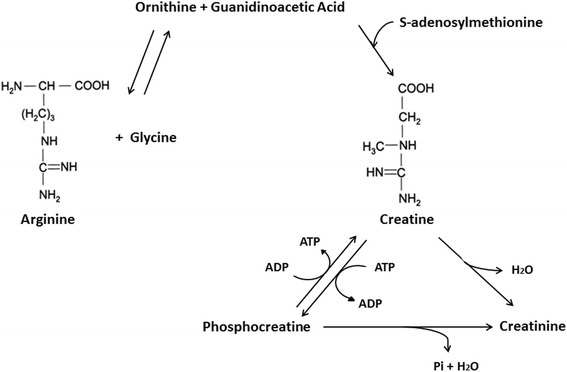
“Supplementation with creatine, an organic acid derived from reactions involving arginine, methionine, and glycine in the kidney and liver [1], has been shown to increase muscle performance, possibly by influencing high‐energy phosphate metabolism, satellite cell activity, muscle protein kinetics, and inflammation [11,…”
BackgroundSelf-citationLee, S., Hong, G., Park, W., Lee, J., Kim, N.-H., Park, H., & Park, J. (2020) · Physical Activity and Nutrition · doi:10.20463/pan.2020.0006 · Cited by 11
Staśkiewicz‐Bartecka, W., Kardas, M., Zydek, G., Zając, A., & Chycki, J. (2024) · Nutrients · doi:10.3390/nu16091332 · Cited by 15
“Research indicates that supplementing with creatine can lead to improved performance in high-intensity exercises, thereby enhancing overall training outcomes [135].”
BackgroundDescribing use of muscle-building supplements among adolescents and young adults in Canada
Ganson, K. T., Pang, N., Testa, A. M., Murray, S. B., & Nagata, J. M. (2024) · Performance Enhancement & Health · doi:10.1016/j.peh.2024.100284 · Cited by 9
The role of nutrition in mild traumatic brain injury rehabilitation for service members and veterans
Monti, K. S., Conkright, M. W., Eagle, S. R., Lawrence, D. W., & Dretsch, L. M. (2024) · Neurorehabilitation · doi:10.3233/nre-230241 · Cited by 13
Szymanska, A., Nowak, A., Lipert, A., & Kochan, E. (2024) · Antioxidants · doi:10.3390/antiox14010032 · Cited by 10
“Strong evidence was found regarding the ergogenic effect of creatine monohydrate [52] and a possible increase in maximal muscular strength and reduction in muscle damage [53].”
Smith, M., Hoffman, N. J., Jose, A. T. S., Burke, L. M., & Opar, D. A. (2025) · Sports Medicine · doi:10.1007/s40279-025-02174-w · Cited by 14
“This increased creatine plays a critical role in energy metabolism, particularly in high-intensity, short-duration activities (e.g. resistance training) that rely on the rapid production of ATP [183].”
Ramos-Hernández, R., Miguel‐Ortega, Á., Martínez‐Ferrán, M., Fernández‐Lázaro, D., Busto, N., & Mielgo‐Ayuso, J. (2025) · GeroScience · doi:10.1007/s11357-025-01889-y · Cited by 8
“Creatine monohydrate (CRE) supplementation has consistently been shown to increase muscle mass, strength and functional performance in both young and older adults [8, 9].”
Qian, H., Xia, W., Wang, Y., & Lee, S.-N. (2025) · Journal of Sports Sciences · doi:10.1080/02640414.2025.2573575 · Cited by 11
“Creatine is a naturally occurring compound that plays a crucial role in energy production during high-intensity exercise (Kreider et al., 2017).”
Masodsai, K., Sahaschot, T., & chaunchaiyakul, R. C. (2022) · Sports · doi:10.3390/sports11010004 · Cited by 8
Elstad, K., Malone, C., Luedke, J. A., Jaime, S. J., Dobbs, W. C., Almonroeder, T. G., Kerksick, C. M., Markert, A., & Jagim, A. R. (2023) · Nutrients · doi:10.3390/nu15245134 · Cited by 14
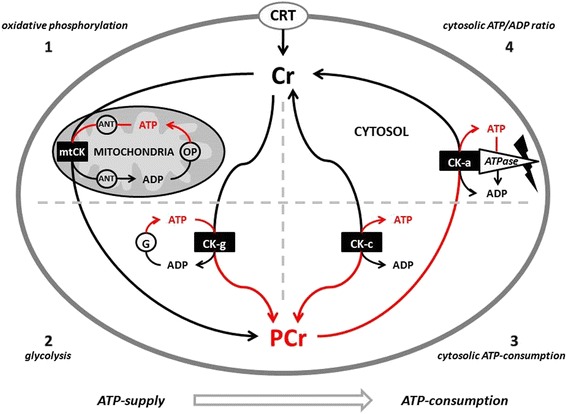
“Creatine supplementation has been shown to increase intramuscular phos-phocreatine stores [21,22], which in turn can increase the ability to synthesize (and re-phosphorylate adenosine diphosphate) adenosine triphosphate (ATP) [21]; thereby, playing a vital role in cellular metabolism during periods…”
BackgroundInfluentialStrategies for Improving Firefighter Health On-Shift: A Review
Wohlgemuth, K. J., Conner, M. J., Tinsley, G. M., Palmer, T. B., & Mota, J. A. (2024) · Journal of Functional Morphology and Kinesiology · doi:10.3390/jfmk9020105 · Cited by 16
“Recent studies have evaluated the supplement creatine monohydrate and have indicated numerous benefits for overall health and performance in both sexes [84–86].”
BackgroundInfluentialEghbali, E., Arazi, H., & Suzuki, K. (2024) · Physiological Research · doi:10.33549/physiolres.935323 · Cited by 10
“Hence, the common recommendation to dissolve creatine in acidic juice, such as orange juice, was made [6].”
InfluentialBone mass in Saudi women aged 20–40 years: the association with obesity and vitamin D deficiency
Albaik, M., Khan, J. A., Sindi, I. A., Åkesson, K., & McGuigan, F. E. (2022) · Archives of Osteoporosis · doi:10.1007/s11657-022-01164-z · Cited by 8
Rokkam, M. P., Gora, O., Konda, M. R., & Koushik, A. (2023) · Food & Nutrition Research · doi:10.29219/fnr.v67.8972 · Cited by 9
“Creatine supplementation at doses ranging from 3 to 30 g/day has also shown diverse effects on physical activity in athletes and non-athletes, including postexercise recovery and protection from exercise-induced muscle damage (27).”
BackgroundNutrition Recommendations for Table Tennis Players—A Narrative Review
Huang, L., Ng, J. W. C., & LEE, J. K. W. (2023) · Nutrients · doi:10.3390/nu15030775 · Cited by 12
“Creatine • Supplementation to increase muscle creatine stores can enhance the rapid regeneration of ATP and delay the onset of fatigue for repeated sprint performances lasting 6 to 30 s and with short recovery periods of 30 s to 2 min [73,74].”
BackgroundTakács, P., Pákozdy, K., Koroknai, E., Erdodi, B., Krasznai, Z. T., & Kozma, B. (2023) · BMC Women s Health · doi:10.1186/s12905-023-02476-z · Cited by 9
“individuals and the elderly as well [17].”
BackgroundType 1 diabetes management in a competitive athlete: A five‐year case report
Cannataro, R., Cione, E., Cerullo, G., Rondanelli, M., Micheletti, P., Crisafulli, O., Micheli, M. L., & D’Antona, G. (2023) · Physiological Reports · doi:10.14814/phy2.15740 · Cited by 7
Nutritional Considerations for the Female Vegan Athlete
Schoenfeld, M. L. (2018) · Strength and conditioning journal · doi:10.1519/ssc.0000000000000405 · Cited by 9
“CREATINE Creatine has been shown to have a number of beneficial cognitive and neuromuscular benefits, including providing neuroprotection during oxygen deprivation (52), injury prevention and rehabilitation, enhanced recovery from exercise, and a host of other benefits (32).”
BackgroundInfluentialThe nutrition needs of adolescent athletes: a systematic review
Firmansyah, A., & Prasetya, M. R. A. (2021) · Jurnal SPORTIF : Jurnal Penelitian Pembelajaran · doi:10.29407/js_unpgri.v7i3.16716 · Cited by 6
Abreu, R., Oliveira, C. B., Brito, J., & Teixeira, V. H. (2023) · Frontiers in Sports and Active Living · doi:10.3389/fspor.2023.1230969 · Cited by 8
Verdoodt, F., Bhatti, S. F. M., Kragic, K., Ham, L. V., Vanhaecke, L., Hesta, M., & Hemeryck, L. (2024) · Scientific Reports · doi:10.1038/s41598-024-64777-z · Cited by 7
“Degradation of creatine to creatinine occurs non-enzymatically on a daily basis in healthy individuals 34 .”
Zawieja, E. E., Machek, S. B., Zanchi, N. E., Cholewa, J. M., & Woźniewicz, M. (2024) · Journal of Sports Sciences · doi:10.1080/02640414.2024.2423578 · Cited by 8
“Phosphocreatine buffers adenosine tri-phosphate levels to improve high-intensity exercise capacity, potentially allowing one to train with higher volumes during resistance training sessions (Kreider et al., 2017).”
Clarke, H. E., Akhavan, N. S., Behl, T. A., Ormsbee, M. J., & Hickner, R. C. (2024) · Nutrients · doi:10.3390/nu17010058 · Cited by 10
Sarcopenia: an Aging Perspective and Management Options
Teixeira, A. M., Nosrani, S. E., Parvani, M., Viola, J., & Mohammadi, S. (2025) · International Journal of Sports Medicine · doi:10.1055/a-2577-2577 · Cited by 10
Zart, S., & Fröhlich, M. (2025) · Journal of the International Society of Sports Nutrition · doi:10.1080/15502783.2025.2524033 · Cited by 8
“On the other hand, creatine and curcumin were not included in the search because their primary effect is on anaerobic exercise lasting less than 30 s and an improved ability to regenerate [11,36,37].”
Delany, L. V., Costello, N. B., Jones, B. L., & Backhouse, S. H. (2025) · Sports Medicine · doi:10.1007/s40279-025-02285-4 · Cited by 12
Młynarska, E., Leszto, K., Katańska, K., Prusak, A., Wieczorek, A., Jakubowska, P., Rysz, J., & Franczyk, B. (2025) · Nutrients · doi:10.3390/nu17172860 · Cited by 11
“According to the International Society of Sports Nutrition (ISSN), creatine is among the most studied and well-tolerated supplements in both exercise and clinical nutrition, supported by over a thousand peer-reviewed publications [84].”
InfluentialA Toxicological Assessment of Creatyl- l -Leucine
Reddeman, R. A., Glávits, R., Endres, J. R., Murbach, T. S., Hirka, G., Vértesi, A., Béres, E., & Szakonyiné, I. P. (2018) · International Journal of Toxicology · doi:10.1177/1091581817751142 · Cited by 6
Rabie, E. M., Khalil, M. M. H., Elaasser, M. M., & Ismail, E. H. (2021) · Applied Organometallic Chemistry · doi:10.1002/aoc.6392 · Cited by 4
Beyer, K. S., Gadsden, M., Patterson-Zuber, P., & Gonzalez, A. M. (2024) · Frontiers in Nutrition · doi:10.3389/fnut.2024.1323408 · Cited by 8
Finnegan, E., Daly, E., & Ryan, L. (2024) · Nutrients · doi:10.3390/nu16040497 · Cited by 12
“In a non-injured state, a creatine dose of 5 g (g) (approximately 0.3 g/kg body weight) four times daily (totalling approximately 20 g/day) over 5–7 days is suggested [66].”
BackgroundInfluentialSteroid myopathy and rehabilitation in patients with cancer
Tsetlina, V., Stanford, R. A., Syrkin, G., & Ibanez, K. (2024) · PM&R · doi:10.1002/pmrj.13133 · Cited by 7
“83 In humans, creatine is an agent widely used to improve athletic performance, and given its safety and efficacy profile, 83 creatine should be investigated in the management of SM.”
Anabolic Strategies for ICU-Acquired Weakness. What Can We Learn from Bodybuilders?
Tarnawski, J., Czub, M., Dymecki, M., Sunil, M., & Folwarski, M. (2024) · Nutrients · doi:10.3390/nu16132011 · Cited by 8
“Numerous studies described an increase in overall body weight of 1–2 kg during the first week of loading as well as fat-free mass growth, even daily living performance, or neurological functionality in young or older people [43,44].”
BackgroundCentral retinal vein occlusion associated with creatine supplementation and dehydration
Moussa, O., & Chen, R. W. S. (2021) · American Journal of Ophthalmology Case Reports · doi:10.1016/j.ajoc.2021.101128 · Cited by 6
Community-Based Survey Exploring Use of the Dietary Supplement Creatine by Adult Non-Athletes
Benton, M. J., Spicher, J. M., & McCormick, S. J. (2021) · Nutrients · doi:10.3390/nu13082529 · Cited by 8
“Furthermore, long-term observational and experimental studies lasting up to eight years have provided a substantial body of evidence that creatine supplementation with up to 10 g per day is safe and does not impair renal function [6,7,16,26].”
BackgroundPatel, D. I., Gonzalez, A., Moon, C., Serra, M. C., Bridges, P. B., Hughes, D. C., Clarke, G. D., Kilpela, L. S., Jiwani, R. B., & Musi, N. (2022) · JMIR Research Protocols · doi:10.2196/26827 · Cited by 6
“This dosing protocol is based on the traditional dosing protocol for healthy individuals, which includes a loading phase (5 g of creatine taken 4 times per day) that is followed by a low-dose maintenance period (5 g of creatine per day) for maintaining creatine stores [12].”
BackgroundInfluentialMattos, D., dos Santos, C. G. M., Forbes, S. C., Candow, D. G., Rosa, D., Busnardo, R. G., Dornelas-Ribeiro, M., Paulucio, D., Chester, C., & Machado, M. (2022) · Journal of Science in Sport and Exercise · doi:10.1007/s42978-022-00165-1 · Cited by 8
“1 3 particularly when combined with resistance exercise [6, 10, 15, 16, 23].”
BackgroundInfluentialSelf-citationSafety of creatine supplementation: where are we now?
Machado, M., GUIMARÃES, P., & Forbes, S. C. (2022) · Gazzetta Medica Italiana Archivio per le Scienze Mediche · doi:10.23736/s0393-3660.22.04788-x · Cited by 7
Sun, J., Guo, F., Ran, J., Wu, H.-C., Li, Y., Wang, M., & Wang, X. (2023) · Nutrients · doi:10.3390/nu15153374 · Cited by 10
“Apart from athletic improvement, researchers also showed that dietary creatine could contribute to injury prevention, thermoregulation, post-exercise recovery, and rehabilitation [67].”
BackgroundEffectiveness of Creatine in Metabolic Performance: A Systematic Review and Meta-Analysis
Jaramillo, A. P., Jaramillo, L., Castells, J., Beltran, A., Mora, N. G., Torres, S., Parraga, G. C. B., Vallejo, M. P., & Santos, Y. (2023) · Cureus · doi:10.7759/cureus.45282 · Cited by 10
“Increased strength, stamina, and speed provide several benefits [3, 9, 10].”
BackgroundPuya-Braza, J. M., & Sánchez-Oliver, A. J. (2018) · Retos · doi:10.47197/retos.v0i34.65027 · Cited by 13
Overcoming restraints of dietary creatine
Ostojić, S. M. (2020) · Trends in Food Science & Technology · doi:10.1016/j.tifs.2020.04.031 · Cited by 6
Nutrition for sport and physical activity
Burke, L. M., & Manore, M. M. (2020) · Elsevier eBooks · doi:10.1016/b978-0-12-818460-8.00006-x · Cited by 12
Optimum timing in creatine supplementation for improved sporting performance
Jurado‐Castro, J. M., Navarrete-Pérez, A., Ranchal‐Sánchez, A., & Ordóñez, F. M. (2021) · Archivos de medicina del deporte: revista de la Federación Española de Medicina del Deporte y de la Confederación Iberoamericana de Medicina del Deporte · doi:10.18176/archmeddeporte.00026 · Cited by 8
ESRI, Kelly, E., Keegan, C., ESRI, Walsh, B., & ESRI (2019) · doi:10.26504/rs99 · Cited by 10
“Some recent work has found creatine to have some positive effects in terms of injury, rehab performance and ageing (Kreider et al., 2017; Avgerinos et al., 2018); two studies found no negative health effects using information from urine and blood markers (Cancela et al.”
BackgroundNagata, J. M., Ganson, K. T., Cunningham, M. L., Mitchison, D., Lavender, J. M., Blashill, A. J., Gooding, H. C., & Murray, S. B. (2020) · PLoS ONE · doi:10.1371/journal.pone.0244018 · Cited by 5
“However, creatine use also has been linked to weight gain [23], which could represent a detriment to long-term cardiovascular health, as higher weight and BMI are primary risk factors for CVD [24].”
BackgroundMetabolic consequences of altered kidney glucose reabsorption under normoglycemic conditions
Ahmad, M., Permyakova, A., Baraghithy, S., Sahu, N., Abramovich, I., Agranovich, B., Shalev, O., Kogot‐Levin, A., Nemirovski, A., Gottlieb, E., et al. (2025) · Molecular Metabolism · doi:10.1016/j.molmet.2025.102192 · Cited by 6
“The bene fi cial effects of creatine supplementation, such as increased anaerobic energy capacity, reduced protein breakdown, and subsequent increases in muscle mass and physical performance, are well-documented in athletic populations [91].”
Eckert, I. D. C. (2025) · Journal of Nutrition · doi:10.1016/j.tjnut.2025.07.016 · Cited by 9
Effects of creatine supplementation on muscle strength gains—a meta-analysis and systematic review
Zhang, H., Lan, T., Yan, X., Gu, H., Li, Y., & He, E. (2025) · PeerJ · doi:10.7717/peerj.20380 · Cited by 13
“A conventional diet typically provides 60%–80% of Cr and phosphoCreatine (PCr) stores, while exogenous Cr supplementation can further elevate muscular Cr/PCr concentrations by 20–40% ( Harris, Söderlund & Hultman, 1992 ; Hultman et al., 1996 ; Kreider et al., 2017 ).”
The Physiological Requirements of and Nutritional Recommendations for Equestrian Riders
Best, R., Williams, J. M., & Pearce, J. (2023) · Nutrients · doi:10.3390/nu15234977 · Cited by 10
Dietary supplementation habits in international natural bodybuilders during pre-competition
Jiménez‐Martínez, P., Alix‐Fages, C., Helms, E. R., Espinar, S., González-Cano, H., Baz-Valle, E., Janicijevic, D. N., García‐Ramos, A., & Colado, J. C. (2024) · Heliyon · doi:10.1016/j.heliyon.2024.e26730 · Cited by 6
“…as an effective tool for maintaining muscle mass and controlling hunger [5], while creatine is reported to be suitable for increasing phosphocreatine reserves to mitigate the low availability of carbohydrates, possibly allowing athletes to minimize the loss of training volume and intensity [31].”
BackgroundOjeda, Á. H., & Jorquera-Aguilera, C. (2024) · Nutrients · doi:10.3390/nu16152437 · Cited by 7
“The daily dose was equivalent to 0.3 g/kg/day [18,19].”
BackgroundMethodInfluentialSharif, S. M., & Hydock, D. S. (2024) · Toxicology Mechanisms and Methods · doi:10.1080/15376516.2024.2393825 · Cited by 6
“…increases muscle availability of cr, Pcr, and glycogen stores, induces hypertrophy, and enhances skeletal muscle strength (cooper et al. 2012; Kreider et al. 2017). therefore, it is recommended that future research explore cr’s effect combined with resistance exercise and Dox treatment on BM…”
InfluentialGonzalez, D. E., Forbes, S. C., Zapp, A., Jagim, A. R., Luedke, J. A., Dickerson, B. L., Root, A., Gil, A. C., Johnson, S. E., Coles, M. E., et al. (2024) · Nutrients · doi:10.3390/nu16193285 · Cited by 9
“Creatine monohydrate supplementation appears to play a role in post-exercise recovery, injury prevention, thermoregulation, and neuroprotection [14,16], with minimal risk of adverse events [14].”
BackgroundInfluentialSelf-citationNieto, Á. A. V., Díaz, A. H., & Hernández, M. (2025) · Current Nutrition Reports · doi:10.1007/s13668-025-00633-4 · Cited by 8
“Alternatively, a steady 3 g/day achieves similar results over a longer period [15, 16].”
Kelly, V. G., Oliver, L. S., Bowtell, J. L., & Jenkins, D. G. (2020) · International Journal of Sport Nutrition and Exercise Metabolism · doi:10.1123/ijsnem.2019-0321 · Cited by 8
Pickering, C., Hicks, D. S., & Kiely, J. (2021) · Journal of Aging and Physical Activity · doi:10.1123/japa.2020-0302 · Cited by 5
Efeitos da suplementação crônica da creatina sobre a função renal: revisão da literatura
Baldin, Á. E., Gomes, E. C. Z., Bender, S., & Linartevichi, V. F. (2021) · Research Society and Development · doi:10.33448/rsd-v10i14.21867 · Cited by 8
Creatine supplementation and muscles: From metabolism to medical practice
Vulturar, R., Jurjiu, B., Damian, M., Bojan, A. S., Pintilie, S. R., Jurcă, M. C., Chiş, A., & Grad, S. (2021) · Romanian Journal of Medical Practice · doi:10.37897/rjmp.2021.3.4 · Cited by 10
Food Creatine and DXA-Derived Body Composition in Boys and Girls Aged 8 to 19 Years
Korovljev, D., Todorović, N., Štajer, V., & Ostojić, S. M. (2021) · Nutrition and Metabolic Insights · doi:10.1177/11786388211059368 · Cited by 6
Dose Response of Acute ATP Supplementation on Strength Training Performance
de Moura, H. P. D. S. N., Jäger, R., Purpura, M., Rathmacher, J. A., Fuller, J. C., & Rossi, F. E. (2021) · Frontiers in Sports and Active Living · doi:10.3389/fspor.2021.780459 · Cited by 7
“While certain ergogenic sports supplements, like creatine (Kreider et al., 2017) or beta-alanine (Trexler et al.”
BackgroundFutbol y creatina, una revisión sistemática (Soccer and creatine, a systematic review)
Guevara, V. M., Montalva-Valenzuela, F., Andrades-Ramírez, O., Vargas, J. J. N., Flores, I., & Castillo-Paredes, A. (2023) · Retos · doi:10.47197/retos.v51.97367 · Cited by 8
“…y uno de los suplementos dietéticos más populares y consumidos por los deportistas y/o atletas en diferentes modalidades (Krei-der & Jung, 2011; Kreider et al., 2017), debido a las más de 80 revisiones que reportan beneficios sobre su consumo terapéutico y ergogénico (De Guingand et al.,2020).”
BackgroundAguirre-Betolaza, A. M., Cacicedo, J., & Castañeda-Babarro, A. (2023) · American Journal of Clinical Oncology · doi:10.1097/coc.0000000000001070 · Cited by 5
Aron, A., Landrum, E., Schneider, A. D., Via, M., Evans, L., & Rawson, E. S. (2024) · Clinical Nutrition ESPEN · doi:10.1016/j.clnesp.2024.07.008 · Cited by 10
Diaz-Pizarro, M., Pino-Zúñiga, J., Gálvez, M. O., Vesga, C. R., Tello, R. L., Seguro, J. C. D., & Cancino-López, J. (2024) · Obesity Surgery · doi:10.1007/s11695-024-07451-7 · Cited by 6
“Traditional studies have usually used a 5–7 day loading scheme (20 g/ day) or a low dose scheme (3–5 g/day) for a month [6, 7].”
Yu, P., Fan, Y., Wang, X., & Wu, H. (2025) · Sports Health A Multidisciplinary Approach · doi:10.1177/19417381251320095 · Cited by 7
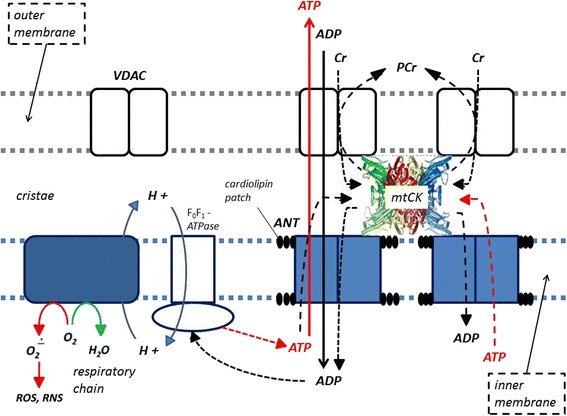
“25,45 In recent years, it has also been shown that Cr supplementation increases PCr and glycogen content, 44 alters calcium handling and force production, 21 reduces oxidative stress and inflammatory responses, and enhances the transport of ATP from the mitochondria to the site of utilization, 16…”
Does creatine cause hair loss? A 12-week randomized controlled trial
Lak, M., Forbes, S. C., Ashtary-Larky, D., Dadkhahfar, S., Robati, R. M., Nezakati, F., Khajevandi, M., Naseri, S., Gerafiani, A., Haghighat, N., et al. (2025) · Journal of the International Society of Sports Nutrition · doi:10.1080/15502783.2025.2495229 · Cited by 5
Self-citationGonzalez, A. M., Pinzone, A. G., Bram, J., Salisbury, J. L., Lee, S., & Mangine, G. T. (2020) · The Journal of Strength and Conditioning Research · doi:10.1519/jsc.0000000000003480 · Cited by 6
“concentrations saturate skeletal muscle (23).”
Cella, P. S., Marinello, P. C., Padilha, C. S., Testa, M. T. J., Guirro, P. B., Cecchini, R., Duarte, J. A., Guarnier, F. A., & Deminice, R. (2020) · Nutrition · doi:10.1016/j.nut.2020.110958 · Cited by 5
Sprint Interval Exercise Performance in Vegans
Pfeiffer, A., Tomazini, F., Bertuzzi, R., & Lima‐Silva, A. E. (2021) · Journal of the American Nutrition Association · doi:10.1080/07315724.2021.1893862 · Cited by 10
Kay, L., Potenza, L., Hininger‐Favier, I., Roth, H., Attia, S., Tellier, C., Zuppinger, C., Calcabrini, C., Sestili, P., Wallimann, T., et al. (2022) · Nutrients · doi:10.3390/nu14030583 · Cited by 5
“Such rather pro-anabolic effects could mediate many cytoprotective aspects of Cr supplementation, such as in cardioprotection [18,19], muscular dystrophies, neuromuscular and neurodegenerative disorders [16,63], brain health [64], or wound healing [65].”
BackgroundPediatric strength training: Benefits, concerns, and current trends
Wang, X., Dubrosa, F., O’Connor, M., Sangiuolo, K., & Milanaik, R. L. (2022) · Current Opinion in Pediatrics · doi:10.1097/mop.0000000000001187 · Cited by 5
“Accordingly, creatine supplements are used to increase strength and muscle mass, making them popular among adolescents seeking to enhance exercise performance [67,68].”
BackgroundEvidence-based nutritional approaches to enhance exercise adaptations
Roberts, M. D., Moulding, B. D., Forbes, S. C., & Candow, D. G. (2023) · Current Opinion in Clinical Nutrition & Metabolic Care · doi:10.1097/mco.0000000000000975 · Cited by 8
Self-citationBeckner, M. E., Pihoker, A. A., Darnell, M. E., Beals, K., Lovalekar, M. T., Proessl, F., Flanagan, S. D., Arciero, P. J., Nindl, B. C., & Martin, B. J. (2020) · The Journal of Strength and Conditioning Research · doi:10.1519/jsc.0000000000003660 · Cited by 6
“…ATP availability during maximal effort exercise, there is limited evidence to support the efficacy of acute single-dose creatine supplementation because training adaptations require saturated creatine concentrations, accomplished through creatine “ loading ” or daily supplementation (27).”
Backgrounddos Santos, A. M., Missé, R. G., Borges, I. B. P., Perandini, L. A., & Shinjo, S. K. (2021) · Current Opinion in Rheumatology · doi:10.1097/bor.0000000000000829 · Cited by 8
“In addition, some clinical conditions may benefit from its use, such as hereditary defects of creatine synthesis, muscular dystrophies, muscular atrophy, depressed mood disorder, and sleep deprivation [27,28].”
BackgroundLi, Y., Qiu, B., Kuai, H., Huang, K., Liu, H., Zhang, M., Yin, M., Zhang, Y., Deng, H., Zhong, Y., et al. (2025) · Frontiers in Nutrition · doi:10.3389/fnut.2025.1669004 · Cited by 4
Garcia, M. P., Longobardi, I., Saito, T., Miranda, M. S., Roschel, H., & Gualano, B. (2025) · Journal of the International Society of Sports Nutrition · doi:10.1080/15502783.2025.2591782 · Cited by 4
“A growing body of literature supports the benefits of creatine across a wide range of clinical conditions and sports [3,4], including football [5].”
Pantazis, D., Avloniti, A. A., Draganidis, D., Stampoulis, T., Protopapa, M., Kokkotis, C., Balampanos, D., Arsenis, S., Poulios, A., Παπανικολάου, Κ., et al. (2024) · Nutrients · doi:10.3390/nu17010128 · Cited by 6
Woodcock, I. R., de Valle, K., Cairns, A., Davidson, Z. E., Kean, M., Varma, N., Grobler, A., Metz, D., Carroll, K., Dilek, N., et al. (2025) · Pharmacotherapy: The Journal of Human Pharmacology and Drug Therapy · doi:10.1002/phar.70025 · Cited by 4
“53 60 This was a limitation in our study design that should be corrected for in future clinical trials of individuals with myopathies or other conditions where creatinine is likely to be an unreliable biomarker of renal function.”
Ferreira, J. F., Ferreira, R. M., Maia, F., Fernandes, L. G., Leão, C., & Pimenta, N. (2025) · Muscles · doi:10.3390/muscles4030024 · Cited by 10
“Creatine remains the most effective supplement for increasing phosphocreatine availability and muscle strength, especially in explosive, anaerobic efforts [79].”
Ma, Y., Yan, R., Li, Y., Li, D., Sun, X., Chen, T., & Liu, X. (2025) · Frontiers in Nutrition · doi:10.3389/fnut.2025.1640858 · Cited by 5
The metabolomic profile of a high starch versus no starch diet in athletic horses
Nilsson, E., Moazzami, A. A., Lindberg, J. E., & Jansson, A. (2025) · Scientific Reports · doi:10.1038/s41598-025-23422-z · Cited by 6
“This increase is interesting since creatine supplementation enhances exercise performance in humans 58 .”
Du, H., Liu, S., Li, M., Zhao, K., Jiang, W., You, T., Wang, Z., Zou, D., Shu, J., & Liu, C. (2025) · Nutrients · doi:10.3390/nu17233702 · Cited by 8
“The ergogenic effect of creatine on jump performance is well-established [73] and is plausibly mediated by enhanced ATP-PCr availability, improved rate of force development (RFD), and greater neural drive [73,74].”
Liu, S., Huang, N., Wu, W., OuYang, X., Luo, Y., Zhong, Y.-B., Wang, M., & Li, X. (2025) · European Review of Aging and Physical Activity · doi:10.1186/s11556-025-00392-9 · Cited by 15
“Mechanistic evidence indicates Cr amplifies ATP resynthesis efficiency through dose-dependent increases in intramyocellular PCr stores, critical for sustaining high-intensity contractions [8].”
The Role of Biomarkers in Elite Sports
Anghel, L., Gurau, T. V., Gurău, G., Mușat, C. L., Voinescu, D. C., Onu, I., Cordun, M., Codreanu, C. M., & Iordan, D. A. (2023) · Balneo and PRM Research Journal · doi:10.12680/balneo.2023.581 · Cited by 10
“Creatinine is a waste product generated from the breakdown of creatine, a compound found in muscles as part of the energy production process [63].”
BackgroundPractical Guidance to Optimize Postmatch Recovery in Elite Male and Female Soccer: A Review
Querido, S. M., Radaelli, R., Brito, J., Vaz, J. R., & Freitas, S. R. (2023) · Strength and conditioning journal · doi:10.1519/ssc.0000000000000822 · Cited by 5
Metadata
- Authors
- Kreider, R. B., Kalman, D. S., Antonio, J., Ziegenfuss, T. N., Wildman, R., Collins, R., Candow, D. G., Kleiner, S. M., Almada, A. L., & Lopez, H. L.
- Affiliations
- Texas A&M University (US)
- Nutrition Research Unit, QPS 6141 Sunset Drive Suite 301 33143 Miami FL USA
- Department of Health and Human PerformanceNova Southeastern University 33328 Davie FL USA
- The Center for Applied Health Sciences 4302 Allen Road, STE 120 44224 Stow OH USA
- Post Active Nutrition 111 Leslie St 75208 Dallas TX USA
- Collins Gann McCloskey & Barry, PLLC 138 Mineola Blvd. 11501 Mineola NY USA
- University of Regina (CA)
- High Performance Nutrition, LLC 98040 Mercer Island WA USA
- Vitargo Global Sciences, Inc. 92629 Dana Point CA USA
- Corresponding author
- Kreider, Richard B.
- ORCID
- Venue
- Journal of the International Society of Sports Nutrition
- Publisher
- Informa UK Limited
- Published
- 2017-01-03
- Volume
- 14
- Issue
- 1
- Pages
- 18-18
- ISSN
- 1550-2783 (ISSN-L)
- PMC
- PMC5469049
- OpenAlex
- W2625882999
- Semantic Scholar
- 06e5bc2c0dc4412d8eec64ce934a8eef2b5800f2
- Cited by
- 1,057
- References
- 265
- Citations by year
- 2026: 211 · 2025: 172 · 2024: 199 · 2023: 114 · 2022: 102 · 2021: 101 · 2020: 68 · 2019: 41 · 2018: 42 · 2017: 7
- FWCI
- 4.31
- Type
- journal article
- Language
- en
- Open access
- gold
- doi.org
- Licence
- Locations
- Journal of the International Society of Sports Nutrition (publishedVersion, cc-by)
- Europe PMC (PubMed Central) (publishedVersion, other-oa)
- PubMed Central (publishedVersion, cc-by)
- PubMed (publishedVersion)
- DOAJ (DOAJ: Directory of Open Access Journals) (submittedVersion, cc-by-sa)
- Funders
- Council for Responsible Nutrition
- Topics
- Health Sciences › Nursing › Nutrition and Dietetics › Muscle metabolism and nutrition
- Health Sciences › Medicine › Physiology (medical) › Biochemical effects in animals
- Health Sciences › Medicine › Physiology (medical) › Exercise and Physiological Responses
- Keywords
- creatine supplementation, ergogenic aids, exercise performance, injury prevention, post-exercise recovery, neuroprotection, concussion, rehabilitation, safety and tolerability, neurodegenerative diseases, diabetes mellitus, aging
- MeSH terms
- Athletic Injuries, Creatine, Humans, Societies, Scientific, Exercise, Dietary Supplements, Athletic Performance, Performance-Enhancing Substances, Sports Nutritional Sciences
About these checks
Registry, retraction, Cites and statistics results are computed, not judged, with one exception: a printed reference that no index lists is read once by a model before it counts as a citation error. Claims are extracted by a model and kept only when their quote appears verbatim in the text; each cited source is then checked, with a model’s help, for whether it says what the claim relies on. Those verdicts can be wrong — read the claim’s quote and the cited source before relying on one.
The claim verdicts this report counts are experimental: their accuracy is not yet measured.
A language model drew the claims from the paper on 2026-10-10, under version 3 of the claim definition (model deepseek-v4.1-flash, prompt extract-v3).
A second model labelled each claim on 2026-10-10 (model jev-1.13-20260917, definition revision gold-guideline-v0.2).
Cited sources are checked with a language model’s help (gpt-6-sol).
Statistics and arithmetic are recomputed, not judged.
Confidence bands are shown only for fields calibrated on our annotated test set. None is calibrated yet, so no band is shown.
What counts as a claim ›How we measure confidence ›How we check this ›
Are you an author, or do you see a problem with this page? Request a review
Data sources
Bibliographic data: Semantic Scholar, OpenAlex, Crossref.
Contains information from the Semantic Scholar Academic Graph Datasets, made available under the ODC Attribution License (ODC-BY 1.0).
Semantic Scholar’s data is described in: Kinney, R., et al. (2023). The Semantic Scholar Open Data Platform. arXiv:2301.10140.
