

International Society of Sports Nutrition position stand: safety and efficacy of creatine supplementation in exercise, sport, and medicine
Open accessThe DOI matches its Crossref record; 263 of the 266 references it cites were found in a registry or an index; 65 of the 290 sources its claims cite were checked for support.
Abstract
Position stand summarizing evidence that creatine supplementation increases intramuscular creatine concentrations and is generally safe and well tolerated in studied populations.
Overview
CoChat Summary
TL;DR
This ISSN position stand concludes that creatine monohydrate is the most effective ergogenic nutritional supplement for increasing high-intensity exercise capacity and lean body mass, and that short- and long-term use up to 30 g/day for 5 years is safe and well-tolerated in healthy and clinical populations. It also reports potential therapeutic applications in recovery, injury, neuroprotection, aging, and disease, while calling for further research on medical benefits.
Key findings
- Creatine supplementation increases muscle creatine and phosphocreatine stores by 20–40%; high-intensity and/or repetitive exercise performance is generally increased by 10–20% depending on the magnitude of muscle PCr increase.
- The quickest loading method is ~0.3 g/kg/day of creatine monohydrate for 5–7 days (e.g., 5 g four times daily), followed by 3–5 g/day maintenance; larger athletes may need 5–10 g/day, and clinical populations have used 0.3–0.8 g/kg/day (21–56 g/day for a 70 kg individual).
- Short- and long-term supplementation up to 30 g/day for 5 years is reported as safe and well-tolerated from infants to the elderly; the only consistently reported side effect is weight gain, with no compelling evidence of renal dysfunction or long-term detrimental effects.
- Creatine may enhance post-exercise recovery, injury prevention, thermoregulation, rehabilitation, and concussion/spinal cord neuroprotection; in large clinical trials, it showed no clinical benefit in Parkinson’s disease or ALS, though it slowed brain atrophy in Huntington’s disease without affecting clinical markers.
Methods
- Design: International Society of Sports Nutrition position stand and narrative review updating the literature on creatine supplementation in exercise, sport, and medicine.
- Data: Synthesizes published human and animal studies, clinical trials, and prior position stands; the paper notes over 1,000 studies have been conducted and billions of servings ingested.
- Analysis: Narrative synthesis of the literature, with conclusions formulated as official ISSN position statements; no systematic review, meta-analysis, or formal quantitative pooling methods are described.
Limitations
- The paper states that further research is warranted to examine potential medical benefits of creatine monohydrate and precursors like guanidinoacetic acid.
- The paper notes mixed findings: not all studies show benefit (e.g., ACL surgery recovery, wheelchair performance), and large trials found no clinical benefit in Parkinson’s disease or ALS; it also states that most studies were conducted on men, and some suggest women may not see as much gain in strength and/or muscle mass.
- Evident from the text: as a position stand/narrative review, it does not describe a systematic search strategy, inclusion criteria, risk-of-bias assessment, or quantitative synthesis, so conclusions rely on the cited literature rather than a formal evidence appraisal.
Model-written summary. Check it against the paper before relying on it.
Integrity signals
Registry
Cites
Statistics
Figures
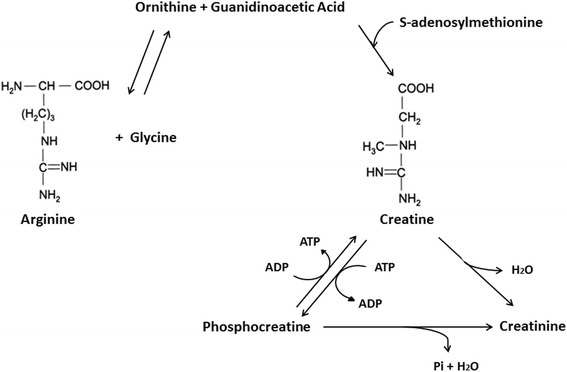
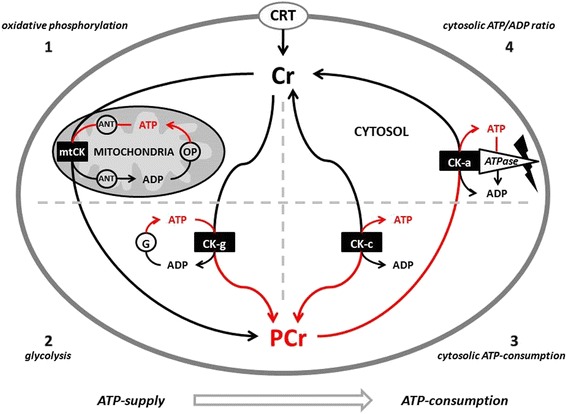
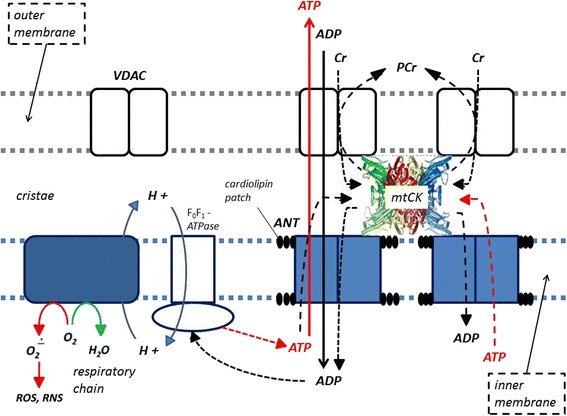
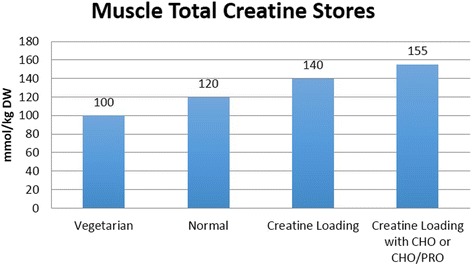
Verification
Claims the paper makes
42 Valid · 1 Not valid · 58 Not checked · 57 Own results and interpretations
Every source the paper cites for this claim was checked and supports it.
In the paper
“Clinical evidence has not demonstrated that different forms of creatine such as creatine citrate [50], creatine serum [58], creatine ethyl ester [59], buffered forms of creatine [60], or creatine nitrate [61] promote greater creatine retention than creatine monohydrate”
§ International Society of Sports Nutrition position stand: safety and efficacy of creatine supplementation in exercise, sport, and medicine > Bioavailability
What the sources say
- Supportedcites [53] Jager R Analysis of the efficacy, safety, and regulatory status of novel forms of creatine Amino Acids 2011 40 5 1369 1383 10.1007/s00726-011-0874-6 21424716 PMC3080578 sourceExperimental — accuracy not yet measured
The Summary (page unavailable) says there is little to no evidence that newer creatine forms increase muscle creatine levels more effectively than creatine monohydrate. The Bioavailability section reports no greater whole-body retention with effervescent tricreatine citrate than with monohydrate and less muscle creatine accumulation with creatine ethyl ester. These passages support the cited paper’s role as evidence for the monohydrate comparison; the other named forms have separate citations in the citing sentence. (LLM, conf=0.90)
plain- Asserted: passes — The authors put it forward as true.
- Checkable: passes — It can be checked against evidence.
- Load-bearing: passes — The paper’s conclusions depend on it.
- Based: passes — The paper gives a reason why it holds.
- Supported
The sources with a verdict support this claim; the rest weren’t checked yet, have no full text we could read, or their verdicts aren’t rated yet.
In the paper
“A growing collection of evidence supports that creatine supplementation may improve health status as individuals age [41, 43–45, 195].”
§ International Society of Sports Nutrition position stand: safety and efficacy of creatine supplementation in exercise, sport, and medicine > Potential medical uses of creatine > Aging
What the sources say
- Not checked — no full text of the sourcecites [41] Candow DG Strategic creatine supplementation and resistance training in healthy older adults Appl Physiol Nutr Metab 2015 40 7 689 694 10.1139/apnm-2014-0498 25993883 source
- Not checked — no full text of the sourcecites [43] Rawson ES Venezia AC Use of creatine in the elderly and evidence for effects on cognitive function in young and old Amino Acids 2011 40 5 1349 1362 10.1007/s00726-011-0855-9 21394604 source
- Not checked — no full text of the sourcecites [44] Candow DG Sarcopenia: current theories and the potential beneficial effect of creatine application strategies Biogerontology 2011 12 4 273 281 10.1007/s10522-011-9327-6 21373890 source
- Supportedcites [45] Candow DG Chilibeck PD Potential of creatine supplementation for improving aging bone health J Nutr Health Aging 2010 14 2 149 153 10.1007/s12603-009-0224-5 20126964 source
The Creatine section reports a positive effect of supplementation on muscle mass in the aging population and describes potential benefits for bone. The Conclusions section characterizes the bone research as emerging and calls for further study, consistent with the claim’s cautious wording. (LLM, conf=0.86)
- Not checked — no full text of the sourcecites [195] Gualano B Creatine supplementation in the aging population: effects on skeletal muscle, bone and brain Amino Acids 2016 48 8 1793 1805 10.1007/s00726-016-2239-7 27108136 source
hedgedstates a possible cause- Asserted: passes — The authors put it forward as true.
- Checkable: passes — It can be checked against evidence.
- Load-bearing: passes — The paper’s conclusions depend on it.
- Based: passes — The paper gives a reason why it holds.
The cited sources support only part of this claim — read each source’s verdict below.
In the paper
“While some have suggested that individuals with pre-existing renal disease consult with their physician prior to creatine supplementation in an abundance of caution, these studies and others have led researchers to conclude that there is no compelling evidence that creatine supplementation negatively affects renal function in healthy or clinical populations [5, 6, 22, 53, 259, 266, 267].”
§ International Society of Sports Nutrition position stand: safety and efficacy of creatine supplementation in exercise, sport, and medicine > Safety
What the sources say
- Partly supportedcites [5] Buford TW International Society of Sports Nutrition position stand: creatine supplementation and exercise J Int Soc Sports Nutr 2007 4 6 10.1186/1550-2783-4-6 17908288 PMC2048496 sourceExperimental — accuracy not yet measured
The Medical Safety of Creatine Supplementation section says controlled studies found no evidence of impaired kidney function in healthy individuals. It also reports no long-term side effects in clinical patient populations, but does not specifically establish the renal-function conclusion for those populations; it notes a case report involving a person with pre-existing kidney disease. No page numbers are available in our copy. (LLM, conf=0.84)
- Not checked — no full text of the sourcecites [6] Kreider RB Jung YP Creatine supplementation in exercise, sport, and medicine J Exerc Nutr Biochem 2011 15 2 53 69 10.5717/jenb.2011.15.2.53 source
- Not checked — no full text of the sourcecites [22] Kreider RB Long-term creatine supplementation does not significantly affect clinical markers of health in athletes Mol Cell Biochem 2003 244 1–2 95 104 10.1023/A:1022469320296 12701816 source
- Partly supportedcites [53] Jager R Analysis of the efficacy, safety, and regulatory status of novel forms of creatine Amino Acids 2011 40 5 1369 1383 10.1007/s00726-011-0874-6 21424716 PMC3080578 sourceExperimental — accuracy not yet measured
The Summary (page not provided) says no medically significant side effects have been reported from creatine monohydrate supplementation, supporting a broad safety conclusion. It does not specifically assess renal function in healthy and clinical populations, and it says the safety of most newer forms of creatine is not well established. (LLM, conf=0.84)
- Not checked — no full text of the sourcecites [259] Poortmans JR Francaux M Adverse effects of creatine supplementation: fact or fiction? Sports Med 2000 30 3 155 170 10.2165/00007256-200030030-00002 10999421 source
- Not checked — no full text of the sourcecites [266] Pline KA Smith CL The effect of creatine intake on renal function Ann Pharmacother 2005 39 6 1093 1096 10.1345/aph.1E628 15886291 source
- Not checked — no full text of the sourcecites [267] Persky AM Rawson ES Safety of creatine supplementation Subcell Biochem 2007 46 275 289 10.1007/978-1-4020-6486-9_14 18652082 source
plain- Asserted: passes — The authors put it forward as true.
- Checkable: passes — It can be checked against evidence.
- Load-bearing: passes — The paper’s conclusions depend on it.
- Based: passes — The paper gives a reason why it holds.
- Partly supported
The cited sources support only part of this claim — read each source’s verdict below.
In the paper
“The only consistently reported side effect from creatine supplementation that has been described in the literature has been weight gain [5, 22, 46, 78, 91, 92, 112].”
§ International Society of Sports Nutrition position stand: safety and efficacy of creatine supplementation in exercise, sport, and medicine > Safety
What the sources say
- Supportedcites [5] Buford TW International Society of Sports Nutrition position stand: creatine supplementation and exercise J Int Soc Sports Nutr 2007 4 6 10.1186/1550-2783-4-6 17908288 PMC2048496 source
The Medical Safety of Creatine Supplementation section states that weight gain is the only clinically significant side effect reported in the research literature. It contrasts this with other side effects described as anecdotal claims, supporting the citing sentence’s paraphrase. (LLM, conf=0.92)
- Not checked — no full text of the sourcecites [22] Kreider RB Long-term creatine supplementation does not significantly affect clinical markers of health in athletes Mol Cell Biochem 2003 244 1–2 95 104 10.1023/A:1022469320296 12701816 source
- Not checked — no full text of the sourcecites [46] Kreider RB Effects of creatine supplementation on performance and training adaptations Mol Cell Biochem 2003 244 1–2 89 94 10.1023/A:1022465203458 12701815 source
- Partly supportedcites [78] Kreider RB ISSN exercise & sport nutrition review: research & recommendations J Int Soc Sports Nutr 2010 7 7 10.1186/1550-2783-7-7 30068354 PMC6090881 sourceExperimental — accuracy not yet measured
The Muscle Building Supplements section identifies potential weight gain as the only clinically significant side effect occasionally reported from creatine monohydrate supplementation. The claim omits the 'clinically significant' qualifier and calls weight gain 'consistently reported,' whereas the source says 'occasionally reported.' (LLM, conf=0.85)
- Not checked — no full text of the sourcecites [91] Rodriguez NR Position of the American Dietetic Association, dietitians of Canada, and the American college of sports medicine: nutrition and athletic performance J Am Diet Assoc 2009 109 3 509 527 10.1016/j.jada.2009.01.005 19278045 source
- Not checked — no full text of the sourcecites [92] Thomas DT Erdman KA Burke LM Position of the academy of nutrition and dietetics, dietitians of Canada, and the American college of sports medicine: nutrition and athletic performance J Acad Nutr Diet 2016 116 3 501 528 10.1016/j.jand.2015.12.006 26920240 source
- Not matchedcites [112] Greenwood M Cramping and injury incidence in collegiate football players Are reduced by creatine supplementation J Athl Train 2003 38 3 216 219 14608430 PMC233174
Its entry has no title and year that we can search by.
plainstates a cause- Asserted: passes — The authors put it forward as true.
- Checkable: passes — It can be checked against evidence.
- Load-bearing: passes — The paper’s conclusions depend on it.
- Based: passes — The paper gives a reason why it holds.
- Supported
The cited sources support only part of this claim — read each source’s verdict below.
In the paper
“Maternal creatine supplementation has been reported to improve neonatal survival and organ function following birth asphyxia in animals [228, 229, 231, 233–235, 237].”
§ International Society of Sports Nutrition position stand: safety and efficacy of creatine supplementation in exercise, sport, and medicine > Potential medical uses of creatine > Pregnancy
What the sources say
- Partly supportedcites [228] Ellery SJ, et al. Renal dysfunction in early adulthood following birth asphyxia in male spiny mice, and its amelioration by maternal creatine supplementation during pregnancy. Pediatr Res. 2017. 27997529 sourceExperimental — accuracy not yet measured
The Discussion reports that maternal creatine supplementation protected male spiny-mouse offspring from nephron loss and reduced kidney function after birth asphyxia. It does not report improved neonatal survival; a search for survival found only a general statement about sex differences in neonatal survival, not an effect of creatine. Page numbers were unavailable in our copy. (LLM, conf=0.86)
- Partly supportedcites [229] LaRosa DA Maternal creatine supplementation during pregnancy prevents acute and long-term deficits in skeletal muscle after birth asphyxia: a study of structure and function of hind limb muscle in the spiny mouse Pediatr Res 2016 80 6 852 860 10.1038/pr.2016.153 27466898 sourceExperimental — accuracy not yet measured
The Articles discussion (page unavailable) reports protection against asphyxia-induced damage to the neonatal brain, kidney and diaphragm, and this study reports protective effects on gastrocnemius muscle function. It says creatine supplementation could prevent asphyxia-induced mortality, but does not report an improvement in neonatal survival. (LLM, conf=0.84)
- Not checked — no full text of the sourcecites [231] Ellery SJ Dietary creatine supplementation during pregnancy: a study on the effects of creatine supplementation on creatine homeostasis and renal excretory function in spiny mice Amino Acids 2016 48 8 1819 1830 10.1007/s00726-015-2150-7 26695944 source
- Not checked — no full text of the sourcecites [233] Bortoluzzi VT Co-administration of creatine plus pyruvate prevents the effects of phenylalanine administration to female rats during pregnancy and lactation on enzymes activity of energy metabolism in cerebral cortex and hippocampus of the offspring Neurochem Res 2014 39 8 1594 1602 10.1007/s11064-014-1353-8 24916961 source
- Not checked — no full text of the sourcecites [234] Vallet JL Miles JR Rempel LA Effect of creatine supplementation during the last week of gestation on birth intervals, stillbirth, and preweaning mortality in pigs J Anim Sci 2013 91 5 2122 2132 10.2527/jas.2012-5610 23463559 source
- Partly supportedcites [235] Ellery SJ Creatine pretreatment prevents birth asphyxia-induced injury of the newborn spiny mouse kidney Pediatr Res 2013 73 2 201 208 10.1038/pr.2012.174 23174701 sourceExperimental — accuracy not yet measured
The Translational Investigation section reports that maternal creatine supplementation improved survival of asphyxiated spiny mouse offspring from 60% to 95% and prevented brain and muscle deficits. The Discussion reports protection against kidney injury, but the Benefits of Maternal Creatine Supplementation section says urinary sodium and plasma potassium abnormalities persisted. Thus the paper supports improved survival and reduced organ injury, but not an unqualified improvement in organ function. (LLM, conf=0.85)
- Not checked — no full text of the sourcecites [237] Ireland Z A maternal diet supplemented with creatine from mid-pregnancy protects the newborn spiny mouse brain from birth hypoxia Neuroscience 2011 194 372 379 10.1016/j.neuroscience.2011.05.012 21640166 source
hedgedstates a cause- Asserted: passes — The authors put it forward as true.
- Checkable: passes — It can be checked against evidence.
- Load-bearing: passes — The paper’s conclusions depend on it.
- Based: passes — The paper gives a reason why it holds.
- Partly supported
108 more claims · 24 with their cited sources checked
Create a free account to see all 158 claims and to verify the 6 references still open.
- It may state two separate claims as one. 41
- Probably not a substantial claim. 4
- The quote only partly states this claim. 2
Claims other papers make about this one
Each is checked against this paper’s own text: does it say what the citing paper says it does?
The source backs part of the claim, not all of it — or backs it for a different population, condition or comparison.
In the citing paper
“Creatine monohydrate powder has been the most extensively studied and commonly used form of creatine in dietary supplements since the early 1990s [2, 125].”
From Common questions and misconceptions about creatine supplementation: what does the scientific evidence really show? (2021) · cites this paper as [2]
Experimental — accuracy not yet measuredThe source backs part of the claim, not all of it — or backs it for a different population, condition or comparison.
In the citing paper
“enhance glycemic control [1,11,140,141,142,143];”
From Creatine in health and disease (2021) · cites this paper as [1]
Experimental — accuracy not yet measuredThe source backs part of the claim, not all of it — or backs it for a different population, condition or comparison.
In the citing paper
“These findings support contentions that it is prudent for individuals to consume at least 3 g/day of creatine to support general health as one ages [1,50].”
From Creatine in health and disease (2021) · cites this paper as [1]
Experimental — accuracy not yet measuredThe source backs part of the claim, not all of it — or backs it for a different population, condition or comparison.
In the citing paper
“On the other hand, a large body of evidence suggests that creatine monohydrate supplementation (0.1 g·kg−1·day−1) not only optimize exercise adaptations and increase performance but also may reduce muscle damage and/or enhance recovery from intense exercise [99].”
From The 4R’s Framework of Nutritional Strategies for Post-Exercise Recovery: A Review with Emphasis on New Generation of Carbohydrates (2020) · cites this paper as [99]
Experimental — accuracy not yet measuredThe source backs part of the claim, not all of it — or backs it for a different population, condition or comparison.
In the citing paper
“Creatine is not only one of the more popular dietary supplements from a performance perspective, but there is also strong evidence to support its use in clinical settings for a variety of patient populations [1,7].”
From Creatine Supplementation in Children and Adolescents (2021) · cites this paper as [1]
Experimental — accuracy not yet measured
77 more claims about this paper
Create a free account to see every claim other papers make about this one.
Self-check
Percentages, sums and reported differences re-computed from the paper’s own numbers.
Each contradiction between two passages listed here was confirmed by an independent check.
Rated minor: it would not touch a result — a value no result rests on, a p-value that stays on the same side of the significance level, or a conflict that is clerical, resolved elsewhere in the paper, or outside its own findings.
In the paper
§ International Society of Sports Nutrition position stand: safety and efficacy of creatine supplementation in exercise, sport, and medicine > Safety
“creatine feeding (2 g/kg/d for 10 weeks equivalent to 140 g/kg/d in a 70 kg person)”
§ International Society of Sports Nutrition position stand: safety and efficacy of creatine supplementation in exercise, sport, and medicine > Safety
“2 g/kg/d of creatine for 1 week (equivalent to 140 g/day for a 70 kg individual)”
Citations
Cites
Thomas, D. T., Erdman, K. A., & Burke, L. M. (2016) · Journal of the Academy of Nutrition and Dietetics · doi:10.1016/j.jand.2015.12.006 · Cited by 1,359
Elevation of creatine in resting and exercised muscle of normal subjects by creatine supplementation
Harris, R. C., Söderlund, K., & Hultman, E. (1992) · Clinical Science · doi:10.1042/cs0830367 · Cited by 1,168 · cited 2×
“3 g/kg body weight) four times daily for 5–7 days [7, 10].”
BackgroundISSN exercise & sports nutrition review update: research & recommendations
Kerksick, C. M., Wilborn, C. D., Roberts, M. D., Smith-Ryan, A., Kleiner, S. M., Jäger, R., Collins, R., Cooke, M., Davis, J. N., Galvan, E., et al. (2018) · Journal of the International Society of Sports Nutrition · doi:10.1186/s12970-018-0242-y · Cited by 945
Self-citation(2009) · Journal of the American Dietetic Association · doi:10.1016/j.jada.2009.01.005 · Cited by 912 · cited 3×
“Creatine is found in high amounts in the food supply and therefore its use is not banned by any sport organization although some organizations prohibit provision of some types of dietary supplements to athletes by their teams [5, 53, 78, 91, 92].”
BackgroundMuscle creatine loading in men
Hultman, E., Soderlund, K., Timmons, J. A., Cederblad, G., & Greenhaff, P. L. (1996) · Journal of Applied Physiology · doi:10.1152/jappl.1996.81.1.232 · Cited by 822 · cited 4×
“3 g/kg body weight) four times daily for 5–7 days [7, 10].”
BackgroundInfluentialThe creatine kinase system and pleiotropic effects of creatine
Wallimann, T., Tokarska-Schlattner, M., & Schlattner, U. (2011) · Amino Acids · doi:10.1007/s00726-011-0877-3 · Cited by 797 · cited 6×
“creatine in their diet particularly as one ages [27].”
BackgroundInfluentialNeuroprotective Effects of Creatine in a Transgenic Mouse Model of Huntington's Disease
Ferrante, R. J., Andreassen, O. A., Jenkins, B. G., Dedeoglu, A., Kuemmerle, S., Kubilus, J. K., Kaddurah-Daouk, R., Hersch, S. M., & Beal, M. F. (2000) · The Journal of Neuroscience · doi:10.1523/jneurosci.20-12-04389.2000 · Cited by 522
AAEM minimonograph #26: The electrodiagnosis of carpal tunnel syndrome
Stevens, J. C. (1997) · Muscle & Nerve · doi:10.1002/(sici)1097-4598(199712)20:12 · Cited by 518
Emergency Department Visits for Adverse Events Related to Dietary Supplements
Geller, A. I., Shehab, N., Weidle, N. J., Lovegrove, M. C., Wolpert, B. J., Timbo, B. B., Mozersky, R. P., & Budnitz, D. S. (2015) · New England Journal of Medicine · doi:10.1056/nejmsa1504267 · Cited by 502
Greenhaff, P. L., Casey, A., Short, A. H., Harris, R., Soderlund, K., & Hultman, E. (1993) · Clinical Science · doi:10.1042/cs0840565 · Cited by 460 · cited 1×
“Research has shown that once creatine stores in the muscle are elevated, it generally takes 4–6 weeks for creatine stores to return to baseline [7, 48, 51].”
Background
Research works printed but not linked: 3
- Kreider RB Effects of serum creatine supplementation on muscle creatine content J Exerc Physiologyonline 2003 6 4 24 33
- Kreider RB Effects of nutritional supplementation during off-season college football training on body composition and strength J Exerc Physiol Online 1999 2 2 24 39
- Shelmadine BD Effects of thirty days of creatine supplementation on total homocysteine in a pilot study of end-stage renal disease patients J Ren Nurs 2012 4 4 6 11
Cited by
Items 701–800 of 845
Creatine - the impact of supplementation on the human body
Wydra-Rojek, A., Łakoma, A., Marzec, W. Z., Choiński, M., Wasiewicz-Ciach, P., Kuczyński, P., Marszałek, A., Marzec, M. T., Kutyła, K., & Mokot, W. J. (2024) · Quality in Sport · doi:10.12775/qs.2024.20.54004
“Creatine has a wide range of applications: in addition to improving athletic performance, it offers neuroprotection in brain and spinal cord injuries, reducing their severity and leading to better rehabilitation outcomes [17].”
BackgroundSantos, L. C. S., Silveira, L., & Pacheco, M. T. T. (2024) · Journal of Biophotonics · doi:10.1002/jbio.202400210
“As creatine has a maximum absorption peak of 2 h after ingestion [6], a portion of the creatine that had not yet been absorbed by the body was excreted in the urine, and the portion that had already been metabolized was probably catabolized into phosphate ions, which corroborates with the spectral…”
The use of creatine and the development of deep vein thrombosis. A scoping review
Akkihal, K. S., Varkey, T. C., & Kelbert, J. (2024) · Bleeding Thrombosis and Vascular Biology · doi:10.4081/btvb.2024.142
“…basis. a l The overwhelming amount of research on creatine supplementation safety, including the position of the International Society of Sports Nutrition (ISSN), 27 illustrates the use of creatine in a normal healthy adult with proper hydration practices should still be considered safe.”
The Influence of Diet on Perceived Voice Fatigue in Professional Voice Users: An Exploratory Survey
Fletcher, T. L., Plexico, L. W., Hoch, M., & Sandage, M. J. (2024) · Perspectives of the ASHA Special Interest Groups · doi:10.1044/2024_persp-24-00135
Kreatinin sporcular üzerindeki etkisi
Yarar, M. N., & Parlak, E. (2024) · Toros University Journal of Food Nutrition and Gastronomy · doi:10.58625/jfng-2413 · Cited by 1
Castillo, V. S., Hansen, E. A., Brusca, M. I., Garzón, M. L., & Ferreira, A. V. (2023) · Health Leadership and Quality of Life · doi:10.56294/hl2023208
Revisiting the solid-state landscape of creatine citric acid: A salt or a cocrystal?
York, G., Kelly, A. W., Robison, L., Iuzzolino, L., & Lee, A. Y. (2025) · Journal of Pharmaceutical Sciences · doi:10.1016/j.xphs.2025.01.023 · Cited by 1
SPORCU PERFORMANSINI ARTIRAN GÜNCEL BESİN TAKVİYELERİ
Bor, H. (2025) · Ankara Üniversitesi Beden Eğitimi ve Spor Yüksekokulu SPORMETRE Beden Eğitimi ve Spor Bilimleri Dergisi · doi:10.33689/spormetre.1535816 · Cited by 1
“Bu bilişsel fayda potansiyel nöroprotektif etkilerle birlikte özellikle hızlı karar verme ve strateji gerektiren spor dallarındaki sporcular için önemli olabilmektedir (Kreider et al., 2017).”
InfluentialAnalysis of Nutritional Supplements Use in Turkish Elite SkiersPreprint
Günalan, E., Sánchez-Oliver, A. J., Turhan, S., Altınok, Ö., Çavak, B. Y., & Cebioğlu, İ. K. (2025) · Research Square · doi:10.21203/rs.3.rs-6251321/v1
Gitte, S. Y. (2025) · INTERANTIONAL JOURNAL OF SCIENTIFIC RESEARCH IN ENGINEERING AND MANAGEMENT · doi:10.55041/ijsrem46745
Kontos, N. J., Godwin, J. S., Agyin-Birikorang, A., Candow, D. G., Lockwood, C. M., Roberts, M. D., & Mobley, C. B. (2025) · Physiologia · doi:10.3390/physiologia5020017 · Cited by 3
Self-citationCreatina como coadyuvante en la recuperación del paciente post-COVID: Una revisión sistemática
Monroy, D. V. M., Cervantes‐Elizarrarás, A., Alanís‐García, E., & Zafra‐Rojas, Q. Y. (2025) · Ciencia Latina Revista Científica Multidisciplinar · doi:10.37811/cl_rcm.v9i2.17392 · Cited by 1
Sharif, S. M., Busekrus, R. B., Jones, B., & Hydock, D. S. (2025) · Journal of Medicinal Food · doi:10.1089/jmf.2022.0070
The role of nutrition and supplements in the preparation of powerlifters
Martyniuk, O. A., & Лях-Породько, О. (2025) · Scientific Journal of National Pedagogical Dragomanov University Series 15 Scientific and pedagogical problems of physical culture (physical culture and sports) · doi:10.31392/udu-nc.series15.2025.05(192).21
Baker, P. A., Clarke, H. E., Meza, C., Ali, M. M., & Hickner, R. C. (2025) · Pflügers Archiv - European Journal of Physiology · doi:10.1007/s00424-025-03090-8
“The loading phase of CM (20 g per day for 5 days) has been demonstrated as a successful tactic to achieve muscle creatine saturation [18].”
Targeted Delivery: Precision Nutrition for Athletes
Itrat, N., Israr, B., Shabbir, J., Ameen, F., & Ajab, S. (2025) · Smart nanomaterials technology · doi:10.1007/978-981-96-5471-0_9
Speight, A. (2025) · Open Access Victoria University of Wellington | Te Herenga Waka (Figshare) · doi:10.26686/wgtn.29370641 · Cited by 3
Balancing Muscle Mass and Energy Needs in A Female Strength Athlete: A Case StudyPreprint
Deeghanu, M., & Banu, M. S. H. (2025) · Research Square · doi:10.21203/rs.3.rs-6943224/v1
Vincent, I., & Ovwodorume, M. O. (2025) · Journal of Anthropology of Sport and Physical Education · doi:10.26773/jaspe.250705
EFEITOS DA SUPLEMENTAÇÃO DE CREATINA NO ESPORTE
Fernandes, V., & NEUMANN, K. R. D. S. (2025) · Revista Multidisciplinar do Nordeste Mineiro · doi:10.61164/rmnm.v12i1.4226
Lapeña-Luzón, T., Hernández-Bueno, A., Tomás‐Cobos, L., Moreno-Puente, P., García-Benlloch, S., Soriano-Romaní, L., & Marañón, J. A. (2025) · American Journal of Sports Science · doi:10.11648/j.ajss.20251302.14 · Cited by 1
Nutritional and dietary assessment of cadets menus at the Iran Army Military Academy
Rad, R. S. (2025) · Discover Food · doi:10.1007/s44187-025-00513-4
“…energy requirements, specific functional nutrients such as creatine and omega-3 fatty acids remain underrepresented, despite their established benefits for enhancing physical endurance, muscle recovery, and cognitive resilience in high-stress environments typical of military training [11, 14].”
Dinç, N. (2025) · Ulusal Spor Bilimleri Dergisi · doi:10.30769/usbd.1683599 · Cited by 1
Suplementação de creatina como estratégia terapêutica para a sarcopenia em idosos
Queiroz, J. V. V. G., & de Oliveira, E. S. A. (2025) · Cuadernos de Educación y Desarrollo · doi:10.55905/cuadv17n7-046 · Cited by 1
Top 5 Dietary Supplements for Bodybuilders
Haubenstricker, J. E., & Roberts, B. M. (2025) · Strength and conditioning journal · doi:10.1519/ssc.0000000000000925
Lourenço, Í. S. R., Neto, I. F. D. S., Santiago, L. B., Brito, B. L. M., LIMA, S. C. G. D. A., Zon, L. F., de Araújo, L. S., & Soares, F. F. (2025) · STUDIES IN HEALTH SCIENCES · doi:10.54022/shsv6n3-017
Bury, A., Biesaga, P., Kotte, K., Jadanowski, O., Łebek, K., Sobota, W., Piskorz, P., Litworska-Sójka, D., Komsta, B., & Lipiec, J. (2025) · International Journal of Innovative Technologies in Social Science · doi:10.31435/ijitss.3(47).2025.3546 · Cited by 1
What is creatine? What does the science say about its claims to build muscle and boost brain health?
Mantzioris, E. (2025) · The Conversation · doi:10.64628/aa.9csywnq69
Colletti, A., Pellizzato, M., Hernández-Bueno, A., Meo, A., Martelli, A., Citi, V., & Cravotto, G. (2025) · International Journal of Sports Science and Physical Education · doi:10.11648/j.ijsspe.20251003.15
The creatine boom: Trends and facts about supplements and use
Mills, S. (2025) · The Conversation · doi:10.64628/aam.3tj5jxkef
Mills, S. (2025) · The Conversation · doi:10.64628/aap.dcxxrxagt
Multi-analytical characterization of creatine degradation for dietary supplement safety assessment
Saiki, P. Y., Sales, G. M., de Oliveira, A. N., & Catharino, R. R. (2025) · Food Research International · doi:10.1016/j.foodres.2025.117472
Wagner, J. C., Faulkner, M., Faulkner, W., & Mullins, F. (2025) · medRxiv · doi:10.1101/2025.10.07.25337280
Egzersiz Sonrası Kullanılan Toparlanma Stratejilerinin Fizyolojik Parametrelere Etkisi
Çevirken, B., & Keskin, B. (2025) · Yalova Üniversitesi spor bilimleri dergisi. · doi:10.70007/yalovaspor.1640051
Should young people take creatine?
Hough, P. (2025) · The Conversation · doi:10.64628/ab.v5cw6qanu
Rééduquer et réathlétiser une gonarthrose avant la prothèse. Intérêt d’une « PRE-REHAB »
d’Ambrosio, R. P., Syren, A., & Fernandez, R. (2025) · Journal de Traumatologie du Sport · doi:10.1016/j.jts.2025.09.002
From autophagy to mitophagy: Quality control mechanisms in skeletal muscle
Antuña, E., Menéndez-Coto, N., Fernández-Guisasola, P., & Coto‐Montes, A. M. (2025) · International review of cytology · doi:10.1016/bs.ircmb.2025.11.006 · Cited by 1
Regenerationsmanagement und Ernährung
Wiewelhove, T. (2025) · Springer eBooks · doi:10.1007/978-3-662-69524-1_9
O uso da creatina como neuroprotetor da doença de Alzheimer
Oliveira, E. D.-T. M., & da Silva, M. C. (2025) · Research Society and Development · doi:10.33448/rsd-v14i12.50322
Lima, E. C. S. B., Maia, A. S. S., Silva, P. L., Tancredi, E., Teruel, M. S., & Ribeiro, C. (2025) · Nutraceuticals · doi:10.3390/nutraceuticals6010001 · Cited by 1
“It is widely known and studied on sports nutrition for its potential effect on increasing strength and, consequently, as an ally in high-intensity exercise performance [31].”
InfluentialEnerji Sistemleri ile Uyumlu Kanıta Dayalı Besin Takviyesi Stratejileri
KÖMÜR, A. Ş., & Çetin, E. (2025) · Iğdır Üniversitesi Spor Bilimleri Dergisi · doi:10.48133/igdirsbd.1830419 · Cited by 1
Jayawardena, R., Weerasinghe, K., Nanayakkara, I., Madhujith, T., Hills, A. P., & Kalupahana, N. S. (2025) · BMC Sports Science Medicine and Rehabilitation · doi:10.1186/s13102-025-01496-6 · Cited by 2
“Creatine monohydrate is another widely recognized supplement that has been shown to enhance strength, power, and high-intensity exercise performance [43].”
CREATINE USE IN SPORTS: SAFETY AND MECHANISMS OF ACTION
Radkowski, P., Rafałowicz, A., Wojciechowska, U. J., Rafałowicz, M., & Grabarczyk, Ł. (2025) · International Journal of Innovative Technologies in Social Science · doi:10.31435/ijitss.4(48).2025.4156
State of the Art and Development Trends in Obtaining Fast-Dissolving Forms of Creatine Monohydrate
Albagachiev, S. A., Pinegina, E. D., Sadkovskii, I. A., Krasnyuk, I. I., & Александрович, М. М. (2026) · Pharmaceuticals · doi:10.3390/ph19010128 · Cited by 1
Walter, F., Schalla, J., Bloch, W., Diel, P. R., Geisler, S., & Isenmann, E. (2026) · Sports Medicine - Open · doi:10.1186/s40798-025-00954-2 · Cited by 3
“…supplementation may mechanistically reduce muscle fatigue and improve performance by prolonging the energy contribution of the phosphocreatine system [91–93] and has been shown to be beneficial in enhancing strength, LBM and BMD in other populations, such as younger and older adults [58, 94–98].”
Micronutrients in Sports Supplements: Biochemical Functions and Health Impacts
Jadeja, H., Patel, M., & Patel, B. M. (2026) · Advances in biochemistry in health and disease · doi:10.1007/978-3-032-14441-6_1
Schneider, M. M., & Bauer, S. (2026) · Obere Extremität · doi:10.1007/s11678-025-00894-z
Creatine for women: should you add this supplement into your diet?
Roberts, J. (2026) · The Conversation · doi:10.64628/ab.9366nnx7s
Suchý, J., Suk, M., & Panská, Š. &. (2026) · Studia Kinanthropologica · doi:10.32725/sk.2025.010
The effect of supplementation on strenght and body composition in recreational athletes
Kovač, S., Bjelica, B., Cicović, B., Pržulj, R., Aksović, N., Cicović, V., Hajder, Đ., & Bubanj, S. (2026) · Antropološki i teoantropološki pogled na fizičke aktivnosti · doi:10.5937/atavpa25111k
Creatine supplementation as an adjunct to improving healthy aging
Evans, C., Pereira, F., Candow, D. G., & António, J. (2025) · Longevity · doi:10.1080/30653495.2025.2565997
Self-citationPavelek, D., Kaykhaii, M., Jampilek, J., & Halko, R. (2026) · Scientific Reports · doi:10.1038/s41598-026-38160-z
Ramezanzadeh, M., Arazi, H., & Saidie, P. (2026) · Sport Sciences for Health · doi:10.1007/s11332-026-01660-6
“Considering the mechanism of action of creatine supplement, which through elevation of intramuscular phosphocreatine levels, may accelerate resynthesis of ATP and PCR recovery, this can be associated with enhanced muscle strength in the person as well as increased muscular stamina [1].”
Mangine, G. T., King, W. W., Henley, J. W., Hines, A., McGeehan, K. C., Fanno, J. D., Esmat, T. A., McLester, J. R., & Grazer, J. L. (2026) · Frontiers in Nutrition · doi:10.3389/fnut.2026.1741204
Aggarwal, P., & Agarwal, R. (2026) · Cureus · doi:10.7759/cureus.103091
“The average intramuscular creatine pool is 120 mmol/kg of dry muscle mass, with a maximum of 160 mmol/kg [3].”
Marketing Nutritious Foods for Long-Distance Runners: A Sports Entrepreneurship Perspective in Kenya
Kiptembur, J. K., & Wafula, J. (2026) · Africa journal of technical and vocational education and training. · doi:10.69641/afritvet.2026.111209 · Cited by 1
Napierała, M., Zimnoch-Włodarczyk, A., Łapiński, M., Zinko, O., Ciecierska, K., Wasilkowska, K., & Łatkowska, S. (2026) · International Journal of Innovative Technologies in Social Science · doi:10.31435/ijitss.1(49).2026.4922
Ammar, A., Salem, A., Kerkeni, M., Mera, T. A., Baťalík, L., Toral-Noristz, M., Jahrami, H., Tounsi, S., Żmijewski, P., Ghazzawi, H., et al. (2026) · International Journal of Food Sciences and Nutrition · doi:10.1080/09637486.2026.2625827
“Despite extensive research on chronic CR supplementation, fewer studies have examined short-term CR protocols using an integrated approach combining performance, autonomic, and oxygenation measures (Kreider et al. 2017; Candow et al. 2019; Ribeiro et al. 2021).”
InfluentialPancar, Z., Ilhan, M.-J., Darendeli, M. K., Karaca, B., İkidağ, M. A., Taşdoğan, A. M., Ulema, M. S., Alkhamees, N. H., Al-Mhanna, S. B., & Batrakoulis, A. (2026) · Scientific Reports · doi:10.1038/s41598-026-40612-5
Vegetarian advantage in muscle performance: Novel evidence from controlled isokinetic assessments
Volpe-Fix, A. R., Salvalágio, B. R., Fix, R., Gomes, F. S., Silva, B. J. M., & dos Santos, R. V. T. (2026) · Nutrition · doi:10.1016/j.nut.2026.113151
Genetika dan Farmakogenomika untuk Kinerja Atletik: Tren Terkini dan Arah Masa Depan di ASEAN
Nugraha, A. T., Malau, J., Kasasiah, A., Aprillia, C., Ainaputri, A. S., & Siboro, D. P. P. (2026) · Journal of Pharmaceutical And Sciences · doi:10.36490/journal-jps.com.v9i1.1375
Leońska‐Duniec, A. (2026) · Nutrients · doi:10.3390/nu18050762 · Cited by 1
“…suggests that they may intersect with gene regulation indirectly through effects on mechanotransduction, cellular energetics, and extracellular matrix remodeling pathways, all of which are tightly coupled to transcriptional and chromatin-level responses during tissue adaptation and repair [76].”
Creatine supplementation in type 2 diabetes: A critical appraisal of the evidence gap
Machado, M. (2026) · Nutrition and Health · doi:10.1177/02601060261431066
“Creatine supplementation is known to cause a benign increase in serum creatinine due to increased creatine and creatinine turnover, which does not necessarily re fl ect a true decline in glomerular fi ltration rate (GFR) (Kreider et al., 2017; Machado, 2022).”
Potential Applications of Ashwagandha Supplementation in Bodybuilding: A Narrative Review
Leon, S., Gonzalez, A. M., & Gonzalez, D. E. (2026) · Strength and conditioning journal · doi:10.1519/ssc.0000000000000939 · Cited by 1
Wang, Z., Qin, G., & Kim, B.-M. (2026) · Nutrients · doi:10.3390/nu18060909 · Cited by 2
“…[1,4], creatine supplementation requires at least four weeks for adequate intramuscular phosphocreatine saturation when using chronic low-dose protocols [2], and omega-3 fatty acid supplementation requires a minimum of two weeks for meaningful incorporation into cell membrane phospho-lipids [3].”
Suplementación Nutricional en el Rendimiento Físico en el Fisicoculturismo
Ramos, C. E. V. (2026) · Estudios y Perspectivas Revista Científica y Académica · doi:10.61384/r.c.a..v6i1.1733
Lucas, F., Iatridi, V., Costello, R., Graham, C., Curtis, C., & Delextrat, A. A. (2026) · Advanced Exercise and Health Science · doi:10.1016/j.aehs.2026.03.001 · Cited by 1
Jałoszyński, G., Makowski, B. G., Marciniak, O., Makarewicz, M., Barbachowski, M. P., Konecki, S., Bylak, N., Kurt, M., Gromadzki, N., Gwizdek, A., et al. (2026) · International Journal of Innovative Technologies in Social Science · doi:10.31435/ijitss.1(49).2026.4964
Thermoregulation and heat-related illnesses in athletes: prevention and medical management
Kawka, N., Tymińska, P., Frączek, J., Laskowska, N., & Borówka, K. (2026) · Sport Sciences for Health · doi:10.1007/s11332-026-01711-y
Nutritional considerations for athletes with diabetes: optimizing performance and glycemic control
Xu, L., & Zhang, W. (2026) · Frontiers in Nutrition · doi:10.3389/fnut.2026.1737219
Nutrition in cricket: food for thought
Raghavan, R. (2026) · Precision Nutrition · doi:10.1097/pn9.0000000000000134 · Cited by 1
Beos, N., Kemps, E., & Prichard, I. J. (2026) · Body Image · doi:10.1016/j.bodyim.2026.102082 · Cited by 3
Rubinchuk, A., Dulkoski, Z., Persaud, N. A., & Wallen, M. (2026) · Cureus · doi:10.7759/cureus.106808
“…occurring nitrogen-containing compound synthesized endogenously from arginine, glycine, and methionine and stored primarily in skeletal muscle as phosphocreatine, where it plays a critical role in rapid adenosine triphosphate (ATP) regeneration during high-intensity, short-duration exercise [1,2].”
Silva, J. V., Oliveira, T. N., Sampaio, P., Sá, O. M. D. S., Barreto, G., Roschel, H., & Saunders, B. (2026) · Research in Sports Medicine · doi:10.1080/15438627.2026.2656695 · Cited by 1
Sigunov, A. A., Belous, O. I., & Mikolenko, V. V. (2026) · Humanitarian Military Journal · doi:10.17816/hmj702074
Short-Term Safety of Low-Dose Creatine Hydrochloride: A 28-Day Single-Arm Pilot StudyPreprint
Wagner, J. C., Ostojić, S. M., Faulkner, M. A., & Faulkner, M. (2026) · medRxiv · doi:10.64898/2026.04.10.26349886
Peterson, R., & Dietrich, J. (2026) · BMC Veterinary Research · doi:10.1186/s12917-026-05493-w · Cited by 1
“Reviews and organizational position statements support the safety of creatine supplementation and highlight its consistent effects on cellular hydration and muscle energetics [17, 25, 26].”
Modern Techniques to Maximize Muscle Healing in Athletes
Shannon, D., Oakes, D., Hadley, R., & Mautner, K. (2026) · Operative Techniques in Sports Medicine · doi:10.1016/j.otsm.2026.151247
The hidden potential of recovery: how nutrition and supplements change the rehabilitation process
Nikolova, M. G., Petkova, V. B., & Alakidi, A. (2026) · Pharmacia · doi:10.3897/pharmacia.73.e186647
Content of creatine monohydrate in dietary supplements acquired in Manaus, Brazil
Lima, L. G. F., Sátiro, P. P. D. O. G., & Magalhães, I. R. D. S. (2026) · Revista Colombiana de Ciencias Químico Farmacéuticas · doi:10.15446/rcciquifa.v55n2.121948
Método de quantificação de creatina: revisão de literatura e patentes
Rangel, C., Oliveira, C. E., Cazedey, E. C. L., Dias, V. S., & Alves, I. A. (2026) · Revista Colombiana de Ciencias Químico Farmacéuticas · doi:10.15446/rcciquifa.v55n2.122222
Sport et compléments alimentaires
André, P. (2026) · Actualités Pharmaceutiques · doi:10.1016/j.actpha.2026.03.014
Parsaiean, A., Zirdehi, M. S. K., Arazi, H., & Ebrahimi, M. (2026) · Sport Sciences for Health · doi:10.1007/s11332-026-01733-6
“Studies have shown that short-term CR supplementation can enhance exercise performance by aiding in ATP resynthesis, increase hormonal responses, and reduce oxidative stress markers [15, 16].”
Shin, J., Neupane, R., Junior, G. L. L., Hussein, A., Ricci, T., & Kesselman, M. M. (2026) · Cureus · doi:10.7759/cureus.108384
The role of biotics and bioactive compounds in sports injuries: a narrative review
Şahin, K., Dal, N., Gönen, B., Akman, O., Raposa, B. L., & Ağagündüz, D. (2026) · Frontiers in Nutrition · doi:10.3389/fnut.2026.1813030
Larrea, A., Naji, M., Gulak, M., Torrecilla, M., & Barreda‐Gómez, G. (2026) · Current Issues in Molecular Biology · doi:10.3390/cimb48050498
“Creatine, widely used in sports, exerts effects on mitochondrial function beyond ATP resynthesis via the ATP–PCr system [59] (Table S1).”
InfluentialWesołowski, I., Dzienisiewicz, J., Langa, D., Ziółkowski, W., Karbowska, J., & Kochan, Z. (2026) · Nutrients · doi:10.3390/nu18111677 · Cited by 2
“Consistent with creatine supplementation protocols described in sport nutrition guidance [7], a typical creatine loading phase of approximately 20 g/day for 5–7 days, sometimes followed by maintenance dosing of 2–5 g/day, remained the most common approach across the included studies (Tables 1–3).”
Creatine monohydrate supplementation for recovery from muscle disuse: Timing matters
Stout, J. R., & Pabian, P. S. (2026) · Sports Medicine and Health Science · doi:10.1016/j.smhs.2026.05.006
“3,34 Adequate protein intake and consistent participation in progressive strengthening likely matter more than precise within-day timing.”
Novel biomarkers for sarcopenia: a narrative review
Chen, X., Wu, F., Shi, S., Xia, L., Wang, Y., Wei, Y., Wang, J., Li, J., Zhu, M., Zhang, X. W., et al. (2026) · Journal of Orthopaedic Surgery and Research · doi:10.1186/s13018-026-06880-7
Creatine supplementation for brain metabolic stress: a narrative review
Candow, D. G., Moriarty, T. A., Wong, S., Fabiano, N., Forbes, S. C., & Kerksick, C. M. (2026) · Academia Neuroscience and Brain Research · doi:10.20935/acadneurosci8345
Self-citationEvolution of the Australian Institute of Sport Supplement Program over the last 25 Years
Burke, L. M., Cox, G. R., Desbrow, B., Minehan, M., Morabito, A., Shaw, G., & Slater, G. (2026) · International Journal of Sports Medicine · doi:10.1055/a-2891-6315 · Cited by 2
Creatine Supplementation in Patients With Cancer: A Systematic Review and Meta‐Analysis
Leite, L. D. M., Brito, H. C., Nohmi, R. L., Marques, F. C., Bello, P. P. D., & Araujo, D. V. (2026) · JCSM Communications · doi:10.1002/rco2.70044
Dietary protein distribution and post-match recovery practices in male Gaelic footballers
Kelly, P., & O’Brien, L. (2026) · Sport Sciences for Health · doi:10.1007/s11332-026-01816-4
“In addition to the performance benefits of creatine supplementation, it may also support recovery from high-intensity exercise [16].”
Mills, S. D., Candow, D. G., Rusterholz, F., Lewgood, J., Forbes, S. C., & Mang, C. S. (2026) · Nutraceuticals · doi:10.3390/nutraceuticals6030042
“An increase in PCr resynthesis (via CrM) during and following muscle contractions may increase muscle performance over time [2].”
InfluentialSelf-citationNutrition for Elite Male Ice Hockey: Evidence-Based Recommendations
Nordstrøm, A. (2026) · International Journal of Sport Nutrition and Exercise Metabolism · doi:10.1123/ijsnem.2025-0260
Mobile Information System for Determining the Level of Creatine in Food Products
Hovorushchenko, T. O., Kvasnitskyi, D., Hovorushchenko, O., ZASORNOVA, I., & Boyarchuk, A. (2023) · International Workshop on Intelligent Information Technologies & Systems of Information Security (IntelITSIS) · doi:10.55056/ceur-ws.org/vol-3373/paper7.pdf
“CEUR Workshop Proceedings (CEUR-WS.org) Creatine, which allows muscles to "remember" their initial state and in combination with rehabilitation exercises to return the previous functionality, and also has the property of increasing the body's perception of oxygen and a protective effect on the nervous system, which is…”
BackgroundInfluentialRisk factors for lipid metabolism disorders in underage athletes: A review
Krutova, A. V., Мухортых, В. А., Kiseleva, T. A., & Zyabkin, I. V. (2026) · Extreme Medicine · doi:10.47183/mes.2026-500
Juesas, Á., Saez-Berlanga, Á., Garrigues-Pelufo, L., Gené‐Morales, J., Gargallo, P., Alix‐Fages, C., Jiménez‐Martínez, P., & Colado, J. C. (2026) · Scientific Journal of Sport and Performance · doi:10.55860/eoaw3100
“…in the supplemented groups suggest a potential additive or synergistic effect with power training, which is consistent with literature demonstrating its capacity to enhance phosphocreatine availability and ATP resynthesis during high-intensity efforts (Candow et al., 2021; Kreider et al., 2017).”
Xie, S., Chen, R., Sun, X., Ni, X., Wu, Y., Cai, L., Chen, Y., Lin, S., Rao, M., Chen, L., et al. (2026) · Nature Communications · doi:10.1038/s41467-026-74639-z
Safety of pharmacotherapy and dietary supplements in sport: clinical and pharmacological aspects
Sidorova, A. D., Maksimov, M. L., & Matveev, A. V. (2026) · Glavvrač (Chief Medical Officer) · doi:10.33920/med-03-2606-05
Metadata
- Authors
- Kreider, R. B., Kalman, D. S., Antonio, J., Ziegenfuss, T. N., Wildman, R., Collins, R., Candow, D. G., Kleiner, S. M., Almada, A. L., & Lopez, H. L.
- Affiliations
- Texas A&M University (US)
- Nutrition Research Unit, QPS 6141 Sunset Drive Suite 301 33143 Miami FL USA
- Department of Health and Human PerformanceNova Southeastern University 33328 Davie FL USA
- The Center for Applied Health Sciences 4302 Allen Road, STE 120 44224 Stow OH USA
- Post Active Nutrition 111 Leslie St 75208 Dallas TX USA
- Collins Gann McCloskey & Barry, PLLC 138 Mineola Blvd. 11501 Mineola NY USA
- University of Regina (CA)
- High Performance Nutrition, LLC 98040 Mercer Island WA USA
- Vitargo Global Sciences, Inc. 92629 Dana Point CA USA
- Corresponding author
- Kreider, Richard B.
- ORCID
- Venue
- Journal of the International Society of Sports Nutrition
- Publisher
- Informa UK Limited
- Published
- 2017-01-03
- Volume
- 14
- Issue
- 1
- Pages
- 18-18
- ISSN
- 1550-2783 (ISSN-L)
- PMC
- PMC5469049
- OpenAlex
- W2625882999
- Semantic Scholar
- 06e5bc2c0dc4412d8eec64ce934a8eef2b5800f2
- Cited by
- 1,057
- References
- 265
- Citations by year
- 2026: 211 · 2025: 172 · 2024: 199 · 2023: 114 · 2022: 102 · 2021: 101 · 2020: 68 · 2019: 41 · 2018: 42 · 2017: 7
- FWCI
- 4.31
- Type
- journal article
- Language
- en
- Open access
- gold
- doi.org
- Licence
- Locations
- Journal of the International Society of Sports Nutrition (publishedVersion, cc-by)
- Europe PMC (PubMed Central) (publishedVersion, other-oa)
- PubMed Central (publishedVersion, cc-by)
- PubMed (publishedVersion)
- DOAJ (DOAJ: Directory of Open Access Journals) (submittedVersion, cc-by-sa)
- Funders
- Council for Responsible Nutrition
- Topics
- Health Sciences › Nursing › Nutrition and Dietetics › Muscle metabolism and nutrition
- Health Sciences › Medicine › Physiology (medical) › Biochemical effects in animals
- Health Sciences › Medicine › Physiology (medical) › Exercise and Physiological Responses
- Keywords
- creatine supplementation, ergogenic aids, exercise performance, injury prevention, post-exercise recovery, neuroprotection, concussion, rehabilitation, safety and tolerability, neurodegenerative diseases, diabetes mellitus, aging
- MeSH terms
- Athletic Injuries, Creatine, Humans, Societies, Scientific, Exercise, Dietary Supplements, Athletic Performance, Performance-Enhancing Substances, Sports Nutritional Sciences
About these checks
Registry, retraction, Cites and statistics results are computed, not judged, with one exception: a printed reference that no index lists is read once by a model before it counts as a citation error. Claims are extracted by a model and kept only when their quote appears verbatim in the text; each cited source is then checked, with a model’s help, for whether it says what the claim relies on. Those verdicts can be wrong — read the claim’s quote and the cited source before relying on one.
The claim verdicts this report counts are experimental: their accuracy is not yet measured.
A language model drew the claims from the paper on 2026-10-10, under version 3 of the claim definition (model deepseek-v4.1-flash, prompt extract-v3).
A second model labelled each claim on 2026-10-10 (model jev-1.13-20260917, definition revision gold-guideline-v0.2).
Cited sources are checked with a language model’s help (gpt-6-sol).
Statistics and arithmetic are recomputed, not judged.
Confidence bands are shown only for fields calibrated on our annotated test set. None is calibrated yet, so no band is shown.
What counts as a claim ›How we measure confidence ›How we check this ›
Are you an author, or do you see a problem with this page? Request a review
Data sources
Bibliographic data: Semantic Scholar, OpenAlex, Crossref.
Contains information from the Semantic Scholar Academic Graph Datasets, made available under the ODC Attribution License (ODC-BY 1.0).
Semantic Scholar’s data is described in: Kinney, R., et al. (2023). The Semantic Scholar Open Data Platform. arXiv:2301.10140.
