

Understanding the factors that effect maximal fat oxidation.
Open accessThe DOI matches its Crossref record; 76 of the 77 references it cites were found in a registry or an index; 74 of the 302 sources its claims cite were checked for support.
Abstract
Review of factors affecting maximal fat oxidation during exercise, including sex differences and crossover to carbohydrate predominance at higher intensities.
Overview
CoChat Summary
## TL;DR
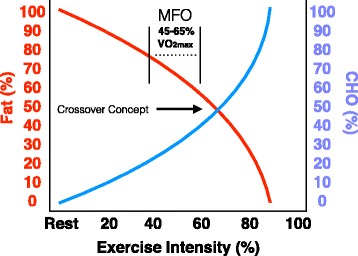
This review explains how maximal fat oxidation (MFO) during exercise is shaped by training status, exercise intensity and duration, sex, and nutrition. It argues that exercise intensity is the strongest acute driver of substrate use, with MFO typically occurring around 45–75% VO2max and declining above the crossover point.
## Key findings
- MFO has been reported to occur between 47 and 75% of VO2max, with the abstract noting rates of 0.17–1.27 g/min and ketogenic-adapted individuals exceeding ≥1.5 g/min.
- In one prospective study, sedentary subjects increased MFO from 0.26 ± 0.10 to 0.33 ± 0.12 g/min after 12 months of training, and the exercise intensity at MFO shifted from 35 ± 6% to 50 ± 14% VO2max.
- In a comparison of moderate vs highly trained subjects, MFO was higher in the highly trained group (0.47 ± 0.17 vs 0.29 ± 0.10 g/min), and mitochondrial enzymes citrate synthase and HAD were increased by 49% and 35%, respectively.
- In a study of over 300 men and premenopausal women, women had a significantly higher fat energy contribution than men at exercise intensities from 41–61% VO2max; after 90 min of cycling at 60% VO2max, women had 85% higher CD36 mRNA than men.
- High-fat diets were reported to reduce PDH activity by 59% at rest and 29% at 70% VO2max, but a 5-day fat adaptation plus 24 h short-term carbohydrate loading partially restored PDH activity to 71% of the high-CHO diet while maintaining 80% HSL activity.
## Methods
- This is a narrative review synthesizing prior studies on the physiology of maximal fat oxidation, not an original experiment.
- The paper draws on human exercise, training, sex, and nutrition studies across sedentary, trained, obese, male, female, and athlete populations; specific sample sizes are only stated for some cited studies (e.g., over 300 men and premenopausal women; 1121 athletes in a cited paper).
- The analysis is a qualitative integration of prior findings on lipolysis, fatty acid transport, mitochondrial transport, and beta-oxidation, with examples of reported percentages, rates, and exercise intensities.
## Limitations
- The paper explicitly notes that IMTG energy contribution remains under debate because of tissue variability and that comparative efforts are challenging due to differing methods such as muscle biopsy, isotope tracers, and magnetic resonance spectroscopy.
- The text states that variation in training status and dietary macronutrient specificity complicate definitive conclusions, and that more research is necessary on IMTG flux, hormone-related FA kinetic limitations, and short-term macronutrient manipulation.
- Evident from the text: because this is a review, it does not present a single standardized sample or new causal test, so conclusions depend on the heterogeneous underlying studies it summarizes.
Model-written summary. Check it against the paper before relying on it.
Integrity signals
Registry
Cites
Statistics
Figures
Verification
Claims the paper makes
59 Valid · 6 Not valid · 104 Not checked · 23 Own results and interpretations
Some cited sources support this claim and some don’t — read each source’s verdict below.
In the paper
“However, during sustained high intensity exercise (>70% VO2max) which is common during competition, CHO is the primary substrate relied upon despite short and long term fat acclimation [71, 75].”
§ Understanding the factors that effect maximal fat oxidation > Factors that influence maximal fat oxidation > Nutrition
What the sources say
- Disputedcites [71] Webster C, Noakes T, Chacko S, Swart J, Kohn T, Smith J. Gluconeogenesis during endurance exercise in cyclists habituated to a long-term low carbohydrate high fat diet. J Physiol. 2016. 10.1113/JP271934. PMC4967730 26918583 sourceExperimental — accuracy not yet measured
Results (Table 3; page not provided) report that at 72% of maximal oxygen uptake, long-term LCHF-adapted cyclists oxidized 1.21 g/min of fat and 1.22 g/min of carbohydrate. Because fat supplies substantially more energy per gram, these figures make fat—not carbohydrate—the primary energy substrate in that group. The Discussion also says the role of fat oxidation during high-intensity exercise requires further research; it does not establish the claim for both short- and long-term adaptation. (LLM, conf=0.90)
Checked by a reasoning model — may be wrong.
- Partly supportedcites [75] Leckey J, Burke J, Morton J, Hawley J. Altering fatty acid availability does not impair prolonged, continuous running to fatigue: evidence for carbohydrate dependence. J of Appl Physiol. 2016;120(3):107–13. 26586912 sourceExperimental — accuracy not yet measured
The Introduction says carbohydrate is the predominant fuel at the high exercise intensities sustained in competition, including relative intensities of 70–90% VO₂max. The Discussion reports that carbohydrate supplied 83–91% of energy during the study’s intense running trials, even when participants fasted overnight. The study did not test short- or long-term fat acclimation, so that qualifier is not established by this source. (LLM, conf=0.87)
plainstates a cause- Asserted: passes — The authors put it forward as true.
- Checkable: passes — It can be checked against evidence.
- Load-bearing: passes — The paper’s conclusions depend on it.
- Based: passes — The paper gives a reason why it holds.
- Disputed
The cited sources support only part of this claim — read each source’s verdict below.
In the paper
“Recent findings indicate that lipolysis is under a hierarchal regulation by ATGL and hormone sensitive lipase (HSL) [8, 9, 17].”
§ Understanding the factors that effect maximal fat oxidation > Lipid oxidation > Lipolysis
What the sources say
- Supportedcites [8] Ogasawara J, Izawa T, Sakurai T, Sakurai T, Shirato K, Ishibashi Y, Ishida H, Ohno H, Kizaki T. The molecular mechanism underlying continuous exercise training-induced adaptive changes of lipolysis in white adipose cells. J Obesity. 2015; 10.1155/2015/473430. PMC4444571 26075089 source
Section 2, “Basic Structure of the Lipolytic Cascade in White Adipocytes,” explicitly says that ATGL and HSL act hierarchically to regulate triglyceride hydrolysis. It describes ATGL initiating lipolysis and HSL acting on the resulting products. (LLM, conf=0.95)
- Not checked — no full text of the sourcecites [9] Watt M Spriet LL Triacylglycerol lipases and metabolic control: implications for health and disease. Am J of Physol Endocrinol Metab 2010 299 2 162 168 20071561 source
- Partly supportedcites [17] Spriet LL New insights into the interaction of carbohydrate and fat metabolism during exercise Sports Med 2014 44 Suppl 1 S87 S96 10.1007/s40279-014-0154-1 24791920 PMC4008806 sourceExperimental — accuracy not yet measured
Section 6.5 identifies ATGL and HSL as key enzymes regulating intramuscular triglyceride hydrolysis during exercise. It does not describe their regulation as hierarchical, and its discussion is specific to skeletal-muscle lipolysis rather than lipolysis generally. No page number is available in our copy. (LLM, conf=0.82)
hedgedstates a cause- Asserted: passes — The authors put it forward as true.
- Checkable: passes — It can be checked against evidence.
- Load-bearing: unclear — It is unclear whether the paper’s conclusions depend on it.
- Based: passes — The paper gives a reason why it holds.
- Supported
The sources with a verdict support this claim; the rest weren’t checked yet, have no full text we could read, or their verdicts aren’t rated yet.
In the paper
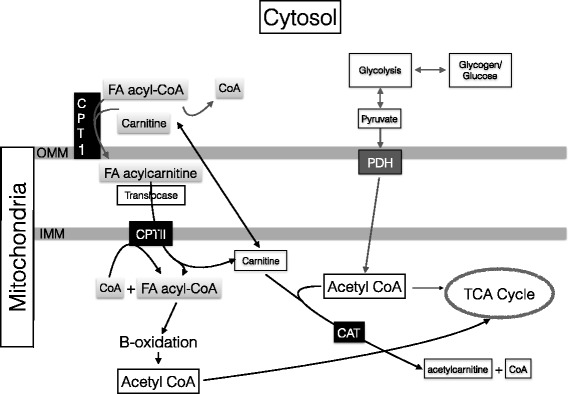
“In summary, transport of FAs across the cell membrane positively affects FAox [13, 26, 30].”
§ Understanding the factors that effect maximal fat oxidation > Lipid oxidation > Fatty acid transport
What the sources say
- Supportedcites [13] van Hall G. THe physiological regulation of skeletal muscle fatty acid supply and oxidation during moderate-intensity exercise. Sports Med. 2015;Suppl 1:S23-S32. PMC4672010 26553490 source
The Introduction (Fig. 1 description) calls facilitated fatty-acid uptake across the muscle membrane mandatory for NEFA oxidation and describes a close relationship between uptake and oxidation during moderate-intensity exercise. The paper cautions that membrane transport is likely not the rate-limiting step in healthy individuals, but the claim does not say that it is. (LLM, conf=0.87)
- Not checked — no full text of the sourcecites [26] Schenk S Horowitz JF Coimmunoprecipitation of FAT/CD36 and CPT I in skeletal muscle increases proportionally with fat oxidation after endurance exercise training Am J Physiol Endocrinol Metab 2006 291 2 E254 E260 10.1152/ajpendo.00051.2006 16670153 source
- Not checked — no full text of the sourcecites [30] Kiens B Roepstorff C Glatz J Bonen A Schjerling P Knudsen J Nielsen J Lipid-binding proteins and lipoprotein lipase activity in human skeletal muscle: influence of physical activity and gender J Appl Physiol 2004 97 1209 1218 10.1152/japplphysiol.01278.2003 15155715 source
plainstates a cause- Asserted: passes — The authors put it forward as true.
- Checkable: passes — It can be checked against evidence.
- Load-bearing: passes — The paper’s conclusions depend on it.
- Based: passes — The paper gives a reason why it holds.
- Supported
The cited sources support only part of this claim — read each source’s verdict below.
In the paper
“Fatty acid transport across the muscle cell membrane occurs via transport proteins, mainly CD36 [24, 25].”
§ Understanding the factors that effect maximal fat oxidation > Lipid oxidation > Fatty acid transport
What the sources say
- Not checked — no full text of the sourcecites [24] Jeppesen J Keins B Regulation and limitations to fatty acid oxidation during exercise J Phys 2012 1 590pt. 5 1059 1068 PMC3381814 22271865 source
- Partly supportedcites [25] Yoshida Y Jain SS McFarlan JT Snook LA Chabowski A Bonen A Exercise- and training-induced upregulation of skeletal muscle fatty acid oxidation are not solely dependent on mitochondrial machinery and biogenesis J Physiol 2013 591 18 4415 4426 10.1113/jphysiol.2012.238451 22890711 PMC3784190 sourceExperimental — accuracy not yet measured
The discussion of fatty acid transport says that membrane proteins facilitate fatty acid uptake into skeletal muscle and that CD36 is likely to be the key transporter. The citing sentence presents CD36’s primacy as settled, whereas the source qualifies it as based on current evidence and says that view may change. Page numbers were not provided in the supplied passages. (LLM, conf=0.82)
plainstates a cause- Asserted: passes — The authors put it forward as true.
- Checkable: passes — It can be checked against evidence.
- Load-bearing: passes — The paper’s conclusions depend on it.
- Based: passes — The paper gives a reason why it holds.
The cited sources that could be checked couldn’t confirm or dispute this claim.
In the paper
“Increasing transport of FAs into the cell for oxidation spares CHO stores for both high intensity exercise and prolonged exercise [11].”
§ Understanding the factors that effect maximal fat oxidation > Lipid oxidation > Fatty acid transport
What the sources say
- Could not verifycites [11] van Loon L Greenhaff PL Constantin-Teodosiu D Wagenmakers AJ The effects of increasing exercise intensity on muscle fuel utilisation in humans J Physiol 2001 536 1 295 304 10.1111/j.1469-7793.2001.00295.x 11579177 PMC2278845 sourceExperimental — accuracy not yet measured
The available Abstract reports that fat oxidation declined and muscle glycogen and glucose oxidation increased at the highest exercise intensity. It does not test increased fatty-acid transport into cells or report carbohydrate sparing during prolonged exercise. Searches for fatty-acid transport and prolonged exercise found no decisive passage in our copy. (LLM, conf=0.72)
plainstates a cause- Asserted: passes — The authors put it forward as true.
- Checkable: passes — It can be checked against evidence.
- Load-bearing: unclear — It is unclear whether the paper’s conclusions depend on it.
- Based: passes — The paper gives a reason why it holds.
- Could not verify
120 more claims · 38 with their cited sources checked
Create a free account to see all 192 claims and to verify the 9 references still open.
- It may state two separate claims as one. 53
- Probably not a substantial claim. 16
- Not yet classified. 1
Claims other papers make about this one
Each is checked against this paper’s own text: does it say what the citing paper says it does?
The source backs part of the claim, not all of it — or backs it for a different population, condition or comparison.
In the citing paper
“This suggests that the extent of carbohydrate depletion during high-intensity exercise directly influences the reliance of the body on lipid metabolism during recovery, highlighting the complementary role of these substrates in meeting energy demands [12,29,32,33,34].”
From Isocaloric High-Intensity Interval and Circuit Training Increases Excess Post-Exercise Oxygen Consumption and Lipid Oxidation Compared to Moderate-Intensity Continuous Training (2025) · cites this paper as [33]
Experimental — accuracy not yet measured
Citations
Cites
Romijn, J. A., Coyle, E. F., Sidossis, L. S., Gastaldelli, A., Horowitz, J. F., Endert, E., & Wolfe, R. R. (1993) · American Journal of Physiology-Endocrinology and Metabolism · doi:10.1152/ajpendo.1993.265.3.e380 · Cited by 1,747 · cited 3×
“Another factor that significantly influences FAox is the duration of exercise [13, 45, 48].”
BackgroundBurgomaster, K. A., Howarth, K. R., Phillips, S. M., Rakobowchuk, M., MacDonald, M. J., McGee, S. L., & Gibala, M. J. (2008) · The Journal of Physiology · doi:10.1113/jphysiol.2007.142109 · Cited by 1,257 · cited 5×
“(2008) [49] compared 6wks of sprint interval training (Wingate Purdom et al.”
BackgroundInfluentialThe effects of increasing exercise intensity on muscle fuel utilisation in humans
van Loon, L. J. C., Greenhaff, P. L., Constantin‐Teodosiu, D., Saris, W. H. M., & Wagenmakers, A. J. M. (2001) · The Journal of Physiology · doi:10.1111/j.1469-7793.2001.00295.x · Cited by 897 · cited 2×
“sities exceed ~65% VO2max, FAox is reduced increasing the reliance on CHO for energy [2, 4, 11].”
BackgroundBalance of carbohydrate and lipid utilization during exercise: the "crossover" concept
Brooks, G. A., & Mercier, J. (1994) · Journal of Applied Physiology · doi:10.1152/jappl.1994.76.6.2253 · Cited by 862 · cited 8×
“However, as exercise intensity increases, the contribution of carbohydrate oxidation increases in proportion to the decrease in lipid oxidation [4].”
BackgroundInfluentialAdipose triglyceride lipase and the lipolytic catabolism of cellular fat stores.
Zechner, R., Kienesberger, P. C., Haemmerle, G., Zimmermann, R., & Lass, A. (2009) · Journal of Lipid Research · doi:10.1194/jlr.r800031-jlr200 · Cited by 576
Differential oxidation of individual dietary fatty acids in humans
DeLany, J. P., Windhauser, M. M., Champagne, C. M., & Bray, G. A. (2000) · The American Journal of Clinical Nutrition · doi:10.1093/ajcn/72.4.905 · Cited by 560 · cited 2×
“An inverse relationship of FA carbon chain length and oxidation exists where the longer the FA chain the slower the oxidation [31].”
BackgroundCatecholamines and the Effects of Exercise, Training and Gender
Zouhal, H., Jacob, C., Delamarche, P., & Gratas-Delamarche, A. (2008) · Sports Medicine · doi:10.2165/00007256-200838050-00004 · Cited by 553 · cited 1×
“Depending on exercise intensity and/or duration, catecholamine concentrations can increase >20 times above basal levels [14].”
BackgroundDetermination of the exercise intensity that elicits maximal fat oxidation
ACHTEN, J., GLEESON, M., & JEUKENDRUP, A. E. (2002) · Medicine & Science in Sports & Exercise · doi:10.1097/00005768-200201000-00015 · Cited by 551 · cited 5×
“However, the body still favors FAox at exercise intensities <65% VO2max [5, 17].”
BackgroundInfluentialDeterminants of fat oxidation during exercise in healthy men and women: a cross-sectional study
Venables, M. C., Achten, J., & Jeukendrup, A. E. (2005) · Journal of Applied Physiology · doi:10.1152/japplphysiol.00662.2003 · Cited by 503 · cited 5×
“Studies have consistently shown that premenopausal women have a significantly greater ability to oxidize fat during exercise [2, 57, 58].”
BackgroundMethodInfluentialSkeletal Muscle Lipid Metabolism in Exercise and Insulin Resistance
Kiens, B. (2006) · Physiological Reviews · doi:10.1152/physrev.00023.2004 · Cited by 478 · cited 6×
“and independent of the energy sensitive cAMP cascade known to stimulate lipolysis [18, 20].”
BackgroundInfluentialSex-Specific Differences in Lipid and Glucose Metabolism
Varlamov, O., Bethea, C. L., & Roberts, C. T. (2015) · Frontiers in Endocrinology · doi:10.3389/fendo.2014.00241 · Cited by 410
Lipid metabolism during endurance exercise
Horowitz, J. F., & Klein, S. (2000) · The American Journal of Clinical Nutrition · doi:10.1093/ajcn/72.2.558s · Cited by 397 · cited 5×
“Once FAs leave the adipocyte they first bind to albumin, which can bind as many as 12 FA molecules [15].”
BackgroundInfluentialStephens, F. B., Constantin‐Teodosiu, D., & Greenhaff, P. L. (2007) · The Journal of Physiology · doi:10.1113/jphysiol.2006.125799 · Cited by 396 · cited 10×
“At exercise intensities >75% VO2max, muscle free carnitine concentrations decrease progressively [24] and therefore CPT-1 can be a FA transport limitation, ultimately reducing FAox at higher exercise intensities [24, 38].”
BackgroundInfluentialOosthuyse, T., & Bosch, A. N. (2010) · Sports Medicine · doi:10.2165/11317090-000000000-00000 · Cited by 380 · cited 6×
“Evidence suggests that estrogen directly stimulates AMPK [29] and PGC-1α activity [60], which is thought to increase the downstream FAox transport protein CD36 and beta-oxidative protein HAD [30].”
BackgroundInfluentialOptimizing fat oxidation through exercise and diet
Achten, J., & Jeukendrup, A. E. (2004) · Nutrition · doi:10.1016/j.nut.2004.04.005 · Cited by 361 · cited 9×
“Factors such as training status, sex, and nutrition [1] all impact FAox kinetics and thereore the exercise intensity that MFO occurs.”
BackgroundInfluentialSex differences in exercise metabolism and the role of 17-beta estradiol.
TARNOPOLSKY, M. A. (2008) · Medicine & Science in Sports & Exercise · doi:10.1249/mss.0b013e31816212ff · Cited by 354
Substrate utilization during endurance exercise in men and women after endurance training
Carter, S. L., Rennie, C., & Tarnopolsky, M. A. (2001) · American Journal of Physiology-Endocrinology and Metabolism · doi:10.1152/ajpendo.2001.280.6.e898 · Cited by 329 · cited 2×
“Studies have consistently shown that premenopausal women have a significantly greater ability to oxidize fat during exercise [2, 57, 58].”
BackgroundMetabolic characteristics of keto-adapted ultra-endurance runners
Volek, J. S., Freidenreich, D. J., Saenz, C., Kunces, L. J., Creighton, B. C., Bartley, J. M., Davitt, P. M., Munoz, C. X., Anderson, J. M., Maresh, C. M., et al. (2016) · Metabolism · doi:10.1016/j.metabol.2015.10.028 · Cited by 311 · cited 4×
“Increasing MFO (g/min) and the exercise intensity that MFO occurs (% VO2max) [34] is ideal for long duration exercise performance.”
BackgroundInfluentialWong, H., & Schotz, M. C. (2002) · Journal of Lipid Research · doi:10.1194/jlr.r200007-jlr200 · Cited by 298 · cited 7×
“Therefore, ATGL disassociates the first FA from the glycerol molecule forming diacylglycerol + FA or (DAG), whereas HSL is responsible for the second FA chain disassociation [8].”
BackgroundInfluentialLundsgaard, A.-M., & Kiens, B. (2014) · Frontiers in Endocrinology · doi:10.3389/fendo.2014.00195 · Cited by 289 · cited 1×
“In humans, sex differences have been shown to effect CD36 expression [27, 28] due to circulating estrogen concentrations [29].”
BackgroundNew Insights into the Interaction of Carbohydrate and Fat Metabolism During Exercise
Spriet, L. L. (2014) · Sports Medicine · doi:10.1007/s40279-014-0154-1 · Cited by 271 · cited 17×
“Increased MFO potential due to endurance training is further influenced by IMTG FA-liberating HSL [22] and LPL proteins [20], which are responsible for the liberation of intramuscular FAs from the IMTG molecule.”
BackgroundInfluentialRethinking fat as a fuel for endurance exercise
Volek, J. S., Noakes, T., & Phinney, S. D. (2015) · European Journal of Sport Science · doi:10.1080/17461391.2014.959564 · Cited by 261 · cited 4×
“Current research asserts that high fat diets favorably enhance FAox at both rest and during exercise [3, 74].”
BackgroundInfluentialIncreased plasma FFA uptake and oxidation during prolonged exercise in trained vs. untrained humans
Turcotte, L. P., Richter, E. A., & Kiens, B. (1992) · American Journal of Physiology-Endocrinology and Metabolism · doi:10.1152/ajpendo.1992.262.6.e791 · Cited by 258 · cited 6×
“Throughout a prolonged exercise bout, changes in hormonal and endogenous substrate concentrations trigger systematic changes in substrate oxidation [20, 51].”
BackgroundInfluentialPilegaard, H., Keller, C., Steensberg, A., Wulff Helge, J., Klarlund Pedersen, B., Saltin, B., & Neufer, P. D. (2002) · The Journal of Physiology · doi:10.1113/jphysiol.2002.016832 · Cited by 234 · cited 3×
“However, post-exercise predominant macronutrient (CHO) consumption has been shown to influence cellular protein expression in as little as 2 hrs [69].”
BackgroundFat metabolism during low-intensity exercise in endurance-trained and untrained men
Klein, S., Coyle, E. F., & Wolfe, R. R. (1994) · American Journal of Physiology-Endocrinology and Metabolism · doi:10.1152/ajpendo.1994.267.6.e934 · Cited by 206 · cited 1×
“In humans, sex differences have been shown to effect CD36 expression [27, 28] due to circulating estrogen concentrations [29].”
BackgroundUse of intramuscular triacylglycerol as a substrate source during exercise in humans
van Loon, L. J. C. (2004) · Journal of Applied Physiology · doi:10.1152/japplphysiol.00368.2004 · Cited by 205
Watt, M. J., Heigenhauser, G. J. F., Dyck, D. J., & Spriet, L. L. (2002) · The Journal of Physiology · doi:10.1113/jphysiol.2002.018820 · Cited by 201 · cited 8×
“Beyond 90 min of submaximal exercise (≥65% VO2max), IMTG oxidation is mitigated by the increase in serum derived LCFAs [20, 45].”
BackgroundInfluentialRe-Examining High-Fat Diets for Sports Performance: Did We Call the ‘Nail in the Coffin’ Too Soon?
Burke, L. M. (2015) · Sports Medicine · doi:10.1007/s40279-015-0393-9 · Cited by 201
Stellingwerff, T., Spriet, L. L., Watt, M. J., Kimber, N. E., Hargreaves, M., Hawley, J. A., & Burke, L. M. (2006) · American Journal of Physiology-Endocrinology and Metabolism · doi:10.1152/ajpendo.00268.2005 · Cited by 195
The Effects of a Ketogenic Diet on Exercise Metabolism and Physical Performance in Off-Road Cyclists
Zajac, A., Poprzecki, S., Maszczyk, A., Czuba, M., Michalczyk, M., & Zydek, G. (2014) · Nutrients · doi:10.3390/nu6072493 · Cited by 184 · cited 2×
“Current research asserts that high fat diets favorably enhance FAox at both rest and during exercise [3, 74].”
BackgroundDeterminants of intramyocellular triglyceride turnover: implications for insulin sensitivity
Moro, C., Bajpeyi, S., & Smith, S. R. (2008) · American Journal of Physiology-Endocrinology and Metabolism · doi:10.1152/ajpendo.00624.2007 · Cited by 179 · cited 10×
“Throughout a prolonged exercise bout, changes in hormonal and endogenous substrate concentrations trigger systematic changes in substrate oxidation [20, 51].”
BackgroundInfluentialCarbohydrate Dependence During Prolonged, Intense Endurance Exercise
Hawley, J. A., & Leckey, J. J. (2015) · Sports Medicine · doi:10.1007/s40279-015-0400-1 · Cited by 172 · cited 1×
“High fat diets (>68% total daily calorie intake) have had positive effects on lowering RER values [64, 71, 72] during moderate intensity exercise (~64–70% VO2max), and for prolonged exercise durations (~3 hrs) [34] indicating an increase in FAox.”
BackgroundFat adaptation followed by carbohydrate loading compromises high-intensity sprint performance
Havemann, L., West, S. J., Goedecke, J. H., Macdonald, I. A., St Clair Gibson, A., Noakes, T. D., & Lambert, E. V. (2006) · Journal of Applied Physiology · doi:10.1152/japplphysiol.00813.2005 · Cited by 165 · cited 1×
“Contrariwise, PDH activity and therefore CHO oxidation was shown to be compromised [35, 67] along with power output at exercise intensities ≥70% VO2max [73].”
BackgroundWatt, M. J., Heigenhauser, G. J. F., & Spriet, L. L. (2002) · Journal of Applied Physiology · doi:10.1152/japplphysiol.00197.2002 · Cited by 156
Calvani, M., Reda, E., & Arrigoni-Martelli, E. (2000) · Basic Research in Cardiology · doi:10.1007/s003950050167 · Cited by 155
Regulation and limitations to fatty acid oxidation during exercise
Jeppesen, J., & Kiens, B. (2012) · The Journal of Physiology · doi:10.1113/jphysiol.2011.225011 · Cited by 151 · cited 23×
“At exercise intensities >75% VO2max, muscle free carnitine concentrations decrease progressively [24] and therefore CPT-1 can be a FA transport limitation, ultimately reducing FAox at higher exercise intensities [24, 38].”
BackgroundInfluentialNordby, P., Saltin, B., & Helge, J. W. (2006) · Scandinavian Journal of Medicine & Science in Sports · doi:10.1111/j.1600-0838.2005.00480.x · Cited by 148 · cited 3×
“moderately trained participants respectively [42].”
BackgroundKiens, B., Roepstorff, C., Glatz, J. F. C., Bonen, A., Schjerling, P., Knudsen, J., & Nielsen, J. N. (2004) · Journal of Applied Physiology · doi:10.1152/japplphysiol.01278.2003 · Cited by 143 · cited 14×
“Furthermore, mitochondrial enzymes citrate synthase and HAD were found to be significantly increased (49% and 35”
BackgroundInfluentialLebrun, C. M. (1993) · Sports Medicine · doi:10.2165/00007256-199316060-00005 · Cited by 135 · cited 2×
“Additionally, fluctuation in estrogen levels is inherent throughout the menstrual cycle [53, 59].”
BackgroundBURKE, L. M., HAWLEY, J. A., ANGUS, D. J., COX, G. R., CLARK, S. A., CUMMINGS, N. K., DESBROW, B., & HARGREAVES, M. (2002) · Medicine & Science in Sports & Exercise · doi:10.1097/00005768-200201000-00014 · Cited by 131
The Effect of Exercise and Nutrition on Intramuscular Fat Metabolism and Insulin Sensitivity
Shaw, C. S., Clark, J., & Wagenmakers, A. J. M. (2010) · Annual Review of Nutrition · doi:10.1146/annurev.nutr.012809.104817 · Cited by 128 · cited 5×
“systematic substrate oxidation vary according to dietary macronutrient intake [19, 35, 61].”
BackgroundInfluentialMaximal fat oxidation rates in endurance trained and untrained women
Stisen, A. B., Stougaard, O., Langfort, J., Helge, J. W., Sahlin, K., & Madsen, K. (2006) · European Journal of Applied Physiology · doi:10.1007/s00421-006-0290-x · Cited by 126 · cited 1×
“Increasing HAD directly elevates beta-ox rate while citrate synthase increases the TCA cycle rate [44].”
BackgroundKetogenic diets and physical performance
Phinney, S. D. (2004) · Nutrition & Metabolism · doi:10.1186/1743-7075-1-2 · Cited by 122 · cited 1×
“However, definitive conclusions regarding pre-exercise macronutrient dominant diets and exercise performance improvements are contingent on specific exercise applications [62] that are directed by exercise duration and intensity [63–65].”
BackgroundFat as a fuel: emerging understanding of the adipose tissue–skeletal muscle axis
Frayn, K. N. (2010) · Acta Physiologica · doi:10.1111/j.1748-1716.2010.02128.x · Cited by 121 · cited 6×
“Exercise intensity may further influence MFO by influencing catecholamine concentrations which have regulatory effects on lipolysis [16], glycogenolysis, as well as gluconeogenesis [12].”
BackgroundInfluentialEffects of Dietary Fat on Muscle Substrates, Metabolism, and Performance in Athletes
VOGT, M., PUNTSCHART, A., HOWALD, H., MUELLER, B., MANNHART, C., GFELLER-TUESCHER, L., MULLIS, P., & HOPPELER, H. (2003) · Medicine & Science in Sports & Exercise · doi:10.1249/01.mss.0000069336.30649.bd · Cited by 120 · cited 1×
“Furthermore, endogenous substrate concentrations increase after acclimating to high fat/high CHO diets [65, 68, 69].”
BackgroundFat adaptation in well-trained athletes: effects on cell metabolism
Yeo, W. K., Carey, A. L., Burke, L., Spriet, L. L., & Hawley, J. A. (2011) · Applied Physiology, Nutrition, and Metabolism · doi:10.1139/h10-089 · Cited by 118 · cited 10×
“Contrariwise, PDH activity and therefore CHO oxidation was shown to be compromised [35, 67] along with power output at exercise intensities ≥70% VO2max [73].”
BackgroundInfluentialIsacco, L., Duché, P., & Boisseau, N. (2012) · Sports Medicine · doi:10.2165/11598900-000000000-00000 · Cited by 116 · cited 3×
“cise is attributed to the increased circulation of estrogens [53, 54, 60].”
BackgroundWebster, C. C., Noakes, T. D., Chacko, S. K., Swart, J., Kohn, T. A., & Smith, J. A. H. (2016) · The Journal of Physiology · doi:10.1113/jp271934 · Cited by 115 · cited 3×
“creased ability to produce/maintain CHO availability during intense exercise [71].”
BackgroundSchenk, S., & Horowitz, J. F. (2006) · American Journal of Physiology-Endocrinology and Metabolism · doi:10.1152/ajpendo.00051.2006 · Cited by 108 · cited 3×
“with a 23% increase in resting FAox [26].”
BackgroundPeripheral and Central Effects of Circulating Catecholamines
William Tank, A., & Lee Wong, D. (2015) · Comprehensive Physiology · doi:10.1002/j.2040-4603.2015.tb00599.x · Cited by 106 · cited 6×
“Exercise intensity may further influence MFO by influencing catecholamine concentrations which have regulatory effects on lipolysis [16], glycogenolysis, as well as gluconeogenesis [12].”
BackgroundInfluentialEffects of Acute and Chronic Exercise on Fat Metabolism
MARTIN, W. H. (1996) · Exercise and Sport Sciences Reviews · doi:10.1249/00003677-199600240-00009 · Cited by 105 · cited 2×
“Studies show that endurance training promotes reliance on endogenous fuel sources for up to 120 min of submaximal exercise [47, 51, 52].”
BackgroundMaximal Fat Oxidation Rates in an Athletic Population
RANDELL, R. K., ROLLO, I., ROBERTS, T. J., DALRYMPLE, K. J., JEUKENDRUP, A. E., & CARTER, J. M. (2017) · Medicine & Science in Sports & Exercise · doi:10.1249/mss.0000000000001084 · Cited by 101 · cited 2×
“27 g/min [7], where ketogenic adapted individuals can exceed ≥1.”
BackgroundMen supplemented with 17β-estradiol have increased β-oxidation capacity in skeletal muscle
Maher, A. C., Akhtar, M., & Tarnopolsky, M. A. (2010) · Physiological Genomics · doi:10.1152/physiolgenomics.00016.2010 · Cited by 87
Fat Metabolism During Exercise: A Review. Part III: Effects of Nutritional Interventions
Jeukendrup, A., Saris, W., & Wagenmakers, A. (1998) · International Journal of Sports Medicine · doi:10.1055/s-2007-971932 · Cited by 85 · cited 3×
“The slowed oxidation of serum derived and IMTG long chain FAs (LCFAs) (>12 carbons) are due to the requirement of a mitochondrial transport protein for LCFA transport [36].”
BackgroundMethodvan Hall, G. (2015) · Sports Medicine · doi:10.1007/s40279-015-0394-8 · Cited by 77 · cited 7×
“In summary, transport of FAs across the cell membrane positively affects FAox [13, 26, 30].”
BackgroundInfluentialFletcher, G., Eves, F. F., Glover, E. I., Robinson, S. L., Vernooij, C. A., Thompson, J. L., & Wallis, G. A. (2017) · The American Journal of Clinical Nutrition · doi:10.3945/ajcn.116.133520 · Cited by 75 · cited 1×
“systematic substrate oxidation vary according to dietary macronutrient intake [19, 35, 61].”
BackgroundWomen Have Higher Protein Content of β-Oxidation Enzymes in Skeletal Muscle than Men
Maher, A. C., Akhtar, M., Vockley, J., & Tarnopolsky, M. A. (2010) · PLoS ONE · doi:10.1371/journal.pone.0012025 · Cited by 72 · cited 2×
“cise is attributed to the increased circulation of estrogens [53, 54, 60].”
BackgroundFat supplementation, health, and endurance performance
Jeukendrup, A. E., & Aldred, S. (2004) · Nutrition · doi:10.1016/j.nut.2004.04.018 · Cited by 71 · cited 4×
“Intuitively, this would seem advantageous, however the rapid transport and oxidation of short and MCFAs is suspected to increase ketone production opposed to increased exercise performance [33].”
BackgroundInfluentialTriacylglycerol lipases and metabolic control: implications for health and disease
Watt, M. J., & Spriet, L. L. (2010) · American Journal of Physiology-Endocrinology and Metabolism · doi:10.1152/ajpendo.00698.2009 · Cited by 66 · cited 3×
“The binding of epinephrine to the β-adrenergic receptor on adipose cell membranes triggers a cascade of events that begin with the phosphorylation of adipose triglyceride lipase (ATGL) [8, 9].”
BackgroundRelationship between Fat Oxidation and Lactate Threshold in Athletes and Obese Women and Men.
(2004) · Europe PMC (PubMed Central) · Cited by 64
Yoshida, Y., Jain, S. S., McFarlan, J. T., Snook, L. A., Chabowski, A., & Bonen, A. (2013) · The Journal of Physiology · doi:10.1113/jphysiol.2012.238451 · Cited by 55 · cited 17×
“Exercise intensity has the most profound effect on MFO based on a combination of events which include FA transport changes [24, 25] and hormone fluctuation, which can increase lipolytic rate [7].”
BackgroundInfluentialMiles-Chan, J. L., Dulloo, A. G., & Schutz, Y. (2015) · International Journal of Obesity · doi:10.1038/ijo.2015.29 · Cited by 50 · cited 1×
“increase beta-ox potential at rest [66] and during exercise”
BackgroundLanzi, S., Codecasa, F., Cornacchia, M., Maestrini, S., Salvadori, A., Brunani, A., & Malatesta, D. (2014) · PLoS ONE · doi:10.1371/journal.pone.0088707 · Cited by 50 · cited 3×
“The exercise intensity that MFO occurs has been reported to range from 45–75% VO2max [1, 4, 6, 41, 43], with a recent paper highlighting MFO rates from 1121 athletes in various disciplines (American Football, triathlon, golf, soccer, motor sports, cross county, and water sports amongst others) ranging from 23 to 89%VO…”
BackgroundResultRelationship between training status and maximal fat oxidation rate.
(2010) · LA Referencia (Red Federada de Repositorios Institucionales de Publicaciones Científicas) · Cited by 50
Gender-based differences in substrate use during exercise at a self-selected pace
Dasilva, S. G., Guidetti, L., Buzzachera, C. F., Elsangedy, H. M., Krinski, K., De Campos, W., Goss, F. L., & Baldari, C. (2011) · Journal of Strength and Conditioning Research · doi:10.1519/jsc.0b013e3181fb4962 · Cited by 46 · cited 1×
“Studies have consistently shown that premenopausal women have a significantly greater ability to oxidize fat during exercise [2, 57, 58].”
BackgroundScharhag-Rosenberger, F., Meyer, T., Walitzek, S., & Kindermann, W. (2010) · International Journal of Sports Medicine · doi:10.1055/s-0030-1249621 · Cited by 41 · cited 4×
“(2010) [40] conducted a prospective study to demonstrate this concept using sedentary subjects who met or exceeded ACSM’s minimum cardiorespiratory exercise recommendations for a period of 1 yr.”
BackgroundInfluential(2000) · PubMed · Cited by 39
Zehnder, M., Christ, E. R., Ith, M., Acheson, K. J., Pouteau, E., Kreis, R., Trepp, R., Diem, P., Boesch, C., & Décombaz, J. (2006) · European Journal of Applied Physiology · doi:10.1007/s00421-006-0279-5 · Cited by 39 · cited 2×
“However, crossover diet applications where the body was adapted to a high fat diet prior to short term high CHO loading (36-72 h) was shown to maintain IMTG stores [65] while increasing glycogen stores [72], partially restore glycolytic enzymes [35], as well as partially restore CHOox [67].”
BackgroundMora-Rodriguez, R., Hodgkinson, B. J., Byerley, L. O., & Coyle, E. F. (2001) · American Journal of Physiology-Endocrinology and Metabolism · doi:10.1152/ajpendo.2001.280.5.e752 · Cited by 35 · cited 2×
“The exercise duration effect could be due to β-adrenergic receptor saturation, which has been shown to occur during prolonged bouts of exercise [16, 46].”
BackgroundLeckey, J. J., Burke, L. M., Morton, J. P., & Hawley, J. A. (2016) · Journal of Applied Physiology · doi:10.1152/japplphysiol.00855.2015 · Cited by 33
Ogasawara, J., Izawa, T., Sakurai, T., Sakurai, T., Shirato, K., Ishibashi, Y., Ishida, H., Ohno, H., & Kizaki, T. (2015) · Journal of Obesity · doi:10.1155/2015/473430 · Cited by 31 · cited 17×
“Increased MFO potential due to endurance training is further influenced by IMTG FA-liberating HSL [22] and LPL proteins [20], which are responsible for the liberation of intramuscular FAs from the IMTG molecule.”
BackgroundResultInfluential(2001) · PubMed · Cited by 26
Effect of endurance training on fatty acid metabolism during whole body exercise
MARTIN, W. H. (1997) · Medicine & Science in Sports & Exercise · doi:10.1097/00005768-199705000-00008 · Cited by 26 · cited 1×
“Studies show that endurance training promotes reliance on endogenous fuel sources for up to 120 min of submaximal exercise [47, 51, 52].”
BackgroundOchiai, M., & Matsuo, T. (2009) · Journal of Clinical Biochemistry and Nutrition · doi:10.3164/jcbn.08-237 · Cited by 11 · cited 4×
“However, crossover diet applications where the body was adapted to a high fat diet prior to short term high CHO loading (36-72 h) was shown to maintain IMTG stores [65] while increasing glycogen stores [72], partially restore glycolytic enzymes [35], as well as partially restore CHOox [67].”
BackgroundInfluential(2011) · Cited by 5
Maher, A. C., Akhtar, M., & Tarnopolsky, M. A. (2010) · Medicine & Science in Sports & Exercise · doi:10.1249/01.mss.0000384896.89517.f1 · Cited by 1
Cited by
The Regulation of Fat Metabolism during Aerobic Exercise
Muscella, A., Stefàno, E., Lunetti, P., Capobianco, L., & Marsigliante, S. (2020) · Biomolecules · doi:10.3390/biom10121699 · Cited by 237
“Otherwise, insulin inhibits lipolysis, but suppression of insulin secretion is not sufficient to increase it [58].”
BackgroundHughes, R. L., & Holscher, H. D. (2021) · Advances in Nutrition · doi:10.1093/advances/nmab077 · Cited by 183
“This research should consider differences among athletes practicing sports of different durations and intensities and effects in female athletes, as fat oxidation during exercise is higher in women versus men (260).”
BackgroundContextualising Maximal Fat Oxidation During Exercise: Determinants and Normative Values
Maunder, E., Plews, D. J., & Kilding, A. E. (2018) · Frontiers in Physiology · doi:10.3389/fphys.2018.00599 · Cited by 158
“The purpose of the present review is to extend previous summaries (Jeukendrup andWallis, 2005; Purdom et al., 2018) by systematically exploring key determinants ofMFO and Fatmax for consideration during laboratory assessment, and to for the first time contextualize individually measured values in given subject populat…”
BackgroundCarnitine in Human Muscle Bioenergetics: Can Carnitine Supplementation Improve Physical Exercise?
Gnoni, A., Longo, S., Gnoni, G. V., & Giudetti, A. M. (2020) · Molecules · doi:10.3390/molecules25010182 · Cited by 146
Effect of a four-week ketogenic diet on exercise metabolism in CrossFit-trained athletes
Durkalec-Michalski, K., Nowaczyk, P. M., & Siedzik, K. (2019) · Journal of the International Society of Sports Nutrition · doi:10.1186/s12970-019-0284-9 · Cited by 74
Metadata
- Authors
- Purdom, T., Kravitz, L., Dokladny, K., & Mermier, C.
- Affiliations
- Longwood University (US)
- University of New Mexico (US)
- Department of Health, Exercise & Sports SciencesUniversity of New Mexico Albuquerque NM USA
- Corresponding author
- Purdom, Troy
- Venue
- Journal of the International Society of Sports Nutrition
- Publisher
- Informa UK Limited
- Published
- 2018-01-05
- Volume
- 15
- Issue
- 1
- Pages
- 3-3
- ISSN
- 1550-2783 (ISSN-L)
- PMC
- PMC5766985
- OpenAlex
- W2783061531
- Cited by
- 247
- References
- 77
- Citations by year
- 2026: 17 · 2025: 38 · 2024: 34 · 2023: 35 · 2022: 26 · 2021: 38 · 2020: 33 · 2019: 18 · 2018: 8
- FWCI
- 2.72
- Type
- journal article
- Language
- en
- Open access
- gold
- doi.org
- Licence
- Locations
- Journal of the International Society of Sports Nutrition (publishedVersion, cc-by)
- PubMed Central (publishedVersion, cc-by)
- PubMed (publishedVersion)
- Informationszentrum Lebenswissenschaften (ZB MED) (submittedVersion, cc-by)
- DOAJ (DOAJ: Directory of Open Access Journals) (submittedVersion)
- Topics
- Health Sciences › Nursing › Nutrition and Dietetics › Muscle metabolism and nutrition
- Health Sciences › Medicine › Physiology (medical) › Cardiovascular and exercise physiology
- Health Sciences › Medicine › Orthopedics and Sports Medicine › Sports Performance and Training
- Keywords
- maximal fat oxidation, fatty acid oxidation, crossover point, endurance exercise, endurance training adaptation, dietary fat, sex differences, nutrition, exercise intensity, carbohydrate oxidation
- MeSH terms
- Dietary Carbohydrates, Dietary Fats, Fatty Acids, Humans, Oxidation-Reduction, Oxygen Consumption, Exercise
About these checks
Registry, retraction, Cites and statistics results are computed, not judged, with one exception: a printed reference that no index lists is read once by a model before it counts as a citation error. Claims are extracted by a model and kept only when their quote appears verbatim in the text; each cited source is then checked, with a model’s help, for whether it says what the claim relies on. Those verdicts can be wrong — read the claim’s quote and the cited source before relying on one.
The claim verdicts this report counts are experimental: their accuracy is not yet measured.
A language model drew the claims from the paper on 2026-09-28, under version 3 of the claim definition (model deepseek-v4.1-flash, prompt extract-v3).
A second model labelled each claim on 2026-09-28 (model jev-1.13-20260917, definition revision gold-guideline-v0.2).
Cited sources are checked with a language model’s help (gpt-6-sol).
Statistics and arithmetic are recomputed, not judged.
Confidence bands are shown only for fields calibrated on our annotated test set. None is calibrated yet, so no band is shown.
What counts as a claim ›How we measure confidence ›How we check this ›
Are you an author, or do you see a problem with this page? Request a review
Data sources
Bibliographic data: Semantic Scholar, OpenAlex, Crossref.
Contains information from the Semantic Scholar Academic Graph Datasets, made available under the ODC Attribution License (ODC-BY 1.0).
Semantic Scholar’s data is described in: Kinney, R., et al. (2023). The Semantic Scholar Open Data Platform. arXiv:2301.10140.
