

Understanding the factors that effect maximal fat oxidation.
Open accessThe DOI matches its Crossref record; 76 of the 77 references it cites were found in a registry or an index; 74 of the 302 sources its claims cite were checked for support.
Abstract
Review of factors affecting maximal fat oxidation during exercise, including sex differences and crossover to carbohydrate predominance at higher intensities.
Overview
CoChat Summary
## TL;DR
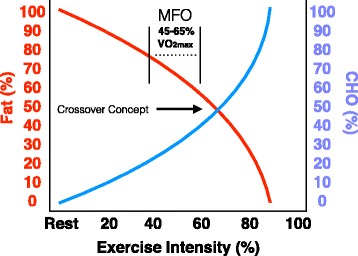
This review explains how maximal fat oxidation (MFO) during exercise is shaped by training status, exercise intensity and duration, sex, and nutrition. It argues that exercise intensity is the strongest acute driver of substrate use, with MFO typically occurring around 45–75% VO2max and declining above the crossover point.
## Key findings
- MFO has been reported to occur between 47 and 75% of VO2max, with the abstract noting rates of 0.17–1.27 g/min and ketogenic-adapted individuals exceeding ≥1.5 g/min.
- In one prospective study, sedentary subjects increased MFO from 0.26 ± 0.10 to 0.33 ± 0.12 g/min after 12 months of training, and the exercise intensity at MFO shifted from 35 ± 6% to 50 ± 14% VO2max.
- In a comparison of moderate vs highly trained subjects, MFO was higher in the highly trained group (0.47 ± 0.17 vs 0.29 ± 0.10 g/min), and mitochondrial enzymes citrate synthase and HAD were increased by 49% and 35%, respectively.
- In a study of over 300 men and premenopausal women, women had a significantly higher fat energy contribution than men at exercise intensities from 41–61% VO2max; after 90 min of cycling at 60% VO2max, women had 85% higher CD36 mRNA than men.
- High-fat diets were reported to reduce PDH activity by 59% at rest and 29% at 70% VO2max, but a 5-day fat adaptation plus 24 h short-term carbohydrate loading partially restored PDH activity to 71% of the high-CHO diet while maintaining 80% HSL activity.
## Methods
- This is a narrative review synthesizing prior studies on the physiology of maximal fat oxidation, not an original experiment.
- The paper draws on human exercise, training, sex, and nutrition studies across sedentary, trained, obese, male, female, and athlete populations; specific sample sizes are only stated for some cited studies (e.g., over 300 men and premenopausal women; 1121 athletes in a cited paper).
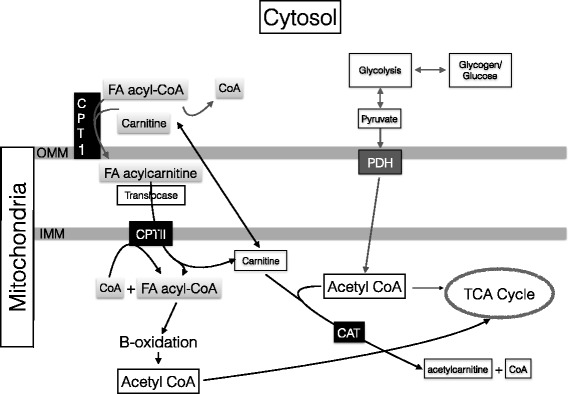
- The analysis is a qualitative integration of prior findings on lipolysis, fatty acid transport, mitochondrial transport, and beta-oxidation, with examples of reported percentages, rates, and exercise intensities.
## Limitations
- The paper explicitly notes that IMTG energy contribution remains under debate because of tissue variability and that comparative efforts are challenging due to differing methods such as muscle biopsy, isotope tracers, and magnetic resonance spectroscopy.
- The text states that variation in training status and dietary macronutrient specificity complicate definitive conclusions, and that more research is necessary on IMTG flux, hormone-related FA kinetic limitations, and short-term macronutrient manipulation.
- Evident from the text: because this is a review, it does not present a single standardized sample or new causal test, so conclusions depend on the heterogeneous underlying studies it summarizes.
Model-written summary. Check it against the paper before relying on it.
Integrity signals
Registry
Cites
Statistics
Figures
Verification
Claims the paper makes
59 Valid · 6 Not valid · 104 Not checked · 23 Own results and interpretations
Some cited sources support this claim and some don’t — read each source’s verdict below.
In the paper
“However, during sustained high intensity exercise (>70% VO2max) which is common during competition, CHO is the primary substrate relied upon despite short and long term fat acclimation [71, 75].”
§ Understanding the factors that effect maximal fat oxidation > Factors that influence maximal fat oxidation > Nutrition
What the sources say
- Disputedcites [71] Webster C, Noakes T, Chacko S, Swart J, Kohn T, Smith J. Gluconeogenesis during endurance exercise in cyclists habituated to a long-term low carbohydrate high fat diet. J Physiol. 2016. 10.1113/JP271934. PMC4967730 26918583 sourceExperimental — accuracy not yet measured
Results (Table 3; page not provided) report that at 72% of maximal oxygen uptake, long-term LCHF-adapted cyclists oxidized 1.21 g/min of fat and 1.22 g/min of carbohydrate. Because fat supplies substantially more energy per gram, these figures make fat—not carbohydrate—the primary energy substrate in that group. The Discussion also says the role of fat oxidation during high-intensity exercise requires further research; it does not establish the claim for both short- and long-term adaptation. (LLM, conf=0.90)
Checked by a reasoning model — may be wrong.
- Partly supportedcites [75] Leckey J, Burke J, Morton J, Hawley J. Altering fatty acid availability does not impair prolonged, continuous running to fatigue: evidence for carbohydrate dependence. J of Appl Physiol. 2016;120(3):107–13. 26586912 sourceExperimental — accuracy not yet measured
The Introduction says carbohydrate is the predominant fuel at the high exercise intensities sustained in competition, including relative intensities of 70–90% VO₂max. The Discussion reports that carbohydrate supplied 83–91% of energy during the study’s intense running trials, even when participants fasted overnight. The study did not test short- or long-term fat acclimation, so that qualifier is not established by this source. (LLM, conf=0.87)
plainstates a cause- Asserted: passes — The authors put it forward as true.
- Checkable: passes — It can be checked against evidence.
- Load-bearing: passes — The paper’s conclusions depend on it.
- Based: passes — The paper gives a reason why it holds.
- Disputed
The cited sources support only part of this claim — read each source’s verdict below.
In the paper
“Recent findings indicate that lipolysis is under a hierarchal regulation by ATGL and hormone sensitive lipase (HSL) [8, 9, 17].”
§ Understanding the factors that effect maximal fat oxidation > Lipid oxidation > Lipolysis
What the sources say
- Supportedcites [8] Ogasawara J, Izawa T, Sakurai T, Sakurai T, Shirato K, Ishibashi Y, Ishida H, Ohno H, Kizaki T. The molecular mechanism underlying continuous exercise training-induced adaptive changes of lipolysis in white adipose cells. J Obesity. 2015; 10.1155/2015/473430. PMC4444571 26075089 source
Section 2, “Basic Structure of the Lipolytic Cascade in White Adipocytes,” explicitly says that ATGL and HSL act hierarchically to regulate triglyceride hydrolysis. It describes ATGL initiating lipolysis and HSL acting on the resulting products. (LLM, conf=0.95)
- Not checked — no full text of the sourcecites [9] Watt M Spriet LL Triacylglycerol lipases and metabolic control: implications for health and disease. Am J of Physol Endocrinol Metab 2010 299 2 162 168 20071561 source
- Partly supportedcites [17] Spriet LL New insights into the interaction of carbohydrate and fat metabolism during exercise Sports Med 2014 44 Suppl 1 S87 S96 10.1007/s40279-014-0154-1 24791920 PMC4008806 sourceExperimental — accuracy not yet measured
Section 6.5 identifies ATGL and HSL as key enzymes regulating intramuscular triglyceride hydrolysis during exercise. It does not describe their regulation as hierarchical, and its discussion is specific to skeletal-muscle lipolysis rather than lipolysis generally. No page number is available in our copy. (LLM, conf=0.82)
hedgedstates a cause- Asserted: passes — The authors put it forward as true.
- Checkable: passes — It can be checked against evidence.
- Load-bearing: unclear — It is unclear whether the paper’s conclusions depend on it.
- Based: passes — The paper gives a reason why it holds.
- Supported
The sources with a verdict support this claim; the rest weren’t checked yet, have no full text we could read, or their verdicts aren’t rated yet.
In the paper
“In summary, transport of FAs across the cell membrane positively affects FAox [13, 26, 30].”
§ Understanding the factors that effect maximal fat oxidation > Lipid oxidation > Fatty acid transport
What the sources say
- Supportedcites [13] van Hall G. THe physiological regulation of skeletal muscle fatty acid supply and oxidation during moderate-intensity exercise. Sports Med. 2015;Suppl 1:S23-S32. PMC4672010 26553490 source
The Introduction (Fig. 1 description) calls facilitated fatty-acid uptake across the muscle membrane mandatory for NEFA oxidation and describes a close relationship between uptake and oxidation during moderate-intensity exercise. The paper cautions that membrane transport is likely not the rate-limiting step in healthy individuals, but the claim does not say that it is. (LLM, conf=0.87)
- Not checked — no full text of the sourcecites [26] Schenk S Horowitz JF Coimmunoprecipitation of FAT/CD36 and CPT I in skeletal muscle increases proportionally with fat oxidation after endurance exercise training Am J Physiol Endocrinol Metab 2006 291 2 E254 E260 10.1152/ajpendo.00051.2006 16670153 source
- Not checked — no full text of the sourcecites [30] Kiens B Roepstorff C Glatz J Bonen A Schjerling P Knudsen J Nielsen J Lipid-binding proteins and lipoprotein lipase activity in human skeletal muscle: influence of physical activity and gender J Appl Physiol 2004 97 1209 1218 10.1152/japplphysiol.01278.2003 15155715 source
plainstates a cause- Asserted: passes — The authors put it forward as true.
- Checkable: passes — It can be checked against evidence.
- Load-bearing: passes — The paper’s conclusions depend on it.
- Based: passes — The paper gives a reason why it holds.
- Supported
The cited sources support only part of this claim — read each source’s verdict below.
In the paper
“Fatty acid transport across the muscle cell membrane occurs via transport proteins, mainly CD36 [24, 25].”
§ Understanding the factors that effect maximal fat oxidation > Lipid oxidation > Fatty acid transport
What the sources say
- Not checked — no full text of the sourcecites [24] Jeppesen J Keins B Regulation and limitations to fatty acid oxidation during exercise J Phys 2012 1 590pt. 5 1059 1068 PMC3381814 22271865 source
- Partly supportedcites [25] Yoshida Y Jain SS McFarlan JT Snook LA Chabowski A Bonen A Exercise- and training-induced upregulation of skeletal muscle fatty acid oxidation are not solely dependent on mitochondrial machinery and biogenesis J Physiol 2013 591 18 4415 4426 10.1113/jphysiol.2012.238451 22890711 PMC3784190 sourceExperimental — accuracy not yet measured
The discussion of fatty acid transport says that membrane proteins facilitate fatty acid uptake into skeletal muscle and that CD36 is likely to be the key transporter. The citing sentence presents CD36’s primacy as settled, whereas the source qualifies it as based on current evidence and says that view may change. Page numbers were not provided in the supplied passages. (LLM, conf=0.82)
plainstates a cause- Asserted: passes — The authors put it forward as true.
- Checkable: passes — It can be checked against evidence.
- Load-bearing: passes — The paper’s conclusions depend on it.
- Based: passes — The paper gives a reason why it holds.
The cited sources that could be checked couldn’t confirm or dispute this claim.
In the paper
“Increasing transport of FAs into the cell for oxidation spares CHO stores for both high intensity exercise and prolonged exercise [11].”
§ Understanding the factors that effect maximal fat oxidation > Lipid oxidation > Fatty acid transport
What the sources say
- Could not verifycites [11] van Loon L Greenhaff PL Constantin-Teodosiu D Wagenmakers AJ The effects of increasing exercise intensity on muscle fuel utilisation in humans J Physiol 2001 536 1 295 304 10.1111/j.1469-7793.2001.00295.x 11579177 PMC2278845 sourceExperimental — accuracy not yet measured
The available Abstract reports that fat oxidation declined and muscle glycogen and glucose oxidation increased at the highest exercise intensity. It does not test increased fatty-acid transport into cells or report carbohydrate sparing during prolonged exercise. Searches for fatty-acid transport and prolonged exercise found no decisive passage in our copy. (LLM, conf=0.72)
plainstates a cause- Asserted: passes — The authors put it forward as true.
- Checkable: passes — It can be checked against evidence.
- Load-bearing: unclear — It is unclear whether the paper’s conclusions depend on it.
- Based: passes — The paper gives a reason why it holds.
- Could not verify
120 more claims · 38 with their cited sources checked
Create a free account to see all 192 claims and to verify the 8 references still open.
- It may state two separate claims as one. 53
- Probably not a substantial claim. 16
- Not yet classified. 1
Claims other papers make about this one
Each is checked against this paper’s own text: does it say what the citing paper says it does?
The source backs part of the claim, not all of it — or backs it for a different population, condition or comparison.
In the citing paper
“This suggests that the extent of carbohydrate depletion during high-intensity exercise directly influences the reliance of the body on lipid metabolism during recovery, highlighting the complementary role of these substrates in meeting energy demands [12,29,32,33,34].”
From Isocaloric High-Intensity Interval and Circuit Training Increases Excess Post-Exercise Oxygen Consumption and Lipid Oxidation Compared to Moderate-Intensity Continuous Training (2025) · cites this paper as [33]
Experimental — accuracy not yet measured
Citations
Cites
Romijn, J. A., Coyle, E. F., Sidossis, L. S., Gastaldelli, A., Horowitz, J. F., Endert, E., & Wolfe, R. R. (1993) · American Journal of Physiology-Endocrinology and Metabolism · doi:10.1152/ajpendo.1993.265.3.e380 · Cited by 1,747 · cited 3×
“Another factor that significantly influences FAox is the duration of exercise [13, 45, 48].”
BackgroundBurgomaster, K. A., Howarth, K. R., Phillips, S. M., Rakobowchuk, M., MacDonald, M. J., McGee, S. L., & Gibala, M. J. (2008) · The Journal of Physiology · doi:10.1113/jphysiol.2007.142109 · Cited by 1,257 · cited 5×
“(2008) [49] compared 6wks of sprint interval training (Wingate Purdom et al.”
BackgroundInfluentialThe effects of increasing exercise intensity on muscle fuel utilisation in humans
van Loon, L. J. C., Greenhaff, P. L., Constantin‐Teodosiu, D., Saris, W. H. M., & Wagenmakers, A. J. M. (2001) · The Journal of Physiology · doi:10.1111/j.1469-7793.2001.00295.x · Cited by 897 · cited 2×
“sities exceed ~65% VO2max, FAox is reduced increasing the reliance on CHO for energy [2, 4, 11].”
BackgroundBalance of carbohydrate and lipid utilization during exercise: the "crossover" concept
Brooks, G. A., & Mercier, J. (1994) · Journal of Applied Physiology · doi:10.1152/jappl.1994.76.6.2253 · Cited by 862 · cited 8×
“However, as exercise intensity increases, the contribution of carbohydrate oxidation increases in proportion to the decrease in lipid oxidation [4].”
BackgroundInfluentialAdipose triglyceride lipase and the lipolytic catabolism of cellular fat stores.
Zechner, R., Kienesberger, P. C., Haemmerle, G., Zimmermann, R., & Lass, A. (2009) · Journal of Lipid Research · doi:10.1194/jlr.r800031-jlr200 · Cited by 576
Differential oxidation of individual dietary fatty acids in humans
DeLany, J. P., Windhauser, M. M., Champagne, C. M., & Bray, G. A. (2000) · The American Journal of Clinical Nutrition · doi:10.1093/ajcn/72.4.905 · Cited by 560 · cited 2×
“An inverse relationship of FA carbon chain length and oxidation exists where the longer the FA chain the slower the oxidation [31].”
BackgroundCatecholamines and the Effects of Exercise, Training and Gender
Zouhal, H., Jacob, C., Delamarche, P., & Gratas-Delamarche, A. (2008) · Sports Medicine · doi:10.2165/00007256-200838050-00004 · Cited by 553 · cited 1×
“Depending on exercise intensity and/or duration, catecholamine concentrations can increase >20 times above basal levels [14].”
BackgroundDetermination of the exercise intensity that elicits maximal fat oxidation
ACHTEN, J., GLEESON, M., & JEUKENDRUP, A. E. (2002) · Medicine & Science in Sports & Exercise · doi:10.1097/00005768-200201000-00015 · Cited by 551 · cited 5×
“However, the body still favors FAox at exercise intensities <65% VO2max [5, 17].”
BackgroundInfluentialDeterminants of fat oxidation during exercise in healthy men and women: a cross-sectional study
Venables, M. C., Achten, J., & Jeukendrup, A. E. (2005) · Journal of Applied Physiology · doi:10.1152/japplphysiol.00662.2003 · Cited by 503 · cited 5×
“Studies have consistently shown that premenopausal women have a significantly greater ability to oxidize fat during exercise [2, 57, 58].”
BackgroundMethodInfluentialSkeletal Muscle Lipid Metabolism in Exercise and Insulin Resistance
Kiens, B. (2006) · Physiological Reviews · doi:10.1152/physrev.00023.2004 · Cited by 478 · cited 6×
“and independent of the energy sensitive cAMP cascade known to stimulate lipolysis [18, 20].”
BackgroundInfluential
Cited by
The Regulation of Fat Metabolism during Aerobic Exercise
Muscella, A., Stefàno, E., Lunetti, P., Capobianco, L., & Marsigliante, S. (2020) · Biomolecules · doi:10.3390/biom10121699 · Cited by 237
“Otherwise, insulin inhibits lipolysis, but suppression of insulin secretion is not sufficient to increase it [58].”
BackgroundHughes, R. L., & Holscher, H. D. (2021) · Advances in Nutrition · doi:10.1093/advances/nmab077 · Cited by 183
“This research should consider differences among athletes practicing sports of different durations and intensities and effects in female athletes, as fat oxidation during exercise is higher in women versus men (260).”
BackgroundContextualising Maximal Fat Oxidation During Exercise: Determinants and Normative Values
Maunder, E., Plews, D. J., & Kilding, A. E. (2018) · Frontiers in Physiology · doi:10.3389/fphys.2018.00599 · Cited by 158
“The purpose of the present review is to extend previous summaries (Jeukendrup andWallis, 2005; Purdom et al., 2018) by systematically exploring key determinants ofMFO and Fatmax for consideration during laboratory assessment, and to for the first time contextualize individually measured values in given subject populat…”
BackgroundCarnitine in Human Muscle Bioenergetics: Can Carnitine Supplementation Improve Physical Exercise?
Gnoni, A., Longo, S., Gnoni, G. V., & Giudetti, A. M. (2020) · Molecules · doi:10.3390/molecules25010182 · Cited by 146
Effect of a four-week ketogenic diet on exercise metabolism in CrossFit-trained athletes
Durkalec-Michalski, K., Nowaczyk, P. M., & Siedzik, K. (2019) · Journal of the International Society of Sports Nutrition · doi:10.1186/s12970-019-0284-9 · Cited by 74
The major cap-binding protein eIF4E regulates lipid homeostasis and diet-induced obesity
Conn, C. S., Yang, H., Tom, H. J., Ikeda, K., Osés-Prieto, J. A., Vu, H., Oguri, Y., Nair, S., Gill, R. M., Kajimura, S., et al. (2021) · Nature Metabolism · doi:10.1038/s42255-021-00349-z · Cited by 58
Brun, J.-F., Myzia, J., Varlet-Marie, E., Raynaud de Mauverger, E., & Mercier, J. (2022) · Nutrients · doi:10.3390/nu14081605 · Cited by 48
“Comprehensive updates about mechanisms that determine the maximal level of lipid oxidation have been recently published [14,110], pointing out the importance of training status, intensity, duration, sex differences, and nutrition.”
BackgroundOwheruo, J. O., Akpoghelie, P. O., Edo, G. I., Ojulari, A. E., & Agbo, J. J. (2023) · Food Chemistry Advances · doi:10.1016/j.focha.2023.100298 · Cited by 48
Margolis, L. M., Wilson, M. A., Whitney, C. C., Carrigan, C. T., Murphy, N. E., Hatch, A. M., Montain, S. J., & Pasiakos, S. M. (2019) · Metabolism · doi:10.1016/j.metabol.2019.05.003 · Cited by 43
High-Fat Ketogenic Diets and Physical Performance: A Systematic Review
Murphy, N. E., Carrigan, C. T., & Margolis, L. M. (2021) · Advances in Nutrition · doi:10.1093/advances/nmaa101 · Cited by 38
“Despite considerable research showing a clear increase in fat oxidation and decrease in carbohydrate oxidation following a KD (13), its efficacy to enhance physical performance remains controversial (7, 14).”
BackgroundInfluentialWesselink, E. O., Pool, J. J. M., Mollema, J., Weber, K. A., II, Elliott, J. M., Coppieters, M. W., & Pool‐Goudzwaard, A. (2022) · European Spine Journal · doi:10.1007/s00586-022-07471-w · Cited by 43
“It has been reported that chronic adaptations in the homeostatic myocellular environment are only evident after 8 weeks of exercise [38], and could even take longer due to multiple factors, such as training status (fat oxidation rate is higher in trained versus sedentary people) [39].”
BackgroundAmaro‐Gahete, F. J., Sanchez‐Delgado, G., Alcantara, J. M. A., Martinez‐Tellez, B., Acosta, F. M., Helge, J. W., & Ruiz, J. R. (2019) · European Journal of Sport Science · doi:10.1080/17461391.2019.1595160 · Cited by 38
“…MFO compared with low VO2max individuals (0.34 vs. 0.30 g/min; P= 0.005), whereas no differences were observed in Fatmax (45.0 vs. 46.8%; P= 0.103), which concur with previous studies (Fletcher et al., 2017; Maunder et al., 2018; Nordby et al., 2006; Purdom et al., 2018; Venables et al., 2005).”
ResultInfluentialCaffeine Increases Whole-Body Fat Oxidation during 1 h of Cycling at Fatmax
Ruiz-Moreno, C., Gutiérrez-Hellín, J., Amaro-Gahete, F. J., González-García, J., Giráldez-Costas, V., Pérez-García, V., & Del Coso, J. (2021) · European Journal of Nutrition · doi:10.1007/s00394-020-02393-z · Cited by 36
Qi, K., Lv, Y., Ren, Y., Wang, X., Wu, L., Wang, J., Zhang, X., He, Y., Zhang, C., Liu, C., et al. (2021) · Talanta · doi:10.1016/j.talanta.2021.122380 · Cited by 36
Low-carbohydrate diets and men's cortisol and testosterone: Systematic review and meta-analysis
Whittaker, J., & Harris, M. D. (2022) · Nutrition and Health · doi:10.1177/02601060221083079 · Cited by 42
Sjödin, A., Hellström, F., Sehlstedt, E., Svensson, M., & Burén, J. (2020) · Nutrients · doi:10.3390/nu12040955 · Cited by 35
Dai, Z., Wan, K., Miyashita, M., Ho, R. S. T., Chen, Z., Poon, E. T., & Wong, S. H. (2024) · Advances in Nutrition · doi:10.1016/j.advnut.2024.100262 · Cited by 50
“This shift from using predominantly carbohydrates to using more fats for energy is known as increased fat oxidation [48].”
BackgroundBeckner, M. E., Thompson, L., Radcliffe, P. N., Cherian, R. V., Wilson, M. A., Barringer, N., Margolis, L. M., & Karl, J. P. (2023) · Physiological Genomics · doi:10.1152/physiolgenomics.00180.2022 · Cited by 37
The Metabolic Signature of Cardiorespiratory Fitness: A Systematic Review
Carrard, J., Guerini, C., Appenzeller‐Herzog, C., Infanger, D., Königstein, K., Streese, L., Hinrichs, T., Hanssen, H., Gallart‐Ayala, H., Ivanišević, J., et al. (2021) · Sports Medicine · doi:10.1007/s40279-021-01590-y · Cited by 39
“Conversely, muscular acylcarnitines were positively associated with CRF, highlighting improved fatty acid oxidation with a higher fitness level [89].”
BackgroundPérez‐Bey, A., Segura‐Jiménez, V., Fernández‐Santos, J. R., Esteban‐Cornejo, I., Gómez‐Martínez, S., Veiga, Ó. L., Marcos, A., Ortega, F. B., & Castro‐Piñero, J. (2018) · Pediatric Diabetes · doi:10.1111/pedi.12800 · Cited by 39
“The physiological mechanisms by which CRF affects adiposity may include the effect that aerobic exercise exerts on the expression and activity of carnitine palmitoyl transferase I (an enzyme that controls the fatty acids movement into the mitochondria), as well as the increase in β-Hydroxy acyl-CoA dehydrogenase prote…”
BackgroundZignoli, A., Fornasiero, A., Stella, F., Pellegrini, B., Schena, F. F., Biral, F., & Laursen, P. B. (2019) · European Journal of Sport Science · doi:10.1080/17461391.2019.1587523 · Cited by 34
“…example, a high VT 1 (%VO 2max ) has been shown to be closely related to long duration exercise performances, where VT 1 relates in part to maximal fat oxidation rates (Purdom, Kravitz, Dokladny, & Mermier, 2018) needed to support a sustainable exercise intensity (Maunder, Kilding, & Plews, 2018).”
BackgroundMargolis, L. M., Karl, J. P., Wilson, M. A., Coleman, J. L., Whitney, C. C., & Pasiakos, S. M. (2021) · Metabolites · doi:10.3390/metabo11120828 · Cited by 31
Commentary: Contextualising Maximal Fat Oxidation During Exercise: Determinants and Normative Values
Amaro‐Gahete, F. J., Sánchez‐Delgado, G., & Ruiz, J. R. (2018) · Frontiers in Physiology · doi:10.3389/fphys.2018.01460 · Cited by 32
Chávez-Guevara, I. A., Hernández‐Torres, R. P., González-Rodríguez, E., Ramos‐Jiménez, A., & Amaro‐Gahete, F. J. (2022) · European Journal of Applied Physiology · doi:10.1007/s00421-022-04936-0 · Cited by 31
Yin, M., Chen, Z., Nassis, G. P., Liu, H., Li, H., Deng, J., & Li, Y. (2023) · Journal of Exercise Science & Fitness · doi:10.1016/j.jesf.2023.08.001 · Cited by 40
Wirnitzer, K., Motevalli, M. S., Tanous, D., Gregori, M., Wirnitzer, G., Leitzmann, C., Hill, L., Rosemann, T. J., & Knechtle, B. (2021) · Nutrients · doi:10.3390/nu13082741 · Cited by 37
“While the important crosstalk between diet, metabolic pathways, and VO2max has been well-established in the literature [10], current evidence shows that both elite [11] and recreational [12] endurance athletes are at risk of consuming inadequate dietary intake to meet the requirements of daily training and health.”
BackgroundCadegiani, F., & Kater, C. E. (2019) · Frontiers in Endocrinology · doi:10.3389/fendo.2019.00858 · Cited by 32
“hypoglycemia (pg/mL) (36) ACTH increase during ITT (pg/mL) (37) Basal cortisol (μg/dL)”
BackgroundHoward, E. E., & Margolis, L. M. (2020) · Nutrients · doi:10.3390/nu12092496 · Cited by 26
Deru, L. S., Bikman, B. T., Davidson, L. E., Tucker, L. A., Fellingham, G. W., Bartholomew, C. L., YUAN, H. L., & Bailey, B. W. (2021) · Medicine & Science in Sports & Exercise · doi:10.1249/mss.0000000000002655 · Cited by 26
“14), indicating that the major fuel source for the exercise was glucose (37).”
BackgroundMethodRe-Evaluating the Oxidative Phenotype: Can Endurance Exercise Save the Western World?
Kolodziej, F., & O’Halloran, K. D. (2021) · Antioxidants · doi:10.3390/antiox10040609 · Cited by 29
“Partial contributions of the major substrates to the TCA cycle are inter-regulated on the basis of several factors, including substrate availability, sex differences, diet, training status, exercise duration, and most importantly on energy demands as the exercise intensity changes [22].”
BackgroundD’Alleva, M., Vaccari, F., Graniero, F., Giovanelli, N., Floreani, M., Fiori, F., Marinoni, M., Parpinel, M. T., & Lazzer, S. (2023) · Journal of Exercise Science & Fitness · doi:10.1016/j.jesf.2023.01.004 · Cited by 28
Fortin, M., Rye, M., Roussac, A., Montpetit, C., Burdick, J., Naghdi, N., Rosenstein, B., Bertrand, C., Macedo, L. G., Elliott, J. M., et al. (2023) · Journal of Clinical Medicine · doi:10.3390/jcm12185920 · Cited by 27
“While the ideal exercise duration and intensity for reducing intramuscular fatty infiltra-tion remains uncertain [66,67], noticeable chronic changes in the homeostatic myocellular environment are observable after 8 weeks of exercise [68], and could take even longer in untrained individuals [69].”
BackgroundAird, T. P., Farquharson, A. J., Bermingham, K. M., O’Sullivan, A. M., Drew, J. E., & Carson, B. P. (2021) · American Journal of Physiology-Endocrinology and Metabolism · doi:10.1152/ajpendo.00265.2021 · Cited by 22
Górecka, M., Krzeminski, K., Buraczewska, M., Kozacz, A., Dąbrowski, J., & Ziemba, A. W. (2019) · European Journal of Applied Physiology · doi:10.1007/s00421-019-04256-w · Cited by 24
Yang, L., Liu, H., Yang, X., Liu, J., Dai, M., Wu, J., Guo, Y., Luo, T.-C., Sun, F., & Pan, W. (2020) · Frontiers in Physiology · doi:10.3389/fphys.2020.01078 · Cited by 25
Ma, X., Chen, H., Cao, L., Zhao, S., Zhao, C., Yin, S., & Hu, H. (2021) · Phytotherapy Research · doi:10.1002/ptr.7310 · Cited by 22
“fers to use glucose for quicker energy generation (Arkinstall et al., 2004; Kemppainen et al., 2002; Lundsgaard et al., 2018; Purdom et al., 2018).”
BackgroundMethodKleis-Olsen, A.-S., Farlov, J. E., Petersen, E. A., Schmücker, M., Flensted-Jensen, M., Blom, I., Ingersen, A., Hansen, M., Helge, J. W., Dela, F., et al. (2024) · Acta Physiologica · doi:10.1111/apha.14117 · Cited by 24
“MFO is affected by various factors such as age, gender, training status and VO 2 peak, fasting period, fat mass, and plasma FFA, 30,31,61,62 which can influence the potential effects of female sex hormones on MFO.”
BackgroundTiming Matters: Time of Day Impacts the Ergogenic Effects of Caffeine—A Narrative Review
Zhang, Y., Yang, W., Xue, Y., Hou, D., Chen, S., Xu, Z., Peng, S., Zhao, H., Wang, C., & Liu, C. (2024) · Nutrients · doi:10.3390/nu16101421 · Cited by 29
“Under conducive circumstances with ample fatty acids available, these fats can be utilized as energy substrates during physical exertion [59].”
BackgroundDeru, L. S., Chamberlain, C. J., Lance, G. R., Gipson, E. Z., Bikman, B. T., Davidson, L. E., Tucker, L. A., Coleman, J. L., & Bailey, B. W. (2023) · Nutrients · doi:10.3390/nu15081911 · Cited by 22
“This type of exercise is considered intense [32] and was designed to maximize glucose oxidation compared to exercise at lower intensities [33].”
BackgroundWelhaven, H. D., Welfley, A. H., Pershad, P., Satalich, J. R., O'Connell, R., Bothner, B. B., Vap, A. R., & June, R. K. (2023) · Osteoarthritis and Cartilage · doi:10.1016/j.joca.2023.09.004 · Cited by 25
Follistatin‐like 1 is a myokine regulating lipid mobilization during endurance exercise and recovery
Nam, J. S., Park, S., Ahn, C. W., Cho, E., Kim, H., & Kim, Y.-S. (2023) · Obesity · doi:10.1002/oby.23949 · Cited by 20
“Free fatty acids released from adipose tissue lipolysis are the primary endogenous energy source during moderate exercise intensity, as well as during recovery from exercise, as free fatty acid oxidation facilitates the replenishment of the glycogen and ATP stores in skeletal muscle [33].”
BackgroundDurability is improved by both low and high intensity endurance training
Matomäki, P., Heinonen, O. J., Nummela, A. T., Laukkanen, J. A., Auvinen, E.-P., Pirkola, L., & Kyröläinen, H. (2023) · Frontiers in Physiology · doi:10.3389/fphys.2023.1128111 · Cited by 27
Corbianco, S., Cavallini, G., Baldereschi, G., Carboncini, M. C., Fiamingo, F. L., Bongioanni, P., & Dini, M. (2018) · Neurological Sciences · doi:10.1007/s10072-018-3566-0 · Cited by 21
Project GRIT Team, Mayr, H. L., Cohen, F., Isenring, E. A., Soenen, S., & Marshall, S. (2020) · BMC Pediatrics · doi:10.1186/s12887-020-02069-x · Cited by 24
Hernández‐González, T., González‐Barrio, R., Escobar, C., Madrid, J. A., Periago, M. J., Collado, M. C., Scheer, F. A. J. L., & Garaulet, M. (2021) · The FASEB Journal · doi:10.1096/fj.202002770rr · Cited by 21
Disuse-Induced Muscle Fatigue: Facts and Assumptions
Sergeeva, X. V., Lvova, I. D., & Sharlo, K. A. (2024) · International Journal of Molecular Sciences · doi:10.3390/ijms25094984 · Cited by 23
Gieske, B. T., Stecker, R. A., Smith, C. R., Witherbee, K. E., Harty, P. S., Wildman, R. E. C., & Kerksick, C. M. (2018) · Journal of the International Society of Sports Nutrition · doi:10.1186/s12970-018-0263-6 · Cited by 18
Clark, N. W., Wells, A. J., Coker, N. A., Goldstein, E. R., Herring, C. H., Starling-Smith, T. M., Varanoske, A. N., Panissa, V. L. G., Stout, J. R., & Fukuda, D. H. (2020) · Journal of the International Society of Sports Nutrition · doi:10.1186/s12970-020-0341-4 · Cited by 17
Cruz, R., Pasqua, L. A., Silveira, A. C., Damasceno, M. V., Matsuda, M., Martins, M. A., Marquezini, M. V., Lima‐Silva, A. E., Saldiva, P. H. N., & Bertuzzi, R. (2021) · Environmental Pollution · doi:10.1016/j.envpol.2021.118204 · Cited by 17
Ramadhan, A. H., Yu, D., Hlaing, K. S. S., et al. (2025) · International Journal of Food Science & Technology · doi:10.1093/ijfood/vvaf082 · Cited by 16
Sadowska‐Krępa, E., Kłapcińska, B., Nowara, A., Jagsz, S., Szołtysek-Bołdys, I., Chalimoniuk, M., Langfort, J., & Chrapusta, S. J. (2020) · PeerJ · doi:10.7717/peerj.10228 · Cited by 22
Williams, C. J., Torquati, L., Li, Z., Lea, R. A., Croci, I., Keating, E., Little, J. P., Eynon, N., & Coombes, J. S. (2021) · Journal of Nutrition · doi:10.1093/jn/nxab426 · Cited by 21
Skinfold Thickness Distribution in Recreational Marathon Runners
Nikolaidis, P. T., Rosemann, T., & Knechtle, B. (2020) · International Journal of Environmental Research and Public Health · doi:10.3390/ijerph17092978 · Cited by 16
“This large training volume accounted for a large part of the variance of BF, as it was shown that increased fatty acid oxidation occurred during submaximal and prolonged exercise [20].”
BackgroundSubarna, S., Tangkudung, J. A. P., Asmawi, M., et al. (2021) · International journal of human movement and sports sciences · doi:10.13189/saj.2021.090307 · Cited by 15
“Among the four physical fitness components (cardiorespiratory endurance, muscular endurance, muscle strength, and flexibility), cardiorespiratory endurance is considered the most crucial physical fitness element [32].”
BackgroundPriming metabolism with the type 5 phosphodiesterase: the role of cGMP-hydrolyzing enzymes
Campolo, F., Pofi, R., Venneri, M. A., & Isidori, A. M. (2021) · Current Opinion in Pharmacology · doi:10.1016/j.coph.2021.08.007 · Cited by 18
Bowler, A.-L. M., & Polman, R. C. J. (2020) · Sports · doi:10.3390/sports8100131 · Cited by 18
“The study on elite race-walkers [30] observed a significant increase in VO2 peak (PRE 66.”
BackgroundNankam, P. A. N., Mendham, A. E., van Jaarsveld, P. J., Adams, K., Smidt, M. F.-D., Clamp, L. D., Blüher, M., & Goedecke, J. H. (2020) · Obesity · doi:10.1002/oby.22862 · Cited by 17
“The oxidation rate is determined by the FA chain type (saturated or unsaturated) and length, with the preferential oxidation of short to medium chains compared with long-chain FA (44).”
BackgroundZumba®, Fat Mass and Maximum Oxygen Consumption: A Systematic Review and Meta-Analysis
Chavarrias, M., Villafaina, S., Pérez, A. M. L., Carlos‐Vivas, J., Merellano-Navarro, E., & Pérez‐Gómez, J. (2020) · International Journal of Environmental Research and Public Health · doi:10.3390/ijerph18010105 · Cited by 29
Negro, M., Cerullo, G., Parimbelli, M., Ravazzani, A., Feletti, F., Berardinelli, A. L., Cena, H., & D’Antona, G. (2021) · Frontiers in Physiology · doi:10.3389/fphys.2021.704290 · Cited by 17
“…studies have shown that HIIT and MIIT have similar effects on several metabolic outcomes, such as fats oxidation (Alkahtani et al., 2013), vascular function (Rakobowchuk et al., 2012), body composition, insulin resistance and low-density lipoprotein cholesterol (LDL) (Racil et al., 2013).”
BackgroundAmaro‐Gahete, F. J., & Ruiz, J. R. (2018) · European Journal of Applied Physiology · doi:10.1007/s00421-018-3921-0 · Cited by 14
“Training status: it is well known that trained individuals have a greater ability to oxidize fat at higher exercise intensities (Purdom et al. 2018).”
InfluentialImpact of moderate exercise on fatty acid oxidation in pancreatic β-cells and skeletal muscle
Langlois, A., Forterre, A. V., Pinget, M., & Bouzakri, K. (2021) · Journal of Endocrinological Investigation · doi:10.1007/s40618-021-01551-2 · Cited by 18
“Moreover, exercise status, its intensity and its duration can positively or negatively modulate the lipid oxidation process [68] and consequently could impact glycaemic control and metabolic diseases onset.”
BackgroundWeight Loss Strategies in Male Competitors of Combat Sport Disciplines
Martínez‐Rodríguez, A., Vicente-Salar, N., Montero-Carretero, C., Cervelló, E. M., & Roche, E. (2021) · Medicina · doi:10.3390/medicina57090897 · Cited by 25
“Fat mobilization, which is the only known strategy for efficient weight loss, takes long periods of time, being particularly difficult in competitors that generally have low fat mass [21].”
BackgroundMarini, C. F., Tadger, P., Chávez-Guevara, I. A., Tipton, E., Meucci, M., Николовски, З., Amaro‐Gahete, F. J., & Peric, R. (2022) · International Journal of Environmental Research and Public Health · doi:10.3390/ijerph20010453 · Cited by 16
“Therefore, although the exercise intensities that elicit FATmax and AerT have been thoroughly investigated [1,30,31], the agreement and interchangeability of FATmax and AerT is still a controversial topic that requires further research.”
BackgroundFatty acid oxidation regulates cellular senescence by modulating the autophagy-SIRT1 axis
Yang, S., Moon, S., Hur, S. C., & Jeong, S. M. (2023) · BMB Reports · doi:10.5483/bmbrep.2023-0076 · Cited by 15
Nam, J. S., Cho, E., Kwon, Y. R., Park, J. S., & Kim, Y.-S. (2024) · The Journal of Clinical Endocrinology & Metabolism · doi:10.1210/clinem/dgae450 · Cited by 18
Lyudinina, A. Y., Андреевна, Б. Е., Геннадьевна, В. Н., & Bojko, E. R. (2020) · Journal of the International Society of Sports Nutrition · doi:10.1186/s12970-020-00385-2 · Cited by 15
“This graded exercise test elucidates whole-body fat oxidation rates across a range of exercise intensities as well as MFO and the intensity at which MFO occurs (FATmax) using indirect calorimetry with full gas analysis [8, 9, 22].”
MethodSports participation improves metabolic profile in adolescents: ABCD growth study
Cayres, S. U., Urban, J. B., Barbosa, M. F., Lemes, Í. R., Kemper, H. C. G., & Fernandes, R. A. (2019) · American Journal of Human Biology · doi:10.1002/ajhb.23387 · Cited by 14
The importance of protein intake in master marathon runners
Methenitis, S., Mouratidis, A., Manga, K., Chalari, E., Feidantsis, K., Arnaoutis, G., Arailoudi-Alexiadou, X., Skepastianos, P., Hatzitolios, A., Mourouglakis, A., et al. (2021) · Nutrition · doi:10.1016/j.nut.2021.111154 · Cited by 12
Cooney, C., Daly, E., McDonagh, M., & Ryan, L. (2021) · Nutrients · doi:10.3390/nu13041229 · Cited by 15
“A greater fractional oxidisation of fat (FAT-OX) as fuel is important for metabolic health, weight management, and body composition [15,16].”
BackgroundMarques, D. C. D. S., Moraes, L., Marques, M. G. D. S., Ryal, J. J., Santos, I. C., Lalucci, M. P. D. P. S., Mota, J. A. P. S., Valdés-Badilla, P. A., Nardo, G. W., & Branco, B. H. M. (2023) · International Journal of Environmental Research and Public Health · doi:10.3390/ijerph20206954 · Cited by 17
“The oxidation process of fatty acids occurs in the active muscle groups (via the bloodstream) [40].”
BackgroundBrowne, J. D., Carter, R., Robinson, A., Waldrup, B., Zhang, G. G., Carrillo, E., Dinh, M., Arnold, M. T., Hu, J. C., Neufeld, E. V., et al. (2020) · International journal of exercise science · doi:10.70252/iusv1063 · Cited by 22
“Additionally, sustained high intensity exercises promote less efficient fat oxidation, which occurs maximally at exercise intensities between 47% to 75% (33).”
BackgroundGutiérrez‐Hellín, J., Baltazar‐Martins, G., Rodríguez, I., Lara, B., Ruíz‐Moreno, C., Aguilar‐Navarro, M., & Coso, J. D. (2020) · European Journal of Sport Science · doi:10.1080/17461391.2020.1817154 · Cited by 16
D’Alleva, M., Lazzer, S., Tringali, G., Micheli, R. D., Bondesan, A., Abbruzzese, L., & Sartório, A. (2023) · Scientific Reports · doi:10.1038/s41598-023-44953-3 · Cited by 21
Bahlawan, Z. A. S., Kumoro, A. C., & Megawati, M. (2023) · Current Research in Nutrition and Food Science Journal · doi:10.12944/crnfsj.11.3.09 · Cited by 20
Katz, D. H., Lindholm, M. E., & Ashley, E. A. (2024) · Physiology · doi:10.1152/physiol.00024.2024 · Cited by 17
Rosenstein, B., Rye, M., Roussac, A., Naghdi, N., Macedo, L. G., Elliott, J. M., DeMont, R. G., Weber, M. H., Pepin, V., Dover, G. C., et al. (2025) · Global Spine Journal · doi:10.1177/21925682251324490 · Cited by 15
“70 In accordance with a recent systematic review, 67 previous exercise interventions were likely too short and used insuf fi cient intensities to result in paraspinal compositional changes at the lower lumbar levels, which are most commonly investigated levels.”
McSwiney, F. T., & Doyle, L. (2019) · Sports · doi:10.3390/sports7090201 · Cited by 15
Changes in substrate utilization rates during 40 min of walking within the Fatmax range
Özdemir, Ç., Özgünen, K., Günaştı, Ö., Eryılmaz, S. K., Kılcı, A., & Kurdak, S. S. (2019) · Physiology International · doi:10.1556/2060.106.2019.28 · Cited by 11
“Therefore, free carnitine concentration in the cytoplasm is a key determinant of long-chain fatty acid metabolism (36).”
BackgroundThe effects of L-carnitine supplementation in athletic performance
Oliveira, C., & Sousa, M. (2018) · Science & Sports · doi:10.1016/j.scispo.2018.09.005 · Cited by 14
Laurino, M., Lomonaco, T., Bellagambi, F. G., Ghimenti, S., Messeri, A., Morabito, M., Marrucci, E., Pratali, L., & Trivella, M. G. (2021) · International Journal of Environmental Research and Public Health · doi:10.3390/ijerph18052432 · Cited by 11
“The increase of acetone observed after exercise could be due to the rapid catabolism occurring during exercise [41].”
BackgroundCarrillo‐Arango, H. A., Atencio‐Osorio, M. A., López‐Álban, C. A., Nava‐González, E. J., Correa‐Rodríguez, M., Izquierdo, M., & Ramírez‐Vélez, R. (2023) · Physiological Reports · doi:10.14814/phy2.15555 · Cited by 10
“Our findings confirm past observations reporting that a clear determinant of body fat oxidation rate is exercise intensity reviewed in (Purdom et al., 2018), and we show that acute SIT leads to a greater increase in fat oxidation rate at 60 min and 120 min postprandial.”
Human HDL subclasses modulate energy metabolism in skeletal muscle cells
Lund, J., Lähteenmäki, E. I., Eklund, T., Bakke, H. G., Thoresen, G. H., Pirinen, E., Jauhiainen, M., Rustan, A. C., & Lehti, M. (2023) · Journal of Lipid Research · doi:10.1016/j.jlr.2023.100481 · Cited by 10
“Combined, these results suggest that HDL subclasses and d-rHDL have an improving effect on FAO, however, the differences in the metabolic profiles might explain the observed variation in the responses be-tween human and mouse.”
BackgroundInfluentialFernández-Sánchez, J., Trujillo-Colmena, D., Rodríguez-Castaño, A., Pérez, A. M. L., Coso, J. D., Casado, A., & Collado‐Mateo, D. (2024) · Nutrients · doi:10.3390/nu16020207 · Cited by 15
“Considering that insulin inhibits lipolysis and fat oxidation [21,22], this mechanism may explain why the higher doses of caffeine were ineffective in enhancing fat oxidation during fed-state exercise.”
BackgroundHuynh, E., Wiley, E., Noguchi, K. S., Fang, H., Beauchamp, M., MacDonald, M. J., & Tang, A. (2024) · Women s Health · doi:10.1177/17455057241290889 · Cited by 31
“147 Additionally, the upregulation of Proprotein Convertase Subtilisin/Kexin Type 9 due to aerobic exercise may accelerate the absorption and excretion of LDL-C, and upregulation of the liver X receptor gene has a strong effect on the formation of HDL-C.”
BackgroundThe Role of Diets and Dietitians for Para-Athletes: A Pilot Study Based on Interviews
Yokoyama, H., Deguchi, M., & Hongu, N. K. (2022) · Nutrients · doi:10.3390/nu14183720 · Cited by 14
“It helps metabolic adaptations to exercise such as acquiring and maintaining ideal body composition [8], enhancement of substrate oxidation ability [9], and contributing to early recovery from fatigue [10], conditioning, and healing sports injuries [11,12].”
BackgroundWang, R., Ekblom, M., Arvidsson, D., Fridolfsson, J., Börjesson, M., & Ekblom, Ö. B. (2022) · Frontiers in Public Health · doi:10.3389/fpubh.2022.1035521 · Cited by 12
“It differs greatly between individuals, with a 2–3-fold variation in the mixed populations (23, 24).”
BackgroundThe Metabolic Switch of Physical Activity in Non-Obese Insulin Resistant Individuals
Almuraikhy, S., Anwardeen, N. R., Doudin, A., Sellami, M., Dömling, A. S. S., Agouni, A., Thani, A. A. A., & Elrayess, M. A. (2023) · International Journal of Molecular Sciences · doi:10.3390/ijms24097816 · Cited by 14
“Additionally, it is widely documented that endurance activities increase the energy utilization from fat while sparing carbohydrate sources [38,39].”
BackgroundA Comparison of the Maximal Fat Oxidation Rates of Three Different Time Periods in The Fatmax Stage.
Özgünen, K., Özdemir, Ç., Eryılmaz, S. K., Kılcı, A., Günaştı, Ö., & Kurdak, S. S. (2019) · Europe PMC (PubMed Central) · Cited by 15
Exercise Metabolism in Health and Disease
Philippou, Α., Chryssanthopοulos, C., Maridaki, M. D., Dimitriadis, G., & Koutsilieris, M. (2019) · Springer eBooks · doi:10.1007/978-3-030-04816-7_5 · Cited by 16
Sustained glucagon receptor antagonism in insulin-deficient high-fat-fed mice
Lafferty, R. A., McShane, L. M., Franklin, Z. J., Flatt, P. R., O'Harte, F. P. M., & Irwin, N. (2022) · Journal of Endocrinology · doi:10.1530/joe-22-0106 · Cited by 8
Andirigu, A. R., Nyanga, L. K., & Chopera, P. (2023) · The North African Journal of Food and Nutrition Research · doi:10.51745/najfnr.7.16.101-109 · Cited by 9
Genetics of Exercise and Diet-Induced Fat Loss Efficiency: A Systematic Review
Bojarczuk, A., Egorova, E. S., Dzitkowska-Zabielska, M., & Ahmetov, I. I. (2024) · Journal of Sports Science and Medicine · doi:10.52082/jssm.2024.236 · Cited by 15
“Following this process, liberated FAs are released into the bloodstream and conveyed to actively contracting muscles for subsequent oxidation (Purdom et al., 2018).”
BackgroundMichalik, K., Danek, N., & Zatoń, M. W. (2021) · Journal of Human Kinetics · doi:10.2478/hukin-2021-0104 · Cited by 12
“The energetic contribution shifts towards carbohydrates when exercise intensity exceeds 65%VO2max (Purdom et al., 2018).”
BackgroundRamírez‐Vélez, R., Oscoz-Ochandorena, S., García‐Alonso, Y., García-Alonso, N., Legarra‐Gorgoñon, G., Oteiza, J., Lorea, A. E., Izquierdo, M., & Correa‐Rodríguez, M. (2023) · Clinical Nutrition ESPEN · doi:10.1016/j.clnesp.2023.10.009 · Cited by 10
Level of physical fitness of elderly people from 60 to 80 years old during a pandemic COVID-19
Liskustyawati, H., Riyadi, S., Sabarini, S. S., Waluyo, W., & Shidiq, A. A. P. (2020) · Health sport rehabilitation · doi:10.34142/hsr.2020.06.04.03 · Cited by 10
“The effect of exercise increases the maximum oxygen consumption [21].”
BackgroundRosbrook, P., Sweet, D. K., Qiao, J., Looney, D. P., Margolis, L. M., Hostler, D. P., Pryor, R. R., & Pryor, J. L. (2024) · Temperature · doi:10.1080/23328940.2024.2322920 · Cited by 8
“This study focused solely on male physiology and metabolic responses to reduce variability within a small sample set considering females exhibit greater fat oxidation and lower CHO oxidation during endurance exercise [22–24].”
BackgroundHowe, C. C. F., Swann, N., Spendiff, O., Kosciuk, A., Pummell, E. K. L., & Moir, H. J. (2021) · European Journal of Applied Physiology · doi:10.1007/s00421-021-04643-2 · Cited by 14
“8 ml·kg−1·min−1, respectively) may also explain the difference, with more trained individuals having a greater ability to oxidise fat (Purdom et al. 2018).”
BackgroundMargolis, L. M., Wilson, M. A., Whitney, C. C., Carrigan, C. T., Murphy, N. E., Hatch‐McChesney, A., & Pasiakos, S. M. (2021) · Journal of the International Society of Sports Nutrition · doi:10.1186/s12970-021-00455-z · Cited by 9
Grzebisz-Zatońska, N., Grzywacz, T., & Waśkiewicz, Z. (2021) · International Journal of Environmental Research and Public Health · doi:10.3390/ijerph182010928 · Cited by 13
“Accordingly, it may also be the case that better trained or more efficient individuals use more plasma free fatty acids [33].”
BackgroundRamadoss, R. K., Stanzione, J. R., & Volpe, S. L. (2022) · Frontiers in Psychology · doi:10.3389/fpsyg.2022.854451 · Cited by 15
“With respect to body composition, several researchers (Lanzi et al., 2014; Santiworakul et al., 2014; Purdom et al., 2018; Perez et al., 2019) have suggested that overweight individuals demonstrate a higher predominance of lipid oxidation at similar”
Background
Metadata
- Authors
- Purdom, T., Kravitz, L., Dokladny, K., & Mermier, C.
- Affiliations
- Longwood University (US)
- University of New Mexico (US)
- Department of Health, Exercise & Sports SciencesUniversity of New Mexico Albuquerque NM USA
- Corresponding author
- Purdom, Troy
- Venue
- Journal of the International Society of Sports Nutrition
- Publisher
- Informa UK Limited
- Published
- 2018-01-05
- Volume
- 15
- Issue
- 1
- Pages
- 3-3
- ISSN
- 1550-2783 (ISSN-L)
- PMC
- PMC5766985
- OpenAlex
- W2783061531
- Cited by
- 247
- References
- 77
- Citations by year
- 2026: 17 · 2025: 38 · 2024: 34 · 2023: 35 · 2022: 26 · 2021: 38 · 2020: 33 · 2019: 18 · 2018: 8
- FWCI
- 2.72
- Type
- journal article
- Language
- en
- Open access
- gold
- doi.org
- Licence
- Locations
- Journal of the International Society of Sports Nutrition (publishedVersion, cc-by)
- PubMed Central (publishedVersion, cc-by)
- PubMed (publishedVersion)
- Informationszentrum Lebenswissenschaften (ZB MED) (submittedVersion, cc-by)
- DOAJ (DOAJ: Directory of Open Access Journals) (submittedVersion)
- Topics
- Health Sciences › Nursing › Nutrition and Dietetics › Muscle metabolism and nutrition
- Health Sciences › Medicine › Physiology (medical) › Cardiovascular and exercise physiology
- Health Sciences › Medicine › Orthopedics and Sports Medicine › Sports Performance and Training
- Keywords
- maximal fat oxidation, fatty acid oxidation, crossover point, endurance exercise, endurance training adaptation, dietary fat, sex differences, nutrition, exercise intensity, carbohydrate oxidation
- MeSH terms
- Dietary Carbohydrates, Dietary Fats, Fatty Acids, Humans, Oxidation-Reduction, Oxygen Consumption, Exercise
About these checks
Registry, retraction, Cites and statistics results are computed, not judged, with one exception: a printed reference that no index lists is read once by a model before it counts as a citation error. Claims are extracted by a model and kept only when their quote appears verbatim in the text; each cited source is then checked, with a model’s help, for whether it says what the claim relies on. Those verdicts can be wrong — read the claim’s quote and the cited source before relying on one.
The claim verdicts this report counts are experimental: their accuracy is not yet measured.
A language model drew the claims from the paper on 2026-09-28, under version 3 of the claim definition (model deepseek-v4.1-flash, prompt extract-v3).
A second model labelled each claim on 2026-09-28 (model jev-1.13-20260917, definition revision gold-guideline-v0.2).
Cited sources are checked with a language model’s help (gpt-6-sol).
Statistics and arithmetic are recomputed, not judged.
Confidence bands are shown only for fields calibrated on our annotated test set. None is calibrated yet, so no band is shown.
What counts as a claim ›How we measure confidence ›How we check this ›
Are you an author, or do you see a problem with this page? Request a review
Data sources
Bibliographic data: Semantic Scholar, OpenAlex, Crossref.
Contains information from the Semantic Scholar Academic Graph Datasets, made available under the ODC Attribution License (ODC-BY 1.0).
Semantic Scholar’s data is described in: Kinney, R., et al. (2023). The Semantic Scholar Open Data Platform. arXiv:2301.10140.
