

Common questions and misconceptions about creatine supplementation: what does the scientific evidence really show?
Open accessThe DOI matches its Crossref record; 196 of the 201 references it cites were found in a registry or an index; 69 of the 251 sources its claims cite were checked for support.
Abstract
Supplementing with creatine is very popular amongst athletes and exercising individuals for improving muscle mass, performance and recovery. Accumulating evidence also suggests that creatine supplementation produces a variety of beneficial effects in older and patient populations. Furthermore, evidence-based research shows that creatine supplementation is relatively well tolerated, especially at recommended dosages (i.e. 3-5 g/day or 0.1 g/kg of body mass/day). Although there are over 500 peer-refereed publications involving creatine supplementation, it is somewhat surprising that questions regarding the efficacy and safety of creatine still remain. These include, but are not limited to: 1. Does creatine lead to water retention? 2. Is creatine an anabolic steroid? 3. Does creatine cause kidney damage/renal dysfunction? 4. Does creatine cause hair loss / baldness? 5. Does creatine lead to dehydration and muscle cramping? 6. Is creatine harmful for children and adolescents? 7. Does creatine increase fat mass? 8. Is a creatine 'loading-phase' required? 9. Is creatine beneficial for older adults? 10. Is creatine only useful for resistance / power type activities? 11. Is creatine only effective for males? 12. Are other forms of creatine similar or superior to monohydrate and is creatine stable in solutions/beverages? To answer these questions, an internationally renowned team of research experts was formed to perform an evidence-based scientific evaluation of the literature regarding creatine supplementation.
Overview
CoChat Summary
TL;DR
This expert narrative review evaluates 12 common questions and misconceptions about creatine supplementation and concludes that, at recommended doses, creatine is safe and effective for diverse populations. It refutes claims that creatine causes water retention, kidney damage, hair loss, dehydration/cramping, fat gain, or requires a loading phase, and identifies creatine monohydrate as the optimal form.
Key findings
- Across 12 questions, the authors conclude creatine supplementation does not always lead to water retention, is not an anabolic steroid, does not cause kidney damage/renal dysfunction in healthy individuals at recommended dosages, and the majority of evidence does not support a link to hair loss/baldness or dehydration/muscle cramping.
- Creatine supplementation does not increase fat mass; in older adults, a meta-analysis of 19 randomized controlled trials with 609 participants found the creatine group had a greater reduction in body fat percentage and lost ~0.5 kg more fat mass than placebo, although the absolute fat mass difference was not significant.
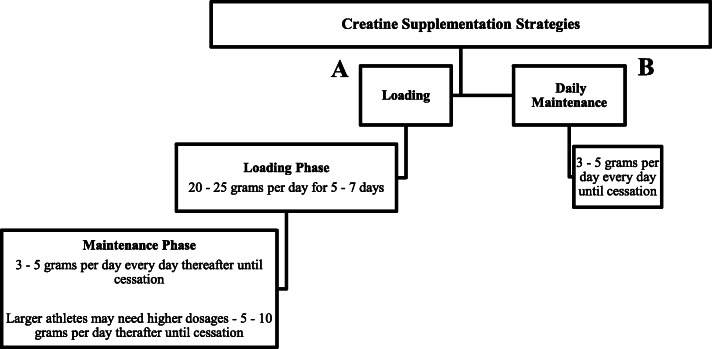
- A loading phase is not required: 3 g/day for 28 days or 20 g/day for 6 days produced similar (~20%) increases in muscle creatine, and recommended maintenance is 3–5 g/day or 0.1 g/kg/day. Creatine monohydrate is the optimal choice, with other forms not superior.
- Benefits extend beyond resistance/power activities and males: creatine appears safe and potentially beneficial for children and adolescents, benefits older adults especially when combined with resistance training, and may provide multifactorial benefits for females across the lifespan, though human pregnancy studies are lacking.
Methods
- An internationally renowned team of research experts, who collectively published over 200 peer-refereed articles involving creatine supplementation, was formed; each of 12 questions was answered by one researcher chosen for expertise, and the final manuscript was reviewed and approved by all authors, reflecting group opinion.
- The paper is an evidence-based scientific evaluation/narrative review of the literature, referencing over 500 peer-refereed publications and the 2017 International Society of Sports Nutrition position stand; no systematic search strategy, risk-of-bias assessment, or quantitative synthesis for the review itself is described.
- Evidence cited includes controlled trials, systematic reviews/meta-analyses, case reports, and survey data; for example, the fat-mass conclusion draws on a meta-analysis of 19 studies and 609 participants.
Limitations
- Stated in the paper: evidence is limited for children and adolescents; there are no human studies evaluating creatine supplementation during pregnancy; and future clinical trials involving frail populations with long-term follow-up and larger samples are needed.
- Stated/evident: this is not a systematic review, and the conclusions reflect group opinion rather than a protocol-driven, bias-assessed synthesis.
- Evident from the text: some conclusions rely on small or older studies, case reports, self-report surveys, and mixed findings, such as short-term water retention versus longer-term total body water data and inconsistent performance results in females.
Model-written summary. Check it against the paper before relying on it.
Integrity signals
Registry
Cites
Statistics
Figures
Verification
Claims the paper makes
52 Valid · 3 Not valid · 103 Not checked · 57 Own results and interpretations
At least one cited source doesn’t support this claim or points to a different paper, and none confirmed it — see the verdicts below.
In the paper
“Six weeks of creatine supplementation in non-resistance-trained males at a dosage of 0.3 g/kg lean body mass for five days followed by 0.075 g/kg lean body mass for 42 days produced no significant changes in TBW [43].”
§ Common questions and misconceptions about creatine supplementation: what does the scientific evidence really show? > Introduction > Does creatine lead to water retention?
What the sources say
- Disputedcites [43] Spillane M Schoch R Cooke M Harvey T Greenwood M Kreider R Willoughby DS The effects of creatine ethyl ester supplementation combined with heavy resistance training on body composition, muscle performance, and serum and muscle creatine levels J. Int. Soc. Sports Nutr. 2009 6 6 6 10.1186/1550-2783-6-6 19228401 PMC2649889 sourceExperimental — accuracy not yet measured
The Methods (Supplementation protocol) and Participants sections match the stated doses and describe males who were not resistance-trained. But the Results (Body water) report significant increases in total body water at days 27 and 48. Only the difference between supplement and placebo groups was not significant; that does not support the claim that total body water showed no significant changes. (LLM, conf=0.88)
Checked by a reasoning model — may be wrong.
plain- Asserted: passes — The authors put it forward as true.
- Checkable: passes — It can be checked against evidence.
- Load-bearing: unclear — It is unclear whether the paper’s conclusions depend on it.
- Based: passes — The paper gives a reason why it holds.
- Disputed
Every source the paper cites for this claim was checked and supports it.
In the paper
“The overwhelming majority of evidence in adult populations indicates that creatine supplementation, both short- and longer-term, is safe and generally well tolerated [2].”
§ Common questions and misconceptions about creatine supplementation: what does the scientific evidence really show? > Introduction > Is creatine harmful for children and adolescents?
What the sources say
- Supportedcites [2] Kreider RB Kalman DS Antonio J Ziegenfuss TN Wildman R Collins R Candow DG Kleiner SM Almada AL Lopez HL International Society of Sports Nutrition position stand: safety and efficacy of creatine supplementation in exercise, sport, and medicine J. Int. Soc. Sports Nutr 2017 14 18-z 10.1186/s12970-017-0173-z 28615996 PMC5469049 source
The Safety section says that short- and long-term studies consistently show no adverse health risks and describes creatine monohydrate as well tolerated. Those findings include adult populations, supporting the claim's narrower scope; page numbers are not supplied in our copy. (LLM, conf=0.94)
hedged- Asserted: passes — The authors put it forward as true.
- Checkable: passes — It can be checked against evidence.
- Load-bearing: unclear — It is unclear whether the paper’s conclusions depend on it.
- Based: passes — The paper gives a reason why it holds.
- Supported
The cited sources support only part of this claim — read each source’s verdict below.
In the paper
“Moreover, in a group of healthy recreational male bodybuilders, 5 g/day of creatine consumed either pre- or post-training had no effect on fat mass [90].”
§ Common questions and misconceptions about creatine supplementation: what does the scientific evidence really show? > Introduction > Does creatine increase fat mass?
What the sources say
- Partly supportedcites [90] Antonio J, Ciccone V. The effects of pre versus post workout supplementation of creatine monohydrate on body composition and strength. J. Int. Soc. Sports Nutr. 2013;10:36–6 eCollection 2013. PMC3750511 23919405 sourceExperimental — accuracy not yet measured
The Methods identify healthy recreational male bodybuilders receiving 5 g of creatine before or after training. The Results report no statistically significant change in fat mass, but they also report a mean decrease in both groups and suggest that post-workout supplementation was possibly more beneficial. Thus, “had no effect” overstates the finding. (LLM, conf=0.86)
plain- Asserted: passes — The authors put it forward as true.
- Checkable: passes — It can be checked against evidence.
- Load-bearing: unclear — It is unclear whether the paper’s conclusions depend on it.
- Based: passes — The paper gives a reason why it holds.
- Partly supported
The cited sources support only part of this claim — read each source’s verdict below.
In the paper
“The increase in cerebral PCr from 10 g of creatine supplementation was reported to be inversely related to symptoms of depression in adolescent females resistant to selective serotonin reuptake inhibitors [171]”
§ Common questions and misconceptions about creatine supplementation: what does the scientific evidence really show? > Introduction > Is creatine only effective for males?
What the sources say
- Partly supportedcites [171] Kondo DG Forrest LN Shi X Sung YH Hellem TL Huber RS Renshaw PF Creatine target engagement with brain bioenergetics: a dose-ranging phosphorus-31 magnetic resonance spectroscopy study of adolescent females with SSRI-resistant depression Amino Acids 2016 48 1941 1954 10.1007/s00726-016-2194-3 26907087 PMC4974294 sourceExperimental — accuracy not yet measured
The Results report a 9.1% increase in frontal-lobe PCr in the 10 g group and an inverse correlation between PCr and depression scores in the combined creatine-treated groups. They do not establish that correlation specifically for the 10 g group; the authors say only that visual inspection suggests the 4 g and 10 g groups contributed most to it. Pages were not provided in our copy. (LLM, conf=0.88)
plainstates an association- Asserted: passes — The authors put it forward as true.
- Checkable: passes — It can be checked against evidence.
- Load-bearing: unclear — It is unclear whether the paper’s conclusions depend on it.
- Based: passes — The paper gives a reason why it holds.
- Partly supported
The cited sources support only part of this claim — read each source’s verdict below.
In the paper
“Therefore, creatine supplementation may reduce the risk of heat related-illness when athletes train and/or compete in hot and humid environments [72, 146].”
§ Common questions and misconceptions about creatine supplementation: what does the scientific evidence really show? > Introduction > Is creatine only useful for resistance / power type activities?
What the sources say
- Not checked yetcites [72] Dalbo VJ Roberts MD Stout JR Kerksick CM Putting to rest the myth of creatine supplementation leading to muscle cramps and dehydration Br. J. Sports Med. 2008 42 567 573 10.1136/bjsm.2007.042473 18184753 source
Checked before — its earlier verdict is held back until a new check runs.
- Partly supportedcites [146] Buford TW Kreider RB Stout JR Greenwood M Campbell B Spano M Ziegenfuss T Lopez H Landis J Antonio J International Society of Sports Nutrition position stand: creatine supplementation and exercise J. Int. Soc. Sports Nutr. 2007 4 6 6 10.1186/1550-2783-4-6 17908288 PMC2048496 sourceExperimental — accuracy not yet measured
The Medical Safety of Creatine Supplementation section (page unavailable) says athletes taking creatine may have a lower risk of symptoms such as dehydration and cramping. It does not say that creatine reduces heat-related illness specifically, or establish that benefit for athletes training or competing in hot and humid conditions. (LLM, conf=0.78)
hedgedstates a possible cause- Asserted: passes — The authors put it forward as true.
- Checkable: passes — It can be checked against evidence.
- Load-bearing: passes — The paper’s conclusions depend on it.
- Based: passes — The paper gives a reason why it holds.
- Not checked yet
116 more claims · 16 with their cited sources checked
Create a free account to see all 215 claims and to verify the 8 references still open.
- It may state two separate claims as one. 75
- Probably not a substantial claim. 23
- The quote only partly states this claim. 2
Claims other papers make about this one
Each is checked against this paper’s own text: does it say what the citing paper says it does?
The cited source says what the claim attributes to it.
In the citing paper
“One of the most commonly used and scientifically supported ergogenic aids is creatine monohydrate (commonly referred to as creatine) [1,3,4,5].”
From Creatine for exercise and sports performance, with recovery considerations for healthy populations (2021) · cites this paper as [4]
The cited source says what the claim attributes to it.
In the citing paper
“athletes may experience a reduction in the risk of heat-related injuries when training or competing in these conditions [3,4,103,104,105].”
From Creatine for exercise and sports performance, with recovery considerations for healthy populations (2021) · cites this paper as [4]
The cited source says what the claim attributes to it.
In the citing paper
“Although several other forms of creatine have been proposed and marketed as alternatives, none have been shown to offer benefits above and beyond those seen with monohydrate.”
From Creatine for exercise and sports performance, with recovery considerations for healthy populations (2021) · cites this paper as [4]
The cited source says what the claim attributes to it.
In the citing paper
“Previous work has highlighted gender-specific differences in creatine production and turnover, which lays the foundation for gender considerations for creatine [4].”
From Creatine for exercise and sports performance, with recovery considerations for healthy populations (2021) · cites this paper as [4]
The cited source says what the claim attributes to it.
In the citing paper
“Many misconceptions are present regarding creatine [81]”
From Creatine Supplementation in Children and Adolescents (2021) · cites this paper as [81]
8 more claims about this paper
Create a free account to see every claim other papers make about this one.
Self-check
Percentages, sums and reported differences re-computed from the paper’s own numbers.
Each contradiction between two passages listed here was confirmed by an independent check.
Rated minor: it would not touch a result — a value no result rests on, a p-value that stays on the same side of the significance level, or a conflict that is clerical, resolved elsewhere in the paper, or outside its own findings.
In the paper
§ Common questions and misconceptions about creatine supplementation: what does the scientific evidence really show? > Introduction > Does creatine lead to water retention?
“Six weeks of creatine supplementation in non-resistance-trained males”
§ Common questions and misconceptions about creatine supplementation: what does the scientific evidence really show? > Introduction > Does creatine lead to water retention?
“for five days followed by 0.075 g/kg lean body mass for 42 days”
Citations
Cites
Sarcopenia: revised European consensus on definition and diagnosis
Cruz-Jentoft, A. J., Bahat, G., Bauer, J., Boirie, Y., Bruyère, O., Cederholm, T., Cooper, C., Landi, F., Rolland, Y., Sayer, A. A., et al. (2019) · Age and Ageing · doi:10.1093/ageing/afy169 · Cited by 13,818 · cited 1×
“decrease in muscle mass, strength, and functionality) that is associated with increased likelihood of adverse outcomes including falls, fractures, physical disability and mortality [107].”
BackgroundSarcopenia: revised European consensus on definition and diagnosis
Cruz-Jentoft, A. J., Bahat, G., Bauer, J., Boirie, Y., Bruyère, O., Cederholm, T., Cooper, C., Landi, F., Rolland, Y., Sayer, A. A., et al. (2019) · Age and Ageing · doi:10.1093/ageing/afz046 · Cited by 3,803
Creatine and Creatinine Metabolism
Wyss, M., & Kaddurah-Daouk, R. (2000) · Physiological Reviews · doi:10.1152/physrev.2000.80.3.1107 · Cited by 2,950 · cited 5×
“, 3–5 g/day) increases blood concentrations of creatine for 3-4 hours after ingestion thereby facilitating the uptake of creatine into tissue through diffusion and creatine transporters [1, 183, 184].”
BackgroundInfluentialElevation of creatine in resting and exercised muscle of normal subjects by creatine supplementation
Harris, R. C., Söderlund, K., & Hultman, E. (1992) · Clinical Science · doi:10.1042/cs0830367 · Cited by 1,168 · cited 5×
“[60] published a seminal paper which showed that ‘loading’ with creatine increased skeletal muscle creatine stores, as evaluated from muscle biopsies collected from the vastus lateralis in young, healthy human participants.”
BackgroundInfluentialKreider, R. B., Kalman, D. S., Antonio, J., Ziegenfuss, T. N., Wildman, R., Collins, R., Candow, D. G., Kleiner, S. M., Almada, A. L., & Lopez, H. L. (2017) · Journal of the International Society of Sports Nutrition · doi:10.1186/s12970-017-0173-z · Cited by 1,057 · cited 10×
“Based on the enormous popularity of creatine supplementation, the International Society of Sports Nutrition (ISSN) published an updated position stand in 2017 on the safety and efficacy of creatine supplementation in exercise, sport, and medicine [2].”
BackgroundInfluentialSelf-citationISSN exercise & sports nutrition review update: research & recommendations
Kerksick, C. M., Wilborn, C. D., Roberts, M. D., Smith-Ryan, A., Kleiner, S. M., Jäger, R., Collins, R., Cooke, M., Davis, J. N., Galvan, E., et al. (2018) · Journal of the International Society of Sports Nutrition · doi:10.1186/s12970-018-0242-y · Cited by 945 · cited 4×
“Creatine monohydrate powder has been the most extensively studied and commonly used form of creatine in dietary supplements since the early 1990s [2, 125].”
BackgroundInfluentialSelf-citationKuehner, C. (2003) · Acta Psychiatrica Scandinavica · doi:10.1034/j.1600-0447.2003.00204.x · Cited by 839 · cited 1×
“Depression is about 2 times higher among females throughout the reproductive years [173] and accelerates around pubertal hormonal changes [174].”
BackgroundMuscle creatine loading in men
Hultman, E., Soderlund, K., Timmons, J. A., Cederblad, G., & Greenhaff, P. L. (1996) · Journal of Applied Physiology · doi:10.1152/jappl.1996.81.1.232 · Cited by 822 · cited 5×
“istered creatine in hot tea [35, 60, 103, 104, 123, 182] but the solubility has no influence on tissue uptake [187].”
BackgroundInfluentialAndrogen Receptor Structure, Function and Biology: From Bench to Bedside.
(2016) · Europe PMC (PubMed Central) · Cited by 623
Effect of oral creatine supplementation on skeletal muscle phosphocreatine resynthesis
Greenhaff, P. L., Bodin, K., Soderlund, K., & Hultman, E. (1994) · American Journal of Physiology-Endocrinology and Metabolism · doi:10.1152/ajpendo.1994.266.5.e725 · Cited by 531 · cited 2×
“[60], several other investigations have demonstrated increased intramuscular creatine stores in humans from the creatine ‘loading’ phase [35, 103, 104].”
Background
Research works printed but not linked: 4
- Ziegenfuss T Lowery LM Lemon P Acute fluid volume changes in men during three days of creatine supplementation Journal of Exercise Physiology Online 1998 1 1
- Rawson ES The safety and efficacy of creatine monohydrate supplementation: What we have learned from the past 25 years of research Gatorade Sports Science Exchange 2018 29 1 6
- Kreider R Willoughby D Greenwood M Parise G Payne E Tarnopolsky M Effects of serum creatine supplementation on muscle creatine content Journal of Exercise Physiology Online 2003 6 24 33
- Howard AN Harris RC Compositions containing creatine; USP Office Editor: United States 1999
Cited by
Metabolic Basis of Creatine in Health and Disease: A Bioinformatics-Assisted Review
Bonilla, D. A., Kreider, R. B., Stout, J. R., Forero, D. A., Kerksick, C. M., Roberts, M. D., & Rawson, E. S. (2021) · Nutrients · doi:10.3390/nu13041238 · Cited by 223
“For example, increases in myoblast fusion (shown in vitro [206] and in vivo [207]) and subsequent myotube growth after CrM administration [47] might involve the cellular mechanical energy properties and the optimization of cytoskeleton dynamics.”
BackgroundSelf-citationCreatine for exercise and sports performance, with recovery considerations for healthy populations
Wax, B., Kerksick, C. M., Jagim, A. R., Mayo, J. J., Lyons, B. C., & Kreider, R. B. (2021) · Nutrients · doi:10.3390/nu13061915 · Cited by 182
“Finally, interested readers are encouraged to review the following articles by Antonio [4], as well as the International Society of Sports Nutrition’s position on creatine [3].”
BackgroundInfluentialSelf-citationKreider, R. B., Jäger, R., & Purpura, M. (2022) · Nutrients · doi:10.3390/nu14051035 · Cited by 103
“In addition, some differences were reported in anabolic and catabolic hormones that prior have not been previously studies conducted on creatine had not reported [62].”
BackgroundInfluentialSelf-citationForbes, S. C., Candow, D. G., Ostojic, S. M., Roberts, M. D., & Chilibeck, P. D. (2021) · Nutrients · doi:10.3390/nu13061912 · Cited by 79
Self-citationSide Effects of Amino Acid Supplements
Holeček, M. (2022) · Physiological Research · doi:10.33549/physiolres.934790 · Cited by 96
“Most studies reporting positive effects of LEU on muscles are short-term studies, which report positive effects on protein synthesis and not on mass of muscle protein [115,18-120].”
BackgroundCreatine supplementation and endurance performance: surges and sprints to win the race
Forbes, S. C., Candow, D. G., Neto, J. H. F., Kennedy, M. D., Forbes, J. L., Machado, M., Bustillo, E., Gomez-Lopez, J., Zapata, A., & Antonio, J. (2023) · Journal of the International Society of Sports Nutrition · doi:10.1080/15502783.2023.2204071 · Cited by 72
“● Creatine monohydrate is the most researched form of creatine [5,14] and there is a lack of evidence for the efficacy of alternative forms of creatine to be superior to”
BackgroundInfluentialSelf-citationBenefits of a plant-based diet and considerations for the athlete
Shaw, K. A., Zello, G. A., Rodgers, C. D., Warkentin, T. D., Baerwald, A., & Chilibeck, P. D. (2022) · European Journal of Applied Physiology · doi:10.1007/s00421-022-04902-w · Cited by 96
Wu, S.-H., Chen, K., Hsu, C., Chen, H.-C., Chen, J., Yu, S.-Y., & Shiu, Y.-J. (2022) · Nutrients · doi:10.3390/nu14061255 · Cited by 90
“Thus, creatine appears to be safe for the human body and for all populations, with no additional adverse effects on liver and kidney function [17,43,44].”
BackgroundInfluentialCreatine Supplementation in Children and Adolescents
Jagim, A. R., & Kerksick, C. M. (2021) · Nutrients · doi:10.3390/nu13020664 · Cited by 61
“Many misconceptions are present regarding creatine [81], and therefore consumers should seek out expert advice regarding safe and informed use of creatine.”
BackgroundSelf-citationEffects of dietary supplements on athletic performance in elite soccer players: a systematic review
Abreu, R., Oliveira, C. B., Costa, J. A., Brito, J., & Teixeira, V. H. (2023) · Journal of the International Society of Sports Nutrition · doi:10.1080/15502783.2023.2236060 · Cited by 77
“Nevertheless, existing reviews did not report the benefits of other creatine formulas over creatine monohydrate for the same amount of creatine [47,48].”
BackgroundLi, G., Li, Z., & Liu, J. (2024) · Nutrition & Metabolism · doi:10.1186/s12986-024-00820-0 · Cited by 73
“Publications by the International Society of Sports Nutrition in 2007 and 2017 consistently confirm the efficacy and safety of creatine monohydrate [68, 104, 112, 113].”
BackgroundMarshall, R. P., Droste, J.-N., Gießing, J., & Kreider, R. B. (2022) · Nutrients · doi:10.3390/nu14030529 · Cited by 57
“Different from pharmaceutical products, the intake of creatine is safe age- and gender-independent with nearly no side-effects [49,50].”
BackgroundSelf-citationCreatine as a food supplement for the general population
Ostojić, S. M. (2021) · Journal of Functional Foods · doi:10.1016/j.jff.2021.104568 · Cited by 47
Gutiérrez-Hellín, J., Del Coso, J., Franco-Andrés, A., Gamonales, J. M., Espada, M. C., González-García, J., López-Moreno, M., & Varillas-Delgado, D. (2024) · Nutrients · doi:10.3390/nu17010095 · Cited by 37
Bonilla, D. A., Kreider, R. B., Petro, J. L., Romance, R., García-Sillero, M., Benítez-Porres, J., & Vargas-Molina, S. (2021) · Nutrients · doi:10.3390/nu13072303 · Cited by 35
“Several studies have shown that this chronic supplementation protocol (with or without loading phase) is safe and effective for improving exercise performance capacity and training adaptations in trained men [12,13].”
BackgroundSelf-citationTiming of Creatine Supplementation around Exercise: A Real Concern?
Ribeiro, F., Longobardi, I., Perim, P., Duarte, B., Ferreira, P., Gualano, B., Roschel, H., & Saunders, B. (2021) · Nutrients · doi:10.3390/nu13082844 · Cited by 34
“Cr ingested at a dose of 20 g for 5–7 days is sufficient to saturate muscle Cr stores [5], while ~3–5 g/day of Cr for 4 weeks similarly saturates skeletal muscle Cr levels [8,53].”
BackgroundSelf-citationAntonio, J., Brown, A. F., Candow, D. G., Chilibeck, P. D., Ellery, S. J., Forbes, S. C., Gualano, B., Jagim, A. R., Kerksick, C., Kreider, R. B., et al. (2025) · Journal of the International Society of Sports Nutrition · doi:10.1080/15502783.2024.2441760 · Cited by 33
Self-citationCreatine: A valuable supplement in aquafeeds?
Wuertz, S., & Reiser, S. (2022) · Reviews in Aquaculture · doi:10.1111/raq.12717 · Cited by 33
Tirla, A. G., Islam, F., Islam, M. R., Vicaş, S. I., & Cavalu, S. D. (2022) · Applied Sciences · doi:10.3390/app12178611 · Cited by 46
The Top 5 Can’t-Miss Sport Supplements
António, J., Pereira, F., Curtis, J., Rojas, J., & Evans, C. (2024) · Nutrients · doi:10.3390/nu16193247 · Cited by 53
“For a more extensive review of the literature on creatine, work by Antonio et al. [48], Forbes et al. [47], and Candow et al. [47] is recommended (Table 3).”
BackgroundSelf-citationCreatine Supplementation to Improve Sarcopenia in Chronic Liver Disease: Facts and Perspectives
Casciola, R., Leoni, L., Cuffari, B., Pecchini, M., Menozzi, R., Colecchia, A., & Ravaioli, F. (2023) · Nutrients · doi:10.3390/nu15040863 · Cited by 39
“Monohydrates have the best price-effectiveness ratio and are currently the best [18,21].”
BackgroundInfluentialKreider, R. B., Gonzalez, D. E., Hines, K., Gil, A., & Bonilla, D. A. (2025) · Journal of the International Society of Sports Nutrition · doi:10.1080/15502783.2025.2488937 · Cited by 29
“A few case study reports also appeared in the literature suggesting adverse events despite other mitigating factors unrelated to creatine supplementation [52–54] which subsequently have been debunked [15,55,56].”
Self-citationPashayee-Khamene, F., Heidari, Z., Asbaghi, O., Ashtary‐Larky, D., Goudarzi, K., Forbes, S. C., Candow, D. G., Bagheri, R., Ghanavati, M., & Dutheil, F. (2024) · Journal of the International Society of Sports Nutrition · doi:10.1080/15502783.2024.2380058 · Cited by 42
Self-citationThe science of bioelectrical impedance-derived phase angle: insights from body composition in youth
Rosa, G. B., Lukaski, H. C., & Sardinha, L. B. (2025) · Reviews in Endocrine and Metabolic Disorders · doi:10.1007/s11154-025-09964-7 · Cited by 38
“Although this effect is particularly evident after creatine loading, resulting in temporarily decreased intracellular conductivity and increased muscle volume across all ages, it is not clear whether creatine supplementa - tion alters TBW relative to muscle mass over the long term [ 47 ].”
Ricci, A., Evans, C., Stull, C., Peacock, C. A., French, D. N., Stout, J. R., Fukuda, D. H., Bounty, P. L., Kalman, D., Galpin, A. J., et al. (2025) · Journal of the International Society of Sports Nutrition · doi:10.1080/15502783.2025.2467909 · Cited by 54
Self-citationPagano, A. P., Montenegro, J., Oliveira, C. L. P., Desai, N., González, M. C., Cawthon, P. M., Evans, W. J., & Prado, C. M. M. (2023) · The Journals of Gerontology Series A · doi:10.1093/gerona/glad280 · Cited by 34
“Although the evidence related to whether Cr supplementation increases or not water retention is conflicting (62), hydration status should not affect the D3-Cr dilution method as it detects the enrichment ratio between the tracer and endogenous Crn (23).”
BackgroundOstojic, S. M., Korovljev, D., & Stajer, V. (2021) · Food Science & Nutrition · doi:10.1002/fsn3.2543 · Cited by 22
Gordon, A. N., Moore, S. R., Patterson, N. D., Hostetter, M. E., Cabre, H. E., Hirsch, K. R., Hackney, A. C., & Smith‐Ryan, A. E. (2023) · Nutrients · doi:10.3390/nu15163567 · Cited by 37
“Previous research supports the potential for creatine supplementation to enhance recovery, through hydrogen ion buffering and pH regulation [4,10], i creasing intr muscular PCr, [9,22,23] and promoting greater lycogen storage [24], demo strated in males.”
BackgroundSelf-citationSlankamenac, J., Ranisavljev, M., Todorović, N., Ostojic, J. N., Štajer, V., & Ostojić, S. M. (2023) · Food Science & Nutrition · doi:10.1002/fsn3.3597 · Cited by 29
“The dosage of creatine was selected as the standard risk-free dosage administered across various health domains (Antonio et al., 2021), with the absolute dosage selected for more practical application.”
MethodSherpa, N. N., De Giorgi, R., Ostinelli, E. G., Choudhury, A., Dolma, T., & Dorjee, S. (2025) · European Neuropsychopharmacology · doi:10.1016/j.euroneuro.2024.10.004 · Cited by 22
“…8 weeks in duration, so we cannot exclude that longer administrations might lead to a more substantial adverse-event burden, and indeed concerns have been raised regarding chronic use of creatine supplementation, especially for individuals with pre-existing renal disorders (Antonio et al., 2021).”
BackgroundDesai, I., Wewege, M. A., Jones, M. D., Clifford, B. K., Pandit, A., Kaakoush, N. O., Simar, D., & Hagstrom, A. D. (2024) · The Journal of Strength and Conditioning Research · doi:10.1519/jsc.0000000000004862 · Cited by 37
“Creatine supplementation has also been found to be safe and well tolerated at the recommended dosages of 3 – 5 g daily, for healthy individuals from children to the elderly (2).”
L-Carnitine and Chronic Kidney Disease: A Comprehensive Review on Nutrition and Health Perspectives
Sharma, B., & Yadav, D. K. (2023) · Journal of Personalized Medicine · doi:10.3390/jpm13020298 · Cited by 27
“Pre-clinical and clinical investigations have shown the most beneficial effects of LC when it is employed as medication [67,68].”
BackgroundAnaerobic Metabolism During Exercise
Spriet, L. L. (2022) · Physiology in health and disease · doi:10.1007/978-3-030-94305-9_4 · Cited by 44
Varillas‐Delgado, D. (2024) · Nutrients · doi:10.3390/nu16152511 · Cited by 26
“More targeted research is needed to establish specific guidelines that consider factors such as gender, age, activity level, and endogenous synthesis capabilities [17,34,35].”
BackgroundAssociation between dietary creatine and visuospatial short-term memory in older adults
Oliveira, E. F., Forbes, S. C., Borges, E. Q., Machado, L. F., Candow, D. G., & Machado, M. (2022) · Nutrition and Health · doi:10.1177/02601060221102273 · Cited by 21
“…glycine, and methionine in the kidneys and liver or can be ingested exogenously primairly in animal-based foods (i.e. red meat, seafood) or through dietary supplements (Alraddadi et al., 2018; Antonio et al., 2021; Ellery et al., 2016; Ostojic and Forbes, 2022; Wyss and Kaddurah-Daouk, 2000).”
BackgroundSelf-citationWarrier, A. A., Azua, E. N., Kasson, L. B., Allahabadi, S., Khan, Z. A., Mameri, E. S., Swindell, H. W., Tokish, J. M., & Chahla, J. A. (2023) · Sports Health A Multidisciplinary Approach · doi:10.1177/19417381231197389 · Cited by 27
“3 Furthermore, it is important to note that creatine may be obtained from animal-based foods, though not as at high of a concentration as with supplementation.”
InfluentialEmerging cardiovascular risk factors in childhood and adolescence: a narrative review
Blas-Zapata, A. D., Sastre-Albiach, J. M., Baixauli-López, L., Ruiz, R. L., & Pitti, J. Á. (2025) · European Journal of Pediatrics · doi:10.1007/s00431-025-06102-y · Cited by 26
“Thus, this osmotically active effect could influence BP levels, warranting further investigation to elucidate its poten‑ tial effect on cardiovascular health [65, 66].”
Moore, S. R., Gordon, A. N., Cabre, H. E., Hackney, A. C., & Smith‐Ryan, A. E. (2023) · Nutrients · doi:10.3390/nu15020429 · Cited by 24
“Creatine monohydrate (Cr) is one of the most widely studied dietary supplements with over 500 peer-reviewed publications [2], and has gained recent attention for providing unique benefits to females [3].”
BackgroundSelf-citationEffects of Nutrition Interventions on Athletic Performance in Soccer Players: A Systematic Review
Aguinaga-Ontoso, I., Guillén-Aguinaga, S., Guillén-Aguinaga, L., Alas-Brun, R., & Guillén‐Grima, F. (2023) · Life · doi:10.3390/life13061271 · Cited by 37
“The International Society of Sports Nutrition (ISSN) suggests that healthy individuals can use creatine supplements safely, and recent evidence refutes the notion that they could lead to dehydration or muscle cramping [71,72].”
BackgroundBonilla, D. A., Moreno, Y., Rawson, E. S., Forero, D. A., Stout, J. R., Kerksick, C. M., Roberts, M. D., & Kreider, R. B. (2021) · Nutrients · doi:10.3390/nu13082521 · Cited by 15
Self-citationImpactos e consequências das dietas da moda e da suplementação no comportamento alimentar
Faria, A. L., de Almeida, S. G., & Ramos, T. M. (2021) · Research Society and Development · doi:10.33448/rsd-v10i10.19089 · Cited by 15
Emerging pharmacological approaches for Huntington's disease
Singh, K., Jain, D., Sethi, P., Gupta, J. K., Tripathi, A. K., Kumar, S., Sarker, S. D., Nahar, L., & Guru, A. (2024) · European Journal of Pharmacology · doi:10.1016/j.ejphar.2024.176873 · Cited by 18
Kruszewski, M., Merchelski, M., Kruszewski, A., Tabęcki, R., Aksenov, M. O., & Pągowski, Ł. (2022) · Nutrients · doi:10.3390/nu14091750 · Cited by 15
Prokopidis, K., Forbes, S. C., Candow, D. G., Rusterholz, F., Campbell, B. I., & Ostojić, S. M. (2023) · Nutrients · doi:10.3390/nu15204343 · Cited by 17
Self-citationNutritional supplements in combat sports: What we know and what we do
Cannataro, R., Straface, N., & Cione, E. (2022) · Human Nutrition & Metabolism · doi:10.1016/j.hnm.2022.200155 · Cited by 19
Romero-García, D., Sanz, J. M. M., Sebastiá-Rico, J., Manchado, C., & Vaquero‐Cristóbal, R. (2024) · Nutrients · doi:10.3390/nu16020315 · Cited by 19
Allopurinol Disrupts Purine Metabolism to Increase Damage in Experimental Colitis
Worledge, C. S., Kostelecky, R. E., Zhou, L., Bhagavatula, G., Colgan, S. P., & Lee, J. S. (2024) · Cells · doi:10.3390/cells13050373 · Cited by 17
“This barrier functions to facilitate the transit of critical nutrients, ions, and solutes either through cells or between them, and is composed of a network of cells interconnected through the protein complexes of the apical junctional complex (AJC) [8,11].”
BackgroundNutritional Supplements for Healthy Aging: A Critical Analysis Review
Kaufman, M. W., DeParis, S., Oppezzo, M., Mah, C. D., Roche, M. D., Frehlich, L., & Fredericson, M. (2024) · American Journal of Lifestyle Medicine · doi:10.1177/15598276241244725 · Cited by 18
Gonçalves, M. G., Medeiros, M. A., de Lemos, L. I. C., Pedrosa, L. F. C., Santos, P. P. D. A., Abreu, B. J., & Lima, J. P. M. S. (2022) · Nutrients · doi:10.3390/nu14030431 · Cited by 16
“For humans, recommended maintenance doses vary, ranging from 2–5 g/day [29,30].”
BackgroundHuerta Ojeda, Á., Jofré-Saldía, E., Torres-Banduc, M., Galdames Maliqueo, S., Barahona-Fuentes, G., Cofré Acevedo, C., Lizana Romero, G., de Villa Garduño, R., Riquelme Vera, G., Vera Paredes, P., et al. (2024) · Nutrients · doi:10.3390/nu16091324 · Cited by 11
Does Creatine Supplementation Enhance Performance in Active Females? A Systematic Review
Tam, R., Mitchell, L., & Forsyth, A. (2025) · Nutrients · doi:10.3390/nu17020238 · Cited by 10
“These include decreased dietary creatine consumption and lower endogenous creatine synthesis rates, lower muscle mass, and higher intramuscular creatine concentrations, all of which may diminish responsiveness to creatine supplementation in females [10].”
Nutritional Support of Chronic Obstructive Pulmonary Disease
Simon, P., Török, É., Szalontai, K., Kari, B., Neuperger, P., Zavala, N., Kanizsai, I., Puskás, L. G., Török, S., & Szebeni, G. J. (2025) · Nutrients · doi:10.3390/nu17071149 · Cited by 19
“It is also important to note that no safety issues can be detected when consuming creatine long-term [62,63].”
Anders, J. P. V., Neltner, T. J., Smith, R. W., Keller, J. L., Housh, T. J., Daugherty, F. J., Tempesta, M. S., Dash, A. K., Munt, D. J., Schmidt, R. J., et al. (2021) · Journal of the International Society of Sports Nutrition · doi:10.1186/s12970-021-00456-y · Cited by 11
Huang, L., Gan, L., Pan, J., Zhong, L., Wang, Q., Luo, S., Tian, J., & Liang, H. (2022) · Annals of Translational Medicine · doi:10.21037/atm-22-2103 · Cited by 11
De Zan, D., Eletti, F., Fiore, G., Di Girolamo, E., Bozzini, G. G. M., Perico, V., Tosi, M., Norsa, L., Zuccotti, G., & Verduci, E. (2025) · Nutrients · doi:10.3390/nu17132194 · Cited by 11
“Most available safety data are self-reported, and studies often lack comprehensive laboratory assessments [88,91].”
InfluentialMorning versus evening intake of creatine in elite female handball players
Jurado-Castro, J. M., Campos-Pérez, J., Vilches-Redondo, M. Á., Mata, F., Navarrete-Pérez, A., & Ranchal-Sanchez, A. (2021) · International Journal of Environmental Research and Public Health · doi:10.3390/ijerph19010393 · Cited by 10
“However, Cr has been successfully and extensively shown to be effective in enhancing athletic performance [2,15].”
BackgroundCreatine and strength training in older adults: an update
Forbes, S. C., & Candow, D. G. (2024) · Translational Exercise Biomedicine · doi:10.1515/teb-2024-0019 · Cited by 10
“Importantly, creatine in the recommended doses is safe [63] and despite numerous misconceptions [64], creatine in addition to strength training is an e ff ective strategy in older adults.”
Self-citationDinan, N. E., Hagele, A. M., Jagim, A. R., Miller, M. G., & Kerksick, C. M. (2022) · Frontiers in Sports and Active Living · doi:10.3389/fspor.2022.1033842 · Cited by 19
Self-citationEscalante, G., Gonzalez, A. M., Mart, D. S., Torres, M., Echols, J., Islas, M., & Schoenfeld, B. J. (2022) · Heliyon · doi:10.1016/j.heliyon.2022.e12113 · Cited by 18
Zhou, B., Hong, M., Jin, L., & Ling, K. (2024) · Renal Failure · doi:10.1080/0886022x.2024.2364762 · Cited by 16
Kazeminasab, F., Kerchi, A. B., Sharafifard, F., Zarreh, M., Forbes, S. C., CAMERA, D. M., Lanhers, C., Wong, A., Nordvall, M., Bagheri, R., et al. (2025) · Nutrients · doi:10.3390/nu17172748 · Cited by 24
“This discrepancy may be attributed to higher baseline muscle mass, greater phosphocreatine stores, and increased training loads typically observed in males, which better align with creatine’s mechanism of action [103].”
Self-citationImpact of Short-Term Creatine Supplementation on Muscular Performance among Breast Cancer Survivors
Parsowith, E. J., Stock, M. S., Kocuba, O. R., Schumpp, A., Jackson, K. E., Brooks, A. M., Larson, A., Dixon, M. D., & Fairman, C. M. (2024) · Nutrients · doi:10.3390/nu16070979 · Cited by 19
“A “loading phase”, defined as supplementing with creatine monohydrate for 5–7 days at 20–25 g per day [11], has been shown to rapidly increase intramuscular creatine stores [12,13], similar to a maintenance dose over 28 days [11].”
BackgroundEvidence-based sports supplements: A redox analysis
Margaritelis, N. V., Cobley, J. N., Nastos, G. G., Παπανικολάου, Κ., Bailey, S. J., Kritsiligkou, P., & Nikolaidis, M. G. (2024) · Free Radical Biology and Medicine · doi:10.1016/j.freeradbiomed.2024.08.012 · Cited by 11
Fitness and Dietary Supplements: A Cross-Sectional Study on Food Practices and Nutrivigilance
Galman, A., Chikhaoui, M., Bouhrim, M., Eto, B., Shahat, A. A., Herqash, R. N., Lotfi, R., Belamgharia, H., Daoudi, D., Kaddouri, M., et al. (2024) · Nutrients · doi:10.3390/nu16223928 · Cited by 17
“In contrast, Antonio et al. [54] indicate that creatine does not significantly impact hydration status or kidney health in healthy individuals.”
Marini, A. C. B., Schincaglia, R. M., Candow, D. G., & Pimentel, G. D. (2024) · Nutrients · doi:10.3390/nu16050615 · Cited by 15
“Thus, we believe that further studies should be carried out to investigate how creatine supplementation affects hydration status as well as the effects of creatine combined with exercise.”
BackgroundSelf-citationAnalysis of Actual Fitness Supplement Consumption among Health and Fitness Enthusiasts
Espeño, P. R. E., Ong, A. K. S., German, J. D., Gumasing, M. J. J., & Casas, E. S. (2024) · Foods · doi:10.3390/foods13091424 · Cited by 19
“Despite its popularity in the fitness Foods 2024 , 13 , 1424. https://doi.org/10.3390/foods13091424 https://www.mdpi.com/journal/foods and sports industry, evidence suggests that creatine can benefit not only athletes but also the elderly and the general population [6].”
BackgroundInfluentialMedeiros, M. A., Abreu, B. J., & Lima, J. P. M. S. (2025) · Nutrients · doi:10.3390/nu17040651 · Cited by 11
“Creatine, a naturally occurring compound primarily found in muscle tissue, has garnered significant attention in sports nutrition and clinical research due to its potential benefits in enhancing physical performance and supporting various health conditions [1,2].”
Psychosocial aspects of sports medicine in pediatric athletes: Current concepts in the 21st century
Greydanus, D. E., Ergun-Longmire, B., Cabral, M. D., Patel, D. R., & Dickson, C. A. (2022) · Disease-a-Month · doi:10.1016/j.disamonth.2022.101482 · Cited by 13
Meade, A., McLaren, C., & Bennett, P. N. (2022) · Seminars in Dialysis · doi:10.1111/sdi.13060 · Cited by 11
6′-Sialyllactose Enhances Exercise Performance via Increased Muscle Mass and Strength
Park, E., Kim, L., Lee, J., Lee, H., Kim, Y.-A., & Go, H. (2024) · Nutrients · doi:10.3390/nu16162600 · Cited by 9
“Nutrients 2024 , 16 , 2600 2 of 9 Although creatine supplementation is particularly popular for muscle growth, its effectiveness and safety remain debated [13].”
BackgroundMłynarska, E., Leszto, K., Katańska, K., Prusak, A., Wieczorek, A., Jakubowska, P., Rysz, J., & Franczyk, B. (2025) · Nutrients · doi:10.3390/nu17172860 · Cited by 11
“It supports muscle mass, muscle strength, performance, and recovery [74–79].”
Anabolic Strategies for ICU-Acquired Weakness. What Can We Learn from Bodybuilders?
Tarnawski, J., Czub, M., Dymecki, M., Sunil, M., & Folwarski, M. (2024) · Nutrients · doi:10.3390/nu16132011 · Cited by 8
“Nowadays, after over 20 years of research, no adverse effect from recommended dosages of creatine supplementation on kidney health has been demonstrated [36].”
BackgroundMattos, D., dos Santos, C. G. M., Forbes, S. C., Candow, D. G., Rosa, D., Busnardo, R. G., Dornelas-Ribeiro, M., Paulucio, D., Chester, C., & Machado, M. (2022) · Journal of Science in Sport and Exercise · doi:10.1007/s42978-022-00165-1 · Cited by 8
“, meat or seafood) or as a dietary supplement [1, 36].”
BackgroundSelf-citationBenefícios e malefícios da suplementação com creatina
Ataídes, K. C., Filho, M. A. N., & Santos, J. D. S. G. D. (2022) · Scientific Electronic Archives · doi:10.36560/151020221611 · Cited by 16
Safety of creatine supplementation: where are we now?
Machado, M., GUIMARÃES, P., & Forbes, S. C. (2022) · Gazzetta Medica Italiana Archivio per le Scienze Mediche · doi:10.23736/s0393-3660.22.04788-x · Cited by 7
Self-citationSharifian, G., Aseminia, P., Heidary, D., & Esformes, J. I. (2025) · European Review of Aging and Physical Activity · doi:10.1186/s11556-025-00384-9 · Cited by 16
“Also known as methylguanidine-acetic acid, creatine is naturally produced through a series of reactions involving the amino acids arginine, glycine, and methionine, primarily in the liver and kidneys [12].”
Ojeda, Á. H., & Jorquera-Aguilera, C. (2024) · Nutrients · doi:10.3390/nu16152437 · Cited by 7
Gonzalez, D. E., Forbes, S. C., Zapp, A., Jagim, A. R., Luedke, J. A., Dickerson, B. L., Root, A., Gil, A. C., Johnson, S. E., Coles, M. E., et al. (2024) · Nutrients · doi:10.3390/nu16193285 · Cited by 9
“In fact, minimal to no adverse side effects are noted based upon the available data on short-and long-term supplementation ranging from 0.3 to 0.8 g/kg/day of CrM up to 5 years within a wide range of study populations (e.g., infants, elderly, and athletes) [14,25,49,223].”
BackgroundInfluentialSelf-citationEfeitos da suplementação crônica da creatina sobre a função renal: revisão da literatura
Baldin, Á. E., Gomes, E. C. Z., Bender, S., & Linartevichi, V. F. (2021) · Research Society and Development · doi:10.33448/rsd-v10i14.21867 · Cited by 8
Machado, M., Masterson, T. D., & Oliveira, E. F. (2026) · Nutrition and Health · doi:10.1177/02601060221127497 · Cited by 5
“Creatine, a nonproteinogenic amino acid derivative, is produced endogenously in the human liver, kidney, and pancreas, and is naturally present in animal-based foods (Alraddadi et al., 2018; Antonio et al., 2021; Wyss and Kaddurah-Daouk, 2000).”
Does creatine cause hair loss? A 12-week randomized controlled trial
Lak, M., Forbes, S. C., Ashtary-Larky, D., Dadkhahfar, S., Robati, R. M., Nezakati, F., Khajevandi, M., Naseri, S., Gerafiani, A., Haghighat, N., et al. (2025) · Journal of the International Society of Sports Nutrition · doi:10.1080/15502783.2025.2495229 · Cited by 5
“Despite these established benefits, claims that creatine leads to hair loss through an increase in androgen hormones have persisted [3].”
Self-citationWhitfield, J., Egan, B., Coso, J. D., Derave, W., Saunders, B., & Burke, L. M. (2025) · International Journal of Sport Nutrition and Exercise Metabolism · doi:10.1123/ijsnem.2025-0111 · Cited by 12
Evidence-based nutritional approaches to enhance exercise adaptations
Roberts, M. D., Moulding, B. D., Forbes, S. C., & Candow, D. G. (2023) · Current Opinion in Clinical Nutrition & Metabolic Care · doi:10.1097/mco.0000000000000975 · Cited by 8
Self-citationWoodcock, I. R., de Valle, K., Cairns, A., Davidson, Z. E., Kean, M., Varma, N., Grobler, A., Metz, D., Carroll, K., Dilek, N., et al. (2025) · Pharmacotherapy: The Journal of Human Pharmacology and Drug Therapy · doi:10.1002/phar.70025 · Cited by 4
“9,54,55 Of note, serum creatinine is used as a surrogate for kidney function purely based on its disposition properties, with a (typically) stable production rate followed by renal excretion through glomerular filtration.”
Plant-Based Nutrition and Supplements for Optimal Athletic Performance
Rosenfeld, R. M., Zinman, S., & Bonnet, J. P. (2025) · American Journal of Lifestyle Medicine · doi:10.1177/15598276251393663 · Cited by 5
“103,104 Beetroot (Table 2) is rich in nitrate that is converted in the stomach to nitric oxide, which can enhance exercise performance through skeletal muscle vasodilation with improved oxygen uptake and perfusion.”
Douligeris, A., Methenitis, S. K., Stavropoulos‐Kalinoglou, A., Panayiotou, G., Vogazianos, P., Lazou, A., Feidantsis, K. G., Giaginis, C., Παπανικολάου, Κ., Arnaoutis, G., et al. (2024) · Journal of Functional Morphology and Kinesiology · doi:10.3390/jfmk9020085 · Cited by 7
“The safety of isolated PWS components like creatine [68], β -alanine [69], citrulline [47], caffeine [70], and amino acids [71] has been well investigated.”
BackgroundBødker, R. L., & Marcussen, M. (2023) · Frontiers in Neurology · doi:10.3389/fneur.2023.1209548 · Cited by 4
“However, studies on CrM in the muscles indicate that both protocols illicit the same response at 28 days (9), and a loading phase is not required (33).”
BackgroundReview of the evidence of radioprotective potential of creatine and arginine as dietary supplements
Нерсесова, Л. С., Petrosyan, M. S., & Tsakanova, G. (2024) · International Journal of Radiation Biology · doi:10.1080/09553002.2024.2345098 · Cited by 5
“This is why it is widely used as an ergogenic agent in sports (Antonio et al. 2021).”
Effect of creatine supplementation on cognitive function and mood
Walczak, K., Krasnoborska, J., Samojedny, S., Superson, M., Szmyt, K., Szymańska, K., & Wilk-Trytko, K. (2024) · Journal of Education Health and Sport · doi:10.12775/jehs.2024.73.51712 · Cited by 9
“Additionally, creatine is associated with water retention during the initial phase of supplementation, which typically leads to temporary weight gain as the body adjusts to increased creatine stores (39).”
BackgroundLiu, B., You, J., Fan, Y., Xia, Y., Zhang, X., & Zhang, Y. (2025) · Frontiers in Pediatrics · doi:10.3389/fped.2025.1546156 · Cited by 10
Saleh, K. K., & Julien, S. G. (2022) · Journal of Nutrition and Metabolism · doi:10.1155/2022/4150620 · Cited by 5
“Most of these supplements are used in a chaotic way in relation to their quantity, frequency, and duration [4, 5].”
Sarcopenic Obesity: An Emerging Public Health Problem, But an Answer Appears to Be Available
Machado, M. (2022) · Aging and Disease · doi:10.14336/ad.2021.1118 · Cited by 6
“It has been increasingly shown that kidney problems, thermoregulatory complications and cramps are rare or even non-existent when creatine supplementation is used at recommended doses [10].”
BackgroundAhmed, A., Afzaal, M., Ali, S. W., Muzammil, H. S., Masood, A., Saleem, M. A., Saeed, F., Hussain, M., Rasheed, A., & Jbawi, E. M. A. (2022) · International Journal of Food Properties · doi:10.1080/10942912.2022.2120495 · Cited by 4
“[133] Recently, a meta-analysis by [124] in which he found that older persons who took creatine with resistance training saw significant gains in lean tissue and strength in both the upper and lower body.”
BackgroundRetractedVrban, I., Bolf, N., & Sacher, J. B. (2025) · Processes · doi:10.3390/pr13061860 · Cited by 4
Vicente-Salar, N., Crespo, M., Pluim, B. M., Fernández-Fernández, J., Stroia, K. A., Ellenbecker, T. S., Rivas, D. S., Coso, J. D., Moreno-Pérez, V., Hainline, B. W., et al. (2025) · International Journal of Sport Nutrition and Exercise Metabolism · doi:10.1123/ijsnem.2025-0001 · Cited by 9
From Science to Dressing Room: Dietary Supplements for Elite Soccer Performance
Bongiovanni, T., Genovesi, F., Carling, C., Greco, G., & Jäger, R. (2025) · Journal of Functional Morphology and Kinesiology · doi:10.3390/jfmk10040408 · Cited by 3
“It can be synthesized endogenously in the liver, kidneys, and pancreas, with additional amounts obtained through the diet, mainly from meat and fish [63].”
Can Dietary Supplements Support Muscle Function and Physical Activity? A Narrative Review
Brough, L., Rees, G., Drummond‐Clarke, L., McCallum, J. E., Taylor, E., Kozhevnikov, O., & Walker, S. (2025) · Nutrients · doi:10.3390/nu17213495 · Cited by 5
“A group of experts met to review the evidence and concluded that the product was generally safe and potentially beneficial across a range of subgroups [91].”
InfluentialMaaoui, K. B., Delleli, S., Mahdi, N., Jebabli, A., Coso, J. D., Chtourou, H., Ardigò, L. P., & Ouergui, I. (2025) · Nutrients · doi:10.3390/nu17243831 · Cited by 6
“A common misconception about Cr supplementation is that a “loading phase” is essential to achieve the purported ergogenic benefits [4].”
Osama, M., Afridi, S., & Bonnechère, B. (2025) · Journal of Clinical Medicine · doi:10.3390/jcm14238538 · Cited by 4
“This enhanced exercise capacity leads to greater strength gains and muscle hypertrophy over time, and patients may require a lesser number of treatment sessions to achieve their treatment goals [12,25,26].”
InfluentialThe emerging and evolving evidence supporting creatine as an ergogenic aid: history and applications
Kerksick, C. M., Gonzalez, D. E., Stout, J. R., Forbes, S., Candow, D. G., Ziegenfuss, T. N., Marshall, R. P., Schwesig, R., & Kreider, R. B. (2026) · Journal of the International Society of Sports Nutrition · doi:10.1080/15502783.2026.2646627 · Cited by 9
Self-citation
Metadata
- Authors
- Antonio, J., Candow, D. G., Forbes, S. C., Gualano, B., Jagim, A. R., Kreider, R. B., Rawson, E. S., Smith-Ryan, A. E., VanDusseldorp, T. A., Willoughby, D. S., & Ziegenfuss, T. N.
- Affiliations
- Department of Health and Human PerformanceNova Southeastern University Davie Florida USA
- University of Regina (CA)
- Brandon University (CA)
- Universidade de São Paulo (BR)
- Mayo Clinic Health System (US)
- Texas A&M University (US)
- Messiah University (US)
- Department of Exercise and Sport ScienceUniversity of North Carolina Chapel Hill NC USA
- Kennesaw State University (US)
- University of Mary Hardin–Baylor (US)
- The Center for Applied Health Sciences Canfield Ohio USA
- ORCID
- Venue
- Journal of the International Society of Sports Nutrition
- Publisher
- Informa UK Limited
- Published
- 2021-01-02
- Volume
- 18
- Issue
- 1
- Pages
- 13-13
- ISSN
- 1550-2783 (ISSN-L)
- PMC
- PMC7871530
- OpenAlex
- W3127319292
- Cited by
- 345
- References
- 201
- Citations by year
- 2026: 84 · 2025: 64 · 2024: 111 · 2023: 33 · 2022: 33 · 2021: 19
- FWCI
- 6.15
- Type
- journal article
- Language
- en
- Open access
- gold
- doi.org
- Licence
- Locations
- Journal of the International Society of Sports Nutrition (publishedVersion, cc-by)
- PubMed Central (publishedVersion, cc-by)
- PubMed (publishedVersion)
- DigitalCommons - Kennesaw State University (Kennesaw State University) (submittedVersion)
- Digital Commons-TMC (Texas Medical Center) (submittedVersion)
- DOAJ (DOAJ: Directory of Open Access Journals) (submittedVersion, cc-by-sa)
- Topics
- Health Sciences › Nursing › Nutrition and Dietetics › Muscle metabolism and nutrition
- Health Sciences › Medicine › Physiology (medical) › Biochemical effects in animals
- Health Sciences › Medicine › Orthopedics and Sports Medicine › Sports Performance and Training
- Keywords
- creatine supplementation, creatine monohydrate, misconceptions, water retention, anabolic steroids, renal safety, hair loss, dehydration, creatine loading, fat mass, older adults, sex differences, exercise performance, muscle mass
- MeSH terms
- Adolescent, Adult, Alopecia, Body Water, Child, Creatine, Dehydration, Female, Humans, Kidney, Kidney Diseases, Male, Muscle Cramp, Sex Factors, Testosterone, Muscle, Skeletal, Dietary Supplements, Testosterone Congeners, Adiposity, Sports Nutritional Physiological Phenomena
About these checks
Registry, retraction, Cites and statistics results are computed, not judged, with one exception: a printed reference that no index lists is read once by a model before it counts as a citation error. Claims are extracted by a model and kept only when their quote appears verbatim in the text; each cited source is then checked, with a model’s help, for whether it says what the claim relies on. Those verdicts can be wrong — read the claim’s quote and the cited source before relying on one.
The claim verdicts this report counts are experimental: their accuracy is not yet measured.
A language model drew the claims from the paper on 2026-10-10, under version 3 of the claim definition (model deepseek-v4.1-flash, prompt extract-v3).
A second model labelled each claim on 2026-10-10 (model jev-1.13-20260917, definition revision gold-guideline-v0.2).
Cited sources are checked with a language model’s help (gpt-6-sol).
Statistics and arithmetic are recomputed, not judged.
Confidence bands are shown only for fields calibrated on our annotated test set. None is calibrated yet, so no band is shown.
What counts as a claim ›How we measure confidence ›How we check this ›
Are you an author, or do you see a problem with this page? Request a review
Data sources
Bibliographic data: Semantic Scholar, OpenAlex, Crossref.
Contains information from the Semantic Scholar Academic Graph Datasets, made available under the ODC Attribution License (ODC-BY 1.0).
Semantic Scholar’s data is described in: Kinney, R., et al. (2023). The Semantic Scholar Open Data Platform. arXiv:2301.10140.
