

Common questions and misconceptions about creatine supplementation: what does the scientific evidence really show?
Open accessThe DOI matches its Crossref record; 196 of the 201 references it cites were found in a registry or an index; 69 of the 251 sources its claims cite were checked for support.
Abstract
Supplementing with creatine is very popular amongst athletes and exercising individuals for improving muscle mass, performance and recovery. Accumulating evidence also suggests that creatine supplementation produces a variety of beneficial effects in older and patient populations. Furthermore, evidence-based research shows that creatine supplementation is relatively well tolerated, especially at recommended dosages (i.e. 3-5 g/day or 0.1 g/kg of body mass/day). Although there are over 500 peer-refereed publications involving creatine supplementation, it is somewhat surprising that questions regarding the efficacy and safety of creatine still remain. These include, but are not limited to: 1. Does creatine lead to water retention? 2. Is creatine an anabolic steroid? 3. Does creatine cause kidney damage/renal dysfunction? 4. Does creatine cause hair loss / baldness? 5. Does creatine lead to dehydration and muscle cramping? 6. Is creatine harmful for children and adolescents? 7. Does creatine increase fat mass? 8. Is a creatine 'loading-phase' required? 9. Is creatine beneficial for older adults? 10. Is creatine only useful for resistance / power type activities? 11. Is creatine only effective for males? 12. Are other forms of creatine similar or superior to monohydrate and is creatine stable in solutions/beverages? To answer these questions, an internationally renowned team of research experts was formed to perform an evidence-based scientific evaluation of the literature regarding creatine supplementation.
Overview
CoChat Summary
TL;DR
This expert narrative review evaluates 12 common questions and misconceptions about creatine supplementation and concludes that, at recommended doses, creatine is safe and effective for diverse populations. It refutes claims that creatine causes water retention, kidney damage, hair loss, dehydration/cramping, fat gain, or requires a loading phase, and identifies creatine monohydrate as the optimal form.
Key findings
- Across 12 questions, the authors conclude creatine supplementation does not always lead to water retention, is not an anabolic steroid, does not cause kidney damage/renal dysfunction in healthy individuals at recommended dosages, and the majority of evidence does not support a link to hair loss/baldness or dehydration/muscle cramping.
- Creatine supplementation does not increase fat mass; in older adults, a meta-analysis of 19 randomized controlled trials with 609 participants found the creatine group had a greater reduction in body fat percentage and lost ~0.5 kg more fat mass than placebo, although the absolute fat mass difference was not significant.
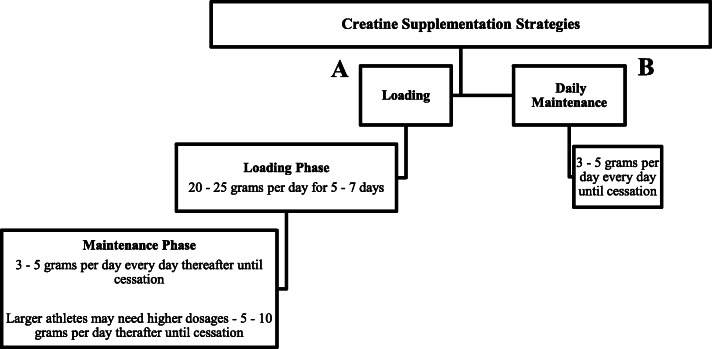
- A loading phase is not required: 3 g/day for 28 days or 20 g/day for 6 days produced similar (~20%) increases in muscle creatine, and recommended maintenance is 3–5 g/day or 0.1 g/kg/day. Creatine monohydrate is the optimal choice, with other forms not superior.
- Benefits extend beyond resistance/power activities and males: creatine appears safe and potentially beneficial for children and adolescents, benefits older adults especially when combined with resistance training, and may provide multifactorial benefits for females across the lifespan, though human pregnancy studies are lacking.
Methods
- An internationally renowned team of research experts, who collectively published over 200 peer-refereed articles involving creatine supplementation, was formed; each of 12 questions was answered by one researcher chosen for expertise, and the final manuscript was reviewed and approved by all authors, reflecting group opinion.
- The paper is an evidence-based scientific evaluation/narrative review of the literature, referencing over 500 peer-refereed publications and the 2017 International Society of Sports Nutrition position stand; no systematic search strategy, risk-of-bias assessment, or quantitative synthesis for the review itself is described.
- Evidence cited includes controlled trials, systematic reviews/meta-analyses, case reports, and survey data; for example, the fat-mass conclusion draws on a meta-analysis of 19 studies and 609 participants.
Limitations
- Stated in the paper: evidence is limited for children and adolescents; there are no human studies evaluating creatine supplementation during pregnancy; and future clinical trials involving frail populations with long-term follow-up and larger samples are needed.
- Stated/evident: this is not a systematic review, and the conclusions reflect group opinion rather than a protocol-driven, bias-assessed synthesis.
- Evident from the text: some conclusions rely on small or older studies, case reports, self-report surveys, and mixed findings, such as short-term water retention versus longer-term total body water data and inconsistent performance results in females.
Model-written summary. Check it against the paper before relying on it.
Integrity signals
Registry
Cites
Statistics
Figures
Verification
Claims the paper makes
52 Valid · 3 Not valid · 103 Not checked · 57 Own results and interpretations
At least one cited source doesn’t support this claim or points to a different paper, and none confirmed it — see the verdicts below.
In the paper
“Six weeks of creatine supplementation in non-resistance-trained males at a dosage of 0.3 g/kg lean body mass for five days followed by 0.075 g/kg lean body mass for 42 days produced no significant changes in TBW [43].”
§ Common questions and misconceptions about creatine supplementation: what does the scientific evidence really show? > Introduction > Does creatine lead to water retention?
What the sources say
- Disputedcites [43] Spillane M Schoch R Cooke M Harvey T Greenwood M Kreider R Willoughby DS The effects of creatine ethyl ester supplementation combined with heavy resistance training on body composition, muscle performance, and serum and muscle creatine levels J. Int. Soc. Sports Nutr. 2009 6 6 6 10.1186/1550-2783-6-6 19228401 PMC2649889 sourceExperimental — accuracy not yet measured
The Methods (Supplementation protocol) and Participants sections match the stated doses and describe males who were not resistance-trained. But the Results (Body water) report significant increases in total body water at days 27 and 48. Only the difference between supplement and placebo groups was not significant; that does not support the claim that total body water showed no significant changes. (LLM, conf=0.88)
Checked by a reasoning model — may be wrong.
plain- Asserted: passes — The authors put it forward as true.
- Checkable: passes — It can be checked against evidence.
- Load-bearing: unclear — It is unclear whether the paper’s conclusions depend on it.
- Based: passes — The paper gives a reason why it holds.
- Disputed
Every source the paper cites for this claim was checked and supports it.
In the paper
“The overwhelming majority of evidence in adult populations indicates that creatine supplementation, both short- and longer-term, is safe and generally well tolerated [2].”
§ Common questions and misconceptions about creatine supplementation: what does the scientific evidence really show? > Introduction > Is creatine harmful for children and adolescents?
What the sources say
- Supportedcites [2] Kreider RB Kalman DS Antonio J Ziegenfuss TN Wildman R Collins R Candow DG Kleiner SM Almada AL Lopez HL International Society of Sports Nutrition position stand: safety and efficacy of creatine supplementation in exercise, sport, and medicine J. Int. Soc. Sports Nutr 2017 14 18-z 10.1186/s12970-017-0173-z 28615996 PMC5469049 source
The Safety section says that short- and long-term studies consistently show no adverse health risks and describes creatine monohydrate as well tolerated. Those findings include adult populations, supporting the claim's narrower scope; page numbers are not supplied in our copy. (LLM, conf=0.94)
hedged- Asserted: passes — The authors put it forward as true.
- Checkable: passes — It can be checked against evidence.
- Load-bearing: unclear — It is unclear whether the paper’s conclusions depend on it.
- Based: passes — The paper gives a reason why it holds.
- Supported
The cited sources support only part of this claim — read each source’s verdict below.
In the paper
“Moreover, in a group of healthy recreational male bodybuilders, 5 g/day of creatine consumed either pre- or post-training had no effect on fat mass [90].”
§ Common questions and misconceptions about creatine supplementation: what does the scientific evidence really show? > Introduction > Does creatine increase fat mass?
What the sources say
- Partly supportedcites [90] Antonio J, Ciccone V. The effects of pre versus post workout supplementation of creatine monohydrate on body composition and strength. J. Int. Soc. Sports Nutr. 2013;10:36–6 eCollection 2013. PMC3750511 23919405 sourceExperimental — accuracy not yet measured
The Methods identify healthy recreational male bodybuilders receiving 5 g of creatine before or after training. The Results report no statistically significant change in fat mass, but they also report a mean decrease in both groups and suggest that post-workout supplementation was possibly more beneficial. Thus, “had no effect” overstates the finding. (LLM, conf=0.86)
plain- Asserted: passes — The authors put it forward as true.
- Checkable: passes — It can be checked against evidence.
- Load-bearing: unclear — It is unclear whether the paper’s conclusions depend on it.
- Based: passes — The paper gives a reason why it holds.
- Partly supported
The cited sources support only part of this claim — read each source’s verdict below.
In the paper
“The increase in cerebral PCr from 10 g of creatine supplementation was reported to be inversely related to symptoms of depression in adolescent females resistant to selective serotonin reuptake inhibitors [171]”
§ Common questions and misconceptions about creatine supplementation: what does the scientific evidence really show? > Introduction > Is creatine only effective for males?
What the sources say
- Partly supportedcites [171] Kondo DG Forrest LN Shi X Sung YH Hellem TL Huber RS Renshaw PF Creatine target engagement with brain bioenergetics: a dose-ranging phosphorus-31 magnetic resonance spectroscopy study of adolescent females with SSRI-resistant depression Amino Acids 2016 48 1941 1954 10.1007/s00726-016-2194-3 26907087 PMC4974294 sourceExperimental — accuracy not yet measured
The Results report a 9.1% increase in frontal-lobe PCr in the 10 g group and an inverse correlation between PCr and depression scores in the combined creatine-treated groups. They do not establish that correlation specifically for the 10 g group; the authors say only that visual inspection suggests the 4 g and 10 g groups contributed most to it. Pages were not provided in our copy. (LLM, conf=0.88)
plainstates an association- Asserted: passes — The authors put it forward as true.
- Checkable: passes — It can be checked against evidence.
- Load-bearing: unclear — It is unclear whether the paper’s conclusions depend on it.
- Based: passes — The paper gives a reason why it holds.
- Partly supported
The cited sources support only part of this claim — read each source’s verdict below.
In the paper
“Therefore, creatine supplementation may reduce the risk of heat related-illness when athletes train and/or compete in hot and humid environments [72, 146].”
§ Common questions and misconceptions about creatine supplementation: what does the scientific evidence really show? > Introduction > Is creatine only useful for resistance / power type activities?
What the sources say
- Not checked yetcites [72] Dalbo VJ Roberts MD Stout JR Kerksick CM Putting to rest the myth of creatine supplementation leading to muscle cramps and dehydration Br. J. Sports Med. 2008 42 567 573 10.1136/bjsm.2007.042473 18184753 source
Checked before — its earlier verdict is held back until a new check runs.
- Partly supportedcites [146] Buford TW Kreider RB Stout JR Greenwood M Campbell B Spano M Ziegenfuss T Lopez H Landis J Antonio J International Society of Sports Nutrition position stand: creatine supplementation and exercise J. Int. Soc. Sports Nutr. 2007 4 6 6 10.1186/1550-2783-4-6 17908288 PMC2048496 sourceExperimental — accuracy not yet measured
The Medical Safety of Creatine Supplementation section (page unavailable) says athletes taking creatine may have a lower risk of symptoms such as dehydration and cramping. It does not say that creatine reduces heat-related illness specifically, or establish that benefit for athletes training or competing in hot and humid conditions. (LLM, conf=0.78)
hedgedstates a possible cause- Asserted: passes — The authors put it forward as true.
- Checkable: passes — It can be checked against evidence.
- Load-bearing: passes — The paper’s conclusions depend on it.
- Based: passes — The paper gives a reason why it holds.
- Not checked yet
116 more claims · 16 with their cited sources checked
Create a free account to see all 215 claims and to verify the 8 references still open.
- It may state two separate claims as one. 75
- Probably not a substantial claim. 23
- The quote only partly states this claim. 2
Claims other papers make about this one
Each is checked against this paper’s own text: does it say what the citing paper says it does?
The cited source says what the claim attributes to it.
In the citing paper
“One of the most commonly used and scientifically supported ergogenic aids is creatine monohydrate (commonly referred to as creatine) [1,3,4,5].”
From Creatine for exercise and sports performance, with recovery considerations for healthy populations (2021) · cites this paper as [4]
The cited source says what the claim attributes to it.
In the citing paper
“athletes may experience a reduction in the risk of heat-related injuries when training or competing in these conditions [3,4,103,104,105].”
From Creatine for exercise and sports performance, with recovery considerations for healthy populations (2021) · cites this paper as [4]
The cited source says what the claim attributes to it.
In the citing paper
“Although several other forms of creatine have been proposed and marketed as alternatives, none have been shown to offer benefits above and beyond those seen with monohydrate.”
From Creatine for exercise and sports performance, with recovery considerations for healthy populations (2021) · cites this paper as [4]
The cited source says what the claim attributes to it.
In the citing paper
“Previous work has highlighted gender-specific differences in creatine production and turnover, which lays the foundation for gender considerations for creatine [4].”
From Creatine for exercise and sports performance, with recovery considerations for healthy populations (2021) · cites this paper as [4]
The cited source says what the claim attributes to it.
In the citing paper
“Many misconceptions are present regarding creatine [81]”
From Creatine Supplementation in Children and Adolescents (2021) · cites this paper as [81]
8 more claims about this paper
Create a free account to see every claim other papers make about this one.
Self-check
Percentages, sums and reported differences re-computed from the paper’s own numbers.
Each contradiction between two passages listed here was confirmed by an independent check.
Rated minor: it would not touch a result — a value no result rests on, a p-value that stays on the same side of the significance level, or a conflict that is clerical, resolved elsewhere in the paper, or outside its own findings.
In the paper
§ Common questions and misconceptions about creatine supplementation: what does the scientific evidence really show? > Introduction > Does creatine lead to water retention?
“Six weeks of creatine supplementation in non-resistance-trained males”
§ Common questions and misconceptions about creatine supplementation: what does the scientific evidence really show? > Introduction > Does creatine lead to water retention?
“for five days followed by 0.075 g/kg lean body mass for 42 days”
Citations
Cites
Sarcopenia: revised European consensus on definition and diagnosis
Cruz-Jentoft, A. J., Bahat, G., Bauer, J., Boirie, Y., Bruyère, O., Cederholm, T., Cooper, C., Landi, F., Rolland, Y., Sayer, A. A., et al. (2019) · Age and Ageing · doi:10.1093/ageing/afy169 · Cited by 13,818 · cited 1×
“decrease in muscle mass, strength, and functionality) that is associated with increased likelihood of adverse outcomes including falls, fractures, physical disability and mortality [107].”
BackgroundSarcopenia: revised European consensus on definition and diagnosis
Cruz-Jentoft, A. J., Bahat, G., Bauer, J., Boirie, Y., Bruyère, O., Cederholm, T., Cooper, C., Landi, F., Rolland, Y., Sayer, A. A., et al. (2019) · Age and Ageing · doi:10.1093/ageing/afz046 · Cited by 3,803
Creatine and Creatinine Metabolism
Wyss, M., & Kaddurah-Daouk, R. (2000) · Physiological Reviews · doi:10.1152/physrev.2000.80.3.1107 · Cited by 2,950 · cited 5×
“, 3–5 g/day) increases blood concentrations of creatine for 3-4 hours after ingestion thereby facilitating the uptake of creatine into tissue through diffusion and creatine transporters [1, 183, 184].”
BackgroundInfluentialElevation of creatine in resting and exercised muscle of normal subjects by creatine supplementation
Harris, R. C., Söderlund, K., & Hultman, E. (1992) · Clinical Science · doi:10.1042/cs0830367 · Cited by 1,168 · cited 5×
“[60] published a seminal paper which showed that ‘loading’ with creatine increased skeletal muscle creatine stores, as evaluated from muscle biopsies collected from the vastus lateralis in young, healthy human participants.”
BackgroundInfluentialKreider, R. B., Kalman, D. S., Antonio, J., Ziegenfuss, T. N., Wildman, R., Collins, R., Candow, D. G., Kleiner, S. M., Almada, A. L., & Lopez, H. L. (2017) · Journal of the International Society of Sports Nutrition · doi:10.1186/s12970-017-0173-z · Cited by 1,057 · cited 10×
“Based on the enormous popularity of creatine supplementation, the International Society of Sports Nutrition (ISSN) published an updated position stand in 2017 on the safety and efficacy of creatine supplementation in exercise, sport, and medicine [2].”
BackgroundInfluentialSelf-citationISSN exercise & sports nutrition review update: research & recommendations
Kerksick, C. M., Wilborn, C. D., Roberts, M. D., Smith-Ryan, A., Kleiner, S. M., Jäger, R., Collins, R., Cooke, M., Davis, J. N., Galvan, E., et al. (2018) · Journal of the International Society of Sports Nutrition · doi:10.1186/s12970-018-0242-y · Cited by 945 · cited 4×
“Creatine monohydrate powder has been the most extensively studied and commonly used form of creatine in dietary supplements since the early 1990s [2, 125].”
BackgroundInfluentialSelf-citationKuehner, C. (2003) · Acta Psychiatrica Scandinavica · doi:10.1034/j.1600-0447.2003.00204.x · Cited by 839 · cited 1×
“Depression is about 2 times higher among females throughout the reproductive years [173] and accelerates around pubertal hormonal changes [174].”
BackgroundMuscle creatine loading in men
Hultman, E., Soderlund, K., Timmons, J. A., Cederblad, G., & Greenhaff, P. L. (1996) · Journal of Applied Physiology · doi:10.1152/jappl.1996.81.1.232 · Cited by 822 · cited 5×
“istered creatine in hot tea [35, 60, 103, 104, 123, 182] but the solubility has no influence on tissue uptake [187].”
BackgroundInfluentialAndrogen Receptor Structure, Function and Biology: From Bench to Bedside.
(2016) · Europe PMC (PubMed Central) · Cited by 623
Effect of oral creatine supplementation on skeletal muscle phosphocreatine resynthesis
Greenhaff, P. L., Bodin, K., Soderlund, K., & Hultman, E. (1994) · American Journal of Physiology-Endocrinology and Metabolism · doi:10.1152/ajpendo.1994.266.5.e725 · Cited by 531 · cited 2×
“[60], several other investigations have demonstrated increased intramuscular creatine stores in humans from the creatine ‘loading’ phase [35, 103, 104].”
BackgroundDoes nutrition play a role in the prevention and management of sarcopenia?
Robinson, S. M., Reginster, J. Y., Rizzoli, R., Shaw, S. C., Kanis, J. A., Bautmans, I., Bischoff-Ferrari, H., Bruyère, O., Cesari, M., Dawson-Hughes, B., et al. (2018) · Clinical Nutrition · doi:10.1016/j.clnu.2017.08.016 · Cited by 491
Greenhaff, P. L., Casey, A., Short, A. H., Harris, R., Soderlund, K., & Hultman, E. (1993) · Clinical Science · doi:10.1042/cs0840565 · Cited by 460 · cited 2×
“istered creatine in hot tea [35, 60, 103, 104, 123, 182] but the solubility has no influence on tissue uptake [187].”
BackgroundLong-term creatine intake is beneficial to muscle performance during resistance training
Vandenberghe, K., Goris, M., Van Hecke, P., Van Leemputte, M., Vangerven, L., & Hespel, P. (1997) · Journal of Applied Physiology · doi:10.1152/jappl.1997.83.6.2055 · Cited by 430
Physiological and Health Effects of Oral Creatine Supplementation
(2000) · Medicine & Science in Sports & Exercise · doi:10.1097/00005768-200003000-00024 · Cited by 413 · cited 1×
“and exercising intensely or in hot environments should avoid the use of creatine supplementation [74].”
BackgroundMolecular mechanisms of androgenetic alopecia
Trüeb, R. M. (2002) · Experimental Gerontology · doi:10.1016/s0531-5565(02)00093-1 · Cited by 368 · cited 1×
“In males, DHT can bind to androgen receptors in susceptible hair follicles and cause them to shrink, ultimately leading to hair loss [64].”
BackgroundPerformance and muscle fiber adaptations to creatine supplementation and heavy resistance training
VOLEK, J. S., DUNCAN, N. D., MAZZETTI, S. A., STARON, R. S., PUTUKIAN, M., G??MEZ, A. L., PEARSON, D. R., FINK, W. J., & KRAEMER, W. J. (1999) · Medicine & Science in Sports & Exercise · doi:10.1097/00005768-199908000-00011 · Cited by 366 · cited 2×
“Lean body mass and muscle fiber size increased; percent body fat and fat mass were unaffected over the 12-week training period [93].”
BackgroundCreatine: Endogenous Metabolite, Dietary, and Therapeutic Supplement
Brosnan, J. T., & Brosnan, M. E. (2007) · Annual Review of Nutrition · doi:10.1146/annurev.nutr.27.061406.093621 · Cited by 347 · cited 1×
“Creatine kinetics may vary between healthy males and females [157].”
BackgroundCasey, A., Constantin-Teodosiu, D., Howell, S., Hultman, E., & Greenhaff, P. L. (1996) · American Journal of Physiology-Endocrinology and Metabolism · doi:10.1152/ajpendo.1996.271.1.e31 · Cited by 343 · cited 2×
“[60], several other investigations have demonstrated increased intramuscular creatine stores in humans from the creatine ‘loading’ phase [35, 103, 104].”
BackgroundInternational Society of Sports Nutrition position stand: creatine supplementation and exercise
Buford, T. W., Kreider, R. B., Stout, J. R., Greenwood, M., Campbell, B., Spano, M., Ziegenfuss, T., Lopez, H., Landis, J., & Antonio, J. (2007) · Journal of the International Society of Sports Nutrition · doi:10.1186/1550-2783-4-6 · Cited by 341 · cited 1×
“Therefore, creatine supplementation may reduce the risk of heat related-illness when athletes train and/or compete in hot and humid environments [72, 146].”
BackgroundSelf-citationHespel, P., Op't Eijnde, B., Leemputte, M. V., Ursø, B., Greenhaff, P. L., Labarque, V., Dymarkowski, S., Hecke, P. V., & Richter, E. A. (2001) · The Journal of Physiology · doi:10.1111/j.1469-7793.2001.0625c.xd · Cited by 335 · cited 1×
“evidence that athletes who supplement with creatine during training experience fewer musculoskeletal injuries, accelerated recovery time from injury [78, 128] and less muscle atrophy after immobilization [129, 130].”
BackgroundBEBBINGTON, P. E., DUNN, G., JENKINS, R., LEWIS, G., BRUGHA, T., FARRELL, M., & MELTZER, H. (1998) · Psychological Medicine · doi:10.1017/s0033291797006077 · Cited by 330 · cited 1×
“Depression is about 2 times higher among females throughout the reproductive years [173] and accelerates around pubertal hormonal changes [174].”
BackgroundEffect of creatine supplementation on body composition and performance: a meta-analysis
Branch, J. D. (2003) · International Journal of Sport Nutrition and Exercise Metabolism · doi:10.1123/ijsnem.13.2.198 · Cited by 309 · cited 1×
“Conversely, substantial evidence indicates that creatine supplementation is capable of augmenting the hypertrophic response to resistance training in young adults [117], which is extended to older adults, as confirmed by three systematic reviews and meta-analyses [19, 118, 119].”
BackgroundDietary supplement creatine protects against traumatic brain injury
Sullivan, P. G., Geiger, J. D., Mattson, M. P., & Scheff, S. W. (2000) · Annals of Neurology · doi:10.1002/1531-8249(200011)48:5<723::aid-ana5>3.0.co;2-w · Cited by 309
Green, A. L., Hultman, E., Macdonald, I. A., Sewell, D. A., & Greenhaff, P. L. (1996) · American Journal of Physiology-Endocrinology and Metabolism · doi:10.1152/ajpendo.1996.271.5.e821 · Cited by 294 · cited 2×
“istered creatine in hot tea [35, 60, 103, 104, 123, 182] but the solubility has no influence on tissue uptake [187].”
BackgroundSabra, A., Bellanti, J. A., & Colón, A. R. (1998) · The Lancet · doi:10.1016/s0140-6736(05)77837-5 · Cited by 287
Effects of creatine supplementation on performance and training adaptations
Kreider, R. B. (2003) · Molecular and Cellular Biochemistry · doi:10.1023/a:1022465203458 · Cited by 264
Self-citationResistance Exercise Training as a Primary Countermeasure to Age-Related Chronic Disease
Mcleod, J. C., Stokes, T., & Phillips, S. M. (2019) · Frontiers in Physiology · doi:10.3389/fphys.2019.00645 · Cited by 254 · cited 1×
“While resistance training is considered cornerstone in the treatment of sarcopenia [108], accumulating evidence indicates that creatine supplementation may enhance the anabolic environment produced by resistance training, subsequently mitigating indices of sarcopenia [9, 10, 19, 27].”
BackgroundCreatine supplementation during resistance training in older adults - a meta-analysis
DEVRIES, M. C., & PHILLIPS, S. M. (2014) · Medicine & Science in Sports & Exercise · doi:10.1249/mss.0000000000000220 · Cited by 239 · cited 1×
“Conversely, substantial evidence indicates that creatine supplementation is capable of augmenting the hypertrophic response to resistance training in young adults [117], which is extended to older adults, as confirmed by three systematic reviews and meta-analyses [19, 118, 119].”
BackgroundDihydrotestosterone and the Concept of 5α–Reductase Inhibition in Human Benign Prostatic Hyperplasia
Bartsch, G., Rittmaster, R. S., & Klocker, H. (2000) · European Urology · doi:10.1159/000020181 · Cited by 238
Parise, G., Mihic, S., MacLennan, D., Yarasheski, K. E., & Tarnopolsky, M. A. (2001) · Journal of Applied Physiology · doi:10.1152/jappl.2001.91.3.1041 · Cited by 236 · cited 2×
“In contrast, not all data show improved performance in females [89, 160, 161].”
BackgroundResultChilibeck, P., Kaviani, M., Candow, D., & Zello, G. A. (2017) · Open Access Journal of Sports Medicine · doi:10.2147/oajsm.s123529 · Cited by 235 · cited 4×
“Conversely, substantial evidence indicates that creatine supplementation is capable of augmenting the hypertrophic response to resistance training in young adults [117], which is extended to older adults, as confirmed by three systematic reviews and meta-analyses [19, 118, 119].”
BackgroundInfluentialSelf-citationCreatine supplementation combined with resistance training in older men
CHRUSCH, M. J., CHILIBECK, P. D., CHAD, K. E., SHAWN DAVISON, K., & BURKE, D. G. (2001) · Medicine & Science in Sports & Exercise · doi:10.1097/00005768-200112000-00021 · Cited by 233 · cited 1×
“In older males (~70 yrs), 12 weeks of creatine supplementation during resistance training had no effect (compared to placebo) on fat mass [94].”
BackgroundCannon, J. G., Orencole, S. F., Fielding, R. A., Meydani, M., Meydani, S. N., Fiatarone, M. A., Blumberg, J. B., & Evans, W. J. (1990) · American Journal of Physiology-Regulatory, Integrative and Comparative Physiology · doi:10.1152/ajpregu.1990.259.6.r1214 · Cited by 216
Creatine monohydrate enhances strength and body composition in Duchenne muscular dystrophy
Tarnopolsky, M. A., Mahoney, D. J., Vajsar, J., Rodriguez, C., Doherty, T. J., Roy, B. D., & Biggar, D. (2004) · Neurology · doi:10.1212/01.wnl.0000125178.18862.9d · Cited by 216 · cited 1×
“[82] reported significant improvements in fat-free mass and hand grip strength in 30 pediatric patients with Duchenne muscular dystrophy following 4 months of creatine supplementation.”
BackgroundRenal dysfunction accompanying oral creatine supplements
Pritchard, N., & Kalra, P. (1998) · The Lancet · doi:10.1016/s0140-6736(05)79319-3 · Cited by 213
Normal reference values for creatine, creatinine, and carnitine are lower in vegetarians.
Delanghe, J., De Slypere, J. P., De Buyzere, M., Robbrecht, J., Wieme, R., & Vermeulen, A. (1989) · Clinical Chemistry · doi:10.1093/clinchem/35.8.1802 · Cited by 201 · cited 1×
“Females may have higher intramuscular creatine concentrations [158] possibly due to lower skeletal muscle mass [159].”
BackgroundMIHIC, S., MacDONALD, J. R., McKENZIE, S., & TARNOPOLSKY, M. A. (2000) · Medicine & Science in Sports & Exercise · doi:10.1097/00005768-200002000-00007 · Cited by 201 · cited 2×
“In contrast, not all data show improved performance in females [89, 160, 161].”
BackgroundResultCreatine Supplementation and Lower Limb Strength Performance: A Systematic Review and Meta-Analyses
Lanhers, C., Pereira, B., Naughton, G., Trousselard, M., Lesage, F.-X., & Dutheil, F. (2015) · Sports Medicine · doi:10.1007/s40279-015-0337-4 · Cited by 189
Brosnan, M. E., & Brosnan, J. T. (2016) · Amino Acids · doi:10.1007/s00726-016-2188-1 · Cited by 185
Kreider, R. B., Melton, C., Rasmussen, C. J., Greenwood, M., Lancaster, S., Cantler, E. C., Milnor, P., & Almada, A. L. (2003) · Molecular and Cellular Biochemistry · doi:10.1023/a:1022469320296 · Cited by 181
Self-citationAnalysis of the efficacy, safety, and regulatory status of novel forms of creatine
Jäger, R., Purpura, M., Shao, A., Inoue, T., & Kreider, R. B. (2011) · Amino Acids · doi:10.1007/s00726-011-0874-6 · Cited by 181 · cited 10×
“Creatine monohydrate powder is very stable showing no signs of degradation into creatinine over years, even at elevated storage temperatures [187].”
BackgroundInfluentialSelf-citationAdverse Effects of Creatine Supplementation: Fact or Fiction?
Poortmans, J. R., & Francaux, M. (2000) · Sports Medicine · doi:10.2165/00007256-200030030-00002 · Cited by 176
In sickness and in health: the widespread application of creatine supplementation
Gualano, B., Roschel, H., Lancha, A. H., Brightbill, C. E., & Rawson, E. S. (2012) · Amino Acids · doi:10.1007/s00726-011-1132-7 · Cited by 172 · cited 1×
“[58] reviewed a small number of case studies which reported renal dysfunction in individuals who were supplementing with creatine.”
BackgroundSelf-citationDolan, E., Gualano, B., & Rawson, E. S. (2019) · European Journal of Sport Science · doi:10.1080/17461391.2018.1500644 · Cited by 171 · cited 1×
“Finally, there is evidence from animal models that creatine supplementation is neuroprotective [147–149] and can reduce the severity of spinal cord injury [150, 151], cerebral ischemia [152–155], and concussion/traumatic brain injury [2, 7, 12, 22, 32, 33, 156].”
BackgroundSelf-citationEffect of short-term creatine supplementation on renal responses in men
Poortmans, J. R., Auquier, H., Renaut, V., Durussel, A., Saugy, M., & Brisson, G. R. (1997) · European Journal of Applied Physiology · doi:10.1007/s004210050291 · Cited by 170 · cited 1×
“This was ignored by the authors of this case study, as was the inclusion of two investigations which demonstrated that creatine supplementation did not negatively impact renal function [52, 53].”
BackgroundCreatine for treating muscle disorders
Kley, R. A., Tarnopolsky, M. A., & Vorgerd, M. (2013) · Cochrane Database of Systematic Reviews · doi:10.1002/14651858.cd004760.pub4 · Cited by 169
Low-Dose Creatine Combined with Protein during Resistance Training in Older Men
CANDOW, D. G., LITTLE, J. P., CHILIBECK, P. D., ABEYSEKARA, S., ZELLO, G. A., KAZACHKOV, M., CORNISH, S. M., & YU, P. H. (2008) · Medicine & Science in Sports & Exercise · doi:10.1249/mss.0b013e318176b310 · Cited by 168 · cited 1×
“body resistance training for 10-12 weeks experienced an increase in upper limb bone mineral content [120] and a reduction in bone resorption compared to placebo [121].”
BackgroundSelf-citationEffects of oral creatine supplementation on muscular strength and body composition
BECQUE, M. D., LOCHMANN, J. D., & MELROSE, D. R. (2000) · Medicine & Science in Sports & Exercise · doi:10.1097/00005768-200003000-00016 · Cited by 168 · cited 1×
“[91] found no changes in fat mass after six weeks of supplementation plus resistance training.”
BackgroundEffects of creatine monohydrate ingestion in sedentary and weight‐trained older adults
BERMON, VENEMBRE, SACHET, VALOUR, & DOLISI (1998) · Acta Physiologica Scandinavica · doi:10.1046/j.1365-201x.1998.00427.x · Cited by 165 · cited 1×
“Likewise, most studies failed to show a beneficial effect of chronic creatine supplementation alone (≥ 30 days) on lean mass [98, 99, 113, 114].”
BackgroundSantos, R. V. T., Bassit, R. A., Caperuto, E. C., & Costa Rosa, L. F. B. P. (2004) · Life Sciences · doi:10.1016/j.lfs.2003.11.036 · Cited by 162 · cited 1×
“muscle soreness in response to running 30-km [127] as well as during 4-weeks of intensified training [70].”
BackgroundEffect of Oral Creatine Supplementation on Human Muscle GLUT4 Protein Content After Immobilization
Eijnde, B. O. '., Ursø, B., Richter, E. A., Greenhaff, P. L., & Hespel, P. (2001) · Diabetes · doi:10.2337/diabetes.50.1.18 · Cited by 162 · cited 1×
“evidence that athletes who supplement with creatine during training experience fewer musculoskeletal injuries, accelerated recovery time from injury [78, 128] and less muscle atrophy after immobilization [129, 130].”
BackgroundCreatine supplementation improves muscular performance in older men
GOTSHALK, L. A., VOLEK, J. S., STARON, R. S., DENEGAR, C. R., HAGERMAN, F. C., & KRAEMER, W. J. (2002) · Medicine & Science in Sports & Exercise · doi:10.1097/00005768-200203000-00023 · Cited by 158 · cited 2×
“Acute creatine supplementation (7 days) had no effect on fat mass in young and older adults; however, fat-free mass was increased [86, 87].”
BackgroundExploring the therapeutic role of creatine supplementation
Gualano, B., Artioli, G. G., Poortmans, J. R., & Lancha Junior, A. H. (2010) · Amino Acids · doi:10.1007/s00726-009-0263-6 · Cited by 156
Self-citationHoffman, J., Ratamess, N., Kang, J., Mangine, G., Faigenbaum, A., & Stout, J. (2006) · International Journal of Sport Nutrition and Exercise Metabolism · doi:10.1123/ijsnem.16.4.430 · Cited by 151
Safdar, A., Yardley, N. J., Snow, R., Melov, S., & Tarnopolsky, M. A. (2008) · Physiological Genomics · doi:10.1152/physiolgenomics.00157.2007 · Cited by 149 · cited 1×
“It is important to highlight that the ICW is an important cellular signal for protein synthesis and thus drives an increase in muscle mass over time [46].”
BackgroundCandow, D. G., Forbes, S. C., Chilibeck, P. D., Cornish, S. M., Antonio, J., & Kreider, R. B. (2019) · Journal of Clinical Medicine · doi:10.3390/jcm8040488 · Cited by 149 · cited 3×
“The fact that creatine is more effective when combined with a training stimulus suggests that the main mechanistic action of creatine is its ability to enhance training volume and/or intensity, which may influence muscle protein kinetics, growth factors, satellite cells, inflammation and/or oxidative stress [9, 10, 19…”
BackgroundSelf-citationLyoo, I. K., Kong, S. W., Sung, S. M., Hirashima, F., Parow, A., Hennen, J., Cohen, B. M., & Renshaw, P. F. (2003) · Psychiatry Research: Neuroimaging · doi:10.1016/s0925-4927(03)00046-5 · Cited by 140 · cited 1×
“Creatine supplementation has been shown to significantly augment cerebral PCr and Pi [175], particularly in females.”
BackgroundProphylactic Creatine Administration Mediates Neuroprotection in Cerebral Ischemia in Mice
Zhu, S., Li, M., Figueroa, B. E., Liu, A., Stavrovskaya, I. G., Pasinelli, P., Beal, M. F., Brown, R. H., Kristal, B. S., Ferrante, R. J., et al. (2004) · The Journal of Neuroscience · doi:10.1523/jneurosci.1278-04.2004 · Cited by 138
Creatine supplementation in the aging population: effects on skeletal muscle, bone and brain
Gualano, B., Rawson, E. S., Candow, D. G., & Chilibeck, P. D. (2016) · Amino Acids · doi:10.1007/s00726-016-2239-7 · Cited by 133 · cited 1×
“While resistance training is considered cornerstone in the treatment of sarcopenia [108], accumulating evidence indicates that creatine supplementation may enhance the anabolic environment produced by resistance training, subsequently mitigating indices of sarcopenia [9, 10, 19, 27].”
BackgroundSelf-citationPerspectives on Exertional Rhabdomyolysis
Rawson, E. S., Clarkson, P. M., & Tarnopolsky, M. A. (2017) · Sports Medicine · doi:10.1007/s40279-017-0689-z · Cited by 133
Self-citationPharmacokinetics of the Dietary Supplement Creatine
Persky, A. M., Brazeau, G. A., & Hochhaus, G. (2003) · Clinical Pharmacokinetics · doi:10.2165/00003088-200342060-00005 · Cited by 132 · cited 1×
“Additionally, it is well established that ~99% of orally ingested creatine monohydrate is either taken up by tissue or excreted in the urine as creatine through normal digestion [60, 185, 186].”
BackgroundProtein- and carbohydrate-induced augmentation of whole body creatine retention in humans
Steenge, G. R., Simpson, E. J., & Greenhaff, P. L. (2000) · Journal of Applied Physiology · doi:10.1152/jappl.2000.89.3.1165 · Cited by 132 · cited 1×
“For example, creatine supplementation with carbohydrate [123] or carbohydrate and protein [124] has been reported to promote greater muscle glycogen storage than carbohydrate supplementation alone.”
BackgroundBebbington, P., Dunn, G., Jenkins, R., Lewis, G., Brugha, T., Farrell, M., & Meltzer, H. (2003) · International Review of Psychiatry · doi:10.1080/0954026021000045976 · Cited by 131
Kraemer, W. J., & Volek, J. S. (1999) · Clinics in Sports Medicine · doi:10.1016/s0278-5919(05)70174-5 · Cited by 130
Improved Reperfusion and Neuroprotection by Creatine in a Mouse Model of Stroke
Prass, K., Royl, G., Lindauer, U., Freyer, D., Megow, D., Dirnagl, U., Stöckler-Ipsiroglu, G., Wallimann, T., & Priller, J. (2007) · Journal of Cerebral Blood Flow & Metabolism · doi:10.1038/sj.jcbfm.9600351 · Cited by 128
Effects of 30 days of creatine ingestion in older men
Rawson, E. S., Wehnert, M. L., & Clarkson, P. M. (1999) · European Journal of Applied Physiology and Occupational Physiology · doi:10.1007/s004210050570 · Cited by 128 · cited 1×
“Likewise, most studies failed to show a beneficial effect of chronic creatine supplementation alone (≥ 30 days) on lean mass [98, 99, 113, 114].”
BackgroundSelf-citationDihydrotestosterone and the concept of 5α-reductase inhibition in human benign prostatic hyperplasia
Bartsch, G., Rittmaster, R., & Klocker, H. (2002) · World Journal of Urology · doi:10.1007/s00345-002-0248-5 · Cited by 128 · cited 12×
“In males, DHT can bind to androgen receptors in susceptible hair follicles and cause them to shrink, ultimately leading to hair loss [64].”
BackgroundInfluentialCreatine Supplementation and Upper Limb Strength Performance: A Systematic Review and Meta-Analysis
Lanhers, C., Pereira, B., Naughton, G., Trousselard, M., Lesage, F.-X., & Dutheil, F. (2017) · Sports Medicine · doi:10.1007/s40279-016-0571-4 · Cited by 127
Cooke, M. B., Rybalka, E., Williams, A. D., Cribb, P. J., & Hayes, A. (2009) · Journal of the International Society of Sports Nutrition · doi:10.1186/1550-2783-6-13 · Cited by 126 · cited 1×
“For example, Cooke and colleagues [126] Antonio et al.”
Gualano, B., Macedo, A. R., Alves, C. R. R., Roschel, H., Benatti, F. B., Takayama, L., de Sá Pinto, A. L., Lima, F. R., & Pereira, R. M. R. (2014) · Experimental Gerontology · doi:10.1016/j.exger.2014.02.003 · Cited by 123 · cited 2×
“Results showed no effect from creatine on fat mass [95].”
BackgroundSelf-citationStout, J. R., Graves, B. S., Cramer, J. T., Goldstein, E. R., Costa, P. B., Smith‐Ryan, A. E., & Walter, A. A. (2007) · PubMed · Cited by 122
Self-citationAguiar, A. F., Januário, R. S. B., Junior, R. P., Gerage, A. M., Pina, F. L. C., do Nascimento, M. A., Padovani, C. R., & Cyrino, E. S. (2013) · European Journal of Applied Physiology · doi:10.1007/s00421-012-2514-6 · Cited by 121 · cited 1×
“Furthermore, 5 g/day of creatine supplementation during 12 weeks of resistance training in postmenopausal females resulted in a significant increase in muscle mass and upper- and lowerbody strength, compared to placebo [181].”
BackgroundStrategic creatine supplementation and resistance training in healthy older adults
Candow, D. G., Vogt, E., Johannsmeyer, S., Forbes, S. C., & Farthing, J. P. (2015) · Applied Physiology, Nutrition, and Metabolism · doi:10.1139/apnm-2014-0498 · Cited by 121 · cited 1×
“[96] examined the effects of creatine supplementation in older adults (50-71 years) over a 32week treatment period.”
BackgroundSelf-citationSakellaris, G., Kotsiou, M., Tamiolaki, M., Kalostos, G., Tsapaki, E., Spanaki, M., Spilioti, M., Charissis, G., & Evangeliou, A. (2006) · The Journal of Trauma: Injury, Infection, and Critical Care · doi:10.1097/01.ta.0000230269.46108.d5 · Cited by 116 · cited 1×
“[83] reported significant improvements in traumatic brain injury-related outcomes Antonio et al.”
BackgroundBongiovanni, T., Genovesi, F., Nemmer, M., Carling, C., Alberti, G., & Howatson, G. (2020) · European Journal of Applied Physiology · doi:10.1007/s00421-020-04432-3 · Cited by 113
Hall, M., & Trojian, T. H. (2013) · Current Sports Medicine Reports · doi:10.1249/jsr.0b013e31829cdff2 · Cited by 112
Cox, G., Mujika, I., Tumilty, D., & Burke, L. (2002) · International Journal of Sport Nutrition and Exercise Metabolism · doi:10.1123/ijsnem.12.1.33 · Cited by 110 · cited 1×
“for 6 days) improved sprint and agility performance compared to placebo [177].”
BackgroundAcute Creatine Supplementation in Older Men
Rawson, & Clarkson (2000) · International Journal of Sports Medicine · doi:10.1055/s-2000-8859 · Cited by 110
Volek, J. S., Ratamess, N. A., Rubin, M. R., G�mez, A. L., French, D. N., McGuigan, M. M., Scheett, T. P., Sharman, M. J., H�kkinen, K., & Kraemer, W. J. (2004) · European Journal of Applied Physiology · doi:10.1007/s00421-003-1031-z · Cited by 107 · cited 2×
“muscle soreness in response to running 30-km [127] as well as during 4-weeks of intensified training [70].”
BackgroundCreatine supplementation and aging musculoskeletal health
Candow, D. G., Chilibeck, P. D., & Forbes, S. C. (2014) · Endocrine · doi:10.1007/s12020-013-0070-4 · Cited by 107 · cited 1×
“Conversely, substantial evidence indicates that creatine supplementation is capable of augmenting the hypertrophic response to resistance training in young adults [117], which is extended to older adults, as confirmed by three systematic reviews and meta-analyses [19, 118, 119].”
BackgroundSelf-citationCreatine Supplementation Increases Total Body Water Without Altering Fluid Distribution.
(2003) · PubMed Central · Cited by 106
Creatine supplementation improves muscular performance in older women
Gotshalk, L. A., Kraemer, W. J., Mendonca, M. A. G., Vingren, J. L., Kenny, A. M., Spiering, B. A., Hatfield, D. L., Fragala, M. S., & Volek, J. S. (2007) · European Journal of Applied Physiology · doi:10.1007/s00421-007-0580-y · Cited by 106 · cited 1×
“Acute creatine supplementation (7 days) had no effect on fat mass in young and older adults; however, fat-free mass was increased [86, 87].”
BackgroundPhysiological responses to short-term exercise in the heat after creatine loading
VOLEK, J. S., MAZZETTI, S. A., FARQUHAR, W. B., BARNES, B. R., GÓMEZ, A. L., & KRAEMER, W. J. (2001) · Medicine & Science in Sports & Exercise · doi:10.1097/00005768-200107000-00006 · Cited by 105
Cook, C. J., Crewther, B. T., Kilduff, L. P., Drawer, S., & Gaviglio, C. M. (2011) · Journal of the International Society of Sports Nutrition · doi:10.1186/1550-2783-8-2 · Cited by 104
Farshidfar, F., Pinder, M. A., & Myrie, S. B. (2017) · Current Protein & Peptide Science · doi:10.2174/1389203718666170606105108 · Cited by 104
Butts, J., Jacobs, B., & Silvis, M. (2018) · Sports Health: A Multidisciplinary Approach · doi:10.1177/1941738117737248 · Cited by 100
Adcock, K. H., Nedelcu, J., Loenneker, T., Martin, E., Wallimann, T., & Wagner, B. P. (2002) · Developmental Neuroscience · doi:10.1159/000069043 · Cited by 97
Spillane, M., Schoch, R., Cooke, M., Harvey, T., Greenwood, M., Kreider, R., & Willoughby, D. S. (2009) · Journal of the International Society of Sports Nutrition · doi:10.1186/1550-2783-6-6 · Cited by 95
Self-citationBeyond muscles: The untapped potential of creatine
Riesberg, L. A., Weed, S. A., McDonald, T. L., Eckerson, J. M., & Drescher, K. M. (2016) · International Immunopharmacology · doi:10.1016/j.intimp.2015.12.034 · Cited by 95
Rawson, E. S., Clarkson, P. M., Price, T. B., & Miles, M. P. (2002) · Acta Physiologica Scandinavica · doi:10.1046/j.1365-201x.2002.00924.x · Cited by 94 · cited 1×
“Creatine is normally not present in urine, but can reach very high levels (>10 g/ day) during creatine supplementation [49].”
BackgroundSelf-citationSupplements with purported effects on muscle mass and strength
Valenzuela, P. L., Morales, J. S., Emanuele, E., Pareja-Galeano, H., & Lucia, A. (2019) · European Journal of Nutrition · doi:10.1007/s00394-018-1882-z · Cited by 92
Kaviani, M., Shaw, K., & Chilibeck, P. D. (2020) · International Journal of Environmental Research and Public Health · doi:10.3390/ijerph17093041 · Cited by 92
Balestrino, M., & Adriano, E. (2019) · Medicinal Research Reviews · doi:10.1002/med.21590 · Cited by 90 · cited 2×
“Finally, there is evidence from animal models that creatine supplementation is neuroprotective [147–149] and can reduce the severity of spinal cord injury [150, 151], cerebral ischemia [152–155], and concussion/traumatic brain injury [2, 7, 12, 22, 32, 33, 156].”
BackgroundCandow, D. G., Forbes, S. C., Chilibeck, P. D., Cornish, S. M., Antonio, J., & Kreider, R. B. (2019) · Frontiers in Nutrition · doi:10.3389/fnut.2019.00124 · Cited by 89 · cited 3×
“The fact that creatine is more effective when combined with a training stimulus suggests that the main mechanistic action of creatine is its ability to enhance training volume and/or intensity, which may influence muscle protein kinetics, growth factors, satellite cells, inflammation and/or oxidative stress [9, 10, 19…”
BackgroundSelf-citationGualano, B., de Salles Painelli, V., Roschel, H., Lugaresi, R., Dorea, E., Artioli, G. G., Lima, F. R., da Silva, M. E. R., Cunha, M. R., Seguro, A. C., et al. (2011) · European Journal of Applied Physiology · doi:10.1007/s00421-010-1676-3 · Cited by 88
Self-citationEffects of Creatine and Resistance Training on Bone Health in Postmenopausal Women
CHILIBECK, P. D., CANDOW, D. G., LANDERYOU, T., KAVIANI, M., & PAUS-JENSSEN, L. (2015) · Medicine & Science in Sports & Exercise · doi:10.1249/mss.0000000000000571 · Cited by 87 · cited 2×
“1 g/kg/day of creatine during 52weeks of supervised whole-body resistance training experienced an attenuation in the rate of bone mineral loss at the femoral neck (hip), compared to females on placebo during training [122].”
BackgroundSelf-citationWallimann, T., Riek, U., & Möddel, M. (2017) · Medical Hypotheses · doi:10.1016/j.mehy.2016.12.002 · Cited by 87 · cited 1×
“, 3–5 g/day) increases blood concentrations of creatine for 3-4 hours after ingestion thereby facilitating the uptake of creatine into tissue through diffusion and creatine transporters [1, 183, 184].”
BackgroundGreen, H. J., McKee, N. H., Carvalho, A. J., & Dossett-Mercer, J. C. (1996) · American Journal of Physiology-Cell Physiology · doi:10.1152/ajpcell.1996.271.6.c1942 · Cited by 86
Greenwood, M., Kreider, R. B., Melton, C., Rasmussen, C., Lancaster, S., Cantler, E., Milnor, P., & Almada, A. (2003) · Molecular and Cellular Biochemistry · doi:10.1023/a:1022413202549 · Cited by 84 · cited 2×
“evidence that athletes who supplement with creatine during training experience fewer musculoskeletal injuries, accelerated recovery time from injury [78, 128] and less muscle atrophy after immobilization [129, 130].”
BackgroundSelf-citationAntonio, J., & Ciccone, V. (2013) · Journal of the International Society of Sports Nutrition · doi:10.1186/1550-2783-10-36 · Cited by 83 · cited 1×
“healthy recreational male bodybuilders, 5 g/day of creatine consumed either pre- or post-training had no effect on fat mass [90].”
BackgroundCreatine Supplementation Patterns and Perceived Effects in Select Division I Collegiate Athletes
Greenwood, M., Farris, J., Kreider, R., Greenwood, L., & Byars, A. (2000) · Clinical Journal of Sport Medicine · doi:10.1097/00042752-200007000-00007 · Cited by 80 · cited 3×
“Some anecdotal evidence indicates that creatine users perceive supplementation to result in some adverse effects [77].”
BackgroundInfluentialSelf-citationKondo, D. G., Forrest, L. N., Shi, X., Sung, Y.-H., Hellem, T. L., Huber, R. S., & Renshaw, P. F. (2016) · Amino Acids · doi:10.1007/s00726-016-2194-3 · Cited by 79 · cited 2×
“The increase in cerebral PCr from 10 g of creatine supplementation was reported to be inversely related to symptoms of depression in adolescent females resistant to selective serotonin reuptake inhibitors [171] It appears that creatine supplementation may be Antonio et al.”
BackgroundEffects of Creatine Supplementation on Renal Function: A Systematic Review and Meta-Analysis
de Souza e Silva, A., Pertille, A., Reis Barbosa, C. G., Aparecida de Oliveira Silva, J., de Jesus, D. V., Ribeiro, A. G. S. V., Baganha, R. J., & de Oliveira, J. J. (2019) · Journal of Renal Nutrition · doi:10.1053/j.jrn.2019.05.004 · Cited by 76
Effects of oral creatine supplementation on maximal pedalling performance in older adults
Wiroth, J. B., Bermon, S., Andreï, S., Dalloz, E., Hébuterne, X., & Dolisi, C. (2001) · European Journal of Applied Physiology · doi:10.1007/s004210000370 · Cited by 75
Diehl, K., Thiel, A., Zipfel, S., Mayer, J., Schnell, A., & Schneider, S. (2012) · International Journal of Sport Nutrition and Exercise Metabolism · doi:10.1123/ijsnem.22.3.165 · Cited by 75 · cited 1×
“Furthermore, in a sample of elite Olympic level sample of young German athletes (14-18 yrs), 12% of those surveyed reported supplementing with creatine [85].”
BackgroundCreatine monohydrate and resistance training increase bone mineral content and density in older men.
(2005) · PubMed · Cited by 75
Ireland, Z., Castillo-Melendez, M., Dickinson, H., Snow, R., & Walker, D. W. (2011) · Neuroscience · doi:10.1016/j.neuroscience.2011.05.012 · Cited by 74 · cited 1×
“Creatine supplementation during pregnancy has been shown to enhance neuronal cell uptake of creatine and support mitochondrial integrity in animal offspring, thereby reducing brain injury induced by intrapartum asphyxia [167, 168].”
BackgroundDickinson, H., Ellery, S., Ireland, Z., LaRosa, D., Snow, R., & Walker, D. W. (2014) · BMC Pregnancy and Childbirth · doi:10.1186/1471-2393-14-150 · Cited by 74 · cited 1×
“Creatine supplementation during pregnancy has been shown to enhance neuronal cell uptake of creatine and support mitochondrial integrity in animal offspring, thereby reducing brain injury induced by intrapartum asphyxia [167, 168].”
BackgroundNational Athletic Trainers' Association Position Statement: Anabolic-Androgenic Steroids
Kersey, R. D., Elliot, D. L., Goldberg, L., Kanayama, G., Leone, J. E., Pavlovich, M., & Pope, H. G. (2012) · Journal of Athletic Training · doi:10.4085/1062-6050-47.5.08 · Cited by 73 · cited 1×
“creases in muscle protein synthesis [47].”
THE EQUILIBRIUM BETWEEN CREATINE AND CREATININE, IN AQUEOUS SOLUTION. THE EFFECT OF HYDROGEN ION
Edgar, G., & Shiver, H. E. (1925) · Journal of the American Chemical Society · doi:10.1021/ja01681a040 · Cited by 73
Muscular Atrophy and Sarcopenia in the Elderly: Is There a Role for Creatine Supplementation?
Dolan, E., Artioli, G. G., Pereira, R. M. R., & Gualano, B. (2019) · Biomolecules · doi:10.3390/biom9110642 · Cited by 72
Self-citationRabchevsky, A. G., Sullivan, P. G., Fugaccia, I., & Scheff, S. W. (2003) · Journal of Neurotrauma · doi:10.1089/089771503322144572 · Cited by 70 · cited 1×
“Finally, there is evidence from animal models that creatine supplementation is neuroprotective [147–149] and can reduce the severity of spinal cord injury [150, 151], cerebral ischemia [152–155], and concussion/traumatic brain injury [2, 7, 12, 22, 32, 33, 156].”
BackgroundCreatine as a Neuroprotector: an Actor that Can Play Many Parts
Marques, E. P., & Wyse, Â. T. D. S. (2019) · Neurotoxicity Research · doi:10.1007/s12640-019-00053-7 · Cited by 70
Kilduff, L. P., Georgiades, E., James, N., Minnion, R. H., Mitchell, M., Kingsmore, D., Hadjicharalambous, M., & Pitsiladis, Y. P. (2004) · International Journal of Sport Nutrition and Exercise Metabolism · doi:10.1123/ijsnem.14.4.443 · Cited by 68
Clinical Use of Creatine in Neuromuscular and Neurometabolic Disorders
Tarnopolsky, M. A. (2007) · Subcellular Biochemistry · doi:10.1007/978-1-4020-6486-9_10 · Cited by 67
Potential for use of creatine supplementation following mild traumatic brain injury
Ainsley Dean, P. J., Arikan, G., Opitz, B., & Sterr, A. (2017) · Concussion · doi:10.2217/cnc-2016-0016 · Cited by 67
Effects of long-term low-dose dietary creatine supplementation in older women
Lobo, D. M., Tritto, A. C., da Silva, L. R., de Oliveira, P. B., Benatti, F. B., Roschel, H., Nieß, B., Gualano, B., & Pereira, R. M. R. (2015) · Experimental Gerontology · doi:10.1016/j.exger.2015.07.012 · Cited by 66 · cited 2×
“[98] found no change in absolute or relative body fat from one-year of low-dose creatine supplementation.”
BackgroundSelf-citationLopez, R. M., Casa, D. J., McDermott, B. P., Ganio, M. S., Armstrong, L. E., & Maresh, C. M. (2009) · Journal of Athletic Training · doi:10.4085/1062-6050-44.2.215 · Cited by 66
Putting the Myth of Creatine Supplementation Leading to Muscle Cramps and Dehydration to Rest
Dalbo, V. J., Roberts, M., Kerksick, C., & Stout, J. (2008) · British Journal of Sports Medicine · doi:10.1136/bjsm.2007.042473 · Cited by 66 · cited 1×
“Therefore, creatine supplementation may reduce the risk of heat related-illness when athletes train and/or compete in hot and humid environments [72, 146].”
BackgroundPotential benefits of creatine monohydrate supplementation in the elderly
Tarnopolsky, M. A. (2000) · Current Opinion in Clinical Nutrition and Metabolic Care · doi:10.1097/00075197-200011000-00013 · Cited by 65
Creatine and Glycerol Hyperhydration in Trained Subjects before Exercise in the Heat
Easton, C., Turner, S., & Pitsiladis, Y. P. (2007) · International Journal of Sport Nutrition and Exercise Metabolism · doi:10.1123/ijsnem.17.1.70 · Cited by 65
Protective effects of oral creatine supplementation on spinal cord injury in rats
Hausmann, O., Fouad, K., Wallimann, T., & Schwab, M. (2002) · Spinal Cord · doi:10.1038/sj.sc.3101330 · Cited by 61
Safety of Creatine Supplementation
Persky, A. M., & Rawson, E. S. (2007) · Subcellular Biochemistry · doi:10.1007/978-1-4020-6486-9_14 · Cited by 60 · cited 12×
“In a review of creatine supplementation studies, Persky and Rawson [50] found no increase in serum creatinine in 12 studies, 8 studies showed an increase that remained within the normal range, and only 2 studies showed an increase above normal limits (although not different from the control group in one study).”
BackgroundInfluentialSelf-citationBalestrino, M., Sarocchi, M., Adriano, E., & Spallarossa, P. (2016) · Amino Acids · doi:10.1007/s00726-016-2173-8 · Cited by 60 · cited 1×
“Finally, there is evidence from animal models that creatine supplementation is neuroprotective [147–149] and can reduce the severity of spinal cord injury [150, 151], cerebral ischemia [152–155], and concussion/traumatic brain injury [2, 7, 12, 22, 32, 33, 156].”
BackgroundCooke, M. B., Brabham, B., Buford, T. W., Shelmadine, B. D., McPheeters, M., Hudson, G. M., Stathis, C., Greenwood, M., Kreider, R., & Willoughby, D. S. (2014) · European Journal of Applied Physiology · doi:10.1007/s00421-014-2866-1 · Cited by 58
Self-citationLow-dose creatine supplementation enhances fatigue resistance in the absence of weight gain
Rawson, E. S., Stec, M. J., Frederickson, S. J., & Miles, M. P. (2011) · Nutrition · doi:10.1016/j.nut.2010.04.001 · Cited by 58 · cited 13×
“For example, studies have shown that three days of creatine supplementation increased TBW and extracellular body water (ECW) [37] and intracellular water (ICW) [38].”
BackgroundInfluentialSelf-citationCreatine, Creatine Kinase, and Aging
Sumien, N., Shetty, R. A., & Gonzales, E. B. (2018) · Sub-cellular biochemistry/Subcellular biochemistry · doi:10.1007/978-981-13-2835-0_6 · Cited by 55
Effects of Creatine Supplementation on Renal Function
Yoshizumi, W. M., & Tsourounis, C. (2004) · Journal of Herbal Pharmacotherapy · doi:10.1080/j157v04n01_01 · Cited by 54
Creatine and creatine forms intended for sports nutrition
Andres, S., Ziegenhagen, R., Trefflich, I., Pevny, S., Schultrich, K., Braun, H., Schänzer, W., Hirsch‐Ernst, K. I., Schäfer, B., & Lampen, A. (2017) · Molecular Nutrition & Food Research · doi:10.1002/mnfr.201600772 · Cited by 54
THE CREATINE CONTENT OF MUSCLE UNDER NORMAL CONDITIONS. ITS RELATION TO THE URINARY CREATININE
Myers, V. C., & Fine, M. S. (1913) · Journal of Biological Chemistry · doi:10.1016/s0021-9258(18)88617-3 · Cited by 53
Kinetics of creatine ingested as a food ingredient
Deldicque, L., Décombaz, J., Zbinden Foncea, H., Vuichoud, J., Poortmans, J. R., & Francaux, M. (2007) · European Journal of Applied Physiology · doi:10.1007/s00421-007-0558-9 · Cited by 52 · cited 1×
“Additionally, it is well established that ~99% of orally ingested creatine monohydrate is either taken up by tissue or excreted in the urine as creatine through normal digestion [60, 185, 186].”
BackgroundChilibeck, P. D., Magnus, C., & Anderson, M. (2007) · Applied Physiology, Nutrition, and Metabolism · doi:10.1139/h07-072 · Cited by 50 · cited 1×
“Furthermore, creatine supplementation during an 8-week rugby union football season also had no effect on fat mass [92].”
BackgroundCreatine as a Novel Treatment for Depression in Females Using Methamphetamine: A Pilot Study
Hellem, T. L., Sung, Y.-H., Shi, X.-F., Pett, M. A., Latendresse, G., Morgan, J., Huber, R. S., Kuykendall, D., Lundberg, K. J., & Renshaw, P. F. (2015) · Journal of Dual Diagnosis · doi:10.1080/15504263.2015.1100471 · Cited by 49 · cited 1×
“Increasing creatine concentrations in the brain as a result of supplementation, particularly in females, may support the reported benefits of reducing symptoms of depression [171, 172] and ameliorating the effects of traumatic brain injury [12, 22].”
BackgroundSerum creatine kinase levels in pubertal, mature, pregnant, and postmenopausal women.
Bundey, S., Crawley, J. M., Edwards, J. H., & Westhead, R. A. (1979) · Journal of Medical Genetics · doi:10.1136/jmg.16.2.117 · Cited by 49 · cited 1×
“Creatine kinase levels are significantly elevated during menstruation [162], with CK levels decreasing throughout the menstrual cycle, pregnancy,”
BackgroundDoes Creatine Supplementation Improve Functional Capacity in Elderly Women?
Cañete, S., San Juan, A. F., Pérez, M., Gómez-Gallego, F., López-Mojares, L. M., Earnest, C. P., Fleck, S. J., & Lucia, A. (2006) · The Journal of Strength and Conditioning Research · doi:10.1519/r-17044.1 · Cited by 47 · cited 2×
“3 g/kg/day for 7 days) significantly improved lower-extremity physical performance (sit-to-stand test) [110], and fat-”
BackgroundCreatine and Creatine Kinase in Health and Disease – A Bright Future Ahead?
Wyss, M., Braissant, O., Pischel, I., Salomons, G. S., Schulze, A., Stockler, S., & Wallimann, T. (2007) · Subcellular Biochemistry · doi:10.1007/978-1-4020-6486-9_16 · Cited by 46
Renal dysfunction accompanying oral creatine supplements
Greenhaff, P. (1998) · The Lancet · doi:10.1016/s0140-6736(05)77834-x · Cited by 43
Fairman, C. M., Kendall, K. L., Hart, N. H., Taaffe, D. R., Galvão, D. A., & Newton, R. U. (2019) · Critical Reviews in Oncology/Hematology · doi:10.1016/j.critrevonc.2018.11.003 · Cited by 43
Jagim, A. R., Oliver, J. M., Sanchez, A., Galvan, E., Fluckey, J., Riechman, S., Greenwood, M., Kelly, K., Meininger, C., Rasmussen, C., et al. (2012) · Journal of the International Society of Sports Nutrition · doi:10.1186/1550-2783-9-43 · Cited by 42 · cited 13×
“For example, studies have shown that three days of creatine supplementation increased TBW and extracellular body water (ECW) [37] and intracellular water (ICW) [38].”
MethodInfluentialSelf-citationGalvan, E., Walker, D. K., Simbo, S. Y., Dalton, R., Levers, K., O’Connor, A., Goodenough, C., Barringer, N. D., Greenwood, M., Rasmussen, C., et al. (2016) · Journal of the International Society of Sports Nutrition · doi:10.1186/s12970-016-0124-0 · Cited by 42 · cited 1×
“buffered creatine [41], creatine nitrate [194, 195], creatine dipeptides, or the micro amounts of creatine contained in”
MethodSelf-citationCreatine monohydrate treatment alleviates muscle cramps associated with haemodialysis
Chang, C.-T. (2002) · Nephrology Dialysis Transplantation · doi:10.1093/ndt/17.11.1978 · Cited by 41 · cited 2×
“Creatine supplementation reduced the frequency of symptomatic muscle cramping by 60% [79].”
BackgroundSide Effects of Creatine Supplementation in Athletes
Francaux, M., & Poortmans, J. R. (2006) · International Journal of Sports Physiology and Performance · doi:10.1123/ijspp.1.4.311 · Cited by 40 · cited 2×
“the activity of the sodium-potassium pumps, it is not likely that intracellular sodium concentration is dramatically affected by creatine supplementation [39].”
BackgroundOstojic, S. M., & Ahmetovic, Z. (2008) · Research in Sports Medicine · doi:10.1080/15438620701693280 · Cited by 39
Basketball Injuries: Caring for a Basketball Team
Trojian, T. H., Cracco, A., Hall, M., Mascaro, M., Aerni, G., & Ragle, R. (2013) · Current Sports Medicine Reports · doi:10.1097/01.csmr.0000434055.36042.cd · Cited by 39
Ellery, S. J., Walker, D. W., & Dickinson, H. (2016) · Amino Acids · doi:10.1007/s00726-016-2199-y · Cited by 39 · cited 2×
“The implications of hormone-related changes in creatine kinetics has been largely overlooked in performance-based studies [29].”
BackgroundSales, L. P., Pinto, A. J., Rodrigues, S. F., Alvarenga, J. C., Gonçalves, N., Sampaio-Barros, M. M., Benatti, F. B., Gualano, B., & Rodrigues Pereira, R. M. (2020) · The Journals of Gerontology: Series A · doi:10.1093/gerona/glz162 · Cited by 39 · cited 4×
“For instance, we recently showed that creatine supplementation was not able to increase lean mass in postmenopausal women who supplemented with creatine (3 g/ day) for 2 years, suggesting that creatine supplementation without exercise may be ineffective to prevent sarcopenia [99].”
BackgroundInfluentialSelf-citationForbes, S. C., Candow, D. G., Krentz, J. R., Roberts, M. D., & Young, K. C. (2019) · Journal of Functional Morphology and Kinesiology · doi:10.3390/jfmk4030062 · Cited by 38
Self-citationCreatine supplementation and glycemic control: A systematic review
Pinto, C. L., Botelho, P. B., Pimentel, G. D., Campos-Ferraz, P. L., & Mota, J. F. (2016) · Amino Acids · doi:10.1007/s00726-016-2277-1 · Cited by 37
Renal dysfunction accompanying oral creatine supplements
Poortmans, Jr., & Francaux, M. (1998) · The Lancet · doi:10.1016/s0140-6736(05)77836-3 · Cited by 37
Cause of Androgenic Alopecia: Crux of the Matter
Ustuner, E. T. (2013) · Plastic and Reconstructive Surgery Global Open · doi:10.1097/gox.0000000000000005 · Cited by 37 · cited 1×
“(but not all) occurrences of hair loss/baldness [62], the theory that creatine supplementation leads to hair loss / baldness gained some momentum and this potential link continues to be a common question / myth today.”
BackgroundBeis, L. Y., Polyviou, T., Malkova, D., & Pitsiladis, Y. P. (2011) · Journal of the International Society of Sports Nutrition · doi:10.1186/1550-2783-8-24 · Cited by 36
Twycross-Lewis, R., Kilduff, L. P., Wang, G., & Pitsiladis, Y. P. (2016) · Amino Acids · doi:10.1007/s00726-016-2237-9 · Cited by 36
Hayashi, A. P., Solis, M. Y., Sapienza, M. T., Otaduy, M. C. G., de Sá Pinto, A. L., Silva, C. A., Sallum, A. M. E., Pereira, R. M. R., & Gualano, B. (2014) · Lupus · doi:10.1177/0961203314546017 · Cited by 35 · cited 1×
“[81] found improvements in pediatric patients with systemic lupus erythematosus and reported no adverse changes in laboratory parameters of hematology, kidney function, liver function or inflammatory markers after 12 weeks of creatine supplementation.”
BackgroundSelf-citationBourgeois, J. M., Nagel, K., Pearce, E., Wright, M., Barr, R. D., & Tarnopolsky, M. A. (2008) · Pediatric Blood & Cancer · doi:10.1002/pbc.21571 · Cited by 35
Safety of Creatine Supplementation in Active Adolescents and Youth: A Brief Review
Jagim, A. R., Stecker, R. A., Harty, P. S., Erickson, J. L., & Kerksick, C. M. (2018) · Frontiers in Nutrition · doi:10.3389/fnut.2018.00115 · Cited by 35 · cited 2×
“[16] summarized several studies that examined the efficacy of creatine supplementation among various adolescent athlete populations and found no evidence of adverse effects.”
BackgroundSelf-citationde Guingand, D. L., Palmer, K. R., Snow, R. J., Davies-Tuck, M. L., & Ellery, S. J. (2020) · Nutrients · doi:10.3390/nu12061780 · Cited by 35
The Renal Safety of L-Carnitine, L-Arginine, and Glutamine in Athletes and Bodybuilders
Davani-Davari, D., Karimzadeh, I., Sagheb, M. M., & Khalili, H. (2018) · Journal of Renal Nutrition · doi:10.1053/j.jrn.2018.08.014 · Cited by 34
Creatine use and exercise heat tolerance in dehydrated men.
(2006) · Europe PMC (PubMed Central) · Cited by 32
Effect of Preexercise Creatine Ingestion on Muscle Performance in Healthy Aging Males
Baker, T. P., Candow, D. G., & Farthing, J. P. (2016) · Journal of Strength and Conditioning Research · doi:10.1519/jsc.0000000000001254 · Cited by 31
Self-citationAllah Yar, R., Akbar, A., & Iqbal, F. (2015) · Brain Research · doi:10.1016/j.brainres.2014.11.017 · Cited by 30
Forbes, S. C., Sletten, N., Durrer, C., Myette-Côté, É., Candow, D., & Little, J. P. (2017) · International Journal of Sport Nutrition and Exercise Metabolism · doi:10.1123/ijsnem.2016-0129 · Cited by 30 · cited 1×
“In contrast, not all data show improved performance in females [89, 160, 161].”
ResultSelf-citationvan der Merwe, J., Brooks, N. E., & Myburgh, K. H. (2009) · Clinical Journal of Sport Medicine · doi:10.1097/jsm.0b013e3181b8b52f · Cited by 29 · cited 3×
“[61] have not been replicated, and that intense resistance exercise itself can cause increases in these androgenic hormones.”
BackgroundInfluentialWright, G. A., Grandjean, P. W., & Pascoe, D. D. (2007) · The Journal of Strength and Conditioning Research · doi:10.1519/r-22186.1 · Cited by 29
(2007) · PubMed · Cited by 28
Non-enzymatic cyclization of creatine ethyl ester to creatinine
Giese, M. W., & Lecher, C. S. (2009) · Biochemical and Biophysical Research Communications · doi:10.1016/j.bbrc.2009.07.151 · Cited by 27 · cited 1×
“However, there are no peer-reviewed published papers showing that the ingestion of equal amounts of creatine salts [188–191] or other forms of creatine like effervescent creatine [128], creatine ethyl ester [43, 192, 193], Antonio et al.”
BackgroundEllery, S. J., LaRosa, D. A., Kett, M. M., Della Gatta, P. A., Snow, R. J., Walker, D. W., & Dickinson, H. (2015) · BMC Pregnancy and Childbirth · doi:10.1186/s12884-015-0524-1 · Cited by 27 · cited 1×
“There is additional data that metabolic demand from the placenta during gestation further lowers the creatine pool of the mother [166], which may be associated with low birth weight and pre-term birth.”
BackgroundMaternal creatine in pregnancy: a retrospective cohort study
Dickinson, H., Davies‐Tuck, M., Ellery, S., Grieger, J., Wallace, E., Snow, R., Walker, D., & Clifton, V. (2016) · BJOG: An International Journal of Obstetrics & Gynaecology · doi:10.1111/1471-0528.14237 · Cited by 27 · cited 2×
“Reduced creatine levels in late pregnancy have also been associated with low fetal growth [165].”
BackgroundEffect of Creatine Supplementation Dosing Strategies on Aging Muscle Performance
Chami, J., & Candow, D. G. (2019) · The Journal of nutrition, health and aging · doi:10.1007/s12603-018-1148-8 · Cited by 27
Self-citationDe Guingand, D. L., Ellery, S. J., Davies-Tuck, M. L., & Dickinson, H. (2019) · BMJ Open · doi:10.1136/bmjopen-2018-026756 · Cited by 27 · cited 1×
“Although there are no human studies evaluating the effects of creatine supplementation during pregnancy, creatine could provide a safe, low-cost nutritional interventional for reducing intra- and post-partum complications associated with cellular energy depletion [169].”
BackgroundShort-term Creatine Supplementation Improves Maximum Quadriceps Contraction in Women
Kambis, K. W., & Pizzedaz, S. K. (2003) · International Journal of Sport Nutrition and Exercise Metabolism · doi:10.1123/ijsnem.13.1.87 · Cited by 26 · cited 1×
“5 g/kg of fat-free mass for 5 days) improved knee extension muscle performance compared to placebo [179].”
Background(2003) · Cited by 26
Self-citationEfectos en la función renal de la suplementación de creatina con fines deportivos
Vega, J., & Huidobro E., J. P. (2019) · Revista médica de Chile · doi:10.4067/s0034-98872019000500628 · Cited by 26
Creatine – its Chemical Synthesis, Chemistry, and Legal Status
Pischel, I., & Gastner, T. (2007) · Subcellular Biochemistry · doi:10.1007/978-1-4020-6486-9_15 · Cited by 25 · cited 2×
“While the effects of ingesting these compounds on health are unknown, contamination with dihydrotriazine has been suggested to be of greatest concern since it is structurally related to carcinogenic compounds [197].”
BackgroundDeminice, R., de Castro, G. S., Brosnan, M. E., & Brosnan, J. T. (2016) · Amino Acids · doi:10.1007/s00726-016-2183-6 · Cited by 25
Deminice, R., Rosa, F., Pfrimer, K., Ferrioli, E., Jordao, A., & Freitas, E. (2015) · International Journal of Sports Medicine · doi:10.1055/s-0035-1559690 · Cited by 24 · cited 1×
“20 g/day for 5-7 days) typically results in a 1-3 kg increase in body mass, mostly attributable to net body water retention [75, 76].”
BackgroundRibeiro, A. S., Avelar, A., Kassiano, W., Nunes, J. P., Schoenfeld, B. J., Aguiar, A. F., Trindade, M. C. C., Silva, A. M., Sardinha, L. B., & Cyrino, E. S. (2020) · International Journal of Sport Nutrition and Exercise Metabolism · doi:10.1123/ijsnem.2020-0080 · Cited by 24 · cited 1×
“[45] found a significant increase in TBW (7.”
BackgroundOral creatine supplementation and upper extremity anaerobic response in females
Hamilton, K. L., Meyers, M. C., Skelly, W. A., & Marley, R. J. (2000) · International Journal of Sport Nutrition and Exercise Metabolism · doi:10.1123/ijsnem.10.3.277 · Cited by 23 · cited 1×
“[178] showed that creatine supplementation (25 g for 7 days) augmented upper-body exercise capacity in strength-trained females (21-33 yrs) compared to placebo (19-29 yrs).”
BackgroundEllery, S. J., Dickinson, H., McKenzie, M., & Walker, D. W. (2016) · Neurochemistry International · doi:10.1016/j.neuint.2015.11.002 · Cited by 23
Hematological and Hemodynamic Responses to Acute and Short-Term Creatine Nitrate Supplementation
Dalton, R., Sowinski, R., Grubic, T., Collins, P., Coletta, A., Reyes, A., Sanchez, B., Koozehchian, M., Jung, Y., Rasmussen, C., et al. (2017) · Nutrients · doi:10.3390/nu9121359 · Cited by 23 · cited 1×
“buffered creatine [41], creatine nitrate [194, 195], creatine dipeptides, or the micro amounts of creatine contained in”
MethodSelf-citationArazi, H., Rahmaninia, F., Hosseini, K., & Asadi, A. (2015) · Science & Sports · doi:10.1016/j.scispo.2014.03.006 · Cited by 22 · cited 1×
“Two studies reported small, physiologically insignificant increases in total testosterone after six and seven days of supplementation [65, 66], while the remaining ten studies reported no change in testosterone concentrations.”
Background(2006) · PubMed · Cited by 19
Kalhan, S. C., Gruca, L., Marczewski, S., Bennett, C., & Kummitha, C. (2016) · Amino Acids · doi:10.1007/s00726-015-2111-1 · Cited by 19 · cited 1×
“Females may have higher intramuscular creatine concentrations [158] possibly due to lower skeletal muscle mass [159].”
BackgroundThe effect of pregnancy on serum levels of creatine kinase
King, B., Spikesman, A., & Emery, A. E. H. (1972) · Clinica Chimica Acta · doi:10.1016/0009-8981(72)90191-x · Cited by 19
Is There a Physiologic Basis for Creatine Use in Children and Adolescents?
UNNITHAN, V. B., VEEHOF, S. H. E., VELLA, C. A., & KERN, M. (2001) · Journal of Strength and Conditioning Research · doi:10.1519/00124278-200111000-00021 · Cited by 18
Effects of Glycerol and Creatine Hyperhydration on Doping-Relevant Blood Parameters
Polyviou, T. P., Easton, C., Beis, L. Y., Malkova, D., Takas, P., Hambly, C., Speakman, J. R., Koehler, K., & Pitsiladis, Y. P. (2012) · Nutrients · doi:10.3390/nu4091171 · Cited by 18
Supplement and ergogenic aid use by competitive male and female high school athletes
Kayton, S., Cullen, R. W., Memken, J. A., & Rutter, R. (2002) · Medicine & Science in Sports & Exercise · doi:10.1097/00005768-200205001-01087 · Cited by 16
Polyviou, T. P., Pitsiladis, Y. P., Lee, W. C., Pantazis, T., Hambly, C., Speakman, J. R., & Malkova, D. (2012) · Journal of the International Society of Sports Nutrition · doi:10.1186/1550-2783-9-29 · Cited by 16
The Effects of Creatine Supplementation and Physical Exercise on Traumatic Brain Injury
Fernando Freire Royes, L., & Cassol, G. (2015) · Mini-Reviews in Medicinal Chemistry · doi:10.2174/1389557515666150722101926 · Cited by 15 · cited 1×
“Finally, there is evidence from animal models that creatine supplementation is neuroprotective [147–149] and can reduce the severity of spinal cord injury [150, 151], cerebral ischemia [152–155], and concussion/traumatic brain injury [2, 7, 12, 22, 32, 33, 156].”
Background(2010) · University of Zagreb University Computing Centre (SRCE) · Cited by 14
(2004) · PubMed Central · Cited by 14
Creatine supplementation improves neural progenitor cell survival in Huntington's disease
Widmer, H., Andres, R., & Wallimann, T. (2016) · Brain Circulation · doi:10.4103/2394-8108.192519 · Cited by 14
(2015) · PubMed · Cited by 13
The effects of creatine supplementation on performance and hormonal response in amateur swimmers
Sheikholeslami Vatani, D., Faraji, H., Soori, R., & Mogharnasi, M. (2011) · Science & Sports · doi:10.1016/j.scispo.2011.07.003 · Cited by 11 · cited 1×
“Two studies reported small, physiologically insignificant increases in total testosterone after six and seven days of supplementation [65, 66], while the remaining ten studies reported no change in testosterone concentrations.”
BackgroundEaston, C., Calder, A., Prior, F., Dobinson, S., I’Anson, R., MacGregor, R., Mohammad, Y., Kingsmore, D. B., & Pitsiladis, Y. P. (2009) · European Journal of Applied Physiology · doi:10.1007/s00421-008-0976-3 · Cited by 8
Polyviou, T. P., Pitsiladis, Y. P., Celis-Morales, C. A., Brown, B., Speakman, J. R., & Malkova, D. (2015) · Journal of Amino Acids · doi:10.1155/2015/352458 · Cited by 8
The Effect of Creatine Loading on Neuromuscular Fatigue in Women
SMITH-RYAN, A. E., RYAN, E. D., FUKUDA, D. H., COSTA, P. B., CRAMER, J. T., & STOUT, J. R. (2014) · Medicine & Science in Sports & Exercise · doi:10.1249/mss.0000000000000194 · Cited by 8 · cited 1×
“[180] reported no significant effects of creatine loading on neuromuscular properties of fatigue in young adult females.”
BackgroundSelf-citation(2016) · International Journal of Kinesiology and Sports Science · doi:10.7575/aiac.ijkss.v.4n.2p.27 · Cited by 7 · cited 12×
“For example, studies have shown that three days of creatine supplementation increased TBW and extracellular body water (ECW) [37] and intracellular water (ICW) [38].”
BackgroundInfluentialSelf-citationOjugo (1999) · doi:10.1002/(sici)1099-1492(199912)12:8
Research works printed but not linked: 4
- Ziegenfuss T Lowery LM Lemon P Acute fluid volume changes in men during three days of creatine supplementation Journal of Exercise Physiology Online 1998 1 1
- Rawson ES The safety and efficacy of creatine monohydrate supplementation: What we have learned from the past 25 years of research Gatorade Sports Science Exchange 2018 29 1 6
- Kreider R Willoughby D Greenwood M Parise G Payne E Tarnopolsky M Effects of serum creatine supplementation on muscle creatine content Journal of Exercise Physiology Online 2003 6 24 33
- Howard AN Harris RC Compositions containing creatine; USP Office Editor: United States 1999
Cited by
Metabolic Basis of Creatine in Health and Disease: A Bioinformatics-Assisted Review
Bonilla, D. A., Kreider, R. B., Stout, J. R., Forero, D. A., Kerksick, C. M., Roberts, M. D., & Rawson, E. S. (2021) · Nutrients · doi:10.3390/nu13041238 · Cited by 223
“For example, increases in myoblast fusion (shown in vitro [206] and in vivo [207]) and subsequent myotube growth after CrM administration [47] might involve the cellular mechanical energy properties and the optimization of cytoskeleton dynamics.”
BackgroundSelf-citationCreatine for exercise and sports performance, with recovery considerations for healthy populations
Wax, B., Kerksick, C. M., Jagim, A. R., Mayo, J. J., Lyons, B. C., & Kreider, R. B. (2021) · Nutrients · doi:10.3390/nu13061915 · Cited by 182
“Finally, interested readers are encouraged to review the following articles by Antonio [4], as well as the International Society of Sports Nutrition’s position on creatine [3].”
BackgroundInfluentialSelf-citationKreider, R. B., Jäger, R., & Purpura, M. (2022) · Nutrients · doi:10.3390/nu14051035 · Cited by 103
“In addition, some differences were reported in anabolic and catabolic hormones that prior have not been previously studies conducted on creatine had not reported [62].”
BackgroundInfluentialSelf-citationForbes, S. C., Candow, D. G., Ostojic, S. M., Roberts, M. D., & Chilibeck, P. D. (2021) · Nutrients · doi:10.3390/nu13061912 · Cited by 79
Self-citationSide Effects of Amino Acid Supplements
Holeček, M. (2022) · Physiological Research · doi:10.33549/physiolres.934790 · Cited by 96
“Most studies reporting positive effects of LEU on muscles are short-term studies, which report positive effects on protein synthesis and not on mass of muscle protein [115,18-120].”
Background
Metadata
- Authors
- Antonio, J., Candow, D. G., Forbes, S. C., Gualano, B., Jagim, A. R., Kreider, R. B., Rawson, E. S., Smith-Ryan, A. E., VanDusseldorp, T. A., Willoughby, D. S., & Ziegenfuss, T. N.
- Affiliations
- Department of Health and Human PerformanceNova Southeastern University Davie Florida USA
- University of Regina (CA)
- Brandon University (CA)
- Universidade de São Paulo (BR)
- Mayo Clinic Health System (US)
- Texas A&M University (US)
- Messiah University (US)
- Department of Exercise and Sport ScienceUniversity of North Carolina Chapel Hill NC USA
- Kennesaw State University (US)
- University of Mary Hardin–Baylor (US)
- The Center for Applied Health Sciences Canfield Ohio USA
- ORCID
- Venue
- Journal of the International Society of Sports Nutrition
- Publisher
- Informa UK Limited
- Published
- 2021-01-02
- Volume
- 18
- Issue
- 1
- Pages
- 13-13
- ISSN
- 1550-2783 (ISSN-L)
- PMC
- PMC7871530
- OpenAlex
- W3127319292
- Cited by
- 345
- References
- 201
- Citations by year
- 2026: 84 · 2025: 64 · 2024: 111 · 2023: 33 · 2022: 33 · 2021: 19
- FWCI
- 6.15
- Type
- journal article
- Language
- en
- Open access
- gold
- doi.org
- Licence
- Locations
- Journal of the International Society of Sports Nutrition (publishedVersion, cc-by)
- PubMed Central (publishedVersion, cc-by)
- PubMed (publishedVersion)
- DigitalCommons - Kennesaw State University (Kennesaw State University) (submittedVersion)
- Digital Commons-TMC (Texas Medical Center) (submittedVersion)
- DOAJ (DOAJ: Directory of Open Access Journals) (submittedVersion, cc-by-sa)
- Topics
- Health Sciences › Nursing › Nutrition and Dietetics › Muscle metabolism and nutrition
- Health Sciences › Medicine › Physiology (medical) › Biochemical effects in animals
- Health Sciences › Medicine › Orthopedics and Sports Medicine › Sports Performance and Training
- Keywords
- creatine supplementation, creatine monohydrate, misconceptions, water retention, anabolic steroids, renal safety, hair loss, dehydration, creatine loading, fat mass, older adults, sex differences, exercise performance, muscle mass
- MeSH terms
- Adolescent, Adult, Alopecia, Body Water, Child, Creatine, Dehydration, Female, Humans, Kidney, Kidney Diseases, Male, Muscle Cramp, Sex Factors, Testosterone, Muscle, Skeletal, Dietary Supplements, Testosterone Congeners, Adiposity, Sports Nutritional Physiological Phenomena
About these checks
Registry, retraction, Cites and statistics results are computed, not judged, with one exception: a printed reference that no index lists is read once by a model before it counts as a citation error. Claims are extracted by a model and kept only when their quote appears verbatim in the text; each cited source is then checked, with a model’s help, for whether it says what the claim relies on. Those verdicts can be wrong — read the claim’s quote and the cited source before relying on one.
The claim verdicts this report counts are experimental: their accuracy is not yet measured.
A language model drew the claims from the paper on 2026-10-10, under version 3 of the claim definition (model deepseek-v4.1-flash, prompt extract-v3).
A second model labelled each claim on 2026-10-10 (model jev-1.13-20260917, definition revision gold-guideline-v0.2).
Cited sources are checked with a language model’s help (gpt-6-sol).
Statistics and arithmetic are recomputed, not judged.
Confidence bands are shown only for fields calibrated on our annotated test set. None is calibrated yet, so no band is shown.
What counts as a claim ›How we measure confidence ›How we check this ›
Are you an author, or do you see a problem with this page? Request a review
Data sources
Bibliographic data: Semantic Scholar, OpenAlex, Crossref.
Contains information from the Semantic Scholar Academic Graph Datasets, made available under the ODC Attribution License (ODC-BY 1.0).
Semantic Scholar’s data is described in: Kinney, R., et al. (2023). The Semantic Scholar Open Data Platform. arXiv:2301.10140.
