

The DOI matches its Crossref record; 51 of the 51 references it cites were found in a registry or an index.
Opposing effects of viral mediated brain expression of apolipoprotein E2 (apoE2) and apoE4 on apoE lipidation and Aβ metabolism in apoE4-targeted replacement mice
Open accessAbstract
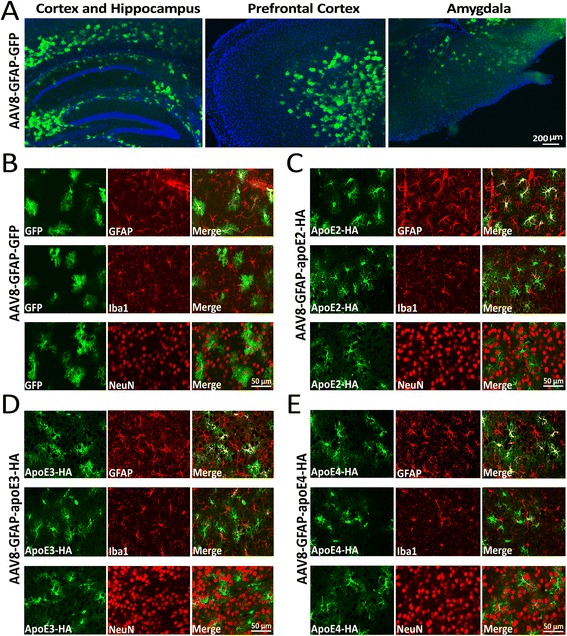
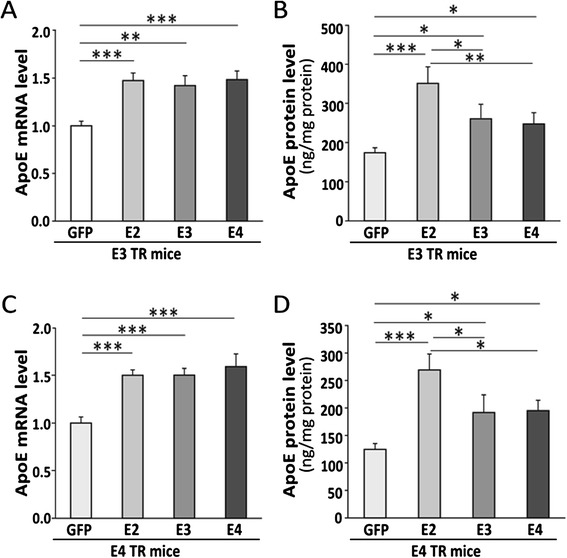
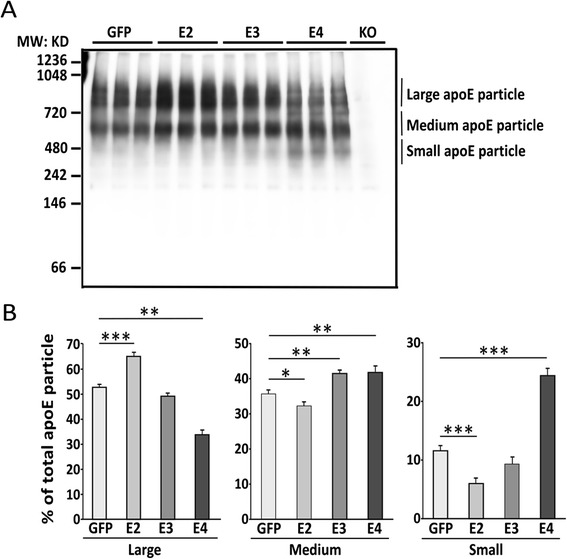
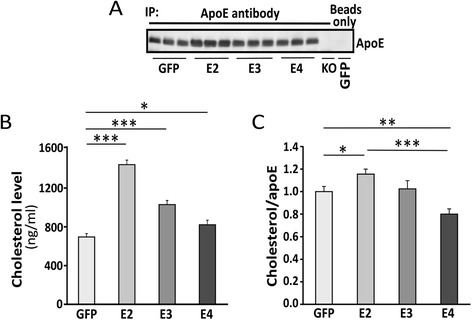
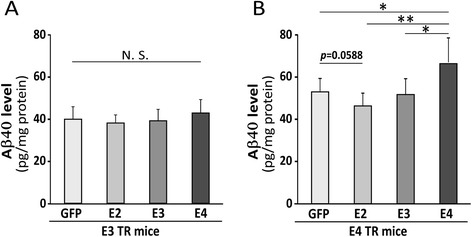
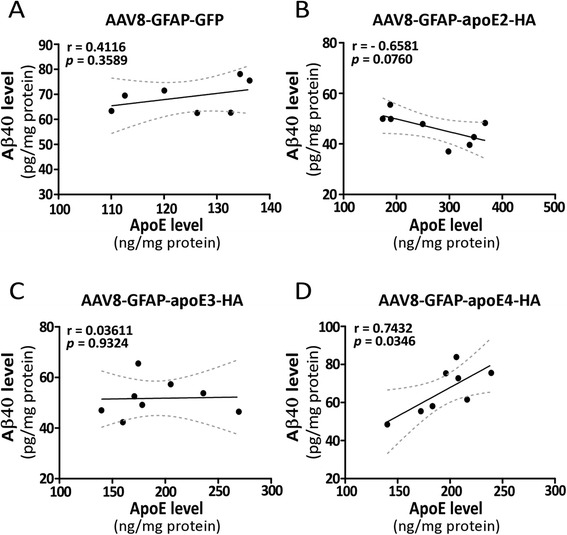
BACKGROUND: Human apolipoprotein E (apoE) exists in three major isoforms: apoE2, apoE3 and apoE4. In the brain, apoE is produced mostly by astrocytes and transports cholesterol to neurons via apoE receptors. Among the gene alleles encoding the three isoforms, the APOE4 allele is the strongest genetic risk factor for late-onset Alzheimer's disease (AD), whereas APOE2 is protective. ApoE4 confers a gain of toxic function, a loss of neuroprotective function or a combination of both in AD pathogenesis. Given that therapeutic impacts of modulating apoE expression may be isoform-dependent, we sought to investigate the relationship between overexpressing apoE isoform and apoE-related functions in apoE-targeted replacement (TR) mice. Specifically, apoE isoform expression driven by the astrocyte-specific glial fibrillary acidic protein (GFAP) promoter was built into an adeno-associated virus serotype 8 (AAV8) vector and injected into the ventricles of postnatal day 2 (P2) apoE3-TR or apoE4-TR mice. Upon confirmation of apoE isoform expression, effects on apoE lipidation and the levels of amyloid-β (Aβ) in the brain were assessed. RESULTS: AAV8-GFAP-apoE isoforms were specifically expressed in astrocytes throughout all brain regions, which led to overall increased apoE levels in the brain. Viral mediated overexpression of apoE4 in the apoE4-TR background increased poorly-lipidated apoE lipoprotein particles and decreased apoE-associated cholesterol in apoE4-TR mice. Conversely, apoE2 overexpression in apoE4-TR mice enhanced apoE lipidation and associated cholesterol. Furthermore, overexpression of apoE4 elevated the levels of endogenous Aβ, whereas apoE2 overexpression trended to lower endogenous Aβ. CONCLUSIONS: Overexpression of apoE isoforms induces differential effects in the apoE4-TR background: apoE4 decreases apoE lipidation and enhances Aβ accumulation, whereas apoE2 has the opposite effects. Our findings suggest that increasing apoE2 in APOE4 carriers is a beneficial strategy to treat AD, whereas increasing apoE4 in APOE4 carriers is likely harmful. We have also established novel methods to express apoE isoforms in mouse brain to study apoE-related pathways in AD and related dementia.
Overview
The claims and statistics of this paper haven’t been checked yet.
Run the check — free, no account needed. It reads the open-access text and checks the sources it cites.
Integrity signals
Registry
Cites
Statistics
Figures
Verification
Claims the paper makes
The claims and statistics of this paper haven’t been checked yet.
Run the check — free, no account needed. It reads the open-access text and checks the sources it cites.
Claims other papers make about this one
Each is checked against this paper’s own text: does it say what the citing paper says it does?
The source backs part of the claim, not all of it — or backs it for a different population, condition or comparison.
In the citing paper
“In humans, three major isoforms of APOE are lipidated in an isoform‐specific manner (ε2 > ε3 > ε4). 9 , 48”
From Deletion of miR-33, a regulator of the ABCA1–APOE pathway, ameliorates neuropathological phenotypes in APP/PS1 mice (2024) · cites this paper as [9]
Experimental — accuracy not yet measuredThe source backs part of the claim, not all of it — or backs it for a different population, condition or comparison.
In the citing paper
“In addition, lipid-poor apoE has been suggested to have greater susceptibility to aggregation, which may impair Aβ clearance and promote Aβ deposition (22).”
From APOE3 -Jacksonville (V236E) variant reduces self-aggregation and risk of dementia (2021) · cites this paper as [22]
Experimental — accuracy not yet measuredThe source backs part of the claim, not all of it — or backs it for a different population, condition or comparison.
In the citing paper
“Our AAV-GFAP-APOE-HA construct has been previously validated [10] to produce correctly sized, secreted, and lipidated APOE”
From Astrocytic APOE3-Christchurch expression ameliorates brain amyloid-β pathology in 5xFAD mice (2026) · cites this paper as [10]
Experimental — accuracy not yet measuredThe source backs part of the claim, not all of it — or backs it for a different population, condition or comparison.
In the citing paper
“ABCA1 reduction is considered one of the reasons why ApoE4-containing lipoproteins are poorly lipidated [69,70]”
From ApoE3 vs. ApoE4 Astrocytes: A Detailed Analysis Provides New Insights into Differences in Cholesterol Homeostasis (2022) · cites this paper as [69]
Experimental — accuracy not yet measuredThe cited source says what the claim attributes to it.
In the citing paper
“These small, poorly lipidated apoE particles are similar in size to apoE ε4 particles, further highlighting apoE lipidation as a crucial factor in AD pathogenesis. 8 , 9”
From Deletion of miR-33, a regulator of the ABCA1–APOE pathway, ameliorates neuropathological phenotypes in APP/PS1 mice (2024) · cites this paper as [9]
The cited source says what the claim attributes to it.
In the citing paper
“Imperatively, the aggregation propensity of apoE likely influences its lipidation capacity (22), as dissociation of apoE oligomers to monomers appears to be required for lipid binding to the protein (46).”
From APOE3 -Jacksonville (V236E) variant reduces self-aggregation and risk of dementia (2021) · cites this paper as [22]
The cited source says what the claim attributes to it.
In the citing paper
“apoE4-lipoproteins are poorly lipidated compared to apoE3-lipoproteins.”
From Inhibition of ACAT as a Therapeutic Target for Alzheimer's Disease Is Independent of ApoE4 Lipidation (2023) · cites this paper as [18]
Self-check
Percentages, sums and reported differences re-computed from the paper’s own numbers.
The self-check needs the paper’s full text.
Citations
Cites
The Amyloid Hypothesis of Alzheimer’s Disease: Progress and Problems on the Road to Therapeutics
Hardy, J., & Selkoe, D. J. (2002) · Science · doi:10.1126/science.1072994 · Cited by 13,864
Amyloid oligomers exacerbate tau pathology in a mouse model of tauopathy
Selenica, M.-L. B., Brownlow, M., Jimenez, J. P., Lee, D. C., Pena, G., Dickey, C. A., Gordon, M. N., & Morgan, D. (2013) · Neurodegenerative Diseases · doi:10.1159/000337230 · Cited by 10,359
Corder, E. H., Saunders, A. M., Strittmatter, W. J., Schmechel, D. E., Gaskell, P. C., Small, G. W., Roses, A. D., Haines, J. L., & Pericak-Vance, M. A. (1993) · Science · doi:10.1126/science.8346443 · Cited by 9,429
Apolipoprotein E and Alzheimer disease: risk, mechanisms and therapy
Liu, C.-C., Kanekiyo, T., Xu, H., & Bu, G. (2013) · Nature Reviews Neurology · doi:10.1038/nrneurol.2012.263 · Cited by 3,459
Self-citation2013 Alzheimer's disease facts and figures
Thies, W. H., & Bleiler, L. (2013) · Alzheimer s & Dementia · doi:10.1016/j.jalz.2013.02.003 · Cited by 3,372
The molecular pathology of Alzheimer's disease
Selkoe, D. J. (1991) · Neuron · doi:10.1016/0896-6273(91)90052-2 · Cited by 2,708
Decreased Clearance of CNS β-Amyloid in Alzheimer’s Disease
Mawuenyega, K. G., Sigurdson, W., Ovod, V., Munsell, L., Kasten, T., Morris, J. C., Yarasheski, K. E., & Bateman, R. J. (2010) · Science · doi:10.1126/science.1197623 · Cited by 2,078
Protective effect of apolipoprotein E type 2 allele for late onset Alzheimer disease
Corder, E. H., Saunders, A. M., Risch, N. J., Strittmatter, W. J., Schmechel, D. E., Gaskell, P. C., Rimmler, J. B., Locke, P. A., Conneally, P. M., Schmader, K. E., et al. (1994) · Nature Genetics · doi:10.1038/ng0694-180 · Cited by 1,920
The role of apolipoprotein E in Alzheimer's disease
Kim, J., Basak, J. M., & Holtzman, D. M. (2009) · Neuron · doi:10.1016/j.neuron.2009.06.026 · Cited by 1,661
Human ApoE isoforms differentially regulate brain amyloid-β peptide clearance
Castellano, J. M., Kim, J., Stewart, F. R., Jiang, H., DeMattos, R. B., Patterson, B. W., Fagan, A. M., Morris, J. C., Mawuenyega, K. G., Cruchaga, C., et al. (2011) · Science Translational Medicine · doi:10.1126/scitranslmed.3002156 · Cited by 1,242 · cited 3×
“Previous studies have shown that brain Aβ levels and amyloid plaque loads are apoE isoform-dependent (E4 > E3 > E2) both in humans and in AD transgenic mouse models [11-13].”
Background
Cited by
Sorted by citations
Alzheimer Disease: An Update on Pathobiology and Treatment Strategies
Long, J. M., & Holtzman, D. M. (2019) · Cell · doi:10.1016/j.cell.2019.09.001 · Cited by 3,204
Apolipoprotein E and Alzheimer disease: pathobiology and targeting strategies
Yamazaki, Y., Zhao, N., Caulfield, T. R., Liu, C.-C., & Bu, G. (2019) · Nature Reviews Neurology · doi:10.1038/s41582-019-0228-7 · Cited by 1,425
Self-citationAPOE and Alzheimer’s disease: Advances in genetics, pathophysiology, and therapeutic approaches
Serrano-Pozo, A., Das, S., & Hyman, B. T. (2021) · The Lancet Neurology · doi:10.1016/s1474-4422(20)30412-9 · Cited by 1,037
ApoE in Alzheimer’s disease: pathophysiology and therapeutic strategies
Raulin, A.-C., Doss, S. V., Trottier, Z. A., Ikezu, T. C., Bu, G., & Liu, C.-C. (2022) · Molecular Neurodegeneration · doi:10.1186/s13024-022-00574-4 · Cited by 756
Self-citationApoE4: an emerging therapeutic target for Alzheimer’s disease
Safieh, M., Korczyn, A. D., & Michaelson, D. M. (2019) · BMC Medicine · doi:10.1186/s12916-019-1299-4 · Cited by 449
Yin, F. (2023) · The FEBS Journal · doi:10.1111/febs.16344 · Cited by 441
Apolipoprotein E, Receptors, and Modulation of Alzheimer’s Disease
Zhao, N., Liu, C.-C., Qiao, W., & Bu, G. (2018) · Biological Psychiatry · doi:10.1016/j.biopsych.2017.03.003 · Cited by 370
Self-citationAPOE and Alzheimer’s Disease: From Lipid Transport to Physiopathology and Therapeutics
Husain, M. A., Laurent, B., & Plourde, M. (2021) · Frontiers in Neuroscience · doi:10.3389/fnins.2021.630502 · Cited by 353
ApoE Cascade Hypothesis in the pathogenesis of Alzheimer’s disease and related dementias
Martens, Y. A., Zhao, N., Liu, C.-C., Kanekiyo, T., Yang, A. J., Goate, A. M., Holtzman, D. M., & Bu, G. (2022) · Neuron · doi:10.1016/j.neuron.2022.03.004 · Cited by 316
Self-citationAPOE2: protective mechanism and therapeutic implications for Alzheimer’s disease
Li, Z., Shue, F., Zhao, N., Shinohara, M., & Bu, G. (2020) · Molecular Neurodegeneration · doi:10.1186/s13024-020-00413-4 · Cited by 306
Self-citationApolipoprotein E in lipid metabolism and neurodegenerative disease
Yang, L. G., March, Z. M., Stephenson, R. A., & Narayan, P. S. (2023) · Trends in Endocrinology & Metabolism · doi:10.1016/j.tem.2023.05.002 · Cited by 286
Advances in developing novel therapeutic strategies for Alzheimer’s disease
Cao, J., Hou, J., Ping, J., & Cai, D. (2018) · Molecular Neurodegeneration · doi:10.1186/s13024-018-0299-8 · Cited by 283
Apolipoprotein E: Structural Insights and Links to Alzheimer Disease Pathogenesis
Chen, Y., Strickland, M. R., Soranno, A., & Holtzman, D. M. (2021) · Neuron · doi:10.1016/j.neuron.2020.10.008 · Cited by 298
Fernández-Calle, R., Konings, S. C., Frontiñán-Rubio, J., García-Revilla, J., Camprubí-Ferrer, L., Svensson, M., Martinson, I., Boza-Serrano, A., Venero, J. L., Nielsen, H. M., et al. (2022) · Molecular Neurodegeneration · doi:10.1186/s13024-022-00566-4 · Cited by 278
Implications of GABAergic Neurotransmission in Alzheimer’s Disease
Li, Y., Sun, H., Chen, Z., Xu, H., Bu, G., & Zheng, H. (2016) · Frontiers in Aging Neuroscience · doi:10.3389/fnagi.2016.00031 · Cited by 282
Self-citationAstrocytic LRP1 Mediates Brain Aβ Clearance and Impacts Amyloid Deposition
Liu, C.-C., Hu, J., Zhao, N., Wang, J., Wang, N., Cirrito, J. R., Kanekiyo, T., Holtzman, D. M., & Bu, G. (2017) · The Journal of Neuroscience · doi:10.1523/jneurosci.3442-16.2017 · Cited by 267
Self-citationAchariyar, T. M., Li, B., Peng, W., Verghese, P. B., Shi, Y., McConnell, E., Benraiss, A., Kasper, T., Song, W., Takano, T., et al. (2016) · Molecular Neurodegeneration · doi:10.1186/s13024-016-0138-8 · Cited by 256
The role of APOE in cerebrovascular dysfunction
Tai, L. M., Thomas, R., Marottoli, F. M., Koster, K. P., Kanekiyo, T., Morris, A. W. J., & Bu, G. (2016) · Acta Neuropathologica · doi:10.1007/s00401-016-1547-z · Cited by 231
Self-citationCholesterol and Alzheimer’s Disease; From Risk Genes to Pathological Effects
Feringa, F. M., & van der Kant, R. (2021) · Frontiers in Aging Neuroscience · doi:10.3389/fnagi.2021.690372 · Cited by 226
APOE ε4/ε4 diminishes neurotrophic function of human iPSC-derived astrocytes
Zhao, J., Davis, M. D., Martens, Y. A., Shinohara, M., Graff-Radford, N. R., Younkin, S. G., Wszolek, Z. K., Kanekiyo, T., & Bu, G. (2017) · Human Molecular Genetics · doi:10.1093/hmg/ddx155 · Cited by 221
Self-citationUddin, M. S., Kabir, M. T., Al Mamun, A., Abdel-Daim, M. M., Barreto, G. E., & Ashraf, G. M. (2019) · Molecular Neurobiology · doi:10.1007/s12035-018-1237-z · Cited by 212
Microglial Phagocytosis: A Disease-Associated Process Emerging from Alzheimer’s Disease Genetics
Podleśny-Drabiniok, A., Marcora, E., & Goate, A. M. (2020) · Trends in Neurosciences · doi:10.1016/j.tins.2020.10.002 · Cited by 211
Alzheimer’s Risk Factors Age, APOE Genotype, and Sex Drive Distinct Molecular Pathways
Zhao, N., Ren, Y., Yamazaki, Y., Qiao, W., Li, F., Felton, L. M., Mahmoudiandehkordi, S., Kueider-Paisley, A., Sonoustoun, B., Arnold, M., et al. (2020) · Neuron · doi:10.1016/j.neuron.2020.02.034 · Cited by 225
Self-citationGABAergic Inhibitory Interneuron Deficits in Alzheimer’s Disease: Implications for Treatment
Xu, Y., Zhao, M., Han, Y., & Zhang, H. (2020) · Frontiers in Neuroscience · doi:10.3389/fnins.2020.00660 · Cited by 203
ApoE Lipidation as a therapeutic target in Alzheimer’s disease
Lanfranco, M. F., Ng, C. A., & Rebeck, G. W. (2020) · International Journal of Molecular Sciences · doi:10.3390/ijms21176336 · Cited by 189
Targeting microglia for the treatment of Alzheimer’s Disease
Wes, P. D., Sayed, F. A., Bard, F., & Gan, L. (2016) · Glia · doi:10.1002/glia.22988 · Cited by 185
Alzheimer's Disease Genetic Risk Factor APOE-ε4 Also Affects Normal Brain Function
Battista, A. M. D., Heinsinger, N. M., & Rebeck, G. W. (2016) · Current Alzheimer Research · doi:10.2174/1567205013666160401115127 · Cited by 189
Targeting of nonlipidated, aggregated apoE with antibodies inhibits amyloid accumulation
Liao, F., Li, A., Xiong, M., Bien-Ly, N., Jiang, H., Zhang, Y., Finn, M. B., Hoyle, R., Keyser, J., Lefton, K. B., et al. (2018) · Journal of Clinical Investigation · doi:10.1172/jci96429 · Cited by 178
Self-citationLiu, C.-C., Zhao, J., Fu, Y., Inoue, Y., Ren, Y., Chen, Y., Doss, S. V., Shue, F., Jeevaratnam, S., Bastea, L., et al. (2022) · Nature Neuroscience · doi:10.1038/s41593-022-01127-0 · Cited by 168
Self-citationApoE4 Alters ABCA1 Membrane Trafficking in Astrocytes
Rawat, V., Wang, S., Sima, J., Bar, R., Liraz, O., Gundimeda, U., Parekh, T., Chan, J., Johansson, J. O., Tang, C., et al. (2019) · The Journal of Neuroscience · doi:10.1523/jneurosci.1400-19.2019 · Cited by 165
Yamazaki, Y., Painter, M. M., Bu, G., & Kanekiyo, T. (2016) · CNS Drugs · doi:10.1007/s40263-016-0361-4 · Cited by 173
Self-citationThe role of APOE on lipid homeostasis and inflammation in normal brains
Rebeck, G. W. (2017) · Journal of Lipid Research · doi:10.1194/jlr.r075408 · Cited by 160
Flowers, S. A., & Rebeck, G. W. (2020) · Neurobiology of Disease · doi:10.1016/j.nbd.2019.104724 · Cited by 149
Huang, Y.-W. A., Zhou, B., Nabet, A. M., Wernig, M., & Südhof, T. C. (2019) · The Journal of Neuroscience · doi:10.1523/jneurosci.2994-18.2019 · Cited by 152
Cholinergic Modulation of Glial Function During Aging and Chronic Neuroinflammation
Gamage, R. V., Wagnon, I. M., Rossetti, I., Childs, R., Niedermayer, G., Chesworth, R., & Gyengési, E. (2020) · Frontiers in Cellular Neuroscience · doi:10.3389/fncel.2020.577912 · Cited by 134
Decoding microglial immunometabolism: a new frontier in Alzheimer's disease research
Jung, E. S., Choi, H., & Mook-Jung, I. (2025) · Molecular Neurodegeneration · doi:10.1186/s13024-025-00825-0 · Cited by 124
ABCA1 Agonist Reverses the ApoE4-Driven Cognitive and Brain Pathologies
Boehm-Cagan, A., Bar, R., Liraz, O., Bielicki, J. K., Johansson, J. O., & Michaelson, D. M. (2016) · Journal of Alzheimer's Disease · doi:10.3233/jad-160467 · Cited by 116
Grimm, M. O. W., Michaelson, D. M., & Hartmann, T. (2017) · Journal of Lipid Research · doi:10.1194/jlr.r076331 · Cited by 114
Arya, A., Chahal, R., Rao, R., Rahman, M. H., Kaushik, D., Akhtar, M. F., Saleem, A., Khalifa, S. M. A., El-Seedi, H. R., Kamel, M., et al. (2021) · Biomolecules · doi:10.3390/biom11030350 · Cited by 111
APOE3 -Jacksonville (V236E) variant reduces self-aggregation and risk of dementia
Liu, C.-C., Murray, M. E., Li, X., Zhao, N., Wang, N., Heckman, M. G., Shue, F., Martens, Y., Li, Y., Raulin, A.-C., et al. (2021) · Science Translational Medicine · doi:10.1126/scitranslmed.abc9375 · Cited by 108
Self-citationLi, H., Liu, C.-C., Zheng, H., & Huang, T. Y. (2018) · Translational Neurodegeneration · doi:10.1186/s40035-018-0139-3 · Cited by 103
Self-citationGenomics of Alzheimer’s disease implicates the innate and adaptive immune systems
Li, Y., Laws, S. M., Miles, L. A., Wiley, J. S., Huang, X., Masters, C. L., & Gu, B. J. (2021) · Cellular and Molecular Life Sciences · doi:10.1007/s00018-021-03986-5 · Cited by 96
EFAD transgenic mice as a human APOE relevant preclinical model of Alzheimerʼns disease
Tai, L. M., Balu, D., Avila-Munoz, E., Abdullah, L., Thomas, R., Collins, N., Valencia-Olvera, A. C., & LaDu, M. J. (2017) · Journal of Lipid Research · doi:10.1194/jlr.r076315 · Cited by 93
Skerrett, R., Pellegrino, M. P., Casali, B. T., Taraboanta, L., & Landreth, G. E. (2015) · Journal of Biological Chemistry · doi:10.1074/jbc.m115.652008 · Cited by 91
Lipoproteins in the Central Nervous System: From Biology to Pathobiology
Raulin, A.-C., Martens, Y. A., & Bu, G. (2022) · Annual Review of Biochemistry · doi:10.1146/annurev-biochem-032620-104801 · Cited by 89
Self-citationApolipoprotein E in Alzheimer’s disease: molecular insights and therapeutic opportunities
Belaidi, A. A., Bush, A. I., & Ayton, S. (2025) · Molecular Neurodegeneration · doi:10.1186/s13024-025-00843-y · Cited by 91
Lipid metabolism, remodelling and intercellular transfer in the CNS
Vanherle, S., Loix, M., Miron, V. E., Hendriks, J. J. A., & Bogie, J. F. J. (2025) · Nature reviews. Neuroscience · doi:10.1038/s41583-025-00908-3 · Cited by 96
ApoE-2 Brain-Targeted Gene Therapy Through Transferrin and Penetratin Tagged Liposomal Nanoparticles
Rodrigues, B. D. S., Kanekiyo, T., & Singh, J. (2019) · Pharmaceutical Research · doi:10.1007/s11095-019-2691-7 · Cited by 82
Qi, X.-M., & Ma, J. (2017) · Translational Neurodegeneration · doi:10.1186/s40035-017-0091-7 · Cited by 86
Apolipoprotein E Genotype Affects Size of ApoE Complexes in Cerebrospinal Fluid
Heinsinger, N. M., Gachechiladze, M. A., & Rebeck, G. W. (2016) · Journal of Neuropathology & Experimental Neurology · doi:10.1093/jnen/nlw067 · Cited by 74
Fu, Y., Zhao, J., Atagi, Y., Nielsen, H. M., Liu, C.-C., Zheng, H., Shinohara, M., Kanekiyo, T., & Bu, G. (2016) · Molecular Neurodegeneration · doi:10.1186/s13024-016-0099-y · Cited by 69
Self-citationLewandowski, C. T., Maldonado Weng, J., & LaDu, M. J. (2020) · Neurobiology of Disease · doi:10.1016/j.nbd.2020.104811 · Cited by 72
Co-aggregation with Apolipoprotein E modulates the function of Amyloid-β in Alzheimer’s disease
Xia, Z., Prescott, E. E., Urbanek, A., Wareing, H. E., King, M. C., Olerinyova, A., Dakin, H., Leah, T., Barnes, K. A., Matuszyk, M. M., et al. (2024) · Nature Communications · doi:10.1038/s41467-024-49028-z · Cited by 67
Self-citationChernick, D., Ortiz‐Valle, S., Jeong, A., Qu, W., & Li, L. (2019) · Neuroscience Letters · doi:10.1016/j.neulet.2019.134306 · Cited by 64
The small HDL particle hypothesis of Alzheimer's disease
Martinez, A. E., Weissberger, G. H., Kuklenyik, Z., He, X., Meuret, C. J., Parekh, T., Rees, J. C., Parks, B. A., Gardner, M. S., King, S. M., et al. (2022) · Alzheimer s & Dementia · doi:10.1002/alz.12649 · Cited by 63
ApoE4 reduction: An emerging and promising therapeutic strategy for Alzheimer's disease
Li, Y., Macyczko, J. R., Liu, C.-C., & Bu, G. (2022) · Neurobiology of Aging · doi:10.1016/j.neurobiolaging.2022.03.011 · Cited by 61
Self-citationBilousova, T. V., Melnik, M., Miyoshi, E., Gonzalez, B. L., Poon, W. W., Vinters, H. V., Miller, C. A., Corrada, M. M., Kawas, C. H., Hatami, A., et al. (2019) · American Journal Of Pathology · doi:10.1016/j.ajpath.2019.04.010 · Cited by 57
Chernick, D., Ortiz‐Valle, S., Jeong, A., Swaminathan, S. K., Kandimalla, K. K., Rebeck, G. W., & Li, L. (2018) · Journal of Neurochemistry · doi:10.1111/jnc.14554 · Cited by 51
Molecular Insight into the Therapeutic Promise of TargetingAPOE4for Alzheimer’s Disease
Mamun, A. A., Uddin, M. S., Bashar, M. F. B., Zaman, S., Begum, Y., Bulbul, I. J., Islam, M. S., Sarwar, M. S., Mathew, B., Amran, M. S., et al. (2020) · Oxidative Medicine and Cellular Longevity · doi:10.1155/2020/5086250 · Cited by 54
Phagocytosis of Apoptotic Cells Is Specifically Upregulated in ApoE4 Expressing Microglia in vitro
Muth, C., Hartmann, A., Falla, D. S., Glatzel, M., & Krasemann, S. (2019) · Frontiers in Cellular Neuroscience · doi:10.3389/fncel.2019.00181 · Cited by 47
A multi‐hit hypothesis for an APOE4 ‐dependent pathophysiological state
Steele, O. G., Stuart, A. C., Minkley, L., Shaw, K., Bonnar, O., Anderle, S., Penn, A. C., Rusted, J., Serpell, L., Hall, C., et al. (2022) · European Journal of Neuroscience · doi:10.1111/ejn.15685 · Cited by 44
Schmitz, T. W., Soreq, H., Poirier, J., & Spreng, R. N. (2020) · Journal of Neuroscience · doi:10.1523/jneurosci.1184-19.2019 · Cited by 47
Cholesterol Dysmetabolism in Alzheimer’s Disease: A Starring Role for Astrocytes?
Staurenghi, E., Giannelli, S., Testa, G., Sottero, B., Leonarduzzi, G., & Gamba, P. (2021) · Antioxidants · doi:10.3390/antiox10121890 · Cited by 44
Griffin, E. F., Scopel, S. E., Stephen, C. A., Holzhauer, A. C., Vaji, M. A., Tuckey, R. A., Berkowitz, L. A., Caldwell, K. A., & Caldwell, G. A. (2019) · Disease Models & Mechanisms · doi:10.1242/dmm.037218 · Cited by 48
Emerging role of HDL in brain cholesterol metabolism and neurodegenerative disorders
Turri, M., Marchi, C., Adorni, M. P., Calabresi, L., & Zimetti, F. (2022) · Biochimica et Biophysica Acta (BBA) - Molecular and Cell Biology of Lipids · doi:10.1016/j.bbalip.2022.159123 · Cited by 54
Neuronal ApoE4 in Alzheimer’s disease and potential therapeutic targets
Zhang, L., Xia, Y., & Gui, Y. (2023) · Frontiers in Aging Neuroscience · doi:10.3389/fnagi.2023.1199434 · Cited by 41
Ooi, K.-L. M., Vacy, K., & Boon, W. C. (2021) · Neurochemistry International · doi:10.1016/j.neuint.2021.105143 · Cited by 42
Chan, E. S., Shetty, M. S., Sajikumar, S., Chen, C., Soong, T. W., & Wong, B.-S. (2016) · Scientific Reports · doi:10.1038/srep26119 · Cited by 39
The role of ApoE-mediated microglial lipid metabolism in brain aging and disease
Yen, J.-H. J., & Yu, I.-C. I. (2023) · Immunometabolism · doi:10.1097/in9.0000000000000018 · Cited by 38
Apolipoprotein E isoform-dependent effects on the processing of Alzheimer's amyloid-β
Chai, A. B., Lam, H. H. J., Kockx, M., & Gelissen, I. C. (2021) · Biochimica et Biophysica Acta (BBA) - Molecular and Cell Biology of Lipids · doi:10.1016/j.bbalip.2021.158980 · Cited by 41
Jablonski, A. M., Warren, L., Usenovic, M., Zhou, H. H., Sugam, J. A., Parmentier‐Batteur, S., & Voleti, B. (2021) · Scientific Reports · doi:10.1038/s41598-021-82901-1 · Cited by 38
Zhang, W.-B., Huang, Y. M., Guo, X., Zhang, M.-Q., Yuan, X.-S., & Zu, H. (2023) · Acta Neuropathologica Communications · doi:10.1186/s40478-023-01593-y · Cited by 35
Differential effects of apoE4 and activation of ABCA1 on brain and plasma lipoproteins
Boehm-Cagan, A., Bar, R., Harats, D., Shaish, A., Levkovitz, H., Bielicki, J. K., Johansson, J. O., & Michaelson, D. M. (2016) · PLOS ONE · doi:10.1371/journal.pone.0166195 · Cited by 29
MacDougall, G., Brown, L. Y., Kantor, B., & Chiba‐Falek, O. (2021) · Molecular Therapy · doi:10.1016/j.ymthe.2021.01.001 · Cited by 31
The Roles of Apolipoprotein E, Lipids, and Glucose in the Pathogenesis of Alzheimer’s Disease
Shinohara, M., & Sato, N. (2019) · Advances in experimental medicine and biology · doi:10.1007/978-981-13-3540-2_5 · Cited by 28
Günaydin, C., Sondhi, D., Kaminsky, S. M., Lephart, H. C., Leopold, P. L., Hackett, N. R., Khanna, R., & Crystal, R. G. (2024) · Molecular Therapy · doi:10.1016/j.ymthe.2024.11.003 · Cited by 26
Moon, H.-J., Haroutunian, V., & Zhao, L. (2022) · Neurobiology of Disease · doi:10.1016/j.nbd.2022.105631 · Cited by 25
APOE4 is a Risk Factor and Potential Therapeutic Target for Alzheimer's Disease
Ayyubova, G. (2023) · CNS & Neurological Disorders - Drug Targets · doi:10.2174/1871527322666230303114425 · Cited by 23
Staurenghi, E., Leoni, V., Lo Iacono, M., Sottero, B., Testa, G., Giannelli, S., Leonarduzzi, G., & Gamba, P. (2022) · Antioxidants · doi:10.3390/antiox11112168 · Cited by 24
Current viral-mediated gene transfer research for treatment of Alzheimer’s disease
Sasmita, A. O. (2018) · Biotechnology and Genetic Engineering Reviews · doi:10.1080/02648725.2018.1523521 · Cited by 26
Zhou, X., Fu, A. K. Y., & Ip, N. Y. (2021) · Current Opinion in Neurobiology · doi:10.1016/j.conb.2021.02.001 · Cited by 23
Valencia-Olvera, A. C., Balu, D., Faulk, N., Amiridis, A., Wang, Y., Pham, C., Avila-Munoz, E., York, J. M., Thatcher, G. R. J., & LaDu, M. J. (2023) · Neurotherapeutics · doi:10.1007/s13311-023-01375-3 · Cited by 22
Lipoprotein Particles in Cerebrospinal Fluid
Tsujita, M., Melchior, J. T., & Yokoyama, S. (2024) · Arteriosclerosis, Thrombosis, and Vascular Biology · doi:10.1161/atvbaha.123.318284 · Cited by 24
Apolipoprotein E in Alzheimer’s Disease: Focus on Synaptic Function and Therapeutic Strategy
Qu, L., Xu, S., Lan, Z., Fang, S., Xu, Y., & Zhu, X. (2024) · Molecular Neurobiology · doi:10.1007/s12035-024-04449-1 · Cited by 22
Novel approaches to increase synaptic resilience as potential treatments for Alzheimer’s disease
Pham, A. Q., & Dore, K. (2023) · Seminars in Cell & Developmental Biology · doi:10.1016/j.semcdb.2022.03.032 · Cited by 21
Bar, R., Boehm‐Cagan, A., Luz, I., Kleper‐Wall, Y., & Michaelson, D. M. (2018) · Alzheimer's & Dementia: Diagnosis, Assessment & Disease Monitoring · doi:10.1016/j.dadm.2017.08.003 · Cited by 13
Genetic Therapies for Alzheimer’s Disease: A Scoping Review
Lennon, M. J., Rigney, G., Raymont, V., & Sachdev, P. S. (2021) · Journal of Alzheimer s Disease · doi:10.3233/jad-215145 · Cited by 23
Tau Spread, Apolipoprotein E, Inflammation, and More
Gonzalez, B. L., Abud, E. M., Abud, A. M., Poon, W. W., & Gylys, K. H. (2017) · Neurologic Clinics · doi:10.1016/j.ncl.2017.01.001 · Cited by 20
Amyloid‐β in Alzheimer's disease: Structure, toxicity, distribution, treatment, and prospects
Yu, Y., Yu, S., Battaglia, G., & Tian, X. (2024) · Ibrain · doi:10.1002/ibra.12155 · Cited by 19
Hypertension and Hypercholesterolemia Modify Dementia Risk in Relation to APOE ɛ4 Status
Pillai, J. A., Kou, L., Bena, J., Penn, L., & Leverenz, J. B. (2021) · Journal of Alzheimer s Disease · doi:10.3233/jad-201609 · Cited by 20
Piccarducci, R., Giacomelli, C., Bertilacchi, M. S., Benito-Martínez, A., Giorgi, N. D., Daniele, S., Signore, G., Rocchiccioli, S., Vilar, M., Marchetti, L., et al. (2023) · Biochimica et Biophysica Acta (BBA) - Molecular Basis of Disease · doi:10.1016/j.bbadis.2023.166793 · Cited by 19
Sepulveda, J., Kim, J. Y., Binder, J., Vicini, S., & Rebeck, G. W. (2024) · Molecular Neurodegeneration · doi:10.1186/s13024-024-00714-y · Cited by 19
Defective Lysosomal Lipid Catabolism as a Common Pathogenic Mechanism for Dementia
Lee, J. Y., Marian, O. C., & Don, A. S. (2021) · NeuroMolecular Medicine · doi:10.1007/s12017-021-08644-4 · Cited by 18
Tate, M., Wijeratne, H. R. S., Kim, B., Philtjens, S., You, Y., Lee, D., Gutierrez, D. A., Sharify, D., Wells, M., Perez‐Cardelo, M., et al. (2024) · Alzheimer's & Dementia · doi:10.1002/alz.14243 · Cited by 21
“There was also a significant reduction of A β 42 peptide levels in the hippocampus by 44% (t[9] = 5.983, p = 0.0002, unpaired two-tailed t test; Figure 2B).”
InfluentialMicroglial apolipoprotein E particles contribute to neuronal senescence and synaptotoxicity
Wang, N., Cai, L., Pei, X., Lin, Z., Huang, L., Liang, C., Wei, M., Shao, L., Guo, T., Huang, F., et al. (2024) · iScience · doi:10.1016/j.isci.2024.110006 · Cited by 18
Self-citationЛю, Ч., Liu, J., Wang, Y., Xu, S.-F., & Yu, L.-M. (2025) · Molecular Neurobiology · doi:10.1007/s12035-025-05629-3 · Cited by 22
Valencia‐Olvera, A. C., Balu, D., Bellur, S., McNally, T. P., Saleh, Y., Pham, D., Ghura, S., York, J. M., Johansson, J. O., LaDu, M. J., et al. (2023) · Alzheimer s Research & Therapy · doi:10.1186/s13195-023-01353-z · Cited by 18
Peng, A.-X., Gao, Y., Zhuang, X., Lin, Y., He, W., Wang, Y., Chen, W., Chen, T., Huang, X., Yang, R., et al. (2019) · Frontiers in Pharmacology · doi:10.3389/fphar.2019.01391 · Cited by 15
Synergistic reduction in interfacial flexibility of TREM2 R47H and ApoE4 may underlie AD pathology
Lietzke, E. E., Saeb, D., Aldrich, E. C., Bruce, K. D., & Sprenger, K. G. (2025) · Alzheimer s & Dementia · doi:10.1002/alz.70120 · Cited by 16
Zang, F., Liu, X., Fan, D., He, C., Zhang, Z., Xie, C., & Initiative, A. D. N. (2024) · CNS Neuroscience & Therapeutics · doi:10.1111/cns.70029 · Cited by 12
Metadata
- Authors
- Hu, J., Liu, C.-C., Chen, X.-F., Zhang, Y.-W., Xu, H., & Bu, G.
- Affiliations
- Xiamen University (CN)
- Mayo Clinic (US)
- Corresponding author
- Bu, Guojun
- Venue
- Molecular Neurodegeneration
- Published
- 2015-03-05
- Volume
- 10
- Issue
- 1
- Pages
- 6-6
- ISSN
- 1750-1326 (ISSN-L)
- PMC
- PMC4356137
- OpenAlex
- W2111723622
- Cited by
- 161
- References
- 51
- Citations by year
- 2026: 7 · 2025: 24 · 2024: 25 · 2023: 13 · 2022: 14 · 2021: 17 · 2020: 16 · 2019: 13 · 2018: 7 · 2017: 12 · 2016: 12 · 2015: 1
- FWCI
- 7.86
- Type
- journal article
- Language
- en
- Open access
- gold
- doi.org
- Locations
- Molecular Neurodegeneration (publishedVersion, cc-by)
- PubMed Central (publishedVersion, cc-by)
- PubMed (publishedVersion)
- Rare & Special e-Zone (The Hong Kong University of Science and Technology) (submittedVersion)
- Funders
- Alzheimer's Association
- Hope Center for Neurological Disorders
- National Institutes of Health
- National Institute on Aging (P01AG030128, R01AG027924, RF1AG046205, R01AG046205, R01AG035355, P50AG016574)
- National Institute of Neurological Disorders and Stroke (P30NS057105, P01NS074969)
- Topics
- Life Sciences › Neuroscience › Cellular and Molecular Neuroscience › Alzheimer's disease research and treatments
- Life Sciences › Neuroscience › Neurology › Neuroinflammation and Neurodegeneration Mechanisms
- Life Sciences › Neuroscience › Neurology › Barrier Structure and Function Studies
- Keywords
- apolipoprotein E isoforms, APOE2, APOE ε4, amyloid-beta metabolism, AAV8 vector, glial fibrillary acidic protein promoter, Alzheimer's disease, APOE ε4 carriers
- MeSH terms
- Dependovirus, Alzheimer Disease, Animals, Astrocytes, Brain, Disease Models, Animal, Humans, Mice, Transgenic, Neurons, Amyloid beta-Peptides, Apolipoprotein E4, Apolipoprotein E2
About these checks
Registry, retraction, Cites and statistics results are computed, not judged, with one exception: a printed reference that no index lists is read once by a model before it counts as a citation error. Claims are extracted by a model and kept only when their quote appears verbatim in the text; each cited source is then checked, with a model’s help, for whether it says what the claim relies on. Those verdicts can be wrong — read the claim’s quote and the cited source before relying on one.
Statistics and arithmetic are recomputed, not judged.
Confidence bands are shown only for fields calibrated on our annotated test set. None is calibrated yet, so no band is shown.
What counts as a claim ›How we measure confidence ›How we check this ›
Are you an author, or do you see a problem with this page? Request a review
