

The DOI matches its Crossref record; 319 of the 319 references it cites were found in a registry or an index.
ApoE in Alzheimer’s disease: pathophysiology and therapeutic strategies
Open accessAbstract
Alzheimer’s disease (AD) is the most common cause of dementia worldwide, and its prevalence is rapidly increasing due to extended lifespans. Among the increasing number of genetic risk factors identified, the apolipoprotein E ( APOE ) gene remains the strongest and most prevalent, impacting more than half of all AD cases. While the ε4 allele of the APOE gene significantly increases AD risk, the ε2 allele is protective relative to the common ε3 allele. These gene alleles encode three apoE protein isoforms that differ at two amino acid positions. The primary physiological function of apoE is to mediate lipid transport in the brain and periphery; however, additional functions of apoE in diverse biological functions have been recognized. Pathogenically, apoE seeds amyloid-β (Aβ) plaques in the brain with apoE4 driving earlier and more abundant amyloids. ApoE isoforms also have differential effects on multiple Aβ-related or Aβ-independent pathways. The complexity of apoE biology and pathobiology presents challenges to designing effective apoE-targeted therapeutic strategies. This review examines the key pathobiological pathways of apoE and related targeting strategies with a specific focus on the latest technological advances and tools.
Overview
The claims and statistics of this paper haven’t been checked yet.
Run the check — free, no account needed. It reads the open-access text and checks the sources it cites.
Integrity signals
Registry
Cites
Statistics
Figures
Verification
Claims the paper makes
The claims and statistics of this paper haven’t been checked yet.
Run the check — free, no account needed. It reads the open-access text and checks the sources it cites.
Claims other papers make about this one
Each is checked against this paper’s own text: does it say what the citing paper says it does?
The source backs part of the claim, not all of it — or backs it for a different population, condition or comparison.
In the citing paper
“In humans, three major isoforms of APOE are lipidated in an isoform‐specific manner (ε2 > ε3 > ε4). 9 , 48”
From Deletion of miR-33, a regulator of the ABCA1–APOE pathway, ameliorates neuropathological phenotypes in APP/PS1 mice (2024) · cites this paper as [48]
Experimental — accuracy not yet measuredThe source backs part of the claim, not all of it — or backs it for a different population, condition or comparison.
In the citing paper
“APOE binds to cell surface receptors, such as low‐density lipoprotein receptor (LDLR), LDLR‐related protein 1 (LRP1), very low‐density lipoprotein receptor (VLDLR), and apolipoprotein E receptor 2 (APOER2 or LRP8). 2 , 14 , 15”
From Deletion of neuronal Idol ameliorates Alzheimer's disease–related pathologies via APOE receptors (2025) · cites this paper as [2]
Experimental — accuracy not yet measuredThe source backs part of the claim, not all of it — or backs it for a different population, condition or comparison.
In the citing paper
“Although mainly secreted by astrocytes, APOE is also expressed in microglia, neurons, and oligodendrocytes, particularly under injury and degenerative conditions. 2 , 13”
From Deletion of neuronal Idol ameliorates Alzheimer's disease–related pathologies via APOE receptors (2025) · cites this paper as [2]
Experimental — accuracy not yet measuredThe source backs part of the claim, not all of it — or backs it for a different population, condition or comparison.
In the citing paper
“Genetic variants of many of the differentially expressed genes identified in this study, such as CLU and APOE, have been associated with increased Alzheimer’s disease risk58,59.”
From mTORC1 drives cell-autonomous astrocyte reactivity in tuberous sclerosis (2026) · cites this paper as [59]
Experimental — accuracy not yet measuredThe source backs part of the claim, not all of it — or backs it for a different population, condition or comparison.
In the citing paper
“The APOE-ε4 allele increases AD risk three- to eightfold compared to the neutral ε3 allele, while ε2 confers relative protection [154].”
From Toward a Unified Framework in Molecular Neurobiology of Alzheimer’s Disease: Revisiting the Pathophysiological Hypotheses (2026) · cites this paper as [154]
Experimental — accuracy not yet measured
The source backs part of the claim, not all of it — or backs it for a different population, condition or comparison.
In the citing paper
“ApoE influences AD pathogenesis through multiple pathways, such as (i) impaired clearance of Aβ by competing with receptor-mediated uptake (e.g., LRP1), (ii) modulation of tau phosphorylation and spread, and (iii) regulation of microglial activation.”
From Toward a Unified Framework in Molecular Neurobiology of Alzheimer’s Disease: Revisiting the Pathophysiological Hypotheses (2026) · cites this paper as [154]
Experimental — accuracy not yet measuredThe cited source says what the claim attributes to it.
In the citing paper
“APOE is multifunctional, with roles in lipid and glucose metabolism, neuroinflammation, amyloid and tau accumulation, and blood-brain barrier dysfunction [2].”
From Effects of APOE2 and APOE4 on brain microstructure in older adults: modification by age, sex, and cognitive status (2024) · cites this paper as [2]
The cited source says what the claim attributes to it.
In the citing paper
“These efforts have resulted in identifying multiple mechanisms by which APOE influences AD‐related pathologies, including amyloid beta (Aβ) accumulation, tauopathy, neuroinflammation, and synaptic impairment. 2”
From Deletion of neuronal Idol ameliorates Alzheimer's disease–related pathologies via APOE receptors (2025) · cites this paper as [2]
The cited source says what the claim attributes to it.
In the citing paper
“as APOE is increasingly viewed not only as a risk locus, but also as a mechanistically actionable therapeutic axis in AD 2 .”
From Association of Rare APOE Missense Variants R189C and W276C With Risk of Alzheimer Disease (2026) · cites this paper as [2]
The cited source says what the claim attributes to it.
In the citing paper
“Together, these data support a model in which C-terminal ApoE biology, including lipidation and self-association, is not merely correlative but is closely tied to pathogenesis and may inform future APOE-directed therapeutic strategies 2,17 .”
From Association of Rare APOE Missense Variants R189C and W276C With Risk of Alzheimer Disease (2026) · cites this paper as [2]
The cited source says what the claim attributes to it.
In the citing paper
“Among these, the APOE gene plays a central role in modulating disease risk, primarily through its involvement in lipid transport, synaptic function, and amyloid-beta metabolism in the brain (Martens et al., 2022; Raulin et al., 2022).”
From Isogenic human stem cell models reveal mutation-dependent protective mechanisms of APOE3 Christchurch (2026) · cites this paper as Raulin et al., 2022
The cited source says what the claim attributes to it.
In the citing paper
“suggesting the distinct biochemical interactions influencing Aβ deposition or clearance [2, 3, 22, 23].”
From Astrocytic APOE3-Christchurch expression ameliorates brain amyloid-β pathology in 5xFAD mice (2026) · cites this paper as [2]
The cited source says what the claim attributes to it.
In the citing paper
“In contrast, sporadic AD is strongly associated with polymorphisms in the APOE gene.”
From Toward a Unified Framework in Molecular Neurobiology of Alzheimer’s Disease: Revisiting the Pathophysiological Hypotheses (2026) · cites this paper as [154]
The cited source says what the claim attributes to it.
In the citing paper
“Recent work suggests that APOE variants not only modulate amyloid deposition but also reshape immune responses and lipid metabolism, positioning APOE at the nexus of amyloid, tau, and neuroinflammation [154].”
From Toward a Unified Framework in Molecular Neurobiology of Alzheimer’s Disease: Revisiting the Pathophysiological Hypotheses (2026) · cites this paper as [154]
In the citing paper
“APOE exists in three isoforms, namely APOE2, APOE3, and APOE4, among which APOE4 isoform has been identified as the strongest genetic risk factor for late-onset AD.173”
From Microbiota–gut–brain axis and its therapeutic applications in neurodegenerative diseases (2024) · cites this paper as [173]
Self-check
Percentages, sums and reported differences re-computed from the paper’s own numbers.
The self-check needs the paper’s full text.
Citations
Cites
2 retracted
Items 201–319 of 319
APOE-ε4 Carrier Status and Gut Microbiota Dysbiosis in Patients With Alzheimer Disease
Hou, M., Xu, G., Ran, M., Luo, W., & Wang, H. (2021) · Frontiers in Neuroscience · doi:10.3389/fnins.2021.619051 · Cited by 87
Farmer, B. C., Williams, H. C., Devanney, N. A., Piron, M. A., Nation, G. K., Carter, D. J., Walsh, A. E., Khanal, R., Young, L. E. A., Kluemper, J. C., et al. (2021) · Molecular Neurodegeneration · doi:10.1186/s13024-021-00483-y · Cited by 87
Apolipoprotein E4 and meningeal lymphatics in Alzheimer disease: a conceptual framework
Mentis, A. A., Dardiotis, E., & Chrousos, G. P. (2020) · Molecular Psychiatry · doi:10.1038/s41380-020-0731-7 · Cited by 83
van Steenoven, I., Koel-Simmelink, M. J. A., Vergouw, L. J. M., Tijms, B. M., Piersma, S. R., Pham, T. V., Bridel, C., Ferri, G.-L., Cocco, C., Noli, B., et al. (2020) · Molecular Neurodegeneration · doi:10.1186/s13024-020-00388-2 · Cited by 83
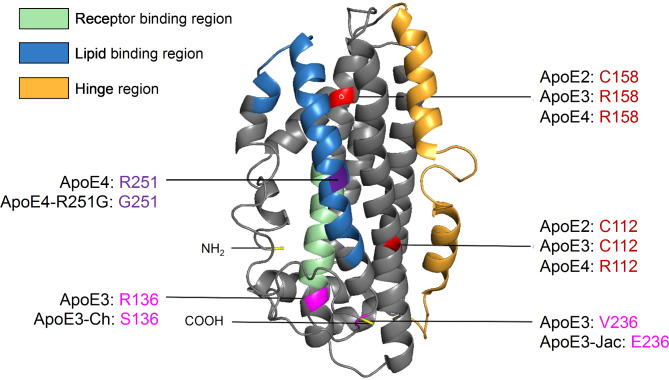
ApoE variant p.V236E is associated with markedly reduced risk of Alzheimer’s disease
Medway, C. W., Abdul-Hay, S., Mims, T., Ma, L., Bisceglio, G., Zou, F., Pankratz, S., Sando, S. B., Aasly, J. O., Barcikowska, M., et al. (2014) · Molecular Neurodegeneration · doi:10.1186/1750-1326-9-11 · Cited by 82
Self-citationAssociation of APOE e2 genotype with Alzheimer’s and non-Alzheimer’s neurodegenerative pathologies
Goldberg, T. E., Huey, E. D., & Devanand, D. P. (2020) · Nature Communications · doi:10.1038/s41467-020-18198-x · Cited by 82
Liver X receptors regulate cholesterol homeostasis in oligodendrocytes
Nelissen, K., Mulder, M., Smets, I., Timmermans, S., Smeets, K., Ameloot, M., & Hendriks, J. J. A. (2012) · Journal of Neuroscience Research · doi:10.1002/jnr.22743 · Cited by 80
Attention deficits in Alzheimer's disease and vascular dementia
McGuinness, B., Barrett, S., Craig, D., Lawson, J. T., & Passmore, A. P. (2010) · Journal of Neurology Neurosurgery & Psychiatry · doi:10.1136/jnnp.2008.164483 · Cited by 80
Evidence of association between sleep quality and APOE ε4 in healthy older adults
Drogos, L. L., Gill, S. J., Tyndall, A. V., Raneri, J. K., Parboosingh, J. S., Naef, A. C., Guild, K. D., Eskes, G. A., Hanly, P. J., & Poulin, M. J. (2016) · Neurology · doi:10.1212/wnl.0000000000003255 · Cited by 79
Kim, S. H., Ahn, J. H., Yang, H. J., Lee, P., Koh, G. Y., & Jeong, Y. (2020) · Acta Neuropathologica Communications · doi:10.1186/s40478-020-01042-0 · Cited by 79
A “multi-omics” analysis of blood–brain barrier and synaptic dysfunction in APOE4 mice
Barisano, G., Kisler, K., Wilkinson, B., Nikolakopoulou, A. M., Sagare, A. P., Wang, Y., Gilliam, W., Huuskonen, M. T., Hung, S.-T., Ichida, J. K., et al. (2022) · Journal of Experimental Medicine · doi:10.1084/jem.20221137 · Cited by 78
MicroRNA deregulation and chemotaxis and phagocytosis impairment in Alzheimer's disease
Guedes, J. R., Santana, I. J., Cunha, C., Duro, D., Almeida, M. R., Cardoso, A. M., de Lima, M. C. P., & Cardoso, A. L. (2015) · Alzheimer s & Dementia Diagnosis Assessment & Disease Monitoring · doi:10.1016/j.dadm.2015.11.004 · Cited by 77
Tomaszewski, N., He, X., Solomon, V. A., Lee, M. B., Mack, W. J., Quinn, J. F., Braskie, M. N., & Yassine, H. N. (2020) · Journal of Alzheimer s Disease · doi:10.3233/jad-191017 · Cited by 77
Alzheimer’s Disease and Diabetes: Role of Diet, Microbiota and Inflammation in Preclinical Models
Carranza-Naval, M. J., Vargas-Soria, M., Hierro‐Bujalance, C., Baena‐Nieto, G., García-Alloza, M., Infante‐Garcia, C., & del Marco, À. (2021) · Biomolecules · doi:10.3390/biom11020262 · Cited by 77
APOE2 orchestrated differences in transcriptomic and lipidomic profiles of postmortem AD brain
Lefterov, I., Wolfe, C. M., Fitz, N. F., Nam, K. N., Letronne, F., Biedrzycki, R. J., Kofler, J., Han, X., Wang, J., Schug, J., et al. (2019) · Alzheimer's Research & Therapy · doi:10.1186/s13195-019-0558-0 · Cited by 74
Li, H., Dhanasekaran, P., Alexander, E. T., Rader, D. J., Phillips, M. C., & Lund‐Katz, S. (2013) · Arteriosclerosis Thrombosis and Vascular Biology · doi:10.1161/atvbaha.112.301193 · Cited by 73
Ghosal, K., Haag, M., Verghese, P. B., West, T., Veenstra, T., Braunstein, J. B., Bateman, R. J., Holtzman, D. M., & Landreth, G. E. (2016) · Alzheimer's & Dementia: Translational Research & Clinical Interventions · doi:10.1016/j.trci.2016.06.001 · Cited by 73
Oligodendrocytes but not astrocytes express apolipoprotein E after injury of rat optic nerve
Stoll, G., Mueller, H. W., Trapp, B. D., & Griffin, J. W. (1989) · Glia · doi:10.1002/glia.440020306 · Cited by 72
Vascular ApoE4 impairs behavior by modulating gliovascular function
Yamazaki, Y., Liu, C.-C., Yamazaki, A., Shue, F., Martens, Y. A., Chen, Y., Qiao, W., Kurti, A., Oue, H., Ren, Y., et al. (2021) · Neuron · doi:10.1016/j.neuron.2020.11.019 · Cited by 71
Self-citationLloret, M.-A., Cervera-Ferri, A., Nepomuceno, M., Monllor, P., Esteve, D., & Lloret, A. (2020) · International Journal of Molecular Sciences · doi:10.3390/ijms21031168 · Cited by 68
Trem2 deficiency differentially affects phenotype and transcriptome of human APOE3 and APOE4 mice
Fitz, N. F., Wolfe, C. M., Playso, B. E., Biedrzycki, R. J., Lu, Y., Nam, K. N., Lefterov, I., & Koldamova, R. (2020) · Molecular Neurodegeneration · doi:10.1186/s13024-020-00394-4 · Cited by 68
Insel, P. S., Hansson, O., & Mattsson-Carlgren, N. (2021) · JAMA Neurology · doi:10.1001/jamaneurol.2020.3780 · Cited by 68
Relative effect of APOE ε4 on neuroimaging biomarker changes across the lifespan
Gonneaud, J., Arenaza‐Urquijo, E. M., Fouquet, M., Perrotin, A., Fradin, S., Sayette, V. D. L., Eustache, F., & Chételat, G. (2016) · Neurology · doi:10.1212/wnl.0000000000003234 · Cited by 65
Yuan, T., Chu, C., Shi, R., Cui, T., Zhang, X., Zhao, Y., Shi, X., Yan, H., Pan, J., Qian, R., et al. (2019) · Journal of Agricultural and Food Chemistry · doi:10.1021/acs.jafc.9b01436 · Cited by 65
Synergistic effects of APOE and sex on the gut microbiome of young EFAD transgenic mice
Weng, J. M., Parikh, I. J., Naqib, A. D., York, J. M., Green, S. J., Estus, S., & LaDu, M. J. (2019) · Molecular Neurodegeneration · doi:10.1186/s13024-019-0352-2 · Cited by 65
Chernick, D., Ortiz‐Valle, S., Jeong, A., Qu, W., & Li, L. (2019) · Neuroscience Letters · doi:10.1016/j.neulet.2019.134306 · Cited by 64
Murine Gut Microbiome Association With APOE Alleles
Parikh, I. J., Estus, J. L., Zajac, D. J., Malik, M., Weng, J. M., Tai, L. M., Chlipala, G. E., LaDu, M. J., Green, S. J., & Estus, S. (2020) · Frontiers in Immunology · doi:10.3389/fimmu.2020.00200 · Cited by 64
Liu, T., Zhu, B., Liu, Y., Zhang, X., Yin, J., Li, X., Jiang, L., Hodges, A. P., Rosenthal, S. B., Zhou, L., et al. (2020) · Journal of Experimental Medicine · doi:10.1084/jem.20200474 · Cited by 64
Apolipoprotein Mimetic Peptides: Potential New Therapies for Cardiovascular Diseases
Wolska, A. T., Reimund, M., Sviridov, D. O., Amar, M. J., & Remaley, A. T. (2021) · Cells · doi:10.3390/cells10030597 · Cited by 64
He, D., Tan, J., & Zhang, J. (2017) · Biochemical and Biophysical Research Communications · doi:10.1016/j.bbrc.2017.06.144 · Cited by 62
Effects of APOE Genotype on Brain Proteomic Network and Cell Type Changes in Alzheimer's Disease
Dai, J., Johnson, E. C. B., Dammer, E. B., Duong, D. M., Gearing, M., Lah, J. J., Levey, A. I., Wingo, T. S., & Seyfried, N. T. (2018) · Frontiers in Molecular Neuroscience · doi:10.3389/fnmol.2018.00454 · Cited by 62
Patel, T., Carnwath, T., Wang, X., Allen, M., Lincoln, S., Lewis‐Tuffin, L. J., Quicksall, Z., Lin, S., Tutor‐New, F. Q., Ho, C. C. G., et al. (2022) · Aging Cell · doi:10.1111/acel.13606 · Cited by 61
Liu, C., Yamazaki, Y., Heckman, M. G., Martens, Y. A., Jia, L., Yamazaki, A., Diehl, N. N., Zhao, J., Zhao, N., Deture, M. A., et al. (2020) · Alzheimer s & Dementia · doi:10.1002/alz.12104 · Cited by 59
Self-citationPanitch, R., Hu, J., Chung, J., Zhu, C., Meng, G., Xia, W., Bennett, D. A., Lunetta, K. L., Ikezu, T., Au, R., et al. (2021) · Molecular Psychiatry · doi:10.1038/s41380-021-01266-z · Cited by 59
Self-citationMinta, K., Brinkmalm, G., Janelidze, S., Sjödin, S., Portelius, E., Stomrud, E., Zetterberg, H., Blennow, K., Hansson, O., & Andréasson, U. (2020) · Alzheimer s Research & Therapy · doi:10.1186/s13195-020-00585-7 · Cited by 57
Salvadó, G., Grothe, M. J., Groot, C., Moscoso, A., Schöll, M., Gispert, J. D., Ossenkoppele, R., & Initiative, A. D. N. (2021) · European Journal of Nuclear Medicine and Molecular Imaging · doi:10.1007/s00259-021-05192-8 · Cited by 57
Laskowitz, D. T., Wang, H., Chen, T., Lubkin, D. T., Cantillana, V., Tu, T. M., Kernagis, D., Zhou, G., Macy, G., Kolls, B. J., et al. (2017) · Scientific Reports · doi:10.1038/srep46461 · Cited by 55
Karjalainen, J.-P., Mononen, N., Hutri-Kähönen, N., Lehtimäki, M., Juonala, M., Ala-Korpela, M., Kähönen, M., Raitakari, O., & Lehtimäki, T. (2019) · Scientific Reports · doi:10.1038/s41598-018-36450-9 · Cited by 55
Patients with Alzheimer's disease who carry the APOE ε4 allele benefit more from physical exercise
Jensen, C. S., Simonsen, A. H., Siersma, V., Beyer, N., Frederiksen, K. S., Gottrup, H., Hoffman, K., Høgh, P., Frikke‐Schmidt, R., Sobol, N. A., et al. (2019) · Alzheimer's & Dementia: Translational Research & Clinical Interventions · doi:10.1016/j.trci.2019.02.007 · Cited by 55
Area-Gomez, E., Larrea, D., Pera, M., Agrawal, R. R., Guilfoyle, D. N., Pirhaji, L., Shannon, K., Arain, H. A., Ashok, A., Chen, Q., et al. (2020) · Scientific Reports · doi:10.1038/s41598-020-61142-8 · Cited by 55
ApoE e2 and aging-related outcomes in 379,000 UK Biobank participants
Kuo, C.-L., Pilling, L. C., Atkins, J. L., Kuchel, G. A., & Melzer, D. (2020) · Aging · doi:10.18632/aging.103405 · Cited by 55
Sharman, M. J., Morici, M., Hone, E., Berger, T., Taddei, K., Martins, I. J., Lim, W. L. F., Singh, S., Wenk, M. R., Ghiso, J., et al. (2010) · Journal of Alzheimer's Disease · doi:10.3233/jad-2010-100141 · Cited by 54
Baker-Nigh, A. T., Mawuenyega, K. G., Bollinger, J. G., Ovod, V., Kasten, T., Franklin, E. E., Liao, F., Jiang, H., Holtzman, D., Cairns, N. J., et al. (2016) · Journal of Biological Chemistry · doi:10.1074/jbc.m116.721779 · Cited by 54
Zheng, J., Sun, J., Ji, C.-M., Shen, L., Chen, Z.-J., Xie, P., Sun, Y.-Z., & Yu, R. (2017) · Neurobiology of Aging · doi:10.1016/j.neurobiolaging.2017.03.002 · Cited by 54
Yamauchi, Y., Deguchi, N., Takagi, C., Tanaka, M., Dhanasekaran, P., Nakano, M., Handa, T., Phillips, M. C., Lund-Katz, S., & Saito, H. (2008) · Biochemistry · doi:10.1021/bi8003999 · Cited by 53 · cited 1×
“ApoE also interacts with heparan sulfate proteoglycans (HSPG) [47] and binds heparin through two separate sites [48].”
BackgroundKetogenic diet rescues cognition in ApoE4+ patient with mild Alzheimer's disease: A case study
Morrill, S. J., & Gibas, K. J. (2019) · Diabetes & Metabolic Syndrome Clinical Research & Reviews · doi:10.1016/j.dsx.2019.01.035 · Cited by 53
Chernick, D., Ortiz‐Valle, S., Jeong, A., Swaminathan, S. K., Kandimalla, K. K., Rebeck, G. W., & Li, L. (2018) · Journal of Neurochemistry · doi:10.1111/jnc.14554 · Cited by 51
Murphy, K. R., Landau, S. M., Choudhury, K. R., Hostage, C. A., Shpanskaya, K. S., Sair, H. I., Petrella, J. R., Wong, T. Z., & Doraiswamy, P. M. (2013) · NeuroImage · doi:10.1016/j.neuroimage.2013.04.048 · Cited by 50
APOE ε4 genotype-dependent cerebrospinal fluid proteomic signatures in Alzheimer’s disease
Konijnenberg, E., Tijms, B. M., Gobom, J., Dobričić, V., Bos, I., Vos, S. J. B., Tsolaki, M., Verhey, F. R. J., Popp, J., Martínez‐Lage, P., et al. (2020) · Alzheimer s Research & Therapy · doi:10.1186/s13195-020-00628-z · Cited by 50
Koriath, C., Lashley, T., Taylor, W., Druyeh, R., Dimitriadis, A., Denning, N., Williams, J. H., Warren, J. D., Fox, N. C., Schott, J. M., et al. (2019) · Alzheimer s & Dementia Diagnosis Assessment & Disease Monitoring · doi:10.1016/j.dadm.2019.01.010 · Cited by 48
Rezeli, M., Zetterberg, H., Blennow, K., Brinkmalm, A., Laurell, T., Hansson, O., & Marko‐Varga, G. (2015) · EuPA Open Proteomics · doi:10.1016/j.euprot.2015.07.012 · Cited by 45
Apolipoprotein E4 association with metabolic syndrome depends on body fatness
Torres-Pérez, E., Ledesma, M., García-Sobreviela, M. P., León-Latre, M., & Arbonés-Mainar, J. M. (2015) · Atherosclerosis · doi:10.1016/j.atherosclerosis.2015.11.029 · Cited by 45
Apolipoprotein E mimetic peptide, CN ‐105, improves outcomes in ischemic stroke
Tu, T. M., Kolls, B. J., Soderblom, E. J., Cantillana, V., Ferrell, P. D., Moseley, M. A., Wang, H., Dawson, H. N., & Laskowitz, D. T. (2017) · Annals of Clinical and Translational Neurology · doi:10.1002/acn3.399 · Cited by 45
Nielsen, H. M., Chen, K., Lee, W., Chen, Y., Bauer, R. J., III, Reiman, E. M., Caselli, R. J., & Bu, G. (2017) · Alzheimer s Research & Therapy · doi:10.1186/s13195-016-0231-9 · Cited by 44
Self-citationOrth, M., Weng, W., Funke, H., Steinmetz, A., Assmann, G., Nauck, M., Dierkes, J., Ambrosch, A., Weisgraber, K. H., Mahley, R. W., et al. (1999) · Arteriosclerosis, Thrombosis, and Vascular Biology · doi:10.1161/01.atv.19.5.1306 · Cited by 42
Tokgöz, S., & Claassen, J. A. H. R. (2021) · Cardiology and Therapy · doi:10.1007/s40119-020-00209-z · Cited by 42
Neurodegenerative Disorders Treatment: The MicroRNA Role
Ridolfi, B., & Abdel–Haq, H. (2018) · Current Gene Therapy · doi:10.2174/1566523218666180119120726 · Cited by 41
Moderating effect of APOE ε4 on the relationship between sleep-wake cycle and brain β-amyloid
Hwang, J. Y., Byun, M. S., Choe, Y. M., Lee, J. H., Yi, D., Choi, J.-W., Hwang, S. H., Lee, Y. J., Lee, D. Y., Lee, D. Y., et al. (2018) · Neurology · doi:10.1212/wnl.0000000000005193 · Cited by 41
APOE Antibody Inhibits Aβ‐Associated Tau Seeding and Spreading in a Mouse Model
Gratuze, M., Jiang, H., Wang, C., Xiong, M., Bao, X., & Holtzman, D. M. (2022) · Annals of Neurology · doi:10.1002/ana.26351 · Cited by 41
Schmid, B., Prehn, K. R., Nimsanor, N., Garcia, B. I. A., Poulsen, U., Jørring, I., Rasmussen, M. A., Clausen, C., Mau-Holzmann, U. A., Ramakrishna, S., et al. (2019) · Stem Cell Research · doi:10.1016/j.scr.2018.11.010 · Cited by 40
ApoE mimetic improves pathology and memory in a model of Alzheimer’s disease
Krishnamurthy, K., Cantillana, V., Wang, H., Sullivan, P. M., Kolls, B. J., Ge, X., Lin, Y., Mace, B., & Laskowitz, D. T. (2020) · Brain Research · doi:10.1016/j.brainres.2020.146685 · Cited by 39
Moore, A. M., Mahoney, E. R., Dumitrescu, L. C., Jager, P. L. D., Koran, M. E. I., Petyuk, V., Robinson, R. A. S., Ruderfer, D. M., Cox, N. J., Schneider, J. A., et al. (2019) · Neurobiology of Aging · doi:10.1016/j.neurobiolaging.2019.10.021 · Cited by 38
Aerobic exercise improves hippocampal blood flow for hypertensive Apolipoprotein E4 carriers
Kaufman, C. S., Honea, R. A., Pleen, J., Lepping, R. J., Watts, A. S., Morris, J. K., Billinger, S. A., Burns, J. M., & Vidoni, E. D. (2021) · Journal of Cerebral Blood Flow & Metabolism · doi:10.1177/0271678x21990342 · Cited by 38
Nock, T. G., Chouinard‐Watkins, R., & Plourde, M. (2017) · Biochimica et Biophysica Acta (BBA) - Molecular and Cell Biology of Lipids · doi:10.1016/j.bbalip.2017.07.004 · Cited by 37
Relationships Between Plasma Lipids Species, Gender, Risk Factors, and Alzheimer’s Disease
Lim, W. L. F., Huynh, K., Chatterjee, P., Martins, I. J., Jayawardana, K. S., Giles, C., Mellett, N. A., Laws, S. M., Bush, A. I., Rowe, C. C., et al. (2020) · Journal of Alzheimer s Disease · doi:10.3233/jad-191304 · Cited by 37
Sweet, R. A., MacDonald, M. L., Kirkwood, C. M., Ding, Y., Schempf, T. A., Jones-Laughner, J., Kofler, J., Ikonomović, M. D., López, O. L., Garver, M. E., et al. (2016) · Molecular & Cellular Proteomics · doi:10.1074/mcp.m115.056580 · Cited by 36
Interaction between APOE genotype and diabetes in cognitive decline
Shinohara, M., Tashiro, Y., Suzuki, K., Fukumori, A., Bu, G., & Sato, N. (2020) · Alzheimer s & Dementia Diagnosis Assessment & Disease Monitoring · doi:10.1002/dad2.12006 · Cited by 36
Self-citationJun, G., You, Y., Zhu, C., Meng, G., Chung, J., Panitch, R., Hu, J., Xia, W., Bennett, D. A., Foroud, T., et al. (2022) · Alzheimer s & Dementia · doi:10.1002/alz.12607 · Cited by 35
Self-citationNeuronal pentraxin 1: A synaptic-derived plasma biomarker in Alzheimer's disease
Ma, Q., Teng, E., Zuo, X., Jones, M. R., Teter, B., Zhao, E. Y., Zhu, C., Bilousova, T. V., Gylys, K. H., Apostolova, L. G., et al. (2018) · Neurobiology of Disease · doi:10.1016/j.nbd.2018.02.014 · Cited by 34
Reversal of ApoE4-Driven Brain Pathology by Vascular Endothelial Growth Factor Treatment
Salomon‐Zimri, S., Glat, M. J., Barhum, Y., Luz, I., Boehm‐Cagan, A., Liraz, O., Ben‐Zur, T., Offen, D., & Michaelson, D. M. (2016) · Journal of Alzheimer s Disease · doi:10.3233/jad-160182 · Cited by 33
A New Perspective on Alzheimer’s Disease as a Brain Expression of a Complex Metabolic Disorder
Polis, B., & Samson, A. O. (2019) · Codon Publications eBooks · doi:10.15586/alzheimersdisease.2019.ch1 · Cited by 33
Madrid, L., Initiative, A. D. N., Moreno–Grau, S., Ahmad, S., González-Pérez, A., de Rojas, I., Xia, R., Adami, P. V. M., García‐González, P., Kleineidam, L., et al. (2021) · Aging · doi:10.18632/aging.202950 · Cited by 33
Gibb, G., Pearce, J., Betts, J. C., Lovestone, S., Hoffmann, M. M., Maerz, W., Blackstock, W. P., & Anderton, B. H. (2000) · FEBS Letters · doi:10.1016/s0014-5793(00)02196-7 · Cited by 31
CDH6 and HAGH protein levels in plasma associate with Alzheimer’s disease in APOE ε4 carriers
Ahmad, S., Milan, M. D. C., Hansson, O., Demirkan, A., Agustin, R., Sáez, M. E., Giagtzoglou, N., Cabrera-Socorro, A., Bakker, M. H. M., Ramirez, A., et al. (2020) · Scientific Reports · doi:10.1038/s41598-020-65038-5 · Cited by 31
C-Reactive Protein and Genetic Variants and Cognitive Decline in Old Age: The PROSPER Study
Mooijaart, S. P., Sattar, N. A., Trompet, S., Polisecki, E. Y., de Craen, A. J. M., Schaefer, E. J., Jahn, S. E., van Himbergen, T. M., Welsh, P. I., Ford, I., et al. (2011) · PLoS ONE · doi:10.1371/journal.pone.0023890 · Cited by 30
Elahi, F. M., Ashimatey, B. S., Bennett, D. J., Walters, S. M., Joie, R. L., Jiang, X., Wolf, A. A., Cobigo, Y., Staffaroni, A. M., Rosen, H. J., et al. (2021) · Alzheimer s & Dementia Diagnosis Assessment & Disease Monitoring · doi:10.1002/dad2.12181 · Cited by 29
Jan, A., Karasinska, J. M., Kang, M. H., de Haan, W., Ruddle, P., Kaur, A., Connolly, C., Leavitt, B. R., Sorensen, P. H., & Hayden, M. R. (2015) · Neuroscience Letters · doi:10.1016/j.neulet.2015.05.007 · Cited by 28
Robert, J., Button, E. B., Martin, E. M., McAlary, L., Gidden, Z., Gilmour, M., Boyce, G., Caffrey, T. M., Agbay, A., Clark, A., et al. (2020) · Molecular Neurodegeneration · doi:10.1186/s13024-020-00366-8 · Cited by 27
The relationship between physical activity, apolipoprotein E ε4 carriage, and brain health
de Frutos‐Lucas, J., Cuesta, P., López‐Sanz, D., Peral‐Suárez, Á., Cuadrado‐Soto, E., Ramírez‐Toraño, F., Brown, B. M., Serrano, J. M., Laws, S. M., Rodríguez‐Rojo, I. C., et al. (2020) · Alzheimer s Research & Therapy · doi:10.1186/s13195-020-00608-3 · Cited by 27
Uddin, M. S., Kabir, M. T., Tewari, D., Mamun, A. A., Barreto, G. E., BUNGAU, S. G., Bin-Jumah, M. N., Abdel‐Daim, M. M., & Ashraf, G. M. (2020) · Molecular Neurobiology · doi:10.1007/s12035-020-02065-3 · Cited by 27
Ferguson, A., Tank, R., Lyall, L. M., Ward, J., Celis-Morales, C. A., Strawbridge, R. J., Ho, F. K. W., Whelan, C. D., Gill, J. M. R., Welsh, P. I., et al. (2020) · Journal of Alzheimer s Disease · doi:10.3233/jad-200338 · Cited by 26
Apolipoprotein E isotype-dependent modulation of microRNA-146a in plasma and brain
Teter, B., LaDu, M. J., Sullivan, P. M., Frautschy, S. A., & Cole, G. M. (2016) · Neuroreport · doi:10.1097/wnr.0000000000000608 · Cited by 25
Apolipoprotein E2 and E3, but Not E4, Promote Retinal Pathologic Neovascularization
Masuda, T., Shimazawa, M., Hashimoto, Y., Kojima, A., Nakamura, S., Suemori, S., Mochizuki, K., Kawakami, H., Kawase, K., & Hara, H. (2017) · Investigative Ophthalmology & Visual Science · doi:10.1167/iovs.16-20539 · Cited by 25
Decreased plasma C‐reactive protein levels in APOE ε4 allele carriers
Martiskainen, H., Takalo, M., Solomon, A., Stančáková, A., Marttinen, M., Natunen, T., Haapasalo, A., Herukka, S., Kuusisto, J., Soininen, H. S., et al. (2018) · Annals of Clinical and Translational Neurology · doi:10.1002/acn3.639 · Cited by 25
Bangen, K. J., Smirnov, D. S., Delano‐Wood, L., Wierenga, C. E., Bondi, M. W., Salmon, D. P., & Galasko, D. R. (2021) · Alzheimer s Research & Therapy · doi:10.1186/s13195-021-00851-2 · Cited by 25
APOEε4 and slow wave sleep in older adults
Tranah, G. J., Yaffe, K. S., Nievergelt, C. M., Parimi, N., Glymour, M. M., Ensrud, K. E., Cauley, J. A., Ancoli‐Israel, S., Mariani, S., Redline, S. S., et al. (2018) · PLoS ONE · doi:10.1371/journal.pone.0191281 · Cited by 24
Kara, E., Marks, J. D., Fan, Z., Klickstein, J. A., Roe, A. D., Krogh, K. A., Wegmann, S., Maesako, M., Luo, C. C., Mylvaganam, R., et al. (2017) · Journal of Biological Chemistry · doi:10.1074/jbc.m117.784264 · Cited by 23
Plasma Apolipoprotein E3 and Glucose Levels Are Associated in APOE ɛ3/ɛ4 Carriers
Edlund, A. K., Chen, K., Lee, W., Protas, H. D., Su, Y., Reiman, E. M., Caselli, R. J., & Nielsen, H. M. (2021) · Journal of Alzheimer s Disease · doi:10.3233/jad-210065 · Cited by 22
Abou Ziki, M. D., Strulovici-Barel, Y., Hackett, N. R., Rodriguez-Flores, J. L., Mezey, J. G., Salit, J., Radisch, S., Hollmann, C., Chouchane, L., Malek, J., et al. (2014) · The American Journal of Cardiology · doi:10.1016/j.amjcard.2013.09.021 · Cited by 21
Cognitively Normal APOE ε4 Carriers Have Specific Elevation of CSF SNAP-25
Butt, O. H., Long, J. M., Henson, R. L., Herries, E. M., Sutphen, C. L., Fagan, A. M., Cruchaga, C., Ladenson, J. H., Holtzman, D. M., Morris, J. C., et al. (2020) · Neurobiology of Aging · doi:10.1016/j.neurobiolaging.2021.02.008 · Cited by 21
Khedher, M. R. B., Haddad, M., Laurin, D., & Ramassamy, C. (2021) · Alzheimer s & Dementia Translational Research & Clinical Interventions · doi:10.1002/trc2.12124 · Cited by 21
Wu, S., Hsu, L., Teng, M., Lin, J.-F., Chou, H., Lee, M., Yi-ming, W., Su, C.-W., & Ko, Y. (2016) · Lipids in Health and Disease · doi:10.1186/s12944-016-0262-z · Cited by 20
Apolipoprotein E Facilitates Amyloid-β Oligomer-Induced Tau Phosphorylation
Hou, T.-T., Han, Y.-D., Cong, L., Liu, C.-C., Liang, X.-Y., Xue, F.-Z., & Du, Y.-F. (2020) · Journal of Alzheimer’s Disease · doi:10.3233/jad-190711 · Cited by 20
Self-citationAMBAR, an Encouraging Alzheimer's Trial That Raises Questions
Loeffler, D. A. (2020) · Frontiers in Neurology · doi:10.3389/fneur.2020.00459 · Cited by 20
Basta, M., Zaganas, I. V., Simos, P. G., Koutentaki, E., Dimovasili, C., Mathioudakis, L., Bourbouli, M., Panagiotakis, S. H., Kapetanaki, S., & Vgontzas, A. N. (2020) · Journal of Alzheimer s Disease · doi:10.3233/jad-200958 · Cited by 20
Carral, J. M. C., LÓPEZ-RODRÍGUEZ, A., & Mollinedo-Cardalda, I. (2021) · Journal of Exercise Rehabilitation · doi:10.12965/jer.2142130.065 · Cited by 20
Deng, H., Ordaz, A., Upadhyayula, P. S., Gillis-Buck, E. M., Suen, C. G., Melhado, C. G., Mohammed, N., Lam, T., & Yue, J. K. (2018) · Medical Sciences · doi:10.3390/medsci6030078 · Cited by 18
APOE ε4, the door to insulin‐resistant dyslipidemia and brain fog? A case study
Stoykovich, S., & Gibas, K. J. (2019) · Alzheimer s & Dementia Diagnosis Assessment & Disease Monitoring · doi:10.1016/j.dadm.2019.01.009 · Cited by 18
Coughlan, G., Larsen, R., Kim, M. G., White, D., Gillings, R., Irvine, M., Scholey, A. B., Cohen, N. J., Legido‐Quigley, C., Hornberger, M., et al. (2021) · Brain Communications · doi:10.1093/braincomms/fcab085 · Cited by 18
Wong, M. W. K., Braidy, N., Crawford, J., Pickford, R., Song, F., Mather, K. A., Attia, J., Brodaty, H., Sachdev, P. S., & Poljak, A. (2019) · Journal of Alzheimer s Disease · doi:10.3233/jad-190524 · Cited by 17
Piccarducci, R., Daniele, S., Polini, B., Carpi, S., Chico, L., Fusi, J., Baldacci, F., Siciliano, G., Bonuccelli, U., Nieri, P., et al. (2021) · Oxidative Medicine and Cellular Longevity · doi:10.1155/2021/8869849 · Cited by 17
Koo, K. Y., Schweizer, T. A., Fischer, C. E., & Muñoz, D. G. (2019) · Current Alzheimer Research · doi:10.2174/1567205016666190103161034 · Cited by 16
Metabolomics study to identify plasma biomarkers in alzheimer disease: ApoE genotype effect
Peña‐Bautista, C., Roca, M., López‐Cuevas, R., Baquero, M., Vento, M., & Cháfer‐Pericás, C. (2019) · Journal of Pharmaceutical and Biomedical Analysis · doi:10.1016/j.jpba.2019.113088 · Cited by 16
Colovati, M. E. S., Novais, I. D. P., Zampol, M., Mendes, G. D., Cernach, M. C. S. P., & Zanesco, A. (2020) · Brazilian Journal of Medical and Biological Research · doi:10.1590/1414-431x202010098 · Cited by 16
Latest progress in the study of nanoparticle-based delivery of the CRISPR/Cas9 system
Yu, M., Liu, X., Cheng, H., Kuang, L., Zhang, S., & Yan, X. (2021) · Methods · doi:10.1016/j.ymeth.2021.06.004 · Cited by 15
An Active Lifestyle Is Associated with Better Cognitive Function Over Time in APOE ɛ4 Non-Carriers
Fernández‐Matarrubia, M., Goñi, L., Rognoni, T., Razquín, C., Fernandez-Lazaro, C. I., Bes‐Rastrollo, M., Martínez‐González, M. Á., & Toledo, E. (2021) · Journal of Alzheimer s Disease · doi:10.3233/jad-201090 · Cited by 14
Martin‐Willett, R., Morris, B. M., Wilcox, R., Giordano, G., Andrews‐Hanna, J. R., Banich, M. T., & Bryan, A. (2021) · Experimental Gerontology · doi:10.1016/j.exger.2021.111431 · Cited by 14
Koller, E. J., Cruz, E. G. D. L., Weinrich, M. J., Williams, T., Cruz, P. E., Ryu, D. H., Golde, T. E., Sullivan, P. M., Lewis, J. M., Borchelt, D., et al. (2020) · Molecular Neurobiology · doi:10.1007/s12035-019-01859-4 · Cited by 13
Zaldua, S., Damen, F. C., Pisharody, R., Thomas, R., Fan, K. D., Ekkurthi, G. K., Scheinman, S. B., Alahmadi, S., Marottoli, F. M., Alford, S. T., et al. (2020) · Heliyon · doi:10.1016/j.heliyon.2020.e03919 · Cited by 13
Gandy, S., Knopman, D. S., & Sano, M. C. (2021) · Molecular Neurodegeneration · doi:10.1186/s13024-021-00490-z · Cited by 13
Scheinman, S. B., Zaldua, S., Dada, A., Krochmaliuk, K., Dye, K., Marottoli, F. M., Thatcher, G. R. J., & Tai, L. M. (2021) · Frontiers in Neuroscience · doi:10.3389/fnins.2021.628403 · Cited by 11
Zhou, R., Chen, H., Ye, F., Huang, S., & Zhang, J. (2020) · Frontiers in Aging Neuroscience · doi:10.3389/fnagi.2020.00085 · Cited by 10
Apolipoprotein E binds to and reduces serum levels of DNA-mimicking, pyrrolated proteins
Hirose, S., Hioki, Y., Miyashita, H., Hirade, N., Yoshitake, J., Shibata, T., Kikuchi, R., Matsushita, T., Chikazawa, M., Itakura, M., et al. (2019) · Journal of Biological Chemistry · doi:10.1074/jbc.ra118.006629 · Cited by 9
Grimmer, T., Laub, T., Hapfelmeier, A., Eisele, T., Fatke, B., Hölzle, P., Lüscher, S., Parchmann, A., Rentrop, M., Schwerthöffer, D., et al. (2020) · Alzheimer s & Dementia · doi:10.1002/alz.12072 · Cited by 9
APOE ϵ4 Allele Is Associated with Elevated Levels of CSF VILIP-1 in Preclinical Alzheimer’s Disease
Wang, L., Zhang, M., Wang, Q., Jiang, X., Li, K., & Liu, J. (2020) · Neuropsychiatric Disease and Treatment · doi:10.2147/ndt.s235395 · Cited by 8
Lee, J. S., Lee, H., Park, S., Choe, Y. S., Park, Y. H., Cheon, B. K., Hahn, A., Ossenkoppele, R., Kim, H. J., Kim, S., et al. (2020) · Neurology · doi:10.1212/wnl.0000000000010811 · Cited by 8
Panitch, R., Hu, J., Chung, J., et al. (2020) · medRxiv · doi:10.1101/2020.11.23.20235762 · Cited by 6
Diagnostic criteria for primary progressive mutiple sclerosis: a position paper.
(2000) · Pure Amsterdam UMC · doi:10.1002/1531-8249(200006)47:6 · Cited by 2
Aerobic exercise improves hippocampal blood flow for hypertensive APOE4 carriersPreprint
Kaufman, C. S., Honea, R. A., Pleen, J., et al. (2020) · medRxiv · doi:10.1101/2020.09.23.20199042 · Cited by 1
Cited by
Sorted by citations
Microbiota–gut–brain axis and its therapeutic applications in neurodegenerative diseases
Loh, J. S., Mak, W. Q., Tan, L. K. S., Ng, C. X., Chan, H. H., Yeow, S. H., Foo, J. B., Ong, Y. S., How, C. W., & Khaw, K. Y. (2024) · Signal Transduction and Targeted Therapy · doi:10.1038/s41392-024-01743-1 · Cited by 1,193
Zhang, J., Zhang, Y., Wang, J., Xia, Y., Zhang, J., & Chen, L. (2024) · Signal Transduction and Targeted Therapy · doi:10.1038/s41392-024-01911-3 · Cited by 1,138
“Compared to APOE3 and APOE2, APOE4-mediated pathways of A β clearance are impaired, and APOE4 exhibits a higher af fi nity interaction with A β , potentially driving a more severe A β plaque burden, 119,121,123 making it one of the strongest genetic risk factors for AD.”
BackgroundCell type‐specific roles of APOE4 in Alzheimer disease
Blumenfeld, J., Yip, O., Kim, M. J., & Huang, Y. (2024) · Nature Reviews Neuroscience · doi:10.1038/s41583-023-00776-9 · Cited by 202
Updates in Alzheimer's disease: from basic research to diagnosis and therapies
Liu, E., Zhang, Y., & Wang, J. (2024) · Translational Neurodegeneration · doi:10.1186/s40035-024-00432-x · Cited by 241
Multifaceted roles of APOE in Alzheimer disease
Jackson, R. J., Hyman, B. T., & Serrano-Pozo, A. (2024) · Nature Reviews Neurology · doi:10.1038/s41582-024-00988-2 · Cited by 193
Metadata
- Authors
- Raulin, A.-C., Doss, S. V., Trottier, Z. A., Ikezu, T. C., Bu, G., & Liu, C.-C.
- Affiliations
- Mayo Clinic in Florida (US)
- Corresponding author
- Bu, Guojun
- Liu, Chia-Chen
- ORCID
- Venue
- Molecular Neurodegeneration
- Published
- 2022-11-08
- Volume
- 17
- Issue
- 1
- Pages
- 72-72
- ISSN
- 1750-1326 (ISSN-L)
- PMC
- PMC9644639
- OpenAlex
- W4308572221
- Cited by
- 756
- References
- 317
- Citations by year
- 2026: 222 · 2025: 266 · 2024: 187 · 2023: 81
- FWCI
- 18.38
- Type
- journal article
- Language
- en
- Open access
- gold
- doi.org
- Locations
- Molecular Neurodegeneration (publishedVersion, cc-by)
- PubMed Central (publishedVersion, cc-by)
- PubMed (publishedVersion)
- DOAJ (DOAJ: Directory of Open Access Journals) (submittedVersion)
- Rare & Special e-Zone (The Hong Kong University of Science and Technology) (submittedVersion)
- Funders
- NIH Blueprint for Neuroscience Research (R37AG027924, RF1AG057181, U19AG069701, U19AG069701, R01AG062110)
- Cure Alzheimer’s Fund (Cure Alzheimer’s Fund)
- Topics
- Life Sciences › Neuroscience › Cellular and Molecular Neuroscience › Alzheimer's disease research and treatments
- Health Sciences › Medicine › Psychiatry and Mental health › Dementia and Cognitive Impairment Research
- Life Sciences › Neuroscience › Neurology › Neuroinflammation and Neurodegeneration Mechanisms
- Keywords
- apolipoprotein E, Alzheimer's disease, APOE ε4, APOE isoforms, amyloid plaques, lipid transport, genetic risk factors
- MeSH terms
- Alleles, Alzheimer Disease, Apolipoproteins E, Humans, Amyloid beta-Peptides, Apolipoprotein E4, Plaque, Amyloid
About these checks
Registry, retraction, Cites and statistics results are computed, not judged, with one exception: a printed reference that no index lists is read once by a model before it counts as a citation error. Claims are extracted by a model and kept only when their quote appears verbatim in the text; each cited source is then checked, with a model’s help, for whether it says what the claim relies on. Those verdicts can be wrong — read the claim’s quote and the cited source before relying on one.
Statistics and arithmetic are recomputed, not judged.
Confidence bands are shown only for fields calibrated on our annotated test set. None is calibrated yet, so no band is shown.
What counts as a claim ›How we measure confidence ›How we check this ›
Are you an author, or do you see a problem with this page? Request a review
