

The DOI matches its Crossref record; 319 of the 319 references it cites were found in a registry or an index.
ApoE in Alzheimer’s disease: pathophysiology and therapeutic strategies
Open accessAbstract
Alzheimer’s disease (AD) is the most common cause of dementia worldwide, and its prevalence is rapidly increasing due to extended lifespans. Among the increasing number of genetic risk factors identified, the apolipoprotein E ( APOE ) gene remains the strongest and most prevalent, impacting more than half of all AD cases. While the ε4 allele of the APOE gene significantly increases AD risk, the ε2 allele is protective relative to the common ε3 allele. These gene alleles encode three apoE protein isoforms that differ at two amino acid positions. The primary physiological function of apoE is to mediate lipid transport in the brain and periphery; however, additional functions of apoE in diverse biological functions have been recognized. Pathogenically, apoE seeds amyloid-β (Aβ) plaques in the brain with apoE4 driving earlier and more abundant amyloids. ApoE isoforms also have differential effects on multiple Aβ-related or Aβ-independent pathways. The complexity of apoE biology and pathobiology presents challenges to designing effective apoE-targeted therapeutic strategies. This review examines the key pathobiological pathways of apoE and related targeting strategies with a specific focus on the latest technological advances and tools.
Overview
The claims and statistics of this paper haven’t been checked yet.
Run the check — free, no account needed. It reads the open-access text and checks the sources it cites.
Integrity signals
Registry
Cites
Statistics
Figures
Verification
Claims the paper makes
The claims and statistics of this paper haven’t been checked yet.
Run the check — free, no account needed. It reads the open-access text and checks the sources it cites.
Claims other papers make about this one
Each is checked against this paper’s own text: does it say what the citing paper says it does?
The source backs part of the claim, not all of it — or backs it for a different population, condition or comparison.
In the citing paper
“In humans, three major isoforms of APOE are lipidated in an isoform‐specific manner (ε2 > ε3 > ε4). 9 , 48”
From Deletion of miR-33, a regulator of the ABCA1–APOE pathway, ameliorates neuropathological phenotypes in APP/PS1 mice (2024) · cites this paper as [48]
Experimental — accuracy not yet measuredThe source backs part of the claim, not all of it — or backs it for a different population, condition or comparison.
In the citing paper
“APOE binds to cell surface receptors, such as low‐density lipoprotein receptor (LDLR), LDLR‐related protein 1 (LRP1), very low‐density lipoprotein receptor (VLDLR), and apolipoprotein E receptor 2 (APOER2 or LRP8). 2 , 14 , 15”
From Deletion of neuronal Idol ameliorates Alzheimer's disease–related pathologies via APOE receptors (2025) · cites this paper as [2]
Experimental — accuracy not yet measuredThe source backs part of the claim, not all of it — or backs it for a different population, condition or comparison.
In the citing paper
“Although mainly secreted by astrocytes, APOE is also expressed in microglia, neurons, and oligodendrocytes, particularly under injury and degenerative conditions. 2 , 13”
From Deletion of neuronal Idol ameliorates Alzheimer's disease–related pathologies via APOE receptors (2025) · cites this paper as [2]
Experimental — accuracy not yet measuredThe source backs part of the claim, not all of it — or backs it for a different population, condition or comparison.
In the citing paper
“Genetic variants of many of the differentially expressed genes identified in this study, such as CLU and APOE, have been associated with increased Alzheimer’s disease risk58,59.”
From mTORC1 drives cell-autonomous astrocyte reactivity in tuberous sclerosis (2026) · cites this paper as [59]
Experimental — accuracy not yet measuredThe source backs part of the claim, not all of it — or backs it for a different population, condition or comparison.
In the citing paper
“The APOE-ε4 allele increases AD risk three- to eightfold compared to the neutral ε3 allele, while ε2 confers relative protection [154].”
From Toward a Unified Framework in Molecular Neurobiology of Alzheimer’s Disease: Revisiting the Pathophysiological Hypotheses (2026) · cites this paper as [154]
Experimental — accuracy not yet measured
The source backs part of the claim, not all of it — or backs it for a different population, condition or comparison.
In the citing paper
“ApoE influences AD pathogenesis through multiple pathways, such as (i) impaired clearance of Aβ by competing with receptor-mediated uptake (e.g., LRP1), (ii) modulation of tau phosphorylation and spread, and (iii) regulation of microglial activation.”
From Toward a Unified Framework in Molecular Neurobiology of Alzheimer’s Disease: Revisiting the Pathophysiological Hypotheses (2026) · cites this paper as [154]
Experimental — accuracy not yet measuredThe cited source says what the claim attributes to it.
In the citing paper
“APOE is multifunctional, with roles in lipid and glucose metabolism, neuroinflammation, amyloid and tau accumulation, and blood-brain barrier dysfunction [2].”
From Effects of APOE2 and APOE4 on brain microstructure in older adults: modification by age, sex, and cognitive status (2024) · cites this paper as [2]
The cited source says what the claim attributes to it.
In the citing paper
“These efforts have resulted in identifying multiple mechanisms by which APOE influences AD‐related pathologies, including amyloid beta (Aβ) accumulation, tauopathy, neuroinflammation, and synaptic impairment. 2”
From Deletion of neuronal Idol ameliorates Alzheimer's disease–related pathologies via APOE receptors (2025) · cites this paper as [2]
The cited source says what the claim attributes to it.
In the citing paper
“as APOE is increasingly viewed not only as a risk locus, but also as a mechanistically actionable therapeutic axis in AD 2 .”
From Association of Rare APOE Missense Variants R189C and W276C With Risk of Alzheimer Disease (2026) · cites this paper as [2]
The cited source says what the claim attributes to it.
In the citing paper
“Together, these data support a model in which C-terminal ApoE biology, including lipidation and self-association, is not merely correlative but is closely tied to pathogenesis and may inform future APOE-directed therapeutic strategies 2,17 .”
From Association of Rare APOE Missense Variants R189C and W276C With Risk of Alzheimer Disease (2026) · cites this paper as [2]
The cited source says what the claim attributes to it.
In the citing paper
“Among these, the APOE gene plays a central role in modulating disease risk, primarily through its involvement in lipid transport, synaptic function, and amyloid-beta metabolism in the brain (Martens et al., 2022; Raulin et al., 2022).”
From Isogenic human stem cell models reveal mutation-dependent protective mechanisms of APOE3 Christchurch (2026) · cites this paper as Raulin et al., 2022
The cited source says what the claim attributes to it.
In the citing paper
“suggesting the distinct biochemical interactions influencing Aβ deposition or clearance [2, 3, 22, 23].”
From Astrocytic APOE3-Christchurch expression ameliorates brain amyloid-β pathology in 5xFAD mice (2026) · cites this paper as [2]
The cited source says what the claim attributes to it.
In the citing paper
“In contrast, sporadic AD is strongly associated with polymorphisms in the APOE gene.”
From Toward a Unified Framework in Molecular Neurobiology of Alzheimer’s Disease: Revisiting the Pathophysiological Hypotheses (2026) · cites this paper as [154]
The cited source says what the claim attributes to it.
In the citing paper
“Recent work suggests that APOE variants not only modulate amyloid deposition but also reshape immune responses and lipid metabolism, positioning APOE at the nexus of amyloid, tau, and neuroinflammation [154].”
From Toward a Unified Framework in Molecular Neurobiology of Alzheimer’s Disease: Revisiting the Pathophysiological Hypotheses (2026) · cites this paper as [154]
In the citing paper
“APOE exists in three isoforms, namely APOE2, APOE3, and APOE4, among which APOE4 isoform has been identified as the strongest genetic risk factor for late-onset AD.173”
From Microbiota–gut–brain axis and its therapeutic applications in neurodegenerative diseases (2024) · cites this paper as [173]
Self-check
Percentages, sums and reported differences re-computed from the paper’s own numbers.
The self-check needs the paper’s full text.
Citations
Cites
2 retracted
Wu, B., Wu, M., & Guo, J. (2017) · Journal of Cellular Physiology · doi:10.1002/jcp.26328 · Cited by 43
RetractedSawmiller, D. R., Habib, A., Hou, H., Mori, T., Fan, A., Tian, J., Jin, Z., Giunta, B. N., Sanberg, P. R., Mattson, M. P., et al. (2019) · Biological Psychiatry · doi:10.1016/j.biopsych.2019.04.026 · Cited by 38
RetractedA Unique Microglia Type Associated with Restricting Development of Alzheimer’s Disease
Keren-Shaul, H., Spinrad, A., Weiner, A., Matcovitch-Natan, O., Dvir-Szternfeld, R., Ulland, T. K., David, E., Baruch, K., Lara-Astaiso, D., Toth, B., et al. (2017) · Cell · doi:10.1016/j.cell.2017.05.018 · Cited by 5,493
Strittmatter, W. J., Saunders, A. M., Schmechel, D., Pericak-Vance, M., Enghild, J., Salvesen, G. S., & Roses, A. D. (1993) · Proceedings of the National Academy of Sciences · doi:10.1073/pnas.90.5.1977 · Cited by 4,268 · cited 1×
“APOE4 is a major genetic risk factor for AD in a gene dose-dependent manner increasing risk by up to 15 fold in homozygotes [13], whereas APOE2 reduces AD risk by almost half and contributes to longevity [14].”
BackgroundApolipoprotein E and Alzheimer disease: risk, mechanisms and therapy
Liu, C.-C., Kanekiyo, T., Xu, H., & Bu, G. (2013) · Nature Reviews Neurology · doi:10.1038/nrneurol.2012.263 · Cited by 3,459
Self-citationNeuropathological alterations in Alzheimer disease
Serrano-Pozo, A., Frosch, M. P., Masliah, E., & Hyman, B. T. (2011) · Cold Spring Harbor Perspectives in Medicine · doi:10.1101/cshperspect.a006189 · Cited by 3,345
The neuropathological diagnosis of Alzheimer's disease
DeTure, M. A., & Dickson, D. W. (2019) · Molecular Neurodegeneration · doi:10.1186/s13024-019-0333-5 · Cited by 3,329
Role of C-Reactive Protein at Sites of Inflammation and Infection
Sproston, N. R., & Ashworth, J. (2018) · Frontiers in Immunology · doi:10.3389/fimmu.2018.00754 · Cited by 3,243
Blennow, K., de Leon, M. J., & Zetterberg, H. (2006) · The Lancet · doi:10.1016/s0140-6736(06)69113-7 · Cited by 3,134
The antibody aducanumab reduces Aβ plaques in Alzheimer’s disease
Sevigny, J., Chiao, P., Bussière, T., Weinreb, P. H., Williams, L., Maier, M., Dunstan, R., Salloway, S., Chen, T., Ling, Y., et al. (2016) · Nature · doi:10.1038/nature19323 · Cited by 3,059
Krasemann, S., Madore, C., Cialic, R., Baufeld, C., Calcagno, N., El Fatimy, R., Beckers, L., O’Loughlin, E., Xu, Y., Fanek, Z., et al. (2017) · Immunity · doi:10.1016/j.immuni.2017.08.008 · Cited by 2,979
Self-citationPericytes regulate the blood–brain barrier
Armulik, A., Genové, G., Mäe, M., Nisancioglu, M. H., Wallgard, E., Niaudet, C., He, L., Norlin, J., Lindblom, P., Strittmatter, K., et al. (2010) · Nature · doi:10.1038/nature09522 · Cited by 2,843
Single-cell transcriptomic analysis of Alzheimer’s disease
Mathys, H., Davila-Velderrain, J., Peng, Z., Gao, F., Mohammadi, S., Young, J. Z., Menon, M., He, L., Abdurrob, F., Jiang, X., et al. (2019) · Nature · doi:10.1038/s41586-019-1195-2 · Cited by 2,568
Adeno-associated virus vector as a platform for gene therapy delivery
Wang, D., Tai, P. W. L., & Gao, G. (2019) · Nature Reviews Drug Discovery · doi:10.1038/s41573-019-0012-9 · Cited by 2,444
Protective effect of apolipoprotein E type 2 allele for late onset Alzheimer disease
Corder, E. H., Saunders, A. M., Risch, N. J., Strittmatter, W. J., Schmechel, D. E., Gaskell, P. C., Rimmler, J. B., Locke, P. A., Conneally, P. M., Schmader, K. E., et al. (1994) · Nature Genetics · doi:10.1038/ng0694-180 · Cited by 1,920
A blood–brain barrier overview on structure, function, impairment, and biomarkers of integrity
Kadry, H., Noorani, B., & Cucullo, L. (2020) · Fluids and Barriers of the CNS · doi:10.1186/s12987-020-00230-3 · Cited by 1,853
Clearance systems in the brain—implications for Alzheimer disease
Tarasoff-Conway, J. M., Carare, R. O., Osorio, R. S., Glodzik, L., Butler, T., Fieremans, E., Axel, L., Rusinek, H., Nicholson, C., Zlokovic, B. V., et al. (2015) · Nature Reviews Neurology · doi:10.1038/nrneurol.2015.119 · Cited by 1,678
Schmechel, D. E., Saunders, A. M., Strittmatter, W. J., Crain, B. J., Hulette, C. M., Joo, S. H., Pericak-Vance, M. A., Goldgaber, D., & Roses, A. D. (1993) · Proceedings of the National Academy of Sciences · doi:10.1073/pnas.90.20.9649 · Cited by 1,525
Dunbar, C. E., High, K. A., Joung, J. K., Kohn, D. B., Ozawa, K., & Sadelain, M. (2018) · Science · doi:10.1126/science.aan4672 · Cited by 1,410
Marschallinger, J., Iram, T., Zardeneta, M., Lee, S. E., Lehallier, B., Haney, M. S., Pluvinage, J. V., Mathur, V., Hahn, O., Morgens, D. W., et al. (2020) · Nature Neuroscience · doi:10.1038/s41593-019-0566-1 · Cited by 1,384 · cited 1×
“In addition to astrocytes, microglia can also accumulate lipid droplets during aging and under disease-associated conditions [135, 136].”
BackgroundAPOE4 leads to blood–brain barrier dysfunction predicting cognitive decline
Montagne, A., Nation, D. A., Sagare, A. P., Barisano, G., Sweeney, M. D., Chakhoyan, A., Pachicano, M., Joe, E., Nelson, A. R., D’Orazio, L. M., et al. (2020) · Nature · doi:10.1038/s41586-020-2247-3 · Cited by 1,281
ApoE4 markedly exacerbates tau-mediated neurodegeneration in a mouse model of tauopathy
Initiative, A. D. N., Shi, Y., Yamada, K., Liddelow, S. A., Smith, S. T., Zhao, L., Luo, W., Tsai, R. M., Spina, S., Grinberg, L. T., et al. (2017) · Nature · doi:10.1038/nature24016 · Cited by 1,220
Apolipoprotein E and its receptors in Alzheimer's disease: pathways, pathogenesis and therapy
Bu, G. (2009) · Nature Reviews Neuroscience · doi:10.1038/nrn2620 · Cited by 1,168
Self-citationNamba, Y., Tomonaga, M., Kawasaki, H., Otomo, E., & Ikeda, K. (1991) · Brain Research · doi:10.1016/0006-8993(91)91092-f · Cited by 1,157
Lin, Y.-T., Seo, J., Gao, F., Feldman, H. M., Wen, H.-L., Penney, J., Cam, H. P., Gjoneska, E., Raja, W. K., Cheng, J., et al. (2018) · Neuron · doi:10.1016/j.neuron.2018.05.008 · Cited by 1,125
ApoE-Directed Therapeutics Rapidly Clear β-Amyloid and Reverse Deficits in AD Mouse Models
Cramer, P. E., Cirrito, J. R., Wesson, D. W., Lee, C. Y. D., Karlo, J. C., Zinn, A. E., Casali, B. T., Restivo, J. L., Goebel, W. D., James, M. J., et al. (2012) · Science · doi:10.1126/science.1217697 · Cited by 1,050
Wightman, D. P., Jansen, I. E., Savage, J. E., Shadrin, A. A., Bahrami, S., Holland, D., Rongve, A., Børte, S., Winsvold, B. S., Drange, O. K., et al. (2021) · Nature Genetics · doi:10.1038/s41588-021-00921-z · Cited by 1,011
Molecular and cellular mechanisms underlying the pathogenesis of Alzheimer’s disease
Guo, T., Zhang, D., Zeng, Y., Huang, T. Y., Xu, H., & Zhao, Y. (2020) · Molecular Neurodegeneration · doi:10.1186/s13024-020-00391-7 · Cited by 994
Grubman, A., Chew, G., Ouyang, J. F., Sun, G., Choo, X. Y., McLean, C., Simmons, R. K., Buckberry, S., Vargas-Landin, D. B., Poppe, D., et al. (2019) · Nature Neuroscience · doi:10.1038/s41593-019-0539-4 · Cited by 956
Yeh, F. L., Wang, Y., Tom, I., Gonzalez, L. C., & Sheng, M. (2016) · Neuron · doi:10.1016/j.neuron.2016.06.015 · Cited by 943
Sala Frigerio, C., Wolfs, L., Fattorelli, N., Thrupp, N., Voytyuk, I., Schmidt, I., Mancuso, R., Chen, W.-T., Woodbury, M. E., Srivastava, G., et al. (2019) · Cell Reports · doi:10.1016/j.celrep.2019.03.099 · Cited by 926
ApoE Promotes the Proteolytic Degradation of Aβ
Jiang, Q., Lee, C. Y. D., Mandrekar, S., Wilkinson, B., Cramer, P., Zelcer, N., Mann, K., Lamb, B., Willson, T. M., Collins, J. L., et al. (2008) · Neuron · doi:10.1016/j.neuron.2008.04.010 · Cited by 876
Sperling, R. A., Jack, C. R., Black, S. E., Frosch, M. P., Greenberg, S. M., Hyman, B. T., Scheltens, P., Carrillo, M. C., Thies, W., Bednar, M. M., et al. (2011) · Alzheimer's & Dementia · doi:10.1016/j.jalz.2011.05.2351 · Cited by 857
Apolipoprotein E: Structure-Function Relationships
Weisgraber, K. H. (1994) · Advances in Protein Chemistry · doi:10.1016/s0065-3233(08)60642-7 · Cited by 830
Lack of apolipoprotein E dramatically reduces amyloid β-peptide deposition
Bales, K. R., Verina, T., Dodel, R. C., Du, Y., Altstiel, L., Bender, M., Hyslop, P., Johnstone, E. M., Little, S. P., Cummins, D. J., et al. (1997) · Nature Genetics · doi:10.1038/ng1197-263 · Cited by 830
Boyles, J. K., Pitas, R. E., Wilson, E., Mahley, R. W., & Taylor, J. M. (1985) · Journal of Clinical Investigation · doi:10.1172/jci112130 · Cited by 829
Single cell RNA sequencing of human microglia uncovers a subset associated with Alzheimer’s disease
Olah, M., Menon, V., Habib, N., Taga, M. F., Ma, Y., Yung, C. J., Cimpean, M., Khairallah, A., Coronas-Samano, G., Sankowski, R., et al. (2020) · Nature Communications · doi:10.1038/s41467-020-19737-2 · Cited by 722
LXRs control lipid-inducible expression of the apolipoprotein E gene in macrophages and adipocytes
Laffitte, B. A., Repa, J. J., Joseph, S. B., Wilpitz, D. C., Kast, H. R., Mangelsdorf, D. J., & Tontonoz, P. (2001) · Proceedings of the National Academy of Sciences · doi:10.1073/pnas.98.2.507 · Cited by 683
Three-Dimensional Structure of the LDL Receptor-Binding Domain of Human Apolipoprotein E
Wilson, C., Wardell, M. R., Weisgraber, K. H., Mahley, R. W., & Agard, D. A. (1991) · Science · doi:10.1126/science.2063194 · Cited by 678
Molecular genetics of early-onset Alzheimer’s disease revisited
Cacace, R., Sleegers, K., & Van Broeckhoven, C. (2016) · Alzheimer's & Dementia · doi:10.1016/j.jalz.2016.01.012 · Cited by 617
Wang, C., & Holtzman, D. M. (2020) · Neuropsychopharmacology · doi:10.1038/s41386-019-0478-5 · Cited by 615
ApoE and Aβ in Alzheimer’s Disease: Accidental Encounters or Partners?
Kanekiyo, T., Xu, H., & Bu, G. (2014) · Neuron · doi:10.1016/j.neuron.2014.01.045 · Cited by 608
Self-citationArboleda-Velasquez, J. F., Lopera, F., O’Hare, M., Delgado-Tirado, S., Marino, C., Chmielewska, N., Saez-Torres, K. L., Amarnani, D., Schultz, A. P., Sperling, R. A., et al. (2019) · Nature Medicine · doi:10.1038/s41591-019-0611-3 · Cited by 598 · cited 7×
“Positron emission tomography (PET) imaging revealed that APOE4 carriers show earlier deposition of Aβ [78, 79], as well as greater overall deposition and broader cortical distribution [80–82].”
BackgroundInfluentialApolipoprotein E Is a Ligand for Triggering Receptor Expressed on Myeloid Cells 2 (TREM2)
Atagi, Y., Liu, C.-C., Painter, M. M., Chen, X.-F., Verbeeck, C., Zheng, H., Li, X., Rademakers, R., Kang, S. S., Xu, H., et al. (2015) · Journal of Biological Chemistry · doi:10.1074/jbc.m115.679043 · Cited by 587
Self-citationApolipoprotein E: structure determines function, from atherosclerosis to Alzheimer's disease to AIDS
Mahley, R. W., Weisgraber, K. H., & Huang, Y. (2009) · Journal of Lipid Research · doi:10.1194/jlr.r800069-jlr200 · Cited by 580
Johnson, E. C. B., Carter, E. K., Dammer, E. B., Duong, D. M., Gerasimov, E. S., Liu, Y., Liu, J., Betarbet, R., Ping, L., Yin, L., et al. (2022) · Nature Neuroscience · doi:10.1038/s41593-021-00999-y · Cited by 561
Verghese, P. B., Castellano, J. M., Garai, K., Wang, Y., Jiang, H., Shah, A., Bu, G., Frieden, C., & Holtzman, D. M. (2013) · Proceedings of the National Academy of Sciences · doi:10.1073/pnas.1220484110 · Cited by 556
Self-citationLü, Y., Xue, J., Deng, T., Zhou, X., Yu, K., Deng, L., Huang, M., Yi, X., Liang, M., Wang, Y., et al. (2020) · Nature Medicine · doi:10.1038/s41591-020-0840-5 · Cited by 553
LRP1 is a master regulator of tau uptake and spread
Rauch, J. N., Luna, G., Guzman, E., Audouard, M., Challis, C., Sibih, Y. E., Leshuk, C., Hernandez, I., Wegmann, S., Hyman, B. T., et al. (2020) · Nature · doi:10.1038/s41586-020-2156-5 · Cited by 541
Mechanisms of Aβ Clearance and Degradation by Glial Cells
Ries, M., & Sastre, M. (2016) · Frontiers in Aging Neuroscience · doi:10.3389/fnagi.2016.00160 · Cited by 527 · cited 1×
“In addition, soluble Aβ can be cleared by proteolytic enzymes, such as metalloendopeptidases, plasminogen activators, matrix metalloproteinases, and lysosomal peptidases [96].”
BackgroundXu, Q., Bernardo, A., Walker, D., Kanegawa, T., Mahley, R. W., & Huang, Y. (2006) · The Journal of Neuroscience · doi:10.1523/jneurosci.5476-05.2006 · Cited by 524
Apolipoprotein E, Dementia, and Cortical Deposition of β-Amyloid Protein
Polvikoski, T., Sulkava, R., Haltia, M., Kainulainen, K., Vuorio, A., Verkkoniemi, A., Niinistö, L., Halonen, P., & Kontula, K. (1995) · New England Journal of Medicine · doi:10.1056/nejm199511093331902 · Cited by 493
Strittmatter, W. J., Saunders, A. M., Goedert, M., Weisgraber, K. H., Dong, L. M., Jakes, R., Huang, D. Y., Pericak-Vance, M., Schmechel, D., & Roses, A. D. (1994) · Proceedings of the National Academy of Sciences · doi:10.1073/pnas.91.23.11183 · Cited by 474
ApoE4 Accelerates Early Seeding of Amyloid Pathology
Liu, C.-C., Zhao, N., Fu, Y., Wang, N., Linares, C., Tsai, C.-W., & Bu, G. (2017) · Neuron · doi:10.1016/j.neuron.2017.11.013 · Cited by 451
Self-citationMicroglia drive APOE-dependent neurodegeneration in a tauopathy mouse model
Shi, Y., Manis, M., Long, J., Wang, K., Sullivan, P. M., Remolina Serrano, J., Hoyle, R., & Holtzman, D. M. (2019) · Journal of Experimental Medicine · doi:10.1084/jem.20190980 · Cited by 448
Distinct amyloid-β and tau-associated microglia profiles in Alzheimer’s disease
Gerrits, E., Brouwer, N., Kooistra, S. M., Woodbury, M. E., Vermeiren, Y., Lambourne, M., Mulder, J., Kummer, M., Möller, T., Biber, K., et al. (2021) · Acta Neuropathologica · doi:10.1007/s00401-021-02263-w · Cited by 441
Wang, C., Najm, R., Xu, Q., Jeong, D.-E., Walker, D., Balestra, M. E., Yoon, S. Y., Yuan, H., Li, G., Miller, Z. A., et al. (2018) · Nature Medicine · doi:10.1038/s41591-018-0004-z · Cited by 428
Apolipoprotein e sets the stage: response to injury triggers neuropathology
Mahley, R. W., & Huang, Y. (2012) · Neuron · doi:10.1016/j.neuron.2012.11.020 · Cited by 412
Cholesterol and matrisome pathways dysregulated in astrocytes and microglia
TCW, J., Qian, L., Pipalia, N. H., Chao, M. J., Liang, S. A., Shi, Y., Jain, B. R., Bertelsen, S. E., Kapoor, M., Marcora, E., et al. (2022) · Cell · doi:10.1016/j.cell.2022.05.017 · Cited by 411
Deficiency of ABCA1 Impairs Apolipoprotein E Metabolism in Brain
Hirsch-Reinshagen, V., Zhou, S., Burgess, B. L., Bernier, L., McIsaac, S. A., Chan, J. Y., Tansley, G. H., Cohn, J. S., Hayden, M. R., & Wellington, C. L. (2004) · Journal of Biological Chemistry · doi:10.1074/jbc.m407962200 · Cited by 385
Dementia with Lewy bodies: an update and outlook
Outeiro, T. F., Koss, D. J., Erskine, D., Walker, L., Kurzawa-Akanbi, M., Burn, D., Donaghy, P., Morris, C., Taylor, J.-P., Thomas, A., et al. (2019) · Molecular Neurodegeneration · doi:10.1186/s13024-019-0306-8 · Cited by 381
ApoE4 Impairs Neuron-Astrocyte Coupling of Fatty Acid Metabolism
Qi, G., Mi, Y., Shi, X., Gu, H., Brinton, R. D., & Yin, F. (2021) · Cell Reports · doi:10.1016/j.celrep.2020.108572 · Cited by 379
Zhao, J., Fu, Y., Yamazaki, Y., Ren, Y., Davis, M. D., Liu, C.-C., Lu, W., Wang, X., Chen, K., Cherukuri, Y., et al. (2020) · Nature Communications · doi:10.1038/s41467-020-19264-0 · Cited by 374
Self-citationPhenotypes of apolipoprotein B and apolipoprotein E after liver transplantation.
Linton, M. F., Gish, R., Hubl, S. T., Bütler, E., Esquivel, C., Bry, W. I., Boyles, J. K., Wardell, M. R., & Young, S. G. (1991) · Journal of Clinical Investigation · doi:10.1172/jci115288 · Cited by 367
Inhibition of Alzheimer β-Fibrillogenesis by Melatonin
Pappolla, M. A., Bozner, P., Soto, C. A., Shao, H., Robakis, N. K., Zagorski, M. G., Frangione, B., & Ghiso, J. A. (1998) · Journal of Biological Chemistry · doi:10.1074/jbc.273.13.7185 · Cited by 340
APOE4 disrupts intracellular lipid homeostasis in human iPSC-derived glia
Sienski, G., Narayan, P., Bonner, J. M., Kory, N., Boland, S., Arczewska, A. A., Ralvenius, W. T., Akay, L., Lockshin, E., He, L., et al. (2021) · Science Translational Medicine · doi:10.1126/scitranslmed.aaz4564 · Cited by 336
Alzheimer's Disease and Mild Cognitive Impairment
Kelley, B. J., & Petersen, R. C. (2007) · Neurologic Clinics · doi:10.1016/j.ncl.2007.03.008 · Cited by 335
Wang, C., Xiong, M., Gratuze, M., Bao, X., Shi, Y., Andhey, P. S., Manis, M., Schroeder, C., Yin, Z., Madore, C., et al. (2021) · Neuron · doi:10.1016/j.neuron.2021.03.024 · Cited by 334
Arendt, T., Schindler, C., Brückner, M. K., Eschrich, K., Bigl, V., Zedlick, D., & Marcova, L. (1997) · The Journal of Neuroscience · doi:10.1523/jneurosci.17-02-00516.1997 · Cited by 319
Ketogenic Diet in Alzheimer’s Disease
Rusek, M., Pluta, R., Ułamek-Kozioł, M., & Czuczwar, S. J. (2019) · International Journal of Molecular Sciences · doi:10.3390/ijms20163892 · Cited by 319
Aducanumab: Appropriate Use Recommendations
Cummings, J., Aisen, P., Apostolova, L. G., Atri, A., Salloway, S., & Weiner, M. (2021) · The Journal of Prevention of Alzheimer's Disease · doi:10.14283/jpad.2021.41 · Cited by 316
ApoE Cascade Hypothesis in the pathogenesis of Alzheimer’s disease and related dementias
Martens, Y. A., Zhao, N., Liu, C.-C., Kanekiyo, T., Yang, A. J., Goate, A. M., Holtzman, D. M., & Bu, G. (2022) · Neuron · doi:10.1016/j.neuron.2022.03.004 · Cited by 316
Self-citationThe identity and function of microglia in neurodegeneration
Song, W. M., & Colonna, M. (2018) · Nature Immunology · doi:10.1038/s41590-018-0212-1 · Cited by 308
APOE2: protective mechanism and therapeutic implications for Alzheimer’s disease
Li, Z., Shue, F., Zhao, N., Shinohara, M., & Bu, G. (2020) · Molecular Neurodegeneration · doi:10.1186/s13024-020-00413-4 · Cited by 306
Self-citationLiu, R.-Y., Zhou, J.-N., van Heerikhuize, J., Hofman, M. A., & Swaab, D. F. (1999) · The Journal of Clinical Endocrinology & Metabolism · doi:10.1210/jcem.84.1.5394 · Cited by 304
Weisgraber, K. H. (1990) · Journal of Lipid Research · doi:10.1016/s0022-2275(20)42621-5 · Cited by 304
Apolipoprotein E–dependent accumulation of Alzheimer disease–related lesions begins in middle age
Kok, E., Haikonen, S., Luoto, T., Huhtala, H., Goebeler, S., Haapasalo, H., & Karhunen, P. J. (2009) · Annals of Neurology · doi:10.1002/ana.21696 · Cited by 299
ApoE facilitates the microglial response to amyloid plaque pathology
Ulrich, J. D., Ulland, T. K., Mahan, T. E., Nyström, S., Nilsson, K. P., Song, W. M., Zhou, Y., Reinartz, M., Choi, S., Jiang, H., et al. (2018) · Journal of Experimental Medicine · doi:10.1084/jem.20171265 · Cited by 297
Apolipoprotein E, Especially Apolipoprotein E4, Increases the Oligomerization of Amyloid β Peptide
Hashimoto, T., Serrano-Pozo, A., Hori, Y., Adams, K. W., Takeda, S., Banerji, A. O., Mitani, A., Joyner, D., Thyssen, D. H., Bacskai, B. J., et al. (2012) · The Journal of Neuroscience · doi:10.1523/jneurosci.1542-12.2012 · Cited by 294 · cited 1×
“The findings of earlier Aβ deposition [87], greater Aβ oligomerization, and lower CSF and plasma Aβ levels in human APOE4 carriers [88, 89] strongly support the idea that apoE isoforms differentially regulate Aβ fibril formation via its interaction with Aβ, and that this interaction may represent a potential target fo…”
BackgroundTopology of human apolipoprotein E3 uniquely regulates its diverse biological functions
Chen, J., Li, Q., & Wang, J. (2011) · Proceedings of the National Academy of Sciences · doi:10.1073/pnas.1106420108 · Cited by 283
Blanchard, J. W., Bula, M., Davila-Velderrain, J., Akay, L. A., Zhu, L., Frank, A., Victor, M. B., Bonner, J. M., Mathys, H., Lin, Y.-T., et al. (2020) · Nature Medicine · doi:10.1038/s41591-020-0886-4 · Cited by 283
Ma, Q., Zhao, Z., Sagare, A. P., Wu, Y., Wang, M., Owens, N. C., Verghese, P. B., Herz, J., Holtzman, D. M., & Zlokovic, B. V. (2018) · Molecular Neurodegeneration · doi:10.1186/s13024-018-0286-0 · Cited by 281
Neuronal Clearance of Amyloid-β by Endocytic Receptor LRP1
Kanekiyo, T., Cirrito, J. R., Liu, C.-C., Shinohara, M., Li, J., Schuler, D. R., Shinohara, M., Holtzman, D. M., & Bu, G. (2013) · The Journal of Neuroscience · doi:10.1523/jneurosci.3487-13.2013 · Cited by 280
Self-citationFernandez, C. G., Hamby, M. E., McReynolds, M. L., & Ray, W. J. (2019) · Frontiers in Aging Neuroscience · doi:10.3389/fnagi.2019.00014 · Cited by 277
Human APOE Isoform-Dependent Effects on Brain β-Amyloid Levels in PDAPP Transgenic Mice
Bales, K. R., Liu, F., Wu, S., Lin, S., Koger, D., DeLong, C., Hansen, J. C., Sullivan, P. M., & Paul, S. M. (2009) · The Journal of Neuroscience · doi:10.1523/jneurosci.0887-09.2009 · Cited by 274
Astrocytic LRP1 Mediates Brain Aβ Clearance and Impacts Amyloid Deposition
Liu, C.-C., Hu, J., Zhao, N., Wang, J., Wang, N., Cirrito, J. R., Kanekiyo, T., Holtzman, D. M., & Bu, G. (2017) · The Journal of Neuroscience · doi:10.1523/jneurosci.3442-16.2017 · Cited by 267
Self-citationNeuroimaging advances regarding subjective cognitive decline in preclinical Alzheimer's disease
Wang, X., Huang, W., Su, L., Xing, Y., Jessen, F., Sun, Y., Shu, N., & Han, Y. (2020) · Molecular Neurodegeneration · doi:10.1186/s13024-020-00395-3 · Cited by 265
Microglial translational profiling reveals a convergent APOE pathway from aging, amyloid, and tau
Kang, S. S., Ebbert, M. T. W., Baker, K. E., Cook, C., Wang, X., Sens, J. P., Kocher, J.-P., Petrucelli, L., & Fryer, J. D. (2018) · Journal of Experimental Medicine · doi:10.1084/jem.20180653 · Cited by 260 · cited 1×
“While apoE expression in the brain was first described in astrocytes, it has been found to be drastically up regulated in activated microglia and in stressed neurons under pathological conditions and injury [34, 36, 63, 64].”
BackgroundAssociation of Apolipoprotein E ε4 With Medial Temporal Tau Independent of Amyloid-β
Therriault, J., Benedet, A. L., Pascoal, T. A., Mathotaarachchi, S., Chamoun, M., Savard, M., Thomas, E., Kang, M. S., Lussier, F., Tissot, C., et al. (2020) · JAMA Neurology · doi:10.1001/jamaneurol.2019.4421 · Cited by 256
Evidence for impaired amyloid β clearance in Alzheimer's disease
Wildsmith, K. R., Holley, M., Savage, J. C., Skerrett, R., & Landreth, G. E. (2013) · Alzheimer s Research & Therapy · doi:10.1186/alzrt187 · Cited by 249
Michikawa, M., Fan, Q., Isobe, I., & Yanagisawa, K. (2000) · Journal of Neurochemistry · doi:10.1046/j.1471-4159.2000.0741008.x · Cited by 244 · cited 1×
“In rat primary astrocytes and neurons, recombinant apoE2 was more efficient at promoting the efflux of cholesterol and phosphatidylcholine (PC), followed by apoE3, and then apoE4 [132].”
BackgroundHuang, Y., Weisgraber, K. H., Mucke, L., & Mahley, R. W. (2004) · Journal of Molecular Neuroscience · doi:10.1385/jmn:23:3:189 · Cited by 242
APOE and TREM2 regulate amyloid-responsive microglia in Alzheimer’s disease
Nguyen, A. T., Wang, K., Hu, G., Wang, X., Miao, Z., Azevedo, J. A., Suh, E., Van Deerlin, V. M., Choi, D., Roeder, K., et al. (2020) · Acta Neuropathologica · doi:10.1007/s00401-020-02200-3 · Cited by 241
Alexander, G. C., Emerson, S., & Kesselheim, A. S. (2021) · JAMA · doi:10.1001/jama.2021.3854 · Cited by 240
Association of Chronic Low-grade Inflammation With Risk of Alzheimer Disease in ApoE4 Carriers
Tao, Q., Ang, T. F. A., DeCarli, C., Auerbach, S. H., Devine, S., Stein, T. D., Zhang, X., Massaro, J., Au, R., & Qiu, W. Q. (2018) · JAMA Network Open · doi:10.1001/jamanetworkopen.2018.3597 · Cited by 239 · cited 1×
“Contrary to this trend in genotype, cumulative incidence of AD was shown to markedly increase as levels of serum CRP increase, with the greatest effect in APOE4 carriers [126].”
Alzheimer’s Risk Factors Age, APOE Genotype, and Sex Drive Distinct Molecular Pathways
Zhao, N., Ren, Y., Yamazaki, Y., Qiao, W., Li, F., Felton, L. M., Mahmoudiandehkordi, S., Kueider-Paisley, A., Sonoustoun, B., Arnold, M., et al. (2020) · Neuron · doi:10.1016/j.neuron.2020.02.034 · Cited by 225
Self-citationEndo-lysosomal dysregulations and late-onset Alzheimer’s disease: impact of genetic risk factors
Van Acker, Z. P., Bretou, M., & Annaert, W. (2019) · Molecular Neurodegeneration · doi:10.1186/s13024-019-0323-7 · Cited by 222
West, T., Kirmess, K. M., Meyer, M. R., Holubasch, M. S., Knapik, S. S., Hu, Y., Contois, J. H., Jackson, E. N., Harpstrite, S. E., Bateman, R. J., et al. (2021) · Molecular Neurodegeneration · doi:10.1186/s13024-021-00451-6 · Cited by 222
miR-132/212 deficiency impairs tau metabolism and promotes pathological aggregation in vivo
Smith, P. Y., Hernandez-Rapp, J., Jolivette, F., Lecours, C., Bisht, K., Goupil, C., Dorval, V., Parsi, S., Morin, F., Planel, E., et al. (2015) · Human Molecular Genetics · doi:10.1093/hmg/ddv377 · Cited by 220
Neth, B. J., Mintz, A., Whitlow, C. T., Jung, Y., Sai, K. K. S., Register, T. C., Kellar, D., Lockhart, S. N., Hoscheidt, S. M., Maldjian, J. A., et al. (2019) · Neurobiology of Aging · doi:10.1016/j.neurobiolaging.2019.09.015 · Cited by 219
Plasma Biomarkers Associated With the Apolipoprotein E Genotype and Alzheimer Disease
Soares, H. D. (2012) · Archives of Neurology · doi:10.1001/archneurol.2012.1070 · Cited by 218
Li, Y., Zhang, J., Wan, J., Liu, A., & Sun, J. (2020) · Biomedicine & Pharmacotherapy · doi:10.1016/j.biopha.2020.110887 · Cited by 214
Sun, Y., Wu, S., Bu, G., Onifade, M. K., Patel, S. N., LaDu, M. J., Fagan, A. M., & Holtzman, D. M. (1998) · The Journal of Neuroscience · doi:10.1523/jneurosci.18-09-03261.1998 · Cited by 213
Self-citationAPOE ε4 is associated with severity of Lewy body pathology independent of Alzheimer pathology
Dickson, D. W., Heckman, M. G., Murray, M. E., Soto, A. I., Walton, R. L., Diehl, N. N., van Gerpen, J. A., Uitti, R. J., Wszolek, Z. K., Ertekin-Taner, N., et al. (2018) · Neurology · doi:10.1212/wnl.0000000000006212 · Cited by 210
Self-citationLalazar, A., Weisgraber, K. H., Rall, S. C., Giladi, H., Innerarity, T. L., Levanon, A. Z., Boyles, J. K., Amit, B., Gorecki, M., & Mahley, R. W. (1988) · Journal of Biological Chemistry · doi:10.1016/s0021-9258(18)68957-4 · Cited by 209
Chen, H.-K., Ji, Z.-S., Dodson, S. E., Miranda, R. D., Rosenblum, C. I., Reynolds, I. J., Freedman, S. B., Weisgraber, K. H., Huang, Y., & Mahley, R. W. (2011) · Journal of Biological Chemistry · doi:10.1074/jbc.m110.151084 · Cited by 209
Age-Dependent Effects of apoE Reduction Using Antisense Oligonucleotides in a Model of β-amyloidosis
Huynh, T.-P. V., Liao, F., Francis, C. M., Robinson, G. O., Serrano, J. R., Jiang, H., Roh, J., Finn, M. B., Sullivan, P. M., Esparza, T. J., et al. (2017) · Neuron · doi:10.1016/j.neuron.2017.11.014 · Cited by 209
Kim, J., Jiang, H., Park, S., Eltorai, A. E. M., Stewart, F. R., Yoon, H., Basak, J. M., Finn, M. B., & Holtzman, D. M. (2011) · The Journal of Neuroscience · doi:10.1523/jneurosci.3773-11.2011 · Cited by 204 · cited 1×
“ApoE haploinsufficiency was shown to reduce amyloid deposition in amyloid model mice [191].”
BackgroundRuiz, J., Kouiavskaia, D., Migliorini, M., Robinson, S., Saenko, E. L., Gorlatova, N., Li, D., Lawrence, D., Hyman, B. T., Weisgraber, K. H., et al. (2005) · Journal of Lipid Research · doi:10.1194/jlr.m500114-jlr200 · Cited by 204
Aducanumab: Appropriate Use Recommendations Update
Cummings, J. L., Rabinovici, G. D., Atri, A., Aisen, P. S. S., Apostolova, L. G., Hendrix, S. B., Sabbagh, M. N., Selkoe, D. J., Weiner, M. W., & Salloway, S. (2022) · The Journal of Prevention of Alzheimer s Disease · doi:10.14283/jpad.2022.34 · Cited by 204
Mechanisms of Melatonin in Alleviating Alzheimer’s Disease
Shukla, M., Govitrapong, P., Boontem, P., Reiter, R. J., & Satayavivad, J. (2017) · Current Neuropharmacology · doi:10.2174/1570159x15666170313123454 · Cited by 199
Nagpal, R., Neth, B. J., Wang, S., Mishra, S. P., Craft, S., & Yadav, H. (2020) · EBioMedicine · doi:10.1016/j.ebiom.2020.102950 · Cited by 197
Claes, C., Danhash, E. P., Hasselmann, J., Chadarevian, J. P., Shabestari, S. K., England, W. E., Lim, T. E., Hidalgo, J. L. S., Spitale, R. C., Davtyan, H., et al. (2021) · Molecular Neurodegeneration · doi:10.1186/s13024-021-00473-0 · Cited by 197
Human APOE4 increases microglia reactivity at Aβ plaques in a mouse model of Aβ deposition
Rodriguez, G. A., Tai, L. M., LaDu, M. J., & Rebeck, G. W. (2014) · Journal of Neuroinflammation · doi:10.1186/1742-2094-11-111 · Cited by 193
Cummings, J. L., Zhong, K., Kinney, J. W., Heaney, C., Moll-Tudla, J., Joshi, A., Pontecorvo, M., Devous, M., Tang, A., & Bena, J. (2016) · Alzheimer's Research & Therapy · doi:10.1186/s13195-016-0173-2 · Cited by 190
Ji, Y., Gong, Y., Gan, W., Beach, T., Holtzman, D. M., & Wisniewski, T. (2003) · Neuroscience · doi:10.1016/j.neuroscience.2003.08.007 · Cited by 189
Montagne, A., Nikolakopoulou, A. M., Huuskonen, M. T., Sagare, A. P., Lawson, E. J., Lazic, D., Rege, S. V., Grond, A., Zuniga, E., Barnes, S. R., et al. (2021) · Nature Aging · doi:10.1038/s43587-021-00073-z · Cited by 188
Hudry, E., Dashkoff, J., Roe, A. D., Takeda, S., Koffie, R. M., Hashimoto, T., Scheel, M., Spires-Jones, T., Arbel-Ornath, M., Betensky, R., et al. (2013) · Science Translational Medicine · doi:10.1126/scitranslmed.3007000 · Cited by 187
He, L., Davila-Velderrain, J., Sumida, T. S., Hafler, D. A., Kellis, M., & Kulminski, A. M. (2021) · Communications Biology · doi:10.1038/s42003-021-02146-6 · Cited by 181
Liu, C.-C., Zhao, N., Yamaguchi, Y., Cirrito, J. R., Kanekiyo, T., Holtzman, D. M., & Bu, G. (2016) · Science Translational Medicine · doi:10.1126/scitranslmed.aad3650 · Cited by 180
Self-citationXiong, M., Jiang, H., Serrano, J. R., Gonzales, E. R., Wang, C., Gratuze, M., Hoyle, R., Bien-Ly, N., Silverman, A. P., Sullivan, P. M., et al. (2021) · Science Translational Medicine · doi:10.1126/scitranslmed.abd7522 · Cited by 179
Agosta, F., Vossel, K. A., Miller, B. L., Migliaccio, R., Bonasera, S. J., Filippi, M., Boxer, A. L., Karydas, A., Possin, K. L., & Gorno-Tempini, M. L. (2009) · Proceedings of the National Academy of Sciences · doi:10.1073/pnas.0812697106 · Cited by 178
Targeting of nonlipidated, aggregated apoE with antibodies inhibits amyloid accumulation
Liao, F., Li, A., Xiong, M., Bien-Ly, N., Jiang, H., Zhang, Y., Finn, M. B., Hoyle, R., Keyser, J., Lefton, K. B., et al. (2018) · Journal of Clinical Investigation · doi:10.1172/jci96429 · Cited by 178
APOE genotype regulates pathology and disease progression in synucleinopathy
Davis, A. A., Inman, C. E., Wargel, Z. M., Dube, U., Freeberg, B. M., Galluppi, A., Haines, J. N., Dhavale, D. D., Miller, R., Choudhury, F. A., et al. (2020) · Science Translational Medicine · doi:10.1126/scitranslmed.aay3069 · Cited by 177
APOE ε2 is associated with milder clinical and pathological Alzheimer disease
Serrano‐Pozo, A., Qian, J., Monsell, S. E., Betensky, R. A., & Hyman, B. T. (2015) · Annals of Neurology · doi:10.1002/ana.24369 · Cited by 176
AAVrh.10-Mediated APOE2 Central Nervous System Gene Therapy for APOE4-Associated Alzheimer's Disease
Rosenberg, J. B., Kaplitt, M. G., De, B. P., Chen, A., Flagiello, T., Salami, C., Pey, E., Zhao, L., Ricart Arbona, R. J., Monette, S., et al. (2018) · Human Gene Therapy Clinical Development · doi:10.1089/humc.2017.231 · Cited by 176 · cited 1×
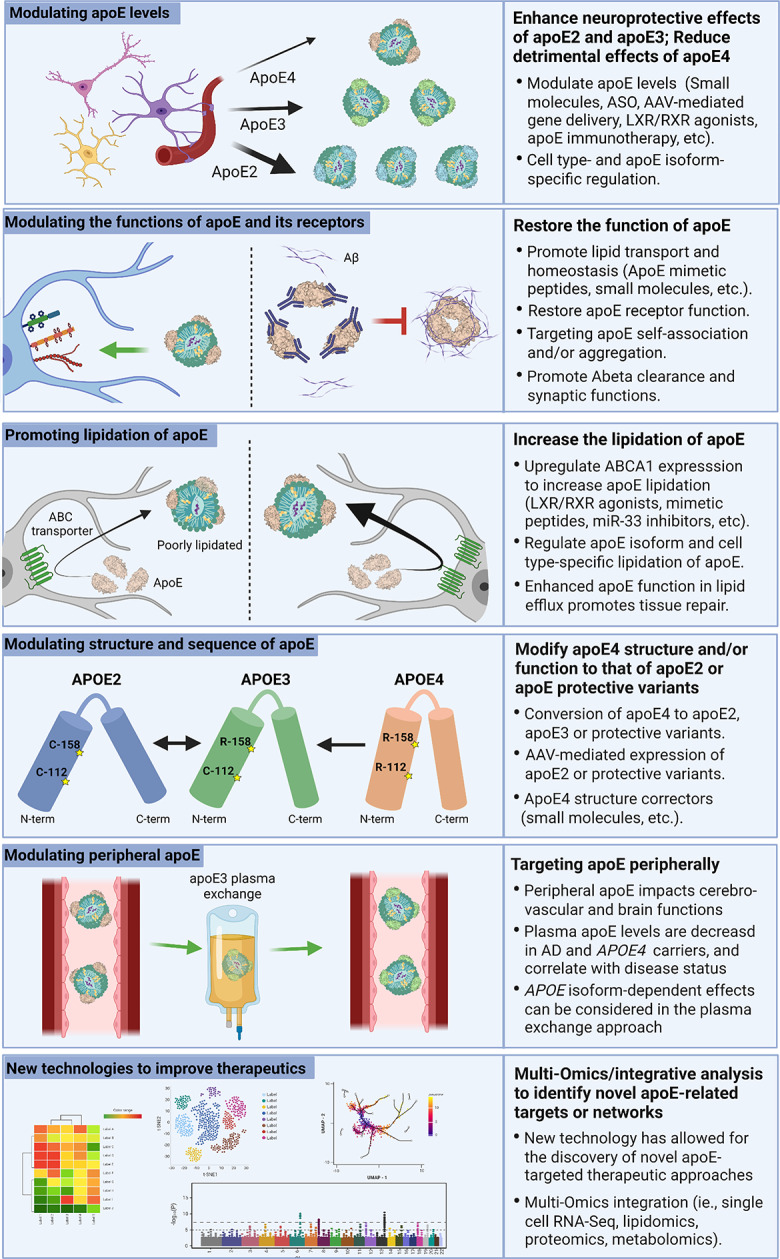
“Although there are certainly hesitations regarding CNS delivery of AAVs in humans, work in non-human primates has proven this method to be safe and effective in promoting widespread expression of apoE2 [225].”
BackgroundYamazaki, Y., Painter, M. M., Bu, G., & Kanekiyo, T. (2016) · CNS Drugs · doi:10.1007/s40263-016-0361-4 · Cited by 173
Self-citationTherapeutic approaches targeting Apolipoprotein E function in Alzheimer’s disease
Williams, T., Borchelt, D., & Chakrabarty, P. (2020) · Molecular Neurodegeneration · doi:10.1186/s13024-020-0358-9 · Cited by 172
APOE modifies the association between Aβ load and cognition in cognitively normal older adults
Kantarci, K., Lowe, V. J., Przybelski, S. A., Weigand, S. D., Senjem, M. L., Ivnik, R. J., Preboske, G. M., Roberts, R. O., Geda, Y. E., Boeve, B. F., et al. (2011) · Neurology · doi:10.1212/wnl.0b013e31824365ab · Cited by 168
Liu, C.-C., Zhao, J., Fu, Y., Inoue, Y., Ren, Y., Chen, Y., Doss, S. V., Shue, F., Jeevaratnam, S., Bastea, L., et al. (2022) · Nature Neuroscience · doi:10.1038/s41593-022-01127-0 · Cited by 168
Self-citationSadowski, M. J., Pankiewicz, J., Scholtzova, H., Mehta, P. D., Prelli, F., Quartermain, D., & Wisniewski, T. (2006) · Proceedings of the National Academy of Sciences · doi:10.1073/pnas.0604011103 · Cited by 167
Tai, L. M., Bilousova, T., Jungbauer, L., Roeske, S. K., Youmans, K. L., Yu, C., Poon, W. W., Cornwell, L. B., Miller, C. A., Vinters, H. V., et al. (2013) · Journal of Biological Chemistry · doi:10.1074/jbc.m112.442103 · Cited by 165
Self-citationApolipoprotein E4 Alters Astrocyte Fatty Acid Metabolism and Lipid Droplet Formation
Farmer, B., Kluemper, J., & Johnson, L. (2019) · Cells · doi:10.3390/cells8020182 · Cited by 164
Expression and secretion of apoE isoforms in astrocytes and microglia during inflammation
Lanfranco, M. F., Sepulveda, J., Kopetsky, G., & Rebeck, G. W. (2021) · Glia · doi:10.1002/glia.23974 · Cited by 164
Chen, H.-K., Liu, Z., Meyer-Franke, A., Brodbeck, J., Miranda, R. D., McGuire, J. G., Pleiss, M. A., Ji, Z.-S., Balestra, M. E., Walker, D. W., et al. (2012) · Journal of Biological Chemistry · doi:10.1074/jbc.m111.276162 · Cited by 163
Hu, J., Liu, C.-C., Chen, X.-F., Zhang, Y.-W., Xu, H., & Bu, G. (2015) · Molecular Neurodegeneration · doi:10.1186/s13024-015-0001-3 · Cited by 161
Self-citationAnti-apoE immunotherapy inhibits amyloid accumulation in a transgenic mouse model of Aβ amyloidosis
Kim, J., Eltorai, A. E. M., Jiang, H., Liao, F., Verghese, P. B., Kim, J., Stewart, F. R., Basak, J. M., & Holtzman, D. M. (2012) · Journal of Experimental Medicine · doi:10.1084/jem.20121274 · Cited by 160 · cited 1×
“3, a monoclonal antibody specific against apoE, is effective in reducing amyloid deposition by modulating microglial responses and inflammatory cytokine levels [193].”
BackgroundWardell, M. R., Brennan, S. O., Janus, E. D., Fraser, R., & Carrell, R. W. (1987) · Journal of Clinical Investigation · doi:10.1172/jci113096 · Cited by 159 · cited 2×
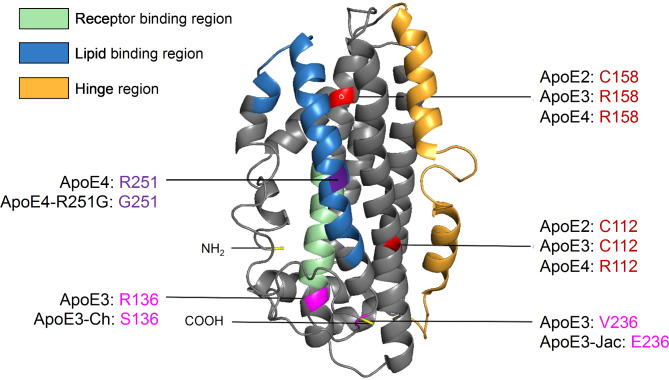
“APOE3-Ch was discovered in 1987 as a susceptibility factor for type III hyperlipoproteinemia in Caucasian populations [180].”
BackgroundAPOE4 exacerbates α-synuclein pathology and related toxicity independent of amyloid
Zhao, N., Attrebi, O. N., Ren, Y., Qiao, W., Sonustun, B., Martens, Y. A., Meneses, A. D., Li, F., Shue, F., Zheng, J., et al. (2020) · Science Translational Medicine · doi:10.1126/scitranslmed.aay1809 · Cited by 156
Self-citationPöeggeler, B., Miravalle, L., Zagorski, M. G., Wısnıewskı, T., Chyan, Y., Zhang, Y., Shao, H., Bryant‐Thomas, T., Vidal, R., Frangione, B., et al. (2001) · Biochemistry · doi:10.1021/bi0114269 · Cited by 154
The Important Interface Between Apolipoprotein E and Neuroinflammation in Alzheimer’s Disease
Kloske, C. M., & Wilcock, D. M. (2020) · Frontiers in Immunology · doi:10.3389/fimmu.2020.00754 · Cited by 152
Harris, F. M., Brecht, W. J., Xu, Q., Mahley, R. W., & Huang, Y. (2004) · Journal of Biological Chemistry · doi:10.1074/jbc.m408127200 · Cited by 151
Longitudinal brain imaging in preclinical Alzheimer disease: impact of APOE ε4 genotype
Mishra, S., Blazey, T. M., Holtzman, D. M., Cruchaga, C., Su, Y., Morris, J. C., Benzinger, T. L. S., & Gordon, B. A. (2018) · Brain · doi:10.1093/brain/awy103 · Cited by 151
The ketogenic diet as a potential treatment and prevention strategy for Alzheimer's disease
Broom, G. M., Shaw, I. C., & Rucklidge, J. J. (2018) · Nutrition · doi:10.1016/j.nut.2018.10.003 · Cited by 151
APOE-ε2 and APOE-ε4 Correlate With Increased Amyloid Accumulation in Cerebral Vasculature
Nelson, P. T., Pious, N. M., Jicha, G. A., Wilcock, D. M., Fardo, D. W., Estus, S., & Rebeck, G. W. (2013) · Journal of Neuropathology & Experimental Neurology · doi:10.1097/nen.0b013e31829a25b9 · Cited by 150
Correlation of diet, microbiota and metabolite networks in inflammatory bowel disease
Yi, W., Gan, H. Y., Li, X., Huang, Y., Li, Z. C., Deng, H., Chen, S. Z., Zhou, Y. J., Wang, L. S., Han, Y. P., et al. (2019) · Journal of Digestive Diseases · doi:10.1111/1751-2980.12795 · Cited by 148
Garai, K., Verghese, P. B., Baban, B., Holtzman, D. M., & Frieden, C. (2014) · Biochemistry · doi:10.1021/bi5008172 · Cited by 145
Apolipoprotein E gene polymorphism and risk of type 2 diabetes and cardiovascular disease
El-Lebedy, D. H., Raslan, H. M., & Mohammed, A. M. (2016) · Cardiovascular Diabetology · doi:10.1186/s12933-016-0329-1 · Cited by 145
APOE alleles and diet in brain aging and Alzheimer's disease
Yassine, H. N., & Finch, C. E. (2020) · Frontiers in Aging Neuroscience · doi:10.3389/fnagi.2020.00150 · Cited by 145
Boada, M., López, O. L., Olazarán, J., Núñez, L., Pfeffer, M., Paricio, M., Lorites, J., Piñol‐Ripoll, G., Gámez, J. E., Anaya, F., et al. (2020) · Alzheimer's & Dementia · doi:10.1002/alz.12137 · Cited by 143
Neuronal apolipoprotein E4 increases cell death and phosphorylated tau release in alzheimer disease
Wadhwani, A. R., Affaneh, A., Van Gulden, S., & Kessler, J. A. (2019) · Annals of Neurology · doi:10.1002/ana.25455 · Cited by 142
Arellanes, I. C., Choe, N., Solomon, V. A., He, X., Kavin, B., Martinez, A. E., Kono, N., Buennagel, D. P., Hazra, N., Kim, G., et al. (2020) · EBioMedicine · doi:10.1016/j.ebiom.2020.102883 · Cited by 141
APOE ε2 is associated with increased tau pathology in primary tauopathy
Zhao, N., Liu, C.-C., Van Ingelgom, A. J., Linares, C., Kurti, A., Knight, J. A., Heckman, M. G., Diehl, N. N., Shinohara, M., Martens, Y. A., et al. (2018) · Nature Communications · doi:10.1038/s41467-018-06783-0 · Cited by 139 · cited 2×
“The isoform-specific interactions between apoE and tau have become of interest not only in AD research, but also for other tauopathies such as frontotemporal dementia (FTD), chronic traumatic encephalopathy (CTE), and corticobasal degeneration (CBD) [103, 106, 108, 109].”
BackgroundSelf-citationHuynh, T.-P. V., Wang, C., Tran, A. C., Tabor, G. T., Mahan, T. E., Francis, C. M., Finn, M. B., Spellman, R., Manis, M., Tanzi, R. E., et al. (2019) · Molecular Neurodegeneration · doi:10.1186/s13024-019-0337-1 · Cited by 139
Hoffman, J. D., Yanckello, L. M., Chlipala, G. E., Hammond, T. C., McCulloch, S. D., Parikh, I. J., Sun, S., Morganti, J. M., Green, S. J., & Lin, A. (2019) · PLoS ONE · doi:10.1371/journal.pone.0221828 · Cited by 137
The promise of microRNA-based therapies in Alzheimer’s disease: challenges and perspectives
Walgrave, H., Zhou, L., Strooper, B. D., & Salta, E. (2021) · Molecular Neurodegeneration · doi:10.1186/s13024-021-00496-7 · Cited by 137
Shi, Y., Andhey, P. S., Ising, C., Wang, K., Snipes, L. L., Boyer, K., Lawson, S., Yamada, K., Qin, W., Manis, M., et al. (2021) · Neuron · doi:10.1016/j.neuron.2021.05.034 · Cited by 135
Mahan, T. E., Wang, C., Bao, X., Choudhury, A., Ulrich, J. D., & Holtzman, D. M. (2022) · Molecular Neurodegeneration · doi:10.1186/s13024-022-00516-0 · Cited by 134
Margeta, M. A., Yin, Z., Madore, C., Pitts, K. M., Letcher, S. M., Tang, J., Jiang, S., Gauthier, C. D., Silveira, S. R., Schroeder, C. M., et al. (2022) · Immunity · doi:10.1016/j.immuni.2022.07.014 · Cited by 130
Fitz, N. F., Nam, K. N., Wolfe, C. M., Letronne, F., Playso, B. E., Iordanova, B. E., Kozai, T. D. Y., Biedrzycki, R. J., Kagan, V. E., Tyurina, Y. Y., et al. (2021) · Nature Communications · doi:10.1038/s41467-021-23762-0 · Cited by 129
Ji, Z.-S., Dichek, H. L., Miranda, R. D., & Mahley, R. W. (1997) · Journal of Biological Chemistry · doi:10.1074/jbc.272.50.31285 · Cited by 128
Liao, F., Hori, Y., Hudry, E., Bauer, A. Q., Jiang, H., Mahan, T. E., Lefton, K. B., Zhang, T. J., Dearborn, J. T., Kim, J., et al. (2014) · The Journal of Neuroscience · doi:10.1523/jneurosci.0646-14.2014 · Cited by 128 · cited 1×
“3 to amyloid model mice reduces Aβ pathology, improves spatial learning performance, and restores functional connectivity without altering plasma cholesterol levels when administered both prior to and after plaque onset [194].”
BackgroundmicroRNA-33 Regulates ApoE Lipidation and Amyloid-β Metabolism in the Brain
Kim, J., Yoon, H., Horie, T., Burchett, J. M., Restivo, J. L., Rotllan, N., Ramírez, C. M., Verghese, P. B., Ihara, M., Hoe, H.-S., et al. (2015) · The Journal of Neuroscience · doi:10.1523/jneurosci.2053-15.2015 · Cited by 128 · cited 1×
“Targeting of miRNA-33 via ASO results in increased ABCA1 levels, elevated apoE lipidation, and decreased Aβ levels in mouse models [233].”
BackgroundChristensen, D. J., Ohkubo, N., Oddo, J., Van Kanegan, M. J., Neil, J., Li, F., Colton, C. A., & Vitek, M. P. (2011) · The Journal of Immunology · doi:10.4049/jimmunol.1002847 · Cited by 125
APOE genotype and early β-amyloid accumulation in older adults without dementia
Lim, Y. Y., Mormino, E. C., Initiative, F. T. A. D. N., Initiative, A. D. N., Weiner, M., Aisen, P., Weiner, M., Aisen, P., Petersen, R., Jack, C. R., et al. (2017) · Neurology · doi:10.1212/wnl.0000000000004336 · Cited by 125
Pankratz, N., Byder, L., Halter, C. A., Rudolph, A., Shults, C. W., Conneally, P. M., Foroud, T., & Nichols, W. C. (2005) · Movement Disorders · doi:10.1002/mds.20663 · Cited by 123
The Genetics of Alzheimer’s Disease
Barber, R. C. (2012) · Scientifica · doi:10.6064/2012/246210 · Cited by 122
Hita-Yáñez, E., Atienza, M., Gil-Neciga, E., & Cantero, J. L. (2012) · Current Alzheimer Research · doi:10.2174/156720512800107609 · Cited by 118
Role of phosphatidylcholine‐DHA in preventing APOE4‐associated Alzheimer's disease
Patrick, R. P. (2018) · The FASEB Journal · doi:10.1096/fj.201801412r · Cited by 118
Fuentealba, R. A., Liu, Q., Zhang, J., Kanekiyo, T., Hu, X., Lee, J.-M., LaDu, M. J., & Bu, G. (2010) · PLoS ONE · doi:10.1371/journal.pone.0011884 · Cited by 116
Self-citationABCA1 Agonist Reverses the ApoE4-Driven Cognitive and Brain Pathologies
Boehm-Cagan, A., Bar, R., Liraz, O., Bielicki, J. K., Johansson, J. O., & Michaelson, D. M. (2016) · Journal of Alzheimer's Disease · doi:10.3233/jad-160467 · Cited by 116
Microbial involvement in Alzheimer disease development and progression
Bulgart, H. R., Neczypor, E. W., Wold, L. E., & Mackos, A. R. (2020) · Molecular Neurodegeneration · doi:10.1186/s13024-020-00378-4 · Cited by 116
Melatonin for Sleep Disorders and Cognition in Dementia
Xu, J., Wang, L., Dammer, E. B., Li, C., Xu, G., Chen, S., & Wang, G. (2015) · American Journal of Alzheimer s Disease & Other Dementias® · doi:10.1177/1533317514568005 · Cited by 115
Lane-Donovan, C., Wong, W. M., Durakoglugil, M. S., Wasser, C. R., Jiang, S., Xian, X., & Herz, J. (2016) · The Journal of Neuroscience · doi:10.1523/jneurosci.1054-16.2016 · Cited by 115
Reduced levels of human apoE4 protein in an animal model of cognitive impairment
Sullivan, P. M., Han, B., Liu, F., Mace, B. E., Ervin, J. F., Wu, S., Koger, D., Paul, S., & Bales, K. R. (2011) · Neurobiology of Aging · doi:10.1016/j.neurobiolaging.2009.05.011 · Cited by 113
First AAV gene therapy poised for landmark approval
Smalley, E. (2017) · Nature Biotechnology · doi:10.1038/nbt1117-998 · Cited by 112
APOE2 eases cognitive decline during Aging: Clinical and preclinical evaluations
Shinohara, M., Kanekiyo, T., Yang, L., Linthicum, D., Shinohara, M., Fu, Y., Price, L., Frisch‐Daiello, J. L., Han, X., Fryer, J. D., et al. (2016) · Annals of Neurology · doi:10.1002/ana.24628 · Cited by 111
Self-citationPeng, Y., Gao, P., Shi, L., Chen, L., Liu, J., & Long, J. (2020) · Antioxidants & Redox Signaling · doi:10.1089/ars.2019.7763 · Cited by 110
Duong, M. T., Nasrallah, I. M., Wolk, D. A., Chang, C. C. Y., & Chang, T. (2021) · Frontiers in Aging Neuroscience · doi:10.3389/fnagi.2021.647990 · Cited by 110
Sha, S. J., Deutsch, G. K., Tian, L., Richardson, K., Coburn, M., Gaudioso, J. L., Marcal, T., Solomon, E., Boumis, A., Bet, A., et al. (2019) · JAMA Neurology · doi:10.1001/jamaneurol.2018.3288 · Cited by 109
APOE3 -Jacksonville (V236E) variant reduces self-aggregation and risk of dementia
Liu, C.-C., Murray, M. E., Li, X., Zhao, N., Wang, N., Heckman, M. G., Shue, F., Martens, Y., Li, Y., Raulin, A.-C., et al. (2021) · Science Translational Medicine · doi:10.1126/scitranslmed.abc9375 · Cited by 108
Self-citationDeeny, S. P., Poeppel, D., Zimmerman, J. B., Roth, S. M., Brandauer, J., Witkowski, S., Hearn, J. W., Ludlow, A. T., Contreras-Vidal, J. L., Brandt, J., et al. (2008) · Biological Psychology · doi:10.1016/j.biopsycho.2008.02.007 · Cited by 107
Hesse, R., Hurtado, M. L., Jackson, R. J., Eaton, S. L., Herrmann, A. G., Colom-Cadena, M., Tzioras, M., King, D., Rose, J., Tulloch, J., et al. (2019) · Acta Neuropathologica Communications · doi:10.1186/s40478-019-0847-7 · Cited by 107
Increased Expression of Neuronal Apolipoprotein E in Human Brain With Cerebral Infarction
Aoki, K., Uchihara, T., Sanjo, N., Nakamura, A., Ikeda, K., Tsuchiya, K., & Wakayama, Y. (2003) · Stroke · doi:10.1161/01.str.0000064320.73388.c6 · Cited by 106
Amino-terminal domain stability mediates apolipoprotein E aggregation into neurotoxic fibrils
Hatters, D. M., Zhong, N., Rutenber, E., & Weisgraber, K. H. (2006) · Journal of Molecular Biology · doi:10.1016/j.jmb.2006.06.080 · Cited by 105
Premorbid effects of APOE on synaptic proteins in human temporal neocortex
Love, S., Siew, L. K., Dawbarn, D., Wilcock, G. K., Ben‐Shlomo, Y., & Allen, S. J. (2005) · Neurobiology of Aging · doi:10.1016/j.neurobiolaging.2005.04.008 · Cited by 101
Inhibition of the canonical Wnt signaling pathway by apolipoprotein E4 in PC12 cells
Caruso, A., Motolese, M., Iacovelli, L., Caraci, F., Copani, A., Nicoletti, F., Terstappen, G. C., Gaviraghi, G., & Caricasole, A. (2006) · Journal of Neurochemistry · doi:10.1111/j.1471-4159.2006.03867.x · Cited by 101
Apolipoprotein E gene polymorphism and the risk of cardiovascular disease and type 2 diabetes
Liu, S., Liu, J., Weng, R., Gu, X., & Zhong, Z. (2019) · BMC Cardiovascular Disorders · doi:10.1186/s12872-019-1194-0 · Cited by 98
Chouinard‐Watkins, R., Rioux‐Perreault, C., Fortier, M., Tremblay‐Mercier, J., Zhang, Y., Lawrence, P., Vohl, M., Perron, P., Lorrain, D., Brenna, J. T., et al. (2013) · British Journal Of Nutrition · doi:10.1017/s0007114513001268 · Cited by 95
Grammatikopoulou, M. G., Goulis, D. G., Gkiouras, K., Theodoridis, X., Gkouskou, K. K., Evangeliou, A., Dardiotis, E., & Bogdanos, D. P. (2020) · Advances in Nutrition · doi:10.1093/advances/nmaa073 · Cited by 95
Jendresen, C., Årskog, V., Daws, M. R., & Nilsson, L. N. G. (2017) · Journal of Neuroinflammation · doi:10.1186/s12974-017-0835-4 · Cited by 94
Association of Rare APOE Missense Variants V236E and R251G With Risk of Alzheimer Disease
Le Guen, Y., Belloy, M. E., Grenier-Boley, B., de Rojas, I., Castillo-Morales, A., Jansen, I., Nicolas, A., Bellenguez, C., Dalmasso, C., Küçükali, F., et al. (2022) · JAMA Neurology · doi:10.1001/jamaneurol.2022.1166 · Cited by 93
Sepulveda-Falla, D., Sanchez, J. S., Almeida, M. C., Boassa, D., Acosta-Uribe, J., Vila-Castelar, C., Ramirez-Gomez, L., Baena, A., Aguillon, D., Villalba-Moreno, N. D., et al. (2022) · Acta Neuropathologica · doi:10.1007/s00401-022-02467-8 · Cited by 92
Precision Nutrition for Alzheimer’s Prevention in ApoE4 Carriers
Norwitz, N. G., Saif, N., Ariza, I. E., & Isaacson, R. (2021) · Nutrients · doi:10.3390/nu13041362 · Cited by 92
Kuszczyk, M. A., Sanchez, S., Pankiewicz, J., Kim, J., Duszczyk, M., Guridi, M., Asuni, A. A., Sullivan, P. M., Holtzman, D. M., & Sadowski, M. J. (2013) · The American Journal of Pathology · doi:10.1016/j.ajpath.2013.01.034 · Cited by 89 · cited 1×
“Peptides binding to residues 12–28 of apoE have been shown to inhibit this interaction [201] and effectively reduce Aβ pathology and synaptic loss in mouse models of AD [202].”
BackgroundYamazaki, Y., Shinohara, M., Yamazaki, A., Ren, Y., Asmann, Y. W., Kanekiyo, T., & Bu, G. (2020) · Arteriosclerosis, Thrombosis, and Vascular Biology · doi:10.1161/atvbaha.119.313169 · Cited by 89
Self-citationThe informed road map to prevention of Alzheimer Disease: a call to arms
McDade, E., Llibre-Guerra, J. J., Holtzman, D. M., Morris, J. C., & Bateman, R. J. (2021) · Molecular Neurodegeneration · doi:10.1186/s13024-021-00467-y · Cited by 89
Lipoproteins in the Central Nervous System: From Biology to Pathobiology
Raulin, A.-C., Martens, Y. A., & Bu, G. (2022) · Annual Review of Biochemistry · doi:10.1146/annurev-biochem-032620-104801 · Cited by 89
Self-citationEffect of Domain Interaction on Apolipoprotein E Levels in Mouse Brain
Ramaswamy, G., Xu, Q., Huang, Y., & Weisgraber, K. H. (2005) · The Journal of Neuroscience · doi:10.1523/jneurosci.1922-05.2005 · Cited by 87
Melatonin levels in the Alzheimer’s disease continuum: a systematic review
Nous, A., Engelborghs, S., & Smolders, I. J. (2021) · Alzheimer s Research & Therapy · doi:10.1186/s13195-021-00788-6 · Cited by 87
Cited by
Sorted by citations
Microbiota–gut–brain axis and its therapeutic applications in neurodegenerative diseases
Loh, J. S., Mak, W. Q., Tan, L. K. S., Ng, C. X., Chan, H. H., Yeow, S. H., Foo, J. B., Ong, Y. S., How, C. W., & Khaw, K. Y. (2024) · Signal Transduction and Targeted Therapy · doi:10.1038/s41392-024-01743-1 · Cited by 1,193
Zhang, J., Zhang, Y., Wang, J., Xia, Y., Zhang, J., & Chen, L. (2024) · Signal Transduction and Targeted Therapy · doi:10.1038/s41392-024-01911-3 · Cited by 1,138
“Compared to APOE3 and APOE2, APOE4-mediated pathways of A β clearance are impaired, and APOE4 exhibits a higher af fi nity interaction with A β , potentially driving a more severe A β plaque burden, 119,121,123 making it one of the strongest genetic risk factors for AD.”
BackgroundCell type‐specific roles of APOE4 in Alzheimer disease
Blumenfeld, J., Yip, O., Kim, M. J., & Huang, Y. (2024) · Nature Reviews Neuroscience · doi:10.1038/s41583-023-00776-9 · Cited by 202
Updates in Alzheimer's disease: from basic research to diagnosis and therapies
Liu, E., Zhang, Y., & Wang, J. (2024) · Translational Neurodegeneration · doi:10.1186/s40035-024-00432-x · Cited by 241
Multifaceted roles of APOE in Alzheimer disease
Jackson, R. J., Hyman, B. T., & Serrano-Pozo, A. (2024) · Nature Reviews Neurology · doi:10.1038/s41582-024-00988-2 · Cited by 193
Metadata
- Authors
- Raulin, A.-C., Doss, S. V., Trottier, Z. A., Ikezu, T. C., Bu, G., & Liu, C.-C.
- Affiliations
- Mayo Clinic in Florida (US)
- Corresponding author
- Bu, Guojun
- Liu, Chia-Chen
- ORCID
- Venue
- Molecular Neurodegeneration
- Published
- 2022-11-08
- Volume
- 17
- Issue
- 1
- Pages
- 72-72
- ISSN
- 1750-1326 (ISSN-L)
- PMC
- PMC9644639
- OpenAlex
- W4308572221
- Cited by
- 756
- References
- 317
- Citations by year
- 2026: 222 · 2025: 266 · 2024: 187 · 2023: 81
- FWCI
- 18.38
- Type
- journal article
- Language
- en
- Open access
- gold
- doi.org
- Locations
- Molecular Neurodegeneration (publishedVersion, cc-by)
- PubMed Central (publishedVersion, cc-by)
- PubMed (publishedVersion)
- DOAJ (DOAJ: Directory of Open Access Journals) (submittedVersion)
- Rare & Special e-Zone (The Hong Kong University of Science and Technology) (submittedVersion)
- Funders
- NIH Blueprint for Neuroscience Research (R37AG027924, RF1AG057181, U19AG069701, U19AG069701, R01AG062110)
- Cure Alzheimer’s Fund (Cure Alzheimer’s Fund)
- Topics
- Life Sciences › Neuroscience › Cellular and Molecular Neuroscience › Alzheimer's disease research and treatments
- Health Sciences › Medicine › Psychiatry and Mental health › Dementia and Cognitive Impairment Research
- Life Sciences › Neuroscience › Neurology › Neuroinflammation and Neurodegeneration Mechanisms
- Keywords
- apolipoprotein E, Alzheimer's disease, APOE ε4, APOE isoforms, amyloid plaques, lipid transport, genetic risk factors
- MeSH terms
- Alleles, Alzheimer Disease, Apolipoproteins E, Humans, Amyloid beta-Peptides, Apolipoprotein E4, Plaque, Amyloid
About these checks
Registry, retraction, Cites and statistics results are computed, not judged, with one exception: a printed reference that no index lists is read once by a model before it counts as a citation error. Claims are extracted by a model and kept only when their quote appears verbatim in the text; each cited source is then checked, with a model’s help, for whether it says what the claim relies on. Those verdicts can be wrong — read the claim’s quote and the cited source before relying on one.
Statistics and arithmetic are recomputed, not judged.
Confidence bands are shown only for fields calibrated on our annotated test set. None is calibrated yet, so no band is shown.
What counts as a claim ›How we measure confidence ›How we check this ›
Are you an author, or do you see a problem with this page? Request a review
