

Mobile-based interventions for common mental disorders in youth: a systematic evaluation of pediatric health apps
Open accessThe DOI matches its Crossref record; 68 of the 68 references it cites were found in a registry or an index.
Abstract
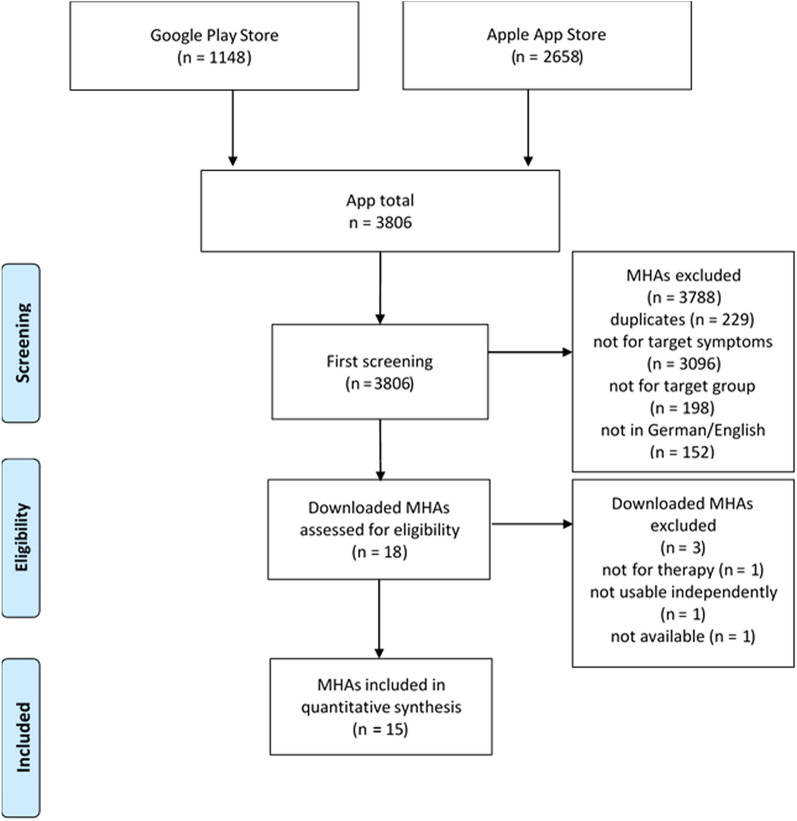
Background: The access to empirically-supported treatments for common mental disorders in children and adolescents is often limited. Mental health apps might extend service supplies, as they are deemed to be cost-efficient, scalable and appealing for youth. However, little is known about the quality of available apps. Therefore, we aimed to systematically evaluate current mobile-based interventions for pediatric anxiety, depression and posttraumatic stress disorder (PTSD). Methods: Systematic searches were conducted in Google Play Store and Apple App Store to identify relevant apps. To be eligible for inclusion, apps needed to be: (1) designed to target either anxiety, depression or PTSD in youth (0–18 years); (2) developed for children, adolescents or caregivers; (3) provided in English or German; (4) operative after download. The quality of eligible apps was assessed with two standardized rating systems (i.e.,Mobile App Rating Scale (MARS)and ENLIGHT) independently by two reviewers. Results: Overall, the searches revealed 3806 apps, with 15 mental health apps (0.39%) fulfilling our inclusion criteria. The mean overall scores suggested a moderate app quality (MARS: M = 3.59, SD = 0.50; ENLIGHT: M = 3.22, SD = 0.73). Moreover, only one app was evaluated in an RCT. The correlation of both rating scales was high (r = .936; p < .001), whereas no significant correlations were found between rating scales and user ratings (p > .05). Conclusions: Our results point to a rather poor overall app quality, and indicate an absence of scientific-driven development and lack of methodologically sound evaluation of apps. Thus, future high-quality research is required, both in terms of theoretically informed intervention development and assessment of mental health apps in RCTs. Furthermore, institutionalized best-practices that provide central information on different aspects of apps (e.g., effectiveness, safety, and data security) for patients, caregivers, stakeholders and mental health professionals are urgently needed.
Overview
The claims and statistics of this paper haven’t been checked yet.
Free: it reads the open-access text and checks the first 5 claims that cite a source we can check. Create a free account to check every claim.
Integrity signals
Registry
Cites
Statistics
Figures
Verification
Claims the paper makes
The claims and statistics of this paper haven’t been checked yet.
Free: it reads the open-access text and checks the first 5 claims that cite a source we can check. Create a free account to check every claim.
Claims other papers make about this one
Each is checked against this paper’s own text: does it say what the citing paper says it does?
The cited source says what the claim attributes to it.
In the citing paper
“Furthermore, currently available commercial apps for youth mental health lack scientific evidence [123].”
From Towards a youth mental health paradigm: a perspective and roadmap (2023) · cites this paper as [123]
Self-check
Percentages, sums and reported differences re-computed from the paper’s own numbers.
The self-check needs the paper’s full text.
Citations
Cites
A guideline of selecting and reporting intraclass correlation coefficients for reliability research
Koo, T. K., & Li, M. Y. (2016) · Journal of Chiropractic Medicine · doi:10.1016/j.jcm.2016.02.012 · Cited by 31,709
A Simple Sequentially Rejective Multiple Test Procedure
(1979) · Scandinavian Journal of Statistics · doi:10.2307/4615733 · Cited by 21,526 · cited 1×
“Holm correction for multiple testing was applied [51].”
MethodVos, T., Abajobir, A. A., Abate, K. H., Abbafati, C., Abbas, K. M., Abd-Allah, F., Abdulkader, R. S., Abdulle, A. M., Abebo, T. A., Abera, S. F., et al. (2017) · The Lancet · doi:10.1016/s0140-6736(17)32154-2 · Cited by 13,220
Vos, T., Allen, C., Arora, M., Barber, R. M., Bhutta, Z. A., Brown, A., Carter, A., Casey, D. C., Charlson, F. J., Chen, A. Z., et al. (2016) · The Lancet · doi:10.1016/s0140-6736(16)31678-6 · Cited by 7,253
Merikangas, K. R., He, J.-P., Burstein, M., Swanson, S. A., Avenevoli, S., Cui, L., Benjet, C., Georgiades, K., & Swendsen, J. (2010) · Journal of the American Academy of Child & Adolescent Psychiatry · doi:10.1016/j.jaac.2010.05.017 · Cited by 6,278
The Design and Analysis of Clinical Experiments
Fleiss, J. L. (1999) · Wiley eBooks · doi:10.1002/9781118032923 · Cited by 4,819
Polanczyk, G. V., Salum, G. A., Sugaya, L. S., Caye, A., & Rohde, L. A. (2015) · Journal of Child Psychology and Psychiatry · doi:10.1111/jcpp.12381 · Cited by 3,990
Age of onset of mental disorders: a review of recent literature
Kessler, R. C., Amminger, G. P., Aguilar-Gaxiola, S., Alonso, J., Lee, S., & ??st??n, T. B. (2007) · Current Opinion in Psychiatry · doi:10.1097/yco.0b013e32816ebc8c · Cited by 3,457 · cited 1×
“Background Mental disorders frequently originate in early periods of life [1], and are associated with significant burden and personal suffering [2].”
BackgroundGulliver, A., Griffiths, K. M., & Christensen, H. (2010) · BMC Psychiatry · doi:10.1186/1471-244x-10-113 · Cited by 3,292
Mobile app rating scale: a new tool for assessing the quality of health mobile apps
Stoyanov, S. R., Hides, L., Kavanagh, D. J., Zelenko, O., Tjondronegoro, D., & Mani, M. (2015) · JMIR mHealth and uHealth · doi:10.2196/mhealth.3422 · Cited by 2,233
Barriers to mental health treatment: results from the WHO World Mental Health surveys
Andrade, L. H., Alonso, J., Mneimneh, Z., Wells, J. E., Al-Hamzawi, A., Borges, G., Bromet, E., Bruffaerts, R., de Girolamo, G., de Graaf, R., et al. (2014) · Psychological Medicine · doi:10.1017/s0033291713001943 · Cited by 1,289 · cited 1×
“However, the availability and uptake rates of conventional evidence-based psychotherapies remain low [13], due to different individual and structural barriers, like shortage of mental healthcare supplies, longwaiting times, limitations in mobility, and high treatment costs or fear of stigmatization [14, 15].”
BackgroundIs there an epidemic of child or adolescent depression?
Jane Costello, E., Erkanli, A., & Angold, A. (2006) · Journal of Child Psychology and Psychiatry · doi:10.1111/j.1469-7610.2006.01682.x · Cited by 983
Linardon, J., Cuijpers, P., Carlbring, P., Messer, M., & Fuller‐Tyszkiewicz, M. (2019) · World Psychiatry · doi:10.1002/wps.20673 · Cited by 860
Cipriani, A., Zhou, X., Del Giovane, C., Hetrick, S. E., Qin, B., Whittington, C., Coghill, D., Zhang, Y., Hazell, P., Leucht, S., et al. (2016) · The Lancet · doi:10.1016/s0140-6736(16)30385-3 · Cited by 734
Ebert, D. D., Zarski, A.-C., Christensen, H., Stikkelbroek, Y., Cuijpers, P., Berking, M., & Riper, H. (2015) · PLOS ONE · doi:10.1371/journal.pone.0119895 · Cited by 533 · cited 1×
“Furthermore, the efficacy of internet-based interventions for depression in youth is documented by four meta-analyses [23, 24, 27, 28], with effect sizes in the range from 0.”
BackgroundStandalone smartphone apps for mental health—a systematic review and meta-analysis
Weisel, K. K., Fuhrmann, L. M., Berking, M., Baumeister, H., Cuijpers, P., & Ebert, D. D. (2019) · npj Digital Medicine · doi:10.1038/s41746-019-0188-8 · Cited by 447 · cited 2×
“Recent metaanalyses indicate that also app-based psychotherapeutic interventions are efficacious [32, 33]: For instance, for depressive symptoms (SMD = 0.”
BackgroundSelf-citationEbert, D. D., Van Daele, T., Nordgreen, T., Karekla, M., Compare, A., Zarbo, C., Brugnera, A., Øverland, S., Trebbi, G., Jensen, K. L., et al. (2018) · European Psychologist · doi:10.1027/1016-9040/a000318 · Cited by 437 · cited 2×
“Given the efficacy of internet-based psychotherapeutic interventions and the worldwide dispersal of smartphones, mobile health applications (MHA) become more and more appealing as a way to complement or deliver psychotherapeutic support [19].”
BackgroundSelf-citationPsychotherapy for Depression Across Different Age Groups: A Systematic Review and Meta-analysis
Cuijpers, P., Karyotaki, E., Eckshtain, D., Ng, M. Y., Corteselli, K. A., Noma, H., Quero, S., & Weisz, J. R. (2020) · JAMA Psychiatry · doi:10.1001/jamapsychiatry.2020.0164 · Cited by 429 · cited 1×
“In particular, cognitive-behavioral therapy (CBT) has comprehensively documented its effectiveness and acceptability in the treatment of anxiety disorders [9], depression [10, 11] and PTSD in children and adolescents [12].”
BackgroundWeisz, J. R., Kuppens, S., Eckshtain, D., Ugueto, A. M., Hawley, K. M., & Jensen-Doss, A. (2013) · JAMA Psychiatry · doi:10.1001/jamapsychiatry.2013.1176 · Cited by 412
Garrido, S., Millington, C., Cheers, D., Boydell, K., Schubert, E., Meade, T., & Nguyen, Q. V. (2019) · Frontiers in Psychiatry · doi:10.3389/fpsyt.2019.00759 · Cited by 400 · cited 1×
“Furthermore, the efficacy of internet-based interventions for depression in youth is documented by four meta-analyses [23, 24, 27, 28], with effect sizes in the range from 0.”
BackgroundBardus, M., van Beurden, S. B., Smith, J. R., & Abraham, C. (2016) · International Journal of Behavioral Nutrition and Physical Activity · doi:10.1186/s12966-016-0359-9 · Cited by 350
Ethical Issues in Online Psychotherapy: A Narrative Review
Stoll, J., Müller, J. A., & Trachsel, M. (2020) · Frontiers in Psychiatry · doi:10.3389/fpsyt.2019.00993 · Cited by 340 · cited 1×
“This concern is also nourished by the massive commercialization of the app market and limited resources in healthcare globally, raising further methodological and ethical questions [59, 60].”
BackgroundTowards a consensus around standards for smartphone apps and digital mental health
Torous, J., Andersson, G., Bertagnoli, A., Christensen, H., Cuijpers, P., Firth, J., Haim, A., Hsin, H., Hollis, C., Lewis, S., et al. (2019) · World Psychiatry · doi:10.1002/wps.20592 · Cited by 325 · cited 3×
“Based on the search results the evidence items was rated as NA (“The app has not been trialled/tested”), 1 (“The evidence suggests the app does not work”), 2 (“App has been trialled (e.g., acceptability, usability, satisfaction ratings) and has partially positive outcomes in studies that are not randomised controlled…”
MethodZhou, X., Hetrick, S. E., Cuijpers, P., Qin, B., Barth, J., Whittington, C. J., Cohen, D., Del Giovane, C., Liu, Y., Michael, K. D., et al. (2015) · World Psychiatry · doi:10.1002/wps.20217 · Cited by 322
Huckvale, K., Torous, J., & Larsen, M. E. (2019) · JAMA Network Open · doi:10.1001/jamanetworkopen.2019.2542 · Cited by 312
Finding a Depression App: A Review and Content Analysis of the Depression App Marketplace
Shen, N., Levitan, M.-J., Johnson, A., Bender, J. L., Hamilton-Page, M., Jadad, A. (. R., & Wiljer, D. (2015) · JMIR mHealth and uHealth · doi:10.2196/mhealth.3713 · Cited by 282 · cited 1×
“Considering this lack of empirical support, it seems like a minor issue that youth, caregivers and mental health professionals are hardly able to disentangle the overabundance of available apps and to distinguish therapeutic relevant apps from those that are irrelevant for their health-related intentions [56].”
BackgroundSchoeppe, S., Alley, S., Rebar, A. L., Hayman, M., Bray, N. A., Van Lippevelde, W., Gnam, J.-P., Bachert, P., Direito, A., & Vandelanotte, C. (2017) · International Journal of Behavioral Nutrition and Physical Activity · doi:10.1186/s12966-017-0538-3 · Cited by 277
Validation of the Mobile Application Rating Scale (MARS)
Terhorst, Y., Philippi, P., Sander, L. B., Schultchen, D., Paganini, S., Bardus, M., Santo, K., Knitza, J., Machado, G. C., Schoeppe, S., et al. (2020) · PLOS ONE · doi:10.1371/journal.pone.0241480 · Cited by 276
Self-citationPennant, M. E., Loucas, C. E., Whittington, C., Creswell, C., Fonagy, P., Fuggle, P., Kelvin, R., Naqvi, S., Stockton, S., & Kendall, T. (2015) · Behaviour Research and Therapy · doi:10.1016/j.brat.2015.01.009 · Cited by 269 · cited 1×
“Furthermore, the efficacy of internet-based interventions for depression in youth is documented by four meta-analyses [23, 24, 27, 28], with effect sizes in the range from 0.”
BackgroundAnxiety: There is an app for that. A systematic review of anxiety apps: SUCALA et al.
Sucala, M., Cuijpers, P., Muench, F., Cardoș, R., Soflau, R., Dobrean, A., Achimas-Cadariu, P., & David, D. (2017) · Depression and Anxiety · doi:10.1002/da.22654 · Cited by 232 · cited 1×
“However, and most importantly, a common deficiency of MHA is the absence of empirical investigations on their efficacy [16, 36, 55], which represents a major limitation and confines further quality aspects in our view.”
BackgroundTighe, J., Shand, F., Ridani, R., Mackinnon, A., De La Mata, N., & Christensen, H. (2017) · BMJ Open · doi:10.1136/bmjopen-2016-013518 · Cited by 227 · cited 1×
“Of the k = 66 [32] and k = 19 [33] included studies in the meta-analyses on the efficacy of app-based psychotherapeutic interventions, only one focused on youth [34].”
BackgroundDomhardt, M., Geßlein, H., von Rezori, R. E., & Baumeister, H. (2019) · Depression and Anxiety · doi:10.1002/da.22860 · Cited by 218 · cited 2×
“Furthermore, the development of MHA needs to get theoretically and empirically informed, since dismantling and additive design studies are largely pending in mobile-based interventions [18], and the resort to theoretically deduced and evidence-based intervention components is a critical step to build efficacious inter…”
BackgroundSelf-citationBaumel, A., Faber, K., Mathur, N., Kane, J. M., & Muench, F. (2017) · Journal of Medical Internet Research · doi:10.2196/jmir.7270 · Cited by 206
Many Mobile Health Apps Target High-Need, High-Cost Populations, But Gaps Remain
Singh, K., Drouin, K., Newmark, L. P., Lee, J., Faxvaag, A., Rozenblum, R., Pabo, E. A., Landman, A., Klinger, E., & Bates, D. W. (2016) · Health Affairs · doi:10.1377/hlthaff.2016.0578 · Cited by 201 · cited 1×
“This concern is also nourished by the massive commercialization of the app market and limited resources in healthcare globally, raising further methodological and ethical questions [59, 60].”
BackgroundDeriving a practical framework for the evaluation of health apps
Henson, P., David, G., Albright, K., & Torous, J. (2019) · The Lancet Digital Health · doi:10.1016/s2589-7500(19)30013-5 · Cited by 182
Quantifying App Store Dynamics: Longitudinal Tracking of Mental Health Apps
Larsen, M. E., Nicholas, J., & Christensen, H. (2016) · JMIR mHealth and uHealth · doi:10.2196/mhealth.6020 · Cited by 177 · cited 1×
“Second, the rapidly evolving dynamics of the app market [16, 36, 57] might have led to the omission of novel apps as well as updates of included apps, and that some of the apps might not be accessible anymore.”
Goldbeck, L., Muche, R., Sachser, C., Tutus, D., & Rosner, R. (2016) · Psychotherapy and Psychosomatics · doi:10.1159/000442824 · Cited by 173
Smartphone apps for the self-management of low back pain: A systematic review
Machado, G. C., Pinheiro, M. B., Lee, H., Ahmed, O. H., Hendrick, P., Williams, C., & Kamper, S. J. (2016) · Best Practice & Research Clinical Rheumatology · doi:10.1016/j.berh.2017.04.002 · Cited by 170
Knitza, J., Tascilar, K., Messner, E.-M., Meyer, M., Vossen, D., Pulla, A., Bosch, P., Kittler, J., Kleyer, A., Sewerin, P., et al. (2019) · JMIR mHealth and uHealth · doi:10.2196/14991 · Cited by 169
Grundy, Q., Chiu, K., Held, F., Continella, A., Bero, L., & Holz, R. (2019) · BMJ · doi:10.1136/bmj.l920 · Cited by 164 · cited 1×
“Moreover, privacy and security features of MHA available in the app markets have been identified as crucial issues for patients’ safety [39, 40].”
BackgroundThe German Version of the Mobile App Rating Scale (MARS-G): Development and Validation Study
Messner, E.-M., Terhorst, Y., Barke, A., Baumeister, H., Stoyanov, S., Hides, L., Kavanagh, D., Pryss, R., Sander, L., & Probst, T. (2020) · JMIR mHealth and uHealth · doi:10.2196/14479 · Cited by 156 · cited 5×
“Assessment The Mobile Application Rating Scale (MARS German version [42]) and the ENLIGHT are two standardized and reliable scales to assess the contents and quality of MHA.”
BackgroundMethodInfluentialSelf-citationSalazar, A., de Sola, H., Failde, I., & Moral-Munoz, J. A. (2018) · JMIR mHealth and uHealth · doi:10.2196/10718 · Cited by 154
Lenhard, F., Andersson, E., Mataix-Cols, D., Rück, C., Vigerland, S., Högström, J., Hillborg, M., Brander, G., Ljungström, M., Ljótsson, B., et al. (2017) · Journal of the American Academy of Child & Adolescent Psychiatry · doi:10.1016/j.jaac.2016.09.515 · Cited by 146 · cited 1×
“Aside from this meta-analytical evidence, there is are also preliminary indications that internet-based interventions might be acceptable [29] and cost-effective [30], and hold the potential to extend service supplies within a framework of stepped mental healthcare [29, 31].”
BackgroundRooksby, M., Elouafkaoui, P., Humphris, G., Clarkson, J., & Freeman, R. (2015) · Journal of Anxiety Disorders · doi:10.1016/j.janxdis.2014.11.006 · Cited by 143
Ye, X., Bapuji, S. B., Winters, S. E., Struthers, A., Raynard, M., Metge, C., Kreindler, S. A., Charette, C. J., Lemaire, J. A., Synyshyn, M., et al. (2014) · BMC Health Services Research · doi:10.1186/1472-6963-14-313 · Cited by 133
Lambert, M., Bock, T. A., Naber, D., Löwe, B., Schulte‐Markwort, M., Schäfer, I., Gumz, A., Degkwitz, P., Schulte, B., König, H. ‐., et al. (2013) · Fortschritte der Neurologie · Psychiatrie · doi:10.1055/s-0033-1355843 · Cited by 125
Domhardt, M., Steubl, L., Boettcher, J., Buntrock, C., Karyotaki, E., Ebert, D. D., Cuijpers, P., & Baumeister, H. (2021) · Clinical Psychology Review · doi:10.1016/j.cpr.2020.101953 · Cited by 106 · cited 1×
“Furthermore, the development of MHA needs to get theoretically and empirically informed, since dismantling and additive design studies are largely pending in mobile-based interventions [18], and the resort to theoretically deduced and evidence-based intervention components is a critical step to build efficacious inter…”
BackgroundSelf-citationSander, L. B., Schorndanner, J., Terhorst, Y., Spanhel, K., Pryss, R., Baumeister, H., & Messner, E.-M. (2020) · European Journal of Psychotraumatology · doi:10.1080/20008198.2019.1701788 · Cited by 102 · cited 17×
“First, the search strategy embraced only available apps in the European Google Play and Apple App stores, and therefore the Anxiety coach Anxiety disorder, cognitive behavioral therapy, self‑confidence Monitoring, feedback, information, tips, goals, exposition CBT BoosterBuddy Mental health, coping, establishing posit…”
BackgroundMethodInfluentialSelf-citationDomhardt, M., Steubl, L., & Baumeister, H. (2020) · Zeitschrift für Kinder- und Jugendpsychiatrie und Psychotherapie · doi:10.1024/1422-4917/a000625 · Cited by 101
Self-citationMobile Apps for Older Adults: Systematic Search and Evaluation Within Online Stores
Portenhauser, A. A., Terhorst, Y., Schultchen, D., Sander, L., Denkinger, M. D., Stach, M., Waldherr, N., Dallmeier, D., Baumeister, H., & Meßner, E.-M. (2021) · JMIR Aging · doi:10.2196/23313 · Cited by 90
Self-citationComputer-based and online therapy for depression and anxiety in children and adolescents
Stasiak, K., Fleming, T., Lucassen, M. F. G., Shepherd, M. J., Whittaker, R., & Merry, S. N. (2016) · Journal of Child and Adolescent Psychopharmacology · doi:10.1089/cap.2015.0029 · Cited by 87 · cited 1×
“Furthermore, the digital delivery mode of these novel interventions might be especially appealing for youth, who are frequently familiar and acquainted with the Internet and its applications on mobile devices from an early age [13, 22].”
BackgroundTerhorst, Y., Rathner, E.-M., Baumeister, H., & Sander, L. (2018) · Verhaltenstherapie · doi:10.1159/000481692 · Cited by 84 · cited 9×
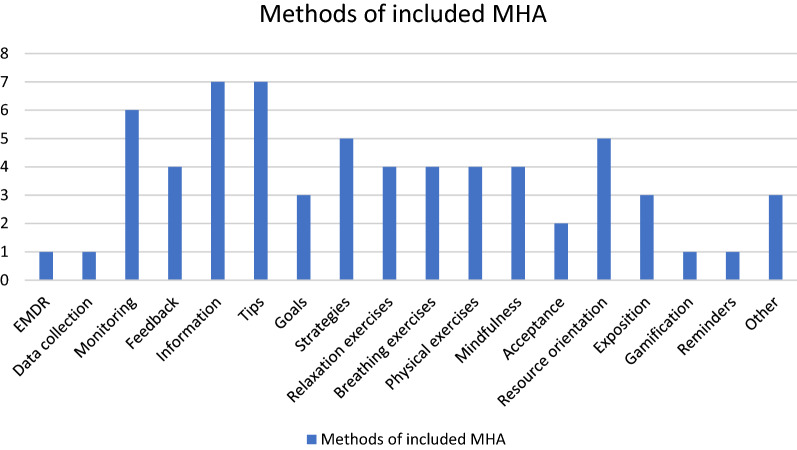
“Also corresponding to previous studies [16, 36], the most often deployed therapeutic background for health apps was CBT, with various intervention components applied such as psychoeducation, relaxation techniques, mindfulness, exposure or monitoring/tracking.”
BackgroundMethodResultInfluentialSelf-citationA Meta-Analysis on the Efficacy of Technology Mediated CBT for Anxious Children and Adolescents
Podina, I. R., Mogoase, C., David, D., Szentagotai, A., & Dobrean, A. (2016) · Journal of Rational-Emotive & Cognitive-Behavior Therapy · doi:10.1007/s10942-015-0228-5 · Cited by 83
Zhou, X., Zhang, Y., Furukawa, T. A., Cuijpers, P., Pu, J., Weisz, J. R., Yang, L., Hetrick, S. E., Del Giovane, C., Cohen, D., et al. (2019) · JAMA Psychiatry · doi:10.1001/jamapsychiatry.2018.3070 · Cited by 80 · cited 1×
“In particular, cognitive-behavioral therapy (CBT) has comprehensively documented its effectiveness and acceptability in the treatment of anxiety disorders [9], depression [10, 11] and PTSD in children and adolescents [12].”
BackgroundJolstedt, M., Wahlund, T., Lenhard, F., Ljótsson, B., Mataix-Cols, D., Nord, M., Öst, L.-G., Högström, J., Serlachius, E., & Vigerland, S. (2018) · The Lancet Child & Adolescent Health · doi:10.1016/s2352-4642(18)30275-x · Cited by 76 · cited 1×
“Aside from this meta-analytical evidence, there is are also preliminary indications that internet-based interventions might be acceptable [29] and cost-effective [30], and hold the potential to extend service supplies within a framework of stepped mental healthcare [29, 31].”
BackgroundSchultchen, D., Terhorst, Y., Holderied, T., Stach, M., Messner, E.-M., Baumeister, H., & Sander, L. B. (2021) · International Journal of Behavioral Medicine · doi:10.1007/s12529-020-09944-y · Cited by 76
Self-citationChristensen, H., Batterham, P., Mackinnon, A., Griffiths, K. M., Kalia Hehir, K., Kenardy, J., Gosling, J., & Bennett, K. (2014) · Journal of Medical Internet Research · doi:10.2196/jmir.3507 · Cited by 69
Psychotherapy of adjustment disorders: Current state and future directions
Domhardt, M., & Baumeister, H. (2018) · The World Journal of Biological Psychiatry · doi:10.1080/15622975.2018.1467041 · Cited by 58
Self-citationMobile Health App Database - A Repository for Quality Ratings of mHealth Apps
Stach, M., Kraft, R., Probst, T., Meßner, E.-M., Terhorst, Y., Baumeister, H., Schickler, M., Reichert, M., Sander, L., & Pryss, R. C. (2020) · Proceedings - IEEE Symposium on Computer-Based Medical Systems · doi:10.1109/cbms49503.2020.00087 · Cited by 52
Self-citationQuality of Physical Activity Apps: Systematic Search in App Stores and Content Analysis
Paganini, S., Terhorst, Y., Sander, L., Catic, S., Balci, S., Küchler, A., Schultchen, D., Plaumann, K., Sturmbauer, S. C., Krämer, L. V., et al. (2021) · JMIR mhealth and uhealth · doi:10.2196/22587 · Cited by 51
Self-citationMore Light? Opportunities and Pitfalls in Digitalized Psychotherapy Process Research
Domhardt, M., Cuijpers, P., Ebert, D. D., & Baumeister, H. (2021) · Frontiers in Psychology · doi:10.3389/fpsyg.2021.544129 · Cited by 41 · cited 1×
“Thus, the adherence to well-established standards of good clinical practices as well as scientific-based intervention evaluation should be urgently applied for MHA [61], similar as it is largely the case for internet-based interventions and conventional psychotherapies offered face-to-face.”
BackgroundSelf-citationPrevention of depression in adults with long-term physical conditions
Kampling, H., Baumeister, H., Bengel, J., & Mittag, O. (2021) · Cochrane Database of Systematic Reviews · doi:10.1002/14651858.cd011246.pub2 · Cited by 38
Self-citationCOACH consortium, Lunkenheimer, F., Domhardt, M., Geirhos, A., Kilian, R., Mueller-Stierlin, A. S., Holl, R. W., Meissner, T., Minden, K., Moshagen, M., et al. (2020) · Trials · doi:10.1186/s13063-019-4041-9 · Cited by 37
Self-citationThe Association Between Healthy Lifestyle Behaviours and Coronavirus Protective Behaviours
Nudelman, G., Peleg, S., & Shiloh, S. (2021) · International Journal of Behavioral Medicine · doi:10.1007/s12529-021-09960-6 · Cited by 33
Prevention of depression in chronically physically ill adults
Kampling, H., Baumeister, H., Jäckel, W. H., & Mittag, O. (2014) · Cochrane Database of Systematic Reviews · doi:10.1002/14651858.cd011246 · Cited by 19
Self-citationHill, L. F., Turner, M. A., Lutsar, I., Heath, P. T., Hardy, P., Linsell, L., Jacqz-Aigrain, É., Roilides, E., & Sharland, M. (2020) · Trials · doi:10.1186/s13063-020-4184-8 · Cited by 14
Steubl, L., Sachser, C., Baumeister, H., & Domhardt, M. (2019) · Systematic Reviews · doi:10.1186/s13643-019-1190-6 · Cited by 12
Self-citation(2020) · Journal of Nursing Management · doi:10.1111/jonm.12795 · Cited by 2
Cited by
Towards a youth mental health paradigm: a perspective and roadmap
Uhlhaas, P. J., Davey, C. G., Mehta, U. M., Shah, J., Torous, J., Allen, N. B., Avenevoli, S., Bella-Awusah, T., Chanen, A., Chen, E. Y. H., et al. (2023) · Molecular Psychiatry · doi:10.1038/s41380-023-02202-z · Cited by 318
“Furthermore, currently available commercial apps for youth mental health lack scienti fi c evidence [123].”
BackgroundEcological Momentary Interventions in Public Mental Health Provision
Schulte‐Strathaus, J. C. C., Rauschenberg, C., Baumeister, H., & Reininghaus, U. (2022) · Studies in neuroscience, psychology and behavioral economics · doi:10.1007/978-3-030-98546-2_25 · Cited by 34
Self-citationTerhorst, Y., Kaiser, T., Brakemeier, E., Moshe, I., Philippi, P., Cuijpers, P. J., Baumeister, H., & Sander, L. (2024) · JAMA Network Open · doi:10.1001/jamanetworkopen.2024.23241 · Cited by 38
Self-citationGeirhos, A., Stephan, M., Wehrle, M., Mack, C., Meßner, E.-M., SCHMITT, A. J., Baumeister, H., Terhorst, Y., & Sander, L. (2022) · Scientific Reports · doi:10.1038/s41598-022-07544-2 · Cited by 33
Self-citationMeditation and mental health apps: relaxation, yoga, and meditation apps
Gál, É. (2023) · Elsevier eBooks · doi:10.1016/b978-0-323-99271-8.00013-9 · Cited by 23
Metadata
- Authors
- Domhardt, M., Messner, E.-M., Eder, A.-S., Engler, S., Sander, L. B., Baumeister, H., & Terhorst, Y.
- Affiliations
- Universität Ulm (DE)
- University of Freiburg (DE)
- Corresponding author
- Terhorst, Yannik
- ORCID
- Venue
- Child and Adolescent Psychiatry and Mental Health
- Published
- 2021-09-13
- Volume
- 15
- Issue
- 1
- Pages
- 49-49
- ISSN
- 1753-2000 (ISSN-L)
- PMC
- PMC8438844
- OpenAlex
- W3199074261
- Cited by
- 43
- References
- 68
- Citations by year
- 2026: 10 · 2025: 10 · 2024: 8 · 2023: 9 · 2022: 6
- FWCI
- 5.16
- Type
- journal article
- Language
- en
- Open access
- gold
- doi.org
- Licence
- cc-by
- creativecommons.org/licenses/by/4.0 (tdm)
- creativecommons.org/licenses/by/4.0 (vor)
- Locations
- Child and Adolescent Psychiatry and Mental Health (publishedVersion, cc-by)
- Europe PMC (PubMed Central) (publishedVersion, other-oa)
- PubMed Central (publishedVersion, cc-by)
- PubMed (publishedVersion)
- DOAJ (DOAJ: Directory of Open Access Journals) (submittedVersion, cc-by-sa)
- Informationszentrum Lebenswissenschaften (ZB MED) (submittedVersion, cc-by)
- OPen Access Repositorium der Universität Ulm (OPARU) (Ulm University) (submittedVersion, other-oa)
- Universität Ulm, Kommunikations- und Informationszentrum (kiz) (cc-by)
- Funders
- Universität Ulm
- Topics
- Social Sciences › Psychology › Applied Psychology › Digital Mental Health Interventions
- Health Sciences › Health Professions › General Health Professions › Mobile Health and mHealth Applications
- Social Sciences › Sociology and Political Science › Impact of Technology on Adolescents
- Keywords
- mobile health apps, child mental health, youth anxiety, adolescent depression, post-traumatic stress disorder, app quality assessment, Mobile App Rating Scale, digital mental health interventions, app store search
About these checks
Registry, retraction, Cites and statistics results are computed, not judged, with one exception: a printed reference that no index lists is read once by a model before it counts as a citation error. Claims are extracted by a model and kept only when their quote appears verbatim in the text; each cited source is then checked, with a model’s help, for whether it says what the claim relies on. Those verdicts can be wrong — read the claim’s quote and the cited source before relying on one.
Statistics and arithmetic are recomputed, not judged.
Confidence bands are shown only for fields calibrated on our annotated test set. None is calibrated yet, so no band is shown.
What counts as a claim ›How we measure confidence ›How we check this ›
Are you an author, or do you see a problem with this page? Request a review
Data sources
Bibliographic data: Semantic Scholar, OpenAlex, Crossref.
Contains information from the Semantic Scholar Academic Graph Datasets, made available under the ODC Attribution License (ODC-BY 1.0).
Semantic Scholar’s data is described in: Kinney, R., et al. (2023). The Semantic Scholar Open Data Platform. arXiv:2301.10140.
