

Tailoring nutrition therapy to illness and recovery
Open accessThe DOI matches its Crossref record; 47 of the 47 references it cites were found in a registry or an index.
Abstract
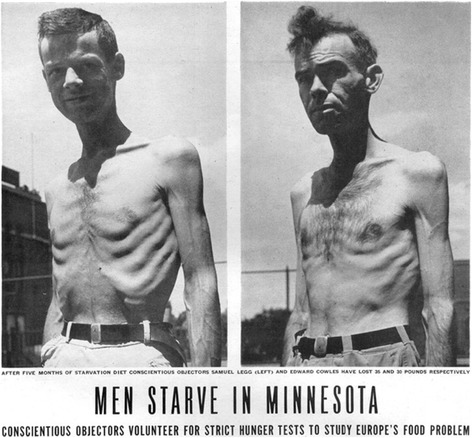
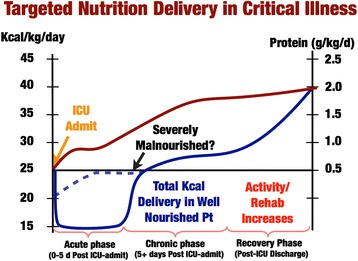
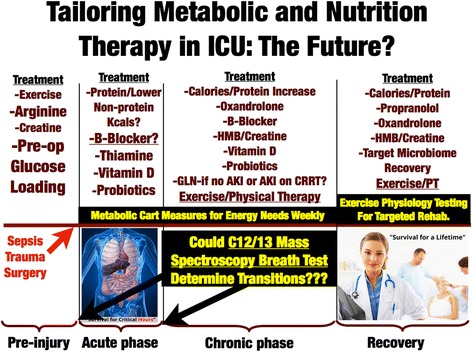
Without doubt, in medicine as in life, one size does not fit all. We do not administer the same drug or dose to every patient at all times, so why then would we live under the illusion that we should give the same nutrition at all times in the continuum of critical illness? We have long lived under the assumption that critical illness and trauma lead to a consistent early increase in metabolic/caloric need, the so-called "hypermetabolism" of critical illness. What if this is incorrect? Recent data indicate that early underfeeding of calories (trophic feeding) may have benefits and may require consideration in well-nourished patients. However, we must confront the reality that currently ICU nutrition delivery worldwide is actually leading to "starvation" of our patients and is likely a major contributor to poor long-term quality of life outcomes. To begin to ascertain the actual calorie and protein delivery required for optimal ICU recovery, an understanding of "starvation" and recovery from starvation and lean body mass (LBM) loss is needed. To begin to answer this question, we must look to the landmark Minnesota Starvation Study from 1945. This trial defines much of the world's knowledge about starvation, and most importantly what is required for recovery from starvation and massive LBM loss as occurs in the ICU. Recent and historic data indicate that critical illness is characterized by early massive catabolism, LBM loss, and escalating hypermetabolism that can persist for months or years. Early enteral nutrition during the acute phase should attempt to correct micronutrient/vitamin deficiencies, deliver adequate protein, and moderate nonprotein calories in well-nourished patients, as in the acute phase they are capable of generating significant endogenous energy. Post resuscitation, increasing protein (1.5-2.0 g/kg/day) and calories are needed to attenuate LBM loss and promote recovery. Malnutrition screening is essential and parenteral nutrition can be safely added following resuscitation when enteral nutrition is failing based on pre-illness malnutrition and LBM status. Following the ICU stay, significant protein/calorie delivery for months or years is required to facilitate functional and LBM recovery, with high-protein oral supplements being essential to achieve adequate nutrition.
Overview
The claims and statistics of this paper haven’t been checked yet.
Free: it reads the open-access text and checks the first 5 claims that cite a source we can check. Create a free account to check every claim.
Integrity signals
Registry
Cites
Statistics
Figures
Verification
Claims the paper makes
The claims and statistics of this paper haven’t been checked yet.
Free: it reads the open-access text and checks the first 5 claims that cite a source we can check. Create a free account to check every claim.
Claims other papers make about this one
Each is checked against this paper’s own text: does it say what the citing paper says it does?
The source backs part of the claim, not all of it — or backs it for a different population, condition or comparison.
In the citing paper
“It has been observed ( 5) that in daily practice the amount of protein provided to most ICU patients is less than the loss, and is related to technical difficulties and commercial product composition not adequately enriched with proteins in comparison to the calorie content (156).”
From ESPEN guideline on clinical nutrition in the intensive care unit. (2019) · cites this paper as [5]
Experimental — accuracy not yet measuredThe source backs part of the claim, not all of it — or backs it for a different population, condition or comparison.
In the citing paper
“Oral intake is frequently prescribed in the intensive care setting varying from 25 to 45% of the patients in the first four days, but does not reach the energy or protein requirements according to the Nutrition Day ICU survey ( 5).”
From ESPEN guideline on clinical nutrition in the intensive care unit. (2019) · cites this paper as [5]
Experimental — accuracy not yet measuredThe source backs part of the claim, not all of it — or backs it for a different population, condition or comparison.
In the citing paper
“Furthermore, the large heterogeneity of the ICU population potentially reduces the external validity of the recommendations”
From ESPEN guideline on clinical nutrition in the intensive care unit. (2019) · cites this paper as [5]
Experimental — accuracy not yet measuredThe source backs part of the claim, not all of it — or backs it for a different population, condition or comparison.
In the citing paper
“Furthermore, the large heterogeneity of the ICU population potentially reduces the external validity of the recommendations, which should be seen as a basis to support decisions made for each patient on an individual basis [6].”
From ESPEN practical and partially revised guideline: Clinical nutrition in the intensive care unit (2023) · cites this paper as [6]
Experimental — accuracy not yet measuredThe source backs part of the claim, not all of it — or backs it for a different population, condition or comparison.
In the citing paper
“Oral intake is frequently prescribed in the intensive care setting varying from 25 to 45% of the patients in the first four days, but does not reach the energy or protein requirements according to the Nutrition Day ICU survey [6].”
From ESPEN practical and partially revised guideline: Clinical nutrition in the intensive care unit (2023) · cites this paper as [6]
Experimental — accuracy not yet measured
1 more claim about this paper
Create a free account to see every claim other papers make about this one.
Self-check
Percentages, sums and reported differences re-computed from the paper’s own numbers.
The self-check needs the paper’s full text.
Citations
Cites
McClave, S. A., Taylor, B. E., Martindale, R. G., Warren, M. M., Johnson, D. R., Braunschweig, C., McCarthy, M. S., Davanos, E., Rice, T. W., Cresci, G. A., et al. (2016) · Journal of Parenteral and Enteral Nutrition · doi:10.1177/0148607115621863 · Cited by 3,982 · cited 4×
“2 g protein/kg/day) should be considered in patients requiring PN over the first week in the ICU [17].”
BackgroundMethodInfluentialThe Biology of Human Starvation: Volume I
KEYS, A., BROŽEK, J., HENSCHEL, A., MICKELSEN, O., & TAYLOR, H. L. (1950) · doi:10.5749/j.ctv9b2tqv · Cited by 2,039
Early versus late parenteral nutrition in critically ill adults
Casaer, M. P., Mesotten, D., Hermans, G., Wouters, P. J., Schetz, M., Meyfroidt, G., Van Cromphaut, S., Ingels, C., Meersseman, P., Muller, J., et al. (2011) · New England Journal of Medicine · doi:10.1056/nejmoa1102662 · Cited by 1,696 · cited 1×
“data have indicated that early hypocaloric feeding (so-called trophic feeding) may be superior [1, 2].”
BackgroundTaylor, B. E., McClave, S. A., Martindale, R. G., Warren, M. M., Johnson, D. R., Braunschweig, C., McCarthy, M. S., Davanos, E., Rice, T. W., Cresci, G. A., et al. (2016) · Critical Care Medicine · doi:10.1097/ccm.0000000000001525 · Cited by 1,476
Kaukonen, K.-M., Bailey, M., Suzuki, S., Pilcher, D., & Bellomo, R. (2014) · JAMA · doi:10.1001/jama.2014.2637 · Cited by 1,459
Alberda, C., Gramlich, L., Jones, N., Jeejeebhoy, K., Day, A. G., Dhaliwal, R., & Heyland, D. K. (2009) · Intensive Care Medicine · doi:10.1007/s00134-009-1567-4 · Cited by 975 · cited 2×
“6 g/kg/ day of protein for the first 2 weeks following ICU admission [16].”
BackgroundThe National Heart, L., Rice, T. W., Wheeler, A. P., Thompson, B. T., Steingrub, J., Hite, R. D., Moss, M., Morris, A., Dong, N., & Rock, P. (2012) · JAMA: The Journal of the American Medical Association · doi:10.1001/jama.2012.137 · Cited by 935
Disease-related malnutrition: an evidence-based approach to treatment
(2003) · CABI eBooks · doi:10.1079/9780851996486.0000 · Cited by 876
Heyland, D. K., Dhaliwal, R., Jiang, X., & Day, A. G. (2011) · Critical Care · doi:10.1186/cc10546 · Cited by 863 · cited 2×
“, patients with significant pre-ICU weight loss or NUTRIC Score (w/o IL-6) > 5) who are unlikely to have the metabolic reserve to generate the needed endogenous energy [17, 19].”
BackgroundHeidegger, C. P., Berger, M. M., Graf, S., Zingg, W., Darmon, P., Costanza, M. C., Thibault, R., & Pichard, C. (2013) · The Lancet · doi:10.1016/s0140-6736(12)61351-8 · Cited by 776
Trial of the Route of Early Nutritional Support in Critically Ill Adults
Harvey, S. E., Parrott, F., Harrison, D. A., Bear, D. E., Segaran, E., Beale, R., Bellingan, G., Leonard, R., Mythen, M. G., & Rowan, K. M. (2014) · New England Journal of Medicine · doi:10.1056/nejmoa1409860 · Cited by 618
Rahman, A., Hasan, R. M., Agarwala, R., Martin, C., Day, A. G., & Heyland, D. K. (2016) · Clinical Nutrition · doi:10.1016/j.clnu.2015.01.015 · Cited by 526
Amrein, K., Schnedl, C., Holl, A., Riedl, R., Christopher, K. B., Pachler, C., Urbanic Purkart, T., Waltensdorfer, A., Münch, A., Warnkross, H., et al. (2014) · JAMA · doi:10.1001/jama.2014.13204 · Cited by 493
Deutz, N. E., Matheson, E. M., Matarese, L. E., Luo, M., Baggs, G. E., Nelson, J. L., Hegazi, R. A., Tappenden, K. A., & Ziegler, T. R. (2016) · Clinical Nutrition · doi:10.1016/j.clnu.2015.12.010 · Cited by 472 · cited 5×
“The data from the large ONS trial using HMB [41] and recent data emphasize that anabolic/anti-catabolic interventions, such as propranolol, oxandrolone, and other agents targeted at restoring lean muscle mass (such as HMB), may be vital in optimal recovery and survival from critical illness [42].”
BackgroundInfluentialMetabolic and nutritional support of critically ill patients: consensus and controversies
Preiser, J.-C., van Zanten, A. R., Berger, M. M., Biolo, G., Casaer, M. P., Doig, G. S., Griffiths, R. D., Heyland, D. K., Hiesmayr, M., Iapichino, G., et al. (2015) · Critical Care · doi:10.1186/s13054-015-0737-8 · Cited by 416 · cited 2×
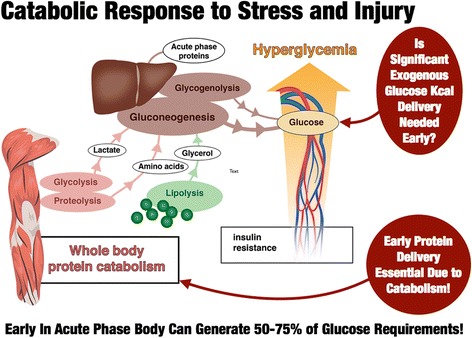
“It is well described that the early or “acute phase” of critical illness is characterized by massive mobilization of the body’s calorie reserves as muscle, glycogen, and lipid stores are broken down to drive glucose production [9, 10] (see Fig.”
BackgroundSelf-citationSystematic review and meta-analysis of the effects of high protein oral nutritional supplements
Cawood, A. L., Elia, M., & Stratton, R. J. (2012) · Ageing Research Reviews · doi:10.1016/j.arr.2011.12.008 · Cited by 376
Promoting perioperative metabolic and nutritional care
Gillis, C., & Carli, F. (2015) · Anesthesiology · doi:10.1097/aln.0000000000000795 · Cited by 350
Nicolo, M., Heyland, D. K., Chittams, J., Sammarco, T., & Compher, C. (2016) · Journal of Parenteral and Enteral Nutrition · doi:10.1177/0148607115583675 · Cited by 294
Donnino, M. W., Andersen, L. W., Chase, M., Berg, K. M., Tidswell, M., Giberson, T., Wolfe, R., Moskowitz, A., Smithline, H., Ngo, L., et al. (2016) · Critical Care Medicine · doi:10.1097/ccm.0000000000001572 · Cited by 293
Oxygen consumption and resting metabolic rate in sepsis, sepsis syndrome, and septic shock
KREYMANN, G., GROSSER, S., BUGGISCH, P., GOTTSCHALL, C., MATTHAEI, S., & GRETEN, H. (1993) · Critical Care Medicine · doi:10.1097/00003246-199307000-00015 · Cited by 275
Impact of oral nutritional supplementation on hospital outcomes.
Philipson, T. J., Snider, J. T., Lakdawalla, D., Stryckman, B., & Goldman, D. P. (2013) · PubMed · Cited by 238
Appropriate protein provision in critical illness: a systematic and narrative review
Hoffer, L. J., & Bistrian, B. R. (2012) · The American Journal of Clinical Nutrition · doi:10.3945/ajcn.111.032078 · Cited by 225
Elia, M., Normand, C., Norman, K., & Laviano, A. (2016) · Clinical Nutrition · doi:10.1016/j.clnu.2015.05.010 · Cited by 219
Uehara, M., Plank, L. D., & Hill, G. L. (1999) · Critical Care Medicine · doi:10.1097/00003246-199907000-00015 · Cited by 203 · cited 3×
“[12] show us that the REE in the first 2–5 days (acute phase) in elderly sepsis patients (mean age 67) is ~ 1850 kcal/day with a TEE of”
BackgroundResultInfluentialAdequacy of Oral Intake in Critically Ill Patients 1 Week after Extubation
Peterson, S. J., Tsai, A. A., Scala, C. M., Sowa, D. C., Sheean, P. M., & Braunschweig, C. L. (2010) · Journal of the American Dietetic Association · doi:10.1016/j.jada.2009.11.020 · Cited by 203
Wei, X., Day, A. G., Ouellette-Kuntz, H., & Heyland, D. K. (2015) · Critical Care Medicine · doi:10.1097/ccm.0000000000001000 · Cited by 187
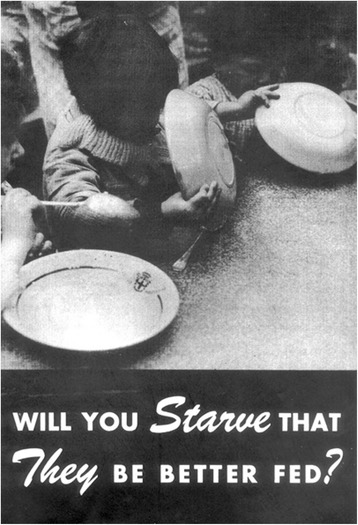
They Starved So That Others Be Better Fed: Remembering Ancel Keys and the Minnesota Experiment
Kalm, L. M., & Semba, R. D. (2005) · The Journal of Nutrition · doi:10.1093/jn/135.6.1347 · Cited by 185
Stratton, R. J., Hébuterne, X., & Elia, M. (2013) · Ageing Research Reviews · doi:10.1016/j.arr.2013.07.002 · Cited by 183
Role of the microbiome, probiotics, and ‘dysbiosis therapy’ in critical illness
Wischmeyer, P. E., McDonald, D., & Knight, R. (2016) · Current Opinion in Critical Care · doi:10.1097/mcc.0000000000000321 · Cited by 159
Self-citationThe Biology of Human Starvation, Vols. 1 & 2
Keys, A. B., Brozek, J. M., Henschel, A. F., Mickelsen, O., & TAYLOR, H. L. (1950) · Cited by 154
Winning the war against ICU-acquired weakness: new innovations in nutrition and exercise physiology
Wischmeyer, P. E., & San-Millan, I. (2015) · Critical Care · doi:10.1186/cc14724 · Cited by 153
Self-citationWischmeyer, P. E., Hasselmann, M., Kummerlen, C., Kozar, R., Kutsogiannis, D. J., Karvellas, C. J., Besecker, B., Evans, D. K., Preiser, J.-C., Gramlich, L., et al. (2017) · Critical Care · doi:10.1186/s13054-017-1736-8 · Cited by 153
Self-citationThe Functional Costs of ICU Survivorship: Collaborating to Improve Post-ICU Disability
Needham, D. M., Feldman, D. R., & Kho, M. E. (2011) · American Journal of Respiratory and Critical Care Medicine · doi:10.1164/rccm.201012-2042ed · Cited by 119
Muscle mass and physical recovery in ICU: innovations for targeting of nutrition and exercise
Wischmeyer, P. E., Puthucheary, Z., Millán, Í. S., Bütz, D. E., & Grocott, M. P. W. (2017) · Current Opinion in Critical Care · doi:10.1097/mcc.0000000000000431 · Cited by 76
Self-citationWischmeyer, P. E. (2016) · Current Opinion in Critical Care · doi:10.1097/mcc.0000000000000332 · Cited by 61
Self-citationProtein-energy nutrition in the ICU is the power couple: A hypothesis forming analysis
Oshima, T., Deutz, N. E., Doig, G., Wischmeyer, P. E., & Pichard, C. (2016) · Clinical Nutrition · doi:10.1016/j.clnu.2015.10.016 · Cited by 57
Self-citationAnabolic and anticatabolic agents in critical care
Stanojcic, M., Finnerty, C. C., & Jeschke, M. G. (2016) · Current Opinion in Critical Care · doi:10.1097/mcc.0000000000000330 · Cited by 52
Vitamin D and critical illness outcomes
Christopher, K. B. (2016) · Current Opinion in Critical Care · doi:10.1097/mcc.0000000000000328 · Cited by 40
ICU-acquired Weakness, Morbidity, and Death
Herridge, M. S., Batt, J. A. E., & dos Santos, C. C. (2014) · American Journal of Respiratory and Critical Care Medicine · doi:10.1164/rccm.201407-1263ed · Cited by 36
Nutrition Support for the Critically Ill Patient
Cresci, G. (2010) · CRC Press eBooks · doi:10.1201/9781420039191 · Cited by 30
Whigham, L. D., Bütz, D. E., Johnson, L. K., Schoeller, D. A., Abbott, D. H., Porter, W. P., & COOK, M. E. (2014) · International Journal of Obesity · doi:10.1038/ijo.2014.7 · Cited by 27
What is the best nutritional support for critically ill patients?
Hoffer, L. J., & Bistrian, B. R. (2014) · PubMed · doi:10.3978/j.issn.2304-3881.2014.08.03 · Cited by 23
Intravenous lipid emulsions in the critically ill: an update
Manzanares, W., Langlois, P. L., & Hardy, G. (2016) · Current Opinion in Critical Care · doi:10.1097/mcc.0000000000000314 · Cited by 20
Wischmeyer, P. E. (2015) · Critical Care Medicine · doi:10.1097/ccm.0000000000001098 · Cited by 13
Self-citationEnergy deficit is clinically relevant for critically ill patients: no
Hoffer, L. J., & Bistrian, B. R. (2015) · Intensive Care Medicine · doi:10.1007/s00134-014-3518-y · Cited by 12
Recollections of pioneers in nutrition: from starvation to cholesterol.
Keys, A. (1990) · Journal of the American College of Nutrition · doi:10.1080/07315724.1990.10720382 · Cited by 5
Research works printed but not linked: 2
- Keys A Brozek J Henschel A Mickelsen O Taylor HL Experimental Starvation in Man: A Report from the Laboratory of Physiological Hygiene, University of Minnesota 1945 Minneapolis University of Minnesota
- Keys A Brozek J Henschel A Mickelsen O Taylor HL Rehabilitation Following Experimental Starvation in Man: A Report from the Laboratory of Physiological Hygiene, University of Minnesota 1946 Minneapolis University of Minnesota
Cited by
ESPEN guideline on clinical nutrition in the intensive care unit.
Singer, P., Blaser, A. R., Berger, M. M., Alhazzani, W., Calder, P. C., Casaer, M. P., Hiesmayr, M., Mayer, K., Montejo, J. C., Pichard, C., et al. (2019) · Clinical Nutrition · doi:10.1016/j.clnu.2018.08.037 · Cited by 2,904
ESPEN practical and partially revised guideline: Clinical nutrition in the intensive care unit
Singer, P., Blaser, A. R., Berger, M. M., Calder, P. C., Casaer, M., Hiesmayr, M., Mayer, K., Montejo-Gonzalez, J. C., Pichard, C., Preiser, J.-C., et al. (2023) · Clinical Nutrition · doi:10.1016/j.clnu.2023.07.011 · Cited by 793
“Oral intake is frequently prescribed in the intensive care setting varying from 25 to 45% of the patients in the fi rst four days, but does not reach the energy or protein requirements according to the Nutrition Day ICU survey [6].”
BackgroundMethodvan Zanten, A. R. H., De Waele, E., & Wischmeyer, P. E. (2019) · Critical Care · doi:10.1186/s13054-019-2657-5 · Cited by 345
Self-citationThe malnourished surgery patient: a silent epidemic in perioperative outcomes?
Williams, D. G. A., Molinger, J., & Wischmeyer, P. E. (2019) · Current Opinion in Anaesthesiology · doi:10.1097/aco.0000000000000722 · Cited by 167
Self-citationNutrition therapy in critical illness: a review of the literature for clinicians
Lambell, K., Tatucu-Babet, O. A., Chapple, L. S., Gantner, D. C., & Ridley, E. J. (2020) · Critical Care · doi:10.1186/s13054-020-2739-4 · Cited by 171
Metadata
- Authors
- Wischmeyer, P. E.
- Affiliations
- Duke University (US)
- Corresponding author
- Wischmeyer, Paul E.
- ORCID
- Wischmeyer, Paul E.
- Venue
- Critical Care
- Published
- 2017-12
- Volume
- 21
- Issue
- S3
- Pages
- 316-316
- ISSN
- 1364-8535 (ISSN-L)
- PMC
- PMC5751603
- OpenAlex
- W2779720126
- Cited by
- 131
- References
- 47
- Citations by year
- 2026: 16 · 2025: 14 · 2024: 23 · 2023: 12 · 2022: 13 · 2021: 19 · 2020: 11 · 2019: 14 · 2018: 9
- FWCI
- 0.96
- Type
- journal article
- Language
- en
- Open access
- gold
- doi.org
- Licence
- cc-by
- Locations
- Critical Care (publishedVersion, cc-by)
- Europe PMC (PubMed Central) (publishedVersion, cc-by)
- PubMed Central (publishedVersion, cc-by)
- PubMed (publishedVersion)
- DOAJ (DOAJ: Directory of Open Access Journals) (submittedVersion, cc-by-sa)
- DukeSpace (Duke University) (submittedVersion, cc-by-nc-nd)
- Funders
- National Institutes of Health (NHLBI R34 HL109369)
- National Heart, Lung, and Blood Institute (R34HL109369)
- Topics
- Health Sciences › Nursing › Nutrition and Dietetics › Clinical Nutrition and Gastroenterology
- Health Sciences › Medicine › Surgery › Enhanced Recovery After Surgery
- Health Sciences › Medicine › Endocrinology, Diabetes and Metabolism › Hyperglycemia and glycemic control in critically ill and hospitalized patients
- Keywords
- critical illness nutrition, hypermetabolism, starvation, lean mass loss, catabolism, enteral nutrition, parenteral nutrition, protein delivery, malnutrition screening, long-term recovery, micronutrient deficiency
- MeSH terms
- Fatigue, Humans, Nutritional Status, Research Design, Warfare, Critical Illness, Nutritional Support, World War II, History, 20th Century, Muscle Strength, Precision Medicine
About these checks
Registry, retraction, Cites and statistics results are computed, not judged, with one exception: a printed reference that no index lists is read once by a model before it counts as a citation error. Claims are extracted by a model and kept only when their quote appears verbatim in the text; each cited source is then checked, with a model’s help, for whether it says what the claim relies on. Those verdicts can be wrong — read the claim’s quote and the cited source before relying on one.
Statistics and arithmetic are recomputed, not judged.
Confidence bands are shown only for fields calibrated on our annotated test set. None is calibrated yet, so no band is shown.
What counts as a claim ›How we measure confidence ›How we check this ›
Are you an author, or do you see a problem with this page? Request a review
Data sources
Bibliographic data: Semantic Scholar, OpenAlex, Crossref.
Contains information from the Semantic Scholar Academic Graph Datasets, made available under the ODC Attribution License (ODC-BY 1.0).
Semantic Scholar’s data is described in: Kinney, R., et al. (2023). The Semantic Scholar Open Data Platform. arXiv:2301.10140.
