

The DOI matches its Crossref record; 60 of the 60 references it cites were found in a registry or an index.
CHiCAGO: robust detection of DNA looping interactions in Capture Hi-C data
Open accessPublished version of a preprint
Abstract
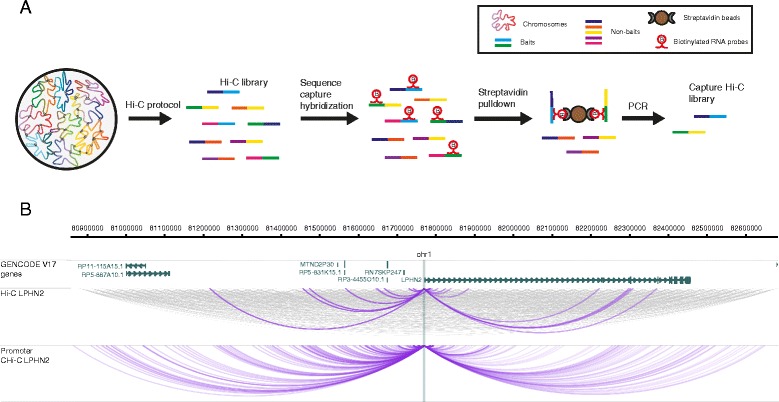
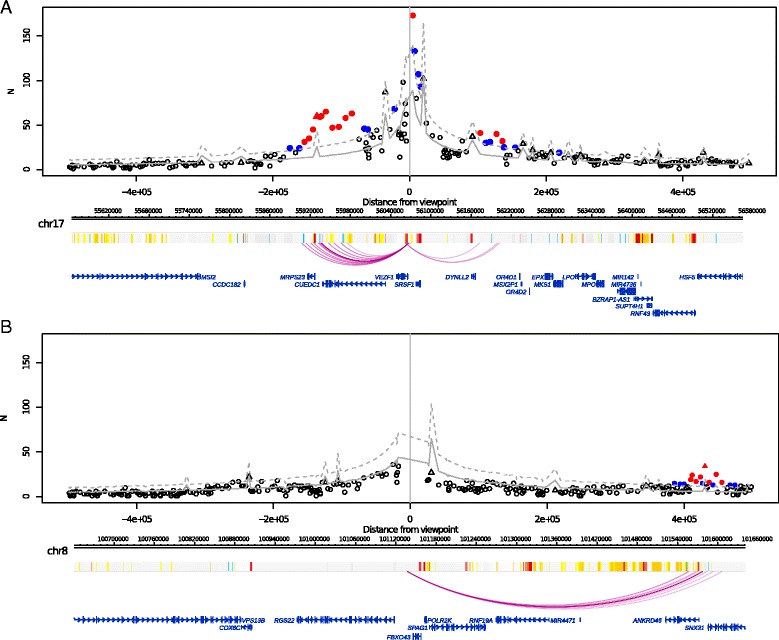
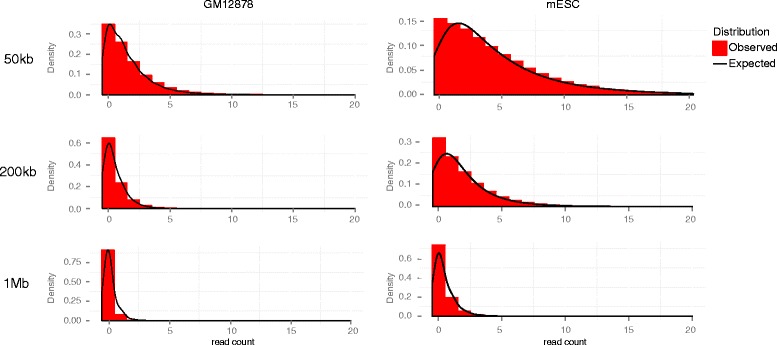
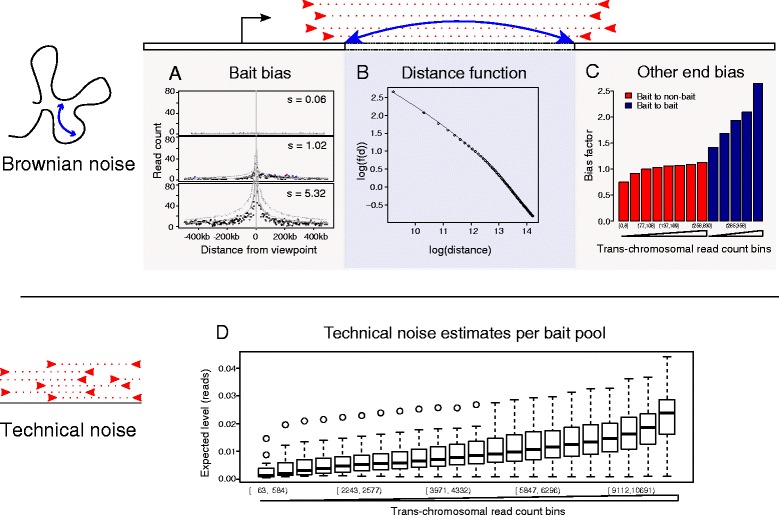
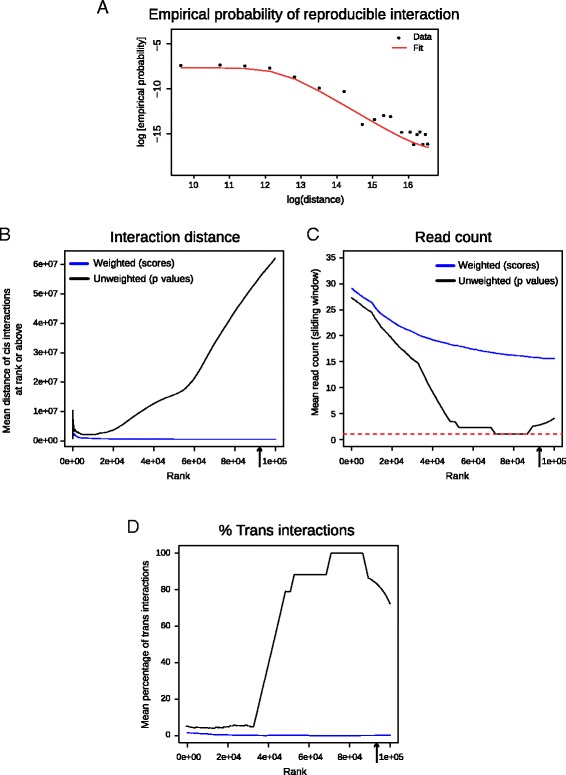
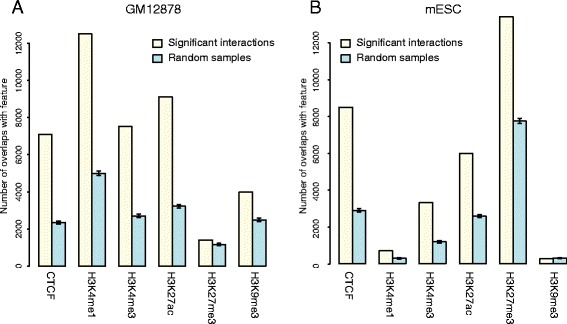
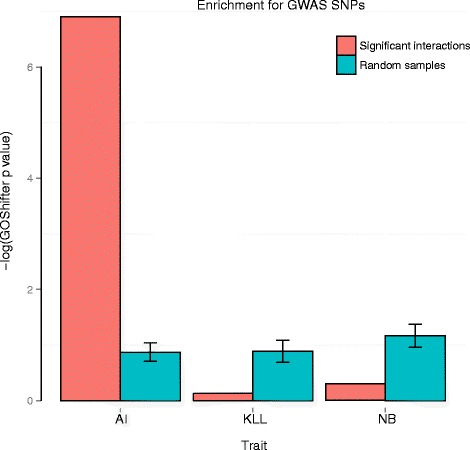
Capture Hi-C (CHi-C) is a method for profiling chromosomal interactions involving targeted regions of interest, such as gene promoters, globally and at high resolution. Signal detection in CHi-C data involves a number of statistical challenges that are not observed when using other Hi-C-like techniques. We present a background model and algorithms for normalisation and multiple testing that are specifically adapted to CHi-C experiments. We implement these procedures in CHiCAGO ( http://regulatorygenomicsgroup.org/chicago ), an open-source package for robust interaction detection in CHi-C. We validate CHiCAGO by showing that promoter-interacting regions detected with this method are enriched for regulatory features and disease-associated SNPs.
Overview
The claims and statistics of this paper haven’t been checked yet.
Run the check — free, no account needed. It reads the open-access text and checks the sources it cites.
Integrity signals
Registry
Cites
Statistics
Figures
Verification
Claims the paper makes
The claims and statistics of this paper haven’t been checked yet.
Run the check — free, no account needed. It reads the open-access text and checks the sources it cites.
Claims other papers make about this one
Each is checked against this paper’s own text: does it say what the citing paper says it does?
The source backs part of the claim, not all of it — or backs it for a different population, condition or comparison.
In the citing paper
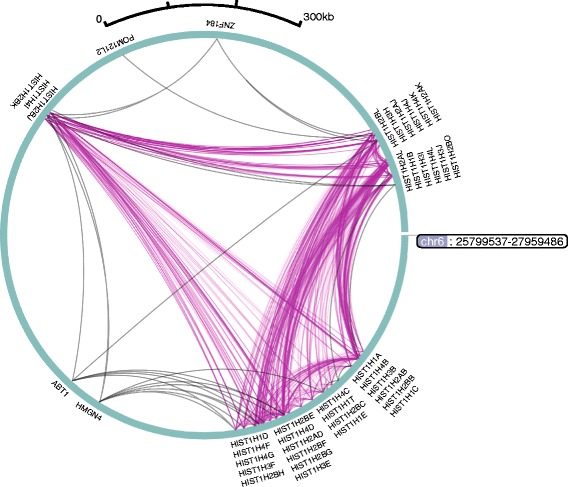
“A similar network of contacts is also detectable between the active promoters of multiple histone genes in many mammalian cell types [243, 279, 471, 492].”
From Transcriptional enhancers and their communication with gene promoters (2021) · cites this paper as [471]
Experimental — accuracy not yet measuredThe cited source says what the claim attributes to it.
In the citing paper
“many computational algorithms for the analysis of data from Hi-C and related techniques explicitly correct for distance decay, identifying “significant interactions” based on how unusual their contact frequency is at a given distance [277, 468–471].”
From Transcriptional enhancers and their communication with gene promoters (2021) · cites this paper as [471]
Self-check
Percentages, sums and reported differences re-computed from the paper’s own numbers.
The self-check needs the paper’s full text.
Citations
Cites
Controlling the False Discovery Rate: A Practical and Powerful Approach to Multiple Testing
Benjamini, Y., & Hochberg, Y. (1995) · Journal of the Royal Statistical Society Series B: Statistical Methodology · doi:10.1111/j.2517-6161.1995.tb02031.x · Cited by 109,482
Moderated estimation of fold change and dispersion for RNA-seq data with DESeq2
Love, M. I., Huber, W., & Anders, S. (2014) · Genome Biology · doi:10.1186/s13059-014-0550-8 · Cited by 95,106
A Simplex Method for Function Minimization
Nelder, J. A., & Mead, R. (1965) · The Computer Journal · doi:10.1093/comjnl/7.4.308 · Cited by 28,905
An integrated encyclopedia of DNA elements in the human genome
The ENCODE Project Consortium (2012) · Nature · doi:10.1038/nature11247 · Cited by 18,072
Differential expression analysis for sequence count data
Anders, S., & Huber, W. (2010) · Genome Biology · doi:10.1186/gb-2010-11-10-r106 · Cited by 15,581
Heinz, S., Benner, C., Spann, N., Bertolino, E., Lin, Y. C., Laslo, P., Cheng, J. X., Murre, C., Singh, H., & Glass, C. K. (2010) · Molecular Cell · doi:10.1016/j.molcel.2010.05.004 · Cited by 13,382
Topological domains in mammalian genomes identified by analysis of chromatin interactions
Dixon, J. R., Selvaraj, S., Yue, F., Kim, A., Li, Y., Shen, Y., Hu, M., Liu, J. S., & Ren, B. (2012) · Nature · doi:10.1038/nature11082 · Cited by 6,829
Systematic Localization of Common Disease-Associated Variation in Regulatory DNA
Maurano, M. T., Humbert, R., Rynes, E., Thurman, R. E., Haugen, E., Wang, H., Reynolds, A. P., Sandstrom, R., Qu, H., Brody, J., et al. (2012) · Science · doi:10.1126/science.1222794 · Cited by 3,716
Orchestrating high-throughput genomic analysis with Bioconductor
Huber, W. K., Carey, V. J., Gentleman, R. C., Anders, S., Carlson, M. R. J., Carvalho, B. S., Bravo, H. C., Davis, S. R., Gatto, L., Girke, T., et al. (2015) · Nature Methods · doi:10.1038/nmeth.3252 · Cited by 3,614
ChromHMM: automating chromatin-state discovery and characterization
Ernst, J., & Kellis, M. (2012) · Nature Methods · doi:10.1038/nmeth.1906 · Cited by 2,457
Research works printed but not linked: 1
- NCBI Gene Expression Omnibus. http://www.ncbi.nlm.nih.gov/geo/query/acc.cgi?acc=GSE81503 . Accessed 25 May 2016.
Cited by
Sorted by citations
Items 201–300 of 423
Wang, T., Xiao, R., He, Y., Zhang, W., Diao, H., Tang, M., Mai, Z.-M., Xue, W., Yang, D.-W., Deng, C., et al. (2023) · The American Journal of Human Genetics · doi:10.1016/j.ajhg.2023.06.003 · Cited by 15
Mechanosensitive super-enhancers regulate genes linked to atherosclerosis in endothelial cells
Li, J., Zhu, J., Gray, O., Sobreira, D. R., Wu, D., Huang, R., Miao, B. A., Sakabe, N. J., Krause, M. D., Kaikkonen, M. U., et al. (2023) · The Journal of Cell Biology · doi:10.1083/jcb.202211125 · Cited by 16
Multi-omics analysis in primary T cells elucidates mechanisms behind disease-associated genetic loci
Shi, C., Zhao, D., Butler, J. S., Frantzeskos, A., Rossi, S., Ding, J., Ferrazzano, C., Wynn, C., Hum, R. M., Richards, E., et al. (2025) · Genome biology · doi:10.1186/s13059-025-03492-y · Cited by 14
Feldmann, A., Dimitrova, E., Kenney, A., Lastuvkova, A., & Klose, R. J. (2020) · Nucleic Acids Research · doi:10.1093/nar/gkaa064 · Cited by 15
Sequencing of Camelina neglecta , a diploid progenitor of the hexaploid oilseed Camelina sativa
Chaudhary, R., Koh, C., Perumal, S., Jin, L., Higgins, E. E., Kagale, S., Smith, M. A., Sharpe, A., & Parkin, I. A. P. (2022) · Plant Biotechnology Journal · doi:10.1111/pbi.13968 · Cited by 16
Kalita, B., Martínez-Cebrián, G., McEvoy, J. D., Allensworth, M. L., Knight, M., Magli, A., Perlingeiro, R. C. R., Dyer, M. A., Stewart, E. A., & Dynlacht, B. D. (2024) · Cell · doi:10.1016/j.cell.2025.03.008 · Cited by 14
Seeing the forest through the trees: prioritising potentially functional interactions from Hi-C
Liu, N., Low, W. Y., Alinejad‐Rokny, H., Pederson, S., Sadlon, T. J., Barry, S. C., & Breen, J. (2021) · Epigenetics & Chromatin · doi:10.1186/s13072-021-00417-4 · Cited by 16
A comprehensive review of bioinformatics tools for chromatin loop calling
Liu, L., Han, K., Sun, H., Han, L., Gao, D., Xi, Q., Zhang, L., & Lin, H. (2023) · Briefings in Bioinformatics · doi:10.1093/bib/bbad072 · Cited by 14
Buyukcelebi, K., Duval, A. J., Abdula, F., Elkafas, H., Seker-Polat, F., & Adli, M. (2024) · Nature Communications · doi:10.1038/s41467-024-45382-0 · Cited by 17
Quantitative Determination of DNA Bridging Efficiency of Chromatin Proteins
van der Valk, R. A., Qin, L., Moolenaar, G. F., & Dame, R. T. (2018) · Methods in molecular biology · doi:10.1007/978-1-4939-8675-0_12 · Cited by 14
Using functional genomics to advance the understanding of psoriatic arthritis
Shi, C., Rattray, M., Barton, A. C., Bowes, J., & Orozco, G. (2020) · Rheumatology · doi:10.1093/rheumatology/keaa283 · Cited by 15
Alinejad‐Rokny, H., Modegh, R. G., Rabiee, H. R., Sarbandi, E. R., Rezaie, N., Tam, K. T., & Forrest, A. R. R. (2022) · PLoS Computational Biology · doi:10.1371/journal.pcbi.1010241 · Cited by 20
Capture Hi‐C Library Generation and Analysis to Detect Chromatin Interactions
Orlando, G., Kinnersley, B., & Houlston, R. (2018) · Current Protocols in Human Genetics · doi:10.1002/cphg.63 · Cited by 16
Locus-specific chromatin profiling of evolutionarily young transposable elements
Taylor, D., Lowe, R., Philippe, C., Cheng, K. C. L., Grant, O. A., Zabet, N. R., Cristofari, G., & Branco, M. R. (2021) · Nucleic Acids Research · doi:10.1093/nar/gkab1232 · Cited by 15
Lasconi, C., Pahl, M. C., Pippin, J. A., Su, C., Johnson, M. E., Chesi, A., Boehm, K. D., Manduchi, E., Ou, K., Golson, M. L., et al. (2022) · SLEEP · doi:10.1093/sleep/zsac109 · Cited by 14
LncRNAEPRregulates intestinal mucus production and protects against inflammation and tumorigenesis
Briata, P., Mastracci, L., Zapparoli, E., Caputo, L., Ferracci, E., Silvestri, A., Garuti, A., Hamadou, M. H., Inga, A., Marcaccini, E., et al. (2023) · Nucleic Acids Research · doi:10.1093/nar/gkad257 · Cited by 13
Palmisano, I., Liu, T., Gao, W., Zhou, L., Merkenschlager, M., Müller, F., Chadwick, J., Toscano-Rivalta, R., Kong, G., King, J. W. D., et al. (2024) · Proceedings of the National Academy of Sciences · doi:10.1073/pnas.2402518121 · Cited by 13
Widespread impact of nucleosome remodelers on transcription at cis-regulatory elements
Patty, B. J., Dhungana, R., & Hainer, S. J. (2025) · Cell Reports · doi:10.1016/j.celrep.2025.115767 · Cited by 13
Golov, A. K., Abashkin, D. A., Kondratyev, N. V., Razin, S. V., Gavrilov, A. A., & Голимбет, В. Е. (2020) · Scientific Reports · doi:10.1038/s41598-020-72496-4 · Cited by 13
Salviato, E., Djordjilović, V., Hariprakash, J. M., Tagliaferri, I., Pal, K., & Ferrari, F. (2021) · Nucleic Acids Research · doi:10.1093/nar/gkab547 · Cited by 13
Avalos, D., Rey, G., Ribeiro, D. M., Ramisch, A., Dermitzakis, E. T., & Delaneau, O. (2023) · Communications Biology · doi:10.1038/s42003-023-04688-3 · Cited by 13
Kolovos, P., Brouwer, R. W. W., Kockx, C. E. M., Lesnussa, M., Kepper, N., Zuin, J., Imam, A., van de Werken, H. J. G., Wendt, K. S., Knoch, T., et al. (2018) · Nature Protocols · doi:10.1038/nprot.2017.132 · Cited by 14
Realizing the promise of genome-wide association studies for effector gene prediction
Costanzo, M. C., Harris, L. W., Ji, Y., McMahon, A., Burtt, N. P., & Flannick, J. A. (2025) · Nature Genetics · doi:10.1038/s41588-025-02210-5 · Cited by 15
Targeted Chromosome Conformation Capture (HiCap)
Zhigulev, A., & Sahlén, P. (2022) · Methods in molecular biology · doi:10.1007/978-1-0716-2497-5_5 · Cited by 12
Through the lens of phase separation: intrinsically unstructured protein and chromatin looping
Cai, L., & Wang, G. G. (2023) · Nucleus · doi:10.1080/19491034.2023.2179766 · Cited by 14
Modeling three-dimensional genomic organization in evolution and pathogenesis
Diament, A., & Tuller, T. (2018) · Seminars in Cell and Developmental Biology · doi:10.1016/j.semcdb.2018.07.008 · Cited by 11
The gene regulatory landscape driving mouse gonadal supporting cell differentiation
Stévant, I., Abberbock, E., Ridnik, M., Weiss, R., Swisa, L., Futtner, C. R., Maatouk, D. M., Lovell-Badge, R. H., Malysheva, V., & Gonen, N. (2025) · Science Advances · doi:10.1126/sciadv.adv1885 · Cited by 12
Abashkin, D. A., Karpov, D. S., Kurishev, A. O., Marilovtseva, E. V., & Голимбет, В. Е. (2023) · International Journal of Molecular Sciences · doi:10.3390/ijms242115746 · Cited by 11
Wang, Y., Fan, C., Zheng, Y., & Li, C. (2017) · Nucleic Acids Research · doi:10.1093/nar/gkx086 · Cited by 11
Dong, K., & Zhang, S. (2020) · Briefings in Bioinformatics · doi:10.1093/bib/bbaa120 · Cited by 11
covNorm: An R package for coverage based normalization of Hi-C and capture Hi-C data
Kim, K., & Jung, I. (2021) · Computational and Structural Biotechnology Journal · doi:10.1016/j.csbj.2021.05.041 · Cited by 11
Bianchi, V., Geeven, G., Tucker, N. R., Hilvering, C. R. E., Hall, A. W., Roselli, C., Hill, M. C., Martin, J. F., Margulies, K. B., Ellinor, P. T., et al. (2019) · SSRN Electronic Journal · doi:10.2139/ssrn.3416642 · Cited by 10
Chromatin-accessibility estimation from single-cell ATAC data with scOpenPreprint
Li, Z., Kuppe, C., Ziegler, S., Cheng, M., Kabgani, N., Menzel, S., Zenke, M., Kramann, R., & Costa, I. G. (2019) · bioRxiv (Cold Spring Harbor Laboratory) · doi:10.1101/865931 · Cited by 10
Dapas, M., Thompson, E. E., Wentworth-Sheilds, W., Clay, S. M., Visness, C. M., Calatroni, A., Sordillo, J. E., Gold, D. R., Wood, R. A., Makhija, M., et al. (2023) · PLoS Genetics · doi:10.1371/journal.pgen.1010594 · Cited by 10
Bhattarai, K. R., Mobley, R. J., Barnett, K. R., Ferguson, D. C. J., Hansen, B. S., Diedrich, J. D., Bergeron, B. P., Yoshimura, S., Yang, W., Crews, K. R., et al. (2024) · Nature Communications · doi:10.1038/s41467-024-48124-4 · Cited by 13
The transcription factor ZNF469 regulates collagen production in liver fibrosis
Steinhauser, S., Estoppey, D., Buehler, D. P., Xiong, Y., Pizzato, N., Rietsch, A., Wu, F., Leroy, N., Wunderlin, T., Claerr, I., et al. (2025) · JCI Insight · doi:10.1172/jci.insight.182232 · Cited by 13
Zhang, J., Zhang, S., Xu, S., Zhu, Z., Li, J., Wang, Z., Wada, Y., Gatt, A., & Liu, J. (2023) · The Journal of Immunology · doi:10.4049/jimmunol.2300043 · Cited by 10
Karaesmen, E., Hahn, T., Dile, A. J., Rizvi, A., Wang, J., Wang, T., Haagenson, M. D., Preus, L. M., Zhu, Q., Liu, Q., et al. (2019) · Blood Advances · doi:10.1182/bloodadvances.2019000075 · Cited by 11
Hüebschmann, D., Kurzawa, N., Steinhauser, S., Rentzsch, P., Krämer, S., Andresen, C., Park, J., Eils, R., Schlesner, M., & Herrmann, C. (2017) · bioRxiv (Cold Spring Harbor Laboratory) · doi:10.1101/199547 · Cited by 10
Cohesin disrupts polycomb-dependent chromosome interactionsPreprint
Rhodes, J., Feldmann, A., Hernández-Rodríguez, B., Díaz, N., Brown, J., Fursova, N. A., Blackledge, N. P., Prathapan, P., Dobrinić, P., Huseyin, M. K., et al. (2019) · bioRxiv (Cold Spring Harbor Laboratory) · doi:10.1101/593970 · Cited by 10
Changes in PRC1 activity during interphase modulate lineage transition in pluripotent cells
Asenjo, H. G., Alcázar‐Fabra, M., Espinosa-Martínez, M., López-Onieva, L., Gallardo, A., Dimitrova, E., Feldmann, A., Pachano, T., Martorell‐Marugán, J., Carmona‐Sáez, P., et al. (2023) · Nature Communications · doi:10.1038/s41467-023-35859-9 · Cited by 8
Trang, B. K., Pahl, M. C., Pippin, J. A., Su, C., Littleton, S. H., Sharma, P. K., Kulkarni, N. N., Ghanem, L. R., Terry, N. A., O’Brien, J. M., et al. (2024) · eLife · doi:10.7554/elife.95411.3 · Cited by 13
Su, C., Lee, D., Jin, P., & Zhang, J. (2025) · Nature Communications · doi:10.1038/s41467-025-59306-z · Cited by 10
Thakur, R., Xu, M., Sowards, H., Yon, J., Jessop, L., Myers, T., Zhang, T., Chari, R., Long, E., Rehling, T., et al. (2025) · The American Journal of Human Genetics · doi:10.1016/j.ajhg.2025.04.015 · Cited by 10
The brain neurovascular epigenome and its association with dementia
Ziegler, K. C., Askarova, A., Gergian, C., Yaa, R. M., van Dalen, J. D., Transfeld, J. L., Zoppi, F., Du, J., Clode, D., Rahbar, F., et al. (2025) · Neuron · doi:10.1016/j.neuron.2025.10.001 · Cited by 17
African-specific alleles modify risk for asthma at the 17q12-q21 locus in African Americans
Washington, C., Dapas, M., Biddanda, A., Magnaye, K. M., Aneas, I., Helling, B. A., Szczesny, B., Boorgula, M. P., Taub, M. A., Kenny, E. E., et al. (2022) · Genome Medicine · doi:10.1186/s13073-022-01114-x · Cited by 10
BaRDIC: robust peak calling for RNA–DNA interaction data
Mylarshchikov, D. E., Nikolskaya, A. I., Bogomaz, O. D., Zharikova, A. A., & Mironov, A. A. (2024) · NAR Genomics and Bioinformatics · doi:10.1093/nargab/lqae054 · Cited by 9
High‐resolution three‐dimensional chromatin profiling of the Chinese hamster ovary cell genome
Bevan, S., Schoenfelder, S., Young, R. J., Zhang, L., Andrews, S. R., Fraser, P., & O'Callaghan, P. M. (2020) · Biotechnology and Bioengineering · doi:10.1002/bit.27607 · Cited by 9
Self-citationWu, H., Wang, X., Chu, M., Li, D., Cheng, L., & Zhou, K. (2021) · Computational and Structural Biotechnology Journal · doi:10.1016/j.csbj.2021.04.064 · Cited by 9
Multiple epigenetic factors co-localize with HMGN proteins in A-compartment chromatin
He, B., Zhu, I., Postnikov, Y. V., Furusawa, T., Jenkins, L. M. M., Nanduri, R., Bustin, M., & Landsman, D. (2022) · Epigenetics & Chromatin · doi:10.1186/s13072-022-00457-4 · Cited by 11
Comoglio, F., Park, H. J., Schoenfelder, S., Barozzi, I., Bode, D., Fraser, P., & Green, A. R. (2017) · bioRxiv (Cold Spring Harbor Laboratory) · doi:10.1101/163113 · Cited by 9
Self-citationEsearch3D: propagating gene expression in chromatin networks to illuminate active enhancers
Heer, M., Giudice, L., Mengoni, C., Giugno, R., & Rico, D. (2023) · Nucleic Acids Research · doi:10.1093/nar/gkad229 · Cited by 8
Utomo, C., Tanjung, Z. A., Aditama, R., Pratomo, A. D. M., Buana, R. F. N., Putra, H. S. G., Tryono, R., & Liwang, T. (2024) · Scientific Reports · doi:10.1038/s41598-024-60713-3 · Cited by 8
STAG2 loss in Ewing sarcoma alters enhancer-promoter contacts dependent and independent of EWS::FLI1
Giménez-Llorente, D., Cuadrado, A., Andreu, M. J., Sanclemente-Alamán, I., Solé-Ferran, M., Rodríguez-Corsino, M., & Losada, A. (2024) · EMBO Reports · doi:10.1038/s44319-024-00303-6 · Cited by 8
TargetGene: a comprehensive database of cell-type-specific target genes for genetic variants
Lin, S., Wu, S., Zhao, W., Fang, Z., Kang, H., Liu, X., Pan, S., Yu, F., Bào, Y., & Jia, P. (2023) · Nucleic Acids Research · doi:10.1093/nar/gkad901 · Cited by 8
CD-Loop: a chromatin loop detection method based on the diffusion model
Shen, J., Wang, Y., & Luo, J. (2024) · Frontiers in Genetics · doi:10.3389/fgene.2024.1393406 · Cited by 9
Comparison of Capture Hi-C Analytical Pipelines
Aljogol, D., Thompson, I. R., Osborne, C. S., & Mifsud, B. (2022) · Frontiers in Genetics · doi:10.3389/fgene.2022.786501 · Cited by 8
Self-citationLiu, Y., Pandey, R., Qiu, Q., Liu, P., Xue, H., Wang, J., Therani, B., Ying, R., Usa, K., Grzybowski, M. N., et al. (2025) · Nature Communications · doi:10.1038/s41467-025-61656-7 · Cited by 8
Pahl, M. C., Grant, S. F. A., Leibel, R. L., & Stratigopoulos, G. (2023) · Obesity Reviews · doi:10.1111/obr.13558 · Cited by 8
Computational Processing and Quality Control of Hi-C, Capture Hi-C and Capture-C Data
Hansen, P., Gargano, M. A., Hecht, J., Ibn-Salem, J., Karlebach, G., Roehr, J. T., & Robinson, P. N. (2019) · Genes · doi:10.3390/genes10070548 · Cited by 8
MaxHiC: robust estimation of chromatin interaction frequency in Hi-C and capture Hi-C experimentsPreprint
Alinejad‐Rokny, H., Modegh, R. G., Rabiee, H. R., Rezaie, N., Tam, K. T., & Forrest, A. R. R. (2020) · bioRxiv (Cold Spring Harbor Laboratory) · doi:10.1101/2020.04.23.056226 · Cited by 7
Parry, A., Krueger, C., Lohoff, T., Wingett, S., Schoenfelder, S., & Reik, W. (2023) · bioRxiv (Cold Spring Harbor Laboratory) · doi:10.1101/2023.01.11.523441 · Cited by 7
Self-citationWang, J., Cheng, K.-K., Yan, C.-K., Luo, H., & Luo, J.-W. (2025) · BMC Bioinformatics · doi:10.1186/s12859-025-06092-6 · Cited by 6
The significance of chromosome conformation capture in 3D genome architecture comprehension
Cetin, S., & Sefer, E. (2025) · Computational Biology and Chemistry · doi:10.1016/j.compbiolchem.2025.108534 · Cited by 8
Tandon, D., Enikö Kubinyi, B., Sándor, S., Faughnan, H., Miklósi, Á., & vonHoldt, B. M. (2024) · BMC Genomics · doi:10.1186/s12864-024-10614-6 · Cited by 6
Transient promoter interactions modulate developmental gene activation
Mahara, S., Prüssing, S., Smialkovska, V., Krall, S., Holliman, S., Blum, B., Dachtler, V., Borgers, H., Sollier, E., Plass, C., et al. (2024) · Molecular Cell · doi:10.1016/j.molcel.2024.10.005 · Cited by 9
Conery, M., Pippin, J. A., Wagley, Y., Trang, B. K., Pahl, M. C., Villani, D. A., Favazzo, L. J., Ackert‐Bicknell, C. L., Zuscik, M. J., Katsevich, E., et al. (2025) · Genome biology · doi:10.1186/s13059-025-03802-4 · Cited by 6
Cellular reprogramming is driven by widespread rewiring of promoter-enhancer interactions
Wang, M., He, B., Hao, Y., Srinivasan, D., Shrinet, J., & Fraser, P. (2023) · BMC Biology · doi:10.1186/s12915-023-01766-0 · Cited by 5
Self-citationTopological structure analysis of chromatin interaction networks
Vīksna, J., Melkus, G., Celms, E., Čerāns, K., Freivalds, K., Ķikusts, P., Lāce, L., Opmanis, M., Rituma, D., & Ručevskis, P. (2019) · BMC Bioinformatics · doi:10.1186/s12859-019-3237-z · Cited by 6
Thiecke, M. J., Yang, E. J., Burren, O. S., Ray-Jones, H. F., & Spivakov, M. (2021) · Frontiers in Genetics · doi:10.3389/fgene.2021.745672 · Cited by 7
Self-citationBaur, B. A., Schreiber, J. M., Shin, J., Zhang, S., Zhang, Y., Manjunath, M., Song, J. S., Noble, W. S., & Roy, S. (2023) · PLoS Computational Biology · doi:10.1371/journal.pcbi.1011286 · Cited by 6
Algorithmic considerations when analysing capture Hi-C data
Disney–Hogg, L., Kinnersley, B., & Houlston, R. S. (2020) · Wellcome Open Research · doi:10.12688/wellcomeopenres.16394.1 · Cited by 6
Most regulatory interactions are not in linkage disequilibriumPreprint
Whalen, S., & Pollard, K. S. (2018) · bioRxiv (Cold Spring Harbor Laboratory) · doi:10.1101/272245 · Cited by 8
Medina‐Gómez, C., Mullin, B. H., Chesi, A., Prijatelj, V., Kemp, J. P., Shochat-Carvalho, C., Trajanoska, K., Wang, C. A., Joro, R., Evans, T. E., et al. (2021) · medRxiv · doi:10.1101/2021.11.01.21265592 · Cited by 6
Fundamental insights into the correlation between chromosome configuration and transcription
Senapati, S., Irshad, I. U., Sharma, A. K., & Kumar, H. (2023) · Physical Biology · doi:10.1088/1478-3975/ace8e5 · Cited by 5
Wen, J., Lagler, T. M., Sun, Q., Yang, Y., Chen, J., Harigaya, Y., Sankaran, V. G., Hu, M., Reiner, A. P., Raffield, L. M., et al. (2022) · PLoS Genetics · doi:10.1371/journal.pgen.1009984 · Cited by 5
PRC1‐Mediated H2Aub Loop Formation and Function in Arabidopsis
Luo, L., Yang, M., Song, Z., Liu, Y., Xiao, S., Wang, D., Calonje, M., He, H., & Zhou, Y. (2025) · Advanced Science · doi:10.1002/advs.202504377 · Cited by 4
Gill, R., Lu, D., Eres, I. E., Lu, J., Cui, J., Wang, C., Yu, Z., Yamawaki, T., Zhou, H., Pei, B., et al. (2025) · Nature Communications · doi:10.1038/s41467-025-64070-1 · Cited by 6
Tzerpos, P., Bojcsuk, D., Bene, K., Caballero-Sánchez, N., Parteka-Tojek, Z., Banecki, K. H., Korsak, S., Pritchett, S. M., Patsalos, A., Oleksak, D., et al. (2026) · Immunity · doi:10.1016/j.immuni.2026.06.022 · Cited by 4
Extensive enhancer crosstalk controls PPARG2 activation during adipogenesis
Cetnarowska, A., Hyldahl, M., Nygård, M., Dashti, H., Hansen, B. M., Holm, L. K., Madsen, K., Madsen, M. S., Shukla, V., Mitchell, E. D., et al. (2026) · Nature Communications · doi:10.1038/s41467-026-70401-7 · Cited by 4
Long-range chromosomal interactions increase and mark repressed gene expression during adipogenesis
Garske, K. M., Comenho, C., Pan, D. Z., Alvarez, M., Mohlke, K. L., Laakso, M., Pietiläinen, K. H., & Pajukanta, P. (2022) · Epigenetics · doi:10.1080/15592294.2022.2088145 · Cited by 4
Clique-Based Topological Characterization of Chromatin Interaction Hubs
Melkus, G., Silina, S., Sizovs, A., Ručevskis, P., Lāce, L., Celms, E., & Vīksna, J. (2023) · Lecture notes in computer science · doi:10.1007/978-981-99-7074-2_38 · Cited by 4
Enhancers and genome conformation provide complex transcriptional control of a herpesviral gene
Morgens, D. W., Gulyas, L., Mao, X., Rivera-Madera, A., Souza, A. S., & Glaunsinger, B. A. (2024) · Molecular Systems Biology · doi:10.1038/s44320-024-00075-0 · Cited by 5
Capturing genomic relationships that matter
Osborne, C. S., & Mifsud, B. (2017) · Chromosome Research · doi:10.1007/s10577-016-9546-4 · Cited by 4
Self-citation3D reconstruction of genomic regions from sparse interaction data
Mendieta-Esteban, J., Stefano, M. D., Castillo, D., Farabella, I., & Martı́-Renom, M. A. (2021) · NAR Genomics and Bioinformatics · doi:10.1093/nargab/lqab017 · Cited by 4
Orlov, Y. L., Thierry, O., Bogomolov, A. G., Tsukanov, A. V., Kulakova, E. V., Расимовна, Г. Э., Олегович, Б. А., & Li, G. (2017) · Biomeditsinskaya Khimiya · doi:10.18097/pbmc20176305418 · Cited by 4
Genome-wide discovery of SLE genetic risk variant allelic enhancer activityPreprint
Lu, X., Chen, X., Forney, C., Donmez, O. A., Miller, D., Parameswaran, S., Hong, T., Huang, Y., Pujato, M., Cazares, T., et al. (2020) · bioRxiv (Cold Spring Harbor Laboratory) · doi:10.1101/2020.01.20.906701 · Cited by 4
Yang, H., Zhang, H., Luan, Y., Liu, T., Roberts, K. G., Qian, M., Zhang, B., Yang, W., Pérez-Andreu, V., Xu, J., et al. (2020) · bioRxiv (Cold Spring Harbor Laboratory) · doi:10.1101/2020.02.23.961672 · Cited by 4
A multi-layer functional genomic analysis to understand noncoding genetic variation in lipidsPreprint
Ramdas, S., Judd, J., Graham, S. E., Kanoni, S., Wang, Y., Surakka, I. L., Wenz, B. M., Clarke, S. L., Chesi, A., Wells, A. D., et al. (2021) · bioRxiv (Cold Spring Harbor Laboratory) · doi:10.1101/2021.12.07.470215 · Cited by 4
Pal, A., Noble, M. A., Morales, M., Pal, R., Baumgartner, M., Yang, J. W., Yim, K., Uebbing, S., & Noonan, J. P. (2024) · bioRxiv (Cold Spring Harbor Laboratory) · doi:10.1101/2024.06.25.600691 · Cited by 4
Saw, A. K., Madhok, A., Bhattacharya, A., Nandi, S., & Galande, S. (2025) · Frontiers in Genetics · doi:10.3389/fgene.2025.1553469 · Cited by 3
Trang, B. K., Sharma, P. K., Cook, L. E., Mount, Z., Thomas, R. M., Kulkarni, N. N., Cabrera, E. C., Rachimi, S., Pahl, M. C., Pippin, J. A., et al. (2025) · Genome biology · doi:10.1186/s13059-025-03880-4 · Cited by 7
Single-cell multiomics of neuron activation reveals context-specific genetics of brain disorders
Liang, L., Zhang, S., Wang, Z., Zhang, H., Li, C., Thapa, C., Oh, E., Sirkin, D., Sun, X., Barishman, A., et al. (2026) · Science · doi:10.1126/science.adw3949 · Cited by 3
Ng, H.-L., Robinson, M. E., May, P. C., Innes, A. J., Hiemeyer, C., & Feldhahn, N. (2024) · British Journal of Haematology · doi:10.1111/bjh.19322 · Cited by 3
Delta.EPI: a probabilistic voting-based enhancer–promoter interaction prediction platform
Zhang, Y., Wang, H., Liu, J., Li, J., Zhang, Q., Tang, B., & Zhang, Z. (2023) · Journal of genetics and genomics/Journal of Genetics and Genomics · doi:10.1016/j.jgg.2023.02.006 · Cited by 3
Fugón, O. J. G., Sharifi, O., Heath, N. G., Soto, D. C., Gomez, J. A., Yasui, D. H., Mendiola, A. J. P., O’Geen, H., Beitnere, U., Tomková, M., et al. (2024) · Human Molecular Genetics · doi:10.1093/hmg/ddae111 · Cited by 3
3D genome sequencing technology in its mid-teens: past, present, and future
Chai, H., & Ruan, Y. (2025) · Trends in Genetics · doi:10.1016/j.tig.2025.07.010 · Cited by 4
Capture Hi-C: Characterization of chromatin contacts
Davis, R. R., Campbell, M., Izumiya, Y., & Tepper, C. G. (2020) · Elsevier eBooks · doi:10.1016/b978-0-12-819414-0.00021-5 · Cited by 3
Rennie, S., Dalby, M., van Duin, L., & Andersson, R. (2017) · bioRxiv (Cold Spring Harbor Laboratory) · doi:10.1101/130070 · Cited by 3
Su, C., Johnson, M. E., Torres, A., Thomas, R. M., Manduchi, E., Sharma, P. K., Coz, C. L., Leonard, M. E., Lu, S., Hodge, K. M., et al. (2019) · bioRxiv (Cold Spring Harbor Laboratory) · doi:10.1101/2019.12.20.885426 · Cited by 3
Metadata
- Authors
- Cairns, J., Freire-Pritchett, P., Wingett, S. W., Várnai, C., Dimond, A., Plagnol, V., Zerbino, D., Schoenfelder, S., Javierre, B.-M., Osborne, C., Fraser, P., & Spivakov, M.
- Affiliations
- Babraham Institute (GB)
- University College London (GB)
- European Bioinformatics Institute (GB)
- King's College London (GB)
- Corresponding author
- Spivakov, Mikhail
- ORCID
- Venue
- Genome Biology
- Published
- 2016-06-15
- Volume
- 17
- Issue
- 1
- Pages
- 127-127
- ISSN
- 1465-6906 (ISSN-L)
- 1474-760X
- PMC
- PMC4908757
- OpenAlex
- W2950020758
- Cited by
- 417
- References
- 60
- Citations by year
- 2026: 20 · 2025: 34 · 2024: 42 · 2023: 40 · 2022: 45 · 2021: 48 · 2020: 51 · 2019: 52 · 2018: 39 · 2017: 32 · 2016: 11
- FWCI
- 23.22
- Type
- journal article
- Language
- en
- Open access
- gold
- doi.org
- Licence
- cc-by
- Locations
- Genome biology (publishedVersion, cc-by)
- Europe PMC (PubMed Central) (publishedVersion, cc-by)
- PubMed Central (publishedVersion, cc-by)
- PubMed (publishedVersion)
- Research Portal (King's College London) (submittedVersion, cc-by)
- University of Birmingham Research Portal (University of Birmingham) (submittedVersion, cc-by)
- Spiral (Imperial College London) (submittedVersion, other-oa)
- Funders
- Biotechnology and Biological Sciences Research Council (GB)
- Topics
- Life Sciences › Biochemistry, Genetics and Molecular Biology › Molecular Biology › Genomics and Chromatin Dynamics
- Life Sciences › Biochemistry, Genetics and Molecular Biology › Molecular Biology › Bioinformatics and Genomic Networks
- Life Sciences › Biochemistry, Genetics and Molecular Biology › Cancer Research › Cancer-related molecular mechanisms research
- Keywords
- Capture Hi-C, chromatin looping, background modeling, normalization, multiple comparisons, Chicago, promoter interactions, regulatory elements, disease-associated SNPs
- MeSH terms
- Algorithms, Chromatin, Chromosomes, Humans, Software, Internet, Polymorphism, Single Nucleotide, Genomics
About these checks
Registry, retraction, Cites and statistics results are computed, not judged, with one exception: a printed reference that no index lists is read once by a model before it counts as a citation error. Claims are extracted by a model and kept only when their quote appears verbatim in the text; each cited source is then checked, with a model’s help, for whether it says what the claim relies on. Those verdicts can be wrong — read the claim’s quote and the cited source before relying on one.
Statistics and arithmetic are recomputed, not judged.
Confidence bands are shown only for fields calibrated on our annotated test set. None is calibrated yet, so no band is shown.
What counts as a claim ›How we measure confidence ›How we check this ›
Are you an author, or do you see a problem with this page? Request a review
