

Population structure discovery in meta-analyzed microbial communities and inflammatory bowel disease using MMUPHin
Open accessThe DOI matches its Crossref record; 67 of the 68 references it cites were found in a registry or an index.
Abstract
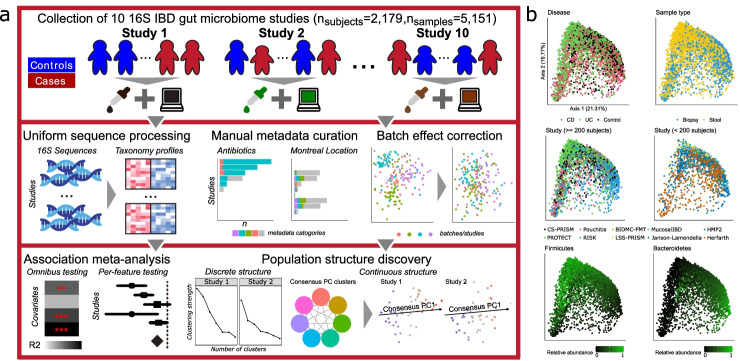
Microbiome studies of inflammatory bowel diseases (IBD) have achieved a scale for meta-analysis of dysbioses among populations. To enable microbial community meta-analyses generally, we develop MMUPHin for normalization, statistical meta-analysis, and population structure discovery using microbial taxonomic and functional profiles. Applying it to ten IBD cohorts, we identify consistent associations, including novel taxa such as Acinetobacter and Turicibacter, and additional exposure and interaction effects. A single gradient of dysbiosis severity is favored over discrete types to summarize IBD microbiome population structure. These results provide a benchmark for characterization of IBD and a framework for meta-analysis of any microbial communities.
Overview
The claims and statistics of this paper haven’t been checked yet.
Free: it reads the open-access text and checks the first 5 claims that cite a source we can check. Create a free account to check every claim.
Integrity signals
Registry
Cites
Statistics
Figures
Verification
Claims the paper makes
The claims and statistics of this paper haven’t been checked yet.
Free: it reads the open-access text and checks the first 5 claims that cite a source we can check. Create a free account to check every claim.
Claims other papers make about this one
Each is checked against this paper’s own text: does it say what the citing paper says it does?
In the citing paper
“Data were batch-corrected with MMUPHin (Ma et al. 2022).36”
From Custom scoring based on ecological topology of gut microbiota associated with cancer immunotherapy outcome (2024) · cites this paper as [36]
Self-check
Percentages, sums and reported differences re-computed from the paper’s own numbers.
The self-check needs the paper’s full text.
Citations
Cites
limma powers differential expression analyses for RNA-sequencing and microarray studies
Ritchie, M. E., Phipson, B., Wu, D., Hu, Y., Law, C. W., Shi, W., & Smyth, G. K. (2015) · Nucleic Acids Research · doi:10.1093/nar/gkv007 · Cited by 40,458 · cited 1×
“This agrees with the field’s consensus on the most appropriate way to address batch effects during supervised testing [15, 58].”
DADA2: High–resolution sample inference from Illumina amplicon data
Callahan, B. J., McMurdie, P. J., Rosen, M. J., Han, A. W., Johnson, A. J. A., & Holmes, S. P. (2016) · Nature Methods · doi:10.1038/nmeth.3869 · Cited by 35,698 · cited 1×
“Specifically, we processed two studies representing extremes of size, BIDMC-FMT (n=16, two technical batches) and RISK (n=882, fifteen batches) with the dada2 method [65], and performed batch correction and evaluation on the generated ASV profiles.”
vegan: Community Ecology Package
Oksanen, J., Simpson, G. L., Blanchet, F. G., Kindt, R., Legendre, P., Minchin, P. R., O'Hara, R. B., Solymos, P., Stevens, M. H. H., Szoecs, E., et al. (2001) · CRAN: Contributed Packages · doi:10.32614/cran.package.vegan · Cited by 22,615
Conducting Meta-Analyses in R with the metafor Package
Viechtbauer, W. (2010) · Journal of Statistical Software · doi:10.18637/jss.v036.i03 · Cited by 20,464 · cited 4×
“These are then aggregated into meta-analysis effect size with fixed/random effects modelling as implemented in the metafor R package [34]: ∼ Yijp = exp {”
MethodInfluentialUPARSE: highly accurate OTU sequences from microbial amplicon reads
Edgar, R. C. (2013) · Nature Methods · doi:10.1038/nmeth.2604 · Cited by 16,707 · cited 2×
“For all studies, demultiplexed sequences were truncated at 200bp max length and filtered by maximum expected error of one [63].”
Wold, S., Esbensen, K., & Geladi, P. (1987) · Chemometrics and Intelligent Laboratory Systems · doi:10.1016/0169-7439(87)80084-9 · Cited by 11,606 · cited 1×
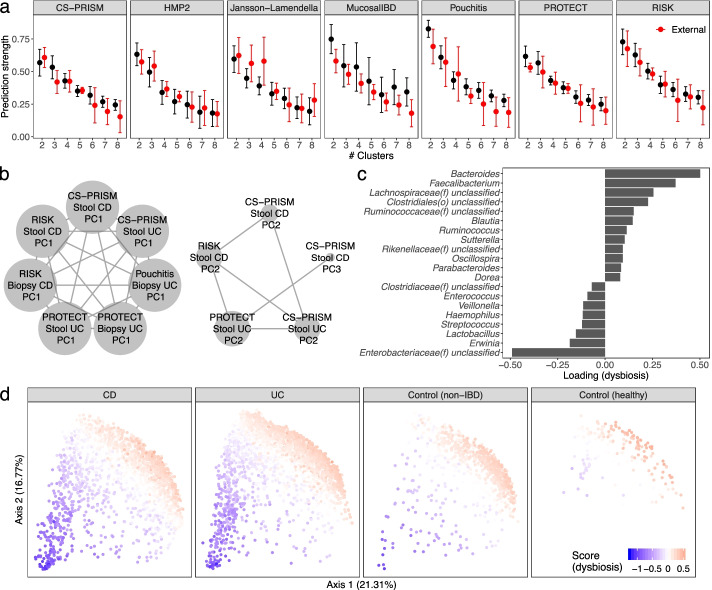
“This is generalized from single study principal component analysis (PCA [43]) to multiple studies by constructing a network of correlated top PC loadings [35] (Fig.”
Principal components analysis corrects for stratification in genome-wide association studies
Price, A. L., Patterson, N. J., Plenge, R. M., Weinblatt, M. E., Shadick, N. A., & Reich, D. (2006) · Nature Genetics · doi:10.1038/ng1847 · Cited by 10,248 · cited 1×
“One example of this is in genome-wide association studies (GWAS [1]), where the appropriate study scale, achieved by rigorous integration of multiple cohorts, has both facilitated reproducible discoveries (in the form of disease-associated loci [2–4]) and addressed confounding due to unobserved population structure [5…”
Adjusting batch effects in microarray expression data using empirical Bayes methods
Johnson, W. E., Li, C., & Rabinovic, A. (2007) · Biostatistics · doi:10.1093/biostatistics/kxj037 · Cited by 8,658 · cited 13×
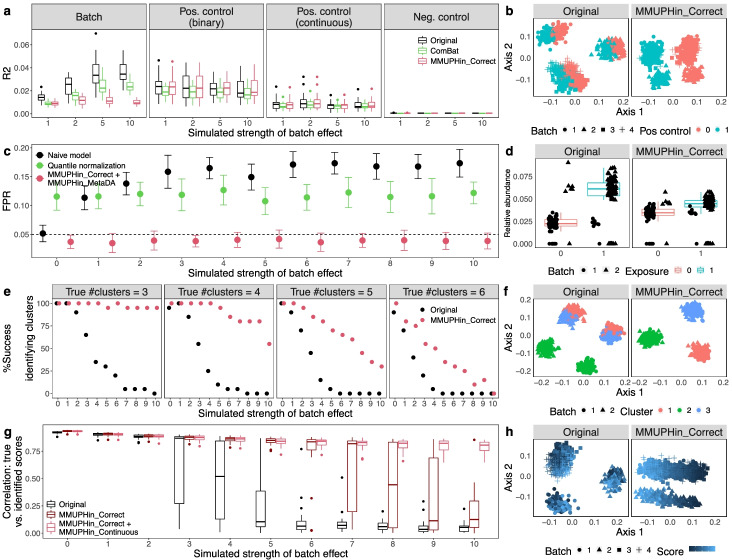
“ComBat correction [15], suited for gene expression data, was capable of reducing batch effects to a lesser degree, but also tended to reduce desirable “biological” variation in the process, likely due to noise introduced by it changing many zero counts to non-zero values.”
InfluentialEnterotypes of the human gut microbiome
MetaHIT Consortium (additional members), Arumugam, M., Raes, J., Pelletier, E., Le Paslier, D., Yamada, T., Mende, D. R., Fernandes, G. R., Tap, J., Bruls, T., et al. (2011) · Nature · doi:10.1038/nature09944 · Cited by 7,548 · cited 5×
“S14) [9, 32, 41], the first continuous score was IBD-specific and corresponded roughly to more extreme disease-associated dysbiosis in CD and UC populations”
InfluentialMETAL: fast and efficient meta-analysis of genomewide association scans
Willer, C. J., Li, Y., & Abecasis, G. R. (2010) · Bioinformatics · doi:10.1093/bioinformatics/btq340 · Cited by 5,205 · cited 3×
“One example of this is in genome-wide association studies (GWAS [1]), where the appropriate study scale, achieved by rigorous integration of multiple cohorts, has both facilitated reproducible discoveries (in the form of disease-associated loci [2–4]) and addressed confounding due to unobserved population structure [5…”
McDonald, D., Price, M. N., Goodrich, J., Nawrocki, E. P., DeSantis, T. Z., Probst, A., Andersen, G. L., Knight, R., & Hugenholtz, P. (2012) · The ISME Journal · doi:10.1038/ismej.2011.139 · Cited by 5,064
Meta-Analysis of 74,046 Individuals Identifies 11 New Susceptibility Loci for Alzheimer’s Disease
(EADI), E. A. D. I., Lambert, J.-C., (GERAD), G. A. E. R. I. A. D., Alzheimer's Disease Genetic Consortium (ADGC), (CHARGE), C. F. H. A. A. R. I. G. E., Ibrahim-Verbaas, C. A., Harold, D., Naj, A. C., Sims, R., Bellenguez, C., et al. (2013) · Nature Genetics · doi:10.1038/ng.2802 · Cited by 4,336
Vaginal microbiome of reproductive-age women
Ravel, J., Gajer, P., Abdo, Z., Schneider, G. M., Koenig, S. S. K., McCulle, S. L., Karlebach, S., Gorle, R., Russell, J., Tacket, C. O., et al. (2011) · Proceedings of the National Academy of Sciences · doi:10.1073/pnas.1002611107 · Cited by 4,254 · cited 1×
“In microbial communities, valid, generalizable population structure can manifest as either discretely clustered subtypes [40] or as continuously variable gradients of community configurations [41], but methods for discovery are particularly susceptible to false positives in the presence of technical artifacts [32, 41].”
Orchestrating high-throughput genomic analysis with Bioconductor
Huber, W., Carey, V. J., Gentleman, R., Anders, S., Carlson, M., Carvalho, B. S., Bravo, H. C., Davis, S., Gatto, L., Girke, T., et al. (2015) · Nature Methods · doi:10.1038/nmeth.3252 · Cited by 3,608 · cited 4×
“Our methods are available as an R package [36] through Bioconductor [37].”
InfluentialThe Treatment-Naive Microbiome in New-Onset Crohn’s Disease
Gevers, D., Kugathasan, S., Denson, L. A., Vázquez-Baeza, Y., Van Treuren, W., Ren, B., Schwager, E., Knights, D., Song, S. J., Yassour, M., et al. (2014) · Cell Host & Microbe · doi:10.1016/j.chom.2014.02.005 · Cited by 3,220 · cited 20×
“However, this can be misleading due to the confounding of cohort structure between studies, such as the differentiation between RISK (a predominantly mucosal study of CD) and PROTECT (a predominantly stool study of UC).”
InfluentialSelf-citationSatsangi, J., Silverberg, M. S., Vermeire, S., & Colombel, J.-F. (2006) · Gut · doi:10.1136/gut.2005.082909 · Cited by 3,176 · cited 2×
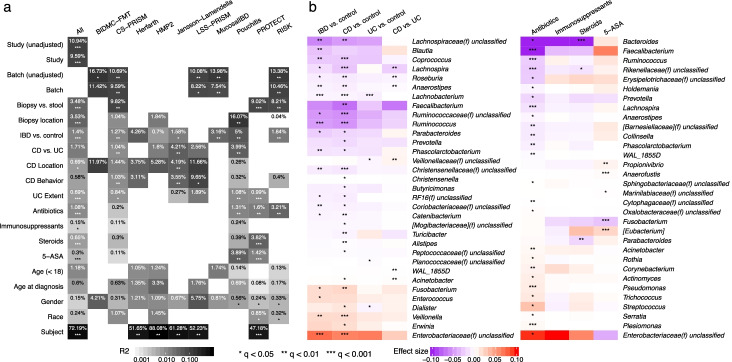
“Montreal classification did not generally correspond with significant variation, while age (at sample collection as stratified below and above 18, and at diagnosis by Montreal age classification [44]) had small but significant effects.”
Multi-omics of the gut microbial ecosystem in inflammatory bowel diseases
Lloyd-Price, J., Arze, C., Ananthakrishnan, A. N., Schirmer, M., Avila-Pacheco, J., Poon, T. W., Andrews, E., Ajami, N. J., Bonham, K. S., Brislawn, C. J., et al. (2019) · Nature · doi:10.1038/s41586-019-1237-9 · Cited by 3,143 · cited 19×
“The existence of subtypes within gut microbial communities has been a major open question in human microbiome studies, and it is of particular importance within IBD as a potential explanation for heterogeneity in disease etiology and treatment response [6, 9].”
InfluentialSelf-citationGenome-wide association studies for common diseases and complex traits
Hirschhorn, J. N., & Daly, M. J. (2005) · Nature Reviews Genetics · doi:10.1038/nrg1521 · Cited by 2,863 · cited 1×
“One example of this is in genome-wide association studies (GWAS [1]), where the appropriate study scale, achieved by rigorous integration of multiple cohorts, has both facilitated reproducible discoveries (in the form of disease-associated loci [2–4]) and addressed confounding due to unobserved population structure [5…”
Dysfunction of the intestinal microbiome in inflammatory bowel disease and treatment
Morgan, X. C., Tickle, T. L., Sokol, H., Gevers, D., Devaney, K. L., Ward, D. V., Reyes, J. A., Shah, S. A., LeLeiko, N., Snapper, S. B., et al. (2012) · Genome Biology · doi:10.1186/gb-2012-13-9-r79 · Cited by 2,713 · cited 21×
“The existence of subtypes within gut microbial communities has been a major open question in human microbiome studies, and it is of particular importance within IBD as a potential explanation for heterogeneity in disease etiology and treatment response [6, 9].”
InfluentialSelf-citationMultivariable association discovery in population-scale meta-omics studies
Mallick, H., Rahnavard, A., McIver, L. J., Ma, S., Zhang, Y., Nguyen, L. H., Tickle, T. L., Weingart, G., Ren, B., Schwager, E. H., et al. (2021) · PLOS Computational Biology · doi:10.1371/journal.pcbi.1009442 · Cited by 2,596 · cited 2×
“Second, MMUPHin_MetaDA performs meta-analytical testing of per-feature (taxon, gene, or pathway) differential abundance effects, by combining well-validated data transformation and linear modelling combinations for microbial community profiles [33] with fixed and random effect modelling [34].”
BackgroundMethodSelf-citationFranke, A., McGovern, D. P. B., Barrett, J. C., Wang, K., Radford-Smith, G. L., Ahmad, T., Lees, C. W., Balschun, T., Lee, J., Roberts, R., et al. (2010) · Nature Genetics · doi:10.1038/ng.717 · Cited by 2,520 · cited 1×
“The inflammatory bowel diseases (IBD) represent a particular success story for GWAS meta-analysis [3, 4], and”
Tackling the widespread and critical impact of batch effects in high-throughput data
Leek, J. T., Scharpf, R. B., Bravo, H. C., Simcha, D., Langmead, B., Johnson, W. E., Geman, D., Baggerly, K., & Irizarry, R. A. (2010) · Nature Reviews Genetics · doi:10.1038/nrg2825 · Cited by 2,196
Gut microbiome structure and metabolic activity in inflammatory bowel disease
Franzosa, E. A., Sirota-Madi, A., Avila-Pacheco, J., Fornelos, N., Haiser, H. J., Reinker, S., Vatanen, T., Hall, A. B., Mallick, H., McIver, L. J., et al. (2018) · Nature Microbiology · doi:10.1038/s41564-018-0306-4 · Cited by 1,995 · cited 16×
“Metadata were obtained either directly from the sequence repository/manuscript (Herfarth, Jasson-Lamendella, HMP2, MucosalIBD, PROTECT, RISK), or from collaborators (BIDMC-FMT, CS-PRISM, LSS-PRISM, Pouchitis).”
InfluentialSelf-citationCapturing Heterogeneity in Gene Expression Studies by Surrogate Variable Analysis
Leek, J. T., & Storey, J. D. (2007) · PLoS Genetics · doi:10.1371/journal.pgen.0030161 · Cited by 1,930
The Microbiome in Inflammatory Bowel Disease: Current Status and the Future Ahead
Kostic, A. D., Xavier, R. J., & Gevers, D. (2014) · Gastroenterology · doi:10.1053/j.gastro.2014.02.009 · Cited by 1,789 · cited 2×
“Among the inflammatory bowel diseases, Crohn’s disease (CD) and ulcerative colitis (UC) have been individually linked with structural and functional changes in the gut microbiome in many individual studies [21].”
Self-citationWirbel, J., Pyl, P. T., Kartal, E., Zych, K., Kashani, A., Milanese, A., Fleck, J. S., Voigt, A. Y., Palleja, A., Ponnudurai, R., et al. (2019) · Nature Medicine · doi:10.1038/s41591-019-0406-6 · Cited by 1,373 · cited 1×
“Microbiome studies in general, and the IBD gut microbiome in particular, stand to benefit from meta-analysis, as have other multiply sampled conditions such as colorectal cancer [51, 52].”
Anderson, C. A., Boucher, G., Lees, C. W., Franke, A., D'Amato, M., Taylor, K. D., Lee, J. C., Goyette, P., Imielinski, M., Latiano, A., et al. (2011) · Nature Genetics · doi:10.1038/ng.764 · Cited by 1,320 · cited 1×
“The inflammatory bowel diseases (IBD) represent a particular success story for GWAS meta-analysis [3, 4], and”
Self-citationStrains, functions and dynamics in the expanded Human Microbiome Project
Lloyd-Price, J., Mahurkar, A., Rahnavard, G., Crabtree, J., Orvis, J., Hall, A. B., Brady, A., Creasy, H. H., McCracken, C., Giglio, M. G., et al. (2017) · Nature · doi:10.1038/nature23889 · Cited by 1,267 · cited 1×
“microbial change corresponding to increasing departures from “normal” microbiome configurations [7, 9, 57].”
Self-citationBrandes, U., Delling, D., Gaertler, M., Gorke, R., Hoefer, M., Nikoloski, Z., & Wagner, D. (2008) · IEEE Transactions on Knowledge and Data Engineering · doi:10.1109/tkde.2007.190689 · Cited by 1,242 · cited 1×
“(3) In the resulting network, we perform cluster detection based on modularity score [60, 61] to identify densely connected modules of PCs.”
MethodDynamics of the human gut microbiome in inflammatory bowel disease
Halfvarson, J., Brislawn, C. J., Lamendella, R., Vázquez-Baeza, Y., Walters, W. A., Bramer, L. M., D'Amato, M., Bonfiglio, F., McDonald, D., Gonzalez, A., et al. (2017) · Nature Microbiology · doi:10.1038/nmicrobiol.2017.4 · Cited by 1,204 · cited 2×
“JanssonLamendella [22] Longitudinal follow-up with fecal samples 137 683 (137) CD 49/UC 60/ Control 28 Male 42%/ Female 58% Stool”
Manichanh, C., Borruel, N., Casellas, F., & Guarner, F. (2012) · Nature Reviews Gastroenterology & Hepatology · doi:10.1038/nrgastro.2012.152 · Cited by 1,160 · cited 1×
“IBD represents one of the best-studied, microbiome-linked inflammatory phenotypes to date which thus stands to benefit from such approaches [20, 21].”
Enterotypes in the landscape of gut microbial community composition
Costea, P. I., Hildebrand, F., Arumugam, M., Bäckhed, F., Blaser, M. J., Bushman, F. D., de Vos, W. M., Ehrlich, S. D., Fraser, C. M., Hattori, M., et al. (2017) · Nature Microbiology · doi:10.1038/s41564-017-0072-8 · Cited by 1,138 · cited 1×
“, “enterotyping” [67]) in IBD, CD, and UC populations across studies (longitudinal studies subsetted to baseline samples), using MMUPHin’s discrete structure discovery component (MMUPHin_Discrete).”
Self-citationThomas, A. M., Manghi, P., Asnicar, F., Pasolli, E., Armanini, F., Zolfo, M., Beghini, F., Manara, S., Karcher, N., Pozzi, C., et al. (2019) · Nature Medicine · doi:10.1038/s41591-019-0405-7 · Cited by 1,030 · cited 1×
“Microbiome studies in general, and the IBD gut microbiome in particular, stand to benefit from meta-analysis, as have other multiply sampled conditions such as colorectal cancer [51, 52].”
Rhodes, D. R., Yu, J., Shanker, K., Deshpande, N., Varambally, R., Ghosh, D., Barrette, T., Pandey, A., & Chinnaiyan, A. M. (2004) · Proceedings of the National Academy of Sciences · doi:10.1073/pnas.0401994101 · Cited by 1,019 · cited 1×
“Meta-analysis of microbial community profiles presents unique quantitative challenges relative to other types of ‘omics data such as GWAS [10] or gene expression [11].”
Li, Y., Willer, C., Sanna, S., & Abecasis, G. (2009) · Annual Review of Genomics and Human Genetics · doi:10.1146/annurev.genom.9.081307.164242 · Cited by 990
Meta-analysis of gut microbiome studies identifies disease-specific and shared responses
(2017) · doi:10.1038/s41467-017-01973-8 · Cited by 986 · cited 1×
“Of note, two meta-analysis studies included IBD as one of several phenotypes [24, 25].”
Imhann, F., Vich Vila, A., Bonder, M. J., Fu, J., Gevers, D., Visschedijk, M. C., Spekhorst, L. M., Alberts, R., Franke, L., van Dullemen, H. M., et al. (2018) · Gut · doi:10.1136/gutjnl-2016-312135 · Cited by 788 · cited 1×
“It has been linked to CD in at least one existing 16S-based stool study [50].”
Self-citationA novel Ruminococcus gnavus clade enriched in inflammatory bowel disease patients
Hall, A. B., Yassour, M., Sauk, J., Garner, A., Jiang, X., Arthur, T., Lagoudas, G. K., Vatanen, T., Fornelos, N., Wilson, R., et al. (2017) · Genome Medicine · doi:10.1186/s13073-017-0490-5 · Cited by 777 · cited 12×
“Metadata were obtained either directly from the sequence repository/manuscript (Herfarth, Jasson-Lamendella, HMP2, MucosalIBD, PROTECT, RISK), or from collaborators (BIDMC-FMT, CS-PRISM, LSS-PRISM, Pouchitis).”
InfluentialSelf-citationMachine Learning Meta-analysis of Large Metagenomic Datasets: Tools and Biological Insights
Pasolli, E., Truong, D. T., Malik, F., Waldron, L., & Segata, N. (2016) · PLOS Computational Biology · doi:10.1371/journal.pcbi.1004977 · Cited by 659 · cited 1×
“Of note, two meta-analysis studies included IBD as one of several phenotypes [24, 25].”
Cluster Validation by Prediction Strength
Tibshirani, R., & Walther, G. (2005) · Journal of Computational and Graphical Statistics · doi:10.1198/106186005x59243 · Cited by 646 · cited 3×
“, cluster) structure discovery of a single study, again after batch correction, MMUPHin_Discrete uses average prediction strength [42], an established clustering strength metric, to measure the existence of reproducible clusters among meta-analyzed datasets.”
BackgroundMethodInfluentialThe Microbiome Quality Control Project Consortium, Sinha, R., Abu-Ali, G., Vogtmann, E., Fodor, A. A., Ren, B., Amir, A., Schwager, E., Crabtree, J., Ma, S., et al. (2017) · Nature Biotechnology · doi:10.1038/nbt.3981 · Cited by 587
Self-citationThe truth about metagenomics: quantifying and counteracting bias in 16S rRNA studies
Vaginal Microbiome Consortium (additional members), Brooks, J. P., Edwards, D. J., Harwich, M. D., Rivera, M. C., Fettweis, J. M., Serrano, M. G., Reris, R. A., Sheth, N. U., Huang, B., et al. (2015) · BMC Microbiology · doi:10.1186/s12866-015-0351-6 · Cited by 528
Koren, O., Knights, D., Gonzalez, A., Waldron, L., Segata, N., Knight, R., Huttenhower, C., & Ley, R. E. (2013) · PLoS Computational Biology · doi:10.1371/journal.pcbi.1002863 · Cited by 508 · cited 5×
“We additionally extended our clustering evaluation analysis to other dissimilarity metrics (Jaccard, root Jensen-Shannon divergence) and clustering strength measurements (Calinski-Harabasz index, average silhouette width), which were also explored in previous efforts [41].”
BackgroundMethodResultInfluentialSelf-citationbioBakery: a meta’omic analysis environment
McIver, L. J., Abu-Ali, G., Franzosa, E. A., Schwager, R., Morgan, X. C., Waldron, L., Segata, N., & Huttenhower, C. (2018) · Bioinformatics · doi:10.1093/bioinformatics/btx754 · Cited by 361 · cited 1×
“Sequences were processed, per cohort, with the published, standardized bioBakery workflow [62] using the UPARSE protocol [63] (version v9.”
Self-citationAntimicrobial resistance in Acinetobacter baumannii: From bench to bedside
Lin, M.-F. (2014) · World Journal of Clinical Cases · doi:10.12998/wjcc.v2.i12.787 · Cited by 357 · cited 1×
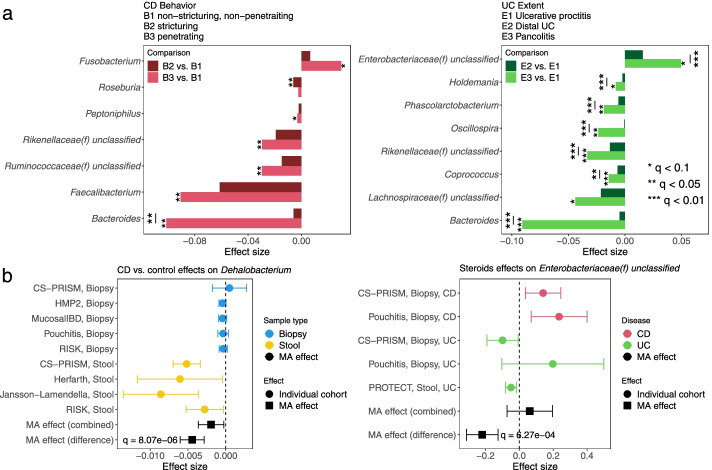
“The genus Acinetobacter, conversely, is quite well characterized due to its role in antimicrobial resistant infections [46], and it was previously linked specifically to the primary sclerosing cholangitis phenotype in UC [47], although without follow-up to our knowledge.”
BackgroundCompositional data analysis of the microbiome: fundamentals, tools, and challenges
Tsilimigras, M. C. B., & Fodor, A. A. (2016) · Annals of Epidemiology · doi:10.1016/j.annepidem.2016.03.002 · Cited by 348 · cited 1×
“Reducing interstudy variation in microbial community profiles is challenging relative to other ‘omics data types due to (1) the extreme heterogeneity of microbes within most communities (exacerbating both technical and biological differences), and (2) feature zero inflation arising from both biological and technical r…”
Schirmer, M., Denson, L., Vlamakis, H., Franzosa, E. A., Thomas, S., Gotman, N. M., Rufo, P., Baker, S. S., Sauer, C., Markowitz, J., et al. (2018) · Cell Host & Microbe · doi:10.1016/j.chom.2018.09.009 · Cited by 293 · cited 4×
“PROTECT [23] Longitudinal cohort of newly diagnosed UC 405 1212 (539) UC 405 12.”
BackgroundResultInfluentialSelf-citationMicrobiome, Metagenomics, and High-Dimensional Compositional Data Analysis
Li, H. (2015) · Annual Review of Statistics and Its Application · doi:10.1146/annurev-statistics-010814-020351 · Cited by 288 · cited 1×
“These include particularly strong batch, inter-individual, and inter-population differences, and statistical issues including zero inflation and compositionality [12, 13].”
Schloss, P. D. (2018) · mBio · doi:10.1128/mbio.00525-18 · Cited by 280
Wirbel, J., Zych, K., Essex, M., Karcher, N., Kartal, E., Salazar, G., Bork, P., Sunagawa, S., & Zeller, G. (2021) · Genome Biology · doi:10.1186/s13059-021-02306-1 · Cited by 269
Vaughn, B. P., Vatanen, T., Allegretti, J. R., Bai, A., Xavier, R. J., Korzenik, J., Gevers, D., Ting, A., Robson, S. C., & Moss, A. C. (2016) · Inflammatory Bowel Diseases · doi:10.1097/mib.0000000000000893 · Cited by 230 · cited 3×
“We applied the dada2 method[1] to generate ASV abundance tables on two of the studies included in our meta-analysis: BIDMC-FMT as a case with small sample size (n=16) and two batches, and RISK with large sample size (n=882) and multiple batches (15 total).”
MethodSelf-citationThe nature of confounding in genome-wide association studies
Vilhjálmsson, B. J., & Nordborg, M. (2013) · Nature Reviews Genetics · doi:10.1038/nrg3382 · Cited by 209 · cited 1×
“Subsequently, for differential abundance testing, MMUPHin_MetaDA successfully corrected for false associations when batch/cohort effects were confounded with variables of interest, which is a common concern for ‘omics meta-analysis [39],”
Morgan, X. C., Kabakchiev, B., Waldron, L., Tyler, A. D., Tickle, T. L., Milgrom, R., Stempak, J. M., Gevers, D., Xavier, R. J., Silverberg, M. S., et al. (2015) · Genome Biology · doi:10.1186/s13059-015-0637-x · Cited by 203 · cited 1×
“Pouchitis [27] Patients recruited underwent IPAA for treatment of UC or FAP prior to enrollment.”
Self-citationEnvironmental Risk Factors for Inflammatory Bowel Diseases: A Review
Ananthakrishnan, A. N. (2015) · Digestive Diseases and Sciences · doi:10.1007/s10620-014-3350-9 · Cited by 197
Experimental design and quantitative analysis of microbial community multiomics
Mallick, H., Ma, S., Franzosa, E. A., Vatanen, T., Morgan, X. C., & Huttenhower, C. (2017) · Genome Biology · doi:10.1186/s13059-017-1359-z · Cited by 192 · cited 2×
“Reducing interstudy variation in microbial community profiles is challenging relative to other ‘omics data types due to (1) the extreme heterogeneity of microbes within most communities (exacerbating both technical and biological differences), and (2) feature zero inflation arising from both biological and technical r…”
Self-citationCorrecting for batch effects in case-control microbiome studies
Gibbons, S. M., Duvallet, C., & Alm, E. J. (2018) · PLOS Computational Biology · doi:10.1371/journal.pcbi.1006102 · Cited by 162 · cited 5×
“Two recent studies have suggested quantile normalization [18] and Bayesian Dirichlet-multinomial regression (BDMMA) [19] for microbial profiles, which are applicable to a limited subset of differential abundance tests and do not provide batch-corrected profiles.”
InfluentialOn the selection of appropriate distances for gene expression data clustering
Jaskowiak, P. A., Campello, R. J., & Costa, I. G. (2014) · BMC Bioinformatics · doi:10.1186/1471-2105-15-s2-s2 · Cited by 146 · cited 1×
“(2) For two PC loadings from different datasets wij and wi ′ j′, similarity is quantified with the absolute value of cosine coefficient [59] ∣ cos < wij, wi ′ j′ > ∣.”
BackgroundBacteria Associated with Immunoregulatory Cells in Mice
Presley, L. L., Wei, B., Braun, J., & Borneman, J. (2010) · Applied and Environmental Microbiology · doi:10.1128/aem.01561-09 · Cited by 130 · cited 1×
“Turicibacter is overall less characterized both in isolation and with respect to disease, although our findings and others’ suggest it might be inflammation-sensitive when present; it was one of many clades increased in mice during CD8+ T cell depletion [48] and”
ResultPaneth cell defects in Crohn’s disease patients promote dysbiosis
Liu, T.-C., Gurram, B., Baldridge, M. T., Head, R., Lam, V., Luo, C., Cao, Y., Simpson, P., Hayward, M., Holtz, M. L., et al. (2016) · JCI Insight · doi:10.1172/jci.insight.86907 · Cited by 130 · cited 1×
“MucosalIBD [29] Pediatric cohort with Paneth cell phenotypes 83 132 CD 36/Control 47 12.”
Self-citationKevans, D., Tyler, A. D., Holm, K., Jørgensen, K. K., Vatn, M. H., Karlsen, T. H., Kaplan, G. G., Eksteen, B., Gevers, D., Hov, J. R., et al. (2016) · Journal of Crohn's and Colitis · doi:10.1093/ecco-jcc/jjv204 · Cited by 91 · cited 1×
“The genus Acinetobacter, conversely, is quite well characterized due to its role in antimicrobial resistant infections [46], and it was previously linked specifically to the primary sclerosing cholangitis phenotype in UC [47], although without follow-up to our knowledge.”
Jones-Hall, Y. L., Kozik, A., & Nakatsu, C. (2015) · PLOS ONE · doi:10.1371/journal.pone.0119441 · Cited by 81 · cited 1×
“reduced in a homozygous TNF deletion [49].”
Batch effects correction for microbiome data with Dirichlet-multinomial regression
Dai, Z., Wong, S. H., Yu, J. Q., & Wei, Y. (2018) · Bioinformatics · doi:10.1093/bioinformatics/bty729 · Cited by 52 · cited 10×
“Two recent studies have suggested quantile normalization [18] and Bayesian Dirichlet-multinomial regression (BDMMA) [19] for microbial profiles, which are applicable to a limited subset of differential abundance tests and do not provide batch-corrected profiles.”
InfluentialArmour, C. R., Topçuoğlu, B. D., Garretto, A., & Schloss, P. D. (2022) · mBio · doi:10.1128/mbio.03161-21 · Cited by 42 · cited 1×
“Additionally, when aggregated at the genus level, OTU- and ASVbased abundance profiles had limited differences, suggesting that the choice of sequence variant units has limited impact on our meta-analysis results, as previously indicated [66] (Additional file 1: Fig.”
Guiding longitudinal sampling in IBD cohorts
Vázquez-Baeza, Y., Gonzalez, A., Xu, Z. Z., Washburne, A., Herfarth, H. H., Sartor, R. B., & Knight, R. (2018) · Gut · doi:10.1136/gutjnl-2017-315352 · Cited by 40
Continuity of transcriptomes among colorectal cancer subtypes based on meta-analysis
Ma, S., Ogino, S., Parsana, P., Nishihara, R., Qian, Z., Shen, J., Mima, K., Masugi, Y., Cao, Y., Nowak, J. A., et al. (2018) · Genome biology · doi:10.1186/s13059-018-1511-4 · Cited by 34 · cited 21×
“Interaction effects, in the statistical sense, were defined as a main exposure (IBD or treatment) having differential effects on taxon abundance with respect to either sample type (biopsy/stool) or diseases (CD/UC); they were identified via moderator metaanalysis models (“Methods”).”
InfluentialSelf-citationPopulation Structure Discovery in Meta-Analyzed Microbial Communities and Inflammatory Bowel Disease
Ma, S., Shungin, D., Mallick, H., Schirmer, M., Nguyen, L. H., Kolde, R., Franzosa, E., Vlamakis, H., Xavier, R., & Huttenhower, C. (2020) · bioRxiv (Cold Spring Harbor Laboratory) · doi:10.1101/2020.08.31.261214 · Cited by 19
Self-citationMMUPHin: Meta-analysis Methods with Uniform Pipeline for Heterogeneity in Microbiome Studies
Ma, S. (2022) · Zenodo (CERN European Organization for Nuclear Research) · doi:10.5281/zenodo.7008566 · Cited by 10
Self-citation
Research works printed but not linked: 2
- Csardi G Nepusz T The igraph software package for complex network research Int J Complex Syst 2006 1695 5 1 9
- Ma S Population structure discovery in meta-analyzed microbial communities and inflammatory bowel disease 2022 Zenodo PMC9531436 36192803 · doi:10.5281/zenodo.7008567
Cited by
Multivariable association discovery in population-scale meta-omics studies
Mallick, H., Rahnavard, A., McIver, L. J., Ma, S., Zhang, Y., Nguyen, L. H., Tickle, T. L., Weingart, G., Ren, B., Schwager, E. H., et al. (2021) · PLOS Computational Biology · doi:10.1371/journal.pcbi.1009442 · Cited by 2,596
“For instance, MaAsLin 2’s multi-analysis framework has been used in the context of meta-analysis [54], and the extracted residuals and random effects from a MaAsLin 2 fit can be used for further downstream analysis (e.”
MethodSelf-citationLu, Y., Zhou, G., Ewald, J., Pang, Z., Shiri, T., & Xia, J. (2023) · Nucleic Acids Research · doi:10.1093/nar/gkad407 · Cited by 623
“The method is composed of two parts: abundance testing in individual da tasets using multivaria te linear r egr ession followed by the integration of effect size using a random effects model based on the MMUPHin R package ( 13 ).”
Liu, N.-N., Jiao, N., Tan, J.-C., Wang, Z., Wu, D., Wang, A.-J., Chen, J., Tao, L., Zhou, C., Fang, W., et al. (2022) · Nature Microbiology · doi:10.1038/s41564-021-01030-7 · Cited by 306
Derosa, L., Iebba, V., Silva, C. A. C., Piccinno, G., Wu, G., Lordello, L., Routy, B., Zhao, N., Thelemaque, C., Birebent, R., et al. (2024) · Cell · doi:10.1016/j.cell.2024.05.029 · Cited by 198
Batch effects removal for microbiome data via conditional quantile regression
Ling, W., Lu, J., Zhao, N., Lulla, A., Plantinga, A. M., Fu, W., Zhang, A., Liu, H., Song, H., Li, Z., et al. (2022) · Nature Communications · doi:10.1038/s41467-022-33071-9 · Cited by 136
Metadata
- Authors
- Ma, S., Shungin, D., Mallick, H., Schirmer, M., Nguyen, L. H., Kolde, R., Franzosa, E., Vlamakis, H., Xavier, R., & Huttenhower, C.
- Affiliations
- Harvard University (US)
- Broad Institute (US)
- Massachusetts General Hospital (US)
- Corresponding author
- Xavier, Ramnik
- Huttenhower, Curtis
- ORCID
- Venue
- Genome biology
- Published
- 2022-10-03
- Volume
- 23
- Issue
- 1
- Pages
- 208-208
- ISSN
- 1465-6906 (ISSN-L)
- 1474-760X
- PMC
- PMC9531436
- OpenAlex
- W4300863449
- Cited by
- 164
- References
- 68
- Citations by year
- 2026: 40 · 2025: 47 · 2024: 40 · 2023: 28 · 2022: 7
- FWCI
- 3.31
- Type
- journal article
- Language
- en
- Open access
- gold
- doi.org
- Licence
- cc-by
- creativecommons.org/licenses/by/4.0 (tdm)
- creativecommons.org/licenses/by/4.0 (vor)
- Locations
- Genome biology (publishedVersion, cc-by)
- PubMed Central (publishedVersion, cc-by)
- PubMed (publishedVersion)
- DOAJ (DOAJ: Directory of Open Access Journals) (submittedVersion, cc-by-sa)
- Funders
- national institute of diabetes and digestive and kidney diseases (R24DK110499, P30DK043351)
- Topics
- Life Sciences › Biochemistry, Genetics and Molecular Biology › Molecular Biology › Gut microbiota and health
- Health Sciences › Medicine › Gastroenterology › Inflammatory Bowel Disease
- Physical Sciences › Environmental Science › Ecology › Microbial Community Ecology and Physiology
- Keywords
- inflammatory bowel disease, gut microbiota, dysbiosis, taxonomic profiles, functional profile, Acinetobacter, Turicibacter
- MeSH terms
- Gastrointestinal Microbiome, Humans, Inflammatory Bowel Diseases, Microbiota, Dysbiosis
About these checks
Registry, retraction, Cites and statistics results are computed, not judged, with one exception: a printed reference that no index lists is read once by a model before it counts as a citation error. Claims are extracted by a model and kept only when their quote appears verbatim in the text; each cited source is then checked, with a model’s help, for whether it says what the claim relies on. Those verdicts can be wrong — read the claim’s quote and the cited source before relying on one.
Statistics and arithmetic are recomputed, not judged.
Confidence bands are shown only for fields calibrated on our annotated test set. None is calibrated yet, so no band is shown.
What counts as a claim ›How we measure confidence ›How we check this ›
Are you an author, or do you see a problem with this page? Request a review
Data sources
Bibliographic data: Semantic Scholar, OpenAlex, Crossref.
Contains information from the Semantic Scholar Academic Graph Datasets, made available under the ODC Attribution License (ODC-BY 1.0).
Semantic Scholar’s data is described in: Kinney, R., et al. (2023). The Semantic Scholar Open Data Platform. arXiv:2301.10140.
