

The BrEasT cancer afTER-CARE (BETTER-CARE) programme to improve breast cancer follow-up: design and feasibility study results of a cluster-randomised complex intervention trial
Open accessThe DOI matches its Crossref record; 51 of the 52 references it cites were found in a registry or an index; 28 of the 50 sources its claims cite were checked for support.
Abstract
Background: The risk of breast cancer patients for long-term side effects of therapy such as neurotoxicity and cardiotoxicity as well as late effects regarding comorbidities varies from individual to individual. Personalised follow-up care concepts that are tailored to individual needs and the risk of recurrences, side effects and late effects are lacking in routine care in Germany. Methods: We describe the methodology of BETTER-CARE, a parallel-arm cluster-randomised controlled trial conducted at 15 intervention and 15 control centres, aiming to recruit 1140 patients, and the results of the pilot phase. The needs- and risk-adapted complex intervention, based on existing development frameworks, includes a multidisciplinary network and digital platforms for symptom and need documentation and just-in-time adaptive interventions. The control group comprises usual care according to clinical guidelines. The primary outcome is health-related quality of life (EORTC QLQ-C30 global health), and secondary outcomes include treatment adherence. Results: The 2-month pilot phase comprising 16 patients in one intervention and one control pilot centre demonstrated the feasibility of the BETTER-CARE approach. Discussion: BETTER-CARE is a feasible intervention and study concept, investigating individualised needs- and risk-adapted breast cancer follow-up care in Germany. If successful, the approach could be implemented in German routine care. Trial registration: German Clinical Trial Register DRKS00028840. Registered on April 2022. © The Author(s) 2024.
Overview
CoChat Summary
TL;DR
BETTER-CARE is a cluster-randomised, needs- and risk-adapted breast cancer follow-up programme in Germany that combines a multidisciplinary network, electronic records, phone-based assessment, and digital apps. A 2-month pilot with 16 patients found the approach feasible, supporting progression to the main trial.
Key findings
- The main trial is a parallel-arm cluster-randomised controlled trial with 30 centres (15 intervention, 15 control) aiming to recruit 1140 patients; the study runs from March 2023 until June 2025.
- In the 2-month pilot phase, 16 patients were recruited (7 intervention, 9 control), and the authors report that this “demonstrated the feasibility” of the BETTER-CARE approach.
- Pilot app testing suggested acceptable usability: the PIA Health app had a median uMARS-G score of 4.3 (range 3.7–4.4); 3 participants used it at least five times, 1 used it less frequently, and 1 not at all.
- Process indicators in the pilot showed partial engagement with other components: 5 of 7 intervention patients completed the online survey on intervention components, and 1 participant was prompted to further treatment by the needs-assessment phone call.
Methods
- Design: Parallel-arm cluster-randomised controlled trial with Breast Cancer Centres as clusters; 30 centres were selected after inviting 181, with randomisation to 15 intervention and 15 control centres.
- Sample/data: Eligible participants were breast cancer patients aged 18+ at the end of curative primary treatment, excluding metastatic disease, lack of digital infrastructure, or participation in another digital follow-up programme. Pilot feasibility testing included 16 patients from one intervention and one control pilot centre.
- Main analysis: The planned primary analysis uses a linear mixed effects model for the EORTC QLQ-C30 global health status/QoL outcome at 12 months, with centre as a random effect; analyses are modified intention-to-treat, with secondary multivariable and sensitivity analyses.
Limitations
- The paper states that the pilot phase was small and had a short follow-up duration, limiting what could be tested.
- The pilot had too few intervention patients to test referral from the PIA Health app to the ACTonCancer intervention because no patient exceeded the predefined cut-off.
- The authors note that only a small number of responses were obtained from relatives and gynaecologists in private practice, limiting conclusions about those groups.
- The text also makes evident that there is a potential self-selection bias because three centres dropped out after randomisation and were replaced, and the authors explicitly say a self-selection bias cannot be ruled out.
Model-written summary. Check it against the paper before relying on it.
Integrity signals
Registry
Cites
Statistics
Figures
Verification
Claims the paper makes
15 Valid · 2 Not valid · 7 Not checked · 78 Own results and interpretations
The cited sources that could be checked couldn’t confirm or dispute this claim.
In the paper
“breast cancer survivors report frequently unmet needs for long-term support [3–5].”
§ The BrEasT cancer afTER-CARE (BETTER-CARE) programme to improve breast cancer follow-up: design and feasibility study results of a cluster-randomised complex intervention trial > Introduction
What the sources say
- Could not verifycites [3] Allemani C, Matsuda T, Di Carlo V, Harewood R, Matz M, Niksic M, et al. Global surveillance of trends in cancer survival 2000–14 (CONCORD-3): analysis of individual records for 37 513 025 patients diagnosed with one of 18 cancers from 322 population-based registries in 71 countries. Lancet. 2018;391(10125):1023–75. 29395269 PMC5879496 sourceExperimental — accuracy not yet measured
The Results (Women’s cancers > Breast; page unavailable) report five-year survival rates, while the Discussion (page unavailable) addresses cancer-care costs and health-system performance. Searches for unmet needs and long-term supportive care found no passage about breast cancer survivors reporting such needs. (LLM, conf=0.73)
- Not checked — no full text of the sourcecites [4] Fiszer C, Dolbeault S, Sultan S, Bredart A. Prevalence, intensity, and predictors of the supportive care needs of women diagnosed with breast cancer: a systematic review. Psychooncology. 2014;23(4):361–74. 24677334 source
- Not checked — no full text of the sourcecites [5] Faller H, Schuler M, Richard M, Heckl U, Weis J, Kuffner R. Effects of Psycho-Oncologic Interventions on Emotional Distress and Quality of Life in Adult Patients With Cancer: Systematic Review and Meta-Analysis. J Clin Oncol. 2013;31(6):782–93. 23319686 source
plain- Asserted: passes — The authors put it forward as true.
- Checkable: passes — It can be checked against evidence.
- Load-bearing: passes — The paper’s conclusions depend on it.
- Based: passes — The paper gives a reason why it holds.
- Could not verify
The cited sources support only part of this claim — read each source’s verdict below.
In the paper
“Internet-based interventions can be an effective way to support people with cancer.”
§ The BrEasT cancer afTER-CARE (BETTER-CARE) programme to improve breast cancer follow-up: design and feasibility study results of a cluster-randomised complex intervention trial > Introduction
What the sources say
- Supportedcites [22] Bendig E, Bauereiss N, Ebert D, Snoek F, Andersson G, Baumeister H. Internet-based interventions in chronic somatic disease. Deutsches Arzteblatt International. 2018;115(40):659-+. 30381130 PMC6234467 source
In “Changing lifestyle factors” (p. 4), the review reports improved sleep efficiency among cancer survivors receiving cognitive-behavioral internet- and mobile-based interventions compared with controls. This supports the cautious claim that such interventions can help people affected by cancer, though the reported benefit concerns sleep. (LLM, conf=0.91)
- Supportedcites [23] Golita S, Baban A. A systematic review of the effects of internet-based psychological interventions on emotional distress and quality of life in adult cancer patients. Journal of Evidence-Based Psychotherapies. 2019;19(2):47–78. source
The Background (page not provided) describes web-based interventions as having promising potential for cancer symptom management. The claim’s “can be” reflects that cautious assessment; the review also notes that study heterogeneity prevents definite conclusions. (LLM, conf=0.86)
- Partly supportedcites [24] Sander L, Reusch L, Baumeister H. Effectiveness of internet-based interventions for the prevention of mental disorders: a systematic review and meta-analysis. JMIR Ment Health. 2016;3(3):e38. 27535468 PMC5007382 sourceExperimental — accuracy not yet measured
The Results sections on Depression and Post-Traumatic Stress Disorder describe Web-based programs for cancer survivors and patients, and the Effectiveness section finds small, significant short- and medium-term benefits for depression interventions overall. It does not establish a cancer-specific effectiveness result, so the claim's implication that these interventions are effective for people with cancer is only partly supported. (LLM, conf=0.83)
plainstates a cause- Asserted: passes — The authors put it forward as true.
- Checkable: passes — It can be checked against evidence.
- Load-bearing: passes — The paper’s conclusions depend on it.
- Based: passes — The paper gives a reason why it holds.
- Supported
The cited sources support only part of this claim — read each source’s verdict below.
In the paper
“There is insufficient evidence that supporting patients’ self-management alone can effectively improve patient-reported outcomes, health care or clinical outcomes [32].”
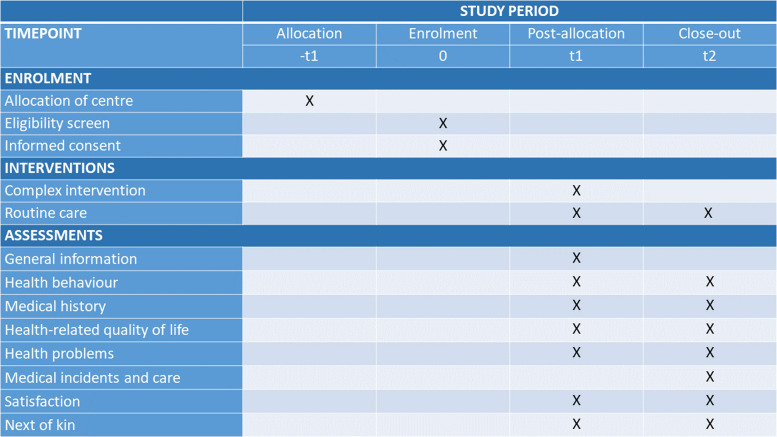
§ The BrEasT cancer afTER-CARE (BETTER-CARE) programme to improve breast cancer follow-up: design and feasibility study results of a cluster-randomised complex intervention trial > Methods The BETTER-CARE study protocol was developed following the SPIRIT 2013 statement (see Additional file 1) [25]. BETTER-CARE is a parallel-arm cluster-randomised controlled trial with 30 clusters. The study is running from March 2023 until June 2025. A cluster is defined as Breast Cancer Centres, where acute care is provided for a defined source population. All German Breast Cancer Centres that were certified at enrolment by the German Cancer Society (“Deutsche Krebsgesellschaft”) and the German Society for Senology and that could export routine data via the Onkozert© software, as this was part of the study, were eligible and invited to the study by the German Cancer Society [26]. Breast Cancer Centres in Germany are assessed by the Certification Commission based on the following criteria, among others, for certification: Tumour conference with participation of defined disciplines and demonstration of imaging material, implementation of designated clinical guidelines and assurance of availability, number of primary breast cancer cases per year with initial certification ≥ 100 primary cases, 24-h accessibility of the main clinical cooperation partners, cooperation with psycho-oncology, social services, self-help, genetic counselling, gene analyses, physiotherapy, laboratory, palliative medicine [27]. In 2020, 284 sites were certified and a total of 61,356 primary breast cancer cases were treated [28]. Of the Breast Cancer Centres that expressed interest, a predetermined number of 30 Breast Cancer Centres were selected whose catchment areas did not overlap to avoid contamination bias. Furthermore, no other follow-up programme with digital applications should be offered regularly at the Breast Cancer Centre. Both university and non-university clinics were included. The size of the city and the centre were recorded, as these are potential confounding variables regarding the quality of care. Since the Breast Cancer Centres of the intervention group provide consulting and education, no blinding of patients and physicians is possible. In the control condition, patients receive usual care according to German guidelines and a study-specific assessment of primary and secondary outcomes. The study was registered on the German Clinical Trials Register (DRKS00028840) in April 2022. > Intervention programme
What the sources say
- Partly supportedcites [32] Cuthbert C, Farragher J, Hemmelgarn B, Ding Q, McKinnon G, Cheung W. Self-management interventions for cancer survivors: A systematic review and evaluation of intervention content and theories. Psychooncology. 2019;28(11):2119–40. 31475766 sourceExperimental — accuracy not yet measured
Section 4.1 (Clinical implications; page not available) says findings on the effects of self-management interventions are inconclusive for cancer survivors. Section 3.4 reports mixed patient-reported results and very limited measurement of health care and clinical outcomes. The review does not establish the claim for patients generally or specifically assess self-management support ‘alone.’ (LLM, conf=0.85)
plain- Asserted: passes — The authors put it forward as true.
- Checkable: passes — It can be checked against evidence.
- Load-bearing: passes — The paper’s conclusions depend on it.
- Based: passes — The paper gives a reason why it holds.
- Partly supported
The cited sources support only part of this claim — read each source’s verdict below.
In the paper
“The development of the intervention was guided by the recommendations of the Medical Research Council (MRC) framework for complex interventions [29–31].”
§ The BrEasT cancer afTER-CARE (BETTER-CARE) programme to improve breast cancer follow-up: design and feasibility study results of a cluster-randomised complex intervention trial > Methods The BETTER-CARE study protocol was developed following the SPIRIT 2013 statement (see Additional file 1) [25]. BETTER-CARE is a parallel-arm cluster-randomised controlled trial with 30 clusters. The study is running from March 2023 until June 2025. A cluster is defined as Breast Cancer Centres, where acute care is provided for a defined source population. All German Breast Cancer Centres that were certified at enrolment by the German Cancer Society (“Deutsche Krebsgesellschaft”) and the German Society for Senology and that could export routine data via the Onkozert© software, as this was part of the study, were eligible and invited to the study by the German Cancer Society [26]. Breast Cancer Centres in Germany are assessed by the Certification Commission based on the following criteria, among others, for certification: Tumour conference with participation of defined disciplines and demonstration of imaging material, implementation of designated clinical guidelines and assurance of availability, number of primary breast cancer cases per year with initial certification ≥ 100 primary cases, 24-h accessibility of the main clinical cooperation partners, cooperation with psycho-oncology, social services, self-help, genetic counselling, gene analyses, physiotherapy, laboratory, palliative medicine [27]. In 2020, 284 sites were certified and a total of 61,356 primary breast cancer cases were treated [28]. Of the Breast Cancer Centres that expressed interest, a predetermined number of 30 Breast Cancer Centres were selected whose catchment areas did not overlap to avoid contamination bias. Furthermore, no other follow-up programme with digital applications should be offered regularly at the Breast Cancer Centre. Both university and non-university clinics were included. The size of the city and the centre were recorded, as these are potential confounding variables regarding the quality of care. Since the Breast Cancer Centres of the intervention group provide consulting and education, no blinding of patients and physicians is possible. In the control condition, patients receive usual care according to German guidelines and a study-specific assessment of primary and secondary outcomes. The study was registered on the German Clinical Trials Register (DRKS00028840) in April 2022. > Intervention programme
What the sources say
- Not matchedcites [29] Medical Research Council. A framework for the development and evaluation of RCTs for complex interventions to improve health. London: MRC; 2000.
We searched by its title and found no matching paper.
- Supportedcites [30] Craig P, Dieppe P, Macintyre S, Michie S, Nazareth I, Petticrew M. Developing and evaluating complex interventions: the new Medical Research Council guidance. British Medical Journal. 2008;337:7676. PMC2769032 18824488 source
The Abstract identifies the paper as a summary of the MRC’s revised guidance for complex interventions. The “Developing a complex intervention” section gives recommendations for development, including identifying existing evidence and developing theory. The citation supports the framework being invoked; whether the citing authors followed it is their own account. (LLM, conf=0.92)
- Supportedcites [31] Skivington K, Matthews L, Simpson S, Craig P, Baird J, Blazeby J, et al. A new framework for developing and evaluating complex interventions: update of Medical Research Council guidance. Bmj-British Medical Journal. 2021;374:374. PMC8482308 34593508 source
The paper introduces the MRC’s updated framework for developing and evaluating complex interventions (Abstract; Development of the Framework section, page unavailable). Its “Phases and core elements of complex intervention research” section explicitly includes intervention development and sets out elements to consider during that phase. This supports citing the paper as guidance for intervention development; whether the citing authors followed it is their own account. (LLM, conf=0.92)
plain- Asserted: passes — The authors put it forward as true.
- Checkable: passes — It can be checked against evidence.
- Load-bearing: unclear — It is unclear whether the paper’s conclusions depend on it.
- Based: passes — The paper gives a reason why it holds.
- Not matched
The cited sources support only part of this claim — read each source’s verdict below.
In the paper
“The basis for screening and intervention is the National Comprehensive Cancer Network guideline on fatigue [38–42].”
§ The BrEasT cancer afTER-CARE (BETTER-CARE) programme to improve breast cancer follow-up: design and feasibility study results of a cluster-randomised complex intervention trial > Methods The BETTER-CARE study protocol was developed following the SPIRIT 2013 statement (see Additional file 1) [25]. BETTER-CARE is a parallel-arm cluster-randomised controlled trial with 30 clusters. The study is running from March 2023 until June 2025. A cluster is defined as Breast Cancer Centres, where acute care is provided for a defined source population. All German Breast Cancer Centres that were certified at enrolment by the German Cancer Society (“Deutsche Krebsgesellschaft”) and the German Society for Senology and that could export routine data via the Onkozert© software, as this was part of the study, were eligible and invited to the study by the German Cancer Society [26]. Breast Cancer Centres in Germany are assessed by the Certification Commission based on the following criteria, among others, for certification: Tumour conference with participation of defined disciplines and demonstration of imaging material, implementation of designated clinical guidelines and assurance of availability, number of primary breast cancer cases per year with initial certification ≥ 100 primary cases, 24-h accessibility of the main clinical cooperation partners, cooperation with psycho-oncology, social services, self-help, genetic counselling, gene analyses, physiotherapy, laboratory, palliative medicine [27]. In 2020, 284 sites were certified and a total of 61,356 primary breast cancer cases were treated [28]. Of the Breast Cancer Centres that expressed interest, a predetermined number of 30 Breast Cancer Centres were selected whose catchment areas did not overlap to avoid contamination bias. Furthermore, no other follow-up programme with digital applications should be offered regularly at the Breast Cancer Centre. Both university and non-university clinics were included. The size of the city and the centre were recorded, as these are potential confounding variables regarding the quality of care. Since the Breast Cancer Centres of the intervention group provide consulting and education, no blinding of patients and physicians is possible. In the control condition, patients receive usual care according to German guidelines and a study-specific assessment of primary and secondary outcomes. The study was registered on the German Clinical Trials Register (DRKS00028840) in April 2022. > Intervention programme
What the sources say
- Not matchedcites [38] Nationales Centrum für Tumorerkrankungen Heidelberg. Erschöpfung bei Krebs - Fatigue. 2 ed. 2023. https://www.nct-heidelberg.de/fileadmin/media/nct-heidelberg/flyer/KVBW_NCT_Fatigue_Patientenratgeber_2023.pdf.
We searched by its title and found no matching paper.
- Could not verifycites [39] Mustian K, Alfano C, Heckler C, Kleckner A, Kleckner I, Leach C, et al. Comparison of pharmaceutical, psychological, and exercise treatments for cancer-related fatigue a meta-analysis. JAMA Oncol. 2017;3(7):961–8. 28253393 PMC5557289 sourceExperimental — accuracy not yet measured
The References list the NCCN guideline on cancer-related fatigue, but the paper does not say that it is the basis for screening and intervention. Its Conclusions recommend exercise and psychological interventions; a search for NCCN guidance on screening and intervention did not establish the claimed basis. (LLM, conf=0.70)
- Partly supportedcites [40] Campbell K, Winters-Stone K, Wiskemann J, May A, Schwartz A, Courneya K, et al. Exercise guidelines for cancer survivors: consensus statement from international multidisciplinary roundtable. Med Sci Sports Exerc. 2019;51(11):2375–90. 31626055 PMC8576825 sourceExperimental — accuracy not yet measured
In “Implementing FITT Prescriptions in Practice” (page unavailable), the paper says that special considerations and modifications to exercise programs were adapted from NCCN guidelines. Its “Fatigue” section discusses exercise interventions, but our copy does not say that the NCCN fatigue guideline is the basis for both screening and intervention. (LLM, conf=0.78)
- Not checked — no full text of the sourcecites [41] Kuhnt S, Friedrich M, Schulte T, Cella D, Hinz A. Screening properties of the diagnostic criteria for cancer-related fatigue. Oncology Research and Treatment. 2019;42(9):440–5. 31336371 source
- Not matchedcites [42] National Comprehensive Cancer Network. NCCN Clinical Practice Guidelines in Oncology: cancer-related fatigue. 2022:2022.
Its entry has no title and year that we can search by.
plain- Asserted: passes — The authors put it forward as true.
- Checkable: passes — It can be checked against evidence.
- Load-bearing: passes — The paper’s conclusions depend on it.
- Based: passes — The paper gives a reason why it holds.
- Not matched
10 more claims
Create a free account to see all 102 claims and to verify the 3 references still open.
- Probably not a substantial claim. 70
- It may state two separate claims as one. 38
Citations
Cites
Sung, H., Ferlay, J., Siegel, R. L., Laversanne, M., Soerjomataram, I., Jemal, A., & Bray, F. (2021) · CA: A Cancer Journal for Clinicians · doi:10.3322/caac.21660 · Cited by 108,699 · cited 1×
“Breast cancer is the most common malignant tumour in Germany and worldwide [1, 2].”
Harris, P. A., Taylor, R., Thielke, R., Payne, J., Gonzalez, N., & Conde, J. G. (2009) · Journal of Biomedical Informatics · doi:10.1016/j.jbi.2008.08.010 · Cited by 51,384 · cited 1×
“Study data is managed using REDCap© electronic data capture tools hosted at the University of Würzburg [46, 47].”
The REDCap consortium: building an international community of software platform partners
Harris, P. A., Taylor, R., Minor, B. L., Elliott, V., Fernandez, M., O'Neal, L., McLeod, L., Delacqua, G., Delacqua, F., Kirby, J., et al. (2019) · Journal of Biomedical Informatics · doi:10.1016/j.jbi.2019.103208 · Cited by 24,013 · cited 1×
“Study data is managed using REDCap© electronic data capture tools hosted at the University of Würzburg [46, 47].”
The National Comprehensive Cancer Network: Present and future directions
McGivney, W. T. (1998) · Cancer · doi:10.1002/(sici)1097-0142(19980515)82:10+<2057::aid-cncr14>3.0.co;2-a · Cited by 16,766
Bundesgesundheitsblatt - Gesundheitsforschung - Gesundheitsschutz
(2013) · Bundesgesundheitsblatt - Gesundheitsforschung - Gesundheitsschutz · doi:10.1007/103.1437-1588 · Cited by 11,796
Developing and evaluating complex interventions: the new Medical Research Council guidance
Craig, P., Dieppe, P., Macintyre, S., Michie, S., Nazareth, I., & Petticrew, M. (2008) · BMJ · doi:10.1136/bmj.a1655 · Cited by 10,995
SPIRIT 2013 Statement: Defining Standard Protocol Items for Clinical Trials
Chan, A.-W., Tetzlaff, J. M., Altman, D. G., Laupacis, A., Gøtzsche, P. C., Krleža-Jerić, K., Hróbjartsson, A., Mann, H., Dickersin, K., Berlin, J. A., et al. (2013) · Annals of Internal Medicine · doi:10.7326/0003-4819-158-3-201302050-00583 · Cited by 7,363 · cited 1×
“The BETTER-CARE study protocol was developed following the SPIRIT 2013 statement (see Additional file 1) [25].”
Process evaluation of complex interventions: Medical Research Council guidance
Moore, G. F., Audrey, S., Barker, M., Bond, L., Bonell, C., Hardeman, W., Moore, L., O'Cathain, A., Tinati, T., Wight, D., et al. (2015) · BMJ · doi:10.1136/bmj.h1258 · Cited by 6,204 · cited 1×
“During the study, a process evaluation is carried out in accordance with the principles of the MRC to examine the implementation of the study intervention [51].”
Allemani, C., Matsuda, T., Di Carlo, V., Harewood, R., Matz, M., Nikšić, M., Bonaventure, A., Valkov, M., Johnson, C. J., Estève, J., et al. (2018) · The Lancet · doi:10.1016/s0140-6736(17)33326-3 · Cited by 6,145
Skivington, K., Matthews, L., Simpson, S. A., Craig, P., Baird, J., Blazeby, J. M., Boyd, K. A., Craig, N., French, D. P., McIntosh, E., et al. (2021) · BMJ · doi:10.1136/bmj.n2061 · Cited by 5,808 · cited 1×
“The development of the intervention was guided by the recommendations of the Medical Research Council (MRC) framework for complex interventions [29–31].”
CONSORT 2010 statement: extension to randomised pilot and feasibility trials.
Eldridge, S. M., Chan, C. L., Campbell, M. J., Bond, C. M., Hopewell, S., Thabane, L., & Lancaster, G. A. (2016) · BMJ · doi:10.1136/bmj.i5239 · Cited by 3,404 · cited 1×
“The pilot feasibility trial was developed according to the CONSORT 2010 statement extension to randomised pilot and feasibility trials [52].”
CAMPBELL, K. L., WINTERS-STONE, K. M., WISKEMANN, J., MAY, A. M., SCHWARTZ, A. L., COURNEYA, K. S., ZUCKER, D. S., MATTHEWS, C. E., LIGIBEL, J. A., GERBER, L. H., et al. (2019) · Medicine & Science in Sports & Exercise · doi:10.1249/mss.0000000000002116 · Cited by 2,988
CONSORT 2010 statement: extension to randomised pilot and feasibility trials
on behalf of the PAFS consensus group, Eldridge, S. M., Chan, C. L., Campbell, M. J., Bond, C. M., Hopewell, S., Thabane, L., & Lancaster, G. A. (2016) · Pilot and Feasibility Studies · doi:10.1186/s40814-016-0105-8 · Cited by 2,843
Mustian, K. M., Alfano, C. M., Heckler, C., Kleckner, A. S., Kleckner, I. R., Leach, C. R., Mohr, D., Palesh, O. G., Peppone, L. J., Piper, B. F., et al. (2017) · JAMA Oncology · doi:10.1001/jamaoncol.2016.6914 · Cited by 932
Faller, H., Schuler, M., Richard, M., Heckl, U., Weis, J., & Küffner, R. (2013) · Journal of Clinical Oncology · doi:10.1200/jco.2011.40.8922 · Cited by 912 · cited 1×
“Mortality rates for breast cancer are falling and breast cancer survivors report frequently unmet needs for long-term support [3–5].”
Distress Management, Version 3.2019, NCCN Clinical Practice Guidelines in Oncology
Riba, M. B., Donovan, K. A., Andersen, B., Braun, I., Breitbart, W. S., Brewer, B. W., Buchmann, L. O., Clark, M. M., Collins, M., Corbett, C., et al. (2019) · Journal of the National Comprehensive Cancer Network · doi:10.6004/jnccn.2019.0048 · Cited by 871
Batty, G. D., Russ, T. C., Stamatakis, E., & Kivimäki, M. (2017) · BMJ · doi:10.1136/bmj.j108 · Cited by 377
Breast Cancer Survivorship, Quality of Life, and Late Toxicities
Nardin, S., Mora, E., Varughese, F. M., D'Avanzo, F., Vachanaram, A. R., Rossi, V., Saggia, C., Rubinelli, S., & Gennari, A. (2020) · Frontiers in Oncology · doi:10.3389/fonc.2020.00864 · Cited by 330
Mann, E., Smith, M. J., Hellier, J., Balabanovic, J. A., Hamed, H., Grunfeld, E. A., & Hunter, M. S. (2012) · The Lancet Oncology · doi:10.1016/s1470-2045(11)70364-3 · Cited by 307 · cited 1×
“Based on other studies with breast cancer survivors, we assume a dropout rate of 10% [49, 50].”
Brown, L. F., Kroenke, K., Theobald, D. E., Wu, J., & Tu, W. (2010) · Psycho-Oncology · doi:10.1002/pon.1627 · Cited by 295 · cited 1×
“These factors can have negative consequences for the disease course, including an increase in the frequency and duration of hospital stays, lower adherence to treatment recommendations, difficulties in coping with the disease, reduced quality of life and an increase in mortality [9–14].”
Fiszer, C., Dolbeault, S., Sultan, S., & Brédart, A. (2014) · Psycho-Oncology · doi:10.1002/pon.3432 · Cited by 263
Long term side effects of adjuvant chemotherapy in patients with early breast cancer
Tao, J. J., Visvanathan, K., & Wolff, A. C. (2015) · The Breast · doi:10.1016/j.breast.2015.07.035 · Cited by 258 · cited 1×
“Limited healthcare capacities must be balanced between patients who suffer from reduced quality of life due to high fear of recurrence and patients who have received aggressive therapies due to the high risk of recurrence and suffer from side and late effects [15, 20].”
Sander, L., Rausch, L., & Baumeister, H. (2016) · JMIR Mental Health · doi:10.2196/mental.6061 · Cited by 218 · cited 1×
“They can be used to prevent mental disorders in general, to support lifestyle changes and medical treatment in people with chronic somatic diseases, or to support quality of life and stress reduction in cancer patients, but more evidence for breast cancer survivors is needed [22–24].”
Self-citationHigh Oct4 expression: implications in the pathogenesis of neuroblastic tumours
Monferrer, E., Burgos-Panadero, R., Blanquer-Maceiras, M., Cañete, A., Navarro, S., & Noguera, R. (2019) · BMC Cancer · doi:10.1186/s12885-018-5219-3 · Cited by 196
Chan, R. J., Crawford-Williams, F., Crichton, M., Joseph, R., Hart, N. H., Milley, K., Druce, P., Zhang, J., Jefford, M., Lisy, K., et al. (2023) · Journal of Cancer Survivorship · doi:10.1007/s11764-021-01128-1 · Cited by 192 · cited 4×
“Additionally, mixed models, home-based programmes, and patient-initiated approaches exist [16, 17, 32, 48, 54].”
InfluentialOlsson Möller, U., Beck, I., Rydén, L., & Malmström, M. (2019) · BMC Cancer · doi:10.1186/s12885-019-5648-7 · Cited by 189 · cited 2×
“In addition to somatic side effects of the therapy, such as neurotoxicity and cardiotoxicity, lymphoedema or pain [6–8], increased tumour-related stress or mental illnesses such as anxiety and depression play a central role in follow-up care.”
Efficacy of an insomnia intervention on fatigue, mood and quality of life in breast cancer survivors
Dirksen, S. R., & Epstein, D. R. (2008) · Journal of Advanced Nursing · doi:10.1111/j.1365-2648.2007.04560.x · Cited by 185 · cited 1×
“Based on other studies with breast cancer survivors, we assume a dropout rate of 10% [49, 50].”
Lin, C., Clark, R., Tu, P., Bosworth, H. B., & Zullig, L. L. (2017) · Breast Cancer Research and Treatment · doi:10.1007/s10549-017-4317-2 · Cited by 160 · cited 1×
“These factors can have negative consequences for the disease course, including an increase in the frequency and duration of hospital stays, lower adherence to treatment recommendations, difficulties in coping with the disease, reduced quality of life and an increase in mortality [9–14].”
The German Version of the Mobile App Rating Scale (MARS-G): Development and Validation Study
Messner, E.-M., Terhorst, Y., Barke, A., Baumeister, H., Stoyanov, S., Hides, L., Kavanagh, D., Pryss, R., Sander, L., & Probst, T. (2020) · JMIR mHealth and uHealth · doi:10.2196/14479 · Cited by 156 · cited 1×
“The apps were rated using the German version of the Mobile Application Rating Scale for users (uMARS-G) [53].”
Self-citationCuthbert, C. A., Farragher, J. F., Hemmelgarn, B. R., Ding, Q., McKinnon, G. P., & Cheung, W. Y. (2019) · Psycho-Oncology · doi:10.1002/pon.5215 · Cited by 135 · cited 2×
“Additionally, mixed models, home-based programmes, and patient-initiated approaches exist [16, 17, 32, 48, 54].”
Chen, Y.-Y., Guan, B.-S., Li, Z.-K., & Li, X.-Y. (2018) · Journal of Telemedicine and Telecare · doi:10.1177/1357633x16686777 · Cited by 118 · cited 2×
“Existing self-management health apps for breast cancer survivors often include features such as survivor education, social networking, and symptom tracking, but studies on their effectiveness are rare and results inconclusive [33–36].”
Home-based multidimensional survivorship programmes for breast cancer survivors
Cheng, K. K. F., Lim, Y. T. E., Koh, Z. M., & Tam, W. W. S. (2017) · Cochrane Database of Systematic Reviews · doi:10.1002/14651858.cd011152.pub2 · Cited by 114 · cited 2×
“Additionally, mixed models, home-based programmes, and patient-initiated approaches exist [16, 17, 32, 48, 54].”
InfluentialRincon, E., Monteiro-Guerra, F., Rivera-Romero, O., Dorronzoro-Zubiete, E., Sanchez-Bocanegra, C. L., & Gabarron, E. (2017) · JMIR mHealth and uHealth · doi:10.2196/mhealth.8741 · Cited by 108
The Cancer Survivorship Journey: Models of Care, Disparities, Barriers, and Future Directions
Halpern, M. T., McCabe, M. S., & Burg, M. A. (2016) · American Society of Clinical Oncology Educational Book · doi:10.1200/edbk_156039 · Cited by 103
Li, J., Liu, Y., Jiang, J., Peng, X., & Hu, X. (2021) · International Journal of Nursing Studies · doi:10.1016/j.ijnurstu.2021.103970 · Cited by 98 · cited 1×
“It is therefore particularly important to address patients’ quality of life in addition to survival to take into account existing late effects of therapy and unmet needs [21].”
(1917) · BMJ · doi:10.1136/bmj.1.2948.879 · Cited by 96
Long-Term Effects of Breast Cancer Therapy and Care: Calm after the Storm?
Tommasi, C., Balsano, R., Corianò, M., Pellegrino, B., Saba, G., Bardanzellu, F., Denaro, N., Ramundo, M., Toma, I., Fusaro, A., et al. (2022) · Journal of Clinical Medicine · doi:10.3390/jcm11237239 · Cited by 76
Shim, E.-J., Lee, J. W., Cho, J., Jung, H. K., Kim, N. H., Lee, J. E., Min, J., Noh, W. C., Park, S.-H., & Kim, Y. S. (2020) · Breast Cancer Research and Treatment · doi:10.1007/s10549-019-05479-3 · Cited by 67
Mobile applications for breast cancer survivorship and self-management: A systematic review
Kapoor, A., Nambisan, P., & Baker, E. (2020) · Health Informatics Journal · doi:10.1177/1460458220950853 · Cited by 66
The Cancer Survivorship Journey: Models of Care, Disparities, Barriers, and Future Directions
Halpern, M. T., McCabe, M. S., & Burg, M. A. (2016) · American Society of Clinical Oncology Educational Book · doi:10.14694/edbk_156039 · Cited by 63 · cited 4×
“Additionally, mixed models, home-based programmes, and patient-initiated approaches exist [16, 17, 32, 48, 54].”
InfluentialInternet-Based Interventions in Chronic Somatic Disease
Bendig, E., Bauereiß, N., Ebert, D. D., Snoek, F., Andersson, G., & Baumeister, H. (2018) · Deutsches Ärzteblatt international · doi:10.3238/arztebl.2018.0659 · Cited by 54 · cited 1×
“They can be used to prevent mental disorders in general, to support lifestyle changes and medical treatment in people with chronic somatic diseases, or to support quality of life and stress reduction in cancer patients, but more evidence for breast cancer survivors is needed [22–24].”
Self-citationDepression—A Major Contributor to Poor Quality of Life in Patients With Advanced Cancer
Grotmol, K. S., Lie, H. C., Hjermstad, M. J., Aass, N., Currow, D., Kaasa, S., Moum, T. Å., Pigni, A., & Loge, J. H. (2017) · Journal of Pain and Symptom Management · doi:10.1016/j.jpainsymman.2017.04.010 · Cited by 53
Browall, M., Forsberg, C., & Wengström, Y. (2017) · Journal of Clinical Nursing · doi:10.1111/jocn.13496 · Cited by 37 · cited 2×
“Internationally, the concept of the Breast Care Nurse is increasingly being used to identify patients’ needs and to support the delivery of appropriate care [18].”
eSano – An eHealth Platform for Internet- and Mobile-based Interventions
Kraft, R., Idrees, A. R., Stenzel, L., Nguyen, T. B. D., Reichert, M., Pryss, R. C., & Baumeister, H. (2021) · Annual International Conference of the IEEE Engineering in Medicine and Biology Society (EMBC) · doi:10.1109/embc46164.2021.9629534 · Cited by 26 · cited 2×
“ACTonCancer can be accessed online via an Internet browser or via the native ACTonCancer app which is available for iOS and Android in the Apple App or Google Play Store after participants have been registered [43, 44].”
Self-citationSchäfer, A., Jírů-Hillmann, S., Widmann, J., Montellano, F. A., Salmen, J., Pryss, R., Wöckel, A., & Heuschmann, P. U. (2025) · Journal of Cancer Survivorship · doi:10.1007/s11764-023-01470-6 · Cited by 23 · cited 1×
“Existing self-management health apps for breast cancer survivors often include features such as survivor education, social networking, and symptom tracking, but studies on their effectiveness are rare and results inconclusive [33–36].”
Self-citationGraf, J., Sickenberger, N., Brusniak, K., Matthies, L. M., Deutsch, T. M., Simoes, E., Plappert, C. F., Keilmann, L., Hartkopf, A. D., Walter, C. B., et al. (2022) · Journal of Medical Internet Research · doi:10.2196/16128 · Cited by 22 · cited 1×
“All patients of the intervention group are invited to use the PIA (“Patient-informiert-interaktiv-Arzt”; patient inter-actively informs doctor) Health app to assess their well-being [37].”
Self-citationScreening Properties of the Diagnostic Criteria for Cancer-Related Fatigue
Kuhnt, S., Friedrich, M., Schulte, T., Cella, D., & Hinz, A. (2019) · Oncology Research and Treatment · doi:10.1159/000501128 · Cited by 18
GOLIȚĂ, S., The Department of Psychology, B.-B. U., BĂBAN, A., & The Department of Psychology, B.-B. U. (2019) · Journal of Evidence-Based Psychotherapies · doi:10.24193/jebp.2019.2.13 · Cited by 15
Mehnert-Theuerkauf, A., & Esser, P. (2022) · Bundesgesundheitsblatt - Gesundheitsforschung - Gesundheitsschutz · doi:10.1007/s00103-022-03514-1 · Cited by 13
What will it take for Germany to embrace digital health?
Albert, H. (2020) · BMJ · doi:10.1136/bmj.m2828 · Cited by 11 · cited 2×
“The exchange between specialists in outpatient care and Breast Cancer Centres is made difficult as different patient record files are used which are not automatically exchanged [19].”
Vogel, C., Bendig, E., Garatva, P., Stenzel, L., Idrees, A. R., Kraft, R., Baumeister, H., & Pryss, R. C. (2023) · Proceedings - IEEE Symposium on Computer-Based Medical Systems · doi:10.1109/cbms58004.2023.00200 · Cited by 8 · cited 2×
“ACTonCancer can be accessed online via an Internet browser or via the native ACTonCancer app which is available for iOS and Android in the Apple App or Google Play Store after participants have been registered [43, 44].”
Self-citation
Research works printed but not linked: 2
- Medical Research Council. A framework for the development and evaluation of RCTs for complex interventions to improve health. London: MRC; 2000.
- Fayers P, Aaronson N, Bjordal K, Groenvold M, Curran D, Bottomley A, et al. EORTC QLQ-C30 Scoring Manual (3rd edition). Brussels: EORTC; 2001.
Cited by
Vogel, C., Kraft, R., Lima, R. A., Idrees, A. R., Steiger, P., & Pryss, R. C. (2025) · Communications in computer and information science · doi:10.1007/978-3-031-94950-0_3 · Cited by 6
Self-citationPomey, M., Nabi, H., Côté, M., Nelea, M. I., Boubaker, A., Vialaron, C., Normandin, L., & Lesperance-Huot, C. (2026) · Canadian Journal of Public Health · doi:10.17269/s41997-025-01095-5 · Cited by 1
“…various components draw on several approaches to meet the varied needs of patients, as they cannot be fully met by a single intervention, require the collaboration of multiple players from different sectors, and adopt strategies adapted to a diverse range of patient profiles (Horn et al., 2024).”
Schäfer, A., Wendel, J., Franke, I., et al. (2026) · Trials · doi:10.1186/s13063-026-09858-2
Self-citation
Metadata
- Authors
- Schäfer, A., Wendel, J., Franke, I., Bauer, A., Baumeister, H., Bendig, E., Brucker, S. Y., Deutsch, T. M., Garatva, P., Haas, K., Heil, L., Hügen, K., Manger, H., Pryss, R., Rücker, V., Salmen, J., Szczesny, A., Vogel, C., Wallwiener, M., Wöckel, A., Heuschmann, P. U., the BETTER-CARE Study Group, Ast, A., Belke, K., Beurer, B., Bolkenius, P., Freese, K., Frumkin, N., Gnauert, K., Graf, H., Hackmann, J., Hartmann, C., Hesse, T., Hopp, M., Keil, E., Lehnert, A., Müller, C., Mundhenke, C., Niestroj, H. P., Nixdorf, A., Pankert, K., Perez, S., Radosa, J., Rezek, D., Seldte, J.-P., Stalzer, G., Sykorova, Z., Tenger, M., Volmer, L., Würfel, K., & Zorr, A.
- Affiliations
- University of Würzburg (DE)
- Universitätsklinikum Würzburg (DE)
- Universität Ulm (DE)
- Universitäts Frauenklinik (DE)
- University Hospital Heidelberg (DE)
- University Hospital in Halle (DE)
- ORCID
- Venue
- Trials
- Published
- 2024-11-14
- Volume
- 25
- Issue
- 1
- Pages
- 767-767
- ISSN
- 1745-6215 (ISSN-L)
- PMC
- PMC11566082
- OpenAlex
- W4404374384
- Cited by
- 3
- References
- 52
- Citations by year
- 2026: 2 · 2025: 1
- FWCI
- 0.51
- Type
- journal article
- Language
- en
- Update notices
- correction (2026-06-30)
- Open access
- gold
- doi.org
- Licence
- cc-by
- creativecommons.org/licenses/by/4.0 (tdm)
- creativecommons.org/licenses/by/4.0 (vor)
- Locations
- Trials (publishedVersion, cc-by)
- PubMed Central (publishedVersion, cc-by)
- PubMed (publishedVersion)
- PUBLISSO (German National Library of Medicine) (submittedVersion, cc-by)
- Online Publication Service of Würzburg University (Würzburg University) (submittedVersion, cc-by)
- DOAJ (DOAJ: Directory of Open Access Journals) (submittedVersion)
- Funders
- Julius-Maximilians-Universität Würzburg
- Topics
- Health Sciences › Medicine › Oncology › Cancer survivorship and care
- Health Sciences › Health Professions › General Health Professions › Health Policy Implementation Science
- Life Sciences › Biochemistry, Genetics and Molecular Biology › Genetics › BRCA gene mutations in cancer
- Keywords
- breast cancer, follow-up care, late effects of cancer treatment, neurotoxicity, cardiotoxicity, health-related quality of life, medication adherence, just-in-time adaptive interventions, digital platforms, multidisciplinary care network
- MeSH terms
- Aftercare, Breast Neoplasms, Feasibility Studies, Female, Germany, Humans, Middle Aged, Pilot Projects, Quality of Life, Randomized Controlled Trials as Topic
About these checks
Registry, retraction, Cites and statistics results are computed, not judged, with one exception: a printed reference that no index lists is read once by a model before it counts as a citation error. Claims are extracted by a model and kept only when their quote appears verbatim in the text; each cited source is then checked, with a model’s help, for whether it says what the claim relies on. Those verdicts can be wrong — read the claim’s quote and the cited source before relying on one.
The claim verdicts this report counts are experimental: their accuracy is not yet measured.
A language model drew the claims from the paper on 2026-10-11, under version 3 of the claim definition (model deepseek-v4.1-flash, prompt extract-v3).
A second model labelled each claim on 2026-10-11 (model jev-1.13-20260917, definition revision gold-guideline-v0.2).
Cited sources are checked with a language model’s help (gpt-6-sol).
Statistics and arithmetic are recomputed, not judged.
Confidence bands are shown only for fields calibrated on our annotated test set. None is calibrated yet, so no band is shown.
What counts as a claim ›How we measure confidence ›How we check this ›
Are you an author, or do you see a problem with this page? Request a review
Data sources
Bibliographic data: Semantic Scholar, OpenAlex, Crossref.
Contains information from the Semantic Scholar Academic Graph Datasets, made available under the ODC Attribution License (ODC-BY 1.0).
Semantic Scholar’s data is described in: Kinney, R., et al. (2023). The Semantic Scholar Open Data Platform. arXiv:2301.10140.
