

Recent advances in lignin valorization with bacterial cultures: microorganisms, metabolic pathways, and bio-products
Open accessThe DOI matches its Crossref record; 155 of the 155 references it cites were found in a registry or an index.
Abstract
Lignin is the most abundant aromatic substrate on Earth and its valorization technologies are still under developed. Depolymerization and fragmentation are the predominant preparatory strategies for valorization of lignin to chemicals and fuels. However, due to the structural heterogeneity of lignin, depolymerization and fragmentation typically result in diverse product species, which require extensive separation and purification procedures to obtain target products. For lignin valorization, bacterial-based systems have attracted increasing attention because of their diverse metabolisms, which can be used to funnel multiple lignin-based compounds into specific target products. Here, recent advances in lignin valorization using bacteria are critically reviewed, including lignin-degrading bacteria that are able to degrade lignin and use lignin-associated aromatics, various associated metabolic pathways, and application of bacterial cultures for lignin valorization. This review will provide insight into the recent breakthroughs and future trends of lignin valorization based on bacterial systems.
Overview
The claims and statistics of this paper haven’t been checked yet.
Free: it reads the open-access text and checks the first 5 claims that cite a source we can check. Create a free account to check every claim.
Integrity signals
Registry
Cites
Statistics
Figures
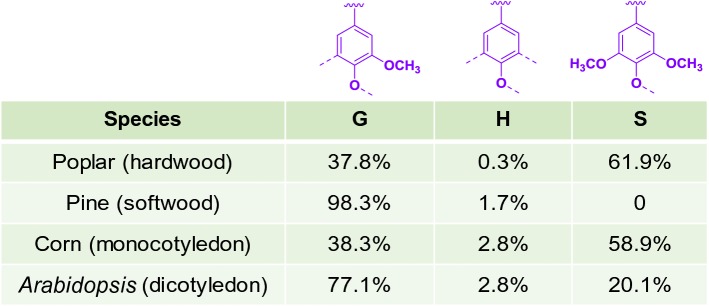
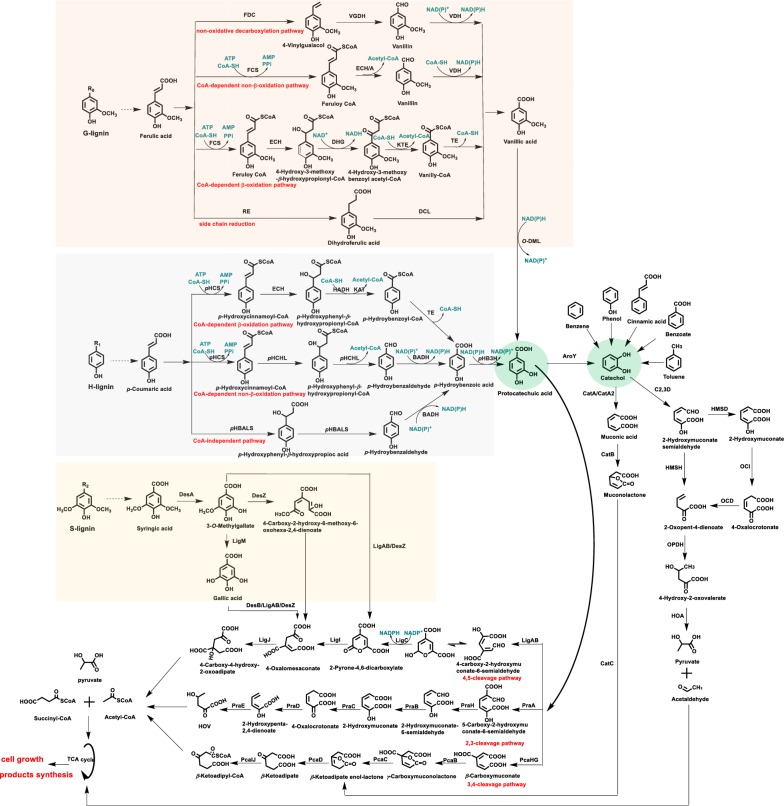
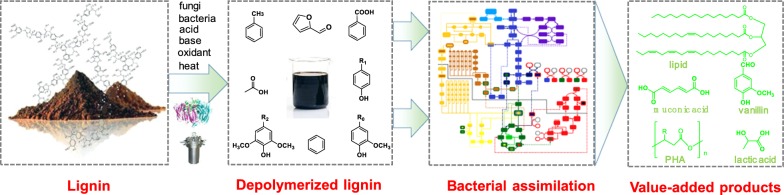
Verification
Claims the paper makes
The claims and statistics of this paper haven’t been checked yet.
Free: it reads the open-access text and checks the first 5 claims that cite a source we can check. Create a free account to check every claim.
Claims other papers make about this one
Each is checked against this paper’s own text: does it say what the citing paper says it does?
The source backs part of the claim, not all of it — or backs it for a different population, condition or comparison.
In the citing paper
“Lignin generated from bio-treatments (e.g., using cellular ligninolytic enzymes like laccase and peroxidases) can obtain certain structural modifications, of which the mechanism is based on the lignin structure oxidation and degradation (e.g., lignin side chains oxidation, demethoxylation, demethylation, and some linkages cleavage) [246–248].”
From A review on lignin pyrolysis: pyrolytic behavior, mechanism, and relevant upgrading for improving process efficiency (2022) · cites this paper as [248]
Experimental — accuracy not yet measured
Self-check
Percentages, sums and reported differences re-computed from the paper’s own numbers.
The self-check needs the paper’s full text.
Citations
Cites
Lignin Valorization: Improving Lignin Processing in the Biorefinery
Ragauskas, A. J., Beckham, G. T., Biddy, M. J., Chandra, R., Chen, F., Davis, M. F., Davison, B. H., Dixon, R. A., Gilna, P., Keller, M., et al. (2014) · Science · doi:10.1126/science.1246843 · Cited by 4,125
Catalytic Transformation of Lignin for the Production of Chemicals and Fuels
Li, C., Zhao, X., Wang, A., Huber, G. W., & Zhang, T. (2015) · Chemical Reviews · doi:10.1021/acs.chemrev.5b00155 · Cited by 2,951
Lignin Biosynthesis and Structure
Vanholme, R., Demedts, B., Morreel, K., Ralph, J., & Boerjan, W. (2010) · Plant Physiology · doi:10.1104/pp.110.155119 · Cited by 2,664
Chemicals from lignin: an interplay of lignocellulose fractionation, depolymerisation, and upgrading
Schutyser, W., Renders, T., Van den Bosch, S., Koelewijn, S.-F., Beckham, G. T., & Sels, B. F. (2018) · Chemical Society Reviews · doi:10.1039/c7cs00566k · Cited by 2,552 · cited 1×
“Biological conversion is a commendable supplement for the thermo-chemical lignin valorization route because some bacteria can funnel lignin fragments and other fermentation residuals into target chemicals [5, 11, 51, 94, 95].”
BackgroundJönsson, L. J., & Martín, C. (2016) · Bioresource Technology · doi:10.1016/j.biortech.2015.10.009 · Cited by 2,147
Paving the Way for Lignin Valorisation: Recent Advances in Bioengineering, Biorefining and Catalysis
Rinaldi, R., Jastrzebski, R., Clough, M. T., Ralph, J., Kennema, M., Bruijnincx, P. C. A., & Weckhuysen, B. M. (2016) · Angewandte Chemie International Edition · doi:10.1002/anie.201510351 · Cited by 2,138
Lignins: Natural polymers from oxidative coupling of 4-hydroxyphenyl- propanoids
Ralph, J., Lundquist, K., Brunow, G., Lu, F., Kim, H., Schatz, P. F., Marita, J. M., Hatfield, R. D., Ralph, S. A., Christensen, J. H., et al. (2004) · Phytochemistry Reviews · doi:10.1023/b:phyt.0000047809.65444.a4 · Cited by 1,660
Pathways for degradation of lignin in bacteria and fungi
Bugg, T. D. H., Ahmad, M., Hardiman, E. M., & Rahmanpour, R. (2011) · Natural Product Reports · doi:10.1039/c1np00042j · Cited by 1,018
Safety assessment of esters of p-hydroxybenzoic acid (parabens)
Soni, M. G., Carabin, I. G., & Burdock, G. A. (2005) · Food and Chemical Toxicology · doi:10.1016/j.fct.2005.01.020 · Cited by 1,012
THE β-KETOADIPATE PATHWAY AND THE BIOLOGY OF SELF-IDENTITY
Harwood, C. S., & Parales, R. E. (1996) · Annual Review of Microbiology · doi:10.1146/annurev.micro.50.1.553 · Cited by 1,004
Cited by
Lu, X., & Gu, X. (2022) · Biotechnology for Biofuels and Bioproducts · doi:10.1186/s13068-022-02203-0 · Cited by 354
Weng, C., Peng, X., & Han, Y. (2021) · Biotechnology for Biofuels · doi:10.1186/s13068-021-01934-w · Cited by 345
A review on biopolymer production via lignin valorization
Rajesh Banu, J., Kavitha, S., Yukesh Kannah, R., Poornima Devi, T., Gunasekaran, M., Kim, S.-H., & Kumar, G. (2019) · Bioresource Technology · doi:10.1016/j.biortech.2019.121790 · Cited by 319
Circular economy aspects of lignin: Towards a lignocellulose biorefinery
Garlapati, V. K., Chandel, A. K., Kumar, S. P. J., Sharma, S., Sevda, S., Ingle, A. P., & Pant, D. (2020) · Renewable and Sustainable Energy Reviews · doi:10.1016/j.rser.2020.109977 · Cited by 260
Lignocellulosic biomass: Hurdles and challenges in its valorization
Singhvi, M. S., & Gokhale, D. V. (2019) · Applied Microbiology and Biotechnology · doi:10.1007/s00253-019-10212-7 · Cited by 242
“Recently, lignin-based aromatics metabolic pathways have been elucidated in lignin-degrading bacteria that produce bio-products (Xu et al. 2019).”
BackgroundSingh, A. K., Bilal, M., Iqbal, H. M. N., Meyer, A. S., & Raj, A. (2021) · Science of The Total Environment · doi:10.1016/j.scitotenv.2021.145988 · Cited by 205
Velvizhi, G., Goswami, C., Shetti, N. P., Ahmad, E., Kishore Pant, K., & Aminabhavi, T. M. (2022) · Fuel · doi:10.1016/j.fuel.2021.122678 · Cited by 195
Liu, Z.-H., Hao, N., Wang, Y.-Y., Dou, C., Lin, F., Shen, R., Bura, R., Hodge, D. B., Dale, B. E., Ragauskas, A. J., et al. (2021) · Nature Communications · doi:10.1038/s41467-021-23920-4 · Cited by 190
Li, X., Shi, Y., Kong, W., Wei, J., Song, W., & Wang, S. (2022) · Energy Reports · doi:10.1016/j.egyr.2021.12.015 · Cited by 187
Brienza, F., Cannella, D., Montesdeoca, D., Cybulska, I., & Debecker, D. P. (2024) · RSC Sustainability · doi:10.1039/d3su00140g · Cited by 172
Nguyen, L. T., Phan, D.-P., Sarwar, A., Tran, M. H., Lee, O. K., & Lee, E. Y. (2021) · Industrial Crops and Products · doi:10.1016/j.indcrop.2020.113219 · Cited by 174
Banu Jamaldheen, S., Kurade, M. B., Basak, B., Yoo, C. G., Oh, K. K., Jeon, B.-H., & Kim, T. H. (2022) · Bioresource Technology · doi:10.1016/j.biortech.2021.126591 · Cited by 152
Biological degradation of lignin: A critical review on progress and perspectives
Zhao, L., Zhang, J., Zhao, D., Li, J., Qin, B., Cao, X., Zang, L., Lu, F., & Liu, F. (2022) · Industrial Crops and Products · doi:10.1016/j.indcrop.2022.115715 · Cited by 167
Mezzina, M. P., Manoli, M., Prieto, M. A., & Nikel, P. I. (2020) · Biotechnology Journal · doi:10.1002/biot.202000165 · Cited by 154
Agustin, M. B., Penttilä, P. A., Lahtinen, M. H., & Mikkonen, K. S. (2019) · ACS Sustainable Chemistry & Engineering · doi:10.1021/acssuschemeng.9b05445 · Cited by 148
Curran, L. M., Pham, L. T. M., Sale, K. L., & Simmons, B. A. (2021) · Biotechnology Advances · doi:10.1016/j.biotechadv.2021.107809 · Cited by 151
Ali, S., Rani, A., Dar, M. A., Qaisrani, M. M., Noman, M., Kamaraj, Y., Asad, M. I., Berhanu, A., Barwant, M. M., & Zhu, D. (2024) · Biomass · doi:10.3390/biomass4030053 · Cited by 139
“However, the major challenges for the lignin platform industry are high-quality lignin isolation from lignocellulose due to the variation in the composition of lignin polymers that primarily depend on the lignin source and lignin extraction method [70].”
Lignin valorization by bacterial genus Pseudomonas: State-of-the-art review and prospects
Kumar, M., You, S., Beiyuan, J., Luo, G., Gupta, J., Kumar, S., Singh, L., Zhang, S., & Tsang, D. C. W. (2020) · Bioresource Technology · doi:10.1016/j.biortech.2020.124412 · Cited by 124
The Role of Ionic Liquids in the Lignin Separation from Lignocellulosic Biomass
Hasanov, I., Raud, M., & Kikas, T. (2020) · Energies · doi:10.3390/en13184864 · Cited by 128
“This is done using reduction, supercritical fluids, and ILs in order to obtain the lignin modification, and the fractionation by ultrafiltration and selective precipitation [139,140].”
MethodDeconstruction of Lignin: From Enzymes to Microorganisms
Silva, J. P., Ticona, A. R. P., Hamann, P. R. V., Quirino, B. F., & Noronha, E. F. (2021) · Molecules · doi:10.3390/molecules26082299 · Cited by 136
Biotransformation of lignin: Mechanisms, applications and future work
Li, X., & Zheng, Y. (2019) · Biotechnology Progress · doi:10.1002/btpr.2922 · Cited by 108
Sivagurunathan, P., Raj, T., Mohanta, C. S., Semwal, S., Satlewal, A., Gupta, R. P., Puri, S. K., Ramakumar, S. S. V., & Kumar, R. (2020) · Chemosphere · doi:10.1016/j.chemosphere.2020.129326 · Cited by 104
Isolating High Antimicrobial Ability Lignin From Bamboo Kraft Lignin by Organosolv Fractionation
Yun, J., Liao, W. M., Li, W., Gong, D., Qin, H., Feng, X., Li, G., Ling, Z., Wang, P., & Yin, B. (2021) · Frontiers in Bioengineering and Biotechnology · doi:10.3389/fbioe.2021.683796 · Cited by 106
“It is well-known that the inhibiting ability of lignin against microorganism growth is related to its antioxidation ability (Yang et al., 2018; Xu et al., 2019).”
BackgroundMicrobial valorization of lignin: Prospects and challenges
Rajasekharan, R., Balakumaran, P. A., Divakar, K., Philip, E., Madhavan, A., Pugazhendhi, A., Sirohi, R., Binod, P., Awasthi, M. K., & Sindhu, R. (2021) · Bioresource Technology · doi:10.1016/j.biortech.2021.126240 · Cited by 104
Li, C., Chen, C., Wu, X., Tsang, C., Mou, J., Yan, J., Liu, Y., & Lin, C. S. K. (2019) · Bioresource Technology · doi:10.1016/j.biortech.2019.121898 · Cited by 97
Holwerda, E. K., Olson, D. G., Ruppertsberger, N. M., Stevenson, D. M., Murphy, S. J.-L., Maloney, M., Lanahan, A. A., Amador‐Noguez, D., & Lynd, L. R. (2020) · Biotechnology for Biofuels · doi:10.1186/s13068-020-01680-5 · Cited by 92
From Waste to Value: Recent Insights into Producing Vanillin from Lignin
D’Arrigo, P., Rossato, L. A. M., Strini, A., & Serra, S. (2024) · Molecules · doi:10.3390/molecules29020442 · Cited by 115
“These bacteria are able to depolymerize lignin using and combining the action of different enzymes, such as laccases, manganese peroxidases, Cyt P450, dioxygenase and others [81].”
BackgroundMicrobial biodiesel production from lignocellulosic biomass: New insights and future challenges
Uthandi, S., Ashokkumar, K., Srinivasan, N., Thangavelu, K., Muniraj, I. K., Zhan, X., Gathergood, N., & Gupta, V. K. (2021) · Critical Reviews in Environmental Science and Technology · doi:10.1080/10643389.2021.1877045 · Cited by 96
“…(aromatic catabolism) by which this aromatic polymer is funneled to form lipids have been elucidated, and it is believed that lignin valorization would have a significant effect on lignocellulosic biorefinery in the coming years (Huang et al., 2020; Kosa & Ragauskas, 2013; Xu et al., 2019).”
BackgroundIram, A., Berenjian, A., & Demırcı, A. (2021) · Molecules · doi:10.3390/molecules26102960 · Cited by 107
Ujor, V. C., & Okonkwo, C. C. (2022) · Frontiers in Bioengineering and Biotechnology · doi:10.3389/fbioe.2022.1061667 · Cited by 97
Wenger, J., Haas, V., & Stern, T. (2020) · Current Forestry Reports · doi:10.1007/s40725-020-00126-3 · Cited by 106
Lignin depolymerization and biotransformation to industrially important chemicals/biofuels
Radhika, N. L., Sachdeva, S., & Kumar, M. (2022) · Fuel · doi:10.1016/j.fuel.2021.122935 · Cited by 88
Pseudomonas as Versatile Aromatics Cell Factory
Schwanemann, T., Otto, M., Wierckx, N., & Wynands, B. (2020) · Biotechnology Journal · doi:10.1002/biot.201900569 · Cited by 83
Exploring industrial lignocellulosic waste: Sources, types, and potential as high-value molecules
Cazier, E. A., Pham, T., Cossus, L., Abla, M., Ilc, T., & Lawrence, P. (2024) · Waste Management · doi:10.1016/j.wasman.2024.07.029 · Cited by 99
Fabrication of spherical lignin nanoparticles using acid-catalyzed condensed lignins
Chen, Y., Jiang, Y., Tian, D., Hu, J., He, J., Yang, G. L., Luo, L., Xiao, Y., Deng, S., Deng, O., et al. (2020) · International Journal of Biological Macromolecules · doi:10.1016/j.ijbiomac.2020.08.167 · Cited by 80
Bacterial transformation of lignin: key enzymes and high-value products
Gu, J., Qiu, Q., Yu, Y., Sun, X., Tian, K., Chang, M., Wang, Y., Zhang, F., & Huo, H. (2024) · Biotechnology for Biofuels and Bioproducts · doi:10.1186/s13068-023-02447-4 · Cited by 78
“3), with vanillin produced by ferulic acid through CoA-dependent non-β oxidation and non-oxidative decarboxylation [127].”
BackgroundMicrobial polyhydroxyalkanoate production from lignin by Pseudomonas putida NX-1
Xu, Z., Mei-lin, X., Cai, C., Chen, S., & Jin, M. (2020) · Bioresource Technology · doi:10.1016/j.biortech.2020.124210 · Cited by 78
Self-citationChauhan, P. S., Agrawal, R., Satlewal, A., Kumar, R., Gupta, R. P., & Ramakumar, S. S. V. (2021) · International Journal of Biological Macromolecules · doi:10.1016/j.ijbiomac.2021.12.146 · Cited by 80
Park, G. W., Gong, G., Joo, J. C., Song, J., Lee, J., Lee, J.-P., Kim, H. T., Ryu, M. H., Sirohi, R., Zhuang, X., et al. (2021) · Renewable and Sustainable Energy Reviews · doi:10.1016/j.rser.2021.112025 · Cited by 80
Bacterial conversion routes for lignin valorization
Liu, H., Liu, Z., Zhang, R.-K., Yuan, J. S., Li, B., & Yuan, Y. (2022) · Biotechnology Advances · doi:10.1016/j.biotechadv.2022.108000 · Cited by 81
Martins, M. M., Carvalheiro, F., & Gírio, F. M. (2022) · Biomass Conversion and Biorefinery · doi:10.1007/s13399-022-02701-z · Cited by 82
“Xu et al. [4] and Lee et al. [26] have both described, the recent advances in lignin valorization with bacterial cultures, discussing the involved strains, enzymes, metabolic pathways, and bioproducts from the processes, while Javaid et al. [27] have focused on the biological conversion into…”
InfluentialYu, Y., Xu, Z., Chen, S., & Jin, M. (2019) · Bioresource Technology · doi:10.1016/j.biortech.2019.122253 · Cited by 73
Self-citationCatalytic carbon–carbon bond cleavage in lignin via manganese–zirconium-mediated autoxidation
Palumbo, C. T., Gu, N. X., Bleem, A. C., Sullivan, K. P., Katahira, R., Stanley, L. M., Kenny, J. K., Ingraham, M. A., Ramirez, K. J., Haugen, S. J., et al. (2024) · Nature Communications · doi:10.1038/s41467-024-45038-z · Cited by 70
Development of High-Performance Whole Cell Biosensors Aided by Statistical Modeling
Berepiki, A., Kent, R., Machado, L. F. M., & Dixon, N. (2020) · ACS Synthetic Biology · doi:10.1021/acssynbio.9b00448 · Cited by 72
Borchert, A. J., Henson, W. R., & Beckham, G. T. (2021) · Current Opinion in Biotechnology · doi:10.1016/j.copbio.2021.06.007 · Cited by 71
Adaptive laboratory evolution of Yarrowia lipolytica improves ferulic acid tolerance
Wang, Z., Zhou, L., Lu, M., Zhang, Y., Perveen, S., Zhou, H., Wen, Z., Xu, Z., & Jin, M. (2021) · Applied Microbiology and Biotechnology · doi:10.1007/s00253-021-11130-3 · Cited by 65
Self-citationMetabolic complexity drives divergence in microbial communities
Silverstein, M. R., Bhatnagar, J. M., & Segrè, D. (2024) · Nature Ecology & Evolution · doi:10.1038/s41559-024-02440-6 · Cited by 75
“Given the broad phylogenetic distribution of traits associated with degrading and utilizing the byproducts of cellulose 49 and lignin 25–27 , these condition-specific taxa may be performing redundant metabolic functions in their respective communities.”
de Menezes, F. F., Nascimento, V. M., Gomes, G. R., Rocha, G. J. M., Strauss, M., Junqueira, T. L., & Driemeier, C. (2023) · Fuel · doi:10.1016/j.fuel.2023.127796 · Cited by 70
Cotton stalk valorization towards bio-based materials, chemicals, and biofuels: A review
Cai, C., Wang, Z., Ma, L., Xu, Z., Yu, J., & Li, F. (2024) · Renewable and Sustainable Energy Reviews · doi:10.1016/j.rser.2024.114651 · Cited by 72
Self-citationLignocellulose degradation in bacteria and fungi: cellulosomes and industrial relevance
Hsin, K., Lee, H., Huang, Y.-C., Lin, G.-J., Lin, P.-Y., Lin, Y. J., & Chen, P. (2025) · Frontiers in Microbiology · doi:10.3389/fmicb.2025.1583746 · Cited by 74
Kooienga, E., Baugher, C. N., Currin, M., Tomberlin, J. K., & Jordan, H. R. (2020) · Frontiers in Microbiology · doi:10.3389/fmicb.2020.587979 · Cited by 65
“Furthermore, Arthrobacter and Rhodococcus species can degrade lignocellulosic biomass for lipid biosynthesis (Brink et al., 2019; Zhaoxian et al., 2019), and could thus be “pre-digesting” the food for the larvae, allowing an increase in nutrient availability (Jones and Keddie, 2006).”
BackgroundLi, S., Kim, S., Davis, A. H., Zhuang, J., Shuler, E. W., Willinger, D., Lee, J., Zheng, W., Sherman, B. D., Yoo, C. G., et al. (2021) · ACS Catalysis · doi:10.1021/acscatal.1c00198 · Cited by 61
Raut, M. P., Pandhal, J., & Wright, P. C. (2020) · Bioresource Technology · doi:10.1016/j.biortech.2020.124437 · Cited by 60
Simulation and optimization of organosolv based lignocellulosic biomass refinery: A review
Sidiras, D. K., Politi, D. V., Giakoumakis, G., & Σαλάπα, Ι. (2021) · Bioresource Technology · doi:10.1016/j.biortech.2021.126158 · Cited by 68
Ullah, M., Liu, P., Xie, S., & Sun, S. (2022) · Molecules · doi:10.3390/molecules27186055 · Cited by 65
Identification of oleaginous yeasts that metabolize aromatic compounds
Yaguchi, A., Franaszek, N., O’Neill, K., Lee, S., Sitepu, I. R., Boundy‐Mills, K., & Blenner, M. (2020) · Journal of Industrial Microbiology & Biotechnology · doi:10.1007/s10295-020-02269-5 · Cited by 60
Narrative of a versatile and adept species Pseudomonas putida
Kivisaar, M. (2020) · Journal of Medical Microbiology · doi:10.1099/jmm.0.001137 · Cited by 60
“putida capable of utilizing such substrates into added- value products such as cis–cis muconate [125, 130, 131].”
BackgroundLi, J., Guan, D., Xia, S., Fan, Y., Zhao, K., Zhao, Z., & Zheng, A. (2024) · Energy Conversion and Management · doi:10.1016/j.enconman.2024.119123 · Cited by 57
Development of a Rhodococcus opacus Cell Factory for Valorizing Lignin to Muconate
Cai, C., Xu, Z., Mei-lin, X., Cai, M., & Jin, M. (2020) · ACS Sustainable Chemistry & Engineering · doi:10.1021/acssuschemeng.9b06571 · Cited by 51
Self-citationBioconversion of renewable feedstocks by Rhodococcus opacus
Chatterjee, A., DeLorenzo, D. M., Carr, R. R., & Moon, T. S. (2019) · Current Opinion in Biotechnology · doi:10.1016/j.copbio.2019.08.013 · Cited by 53
Zhou, L., Xu, Z., Wen, Z., Lu, M., Wang, Z., Zhang, Y., Zhou, H., & Jin, M. (2021) · Bioresource Technology · doi:10.1016/j.biortech.2021.124910 · Cited by 52
Self-citationLignin Aromatics to PHA Polymers: Nitrogen and Oxygen Are the Key Factors for Pseudomonas
Ramírez-Morales, J. E., Czichowski, P., Besirlioglu, V., Regestein, L., Rabaey, K., Blank, L. M., & Rosenbaum, M. A. (2021) · ACS Sustainable Chemistry & Engineering · doi:10.1021/acssuschemeng.1c02682 · Cited by 48
Marinelli, E., Radini, S., Foglia, A., Lancioni, N., Piasentin, A., Eusebi, A. L., & Fatone, F. (2021) · Water Research · doi:10.1016/j.watres.2021.117831 · Cited by 49
Morya, R., Sharma, A., Kumar, M., Tyagi, B., Singh, S. S., & Thakur, I. S. (2020) · Bioresource Technology · doi:10.1016/j.biortech.2020.124439 · Cited by 47
Nguyen, L. T., Tran, M. H., & Lee, E. Y. (2021) · Bioresource Technology · doi:10.1016/j.biortech.2021.125563 · Cited by 49
Getting Value from Pulp and Paper Industry Wastes: On the Way to Sustainability and Circular Economy
Amândio, M. S. T., Pereira, J., Rocha, J. M. S., Serafim, L. S., & Xavier, A. M. R. B. (2022) · Energies · doi:10.3390/en15114105 · Cited by 58
“Lignin is a widely studied substrate for PHA production, as reviewed by Xu et al. [181], which is an interesting approach as, although lignin can be extracted and valorized as aforementioned, its characteristics limit processability options.”
BackgroundBioprospecting Microbial Diversity for Lignin Valorization: Dry and Wet Screening Methods
Gonçalves, C. C., Bruce, T., Silva, C. D. O. G., Filho, E. X. F., Noronha, E. F., Carlquist, M., & Parachin, N. S. (2020) · Frontiers in Microbiology · doi:10.3389/fmicb.2020.01081 · Cited by 49
Application of adaptive laboratory evolution for Yarrowia lipolytica: A comprehensive review
Chen, C., Li, Y., Chen, X., Wang, Y., Ye, C., & Shi, T. (2023) · Bioresource Technology · doi:10.1016/j.biortech.2023.129893 · Cited by 47
Lignin biotransformation: Advances in enzymatic valorization and bioproduction strategies
Ji, T., Liaqat, F., Khazi, M. I., Liaqat, N., Nawaz, M. Z., & Zhu, D. (2024) · Industrial Crops and Products · doi:10.1016/j.indcrop.2024.118759 · Cited by 52
Wang, Y., Gui, C., Wu, J., Gao, X., Huang, T., Cui, F., Liu, H., & Sethupathy, S. (2022) · Frontiers in Bioengineering and Biotechnology · doi:10.3389/fbioe.2022.917459 · Cited by 60
Singh, A. K., Iqbal, H. M. N., Cardullo, N., Muccilli, V., Fernández‐Lucas, J., Schmidt, J. E., Jesionowski, T., & Bilal, M. (2023) · International Journal of Biological Macromolecules · doi:10.1016/j.ijbiomac.2023.124968 · Cited by 47
Biotransformation of lignin into 4-vinylphenol derivatives toward lignin valorization
Liu, R.-Y., Liu, Z., Li, B., & Yuan, Y. (2024) · Green Chemistry · doi:10.1039/d3gc03763k · Cited by 48
Rodriguez, A., Ersig, N., Geiselman, G. M., Seibel, K., Simmons, B. A., Magnuson, J. K., Eudes, A., & Gladden, J. M. (2019) · Bioresource Technology · doi:10.1016/j.biortech.2019.121365 · Cited by 44
Cailotto, S., Gigli, M., Bonini, M., Rigoni, F., & Crestini, C. (2020) · ChemSusChem · doi:10.1002/cssc.202001140 · Cited by 43
Ahmad, N., Aslam, S., Hussain, N., Bilal, M., & Iqbal, H. M. N. (2022) · BioEnergy Research · doi:10.1007/s12155-022-10541-y · Cited by 49
Adewale, P., Lang, A., Huang, F., Zhu, D., Sun, J., Ngadi, M. O., & Yang, T. C. (2021) · Scientific Reports · doi:10.1038/s41598-021-03144-8 · Cited by 41
Lignin biorefinery: Lignin source, isolation, characterization, and bioconversion
Liu, J., Li, X. O., Li, M., & Zheng, Y. (2022) · Advances in bioenergy · doi:10.1016/bs.aibe.2022.05.004 · Cited by 59
Current Status, Challenges, and Prospects for the Biological Production of Vanillin
Jiang, W., Chen, X., Feng, Y., Sun, J., Jiang, Y., Zhang, W., Xin, F., & Jiang, M. (2023) · Fermentation · doi:10.3390/fermentation9040389 · Cited by 44
Wu, X., bruyn, M. D., & Barta, K. (2023) · Chemical Communications · doi:10.1039/d3cc01555f · Cited by 45
Singh, A. K., Fernández‐Lafuente, R., Schmidt, J. E., Boczkaj, G., & Bilal, M. (2024) · Current Pollution Reports · doi:10.1007/s40726-024-00310-0 · Cited by 47
“Lignin and valoriza-tion might be modified by various microbial enzymes [15, 77, 78].”
Díaz-García, L., Bugg, T. D. H., & Jiménez, D. J. (2020) · Microbial Ecology · doi:10.1007/s00248-020-01546-1 · Cited by 44
Zhao, Z., Meng, X., Scheidemantle, B., Pu, Y., Liu, Z., Li, B., Wyman, C. E., Cai, C. M., & Ragauskas, A. J. (2021) · Bioresource Technology · doi:10.1016/j.biortech.2021.126367 · Cited by 39
Paes, B. G., Steindorff, A. S., Formighieri, E. F., Silva-Pereira, I., & de Almeida, J. R. M. (2021) · AMB Express · doi:10.1186/s13568-020-01170-9 · Cited by 48
Araki, T., Umeda, S., Kamimura, N., Kasai, D., Kumano, S., Abe, T., Kawazu, C., Otsuka, Y., Nakamura, M., Katayama, Y., et al. (2019) · Scientific Reports · doi:10.1038/s41598-019-54490-7 · Cited by 38
Linde, D., Ayuso‐Fernández, I., Laloux, M., Aguiar-Cervera, J., Lacey, A. L. D., Ruiz-Dueñas, F. J., & Martínez, Á. T. (2021) · International Journal of Molecular Sciences · doi:10.3390/ijms22052629 · Cited by 40
Zhao, X., Zhang, Y., Jiang, H., Zang, H., Wang, Y., Sun, S., & Li, C. (2021) · Bioresource Technology · doi:10.1016/j.biortech.2021.126434 · Cited by 38
Biocatalysis for Lignin Conversion and Valorization: Driving Sustainability in the Circular Economy
Nargotra, P., Sharma, V., Wang, H., Shieh, C., Liu, Y., & Kuo, C. (2025) · Catalysts · doi:10.3390/catal15010091 · Cited by 37
“Instead of burning or disposing of the lignin, which exacerbates environmental issues, its valorization can be implemented through the circular economy approach [12,16].”
Al-Tohamy, R., Sun, J., Khalil, M. A., Kornaros, M., & Ali, S. S. (2021) · Biotechnology for Biofuels · doi:10.1186/s13068-021-02080-z · Cited by 36
“Concurrently, the ability of oleaginous yeasts to metabolize aromatic substances may boost lipid yields, since the ortho-cleavage pathway of aromatic metabolism creates acetyl CoA and pyruvic acid, both of which are precursors for fatty acid biosynthesis [45].”
BackgroundLignin and polylactic acid for the production of bioplastics and valuable chemicals
Nandhini, R., Sivaprakash, B., Rajamohan, N., & Vo, D. N. (2022) · Environmental Chemistry Letters · doi:10.1007/s10311-022-01505-x · Cited by 38
“Employing microorganisms and enzymes for degradation is considered as the best alternative in comparison with thermal and chemical treatments due to the eco-friendly nature (Xu et al. 2019).”
BackgroundLignin-incorporated bacterial nanocellulose for proton exchange membranes in microbial fuel cells
Souza, L., Antônio, R. V., Hotza, D., Carminatti, C. A., Pineda-Vásquez, T., Watzko, E. S., Pezzin, A. P. T., Duarte, D. A., & Recouvreux, D. D. O. S. (2022) · Materials Chemistry and Physics · doi:10.1016/j.matchemphys.2022.126963 · Cited by 38
da Costa, T. P., Quinteiro, P., Arroja, L., & Dias, A. C. (2020) · Renewable and Sustainable Energy Reviews · doi:10.1016/j.rser.2020.110302 · Cited by 35
Żur, J., Piński, A., Wojcieszyńska, D., Smułek, W., & Guzik, U. (2020) · International Journal of Molecular Sciences · doi:10.3390/ijms21186786 · Cited by 43
“This key metabolite may be cleaved by protocatechuate dioxygenases or converted to catechol [42,43].”
BackgroundSustainable Recovery of High Added-Value Vanilla Compounds from Wastewater Using Green Solvents
Cañadas, R., González‐Miquel, M., González, E. J., de Prado, A. N., Díaz, I., & Rodríguez, M. (2021) · ACS Sustainable Chemistry & Engineering · doi:10.1021/acssuschemeng.1c00168 · Cited by 38
Trends in Lignin Biotransformations for Bio-Based Products and Energy Applications
Saini, R., Kaur, A., Saini, J. K., Patel, A. K., Varjani, S., Chen, C., Singhania, R. R., & Dong, C. (2022) · BioEnergy Research · doi:10.1007/s12155-022-10434-0 · Cited by 37
“Capabilities of the microbial strains for vanillin production have been enhanced by genetic modifications [135], especially in bacteria Rhodococcus sp.”
BackgroundShi, Q., Chen, C., Zhang, W., Wu, P., Sun, M., Wu, H. C., Wu, H., Fu, P., & Fan, J. (2021) · Journal of Applied Phycology · doi:10.1007/s10811-020-02350-7 · Cited by 35
Synthetic biology approaches to improve tolerance of inhibitors in lignocellulosic hydrolysates
Tian, L., Qi, T. Y., Zhang, F., Tran, V. G., Yuan, J., Wang, Y., He, N., & Cao, M. (2024) · Biotechnology Advances · doi:10.1016/j.biotechadv.2024.108477 · Cited by 33
Tang, D., Liu, J., Zhang, X., Chen, L., Ma, L., & Zhang, Q. (2023) · Green Chemistry · doi:10.1039/d3gc01934a · Cited by 35
Alkaline deep eutectic solvent for separation and extraction of lignin from lignocellulose biomass
Wang, Q., Cao, K., Yan, F., Duan, X., & Shi, J. (2024) · Biomass Conversion and Biorefinery · doi:10.1007/s13399-023-05108-6 · Cited by 38
“Various techniques have been used to study the value-added of lignin, including oxidative depolymerization [124], hydrolysis [125], pyrolysis [126], microbial depolymerization [127], electrochemical depolymerization [128].”
Tailoring microbes to upgrade lignin
Davis, K., & Moon, T. S. (2020) · Current Opinion in Chemical Biology · doi:10.1016/j.cbpa.2020.04.001 · Cited by 32
Current status, challenges and prospects for lignin valorization by using Rhodococcus sp.
Jiang, W., Gao, H., Sun, J., Yang, X., Jiang, Y., Zhang, W., Jiang, M., & Xin, F. (2022) · Biotechnology Advances · doi:10.1016/j.biotechadv.2022.108004 · Cited by 35
Metadata
- Authors
- Xu, Z., Lei, P., Zhai, R., Wen, Z., & Jin, M.
- Affiliations
- Nanjing University of Science and Technology (CN)
- Corresponding author
- Jin, Mingjie
- Venue
- Biotechnology for Biofuels
- Published
- 2019-02-15
- Volume
- 12
- Issue
- 1
- Pages
- 32-32
- ISSN
- 1754-6834 (ISSN-L)
- PMC
- PMC6376720
- OpenAlex
- W2913338044
- Cited by
- 276
- References
- 155
- Citations by year
- 2026: 20 · 2025: 24 · 2024: 44 · 2023: 31 · 2022: 37 · 2021: 68 · 2020: 39 · 2019: 13
- FWCI
- 3.17
- Type
- journal article
- Language
- en
- Open access
- gold
- doi.org
- Licence
- cc-by
- creativecommons.org/licenses/by/4.0/ (tdm)
- Locations
- Biotechnology for Biofuels (publishedVersion, cc-by)
- Europe PMC (PubMed Central) (publishedVersion, other-oa)
- PubMed Central (publishedVersion, cc-by)
- PubMed (publishedVersion)
- DOAJ (DOAJ: Directory of Open Access Journals) (submittedVersion)
- Funders
- National Key R&D Program of China (2016YFE0105400)
- National Natural Science Foundation of China (21808111, 21606132)
- Natural Science Foundation of Jiangsu Province (BK20160823, BK20170829)
- the Fundamental Research Funds for the Central Universities (30916011202, 30917011307)
- Topics
- Physical Sciences › Chemical Engineering › Process Chemistry and Technology › Lignin and Wood Chemistry
- Physical Sciences › Engineering › Biomedical Engineering › Biofuel production and bioconversion
- Physical Sciences › Environmental Science › Pollution › Microbial bioremediation and biosurfactants
- Keywords
- lignin valorization, lignin-degrading bacteria, bacterial culture, lignin depolymerization, lignin fragmentation, metabolic pathways, aromatic compounds, biofuels, bioproducts, lignin heterogeneity
About these checks
Registry, retraction, Cites and statistics results are computed, not judged, with one exception: a printed reference that no index lists is read once by a model before it counts as a citation error. Claims are extracted by a model and kept only when their quote appears verbatim in the text; each cited source is then checked, with a model’s help, for whether it says what the claim relies on. Those verdicts can be wrong — read the claim’s quote and the cited source before relying on one.
Statistics and arithmetic are recomputed, not judged.
Confidence bands are shown only for fields calibrated on our annotated test set. None is calibrated yet, so no band is shown.
What counts as a claim ›How we measure confidence ›How we check this ›
Are you an author, or do you see a problem with this page? Request a review
Data sources
Bibliographic data: Semantic Scholar, OpenAlex, Crossref.
Contains information from the Semantic Scholar Academic Graph Datasets, made available under the ODC Attribution License (ODC-BY 1.0).
Semantic Scholar’s data is described in: Kinney, R., et al. (2023). The Semantic Scholar Open Data Platform. arXiv:2301.10140.
