

Guild-based analysis for understanding gut microbiome in human health and diseases
Open accessThe DOI matches its Crossref record; 103 of the 103 references it cites were found in a registry or an index.
Abstract
To demonstrate the causative role of gut microbiome in human health and diseases, we first need to identify, via next-generation sequencing, potentially important functional members associated with specific health outcomes and disease phenotypes. However, due to the strain-level genetic complexity of the gut microbiota, microbiome datasets are highly dimensional and highly sparse in nature, making it challenging to identify putative causative agents of a particular disease phenotype. Members of an ecosystem seldomly live independently from each other. Instead, they develop local interactions and form inter-member organizations to influence the ecosystem’s higher-level patterns and functions. In the ecological study of macro-organisms, members are defined as belonging to the same “guild” if they exploit the same class of resources in a similar way or work together as a coherent functional group. Translating the concept of “guild” to the study of gut microbiota, we redefine guild as a group of bacteria that show consistent co-abundant behavior and likely to work together to contribute to the same ecological function. In this opinion article, we discuss how to use guilds as the aggregation unit to reduce dimensionality and sparsity in microbiome-wide association studies for identifying candidate gut bacteria that may causatively contribute to human health and diseases.
Overview
The claims and statistics of this paper haven’t been checked yet.
Free: it reads the open-access text and checks the first 5 claims that cite a source we can check. Create a free account to check every claim.
Integrity signals
Registry
Cites
Statistics
Figures
Verification
Claims the paper makes
The claims and statistics of this paper haven’t been checked yet.
Free: it reads the open-access text and checks the first 5 claims that cite a source we can check. Create a free account to check every claim.
Claims other papers make about this one
Each is checked against this paper’s own text: does it say what the citing paper says it does?
In the citing paper
“One approach is co-abundance network analysis, which clusters microorganisms on the basis of shared abundance trends.146,180–182,184,185”
From Gut dysbiosis in oncology: a risk factor for immunoresistance (2026) · doi:10.1038/s41422-025-01212-6 · cites this paper as [180]
In the citing paper
“Originally an ecological concept, guilds are groups of species that use similar resources in similar ways and contribute to the same ecological function.179,180”
From Gut dysbiosis in oncology: a risk factor for immunoresistance (2026) · doi:10.1038/s41422-025-01212-6 · cites this paper as [180]
Self-check
Percentages, sums and reported differences re-computed from the paper’s own numbers.
The self-check needs the paper’s full text.
Citations
Cites
KEGG: Kyoto Encyclopedia of Genes and Genomes
Kanehisa, M. (2000) · Nucleic Acids Research · doi:10.1093/nar/28.1.27 · Cited by 37,077 · cited 1×
“[37] and MetaCyc [38], and subsequently identify the pathways that are relevant to host phenotypes.”
BackgroundDADA2: High–resolution sample inference from Illumina amplicon data
Callahan, B. J., McMurdie, P. J., Rosen, M. J., Han, A. W., Johnson, A. J. A., & Holmes, S. P. (2016) · Nature Methods · doi:10.1038/nmeth.3869 · Cited by 35,698 · cited 1×
“Recent advancement in the field is to perform denoising, which models and corrects sequencing amplicon errors, obtaining amplicon sequences variants (ASVs) with single-nucleotide resolution [85].”
MethodKEGG: Kyoto Encyclopedia of Genes and Genomes
Ogata, H., Goto, S., Sato, K., Fujibuchi, W., Bono, H., & Kanehisa, M. (1999) · Nucleic Acids Research · doi:10.1093/nar/27.1.29 · Cited by 31,232
Reducing the dimensionality of data with neural networks
Hinton, G. E., & Salakhutdinov, R. R. (2006) · Science · doi:10.1126/science.1127647 · Cited by 20,928
Naïve Bayesian Classifier for Rapid Assignment of rRNA Sequences into the New Bacterial Taxonomy
Wang, Q., Garrity, G. M., Tiedje, J. M., & Cole, J. R. (2007) · Applied and Environmental Microbiology · doi:10.1128/aem.00062-07 · Cited by 19,885 · cited 2×
“At present, the generally used practice in taxon-based analysis is assigning bacterial DNA sequence taxonomic names based on their similarity to the nearest neighbor recorded in a reference database [5, 6].”
BackgroundMethodUPARSE: highly accurate OTU sequences from microbial amplicon reads
Edgar, R. C. (2013) · Nature Methods · doi:10.1038/nmeth.2604 · Cited by 16,707 · cited 2×
“Edgar RC. UPARSE: highly accurate OTU sequences from microbial amplicon reads.”
MethodRor2 signaling regulates Golgi structure and transport through IFT20 for tumor invasiveness
Nishita, M., Park, S.-Y., Nishio, T., Kamizaki, K., Wang, Z., Tamada, K., Takumi, T., Hashimoto, R., Otani, H., Pazour, G. J., et al. (2017) · Scientific Reports · doi:10.1038/s41598-016-0028-x · Cited by 15,947
Structure, function and diversity of the healthy human microbiome
The Human Microbiome Project Consortium (2012) · Nature · doi:10.1038/nature11234 · Cited by 11,726
A human gut microbial gene catalogue established by metagenomic sequencing
MetaHIT Consortium, Qin, J., Li, R., Raes, J., Arumugam, M., Burgdorf, K. S., Manichanh, C., Nielsen, T., Pons, N., Levenez, F., et al. (2010) · Nature · doi:10.1038/nature08821 · Cited by 11,624
Cd-hit: a fast program for clustering and comparing large sets of protein or nucleotide sequences
Li, W., & Godzik, A. (2006) · Bioinformatics · doi:10.1093/bioinformatics/btl158 · Cited by 11,410 · cited 1×
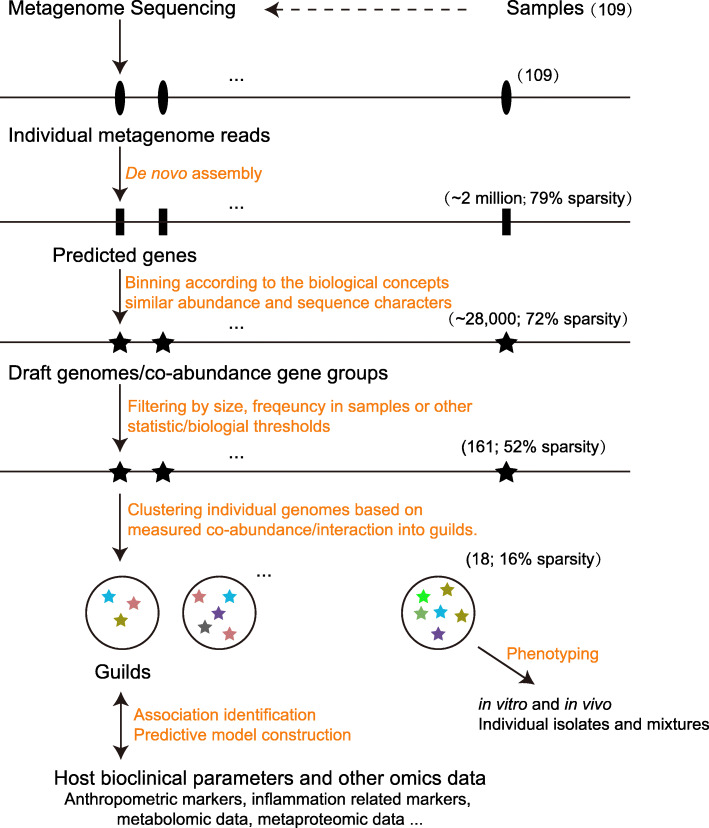
“After de novo assembly with IDBA-UD [80], gene prediction with MetaGeneMark [81], and gene de-redundancy with CD-HIT [82], we generated a nonredundant gut microbial gene catalog containing ~ 2 million genes.”
Method
Research works printed but not linked: 1
- Madigan MT, Clark, DP, Stahl D, Martinko JM. Brock biology of microorganisms 13th edition. San Francisco: Benjamin Cummings; 2010.
Cited by
Liu, B.-N., Liu, X.-T., Liang, Z.-H., & Wang, J.-H. (2021) · World Journal of Gastroenterology · doi:10.3748/wjg.v27.i25.3837 · Cited by 606
The microbiome and gut homeostasis
Lee, J.-Y., Tsolis, R. M., & Bäumler, A. J. (2022) · Science · doi:10.1126/science.abp9960 · Cited by 428
A core microbiome signature as an indicator of health
Wu, G., Xu, T., Zhao, N., Lam, Y. Y., Ding, X., Wei, D., Fan, J., Shi, Y., Li, X., Li, M., et al. (2024) · Cell · doi:10.1016/j.cell.2024.09.019 · Cited by 250
Self-citationZhou, X., Shen, X., Johnson, J. S., Spakowicz, D. J., Agnello, M., Zhou, W., Avina, M., Honkala, A., Chleilat, F., Chen, S. J., et al. (2024) · Cell Host & Microbe · doi:10.1016/j.chom.2024.02.012 · Cited by 167
Gut dysbiosis: Ecological causes and causative effects on human disease
Winter, S., & Bäumler, A. J. (2023) · Proceedings of the National Academy of Sciences · doi:10.1073/pnas.2316579120 · Cited by 181
“Facultatively anaerobic bacteria form a metabolic guild because they use the same resources, i.e., respiratory electron acceptors, in a similar way (69).”
BackgroundEcological dynamics of the gut microbiome in response to dietary fiber
Liu, H., Liao, C., Wu, L. H., Tang, J., Chen, J., Lei, C., Zheng, L., Zhang, C., Liu, Y., Xavier, J. B., et al. (2022) · The ISME Journal · doi:10.1038/s41396-022-01253-4 · Cited by 153
“, a set of bacterial taxa that perform similar functions, is very useful to understand microbial ecology [26, 46].”
BackgroundSelf-citationEnteric nervous system and intestinal epithelial regulation of the gut-brain axis
Dowling, L. R. C., Strazzari, M. R., Keely, S., & Kaiko, G. E. (2022) · Journal of Allergy and Clinical Immunology · doi:10.1016/j.jaci.2022.07.015 · Cited by 135
Dong, C., Yang, Y., Wang, Y., Hu, X., Wang, Q., Gao, F., Sun, S., Liu, Q., Li, L., Liu, J., et al. (2022) · Journal of Advanced Research · doi:10.1016/j.jare.2022.06.008 · Cited by 120
Gut microbiota modulate distal symmetric polyneuropathy in patients with diabetes
Yang, J., Yang, X., Wu, G., Huang, F., Shi, X., Wei, W., Zhang, Y., Zhang, H., Cheng, L., Yu, L., et al. (2023) · Cell Metabolism · doi:10.1016/j.cmet.2023.06.010 · Cited by 95
Self-citationThe Future of Synbiotics: Rational Formulation and Design
Quintero, D. F. G., Kok, C. R., & Hutkins, R. W. (2022) · Frontiers in Microbiology · doi:10.3389/fmicb.2022.919725 · Cited by 114
Li, L., Wang, T., Ning, Z., Zhang, X., Butcher, J., Serrana, J. M., Simopoulos, C. M. A., Mayne, J., Stintzi, A., Mack, D. R., et al. (2023) · Nature Communications · doi:10.1038/s41467-023-39149-2 · Cited by 79
“FR describes the ability of multiple taxonomically distinct organisms to contribute in similar ways to an ecosystem through having redundant functional traits 8 – 10 .”
Metabolic independence drives gut microbial colonization and resilience in health and disease
Watson, A. R., Füssel, J., Veseli, I., DeLongchamp, J. Z., Silva, M., Trigodet, F., Lolans, K., Shaiber, A., Fogarty, E., Runde, J. M., et al. (2023) · Genome Biology · doi:10.1186/s13059-023-02924-x · Cited by 92
ROSENBERG, E. B. (2024) · npj Biofilms and Microbiomes · doi:10.1038/s41522-024-00580-y · Cited by 101
Melanoma and microbiota: Current understanding and future directions
Routy, B., Jackson, T., Mählmann, L., Baumgartner, C. K., Blaser, M., Byrd, A., Corvaia, N., Couts, K., Davar, D., Derosa, L., et al. (2024) · Cancer Cell · doi:10.1016/j.ccell.2023.12.003 · Cited by 89
Self-citationTudela, H., Claus, S. P., & Saleh, M. (2021) · Frontiers in Cell and Developmental Biology · doi:10.3389/fcell.2021.719072 · Cited by 88
Li, M., Liu, J., Zhu, J., Wang, H., Sun, C., Gao, N. L., Zhao, X.-M., & Chen, W.-H. (2023) · Gut Microbes · doi:10.1080/19490976.2023.2205386 · Cited by 66
“Recently, researchers proposed to aggregate the sparse signals based on either phylogenetic relatedness 111,113,114 , or functional similarities 115 , and some could perform better than Lasso in terms of feature selection although their applicability in disease stratification is yet to be tested.”
BackgroundDeep learning methods in metagenomics: a review
Roy, G., Prifti, E., Belda, E., & Zucker, J. (2024) · Microbial Genomics · doi:10.1099/mgen.0.001231 · Cited by 96
“Different approaches are therefore imagined, based for example on guilds [198].”
BackgroundSasson, A. N., Ingram, R. J. M., Zhang, Z., Taylor, L., Ananthakrishnan, A. N., Kaplan, G. G., Ng, S. C., Ghosh, S., & Raman, M. (2021) · The Lancet. Gastroenterology & hepatology · doi:10.1016/s2468-1253(21)00097-2 · Cited by 74
The human gut microbiome in health and disease: time for a new chapter?
Lee, J., Bays, D. J., Savage, H. P., & Bäumler, A. J. (2024) · Infection and Immunity · doi:10.1128/iai.00302-24 · Cited by 78
“Microbiologists traditionally define ecological guilds based on their energy metab olism (30).”
Yarahmadi, A., Afkhami, H., Javadi, A., & Kashfi, M. (2024) · Diabetology & Metabolic Syndrome · doi:10.1186/s13098-024-01561-z · Cited by 74
“In contrast, the levels of the other four strains diminished [68].”
Elucidating the Beta-Diversity of the Microbiome: from Global Alignment to Local Alignment
Su, X. (2021) · mSystems · doi:10.1128/msystems.00363-21 · Cited by 68
“Here, the similarity cannot be simply set as zero, and taxa with very close taxonomy or metabolic functions to the target or belong to the same guild (22) that work consistently and coherently with the target, can be considered “approximate members.”
BackgroundLian, Z., Xu, Y., Wang, C., Chen, Y., Li, Y., Liu, Z., Liu, Y., He, P., Cai, Z., & Zhao, J. (2023) · Pharmacological Research · doi:10.1016/j.phrs.2023.106714 · Cited by 66
Cataldi, S., Poli, L., Şahin, F. N., Patti, A., Santacroce, L., Bianco, A., Greco, G., Ghinassi, B., Baldassarre, A. D., & Fischetti, F. (2022) · Nutrients · doi:10.3390/nu14163293 · Cited by 63
“High-throughput sequencing has favored and facilitated research on GM in multiple aspects [1].”
BackgroundAttaye, I., Warmbrunn, M. V., Boot, A. N. A. F., van der Wolk, S. C., Hutten, B. A., Daams, J. G., Herrema, H., & Nieuwdorp, M. (2022) · Gastroenterology · doi:10.1053/j.gastro.2022.02.011 · Cited by 62
Xu, R., Wang, T., Ding, F.-F., Zhou, N., Qiao, F., Chen, L., Du, Z., & Zhang, M. (2022) · Antioxidants · doi:10.3390/antiox11071238 · Cited by 54
“It is well known that collapsing data to “phylum” level has generated a decade-long debate over controversial results of the relationship between the bacteria composition and host metabolic characteristics [42].”
BackgroundByndloss, M. X., Devkota, S., Duca, F. A., Niess, J. H., Nieuwdorp, M., Orho‐Melander, M., Sanz, Y., Tremaroli, V., & Zhao, L. (2024) · Diabetologia · doi:10.1007/s00125-024-06198-1 · Cited by 63
“These potential roles can be confirmed by experimental validation in biochemical and microbiological studies [196].”
BackgroundSelf-citationMicrobial mercury transformations: Molecules, functions and organisms
Yu, R.-Q., & Barkay, T. (2022) · Advances in applied microbiology · doi:10.1016/bs.aambs.2022.03.001 · Cited by 50
van der Vossen, E. W. J., Davids, M., Bresser, L. R. F., Galenkamp, H., van den Born, B. H., Zwinderman, A. H., Levin, E., Nieuwdorp, M., & de Goffau, M. C. (2023) · Microbiome · doi:10.1186/s40168-023-01488-z · Cited by 46
“In this study, the large number of subjects however enabled us to employ the concept of clustering ASVs in order to visualize complex trophic networks as an alternative to showing large ecological shifts in the microbial composition [27, 54].”
MethodWang, X., Xu, T., Liu, R., Wu, G., Gu, L., Zhang, Y., Zhang, F., Fu, H., Ling, Y., Wei, X., et al. (2022) · Frontiers in Endocrinology · doi:10.3389/fendo.2021.806331 · Cited by 42
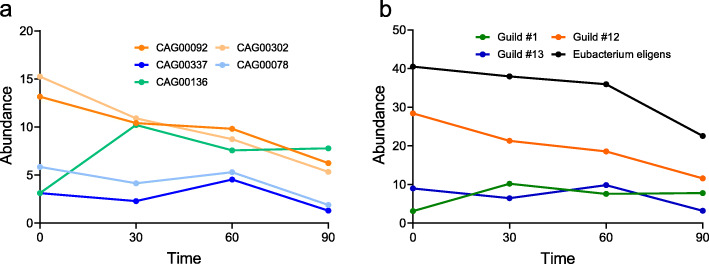
“As bacteria work together as a coherent functional group in the gut ecosystem (31), we constructed a co-abundance network between the 132 ASVs, which were shared by at least 20% of all samples, and clustered the ASVs into 14 CAGs (Figure 5A and Supplementary Table S3).”
MethodSelf-citationGao, S., Gao, X., Zhu, R., Wu, D., Feng, Z., Jiao, N., Sun, R., Gao, W., He, Q., Liu, Z., et al. (2023) · Gut Microbes · doi:10.1080/19490976.2023.2221428 · Cited by 43
“In a “guild”, or “functional groups”, the microbial members perform similar functions and tend to exhibit co-abundance patterns by thriving or declining together within a community 33,34 .”
BackgroundEstrada, K. B., Sandoval-Cuellar, C. E., Rojas-Muñoz, Y. V., & Quintanilla‐Carvajal, M. X. (2023) · Food & Function · doi:10.1039/d2fo02723b · Cited by 44
Zhang, J., Liu, M., Ke, S., Huang, X., Fang, S., He, M., Fu, H., Chen, C., & Huang, L. (2021) · Frontiers in Microbiology · doi:10.3389/fmicb.2021.690091 · Cited by 43
Role of Intestinal Microbes in Chronic Liver Diseases
Xu, M., Luo, K., Li, J., Li, Y., Zhang, Y., Yuan, Z., Xu, Q., & Wu, X. (2022) · International Journal of Molecular Sciences · doi:10.3390/ijms232012661 · Cited by 41
“At the same time, next-generation sequencers have been developed, for example, 16S ribosomal RNA-targeted analysis and metagenomic sequencing analysis [19,20].”
MethodByndloss, M. X., Devkota, S., Duca, F. A., Niess, J. H., Nieuwdorp, M., Orho‐Melander, M., Sanz, Y., Tremaroli, V., & Zhao, L. (2024) · Diabetes Care · doi:10.2337/dci24-0052 · Cited by 51
“Addressing these issues is crucial for ensuring the reliability and accuracy of microbiome studies with such devices.”
BackgroundSelf-citationMetabolic independence drives gut microbial colonization and resilience in health and disease
Watson, A. R., Füssel, J., Veseli, I., DeLongchamp, J. Z., Silva, M., Trigodet, F., Lolans, K., Shaiber, A., Fogarty, E., Runde, J. M., et al. (2021) · bioRxiv (Cold Spring Harbor Laboratory) · doi:10.1101/2021.03.02.433653 · Cited by 33
Communication mediated interaction between bacteria and microalgae advances photogranulation
Wu, X., Kong, L., Feng, Y., Zheng, R., Zhou, J., Sun, J., & Liu, S. (2024) · The Science of The Total Environment · doi:10.1016/j.scitotenv.2024.169975 · Cited by 33
SAMPL-seq reveals micron-scale spatial hubs in the human gut microbiome
Richardson, M., Zhao, S., Lin, L., Sheth, R. U., Qu, Y., Lee, J., Moody, T. U., Ricaurte, D., Huang, Y., Velez‐Cortes, F., et al. (2025) · Nature Microbiology · doi:10.1038/s41564-024-01914-4 · Cited by 30
“Strains that grow together in spatial hubs may be meta-bolically coupled or share a similar niche preference 34 .”
Byndloss, M. X., Devkota, S., Duca, F. A., Niess, J. H., Nieuwdorp, M., Orho‐Melander, M., Sanz, Y., Tremaroli, V., & Zhao, L. (2024) · Diabetes · doi:10.2337/dbi24-0028 · Cited by 35
“These potential roles can be confirmed by experimental validation in biochemical and microbiological studies (196).”
BackgroundSelf-citationHarnessing the microbiome for cancer therapy
Hajjar, R., Mars, R. A. T., & Kashyap, P. (2026) · Nature Reviews Microbiology · doi:10.1038/s41579-025-01268-6 · Cited by 34
“To address this limitation, researchers have used strategies such as grouping microbial features into co-abundance groups or combining different types of data in multiple steps to simplify and reduce the number of variables they need to analyse 200–202 .”
Towards multi-label classification: Next step of machine learning for microbiome research
Wu, S., Chen, Y., Li, Z., Li, J., Zhao, F., & Su, X. (2021) · Computational and Structural Biotechnology Journal · doi:10.1016/j.csbj.2021.04.054 · Cited by 34
“Recently, co-occurrence or correlation among microbes have been widely studied in various ecosystems [86– 89], which survey microbe-microbe interactions from biological aspect.”
BackgroundWeinert-Nelson, J. R., Biddle, A. S., & Williams, C. A. (2022) · Animal Microbiome · doi:10.1186/s42523-022-00192-x · Cited by 29
Universal gut microbial relationships in the gut microbiome of wild baboons
Roche, K. E., Björk, J. R., Dasari, M. R., Grieneisen, L., Jansen, D., Gould, T. J., Gesquiere, L. R., Barreiro, L. B., Alberts, S. C., Blekhman, R., et al. (2023) · eLife · doi:10.7554/elife.83152 · Cited by 29
“For instance, sets of microbes that exhibit strong, positive relationships within hosts may represent networks of cooperating taxa that promote each other’s growth ( Bäckhed et al., 2005 ; Loftus et al., 2021 ; Wu et al., 2021 ).”
Gut dysbiosis in oncology: a risk factor for immunoresistance
(2026) · doi:10.1038/s41422-025-01212-6 · Cited by 24
Oral microbiota–host interaction: the chief culprit of alveolar bone resorption
Xu, J., Yu, L., Ye, S., Ye, Z., Yang, L., & Xu, X. (2024) · Frontiers in Immunology · doi:10.3389/fimmu.2024.1254516 · Cited by 33
“Microorganisms within plaque bio fi lms rarely live independently; instead, they interact to form different functional groups and cooperate as ecological guilds to perform higher physiological functions (43).”
BackgroundPeng, Y., Zhu, J., Wang, S., Liu, Y., Liu, X., DeLeon, O., Zhu, W., Xu, Z., Zhang, X., Zhao, S., et al. (2024) · Cell Host & Microbe · doi:10.1016/j.chom.2024.10.017 · Cited by 23
Zhang, Y., Xu, X., Wang, S., Yin, X., Zhang, B., Zhu, Z., Ji, R., Zhu, J., He, H., Cheng, S., et al. (2026) · Journal for ImmunoTherapy of Cancer · doi:10.1136/jitc-2025-013823 · Cited by 31
Personal diet–microbiota interactions and weight loss
Roager, H. M., & Christensen, L. H. (2022) · Proceedings of The Nutrition Society · doi:10.1017/s0029665122000805 · Cited by 27
Li, Y., Fang, Y., Wang, H., & Zhang, H. (2024) · Frontiers in Bioscience-Landmark · doi:10.31083/j.fbl2906208 · Cited by 25
Larsen, O. F. A., & van de Burgwal, L. (2021) · Frontiers in Microbiology · doi:10.3389/fmicb.2021.784797 · Cited by 25
Luo, J., Wu, G. G., Alonso, S., Zhao, C., Lemenze, A. D., Lam, Y. Y., Zhao, L., & Edelblum, K. L. (2022) · Mucosal Immunology · doi:10.1038/s41385-022-00522-x · Cited by 23
Self-citationLuo, S., Hou, Y., Xie, L., Zhang, H., Liu, C., & Chen, T. (2023) · LWT · doi:10.1016/j.lwt.2023.114621 · Cited by 23
Prolonged delays in human microbiota transmission after a controlled antibiotic perturbationPreprint
Xue, K. S., Walton, S. J., Goldman, D. A., Morrison, M. L., Verster, A. J., Parrott, A. B., Yu, F. B., Neff, N. F., Rosenberg, N. A., Ross, B. D., et al. (2023) · bioRxiv (Cold Spring Harbor Laboratory) · doi:10.1101/2023.09.26.559480 · Cited by 25
Haskey, N., Gold, S. L., Faith, J. J., & Raman, M. (2023) · Nutrients · doi:10.3390/nu15051080 · Cited by 25
Shenhav, L., & Azad, M. B. (2022) · mSystems · doi:10.1128/msystems.01132-21 · Cited by 22
“If we use the concept of guilds (76), we can identify candidate functional groups/components that may causatively contribute to infant health outcomes.”
MethodRecent insights into the role of microbiome in the pathogenesis of obesity
van der Vossen, E. W. J., de Goffau, M. C., Levin, E., & Nieuwdorp, M. (2022) · Therapeutic Advances in Gastroenterology · doi:10.1177/17562848221115320 · Cited by 21
Guild-Level Microbiome Signature Associated with COVID-19 Severity and Prognosis
Guo, M., Wu, G., Tan, Y., Li, Y., Jin, X., Qi, W., Guo, X., Zhang, C., Zhu, Z., & Zhao, L. (2023) · mBio · doi:10.1128/mbio.03519-22 · Cited by 19
Self-citationLeyrolle, Q., Cserjési, R., Demeure, R., Neyrinck, A. M., Amadieu, C., Rodriguez, J., Kärkkäinen, O. K., Hanhineva, K., Paquot, N., Cnop, M., et al. (2021) · Nutrients · doi:10.3390/nu14010147 · Cited by 20
Wu, G. G., Liu, A. B., Xu, Y., Wang, Y., Zhao, L., Hara, Y., Lam, Y. Y., & Yang, C. S. (2021) · Nutrients · doi:10.3390/nu13093155 · Cited by 21
“001) was used to sequentially determine whether the two clades were significantly different and cluster the prevalent ASVs into guilds [31].”
BackgroundMethodSelf-citationMetabolomics and metagenomics in mice reveal the role of the gut microbiota in tryptophan metabolism
Levé, M., Manghi, P., Bredon, M., Lefèvre, A., Manara, S., Armanini, F., Emond, P., Planchais, J., Rolhion, N., Segata, N., et al. (2025) · iScience · doi:10.1016/j.isci.2025.113751 · Cited by 17
Microbiota-Gut-Brain Axis and Antidepressant Treatment
Lachmansingh, D. A., Lavelle, A., Cryan, J. F., & Clarke, G. A. (2023) · Current topics in behavioral neurosciences · doi:10.1007/7854_2023_449 · Cited by 18
Microbiome Heritability and Its Role in Adaptation of Hosts to Novel Resources
Bisschop, K., Kortenbosch, H. H., van Eldijk, T. J. B., Mallon, C. A., Salles, J. F., Bonte, D., & Etienne, R. S. (2022) · Frontiers in Microbiology · doi:10.3389/fmicb.2022.703183 · Cited by 18
Rivas-Santisteban, J., Yubero, P., Robaina-Estévez, S., González, J. M., Tamames, J., & Pedrós-Alió, C. (2024) · ISME Communications · doi:10.1093/ismeco/ycae042 · Cited by 15
Zhang, G., Shi, L., Liu, C., Mao, R., Xia, B., Huang, Z. L., Wei, X., Wu, L., Zheng, Y., Wei, G., et al. (2023) · Environmental Microbiome · doi:10.1186/s40793-023-00516-7 · Cited by 16
“Network modules are thought to represent important ecological units, which may have significant implications for biological or ecological functions [37, 55, 67].”
BackgroundKinetics of imidazole propionate from orally delivered histidine in mice and humans
Warmbrunn, M. V., Attaye, I., Horak, A. J., Banerjee, R., Massey, W. J., Varadharajan, V., Rampanelli, E., Hao, Y., Dutta, S., Nemet, I., et al. (2024) · npj Biofilms and Microbiomes · doi:10.1038/s41522-024-00592-8 · Cited by 16
“However, recent literature suggests that bacterial clusters interact with each other and depend on each other by cross-feeding, creating an ecosystem also described as a bacterial guild or trophic network 38,39 .”
OneNet—One network to rule them all: Consensus network inference from microbiome data
Champion, C., Momal, R., Chatelier, E. L., Sola, M., Mariadassou, M., & Berland, M. (2024) · PLoS Computational Biology · doi:10.1371/journal.pcbi.1012627 · Cited by 15
“Formally, microbial interaction networks consist of nodes, which correspond to microbial species, and edges, which correspond to interactions between those species.”
He, P., He, H., Su, C., Liu, Y., Wang, J., Wu, Y., Wang, B., Wang, S., & Zhao, J. (2024) · Journal of Ethnopharmacology · doi:10.1016/j.jep.2024.119217 · Cited by 15
Yang, Y., Deng, Y., Zang, C., Zhang, F., Huang, Z., Dong, L., Lu, W., Zhang, X., & Wu, C. (2022) · The American Journal of Chinese Medicine · doi:10.1142/s0192415x22500963 · Cited by 17
From global to local: rethinking the design of probiotic intervention strategies
Vonaesch, P., Garneau, J. R., & Domínguez-Bello, M. G. (2025) · Trends in Microbiology · doi:10.1016/j.tim.2025.11.009 · Cited by 19
Guild-level signature of gut microbiome for diabetic kidney disease
Tang, S., Wu, G. G., Liu, Y., Xue, B., Zhang, S., Zhang, W., Jia, Y., Xie, Q., Liang, C., Wang, L., et al. (2024) · mBio · doi:10.1128/mbio.00735-24 · Cited by 16
“The lack of reproducible findings in these studies is attributed to the absence of consensus on identifying gut bacterial populations associated with health in different microbial ecosystems (24).”
BackgroundMethodInfluentialSelf-citationZhou, M., Wu, L., Sun, X., Liu, M., Wang, Y., Yang, B. J., Ai, H., Chen, C., & Huang, L. (2025) · BMC Veterinary Research · doi:10.1186/s12917-025-04739-3 · Cited by 15
“As the gut microbiota plays roles as functional groups in the microecological system [45], we next established CAGs of the gut microbiota to identify the microbial CAGs associated with growth traits in both populations.”
Grand Challenges in Understanding Gut Microbes
Rudi, K., & Zhao, L. (2021) · Frontiers in Microbiology · doi:10.3389/fmicb.2021.752829 · Cited by 15
“Furthermore, we need to understand causality of the ecological interactions for the microorganisms in the gut (Wu et al., 2021).”
BackgroundSelf-citationWu, G. G., Tawfeeq, H. R., Lackey, A. I., Zhou, Y., Sifnakis, Z., Zacharisen, S. M., Xu, H.-L., Doran, J. M., Sampath, H., Zhao, L., et al. (2022) · Nutrients · doi:10.3390/nu14091762 · Cited by 14
“To assess the functional significance of the alterations in the gut microbiota, we applied guild analysis, which overcomes the pitfalls of commonly used taxonomy analysis and is a more ecologically sound approach for finding host phenotype-associated gut microbial members [50].”
MethodSelf-citationIdentification of Indicative Gut Microbial Guilds in a Natural Aging Mouse Model
Koh, Y., Kuo, L., Tung, Y., Weerawatanakorn, M., & Pan, M. (2023) · ACS Omega · doi:10.1021/acsomega.3c05949 · Cited by 13
“The concept of a “guild” in the gut microbial study was defined by Wu et al. (2021) to explain the co-abundant behavior of gut microbes that contribute to the same ecological function.”
Temporal response patterns of human gut microbiota to dietary fiber
Lin, X., Wang, C., Liu, B., Zhu, Y., Zhai, R., & Zhang, C. (2025) · iMeta · doi:10.1002/imt2.70046 · Cited by 14
“In this ecosystem, microbial members form interactions and self ‐ organize into functional units known as guilds or co ‐ abundance groups (CAGs), which collectively influence host metabolism [13].”
InfluentialSelf-citationJangi, S., Zhao, N., Hsia, K., Park, Y. S., Michaud, D. S., & Yoon, H. (2024) · Journal of Crohn s and Colitis · doi:10.1093/ecco-jcc/jjae125 · Cited by 13
Self-citationBidirectional Link Between Exercise and the Gut Microbiota
Huang, B., Zhao, L., & Campbell, S. C. (2024) · Exercise and Sport Sciences Reviews · doi:10.1249/jes.0000000000000343 · Cited by 12
“Thereby, guild-based analysis would help define the structural and functional relationships and provide the emergent function rather than examining individual functions of various parts when studying specific microbes (43).”
Self-citationDynamic human gut microbiome and immune shifts during an immersive psychosocial intervention program
Zhou, X., Ganz, A. B., Rayner, A., Cheng, T. Y., Oba, H., Rolnik, B. M., Lancaster, S. M., Lu, X., Li, Y., Johnson, J. S., et al. (2024) · Brain Behavior and Immunity · doi:10.1016/j.bbi.2024.12.027 · Cited by 13
“To explore this, we constructed family-level co-occurrence (Goodrich et al., 2014; Guo et al., 2023; Wu et al., 2021) networks of the gut microbiome for both depressed and non-depressed groups.”
Liu, M., Shen, B., Gan, Z., Liu, J., Li, Q., Ma, T., Wang, S., Liu, L., Feng, C., & Liu, H. (2023) · Building and Environment · doi:10.1016/j.buildenv.2023.110335 · Cited by 12
Gut bacteria, host immunity, and colorectal cancer: From pathogenesis to therapy
Li, Y., Peng, J., & Meng, X. (2024) · European Journal of Immunology · doi:10.1002/eji.202451022 · Cited by 12
Remodeling of intestinal bacterial community and metabolome of Dezhou donkey induced by corn silage
Sha, Y., Yu, J., Xia, D., Zhang, Y., Liu, J., & Wang, H. (2024) · Scientific Reports · doi:10.1038/s41598-024-67869-y · Cited by 11
“…of Bacteroidetes in the test group with time going, some of the members belonging to the Fimicutes were also increased, such as the unclassified_UCG_005 , indicating that these microbial species belonging to different phyla have the similar biological function and belong to the same “guild” 39 .”
BackgroundPerspective: on the future of fecal microbiota transplantation
Larsen, O. F. A., & Brummer, R. J. (2024) · Frontiers in Microbiology · doi:10.3389/fmicb.2024.1449133 · Cited by 12
Timescale of environmental change modulates metabolic guild cohesion in microbial communities
Crocker, K., Skwara, A., Kannan, R., Murugan, A., & Kuehn, S. (2025) · The ISME Journal · doi:10.1093/ismejo/wraf186 · Cited by 14
“The low number of metabolic guilds relative to the number of strains in a community suggests that it might be much simpler to understand how guilds respond collectively to environmental perturbations, rather than dissecting how each strain responds individuall y [16].”
Menghi, L., Cliceri, D., Fava, F., Pindo, M., Gaudioso, G., Giacalone, D., & Gasperi, F. (2023) · Food Research International · doi:10.1016/j.foodres.2023.113072 · Cited by 13
Yousaf, N. Y., Wu, G. G., Melis, M., Mastinu, M., Contini, C., Cabras, T., Barbarossa, I. T., Zhao, L., Lam, Y. Y., & Tepper, B. J. (2022) · Nutrients · doi:10.3390/nu14071492 · Cited by 12
“tree-based group identification method [54].”
BackgroundSelf-citationLiu, Y., Zhang, Y., Guo, C., Li, M., Wang, Y., & Zhang, L. (2024) · Frontiers in Cellular and Infection Microbiology · doi:10.3389/fcimb.2024.1402329 · Cited by 12
“Co-abundance groups (CAGs) were analysed based on their co-abundance correlations (Wu et al., 2021).”
MethodDoren, V. V., Ackerley, C. G., Arthur, R. A., Murray, P. M., Smith, S. A., Hu, Y., & Kelley, C. F. (2024) · Scientific Reports · doi:10.1038/s41598-024-80074-1 · Cited by 10
“Next, we conducted a SparCC network analysis to identify bacterial guilds 29 , which are groups of genera with positively or negatively correlated relative abundance without regard to taxonomic positions.”
Co-occurring microbial guilds in pig fecal microbiota: key drivers and effects on host performance
Vourlaki, I., Río-López, R., Clavell-Sansalvador, A., Ramírez-Ayala, L. C., Ballester, M., Sánchez, J. P., Piles, M., Quintanilla, R., de Oliveira, A. C. D. F., Costa, L. B., et al. (2025) · Genetics Selection Evolution · doi:10.1186/s12711-025-00979-x · Cited by 11
“In gut microbiota research, a “guild” refers to a group of microorganisms that exhibit consistent co-abundance patterns and that likely collaborate in performing a shared ecological function [15].”
Associations Between Oral Microbiota Pathogens and Elevated Depressive and Anxiety Symptoms in Men
Kerff, F., Pasco, J. A., Williams, L. J., Jacka, F. N., Loughman, A., & Dawson, S. L. (2025) · Depression and Anxiety · doi:10.1155/da/9961595 · Cited by 11
“The rationale behind employing this method lies in the understanding that microbes operate in functional guilds rather than in isolation [28], and microbiota studies are often underpow-ered [29].”
Schmitz, M. A., Dimonaco, N. J., Clavel, T., & Hitch, T. C. A. (2025) · Nature Communications · doi:10.1038/s41467-025-58442-w · Cited by 10
Guild-based approach for mitigating information loss and distortion issues in microbiome analysis
Zhao, L., Wu, G., & Zhao, N. (2024) · Journal of Clinical Investigation · doi:10.1172/jci185395 · Cited by 9
“We advocate for a guild-based analytical strategy to confront the pervasive issues of information loss and distortion in microbiome analysis (17).”
Self-citationTopology of gut Microbiota Network and Guild-Based Analysis in Chinese Adults
Fu, J., Yu, D., Zheng, W., Jiang, Y., Wang, L., Cai, H., Xia, Q., Shu, X., & Xu, W. (2025) · Phenomics · doi:10.1007/s43657-024-00211-8 · Cited by 10
“A group of resource-sharing and mutually beneficial bac - teria can be regarded as a guild, within which the members exhibit co-abundant behaviors when subjected to external perturbations (Wu et al. 2021).”
InfluentialZhou, Y., Jiang, M., Shen, K., He, T., Zhou, S., Shao, A., Li, X., Wang, J., Wu, R., Singla, R. K., et al. (2025) · npj Biofilms and Microbiomes · doi:10.1038/s41522-025-00825-4 · Cited by 10
“Recently, the concept of “ guilds ” , functionally similar groups of microorganisms, has been introduced to provide a functional perspective on microbial ecosystems 39,52 .”
Wang, X., Wu, C., & Wei, H. (2022) · Antioxidants and Redox Signaling · doi:10.1089/ars.2022.0039 · Cited by 9
“4) (Wu et al, 2021a).”
The Interplay between Cardiovascular Disease, Exercise, and the Gut Microbiome
Longoria, C. R., Guers, J. J., & Campbell, S. C. (2022) · Reviews in Cardiovascular Medicine · doi:10.31083/j.rcm2311365 · Cited by 10
“In addition, diversity within the gut microbiota has long been touted as an indicator of overall health [15], however, others have indicated that interaction and activity of intestinal flora, not necessarily diversity, are major drivers of host health [16,17].”
BackgroundThe Upper Respiratory Tract Microbiome Network Impacted by SARS-CoV-2
Li, W., & Ma, Z. S. (2022) · Microbial Ecology · doi:10.1007/s00248-022-02148-9 · Cited by 9
“In terms of microbial diversity, COVID-19 may cause a decrease in the upper respiratory tract (including the oral, nose, throat, oropharynx, nasopharynx) and an increase in the lung [14, 52–54].”
Hajjo, H., Bhardwaj, N., Gefen, T., & Geva‐Zatorsky, N. (2023) · Nature Protocols · doi:10.1038/s41596-023-00896-7 · Cited by 9
Embracing Interpersonal Variability of Microbiome in Precision Medicine
Zhou, X., Chen, X., Davis, M. M., & Snyder, M. P. (2025) · Phenomics · doi:10.1007/s43657-024-00201-w · Cited by 9
“…of microbiome coloniza - tion, the interactions among various bacterial strains, and the analysis of functional guilds (groups of microorganisms that share similar functions) —characteristics uniquely defining the human gut microbiome (Guo et al. 2023 ; Wu et al. 2021 ; Yang et al. 2023 ).”
Zhao, L. (2025) · Annual Review of Nutrition · doi:10.1146/annurev-nutr-122424-022254 · Cited by 9
Self-citationPoyet, M., Rühlemann, M. C., Schaan, A. P., Ma, Y., Moitinho‐Silva, L., Wacker, E. M., Jebens, H., Patel, L., Nguyen, L. T. T., Zimmer, A., et al. (2026) · Cell · doi:10.1101/2025.10.20.683358 · Cited by 10
Koh, Y., Hsu, H., Ho, P.-Y., Lin, W., Hsu, K.-Y., Majeed, A., Ho, C., & Pan, M. (2025) · Journal of Agricultural and Food Chemistry · doi:10.1021/acs.jafc.4c07798 · Cited by 9
Metadata
- Authors
- Wu, G., Zhao, N., Zhang, C., Lam, Y. Y., & Zhao, L.
- Affiliations
- Rutgers, The State University of New Jersey (US)
- Corresponding author
- Zhao, Liping
- Venue
- Genome Medicine
- Published
- 2021-02-09
- Volume
- 13
- Issue
- 1
- Pages
- 22-22
- ISSN
- 1756-994X (ISSN-L)
- PMC
- PMC7874449
- OpenAlex
- W3129102895
- Cited by
- 203
- References
- 102
- Citations by year
- 2026: 26 · 2025: 40 · 2024: 50 · 2023: 31 · 2022: 39 · 2021: 16
- FWCI
- 10.91
- Type
- journal article
- Language
- en
- Open access
- gold
- doi.org
- Licence
- cc-by
- creativecommons.org/licenses/by/4.0/ (tdm)
- creativecommons.org/licenses/by/4.0/ (vor)
- Locations
- Genome Medicine (publishedVersion, cc-by)
- PubMed Central (publishedVersion, cc-by)
- PubMed (publishedVersion)
- DOAJ (DOAJ: Directory of Open Access Journals) (submittedVersion, cc-by-sa)
- Funders
- National Institute of Environmental Health Sciences (P30ES005022)
- Topics
- Life Sciences › Biochemistry, Genetics and Molecular Biology › Molecular Biology › Gut microbiota and health
- Physical Sciences › Environmental Science › Ecology › Microbial Community Ecology and Physiology
- Health Sciences › Dentistry › Periodontics › Oral microbiology and periodontitis research
- Keywords
- gut microbiota, microbial guilds, dimensionality reduction, sparsity, CO abundance, microbial ecology, human health and disease
- MeSH terms
- Gastrointestinal Microbiome, Disease, Female, Health, Humans, Obesity, Phylogeny, Polycystic Ovary Syndrome, RNA, Ribosomal, 16S, Databases, Genetic, Metagenomics
About these checks
Registry, retraction, Cites and statistics results are computed, not judged, with one exception: a printed reference that no index lists is read once by a model before it counts as a citation error. Claims are extracted by a model and kept only when their quote appears verbatim in the text; each cited source is then checked, with a model’s help, for whether it says what the claim relies on. Those verdicts can be wrong — read the claim’s quote and the cited source before relying on one.
Statistics and arithmetic are recomputed, not judged.
Confidence bands are shown only for fields calibrated on our annotated test set. None is calibrated yet, so no band is shown.
What counts as a claim ›How we measure confidence ›How we check this ›
Are you an author, or do you see a problem with this page? Request a review
Data sources
Bibliographic data: Semantic Scholar, OpenAlex, Crossref.
Contains information from the Semantic Scholar Academic Graph Datasets, made available under the ODC Attribution License (ODC-BY 1.0).
Semantic Scholar’s data is described in: Kinney, R., et al. (2023). The Semantic Scholar Open Data Platform. arXiv:2301.10140.
