

Guild-based analysis for understanding gut microbiome in human health and diseases
Open accessThe DOI matches its Crossref record; 103 of the 103 references it cites were found in a registry or an index.
Abstract
To demonstrate the causative role of gut microbiome in human health and diseases, we first need to identify, via next-generation sequencing, potentially important functional members associated with specific health outcomes and disease phenotypes. However, due to the strain-level genetic complexity of the gut microbiota, microbiome datasets are highly dimensional and highly sparse in nature, making it challenging to identify putative causative agents of a particular disease phenotype. Members of an ecosystem seldomly live independently from each other. Instead, they develop local interactions and form inter-member organizations to influence the ecosystem’s higher-level patterns and functions. In the ecological study of macro-organisms, members are defined as belonging to the same “guild” if they exploit the same class of resources in a similar way or work together as a coherent functional group. Translating the concept of “guild” to the study of gut microbiota, we redefine guild as a group of bacteria that show consistent co-abundant behavior and likely to work together to contribute to the same ecological function. In this opinion article, we discuss how to use guilds as the aggregation unit to reduce dimensionality and sparsity in microbiome-wide association studies for identifying candidate gut bacteria that may causatively contribute to human health and diseases.
Overview
The claims and statistics of this paper haven’t been checked yet.
Free: it reads the open-access text and checks the first 5 claims that cite a source we can check. Create a free account to check every claim.
Integrity signals
Registry
Cites
Statistics
Figures
Verification
Claims the paper makes
The claims and statistics of this paper haven’t been checked yet.
Free: it reads the open-access text and checks the first 5 claims that cite a source we can check. Create a free account to check every claim.
Claims other papers make about this one
Each is checked against this paper’s own text: does it say what the citing paper says it does?
In the citing paper
“One approach is co-abundance network analysis, which clusters microorganisms on the basis of shared abundance trends.146,180–182,184,185”
From Gut dysbiosis in oncology: a risk factor for immunoresistance (2026) · doi:10.1038/s41422-025-01212-6 · cites this paper as [180]
In the citing paper
“Originally an ecological concept, guilds are groups of species that use similar resources in similar ways and contribute to the same ecological function.179,180”
From Gut dysbiosis in oncology: a risk factor for immunoresistance (2026) · doi:10.1038/s41422-025-01212-6 · cites this paper as [180]
Self-check
Percentages, sums and reported differences re-computed from the paper’s own numbers.
The self-check needs the paper’s full text.
Citations
Cites
KEGG: Kyoto Encyclopedia of Genes and Genomes
Kanehisa, M. (2000) · Nucleic Acids Research · doi:10.1093/nar/28.1.27 · Cited by 37,077 · cited 1×
“[37] and MetaCyc [38], and subsequently identify the pathways that are relevant to host phenotypes.”
BackgroundDADA2: High–resolution sample inference from Illumina amplicon data
Callahan, B. J., McMurdie, P. J., Rosen, M. J., Han, A. W., Johnson, A. J. A., & Holmes, S. P. (2016) · Nature Methods · doi:10.1038/nmeth.3869 · Cited by 35,698 · cited 1×
“Recent advancement in the field is to perform denoising, which models and corrects sequencing amplicon errors, obtaining amplicon sequences variants (ASVs) with single-nucleotide resolution [85].”
MethodKEGG: Kyoto Encyclopedia of Genes and Genomes
Ogata, H., Goto, S., Sato, K., Fujibuchi, W., Bono, H., & Kanehisa, M. (1999) · Nucleic Acids Research · doi:10.1093/nar/27.1.29 · Cited by 31,232
Reducing the dimensionality of data with neural networks
Hinton, G. E., & Salakhutdinov, R. R. (2006) · Science · doi:10.1126/science.1127647 · Cited by 20,928
Naïve Bayesian Classifier for Rapid Assignment of rRNA Sequences into the New Bacterial Taxonomy
Wang, Q., Garrity, G. M., Tiedje, J. M., & Cole, J. R. (2007) · Applied and Environmental Microbiology · doi:10.1128/aem.00062-07 · Cited by 19,885 · cited 2×
“At present, the generally used practice in taxon-based analysis is assigning bacterial DNA sequence taxonomic names based on their similarity to the nearest neighbor recorded in a reference database [5, 6].”
BackgroundMethodUPARSE: highly accurate OTU sequences from microbial amplicon reads
Edgar, R. C. (2013) · Nature Methods · doi:10.1038/nmeth.2604 · Cited by 16,707 · cited 2×
“Edgar RC. UPARSE: highly accurate OTU sequences from microbial amplicon reads.”
MethodRor2 signaling regulates Golgi structure and transport through IFT20 for tumor invasiveness
Nishita, M., Park, S.-Y., Nishio, T., Kamizaki, K., Wang, Z., Tamada, K., Takumi, T., Hashimoto, R., Otani, H., Pazour, G. J., et al. (2017) · Scientific Reports · doi:10.1038/s41598-016-0028-x · Cited by 15,947
Structure, function and diversity of the healthy human microbiome
The Human Microbiome Project Consortium (2012) · Nature · doi:10.1038/nature11234 · Cited by 11,726
A human gut microbial gene catalogue established by metagenomic sequencing
MetaHIT Consortium, Qin, J., Li, R., Raes, J., Arumugam, M., Burgdorf, K. S., Manichanh, C., Nielsen, T., Pons, N., Levenez, F., et al. (2010) · Nature · doi:10.1038/nature08821 · Cited by 11,624
Cd-hit: a fast program for clustering and comparing large sets of protein or nucleotide sequences
Li, W., & Godzik, A. (2006) · Bioinformatics · doi:10.1093/bioinformatics/btl158 · Cited by 11,410 · cited 1×
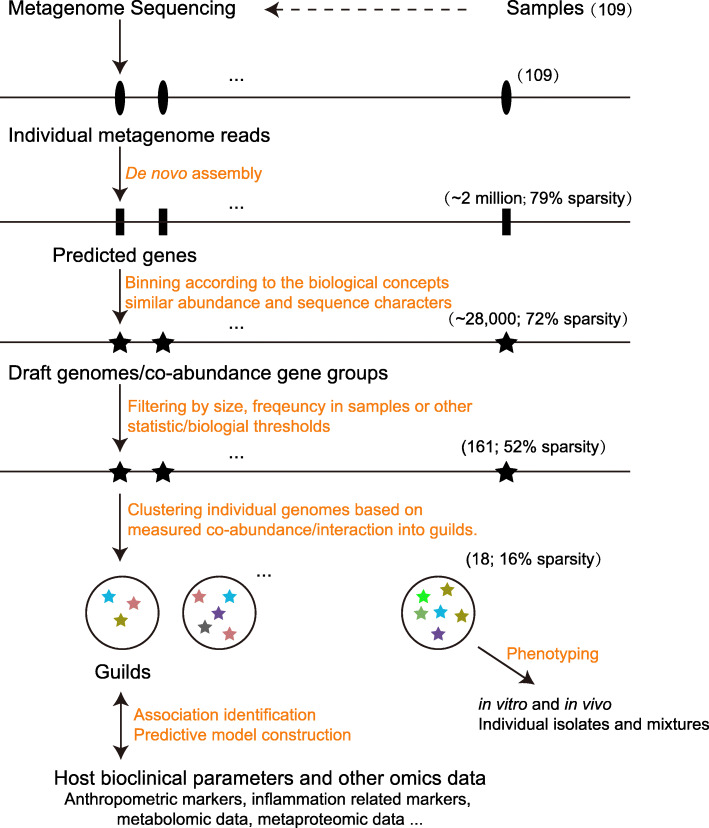
“After de novo assembly with IDBA-UD [80], gene prediction with MetaGeneMark [81], and gene de-redundancy with CD-HIT [82], we generated a nonredundant gut microbial gene catalog containing ~ 2 million genes.”
MethodDiet rapidly and reproducibly alters the human gut microbiome
David, L. A., Maurice, C. F., Carmody, R. N., Gootenberg, D. B., Button, J. E., Wolfe, B. E., Ling, A. V., Devlin, A. S., Varma, Y., Fischbach, M. A., et al. (2014) · Nature · doi:10.1038/nature12820 · Cited by 10,100
A core gut microbiome in obese and lean twins
Turnbaugh, P. J., Hamady, M., Yatsunenko, T., Cantarel, B. L., Duncan, A., Ley, R. E., Sogin, M. L., Jones, W. J., Roe, B. A., Affourtit, J. P., et al. (2009) · Nature · doi:10.1038/nature07540 · Cited by 7,823 · cited 1×
“decade-long debate over controversial results of the relationship between obesity and the ratio of phyla Firmicutes/Bacteroidetes (F/B ratio) [11, 12].”
BackgroundReport of the Ad Hoc Committee on Reconciliation of Approaches to Bacterial Systematics
Wayne, L. G., Moore, W. E. C., Stackebrandt, E., Kandler, O., Colwell, R. R., Krichevsky, M. I., Truper, H. G., Murray, R. G. E., Grimont, P. A. D., Brenner, D. J., et al. (1987) · International Journal of Systematic and Evolutionary Microbiology · doi:10.1099/00207713-37-4-463 · Cited by 7,332
Changes of Intestinal Functions in Liver Cirrhosis
Fukui, H., & Wiest, R. (2016) · Inflammatory Intestinal Diseases · doi:10.1159/000444436 · Cited by 6,808
Obesity alters gut microbial ecology
Ley, R. E., Bäckhed, F., Turnbaugh, P., Lozupone, C. A., Knight, R. D., & Gordon, J. I. (2005) · Proceedings of the National Academy of Sciences · doi:10.1073/pnas.0504978102 · Cited by 6,176 · cited 1×
“decade-long debate over controversial results of the relationship between obesity and the ratio of phyla Firmicutes/Bacteroidetes (F/B ratio) [11, 12].”
BackgroundBokulich, N. A., Kaehler, B. D., Rideout, J. R., Dillon, M., Bolyen, E., Knight, R., Huttley, G. A., & Gregory Caporaso, J. (2018) · Microbiome · doi:10.1186/s40168-018-0470-z · Cited by 5,881 · cited 2×
“At present, the generally used practice in taxon-based analysis is assigning bacterial DNA sequence taxonomic names based on their similarity to the nearest neighbor recorded in a reference database [5, 6].”
BackgroundMethodDNA–DNA hybridization values and their relationship to whole-genome sequence similarities
Goris, J., Konstantinidis, K. T., Klappenbach, J. A., Coenye, T., Vandamme, P., & Tiedje, J. M. (2007) · International Journal of Systematic and Evolutionary Microbiology · doi:10.1099/ijs.0.64483-0 · Cited by 4,750 · cited 6×
“At present, the generally used practice in taxon-based analysis is assigning bacterial DNA sequence taxonomic names based on their similarity to the nearest neighbor recorded in a reference database [5, 6].”
BackgroundInfluentialMicrobial interactions: from networks to models
Faust, K., & Raes, J. (2012) · Nature Reviews Microbiology · doi:10.1038/nrmicro2832 · Cited by 4,141 · cited 1×
“, a rain forest [44], the human gut microbiome is a complex ecosystem, and patterns and functions of a complex ecosystem emerge from localized interactions among its individual components and inter-member organizations [42, 45].”
BackgroundKanehisa, M., Sato, Y., & Morishima, K. (2016) · Journal of Molecular Biology · doi:10.1016/j.jmb.2015.11.006 · Cited by 4,055 · cited 1×
“For instance, 54% of the 17 million genes in KEGG cannot be annotated with KO (KEGG Orthology) number [39], and only 41.”
BackgroundWard’s Hierarchical Agglomerative Clustering Method: Which Algorithms Implement Ward’s Criterion?
Murtagh, F., & Legendre, P. (2014) · Journal of Classification · doi:10.1007/s00357-014-9161-z · Cited by 3,782 · cited 1×
“In brief, the correlation coefficients between two genomes, two OTUs, or two ASVs could then be converted into distance metrics (1- correlation coefficient) and clustered using the Ward clustering algorithm [76].”
MethodThe impact of the gut microbiota on human health: an integrative view
Clemente, J. C., Ursell, L. K., Parfrey, L. W., & Knight, R. (2012) · Cell · doi:10.1016/j.cell.2012.01.035 · Cited by 3,710 · cited 1×
“These microbiome studies have linked changes in the human gut microbiome with many disease outcomes, including obesity, type 2 diabetes, liver diseases, various forms of cancer, allergies, and neurodegenerative diseases [1, 2].”
BackgroundThe Human Intestinal Microbiome in Health and Disease
Lynch, S. V., & Pedersen, O. (2016) · New England Journal of Medicine · doi:10.1056/nejmra1600266 · Cited by 3,637
Caspi, R., Billington, R., Ferrer, L., Foerster, H., Fulcher, C. A., Keseler, I. M., Kothari, A., Krummenacker, M., Latendresse, M., Mueller, L. A., et al. (2016) · Nucleic Acids Research · doi:10.1093/nar/gkv1164 · Cited by 3,395
Gut microbiota composition correlates with diet and health in the elderly
Claesson, M. J., Jeffery, I. B., Conde, S., Power, S. E., O’Connor, E. M., Cusack, S., Harris, H. M. B., Coakley, M., Lakshminarayanan, B., O’Sullivan, O., et al. (2012) · Nature · doi:10.1038/nature11319 · Cited by 3,314 · cited 3×
“[50], first collapsed unique bacterial genomes into taxonomic units and then clustered taxonomic units into CAGs.”
BackgroundMethodGut metagenome in European women with normal, impaired and diabetic glucose control
Karlsson, F. H., Tremaroli, V., Nookaew, I., Bergström, G., Behre, C. J., Fagerberg, B., Nielsen, J., & Bäckhed, F. (2013) · Nature · doi:10.1038/nature12198 · Cited by 3,115
Peng, Y., Leung, H. C. M., Yiu, S. M., & Chin, F. Y. L. (2012) · Bioinformatics · doi:10.1093/bioinformatics/bts174 · Cited by 2,989 · cited 2×
“IDBA-UD: a de novo assembler for single-cell and metagenomic sequencing data with highly uneven depth.”
MethodInferring Correlation Networks from Genomic Survey Data
Friedman, J., & Alm, E. J. (2012) · PLoS Computational Biology · doi:10.1371/journal.pcbi.1002687 · Cited by 2,706 · cited 1×
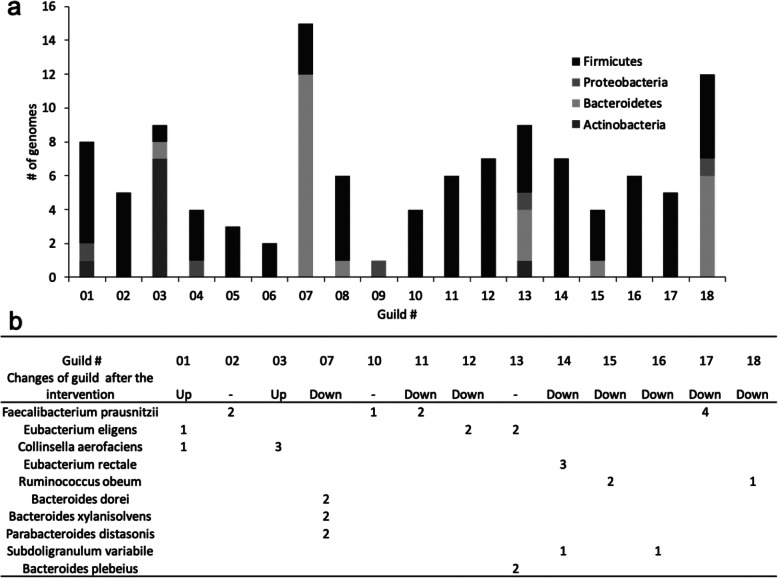
“Out of 567 OTUs identified in total, 225 OTUs were shared by at least 20% of the samples and further clustered into 23 different guilds based on their co-abundance correlations calculated using the SparCC approach [91].”
MethodMicrobiota and SCFA in lean and overweight healthy subjects
Schwiertz, A., Taras, D., Schäfer, K., Beijer, S., Bos, N. A., Donus, C., & Hardt, P. D. (2010) · Obesity · doi:10.1038/oby.2009.167 · Cited by 2,457
Gut bacteria selectively promoted by dietary fibers alleviate type 2 diabetes
Zhao, L., Zhang, F., Ding, X., Wu, G., Lam, Y. Y., Wang, X., Fu, H., Xue, X., Lu, C., Ma, J., et al. (2018) · Science · doi:10.1126/science.aao5774 · Cited by 2,304 · cited 1×
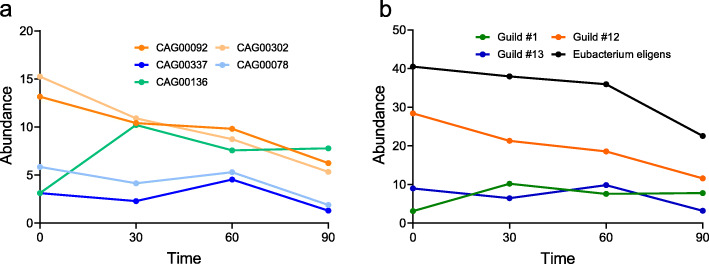
“For example, in our study of patients with type 2 diabetes [41], a high-fiber dietary intervention increased the gut microbial community’s capacity to produce butyrate, as evidenced by significantly higher fecal content of butyrate after 28 days of intervention.”
BackgroundSelf-citationAlterations of the human gut microbiome in liver cirrhosis
Qin, N., Yang, F., Li, A., Prifti, E., Chen, Y., Shao, L., Guo, J., Le Chatelier, E., Yao, J., Wu, L., et al. (2014) · Nature · doi:10.1038/nature13568 · Cited by 2,177
An integrated catalog of reference genes in the human gut microbiome
MetaHIT Consortium, Li, J., Jia, H., Cai, X., Zhong, H., Feng, Q., Sunagawa, S., Arumugam, M., Kultima, J. R., Prifti, E., et al. (2014) · Nature Biotechnology · doi:10.1038/nbt.2942 · Cited by 2,164 · cited 2×
“4% annotated on eggNOG (evolutionary genealogy of genes: Nonsupervised Orthologous Groups) in the IGC [40], an integrated catalog of reference genes in the human gut microbiome based on 1267 samples.”
BackgroundInfluentialSingular value decomposition for genome-wide expression data processing and modeling
Alter, O., Brown, P. O., & Botstein, D. (2000) · Proceedings of the National Academy of Sciences · doi:10.1073/pnas.97.18.10101 · Cited by 1,971 · cited 2×
“Lastly, we acknowledge that several other algorithms, such as autoencoding neural nets [77], and algorithms based on Singular Value Decomposition (SVD) [78], could also be used to reduce the dimensionality.”
MethodA Comprehensive Survey of Clustering Algorithms
Xu, D., & Tian, Y. (2015) · Annals of Data Science · doi:10.1007/s40745-015-0040-1 · Cited by 1,939 · cited 1×
“spectral graph theory based) algorithm [79] are also worth testing for the identification of guilds in future works.”
BackgroundAb initio gene identification in metagenomic sequences
Zhu, W., Lomsadze, A., & Borodovsky, M. (2010) · Nucleic Acids Research · doi:10.1093/nar/gkq275 · Cited by 1,819 · cited 1×
“After de novo assembly with IDBA-UD [80], gene prediction with MetaGeneMark [81], and gene de-redundancy with CD-HIT [82], we generated a nonredundant gut microbial gene catalog containing ~ 2 million genes.”
MethodDeciphering microbial interactions and detecting keystone species with co-occurrence networks
Berry, D., & Widder, S. (2014) · Frontiers in Microbiology · doi:10.3389/fmicb.2014.00219 · Cited by 1,756 · cited 3×
“In this manner, guild-based analysis can potentially recapitulate the ecological interaction network of key members of the gut microbiota [49] and their relationship with host phenotypes.”
BackgroundInfluentialEcosystems and the Biosphere as Complex Adaptive Systems
Levin, S. A. (1998) · Ecosystems · doi:10.1007/s100219900037 · Cited by 1,726
Odamaki, T., Kato, K., Sugahara, H., Hashikura, N., Takahashi, S., Xiao, J.-Z., Abe, F., & Osawa, R. (2016) · BMC Microbiology · doi:10.1186/s12866-016-0708-5 · Cited by 1,521
Strains, functions and dynamics in the expanded Human Microbiome Project
Lloyd-Price, J., Mahurkar, A., Rahnavard, G., Crabtree, J., Orvis, J., Hall, A. B., Brady, A., Creasy, H. H., McCracken, C., Giglio, M. G., et al. (2017) · Nature · doi:10.1038/nature23889 · Cited by 1,267
Loss of Foundation Species: Consequences for the Structure and Dynamics of Forested Ecosystems
Ellison, A. M., Bank, M. S., Clinton, B. D., Colburn, E. A., Elliott, K., Ford, C. R., Foster, D. R., Kloeppel, B. D., Knoepp, J. D., Lovett, G. M., et al. (2005) · Frontiers in Ecology and the Environment · doi:10.1890/1540-9295(2005)003[0479:lofscf]2.0.co;2 · Cited by 1,248 · cited 1×
“, a rain forest [44], the human gut microbiome is a complex ecosystem, and patterns and functions of a complex ecosystem emerge from localized interactions among its individual components and inter-member organizations [42, 45].”
BackgroundWard's Hierarchical Clustering Method: Clustering Criterion and Agglomerative Algorithm
Murtagh, F. D., & Legendre, P. (2011) · arXiv (Cornell University) · doi:10.48550/arxiv.1111.6285 · Cited by 1,247 · cited 1×
“In brief, the correlation coefficients between two genomes, two OTUs, or two ASVs could then be converted into distance metrics (1- correlation coefficient) and clustered using the Ward clustering algorithm [76].”
MethodHuman colonic microbiota associated with diet, obesity and weight loss
Duncan, S. H., Lobley, G. E., Holtrop, G., Ince, J., Johnstone, A. M., Louis, P., & Flint, H. J. (2008) · International Journal of Obesity · doi:10.1038/ijo.2008.155 · Cited by 1,222
Gut Microbiota and Metabolic Endotoxemia in Young Obese Mexican Subjects
Radilla-Vázquez, R. B., Parra-Rojas, I., Martínez-Hernández, N. E., Márquez-Sandoval, Y. F., Illades-Aguiar, B., & Castro-Alarcón, N. (2016) · Obesity Facts · doi:10.1159/000442479 · Cited by 1,196
MetaHIT Consortium, Nielsen, H. B., Almeida, M., Juncker, A. S., Rasmussen, S., Li, J., Sunagawa, S., Plichta, D. R., Gautier, L., Pedersen, A. G., et al. (2014) · Nature Biotechnology · doi:10.1038/nbt.2939 · Cited by 1,184 · cited 3×
“Instead of searching the existing database for closest neighbors, we binned non-redundant genes into draft genomes based on the fact that the abundances of two genes located on the same genomic DNA molecule will highly correlate with each other across multiple samples [83].”
BackgroundMethodAssembly algorithms for next-generation sequencing data
Miller, J. R., Koren, S., & Sutton, G. (2010) · Genomics · doi:10.1016/j.ygeno.2010.03.001 · Cited by 1,154 · cited 1×
“The short reads are then ordered and merged into longer genetic fragments (contigs) using various strategies, such as a form of de Bruijin graph based on the k-mer frequency pattern of reads [25].”
MethodMetabolic Reconstruction for Metagenomic Data and Its Application to the Human Microbiome
Abubucker, S., Segata, N., Goll, J., Schubert, A. M., Izard, J., Cantarel, B. L., Rodriguez-Mueller, B., Zucker, J., Thiagarajan, M., Henrissat, B., et al. (2012) · PLoS Computational Biology · doi:10.1371/journal.pcbi.1002358 · Cited by 1,056
The Guild Concept and the Structure of Ecological Communities
Simberloff, D., & Dayan, T. (1991) · Annual Review of Ecology and Systematics · doi:10.1146/annurev.es.22.110191.000555 · Cited by 883
Correlation detection strategies in microbial data sets vary widely in sensitivity and precision
Weiss, S., Van Treuren, W., Lozupone, C., Faust, K., Friedman, J., Deng, Y., Xia, L. C., Xu, Z. Z., Ursell, L., Alm, E. J., et al. (2016) · The ISME Journal · doi:10.1038/ismej.2015.235 · Cited by 861
Microbial strain-level population structure and genetic diversity from metagenomes
Truong, D. T., Tett, A., Pasolli, E., Huttenhower, C., & Segata, N. (2017) · Genome Research · doi:10.1101/gr.216242.116 · Cited by 839
The gut microbiota and obesity: from correlation to causality
Zhao, L. (2013) · Nature Reviews Microbiology · doi:10.1038/nrmicro3089 · Cited by 838
Self-citationMeta‐analyses of human gut microbes associated with obesity and IBD
Walters, W. A., Xu, Z., & Knight, R. (2014) · FEBS Letters · doi:10.1016/j.febslet.2014.09.039 · Cited by 836 · cited 2×
“Two meta-analyses [9, 16], based on datasets from 11 studies, concluded”
BackgroundMethodThe guild approach to categorizing estuarine fish assemblages: a global review
Elliott, M., Whitfield, A. K., Potter, I. C., Blaber, S. J. M., Cyrus, D. P., Nordlie, F. G., & Harrison, T. D. (2007) · Fish and Fisheries · doi:10.1111/j.1467-2679.2007.00253.x · Cited by 829 · cited 1×
“, to explore the effects of environments on bird communities [47] or the assemblage of fish [48].”
BackgroundTumour-associated and non-tumour-associated microbiota in colorectal cancer
Flemer, B., Lynch, D. B., Brown, J. M. R., Jeffery, I. B., Ryan, F. J., Claesson, M. J., O'Riordain, M., Shanahan, F., & O'Toole, P. W. (2017) · Gut · doi:10.1136/gutjnl-2015-309595 · Cited by 804
Microbiome-wide association studies link dynamic microbial consortia to disease
Gilbert, J. A., Quinn, R. A., Debelius, J., Xu, Z. Z., Morton, J., Garg, N., Jansson, J. K., Dorrestein, P. C., & Knight, R. (2016) · Nature · doi:10.1038/nature18850 · Cited by 718
Looking for a Signal in the Noise: Revisiting Obesity and the Microbiome
Sze, M. A., & Schloss, P. D. (2016) · mBio · doi:10.1128/mbio.01018-16 · Cited by 600 · cited 1×
“Two meta-analyses [9, 16], based on datasets from 11 studies, concluded”
MethodStructural modulation of gut microbiota in life-long calorie-restricted mice
Zhang, C., Li, S., Yang, L., Huang, P., Li, W., Wang, S., Zhao, G., Zhang, M., Pang, X., Yan, Z., et al. (2013) · Nature Communications · doi:10.1038/ncomms3163 · Cited by 461
Self-citationWeakly supervised learning of biomedical information extraction from curated data
Jain, S., R., K., Kuo, T.-T., Bhargava, S., Lin, G., & Hsu, C.-N. (2016) · BMC Bioinformatics · doi:10.1186/s12859-015-0844-1 · Cited by 450
Metagenome-wide association studies: fine-mining the microbiome
Wang, J., & Jia, H. (2016) · Nature Reviews Microbiology · doi:10.1038/nrmicro.2016.83 · Cited by 429
Zhao, W., Dao, C., Karim, M., Gomez-Chiarri, M., Rowley, D., & Nelson, D. R. (2016) · BMC Microbiology · doi:10.1186/s12866-015-0617-z · Cited by 424
Zhang, C., Yin, A., Li, H., Wang, R., Wu, G., Shen, J., Zhang, M., Wang, L., Hou, Y., Ouyang, H., et al. (2015) · EBioMedicine · doi:10.1016/j.ebiom.2015.07.007 · Cited by 416 · cited 4×
“We propose that members of the same bacterial guild [46] are likely to work together to exert ecological functions and show consistent coabundant behavior, which may be derived from exploiting the same resources in a similar way or possessing certain interactive molecular mechanisms.”
BackgroundMethodInfluentialSelf-citationMicrobial imbalance in inflammatory bowel disease patients at different taxonomic levels
Alam, M. T., Amos, G. C. A., Murphy, A. R. J., Murch, S., Wellington, E. M. H., & Arasaradnam, R. P. (2020) · Gut Pathogens · doi:10.1186/s13099-019-0341-6 · Cited by 380
Dysbiosis of Gut Microbiota Associated with Clinical Parameters in Polycystic Ovary Syndrome
Liu, R., Zhang, C., Shi, Y., Zhang, F., Li, L., Wang, X., Ling, Y., Fu, H., Dong, W., Shen, J., et al. (2017) · Frontiers in Microbiology · doi:10.3389/fmicb.2017.00324 · Cited by 367 · cited 3×
“When correlated with 26 host clinical parameters, three guilds (guilds #1, #4, and #7) showed positive correlations with disease parameters, and five (guilds #10, #11, #12, #13, and #18) were negatively correlated [90].”
BackgroundInfluentialSelf-citationChanges of colonic bacterial composition in Parkinson's disease and other neurodegenerative diseases
Gerhardt, S., & Mohajeri, M. H. (2018) · Nutrients · doi:10.3390/nu10060708 · Cited by 298
Recovering complete and draft population genomes from metagenome datasets
Sangwan, N., Xia, F., & Gilbert, J. A. (2016) · Microbiome · doi:10.1186/s40168-016-0154-5 · Cited by 260
Genetic determinants of in vivo fitness and diet responsiveness in multiple human gut Bacteroides
Wu, M., McNulty, N. P., Rodionov, D. A., Khoroshkin, M. S., Griffin, N. W., Cheng, J., Latreille, P., Kerstetter, R. A., Terrapon, N., Henrissat, B., et al. (2015) · Science · doi:10.1126/science.aac5992 · Cited by 245 · cited 1×
“to their fitness in the host gut [23], and the difference between Bifidobacterium breve strains in their ability to”
BackgroundPan, F., Zhang, L., Li, M., Hu, Y., Zeng, B., Yuan, H., Zhao, L., & Zhang, C. (2018) · Microbiome · doi:10.1186/s40168-018-0440-5 · Cited by 232
Self-citationMartinez-Medina, M., & Garcia-Gil, L. J. (2014) · World Journal of Gastrointestinal Pathophysiology · doi:10.4291/wjgp.v5.i3.213 · Cited by 223 · cited 1×
“, the substantial controversy regarding the abundance of Escherichia coli in the colonic mucosa of ulcerative colitis patients [17].”
BackgroundA sparse covarying unit that describes healthy and impaired human gut microbiota development
Raman, A. S., Gehrig, J. L., Venkatesh, S., Chang, H.-W., Hibberd, M. C., Subramanian, S., Kang, G., Bessong, P. O., Lima, A. A. M., Kosek, M. N., et al. (2019) · Science · doi:10.1126/science.aau4735 · Cited by 221 · cited 1×
“16S rRNA gene sequencing data), instead of analyzing co-abundant relationships at genus or higher taxon levels [50, 74].”
BackgroundDistinctly altered gut microbiota in the progression of liver disease
Xie, G., Wang, X., Liu, P., Wei, R., Chen, W., Rajani, C., Hernandez, B. Y., Alegado, R., Dong, B., Li, D., et al. (2016) · Oncotarget · doi:10.18632/oncotarget.8466 · Cited by 219
Zhang, L., Wu, W., Lee, Y.-K., Xie, J., & Zhang, H. (2018) · Frontiers in Microbiology · doi:10.3389/fmicb.2018.00048 · Cited by 198
Inflammation and colorectal cancer, when microbiota-host mutualism breaks
Candela, M. (2014) · World Journal of Gastroenterology · doi:10.3748/wjg.v20.i4.908 · Cited by 197
MOCAT2: a metagenomic assembly, annotation and profiling framework
Kultima, J. R., Coelho, L. P., Forslund, K., Huerta-Cepas, J., Li, S. S., Driessen, M., Voigt, A. Y., Zeller, G., Sunagawa, S., & Bork, P. (2016) · Bioinformatics · doi:10.1093/bioinformatics/btw183 · Cited by 189
Chia, L. W., Hornung, B. V. H., Aalvink, S., Schaap, P. J., de Vos, W. M., Knol, J., & Belzer, C. (2018) · Antonie van Leeuwenhoek · doi:10.1007/s10482-018-1040-x · Cited by 140 · cited 1×
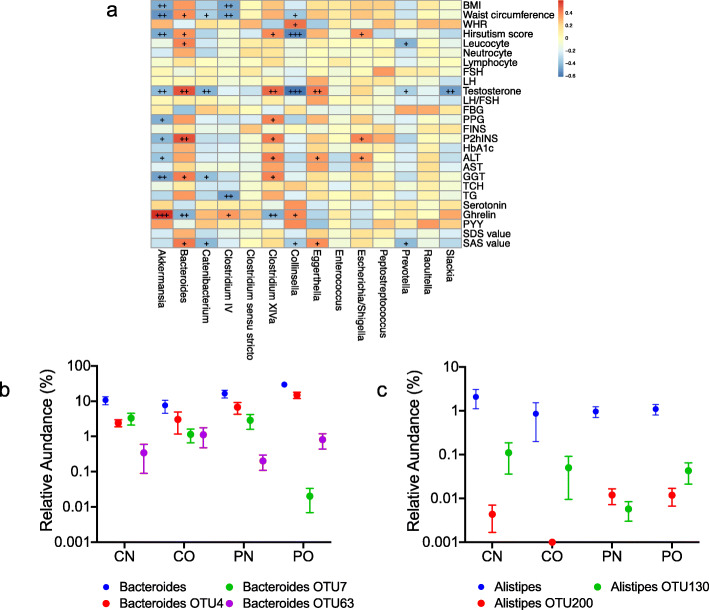
“These findings suggest that the beneficial role of this Akkermansia OTU may require interactions with other bacteria [92].”
BackgroundCore Gut Bacteria Analysis of Healthy Mice
Wang, J., Lang, T., Shen, J., Dai, J., Tian, L., & Wang, X. (2019) · Frontiers in Microbiology · doi:10.3389/fmicb.2019.00887 · Cited by 136
Tongue Coating Microbiota Community and Risk Effect on Gastric Cancer
Wu, J., Xu, S., Xiang, C., Cao, Q., Li, Q., Huang, J., Shi, L., Zhang, J., & Zhan, Z. (2018) · Journal of Cancer · doi:10.7150/jca.25280 · Cited by 134
Martínez-Álvaro, M., Auffret, M. D., Stewart, R. D., Dewhurst, R. J., Duthie, C.-A., Rooke, J. A., Wallace, R. J., Shih, B. B.-J., Freeman, T. C., Watson, M., et al. (2020) · Frontiers in Microbiology · doi:10.3389/fmicb.2020.00659 · Cited by 132
Comparative genomics of the Bifidobacterium brevetaxon
Bottacini, F., O’Connell Motherway, M., Kuczynski, J., O’Connell, K. J., Serafini, F., Duranti, S., Milani, C., Turroni, F., Lugli, G. A., Zomer, A., et al. (2014) · BMC Genomics · doi:10.1186/1471-2164-15-170 · Cited by 130
Malassezia and Staphylococcus dominate scalp microbiome for seborrheic dermatitis
Lin, Q., Panchamukhi, A., Li, P., Wang, S., Zhou, H., Hou, L., & Chen, W. (2020) · Bioprocess and Biosystems Engineering · doi:10.1007/s00449-020-02333-5 · Cited by 130
Hou, J., Zheng, H., Li, P., Liu, H., Zhou, H., & Yang, X. (2018) · Radiotherapy and Oncology · doi:10.1016/j.radonc.2018.04.023 · Cited by 124
Strain-level dissection of the contribution of the gut microbiome to human metabolic disease
Zhang, C., & Zhao, L. (2016) · Genome Medicine · doi:10.1186/s13073-016-0304-1 · Cited by 123 · cited 1×
“, virulent or nonvirulent, positively or negatively responding to high fiber supplementation [22].”
BackgroundSelf-citationEvaluating the profound effect of gut microbiome on host appetite in pigs
Yang, H., Yang, M. J., Fang, S., Huang, X., He, M., Ke, S., Gao, J., Wu, J., Zhou, Y., Fu, H., et al. (2018) · BMC Microbiology · doi:10.1186/s12866-018-1364-8 · Cited by 123
Deciphering the tête-à-tête between the microbiota and the immune system
Surana, N. K., & Kasper, D. L. (2014) · Journal of Clinical Investigation · doi:10.1172/jci72332 · Cited by 120
SmashCommunity: a metagenomic annotation and analysis tool
Arumugam, M., Harrington, E. D., Foerstner, K. U., Raes, J., & Bork, P. (2010) · Bioinformatics · doi:10.1093/bioinformatics/btq536 · Cited by 103
Chen, T., Liu, A. B., Sun, S., Ajami, N. J., Ross, M. C., Wang, H., Zhang, L., Reuhl, K., Kobayashi, K., Onishi, J. C., et al. (2019) · Molecular Nutrition & Food Research · doi:10.1002/mnfr.201801064 · Cited by 100 · cited 1×
“Using a 16S rRNA gene V4 sequencing dataset from a study on green tea polyphenols, we found that the gut microbiome responded to polyphenols as guilds, and some guilds were associated with the polyphenols’ effect on lowering blood glucose in db/db mice [86].”
MethodSelf-citationNetCooperate: a network-based tool for inferring host-microbe and microbe-microbe cooperation
Levy, R., Carr, R., Kreimer, A., Freilich, S., & Borenstein, E. (2015) · BMC Bioinformatics · doi:10.1186/s12859-015-0588-y · Cited by 99
Morán‐Ramos, S., López-Contreras, B. E., Villarruel‐Vazquez, R., Ocampo‐Medina, E., Kauffer, L. R. M., Martínez-Medina, J. N., Villamil‐Ramírez, H., León‐Mimila, P., Del-Rio-Navarro, B. E., Ibarra‐González, I., et al. (2020) · Gut Microbes · doi:10.1080/19490976.2020.1712985 · Cited by 91
From Network Analysis to Functional Metabolic Modeling of the Human Gut Microbiota
Bauer, E., & Thiele, I. (2018) · mSystems · doi:10.1128/msystems.00209-17 · Cited by 90 · cited 1×
“It is pivotal for the microbiome research field to build new analytical methods or use existing methods, such as metabolic network reconstruction and modeling [93] or reverse ecology [94–96], to understand why and how guild members, especially those significantly correlated with host phenotypes, work together.”
MethodReverse Ecology: From Systems to Environments and Back
Levy, R., & Borenstein, E. (2012) · Advances in experimental medicine and biology · doi:10.1007/978-1-4614-3567-9_15 · Cited by 85
Qiao, Y., Sun, J., Xia, S., Li, L., Li, Y., Wang, P., Shi, Y., & Le, G. (2015) · Journal of Functional Foods · doi:10.1016/j.jff.2015.02.013 · Cited by 72 · cited 1×
“While in reality, bacterial strains in the same taxonomic group have been found to vary in their relationships with the host bio-clinical parameters, suggesting that they each may have a distinct impact on host health [18, 19].”
BackgroundAlterations of Gut Microbiota in Cholestatic Infants and Their Correlation With Hepatic Function
Guo, C., Li, Y., Wang, P., Li, Y., Qiu, C., Li, M., Wang, D., Zhao, R., Li, D., Wang, Y., et al. (2018) · Frontiers in Microbiology · doi:10.3389/fmicb.2018.02682 · Cited by 71
Role of the intestinal microbiome in colorectal cancer surgery outcomes
Lauka, L., Reitano, E., Carra, M. C., Gaiani, F., Gavriilidis, P., Brunetti, F., de’Angelis, G. L., Sobhani, I., & de’Angelis, N. (2019) · World Journal of Surgical Oncology · doi:10.1186/s12957-019-1754-x · Cited by 63
A guild-based approach to assessing the influence of beech forest structure on bird communities
Balestrieri, R., Basile, M., Posillico, M., Altea, T., Cinti, B. D., & Matteucci, G. (2015) · Forest Ecology and Management · doi:10.1016/j.foreco.2015.07.011 · Cited by 62 · cited 1×
“, to explore the effects of environments on bird communities [47] or the assemblage of fish [48].”
BackgroundLiu, T., Wu, Y., Wang, L., Pang, X., Zhao, L., Yuan, H., & Zhang, C. (2019) · mBio · doi:10.1128/mbio.02903-18 · Cited by 56
Self-citationWu, G., Zhang, C., Wu, H., Wang, R., Shen, J., Wang, L., Zhao, Y., Pang, X., Zhang, X., Zhao, L., et al. (2017) · mBio · doi:10.1128/mbio.02348-16 · Cited by 53 · cited 1×
“While in reality, bacterial strains in the same taxonomic group have been found to vary in their relationships with the host bio-clinical parameters, suggesting that they each may have a distinct impact on host health [18, 19].”
BackgroundSelf-citationRevEcoR: an R package for the reverse ecology analysis of microbiomes
Cao, Y., Wang, Y., Zheng, X., Li, F., & Bo, X. (2016) · BMC Bioinformatics · doi:10.1186/s12859-016-1088-4 · Cited by 52
Functional sequencing read annotation for high precision microbiome analysis
Zhu, C., Miller, M., Marpaka, S., Vaysberg, P., Rühlemann, M. C., Wu, G., Heinsen, F.-A., Tempel, M., Zhao, L., Lieb, W., et al. (2018) · Nucleic Acids Research · doi:10.1093/nar/gkx1209 · Cited by 47
Self-citationImpact of Kamut® Khorasan on gut microbiota and metabolome in healthy volunteers
Saa, D. L. T., Turroni, S., Serrazanetti, D. I., Rampelli, S., Maccaferri, S., Candela, M., Severgnini, M., Simonetti, E., Brigidi, P., & Gianotti, A. (2014) · Food Research International · doi:10.1016/j.foodres.2014.04.005 · Cited by 45
Geng, H., Tran-Gyamfi, M. B., Lane, T. W., Sale, K. L., & Yu, E. T. (2016) · Frontiers in Microbiology · doi:10.3389/fmicb.2016.01155 · Cited by 45
Wang, Y., Tian, H., Huang, F., Long, W., Zhang, Q., Wang, J., Zhu, Y. B., Wu, X., Chen, G., Zhao, L., et al. (2017) · Scientific Reports · doi:10.1038/s41598-017-15122-0 · Cited by 41
Self-citationDysfunctional gut microbiota and relative co-abundance network in infantile eczema
Wang, H., Li, Y., Feng, X., Li, Y., Wang, W., Qiu, C., Xu, J., Yang, Z., Li, Z., Zhou, Q., et al. (2016) · Gut Pathogens · doi:10.1186/s13099-016-0118-0 · Cited by 39
Tumour-associated and non-tumour-associated microbiota: Addendum
Flemer, B., Herlihy, M., O‘Riordain, M., Shanahan, F., & O’Toole, P. W. (2018) · Gut Microbes · doi:10.1080/19490976.2018.1435246 · Cited by 38
Causality in dietary interventions—building a case for gut microbiota
Lam, Y. Y., Zhang, C., & Zhao, L. (2018) · Genome Medicine · doi:10.1186/s13073-018-0573-y · Cited by 37 · cited 1×
“bacteria contributing to human health and diseases causatively [97].”
BackgroundSelf-citationLam, K. C., Vyshenska, D., Hu, J., Rodrigues, R. R., Nilsen, A., Zielke, R. A., Brown, N. S., Aarnes, E., Sikora, A. E., Shulzhenko, N., et al. (2018) · PeerJ · doi:10.7717/peerj.5590 · Cited by 34
Unraveling bacterial fingerprints of city subways from microbiome 16S gene profiles
Walker, A. R., Grimes, T., Datta, S., & Datta, S. (2018) · Biology Direct · doi:10.1186/s13062-018-0215-8 · Cited by 32
Research works printed but not linked: 1
- Madigan MT, Clark, DP, Stahl D, Martinko JM. Brock biology of microorganisms 13th edition. San Francisco: Benjamin Cummings; 2010.
Cited by
Liu, B.-N., Liu, X.-T., Liang, Z.-H., & Wang, J.-H. (2021) · World Journal of Gastroenterology · doi:10.3748/wjg.v27.i25.3837 · Cited by 606
The microbiome and gut homeostasis
Lee, J.-Y., Tsolis, R. M., & Bäumler, A. J. (2022) · Science · doi:10.1126/science.abp9960 · Cited by 428
A core microbiome signature as an indicator of health
Wu, G., Xu, T., Zhao, N., Lam, Y. Y., Ding, X., Wei, D., Fan, J., Shi, Y., Li, X., Li, M., et al. (2024) · Cell · doi:10.1016/j.cell.2024.09.019 · Cited by 250
Self-citationZhou, X., Shen, X., Johnson, J. S., Spakowicz, D. J., Agnello, M., Zhou, W., Avina, M., Honkala, A., Chleilat, F., Chen, S. J., et al. (2024) · Cell Host & Microbe · doi:10.1016/j.chom.2024.02.012 · Cited by 167
Gut dysbiosis: Ecological causes and causative effects on human disease
Winter, S., & Bäumler, A. J. (2023) · Proceedings of the National Academy of Sciences · doi:10.1073/pnas.2316579120 · Cited by 181
“Facultatively anaerobic bacteria form a metabolic guild because they use the same resources, i.e., respiratory electron acceptors, in a similar way (69).”
Background
Metadata
- Authors
- Wu, G., Zhao, N., Zhang, C., Lam, Y. Y., & Zhao, L.
- Affiliations
- Rutgers, The State University of New Jersey (US)
- Corresponding author
- Zhao, Liping
- Venue
- Genome Medicine
- Published
- 2021-02-09
- Volume
- 13
- Issue
- 1
- Pages
- 22-22
- ISSN
- 1756-994X (ISSN-L)
- PMC
- PMC7874449
- OpenAlex
- W3129102895
- Cited by
- 203
- References
- 102
- Citations by year
- 2026: 26 · 2025: 40 · 2024: 50 · 2023: 31 · 2022: 39 · 2021: 16
- FWCI
- 10.91
- Type
- journal article
- Language
- en
- Open access
- gold
- doi.org
- Licence
- cc-by
- creativecommons.org/licenses/by/4.0/ (tdm)
- creativecommons.org/licenses/by/4.0/ (vor)
- Locations
- Genome Medicine (publishedVersion, cc-by)
- PubMed Central (publishedVersion, cc-by)
- PubMed (publishedVersion)
- DOAJ (DOAJ: Directory of Open Access Journals) (submittedVersion, cc-by-sa)
- Funders
- National Institute of Environmental Health Sciences (P30ES005022)
- Topics
- Life Sciences › Biochemistry, Genetics and Molecular Biology › Molecular Biology › Gut microbiota and health
- Physical Sciences › Environmental Science › Ecology › Microbial Community Ecology and Physiology
- Health Sciences › Dentistry › Periodontics › Oral microbiology and periodontitis research
- Keywords
- gut microbiota, microbial guilds, dimensionality reduction, sparsity, CO abundance, microbial ecology, human health and disease
- MeSH terms
- Gastrointestinal Microbiome, Disease, Female, Health, Humans, Obesity, Phylogeny, Polycystic Ovary Syndrome, RNA, Ribosomal, 16S, Databases, Genetic, Metagenomics
About these checks
Registry, retraction, Cites and statistics results are computed, not judged, with one exception: a printed reference that no index lists is read once by a model before it counts as a citation error. Claims are extracted by a model and kept only when their quote appears verbatim in the text; each cited source is then checked, with a model’s help, for whether it says what the claim relies on. Those verdicts can be wrong — read the claim’s quote and the cited source before relying on one.
Statistics and arithmetic are recomputed, not judged.
Confidence bands are shown only for fields calibrated on our annotated test set. None is calibrated yet, so no band is shown.
What counts as a claim ›How we measure confidence ›How we check this ›
Are you an author, or do you see a problem with this page? Request a review
Data sources
Bibliographic data: Semantic Scholar, OpenAlex, Crossref.
Contains information from the Semantic Scholar Academic Graph Datasets, made available under the ODC Attribution License (ODC-BY 1.0).
Semantic Scholar’s data is described in: Kinney, R., et al. (2023). The Semantic Scholar Open Data Platform. arXiv:2301.10140.
