

The DOI matches its Crossref record; 85 of the 85 references it cites were found in a registry or an index.
Taxonomic profiling and populational patterns of bacterial bile salt hydrolase (BSH) genes based on worldwide human gut microbiome
Open accessPublished version of a preprint
Abstract
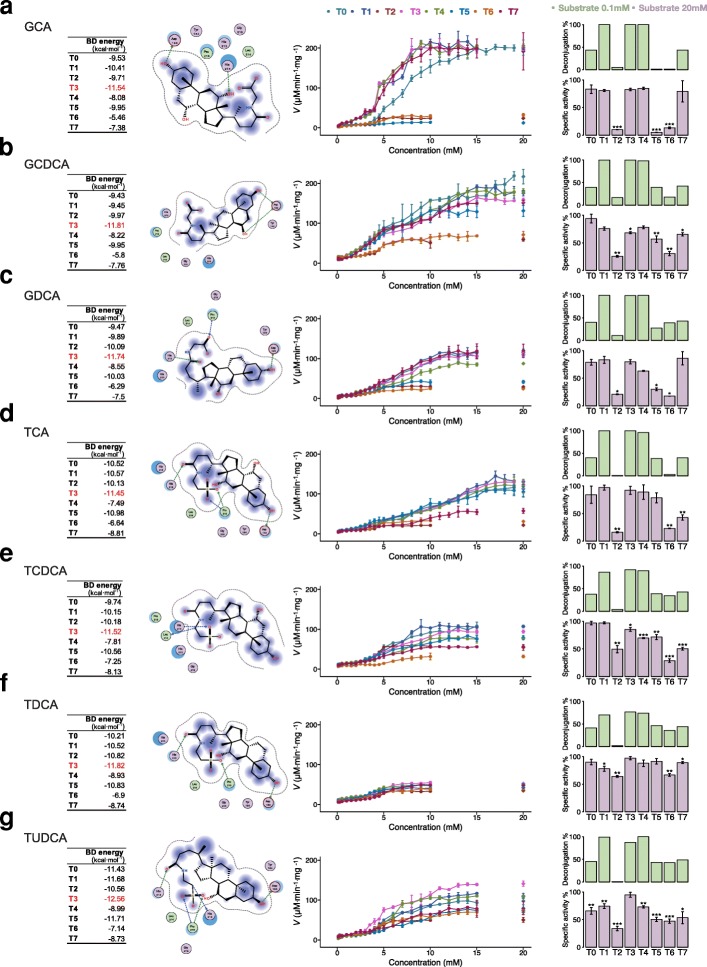
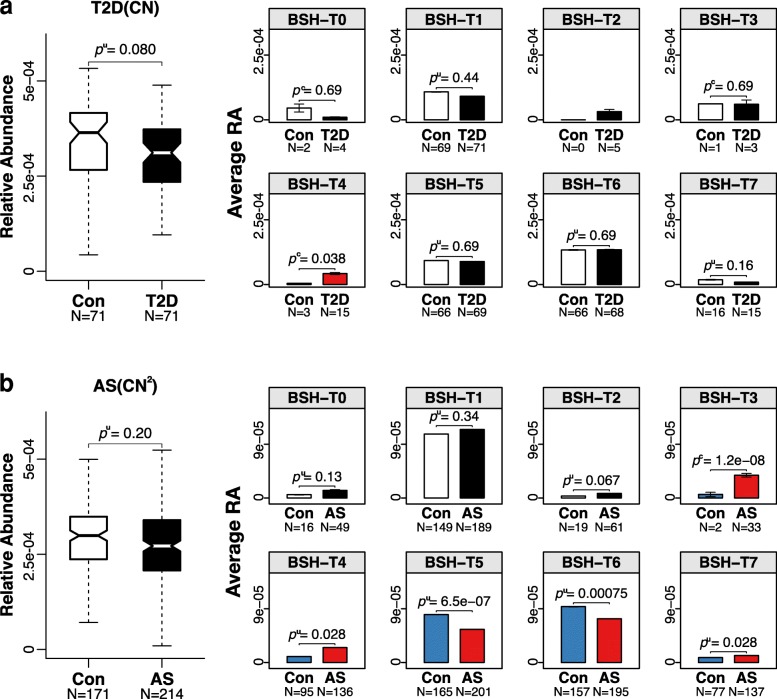
BACKGROUND: Bile salt hydrolase plays an important role in bile acid-mediated signaling pathways, which regulate lipid absorption, glucose metabolism, and energy homeostasis. Several reports suggest that changes in the composition of bile acids are found in many diseases caused by dysbacteriosis. RESULTS: Here, we present the taxonomic identification of bile salt hydrolase (BSH) in human microbiota and elucidate the abundance and activity differences of various bacterial BSH among 11 different populations from six continents. For the first time, we revealed that bile salt hydrolase protein sequences (BSHs) are distributed in 591 intestinal bacterial strains within 117 genera in human microbiota, and 27.52% of these bacterial strains containing BSH paralogs. Significant variations are observed in BSH distribution patterns among different populations. Based on phylogenetic analysis, we reclassified these BSHs into eight phylotypes and investigated the abundance patterns of these phylotypes among different populations. From the inspection of enzyme activity among different BSH phylotypes, BSH-T3 showed the highest enzyme activity and is only found in Lactobaclillus. The phylotypes of BSH-T5 and BSH-T6 mainly from Bacteroides with high percentage of paralogs exhibit different enzyme activity and deconjugation activity. Furthermore, we found that there were significant differences between healthy individuals and patients with atherosclerosis and diabetes in some phylotypes of BSHs though the correlations were pleiotropic. CONCLUSION: This study revealed the taxonomic and abundance profiling of BSH in human gut microbiome and provided a phylogenetic-based system to assess BSHs activity by classifying the target sequence into specific phylotype. Furthermore, the present work disclosed the variation patterns of BSHs among different populations of geographical regions and health/disease cohorts, which is essential to understand the role of BSH in the development and progression of related diseases.
Overview
The claims and statistics of this paper haven’t been checked yet.
Run the check — free, no account needed. It reads the open-access text and checks the sources it cites.
Integrity signals
Registry
Cites
Statistics
Figures
Verification
Claims the paper makes
The claims and statistics of this paper haven’t been checked yet.
Run the check — free, no account needed. It reads the open-access text and checks the sources it cites.
Claims other papers make about this one
Each is checked against this paper’s own text: does it say what the citing paper says it does?
The cited source says what the claim attributes to it.
In the citing paper
“BSH activity is widely distributed among gastrointestinal microbes, including various Lactobacillaceae species [5–8], where the presence of multiple bsh orthologs reflects strain-specific adaptations into the intestinal environment [5, 8–10].”
From Bile Salt Hydrolase Activity in the Food-Derived Strain Levilactobacillus brevis M3R3: Genomic and Functional Characterization (2026) · cites this paper as [7]
Self-check
Percentages, sums and reported differences re-computed from the paper’s own numbers.
The self-check needs the paper’s full text.
Citations
Cites
BLAST+: architecture and applications
Camacho, C., Coulouris, G., Avagyan, V., Ma, N., Papadopoulos, J., Bealer, K., & Madden, T. L. (2009) · BMC Bioinformatics · doi:10.1186/1471-2105-10-421 · Cited by 22,074
Structure, function and diversity of the healthy human microbiome
The Human Microbiome Project Consortium (2012) · Nature · doi:10.1038/nature11234 · Cited by 11,726
The Phyre2 web portal for protein modeling, prediction and analysis
Kelley, L. A., Mezulis, S., Yates, C. M., Wass, M. N., & Sternberg, M. J. E. (2015) · Nature Protocols · doi:10.1038/nprot.2015.053 · Cited by 9,652
<tt>BLAT</tt> —The <tt>BLAST</tt> -Like Alignment Tool
Kent, W. J. (2002) · Genome Research · doi:10.1101/gr.229202 · Cited by 8,480
Changes of Intestinal Functions in Liver Cirrhosis
Fukui, H., & Wiest, R. (2016) · Inflammatory Intestinal Diseases · doi:10.1159/000444436 · Cited by 6,820
A metagenome-wide association study of gut microbiota in type 2 diabetes
Qin, J., Li, Y., Cai, Z., Li, S., Zhu, J., Zhang, F., Liang, S., Zhang, W., Guan, Y., Shen, D., et al. (2012) · Nature · doi:10.1038/nature11450 · Cited by 6,762
Self-citationDe Filippo, C., Cavalieri, D., Di Paola, M., Ramazzotti, M., Poullet, J. B., Massart, S., Collini, S., Pieraccini, G., & Lionetti, P. (2010) · Proceedings of the National Academy of Sciences · doi:10.1073/pnas.1005963107 · Cited by 5,579
SOAPdenovo2: an empirically improved memory-efficient short-read de novo assembler
Luo, R., Liu, B., Xie, Y., Li, Z., Huang, W., Yuan, J., He, G., Chen, Y., Pan, Q., Liu, Y., et al. (2012) · GigaScience · doi:10.1186/2047-217x-1-18 · Cited by 5,365
Richness of human gut microbiome correlates with metabolic markers
Le Chatelier, E., Nielsen, T., Qin, J., Prifti, E., Hildebrand, F., Falony, G., Almeida, M., Arumugam, M., Batto, J.-M., Kennedy, S., et al. (2013) · Nature · doi:10.1038/nature12506 · Cited by 4,662
Self-citationThe Human Intestinal Microbiome in Health and Disease
Lynch, S. V., & Pedersen, O. (2016) · New England Journal of Medicine · doi:10.1056/nejmra1600266 · Cited by 3,637
Gut metagenome in European women with normal, impaired and diabetic glucose control
Karlsson, F. H., Tremaroli, V., Nookaew, I., Bergström, G., Behre, C. J., Fagerberg, B., Nielsen, J., & Bäckhed, F. (2013) · Nature · doi:10.1038/nature12198 · Cited by 3,115
Identification of a nuclear receptor for bile acids
Makishima, M., Okamoto, A. Y., Repa, J. J., Tu, H., Learned, R. M., Luk, A., Hull, M. V., Lustig, K. D., Mangelsdorf, D. J., & Shan, B. (1999) · Science · doi:10.1126/science.284.5418.1362 · Cited by 2,714
Alterations of the human gut microbiome in liver cirrhosis
Qin, N., Yang, F., Li, A., Prifti, E., Chen, Y., Shao, L., Guo, J., Le Chatelier, E., Yao, J., Wu, L., et al. (2014) · Nature · doi:10.1038/nature13568 · Cited by 2,177
An integrated catalog of reference genes in the human gut microbiome
MetaHIT Consortium, Li, J., Jia, H., Cai, X., Zhong, H., Feng, Q., Sunagawa, S., Arumugam, M., Kultima, J. R., Prifti, E., et al. (2014) · Nature Biotechnology · doi:10.1038/nbt.2942 · Cited by 2,164
Self-citationAb initio gene identification in metagenomic sequences
Zhu, W., Lomsadze, A., & Borodovsky, M. Y. (2010) · Nucleic Acids Research · doi:10.1093/nar/gkq275 · Cited by 1,818
The gut microbiome in atherosclerotic cardiovascular disease
Jie, Z., Xia, H., Zhong, S.-L., Feng, Q., Li, S., Liang, S., Zhong, H., Liu, Z., Gao, Y., Zhao, H., et al. (2017) · Nature Communications · doi:10.1038/s41467-017-00900-1 · Cited by 1,638
Self-citationGut microbiome development along the colorectal adenoma-carcinoma sequence
Feng, Q., Liang, S., Jia, H., Stadlmayr, A., Tang, L., Lan, Z., Zhang, D., Xia, H., Xu, X., Jie, Z., et al. (2015) · Nature Communications · doi:10.1038/ncomms7528 · Cited by 1,506
Self-citationPotential of fecal microbiota for early-stage detection of colorectal cancer
Zeller, G., Tap, J., Voigt, A. Y., Sunagawa, S., Kultima, J. R., Costea, P. I., Amiot, A., Böhm, J., Brunetti, F., Habermann, N., et al. (2014) · Molecular Systems Biology · doi:10.15252/msb.20145645 · Cited by 1,375
Gut microbiome of the Hadza hunter-gatherers
Schnorr, S. L., Candela, M., Rampelli, S., Centanni, M., Consolandi, C., Basaglia, G., Turroni, S., Biagi, E., Peano, C., Severgnini, M., et al. (2014) · Nature Communications · doi:10.1038/ncomms4654 · Cited by 1,317
Jones, B. V., Begley, M., Hill, C., Gahan, C. G. M., & Marchesi, J. R. (2008) · Proceedings of the National Academy of Sciences · doi:10.1073/pnas.0804437105 · Cited by 1,098
Bile acid signaling in metabolic disease and drug therapy
Li, T., & Chiang, J. Y. L. (2014) · Pharmacological Reviews · doi:10.1124/pr.113.008201 · Cited by 935
Regulation of host weight gain and lipid metabolism by bacterial bile acid modification in the gut
Joyce, S. A., MacSharry, J., Casey, P. G., Kinsella, M., Murphy, E. F., Shanahan, F., Hill, C., & Gahan, C. G. M. (2014) · Proceedings of the National Academy of Sciences · doi:10.1073/pnas.1323599111 · Cited by 604
Subsistence strategies in traditional societies distinguish gut microbiomes
Obregon-Tito, A. J., Tito, R. Y., Metcalf, J., Sankaranarayanan, K., Clemente, J. C., Ursell, L. K., Zech Xu, Z., Van Treuren, W., Knight, R., Gaffney, P. M., et al. (2015) · Nature Communications · doi:10.1038/ncomms7505 · Cited by 587
Martínez, I., Stegen, J. C., Maldonado-Gómez, M. X., Eren, A. M., Siba, P. M., Greenhill, A. R., & Walter, J. (2015) · Cell Reports · doi:10.1016/j.celrep.2015.03.049 · Cited by 576
Metabolic Footprint of Diabetes: A Multiplatform Metabolomics Study in an Epidemiological Setting
Suhre, K., Meisinger, C., Döring, A., Altmaier, E., Belcredi, P., Gieger, C., Chang, D., Milburn, M. V., Gall, W. E., Weinberger, K. M., et al. (2010) · PLoS ONE · doi:10.1371/journal.pone.0013953 · Cited by 567
Sun, Z., Harris, H. M. B., McCann, A., Guo, C., Argimón, S., Zhang, W., Yang, X., Jeffery, I. B., Cooney, J. C., Kagawa, T. F., et al. (2015) · Nature Communications · doi:10.1038/ncomms9322 · Cited by 543
Self-citationThe gut microbiome of healthy Japanese and its microbial and functional uniqueness
Nishijima, S., Suda, W., Oshima, K., Kim, S.-W., Hirose, Y., Morita, H., & Hattori, M. (2016) · DNA Research · doi:10.1093/dnares/dsw002 · Cited by 513
Human Insulin Resistance Is Associated With Increased Plasma Levels of 12α-Hydroxylated Bile Acids
Haeusler, R. A., Astiarraga, B., Camastra, S., Accili, D., & Ferrannini, E. (2013) · Diabetes · doi:10.2337/db13-0639 · Cited by 444
Metagenome Sequencing of the Hadza Hunter-Gatherer Gut Microbiota
Rampelli, S., Schnorr, S. L., Consolandi, C., Turroni, S., Severgnini, M., Peano, C., Brigidi, P., Crittenden, A. N., Henry, A. G., & Candela, M. (2015) · Current Biology · doi:10.1016/j.cub.2015.04.055 · Cited by 399
Mizuno, S., Masaoka, T., Naganuma, M., Kishimoto, T., Kitazawa, M., Kurokawa, S., Nakashima, M., Takeshita, K., Suda, W., Mimura, M., et al. (2017) · Digestion · doi:10.1159/000471919 · Cited by 395
Cipriani, S., Mencarelli, A., Chini, M. G., Distrutti, E., Renga, B., Bifulco, G., Baldelli, F., Donini, A., & Fiorucci, S. (2011) · PLoS ONE · doi:10.1371/journal.pone.0025637 · Cited by 382
Dussurget, O., Cabanes, D., Dehoux, P., Lecuit, M., Buchrieser, C., Glaser, P., & Cossart, P. (2002) · Molecular Microbiology · doi:10.1046/j.1365-2958.2002.03080.x · Cited by 356
Degirolamo, C., Rainaldi, S., Bovenga, F., Murzilli, S., & Moschetta, A. (2014) · Cell Reports · doi:10.1016/j.celrep.2014.02.032 · Cited by 356
Conjugated Bile Acids Activate the Sphingosine–1–Phosphate Receptor 2 in Primary Rodent Hepatocytes
Studer, E. J., Zhou, X., Zhao, R., Wang, Y., Takabe, K., Nagahashi, M., Pandak, W. M., Dent, P., Spiegel, S., Shi, R., et al. (2011) · Hepatology · doi:10.1002/hep.24681 · Cited by 327
Bile acid receptors as targets for the treatment of dyslipidemia and cardiovascular disease
Porez, G., Prawitt, J., Gross, B. S., & Staels, B. (2012) · Journal of Lipid Research · doi:10.1194/jlr.r024794 · Cited by 301
Bile Salt Hydrolase of Bifidobacterium longum —Biochemical and Genetic Characterization
Tanaka, H., Hashiba, H., Kok, J., & Mierau, I. (2000) · Applied and Environmental Microbiology · doi:10.1128/aem.66.6.2502-2512.2000 · Cited by 285
A selective gut bacterial bile salt hydrolase alters host metabolism
Yao, L., Seaton, S. C., Ndousse-Fetter, S., Adhikari, A. A., DiBenedetto, N., Mina, A. I., Banks, A. S., Bry, L., & Devlin, A. S. (2018) · eLife · doi:10.7554/elife.37182 · Cited by 274
Begley, M., Sleator, R. D., Gahan, C. G. M., & Hill, C. (2005) · Infection and Immunity · doi:10.1128/iai.73.2.894-904.2005 · Cited by 264
Structural comparison of Ntn‐hydrolases
Oinonen, C., & Rouvinen, J. (2000) · Protein Science · doi:10.1110/ps.9.12.2329 · Cited by 261
Comprehensive Metabolomic Characterization of Coronary Artery Diseases
Fan, Y., Li, Y., Chen, Y., Zhao, Y., Liu, L., Li, J., Wang, S.-L., Alolga, R. N., Yin, Y., Wang, X., et al. (2016) · Journal of the American College of Cardiology · doi:10.1016/j.jacc.2016.06.044 · Cited by 249
Self-citationMolecular mechanisms underlying bile acid‐stimulated glucagon‐like peptide‐1 secretion
Parker, H. E., Wallis, K., le Roux, C. W., Wong, K. Y., Reimann, F. M., & Gribble, F. M. (2011) · British Journal of Pharmacology · doi:10.1111/j.1476-5381.2011.01561.x · Cited by 234
Lambert, J. M., Bongers, R. S., de Vos, W. M., & Kleerebezem, M. (2008) · Applied and Environmental Microbiology · doi:10.1128/aem.00137-08 · Cited by 220
Bile Salt Hydrolase Activity of Three Strains of Lactobacillus acidophilus
Corzo, G. A., & Gilliland, S. E. (1999) · Journal of Dairy Science · doi:10.3168/jds.s0022-0302(99)75256-2 · Cited by 190
Bile???Acid???Sequestrants???and???the???Treatment of Type??2??Diabetes??Mellitus
Staels, B., & Kuipers, F. (2007) · Drugs · doi:10.2165/00003495-200767100-00001 · Cited by 181
Meta‐analysis of the human gut microbiome from urbanized and pre‐agricultural populations
Mancabelli, L., Milani, C., Lugli, G. A., Turroni, F., Ferrario, C., van Sinderen, D., & Ventura, M. (2017) · Environmental Microbiology · doi:10.1111/1462-2920.13692 · Cited by 179
Increased Secondary/Primary Bile Acid Ratio in Chronic Heart Failure
Mayerhofer, C. C. K., Ueland, T., Broch, K., Vincent, R. P., Cross, G. F., Dahl, C. P., Aukrust, P., Gullestad, L. L., Hov, J. R., & Trøseid, M. (2017) · Journal of Cardiac Failure · doi:10.1016/j.cardfail.2017.06.007 · Cited by 169
Bile Acids and the Membrane Bile Acid Receptor TGR5—Connecting Nutrition and Metabolism
Thomas, C., Auwerx, J. H., & Schoonjans, K. (2008) · Thyroid · doi:10.1089/thy.2007.0255 · Cited by 155
Labbé, A., Ganopolsky, J. G., Martoni, C., Prakash, S., & Jones, M. L. (2014) · PLoS ONE · doi:10.1371/journal.pone.0115175 · Cited by 149
Lim, M. Y., Rho, M., Song, Y., Lee, K., Sung, J., & Ko, G. (2014) · Scientific Reports · doi:10.1038/srep07348 · Cited by 146
Purification and characterization of bile salt hydrolase from Bacteroides fragilis subsp. fragilis
Stellwag, E. J., & Hylemon, P. B. (1976) · Biochimica et Biophysica Acta (BBA) - Enzymology · doi:10.1016/0005-2744(76)90068-1 · Cited by 145
Kumar, R. S., Brannigan, J. A., Prabhune, A. A., Pundle, A. V., Dodson, G. G., Dodson, E. J., & Suresh, C. G. (2006) · Journal of Biological Chemistry · doi:10.1074/jbc.m604172200 · Cited by 143
Cloning and characterization of a conjugated bile acid hydrolase gene from Clostridium perfringens
Coleman, J. P., & Hudson, L. L. (1995) · Applied and Environmental Microbiology · doi:10.1128/aem.61.7.2514-2520.1995 · Cited by 140
Barrasa, J. I., Olmo, N., Pérez-Ramos, P., Santiago-Gómez, A., Lecona, E., Turnay, J., & Lizarbe, M. A. (2011) · APOPTOSIS · doi:10.1007/s10495-011-0633-x · Cited by 139
Rossocha, M., Schultz‐Heienbrok, R., von Moeller, H., Coleman, J. P., & Saenger, W. (2005) · Biochemistry · doi:10.1021/bi0473206 · Cited by 138
Steiner, C., Othman, A., Saely, C. H., Rein, P., Drexel, H., von Eckardstein, A., & Rentsch, K. (2011) · PLoS ONE · doi:10.1371/journal.pone.0025006 · Cited by 138
Liu, H., Hu, C., Zhang, X., & Jia, W. (2017) · Journal of Diabetes Investigation · doi:10.1111/jdi.12687 · Cited by 129
Unique Features of Ethnic Mongolian Gut Microbiome revealed by metagenomic analysis
Liu, W., Zhang, J., Wu, C., Cai, S., Huang, W., Chen, J., Xi, X., Liang, Z., Hou, Q., Zhou, B., et al. (2016) · Scientific Reports · doi:10.1038/srep34826 · Cited by 121
Franz, C. M. A. P., Specht, I., Haberer, P., & Holzapfel, W. H. (2001) · Journal of Food Protection · doi:10.4315/0362-028x-64.5.725 · Cited by 118
Cariou, B., Chétiveaux, M., Zaïr, Y., Pouteau, E. B., Disse, E., Guyomarch, B., Laville, M., & Krempf, M. (2011) · Nutrition & Metabolism · doi:10.1186/1743-7075-8-48 · Cited by 118
Kim, G., Miyamoto, C. M., Meighen, E. A., & Lee, B. H. (2004) · Applied and Environmental Microbiology · doi:10.1128/aem.70.9.5603-5612.2004 · Cited by 105
Wang, Z., Zeng, X., Mo, Y., Smith, K., Guo, Y., & Lin, J. (2012) · Applied and Environmental Microbiology · doi:10.1128/aem.02519-12 · Cited by 99
Molecular features of bile salt hydrolases and relevance in human health
Chand, D., Avinash, V. S., Yadav, Y., Pundle, A. V., Suresh, C. G., & Ramasamy, S. (2016) · Biochimica et Biophysica Acta (BBA) - General Subjects · doi:10.1016/j.bbagen.2016.09.024 · Cited by 98
Fang, F., Li, Y., Bumann, M., Raftis, E. J., Casey, P. G., Cooney, J. C., Walsh, M. A., & O’Toole, P. W. (2009) · Journal of Bacteriology · doi:10.1128/jb.00506-09 · Cited by 95
Molecular pathophysiology and physical chemistry of cholesterol gallstones
Helen, H. W. (2007) · Frontiers in bioscience · doi:10.2741/2688 · Cited by 93
Higher circulating bile acid concentrations in obese patients with type 2 diabetes
Vincent, R. P., Omar, S., Ghozlan, S., Taylor, D. R., Cross, G. F., Sherwood, R. A., Fändriks, L., Olbers, T., Werling, M., Alaghband‐Zadeh, J., et al. (2013) · Annals of Clinical Biochemistry International Journal of Laboratory Medicine · doi:10.1177/0004563212473450 · Cited by 84
Activation of bile acid signaling improves metabolic phenotypes in high-fat diet-induced obese mice
Pierre, J. F., Martinez, K., Ye, H., Nadimpalli, A., Morton, T. C., Yang, J., Wang, Q., Patno, N., Chang, E. B., & Yin, D. (2016) · American Journal of Physiology-Gastrointestinal and Liver Physiology · doi:10.1152/ajpgi.00202.2016 · Cited by 83
Corzo, G., & Gilliland, S. E. (1999) · Journal of Dairy Science · doi:10.3168/jds.s0022-0302(99)75255-0 · Cited by 76
Chae, J. P., Valeriano, V. D., Kim, G., & Kang, D. K. (2012) · Journal of Applied Microbiology · doi:10.1111/jam.12027 · Cited by 74
The association of bile acid excretion and atherosclerotic coronary artery disease
Charach, G., Grosskopf, I., Rabinovich, A., Shochat, M. K., Weintraub, M. S., & Rabinovich, P. (2010) · Therapeutic Advances in Gastroenterology · doi:10.1177/1756283x10388682 · Cited by 69
Charach, G., Argov, O., Geiger, K. R., Charach, L., Rogowski, O., & Grosskopf, I. (2017) · Therapeutic Advances in Gastroenterology · doi:10.1177/1756283x17743420 · Cited by 69
Chand, D., Panigrahi, P., Varshney, N. K., Ramasamy, S., & Suresh, C. G. (2018) · Biochimica et Biophysica Acta (BBA) - Proteins and Proteomics · doi:10.1016/j.bbapap.2018.01.003 · Cited by 64
Bacterial bile salt hydrolase: an intestinal microbiome target for enhanced animal health
Geng, W., & Lin, J. (2016) · Animal Health Research Reviews · doi:10.1017/s1466252316000153 · Cited by 61
Wijaya, A., Hermann, A., Abriouel, H., Specht, I., Yousif, N. M. K., Holzapfel, W. H., & Franz, C. M. A. P. (2004) · Journal of Food Protection · doi:10.4315/0362-028x-67.12.2772 · Cited by 60
Bile Salt Hydrolase Activities: A Novel Target to Screen Anti-Giardia Lactobacilli?
Allain, T., Chaouch, S., Thomas, M., Travers, M., Valle, I., Langella, P., Grellier, P., Polack, B., Florent, I., & Bermúdez‐Humarán, L. G. (2018) · Frontiers in Microbiology · doi:10.3389/fmicb.2018.00089 · Cited by 55
Bile acids, FGF15/19 and liver regeneration: From mechanisms to clinical applications
Álvarez‐Sola, G., Uriarte, I., Latasa, M. U., Jiménez, M., Bárcena‐Varela, M., Santamaría, E., Urtasun, R., Rodríguez‐Ortigosa, C. M., Prìeto, J., Berraondo, P., et al. (2017) · Biochimica et Biophysica Acta (BBA) - Molecular Basis of Disease · doi:10.1016/j.bbadis.2017.06.025 · Cited by 54
New therapeutical indications of ursodeoxycholic acid.
Copaci, I., Micu, L., Iliescu, L. E., & Voiculescu, M. (2005) · PubMed · Cited by 39
The metabolism of plant sterols is disturbed in postmenopausal women with coronary artery disease
Gylling, H., Hallikainen, M., Rajaratnam, R., Simonen, P. P., Pihlajamäki, J., Laakso, M., & Miettinen, T. A. (2009) · Metabolism · doi:10.1016/j.metabol.2008.10.015 · Cited by 39
Cloning and characterization of a bile salt hydrolase (bsh) from Bifidobacterium adolescentis
Kim, G., Brochet, M., & Lee, B. H. (2005) · Biotechnology Letters · doi:10.1007/s10529-005-6717-3 · Cited by 39
Liang, L., Yi, Y., Lv, Y., Qian, J., Lei, X., & Zhang, G. (2018) · Molecules · doi:10.3390/molecules23051157 · Cited by 38
Decreased fecal bile acid output in patients with coronary atherosclerosis.
Charach, G., Rabinovich, P., Konikoff, F. M., Grosskopf, I., Weintraub, M. S., & Gilat, T. (1998) · PubMed · Cited by 36
New insight into the catalytic properties of bile salt hydrolase
Bi, J., Fang, F., Lu, S., Du, G., & Chen, J. (2013) · Journal of Molecular Catalysis B Enzymatic · doi:10.1016/j.molcatb.2013.06.010 · Cited by 24
Dong, Z., Zhang, J., Li, H., Du, G., Chen, J., & Lee, B. (2015) · Protein and Peptide Letters · doi:10.2174/0929866522666150610094829 · Cited by 18
Kumar, R., Brannigan, J. A., Pundle, A. V., Prabhune, A. A., Dodson, G. G., & Suresh, C. G. (2004) · Acta Crystallographica Section D Biological Crystallography · doi:10.1107/s0907444904017561 · Cited by 9
Periplasmic Export of Bile Salt Hydrolase in Escherichia coli by the Twin-Arginine Signal Peptides
Dong, Z., Zhang, J., Du, G., Chen, J., Li, H., & Lee, B. (2015) · Applied Biochemistry and Biotechnology · doi:10.1007/s12010-015-1755-3 · Cited by 4
Research works printed but not linked: 2
- National Center for Biotechnology Information, U.S. https://www.ncbi.nlm.nih.gov . Accessed 17 Oct 2018.
- Haeusler RA, Astiarraga B, Camastra S, Accili D, Ferrannini E. Human insulin resistance is associated with increased plasma levels of 12a-hydroxylated bile acids. Diabetes. 2013;62:4184–91. · DOI · Paper page
Cited by
Sorted by citations
Gut microbiota-derived bile acids in intestinal immunity, inflammation, and tumorigenesis
Cai, J., Sun, L., & Gonzalez, F. J. (2022) · Cell Host & Microbe · doi:10.1016/j.chom.2022.02.004 · Cited by 892
Review: microbial transformations of human bile acids
Guzior, D. V., & Quinn, R. A. (2021) · Microbiome · doi:10.1186/s40168-021-01101-1 · Cited by 795
Mukherjee, A., Lordan, C., Ross, R. P., & Cotter, P. D. (2020) · Gut Microbes · doi:10.1080/19490976.2020.1802866 · Cited by 726
Gut-Microbiota-Derived Metabolites Maintain Gut and Systemic Immune Homeostasis
Wang, J., Zhu, N., Su, L., Gao, Y., & Yang, R. (2023) · Cells · doi:10.3390/cells12050793 · Cited by 649
Profiling the human intestinal environment under physiological conditions
Shalon, D., Culver, R. N., Grembi, J. A., Folz, J., Treit, P. V., Shi, H., Rosenberger, F. A., Dethlefsen, L., Meng, X., Yaffe, E., et al. (2023) · Nature · doi:10.1038/s41586-023-05989-7 · Cited by 484
Metadata
- Authors
- Song, Z., Cai, Y., Lao, X., Wang, X., Lin, X., Cui, Y., Kalavagunta, P. K., Liao, J., Jin, L., Shang, J., & Li, J.
- Affiliations
- China Pharmaceutical University (CN)
- Corresponding author
- Jin, Liang
- Shang, Jing
- Li, Jing
- ORCID
- Venue
- Microbiome
- Published
- 2019-01-23
- Volume
- 7
- Issue
- 1
- Pages
- 9-9
- ISSN
- 2049-2618 (ISSN-L)
- PMC
- PMC6345003
- OpenAlex
- W2952656298
- Cited by
- 505
- References
- 85
- Citations by year
- 2026: 56 · 2025: 88 · 2024: 109 · 2023: 78 · 2022: 77 · 2021: 58 · 2020: 32 · 2019: 6
- FWCI
- 14.31
- Type
- journal article
- Language
- en
- Open access
- gold
- doi.org
- Licence
- Locations
- Microbiome (publishedVersion, cc-by)
- bioRxiv (Cold Spring Harbor Laboratory) (acceptedVersion)
- Europe PMC (PubMed Central) (publishedVersion, cc-by)
- PubMed Central (publishedVersion, cc-by)
- PubMed (publishedVersion)
- DOAJ (DOAJ: Directory of Open Access Journals) (submittedVersion, cc-by-sa)
- Funders
- National Natural Science Foundation of China (31670495)
- Topics
- Life Sciences › Biochemistry, Genetics and Molecular Biology › Molecular Biology › Gut microbiota and health
- Health Sciences › Medicine › Oncology › Drug Transport and Resistance Mechanisms
- Physical Sciences › Chemistry › Organic Chemistry › Steroid Chemistry and Biochemistry
- Keywords
- bile salt hydrolase, human gut microbiome, bile acid deconjugation, Lactobacillus, Bacteroides, population variation, atherosclerosis, diabetes mellitus, dysbiosis, bile acid signaling
- MeSH terms
- Gastrointestinal Microbiome, Amidohydrolases, Amino Acid Sequence, Bacteria, Bile Acids and Salts, Humans, Phylogeny, Protein Structure, Secondary, Enzyme Assays, Molecular Docking Simulation
About these checks
Registry, retraction, Cites and statistics results are computed, not judged, with one exception: a printed reference that no index lists is read once by a model before it counts as a citation error. Claims are extracted by a model and kept only when their quote appears verbatim in the text; each cited source is then checked, with a model’s help, for whether it says what the claim relies on. Those verdicts can be wrong — read the claim’s quote and the cited source before relying on one.
Statistics and arithmetic are recomputed, not judged.
Confidence bands are shown only for fields calibrated on our annotated test set. None is calibrated yet, so no band is shown.
What counts as a claim ›How we measure confidence ›How we check this ›
Are you an author, or do you see a problem with this page? Request a review
