

A comprehensive assessment of demographic, environmental, and host genetic associations with gut microbiome diversity in healthy individuals
Open accessPublished version of a preprint
The DOI matches its Crossref record; 69 of the 69 references it cites were found in a registry or an index.
Abstract
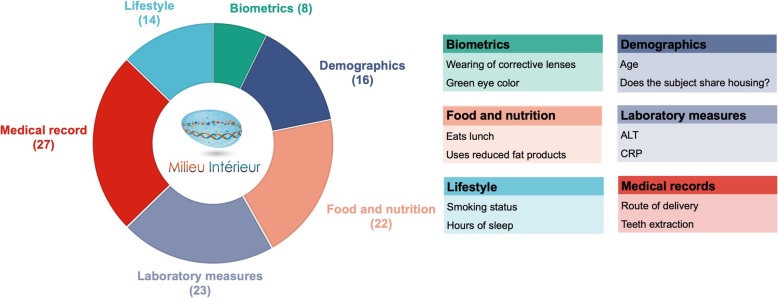
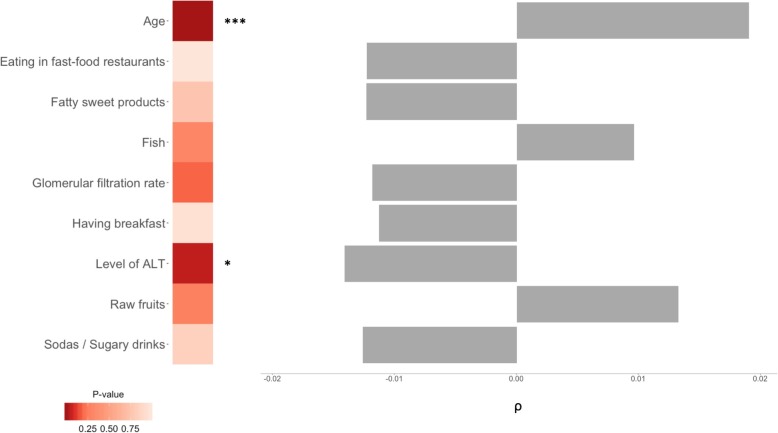
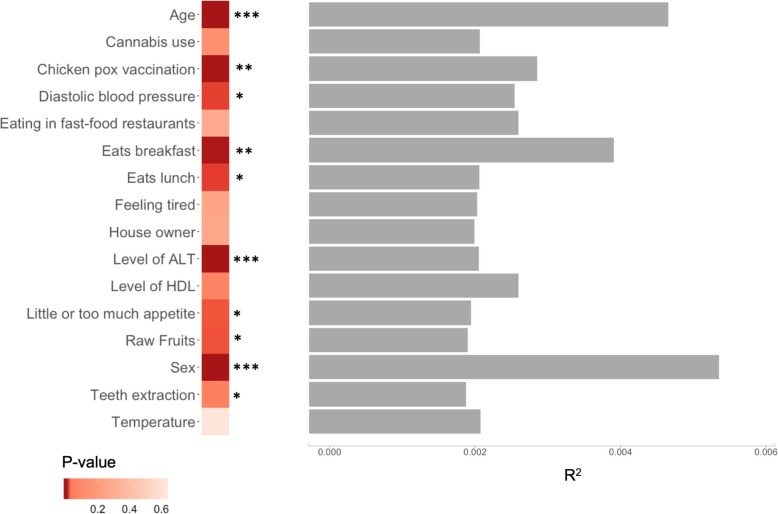
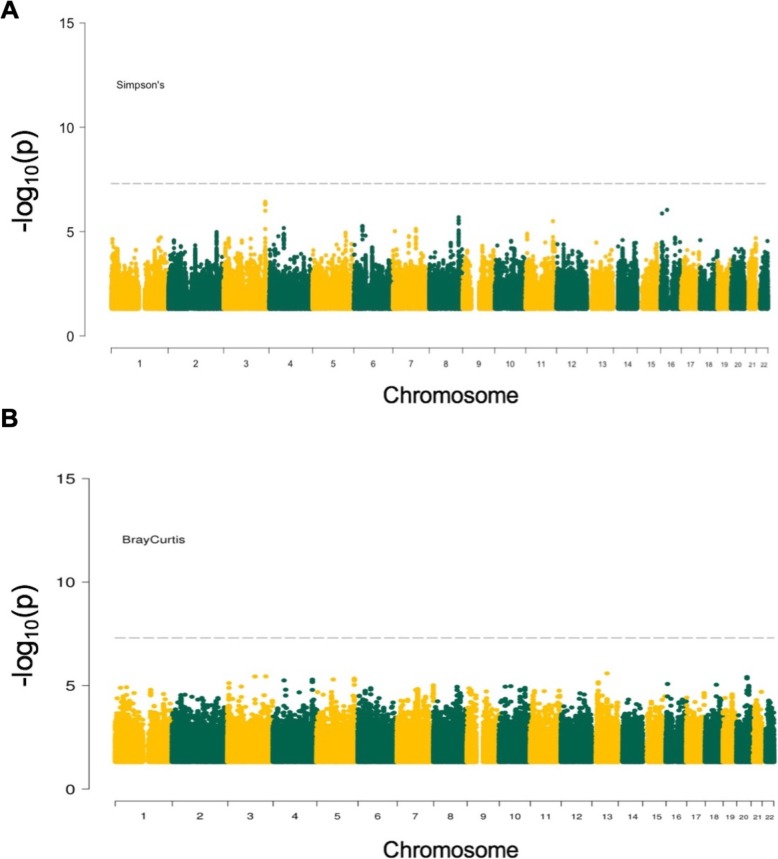
Background: The gut microbiome is an important determinant of human health. Its composition has been shown to be influenced by multiple environmental factors and likely by host genetic variation. In the framework of the Milieu Intérieur Consortium, a total of 1000 healthy individuals of western European ancestry, with a 1:1 sex ratio and evenly stratified across five decades of life (age 20–69), were recruited. We generated 16S ribosomal RNA profiles from stool samples for 858 participants. We investigated genetic and non-genetic factors that contribute to individual differences in fecal microbiome composition. Results: Among 110 demographic, clinical, and environmental factors, 11 were identified as significantly correlated with α -diversity, ß -diversity, or abundance of specific microbial communities in multivariable models. Age and blood alanine aminotransferase levels showed the strongest associations with microbiome diversity. In total, all non-genetic factors explained 16.4% of the variance. We then searched for associations between > 5 million single nucleotide polymorphisms and the same indicators of fecal microbiome diversity, including the significant non-genetic factors as covariates. No genome-wide significant associations were identified after correction for multiple testing. A small fraction of previously reported associations between human genetic variants and specific taxa could be replicated in our cohort, while no replication was observed for any of the diversity metrics. Conclusion: In a well-characterized cohort of healthy individuals, we identified several non-genetic variables associated with fecal microbiome diversity. In contrast, host genetics only had a negligible influence. Demographic and environmental factors are thus the main contributors to fecal microbiome composition in healthy individuals. Trial registration: ClinicalTrials.gov identifier NCT01699893
Overview
The claims and statistics of this paper haven’t been checked yet.
Free: it reads the open-access text and checks the first 5 claims that cite a source we can check. Create a free account to check every claim.
Integrity signals
Registry
Cites
Statistics
Figures
Verification
Claims the paper makes
The claims and statistics of this paper haven’t been checked yet.
Free: it reads the open-access text and checks the first 5 claims that cite a source we can check. Create a free account to check every claim.
Claims other papers make about this one
Each is checked against this paper’s own text: does it say what the citing paper says it does?
The source backs part of the claim, not all of it — or backs it for a different population, condition or comparison.
In the citing paper
“The top contributors were age and sex, with lesser contributions from diet, such as consumption of raw fruit and cooked and cured meats, as well as frequency of fast food consumption, in line with previous reports of 16S rRNA analyses from this cohort (Partula et al., 2019; Scepanovic et al., 2019).”
From Gut microbiome stability and dynamics in healthy donors and patients with non-gastrointestinal cancers (2021) · cites this paper as Scepanovic et al., 2019
Experimental — accuracy not yet measured
Self-check
Percentages, sums and reported differences re-computed from the paper’s own numbers.
The self-check needs the paper’s full text.
Citations
Cites
SPAdes: A New Genome Assembly Algorithm and Its Applications to Single-Cell Sequencing
Bankevich, A., Nurk, S., Antipov, D., Gurevich, A. A., Dvorkin, M., Kulikov, A. S., Lesin, V. M., Nikolenko, S. I., Pham, S., Prjibelski, A. D., et al. (2012) · Journal of Computational Biology · doi:10.1089/cmb.2012.0021 · Cited by 25,987 · cited 2×
“Raw reads were trimmed using sickle [43], then error corrected using SPAdes [44] and merged using PEAR [45].”
Methodvegan: Community Ecology Package
Oksanen, J., Simpson, G. L., Blanchet, F. G., Kindt, R., Legendre, P., Minchin, P. R., O'Hara, R. B., Solymos, P., Stevens, M. H. H., Szoecs, E., et al. (2001) · CRAN: Contributed Packages · doi:10.32614/cran.package.vegan · Cited by 22,615
UCHIME improves sensitivity and speed of chimera detection
Edgar, R. C., Haas, B. J., Clemente, J. C., Quince, C., & Knight, R. (2011) · Bioinformatics · doi:10.1093/bioinformatics/btr381 · Cited by 15,114
FastTree 2 – Approximately Maximum-Likelihood Trees for Large Alignments
Price, M. N., Dehal, P. S., & Arkin, A. P. (2010) · PLoS ONE · doi:10.1371/journal.pone.0009490 · Cited by 14,894
mice: Multivariate Imputation by Chained Equations in R
Buuren, S. V., & Groothuis-Oudshoorn, K. (2011) · Journal of Statistical Software · doi:10.18637/jss.v045.i03 · Cited by 13,870
Second-generation PLINK: rising to the challenge of larger and richer datasets
Chang, C. C., Chow, C. C., Tellier, L. C., Vattikuti, S., Purcell, S. M., & Lee, J. J. (2015) · Gigascience · doi:10.1186/s13742-015-0047-8 · Cited by 12,709
Structure, function and diversity of the healthy human microbiome
The Human Microbiome Project Consortium (2012) · Nature · doi:10.1038/nature11234 · Cited by 11,726
A human gut microbial gene catalogue established by metagenomic sequencing
MetaHIT Consortium, Qin, J., Li, R., Raes, J., Arumugam, M., Burgdorf, K. S., Manichanh, C., Nielsen, T., Pons, N., Levenez, F., et al. (2010) · Nature · doi:10.1038/nature08821 · Cited by 11,624
VSEARCH: a versatile open source tool for metagenomics
(2016) · doi:10.7717/peerj.2584 · Cited by 10,773
Human gut microbiome viewed across age and geography
Yatsunenko, T., Rey, F. E., Manary, M. J., Trehan, I., Dominguez-Bello, M. G., Contreras, M., Magris, M., Hidalgo, G., Baldassano, R. N., Anokhin, A. P., et al. (2012) · Nature · doi:10.1038/nature11053 · Cited by 7,815 · cited 2×
“In line with previous reports [6, 14, 26], we observed sex and age as the strongest influencers on all β-diversity indexes, with the lowest association p values”
BackgroundResult
Research works printed but not linked: 1
- Joshi NA Fass JN Sickle: a sliding-window, adaptive, quality-based trimming tool for FastQ files 2011
Cited by
The Gut Virome Database Reveals Age-Dependent Patterns of Virome Diversity in the Human Gut
Gregory, A. C., Zablocki, O., Zayed, A. A., Howell, A., Bolduc, B., & Sullivan, M. B. (2020) · Cell Host & Microbe · doi:10.1016/j.chom.2020.08.003 · Cited by 658
“…the human gut bacteriome displays distinct, age-dependent patterns of diversity (i.e., species richness, assessed with 16S rRNA sequencing), in response to an array of factors including immune status fluctuations during life (Claesson et al., 2012; Odamaki et al., 2016; Scepanovic et al., 2019).”
BackgroundProbiotic Gastrointestinal Transit and Colonization After Oral Administration: A Long Journey
Han, S., Lu, Y., Xie, J., Fei, Y., Zheng, G., Wang, Z., Liu, J., Lv, L., Ling, Z., Berglund, B., et al. (2021) · Frontiers in Cellular and Infection Microbiology · doi:10.3389/fcimb.2021.609722 · Cited by 481
Drug-microbiota interactions: an emerging priority for precision medicine
Zhao, Q., Chen, Y., Huang, W., Zhou, H., & Zhang, W. (2023) · Signal Transduction and Targeted Therapy · doi:10.1038/s41392-023-01619-w · Cited by 268
Gut–Skin Axis: Unravelling the Connection between the Gut Microbiome and Psoriasis
Thye, A. Y.-K., Bah, Y.-R., Law, J. W.-F., Tan, L. T.-H., He, Y.-W., Wong, S.-H., Thurairajasingam, S., Chan, K.-G., Lee, L.-H., & Letchumanan, V. (2022) · Biomedicines · doi:10.3390/biomedicines10051037 · Cited by 156
Amin, N., Liu, J., Bonnechère, B., MahmoudianDehkordi, S., Arnold, M., Batra, R., Chiou, Y., Fernandes, M., Ikram, M. A., Kraaij, R., et al. (2023) · JAMA Psychiatry · doi:10.1001/jamapsychiatry.2023.0685 · Cited by 168
Gut Microbiome in Psoriasis: An Updated Review
Sikora, M., Stec, A., Chrabaszcz, M., Knot, A., Waskiel-Burnat, A., Rakowska, A., Olszewska, M., & Rudnicka, L. (2020) · Pathogens · doi:10.3390/pathogens9060463 · Cited by 118
“is highly dynamic and it can be modulated by age, sex, geographical background and diet [32,48].”
BackgroundThe connection between microbiome and schizophrenia
Golofast, B., & Vales, K. (2020) · Neuroscience & Biobehavioral Reviews · doi:10.1016/j.neubiorev.2019.12.011 · Cited by 92
Microbiome Dynamics: A Paradigm Shift in Combatting Infectious Diseases
Kamel, M. S., Aleya, S., Alsubih, M., & Aleya, L. (2024) · Journal of Personalized Medicine · doi:10.3390/jpm14020217 · Cited by 114
“…of the human microbiome is influenced by a wide range of factors, including age, sex, diet, physical activity, stress, host genetics, diseases, breast-feeding status, lifestyle, delivery mode, geographical and racial variations, temperature, medications, diseases, and bacteriophage [2,95–100].”
BackgroundDjukovic, A., Garzón, M. J., Canlet, C., Cabral, V., Lalaoui, R., García-Garcerá, M., Rechenberger, J., Tremblay-Franco, M., Peñaranda, I., Puchades-Carrasco, L., et al. (2022) · Nature Communications · doi:10.1038/s41467-022-33313-w · Cited by 85
Jang, D., Shin, J., Shim, E., Ohtani, N., & Jeon, O. H. (2024) · Aging Cell · doi:10.1111/acel.14315 · Cited by 84
“However, the complexity of aging process poses significant chal - lenges for standardizing microbiome alteration patterns and pinpointing specific senescent cells and microbiota taxa using con - ventional computational methods (Ojala et al., 2023 ; Scepanovic et al., 2019).”
MethodTheelen, M. J. P., Luiken, R. E. C., Wagenaar, J. A., van Oldruitenborgh-Oosterbaan, M. M. S., Rossen, J. W. A., & Zomer, A. (2021) · Animals · doi:10.3390/ani11061762 · Cited by 105
The indoors microbiome and human health
Gilbert, J. A., & Hartmann, E. M. (2024) · Nature Reviews Microbiology · doi:10.1038/s41579-024-01077-3 · Cited by 99
“In addition to factors such as diet and exercise, both of which are influenced by the built environment, microbial exposures significantly influence the diversity of the gut microbiome 100 .”
Possibilities and limits for using the gut microbiome to improve captive animal health
Diaz, J., & Reese, A. T. (2021) · Animal Microbiome · doi:10.1186/s42523-021-00155-8 · Cited by 96
Exploring the Relationship between the Gut Microbiota and Ageing: A Possible Age Modulator
Salazar, J., Durán, P., Díaz, M. P., Chacín, M., Santeliz, R., Mengual, E., Gutiérrez, E., León, X., Díaz, A., Bernal, M., et al. (2023) · International Journal of Environmental Research and Public Health · doi:10.3390/ijerph20105845 · Cited by 71
The Gut Microbiome, Metformin, and Aging
Induri, S. N. R., Kansara, P., Thomas, S. C., Xu, F., Saxena, D. B., & Li, X. (2021) · The Annual Review of Pharmacology and Toxicology · doi:10.1146/annurev-pharmtox-051920-093829 · Cited by 71
Altered gut microbiome, bile acid composition and metabolome in sarcopenia in liver cirrhosis
Aliwa, B. O., Horvath, A., Traub, J., Feldbacher, N., Habisch, H., Fauler, G., Madl, T., & Stadlbauer, V. (2023) · Journal of Cachexia Sarcopenia and Muscle · doi:10.1002/jcsm.13342 · Cited by 78
“40 In this study, convenience sampling was used, and we acknowledge the potential bias related to it.”
BackgroundByrd, A. L., Liu, M., Fujimura, K. E., Lyalina, S., Nagarkar, D. R., Charbit, B., Bergstedt, J., Patin, E., Harrison, O. J., Quintana-Murci, L., et al. (2021) · Journal of Experimental Medicine · doi:10.1084/jem.20200606 · Cited by 63
Self-citationImpact of host genetics on gut microbiome: Take‐home lessons from human and mouse studies
Cahana, I., & Iraqi, F. A. (2020) · Animal Models and Experimental Medicine · doi:10.1002/ame2.12134 · Cited by 72
Stability and dynamics of the human gut microbiome and its association with systemic immune traits
(2020) · doi:10.1101/2020.01.17.909853 · Cited by 63
Artificial Humic Acid Improves Maize Growth and Soil Phosphorus Utilization Efficiency
Yuan, Y., Gai, S., Tang, C., Jin, Y., Cheng, K., Antonietti, M., & Yang, F. (2022) · Applied Soil Ecology · doi:10.1016/j.apsoil.2022.104587 · Cited by 62
SARS-CoV-2 infection reduces human nasopharyngeal commensal microbiome with inclusion of pathobionts
Hoque, M. N., Sarkar, M. M. H., Rahman, M. S., Akter, S., Banu, T. A., Goswami, B., Jahan, I., Hossain, M. S., Shamsuzzaman, A. K. M., Nafisa, T., et al. (2021) · Scientific Reports · doi:10.1038/s41598-021-03245-4 · Cited by 59
“Similarly, the bacteriome of the Recovered people was dominated by different species of Corynebacterium (39), Acinetobacter (36), Chryseobacterium (30), Sphingobacterium (26), Staphylococcus (24), Pseudomonas (18), and Flavobacterium (16) (Fig.”
BackgroundInfluentialBacterial analysis in the early developmental stages of the black tiger shrimp (Penaeus monodon)
Angthong, P., Uengwetwanit, T., Arayamethakorn, S., Chaitongsakul, P., Karoonuthaisiri, N., & Rungrassamee, W. (2020) · Scientific Reports · doi:10.1038/s41598-020-61559-1 · Cited by 66
Lifestyle patterns influence the composition of the gut microbiome in a healthy Chinese population
Ren, Y., Wu, J., Wang, Y., Zhang, L., Ren, J., Zhang, Z., Chen, B., Zhang, K., Zhu, B., Liu, W. Y., et al. (2023) · Scientific Reports · doi:10.1038/s41598-023-41532-4 · Cited by 70
Population-specific differences in the human microbiome: Factors defining the diversity
Govender, P., & Ghai, M. (2024) · Gene · doi:10.1016/j.gene.2024.148923 · Cited by 68
Association of female reproductive tract microbiota with egg production in layer chickens
Su, Y., Tian, S., Li, D., Zhu, W., Wang, T., Mishra, S. K., Wei, R., Xu, Z., He, M., Zhao, X., et al. (2021) · GigaScience · doi:10.1093/gigascience/giab067 · Cited by 59
The role of the human gut microbiota in colonization and infection with multidrug-resistant bacteria
Wüthrich, I., Pelzer, B. W., Khodamoradi, Y., & Vehreschild, M. J. G. T. (2021) · Gut Microbes · doi:10.1080/19490976.2021.1911279 · Cited by 52
Sun, S., Zhu, X., Huang, X., Murff, H. J., Ness, R. M., Seidner, D. L., Sorgen, A. A., Blakley, I., Yu, C., Dai, Q., et al. (2021) · Scientific Reports · doi:10.1038/s41598-021-94205-5 · Cited by 58
Diet and the gut-lung axis in cystic fibrosis – direct & indirect links
McKay, I. R., van Dorst, J. M., Katz, T., Doumit, M., Prentice, B. J., Owens, L., Belessis, Y., Chuang, S., Jaffé, A., Thomas, T., et al. (2022) · Gut Microbes · doi:10.1080/19490976.2022.2156254 · Cited by 52
Gut Microbiota and Microbial Metabolism in Early Risk of Cardiometabolic Disease
Gabriel, C. L., & Ferguson, J. F. (2023) · Circulation Research · doi:10.1161/circresaha.123.322055 · Cited by 55
Boulund, U., Bastos, D. M., Ferwerda, B., van den Born, B. H., Pinto‐Sietsma, S., Galenkamp, H., Levin, E., Groen, A. K., Zwinderman, A. H., & Nieuwdorp, M. (2022) · Cell Host & Microbe · doi:10.1016/j.chom.2022.08.013 · Cited by 55
Salazar, C., Giménez, M., Riera, N., Parada, A., Puig, J., Galiana, A., Grill, F., Vieytes, M., Mason, C. E., Antelo, V., et al. (2022) · Microbiome · doi:10.1186/s40168-022-01407-8 · Cited by 52
“Considering that the structure and composition of the human microbiome associates with diet, ethnicity, and geographic location [14, 15], the development of localscale studies to characterize microorganisms in urban waters are particularly relevant to understand the local microbial landscape and AMR dissemination patt…”
BackgroundGut microbiota as a biomarker and modulator of anti-tumor immunotherapy outcomes
Yan, J., Yang, L., Ren, Q., Zhu, C., Du, H., Wang, Z., Qi, Y., Xian, X., & Chen, D. (2024) · Frontiers in Immunology · doi:10.3389/fimmu.2024.1471273 · Cited by 56
Role of the gut microbiota in tumorigenesis and treatment
Liu, Q., Yang, Y., Pan, M., Yang, F., Yu, Y., & Qian, Z. (2024) · Theranostics · doi:10.7150/thno.91700 · Cited by 47
“The gut microbiota not only plays a role in tumorigenesis but also actively participates in various physiological processes within the human body, thereby making significant contributions to human health [22,23].”
BackgroundEcological drivers switch from bottom–up to top–down during model microbial community successions
Tobias-Hünefeldt, S. P., Wenley, J., Baltar, F., & Morales, S. E. (2020) · The ISME Journal · doi:10.1038/s41396-020-00833-6 · Cited by 50
Technological tools and strategies for culturing human gut microbiota in engineered in vitro models
Sardelli, L., Perottoni, S., Tunesi, M., Boeri, L., Fusco, F., Petrini, P., Albani, D., & Giordano, C. (2021) · Biotechnology and Bioengineering · doi:10.1002/bit.27816 · Cited by 43
The Gut Microbiota-Related Antihyperglycemic Effect of Metformin
Szymczak-Pajor, I., Drzewoski, J., Kozłowska, M., Krekora, J., & Śliwińska, A. (2025) · Pharmaceuticals · doi:10.3390/ph18010055 · Cited by 46
“The microbiota colonize the surface of the intestinal mucosa, which is approximately 200–300 m 2 [25,32–34].”
A critical analysis of eating disorders and the gut microbiome
Terry, S. M., Barnett, J. A., & Gibson, D. L. (2022) · Journal of Eating Disorders · doi:10.1186/s40337-022-00681-z · Cited by 40
“More diversity is needed within the sample groups as demographic factors are formative in shaping the gut microbiome [65] and without considering these factors the results may be inadvertently confounded.”
BackgroundNoh, H., Jang, H., Kim, G.-C., Zouiouich, S., Cho, S.-Y., Kim, H.-J., Kim, J., Choe, J., Gunter, M. J., Ferrari, P., et al. (2021) · Nutrients · doi:10.3390/nu13020366 · Cited by 49
“While we adjusted for confounding by factors known to affect the gut microbiota such as sex, age, BMI, intake of dietary supplements including probiotics, physical activity, and smoking status, we were unable to account for the mode of birth delivery and other unmeasured potential confounders due to lack of data [62].”
Caron, B., Patin, É., Rotival, M., Charbit, B., Albert, M. L., Quintana‐Murci, L., Duffy, D., Rausell, A., Abel, L., Alcover, A., et al. (2022) · Genome Medicine · doi:10.1186/s13073-022-01032-y · Cited by 46
Self-citationGut Microbiome Structure and Association with Host Factors in a Korean Population
Lim, M. Y., Hong, S. P., Bang, S.-J., Chung, W., Shin, J., Kim, J., & Nam, Y. (2021) · mSystems · doi:10.1128/msystems.00179-21 · Cited by 47
Opioid Use, Gut Dysbiosis, Inflammation, and the Nervous System
Jalodia, R., Abu, Y. F., Oppenheimer, M. R., Truitt, B., Meng, J., Chupikova, I., Tao, J., Ghosh, N., Dutta, R. K., Kolli, U., et al. (2022) · Journal of Neuroimmune Pharmacology · doi:10.1007/s11481-021-10046-z · Cited by 43
Groot, H. E., van de Vegte, Y. J., Verweij, N., Lipšic, E., Karper, J. C., & van der Harst, P. (2020) · Scientific Reports · doi:10.1038/s41598-020-70724-5 · Cited by 38
Kamil, R. Z., Murdiati, A., Juffrie, M., Nakayama, J., & Rahayu, E. S. (2021) · Microorganisms · doi:10.3390/microorganisms9010127 · Cited by 46
“Interestingly, the gut environment influenced by diet, lifestyle, diseases, and medication plays a more vital role in the diversity of gut microbiota composition than its host genetic [8].”
BackgroundAn Overview of Gut Microbiota and Colon Diseases with a Focus on Adenomatous Colon Polyps
Pop, O. L., Vodnar, D. C., Diaconeasa, Z. M., Istrati, M., Bințințan, A., Bintintan, V. V., Suharoschi, R., & Gabbianelli, R. (2020) · International Journal of Molecular Sciences · doi:10.3390/ijms21197359 · Cited by 37
“Gut microbiota maturation starts from early life and evolves rapidly during the first 3 years of life [30,138].”
BackgroundShrimp microbiome and immune development in the early life stages
Angthong, P., Chaiyapechara, S., & Rungrassamee, W. (2023) · Developmental & Comparative Immunology · doi:10.1016/j.dci.2023.104765 · Cited by 37
Human gut microbiome and metabolite dynamics under simulated microgravity
Ramos-Nascimento, A., Grenga, L., Haange, S., Himmelmann, A., Arndt, F., Ly, Y.-T., Miotello, G., Pible, O., Jehmlich, N., Engelmann, B., et al. (2023) · Gut Microbes · doi:10.1080/19490976.2023.2259033 · Cited by 40
“Therefore, biodiversity scores of healthy subjects, like those selected for AGBRESA, would not illustrate the impact of mild stimuli.(31) Additionally, it is important to note that ecological notions alone may not be sufficient to retrieve functional interpretations,(33) as diversity indexes only provide a condensed e…”
BackgroundBile acids, bioactive signalling molecules in interoceptive gut‐to‐brain communication
Joyce, S. A., & O'Malley, D. (2022) · The Journal of Physiology · doi:10.1113/jp281727 · Cited by 37
Living Therapeutics: The Next Frontier of Precision Medicine
Kelly, V. W., Liang, B. K., & Sirk, S. J. (2020) · ACS Synthetic Biology · doi:10.1021/acssynbio.0c00444 · Cited by 31
Modeling spatial interaction networks of the gut microbiota
Cao, X., Dong, A., Kang, G., Wang, X., Duan, L., Hou, H., Zhao, T., Wu, S., Liu, X., Huang, H., et al. (2022) · Gut Microbes · doi:10.1080/19490976.2022.2106103 · Cited by 37
“Third, the impact of the gut microbiota on host health is determined by genetic, demographic, and environmental factors.(36) The utility of idopNetwork can be best justified only after it is implemented into a genome-wide association studies aimed at characterizing the combined effects of various genetic and environme…”
BackgroundNagarajan, A., Scoggin, K., Gupta, J., Threadgill, D. W., & Andrews‐Polymenis, H. L. (2023) · Microbiome · doi:10.1186/s40168-023-01552-8 · Cited by 32
Amaruddin, A. I., Hamid, F., Koopman, J. P. R., Muhammad, M., Brienen, E. A. T., van Lieshout, L., Geelen, A. R., Wahyuni, S., Kuijper, E. J., Sartono, E., et al. (2020) · Microorganisms · doi:10.3390/microorganisms8060961 · Cited by 31
“Gut microbiota composition is predominantly driven by environmental factors, such as diet, physical activity level, hygiene, disease, and medication use, instead of genetics [6,7].”
BackgroundHost Genetic Associations with Salivary Microbiome in Oral Cancer
Yang, S., Lin, C., Chuang, C., Lee, Y.-C., Chung, W., Lai, H., Chang, L., & Su, S. (2021) · Journal of Dental Research · doi:10.1177/00220345211051967 · Cited by 32
“…(Blekhman et al. 2015; Bonder et al. 2016; Goodrich et al. 2016; Turpin et al. 2016; Wang et al. 2016; Igartua et al. 2017; Rothschild et al. 2018; Scepanovic et al. 2019; Hughes et al. 2020; Ishida et al. 2020; Kurilshikov et al. 2021), with most heritable taxa identified being gut commensals.”
BackgroundJin, X., Yu, F. B., Yan, J., Weakley, A. M., Dubinkina, V. B., Meng, X., & Pollard, K. S. (2023) · Nature Communications · doi:10.1038/s41467-023-39121-0 · Cited by 30
Zeng, S., Wei, D., Hou, D., Wang, H., Liu, J., Weng, S., He, J., & Huang, Z. (2021) · The Science of The Total Environment · doi:10.1016/j.scitotenv.2021.147594 · Cited by 32
Chu, Y., Zhao, Z., Cai, L., & Zhang, G. (2022) · Environmental Research · doi:10.1016/j.envres.2022.112901 · Cited by 31
Jacobs, J. P., Goudarzi, M., Lagishetty, V., Li, D., Mak, T. D., Tong, M., Ruegger, P. M., Haritunians, T., Landers, C. J., Fleshner, P. R., et al. (2022) · Genome Medicine · doi:10.1186/s13073-022-01099-7 · Cited by 30
Attention Deficit Hyperactivity Disorder (ADHD) and the gut microbiome: An ecological perspective
Cickovski, T., Mathee, K., Aguirre, G., Tatke, G., Hermida, A., Narasimhan, G., & Stollstorff, M. (2023) · PLoS ONE · doi:10.1371/journal.pone.0273890 · Cited by 37
Obesity Measures and Dietary Parameters as Predictors of Gut Microbiota Phyla in Healthy Individuals
Bezek, K., Petelin, A., Pražnikar, J., Nova, E., Redondo, N., Marcos, A., & Pražnikar, Z. J. (2020) · Nutrients · doi:10.3390/nu12092695 · Cited by 29
“Interestingly, a negligible influence of host genetics on fecal microbiome composition was observed [20].”
BackgroundResultInfluentialLiu, F., Lu, H. J., Dong, B., Huang, X., Cheng, H., Qu, R., Hu, Y., Zhong, L., Guo, Z., You, Y., et al. (2023) · mSystems · doi:10.1128/msystems.00738-22 · Cited by 29
Microbiome-associated human genetic variants impact phenome-wide disease risk
Markowitz, R. H. G., LaBella, A. L., Shi, M., Rokas, A., Capra, J. A., Ferguson, J. F., Mosley, J. D., & Bordenstein, S. R. (2022) · Proceedings of the National Academy of Sciences · doi:10.1073/pnas.2200551119 · Cited by 24
New insights into gut microbiota–prostate cancer crosstalk
Laaraj, J., Lachance, G., Bergeron, A., Fradet, Y., Robitaille, K., & Fradet, V. (2025) · Trends in Molecular Medicine · doi:10.1016/j.molmed.2025.03.015 · Cited by 27
Mihai, M. M., Ion, A., Giurcăneanu, C., Niţipir, C., Popa, A. M., Chifiriuc, M. C., Popa, M. I., Říčař, J., Popa, L. G., Sârbu, I., et al. (2021) · Journal of Clinical Medicine · doi:10.3390/jcm10153219 · Cited by 25
“It seems that we can have between 58 to 346 different bacterial species in the human gut, thus being very difficult to understand the role that each strain plays in intestinal homeostasis, but even so human gut dysbiosis has been associated with several diseases including cancer [64].”
BackgroundHorigome, A., Hashikura, N., Yoshida, K., Xiao, J., & Odamaki, T. (2022) · Frontiers in Microbiology · doi:10.3389/fmicb.2022.913624 · Cited by 23
Rodenes-Gavidia, A., Lamelas, A., Bloor, S., Hobson, A. R., Treadway, S., Haworth, J. J., Vijayakumar, V., Naghibi, M., Day, R. O., & Chenoll, E. (2023) · Frontiers in Cellular and Infection Microbiology · doi:10.3389/fcimb.2023.1240267 · Cited by 24
Genomics of host–microbiome interactions in humans
Ferretti, P., Johnson, K. E., Priya, S., & Blekhman, R. (2025) · Nature Reviews Genetics · doi:10.1038/s41576-025-00849-8 · Cited by 28
Gatya, M., Fibri, D. L. N., Utami, T., Suroto, D. A., & Rahayu, E. S. (2022) · Microorganisms · doi:10.3390/microorganisms10091748 · Cited by 27
“The gut microbiota composition is affected by several factors, including diet, lifestyle, environment, illness, and medication habits [15].”
BackgroundPrune supplementation for 12 months alters the gut microbiome in postmenopausal women
Simpson, A. M. R., Souza, M. J. D., Damani, J. J., Rogers, C. J., Williams, N. I., Weaver, C. M., Ferruzzi, M. G., Corbin, S., & Nakatsu, C. H. (2022) · Food & Function · doi:10.1039/d2fo02273g · Cited by 21
“37,41 This study demonstrates that the addition of prunes to diets for 12 months has similar outcomes to other fruit intervention and microbiome studies.”
ResultElhag, D. A., Kumar, M., & Khodor, S. A. (2020) · International Journal of Molecular Sciences · doi:10.3390/ijms22010125 · Cited by 27
Chong, C. Y. L., Vatanen, T., Alexander, T., Bloomfield, F. H., & O'Sullivan, J. M. (2021) · Frontiers in Cellular and Infection Microbiology · doi:10.3389/fcimb.2021.595323 · Cited by 20
“The influence of environmental factors on the gut microbiota composition has been shown to surpass that of the host genetics in two large cohorts of healthy adults [n= 1,046 (Rothschild et al., 2018) and n= 858 (Scepanovic et al., 2019)].”
BackgroundGut and airway microbiota and their role in COVID-19 infection and pathogenesis: a scoping review
Liu, T. F. D., Philippou, E., Kolokotroni, O., Siakallis, G., Rahima, K., & Constantinou, C. (2021) · Infection · doi:10.1007/s15010-021-01715-5 · Cited by 19
Li, Y., Chen, T., Liang, J., Li, Y., & Huang, Z. (2020) · Archives of Microbiology · doi:10.1007/s00203-020-02069-6 · Cited by 20
A hands-free stool sampling system for monitoring intestinal health and disease
Grego, S., Welling, C. M., Miller, G. H., Coggan, P. F., Sellgren, K. L., Hawkins, B. T., Ginsburg, G. S., Ruiz, J. R., Fisher, D. A., & Stoner, B. R. (2022) · Scientific Reports · doi:10.1038/s41598-022-14803-9 · Cited by 23
Diet affects reproductive development and microbiota composition in honey bees
Zumkhawala-Cook, A., Gallagher, P., & Raymann, K. (2024) · Animal Microbiome · doi:10.1186/s42523-024-00350-3 · Cited by 23
Diop, K., Mbaye, B., Nili, S., Filin, A., Benlaïfaoui, M., Malo, J., Renaud, A. S., Belkaïd, W., Hunter, S., Messaoudene, M., et al. (2025) · Gut Pathogens · doi:10.1186/s13099-025-00694-4 · Cited by 17
“In addition, the healthy volunteer control group was significantly younger than the cancer group, pointing to the known impact of age on bacterial diversity [31].”
Human Respiratory and Gut Microbiomes—Do They Really Contribute to Respiratory Health?
Durack, J., & Christophersen, C. T. (2020) · Frontiers in Pediatrics · doi:10.3389/fped.2020.00528 · Cited by 18
Intestinal dysbiosis in spondyloarthritis – chicken or egg?
Bréban, M., Beaufrère, M., & Glatigny, S. (2021) · Current Opinion in Rheumatology · doi:10.1097/bor.0000000000000800 · Cited by 20
Supervised machine learning for microbiomics: Bridging the gap between current and best practices
Dudek, N. K., Chakhvadze, M., Kobakhidze, S., Kantidze, O. L., & Gankin, Y. V. (2024) · Machine Learning with Applications · doi:10.1016/j.mlwa.2024.100607 · Cited by 20
“Such demographic factors are known to influence microbiome composition 15–17,33, 34 , and thus have the potential to Finally, a concerning observation in our corpus of articles was an apparent widespread confusion over how to avoid test set omission and/or data leakage.”
Huang, K. D., Amend, L., Gálvez, E. J. C., Lesker, T.-R., de Oliveira, R., Bielecka, A., Blanco‐Míguez, A., Valles‐Colomer, M., Ruf, I., Pasolli, E., et al. (2024) · Cell Reports Medicine · doi:10.1016/j.xcrm.2024.101426 · Cited by 18
“1,2 This suggests that so-far-unknown factors not routinely recorded in large population-based cross-sectional studies may affect the gut microbiota.”
BackgroundGou, W., Chen, Y., Pan, A., Wang, H., Zhang, K., Pan, X., He, Y., Fu, Y., Jiang, Z., Miao, Z., et al. (2022) · Medicine in Microecology · doi:10.1016/j.medmic.2022.100064 · Cited by 15
New Approaches to Profile the Microbiome for Treatment of Neurodegenerative Disease
Elmaleh, D. R., Downey, M. A., Kundakovic, L., Wilkinson, J. E., Neeman, Z., & Segal, E. (2021) · Journal of Alzheimer s Disease · doi:10.3233/jad-210198 · Cited by 14
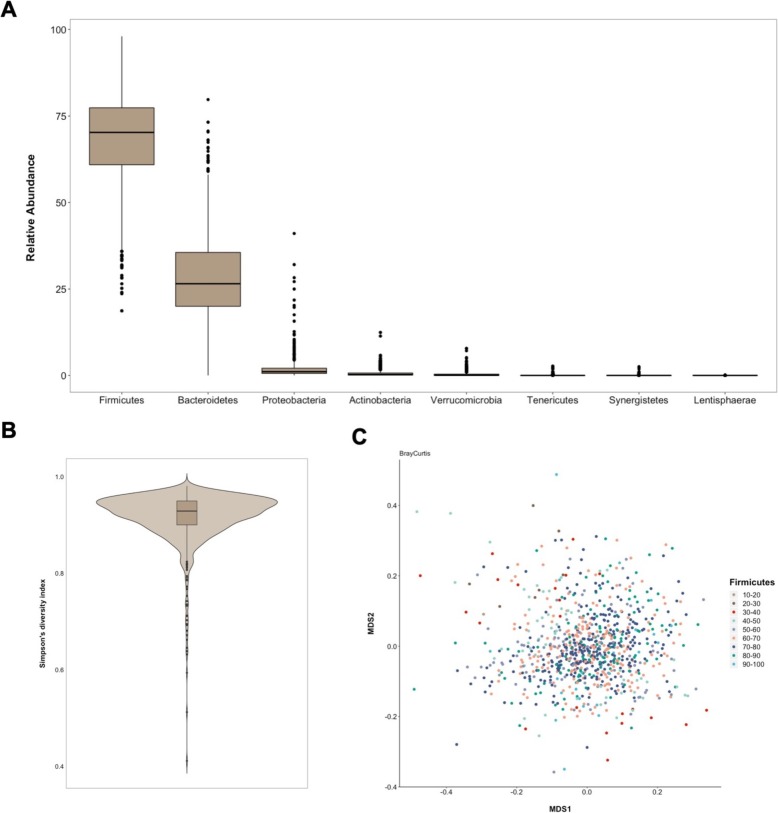
“…age and sex stratified, healthy individuals analyzed by 16S rRNA gene sequencing found that species diversity is largely dominated by the two phyla Firmicutes and Bac-teroidetes , and that gut microbiota composition is significantly determined by an individual’s environment and demographics [56].”
Tomofuji, Y., Kishikawa, T., Sonehara, K., Maeda, Y., Ogawa, K., Kawabata, S., Oguro-Igashira, E., Okuno, T., Nii, T., Kinoshita, M., et al. (2023) · Cell Reports · doi:10.1016/j.celrep.2023.113324 · Cited by 14
Pinacho‐Guendulain, B., Montiel-Castro, A. J., Ramos‐Fernández, G., & Pacheco‐López, G. (2022) · Frontiers in Integrative Neuroscience · doi:10.3389/fnint.2022.876849 · Cited by 13
“, 2020) modified by the dynamics of its microbial communities and numerous environmental forces, rather than solely influenced by host’s genetics and/or phylogeny (Archie and Theis, 2011; Gonzalez et al., 2011; Yatsunenko et al., 2012; Rothschild et al., 2018; Amato et al., 2019; Scepanovic et al., 2019).”
BackgroundHill, E. B., Chen, L., Bailey, M. T., Khalsa, A. S., Maltz, R. M., Kelleher, K. J., Spees, C., Zhu, J., & Loman, B. R. (2022) · Gut Microbes · doi:10.1080/19490976.2022.2150502 · Cited by 18
“Indeed, diet and other environmental factors impact the composition and function of the gut microbiome, accounting for greater inter-individual microbiome variability than genetics.(9,10) Additionally, high-quality dietary patterns rich in fiber-containing food sources are associated with more diverse and metabolicall…”
BackgroundGut enterotypes are stable during Bifidobacterium and Lactobacillus probiotic supplementation
Haddad, E. N., Sugino, K. Y., Tucker, R. M., & Comstock, S. S. (2020) · Journal of Food Science · doi:10.1111/1750-3841.15127 · Cited by 17
Meawad, M., Singh, D., Deng, A., Sonthalia, R., Cai, E., & Dumeaux, V. (2025) · Microbiome · doi:10.1186/s40168-025-02240-5 · Cited by 17
“Milieu Interieur [45] 1351 (100) 0 (0”
Jardou, M., Brossier, C., Marquet, P., Picard, N., Druilhe, A., & Lawson, R. (2024) · Frontiers in Cellular and Infection Microbiology · doi:10.3389/fcimb.2024.1342354 · Cited by 14
Lopera, T. J., Luján, J., Zurek, E. E., Zapata, W., Hernández, J. C., Toro-Londoño, M., Álzate, J. F., Taborda, N. A., Rugeles, M. T., & Aguilar-Jiménez, W. (2021) · PLoS ONE · doi:10.1371/journal.pone.0260729 · Cited by 11
“Additionally, each subject was surveyed on diet components, the consumption of medications, and aspects related to lifestyle known modifiers of the intestinal microbiota [24,25].”
BackgroundOverview of the Gut Microbiome
Blackmer‐Raynolds, L., & Sampson, T. R. (2023) · Seminars in Neurology · doi:10.1055/s-0043-1771463 · Cited by 12
Extreme winter environment dominates gut microbiota and metabolome of white-lipped deer
Li, B., Liang, C., Xu, B., Song, P., Liu, D., Zhang, J., Gu, H., Jiang, F., Gao, H., Cai, Z., et al. (2025) · Microbiological Research · doi:10.1016/j.micres.2025.128182 · Cited by 15
Banerjee, P., Adhikary, K., Chatterjee, A., Sarkar, R., Bagchi, D., Ghosh, N., & Das, A. (2022) · Elsevier eBooks · doi:10.1016/b978-0-12-821232-5.00029-x · Cited by 16
The role of the CNTNAP2 gene in the development of autism spectrum disorder
Валерьевна, В. Е., Sabirov, I. S., Safiullina, L. R., Олегович, Н. Д., Семина, И. И., Rees, T., Fesenko, D. O., & Ahmetov, I. I. (2024) · Research in Autism · doi:10.1016/j.rasd.2024.102409 · Cited by 10
Exploring the gut microbiome: A potential biomarker for cancer diagnosis, prognosis, and therapy
Han, E.-J., Ahn, J., Choi, Y.-J., Kim, D.-H., Choi, J.-S., & Chung, H. (2024) · Biochimica et Biophysica Acta (BBA) - Reviews on Cancer · doi:10.1016/j.bbcan.2024.189251 · Cited by 12
Chen, S.-S., Liao, X., Wei, Q., Zhou, Y., Su, M., Hu, Y., Song, Y., Zhang, Z., & Liang, J. (2022) · Journal of Nutrition · doi:10.1093/jn/nxac063 · Cited by 10
Gut Microbiome: An Intersection between Human Genome, Diet, and Epigenetics
Muhammad, A. Y., Amonov, M., Baig, A. A., & Alvi, F. J. (2024) · Advanced Gut & Microbiome Research · doi:10.1155/2024/6707728 · Cited by 16
Eitan, S., Madison, C. A., & Kuempel, J. (2021) · Neuroscience & Biobehavioral Reviews · doi:10.1016/j.neubiorev.2021.04.019 · Cited by 9
Ahmad, S., Ashktorab, H., Brim, H., & Housseau, F. (2022) · World Journal of Gastroenterology · doi:10.3748/wjg.v28.i25.2782 · Cited by 10
Gut Prevotella stercorea associates with protection against infection in rural African children
Ofordile, O., Pereira, D. I. A., Prentice, A. M., & Wagner, J. (2025) · Nature Communications · doi:10.1038/s41467-025-66011-4 · Cited by 12
Shi, J., Yu, D., Yang, Y., Cai, H., Wu, J., Cai, Q., Long, J., Zheng, W., Xu, W., & Shu, X. (2022) · International Journal of Sport Nutrition and Exercise Metabolism · doi:10.1123/ijsnem.2021-0065 · Cited by 7
Helal, P., Xia, W., Sardar, P., Conway‐Morris, A., Morris, A. C., Pedicord, V. A., & Serfontein, J. (2024) · Brain and Behavior · doi:10.1002/brb3.70014 · Cited by 9
Contribution of HLA DRB1, PTPN22, and CTLA4, to RA dysbiosis
Berthelot, J., Darrieutort‐Laffite, C., & Goff, B. L. (2022) · Joint Bone Spine · doi:10.1016/j.jbspin.2022.105446 · Cited by 8
Metadata
- Authors
- The Milieu Intérieur Consortium, Scepanovic, P., Hodel, F., Mondot, S., Partula, V., Byrd, A., Hammer, C., Alanio, C., Bergstedt, J., Patin, E., Touvier, M., Lantz, O., Albert, M. L., Duffy, D., Quintana-Murci, L., & Fellay, J.
- Affiliations
- SIB Swiss Institute of Bioinformatics (CH)
- AgroParisTech (FR)
- Inserm (FR)
- Genentech (US)
- University of Pennsylvania (US)
- Lund University (SE)
- Corresponding author
- Fellay, Jacques
- ORCID
- Venue
- Microbiome
- Published
- 2019-09-13
- Volume
- 7
- Issue
- 1
- Pages
- 130-130
- ISSN
- 2049-2618 (ISSN-L)
- PMC
- PMC6744716
- OpenAlex
- W2972758657
- Cited by
- 171
- References
- 68
- Citations by year
- 2026: 15 · 2025: 20 · 2024: 27 · 2023: 27 · 2022: 32 · 2021: 29 · 2020: 19 · 2019: 2
- FWCI
- 6.79
- Type
- journal article
- Language
- en
- Open access
- gold
- doi.org
- Licence
- cc-by
- creativecommons.org/licenses/by/4.0/ (tdm)
- creativecommons.org/licenses/by/4.0/ (vor)
- Locations
- Microbiome (publishedVersion, cc-by)
- bioRxiv (Cold Spring Harbor Laboratory) (acceptedVersion, cc-by-nc-nd)
- PubMed Central (publishedVersion, cc-by)
- PubMed (publishedVersion)
- HAL (submittedVersion, cc-by)
- DOAJ (DOAJ: Directory of Open Access Journals) (submittedVersion, cc-by-sa)
- Infoscience (Ecole Polytechnique Fédérale de Lausanne) (submittedVersion, cc-by-nc-nd)
- Lund University Publications (Lund University) (submittedVersion)
- Funders
- Agence Nationale de la Recherche (10-LABX-69-01)
- Schweizerischer Nationalfonds zur Förderung der Wissenschaftlichen Forschung (31003A_175603)
- Topics
- Life Sciences › Biochemistry, Genetics and Molecular Biology › Molecular Biology › Gut microbiota and health
- Health Sciences › Dentistry › Periodontics › Oral microbiology and periodontitis research
- Physical Sciences › Environmental Science › Ecology › Microbial Community Ecology and Physiology
- Keywords
- gut microbiota, host genetics, single nucleotide polymorphisms, environmental factors, demographic factors, age, alanine aminotransferase, alpha diversity, beta diversity, 16S rRNA, healthy individuals, microbial taxa abundance
- MeSH terms
- Gastrointestinal Microbiome, Adult, Aged, Bacteria, Demography, Environment, Feces, Female, Humans, Life Style, Male, Middle Aged, Cohort Studies, Young Adult, Healthy Volunteers
About these checks
Registry, retraction, Cites and statistics results are computed, not judged, with one exception: a printed reference that no index lists is read once by a model before it counts as a citation error. Claims are extracted by a model and kept only when their quote appears verbatim in the text; each cited source is then checked, with a model’s help, for whether it says what the claim relies on. Those verdicts can be wrong — read the claim’s quote and the cited source before relying on one.
Statistics and arithmetic are recomputed, not judged.
Confidence bands are shown only for fields calibrated on our annotated test set. None is calibrated yet, so no band is shown.
What counts as a claim ›How we measure confidence ›How we check this ›
Are you an author, or do you see a problem with this page? Request a review
Data sources
Bibliographic data: Semantic Scholar, OpenAlex, Crossref.
Contains information from the Semantic Scholar Academic Graph Datasets, made available under the ODC Attribution License (ODC-BY 1.0).
Semantic Scholar’s data is described in: Kinney, R., et al. (2023). The Semantic Scholar Open Data Platform. arXiv:2301.10140.
