

The DOI matches its Crossref record; 84 of the 84 references it cites were found in a registry or an index.
Mitochondria as biosynthetic factories for cancer proliferation
Open accessAbstract
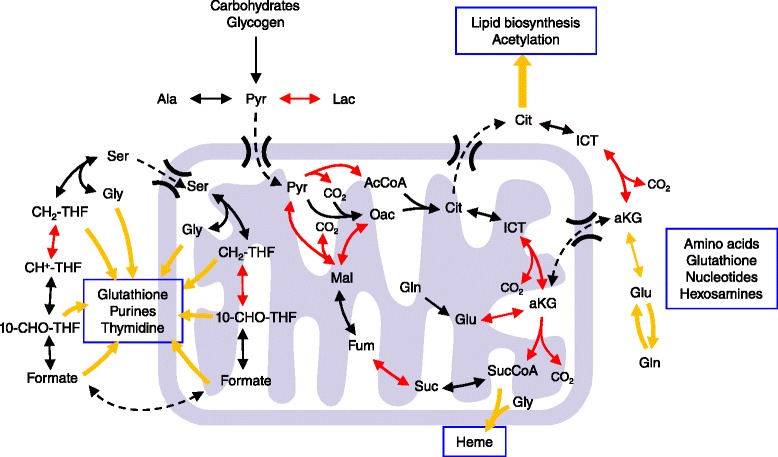
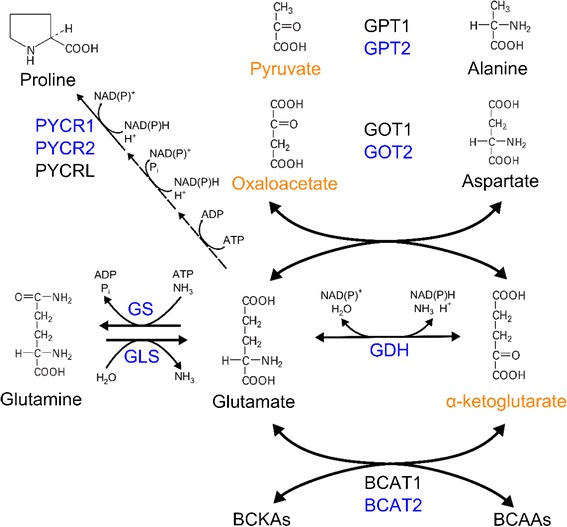
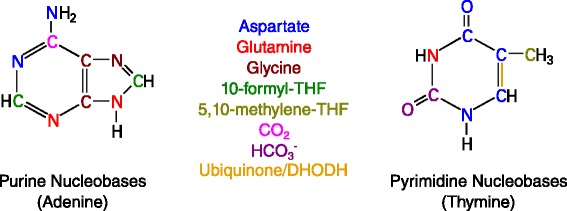
Unchecked growth and proliferation is a hallmark of cancer, and numerous oncogenic mutations reprogram cellular metabolism to fuel these processes. As a central metabolic organelle, mitochondria execute critical biochemical functions for the synthesis of fundamental cellular components, including fatty acids, amino acids, and nucleotides. Despite the extensive interest in the glycolytic phenotype of many cancer cells, tumors contain fully functional mitochondria that support proliferation and survival. Furthermore, tumor cells commonly increase flux through one or more mitochondrial pathways, and pharmacological inhibition of mitochondrial metabolism is emerging as a potential therapeutic strategy in some cancers. Here, we review the biosynthetic roles of mitochondrial metabolism in tumors and highlight specific cancers where these processes are activated.
Overview
The claims and statistics of this paper haven’t been checked yet.
Run the check — free, no account needed. It reads the open-access text and checks the sources it cites.
Integrity signals
Registry
Cites
Statistics
Figures
Verification
Claims the paper makes
The claims and statistics of this paper haven’t been checked yet.
Run the check — free, no account needed. It reads the open-access text and checks the sources it cites.
Claims other papers make about this one
Each is checked against this paper’s own text: does it say what the citing paper says it does?
In the citing paper
“Mitochondria participate in the biosynthesis of nucleotides, FAs, cholesterol, amino acids, glucose, and heme (Figure 2).64”
From The multifaceted contributions of mitochondria to cellular metabolism (2018) · cites this paper as [64]
Self-check
Percentages, sums and reported differences re-computed from the paper’s own numbers.
The self-check needs the paper’s full text.
Citations
Cites
Warburg, O. (1956) · Science · doi:10.1126/science.123.3191.309 · Cited by 13,425
Kim, J.-W., Tchernyshyov, I., Semenza, G. L., & Dang, C. V. (2006) · Cell Metabolism · doi:10.1016/j.cmet.2006.02.002 · Cited by 3,905
DeBerardinis, R. J., Mancuso, A., Daikhin, E., Nissim, I., Yudkoff, M., Wehrli, S., & Thompson, C. B. (2007) · Proceedings of the National Academy of Sciences · doi:10.1073/pnas.0709747104 · Cited by 2,622
Association of reactive oxygen species levels and radioresistance in cancer stem cells
Diehn, M., Cho, R. W., Lobo, N. A., Kalisky, T., Dorie, M. J., Kulp, A. N., Qian, D., Lam, J. S., Ailles, L. E., Wong, M., et al. (2009) · Nature · doi:10.1038/nature07733 · Cited by 2,555
Metformin and reduced risk of cancer in diabetic patients
Evans, J. M. M., Donnelly, L. A., Emslie-Smith, A. M., Alessi, D. R., & Morris, A. D. (2005) · BMJ · doi:10.1136/bmj.38415.708634.f7 · Cited by 2,388
HIF-1 mediates adaptation to hypoxia by actively downregulating mitochondrial oxygen consumption
Papandreou, I., Cairns, R. A., Fontana, L., Lim, A. L., & Denko, N. C. (2006) · Cell Metabolism · doi:10.1016/j.cmet.2006.01.012 · Cited by 2,267
Gao, P., Tchernyshyov, I., Chang, T.-C., Lee, Y.-S., Kita, K., Ochi, T., Zeller, K. I., De Marzo, A. M., Van Eyk, J. E., Mendell, J. T., et al. (2009) · Nature · doi:10.1038/nature07823 · Cited by 2,124
Oncogenic Kras maintains pancreatic tumors through regulation of anabolic glucose metabolism
Ying, H., Kimmelman, A. C., Lyssiotis, C. A., Hua, S., Chu, G. C., Fletcher-Sananikone, E., Locasale, J. W., Son, J., Zhang, H., Coloff, J. L., et al. (2012) · Cell · doi:10.1016/j.cell.2012.01.058 · Cited by 2,043
Activation of a metabolic gene regulatory network downstream of mTOR complex 1
Düvel, K., Yecies, J. L., Menon, S., Raman, P., Lipovsky, A. I., Souza, A. L., Triantafellow, E., Ma, Q., Gorski, R., Cleaver, S., et al. (2010) · Molecular Cell · doi:10.1016/j.molcel.2010.06.022 · Cited by 2,020
Glutamine supports pancreatic cancer growth through a KRAS-regulated metabolic pathway
Son, J., Lyssiotis, C. A., Ying, H., Wang, X., Hua, S., Ligorio, M., Perera, R. M., Ferrone, C. R., Mullarky, E., Shyh-Chang, N., et al. (2013) · Nature · doi:10.1038/nature12040 · Cited by 1,990
Reductive glutamine metabolism by IDH1 mediates lipogenesis under hypoxia
Metallo, C. M., Gameiro, P. A., Bell, E. L., Mattaini, K. R., Yang, J., Hiller, K., Jewell, C. M., Johnson, Z. R., Irvine, D. J., Guarente, L., et al. (2012) · Nature · doi:10.1038/nature10602 · Cited by 1,791
Self-citationMitochondrial metabolism and ROS generation are essential for Kras-mediated tumorigenicity
Weinberg, F., Hamanaka, R., Wheaton, W. W., Weinberg, S., Joseph, J., Lopez, M., Kalyanaraman, B., Mutlu, G. M., Budinger, G. R. S., & Chandel, N. S. (2010) · Proceedings of the National Academy of Sciences · doi:10.1073/pnas.1003428107 · Cited by 1,742
Macropinocytosis of protein is an amino acid supply route in Ras-transformed cells
Commisso, C., Davidson, S. M., Soydaner-Azeloglu, R. G., Parker, S. J., Kamphorst, J. J., Hackett, S., Grabocka, E., Nofal, M., Drebin, J. A., Thompson, C. B., et al. (2013) · Nature · doi:10.1038/nature12138 · Cited by 1,683
Self-citationBonnet, S., Archer, S. L., Allalunis‐Turner, J., Haromy, A., Beaulieu, C., Thompson, R. B., Lee, C. T., Lopaschuk, G. D., Puttagunta, L., Bonnet, S. B., et al. (2007) · Cancer Cell · doi:10.1016/j.ccr.2006.10.020 · Cited by 1,552
HIF-1: upstream and downstream of cancer metabolism
Semenza, G. L. (2009) · Current Opinion in Genetics & Development · doi:10.1016/j.gde.2009.10.009 · Cited by 1,437
SREBP activity is regulated by mTORC1 and contributes to Akt-dependent cell growth
Porstmann, T., Santos, C. R., Griffiths, B., Cully, M., Wu, M., Leevers, S., Griffiths, J. R., Chung, Y.-L., & Schulze, A. (2008) · Cell Metabolism · doi:10.1016/j.cmet.2008.07.007 · Cited by 1,413
Nrf2 Redirects Glucose and Glutamine into Anabolic Pathways in Metabolic Reprogramming
Mitsuishi, Y., Taguchi, K., Kawatani, Y., Shibata, T., Nukiwa, T., Aburatani, H., Yamamoto, M., & Motohashi, H. (2012) · Cancer Cell · doi:10.1016/j.ccr.2012.05.016 · Cited by 1,395 · cited 1×
“Not surprisingly, activation of cellular antioxidant response pathways is commonly observed in cancer or subpopulations of cells within tumors [46,78].”
BackgroundReductive carboxylation supports growth in tumour cells with defective mitochondria
Mullen, A. R., Wheaton, W. W., Jin, E. S., Chen, P.-H., Sullivan, L. B., Cheng, T., Yang, Y., Linehan, W. M., Chandel, N. S., & DeBerardinis, R. J. (2012) · Nature · doi:10.1038/nature10642 · Cited by 1,328
Oncogene ablation-resistant pancreatic cancer cells depend on mitochondrial function
Viale, A., Pettazzoni, P., Lyssiotis, C. A., Ying, H., Sánchez, N., Marchesini, M., Carugo, A., Green, T., Seth, S., Giuliani, V., et al. (2014) · Nature · doi:10.1038/nature13611 · Cited by 1,259
Quantitative flux analysis reveals folate-dependent NADPH production
Fan, J., Ye, J., Kamphorst, J. J., Shlomi, T., Thompson, C. B., & Rabinowitz, J. D. (2014) · Nature · doi:10.1038/nature13236 · Cited by 1,114
Metformin inhibits mitochondrial complex I of cancer cells to reduce tumorigenesis
Wheaton, W. W., Weinberg, S. E., Hamanaka, R. B., Soberanes, S., Sullivan, L. B., Anso, E., Glasauer, A., Dufour, E., Mutlu, G. M., Budigner, G. S., et al. (2014) · eLife · doi:10.7554/elife.02242 · Cited by 1,105
Glucose-Independent Glutamine Metabolism via TCA Cycling for Proliferation and Survival in B Cells
Le, A., Lane, A. N., Hamaker, M., Bose, S., Gouw, A., Barbi, J., Tsukamoto, T., Rojas, C. J., Slusher, B. S., Zhang, H., et al. (2012) · Cell Metabolism · doi:10.1016/j.cmet.2011.12.009 · Cited by 1,095
ATP citrate lyase inhibition can suppress tumor cell growth
Hatzivassiliou, G., Zhao, F., Bauer, D. E., Andreadis, C., Shaw, A. N., Dhanak, D., Hingorani, S. R., Tuveson, D. A., & Thompson, C. B. (2005) · Cancer Cell · doi:10.1016/j.ccr.2005.09.008 · Cited by 1,086
Wise, D. R., Ward, P. S., Shay, J. E. S., Cross, J. R., Gruber, J. J., Sachdeva, U. M., Platt, J. M., DeMatteo, R. G., Simon, M. C., & Thompson, C. B. (2011) · Proceedings of the National Academy of Sciences · doi:10.1073/pnas.1117773108 · Cited by 975
Targeting Mitochondrial Glutaminase Activity Inhibits Oncogenic Transformation
Wang, J.-B., Erickson, J. W., Fuji, R., Ramachandran, S., Gao, P., Dinavahi, R., Wilson, K. F., Ambrosio, A. L. B., Dias, S. M. G., Dang, C. V., et al. (2010) · Cancer Cell · doi:10.1016/j.ccr.2010.08.009 · Cited by 821
Acetate is a bioenergetic substrate for human glioblastoma and brain metastases
Mashimo, T., Pichumani, K., Vemireddy, V., Hatanpaa, K. J., Singh, D. K., Sirasanagandla, S., Nannepaga, S., Piccirillo, S. G., Kovacs, Z., Foong, C., et al. (2014) · Cell · doi:10.1016/j.cell.2014.11.025 · Cited by 760
Kamphorst, J. J., Cross, J. R., Fan, J., de Stanchina, E., Mathew, R., White, E. P., Thompson, C. B., & Rabinowitz, J. D. (2013) · Proceedings of the National Academy of Sciences · doi:10.1073/pnas.1307237110 · Cited by 726
Compartmentalization of Mammalian Folate-Mediated One-Carbon Metabolism
Tibbetts, A. S., & Appling, D. R. (2010) · Annual Review of Nutrition · doi:10.1146/annurev.nutr.012809.104810 · Cited by 692 · cited 4×
“Additional evidence by others supports the concept that mitochondrial FOCM is an important contributor of reducing equivalents and one carbon intermediates for nucleotide biosynthesis [75,76].”
BackgroundInfluentialComerford, S. A., Huang, Z., Du, X., Wang, Y., Cai, L., Witkiewicz, A. K., Walters, H., Tantawy, M. N., Fu, A., Manning, H. C., et al. (2014) · Cell · doi:10.1016/j.cell.2014.11.020 · Cited by 681 · cited 1×
“Tumor cells are clearly able to compensate for this lack of glucose-mediated biosynthesis under these conditions through extramitochondrial pathways, scavenging acetate [31,32], unsaturated lipids [8,33], or proteins [34] when required.”
BackgroundYang, C., Ko, B., Hensley, C. T., Jiang, L., Wasti, A. T., Kim, J., Sudderth, J., Calvaruso, M. A., Lumata, L., Mitsche, M., et al. (2014) · Molecular Cell · doi:10.1016/j.molcel.2014.09.025 · Cited by 679
A key role for mitochondrial gatekeeper pyruvate dehydrogenase in oncogene-induced senescence
Kaplon, J., Zheng, L., Meissl, K., Chaneton, B., Selivanov, V. A., Mackay, G., van der Burg, S. H., Verdegaal, E. M. E., Cascante, M., Shlomi, T., et al. (2013) · Nature · doi:10.1038/nature12154 · Cited by 633
Nilsson, R., Jain, M., Madhusudhan, N., Sheppard, N. G., Strittmatter, L., Kampf, C., Huang, J., Asplund, A., & Mootha, V. K. (2014) · Nature Communications · doi:10.1038/ncomms4128 · Cited by 607
The mTORC1 Pathway Stimulates Glutamine Metabolism and Cell Proliferation by Repressing SIRT4
Csibi, A., Fendt, S.-M., Li, C., Poulogiannis, G., Choo, A. Y., Chapski, D. J., Jeong, S. M., Dempsey, J. M., Parkhitko, A., Morrison, T., et al. (2013) · Cell · doi:10.1016/j.cell.2013.04.023 · Cited by 586
Shackelford, D. B., Abt, E., Gerken, L., Vasquez, D. S., Seki, A., Leblanc, M., Wei, L., Fishbein, M. C., Czernin, J., Mischel, P. S., et al. (2013) · Cancer Cell · doi:10.1016/j.ccr.2012.12.008 · Cited by 585
Tracing compartmentalized NADPH metabolism in the cytosol and mitochondria of mammalian cells
Lewis, C. A., Parker, S. J., Fiske, B. P., McCloskey, D., Gui, D. Y., Green, C. R., Vokes, N. I., Feist, A. M., Vander Heiden, M. G., & Metallo, C. M. (2014) · Molecular Cell · doi:10.1016/j.molcel.2014.05.008 · Cited by 562
Self-citationATP citrate lyase is an important component of cell growth and transformation
Bauer, D. E., Hatzivassiliou, G., Zhao, F., Andreadis, C., & Thompson, C. B. (2005) · Oncogene · doi:10.1038/sj.onc.1208773 · Cited by 537
Marin-Valencia, I., Yang, C., Mashimo, T., Cho, S., Baek, H., Yang, X.-L., Rajagopalan, K. N., Maddie, M., Vemireddy, V., Zhao, Z., et al. (2012) · Cell Metabolism · doi:10.1016/j.cmet.2012.05.001 · Cited by 529
Inhibition of Glutaminase Preferentially Slows Growth of Glioma Cells with Mutant IDH1
Seltzer, M. J., Bennett, B. D., Joshi, A. D., Gao, P., Thomas, A. G., Ferraris, D. V., Tsukamoto, T., Rojas, C. J., Slusher, B. S., Rabinowitz, J. D., et al. (2010) · Cancer Research · doi:10.1158/0008-5472.can-10-1666 · Cited by 528
Oncogenic K‐Ras decouples glucose and glutamine metabolism to support cancer cell growth
Gaglio, D., Metallo, C. M., Gameiro, P. A., Hiller, K., Danna, L. S., Balestrieri, C., Alberghina, L., Stephanopoulos, G., & Chiaradonna, F. (2011) · Molecular Systems Biology · doi:10.1038/msb.2011.56 · Cited by 492
Self-citationReciprocal regulation of p53 and malic enzymes modulates metabolism and senescence
Jiang, P., Du, W., Mancuso, A., Wellen, K. E., & Yang, X. (2013) · Nature · doi:10.1038/nature11776 · Cited by 491
BCAT1 promotes cell proliferation through amino acid catabolism in gliomas carrying wild-type IDH1
Tönjes, M., Barbus, S., Park, Y. J., Wang, W., Schlotter, M., Lindroth, A. M., Pleier, S. V., Bai, A. H. C., Karra, D., Piro, R. M., et al. (2013) · Nature Medicine · doi:10.1038/nm.3217 · Cited by 486
Liu, W., Le, A., Hancock, C., Lane, A. N., Dang, C. V., Fan, T. W.-M., & Phang, J. M. (2012) · Proceedings of the National Academy of Sciences · doi:10.1073/pnas.1203244109 · Cited by 483
Pyruvate carboxylase is required for glutamine-independent growth of tumor cells
Cheng, T., Sudderth, J., Yang, C., Mullen, A. R., Jin, E. S., Matés, J. M., & DeBerardinis, R. J. (2011) · Proceedings of the National Academy of Sciences · doi:10.1073/pnas.1016627108 · Cited by 475
Serine Catabolism Regulates Mitochondrial Redox Control during Hypoxia
Ye, J., Fan, J., Venneti, S., Wan, Y.-W., Pawel, B. R., Zhang, J., Finley, L. W. S., Lu, C., Lindsten, T., Cross, J. R., et al. (2014) · Cancer Discovery · doi:10.1158/2159-8290.cd-14-0250 · Cited by 452 · cited 1×
“biosynthesis [75,76].”
DHODH modulates transcriptional elongation in the neural crest and melanoma
White, R. M., Cech, J. N., Ratanasirintrawoot, S., Lin, C. Y., Rahl, P. B., Burke, C. J., Langdon, E. M., Tomlinson, M. L., Mosher, J. T., Kaufman, C. K., et al. (2011) · Nature · doi:10.1038/nature09882 · Cited by 452
Asparagine Plays a Critical Role in Regulating Cellular Adaptation to Glutamine Depletion
Zhang, J., Fan, J., Venneti, S., Cross, J. R., Takagi, T., Bhinder, B., Djaballah, H., Kanai, M., Cheng, E. H., Judkins, A. R., et al. (2014) · Molecular Cell · doi:10.1016/j.molcel.2014.08.018 · Cited by 439
Metformin directly acts on mitochondria to alter cellular bioenergetics
Andrzejewski, S., Gravel, S., Pollak, M., & St‐Pierre, J. (2014) · Cancer & Metabolism · doi:10.1186/2049-3002-2-12 · Cited by 437
Yang, C., Sudderth, J., Dang, T. T., Bachoo, R. G., McDonald, J. G., & DeBerardinis, R. J. (2009) · Cancer Research · doi:10.1158/0008-5472.can-09-2266 · Cited by 436
Fan, J., Kamphorst, J. J., Mathew, R., Chung, M. K., White, E., Shlomi, T., & Rabinowitz, J. D. (2013) · Molecular Systems Biology · doi:10.1038/msb.2013.65 · Cited by 428
Heterogeneity of tumor-induced gene expression changes in the human metabolic network
Hu, J., Locasale, J. W., Bielas, J. H., O'Sullivan, J., Sheahan, K., Cantley, L. C., Heiden, M. G. V., & Vitkup, D. (2013) · Nature Biotechnology · doi:10.1038/nbt.2530 · Cited by 407
Reductive glutamine metabolism is a function of the α-ketoglutarate to citrate ratio in cells
Fendt, S.-M., Bell, E. L., Keibler, M. A., Olenchock, B. A., Mayers, J. R., Wasylenko, T. M., Vokes, N. I., Guarente, L., Heiden, M. G. V., & Stephanopoulos, G. (2013) · Nature Communications · doi:10.1038/ncomms3236 · Cited by 364
Schell, J. C., Olson, K. A., Jiang, L., Hawkins, A. J., Van Vranken, J. G., Xie, J., Egnatchik, R. A., Earl, E. G., DeBerardinis, R. J., & Rutter, J. (2014) · Molecular Cell · doi:10.1016/j.molcel.2014.09.026 · Cited by 363
Metabolism of [U‐ 13 C]glucose in human brain tumors in vivo
Maher, E. A., Marin‐Valencia, I., Bachoo, R. M., Mashimo, T., Raisanen, J., Hatanpaa, K. J., Jindal, A., Jeffrey, F. M., Choi, C., Madden, C., et al. (2012) · NMR in Biomedicine · doi:10.1002/nbm.2794 · Cited by 341
Mullen, A. R., Hu, Z., Shi, X., Jiang, L., Boroughs, L. K., Kovacs, Z., Boriack, R., Rakheja, D., Sullivan, L. B., Linehan, W. M., et al. (2014) · Cell Reports · doi:10.1016/j.celrep.2014.04.037 · Cited by 337
Comparative Metabolic Flux Profiling of Melanoma Cell Lines
Scott, D. A., Richardson, A. D., Filipp, F. V., Knutzen, C. A., Chiang, G. G., Ronai, Z. A., Osterman, A. L., & Smith, J. W. (2011) · Journal of Biological Chemistry · doi:10.1074/jbc.m111.282046 · Cited by 328
Gameiro, P. A., Yang, J., Metelo, A. M., Pérez-Carro, R., Baker, R., Wang, Z., Arreola, A., Rathmell, W. K., Olumi, A., López-Larrubia, P., et al. (2013) · Cell Metabolism · doi:10.1016/j.cmet.2013.02.002 · Cited by 325
Grassian, A. R., Parker, S. J., Davidson, S. M., Divakaruni, A. S., Green, C. R., Zhang, X., Slocum, K. L., Pu, M., Lin, F., Vickers, C., et al. (2014) · Cancer Research · doi:10.1158/0008-5472.can-14-0772-t · Cited by 280
Self-citationRegulation of Substrate Utilization by the Mitochondrial Pyruvate Carrier
Vacanti, N. M., Divakaruni, A. S., Green, C. R., Parker, S. J., Henry, R. R., Ciaraldi, T. P., Murphy, A. N., & Metallo, C. M. (2014) · Molecular Cell · doi:10.1016/j.molcel.2014.09.024 · Cited by 277
Self-citationKung, H.-N., Marks, J. R., & Chi, J.-T. (2011) · PLoS Genetics · doi:10.1371/journal.pgen.1002229 · Cited by 277
Griffiths, B. L., Lewis, C. A., Bensaad, K., R�os, S., Zhang, Q., Ferber, E. C., Konisti, S., Peck, B., Miess, H., East, P., et al. (2013) · Cancer & Metabolism · doi:10.1186/2049-3002-1-3 · Cited by 271
Asparagine Synthetase Chemotherapy
Richards, N. G. J., & Kilberg, M. S. (2006) · Annual Review of Biochemistry · doi:10.1146/annurev.biochem.75.103004.142520 · Cited by 244
Inhibition of hypoxia-inducible factor is sufficient for growth suppression of VHL−/− tumors
Zimmer, M., Doucette, D., Siddiqui, N., & Iliopoulos, O. (2004) · Molecular Cancer Research · doi:10.1158/1541-7786.89.2.2 · Cited by 244
PET/CT imaging in cancer: current applications and future directions
Farwell, M. D., Pryma, D. A., & Mankoff, D. A. (2014) · Cancer · doi:10.1002/cncr.28860 · Cited by 230
Young, R. M., Ackerman, D., Quinn, Z. L., Mancuso, A., Gruber, M., Liu, L., Giannoukos, D. N., Bobrovnikova-Marjon, E. V., Diehl, J. A., Keith, B., et al. (2013) · Genes & Development · doi:10.1101/gad.198630.112 · Cited by 221
An Essential Requirement for the SCAP/SREBP Signaling Axis to Protect Cancer Cells from Lipotoxicity
Williams, K. J., Argus, J. P., Zhu, Y., Wilks, M. Q., Marbois, B. N., York, A. G., Kidani, Y., Pourzia, A. L., Akhavan, D., Lisiero, D. N., et al. (2013) · Cancer Research · doi:10.1158/0008-5472.can-13-0382-t · Cited by 197
Identification of a de novo thymidylate biosynthesis pathway in mammalian mitochondria
Anderson, D. D., Quintero, C. M., & Stover, P. J. (2011) · Proceedings of the National Academy of Sciences · doi:10.1073/pnas.1103623108 · Cited by 186
Functional Specialization in Proline Biosynthesis of Melanoma
Ingeniis, J. D., Ratnikov, B. I., Richardson, A. D., Scott, D. A., Aza‐Blanc, P., De, S. K., Kazanov, M. D., Pellecchia, M., Ronai, Z. A., Osterman, A. L., et al. (2012) · PLoS ONE · doi:10.1371/journal.pone.0045190 · Cited by 186
Erk regulation of pyruvate dehydrogenase flux through PDK4 modulates cell proliferationPreprint
Grassian, A. R., Metallo, C. M., Coloff, J. L., Stephanopoulos, G. N., & Brugge, J. S. (2011) · Genes & Development · doi:10.1101/gad.16771811 · Cited by 178
Self-citationSubstrate balances across colonic carcinomas in humans.
Holm, E., Hagmüller, E., Staedt, U., Schlickeiser, G., Günther, H.-J., Leweling, H., TOKUS, M., & Kollmar, H. B. (1995) · PubMed · Cited by 168
miR-23b* targets proline oxidase, a novel tumor suppressor protein in renal cancer
Liu, W., Zabirnyk, O., Wang, H., Shiao, Y., Nickerson, M. L., Khalil, S., Anderson, L. M., Perantoni, A. O., & Phang, J. M. (2010) · Oncogene · doi:10.1038/onc.2010.237 · Cited by 164
Pyrimidine Biosynthesis Links Mitochondrial Respiration to the P53 Pathway
Khutornenko, A. A., Roudko, V. V., Chernyak, B. V., Vartapetian, A. B., Chumakov, P. M., & Evstafieva, A. G. (2010) · Proceedings of the National Academy of Sciences · doi:10.1073/pnas.0910885107 · Cited by 162
Inhibition of autophagy and tumor growth in colon cancer by miR-502
Zhai, H., Song, B., Xu, X., Zhu, W., & Ju, J. (2012) · Oncogene · doi:10.1038/onc.2012.167 · Cited by 144
Proline oxidase functions as a mitochondrial tumor suppressor in human cancers
Liu, Y., Borchert, G. L., Donald, S. P., Diwan, B. A., Anver, M., & Phang, J. M. (2009) · Cancer Research · doi:10.1158/0008-5472.can-09-1223 · Cited by 132
Gameiro, P. A., Laviolette, L. A., Kelleher, J. K., Iliopoulos, O., & Stephanopoulos, G. N. (2013) · Journal of Biological Chemistry · doi:10.1074/jbc.m112.396796 · Cited by 126
K-ras Codon-Specific Mutations Produce Distinctive Metabolic Phenotypes in Human Fibroblasts
Vizán, P., Boros, L. G., Figueras, A., Capellá, G., Mangues, R., Bassilian, S., Lim, S. K., Lee, W. P., & Cascante, M. (2005) · Cancer Research · doi:10.1158/0008-5472.can-05-0074 · Cited by 119
Glutamine‐fueled mitochondrial metabolism is decoupled from glycolysis in melanoma
Filipp, F. V., Ratnikov, B. I., Ingeniis, J. D., Smith, J. W., Osterman, A. L., & Scott, D. A. (2012) · Pigment Cell & Melanoma Research · doi:10.1111/pcmr.12000 · Cited by 115
Profiling metabolic networks to study cancer metabolism
Hiller, K., & Metallo, C. M. (2012) · Current Opinion in Biotechnology · doi:10.1016/j.copbio.2012.11.001 · Cited by 113
Self-citationNontargeted Elucidation of Metabolic Pathways Using Stable-Isotope Tracers and Mass Spectrometry
Hiller, K., Metallo, C. M., Kelleher, J. K., & Stephanopoulos, G. N. (2010) · Analytical Chemistry · doi:10.1021/ac1011574 · Cited by 107
Self-citationCentral carbon metabolism in the progression of mammary carcinoma
Richardson, A. D., Chen, Y., Osterman, A. L., & Smith, J. W. (2007) · Breast Cancer Research and Treatment · doi:10.1007/s10549-007-9732-3 · Cited by 93
Hagedorn, C. H., & Phang, J. M. (1983) · Archives of Biochemistry and Biophysics · doi:10.1016/0003-9861(83)90010-3 · Cited by 91
Lane, A. N., Fan, T. W. ‐., Bousamra, M., Higashi, R. M., Yan, J., & Miller, D. M. (2011) · OMICS A Journal of Integrative Biology · doi:10.1089/omi.2010.0088 · Cited by 87
Gutierrez, J. A., Pan, Y., Koroniak, Ł., Hiratake, J., Kilberg, M. S., & Richards, N. G. J. (2006) · Chemistry & Biology · doi:10.1016/j.chembiol.2006.10.010 · Cited by 55
He, T., Haapa-Paananen, S. M., Kaminskyy, V. O., Kohonen, P. J., Fey, V., Zhivotovsky, B., Kallioniemi, O., & Perälä, M. (2013) · Oncogene · doi:10.1038/onc.2013.313 · Cited by 39
Metabolic control at the cytosol–mitochondria interface in different growth phases of CHO cells
Wahrheit, J., Niklas, J., & Heinzle, E. (2014) · Metabolic Engineering · doi:10.1016/j.ymben.2014.02.001 · Cited by 38
Cited by
Sorted by citations
The Warburg Effect: How Does it Benefit Cancer Cells?
Liberti, M. V., & Locasale, J. W. (2016) · Trends in Biochemical Sciences · doi:10.1016/j.tibs.2015.12.001 · Cited by 5,150
Fundamentals of Cancer Metabolism
DeBerardinis, R. J., & Chandel, N. S. (2016) · Science Advances · doi:10.1126/sciadv.1600200 · Cited by 3,013
The multifaceted contributions of mitochondria to cellular metabolism
Spinelli, J. B., & Haigis, M. C. (2018) · Nature Cell Biology · doi:10.1038/s41556-018-0124-1 · Cited by 1,935
Cancer metabolism: a therapeutic perspective
Martinez-Outschoorn, U. E., Peiris-Pagés, M., Pestell, R. G., Sotgia, F., & Lisanti, M. P. (2017) · Nature Reviews Clinical Oncology · doi:10.1038/nrclinonc.2016.60 · Cited by 1,505
Mitochondrial dysfunction in pathophysiology of heart failure
Zhou, B., & Tian, R. (2018) · Journal of Clinical Investigation · doi:10.1172/jci120849 · Cited by 973
Metadata
- Authors
- Ahn, C. S., & Metallo, C. M.
- Affiliations
- University of California San Diego (US)
- Corresponding author
- Metallo, Christian M
- Venue
- Cancer & Metabolism
- Published
- 2015-01-25
- Volume
- 3
- Issue
- 1
- Pages
- 1-1
- ISSN
- 2049-3002 (ISSN-L)
- PMC
- PMC4305394
- OpenAlex
- W2157099092
- Cited by
- 399
- References
- 84
- Citations by year
- 2026: 16 · 2025: 28 · 2024: 33 · 2023: 28 · 2022: 35 · 2021: 58 · 2020: 41 · 2019: 41 · 2018: 31 · 2017: 43 · 2016: 33 · 2015: 12
- FWCI
- 13.12
- Type
- journal article
- Language
- en
- Open access
- gold
- doi.org
- Locations
- Cancer & Metabolism (publishedVersion, cc-by)
- Europe PMC (PubMed Central) (publishedVersion, cc-by)
- PubMed Central (publishedVersion, cc-by)
- PubMed (publishedVersion)
- eScholarship (California Digital Library) (submittedVersion)
- Funders
- U.S. Department of Defense (W81XWH, W81XWH1310105, W81XWH-13)
- National Institutes of Health (W81XWH)
- National Cancer Institute (R01CA132847, R01CA188652)
- Topics
- Life Sciences › Biochemistry, Genetics and Molecular Biology › Cancer Research › Cancer, Hypoxia, and Metabolism
- Life Sciences › Biochemistry, Genetics and Molecular Biology › Cancer Research › Cancer, Lipids, and Metabolism
- Life Sciences › Biochemistry, Genetics and Molecular Biology › Molecular Biology › Mitochondrial Function and Pathology
- Keywords
- mitochondrial metabolism, tumor cell proliferation, biosynthesis, fatty acid synthesis, amino acid synthesis, nucleotide synthesis, cancer metabolism, mitochondrial dysfunction, metabolic reprogramming, cancer therapy
About these checks
Registry, retraction, Cites and statistics results are computed, not judged, with one exception: a printed reference that no index lists is read once by a model before it counts as a citation error. Claims are extracted by a model and kept only when their quote appears verbatim in the text; each cited source is then checked, with a model’s help, for whether it says what the claim relies on. Those verdicts can be wrong — read the claim’s quote and the cited source before relying on one.
Statistics and arithmetic are recomputed, not judged.
Confidence bands are shown only for fields calibrated on our annotated test set. None is calibrated yet, so no band is shown.
What counts as a claim ›How we measure confidence ›How we check this ›
Are you an author, or do you see a problem with this page? Request a review
