

The DOI matches its Crossref record; 13 of the 13 references it cites were found in a registry or an index.
Application of CRISPR/Cas9 to human-induced pluripotent stem cells: from gene editing to drug discovery
Abstract
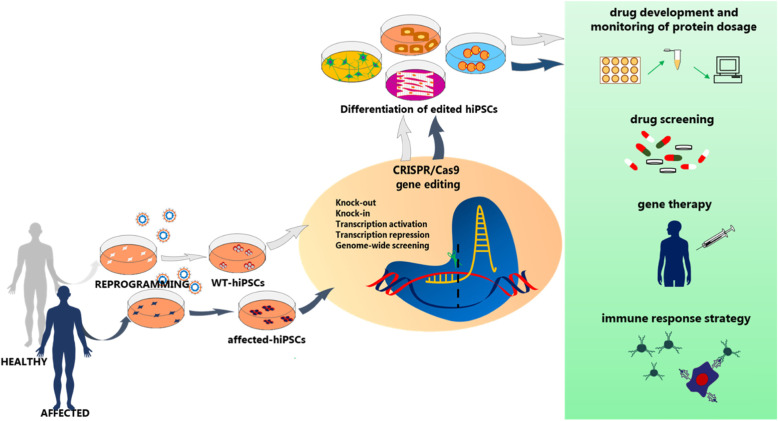
Human-induced pluripotent stem cells (hiPSCs) and CRISPR/Cas9 gene editing system represent two instruments of basic and translational research, which both allow to acquire deep insight about the molecular bases of many diseases but also to develop pharmacological research. This review is focused to draw up the latest technique of gene editing applied on hiPSCs, exploiting some of the genetic manipulation directed to the discovery of innovative therapeutic strategies. There are many expediencies provided by the use of hiPSCs, which can represent a disease model clinically relevant and predictive, with a great potential if associated to CRISPR/Cas9 technology, a gene editing tool powered by ease and precision never seen before. Here, we describe the possible applications of CRISPR/Cas9 to hiPSCs: from drug development to drug screening and from gene therapy to the induction of the immunological response to specific virus infection, such as HIV and SARS-Cov-2.
Overview
The claims and statistics of this paper haven’t been checked yet.
Run the check — free, no account needed. It reads the open-access text and checks the sources it cites.
Integrity signals
Registry
Cites
Statistics
Figures
Verification
Claims the paper makes
The claims and statistics of this paper haven’t been checked yet.
Run the check — free, no account needed. It reads the open-access text and checks the sources it cites.
Claims other papers make about this one
Each is checked against this paper’s own text: does it say what the citing paper says it does?
In the citing paper
“Indeed, the most potent gene editing tool to date is encapsulated by the Clustered Regularly Interspaced Short Palindromic Repeats (CRISPR) and CRISPR-associated protein (CRISPR/Cas9) system [157].”
From Cell Immortality: In Vitro Effective Techniques to Achieve and Investigate Its Applications and Challenges (2024) · cites this paper as [157]
Self-check
Percentages, sums and reported differences re-computed from the paper’s own numbers.
The self-check needs the paper’s full text.
Citations
Cites
The new frontier of genome engineering with CRISPR-Cas9
Doudna, J. A., & Charpentier, E. (2014) · Science · doi:10.1126/science.1258096 · Cited by 7,062
Programmable editing of a target base in genomic DNA without double-stranded DNA cleavage
Komor, A. C., Kim, Y. B., Packer, M. S., Zuris, J. A., & Liu, D. R. (2016) · Nature · doi:10.1038/nature17946 · Cited by 5,437
Genome-scale CRISPR-Cas9 knockout screening in human cells
Shalem, O., Sanjana, N. E., Hartenian, E., Shi, X., Scott, D. A., Mikkelsen, T. S., Heckl, D., Ebert, B. L., Root, D. E., Doench, J. G., et al. (2014) · Science · doi:10.1126/science.1247005 · Cited by 5,234
Rationally engineered Cas9 nucleases with improved specificity
Slaymaker, I. M., Gao, L., Zetsche, B., Scott, D. A., Yan, W. X., & Zhang, F. (2016) · Science · doi:10.1126/science.aad5227 · Cited by 2,414
Crystal structure of Cas9 in complex with guide RNA and target DNA
Nishimasu, H., Ran, F. A., Hsu, P. D., Konermann, S., Shehata, S. I., Dohmae, N., Ishitani, R., Zhang, F., & Nureki, O. (2014) · Cell · doi:10.1016/j.cell.2014.02.001 · Cited by 2,306
Kim, S., Kim, D., Cho, S. W., Kim, J., & Kim, J.-S. (2014) · Genome Research · doi:10.1101/gr.171322.113 · Cited by 1,856
Induced pluripotent stem cell technology: a decade of progress.
Shi, Y., Inoue, H., Wu, J. C., & Yamanaka, S. (2017) · Nature Reviews Drug Discovery · doi:10.1038/nrd.2016.245 · Cited by 1,525
Structures of Cas9 endonucleases reveal RNA-mediated conformational activation
Jinek, M., Jiang, F., Taylor, D. W., Sternberg, S. H., Kaya, E., Ma, E., Anders, C., Hauer, M., Zhou, K., Lin, S., et al. (2014) · Science · doi:10.1126/science.1247997 · Cited by 1,230
Beyond editing: repurposing CRISPR-Cas9 for precision genome regulation and interrogation
Dominguez, A. A., Lim, W. A., & Qi, L. S. (2016) · Nature Reviews Molecular Cell Biology · doi:10.1038/nrm.2015.2 · Cited by 832
Establishment and validation of a pseudovirus neutralization assay for SARS-CoV-2
Nie, J., Li, Q., Wu, J., Zhao, C., Hao, H., Liu, H., Zhang, L., Nie, L., Qin, H., Wang, M., et al. (2020) · Emerging Microbes & Infections · doi:10.1080/22221751.2020.1743767 · Cited by 711
Research works printed but not linked: 80
- Takahashi K, Yamanaka S. Induction of pluripotent stem cells from mouse embryonic and adult fibroblast cultures by defined factors. Cell. 2006;126(4):663–76. · DOI · Paper page
- Spitalieri P, Talarico VR, Murdocca M, Novelli G, Sangiuolo F. Human induced pluripotent stem cells for monogenic disease modelling and therapy. World J Stem Cells. 2016;8(4):118–35. · DOI
- Spitalieri P, Talarico RV, Botta A, Murdocca M, D'Apice MR, Orlandi A, et al. Generation of human induced pluripotent stem cells from extraembryonic tissues of fetuses affected by monogenic diseases. Cell Reprogram. 2015;17(4):275–87. · DOI
- Streckfuss-Bömeke K, Wolf F, Azizian A, Stauske M, Tiburcy M, Wagner S, et al. Comparative study of human-induced pluripotent stem cells derived from bone marrow cells, hair keratinocytes, and skin fibroblasts. Eur Heart J. 2013;34(33):2618–29. · DOI
- Si-Tayeb K, Idriss S, Champon B, Caillaud A, Pichelin M, Arnaud L, et al. Urine-sample-derived human induced pluripotent stem cells as a model to study PCSK9-mediated autosomal dominant hypercholesterolemia. Dis Model Mech. 2016;9(1):81–90. · DOI
- Jodat YA, Kang MG, Kiaee K, Kim GJ, Martinez AFH, Rosenkranz A, et al. Human-derived organ-on-a-chip for personalized drug development. Curr Pharm Des. 2018;24(45):5471–86. · DOI
- Eglen RM, Reisine T. Human iPS cell-derived patient tissues and 3D cell culture part 1: target identification and lead optimization. SLAS Technol. 2019;24(1):3–17. · DOI
- Phillip C, Yang MD. Induced pluripotent stem cell (iPSCs)-derived exosomes for precision medicine in heart failure. Circ Res. 2018;122(5):661–3. · DOI
- Li XF, Zhou YW, Cai PF, Fu WC, Wang JH, Chen JY, et al. CRISPR/Cas9 facilitates genomic editing for large-scale functional studies in pluripotent stem cell culture. Human Genetics. 2019;138:1217–25. · DOI
- Zhang J, Chen L, Zhang J, Wang Y. Drug inducible CRISPR/Cas systems. Comput Struct Biotechnol J. 2019;17:1171–7. · DOI · Paper page
- Kim EJ, Kang KH, Ju JH. CRISPR-Cas9: a promising tool for gene editing on induced pluripotent stem cells. Korean J Intern Med. 2017;32:42–61. · DOI
- Studer L, Vera E, Cornacchia D. Programming and reprogramming cellular age in the era of induced pluripotency. Cell Stem Cell. 2015;16:591–600. · DOI
- Nguyen HN, Byers B, Cord B, Shcheglovitov A, Byrne J, Gujar P, et al. LRRK2 mutant iPSC-derived DA neurons demonstrate increased susceptibility to oxidative stress. Cell Stem Cell. 2011;8:267–80. · DOI
- Lee G, Papapetrou EP, Kim H, Chambers SM, Tomishima MJ, Fasano CA, et al. Modelling pathogenesis and treatment of familial dysautonomia using patient-specific iPSCs. Nature. 2009;461(7262):402–6. · DOI
- Weng KC, Kurokawa YK, Hajek BS, Paladin JA, Shirure VS, George SC. Human induced pluripotent stem-cardiac-endothelial-tumor-on-a-chip to assess anticancer efficacy and cardiotoxicity. Tissue Eng Part C Methods. 2020;26(1):44–55. · DOI
- Ruillier V, Tournois J, Boissart C, Lasbareilles M, Mahé G, Chatrousse L, et al. Rescuing compounds for Lesch-Nyhan disease identified using stem cell–based phenotypic screening. JCI Insight. 2020. https://doi.org/10.1172/jci.insight.132094. · DOI
- Vijayaraj P, Minasyan A, Durra A, Karumbayaram S, Mehrabi M, Aros CJ, et al. Modeling progressive fibrosis with pluripotent stem cells identifies an anti-fibrotic small molecule. Cell Rep. 2019;29(11):3488–505. · DOI
- Novosadova EV, Arsenyeva EL, Antonov SA, Vanyushina YN, Malova TV, Komissarov AA, et al. The use of human induced pluripotent stem cells for testing neuroprotective activity of pharmacological compounds. Biochemistry (Mosc). 2019;84(11):1296–305. · DOI
- Mills RJ, Parker BL, Quaife-Ryan GA, Voges HK, Needham EJ, Bornot A, et al. Drug screening in human PSC-cardiac organoids identifies pro-proliferative compounds acting via the mevalonate pathway. Cell Stem Cell. 2019;24(6):895–907. · DOI · Paper page
- Young JE, Fong LK, Frankowski H, Petsko GA, Small SA, Lawrence SB, et al. Stabilizing the retromer complex in a human stem cell model of Alzheimer’s disease reduces TAU phosphorylation independently of amyloid precursor protein. Stem Cell Reports. 2018;10:1046–58. · DOI · Paper page
- Readhead B, Hartley BJ, Eastwood BJ, Collier DA, Evans D, Farias R, et al. Expression-based drug screening of neural progenitor cells from individuals with schizophrenia. Nature Communications. 2018. https://doi.org/10.1038/s41467-018-06515-4. · DOI
- Imamura K, Izumi Y, Watanabe A, Tsukita K, Woltjen K, Yamamoto T, et al. The Src/c-Abl pathway is a potential therapeutic target in amyotrophic lateral sclerosis. Sci Transl Med. 2017. https://doi.org/10.1126/scitranslmed.aaf3962. · DOI
- Cayo MA, Mallanna SK, Di Furio F, Jing R, Tolliver LB, Bures M, et al. A drug screen using human iPSC-derived hepatocyte-like cells identifies cardiac glycosides as a potential treatment for hypercholesterolemia. Cell Stem Cell. 2017;20(4):478–89. · DOI
- Sala L, Yu Z, Ward-van Oostwaard D, Van Veldhoven JPD, Moretti A, Laugwitz KL, et al. A new hERG allosteric modulator rescues genetic and drug-induced long-QT syndrome phenotypes in cardiomyocytes from isogenic pairs of patient induced pluripotent stem cells. EMBO Mol Med. 2016;8(9):1065–81. · DOI
- Imamura K, Izumi Y, Banno H, Uozumi R, Morita S, Egawa N, et al. Induced pluripotent stem cell-based Drug Repurposing for Amyotrophic lateral sclerosis Medicine (iDReAM) study: protocol for a phase I dose escalation study of bosutinib for amyotrophic lateral sclerosis patients. BMJ Open. 2019. https://doi.org/10.1136/bmjopen-2019-033131. · DOI
- Lonskaya I, Hebron ML, Desforges NM, Franjie A, Moussa CE. Tyrosine kinase inhibition increases functional parkin-Beclin-1 interaction and enhances amyloid clearance and cognitive performance. EMBO Mol. Med. 2013;5:1247–62. · DOI
- Wenqiang C, Lonskaya I, Hebron ML, Ibrahim Z, Olszewski RT, Neale JH, et al. Parkin-mediated reduction of nuclear and soluble TDP-43 reverses behavioral decline in symptomatic mice. Hum Mol Genet. 2014;23(18):4960–9. · DOI
- Cortes JE, Apperley JF, DeAngelo DJ, Deininger MW, Kota VK, Rousselot P, et al. Management of adverse events associated with bosutinib treatment of chronic-phase chronic myeloid leukemia: expert panel review. J Hematol Oncol. 2018;11(1):143. · DOI
- Anson BD, Kolaja K, Kamp TJ. Opportunities for human iPS cells in predictive toxicology. Clin Pharmacol Ther. 2011;89(5):754–8. · DOI
- Warchal SJ, Unciti-Broceta A. O Carragher N. Next-generation phenotypic screening. Future Med Chem. 2016;8(11):1331–47. · DOI
- Sridharan BP, Hubbs C, Llamosas N, Kilinc M, Singhera FU, Willems E, et al. A simple procedure for creating scalable phenotypic screening assays in human neurons. Sci Rep. 2019. https://doi.org/10.1038/s41598-019-45265-1. · DOI
- Stacey P, Wassermann AM, Kammonen L, Impey E, Wilbrey A, Cawkill D. Plate-based phenotypic screening for pain using human iPSC-derived sensory neurons. SLAS Discovery. 2018;23(6):585–96. · DOI
- Durens M, Nestor J, Williams M, Herold K, Niescier RF, Lunden JW, et al. High-throughput screening of human induced pluripotent stem cell-derived brain organoids. J Neurosci Methods. 2020. https://doi.org/10.1016/j.jneumeth.2020.108627. · DOI
- Scott A. How CRISPR is transforming drug discovery. Nature. 2018. https://doi.org/10.1038/d41586-018-02477-1. · DOI
- Bassett AR. Editing the genome of hiPSC with CRISPR/Cas9: disease models. Mamm Genome. 2017;28(7):348–64. · DOI
- Carroll D. Genome editing: past, present, and future. Yale Journal of Biology And Medicine. 2017;90:653–9.
- Carroll D. Genome engineering with zinc-finger nucleases. Genetics. 2011;188:773–82. · DOI · Paper page
- Talarico RV, Novelli G, Sangiuolo F, Spitalieri P. Human induced pluripotent stem cells-based strategies: new frontiers for personalized medicine. In: Daniele N, Zinno F, editors. Toward the future: the new challenges of the cell therapy and potential of the regenerative medicine; 2017. p. 105–29.
- Cui Y, Xu J, Cheng M, Liao X, Peng S. Review of CRISPR/Cas9 sgRNA design tools. Interdiscip Sci. 2018;10(2):455–65. · DOI
- Kearns NA, Genga RMJ, Enuameh MS, Garber M, Wolfe SA, Maehr R. Cas9 effector-mediated regulation of transcription and differentiation in human pluripotent stem cells. Development. 2014;141(1):219–23. · DOI
- Choi PS, Meyerson M. Targeted genomic rearrangements using CRISPR/Cas technology. Nat. Commun. 2014. https://doi.org/10.1038/ncomms4728. · DOI
- Torres R, Martin MC, Garcia A, Cigudosa JC, Ramirez JC, Rodriguez-Perales S. Engineering human tumour-associated chromosomal translocations with the RNA-guided CRISPRCas9 system. Nat. Commun. 2014. https://doi.org/10.1038/ncomms4964. · DOI
- Xue W, Chen S, Yin H, Tammela T, Papagiannakopoulos T, Joshi NS, et al. CRISPR-mediated direct mutation of cancer genes in the mouse liver. Nature. 2014;514:380–4. · DOI · Paper page
- Ran FA, Hsu PD, Lin CY, Gootenberg JS, Konermann S, Trevino AE, Scott DA, Inoue A, Matoba S, Zhang Y, Zhang F. Double nicking by RNA-guided CRISPR Cas9 for enhanced genome editing specificity. Cell. 2013:1380–9. · DOI · Paper page
- Anzalone AV, Randolph PB, Davis JR, Sousa AA, Koblan LW, Levy JM, et al. Search-and-replace genome editing without double-strand breaks or donor DNA. Nature. 2019. https://doi.org/10.1038/s41586-019-1711-4. · DOI · Paper page
- Ran FA, Hsu PD, Wright J, Agarwala V, Scott DA, Zhang F. Genome engineering using crispr-cas9 system. Nat protoc. 2013;8(11):2281–308. · DOI · Paper page
- McCloskey AG, Miskelly MG, Moore CBT, Nesbit MA, Christie KA, Owolabi AI, et al. CRISPR/Cas9 gene editing demonstrates metabolic importance of GPR55 in the modulation of GIP release and pancreatic beta cell function. Peptides. 2020. https://doi.org/10.1016/j.peptides.2019.170251. · DOI
- Adkar SS, Willard VP, Brunger JM, Shiao KT, Gersbach CA, Guilak F. Targeted genome editing of human induced pluripotent stem cells using CRISPR/CAS9 to generate a knock-in type II collagen reporter for the purification of chondrogenic cells. Mol. Ther. 2016. https://doi.org/10.1016/S1525-0016(16)33127-6. · DOI
- Zhang Z, Zhang Y, Gao F, Han S, Cheah KS, Tse HF, et al. CRISPR/Cas9 genome-editing system in human stem cells: current status and future prospects. Mol Ther Nucleic Acids. 2017;9:230–41. · DOI
- Grobarczyk B, Franco B, Hanon K, Malgrange B. Generation of isogenic human iPS cell line precisely corrected by genome editing using the CRISPR/Cas9 system. Stem Cell Rev Rep. 2015;11(5):774–87. · DOI
- Miyaoka Y, Amanda H, Chan AH, Judge LM, Yoo J, Huang M, et al. Isolation of single-base genome-edited human iPS cells without antibiotic selection. Nat. Methods. 2014;11(3):291–3. · DOI
- Huang X, Wang Y, Yan W, Smith C, Ye Z, Wang J, et al. Production of gene-corrected adult beta globin protein in human erythrocytes differentiated from patient iPSCs after genome editing of the sickle point mutation. Stem Cells. 2015;33(5):1470–9. · DOI
- Ovchinnikov DA, Withey SL, Leeson H, Lei UW, Sundarrajan A, Junday K, et al. Correction of ATM mutations in iPS cells from two ataxia-telangiectasia patients restores DNA damage and oxidative stress responses. Hum Mol Genet. 2020;29(6):990–1001. · DOI
- Trionfini P, Ciampi O, Romano E, Benigni A, Tomasoni S. Generation of two isogenic knockout PKD2 iPS cell lines, IRFMNi003-A-1 and IRFMNi003-A-2, using CRISPR/Cas9 technology. Stem Cell Res. 2020. https://doi.org/10.1016/j.scr.2019.101667. · DOI
- Guo D, Liu H, Gao G, Liu Y, Zhuang Y, Yang F, et al. Creating a patient carried Men1 gene point mutation on wild type iPSCs locus mediated by CRISPR/Cas9 and ssODN. Stem Cell Res. 2017. https://doi.org/10.1016/j.scr.2016.12.007. · DOI
- Kawai K, Negoro R, Ichikawa M, Yamashita T, Deguchi S, Harada K, et al. Establishment of SLC15A1/PEPT1-knockout human-induced pluripotent stem cell line for intestinal drug absorption studies. Mol Ther Methods Clin Dev. 2019;17:49–57. · DOI
- Nakamoto FK, Okamoto S, Mitsui J, Sone T, Ishikawa M, Yamamoto Y, et al. The pathogenesis linked to coenzyme Q10 insufficiency in iPSC-derived neurons from patients with multiple-system atrophy. Sci Rep. 2018;8(1):14215. · DOI
- Zhu W, Zhang B, Li M, Mo F, Mi T, Wu Y, et al. Precisely controlling endogenous protein dosage in hPSCs and derivatives to model FOXG1 syndrome. Nat Commun. 2019;10(1):928. · DOI
- Song B, Fan Y, He W, Zhu D, Niu X, Wang D, et al. Improved hematopoietic differentiation efficiency of gene-corrected beta-thalassemia induced pluripotent stem cells by CRISPR/Cas9 system. Stem Cells Dev. 2015;24(9):1053–65. · DOI
- Jackówa J, Guoa Z, Hansena C, Abacia HE, Douceta YS, Shina JU, et al. CRISPR/Cas9-based targeted genome editing for correction of recessive dystrophic epidermolysis bullosa using iPS cells. Proc Natl Acad Sci U S A. 2019. https://doi.org/10.1073/pnas.1907081116. · DOI
- Li HL, Fujimoto N, Sasakawa N, Shirai S, Ohkame T, Sakuma T, et al. Precise correction of the dystrophin gene in Duchenne muscular dystrophy patient induced pluripotent stem cells by TALEN and CRISPR-Cas9. Stem Cell Reports. 2015;4(1):143–54. · DOI · Paper page
- Dimmock DP, Zhang Q, Dionisi-Vici C, Carrozzo R, Shieh J, Tang LY, et al. Clinical and molecular features of mitochondrial DNA depletion due to mutations in deoxyguanosine kinase. Hum. Mutat. 2008;29:330–1. · DOI
- Kondo T, Imamura K, Funayama M, Tsukita K, Miyake M, Ohta A, et al. iPSC-based compound screening and in vitro trials identify a synergistic anti-amyloid b combination for Alzheimer’s disease. Cell Reports. 2017;21:2304–12. · DOI · Paper page
- Teque F, Ye L, Xie F, Wang J, Morvan MG, Kan YW, et al. Genetically-edited iPSCs derived from HIV-1 infected patients on therapy can give rise to immune cells resistant to HIV-1 infection. AIDS. 2020. https://doi.org/10.1097/QAD.0000000000002539. · DOI
- Liao HK, Gu Y, Diaz A, Marlett J, Takahashi Y, Li M, et al. Use of the CRISPR/Cas9 system as an intracellular defense against HIV-1 infection in human cells. Nat. Commun. 2015;6:6413. · DOI
- Nguyen TM, Zhang Y, Pandolfi PP. Virus against virus: a potential treatment for 2019-nCov (SARS-CoV-2) and other RNA viruses. Cell Research. 2020:189–90. · DOI
- Blum R, Arumugam A, Wu J, Walcheck B, Kaufman D. Engineering human pluripotent stem cell-derived natural killer cells to prevent CD16a shedding for enhanced anti-tumor killing. Blood. 2016;128. · DOI
- Fernandes-Rosa FL, Daniil G, Orozco IJ, Göppner C, El Zein R, Jain V, et al. A gain-of-function mutation in the CLCN2 chloride channel gene causes primary aldosteronism. Nat. Genet. 2018;50:355–61. · DOI
- Kumamoto T, Hanashima C. Evolutionary conservation and conversion of Foxg1 function in brain development. Dev Growth Differ. 2017;59(4):258–69. · DOI
- Brunetti-Pierri N, Paciorkowski AR, Ciccone R, Della Mina E, Bonaglia MC, Borgatti R, et al. Duplications of FOXG1 in 14q12 are associated with developmental epilepsy, mental retardation, and severe speech impairment. Eur. J. Hum. Genet. 2011;19:102–7. · DOI
- Mitter D, Pringsheim M, Kaulisch M, Plümacher KS, Schröder S, Warthemann R, et al. FOXG1 syndrome: genotype-phenotype association in 83 patients with FOXG1 variants. Genet Med. 2018;20(1):98–108. · DOI
- De Filippis R, Pancrazi L, Bjørgo K, Rosseto A, Kleefstra T, Grillo E, et al. Expanding the phenotype associated with FOXG1 mutations and in vivo FoxG1 chromatin-binding dynamics. Clin. Genet. 2012;82:395–403. · DOI
- Hovnanian A, Rochat A, Bodemer C, Petit E, Rivers CA, Prost C, et al. Characterization of 18 new mutations in COL7A1 in recessive dystrophic epidermolysis bullosa provides evidence for distinct molecular mechanisms underlying defective anchoring fibril formation. Am J Hum Genet. 1997;61(3):599–610. · DOI
- Rousseau J, Chapdelaine P, Boisvert S, Almeida LP, Corbeil J, Montpetit A, et al. Endonucleases: tools to correct the dystrophin gene. J Gene Med. 2011;13(10):522–37. · DOI
- Gee P, Lung MSY, Okuzaki Y, Sasakawa N, Iguchi T, Makita Y, et al. Extracellular nanovesicles for packaging of CRISPRCas9 protein and sgRNA to induce therapeutic exon skipping. Nature Communications. 2020. https://doi.org/10.1038/s41467-020-14957-y. · DOI
- Jing R, Corbett JL, Cai J, Beeson GC, Beeson CC, Chan SS, et al. A screen using iPSC-derived hepatocytes reveals NAD+ as a potential treatment for mtDNA depletion syndrome. Cell Rep. 2018;25(6):1469–84. · DOI
- Spitalieri P, Quitadamo MC, Orlandi A, Guerra L, Giardina E, Casavola V, et al. Rescue of murine silica-induced lung injury and fibrosis by human embryonic stem cells. Eur Respir J. 2012. https://doi.org/10.1183/09031936.00005511. · DOI
- Kleine-Weber H, Schroeder S, Krüger N, Prokscha A, Naim HY, Müller MA, et al. Polymorphisms in dipeptidyl peptidase 4 reduce host cell entry of Middle East respiratory syndrome coronavirus. Emerg Microbes Infect. 2020;9(1):155–68. · DOI
- Tian X, Gu T, Patel S, Bode AM, Lee MH, Dong Z. CRISPR/Cas9 – an evolving biological tool kit for cancer biology and oncology. NPJ Precis Oncol. 2019. https://doi.org/10.1038/s41698-019-0080-7. · DOI
- Khan FA, Pandupuspitasari NS, Chun-Jie H, Ao Z, Jamal M, Zohaib A, et al. CRISPR/Cas9 therapeutics: a cure for cancer and other genetic diseases. Oncotarget. 2016;7(32):52541–52. · DOI
Cited by
Chalak, M., Hesaraki, M., Mirbahari, S. N., Yeganeh, M., Abdi, S., Rajabi, S., & Hemmatzadeh, F. (2024) · Life · doi:10.3390/life14030417 · Cited by 66
Metadata
- Authors
- De Masi, C., Spitalieri, P., Murdocca, M., Novelli, G., & Sangiuolo, F.
- ORCID
- Sangiuolo, Federica
- Venue
- Human Genomics
- Published
- 2020-06-26
- Volume
- 14
- Issue
- 1
- ISSN
- 1479-7364
- PMC
- PMC7318728
- Cited by
- 91
- References
- 13
- Language
- en
About these checks
Registry, retraction, Cites and statistics results are computed, not judged, with one exception: a printed reference that no index lists is read once by a model before it counts as a citation error. Claims are extracted by a model and kept only when their quote appears verbatim in the text; each cited source is then checked, with a model’s help, for whether it says what the claim relies on. Those verdicts can be wrong — read the claim’s quote and the cited source before relying on one.
Statistics and arithmetic are recomputed, not judged.
Confidence bands are shown only for fields calibrated on our annotated test set. None is calibrated yet, so no band is shown.
What counts as a claim ›How we measure confidence ›How we check this ›
Are you an author, or do you see a problem with this page? Request a review
How to cite
Cite CoChat for the checks on this page, and the paper for its own findings.
- This page
- CoChat. (2026). Citation check: Application of CRISPR/Cas9 to human-induced pluripotent stem cells: from gene editing to drug discovery. https://app.cochat.ai/papers/10.1186/s40246-020-00276-2
- The paper
- De Masi, C., Spitalieri, P., Murdocca, M., Novelli, G., & Sangiuolo, F. (2020). Application of CRISPR/Cas9 to human-induced pluripotent stem cells: from gene editing to drug discovery. Human Genomics. https://doi.org/10.1186/s40246-020-00276-2
