

The DOI matches its Crossref record; 499 of the 499 references it cites were found in a registry or an index.
Obesity: pathophysiology and therapeutic interventions
Open accessAbstract
Over the past few decades, obesity has transitioned from a localized health concern to a pressing global public health crisis affecting over 650 million adults globally, as documented by WHO epidemiological surveys. As a chronic metabolic disorder characterized by pathological adipose tissue expansion, chronic inflammation, and neuroendocrine dysregulation that disrupts systemic homeostasis and impairs physiological functions, obesity is rarely an isolated condition; rather, it is frequently complicated by severe comorbidities that collectively elevate mortality risks. Despite advances in nutritional science and public health initiatives, sustained weight management success rates and prevention in obesity remain limited, underscoring its recognition as a multifactorial disease influenced by genetic, environmental, and behavioral determinants. Notably, the escalating prevalence of obesity and its earlier onset in younger populations have intensified the urgency to develop novel therapeutic agents that simultaneously ensure efficacy and safety. This review aims to elucidate the pathophysiological mechanisms underlying obesity, analyze its major complications—including type 2 diabetes mellitus (T2DM), cardiovascular diseases (CVD), non-alcoholic fatty liver disease (NAFLD), obesity-related respiratory disorders, obesity-related nephropathy (ORN), musculoskeletal impairments, malignancies, and psychological comorbidities—and critically evaluate current anti-obesity strategies. Particular emphasis is placed on emerging pharmacological interventions, exemplified by plant-derived natural compounds such as berberine (BBR), with a focus on their molecular mechanisms, clinical efficacy, and therapeutic advantages. By integrating mechanistic insights with clinical evidence, this review seeks to provide innovative perspectives for developing safe, accessible, and effective obesity treatments.
Overview
The claims and statistics of this paper haven’t been checked yet.
Run the check — free, no account needed. It reads the open-access text and checks the sources it cites.
Integrity signals
Registry
Cites
Statistics
Figures
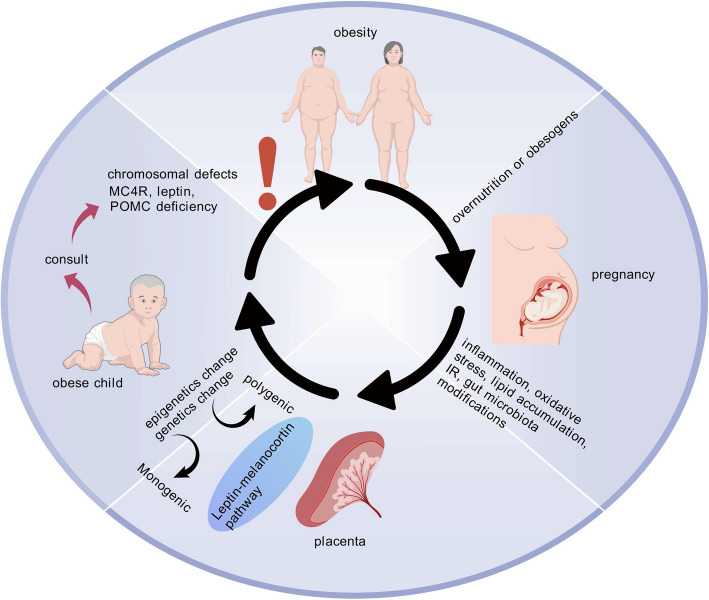
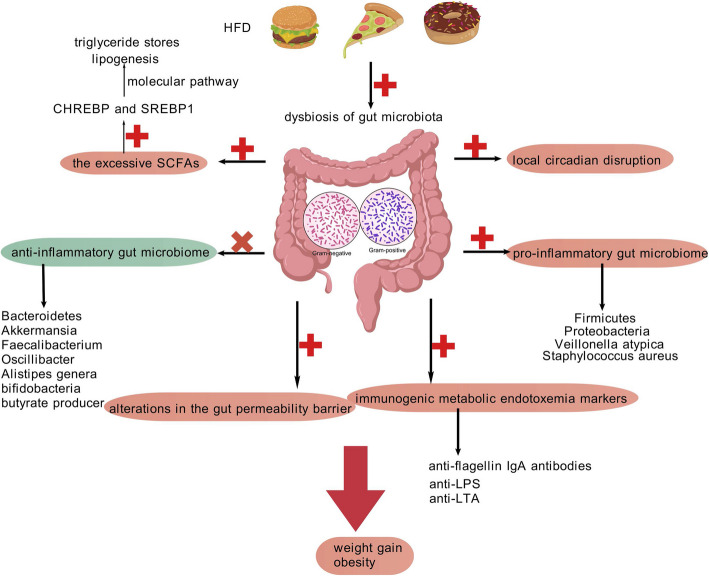
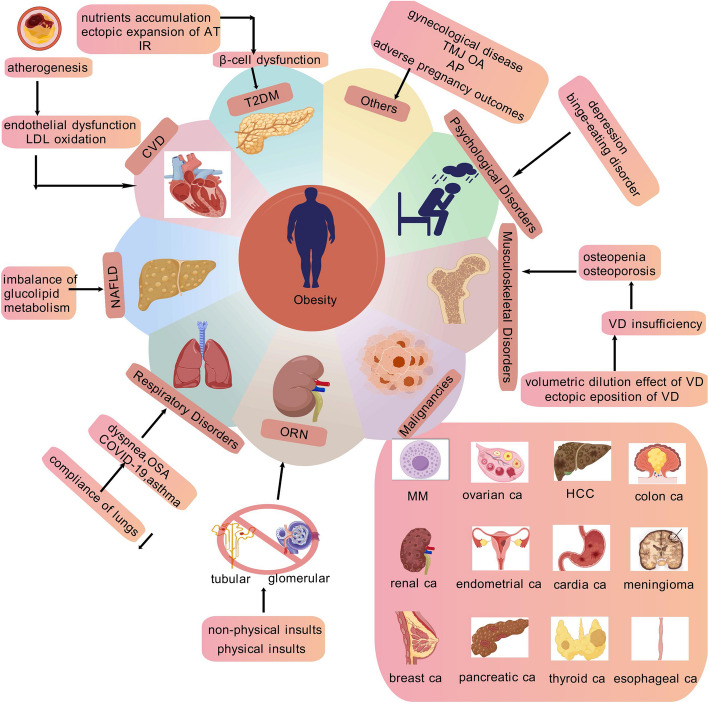
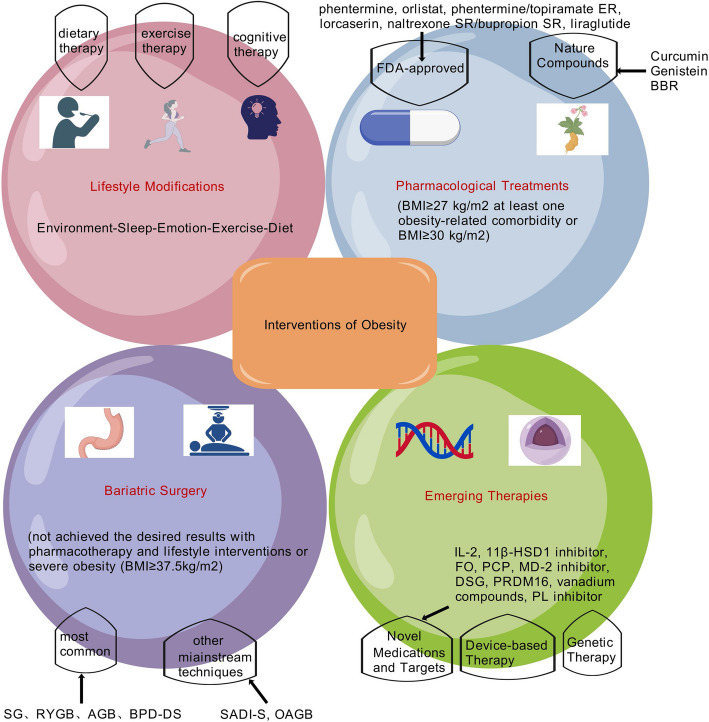
Verification
Claims the paper makes
The claims and statistics of this paper haven’t been checked yet.
Run the check — free, no account needed. It reads the open-access text and checks the sources it cites.
Claims other papers make about this one
Each is checked against this paper’s own text: does it say what the citing paper says it does?
The cited source says what the claim attributes to it.
In the citing paper
“Obesity substantially increases the risk of diabetes, cardiovascular disease, fatty liver disease, and certain cancers, while imposing enormous societal and economic burdens.[2][3][4]”
From The Triple‐Agonist Revolution: Retatrutide and the Paradigm Shift in Multi‐Hormonal Pharmacotherapy for Obesity and Cardiometabolic Comorbidities (2026) · cites this paper as [2]
Self-check
Percentages, sums and reported differences re-computed from the paper’s own numbers.
The self-check needs the paper’s full text.
Citations
Cites
Items 201–400 of 499
Beige Adipose Tissue Identification and Marker Specificity—Overview
Pilkington, A., Paz, H. A., & Wankhade, U. D. (2021) · Frontiers in Endocrinology · doi:10.3389/fendo.2021.599134 · Cited by 163
The Central Sirtuin 1/p53 Pathway Is Essential for the Orexigenic Action of Ghrelin
Velásquez, D. A., Martínez, G., Romero, A., Vázquez, M. J., Boit, K. D., Dopeso-Reyes, I. G., López, M., Vidal, A., Nogueiras, R., & Diéguez, C. (2011) · Diabetes · doi:10.2337/db10-0802 · Cited by 161
New Frontiers in Obesity Treatment: GLP-1 and Nascent Nutrient-Stimulated Hormone-Based Therapeutics
Jastreboff, A. M., & Kushner, R. F. (2023) · Annual Review of Medicine · doi:10.1146/annurev-med-043021-014919 · Cited by 158
Graduated compression stockings for prevention of deep vein thrombosis
Sachdeva, A., Dalton, M. N., Amaragiri, S. V., & Lees, T. A. (2014) · Cochrane Database of Systematic Reviews · doi:10.1002/14651858.cd001484.pub3 · Cited by 157
Banks, W., Burney, B. O., & Robinson, S. (2008) · Peptides · doi:10.1016/j.peptides.2008.07.001 · Cited by 155
Antibacterial activity and mechanism of berberine against Streptococcus agalactiae.
Peng, L., Kang, S., Yin, Z., Jia, R., Song, X., Li, L., Moalin, M., Zou, Y., Liang, X., Li, L., et al. (2015) · PubMed Central · Cited by 152
Safety of Drug Therapies Used for Weight Loss and Treatment of Obesity
Ioannides‐Demos, L. L., Proietto, J., Tonkin, A. M., & McNeil, J. J. (2006) · Drug Safety · doi:10.2165/00002018-200629040-00001 · Cited by 152
Houde, A.-A., Légaré, C., Biron, S., Lescelleur, O., Biertho, L. D., Marceau, S., Tchernof, A., Vohl, M., Hivert, M., & Bouchard, L. (2015) · BMC Medical Genetics · doi:10.1186/s12881-015-0174-1 · Cited by 152
Abidi, P., Zhou, Y., Jiang, J.-D., & Liu, J. (2005) · Arteriosclerosis, Thrombosis, and Vascular Biology · doi:10.1161/01.atv.0000181761.16341.2b · Cited by 152
Sun, Y., Xia, M., Yan, H., Han, Y., Zhang, F., Hu, Z., Cui, A., Ma, F., Liu, Z., Gong, Q., et al. (2017) · British Journal of Pharmacology · doi:10.1111/bph.14079 · Cited by 152
Transmural Conduction Is the Predominant Mechanism of Breakthrough During Atrial Fibrillation
Eckstein, J., Zeemering, S., Linz, D., Maesen, B. A. E., Verheule, S., van Hunnik, A., Crijns, H. J. G. M., Allessie, M. A., & Schotten, U. (2013) · Circulation Arrhythmia and Electrophysiology · doi:10.1161/circep.113.000342 · Cited by 149
Baskin, A. S., Linderman, J. D., Brychta, R. J., McGehee, S., Anflick-Chames, E., Cero, C., Johnson, J. W., O’Mara, A. E., Fletcher, L. A., Leitner, B. P., et al. (2018) · Diabetes · doi:10.2337/db18-0462 · Cited by 145
The effect of Berberine on weight loss in order to prevent obesity: A systematic review
Ilyas, Z., Perna, S., Al-thawadi, S., Alalwan, T. A., Riva, A., Petrangolini, G., Gasparri, C., Infantino, V., Peroni, G., & Rondanelli, M. (2020) · Biomedicine & Pharmacotherapy · doi:10.1016/j.biopha.2020.110137 · Cited by 143
Modulating gut microbiota as an anti-diabetic mechanism of berberine
Han, J.-L., Lin, H., & Huang, W. (2011) · Medical Science Monitor · doi:10.12659/msm.881842 · Cited by 142
Association between the weight-adjusted waist index and stroke: a cross-sectional study
Ye, J., Hu, Y., Chen, X., Yin, Z., Yuan, X., Huang, L., & Li, K. (2023) · BMC Public Health · doi:10.1186/s12889-023-16621-8 · Cited by 140
Urinary Cystatin C and Tubular Proteinuria Predict Progression of Diabetic Nephropathy
Kim, S. S., Song, S. H., Kim, I. J., Jeon, Y. K., Kim, B. H., Kwak, I. S., Lee, E. K., & Kim, Y. K. (2012) · Diabetes Care · doi:10.2337/dc12-0849 · Cited by 139
Berberine promotes the recruitment and activation of brown adipose tissue in mice and humans
Wu, L., Xia, M., Duan, Y., Zhang, L., Jiang, H., Hu, X., Yan, H., Zhang, Y., Gu, Y., Shi, H., et al. (2019) · Cell Death and Disease · doi:10.1038/s41419-019-1706-y · Cited by 139
Bowden Davies, K. A., Sprung, V. S., Norman, J. A., Thompson, A., Mitchell, K. L., Halford, J. C. G., Harrold, J. A., Wilding, J. P. H., Kemp, G. J., & Cuthbertson, D. J. (2018) · Diabetologia · doi:10.1007/s00125-018-4603-5 · Cited by 138
Nagappa, M., Mokhlesi, B., Wong, J., Wong, D. T., Kaw, R. K., & Chung, F. F. (2015) · Anesthesia & Analgesia · doi:10.1213/ane.0000000000000634 · Cited by 136
Adipose tissue macrophages induce hepatic neutrophil recruitment and macrophage accumulation in mice
Bijnen, M., Josefs, T., Cuijpers, I., Maalsen, C. J., van de Gaar, J., Vroomen, M., Wijnands, E., Rensen, S. S., Greve, J. W. M., Hofker, M. H., et al. (2018) · Gut · doi:10.1136/gutjnl-2016-313654 · Cited by 134
TNFα drives mitochondrial stress in POMC neurons in obesity
Yi, C., Walter, M., Gao, Y., Pitra, S., Legutko, B., Kälin, S., Layritz, C., García‐Cáceres, C., Bielohuby, M., Bidlingmaier, M., et al. (2017) · Nature Communications · doi:10.1038/ncomms15143 · Cited by 131
Hu, R., Quan, S., Wang, Y., Zhou, Y., Zhang, Y., Liu, L., Zhou, X. J., & Xing, G. (2020) · Scientific Reports · doi:10.1038/s41598-020-67910-w · Cited by 131
Nanoparticles in the diagnosis and treatment of vascular aging and related diseases
Xu, H., Li, S., & Liu, Y. (2022) · Signal Transduction and Targeted Therapy · doi:10.1038/s41392-022-01082-z · Cited by 130
Astrocyte Leptin Receptor (ObR) and Leptin Transport in Adult-Onset Obese Mice
Pan, W., Hsuchou, H., He, Y., Sakharkar, A. J., Cain, C. M., Yu, C., & Kastin, A. J. (2008) · Endocrinology · doi:10.1210/en.2007-1673 · Cited by 129
Galectin-3: an emerging all-out player in metabolic disorders and their complications
Pugliese, G., Iacobini, C., Pesce, C. M., & Menini, S. (2014) · Glycobiology · doi:10.1093/glycob/cwu111 · Cited by 128
He, Z., Gao, Y., Lieu, L., Afrin, S., Cao, J., Michael, N. J., Dong, Y., Sun, J., Guo, H., & Williams, K. W. (2019) · Molecular Metabolism · doi:10.1016/j.molmet.2019.07.008 · Cited by 128
Unick, J. L., Hogan, P. E., Neiberg, R. H., Cheskin, L. J., Dutton, G. R., Evans‐Hudnall, G., Jeffery, R., Kitabchi, A. E., Nelson, J. A., Pi‐Sunyer, F. X., et al. (2014) · Obesity · doi:10.1002/oby.20777 · Cited by 127
Obesity–An Update on the Basic Pathophysiology and Review of Recent Therapeutic Advances
Gjermeni, E., Kirstein, A., Kolbig, F., Kirchhof, M., Bundalian, L., Katzmann, J. L., Laufs, U., Blüher, M., Garten, A., & Duc, D. L. (2021) · Biomolecules · doi:10.3390/biom11101426 · Cited by 127
Kang, J. G., Park, C. ‐., Kang, J., Park, Y.-W., & Park, S. (2010) · Diabetes Obesity and Metabolism · doi:10.1111/j.1463-1326.2010.01242.x · Cited by 121
Isolation and Identification of Urinary Metabolites of Berberine in Rats and Humans
Qiu, F., Zhu, Z., Kang, N., Piao, S., Qin, G., & Yao, X. (2008) · Drug Metabolism and Disposition · doi:10.1124/dmd.108.021659 · Cited by 120
Views on glucocorticoid therapy in rheumatology: the age of convergence
Buttgereit, F. (2020) · Nature Reviews Rheumatology · doi:10.1038/s41584-020-0370-z · Cited by 120
Obesity, Bone Loss, and Periodontitis: The Interlink
Zhao, P., Xu, A., & Leung, W. K. (2022) · Biomolecules · doi:10.3390/biom12070865 · Cited by 119
Shorakae, S., Teede, H., de Courten, B., Lambert, G., Boyle, J., & Moran, L. (2015) · Seminars in Reproductive Medicine · doi:10.1055/s-0035-1556568 · Cited by 115
ATP-Induced Inflammation Drives Tissue-Resident Th17 Cells in Metabolically Unhealthy Obesity
Pandolfi, J. B., Ferraro, A., Sananez, I., Gancedo, M. C., Baz, P., Billordo, L. A., Fainboim, L., & Arruvito, L. (2016) · The Journal of Immunology · doi:10.4049/jimmunol.1502506 · Cited by 115
Chronic Activation of γ2 AMPK Induces Obesity and Reduces β Cell Function
Yavari, A., Stocker, C. J., Ghaffari, S., Wargent, E. T., Steeples, V., Czibik, G., Pintér, K., Bellahcene, M., Woods, A., de Morentin, P. B. M., et al. (2016) · Cell Metabolism · doi:10.1016/j.cmet.2016.04.003 · Cited by 114
Jiang, M., Ren, X., Han, L., & Zheng, X. (2024) · Clinical Nutrition · doi:10.1016/j.clnu.2024.02.002 · Cited by 114
Obesity and Kidney Function: A Two-Sample Mendelian Randomization Study
Kjaergaard, A. D., Teumer, A., Witte, D. R., Stanzick, K. J., Winkler, T., Burgess, S., & Ellervik, C. (2021) · Clinical Chemistry · doi:10.1093/clinchem/hvab249 · Cited by 112
Ansari, H. U. H., Qazi, S. U., Sajid, F., Altaf, Z., Ghazanfar, S., Naveed, N., Ashfaq, A. S., Siddiqui, A. H., Iqbal, H., & Qazi, S. (2024) · Endocrine Practice · doi:10.1016/j.eprac.2023.11.007 · Cited by 112
Wu Chao Ying, V., H. Kim, S. H., J. Khan, K., Farrokhyar, F., D’Souza, J., Gmora, S., Anvari, M., & Hong, D. (2015) · Surgical Endoscopy · doi:10.1007/s00464-014-3794-1 · Cited by 111
Lipotoxicity as a trigger factor of renal disease
Izquierdo-Lahuerta, A., Martínez-García, C., & Medina-Gómez, G. (2016) · JN. Journal of Nephrology (Milano. 1992) · doi:10.1007/s40620-016-0278-5 · Cited by 110
The hypothalamus for whole-body physiology: from metabolism to aging
Liu, T., Xu, Y., Yi, C., Tong, Q., & Cai, D. (2021) · Protein & Cell · doi:10.1007/s13238-021-00834-x · Cited by 109
Berberine and health outcomes: An umbrella review
Li, Z., Yang, W., Xu, Q., Ma, J., Li, X., Yan, J., Tian, Y., Wen, Y., & Chen, T. (2023) · Phytotherapy Research · doi:10.1002/ptr.7806 · Cited by 109
Gut hormone polyagonists for the treatment of type 2 diabetes
Brandt, S. J., Götz, A., Tschöp, M. H., & Müller, T. D. (2018) · Peptides · doi:10.1016/j.peptides.2017.12.021 · Cited by 108
Obesity and Obstructive Sleep Apnea
Bonsignore, M. R. (2021) · Handbook of experimental pharmacology · doi:10.1007/164_2021_558 · Cited by 108
Homan, J., Betzel, B., Aarts, E. O., Doğan, K., van Laarhoven, K. J. H. M., Janssen, I. M. C., & Berends, F. J. (2015) · Obesity Surgery · doi:10.1007/s11695-015-1570-5 · Cited by 105
Glassman, P. M., Villa, C. H., Ukidve, A., Zhao, Z., Smith, P. N., Mitragotri, S., Russell, A. J., Brenner, J. S., & Muzykantov, V. R. (2020) · Pharmaceutics · doi:10.3390/pharmaceutics12050440 · Cited by 105
Fetal programming of overweight through the microbiome: boys are disproportionately affected
Kozyrskyj, A. L., Kalu, R. N., Koleva, P. T., & Bridgman, S. L. (2015) · Journal of Developmental Origins of Health and Disease · doi:10.1017/s2040174415001269 · Cited by 104
Baek, J.-H., Kim, S.-J., Kang, H.-G., Lee, H., Kim, J., Hwang, K., Song, J., & Chun, K. (2014) · Endocrinology · doi:10.1210/en.2014-1374 · Cited by 103
Kwon, S., Seok, S., Yau, P. M., Li, X., KEMPER, B. W., & Kemper, J. K. (2017) · Journal of Biological Chemistry · doi:10.1074/jbc.m117.778720 · Cited by 102
Liraglutide for Type 2 diabetes and obesity: a 2015 update
Iepsen, E. W., Torekov, S. S., & Holst, J. J. (2015) · Expert Review of Cardiovascular Therapy · doi:10.1586/14779072.2015.1054810 · Cited by 101
Zhou, H., Feng, L., Xu, F., Sun, Y., Ma, Y., Zhang, X., Liu, H., Xu, G., Wu, X., Shen, Y., et al. (2017) · Biomedicine & Pharmacotherapy · doi:10.1016/j.biopha.2017.03.003 · Cited by 101
Self-citationA Role for GLP-1 in Treating Hyperphagia and Obesity
Grill, H. J. (2020) · Endocrinology · doi:10.1210/endocr/bqaa093 · Cited by 101
Interpreting weight losses from lifestyle modification trials: using categorical data
Christian, J. G., Tsai, A. G., & Bessesen, D. H. (2009) · International Journal of Obesity · doi:10.1038/ijo.2009.213 · Cited by 100
Heart Failure and Obesity: The Latest Pandemic
Aryee, E. K., Özkan, B., & Ndumele, C. E. (2023) · Progress in Cardiovascular Diseases · doi:10.1016/j.pcad.2023.05.003 · Cited by 100
Choi, J. S., Kim, J., Ali, M. Y., Min, B.-S., Kim, G., & Jung, H. A. (2014) · Fitoterapia · doi:10.1016/j.fitote.2014.08.006 · Cited by 99
Obesity-Associated GNAS Mutations and the Melanocortin Pathway
de Oliveira, E. M., Keogh, J. M., Talbot, F., Henning, E., Ahmed, R., Perdikari, A., Bounds, R., Wasiluk, N., Ayinampudi, V., Barroso, I., et al. (2021) · New England Journal of Medicine · doi:10.1056/nejmoa2103329 · Cited by 99
Consequences of Weight Cycling: An Increase in Disease Risk?
Strohacker, K. A., Carpenter, K. C., & McFarlin, B. K. (2009) · International journal of exercise science · doi:10.70252/asaq8961 · Cited by 98
Jespersen, L., Abildstrom, S. Z., Hvelplund, A., Madsen, J. K., Galatius, S., Pedersen, F., Højberg, S., & Prescott, E. (2014) · PLoS ONE · doi:10.1371/journal.pone.0093170 · Cited by 98
Williams, D. L. (2009) · Endocrinology · doi:10.1210/en.2009-0220 · Cited by 98
The Diabetes Prevention Program Research Group, Venditti, E. M., Bray, G. A., Carrion-Petersen, M. L., Delahanty, L. M., Edelstein, S. L., Hamman, R. F., Hoskin, M. A., Knowler, W. C., & Ma., Y. (2008) · International Journal of Obesity · doi:10.1038/ijo.2008.134 · Cited by 93 · cited 1×
“The fact that most people who do lose weight eventually gain it back is even more concerning [272].”
Sun, H., Wang, N., Cang, Z., Zhu, C., Zhao, L., Nie, X., Cheng, J., Xia, F., Zhai, H., & Lu, Y. (2016) · Obesity Facts · doi:10.1159/000449507 · Cited by 90
Bidirectional crosstalk between neutrophils and adipocytes promotes adipose tissue inflammation
Watanabe, Y., Nagai, Y., Honda, H., Okamoto, N., Yanagibashi, T., Ogasawara, M., Yamamoto, S., Imamura, R., Takasaki, I., Hara, H., et al. (2019) · The FASEB Journal · doi:10.1096/fj.201900477rr · Cited by 89
Soong, T., Lee, M.-H., Lee, W., Almalki, O. M., Chen, J., Wu, C., & Chen, S. (2021) · Obesity Surgery · doi:10.1007/s11695-021-05464-0 · Cited by 89
Galectin‐3 Stimulates Preadipocyte Proliferation and Is Up‐regulated in Growing Adipose Tissue
Kiwaki, K., Novak, C. M., Hsu, D. K., Liu, F., & Levine, J. A. (2007) · Obesity · doi:10.1038/oby.2007.526 · Cited by 88
Obesity and related risk factors in gastric cardia adenocarcinoma
Olefson, S., & Moss, S. F. (2014) · Gastric Cancer · doi:10.1007/s10120-014-0425-4 · Cited by 87
Pathophysiology Underlying Demographic and Obesity Determinants of Sleep Apnea Severity
Sands, S. A., Alex, R. M., Mann, D., Vena, D., Terrill, P. I., Gell, L. K., Zinchuk, A. V., Sofer, T., Patel, S. R., Taranto‐Montemurro, L., et al. (2022) · Annals of the American Thoracic Society · doi:10.1513/annalsats.202203-271oc · Cited by 86
Reappraisal of Adipose Tissue Inflammation in Obesity
Engin, A. (2024) · Advances in experimental medicine and biology · doi:10.1007/978-3-031-63657-8_10 · Cited by 86
Defective regulation of POMC precedes hypothalamic inflammation in diet-induced obesity
de Souza, G. F. P., Solon, C., do Nascimento, L. F. R., Júnior, J. C. D. L., Nogueira, G. A. S., de Moura, R. F., Rocha, G. Z., Fioravante, M., Bóbbo, V. C. D., Morari, J., et al. (2016) · Scientific Reports · doi:10.1038/srep29290 · Cited by 85
Lopomo, A., Burgio, E., & Migliore, L. (2016) · Progress in molecular biology and translational science · doi:10.1016/bs.pmbts.2016.02.002 · Cited by 84
Food Cues and Obesity: Overpowering Hormones and Energy Balance Regulation
Belfort-DeAguiar, R., & Seo, D. (2018) · Current Obesity Reports · doi:10.1007/s13679-018-0303-1 · Cited by 84
Rahmani, J., Roudsari, A. H., Bawadi, H. A., Thompson, J., Khalooeifard, R., Clark, C. C. T., Ryan, P. M., Ajami, M., Sakak, F. R., Salehi‐Sahlabadi, A., et al. (2020) · Thrombosis Research · doi:10.1016/j.thromres.2020.05.014 · Cited by 84
Söderberg, K. C., Kaprio, J. A., Verkasalo, P. K., Pukkala, ., Koskenvuo, M. J., Lundqvist, E., & Feychting, M. (2008) · European Journal of Cancer · doi:10.1016/j.ejca.2008.11.004 · Cited by 83
Williams, K. J., & Wu, X. (2016) · Atherosclerosis · doi:10.1016/j.atherosclerosis.2016.02.004 · Cited by 83
Magni, P., Liuzzi, A., Ruscica, M., Dozio, E., Ferrario, S., Bussi, I., Minocci, A., Castagna, A., Motta, M., & Savia, G. (2005) · Clinical Endocrinology · doi:10.1111/j.1365-2265.2005.02195.x · Cited by 82
Shen, H., Xu, X. L., & Li, X. (2021) · Reproductive Biology and Endocrinology · doi:10.1186/s12958-020-00684-y · Cited by 80
Postprandial ghrelin release in anorectic patients before and after weight gain
Otto, B., Tschöp, M. H., Frühauf, E., Heldwein, W., Fichter, M. M., Otto, C., & Cuntz, U. (2005) · Psychoneuroendocrinology · doi:10.1016/j.psyneuen.2005.01.009 · Cited by 79
Feng, R., Zhao, Z., Ma, S.-R., Guo, F., Wang, Y., & Jiang, J.-D. (2018) · Frontiers in Pharmacology · doi:10.3389/fphar.2018.00214 · Cited by 79
Berberine remodels adipose tissue to attenuate metabolic disorders by activating sirtuin 3
Li, D., Yang, C., Zhu, J., Lopez, E., Zhang, T., Tong, Q., Peng, C. Y., & Lin, L. (2021) · Acta Pharmacologica Sinica · doi:10.1038/s41401-021-00736-y · Cited by 79
Mechanisms of long-term weight regain in patients undergoing sleeve gastrectomy.
Alvarez, V., Carrasco, F., Cuevas, A., Valenzuela, B., Muñoz, G., Ghiardo, D., Burr, M., Lehmann, Y., Leiva, M. J., Berry, M., et al. (2016) · Nutrition (Burbank, Los Angeles County, Calif.) · doi:10.1016/j.nut.2015.08.023 · Cited by 74
The antibacterial mechanism of berberine againstActinobacillus pleuropneumoniae
Kang, S., Moalin, M., Yin, Z., Jia, R., Song, X., Li, L., Chen, Z., Peng, L., Qu, J., Hu, Z., et al. (2015) · Natural Product Research · doi:10.1080/14786419.2014.1001388 · Cited by 74
Þórðardóttir, M., Lindqvist, E. K., Lund, S. H., Costello, R., Burton, D., Korde, N., Mailankody, S., Eiríksdóttir, G., Launer, L. J., Gudnason, V. G., et al. (2017) · Blood Advances · doi:10.1182/bloodadvances.2017007609 · Cited by 73
Xu, H., Liu, C., Huang, C., Chen, L., Zheng, Y.-R., Si-hang, H., & Long, X. (2019) · Colloids and Surfaces B Biointerfaces · doi:10.1016/j.colsurfb.2019.06.006 · Cited by 73
Zhou, J. Y., Poudel, A., Welchko, R. M., Mekala, N. K., Chandramani-Shivalingappa, P., Rosca, M. G., & Li, L. (2019) · European Journal of Pharmacology · doi:10.1016/j.ejphar.2019.172594 · Cited by 73
Acetylation of p65Lys310 by p300 in macrophages mediates anti-inflammatory property of berberine
Zhang, S., Xu, P., Zhu, Z., Zhou, L., Li, J., Zhou, R., Kan, Y., Li, Y., Yu, X., Zhao, J., et al. (2023) · Redox Biology · doi:10.1016/j.redox.2023.102704 · Cited by 73
Liu, X., Sun, Q., Hou, H., Zhu, K., Wang, Q., Liu, H., Zhang, Q., Ji, L., & Li, D. (2018) · Medicine · doi:10.1097/md.0000000000012860 · Cited by 72
Tirzepatide Once Weekly for the Treatment of Obesity
(2022) · New England Journal of Medicine · doi:10.1056/nejmc2211120 · Cited by 71
Berberine Suppresses Adipocyte Differentiation via Decreasing CREB Transcriptional Activity
Zhang, J., Tang, H., Deng, R., Wang, N., Zhang, Y., Wang, Y., Liu, Y., Li, F., Wang, X., & Zhou, L. (2015) · PLoS ONE · doi:10.1371/journal.pone.0125667 · Cited by 70
Sun, J. F., Zeng, Q., Wu, Z., Huang, L., Sun, T., Liu, C., Zhang, B., Chen, C., & Wang, H. (2024) · Neurotherapeutics · doi:10.1016/j.neurot.2024.e00347 · Cited by 70
Wang, A., Li, M., Huang, H., Xiao, Z., Shen, J., Zhao, Y., Yin, J., Kaboli, P. J., Cao, J., Cho, C. H., et al. (2020) · Journal of Ethnopharmacology · doi:10.1016/j.jep.2020.112569 · Cited by 69
The mechanism of berberine alleviating metabolic disorder based on gut microbiome
Wang, H., Zhang, H., Gao, Z., Zhang, Q., & Gu, C. (2022) · Frontiers in Cellular and Infection Microbiology · doi:10.3389/fcimb.2022.854885 · Cited by 69 · cited 1×
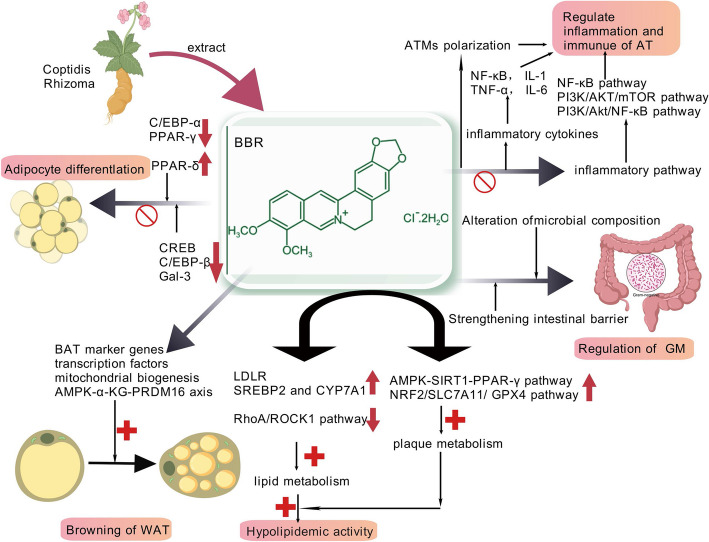
“…composition: BBR restores the Bacteroidetes/Firmicutes balance, enriches SCFA-producing bacteria, and suppresses bacterial proliferation [351, 353–360]. b Enhancement of intestinal barrier integrity: BBR modulates the abundance of Akkermansia muciniphila and the IL-25/mucin-2 dynamics [361, 362].”
Self-citationBerberine alleviates ulcerative colitis by inhibiting inflammation through targeting IRGM1
Meng, G., Li, P., Du, X., Feng, X., & Qiu, F. (2024) · Phytomedicine · doi:10.1016/j.phymed.2024.155909 · Cited by 68
Effect of GLP-1 Based Therapies on Diabetic Dyslipidemia
Patel, V., Joharapurkar, A., Shah, G., & Jain, M. (2014) · Current Diabetes Reviews · doi:10.2174/1573399810666140707092506 · Cited by 67
Obesity and esophageal cancer: GERD, Barrett´s esophagus, and molecular carcinogenic pathways
Schlottmann, F., Dreifuss, N. H., & Patti, M. G. (2020) · Expert Review of Gastroenterology & Hepatology · doi:10.1080/17474124.2020.1764348 · Cited by 67
Hadad, N., Burgazliev, O., Elgazar-Carmon, V., Solomonov, Y., Wueest, S., Item, F., Konrad, D., Rudich, A., & Lévy, R. (2013) · Diabetes · doi:10.2337/db12-1300 · Cited by 66
Young, L. R., Taxin, Z. H., Norman, R. G., Walsleben, J. A., Rapoport, D. M., & Ayappa, I. A. (2013) · SLEEP · doi:10.5665/sleep.2460 · Cited by 65
Differential effects of leptin on adiponectin expression with weight gain versus obesity
Singh, P., Sharma, P., Sahakyan, K., Davison, D. E., Kuniyoshi, F. H. S., Romero‐Corral, A., Swain, J., Jensen, M. D., López-Jiménez, F. A., Kára, T., et al. (2015) · International Journal of Obesity · doi:10.1038/ijo.2015.181 · Cited by 65
Maroun, J. W., Li, M., Oyefule, O. O., Badaoui, J. N., McKenzie, T. J., Kendrick, M. L., Kellogg, T. A., & Ghanem, O. M. (2021) · Surgical Endoscopy · doi:10.1007/s00464-021-08850-y · Cited by 65
Shin, A., Cho, S., Jang, D., Abe, S. K., Saito, E., Rahman, M. S., Islam, M. R., Sawada, N., Shu, X., Koh, W., et al. (2021) · Thyroid · doi:10.1089/thy.2021.0445 · Cited by 64
Zhang, J., Zhao, L., Cheng, Q., Ji, B., Yang, M., Sanidad, K. Z., Wang, C., & Zhou, F. L. (2018) · Journal of Agricultural and Food Chemistry · doi:10.1021/acs.jafc.8b03574 · Cited by 63
Abdeyrim, A., Zhang, Y., Li, N., Zhao, M., Wang, Y., Yao, X., Keyoumu, Y., & Yin, T. (2015) · BMC Pulmonary Medicine · doi:10.1186/s12890-015-0063-6 · Cited by 62
Yaikwawong, M., Jansarikit, L., Jirawatnotai, S., & Chuengsamarn, S. (2024) · Nutrition Journal · doi:10.1186/s12937-024-01022-3 · Cited by 62
New aspects of melanocortin signaling: A role for PRCP in α-MSH degradation
Diano, S. (2010) · Frontiers in Neuroendocrinology · doi:10.1016/j.yfrne.2010.09.001 · Cited by 61
Briançon, N., McNay, D. E. G., Maratos–Flier, E., & Flier, J. S. (2010) · Diabetes · doi:10.2337/db10-0481 · Cited by 61
Gupta, N. A., Kolachala, V. L., Jiang, R., Abramowsky, C., Romero, R., Fifadara, N., Anania, F., Knechtle, S., & Kirk, A. (2012) · The American Journal of Pathology · doi:10.1016/j.ajpath.2012.07.015 · Cited by 60
Obesity and multiple myeloma: Emerging mechanisms and perspectives
Tentolouris, A., Ntanasis‐Stathopoulos, I., & Terpos, E. (2023) · Seminars in Cancer Biology · doi:10.1016/j.semcancer.2023.04.003 · Cited by 59
de Sá, R. D. C. D. C., Crisma, A. R., Cruz, M. M., Martins, A. R., Masi, L. N., do Amaral, C. L., Curi, R., & Alonso‐Vale, M. I. C. (2016) · The Journal of Physiology · doi:10.1113/jp272541 · Cited by 58
Sherwood, W. B., Bion, V., Lockett, G. A., Ziyab, A. H., Soto-Ramírez, N., Mukherjee, N., Kurukulaaratchy, R. J., Ewart, S., Zhang, H., Arshad, S. H., et al. (2019) · Clinical Epigenetics · doi:10.1186/s13148-019-0727-9 · Cited by 58
Self-citationBray, G. A. (2003) · Postgraduate Medicine · doi:10.3810/pgm.2003.12.1544 · Cited by 57
Mayr, H. L., Itsiopoulos, C., Tierney, A. C., Ruiz‐Canela, M., Hébert, J. R., Shivappa, N., & Thomas, C. J. (2018) · Nutrition Research · doi:10.1016/j.nutres.2018.04.007 · Cited by 57
Genetics of Obesity Traits: A Bivariate Genome-Wide Association Analysis
Wu, Y., Duan, H., Tian, X., Xu, C., Wang, W., Jiang, W., Pang, Z., Zhang, D., & Tan, Q. (2018) · Frontiers in Genetics · doi:10.3389/fgene.2018.00179 · Cited by 57
The combined effect of BMI and age on ART outcomes
Rafael, F. M., Rodrigues, M. D., Bellver, J., Canelas‐Pais, M., Garrido, N., García-Velasco, J. A., Soares, S. R., & Santos‐Ribeiro, S. (2023) · Human Reproduction · doi:10.1093/humrep/dead042 · Cited by 57
Adipose tissue plasticity and the pleiotropic roles of BMP signaling
Qian, S., Tang, Y., & Tang, Q. (2021) · Journal of Biological Chemistry · doi:10.1016/j.jbc.2021.100678 · Cited by 56
Promising Antioxidative Effect of Berberine in Cardiovascular Diseases
An, N., Zhang, G., Li, Y., Yuan, C., Yang, F., Zhang, L., Gao, Y., & Xing, Y. (2022) · Frontiers in Pharmacology · doi:10.3389/fphar.2022.865353 · Cited by 56
Atrial Myocardial Deformation Properties in Obese Nonhypertensive Children
Salvo, G. D., Pacileo, G., del Giudice, E. M., Natale, F., Limongelli, G., Verrengia, M., Rea, A., Fratta, F., Castaldi, B., Gala, S., et al. (2007) · Journal of the American Society of Echocardiography · doi:10.1016/j.echo.2007.05.028 · Cited by 55
Emerging Incretin-Based Therapies for Type 2 Diabetes: Incretin Mimetics and DPP-4 Inhibitors
Stonehouse, A. H., Okerson, T. E., Kendall, D. M., & Maggs, D. G. (2008) · Current Diabetes Reviews · doi:10.2174/157339908784220705 · Cited by 54
Comparative Effectiveness of Different Bariatric Procedures in Super Morbid Obesity
AMTCO Group, Bettencourt‐Silva, R., Neves, J. S., Pedro, J. M. P., Guerreiro, V. A., Ferreira, M. J., Salazar, D. A., Souteiro, P., Magalhães, D. M. D. S., Oliveira, S. C., et al. (2018) · Obesity Surgery · doi:10.1007/s11695-018-3519-y · Cited by 53
Obesity and Pulmonary Hypertension
Ayinapudi, K., Singh, T., Motwani, A., Jemtel, T. H. L., & Oparil, S. (2018) · Current Hypertension Reports · doi:10.1007/s11906-018-0899-2 · Cited by 53
Nutritional Assessment and Preparation for Adult Bariatric Surgery Candidates: Clinical Practice
Dagan, S. S., Sinai, T., Goldenshluger, A., Globus, I., Kessler, Y., Schweiger, C., & Ben‐Porat, T. (2020) · Advances in Nutrition · doi:10.1093/advances/nmaa121 · Cited by 53
Glucocorticoid activation of anti-inflammatory macrophages protects against insulin resistance
Caratti, G., Stifel, U., Caratti, B., Jamil, A. J. M., Chung, K., Kiehntopf, M., Gräler, M. H., Blüher, M., Rauch, A., & Tuckermann, J. P. (2023) · Nature Communications · doi:10.1038/s41467-023-37831-z · Cited by 53
Shimasaki, T., Masaki, T., Mitsutomi, K., Ueno, D., Gotoh, K., Chiba, S., Kakuma, T., & Yoshimatsu, H. (2013) · PLoS ONE · doi:10.1371/journal.pone.0063626 · Cited by 52
Bagi, Z. A., Brosková, Z., & Fehér, A. (2014) · Current Vascular Pharmacology · doi:10.2174/1570161112666140423221843 · Cited by 52
Czajkowski, P., Adamska-Patruno, E., Bauer, W., Fiedorczuk, J., Krasowska, U., Moroz, M., Górska, M., & Kretowski, A. J. (2020) · Nutrients · doi:10.3390/nu12113255 · Cited by 52
Murtha, J. A., Alagöz, E., Breuer, C. R., Finn, A., Raffa, S. D., Voils, C. I., & Funk, L. M. (2021) · The American Journal of Surgery · doi:10.1016/j.amjsurg.2021.12.022 · Cited by 52
Kang, X., Valadez, L. C. Z. M., Hong, D., Cadeddu, M. O., Anvari, M., & Gmora, S. B. (2015) · Surgery for Obesity and Related Diseases · doi:10.1016/j.soard.2015.11.010 · Cited by 51
Pharmacokinetics and Pharmacological Activities of Berberine in Diabetes Mellitus Treatment
Han, Y., Xiang, Y., Shi, Y., Tang, X., Pan, L., Gao, J., Bi, R., & Lai, X. (2021) · Evidence-Based Complementary and Alternative Medicine · doi:10.1155/2021/9987097 · Cited by 51
Wang, A., Lin, L., & Wang, Y. (2015) · The American Journal of Chinese Medicine · doi:10.1142/s0192415x15500378 · Cited by 50
Gao, Z., Li, Q., Wu, X., Zhao, X., Zhao, L., & Tong, X. (2017) · Journal of Immunology Research · doi:10.1155/2017/1813086 · Cited by 50
Sudden Cardiac Death in Diabetes and Obesity: Mechanisms and Therapeutic Strategies
Remme, C. A. (2022) · Canadian Journal of Cardiology · doi:10.1016/j.cjca.2022.01.001 · Cited by 50
Koga, S., Kojima, A., Ishikawa, C., Kuwabara, S., Arai, K., & Yoshiyama, Y. (2014) · Neurobiology of Disease · doi:10.1016/j.nbd.2014.08.015 · Cited by 48
Li, Z., Jiang, J., & Kong, W. (2014) · Biological and Pharmaceutical Bulletin · doi:10.1248/bpb.b14-00412 · Cited by 48
High visceral fat percentage is associated with poor outcome in endometrial cancer
Mauland, K. K., Eng, Ø., Ytre‐Hauge, S., Tangen, I. L., Berg, A., Salvesen, H. B., Salvesen, Ø. O., Krakstad, C., Trovik, J., Høivik, E. A., et al. (2017) · Oncotarget · doi:10.18632/oncotarget.21917 · Cited by 48
Gregory, S., Hill, D., Grey, B., Ketelbey, W., Miller, T., Terrera, G. M., & Ritchie, C. W. (2020) · Metabolism · doi:10.1016/j.metabol.2020.154246 · Cited by 48
Berberine as a novel ACSL4 inhibitor to suppress endothelial ferroptosis and atherosclerosis
Hong, Y., Feng, J., Dou, Z., Sun, X., Hu, Y., Chen, Z., Liu, L., Xu, H., Du, M., Tang, P., et al. (2024) · Biomedicine & Pharmacotherapy · doi:10.1016/j.biopha.2024.117081 · Cited by 48
Mohaghegh, N., Ahari, A. F., Buttles, C., Davani, S., Hoang, H., Huang, Q., Huang, Y., Hosseinpour, B., Abbasgholizadeh, R., Cottingham, A. L., et al. (2024) · ACS Nano · doi:10.1021/acsnano.4c10742 · Cited by 48
D’Angelo, C. S., & Koiffmann, C. P. (2012) · Journal of Obesity · doi:10.1155/2012/845480 · Cited by 47
Guan, S., Wang, B., Li, W., Guan, J., & Fang, X. (2010) · The American Journal of Chinese Medicine · doi:10.1142/s0192415x10008548 · Cited by 47
Lin, J., Cai, Q., Liang, B., Wu, L., Zhuang, Y., He, Y., & Lin, W. (2019) · Medical Science Monitor · doi:10.12659/msm.911849 · Cited by 46
Yip, T. C., Lyu, F., Lin, H., Li, G., Yuen, P. C., Wong, V. W., & Wong, G. L. (2022) · Clinical and Molecular Hepatology · doi:10.3350/cmh.2022.0426 · Cited by 46
Trends and disparities in non-communicable diseases in the Western Pacific region
Peng, W. H., Zhang, L., Wen, F., Tang, X., Zeng, L., Chen, J., Galea, G., Wen, D., & Wang, Y. (2023) · The Lancet Regional Health - Western Pacific · doi:10.1016/j.lanwpc.2023.100938 · Cited by 46
A case‑control study of the relationship between visceral fat and development of uterine fibroids
Sun, K., Xie, Y., Zhao, N., & Li, Z. (2019) · Experimental and Therapeutic Medicine · doi:10.3892/etm.2019.7575 · Cited by 45
McClellan, K., Calver, A. R., & Tobet, S. A. (2007) · Neuroscience · doi:10.1016/j.neuroscience.2007.11.048 · Cited by 44
The hyperphagic effect of ghrelin is inhibited in mice by a diet high in fat.
Gardiner, J., Campbell, D., Patterson, M., Kent, A., Ghatei, M., Bloom, S., & Bewick, G. (2010) · Gastroenterology · doi:10.1053/j.gastro.2010.02.012 · Cited by 44
Huang, Y., Liao, W., Huang, J., Lin, Y., Yang, S., Huang, C., Wang, C., & Su, P. (2024) · Diabetes, Obesity and Metabolism · doi:10.1111/dom.15869 · Cited by 44
Pan, M., Koh, Y., Lee, T.-L., Wang, B., Chen, W.-K., Nagabhushanam, K., & Ho, C. (2019) · Journal of Agricultural and Food Chemistry · doi:10.1021/acs.jafc.9b05963 · Cited by 43
Sun, S., Yang, Y., Xiong, R., Ni, Y., Ma, X., Hou, M., Chen, L., Xu, Z., Chen, L., & Ji, M. (2022) · Life Sciences · doi:10.1016/j.lfs.2022.121141 · Cited by 42
Treatment of Diabetes Prior to and after Bariatric Surgery
Thorell, A., & Toft, E. (2012) · Journal of Diabetes Science and Technology · doi:10.1177/193229681200600528 · Cited by 41
POMC Neurons Dysfunction in Diet-induced Metabolic Disease: Hallmark or Mechanism of Disease?
Quarta, C., Fioramonti, X., & Cota, D. (2019) · Neuroscience · doi:10.1016/j.neuroscience.2019.09.031 · Cited by 41
Gustafson, B., Nerstedt, A., Spinelli, R., Bèguinot, F., & Smith, U. (2022) · Diabetes · doi:10.2337/db22-0003 · Cited by 39
Gaber, M. K., Wilson, A. S., Millen, A. E., Hovey, K. M., LaMonte, M. J., Wactawski‐Wende, J., Ochs‐Balcom, H. M., & Cook, K. L. (2024) · Microbiome · doi:10.1186/s40168-024-01901-1 · Cited by 39
Repeated weight cycling in obese mice causes increased appetite and glucose intolerance
Simonds, S. E., Pryor, J. T., & Cowley, M. A. (2018) · Physiology & Behavior · doi:10.1016/j.physbeh.2018.05.026 · Cited by 38
Wang, C., Wang, Y., Ma, S., Zuo, Z.-Y., Wu, Y., Kong, W.-J., Wang, A., & Jiang, J. (2019) · Scientific Reports · doi:10.1038/s41598-019-50103-5 · Cited by 37
Martins, M. C., Trujillo, J., Vilela, A. A. F., Farias, D. R., Rosado, E. L., Struchiner, C. J., & Kac, G. (2018) · British Journal Of Nutrition · doi:10.1017/s0007114518001423 · Cited by 36
Obesity and the Risk of New-Onset Atrial Fibrillation
Parish, D. (2005) · JAMA · doi:10.1001/jama.293.16.1974-b · Cited by 36
Effect of naloxone on ischemic acute kidney injury in the mouse
Mutoh, J., Ohsawa, M., & Hisa, H. (2013) · Neuropharmacology · doi:10.1016/j.neuropharm.2013.03.001 · Cited by 35
Grants supporting research in China
Hu, C. (2018) · European Heart Journal · doi:10.1093/eurheartj/ehy293 · Cited by 35
Guo, H., Shen, H., Wang, L., Luo, Z., Zhang, J., Zhang, H., Gao, T.-L., Han, Y., & Jiang, J. (2023) · Biomedicine & Pharmacotherapy · doi:10.1016/j.biopha.2023.114754 · Cited by 35
Self-citationRockwood, S., Mason, D., Lord, R., Lamar, P. C., Prozialeck, W. C., & Al‐Nakkash, L. (2019) · Diabetes Metabolic Syndrome and Obesity · doi:10.2147/dmso.s216312 · Cited by 34
Wennerlund, J., Gunnarsson, U., Strigård, K., & Sundbom, M. (2020) · Surgery for Obesity and Related Diseases · doi:10.1016/j.soard.2020.01.005 · Cited by 34
Liu, T., Ji, R.-L., & Tao, Y.-X. (2022) · Pharmacology & Therapeutics · doi:10.1016/j.pharmthera.2021.108044 · Cited by 34
Shirvanifar, M., Ahlqvist, V. H., Lundberg, M., Kosidou, K., Herráiz-Adillo, Á., Berglind, D., Magnusson, C., & Henriksson, P. (2024) · The Lancet Public Health · doi:10.1016/s2468-2667(24)00188-9 · Cited by 34
Pellegata, N. S., Berriel Diaz, M., Rohm, M., & Herzig, S. (2022) · Cancer and Metastasis Reviews · doi:10.1007/s10555-022-10058-y · Cited by 33
Mirabegron, a Selective β3-Adrenergic Receptor Agonist, as a Potential Anti-Obesity Drug
Dąbrowska, A. M., & Dudka, J. (2023) · Journal of Clinical Medicine · doi:10.3390/jcm12216897 · Cited by 33
Yang, W., Zhang, C., Ji, W.-Y., Zhao, L.-L., Yang, F.-Y., Zhang, L., & Cao, X. (2024) · The American Journal of Chinese Medicine · doi:10.1142/s0192415x24500113 · Cited by 33
Singh, A. B., Li, H., Kan, C. F. K., Dong, B., Nicolls, M. R., & Liu, J. (2014) · Arteriosclerosis, Thrombosis, and Vascular Biology · doi:10.1161/atvbaha.112.301131 · Cited by 32
Wang, T., Yu, L., Zheng, J., Han, X.-Y., Jin, B.-Y., Hua, C.-J., Chen, Y.-S., Shang, S., Liang, Y.-Z., & Wang, J. (2024) · Chinese Journal of Integrative Medicine · doi:10.1007/s11655-024-3666-z · Cited by 32
Tang, R., Harasymowicz, N. S., Wu, C., Choi, Y., Lenz, K. L., Oswald, S. J., & Guilak, F. (2024) · Proceedings of the National Academy of Sciences · doi:10.1073/pnas.2402954121 · Cited by 32
Rameshrad, M., Razavi, B. M., Lalau, J., Broe, M. E. D., & Hosseinzadeh, H. (2020) · PubMed Central · doi:10.22038/ijbms.2020.41638.9832 · Cited by 30
The Metabolic Rearrangements of Bariatric Surgery: Focus on Orexin-A and the Adiponectin System
Valenzano, A. A., Tartaglia, N., Ambrosi, A., Tafuri, D., Monda, M., Messina, A., Sessa, F., Campanozzi, A., Monda, V., Cibelli, G., et al. (2020) · Journal of Clinical Medicine · doi:10.3390/jcm9103327 · Cited by 30
Colbourne, J. R. M., Fisher, O. M., Mo, S., Rigas, G., & Talbot, M. L. (2023) · Langenbeck s Archives of Surgery · doi:10.1007/s00423-023-02805-8 · Cited by 30
Central regulation of feeding and body weight by ciliary GPR75
Jiang, Y., Xun, Y., & Zhang, Z. (2024) · Journal of Clinical Investigation · doi:10.1172/jci182121 · Cited by 30
Depression and Obesity—Do We Know Everything about It? A Narrative Review
Dębski, J., Przybyłowski, J., Skibiak, K., Czerwińska, M., Walędziak, M. S., & Różańska-Walędziak, A. M. (2024) · Nutrients · doi:10.3390/nu16193383 · Cited by 30
Hyperandrogenism and anthropometric parameters in women with polycystic ovary syndrome
Mansour, A., Noori, M., Hakemi, M. S., Haghgooyan, Z., Mohajeri‐Tehrani, M. R., Mirahmad, M., & Sajjadi‐Jazi, S. M. (2024) · BMC Endocrine Disorders · doi:10.1186/s12902-024-01733-y · Cited by 29
Zhong, C., Shengzheng, W., Dang, L., Xie, D., Liu, J., Ren, F., Lü, A., & Zhang, G. (2020) · European Journal of Medicinal Chemistry · doi:10.1016/j.ejmech.2020.112134 · Cited by 28
Cellular and Molecular Mechanisms and Effects of Berberine on Obesity-Induced Inflammation
Noh, J.-W., Jun, M., Yang, H., & Lee, B.-C. (2022) · Biomedicines · doi:10.3390/biomedicines10071739 · Cited by 28
Self-citationGalectin-3 Mediates Vascular Dysfunction in Obesity by Regulating NADPH Oxidase 1
Padgett, C. A., Batori, R. K., Speese, A. C., Rosewater, C. L., Bush, W. B., Derella, C. C., Haigh, S. B., Sellers, H. G., Corley, Z. L., West, M. A., et al. (2023) · Arteriosclerosis Thrombosis and Vascular Biology · doi:10.1161/atvbaha.123.319476 · Cited by 28
Farrehi, P. M., Bernstein, S. J., Rasak, M. A., Dabbous, S., Stomel, R. J., Eagle, K. A., & Rubenfire, M. (2002) · PubMed · Cited by 27
Update of Genetic and Molecular Causes of Adrenocortical Hyperplasias Causing Cushing Syndrome
Berthon, A. S., & Bertherat, J. Y. (2020) · Hormone and Metabolic Research · doi:10.1055/a-1061-7349 · Cited by 27
Khateeb, S., Albalawi, A. E., & Alkhedaide, A. Q. (2020) · Saudi Journal of Biological Sciences · doi:10.1016/j.sjbs.2020.11.045 · Cited by 27
Peng, S., Fang, Y., Othman, A. T., & Liang, J. (2022) · Frontiers in Psychology · doi:10.3389/fpsyg.2022.940977 · Cited by 27
Targeted delivery of berberine using bionic nanomaterials for Atherosclerosis therapy
Wu, H., Zhang, L., Dong, X., Yang, J., Liang, Z., Li, L., Liu, X., Jin, M., & Zhang, P. (2024) · Biomedicine & Pharmacotherapy · doi:10.1016/j.biopha.2024.117135 · Cited by 27
Berberine Reduces Lipid Accumulation in Obesity via Mediating Transcriptional Function of PPARδ
Shou, J., & Shaw, P. (2023) · International Journal of Molecular Sciences · doi:10.3390/ijms241411600 · Cited by 26
Melander, O., Orho‐Melander, M., Bengtsson, K., Lindblad, U., Råstam, L., Groop, L., & Hulthén, U. L. (2000) · Journal of Human Hypertension · doi:10.1038/sj.jhh.1001116 · Cited by 25
Lopez‐Yus, M., García-Sobreviela, M. P., del Moral, R., & Arbonés-Mainar, J. M. (2023) · International Journal of Molecular Sciences · doi:10.3390/ijms24087468 · Cited by 25
Incretin hormone agonists: Current and emerging pharmacotherapy for obesity management
Alhomoud, I. S., Talasaz, A. H., Chandrasekaran, P., Brown, R., Mehta, A., & Dixon, D. L. (2024) · Pharmacotherapy The Journal of Human Pharmacology and Drug Therapy · doi:10.1002/phar.4607 · Cited by 25
Lymphatic Vasculature in Energy Homeostasis and Obesity
Ho, Y., & Srinivasan, R. S. (2020) · Frontiers in Physiology · doi:10.3389/fphys.2020.00003 · Cited by 24
TSH promotes adiposity by inhibiting the browning of white fat
Zhang, J., Wu, H., Ma, S., Gao, L., Yu, C., Jing, F., & Zhao, J. (2020) · Adipocyte · doi:10.1080/21623945.2020.1783101 · Cited by 24
Nutritional consequences of bariatric surgery – prevention, detection and management
O’Kane, M. P. M. (2020) · Current Opinion in Gastroenterology · doi:10.1097/mog.0000000000000707 · Cited by 24
Berberine Ameliorates Obesity by Inducing GDF15 Secretion by Brown Adipocytes
Li, C., Leng, Q., Li, L., Hu, F., Xu, Y., Gong, S., Yang, Y., Zhang, H., & Li, X. (2023) · Endocrinology · doi:10.1210/endocr/bqad035 · Cited by 24
Self-citationAnti-obesity Properties of Phytochemicals: Highlighting their Molecular Mechanisms against Obesity
Poulios, E., Koukounari, S., Psara, E., Vasios, G. K., Sakarikou, C., & Giaginis, C. (2023) · Current Medicinal Chemistry · doi:10.2174/0929867330666230517124033 · Cited by 24
Hu, C. (2024) · Natural Products and Bioprospecting · doi:10.1007/s13659-024-00432-4 · Cited by 24
Li, Y.-L., Yan, E., Zhao, G., Jin, L., & Ma, B.-X. (2024) · Journal of Ovarian Research · doi:10.1186/s13048-024-01521-1 · Cited by 24
Ye, F., Zhou, Q., Tian, L., Lei, F., & Feng, D. (2017) · Molecular Medicine Reports · doi:10.3892/mmr.2017.7338 · Cited by 23
Anti‐obesity potentiality of Tapra fish ( Opisthopterus tardoore ) oil
Pradhan, S., Panchali, T., Paul, B., Khatun, A., Jarapala, S. R., Mondal, K. C., Ghosh, K., & Chakrabarti, S. (2020) · Journal of Food Biochemistry · doi:10.1111/jfbc.13448 · Cited by 23
A co-crystal berberine-ibuprofen improves obesity by inhibiting the protein kinases TBK1 and IKKɛ
Wang, M., Xu, R., Liu, X., Zhang, L., Qiu, S., Lu, Y., Zhang, P., Yan, M., & Zhu, J. (2022) · Communications Biology · doi:10.1038/s42003-022-03776-0 · Cited by 23
Carobbio, S., Pellegrinelli, V., & Vidal‐Puig, A. (2024) · Advances in experimental medicine and biology · doi:10.1007/978-3-031-63657-8_8 · Cited by 23
Mao, L., Lu, J., Hou, Y., & Nie, T. (2024) · Frontiers in Endocrinology · doi:10.3389/fendo.2024.1458848 · Cited by 23
Targeting osteoblastic 11β-HSD1 to combat high-fat diet-induced bone loss and obesity
Zhong, C., Li, N., Wang, S., Li, D., Yang, Z., Du, L., Huang, G., Li, H., Yeung, W. S., He, S., et al. (2024) · Nature Communications · doi:10.1038/s41467-024-52965-4 · Cited by 23
Self-citationThe role of gut hormones in the pathogenesis and management of obesity
Makaronidis, J., & Batterham, R. L. (2019) · Current Opinion in Physiology · doi:10.1016/j.cophys.2019.04.007 · Cited by 22
Yue, S., Wang, W.-X., Zhang, L., Liu, J., Feng, W., Gao, H., Tang, Y.-P., & Yan, D. (2021) · Chinese Journal of Integrative Medicine · doi:10.1007/s11655-021-3303-z · Cited by 22
Co-crystal formation based on structural matching
Zhou, L., Dodd, S., Capacci-Daniel, C., Garad, S., Panicucci, R., & Sethuraman, V. (2016) · European Journal of Pharmaceutical Sciences · doi:10.1016/j.ejps.2016.02.017 · Cited by 21
Cited by
Sorted by citations
Irisin ameliorates obesity and insulin resistance via adipose tissue IL-33 and regulatory T cells
Mu, A., Wang, G., Zammit, N. W., Roth, L., Maierhaba, Y., Laznik-Bogoslavski, D., Cai, C., Langston, P. K., Zhang, Q., Afonina, I. S., et al. (2026) · Nature Metabolism · doi:10.1038/s42255-026-01491-2 · Cited by 10
Wang, X., Xiong, X., Ye, X., Tian, W., Chen, L., Chen, Z., Zhang, Y., Shen, W. L., & Hu, C. (2025) · Molecular Biomedicine · doi:10.1186/s43556-025-00324-0 · Cited by 9
Apolipoprotein E4 in Alzheimer’s Disease: Role in Pathology, Lipid Metabolism, and Drug Treatment
Al-Ghraiybah, N. F., Alkhalifa, A. E., Itokazu, Y., Farr, T., Pérez, N., Ali, H., & Kaddoumi, A. (2026) · International Journal of Molecular Sciences · doi:10.3390/ijms27021004 · Cited by 9
Ganamurali, N., & Sabarathinam, S. (2026) · Clinical Pharmacology in Drug Development · doi:10.1002/cpdd.70001 · Cited by 8
Incorporating Postbiotics into Intervention for Managing Obesity
Hijová, E., Bertková, I., & Štofilová, J. (2025) · International Journal of Molecular Sciences · doi:10.3390/ijms26115362 · Cited by 7
Metadata
- Authors
- Kong, Y., Yang, H., Nie, R., Zhang, X., Zuo, F., Zhang, H., & Nian, X.
- Affiliations
- First Affiliated Hospital of Kunming Medical University (CN)
- Kunming Medical University (CN)
- Corresponding author
- Zhang, Hongtao
- Nian, Xin
- Venue
- Molecular Biomedicine
- Published
- 2025-04-25
- Volume
- 6
- Issue
- 1
- Pages
- 25-25
- ISSN
- 2662-8651 (ISSN-L)
- PMC
- PMC12031720
- OpenAlex
- W4409818142
- Cited by
- 89
- References
- 499
- Citations by year
- 2026: 77 · 2025: 12
- FWCI
- 12.08
- Type
- journal article
- Language
- en
- Open access
- gold
- doi.org
- Locations
- Molecular Biomedicine (publishedVersion, cc-by)
- PubMed Central (publishedVersion, cc-by)
- PubMed (publishedVersion)
- DOAJ (DOAJ: Directory of Open Access Journals) (submittedVersion, cc-by-sa)
- Funders
- Kunming Medical University (RLMY20220005, CXTD202209, 202201AY070001-066)
- Yunnan Provincial Science and Technology Department (202201AY070001)
- Topics
- Health Sciences › Medicine › Pharmacology (medical) › Pharmacology and Obesity Treatment
- Health Sciences › Medicine › Endocrinology, Diabetes and Metabolism › Adipokines, Inflammation, and Metabolic Diseases
- Health Sciences › Medicine › Pharmacology (medical) › Berberine and alkaloids research
- Keywords
- obesity, obesity pathophysiology, adipose tissue expansion, chronic inflammation, neuroendocrine dysfunction, obesity-related comorbidities, type 2 diabetes, cardiovascular disease, non-alcoholic fatty liver disease, musculoskeletal impairment, psychological comorbidity, obesity pharmacotherapy, berberine, phytochemicals, weight management
- MeSH terms
- Animals, Cardiovascular Diseases, Diabetes Mellitus, Type 2, Humans, Obesity, Anti-Obesity Agents, Non-alcoholic Fatty Liver Disease
About these checks
Registry, retraction, Cites and statistics results are computed, not judged, with one exception: a printed reference that no index lists is read once by a model before it counts as a citation error. Claims are extracted by a model and kept only when their quote appears verbatim in the text; each cited source is then checked, with a model’s help, for whether it says what the claim relies on. Those verdicts can be wrong — read the claim’s quote and the cited source before relying on one.
Statistics and arithmetic are recomputed, not judged.
Confidence bands are shown only for fields calibrated on our annotated test set. None is calibrated yet, so no band is shown.
What counts as a claim ›How we measure confidence ›How we check this ›
Are you an author, or do you see a problem with this page? Request a review
