

The DOI matches its Crossref record; 44 of the 46 references it cites were found in a registry or an index.
Link Between Increased Satiety Gut Hormones and Reduced Food Reward After Gastric Bypass Surgery for Obesity
Open accessAbstract
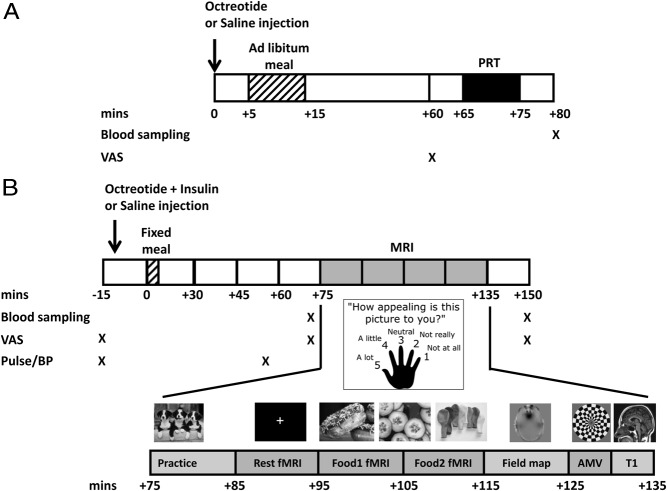
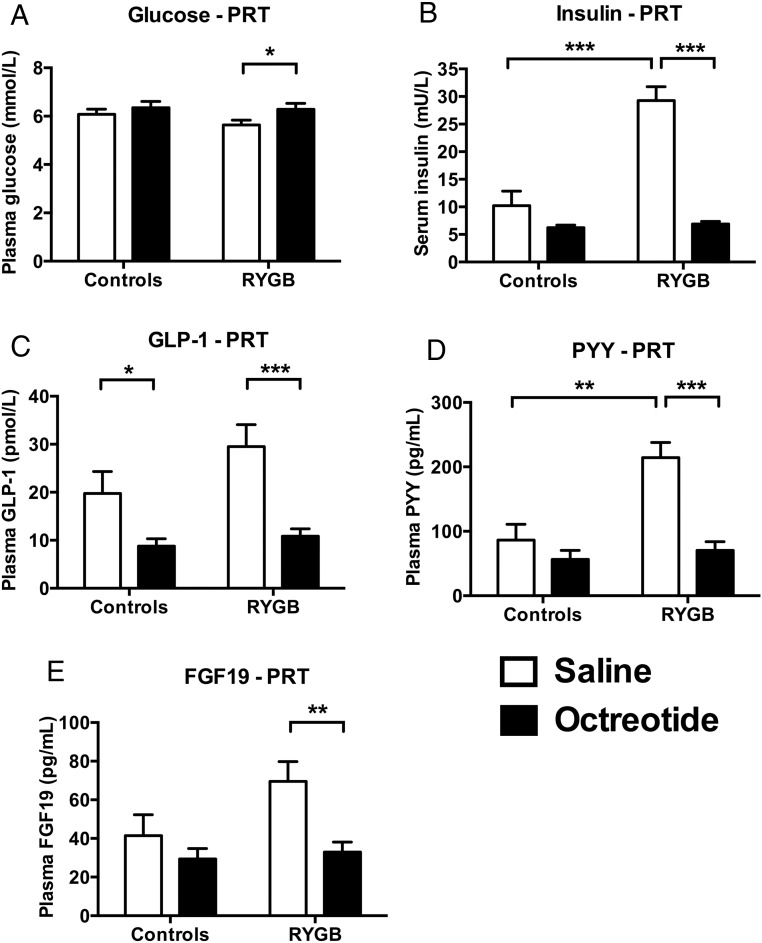
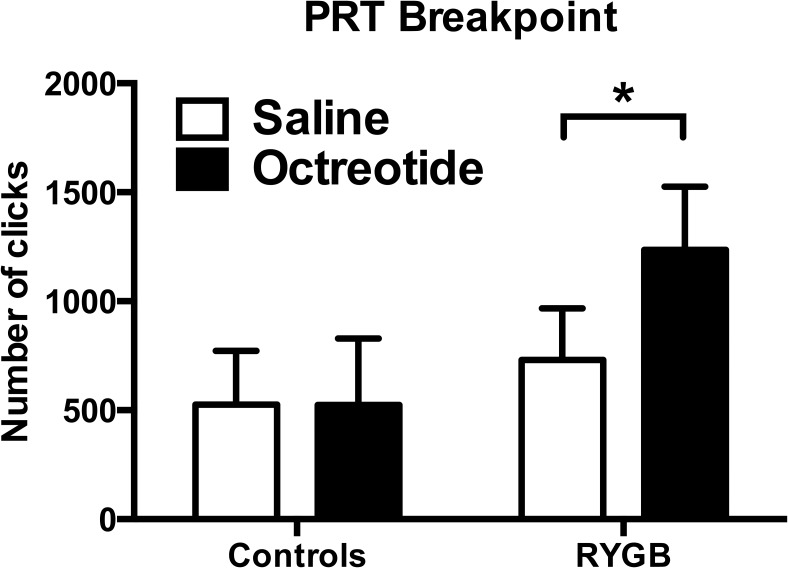
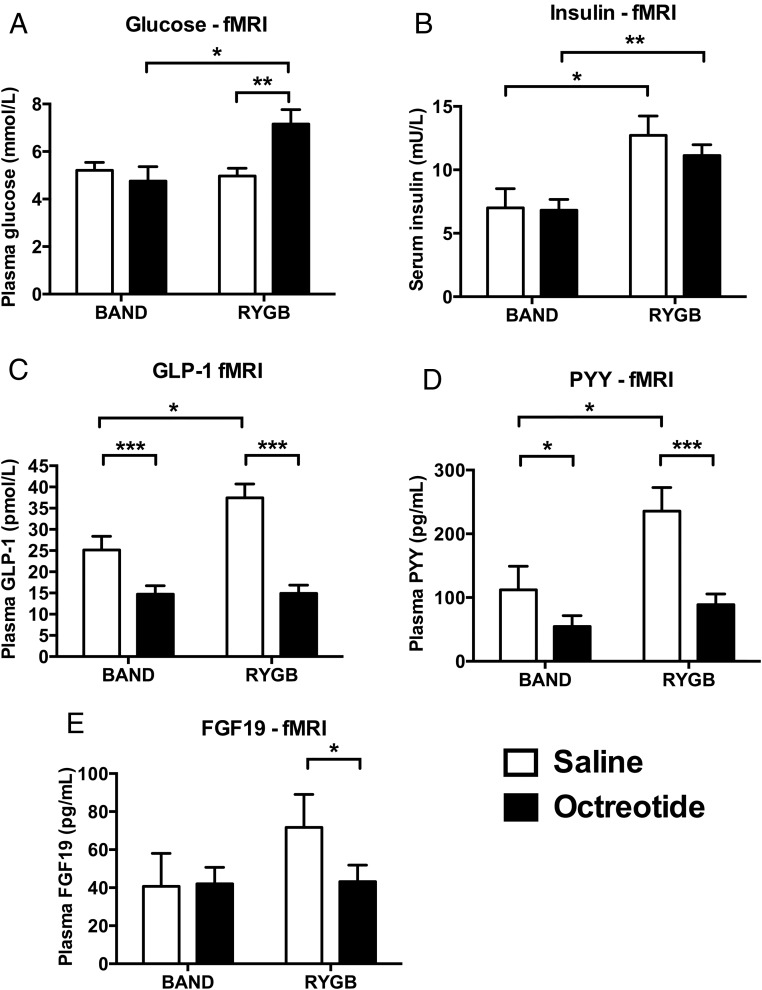
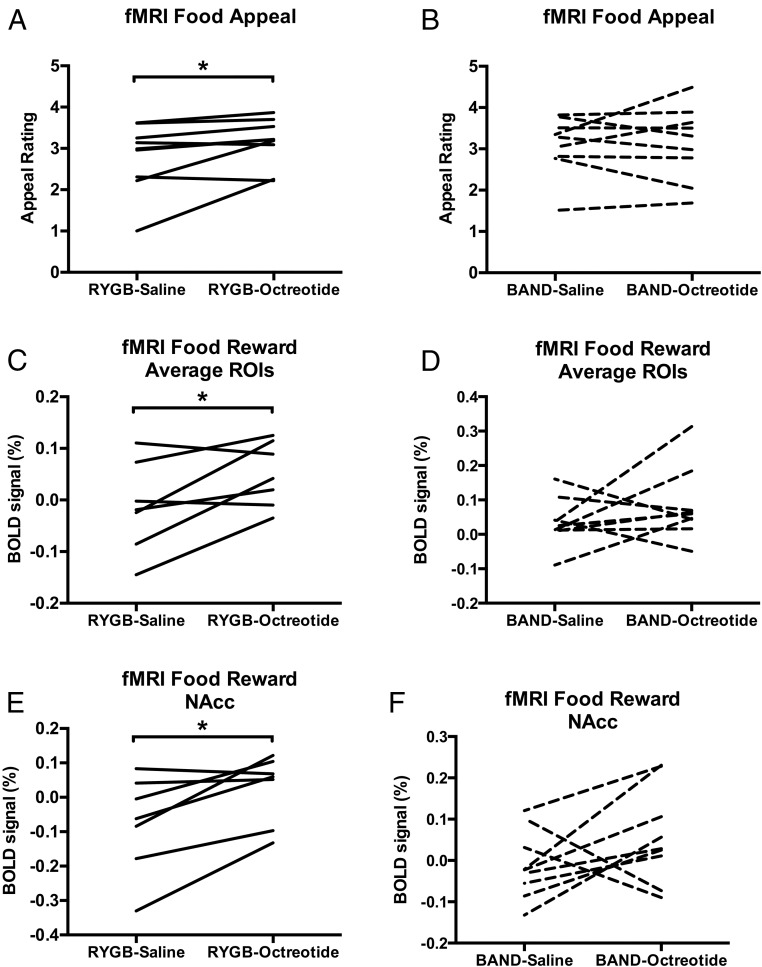
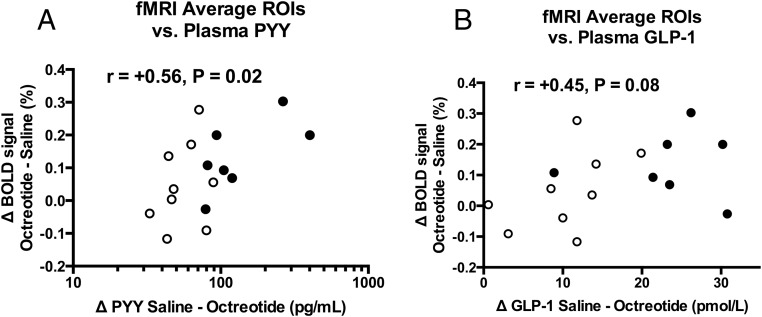
CONTEXT: Roux-en-Y gastric bypass (RYGB) surgery is an effective long-term intervention for weight loss maintenance, reducing appetite, and also food reward, via unclear mechanisms. OBJECTIVE: To investigate the role of elevated satiety gut hormones after RYGB, we examined food hedonic-reward responses after their acute post-prandial suppression. DESIGN: These were randomized, placebo-controlled, double-blind, crossover experimental medicine studies. PATIENTS: Two groups, more than 5 months after RYGB for obesity (n = 7-11), compared with nonobese controls (n = 10), or patients after gastric banding (BAND) surgery (n = 9) participated in the studies. INTERVENTION: Studies were performed after acute administration of the somatostatin analog octreotide or saline. In one study, patients after RYGB, and nonobese controls, performed a behavioral progressive ratio task for chocolate sweets. In another study, patients after RYGB, and controls after BAND surgery, performed a functional magnetic resonance imaging food picture evaluation task. MAIN OUTCOME MEASURES: Octreotide increased both appetitive food reward (breakpoint) in the progressive ratio task (n = 9), and food appeal (n = 9) and reward system blood oxygen level-dependent signal (n = 7) in the functional magnetic resonance imaging task, in the RYGB group, but not in the control groups. RESULTS: Octreotide suppressed postprandial plasma peptide YY, glucagon-like peptide-1, and fibroblast growth factor-19 after RYGB. The reduction in plasma peptide YY with octreotide positively correlated with the increase in brain reward system blood oxygen level-dependent signal in RYGB/BAND subjects, with a similar trend for glucagon-like peptide-1. CONCLUSIONS: Enhanced satiety gut hormone responses after RYGB may be a causative mechanism by which anatomical alterations of the gut in obesity surgery modify behavioral and brain reward responses to food.
Overview
The claims and statistics of this paper haven’t been checked yet.
Run the check — free, no account needed. It reads the open-access text and checks the sources it cites.
Integrity signals
Registry
Cites
Statistics
Figures
Verification
Claims the paper makes
The claims and statistics of this paper haven’t been checked yet.
Run the check — free, no account needed. It reads the open-access text and checks the sources it cites.
Claims other papers make about this one
Each is checked against this paper’s own text: does it say what the citing paper says it does?
The check wasn’t confident either way, so it gives no verdict — never disputed.
In the citing paper
“Some research has also suggested that, compared to normal-weight control groups, those who have obesity have higher levels of reward-based eating (45, 48–51).”
From Behavioral Interventions to Attenuate Driven Overeating and Weight Regain After Bariatric Surgery (2022) · cites this paper as [51]
Experimental — accuracy not yet measured
Self-check
Percentages, sums and reported differences re-computed from the paper’s own numbers.
The self-check needs the paper’s full text.
Citations
Cites
Bariatric Surgery and Long-term Cardiovascular Events
Sjöström, L., Peltonen, M., Jacobson, P., Sjöström, C. D., Karason, K., Wedel, H., Ahlin, S., Anveden, Å., Bengtsson, C., Bergmark, G., et al. (2012) · JAMA · doi:10.1001/jama.2011.1914 · Cited by 1,656
Roux, C. W. L., Aylwin, S. J. B., Batterham, R. L., Borg, C. M., Coyle, F., Prasad, V., Shurey, S., Ghatei, M. A., Patel, A. G., & Bloom, S. R. (2006) · Annals of Surgery · doi:10.1097/01.sla.0000183349.16877.84 · Cited by 985
FXR is a molecular target for the effects of vertical sleeve gastrectomy
Ryan, K. K., Tremaroli, V., Clemmensen, C., Kovatcheva-Datchary, P., Myronovych, A., Karns, R., Wilson-Pérez, H. E., Sandoval, D. A., Kohli, R., Bäckhed, F., et al. (2014) · Nature · doi:10.1038/nature13135 · Cited by 931
Gut hormones as mediators of appetite and weight loss after Roux-en-Y gastric bypass
le Roux, C. W., Welbourn, R., Werling, M., Osborne, A., Kokkinos, A., Laurenius, A., Lönroth, H., Fändriks, L., Ghatei, M. A., Bloom, S. R., et al. (2007) · Annals of Surgery · doi:10.1097/sla.0b013e3180caa3e3 · Cited by 741
PYY modulation of cortical and hypothalamic brain areas predicts feeding behaviour in humans
Batterham, R. L., Ffytche, D. H., Rosenthal, J., Zelaya, F. O., Barker, G. J., Withers, D. J., & Williams, S. (2007) · Nature · doi:10.1038/nature06212 · Cited by 489
GLP-1 Receptor Activation Modulates Appetite- and Reward-Related Brain Areas in Humans
van Bloemendaal, L., IJzerman, R. G., ten Kulve, J. S., Barkhof, F., Konrad, R. J., Drent, M. L., Veltman, D. J., & Diamant, M. (2014) · Diabetes · doi:10.2337/db14-0849 · Cited by 427
Dickson, S. L., Shirazi, R. H., Hansson, C., Bergquist, F., Nissbrandt, H., & Skibicka, K. P. (2012) · The Journal of Neuroscience · doi:10.1523/jneurosci.6326-11.2012 · Cited by 414
Pournaras, D. J., Glicksman, C., Vincent, R. P., Kuganolipava, S., Alaghband-Zadeh, J., Mahon, D., Bekker, J. H. R., Ghatei, M. A., Bloom, S. R., Walters, J. R. F., et al. (2012) · Endocrinology · doi:10.1210/en.2011-2145 · Cited by 383
Peptide YY3–36 and Glucagon-Like Peptide-17–36 Inhibit Food Intake Additively
Neary, N. M., Small, C. J., Druce, M. R., Park, A. J., Ellis, S. M., Semjonous, N. M., Dakin, C. L., Filipsson, K., Wang, F., Kent, A. S., et al. (2005) · Endocrinology · doi:10.1210/en.2005-0237 · Cited by 371
Mechanisms underlying weight loss after bariatric surgery
Miras, A. D., & le Roux, C. W. (2013) · Nature Reviews Gastroenterology & Hepatology · doi:10.1038/nrgastro.2013.119 · Cited by 360
Self-citation
Cited by
Sorted by citations
Steinert, R. E., Feinle-Bisset, C., Asarian, L., Horowitz, M., Beglinger, C., & Geary, N. (2017) · Physiological Reviews · doi:10.1152/physrev.00031.2014 · Cited by 578
Pharmacotherapy of obesity: available medications and drugs under investigation.
Pilitsi, E., Farr, O. M., Polyzos, S. A., Perakakis, N., Nolen-Doerr, E., Papathanasiou, A.-E., & Mantzoros, C. S. (2019) · Metabolism · doi:10.1016/j.metabol.2018.10.010 · Cited by 248
Byrne, C. S., Chambers, E. S., Alhabeeb, H., Chhina, N., Morrison, D. J., Preston, T., Tedford, C., Fitzpatrick, J., Irani, C., Busza, A., et al. (2016) · The American Journal of Clinical Nutrition · doi:10.3945/ajcn.115.126706 · Cited by 201
Self-citationFood Intake and Eating Behavior After Bariatric Surgery
Al‐Najim, W., Docherty, N. G., & le Roux, C. W. (2018) · Physiological Reviews · doi:10.1152/physrev.00021.2017 · Cited by 185
Mechanisms of Weight Loss After Obesity Surgery
Akalestou, E., Miras, A. D., Rutter, G. A., & le Roux, C. W. (2022) · Endocrine Reviews · doi:10.1210/endrev/bnab022 · Cited by 136
Self-citationEren, C. Y., Yigit, A., Dogruoz, E., & Eser, H. Y. (2021) · Frontiers in Behavioral Neuroscience · doi:10.3389/fnbeh.2020.614884 · Cited by 142
Hankir, M. K., Seyfried, F., Hintschich, C. A., Diep, T. A., Kleberg, K., Kranz, M., Deuther‐Conrad, W., Téllez, L. A., Rullmann, M., Patt, M., et al. (2017) · Cell Metabolism · doi:10.1016/j.cmet.2016.12.006 · Cited by 125
Integration of Sweet Taste and Metabolism Determines Carbohydrate Reward
Veldhuizen, M. G., Babbs, R. K., Patel, B. P., Fobbs, W. C., Kroemer, N. B., Garcia, E., Yeomans, M. R., & Small, D. M. (2017) · Current Biology · doi:10.1016/j.cub.2017.07.018 · Cited by 112
GDF15 Induces an Aversive Visceral Malaise State that Drives Anorexia and Weight Loss
Borner, T., Wald, H. S., Ghidewon, M. Y., Zhang, B., Wu, Z., Jonghe, B. C. D., Breen, D. M., & Grill, H. J. (2020) · Cell Reports · doi:10.1016/j.celrep.2020.107543 · Cited by 101
A Role for GLP-1 in Treating Hyperphagia and Obesity
Grill, H. J. (2020) · Endocrinology · doi:10.1210/endocr/bqaa093 · Cited by 101
Gut adaptation after metabolic surgery and its influences on the brain, liver and cancer
Sinclair, P., Brennan, D. J., & le Roux, C. W. (2018) · Nature Reviews Gastroenterology & Hepatology · doi:10.1038/s41575-018-0057-y · Cited by 91
Khera, R., Pandey, A., Chandar, A. K., Murad, M. H., Prokop, L. J., Neeland, I. J., Berry, J. D., Camilleri, M., & Singh, S. (2018) · Gastroenterology · doi:10.1053/j.gastro.2017.12.024 · Cited by 90
Leveraging the Gut to Treat Metabolic Disease
Gimeno, R. E., Briere, D. A., & Seeley, R. J. (2020) · Cell Metabolism · doi:10.1016/j.cmet.2020.02.014 · Cited by 84
Functional Connectivity of the Nucleus Accumbens and Changes in Appetite in Patients With Depression
Kroemer, N. B., Opel, N., Teckentrup, V., Li, M., Grotegerd, D., Meinert, S., Lemke, H., Kircher, T. T. J., Nenadić, I., Krug, A., et al. (2022) · JAMA Psychiatry · doi:10.1001/jamapsychiatry.2022.2464 · Cited by 89
Bariatric surgery and mental health outcomes: an umbrella review
Law, S., Dong, S., Zhou, F., Zheng, D., Wang, C., & Dong, Z. (2023) · Frontiers in Endocrinology · doi:10.3389/fendo.2023.1283621 · Cited by 80
Regulation of body weight: Lessons learned from bariatric surgery
Albaugh, V. L., He, Y., Münzberg, H., Morrison, C. D., Yu, S., & Berthoud, H. (2022) · Molecular Metabolism · doi:10.1016/j.molmet.2022.101517 · Cited by 80
Nance, K., Eagon, J. C., Klein, S., & Pepino, M. Y. (2017) · Nutrients · doi:10.3390/nu10010018 · Cited by 81
Obesity, body weight regulation and the brain: insights from fMRI
Makaronidis, J., & Batterham, R. L. (2018) · British Journal of Radiology · doi:10.1259/bjr.20170910 · Cited by 77
Sweet Taste Is Complex: Signaling Cascades and Circuits Involved in Sweet Sensation
von Molitor, E., Riedel, K., Krohn, M., Hafner, M., Rudolf, R., & Cesetti, T. (2021) · Frontiers in Human Neuroscience · doi:10.3389/fnhum.2021.667709 · Cited by 67
Nielsen, M. S., Ritz, C., Wewer Albrechtsen, N. J., Holst, J. J., le Roux, C. W., & Sjödin, A. (2020) · The Journal of Clinical Endocrinology & Metabolism · doi:10.1210/clinem/dgaa061 · Cited by 65
Guerrero-Hreins, E., Goldstone, A. P., Brown, R. M., & Sumithran, P. (2021) · Progress in Neuro-Psychopharmacology and Biological Psychiatry · doi:10.1016/j.pnpbp.2021.110303 · Cited by 62
Self-citationThe use of telemedicine for delivering healthcare to bariatric surgery patients: A literature review
Coldebella, B., Armfield, N. R., Bambling, M., Hansen, J., & Edirippulige, S. (2018) · Journal of Telemedicine and Telecare · doi:10.1177/1357633x18795356 · Cited by 63
Farhadipour, M., & Depoortere, I. (2021) · Nutrients · doi:10.3390/nu13061839 · Cited by 65
Potential mechanisms underlying the effect of bariatric surgery on eating behaviour
Zakeri, R., & Batterham, R. L. (2017) · Current Opinion in Endocrinology Diabetes and Obesity · doi:10.1097/med.0000000000000379 · Cited by 60
Weight-Independent Mechanisms of Glucose Control After Roux-en-Y Gastric Bypass
Laferrère, B., & Pattou, F. N. (2018) · Frontiers in Endocrinology · doi:10.3389/fendo.2018.00530 · Cited by 60
Is the Brain a Key Player in Glucose Regulation and Development of Type 2 Diabetes?
Lundqvist, M., Almby, K. E., Abrahamsson, N., & Eriksson, J. W. (2019) · Frontiers in Physiology · doi:10.3389/fphys.2019.00457 · Cited by 55
Ghrelin and Glucagon-Like Peptide-1: A Gut-Brain Axis Battle for Food Reward
Décarie-Spain, L., & Kanoski, S. E. (2021) · Nutrients · doi:10.3390/nu13030977 · Cited by 49
A Comparison of Emotional Triggers for Eating in Men and Women with Obesity
Guerrero-Hreins, E., Stammers, L., Wong, L., Brown, R. M., & Sumithran, P. (2022) · Nutrients · doi:10.3390/nu14194144 · Cited by 55
Moffett, R. C., Docherty, N. G., & le Roux, C. W. (2020) · Appetite · doi:10.1016/j.appet.2020.104807 · Cited by 44
Orellana, E. R., Covașă, M., & Hajnal, A. S. (2019) · Biochemical Pharmacology · doi:10.1016/j.bcp.2019.04.004 · Cited by 43
Metabolic Effects of Bariatric Surgery
Sinclair, P., Docherty, N. G., & le Roux, C. W. (2017) · Clinical Chemistry · doi:10.1373/clinchem.2017.272336 · Cited by 42
Do Food Preferences Change After Bariatric Surgery?
Gerö, D., Steinert, R. E., le Roux, C. W., & Bueter, M. (2017) · Current Atherosclerosis Reports · doi:10.1007/s11883-017-0674-x · Cited by 39
Baboumian, S., Pantazatos, S. P., Kothari, S., McGinty, J., Holst, J. J., & Geliebter, A. (2019) · Neuroscience · doi:10.1016/j.neuroscience.2019.01.061 · Cited by 37
Wiemerslage, L., Zhou, W., Olivo, G., Stark, J., Hogenkamp, P. S., Larsson, E., Sundbom, M., & Schiöth, H. B. (2016) · European Journal of Neuroscience · doi:10.1111/ejn.13428 · Cited by 32
How gut hormones shape reward: A systematic review of the role of ghrelin and GLP-1 in human fMRI
Schulz, C., Vezzani, C., & Kroemer, N. B. (2023) · Physiology & Behavior · doi:10.1016/j.physbeh.2023.114111 · Cited by 33
Brain Feeding Circuits after Roux-en-Y Gastric Bypass
Hankir, M. K., Seyfried, F., Miras, A. D., & Cowley, M. A. (2018) · Trends in Endocrinology and Metabolism · doi:10.1016/j.tem.2018.01.009 · Cited by 34
Self-citationCastagneto‐Gissey, L., Mariolo, J. R. C., & Mingrone, G. (2018) · Peptides · doi:10.1016/j.peptides.2017.12.010 · Cited by 32
Change in Emotional Eating After Bariatric Surgery: Systematic Review and Meta-Analysis
Wong, L. Y., Zafari, N., Churilov, L., Stammers, L., Price, S., Ekinci, E. I., & Sumithran, P. (2020) · BJS Open · doi:10.1002/bjs5.50318 · Cited by 29
The Role of Gut Hormones in Diet-Induced Weight Change: A Systematic Review
Zhao, X. Y., Han, Q., Gang, X., Lv, Y., Liu, Y., Sun, C., & Wang, G. (2017) · Hormone and Metabolic Research · doi:10.1055/s-0043-115646 · Cited by 29
Behavioral Interventions to Attenuate Driven Overeating and Weight Regain After Bariatric Surgery
Ames, G. E., Koball, A. M., & Clark, M. M. (2022) · Frontiers in Endocrinology · doi:10.3389/fendo.2022.934680 · Cited by 28
Louca, P., Meijnikman, A. S., Nogal, A., Asnicar, F., Attaye, I., Vijay, A., Kouraki, A., Visconti, A., Wong, K. E., Berry, S. E., et al. (2023) · Cell Reports Medicine · doi:10.1016/j.xcrm.2023.100993 · Cited by 26
A Systematic Review and Meta-Analyses of Food Preference Modifications After Bariatric Surgery
Guyot, E., Dougkas, A., Nazare, J., Bagot, S., Disse, E., & Iceta, S. (2021) · Obesity Reviews · doi:10.1111/obr.13315 · Cited by 27
Brain functional imaging in obese and diabetic patients
Guzzardi, M. A., & Iozzo, P. (2018) · Acta Diabetologica · doi:10.1007/s00592-018-1185-0 · Cited by 27
Bhargava, R., Luur, S., Flores, M. R., Emini, M., Prechtl, C., & Goldstone, A. (2023) · Journal of the Endocrine Society · doi:10.1210/jendso/bvad061 · Cited by 20
Self-citationThe Gut–Brain Axis and Its Role in Controlling Eating Behavior in Intestinal Inflammation
Moran, G. W., & Thapaliya, G. (2021) · Nutrients · doi:10.3390/nu13030981 · Cited by 32
Glaysher, M. A., Ruban, A., Prechtl, C. G., Goldstone, A. P., Miras, A. D., Lord, J. L., Chhina, N., Falaschetti, E., Johnson, N. A., Al‐Najim, W., et al. (2017) · BMJ Open · doi:10.1136/bmjopen-2017-018598 · Cited by 25
Self-citationGeorgiou, K. E., Belev, N. A., Koutouratsas, T., Katifelis, H., & Gazouli, M. (2022) · World Journal of Gastrointestinal Pathophysiology · doi:10.4291/wjgp.v13.i3.59 · Cited by 27
Halliday, T. M., Polsky, S., Schoen, J. A., Legget, K. T., Tregellas, J. R., Williamson, K. M., & Cornier, M. (2019) · Physiological Reports · doi:10.14814/phy2.14048 · Cited by 25
Physiology, pathophysiology and therapeutic implications of enteroendocrine control of food intake
Elliott, J. A., Reynolds, J. V., le Roux, C. W., & Docherty, N. G. (2016) · Expert Review of Endocrinology & Metabolism · doi:10.1080/17446651.2016.1245140 · Cited by 22
Guerrero-Hreins, E., Foldi, C. J., Oldfield, B. J., Stefanidis, A., Sumithran, P., & Brown, R. M. (2022) · Reviews in Endocrine and Metabolic Disorders · doi:10.1007/s11154-021-09696-4 · Cited by 21
Effect of Obesity Surgery on Taste
Al‐Alsheikh, A. S., Alabdulkader, S., Johnson, B., Goldstone, A. P., & Miras, A. D. (2022) · Nutrients · doi:10.3390/nu14040866 · Cited by 21
Self-citationDischinger, U., Kötzner, L., Kovatcheva‐Datchary, P., Kleinschmidt, H., Haas, C., Perez, J., Presek, C., Koschker, A., Miras, A. D., Hankir, M. K., et al. (2022) · Metabolism · doi:10.1016/j.metabol.2022.155341 · Cited by 22
Self-citationHunt, K. F., Dunn, J., le Roux, C. W., Reed, L. J., Marsden, P. K., Patel, A. G., & Amiel, S. A. (2016) · Diabetes Care · doi:10.2337/dc15-2721 · Cited by 21
The role of gut hormones in the pathogenesis and management of obesity
Makaronidis, J., & Batterham, R. L. (2019) · Current Opinion in Physiology · doi:10.1016/j.cophys.2019.04.007 · Cited by 22
The Gut as an Endocrine Organ: Role in the Regulation of Food Intake and Body Weight
Melvin, A., le Roux, C. W., & Docherty, N. G. (2016) · Current Atherosclerosis Reports · doi:10.1007/s11883-016-0599-9 · Cited by 21
The role of gut hormones in obesity
Mok, J., Makaronidis, J., & Batterham, R. L. (2018) · Current Opinion in Endocrine and Metabolic Research · doi:10.1016/j.coemr.2018.09.005 · Cited by 18
Blom-Høgestøl, I. K., Aasbrenn, M., Chahal-Kummen, M., Brunborg, C., Eribe, I., Kristinsson, J. A., Farup, P. G., & Mala, T. (2019) · BMC Gastroenterology · doi:10.1186/s12876-019-1103-0 · Cited by 18
Central Modulation of Energy Homeostasis and Cognitive Performance After Bariatric Surgery
Eickhoff, H. (2017) · Advances in neurobiology · doi:10.1007/978-3-319-63260-5_9 · Cited by 17
Spector, A. C., Kapoor, N., Price, R. K., Pepino, M. Y., Livingstone, M. B. E., & le Roux, C. W. (2018) · Chemical Senses · doi:10.1093/chemse/bjy076 · Cited by 18
Homeostatic, reward and executive brain functions after gastric bypass surgery
Hankir, M. K., Al-Bas, S., Rullmann, M., Chakaroun, R., Seyfried, F., & Pleger, B. (2019) · Appetite · doi:10.1016/j.appet.2019.104419 · Cited by 16
Elliott, J. A., Docherty, N. G., Haag, J., Eckhardt, H., Ravi, N., Reynolds, J. V., & le Roux, C. W. (2018) · American Journal of Clinical Nutrition · doi:10.1093/ajcn/nqy324 · Cited by 14
van den Broek, M., de Heide, L. J. M., Emous, M., Wijma, R. B., Veeger, N. J. G. M., Wolthuis, A. M., Laskewitz, A. J., Heiner-Fokkema, M. R., Kobold, A. C. M., Wolffenbuttel, B. H. R., et al. (2018) · Surgery for Obesity and Related Diseases · doi:10.1016/j.soard.2018.05.010 · Cited by 15
Bojsen-Møller, K. N., Svane, M. S., Martinussen, C., Dirksen, C., Jørgensen, N. B., Jensen, J.-E. B., Jensen, C. Z., Torekov, S. S., Kristiansen, V. B., Rehfeld, J. F., et al. (2023) · International Journal of Obesity · doi:10.1038/s41366-023-01372-8 · Cited by 13
Functional neuroimaging in obesity
Patriarca, L., Magerowski, G., & Alonso‐Alonso, M. (2017) · Current Opinion in Endocrinology Diabetes and Obesity · doi:10.1097/med.0000000000000324 · Cited by 13
Food Reward After Bariatric Surgery and Weight Loss Outcomes: An Exploratory Study
Guyot, E., Nazare, J.-A., Oustric, P., Robert, M., Disse, E., Dougkas, A., & Iceta, S. (2022) · Nutrients · doi:10.3390/nu14030449 · Cited by 12
Schiavo, L., Aliberti, S. M., Calabrese, P., Senatore, A. M., Severino, L., Sarno, G., Iannelli, A., & Pilone, V. (2022) · Nutrients · doi:10.3390/nu14102060 · Cited by 12
Xiong, Z., Yu, B., Yang, D., Qiao, Z., Cao, T., & Zhāng, P. (2016) · Surgery for Obesity and Related Diseases · doi:10.1016/j.soard.2016.04.018 · Cited by 11
Diet-dependent sex differences in the response to vertical sleeve gastrectomy
Hutch, C. R., Stelmak, D., Kanke, M., Koch‐Laskowski, K., Cummings, B. P., Griffin, C. A., Leix, K., Sethupathy, P., Singer, K., & Sandoval, D. A. (2021) · American Journal of Physiology-Endocrinology and Metabolism · doi:10.1152/ajpendo.00060.2021 · Cited by 11
Functional neuroimaging in obesity
Patriarca, L., Magerowski, G., & Alonso‐Alonso, M. (2017) · Current Opinion in Endocrinology Diabetes and Obesity · doi:10.1097/med.0000000000000340 · Cited by 11
Weight Recidivism After Bariatric Surgery: A Narrative Review
Cao, Q., Kazi, H., Merchant, A. M., & Jawed, A. E. (2025) · The American Surgeon · doi:10.1177/00031348251337161 · Cited by 13
Mechanisms of Action of Bariatric Surgery on Body Weight Regulation
Alabduljabbar, K. A., Bonanos, E., Miras, A. D., & le Roux, C. W. (2023) · Gastroenterology Clinics of North America · doi:10.1016/j.gtc.2023.08.002 · Cited by 14
Self-citationAl‐Alsheikh, A. S., Alabdulkader, S., Miras, A. D., & Goldstone, A. P. (2023) · Obesity Reviews · doi:10.1111/obr.13620 · Cited by 10
Self-citationAlabdulkader, S., Al‐Alsheikh, A. S., Miras, A. D., & Goldstone, A. P. (2024) · NeuroImage Clinical · doi:10.1016/j.nicl.2024.103563 · Cited by 10
Self-citationYoyo Dieting, Post-Obesity Weight Loss, and Their Relationship with Gut Health
Phuong-Nguyen, K., McGee, S. L., Aston‐Mourney, K., McNeill, B. A., Mahmood, M. Q., & Rivera, L. R. (2024) · Nutrients · doi:10.3390/nu16183170 · Cited by 10
Understanding Motivation with the Progressive Ratio Task: a Hierarchical Bayesian Model
Chen, Y., Breitborde, N. J. K., Peruggia, M., & Zandt, T. V. (2022) · Computational Brain & Behavior · doi:10.1007/s42113-021-00114-1 · Cited by 9
Widmer, J. D., Eden, J., Abbassi, F., Angelico, R., Rössler, F., Müllhaupt, B., Dutkowski, P., Bueter, M., & Schlegel, A. A. (2023) · Liver International · doi:10.1111/liv.15791 · Cited by 9
Ruban, A., Glaysher, M. A., Miras, A. D., Goldstone, A. P., Prechtl, C. G., Johnson, N. A., Li, J. V., Aldhwayan, M., Aldubaikhi, G., Glover, B. M., et al. (2020) · Efficacy and Mechanism Evaluation · doi:10.3310/eme07060 · Cited by 11
Self-citationTaste- and flavor-guided behaviors following Roux-en-Y gastric bypass in rodent models
Mathes, C. M. (2019) · Appetite · doi:10.1016/j.appet.2019.104422 · Cited by 8
Evaluation of Heart Rate Variability and Endothelial Function 3 Months After Bariatric Surgery
Braga, T. G., de Souza, M. D. G. C., Maranhao, P. A., Menezes, M., Dellatorre‐Teixeira, L., Bouskela, E., le Roux, C. W., & Kraemer‐Aguiar, L. G. (2020) · Obesity Surgery · doi:10.1007/s11695-020-04397-4 · Cited by 10
Vincenzo, A. D., Crescenzi, M., Granzotto, M., Zancaner, S., Fabris, R., D, M. F. M., Prevedello, L., Capone, F., Vettor, R., & Rossato, M. (2023) · Journal of Clinical Medicine · doi:10.3390/jcm12113752 · Cited by 7
Behary, P., Alessimii, H., Miras, A. D., Tharakan, G., Αλεξιάδου, Κ., Aldhwayan, M., Purkayastha, S., Moorthy, K., Ahmed, A., Bloom, S. R., et al. (2023) · Diabetes Obesity and Metabolism · doi:10.1111/dom.15028 · Cited by 7
Self-citationJanot, C., Fourati, S., Bernard, A., Besnard, P., Gall, M. L., Ledoux, S., & Beyec, J. L. (2025) · Clinical Nutrition · doi:10.1016/j.clnu.2025.09.014 · Cited by 5
Gut-brain crosstalk regulates craving for fatty food
Raghow, R. (2017) · World Journal of Diabetes · doi:10.4239/wjd.v8.i12.484 · Cited by 6
Deep brain stimulation as a therapeutic option for obesity: A critical review
Betry, C., Thobois, S., Laville, M., & Disse, E. (2018) · Obesity Research & Clinical Practice · doi:10.1016/j.orcp.2018.02.004 · Cited by 6
Achamrah, N., Grigioni, S., Coëffier, M., Ainseba, N., & Déchelotte, P. (2020) · Frontiers in Psychiatry · doi:10.3389/fpsyt.2020.00741 · Cited by 6
Dong, J., Jones, S., Tabbakh, Y., & Tan, T. (2021) · Current Opinion in Endocrine and Metabolic Research · doi:10.1016/j.coemr.2021.100315 · Cited by 6
The male hormone reset: how GLP-1RAs, lifestyle and testosterone transform obesity-linked problems
Antonič, K. G., & Zitzmann, M. (2025) · The Aging Male · doi:10.1080/13685538.2025.2601423 · Cited by 6
Campuzano-Donoso, M., Reytor-González, C., Sarno, G., Montalván, M., Barrea, L., Muscogiuri, G., Verde, L., Annunziata, G., & Simancas-Racines, D. (2026) · Nutrients · doi:10.3390/nu18060932 · Cited by 5
Murphy, C. F., Stratford, N. R., Docherty, N. G., Moran, B., Elliott, J. A., Healy, M., McMorrow, J. P., Ravi, N., Goldstone, A. P., Reynolds, J. V., et al. (2020) · The Journal of Clinical Endocrinology & Metabolism · doi:10.1210/clinem/dgaa697 · Cited by 4
Self-citationBond, D. S., Papasavas, P. K., Raynor, H. A., Grilo, C. M., & Steele, V. R. (2023) · JMIR Research Protocols · doi:10.2196/50714 · Cited by 4
Roux-en-Y Gastrointestinal Bypass Promotes Activation of TGR5 and Peptide YY
Yang, H., Liu, H., Jiao, Y., & Qian, J. (2020) · Endocrine Metabolic & Immune Disorders - Drug Targets · doi:10.2174/1871530320666200628024500 · Cited by 4
Larson, C. I. W., Fändriks, L., Casselbrant, A., & Wallenius, V. (2025) · Scientific Reports · doi:10.1038/s41598-025-10114-x · Cited by 3
Changes in Food Preferences Before and After Intragastric Balloon Placement
Papakostas, P., Tzikos, G., Pyankova, G., Menni, A.-E., Pourtoulidou, D. F., Shrewsbury, A. D., Lidoriki, I., Stelmach, V., Fyntanidou, B., Grosomanidis, V., et al. (2024) · Obesity Surgery · doi:10.1007/s11695-024-07233-1 · Cited by 3
Stratford, N. R., Murphy, C. F., Elliott, J. A., Reynolds, J. V., & le Roux, C. W. (2021) · Annals of Esophagus · doi:10.21037/aoe-20-75 · Cited by 3
Impact of bariatric surgery on neural food processing and cognition: an fMRI study
Schulze, M., Sörös, P., Vogel, W., Münte, T. F., Müller, H., & Philipsen, A. (2018) · BMJ Open · doi:10.1136/bmjopen-2018-022375 · Cited by 3
Taste and Smell in Weight Loss Surgery
Nicanor-Carreón, J. G., Acevedo, M. B., Rowitz, B. M., & Pepino, M. Y. (2021) · Springer eBooks · doi:10.1007/978-3-030-86282-4_6 · Cited by 2
The Effects of Sleeve Gastrectomy on the Appetitive Domain of Taste Using the Progressive Ratio Task
Althukair, N., Abdeen, G. N., le Roux, C. W., Miras, A. D., & Alqahtani, A. R. (2024) · Obesity Surgery · doi:10.1007/s11695-023-07035-x · Cited by 2
Self-citationBariatric surgery: Is a matter of cutting calories or cutting metabolic regulators?
Belligoli, A., Bettini, S., & Busetto, L. (2018) · Current Opinion in Endocrine and Metabolic Research · doi:10.1016/j.coemr.2018.08.001 · Cited by 2
St‐Arnaud, G., Rocheleau, T., Veilleux, A., Rakotoarivelo, V., & Marzo, V. D. (2025) · Exploration of Endocrine and Metabolic Diseases · doi:10.37349/eemd.2025.101427 · Cited by 1
Introduction to the special issue “bariatric surgery and appetite”
Lutz, T. A., Bueter, M., & Geary, N. (2020) · Appetite · doi:10.1016/j.appet.2020.104810 · Cited by 1
Metadata
- Authors
- Goldstone, A. P., Miras, A. D., Scholtz, S., Jackson, S., Neff, K. J., Pénicaud, L., Geoghegan, J., Chhina, N., Durighel, G., Bell, J. D., Meillon, S., & le Roux, C. W.
- Affiliations
- Centre National de la Recherche Scientifique (FR)
- University College Dublin (IE)
- Corresponding author
- Goldstone, Anthony P.
- ORCID
- Venue
- The Journal of Clinical Endocrinology & Metabolism
- Publisher
- The Endocrine Society
- Published
- 2016-02
- Volume
- 101
- Issue
- 2
- Pages
- 599-609
- ISSN
- 0021-972X (ISSN-L)
- 1945-7197
- PMC
- PMC4880130
- OpenAlex
- W2177986650
- Cited by
- 121
- References
- 46
- Citations by year
- 2026: 8 · 2025: 6 · 2024: 6 · 2023: 12 · 2022: 12 · 2021: 16 · 2020: 14 · 2019: 8 · 2018: 18 · 2017: 12 · 2016: 8
- FWCI
- 13.10
- Type
- journal article
- Language
- en
- Open access
- hybrid
- doi.org
- Licence
- cc-by
- Locations
- The Journal of Clinical Endocrinology & Metabolism (publishedVersion, cc-by)
- PubMed Central (publishedVersion, cc-by)
- PubMed (publishedVersion)
- WestminsterResearch (University of Westminster) (acceptedVersion)
- WestminsterResearch (University of Westminster) (acceptedVersion, cc-by)
- HAL (submittedVersion)
- Spiral (Imperial College London) (submittedVersion, cc-by)
- Funders
- Wellcome Trust (087745/Z/08/Z)
- Imperial College Healthcare Charity
- National Institute for Health and Care Research
- Imperial College London
- Imperial College Healthcare NHS Trust
- Science Foundation Ireland (12/YI/B2480)
- Medical Research Council
- NIHR Imperial Biomedical Research Centre
- Topics
- Health Sciences › Medicine › Surgery › Bariatric Surgery and Outcomes
- Life Sciences › Neuroscience › Endocrine and Autonomic Systems › Regulation of Appetite and Obesity
- Health Sciences › Medicine › Pharmacology (medical) › Pharmacology and Obesity Treatment
- Keywords
- Roux-en-Y gastric bypass, bariatric surgery, food reward, octreotide, somatostatin analogues, peptide YY, glucagon-like peptide-1, FGF19, brain reward system, gastric banding
- MeSH terms
- Adult, Appetite, Cacao, Double-Blind Method, Female, Food, Gastrointestinal Hormones, Humans, Magnetic Resonance Imaging, Male, Middle Aged, Obesity, Oxygen, Photic Stimulation, Reward, Satiation, Octreotide, Gastric Bypass, Cross-Over Studies
About these checks
Registry, retraction, Cites and statistics results are computed, not judged, with one exception: a printed reference that no index lists is read once by a model before it counts as a citation error. Claims are extracted by a model and kept only when their quote appears verbatim in the text; each cited source is then checked, with a model’s help, for whether it says what the claim relies on. Those verdicts can be wrong — read the claim’s quote and the cited source before relying on one.
Statistics and arithmetic are recomputed, not judged.
Confidence bands are shown only for fields calibrated on our annotated test set. None is calibrated yet, so no band is shown.
What counts as a claim ›How we measure confidence ›How we check this ›
Are you an author, or do you see a problem with this page? Request a review
