

Critical Evaluation of Imprinted Gene Expression by RNA–Seq: A New Perspective
Open accessThe DOI matches its Crossref record; 52 of the 52 references it cites were found in a registry or an index.
Abstract
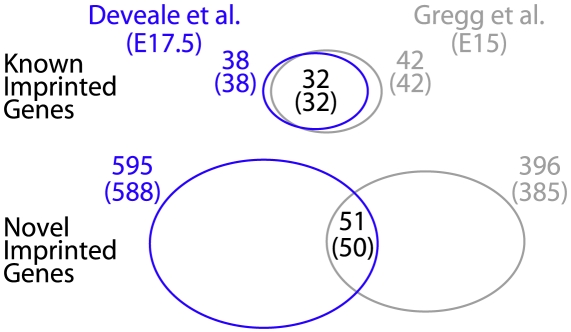
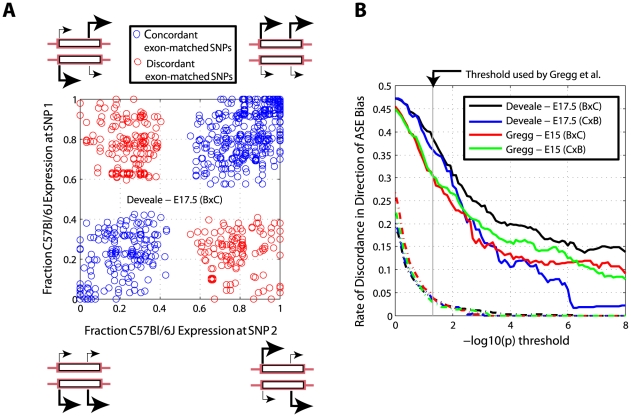
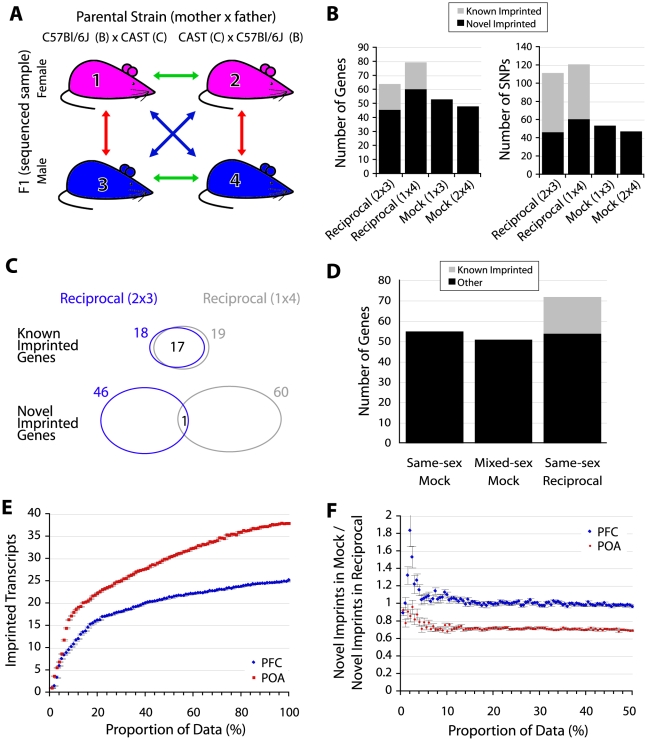
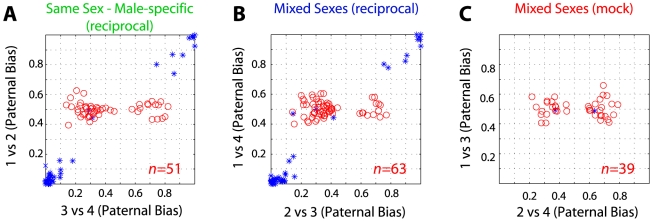
In contrast to existing estimates of approximately 200 murine imprinted genes, recent work based on transcriptome sequencing uncovered parent-of-origin allelic effects at more than 1,300 loci in the developing brain and two adult brain regions, including hundreds present in only males or females. Our independent replication of the embryonic brain stage, where the majority of novel imprinted genes were discovered and the majority of previously known imprinted genes confirmed, resulted in only 12.9% concordance among the novel imprinted loci. Further analysis and pyrosequencing-based validation revealed that the vast majority of the novel reported imprinted loci are false-positives explained by technical and biological variation of the experimental approach. We show that allele-specific expression (ASE) measured with RNA-Seq is not accurately modeled with statistical methods that assume random independent sampling and that systematic error must be accounted for to enable accurate identification of imprinted expression. Application of a robust approach that accounts for these effects revealed 50 candidate genes where allelic bias was predicted to be parent-of-origin-dependent. However, 11 independent validation attempts through a range of allelic expression biases confirmed only 6 of these novel cases. The results emphasize the importance of independent validation and suggest that the number of imprinted genes is much closer to the initial estimates.
Overview
The claims and statistics of this paper haven’t been checked yet.
Free: it reads the open-access text and checks the first 5 claims that cite a source we can check. Create a free account to check every claim.
Integrity signals
Registry
Cites
Statistics
Figures
Verification
Claims the paper makes
The claims and statistics of this paper haven’t been checked yet.
Free: it reads the open-access text and checks the first 5 claims that cite a source we can check. Create a free account to check every claim.
Claims other papers make about this one
Each is checked against this paper’s own text: does it say what the citing paper says it does?
The cited source says what the claim attributes to it.
In the citing paper
“Measures of allele-specific expression (ASE) are particularly important for studying the regulation of gene expression because they can be used to distinguish cis- and trans-regulatory changes [6,7] and to detect genomic imprinting [8,9].”
From Sources of bias in measures of allele-specific expression derived from RNA-seq data aligned to a single reference genome (2013) · cites this paper as [9]
The cited source says what the claim attributes to it.
In the citing paper
“Mapping reads to specific genes is relatively straightforward with the bioinformatics tools available today [10-13], but using these tools to distinguish between reads derived from alternative alleles of the same gene remains challenging [9].”
From Sources of bias in measures of allele-specific expression derived from RNA-seq data aligned to a single reference genome (2013) · cites this paper as [9]
Self-check
Percentages, sums and reported differences re-computed from the paper’s own numbers.
The self-check needs the paper’s full text.
Citations
Cites
Gene Expression Omnibus: NCBI gene expression and hybridization array data repository
Edgar, R. (2002) · Nucleic Acids Research · doi:10.1093/nar/30.1.207 · Cited by 13,288 · cited 4×
“Raw data and alignments are available at GEO under accession GSE27016.”
BackgroundInfluentialA scaling normalization method for differential expression analysis of RNA-seq data
Robinson, M. D., & Oshlack, A. (2010) · Genome Biology · doi:10.1186/gb-2010-11-3-r25 · Cited by 7,876
Targeted capture and massively parallel sequencing of 12 human exomes
Ng, S. B., Turner, E. H., Robertson, P. D., Flygare, S. D., Bigham, A. W., Lee, C., Shaffer, T., Wong, M., Bhattacharjee, A., Eichler, E. E., et al. (2009) · Nature · doi:10.1038/nature08250 · Cited by 2,030 · cited 1×
“Furthermore, premature termination codons are relatively infrequent [39] and those introduced by alternative splicing lead to immediate degradation by nonsense-mediated decay [40].”
BackgroundThe UCSC Genome Browser database: update 2011
Fujita, P. A., Rhead, B., Zweig, A. S., Hinrichs, A. S., Karolchik, D., Cline, M. S., Goldman, M., Barber, G. P., Clawson, H., Coelho, A., et al. (2011) · Nucleic Acids Research · doi:10.1093/nar/gkq963 · Cited by 1,811
Parental imprinting of the mouse insulin-like growth factor II gene
DeChiara, T. M., Robertson, E. J., & Efstratiadis, A. (1991) · Cell · doi:10.1016/0092-8674(91)90513-x · Cited by 1,783
Mouse genomic variation and its effect on phenotypes and gene regulation.
Keane, T. M., Goodstadt, L., Danecek, P., White, M. A., Wong, K., Yalcin, B., Heger, A., Agam, A., Slater, G., Goodson, M., et al. (2011) · Nature · doi:10.1038/nature10413 · Cited by 1,580 · cited 6×
“We also took advantage of all publicly available SNPs [17,26,27] and expanded our alignment reference to include the whole genome (see Materials and Methods).”
BackgroundMethodInfluentialDevelopment of reconstituted mouse eggs suggests imprinting of the genome during gametogenesis
Surani, M. A. H., Barton, S. C., & Norris, M. L. (1984) · Nature · doi:10.1038/308548a0 · Cited by 1,430
Parental imprinting of the mouse H19 gene
Bartolomei, M. S., Zemel, S., & Tilghman, S. M. (1991) · Nature · doi:10.1038/351153a0 · Cited by 1,224
Massive Cell Death of Immature Hematopoietic Cells and Neurons in Bcl-x-Deficient Mice
Motoyama, N., Wang, F., Roth, K. A., Sawa, H., Nakayama, K.-I., Nakayama, K., Negishi, I., Senju, S., Zhang, Q., Fujii, S., et al. (1995) · Science · doi:10.1126/science.7878471 · Cited by 1,163
Dynamic repertoire of a eukaryotic transcriptome surveyed at single-nucleotide resolution
Wilhelm, B. T., Marguerat, S., Watt, S., Schubert, F., Wood, V., Goodhead, I., Penkett, C. J., Rogers, J., & Bähler, J. (2008) · Nature · doi:10.1038/nature07002 · Cited by 974
Research works printed but not linked: 1
- Beechey CVaC B.M. 1993 Mouse' Genome 102
Cited by
Single-Cell RNA-Seq Reveals Dynamic, Random Monoallelic Gene Expression in Mammalian Cells
Deng, Q., Ramsköld, D., Reinius, B., & Sandberg, R. (2014) · Science · doi:10.1126/science.1245316 · Cited by 1,345
Barlow, D. P., & Bartolomei, M. S. (2014) · Cold Spring Harbor Perspectives in Biology · doi:10.1101/cshperspect.a018382 · Cited by 703
X-Inactivation, Imprinting, and Long Noncoding RNAs in Health and Disease
Lee, J. T., & Bartolomei, M. S. (2013) · Cell · doi:10.1016/j.cell.2013.02.016 · Cited by 676
Genomic Imprinting and Physiological Processes in Mammals
Tucci, V., Isles, A. R., Kelsey, G., Ferguson-Smith, A. C., Tucci, V., Bartolomei, M. S., Benvenisty, N., Bourc’his, D., Charalambous, M., Dulac, C., et al. (2019) · Cell · doi:10.1016/j.cell.2019.01.043 · Cited by 544
The role of genomic imprinting in biology and disease: an expanding view
Peters, J. (2014) · Nature Reviews Genetics · doi:10.1038/nrg3766 · Cited by 432
The role of de novo mutations in the genetics of autism spectrum disorders
Ronemus, M., Iossifov, I., Levy, D., & Wigler, M. (2014) · Nature Reviews Genetics · doi:10.1038/nrg3585 · Cited by 390
Epigenetic Regulation of Pluripotency and Differentiation
Boland, M. J., Nazor, K. L., & Loring, J. F. (2014) · Circulation Research · doi:10.1161/circresaha.115.301517 · Cited by 271
Cancer transcriptome profiling at the juncture of clinical translation
Cieślik, M., & Chinnaiyan, A. M. (2018) · Nature Reviews Genetics · doi:10.1038/nrg.2017.96 · Cited by 269
Genomic imprinting and parent-of-origin effects on complex traits
Lawson, H. A., Cheverud, J. M., & Wolf, J. B. (2013) · Nature Reviews Genetics · doi:10.1038/nrg3543 · Cited by 262
Fine-mapping cellular QTLs with RASQUAL and ATAC-seq
Kumasaka, N., Knights, A. J., & Gaffney, D. J. (2016) · Nature Genetics · doi:10.1038/ng.3467 · Cited by 256
The landscape of genomic imprinting across diverse adult human tissues
Baran, Y., Subramaniam, M., Biton, A., Tukiainen, T., Tsang, E. K., Rivas, M. A., Pirinen, M., Gutierrez-Arcelus, M., Smith, K. S., Kukurba, K. R., et al. (2015) · Genome Research · doi:10.1101/gr.192278.115 · Cited by 218
New insights into establishment and maintenance of DNA methylation imprints in mammals
Kelsey, G., & Feil, R. (2013) · Philosophical Transactions of the Royal Society B: Biological Sciences · doi:10.1098/rstb.2011.0336 · Cited by 211
Genetic conflict reflected in tissue-specific maps of genomic imprinting in human and mouse
Babak, T., DeVeale, B., Tsang, E. K., Zhou, Y., Li, X., Smith, K. S., Kukurba, K. R., Zhang, R., Li, J. B., van der Kooy, D., et al. (2015) · Nature Genetics · doi:10.1038/ng.3274 · Cited by 210
Self-citationCrowley, J. J., Zhabotynsky, V., Sun, W., Huang, S., Pakatci, I. K., Kim, Y., Wang, J. R., Morgan, A. P., Calaway, J. D., Aylor, D. L., et al. (2015) · Nature Genetics · doi:10.1038/ng.3222 · Cited by 202
Representing Sex in the Brain, One Module at a Time
Yang, C. F., & Shah, N. M. (2014) · Neuron · doi:10.1016/j.neuron.2014.03.029 · Cited by 200
“Recent studies have identified many potentially imprinted genes that are transcribed, often in a sexually dimorphic manner, in the developing and adult brain (DeVeale et al., 2012; Gregg et al., 2010a, 2010b).”
Natural epigenetic polymorphisms lead to intraspecific variation in Arabidopsis gene imprinting
Pignatta, D., Erdmann, R. M., Scheer, E., Picard, C. L., Bell, G. W., & Gehring, M. (2014) · eLife · doi:10.7554/elife.03198 · Cited by 191
“Genome-wide surveys for imprinted expression have identified several dozen to hundreds of imprinted genes in rice, maize, Arabidopsis, mice, mules, and hinnies (Gehring et al., 2011; Hsieh et al., 2011; Luo et al., 2011; Wolff et al., 2011; Zhang et al., 2011; DeVeale et al., 2012; Waters et al., 2012; Xin et al., 201…”
BackgroundThe role of imprinted genes in humans
Ishida, M., & Moore, G. E. (2013) · Molecular Aspects of Medicine · doi:10.1016/j.mam.2012.06.009 · Cited by 185
“Although recent transcriptome sequencing studies have reported more than 1000 potential imprinted genes in the mouse brain (Gregg et al., 2010a, b), the vast majority of these findings were not verified by another independent study (Deveale et al., 2012).”
Paternally expressed genes predominate in the placenta
Wang, X., Miller, D. C., Harman, R., Antczak, D. F., & Clark, A. G. (2013) · Proceedings of the National Academy of Sciences · doi:10.1073/pnas.1308998110 · Cited by 184
Gayral, P., Melo-Ferreira, J., Glémin, S., Bierne, N., Carneiro, M., Nabholz, B., Lourenco, J. M., Alves, P. C., Ballenghien, M., Faivre, N., et al. (2013) · PLoS Genetics · doi:10.1371/journal.pgen.1003457 · Cited by 182
“Such an overdispersion of read counts is expected in case of allelespecific expression bias [83], and because of the stochasticity of allele amplification during library preparation [84–85].”
BackgroundEtiologies underlying sex differences in autism spectrum disorders
Schaafsma, S. M., & Pfaff, D. W. (2014) · Frontiers in Neuroendocrinology · doi:10.1016/j.yfrne.2014.03.006 · Cited by 178
Epigenetic Inheritance of Disease and Disease Risk
Bohacek, J., & Mansuy, I. M. (2013) · Neuropsychopharmacology · doi:10.1038/npp.2012.110 · Cited by 176
“Most imprinted genes (B100 currently known) contain imprint control regions, which show differential DNAme between the maternal and paternal alleles (Sha, 2008; DeVeale et al, 2012).”
BackgroundGenomic Imprinting: Insights From Plants
Gehring, M. (2013) · Annual Review of Genetics · doi:10.1146/annurev-genet-110711-155527 · Cited by 175
Extensive compensatory cis-trans regulation in the evolution of mouse gene expression
Goncalves, A., Leigh-Brown, S., Thybert, D., Stefflova, K., Turro, E., Flicek, P., Brazma, A., Odom, D. T., & Marioni, J. C. (2012) · Genome Research · doi:10.1101/gr.142281.112 · Cited by 173
“The extent of imprinting in the mouse has also become contentious, with reports indicating low hundreds (DeVeale et al. 2012) to thousands (Gregg et al.”
BackgroundResultInfluentialRivera-Mulia, J. C., Buckley, Q., Sasaki, T., Zimmerman, J., Didier, R. A., Nazor, K., Loring, J. F., Lian, Z., Weissman, S., Robins, A. J., et al. (2015) · Genome Research · doi:10.1101/gr.187989.114 · Cited by 168
“tivation in female cells or to parental imprinting/monoallelic gene expression (Reik and Walter 2001; Goldmit and Bergman 2004; Gimelbrant et al. 2007; Farkash-Amar et al. 2008; Stoffregen et al. 2011; DeVeale et al. 2012; Koren et al. 2014; Mukhopadhyay et al. 2014; Donley et al. 2015).”
BackgroundStevenson, K. R., Coolon, J. D., & Wittkopp, P. J. (2013) · BMC Genomics · doi:10.1186/1471-2164-14-536 · Cited by 163
Mapping the mouse Allelome reveals tissue-specific regulation of allelic expression
Andergassen, D., Dotter, C. P., Wenzel, D., Sigl, V., Bammer, P. C., Muckenhuber, M., Mayer, D., Kulinski, T. M., Theussl, H.-C., Penninger, J. M., et al. (2017) · eLife · doi:10.7554/elife.25125 · Cited by 162
Chen, Z., Hagen, D. E., Elsik, C. G., Ji, T., Morris, C. J., Moon, L. E., & Rivera, R. M. (2015) · Proceedings of the National Academy of Sciences · doi:10.1073/pnas.1422088112 · Cited by 158
Strogantsev, R., Krueger, F., Yamazawa, K., Shi, H., Gould, P., Goldman-Roberts, M., McEwen, K., Sun, B., Pedersen, R., & Ferguson-Smith, A. C. (2015) · Genome Biology · doi:10.1186/s13059-015-0672-7 · Cited by 152
“Reassuringly we could identify most known imprinted germline DMRs using this approach, including the recently reported maternally methylated germline Gpr1 DMR on chromosome 1 (Gpr1-Zdbf2 cluster) [33, 37, 38] and Cdh15 DMR on chromosome 8 [39–41].”
BackgroundDavies, W. (2014) · Frontiers in Neuroendocrinology · doi:10.1016/j.yfrne.2014.03.003 · Cited by 148
Zhang, Y., Castillo-Morales, A., Jiang, M., Zhu, Y., Hu, L., Urrutia, A. O., Kong, X., & Hurst, L. D. (2013) · Molecular Biology and Evolution · doi:10.1093/molbev/mst148 · Cited by 134
Muzzey, D., Schwartz, K., Weissman, J. S., & Sherlock, G. (2013) · Genome Biology · doi:10.1186/gb-2013-14-9-r97 · Cited by 126
Ratnu, V. S., Emami, M. R., & Bredy, T. W. (2017) · Journal of Neuroscience Research · doi:10.1002/jnr.23886 · Cited by 144
“The results of imprinting studies by transcriptome sequencing must be interpreted with caution because statistical modeling of allele-specific expression by sequencing is still an unresolved challenge (DeVeale et al., 2012).”
BackgroundLoss of Imprinting and Allelic Switching at the DLK1-MEG3 Locus in Human Hepatocellular Carcinoma
Anwar, S. L., Krech, T., Hasemeier, B., Schipper, E., Schweitzer, N., Vogel, A., Kreipe, H. H., & Lehmann, U. (2012) · PLoS ONE · doi:10.1371/journal.pone.0049462 · Cited by 141
Evolution at two levels of gene expression in yeast
Artieri, C. G., & Fraser, H. B. (2014) · Genome Research · doi:10.1101/gr.165522.113 · Cited by 138
A survey of tissue-specific genomic imprinting in mammals
Prickett, A. R., & Oakey, R. J. (2012) · Molecular Genetics and Genomics · doi:10.1007/s00438-012-0708-6 · Cited by 127
Docherty, L. E., Rezwan, F. I., Poole, R. L., Jagoe, H., Lake, H., Lockett, G. A., Arshad, S. H., Wilson, D. I., Holloway, J. W., Temple, I. K., et al. (2014) · Journal of Medical Genetics · doi:10.1136/jmedgenet-2013-102116 · Cited by 116
Hierarchical analysis of RNA-seq reads improves the accuracy of allele-specific expression
Raghupathy, N., Choi, K., Vincent, M. J., Beane, G. L., Sheppard, K. S., Munger, S. C., Korstanje, R., Pardo-Manual de Villena, F., & Churchill, G. A. (2018) · Bioinformatics · doi:10.1093/bioinformatics/bty078 · Cited by 97
Significance of epigenetics for understanding brain development, brain evolution and behaviour
Keverne, E. B. (2012) · Neuroscience · doi:10.1016/j.neuroscience.2012.11.030 · Cited by 112
The Architecture of Parent-of-Origin Effects in Mice
Mott, R., Wei, Y., Kaisaki, P. J., Gan, X., Cleak, J., Edwards, A., Baud, A., & Flint, J. (2014) · Cell · doi:10.1016/j.cell.2013.11.043 · Cited by 107
Epigenetics and phenotypic variability: some interesting insights from birds
Frésard, L., Morisson, M., Brun, J. M. J. M., Collin, A., Pain, B., Minvielle, F., & Pitel, F. (2013) · Genetics Selection Evolution · doi:10.1186/1297-9686-45-16 · Cited by 105
Large-Scale Analysis of Loss of Imprinting in Human Pluripotent Stem Cells
Bar, S., Schachter, M., Eldar‐Geva, T., & Benvenisty, N. (2017) · Cell Reports · doi:10.1016/j.celrep.2017.04.020 · Cited by 103
Quantitative and functional interrogation of parent-of-origin allelic expression biases in the brain
Perez, J. D., Rubinstein, N. D., Fernandez, D. E., Santoro, S. W., Needleman, L. A., Ho-Shing, O., Choi, J. J., Zirlinger, M., Chen, S., Liu, J. S., et al. (2015) · eLife · doi:10.7554/elife.07860 · Cited by 102
Signatures of sex: Sex differences in gene expression in the vertebrate brain
Gegenhuber, B., & Tollkuhn, J. (2020) · WIREs Developmental Biology · doi:10.1002/wdev.348 · Cited by 85
Monoallelic Gene Expression in Mammals
Chess, A. J. (2016) · Annual Review of Genetics · doi:10.1146/annurev-genet-120215-035120 · Cited by 97
Using next-generation RNA sequencing to identify imprinted genes
Wang, X., & Clark, A. G. (2014) · Heredity · doi:10.1038/hdy.2014.18 · Cited by 97
RNA-seq analysis of single bovine blastocysts
Chitwood, J. L., Rincón, G., Kaiser, G. G., Medrano, J. F. F., & Ross, P. J. (2013) · BMC Genomics · doi:10.1186/1471-2164-14-350 · Cited by 96
The Gpr1/Zdbf2 locus provides new paradigms for transient and dynamic genomic imprinting in mammals
Duffié, R., Ajjan, S., Greenberg, M., Zamudio, N., Escamilla-Del-Arenal, M., Iranzo, J., Okamoto, I., Barbaux, S., Fauque, P., & Bourc’his, D. (2014) · Genes & Development · doi:10.1101/gad.232058.113 · Cited by 96
Genomic Imprinting in the Arabidopsis Embryo Is Partly Regulated by PRC2
Raissig, M. T., Bemer, M., Baroux, C., & Grossniklaus, U. (2013) · PLoS Genetics · doi:10.1371/journal.pgen.1003862 · Cited by 93
Allele-specific expression and eQTL analysis in mouse adipose tissue
Hasin-Brumshtein, Y., Hormozdiari, F., Martin, L., van Nas, A., Eskin, E., Lusis, A. J., & Drake, T. A. (2014) · BMC Genomics · doi:10.1186/1471-2164-15-471 · Cited by 92
Transcriptome-wide investigation of genomic imprinting in chicken
Frésard, L., Leroux, S., Servin, B., Gourichon, D., Déhais, P., Cristobal, M. S., Marsaud, N., Vignoles, F., Bed’Hom, B., Coville, J., et al. (2014) · Nucleic Acids Research · doi:10.1093/nar/gkt1390 · Cited by 89
Genes, behavior and next‐generation RNA sequencing
Hitzemann, R., Bottomly, D., Darakjian, P., Walter, N., Iancu, O., Searles, R., Wilmot, B., & McWeeney, S. (2013) · Genes, Brain and Behavior · doi:10.1111/gbb.12007 · Cited by 88
“We must note the evidence (Gregg et al. 2010a,b) that the number of imprinted genes is much larger than generally considered has been questioned (DeVeale et al. 2012); our position is that with any technology, and especially a relatively new technology, independent validation is key.”
BackgroundSingle-cell quantification of ribosome occupancy in early mouse development
Özadam, H., Tonn, T., Han, C. M., Segura, A., Hoskins, I., Rao, S. J., Ghatpande, V., Tran, D., Catoe, D., Salit, M., et al. (2023) · Nature · doi:10.1038/s41586-023-06228-9 · Cited by 89
Prickett, A. R., Barkas, N., McCole, R. B., Hughes, S., Amante, S. M., Schulz, R., & Oakey, R. J. (2013) · Genome Research · doi:10.1101/gr.150136.112 · Cited by 72
Noncanonical Genomic Imprinting Effects in Offspring
Bonthuis, P. J., Huang, W.-C., Stacher Hörndli, C. N., Ferris, E., Cheng, T., & Gregg, C. (2015) · Cell Reports · doi:10.1016/j.celrep.2015.07.017 · Cited by 84
Neural control of sexually dimorphic behaviors
Manoli, D. S., Fan, P., Fraser, E. J., & Shah, N. M. (2013) · Current Opinion in Neurobiology · doi:10.1016/j.conb.2013.04.005 · Cited by 75
Wong, E. S. W., Schmitt, B. M., Kazachenka, A., Thybert, D., Redmond, A. M., Connor, F., Rayner, T. F., Feig, C., Ferguson‐Smith, A. C., Marioni, J. C., et al. (2017) · Nature Communications · doi:10.1038/s41467-017-01037-x · Cited by 79
Understanding experiments and research practices for reproducibility: an exploratory study
Samuel, S., & König‐Ries, B. (2021) · PeerJ · doi:10.7717/peerj.11140 · Cited by 76
Global assessment of imprinted gene expression in the bovine conceptus by next generation sequencing
Chen, Z., Hagen, D. E., Wang, J., Elsik, C. G., Ji, T., Siqueira, L. G. B., Hansen, P. J., & Rivera, R. M. (2016) · Epigenetics · doi:10.1080/15592294.2016.1184805 · Cited by 73
Lin, M., Hrabovsky, A., Pedrosa, E., Wang, T., Zheng, D., & Lachman, H. M. (2012) · PLoS ONE · doi:10.1371/journal.pone.0044017 · Cited by 72
Transcriptome Profiling of Giardia intestinalis Using Strand-specific RNA-Seq
Franzén, O., Jerlström-Hultqvist, J., Einarsson, E., Ankarklev, J., Ferella, M., Andersson, B., & Svärd, S. G. (2013) · PLoS Computational Biology · doi:10.1371/journal.pcbi.1003000 · Cited by 72
Gene Loss from a Plant Sex Chromosome System
Bergero, R., Qiu, S., & Charlesworth, D. (2015) · Current Biology · doi:10.1016/j.cub.2015.03.015 · Cited by 69
Lv, J., Cui, W., Liu, H., He, H., Xiu, Y., Guo, J., Liu, H., Liu, Q., Zeng, T.-B., Chen, Y., et al. (2013) · PLoS ONE · doi:10.1371/journal.pone.0071152 · Cited by 70
Muzzey, D., Sherlock, G., & Weissman, J. S. (2014) · Genome Research · doi:10.1101/gr.166322.113 · Cited by 59
Features and mechanisms of canonical and noncanonical genomic imprinting
Hanna, C. W., & Kelsey, G. (2021) · Genes & Development · doi:10.1101/gad.348422.121 · Cited by 67
The scope and strength of sex‐specific selection in genome evolution
Wright, A. E., & Mank, J. E. (2013) · Journal of Evolutionary Biology · doi:10.1111/jeb.12201 · Cited by 65
Lagarrigue, S., Martin, L., Hormozdiari, F., Roux, P., Pan, C., van Nas, A., Demeure, O., Cantor, R. M., Ghazalpour, A., Eskin, E., et al. (2013) · Genetics · doi:10.1534/genetics.113.153882 · Cited by 62
A Search for Parent-of-Origin Effects on Honey Bee Gene Expression
Kocher, S. D., Tsuruda, J. M., Gibson, J. D., Emore, C., Arechavaleta-Velasco, M. E., Queller, D. C., Strassmann, J. E., Grozinger, C. M., Gribskov, M., Miguel, P. S., et al. (2015) · G3 Genes Genomes Genetics · doi:10.1534/g3.115.017814 · Cited by 61
Lee, C., Kang, E. Y., Gandal, M. J., Eskin, E., & Geschwind, D. H. (2019) · Nature Neuroscience · doi:10.1038/s41593-019-0461-9 · Cited by 51
Das, R., Lee, Y. K., Strogantsev, R., Jin, S., Lim, Y. C., Ng, P. Y., Lin, X. M., Chng, K., Yeo, G. S., Ferguson‐Smith, A. C., et al. (2013) · BMC Genomics · doi:10.1186/1471-2164-14-685 · Cited by 59
Imprinted Genes … and the Number Is?
Kelsey, G., & Bartolomei, M. S. (2012) · PLoS Genetics · doi:10.1371/journal.pgen.1002601 · Cited by 58
X inactivation and reactivation in X-linked diseases
Vacca, M., Ragione, F. D., Scalabrì, F., & D’Esposito, M. (2016) · Seminars in Cell and Developmental Biology · doi:10.1016/j.semcdb.2016.03.009 · Cited by 58
Different yet similar: evolution of imprinting in flowering plants and mammals
Pires, N. D., & Grossniklaus, U. (2014) · F1000Prime Reports · doi:10.12703/p6-63 · Cited by 59
A flexible Bayesian method for detecting allelic imbalance in RNA-seq data
León‐Novelo, L., McIntyre, L. M., Fear, J. M., & Graze, R. M. (2014) · BMC Genomics · doi:10.1186/1471-2164-15-920 · Cited by 57
Parallels between Mammalian Mechanisms of Monoallelic Gene Expression
Khamlichi, A. A., & Feil, R. (2018) · Trends in Genetics · doi:10.1016/j.tig.2018.08.005 · Cited by 57
Genomic Imprinting Effects of the X Chromosome on Brain Morphology
Lepage, J., Hong, D. S., Mazaika, P. K., Raman, M. M., Sheau, K. E., Marzelli, M., Hallmayer, J. F., & Reiss, A. L. (2013) · Journal of Neuroscience · doi:10.1523/jneurosci.5810-12.2013 · Cited by 56
Importance of the matriline for genomic imprinting, brain development and behaviour
Keverne, E. B. (2013) · Philosophical Transactions of the Royal Society B: Biological Sciences · doi:10.1098/rstb.2011.0327 · Cited by 50
Kohda, T., & Ishino, F. (2012) · Philosophical Transactions of the Royal Society B Biological Sciences · doi:10.1098/rstb.2012.0353 · Cited by 53
Allelic Imbalance Is a Prevalent and Tissue-Specific Feature of the Mouse Transcriptome
Pinter, S. F., Colognori, D., Beliveau, B. J., Sadreyev, R. I., Payer, B., Yildirim, E., Wu, C.-T., & Lee, J. T. (2015) · Genetics · doi:10.1534/genetics.115.176263 · Cited by 51
Salavati, M., Bush, S. J., Palma-Vera, S., McCulloch, M. E. B., Hume, D. A., & Clark, E. L. (2019) · Frontiers in Genetics · doi:10.3389/fgene.2019.00863 · Cited by 51
Genomic Imprinting Absent in Drosophila melanogaster Adult Females
Coolon, J. D., Stevenson, K. R., McManus, C. J., Graveley, B. R., & Wittkopp, P. J. (2012) · Cell Reports · doi:10.1016/j.celrep.2012.06.013 · Cited by 46
Using Epigenome-Wide Association Scans of DNA Methylation in Age-Related Complex Human Traits
Tsai, P.-C., Spector, T. D., & Bell, J. T. (2012) · Epigenomics · doi:10.2217/epi.12.45 · Cited by 41
Andergassen, D., Dotter, C. P., Kuliński, T. M., Guenzl, P. M., Bammer, P. C., Barlow, D. P., Pauler, F. M., & Hudson, Q. J. (2015) · Nucleic Acids Research · doi:10.1093/nar/gkv727 · Cited by 43
Cell-Type Specificity of Genomic Imprinting in Cerebral Cortex
Laukoter, S., Pauler, F. M., Beattie, R., Amberg, N., Hansen, A. H., Streicher, C., Penz, T., Bock, C., & Hippenmeyer, S. (2020) · Neuron · doi:10.1016/j.neuron.2020.06.031 · Cited by 43
Epigenetic regulation of GATA2 and its impact on normal karyotype acute myeloid leukemia
Celton, M., Forest, A., Gosse, G., Lemieux, S., Hébert, J., Sauvageau, G., & Wilhelm, B. T. (2014) · Leukemia · doi:10.1038/leu.2014.67 · Cited by 42
The Sex Chromosome Trisomy mouse model of XXY and XYY: metabolism and motor performance
Chen, X., Williams-Burris, S. M., McClusky, R., Ngun, T. C., Ghahramani, N., Barseghyan, H., Reue, K., Vilain, E., & Arnold, A. P. (2013) · Biology of Sex Differences · doi:10.1186/2042-6410-4-15 · Cited by 36
Influences of genomic imprinting on brain function and behavior
Ho-Shing, O., & Dulac, C. G. (2018) · Current Opinion in Behavioral Sciences · doi:10.1016/j.cobeha.2018.08.008 · Cited by 43
Huang, H., Yoon, B.-J., Brooks, S., Bakal, R. S., Wallace, J. B., Larsen, R. S., Wallace, M. L., Han, J. E., Chung, E., Zylka, M. J., et al. (2014) · PLoS ONE · doi:10.1371/journal.pone.0098383 · Cited by 40
Random and Non-Random Monoallelic Expression
Chess, A. J. (2012) · Neuropsychopharmacology · doi:10.1038/npp.2012.85 · Cited by 40
Lee, S. L. J., Horsfield, J. A., Black, M. A., Rutherford, K., & Gemmell, N. J. (2017) · Biology of Reproduction · doi:10.1093/biolre/iox175 · Cited by 39
Genomic imprinting, disrupted placental expression, and speciation
Brekke, T. D., Henry, L. A., & Good, J. M. (2016) · Evolution · doi:10.1111/evo.13085 · Cited by 38
Doré, J., Kohler, A., Dubost, A., Hundley, H. N., Singan, V. R., Peng, Y., Kuo, A., Grigoriev, I. V., Martin, F. M., Marmeisse, R., et al. (2017) · Environmental Microbiology · doi:10.1111/1462-2920.13670 · Cited by 38
Quantitative measurement of allele‐specific protein expression in a diploid yeast hybrid by LC‐MS
Khan, Z., Bloom, J. S., Amini, S., Singh, M., Perlman, D. H., Caudy, A. A., & Kruglyak, L. (2012) · Molecular Systems Biology · doi:10.1038/msb.2012.34 · Cited by 37
Wilkins, J. F., Úbeda, F., & Cleve, J. V. (2016) · BioEssays · doi:10.1002/bies.201500198 · Cited by 37
Symmons, O., Chang, M., Mellis, I. A., Kalish, J. M., Park, J., Suszták, K., Bartolomei, M. S., & Raj, A. (2019) · PLoS Genetics · doi:10.1371/journal.pgen.1007874 · Cited by 37
Polyandry and sex-specific gene expression
Mank, J. E., Wedell, N., & Hosken, D. J. (2013) · Philosophical Transactions of the Royal Society B Biological Sciences · doi:10.1098/rstb.2012.0047 · Cited by 37
Maternal bias and escape from X chromosome imprinting in the midgestation mouse placenta
Finn, E. H., Smith, C. L., Rodriguez, J. M., Sidow, A., & Baker, J. C. (2014) · Developmental Biology · doi:10.1016/j.ydbio.2014.02.020 · Cited by 36
Montero, I., Teschke, M., & Tautz, D. (2013) · Molecular Ecology · doi:10.1111/mec.12271 · Cited by 35
Trappc9 deficiency causes parent-of-origin dependent microcephaly and obesity
Liang, Z., Cimino, I., Yalcin, B., Raghupathy, N., Vancollie, V. E., Ibarra-Soria, X., Firth, H. V., Rimmington, D., Farooqi, I. S., Lelliott, C. J., et al. (2020) · PLoS Genetics · doi:10.1371/journal.pgen.1008916 · Cited by 34
Ye, X., Kohtz, A. S., Pollonini, G., Riccio, A., & Alberini, C. M. (2015) · PLoS ONE · doi:10.1371/journal.pone.0141078 · Cited by 34
RNA-Seq in 296 phased trios provides a high-resolution map of genomic imprinting
Jadhav, B., Monajemi, R., Gagalova, K., Ho, D. J., Draisma, H. H. M., van de Wiel, M. A., Franke, L., Heijmans, B. T., van Meurs, J. B. J., Jansen, R., et al. (2019) · BMC Biology · doi:10.1186/s12915-019-0674-0 · Cited by 33
Metadata
- Authors
- DeVeale, B., van der Kooy, D., & Babak, T.
- Affiliations
- University of Toronto (CA)
- Stanford University (US)
- Corresponding author
- Babak, Tomas
- Venue
- PLoS Genetics
- Publisher
- Public Library of Science (PLoS)
- Published
- 2012-03-29
- Volume
- 8
- Issue
- 3
- Pages
- e1002600
- ISSN
- 1553-7390 (ISSN-L)
- 1553-7404
- PMC
- PMC3315459
- OpenAlex
- W1990626904
- Semantic Scholar
- 29dbd4206eb39402690be454cc7dc70259cd85bb
- Cited by
- 223
- References
- 52
- Citations by year
- 2026: 1 · 2025: 5 · 2024: 2 · 2023: 6 · 2022: 7 · 2021: 9 · 2020: 5 · 2019: 16 · 2018: 12 · 2017: 18 · 2016: 13 · 2015: 31 · 2014: 36 · 2013: 38 · 2012: 24
- FWCI
- 24.86
- Type
- journal article
- Language
- en
- Open access
- gold
- doi.org
- Locations
- PLoS Genetics (publishedVersion, cc-by)
- Europe PMC (PubMed Central) (publishedVersion, cc-by)
- PubMed Central (publishedVersion, cc-by)
- PubMed (publishedVersion)
- DOAJ (DOAJ: Directory of Open Access Journals) (submittedVersion)
- Figshare (submittedVersion, cc-by)
- Funders
- Canadian Institutes of Health Research
- Topics
- Life Sciences › Biochemistry, Genetics and Molecular Biology › Genetics › Genetic Syndromes and Imprinting
- Life Sciences › Biochemistry, Genetics and Molecular Biology › Molecular Biology › Genomics and Phylogenetic Studies
- Life Sciences › Biochemistry, Genetics and Molecular Biology › Genetics › Chromosomal and Genetic Variations
- Keywords
- genomic imprinting, imprinted genes, allele-specific expression, parent-of-origin effects, brain development, embryonic brain
- MeSH terms
- Alleles, Animals, Base Sequence, Brain, Female, Male, Mice, Inbred C57BL, Gene Expression, Genomic Imprinting, Polymorphism, Single Nucleotide, Embryonic Development, Mice, Transcriptome
About these checks
Registry, retraction, Cites and statistics results are computed, not judged, with one exception: a printed reference that no index lists is read once by a model before it counts as a citation error. Claims are extracted by a model and kept only when their quote appears verbatim in the text; each cited source is then checked, with a model’s help, for whether it says what the claim relies on. Those verdicts can be wrong — read the claim’s quote and the cited source before relying on one.
Statistics and arithmetic are recomputed, not judged.
Confidence bands are shown only for fields calibrated on our annotated test set. None is calibrated yet, so no band is shown.
What counts as a claim ›How we measure confidence ›How we check this ›
Are you an author, or do you see a problem with this page? Request a review
Data sources
Bibliographic data: Semantic Scholar, OpenAlex, Crossref.
Contains information from the Semantic Scholar Academic Graph Datasets, made available under the ODC Attribution License (ODC-BY 1.0).
Semantic Scholar’s data is described in: Kinney, R., et al. (2023). The Semantic Scholar Open Data Platform. arXiv:2301.10140.
