

Preferred Reporting Items for Systematic Reviews and Meta-Analyses: The PRISMA Statement
Open accessThe DOI matches its Crossref record; 40 of the 41 references it cites were found in a registry or an index; 2 of the 30 sources its claims cite were checked for support.
Abstract
se ha posicionado como un centro de referencia asistencial y académica, con la proyección de conformar clínicas o centros de excelencia.Para lograr este objetivo, es indispensable que realice y se ciña a sus propias guías de práctica clínica o estándares clínicos basados en la evidencia (ECBE), que permita una adecuada y estandarizada atención de pacientes aplicando la mejor evidencia médica disponible.La obesidad es una patología de alta prevalencia en la población general, siendo uno de los motivos de consulta más
Overview
CoChat Summary
## TL;DR
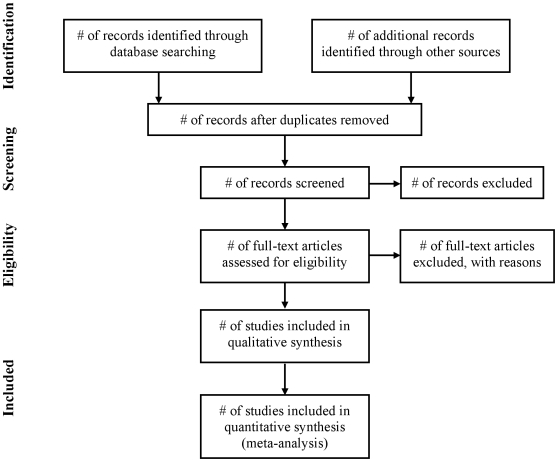
PRISMA is a reporting guideline that replaces QUOROM and provides a 27-item checklist plus a four-phase flow diagram to improve how systematic reviews and meta-analyses are reported. The paper argues that clearer reporting is needed because reporting quality had been suboptimal and often limited readers’ ability to judge review quality.
## Key findings
- The PRISMA Statement consists of a 27-item checklist and a four-phase flow diagram.
- The guideline was developed after a three-day meeting in Ottawa, Canada, in June 2005 with 29 participants including review authors, methodologists, clinicians, medical editors, and a consumer.
- The checklist was revised 11 times before group approval.
- The paper cites earlier evidence that reporting quality was poor: in one study of 83 meta-analyses, the number of adequately reported characteristics ranged from 1 to 14 (mean 7.7, SD 2.7); another study of 50 review articles found none met all eight explicit scientific criteria.
## Methods
- This is a guideline development / consensus paper, not an empirical effects study.
- The executive committee completed a systematic review of studies examining the quality of reporting of systematic reviews, plus a comprehensive literature search for methodological and other relevant articles.
- An international survey of review authors, consumers, and organizations using systematic reviews/meta-analyses was conducted; the Ottawa meeting informed revision of the QUOROM checklist and flow diagram.
## Limitations
- The paper states that no direct evidence was found to support retaining or adding some items, and some items were included because evidence from other domains was considered relevant.
- The paper says PRISMA is a living document and invites further comment, implying the guideline is not final or exhaustive.
- Evident from the text: the paper is a consensus/reporting guideline paper, so it does not test whether PRISMA improves reporting or review quality in practice.
Model-written summary. Check it against the paper before relying on it.
Integrity signals
Registry
Cites
Statistics
Figures
Verification
Claims the paper makes
1 Valid · 1 Not valid · 19 Not checked · 11 Own results and interpretations
The cited sources that could be checked couldn’t confirm or dispute this claim.
In the paper
“For studies included in a systematic review, a thorough assessment of the risk of bias requires both a “study-level” assessment (e.g., adequacy of allocation concealment) and, for some features, a newer approach called “outcome-level” assessment.”
§ Preferred Reporting Items for Systematic Reviews and Meta-Analyses: The PRISMA Statement > Introduction > Box 1: Conceptual Issues in the Evolution from QUOROM to PRISMA
What the sources say
- Could not verifycites [38] Guyatt GH Oxman AD Vist GE Kunz R Falck-Ytter Y 2008 GRADE: An emerging consensus on rating quality of evidence and strength of recommendations. BMJ 336 924 926 18436948 PMC2335261 sourceExperimental — accuracy not yet measured
Our copy of the BMJ 2008 GRADE overview paper lists the factors that downgrade quality of evidence (study limitations/risk of bias, inconsistency, indirectness, imprecision, reporting bias) in 'How does the GRADE system classify quality of evidence?' and Box 2, but no passage draws a study-level versus outcome-level distinction or describes an 'outcome-level' approach to risk of bias assessment. Searches for 'outcome-level assessment risk of bias', 'study level assessment allocation concealment', 'risk of bias assessment across domains outcome specific', and 'study limitations rated for each outcome' returned only the generic downgrade-factor and Box 1/Box 2 passages. The paper also does not credit the claim to another work, so misattribution cannot be established; the decisive text is simply absent from our copy. (LLM, conf=0.65)
plain- Asserted: passes — The authors put it forward as true.
- Checkable: passes — It can be checked against evidence.
- Load-bearing: passes — The paper’s conclusions depend on it.
- Based: passes — The paper gives a reason why it holds.
- Could not verify
The cited sources support only part of this claim — read each source’s verdict below.
In the paper
“Aside from Cochrane reviews, all of which should have a protocol, only about 10% of systematic reviewers report working from a protocol [22].”
§ Preferred Reporting Items for Systematic Reviews and Meta-Analyses: The PRISMA Statement > Introduction > Box 1: Conceptual Issues in the Evolution from QUOROM to PRISMA
What the sources say
- Partly supportedcites [22] Moher D Tetzlaff J Tricco AC Sampson M Altman DG 2007 Epidemiology and reporting characteristics of systematic reviews. PLoS Med 4 e78 doi: 10.1371/journal.pmed.0040078 17388659 PMC1831728 sourceExperimental — accuracy not yet measured
Moher et al. (Results, 'Reporting Characteristics Related to Potential for Bias') report that 'within the therapeutic review category almost every Cochrane review reported a protocol (122/125 [97.6%]), but only a small minority of non-Cochrane reviews did (10/88 [11.4%])' — so the ~10% figure and the near-universal Cochrane protocol coverage are both in the source. However, the 11.4% applies only to non-Cochrane *therapeutic* reviews, whereas the citing sentence generalises it to 'systematic reviewers' as a whole; our copy gives no overall non-Cochrane protocol rate (it states 46.3% of all 300 reviews reported a protocol, with therapeutic reviews more likely than other categories, and the per-category protocol figures sit in Table 3, which our copy does not reproduce numerically). The claim's scope therefore exceeds what this source reports. (LLM, conf=0.78)
plain- Asserted: passes — The authors put it forward as true.
- Checkable: passes — It can be checked against evidence.
- Load-bearing: passes — The paper’s conclusions depend on it.
- Based: passes — The paper gives a reason why it holds.
- Partly supported
In the paper
“A 1996 update of this study found little improvement [7].”
§ Preferred Reporting Items for Systematic Reviews and Meta-Analyses: The PRISMA Statement > Introduction
What the sources say
- Not checked yetcites [7] Sacks HS Reitman D Pagano D Kupelnick B 1996 Meta-analysis: An update. Mt Sinai J Med 63 216 224 8692168
plain- Asserted: passes — The authors put it forward as true.
- Checkable: passes — It can be checked against evidence.
- Load-bearing: passes — The paper’s conclusions depend on it.
- Based: passes — The paper gives a reason why it holds.
In the paper
“In 1987, Mulrow examined 50 review articles published in four leading medical journals in 1985 and 1986 and found that none met all eight explicit scientific criteria, such as a quality assessment of included studies [5].”
§ Preferred Reporting Items for Systematic Reviews and Meta-Analyses: The PRISMA Statement > Introduction
What the sources say
- Not checked yetcites [5] Mulrow CD 1987 The medical review article: State of the science. Ann Intern Med 106 485 488 3813259 source
plain- Asserted: passes — The authors put it forward as true.
- Checkable: passes — It can be checked against evidence.
- Load-bearing: passes — The paper’s conclusions depend on it.
- Based: passes — The paper gives a reason why it holds.
In the paper
“In 1996, to address the suboptimal reporting of meta-analyses, an international group developed a guidance called the QUOROM Statement (QUality Of Reporting Of Meta-analyses), which focused on the reporting of meta-analyses of randomized controlled trials [8].”
§ Preferred Reporting Items for Systematic Reviews and Meta-Analyses: The PRISMA Statement > Introduction
What the sources say
- Not checked yetcites [8] Moher D Cook DJ Eastwood S Olkin I Rennie D 1994 Improving the quality of reporting of meta-analysis of randomized controlled trials: The QUOROM statement. Lancet 354 1896 1900 10584742 source
plainstates a cause- Asserted: passes — The authors put it forward as true.
- Checkable: passes — It can be checked against evidence.
- Load-bearing: unclear — It is unclear whether the paper’s conclusions depend on it.
- Based: passes — The paper gives a reason why it holds.
7 more claims
Create a free account to see all 32 claims and to verify the 28 references still open.
- Probably not a substantial claim. 18
- It may state two separate claims as one. 9
Claims other papers make about this one
Each is checked against this paper’s own text: does it say what the citing paper says it does?
The cited source doesn’t support the claim as written.
In the citing paper
“This systematic review follows the MOOSE Guidelines for Meta-Analyses and Systematic Reviews of Observational Studies158.”
From A systematic review of worldwide causal and correlational evidence on digital media and democracy (2022) · cites this paper as [158]
Checked by a reasoning model — may be wrong.
Experimental — accuracy not yet measuredThe source backs part of the claim, not all of it — or backs it for a different population, condition or comparison.
In the citing paper
“To address the research aim, this study adopted a systematic literature review, following established methodological recommendations to ensure rigor, transparency, and replicability [20,21].”
From Sustainable Value Creation in Nonprofit Organizations: Processes, Determinants, and Strategic Dimensions (2026) · cites this paper as [20]
Experimental — accuracy not yet measuredThe source backs part of the claim, not all of it — or backs it for a different population, condition or comparison.
In the citing paper
“We first followed the PRISMA (Preferred Reporting Items for Systematic reviews and Meta-Analyses) (Moher etal., 2009) method to systematically review the literature.”
From Online peer feedback in higher education: A synthesis of the literature (2024) · cites this paper as Moher et al., 2009
Experimental — accuracy not yet measuredThe source backs part of the claim, not all of it — or backs it for a different population, condition or comparison.
In the citing paper
“The 'Preferred Reporting Items for Systematic Reviews and Meta-Analyses' (PRISMA) methodology was used to conduct a systematic literature review and qualitative synthesis (Moher et al., 2009).”
From AI adoption and diffusion in public administration: A systematic literature review and future research agenda (2023) · cites this paper as Moher et al., 2009
Experimental — accuracy not yet measuredThe source backs part of the claim, not all of it — or backs it for a different population, condition or comparison.
In the citing paper
“Compliance with GATHER is not an indicator of a study's quality.”
From Guidelines for accurate and transparent health estimates reporting: the GATHER statement (2016) · cites this paper as [12]
Experimental — accuracy not yet measured
203 more claims about this paper
Create a free account to see every claim other papers make about this one.
Citations
Cites
Liberati, A., Altman, D. G., Tetzlaff, J., Mulrow, C., Gøtzsche, P. C., Ioannidis, J. P. A., Clarke, M., Devereaux, P. J., Kleijnen, J., & Moher, D. (2009) · PLoS Medicine · doi:10.1371/journal.pmed.1000100 · Cited by 28,164
Self-citationGRADE: an emerging consensus on rating quality of evidence and strength of recommendations
Guyatt, G. H., Oxman, A. D., Vist, G. E., Kunz, R., Falck-Ytter, Y., Alonso-Coello, P., & Schünemann, H. J. (2008) · BMJ · doi:10.1136/bmj.39489.470347.ad · Cited by 23,305
Moher, D., Cook, D. J., Eastwood, S., Olkin, I., Rennie, D., & Stroup, D. F. (1999) · The Lancet · doi:10.1016/s0140-6736(99)04149-5 · Cited by 4,826
Self-citationThe Revised CONSORT Statement for Reporting Randomized Trials: Explanation and Elaboration
Altman, D. G., Schulz, K. F., Moher, D., Egger, M., Davidoff, F., Elbourne, D., Gøtzsche, P. C., Lang, T., & for the CONSORT Group (2001) · Annals of Internal Medicine · doi:10.7326/0003-4819-134-8-200104170-00012 · Cited by 3,835
Self-citationVandenbroucke, J. P., Elm, E. V., Altman, D. G., Gøtzsche, P. C., Mulrow, C. D., Pocock, S. J., Poole, C., Schlesselman, J. J., Egger, M., & initiative, F. T. S. (2007) · Annals of Internal Medicine · doi:10.7326/0003-4819-147-8-200710160-00010-w1 · Cited by 3,543
Self-citationTowards complete and accurate reporting of studies of diagnostic accuracy: The STARD Initiative.
Bossuyt, P. M., Reitsma, J. B., Bruns, D. E., Gatsonis, C. A., Glasziou, P. P., Irwig, L. M., Lijmer, J. G., Moher, D., Rennie, D., de Vet, H. C. W., et al. (2003) · Annals of Internal Medicine · doi:10.7326/0003-4819-138-1-200301070-00010 · Cited by 3,219
Self-citationChan, A.-W., Hróbjartsson, A., Haahr, M. T., Gøtzsche, P. C., & Altman, D. G. (2004) · JAMA · doi:10.1001/jama.291.20.2457 · Cited by 1,845 · cited 1×
“, publication bias) [28] as well as the more recently empirically demonstrated ‘‘outcome reporting bias’’ within individual studies [40,41] should be considered by authors when conducting a systematic review and reporting its results.”
Self-citationReplication validity of genetic association studies
Ioannidis, J. P. A., Ntzani, E. E., Trikalinos, T. A., & Contopoulos-Ioannidis, D. G. (2001) · Nature Genetics · doi:10.1038/ng749 · Cited by 1,832 · cited 1×
“For example, systematic reviews are now conducted to investigate cost-effectiveness [31], diagnostic [32] or prognostic questions [33], genetic associations [34], and policy making [35].”
The case of the misleading funnel plot
Lau, J., Ioannidis, J. P. A., Terrin, N., Schmid, C. H., & Olkin, I. (2006) · BMJ · doi:10.1136/bmj.333.7568.597 · Cited by 1,766 · cited 1×
“Even when the possibility of publication bias is assessed, there is no guarantee that systematic reviewers have assessed or interpreted it appropriately [30].”
Systematic reviews of evaluations of diagnostic and screening tests
Deeks, J. J. (2001) · BMJ · doi:10.1136/bmj.323.7305.157 · Cited by 1,340
Cited by
Items 2,301–2,400 of 5,009
Studying Socioeconomic Status: Conceptual Problems and an Alternative Path Forward
Antonoplis, S. (2023) · Perspectives on Psychological Science · doi:10.1177/17456916221093615 · Cited by 188
Mercadante, V., Al Hamad, A., Lodi, G., Porter, S., & Fedele, S. (2017) · Oral Oncology · doi:10.1016/j.oraloncology.2016.12.031 · Cited by 188
Psychosocial factors associated with talent development in football: A systematic review
Gledhill, A., Harwood, C., & Forsdyke, D. (2017) · Psychology of Sport and Exercise · doi:10.1016/j.psychsport.2017.04.002 · Cited by 188
“The method for this systematic review was informed by Lloyd Jones (2004) and the Preferred Reporting Items for Systematic Reviews and Meta Analyses (Moher et al., 2009) guidelines.”
MethodThe role of endothelial cells in the vasculopathy of systemic sclerosis: A systematic review
Mostmans, Y., Cutolo, M., Giddelo, C., Decuman, S., Melsens, K., Declercq, H., Vandecasteele, E., De Keyser, F., Distler, O., Gutermuth, J., et al. (2017) · Autoimmunity Reviews · doi:10.1016/j.autrev.2017.05.024 · Cited by 188
“Supplementary file 2 depicts the flow of the searching process performed in this systematic review (5).”
BackgroundDionísio, A., Duarte, I. C., Patrício, M., & Castelo-Branco, M. (2018) · Journal of Stroke and Cerebrovascular Diseases · doi:10.1016/j.jstrokecerebrovasdis.2017.09.008 · Cited by 188
Martinez-Calderon, J., Jensen, M. P., Morales-Asencio, J. M., & Luque-Suarez, A. (2019) · The Clinical Journal of Pain · doi:10.1097/ajp.0000000000000676 · Cited by 188
Major Depressive Disorder Is Associated with Impaired Interoceptive Accuracy: A Systematic Review
Eggart, M., Lange, A., Binser, M., Queri, S., & Müller-Oerlinghausen, B. (2019) · Brain Sciences · doi:10.3390/brainsci9060131 · Cited by 188
A meta-analytic review of food safety risk perception
Machado Nardi, V. A., Teixeira, R., Ladeira, W. J., & de Oliveira Santini, F. (2020) · Food Control · doi:10.1016/j.foodcont.2020.107089 · Cited by 188
Abu-Odah, H., Molassiotis, A., & Liu, J. (2020) · BMC Palliative Care · doi:10.1186/s12904-020-00558-5 · Cited by 188
“This review is structured in accordance with the PRISMA (preferred reporting items for systematic reviews and meta-analyses) guidance [45].”
Genetics of borderline personality disorder: Systematic review and proposal of an integrative model
Amad, A., Ramoz, N., Thomas, P., Jardri, R., & Gorwood, P. (2014) · Neuroscience & Biobehavioral Reviews · doi:10.1016/j.neubiorev.2014.01.003 · Cited by 188
Llorente-Alonso, M., García-Ael, C., & Topa, G. (2024) · Current Psychology · doi:10.1007/s12144-023-04369-8 · Cited by 188
Psychometric properties of burnout measures: a systematic review
Shoman, Y., Marca, S. C., Bianchi, R., Godderis, L., van der Molen, H. F., & Guseva Canu, I. (2021) · Epidemiology and Psychiatric Sciences · doi:10.1017/s2045796020001134 · Cited by 187
Landin-Romero, R., Moreno-Alcazar, A., Pagani, M., & Amann, B. L. (2018) · Frontiers in Psychology · doi:10.3389/fpsyg.2018.01395 · Cited by 188
Methodologies for assessing telemedicine: A systematic review of reviews
Ekeland, A. G., Bowes, A., & Flottorp, S. (2012) · International Journal of Medical Informatics · doi:10.1016/j.ijmedinf.2011.10.009 · Cited by 187
Li, Y., Liu, C., Xiao, W., Song, T., & Wang, S. (2020) · Neurocritical Care · doi:10.1007/s12028-019-00773-w · Cited by 187
The health impacts of waste incineration: a systematic review
Tait, P. W., Brew, J., Che, A., Costanzo, A., Danyluk, A., Davis, M., Khalaf, A., McMahon, K., Watson, A., Rowcliff, K., et al. (2020) · Australian and New Zealand Journal of Public Health · doi:10.1111/1753-6405.12939 · Cited by 187
Bangalore, S., Maron, D. J., Stone, G. W., & Hochman, J. S. (2020) · Circulation · doi:10.1161/circulationaha.120.048194 · Cited by 187
Using Q methodology: Sorting out subjectivity in educational research
Lundberg, A., de Leeuw, R., & Aliani, R. (2020) · Educational Research Review · doi:10.1016/j.edurev.2020.100361 · Cited by 187
Knowledge management practices in disaster management: Systematic review
Oktari, R. S., Munadi, K., Idroes, R., & Sofyan, H. (2020) · International Journal of Disaster Risk Reduction · doi:10.1016/j.ijdrr.2020.101881 · Cited by 187
Classification of aerosol-generating procedures: a rapid systematic review
Jackson, T., Deibert, D., Wyatt, G., Durand-Moreau, Q., Adisesh, A., Khunti, K., Khunti, S., Smith, S., Chan, X. H. S., Ross, L., et al. (2020) · BMJ Open Respiratory Research · doi:10.1136/bmjresp-2020-000730 · Cited by 187
Role of machine learning in gait analysis: a review
Khera, P., & Kumar, N. (2020) · Journal of Medical Engineering & Technology · doi:10.1080/03091902.2020.1822940 · Cited by 187
Degenhardt, L., Baxter, A. J., Lee, Y. Y., Hall, W., Sara, G. E., Johns, N., Flaxman, A., Whiteford, H. A., & Vos, T. (2014) · Drug and Alcohol Dependence · doi:10.1016/j.drugalcdep.2013.12.025 · Cited by 187
Negative emotions in consumer brand relationship: A review and future research agenda
Khatoon, S., & Rehman, V. (2021) · International Journal of Consumer Studies · doi:10.1111/ijcs.12665 · Cited by 187
Shooshtarian, S., Maqsood, T., Caldera, S., & Ryley, T. (2022) · Sustainable Production and Consumption · doi:10.1016/j.spc.2021.11.032 · Cited by 187
Spread of misinformation on social media: What contributes to it and how to combat it
Chen, S., Xiao, L., & Kumar, A. (2023) · Computers in Human Behavior · doi:10.1016/j.chb.2022.107643 · Cited by 187
Fintech in islamic finance literature: A review
Alshater, M. M., Saba, I., Supriani, I., & Rabbani, M. R. (2022) · Heliyon · doi:10.1016/j.heliyon.2022.e10385 · Cited by 187
Clarke, C. L., Ryan, C. G., & Martin, D. J. (2011) · Manual Therapy · doi:10.1016/j.math.2011.05.003 · Cited by 187
Versluis, A., Verkuil, B., Spinhoven, P., van der Ploeg, M. M., & Brosschot, J. F. (2016) · Journal of Medical Internet Research · doi:10.2196/jmir.5642 · Cited by 186
Ho, S. C., Chong, H. Y., Chaiyakunapruk, N., Tangiisuran, B., & Jacob, S. A. (2016) · Journal of Affective Disorders · doi:10.1016/j.jad.2015.12.029 · Cited by 186
“guidelines (Moher et al., 2009).”
Ng, E. D., Chua, J. Y. X., & Shorey, S. (2022) · Trauma, Violence, & Abuse · doi:10.1177/1524838020933867 · Cited by 186
“Study Selection The study selection process was guided by the four-stage PRISMA flow diagram (Moher et al., 2009).”
Zou, L., Yeung, A., Li, C., Wei, G.-X., Chen, K. W., Kinser, P. A., Chan, J. S. M., & Ren, Z. (2018) · Journal of Clinical Medicine · doi:10.3390/jcm7080195 · Cited by 188
“Review and Meta-Analysis (PRISMA) guidelines [29].”
Clifford, A. C., Doran, C. M., & Tsey, K. (2013) · BMC Public Health · doi:10.1186/1471-2458-13-463 · Cited by 186
Sleep Disorders in Cancer—A Systematic Review
Büttner-Teleagă, A., Kim, Y.-T., Osel, T., & Richter, K. (2021) · International Journal of Environmental Research and Public Health · doi:10.3390/ijerph182111696 · Cited by 186
Polypharmacy among anabolic-androgenic steroid users: a descriptive metasynthesis
Sagoe, D., McVeigh, J., Bjørnebekk, A., Essilfie, M.-S., Andreassen, C. S., & Pallesen, S. (2015) · Substance Abuse Treatment, Prevention, and Policy · doi:10.1186/s13011-015-0006-5 · Cited by 186
Web-Based Medical Appointment Systems: A Systematic Review
Zhao, P., Yoo, I., Lavoie, J., Lavoie, B. J., & Simoes, E. (2017) · Journal of Medical Internet Research · doi:10.2196/jmir.6747 · Cited by 186
“In this study, we present a systematic literature review of Web-based medical appointment systems following the PRISMA (Preferred Reporting Items for Systematic Reviews and Meta-Analyses) statement for systematic reviews [17].”
Bilal, Guraya, S. Y., & Chen, S. (2019) · Saudi Journal of Biological Sciences · doi:10.1016/j.sjbs.2017.10.024 · Cited by 186
Kay, J., Memon, M., Marx, R. G., Peterson, D., Simunovic, N., & Ayeni, O. R. (2018) · Knee Surgery, Sports Traumatology, Arthroscopy · doi:10.1007/s00167-018-4830-9 · Cited by 186
O’Reilly, M., Caulfield, B., Ward, T., Johnston, W., & Doherty, C. (2018) · Sports Medicine · doi:10.1007/s40279-018-0878-4 · Cited by 186
McIlroy, P. A., King, R. S., Garrouste-Orgeas, M., Tabah, A., & Ramanan, M. (2019) · Critical Care Medicine · doi:10.1097/ccm.0000000000003547 · Cited by 186
Enhanced recovery following liver surgery: a systematic review and meta-analysis
Hughes, M. J., McNally, S., & Wigmore, S. J. (2014) · HPB · doi:10.1111/hpb.12245 · Cited by 186
Georgakis, M. K., Beskou-Kontou, T., Theodoridis, I., Skalkidou, A., & Petridou, E. T. (2019) · Psychoneuroendocrinology · doi:10.1016/j.psyneuen.2019.03.013 · Cited by 186
“Search strategy This systematic review was based on a predefined protocol that followed the Meta-analysis of Observational Studies in Epidemiology (MOOSE) and the Preferred Reporting Items for Systematic Reviews and Meta-Analyses (PRISMA) guidelines (Moher et al., 2009; Stroup et al., 2000), as detailed in the checkli…”
Systematic literature review of hand gestures used in human computer interaction interfaces
Vuletic, T., Duffy, A., Hay, L., McTeague, C., Campbell, G., & Grealy, M. (2019) · International Journal of Human-Computer Studies · doi:10.1016/j.ijhcs.2019.03.011 · Cited by 186
“The approach was informed by the PRISMA guidelines (Moher et al., 2009) applicable to qualitative synthesis.”
Saunders, H., Gallagher‐Ford, L., Kvist, T., & Vehviläinen‐Julkunen, K. (2019) · Worldviews on Evidence-Based Nursing · doi:10.1111/wvn.12363 · Cited by 186
Binge-Watching: What Do we Know So Far? A First Systematic Review of the Evidence
Flayelle, M., Maurage, P., Di Lorenzo, K. R., Vögele, C., Gainsbury, S. M., & Billieux, J. (2020) · Current Addiction Reports · doi:10.1007/s40429-020-00299-8 · Cited by 186
Retail food waste: mapping causes and reduction practices
de Moraes, C. C., de Oliveira Costa, F. H., Roberta Pereira, C., da Silva, A. L., & Delai, I. (2020) · Journal of Cleaner Production · doi:10.1016/j.jclepro.2020.120124 · Cited by 186
Gao, W., Yang, H.-X., & Ma, C.-E. (2015) · PLOS ONE · doi:10.1371/journal.pone.0130412 · Cited by 186
“The overview of the meta-analysis was conducted in accordance with the Preferred Reporting Items for Systematic Reviews and Meta-analysis (PRISMA) statement [10].”
MethodMarsh, N., Webster, J., Ullman, A. J., Mihala, G., Cooke, M., Chopra, V., & Rickard, C. M. (2020) · Journal of Advanced Nursing · doi:10.1111/jan.14565 · Cited by 186
“Preferred reporting items for systematic reviews and meta-analyses: The PRISMA statement.”
King, R., Taylor, B., Talpur, A., Jackson, C., Manley, K., Ashby, N., Tod, A., Ryan, T., Wood, E., Senek, M., et al. (2021) · Nurse Education Today · doi:10.1016/j.nedt.2020.104652 · Cited by 186
Pando-Naude, V., Toxto, S., Fernandez-Lozano, S., Parsons, C. E., Alcauter, S., & Garza-Villarreal, E. A. (2021) · Translational Psychiatry · doi:10.1038/s41398-020-01128-2 · Cited by 186
Developing a cyber security culture: Current practices and future needs
Uchendu, B., Nurse, J. R. C., Bada, M., & Furnell, S. (2021) · Computers & Security · doi:10.1016/j.cose.2021.102387 · Cited by 186
“The present research used the Preferred Reporting Items for Systematic reviews and Meta-Analysis (PRISMA) guidelines (Moher et al. 2009).”
MethodIgelström, E., Campbell, M., Craig, P., & Katikireddi, S. V. (2021) · Journal of Clinical Epidemiology · doi:10.1016/j.jclinepi.2021.08.022 · Cited by 186
Burton, C., Sajja, A., & Latthe, P. M. (2012) · Neurourology and Urodynamics · doi:10.1002/nau.22251 · Cited by 186
Kranzfelder, M., Schuster, T., Geinitz, H., Friess, H., & Büchler, P. (2011) · British Journal of Surgery · doi:10.1002/bjs.7455 · Cited by 186
Finger, D., Goltz, F. R., Umpierre, D., Meyer, E., Rosa, L. H. T., & Schneider, C. D. (2015) · Sports Medicine · doi:10.1007/s40279-014-0269-4 · Cited by 185
Do Couple-Based Interventions Make a Difference for Couples Affected by Cancer?: A Systematic Review
Regan, T. W., Lambert, S. D., Girgis, A., Kelly, B., Kayser, K., & Turner, J. (2012) · BMC Cancer · doi:10.1186/1471-2407-12-279 · Cited by 185
“To maximise methodological quality, this review was conducted in accordance with the guidelines suggested by the Preferred Reporting Items for Systematic Reviews and Metaanalyses (PRISMA) [41].”
MethodFracture Healing in the Setting of Endocrine Diseases, Aging, and Cellular Senescence
Saul, D., & Khosla, S. (2022) · Endocrine Reviews · doi:10.1210/endrev/bnac008 · Cited by 185
Looker, K. J., Rönn, M. M., Brock, P. M., Brisson, M., Drolet, M., Mayaud, P., & Boily, M. (2018) · Journal of the International AIDS Society · doi:10.1002/jia2.25110 · Cited by 185
“The systematic reviews and meta-analyses were undertaken in accordance with Meta-analysis of Observational Studies in Epidemiology (MOOSE)[14] and Preferred Reporting Items for Systematic Reviews and Meta-Analyses (PRISMA)[15] guidelines.”
High fidelity simulation evaluation studies in nursing education: A review of the literature
Hanshaw, S. L., & Dickerson, S. S. (2020) · Nurse Education in Practice · doi:10.1016/j.nepr.2020.102818 · Cited by 185
High Biological Value Compounds Extraction from Citrus Waste with Non-Conventional Methods
Anticona, M., Blesa, J., Frigola, A., & Esteve, M. J. (2020) · Foods · doi:10.3390/foods9060811 · Cited by 185
Reverter, M., Tapissier‐Bontemps, N., Sarter, S., Sasal, P., & Caruso, D. (2021) · Reviews in Aquaculture · doi:10.1111/raq.12485 · Cited by 185
“Literature search was performed following the PRISMA (Preferred Reporting Items for Systematic Reviews and Meta-Analyses) guidelines (Moher et al .”
Influenza Forecasting in Human Populations: A Scoping Review
Chretien, J.-P., George, D., Shaman, J., Chitale, R. A., & McKenzie, F. E. (2014) · PLoS ONE · doi:10.1371/journal.pone.0094130 · Cited by 185
Iribarren, S. J., Akande, T. O., Kamp, K. J., Barry, D., Kader, Y. G., & Suelzer, E. (2021) · JMIR mHealth and uHealth · doi:10.2196/21563 · Cited by 185
“Studies were screened for eligibility in duplicates under blinded conditions by 2 independent reviewers (SI, KK, YK, Hannah Erdy, and TA) as the best practice for systematic reviews [22].”
De Brier, N., Stroobants, S., Vandekerckhove, P., & De Buck, E. (2020) · PLOS ONE · doi:10.1371/journal.pone.0244052 · Cited by 185
A rapid review of the use of face mask in preventing the spread of COVID-19
Abboah-Offei, M., Salifu, Y., Adewale, B., Bayuo, J., Ofosu-Poku, R., & Opare-Lokko, E. B. A. (2021) · International Journal of Nursing Studies Advances · doi:10.1016/j.ijnsa.2020.100013 · Cited by 185
Social networking sites and older users – a systematic review
Nef, T., Ganea, R. L., Müri, R. M., & Mosimann, U. P. (2013) · International Psychogeriatrics · doi:10.1017/s1041610213000355 · Cited by 185
“Drawing on the PRISMA recommendation for systematic reviews (Moher et al., 2009), we identified studies from reference lists in retrieved articles, unpublished dissertations, and conference abstracts.”
MethodMinunno, R., O'Grady, T., Morrison, G. M., & Gruner, R. L. (2021) · Renewable and Sustainable Energy Reviews · doi:10.1016/j.rser.2021.110935 · Cited by 185
“Consistent with PRISMA (Preferred Reporting Items for Systematic Reviews and Meta-Analyses; see Moher et al. [23] and PRISMA Checklist, Appendix A), this SLR unfolds in four main steps, and lays the foundations of a meta-analysis method (see Fig.”
Plastic waste recycling via pyrolysis: A bibliometric survey and literature review
Armenise, S., SyieLuing, W., Ramírez-Velásquez, J. M., Launay, F., Wuebben, D., Ngadi, N., Rams, J., & Muñoz, M. (2021) · Journal of Analytical and Applied Pyrolysis · doi:10.1016/j.jaap.2021.105265 · Cited by 185
Von Woon, E., Greer, O., Shah, N., Nikolaou, D., Johnson, M., & Male, V. (2022) · Human Reproduction Update · doi:10.1093/humupd/dmac006 · Cited by 185
Okati-Aliabad, H., Ansari-Moghaddam, A., Kargar, S., & Jabbari, N. (2022) · Journal of Obesity · doi:10.1155/2022/8074837 · Cited by 185
“Preferred Reporting Items for Systematic Reviews and Meta-Analyses (PRISMA) standards were used when conducting this systematic review [11].”
A review of entrepreneurship and circular economy research: State of the art and future directions
Suchek, N., Ferreira, J. J., & Fernandes, P. O. (2022) · Business Strategy and the Environment · doi:10.1002/bse.3020 · Cited by 185
“The process of inclusion and exclusion took place according to the Prisma Protocol (Moher et al., 2009).”
Challenges and opportunity in mobility among older adults – key determinant identification
Maresova, P., Krejcar, O., Maskuriy, R., Bakar, N. A. A., Selamat, A., Truhlarova, Z., Horak, J., Joukl, M., & Vítkova, L. (2023) · BMC Geriatrics · doi:10.1186/s12877-023-04106-7 · Cited by 185
LGBTQ + cultural competency training for health professionals: a systematic review
Yu, H., Flores, D. D., Bonett, S., & Bauermeister, J. A. (2023) · BMC Medical Education · doi:10.1186/s12909-023-04373-3 · Cited by 185
AL Wachami, N., Guennouni, M., Iderdar, Y., Boumendil, K., Arraji, M., Mourajid, Y., Bouchachi, F. Z., Barkaoui, M., Louerdi, M. L., Hilali, A., et al. (2024) · BMC Public Health · doi:10.1186/s12889-024-17686-9 · Cited by 185
Hancock, A., Weeks, A. D., & Lavender, D. T. (2015) · BMC Pregnancy and Childbirth · doi:10.1186/s12884-015-0653-6 · Cited by 185
Gillies, M. A., Habicher, M., Jhanji, S., Sander, M., Mythen, M., Hamilton, M., & Pearse, R. M. (2014) · British Journal of Anaesthesia · doi:10.1093/bja/aet303 · Cited by 185
Assenmacher, A. T., Pareek, A., Reardon, P. J., Macalena, J. A., Stuart, M. J., & Krych, A. J. (2016) · Arthroscopy: The Journal of Arthroscopic & Related Surgery · doi:10.1016/j.arthro.2016.04.020 · Cited by 185
Downey, C. L., Chapman, S., Randell, R., Brown, J. M., & Jayne, D. G. (2018) · International Journal of Nursing Studies · doi:10.1016/j.ijnurstu.2018.04.013 · Cited by 185
Hanach, N. I., McCullough, F., & Avery, A. (2019) · Advances in Nutrition · doi:10.1093/advances/nmy065 · Cited by 185
Increasing healthy food choices through nudges: A systematic review
Vecchio, R., & Cavallo, C. (2019) · Food Quality and Preference · doi:10.1016/j.foodqual.2019.05.014 · Cited by 185
Brinsley, J., Schuch, F., Lederman, O., Girard, D., Smout, M., Immink, M. A., Stubbs, B., Firth, J., Davison, K., & Rosenbaum, S. (2021) · British Journal of Sports Medicine · doi:10.1136/bjsports-2019-101242 · Cited by 184
“This systematic review and meta-analysis was conducted according to the Preferred Reporting Items for Systematic Reviewsand Meta-Analyses (PRISMA) guidelines 31 and was prospectively registered with the PROSPERO database (ID: CRD42018090441).”
Qu, H., Guo, M., Chai, H., Wang, W., Gao, Z., & Shi, D. (2018) · Journal of the American Heart Association · doi:10.1161/jaha.118.009835 · Cited by 178
“This study was performed according to the guidelines of the 2009 Preferred Reporting Items for Systematic Reviews and Meta-Analysis statement.(18)”
Schwingshackl, L., & Hoffmann, G. (2013) · Nutrition Journal · doi:10.1186/1475-2891-12-48 · Cited by 184
da Silva, S. G., Ricardo, L. I., Evenson, K. R., & Hallal, P. C. (2017) · Sports Medicine · doi:10.1007/s40279-016-0565-2 · Cited by 184
“2 Methods This systematic review and meta-analysis was conducted according to the Preferred Reporting Items for Systematic Reviews and Meta-Analyses (PRISMA) guidelines [21] and the Cochrane Handbook for Systematic Reviews of Interventions [22].”
MethodOncology Evidence-Based Nutrition Practice Guideline for Adults
Thompson, K. L., Elliott, L., Fuchs-Tarlovsky, V., Levin, R. M., Voss, A. C., & Piemonte, T. (2017) · Journal of the Academy of Nutrition and Dietetics · doi:10.1016/j.jand.2016.05.010 · Cited by 184
Harnoss, J. C., Zelienka, I., Probst, P., Grummich, K., Müller-Lantzsch, C., Harnoss, J. M., Ulrich, A., Büchler, M. W., & Diener, M. K. (2017) · Annals of Surgery · doi:10.1097/sla.0000000000002039 · Cited by 184
Delayed presentation and diagnosis of breast cancer in African women: a systematic review
Espina, C., McKenzie, F., & dos-Santos-Silva, I. (2017) · Annals of Epidemiology · doi:10.1016/j.annepidem.2017.09.007 · Cited by 184
“The Preferred Reporting Items for Systematic Reviews and Meta-Analyses statement guidelines [8] were followed to select relevant publicationsondelaysinbreastcancerpresentationanddiagnosisin Africa.”
EMDR beyond PTSD: A Systematic Literature Review
Valiente-Gómez, A., Moreno-Alcázar, A., Treen, D., Cedrón, C., Colom, F., Pérez, V., & Amann, B. L. (2017) · Frontiers in Psychology · doi:10.3389/fpsyg.2017.01668 · Cited by 184
“From Moher et al. (2009).”
Sound the alarm: A meta‐analysis on the effect of aquatic noise on fish behavior and physiology
Cox, K., Brennan, L. P., Gerwing, T. G., Dudas, S. E., & Juanes, F. (2018) · Global Change Biology · doi:10.1111/gcb.14106 · Cited by 184
Prognostic Value of Global Longitudinal Strain in Hypertrophic Cardiomyopathy
Tower-Rader, A., Mohananey, D., To, A., Lever, H. M., Popovic, Z. B., & Desai, M. Y. (2019) · JACC: Cardiovascular Imaging · doi:10.1016/j.jcmg.2018.07.016 · Cited by 184
“The Preferred Reporting Items for Systematic reviews and Meta-Analyses statement (PRISMA) of reporting systematic reviews and metaanalysis was applied to the methods for this study (8).”
Lemmens, J., De Pauw, J., Van Soom, T., Michiels, S., Versijpt, J., van Breda, E., Castien, R., & De Hertogh, W. (2019) · The Journal of Headache and Pain · doi:10.1186/s10194-019-0961-8 · Cited by 184
“Additional file 1: PRISMA checklist.”
InfluentialDoes Smartphone Addiction Fall on a Continuum of Addictive Behaviors?
Yu, S., & Sussman, S. (2020) · International Journal of Environmental Research and Public Health · doi:10.3390/ijerph17020422 · Cited by 184
“We conducted a systematic review of the literature on and related to SA/PSU utilizing the Preferred Reporting Items for Systematic Reviews and Meta-Analyses (PRISMA) statement [56] as a general guide.”
Rakesh, D., & Whittle, S. (2021) · Neuroscience & Biobehavioral Reviews · doi:10.1016/j.neubiorev.2021.08.027 · Cited by 184
Urban air pollution control policies and strategies: a systematic review
Jonidi Jafari, A., Charkhloo, E., & Pasalari, H. (2021) · Journal of Environmental Health Science and Engineering · doi:10.1007/s40201-021-00744-4 · Cited by 184
Kirkman, M. A., Sevdalis, N., Arora, S., Baker, P., Vincent, C., & Ahmed, M. (2015) · BMJ Open · doi:10.1136/bmjopen-2015-007705 · Cited by 184
“METHODS Data sources and search strategy We prespecified the methods utilised in this systematic review and present them in accordance with PRISMA (Preferred Reporting Items for Systematic reviews and Meta-Analyses) guidelines.(9) A literature search was performed using the electronic databases of Embase (1996 to 2014…”
MethodSaunders-Hastings, P., Crispo, J. A. G., Sikora, L., & Krewski, D. (2017) · Epidemics · doi:10.1016/j.epidem.2017.04.003 · Cited by 183
Hu, Y., Cao, C., Qin, X.-Y., Yu, Y., Yuan, J., Zhao, Y., & Cheng, Y. (2017) · Scientific Reports · doi:10.1038/s41598-017-09097-1 · Cited by 183
Peek, K., Sanson-Fisher, R., Mackenzie, L., & Carey, M. (2016) · Physiotherapy · doi:10.1016/j.physio.2015.10.003 · Cited by 183
Schoenfeld, B. J., Grgic, J., & Krieger, J. (2019) · Journal of Sports Sciences · doi:10.1080/02640414.2018.1555906 · Cited by 183
Rayfield, S., & Plugge, E. (2017) · Journal of Epidemiology and Community Health · doi:10.1136/jech-2016-207376 · Cited by 183
Chua, M. E., Escusa, K. G., Luna, S., Tapia, L. C., Dofitas, B., & Morales, M. (2013) · Andrology · doi:10.1111/j.2047-2927.2013.00107.x · Cited by 183
Metadata
- Authors
- Moher, D., Liberati, A., Tetzlaff, J., Altman, D. G., & The PRISMA Group
- Affiliations
- University of Ottawa (CA)
- University of Modena and Reggio Emilia (IT)
- Ottawa Hospital Research Institute (CA)
- University of Oxford (GB)
- Corresponding author
- Moher, David
- Venue
- PLoS Medicine
- Publisher
- Public Library of Science (PLoS)
- Published
- 2009-07-21
- Volume
- 6
- Issue
- 7
- Pages
- e1000097
- ISSN
- 1549-1277 (ISSN-L)
- 1549-1676
- PMC
- PMC2707599
- OpenAlex
- W4294215472
- Semantic Scholar
- 245831b1ba9fa32fdb224555b37533010af903e6
- Cited by
- 64,042
- References
- 41
- Citations by year
- 2026: 3275 · 2025: 4811 · 2024: 4970 · 2023: 5595 · 2022: 8235 · 2021: 11170 · 2020: 8000 · 2019: 5340 · 2018: 3973 · 2017: 2684 · 2016: 1906 · 2015: 1401 · 2014: 1097 · 2013: 786 · 2012: 421
- FWCI
- 18.63
- Type
- journal article
- Language
- en
- Open access
- gold
- doi.org
- Locations
- PLoS Medicine (publishedVersion, cc-by)
- PubMed Central (publishedVersion, cc-by)
- PubMed (publishedVersion)
- IRIS UNIMORE (University of Modena and Reggio Emilia) (submittedVersion, cc-by)
- RePEc: Research Papers in Economics (submittedVersion)
- Archivio Istituzionale della Ricerca (Universita Degli Studi Di Milano) (submittedVersion, other-oa)
- DOAJ (DOAJ: Directory of Open Access Journals) (submittedVersion, cc-by-sa)
- Figshare (submittedVersion, cc-by)
- University of Birmingham Research Portal (University of Birmingham) (submittedVersion, other-oa)
- Funders
- GlaxoSmithKline
- Health Services Research and Development
- Johns Hopkins University
- University of Ottawa
- University of Bern
- Ottawa Hospital Research Institute
- McMaster University
- Cancer Research UK
- University of Ioannina
- Johns Hopkins Bloomberg School of Public Health
- Canadian Institutes of Health Research
- Medical Research Council
- Care and Public Health Research Institute, Universiteit Maastricht
- Topics
- Social Sciences › Decision Sciences › Statistics, Probability and Uncertainty › Meta-analysis and systematic reviews
- Health Sciences › Medicine › Public Health, Environmental and Occupational Health › Clinical practice guidelines implementation
- Social Sciences › Sociology and Political Science › Delphi Technique in Research
- Keywords
- PRISMA statement, reporting guidelines, systematic reviews, meta-analysis, evidence-based care, obesity
- MeSH terms
- Humans, Terminology as Topic, Periodicals as Topic, Publishing, Quality Control, Review Literature as Topic, Meta-Analysis as Topic, Publication Bias, Evidence-Based Practice
About these checks
Registry, retraction, Cites and statistics results are computed, not judged, with one exception: a printed reference that no index lists is read once by a model before it counts as a citation error. Claims are extracted by a model and kept only when their quote appears verbatim in the text; each cited source is then checked, with a model’s help, for whether it says what the claim relies on. Those verdicts can be wrong — read the claim’s quote and the cited source before relying on one.
The claim verdicts this report counts are experimental: their accuracy is not yet measured.
A language model drew the claims from the paper on 2026-10-11, under version 3 of the claim definition (model deepseek-v4.1-flash, prompt extract-v3).
A second model labelled each claim on 2026-10-11 (model jev-1.13-20260917, definition revision gold-guideline-v0.2).
Cited sources are checked with a language model’s help (qwen3.8-omni-flash).
Statistics and arithmetic are recomputed, not judged.
Confidence bands are shown only for fields calibrated on our annotated test set. None is calibrated yet, so no band is shown.
What counts as a claim ›How we measure confidence ›How we check this ›
Are you an author, or do you see a problem with this page? Request a review
Data sources
Bibliographic data: Semantic Scholar, OpenAlex, Crossref.
Contains information from the Semantic Scholar Academic Graph Datasets, made available under the ODC Attribution License (ODC-BY 1.0).
Semantic Scholar’s data is described in: Kinney, R., et al. (2023). The Semantic Scholar Open Data Platform. arXiv:2301.10140.
