

Quantifying the Number of Pregnancies at Risk of Malaria in 2007: A Demographic Study
Open accessThe DOI matches its Crossref record; 31 of the 33 references it cites were found in a registry or an index.
Abstract
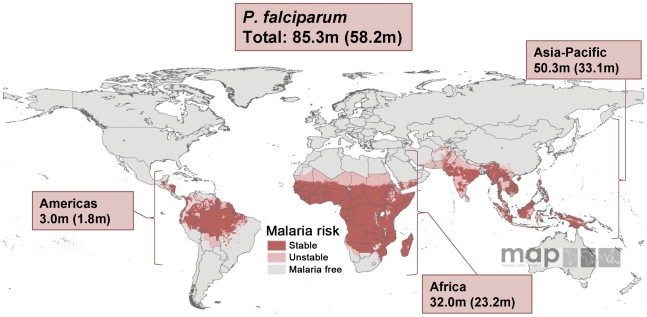
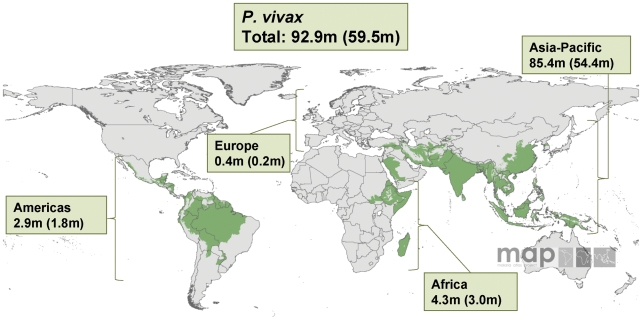
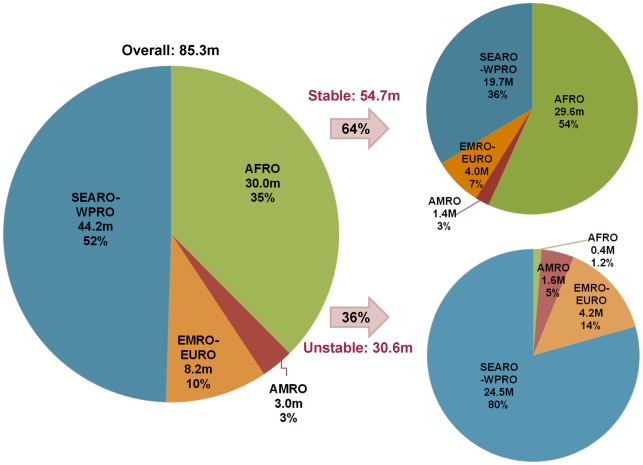
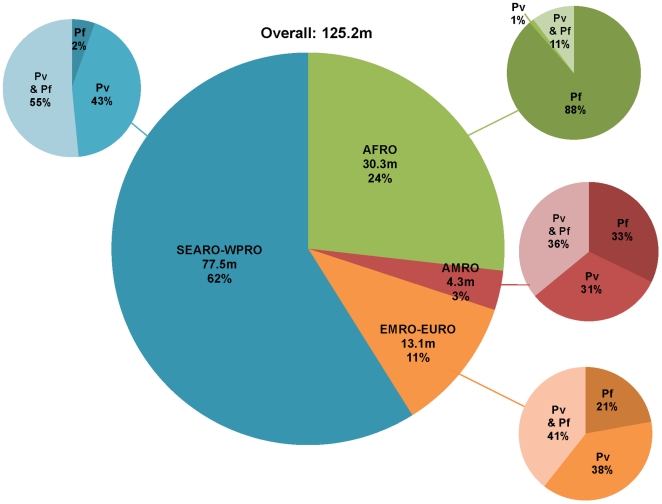
BACKGROUND: Comprehensive and contemporary estimates of the number of pregnancies at risk of malaria are not currently available, particularly for endemic areas outside of Africa. We derived global estimates of the number of women who became pregnant in 2007 in areas with Plasmodium falciparum and P. vivax transmission. METHODS AND FINDINGS: A recently published map of the global limits of P. falciparum transmission and an updated map of the limits of P. vivax transmission were combined with gridded population data and growth rates to estimate total populations at risk of malaria in 2007. Country-specific demographic data from the United Nations on age, sex, and total fertility rates were used to estimate the number of women of child-bearing age and the annual rate of live births. Subregional estimates of the number of induced abortions and country-specific stillbirths rates were obtained from recently published reviews. The number of miscarriages was estimated from the number of live births and corrected for induced abortion rates. The number of clinically recognised pregnancies at risk was then calculated as the sum of the number of live births, induced abortions, spontaneous miscarriages, and stillbirths among the population at risk in 2007. In 2007, 125.2 million pregnancies occurred in areas with P. falciparum and/or P. vivax transmission resulting in 82.6 million live births. This included 77.4, 30.3, 13.1, and 4.3 million pregnancies in the countries falling under the World Health Organization (WHO) regional offices for South-East-Asia (SEARO) and the Western-Pacific (WPRO) combined, Africa (AFRO), Europe and the Eastern Mediterranean (EURO/EMRO), and the Americas (AMRO), respectively. Of 85.3 million pregnancies in areas with P. falciparum transmission, 54.7 million occurred in areas with stable transmission and 30.6 million in areas with unstable transmission (clinical incidence <1 per 10,000 population/year); 92.9 million occurred in areas with P. vivax transmission, 53.0 million of which occurred in areas in which P. falciparum and P. vivax co-exist and 39.9 million in temperate regions with P. vivax transmission only. CONCLUSIONS: In 2007, 54.7 million pregnancies occurred in areas with stable P. falciparum malaria and a further 70.5 million in areas with exceptionally low malaria transmission or with P. vivax only. These represent the first contemporary estimates of the global distribution of the number of pregnancies at risk of P. falciparum and P. vivax malaria and provide a first step towards a more informed estimate of the geographical distribution of infection rates and the corresponding disease burden of malaria in pregnancy.
Overview
The claims and statistics of this paper haven’t been checked yet.
Free: it reads the open-access text and checks the first 5 claims that cite a source we can check. Create a free account to check every claim.
Integrity signals
Registry
Cites
Statistics
Figures
Verification
Claims the paper makes
The claims and statistics of this paper haven’t been checked yet.
Free: it reads the open-access text and checks the first 5 claims that cite a source we can check. Create a free account to check every claim.
Claims other papers make about this one
Each is checked against this paper’s own text: does it say what the citing paper says it does?
The cited source doesn’t support the claim as written.
In the citing paper
“Previous estimates of pregnancies at risk of malaria have used the same metric [20, 38]”
From Global estimates of pregnancies at risk of Plasmodium falciparum and Plasmodium vivax infection in 2020 and changes in risk patterns since 2000 (2022) · cites this paper as [20]
Checked by a reasoning model — may be wrong.
Experimental — accuracy not yet measuredThe source backs part of the claim, not all of it — or backs it for a different population, condition or comparison.
In the citing paper
“In the absence of an effective vaccine, malaria during pregnancy remains a significant public health problem [19].”
From Current update on malaria in pregnancy: a systematic review (2025) · cites this paper as [19]
Experimental — accuracy not yet measuredThe source backs part of the claim, not all of it — or backs it for a different population, condition or comparison.
In the citing paper
“In addition, the genetic diversity of P.vivax is remarkable, with the existence of different haplotypes (groups of genetic variations) and the ability to develop at lower temperatures, in contrast to the lower genetic diversity observed in P.falciparum.”
From Current update on malaria in pregnancy: a systematic review (2025) · cites this paper as [163]
Experimental — accuracy not yet measuredThe source backs part of the claim, not all of it — or backs it for a different population, condition or comparison.
In the citing paper
“A phylogenetic analysis examining the evolutionary relationships between the organisms shows that the P.vivax population is globally distributed among pregnant women [163–166].”
From Current update on malaria in pregnancy: a systematic review (2025) · cites this paper as [163]
Experimental — accuracy not yet measuredThe source backs part of the claim, not all of it — or backs it for a different population, condition or comparison.
In the citing paper
“Interestingly, P.falciparum has been linked to specific genotypes associated with asymptomatic infections at the time of delivery.”
From Current update on malaria in pregnancy: a systematic review (2025) · cites this paper as [164]
Experimental — accuracy not yet measured
15 more claims about this paper
Create a free account to see every claim other papers make about this one.
Self-check
Percentages, sums and reported differences re-computed from the paper’s own numbers.
The self-check needs the paper’s full text.
Citations
Cites
The global distribution of clinical episodes of Plasmodium falciparum malaria
Snow, R. W., Guerra, C. A., Noor, A. M., Myint, H. Y., & Hay, S. I. (2005) · Nature · doi:10.1038/nature03342 · Cited by 2,741 · cited 2×
“falciparum [12] due to its global epidemiological significance [13] and better prospects for its control and local elimination [14].”
BackgroundMethodSelf-citationDivision, U. P. (1991) · Cited by 1,434
Epidemiology and burden of malaria in pregnancy
Desai, M., ter Kuile, F. O., Nosten, F., McGready, R., Asamoa, K., Brabin, B., & Newman, R. D. (2007) · The Lancet Infectious Diseases · doi:10.1016/s1473-3099(07)70021-x · Cited by 1,432 · cited 2×
“Although malaria in pregnancy is associated with miscarriages and stillbirths [30], the majority of the health and economic burden is likely through the impact on pregnancies that result in live births by increasing the risk of preterm births and low birth-weight [30] and by modifying the susceptibility to malaria in…”
BackgroundA new world malaria map: Plasmodium falciparum endemicity in 2010
Gething, P. W., Patil, A. P., Smith, D. L., Guerra, C. A., Elyazar, I. R., Johnston, G. L., Tatem, A. J., & Hay, S. I. (2011) · Malaria Journal · doi:10.1186/1475-2875-10-378 · Cited by 1,146
Self-citationThe global distribution and population at risk of malaria: past, present, and future
Hay, S. I., Guerra, C. A., Tatem, A. J., Noor, A. M., & Snow, R. W. (2004) · The Lancet Infectious Diseases · doi:10.1016/s1473-3099(04)01043-6 · Cited by 1,001 · cited 3×
“It is the major cause of malaria in much of Asia and Latin America [6] [7], and recent evidence has shown that P. vivax infections are far from benign and can result in significant morbidity in pregnant women with serious consequences for maternal and infant health [8] [9] [10].”
BackgroundSelf-citationSnow, R. W., Craig, M., Deichmann, U., & Marsh, K. (1999) · PubMed · Cited by 735
Self-citationA World Malaria Map: Plasmodium falciparum Endemicity in 2007
Hay, S. I., Guerra, C. A., Gething, P. W., Patil, A. P., Tatem, A. J., Noor, A. M., Kabaria, C. W., Manh, B. H., Elyazar, I. R. F., Brooker, S., et al. (2009) · PLoS Medicine · doi:10.1371/journal.pmed.1000048 · Cited by 505 · cited 8×
“falciparum transmission intensity model of risk within the defined stable limits which was developed recently by the Malaria Atlas Project [31], allowing disease impact calculations across multiple transmission strata to be made.”
BackgroundInfluentialSelf-citationStillbirth rates: delivering estimates in 190 countries
Stanton, C., Lawn, J. E., Rahman, H., Wilczynska-Ketende, K., & Hill, K. (2006) · The Lancet · doi:10.1016/s0140-6736(06)68586-3 · Cited by 495 · cited 1×
“[25] that derived data from vital registration, demographic and health surveys (DHS), and data from study reports integrated into a regression model.”
MethodDetermining Global Population Distribution: Methods, Applications and Data
Balk, D. L., Deichmann, U., Yetman, G., Pozzi, F., Hay, S. I., & Nelson, A. (2006) · Advances in Parasitology · doi:10.1016/s0065-308x(05)62004-0 · Cited by 490 · cited 2×
“The Global Rural-Urban Mapping Project (GRUMP) alpha version provides gridded population counts and population density estimates for the years 1990, 1995, and 2000, both adjusted and unadjusted to the United Nations’ national population estimates [11,20].”
BackgroundMethodInduced abortion: estimated rates and trends worldwide
Sedgh, G., Henshaw, S., Singh, S., Åhman, E., & Shah, I. H. (2007) · The Lancet · doi:10.1016/s0140-6736(07)61575-x · Cited by 474
Research works printed but not linked: 3
- United Nations Children's Fund 1998 The state of the world's children New York Oxford University Press
- Leridon H 1977 Human fertility: the basic components (Table 4.20) Chicago University of Chicago Press
- Hammerslough CR 1992 Estimating the probability of spontaneous abortion in the presence of induced abortion and vice versa. Public Health Rep 107 269 277 1594736 PMC1403646
Cited by
Items 301–400 of 486
Musoke, D., Ndejjo, R., Wafula, S. T., Kasasa, S., Nakiyingi‐Miiro, J., & Musoke, M. B. (2021) · African Health Sciences · doi:10.4314/ahs.v21i4.28 · Cited by 15
Use of artemether–lumefantrine to treat malaria during pregnancy: what do we know and need to know?
Mutabingwa, T. K., & Adam, I. (2013) · Expert Review of Anti-infective Therapy · doi:10.1586/eri.12.169 · Cited by 14
Case Report: Birth Outcome and Neurodevelopment in Placental Malaria Discordant Twins
Conroy, A. L., Bangirana, P., Muhindo, M. K., Kakuru, A., Jagannathan, P., Opoka, R. O., Liechty, E. A., Nakalembe, M., Kamya, M. R., Dorsey, G., et al. (2019) · American Journal of Tropical Medicine and Hygiene · doi:10.4269/ajtmh.18-0659 · Cited by 11
Epuitai, J., Ndeezi, G., Nabirye, R. C., Kabiri, L., Mukunya, D., Tumuhamye, J., Oguttu, F., & Tumwine, J. K. (2024) · Malaria Journal · doi:10.1186/s12936-024-05187-4 · Cited by 10
Khattab, A., Kremsner, P. G., & Meri, S. (2012) · Placenta · doi:10.1016/j.placenta.2012.11.030 · Cited by 12
Takyi, A., Carrara, V. I., Dahal, P., Przybylska, M., Harriss, E., Insaidoo, G., Barnes, K. I., Guerin, P. J., & Stepniewska, K. (2023) · PLOS Global Public Health · doi:10.1371/journal.pgph.0002059 · Cited by 11
Outcomes of asymptomatic malaria parasitaemia in neonates in a tertiary hospital, southeast Nigeria
Onoh, R., Nwali, M. I., Umeora, O., Ozumba, B. C., Agwu, U. M., & Agboeze, J. (2014) · Nigerian Medical Journal · doi:10.4103/0300-1652.132063 · Cited by 12
McLean, A. R. D., Boel, M. E., McGready, R. M., Ataíde, R., Drew, D. R., Tsuboi, T., Beeson, J. G., Nosten, F. H., Simpson, J. A., & Fowkes, F. J. I. (2016) · Scientific Reports · doi:10.1038/srep32159 · Cited by 11
Omosun, Y., Blackstock, A. J., Gatei, W., Hightower, A. W., van Eijk, A. M., Ayisi, J., Otieno, J. A., Lal, R. B., Steketee, R. W., Nahlen, B. L., et al. (2012) · PLoS ONE · doi:10.1371/journal.pone.0038617 · Cited by 10
“In sub-Saharan Africa, it is estimated that 32 million pregnant women are at risk for Plasmodium falciparum infection annually [1].”
BackgroundTreatment regimens for pregnant women with falciparum malaria
Moore, B. R., Salman, S., & Davis, T. M. E. (2016) · Expert Review of Anti-infective Therapy · doi:10.1080/14787210.2016.1202758 · Cited by 11
“An estimated 125 million pregnancies occurred in malaria-endemic regions in 2007, of which 85 million were in geographical areas in which Plasmodium falciparum is transmitted [2,3].”
BackgroundUnger, H. W., Cates, J., Gutman, J., Briand, V., Fiévet, N., Valéa, I., Tinto, H., D’Alessandro, U., Landis, S., Adu‐Afarwuah, S., et al. (2016) · BMJ Open · doi:10.1136/bmjopen-2016-012697 · Cited by 15
“vivax.(1) Malaria contributes to the high burden of maternal morbidity and mortality in these settings and may affect placental development and fetal growth.”
BackgroundSelf-citationHill, J., Ouma, P., Oluoch, S., Bruce, J., Kariuki, S., Desai, M. R., & Webster, J. (2020) · Malaria Journal · doi:10.1186/s12936-020-03505-0 · Cited by 11
de Souza, R. M., AtaÃde, R., Dombrowski, J. G., Ippólito, Aitken, E. H., do Valle, S. D. C. N., Álvarez, J. M., Epiphânio, S., & Marinho, C. R. F. (2013) · PLoS neglected tropical diseases · doi:10.1371/annotation/28901e80-13ad-4cae-99e8-8d54625743b6 · Cited by 10
Diagnosis of placental malaria in poorly fixed and processed placental tissue
Liu, Y., Griffin, J. B., Muehlenbachs, A., Rogerson, S. J., Bailis, A. J., Sharma, R., Sullivan, D. J., Tshefu, A. K., Landis, S. H., Kabongo, J.-M. M., et al. (2016) · Malaria Journal · doi:10.1186/s12936-016-1314-6 · Cited by 9
“3 million pregnancies occurring annually in Plasmodium falciparum-endemic areas [1, 2].”
BackgroundFelician, E. K., Ngoda, O. A., Jahanpour, O. F., Kahima, J., Msuya, S. E., & Lukambagire, A. S. (2022) · East African Health Research Journal · doi:10.24248/eahrj.v6i2.695 · Cited by 10
Iriemenam, N. C., Pandey, J. P., Williamson, J. M., Blackstock, A. J., Yesupriya, A., Namboodiri, A. M., Rocca, K. M., van Eijk, A. M., Ayisi, J., Oteino, J., et al. (2013) · PLoS ONE · doi:10.1371/journal.pone.0053948 · Cited by 11
“After digestion with Fnu4HI and the fragments separated on 8% polyacrylamide gel, the following products corresponding to the three genotypes were detected: GM6[+] (206-bp fragment), GM6[+/2] (206-bp, 110-bp and 96-bp fragment) and GM6[2] (110-bp and 96-bp fragment) (Figure 1).”
BackgroundMethodOkoli, C. I., Hajizadeh, M., Rahman, M. M., & Khanam, R. (2021) · Malaria Journal · doi:10.1186/s12936-021-03834-8 · Cited by 9
“Despite this evidence and the ongoing efforts to eliminate malaria, the use of intermittent preventive treatment in pregnancy (IPTp) is still insufficient [3, 6, 8].”
BackgroundLozano, J. M., Lesmes, L. P., Carreño, L. F., Gallego-López, G. M., & Patarroyo, M. E. (2010) · Molecules · doi:10.3390/molecules15128856 · Cited by 9
“The majority of deaths from malaria are due to Plasmodium falciparum, the disease’s most virulent causative agent, being its life cycle remarkably complex [1].”
BackgroundOdongo, C. O., Bisaso, K. R., Kitutu, F. E., Obua, C., & Byamugisha, J. K. (2015) · Malaria Journal · doi:10.1186/s12936-015-0702-7 · Cited by 9
“Whereas antenatal care (ANC) clinics have the potential to effectively serve as delivery platforms for malaria control interventions in pregnancy, access to quality ANC remains a challenge in many African settings [13-15].”
BackgroundInfluentialBabakhanyan, A., Tutterrow, Y. L., Bobbili, N., Salanti, A., Wey, A. R., Fogako, J., LEKE, R. J. I., Leke, R. G. F., & Taylor, D. W. (2015) · American Journal of Tropical Medicine and Hygiene · doi:10.4269/ajtmh.15-0521 · Cited by 10
Mbuyi, M. L. T., Bouyou-Akotet, M. K., & Mawili-Mboumba, D. P. (2014) · Malaria Research and Treatment · doi:10.1155/2014/486042 · Cited by 11
“) falciparum has adverse effects on pregnancy and about a quarter of pregnant women present placental infection at delivery [2, 3].”
Marchesini, P. B., Costa, F. T. M., & Marinho, C. R. F. (2014) · Memórias do Instituto Oswaldo Cruz · doi:10.1590/0074-0276140047 · Cited by 13
“Key words: malaria - pregnancy - epidemiology - control - Brazil Approximately 125 million pregnant women worldwide are exposed to the risks of malaria in pregnancy (MiP) each year, resulting in 200,000 infant deaths (Steketee et al. 2001, Dellicour et al. 2010).”
BackgroundBatran, S. A.-E., Salih, M. M., Elhassan, E. M., Mohmmed, A. A., & Adam, I. (2013) · Diagnostic Pathology · doi:10.1186/1746-1596-8-189 · Cited by 9
“Background Malaria is a big public health problem in tropical countries, especially in sub-Saharan African countries where around 125 million pregnant women live in malaria-endemic areas and 32 million of these are at risk of the disease [1,2].”
BackgroundNdwiga, T., Kei, R. M., & Dancan, O. W. (2014) · Open Journal of Preventive Medicine · doi:10.4236/ojpm.2014.46055 · Cited by 9
“In 2007, there were about 32 million pregnancies in malaria-endemic areas in sub-Saharan Africa [9].”
BackgroundProspective study of malaria in pregnancy, placental and congenital malaria in Northwest Colombia
Cardona-Arias, J. A., & Carmona-Fonseca, J. (2024) · Malaria Journal · doi:10.1186/s12936-024-04948-5 · Cited by 8
Prevalence of Malaria Infection in Pregnant Women Attending Antenatal Clinics in Southern Senegal
Diouf, M. P., Kande, S., Oboh, M. A., Manga, I. A., Tairou, F., Seck, A. M., Diallo, A., Lô, A. C., Sow, D., Sylla, K., et al. (2024) · American Journal of Tropical Medicine and Hygiene · doi:10.4269/ajtmh.23-0164 · Cited by 11
Development of vaccines to prevent malaria in pregnant women: WHO MALVAC meeting report
Menéndez, C., Moorthy, V., Reed, Z. H., Bardají, A., Alonso, P. L., & Brown, G. V. (2011) · Expert Review of Vaccines · doi:10.1586/erv.11.95 · Cited by 8
Erhabo, O., Abdullahi, A. G., Tosan, E., & Charles, A. T. (2019) · Obstetrics & Gynecology International Journal · doi:10.15406/ogij.2019.10.00454 · Cited by 12
Howard, N., Enayatullah, S., Mohammad, N., Mayan, I., Shamszai, Z., Rowland, M., & Leslie, T. J. (2015) · Malaria Journal · doi:10.1186/s12936-015-0964-0 · Cited by 11
“Though less documented, growing literature on vivax infection in pregnancy indicates considerable risk and approximately 71 million pregnancies in vivaxendemic areas globally [1, 4, 6, 9–15].”
BackgroundThe Impact ofPlasmodiumInfection on Placental Histomorphology: A Stereological Preliminary Study
Ahenkorah, J., Tetteh‐Quarcoo, P. B., Nuamah, M. A., Kwansa‐Bentum, B., Nuamah, H. G., Hottor, B. A., Korankye, E., Torto, M., Ntumy, M. Y., & Addai, F. K. (2019) · Infectious Diseases in Obstetrics and Gynecology · doi:10.1155/2019/2094560 · Cited by 12
Smith, C. D. M., Russ, B. N., Andrew, A. K., Cooper, C. A., & Moore, J. M. (2019) · Scientific Reports · doi:10.1038/s41598-019-55588-8 · Cited by 8
Piperaquine Exposure Is Altered by Pregnancy, HIV, and Nutritional Status in Ugandan Women
Hughes, E. A., Imperial, M. Z., Wallender, E. K., Kajubi, R., Huang, L., Jagannathan, P., Zhang, N., Kakuru, A., Natureeba, P., Mwima, M. W., et al. (2020) · Antimicrobial Agents and Chemotherapy · doi:10.1128/aac.01013-20 · Cited by 8
“An estimated 40 to 50 million African women are at risk of malaria infection during pregnancy each year (1, 2).”
BackgroundAfutu, L. L., Boampong, J. N., & Quashie, N. B. (2020) · Journal of Tropical Pediatrics · doi:10.1093/tropej/fmaa120 · Cited by 9
Time series analysis of malaria in pregnancy, using wavelet and SARIMAX models
Oniyelu, D. O., Folorunsho, O., Adewole, L. B., Bakare, E. A., Okoronkwo, C., Eze, N. C., & with ICAMMDA Team (2025) · PLoS ONE · doi:10.1371/journal.pone.0328888 · Cited by 10
“In support with [81] the coherence between MIP and MC at these frequencies indicates synchronized malaria transmission patterns, of which MIP was seen to often preceding MC peaks.”
Challe, D. P., Francis, F. T., Seth, M. D., Tupa, J. B., Madebe, R. A., Mandara, C. I., Kigadye, E. S., Makene, V. W., & Ishengoma, D. S. (2025) · Malaria Journal · doi:10.1186/s12936-025-05506-3 · Cited by 7
CCR5 contributes to adverse outcomes during malaria in pregnancy
Cariaco, Y., Durán-Rodríguez, A. T., Almeida, M. P. O., & Silva, N. M. (2022) · Cytokine · doi:10.1016/j.cyto.2022.156110 · Cited by 8
Boateng, E. Y., Anyormi, G. E., Otoo, J., & Abaye, D. A. (2018) · Applied Informatics · doi:10.1186/s40535-018-0057-6 · Cited by 10
Sinyange, D., Nawa, M., Mutale, L. S., Mumbole, H., Hamainza, B., & Sialubanje, C. (2023) · BMJ Open · doi:10.1136/bmjopen-2023-073287 · Cited by 9
A renewed focus on preventing malaria in pregnancy
Ferenchick, E. K., Roman, E., Wolf, K., Florey, L., Youll, S., Mangiaterra, V., Agarwal, K., & Gutman, J. (2018) · Reproductive Health · doi:10.1186/s12978-018-0573-9 · Cited by 9
Malpass, A., Chinkhumba, J., Davlantes, E. A., Munthali, J., Wright, K. D., Ramsey, K., Troell, P., Kayange, M., Kachale, F., Mathanga, D. P., et al. (2020) · Malaria Journal · doi:10.1186/s12936-020-03228-2 · Cited by 7
Alim, A., Bilal, N. E., Abass, A., Elhassan, E. M., Mohmmed, A. A., & Adam, I. (2015) · Diagnostic Pathology · doi:10.1186/s13000-015-0275-3 · Cited by 9
“In subSaharan Africa, approximately 125 million pregnant women live in malaria-endemic areas and 32 million of these pregnant women are at risk of malaria [1,2].”
BackgroundOyeyemi, O. T., Sode, O. J., Adebayo, O. D., & Mensah–Agyei, G. O. (2015) · Journal of Infection and Public Health · doi:10.1016/j.jiph.2015.11.012 · Cited by 11
“It has been estimated that approximately 125 million pregnant women reside in malaria-endemic areas, and 32 million of the women in these regions were at risk for malaria toward the end of last decade [1,2].”
BackgroundManirakiza, A., Serdouma, E., Heredeïbona, L. S., Djallé, D., Madji, N., Moyen, J. M., Soula, G., Faou, A. L., & Delmont, J. P. (2012) · BMC Public Health · doi:10.1186/1471-2458-12-482 · Cited by 7
“More than 50 million women live in malaria-endemic areas, of whom 20% become pregnant each year, and half of whom develop complications of pregnancy due to malaria [1,2].”
BackgroundSilver, K., Conroy, A. L., Leke, R. G. F., LEKE, R. J. I., Gwanmesia, P., Molyneux, M. E., Taylor, D. W., Rogerson, S. J., & Kain, K. C. (2011) · PLoS ONE · doi:10.1371/annotation/e9946f72-821d-45ea-bcd4-3fa3ff89a5fe · Cited by 8
Wiemers, P., Graf, I., Addo, M. M., Arck, P., & Diemert, A. (2025) · Seminars in Immunopathology · doi:10.1007/s00281-025-01050-z · Cited by 7
“Every year, approximately 125 million women become pregnant in malaria-endemic regions [ 112 ].”
Georgakopoulou, V., Taskou, C., Sarantaki, A., Spandidos, D. A., Gourounti, K., Chaniotis, D. I., & Beloukas, A. I. (2025) · Experimental and Therapeutic Medicine · doi:10.3892/etm.2025.12924 · Cited by 8
“Every year, 125 million women become pregnant in malaria‑endemic areas (65).”
Tahita, M. C., Tinto, H., Yarga, S., Kazienga, A., Traoré‐Coulibaly, M., Valéa, I., Overmeir, C. V., Rosanas‐Urgell, A., Ouédraogo, J., Guiguemdé, R. T., et al. (2015) · Malaria Journal · doi:10.1186/s12936-015-0769-1 · Cited by 7
Knödler, M., & Buyel, J. F. (2023) · Discover Chemical Engineering · doi:10.1007/s43938-023-00032-7 · Cited by 6
“falciparum malaria [60], and vaccination requires at least one booster dose to achieve an acceptable protection level of > 75%, so Fig.”
BackgroundMostafa, A. G., Bilal, N. E., Abass, A., Elhassan, E. M., Mohmmed, A. A., & Adam, I. (2015) · Malaria Research and Treatment · doi:10.1155/2015/369237 · Cited by 10
“It has been estimated that approximately 125 million pregnant women live in malaria-endemic areas in subSaharan Africa and 32 million of these pregnant women are at risk of malaria [1, 2].”
BackgroundZhao, Q. (2013) · Journal of Bioequivalence & Bioavailability · doi:10.4172/jbb.1000127 · Cited by 6
“Malaria in pregnancy is one of the most common preventable causes of maternal and neonatal mortality and morbidity in developing countries; approximately 125 million pregnancies are at risk every year [1].”
BackgroundOdjidja, E. N., & Đurić, P. (2017) · MalariaWorld journal · doi:10.5281/zenodo.10781314 · Cited by 7
Emiasegen, S. E., Giwa, F. J., Ajumobi, O. O., Ajayi, I. O., & al., E. (2017) · MalariaWorld journal · doi:10.5281/zenodo.10758576 · Cited by 8
Dombrowski, J. G., Acford-Palmer, H., Campos, M., Separovic, E. P. M., Epiphanio, S., Clark, T. G., Campino, S., & Marinho, C. R. F. (2023) · The Lancet Regional Health - Americas · doi:10.1016/j.lana.2022.100407 · Cited by 5
Lawal, O. P., Stephen, J., David, V. O., Ajayi, T. C., Okunola, P., Atiku, N., Sone, P. E., Motilewa, O. O., Panwal, N. E., & Emenekwe, O. U. (2025) · Epidemiology and Health Data Insights · doi:10.63946/ehdi/16655 · Cited by 8
Gemechu, T., Aliyo, A., Husen, O., Jarso, H., & Asefa, L. (2024) · IJID Regions · doi:10.1016/j.ijregi.2024.100475 · Cited by 8
“Malaria is a major concern, with an estimated 125 million pregnancies at risk of malaria infection each year [ 2 ].”
Aregbeshola, B. S., & Khan, S. M. (2017) · Journal of Public Health · doi:10.1007/s10389-017-0877-1 · Cited by 7
“It is estimated that over 30million African women are pregnant yearly (Dellicour et al. 2010); hence, malaria in pregnancy occurs predominantly in Africa (WHO 2016).”
BackgroundAdam, M. B., Adam, G. K., Rayis, D. A., Elbashir, M. I., & Adam, I. (2012) · BMC Clinical Pathology · doi:10.1186/1472-6890-12-10 · Cited by 5
“3 million African women become pregnant in malaria endemic areas [1].”
BackgroundPandya, Y., Marta, A., Barateiro, A., Bandeira, C. L., Dombrowski, J. G., Costa, J., Marinho, C. R. F., & Penha‐Gonçalves, C. (2021) · Infection and Immunity · doi:10.1128/iai.00809-20 · Cited by 9
“Up to 120 million pregnancies occur in regions where women are exposed to stable or low Plasmodium transmission rates (1), and mounting evidence has revealed”
BackgroundPlasmodium vivax malaria among pregnant women in Eastern Sudan
Rayis, D. A., Ahmed, M. A., Omer, E. S. M., & Adam, I. (2016) · Asian Pacific Journal of Tropical Disease · doi:10.1016/s2222-1808(15)61058-1 · Cited by 5
Malaria vaccine development: over 40 years of trials and tribulations
Corradin, G., & Engers, H. D. (2014) · doi:10.2217/fmeb2013.13.233 · Cited by 6
Toure, O., Konan, C. C., Kouame, V., Gbessi, E. A., Soumahoro, A., Bassinka, I., & Jambou, R. (2020) · Tropical parasitology · doi:10.4103/tp.tp_58_19 · Cited by 4
“[2,4] Previous studies estimating the burden of PM in sub‑Saharan Africa have yielded variable findings.”
Esomonu, S. N., Ossai, E. N., Gadzama, D. A., Ashikeni, M. A., & Uzochukwu, B. S. C. (2021) · International Journal of Medicine and Health Development · doi:10.4103/ijmh.ijmh_66_20 · Cited by 4
Hewitt, P. G., Hartmann, A., Tornesi, B. M., Ferry, S., Valentin, J., Désert, P., Gresham, S., Demarta‐Gatsi, C., Venishetty, V. K., & Kolly, C. (2024) · Regulatory Toxicology and Pharmacology · doi:10.1016/j.yrtph.2024.105736 · Cited by 4
Graham, K. J., & Ba-Break, M. M. (2013) · International Health · doi:10.1093/inthealth/iht005 · Cited by 4
Hadiza, K., Rahman, H. A., Hayati, K. S., & Ismaila, U. G. (2015) · Universiti Putra Malaysia Institutional Repository (Universiti Putra Malaysia) · Cited by 5
Ouédraogo, S., Accrombessi, M., Ouattara, A., Massougbodji, A., Dabira, E. D., Sarigda, M., Diallo, I., Zida, A., Nicolas, M., Ouedraogo, L. T., et al. (2022) · Revue d Épidémiologie et de Santé Publique · doi:10.1016/j.respe.2022.07.002 · Cited by 4
Kalubula, M., & Li, X. F. (2016) · Epidemiology Open Access · doi:10.4172/2161-1165.1000236 · Cited by 4
“Introduction Malaria in pregnancy continues to be one of the major global health concerns more especially in malaria-endemic regions where an estimated 30 million pregnancies occur every year [1-3].”
BackgroundWebster, J., Mishra, V. K., Anvikar, A. R., Kuepfer, I., Hoyt, J., Bruce, J., Greenwood, B. M., Chandramohan, D., Valecha, N., & Mishra, N. (2020) · American Journal of Tropical Medicine and Hygiene · doi:10.4269/ajtmh.19-0514 · Cited by 7
“%) inmalaria-endemic regions occur in the Asia-Pacific region each year, of which 28.2 million of those at risk of P. falciparummalaria and 32.9million of those at risk ofP. vivax occur in India.3 The clinical effects ofMiP dependon the level of transmission, the malaria species, and the level of immunity in pregnant…”
BackgroundInfluentialHeng, S., O’Meara, W. P., Simmons, R., & Small, D. S. (2021) · eLife · doi:10.7554/elife.65133 · Cited by 9
Talundzic, E., Scott, S., Owino, S. O., Campo, D. S., Lucchi, N. W., Udhayakumar, V., Moore, J. M., & Peterson, D. S. (2022) · Pathogens · doi:10.3390/pathogens11050520 · Cited by 4
“Nearly 12 million cases of malaria occur in pregnant women every year, resulting in thousands of deaths and adverse birth outcomes [1,2].”
BackgroundNaheda, A., Aqeel, S., Khan, K., Khan, W., & Khan, T. (2022) · Placenta · doi:10.1016/j.placenta.2022.07.017 · Cited by 5
Value of additional chemotherapy for malaria in pregnancy
Walker, P. G. T., & Cairns, M. E. (2015) · The Lancet Global Health · doi:10.1016/s2214-109x(15)70081-1 · Cited by 4
Controlling malaria in pregnancy: how far from the Abuja targets?
Yusuf, O. B., Akinyemi, J. O., Fagbamigbe, A. F., Ajayi, I. O., & al., E. (2016) · MalariaWorld journal · doi:10.5281/zenodo.10798317 · Cited by 7
McLean, A. R. D., Boel, M., McGready, R., Ataide, R., Drew, D., Tsuboi, T., Beeson, J. G., Nosten, F., Simpson, J. A., & Fowkes, F. J. I. (2017) · The American Society of Tropical Medicine and Hygiene · doi:10.4269/ajtmh.16-0690 · Cited by 3
“vivax infection.(2) The increased risk of P.”
Adegbola, A. J., Ogboye, R. M., Ijarotimi, O. A., Ubom, A. E., Adesoji, B. A., & Bolaji, O. O. (2024) · Transactions of the Royal Society of Tropical Medicine and Hygiene · doi:10.1093/trstmh/trae076 · Cited by 6
Akilimali, A., Mufungizi, I., Rasheed, S., TAGUE, C., Shams, Z., Shah, R. J., Richert, W., Siddiqui, H. T., Atif, M. H., Tufail, Z., et al. (2025) · Annals of Medicine and Surgery · doi:10.1097/ms9.0000000000004085 · Cited by 4
“This high impact is largely due to increased physiological vulnerability among these groups, coupled with limited access to preventive and curative services [ 1 , 2 ] .”
Advances in the development of malaria vaccines
Sorgho, H., Rouamba, T., Natama, H. M., & Tinto, H. (2026) · BMJ · doi:10.1136/bmj-2025-084166 · Cited by 5
Evolution of malaria in pregnancy control: Jhpiego's 10‐year contribution
Roman, E., Ngindu, A. M., Orji, B., Zoungrana, J., Robbins, S., & Brieger, W. R. (2015) · International Journal of Gynecology & Obstetrics · doi:10.1016/j.ijgo.2015.03.009 · Cited by 3
Complement and Malaria in Pregnancy
Weckman, A. M., Tran, V., & Kain, K. C. (2018) · Springer eBooks · doi:10.1007/978-3-319-77258-5_5 · Cited by 3
Akinbo, F. O., Alabi, L. O., & Aiyeyemi, J. A. (2019) · African Journal of Clinical and Experimental Microbiology · doi:10.4314/ajcem.v20i2.6 · Cited by 5
Onoja, H., Nduka, F. O., & Abah, A. E. (2022) · African Health Sciences · doi:10.4314/ahs.v22i2.22 · Cited by 3
Azeez, M. M., & Akinbo, F. O. (2022) · Biomedical and Biotechnology Research Journal (BBRJ) · doi:10.4103/bbrj.bbrj_255_21 · Cited by 4
Cardona‐Arias, J. A., Higuita‐Gutiérrez, L. F., & Carmona‐Fonseca, J. (2024) · Malaria Journal · doi:10.1186/s12936-024-05046-2 · Cited by 4
Birgersson, S., Valéa, I., Tinto, H., Traoré‐Coulibaly, M., Toe, L. C., Hoglund, R. M., Geertruyden, J. V., Ward, S. A., D’Alessandro, U., Äbelö, A., et al. (2019) · Wellcome Open Research · doi:10.12688/wellcomeopenres.14849.1 · Cited by 5
Groß, K. (2012) · edoc (University of Basel) · doi:10.5451/unibas-005968841 · Cited by 3
Editorial Commentary: Preventing Malaria in HIV-Infected Pregnant Women
Bulterys, P. L., Kaplan, J. E., & Gutman, J. (2013) · Clinical Infectious Diseases · doi:10.1093/cid/cit805 · Cited by 3
“are at risk of acquiring Plasmodium falciparum malaria every year [2].”
BackgroundDesai, M. R., & Cot, M. (2015) · Springer eBooks · doi:10.1007/978-1-4614-8326-7_62 · Cited by 6
Akinbo, F. O., Abiodun, F. O., Omoregie, R., Omoruyi, Z., & Oriakhi, M. O. (2022) · Zahedan Journal of Research in Medical Sciences · doi:10.5812/zjrms-106128 · Cited by 2
“An estimated 85 million pregnancies were reported in the areas of endemic Plasmodium falciparum infection (5).”
BackgroundLissom, A., Megnekou, R., Tchouangueu, T. F., Ngu, L., Djontu, J. C., Ouambo, H. F., Sanders, C. A., Tchadji, J., Sake, C. S., Tchuandom, S. B., et al. (2024) · Scandinavian Journal of Immunology · doi:10.1111/sji.13404 · Cited by 2
Goyal, K., Sehgal, A., Gautam, C. S., & Sehgal, R. (2016) · InTech eBooks · doi:10.5772/66342 · Cited by 2
“Approximately, 75 million women became pregnant in the Asia‐ Pacific region in 2007 [4].”
BackgroundKin, A., Olusola, L. F., Idris, A., & Mahmud, Y. (2019) · Journal of Biology and Life Science · doi:10.5296/jbls.v10i2.15344 · Cited by 2
Do Antibodies to Malaria Surface Antigens Play a Role in Protecting Mothers From Maternal Anemia?
Wiebe, M., & Yanow, S. K. (2020) · Frontiers in Immunology · doi:10.3389/fimmu.2020.609957 · Cited by 2
“Pregnant women are especially vulnerable to malaria compared to non-pregnant adults in Africa (1) and 11 million pregnancies are at risk for complications from pregnancy-associated malaria (PAM) on this continent (2) in addition to those in lower transmission regions elsewhere (3).”
BackgroundDuffy, P. E., Healy, S. A., Gorres, J. P., & Fried, M. (2019) · Elsevier eBooks · doi:10.1016/b978-0-12-814582-1.00015-2 · Cited by 2
PARASITE-BASED DIAGNOSIS OF MALARIA IN PREGNANT WOMEN IN A TERTIARY HOSPITAL IN SOUTHWEST NIGERIA.
Adesina-Adewole, B., Olusola, F. I., Adedapo, A. D. A., & Falade, C. (2021) · PubMed Central · Cited by 2
Wini, L., Appleyard, B., Bobogare, A., & Pikacha, J. (2013) · MalariaWorld journal · doi:10.5281/zenodo.10894953 · Cited by 4
Nwachukwu, E. (2018) · Pharmacy & Pharmacology International Journal · doi:10.15406/ppij.2018.06.00150 · Cited by 2
“The risk of maternal death also increases considerably as a pregnant woman suffering from malaria is likely to develop severe maternal anaemia [3].”
BackgroundGutman, J. (2012) · Clinical Infectious Diseases · doi:10.1093/cid/cis604 · Cited by 2
“Division of Parasitic Diseases and Malaria, Malaria Branch, Centers for Disease Control and Prevention, Atlanta, Georgia Each year, approximately 32 million pregnancies occur in malaria-endemic areas of Africa [1].”
BackgroundInfluentialPathogenesis of Malarial Parasites in Humans
Chua, C. L. L., Ataíde, R., Umbers, A. J., & Boeuf, P. (2015) · Wiley eBooks · doi:10.1002/9781118644843.ch21 · Cited by 3
Current Challenges and Research Gaps
Menéndez, C., Ferenchick, E. K., Bardají, A., & Mangiaterra, V. (2015) · Springer eBooks · doi:10.1007/978-1-4614-8326-7_73 · Cited by 3
Bardají, A., & Espinosa, F. E. M. (2015) · Springer eBooks · doi:10.1007/978-1-4614-8326-7_63 · Cited by 2
Metadata
- Authors
- Dellicour, S., Tatem, A. J., Guerra, C. A., Snow, R. W., & ter Kuile, F. O.
- Affiliations
- Liverpool School of Tropical Medicine (GB)
- Kenya Medical Research Institute (KE)
- Venue
- PLoS Medicine
- Publisher
- Public Library of Science (PLoS)
- Published
- 2010-01-26
- Volume
- 7
- Issue
- 1
- Pages
- e1000221
- ISSN
- 1549-1277 (ISSN-L)
- 1549-1676
- PMC
- PMC2811150
- OpenAlex
- W2150567785
- Cited by
- 490
- References
- 33
- Citations by year
- 2026: 6 · 2025: 11 · 2024: 16 · 2023: 12 · 2022: 19 · 2021: 20 · 2020: 36 · 2019: 45 · 2018: 38 · 2017: 37 · 2016: 37 · 2015: 56 · 2014: 45 · 2013: 37 · 2012: 39
- FWCI
- 35.63
- Type
- journal article
- Language
- en
- Open access
- gold
- doi.org
- Locations
- PLoS Medicine (publishedVersion, cc-by)
- PubMed Central (publishedVersion, cc-by)
- PubMed (publishedVersion)
- LSTM Online Archive (Liverpool School of Tropical Medicine) (acceptedVersion)
- ePrints Soton (University of Southampton) (acceptedVersion)
- Data Archiving and Networked Services (DANS) (submittedVersion)
- UvA-DARE (University of Amsterdam) (submittedVersion, other-oa)
- DOAJ (DOAJ: Directory of Open Access Journals) (submittedVersion, cc-by-sa)
- Figshare (submittedVersion, cc-by)
- Data Archiving and Networked Services (DANS) (submittedVersion, other-oa)
- Greater South Information System
- Funders
- Bill and Melinda Gates Foundation (49446)
- Wellcome Trust (079080, 079091)
- Topics
- Health Sciences › Medicine › Public Health, Environmental and Occupational Health › Malaria Research and Control
- Health Sciences › Medicine › Pediatrics, Perinatology and Child Health › Global Maternal and Child Health
- Health Sciences › Medicine › Public Health, Environmental and Occupational Health › Reproductive Health and Contraception
- Keywords
- malaria in pregnancy, Plasmodium falciparum, Plasmodium vivax, women of child-bearing age, live birth, abortion, stillbirth, miscarriage, WHO regions, Southeast Asia, western Pacific, Africa, Americas
- MeSH terms
- Abortion, Spontaneous, Abortion, Induced, Female, Humans, Malaria, Plasmodium falciparum, Plasmodium vivax, Pregnancy, Pregnancy Outcome, Risk, Pregnancy Complications, Parasitic, Incidence
About these checks
Registry, retraction, Cites and statistics results are computed, not judged, with one exception: a printed reference that no index lists is read once by a model before it counts as a citation error. Claims are extracted by a model and kept only when their quote appears verbatim in the text; each cited source is then checked, with a model’s help, for whether it says what the claim relies on. Those verdicts can be wrong — read the claim’s quote and the cited source before relying on one.
Statistics and arithmetic are recomputed, not judged.
Confidence bands are shown only for fields calibrated on our annotated test set. None is calibrated yet, so no band is shown.
What counts as a claim ›How we measure confidence ›How we check this ›
Are you an author, or do you see a problem with this page? Request a review
Data sources
Bibliographic data: Semantic Scholar, OpenAlex, Crossref.
Contains information from the Semantic Scholar Academic Graph Datasets, made available under the ODC Attribution License (ODC-BY 1.0).
Semantic Scholar’s data is described in: Kinney, R., et al. (2023). The Semantic Scholar Open Data Platform. arXiv:2301.10140.
