

Quantifying the Number of Pregnancies at Risk of Malaria in 2007: A Demographic Study
Open accessThe DOI matches its Crossref record; 31 of the 33 references it cites were found in a registry or an index.
Abstract
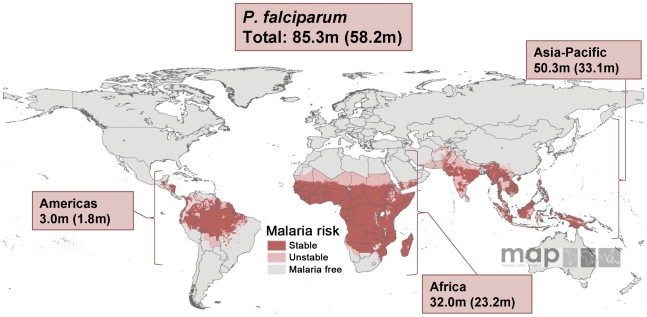
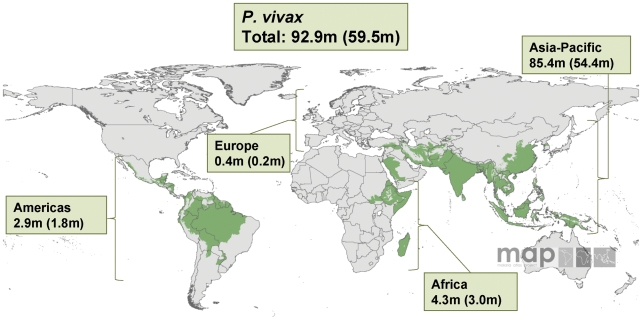
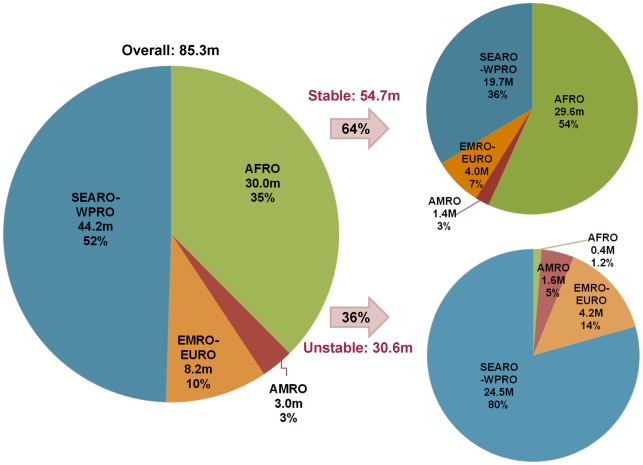
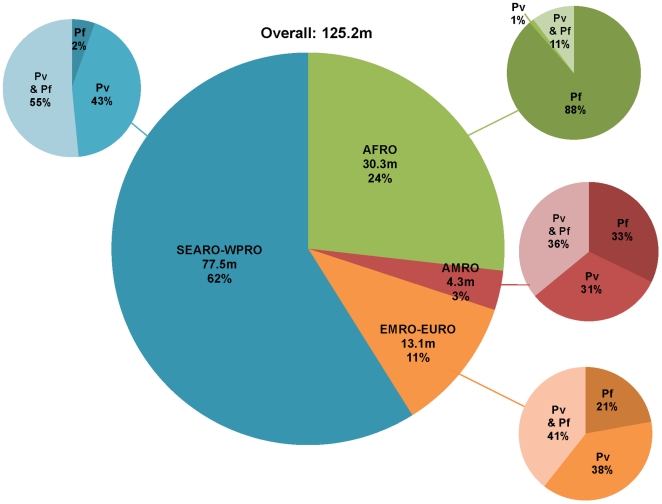
BACKGROUND: Comprehensive and contemporary estimates of the number of pregnancies at risk of malaria are not currently available, particularly for endemic areas outside of Africa. We derived global estimates of the number of women who became pregnant in 2007 in areas with Plasmodium falciparum and P. vivax transmission. METHODS AND FINDINGS: A recently published map of the global limits of P. falciparum transmission and an updated map of the limits of P. vivax transmission were combined with gridded population data and growth rates to estimate total populations at risk of malaria in 2007. Country-specific demographic data from the United Nations on age, sex, and total fertility rates were used to estimate the number of women of child-bearing age and the annual rate of live births. Subregional estimates of the number of induced abortions and country-specific stillbirths rates were obtained from recently published reviews. The number of miscarriages was estimated from the number of live births and corrected for induced abortion rates. The number of clinically recognised pregnancies at risk was then calculated as the sum of the number of live births, induced abortions, spontaneous miscarriages, and stillbirths among the population at risk in 2007. In 2007, 125.2 million pregnancies occurred in areas with P. falciparum and/or P. vivax transmission resulting in 82.6 million live births. This included 77.4, 30.3, 13.1, and 4.3 million pregnancies in the countries falling under the World Health Organization (WHO) regional offices for South-East-Asia (SEARO) and the Western-Pacific (WPRO) combined, Africa (AFRO), Europe and the Eastern Mediterranean (EURO/EMRO), and the Americas (AMRO), respectively. Of 85.3 million pregnancies in areas with P. falciparum transmission, 54.7 million occurred in areas with stable transmission and 30.6 million in areas with unstable transmission (clinical incidence <1 per 10,000 population/year); 92.9 million occurred in areas with P. vivax transmission, 53.0 million of which occurred in areas in which P. falciparum and P. vivax co-exist and 39.9 million in temperate regions with P. vivax transmission only. CONCLUSIONS: In 2007, 54.7 million pregnancies occurred in areas with stable P. falciparum malaria and a further 70.5 million in areas with exceptionally low malaria transmission or with P. vivax only. These represent the first contemporary estimates of the global distribution of the number of pregnancies at risk of P. falciparum and P. vivax malaria and provide a first step towards a more informed estimate of the geographical distribution of infection rates and the corresponding disease burden of malaria in pregnancy.
Overview
The claims and statistics of this paper haven’t been checked yet.
Free: it reads the open-access text and checks the first 5 claims that cite a source we can check. Create a free account to check every claim.
Integrity signals
Registry
Cites
Statistics
Figures
Verification
Claims the paper makes
The claims and statistics of this paper haven’t been checked yet.
Free: it reads the open-access text and checks the first 5 claims that cite a source we can check. Create a free account to check every claim.
Claims other papers make about this one
Each is checked against this paper’s own text: does it say what the citing paper says it does?
The cited source doesn’t support the claim as written.
In the citing paper
“Previous estimates of pregnancies at risk of malaria have used the same metric [20, 38]”
From Global estimates of pregnancies at risk of Plasmodium falciparum and Plasmodium vivax infection in 2020 and changes in risk patterns since 2000 (2022) · cites this paper as [20]
Checked by a reasoning model — may be wrong.
Experimental — accuracy not yet measuredThe source backs part of the claim, not all of it — or backs it for a different population, condition or comparison.
In the citing paper
“In the absence of an effective vaccine, malaria during pregnancy remains a significant public health problem [19].”
From Current update on malaria in pregnancy: a systematic review (2025) · cites this paper as [19]
Experimental — accuracy not yet measuredThe source backs part of the claim, not all of it — or backs it for a different population, condition or comparison.
In the citing paper
“In addition, the genetic diversity of P.vivax is remarkable, with the existence of different haplotypes (groups of genetic variations) and the ability to develop at lower temperatures, in contrast to the lower genetic diversity observed in P.falciparum.”
From Current update on malaria in pregnancy: a systematic review (2025) · cites this paper as [163]
Experimental — accuracy not yet measuredThe source backs part of the claim, not all of it — or backs it for a different population, condition or comparison.
In the citing paper
“A phylogenetic analysis examining the evolutionary relationships between the organisms shows that the P.vivax population is globally distributed among pregnant women [163–166].”
From Current update on malaria in pregnancy: a systematic review (2025) · cites this paper as [163]
Experimental — accuracy not yet measuredThe source backs part of the claim, not all of it — or backs it for a different population, condition or comparison.
In the citing paper
“Interestingly, P.falciparum has been linked to specific genotypes associated with asymptomatic infections at the time of delivery.”
From Current update on malaria in pregnancy: a systematic review (2025) · cites this paper as [164]
Experimental — accuracy not yet measured
15 more claims about this paper
Create a free account to see every claim other papers make about this one.
Self-check
Percentages, sums and reported differences re-computed from the paper’s own numbers.
The self-check needs the paper’s full text.
Citations
Cites
The global distribution of clinical episodes of Plasmodium falciparum malaria
Snow, R. W., Guerra, C. A., Noor, A. M., Myint, H. Y., & Hay, S. I. (2005) · Nature · doi:10.1038/nature03342 · Cited by 2,741 · cited 2×
“falciparum [12] due to its global epidemiological significance [13] and better prospects for its control and local elimination [14].”
BackgroundMethodSelf-citationDivision, U. P. (1991) · Cited by 1,434
Epidemiology and burden of malaria in pregnancy
Desai, M., ter Kuile, F. O., Nosten, F., McGready, R., Asamoa, K., Brabin, B., & Newman, R. D. (2007) · The Lancet Infectious Diseases · doi:10.1016/s1473-3099(07)70021-x · Cited by 1,432 · cited 2×
“Although malaria in pregnancy is associated with miscarriages and stillbirths [30], the majority of the health and economic burden is likely through the impact on pregnancies that result in live births by increasing the risk of preterm births and low birth-weight [30] and by modifying the susceptibility to malaria in…”
BackgroundA new world malaria map: Plasmodium falciparum endemicity in 2010
Gething, P. W., Patil, A. P., Smith, D. L., Guerra, C. A., Elyazar, I. R., Johnston, G. L., Tatem, A. J., & Hay, S. I. (2011) · Malaria Journal · doi:10.1186/1475-2875-10-378 · Cited by 1,146
Self-citationThe global distribution and population at risk of malaria: past, present, and future
Hay, S. I., Guerra, C. A., Tatem, A. J., Noor, A. M., & Snow, R. W. (2004) · The Lancet Infectious Diseases · doi:10.1016/s1473-3099(04)01043-6 · Cited by 1,001 · cited 3×
“It is the major cause of malaria in much of Asia and Latin America [6] [7], and recent evidence has shown that P. vivax infections are far from benign and can result in significant morbidity in pregnant women with serious consequences for maternal and infant health [8] [9] [10].”
BackgroundSelf-citationSnow, R. W., Craig, M., Deichmann, U., & Marsh, K. (1999) · PubMed · Cited by 735
Self-citationA World Malaria Map: Plasmodium falciparum Endemicity in 2007
Hay, S. I., Guerra, C. A., Gething, P. W., Patil, A. P., Tatem, A. J., Noor, A. M., Kabaria, C. W., Manh, B. H., Elyazar, I. R. F., Brooker, S., et al. (2009) · PLoS Medicine · doi:10.1371/journal.pmed.1000048 · Cited by 505 · cited 8×
“falciparum transmission intensity model of risk within the defined stable limits which was developed recently by the Malaria Atlas Project [31], allowing disease impact calculations across multiple transmission strata to be made.”
BackgroundInfluentialSelf-citationStillbirth rates: delivering estimates in 190 countries
Stanton, C., Lawn, J. E., Rahman, H., Wilczynska-Ketende, K., & Hill, K. (2006) · The Lancet · doi:10.1016/s0140-6736(06)68586-3 · Cited by 495 · cited 1×
“[25] that derived data from vital registration, demographic and health surveys (DHS), and data from study reports integrated into a regression model.”
MethodDetermining Global Population Distribution: Methods, Applications and Data
Balk, D. L., Deichmann, U., Yetman, G., Pozzi, F., Hay, S. I., & Nelson, A. (2006) · Advances in Parasitology · doi:10.1016/s0065-308x(05)62004-0 · Cited by 490 · cited 2×
“The Global Rural-Urban Mapping Project (GRUMP) alpha version provides gridded population counts and population density estimates for the years 1990, 1995, and 2000, both adjusted and unadjusted to the United Nations’ national population estimates [11,20].”
BackgroundMethodInduced abortion: estimated rates and trends worldwide
Sedgh, G., Henshaw, S., Singh, S., Åhman, E., & Shah, I. H. (2007) · The Lancet · doi:10.1016/s0140-6736(07)61575-x · Cited by 474
Research works printed but not linked: 3
- United Nations Children's Fund 1998 The state of the world's children New York Oxford University Press
- Leridon H 1977 Human fertility: the basic components (Table 4.20) Chicago University of Chicago Press
- Hammerslough CR 1992 Estimating the probability of spontaneous abortion in the presence of induced abortion and vice versa. Public Health Rep 107 269 277 1594736 PMC1403646
Cited by
Andrews, K. G., Fergus, C. A., Aregawi, M. W., Cibulskis, R. E., & Zamani, G. (2014) · Cited by 571
The role of infection in miscarriage
Giakoumelou, S., Wheelhouse, N., Cuschieri, K., Entrican, G., Howie, S. E. M., & Horne, A. W. (2016) · Human Reproduction Update · doi:10.1093/humupd/dmv041 · Cited by 464
“In another study from Italy, samples from five miscarried fetuses with chorioamnionitis and miscarriages due to chromosomal abnormalities (controls), BK was detected in fetal organs (Boldorini et al., 2010).”
BackgroundIntermittent oral iron supplementation during pregnancy
Peña-Rosas, J. P., De-Regil, L. M., Gomez Malave, H., Flores-Urrutia, M. C., & Dowswell, T. (2015) · Cochrane Database of Systematic Reviews · doi:10.1002/14651858.cd009997.pub2 · Cited by 258
McGready, R., Lee, S., Wiladphaingern, J., Ashley, E., Rijken, M., Boel, M., Simpson, J., Paw, M., Pimanpanarak, M., Mu, O., et al. (2012) · The Lancet Infectious Diseases · doi:10.1016/s1473-3099(11)70339-5 · Cited by 228
Dihydroartemisinin–Piperaquine for the Prevention of Malaria in Pregnancy
Kakuru, A., Jagannathan, P., Muhindo, M. K., Natureeba, P., Awori, P., Nakalembe, M., Opira, B., Olwoch, P., Ategeka, J., Nayebare, P., et al. (2016) · New England Journal of Medicine · doi:10.1056/nejmoa1509150 · Cited by 228
Fried, M., & Duffy, P. E. (2017) · Cold Spring Harbor Perspectives in Medicine · doi:10.1101/cshperspect.a025551 · Cited by 202
Malaria in pregnancy: small babies, big problem
Umbers, A. J., Aitken, E. H., & Rogerson, S. J. (2011) · Trends in Parasitology · doi:10.1016/j.pt.2011.01.007 · Cited by 200
Desai, M., Gutman, J., L'lanziva, A., Otieno, K., Juma, E., Kariuki, S., Ouma, P., Were, V., Laserson, K., Katana, A., et al. (2015) · The Lancet · doi:10.1016/s0140-6736(15)00310-4 · Cited by 198
Chico, R. M., Mayaud, P., Ariti, C., Mabey, D., Ronsmans, C., & Chandramohan, D. (2012) · JAMA · doi:10.1001/jama.2012.3428 · Cited by 194
“Morethan30millionpregnantwomenareat riskof infectioneachyearinsub-SaharanAfrica.(43)Malariaisassociatedwithintrauterinegrowth retardation, preterm delivery, low birth weight,(44,45) stillbirth,(44) early neonatal death,(44) and maternal anemia.”
BackgroundTakem, E. N., & D'Alessandro, U. (2013) · Mediterranean Journal of Hematology and Infectious Diseases · doi:10.4084/mjhid.2013.010 · Cited by 185
“5 million in 2007.(14) In the Asia-Pacific region, the median proportion of women with peripheral infection has been estimated at 15.”
BackgroundMalaria in pregnancy in the Asia-Pacific region
Rijken, M. J., McGready, R., Boel, M. E., Poespoprodjo, R., Singh, N., Syafruddin, D., Rogerson, S., & Nosten, F. (2012) · The Lancet Infectious Diseases · doi:10.1016/s1473-3099(11)70315-2 · Cited by 181
Intermittent oral iron supplementation during pregnancy
Peña-Rosas, J. P., De-Regil, L. M., Dowswell, T., & Viteri, F. E. (2012) · Cochrane Database of Systematic Reviews · doi:10.1002/14651858.cd009997 · Cited by 54
Desai, M., Gutman, J., Taylor, S. M., Wiegand, R. E., Khairallah, C., Kayentao, K., Ouma, P., Coulibaly, S. O., Kalilani, L., Mace, K. E., et al. (2016) · Clinical Infectious Diseases · doi:10.1093/cid/civ881 · Cited by 174
“Each year, approximately 32 million pregnancies in Africa are at risk of Plasmodium falciparum (Pf) infection.[1] Malaria in pregnancy (MiP) is associated with severe anaemia, low birthweight (LBW), and perinatal mortality, primarily during the first and second pregnancies.”
Malaria Distribution, Prevalence, Drug Resistance and Control in Indonesia
Elyazar, I. R. F., Hay, S. I., & Baird, J. K. (2011) · Advances in Parasitology · doi:10.1016/b978-0-12-385897-9.00002-1 · Cited by 167
“vivax transmission (Dellicour et al., 2010).”
BackgroundAn overview of malaria in pregnancy
Bauserman, M., Conroy, A. L., North, K., Patterson, J., Bose, C., & Meshnick, S. (2019) · Seminars in Perinatology · doi:10.1053/j.semperi.2019.03.018 · Cited by 167
Moore, K. A., Simpson, J. A., Scoullar, M. J. L., McGready, R., & Fowkes, F. J. I. (2017) · The Lancet Global Health · doi:10.1016/s2214-109x(17)30340-6 · Cited by 165
Iron Deficiency Anemia: Focus on Infectious Diseases in Lesser Developed Countries
Shaw, J. G., & Friedman, J. F. (2011) · Anemia · doi:10.1155/2011/260380 · Cited by 157
“Much of this excess morbidity and mortality is attributable to malaria [102, 103].”
BackgroundPell, C., Straus, L., Andrew, E. V. W., Meñaca, A., & Pool, R. (2011) · PLoS ONE · doi:10.1371/journal.pone.0022452 · Cited by 159
“In 2007, worldwide, over 125 million pregnancies occurred in areas of malaria transmission [2].”
van Eijk, A. M., Hill, J., Alegana, V. A., Kirui, V., Gething, P. W., ter Kuile, F. O., & Snow, R. W. (2011) · The Lancet Infectious Diseases · doi:10.1016/s1473-3099(10)70295-4 · Cited by 159
Self-citationHuman movement data for malaria control and elimination strategic planning
Pindolia, D. K., Garcia, A. J., Wesolowski, A., Smith, D. L., Buckee, C. O., Noor, A. M., Snow, R. W., & Tatem, A. J. (2012) · Malaria Journal · doi:10.1186/1475-2875-11-205 · Cited by 162
Self-citationvan Eijk, A. M., Larsen, D. A., Kayentao, K., Koshy, G., Slaughter, D. E. C., Roper, C., Okell, L. C., Desai, M., Gutman, J., Khairallah, C., et al. (2019) · The Lancet Infectious Diseases · doi:10.1016/s1473-3099(18)30732-1 · Cited by 160
Walker, P. G. T., ter Kuile, F. O., Garske, T., Menendez, C., & Ghani, A. C. (2014) · The Lancet Global Health · doi:10.1016/s2214-109x(14)70256-6 · Cited by 148
The Potential Contribution of Mass Treatment to the Control of Plasmodium falciparum Malaria
Okell, L. C., Griffin, J. T., Kleinschmidt, I., Hollingsworth, T. D., Churcher, T. S., White, M. J., Bousema, T., Drakeley, C. J., & Ghani, A. C. (2011) · PLoS ONE · doi:10.1371/journal.pone.0020179 · Cited by 146
Kattenberg, J. H., Ochodo, E. A., Boer, K. R., Schallig, H. D., Mens, P. F., & Leeflang, M. M. (2011) · Malaria Journal · doi:10.1186/1475-2875-10-321 · Cited by 138
“falciparum infection during pregnancy is estimated to cause 10,000 maternal deaths each year and annually an estimated 75,000-200,000 infant deaths are linked to malaria in pregnancy (MiP) [1,2,5,6].”
8-Aminoquinoline Therapy for Latent Malaria
Baird, J. K. (2019) · Clinical Microbiology Reviews · doi:10.1128/cmr.00011-19 · Cited by 122
Conroy, A. L., Silver, K., Zhong, K., Rennie, M. Y., Ward, P. A., Sarma, J. V., Molyneux, M. E., Sled, J. G., Fletcher, J. F., Rogerson, S. J., et al. (2013) · Cell Host & Microbe · doi:10.1016/j.chom.2013.01.010 · Cited by 141
“Over 125 million pregnant women are at risk of malaria infection every year (Dellicour et al., 2010).”
BackgroundRadeva-Petrova, D., Kayentao, K., ter Kuile, F. O., Sinclair, D., & Garner, P. (2014) · Cochrane Database of Systematic Reviews · doi:10.1002/14651858.cd000169.pub3 · Cited by 121
Tatem, A. J., Adamo, S. B., Bharti, N., Burgert‐Brucker, C. R., Castro, M. C., Dorélien, A., Fink, G., Linard, C., John, M., Montana, L. S., et al. (2012) · Population Health Metrics · doi:10.1186/1478-7954-10-8 · Cited by 139
Self-citationKajubi, R., Ochieng, T., Kakuru, A., Jagannathan, P., Nakalembe, M., Ruel, T., Opira, B., Ochokoru, H., Ategeka, J., Nayebare, P., et al. (2019) · The Lancet · doi:10.1016/s0140-6736(18)32224-4 · Cited by 136
Heavy metals in miscarriages and stillbirths in developing nations
Amadi, C. N., Igweze, Z. N., & Orisakwe, O. E. (2017) · Middle East Fertility Society Journal · doi:10.1016/j.mefs.2017.03.003 · Cited by 121
van Eijk, A. M., Hill, J., Larsen, D. A., Webster, J., Steketee, R. W., Eisele, T. P., & ter Kuile, F. O. (2013) · The Lancet Infectious Diseases · doi:10.1016/s1473-3099(13)70199-3 · Cited by 127
Moore, K. A., Simpson, J. A., Wiladphaingern, J., Min, A. M., Pimanpanarak, M., Paw, M. K., Raksuansak, J., Pukrittayakamee, S., Fowkes, F. J. I., White, N. J., et al. (2017) · BMC Medicine · doi:10.1186/s12916-017-0877-6 · Cited by 111
“125 million women are at risk of malaria in pregnancy every year [2].”
BackgroundGutman, J., Kalilani, L., Taylor, S., Zhou, Z., Wiegand, R. E., Thwai, K. L., Mwandama, D., Khairallah, C., Madanitsa, M., Chaluluka, E., et al. (2015) · Journal of Infectious Diseases · doi:10.1093/infdis/jiu836 · Cited by 103
“Approximately 32 million women living in malariaendemic areas of Africa become pregnant each year [1].”
BackgroundUnger, H. W., Ome-Kaius, M., Wangnapi, R. A., Umbers, A. J., Hanieh, S., Suen, C. S. L. W., Robinson, L. J., Rosanas-Urgell, A., Wapling, J., Lufele, E., et al. (2015) · BMC Medicine · doi:10.1186/s12916-014-0258-3 · Cited by 102
“2 million pregnant women were at risk of infection in 2007 [6].”
BackgroundTarning, J., Rijken, M. J., McGready, R., Phyo, A. P., Hanpithakpong, W., Day, N. P. J., White, N. J., Nosten, F., & Lindegardh, N. (2012) · Antimicrobial Agents and Chemotherapy · doi:10.1128/aac.05756-11 · Cited by 102
“An estimated 85 million pregnancies occurred in areas with falciparum malaria transmission during 2007 (13).”
BackgroundNew Insights into Acquisition, Boosting, and Longevity of Immunity to Malaria in Pregnant Women
Fowkes, F. J., McGready, R., Cross, N. J., Hommel, M., Simpson, J. A., Elliott, S. R., Richards, J. S., Lackovic, K., Viladpai-Nguen, J., Narum, D., et al. (2012) · The Journal of Infectious Diseases · doi:10.1093/infdis/jis566 · Cited by 101
Large-scale spatial population databases in infectious disease research
Linard, C., & Tatem, A. J. (2012) · International Journal of Health Geographics · doi:10.1186/1476-072x-11-7 · Cited by 103
“Malaria Populations at risk GPW [108,122,123,132,134,135,138], Landscan [109,133], UNEP [107], GRUMP [110,113-115,124,127,128,139]”
InfluentialSelf-citationGlobal investment targets for malaria control and elimination between 2016 and 2030
Patouillard, E., Griffin, J. T., Bhatt, S., Ghani, A. C., & Cibulskis, R. E. (2017) · BMJ Global Health · doi:10.1136/bmjgh-2016-000176 · Cited by 113
Nnamani, P. O., Hansen, S., Windbergs, M., & Lehr, C. (2014) · International Journal of Pharmaceutics · doi:10.1016/j.ijpharm.2014.10.004 · Cited by 107
“These include (i) vector control through the use of insecticide-treated nets (ITNs), indoor residual spraying (IRS) and, in some specific settings, larval control, (ii) chemoprevention for the most vulnerable populations, particularly pregnant women and infants [3-6], (iii) confirmation of malaria diagnosis through”
BackgroundThe impact of maternal malaria on newborns
Hartman, T. K., Rogerson, S. J., & Fischer, P. R. (2010) · Annals of Tropical Paediatrics · doi:10.1179/146532810x12858955921032 · Cited by 99
Kimani, J., Phiri, K., Kamiza, S., Duparc, S., Ayoub, A., Rojo, R., Robbins, J., Orrico, R., & Vandenbroucke, P. (2016) · PLOS ONE · doi:10.1371/journal.pone.0157045 · Cited by 92
“A Phase 3 clinical trial (clinicaltrials.gov identifier: NCT01103063, S1 Text) was undertaken to evaluate the efficacy and safety of IPTp with AZCQ versus IPTp-SP in pregnant women in East and Southern African countries, where SP is the current standard of care and antifolate resistance in P. falciparum was evident.”
BackgroundInfluentialDellicour, S., Sevene, E., McGready, R., Tinto, H., Mosha, D., Manyando, C., Rulisa, S., Desai, M., Ouma, P., Oneko, M., et al. (2017) · PLOS Medicine · doi:10.1371/journal.pmed.1002290 · Cited by 90
“Despite the high burden of malaria in pregnancy, with an estimated 125 million at risk of infection annually in malaria endemic regions globally [49], fewer than 1,700 episodes of firstMeta-analysis of the safety of artemisinin and quinine in first trimester”
Self-citationthe FSP/MISAME study Group, Valea, I., Tinto, H., Drabo, M. K., Huybregts, L., Sorgho, H., Ouedraogo, J.-B., Guiguemde, R. T., van Geertruyden, J. P., Kolsteren, P., et al. (2012) · Malaria Journal · doi:10.1186/1475-2875-11-71 · Cited by 87
“Background Each year, about 30 million pregnant women are at risk for malaria [1], with consequences of public health concern [2].”
BackgroundNega, D., Dana, D., Tefera, T., & Eshetu, T. (2015) · PLOS ONE · doi:10.1371/journal.pone.0123630 · Cited by 86
“Malaria during pregnancy remains a major public health threat in sub-Saharan Africa where about 125 million pregnancies are at risk of malaria each year, and up to 200,000 babies die as a result [9].”
BackgroundPregnancy-associated malaria and malaria in infants: an old problem with present consequences
Moya-Alvarez, V., Abellana, R., & Cot, M. (2014) · Malaria Journal · doi:10.1186/1475-2875-13-271 · Cited by 86
“Epidemiological studies estimate 125 million pregnancies are at risk of malaria infection every year [4] within a purposed estimate of 32 million women who become pregnant every year in malaria endemic subSaharan Africa countries [5].”
BackgroundMoore, K. A., Fowkes, F. J. I., Wiladphaingern, J., Wai, N. S., Paw, M. K., Pimanpanarak, M., Carrara, V. I., Raksuansak, J., Simpson, J. A., White, N. J., et al. (2017) · BMC Medicine · doi:10.1186/s12916-017-0863-z · Cited by 83
“7% of stillbirths in Africa are attributed to falciparum malaria in pregnancy [3, 4].”
BackgroundHuman infectious diseases and risk of preeclampsia: an updated review of the literature
Shiadeh, M. N., Moghadam, Z. B., Adam, I., Saber, V., Bagheri, M., & Rostami, A. (2017) · Infection · doi:10.1007/s15010-017-1031-2 · Cited by 90
Malaria: past, present, and future
Li, Q., Liu, T., Lv, K., Liao, F., Wang, J., Tu, Y., & Chen, Q. (2025) · Signal Transduction and Targeted Therapy · doi:10.1038/s41392-025-02246-3 · Cited by 103
“140,141 The structural basis for the interaction between Var2CSA and CSA has been elucidated through advanced techniques such as cryo-electron microscopy, revealing that Var2CSA has a unique architecture that facilitates its binding to CSA.”
Taylor, S. M., Messina, J. P., Hand, C. C., Juliano, J. J., Muwonga, J., Tshefu, A. K., Atua, B., Emch, M., & Meshnick, S. R. (2011) · PLoS ONE · doi:10.1371/journal.pone.0016420 · Cited by 66
Ultrasound Evidence of Early Fetal Growth Restriction after Maternal Malaria Infection
Rijken, M. J., Papageorghiou, A. T., Thiptharakun, S., Kiricharoen, S., Dwell, S. L. M., Wiladphaingern, J., Pimanpanarak, M., Kennedy, S. H., Nosten, F., & McGready, R. (2012) · PLoS ONE · doi:10.1371/journal.pone.0031411 · Cited by 80
“Parity 1 [0–3] 1 [0–3] 0.”
BackgroundPlacental Histopathological Changes Associated with Plasmodium vivax Infection during Pregnancy
Souza, R. M., Ataíde, R., Dombrowski, J. G., Ippólito, V., Aitken, E. H., Valle, S. N., Álvarez, J. M., Epiphânio, S., & Marinho, C. R. F. (2013) · PLoS Neglected Tropical Diseases · doi:10.1371/journal.pntd.0002071 · Cited by 79
“Approximately 125 million pregnant women worldwide are exposed to the risks of malaria in pregnancy (MiP) each year, resulting in 200,000 infant deaths [1,2].”
BackgroundIriemenam, N. C., Shah, M., Gatei, W., van Eijk, A. M., Ayisi, J., Kariuki, S., Vanden Eng, J., Owino, S. O., Lal, A. A., Omosun, Y. O., et al. (2012) · Malaria Journal · doi:10.1186/1475-2875-11-134 · Cited by 79
“About 50 million women living in malaria-endemic countries become pregnant each year [1].”
BackgroundThe effects of spatial population dataset choice on estimates of population at risk of disease
Tatem, A. J., Campiz, N., Gething, P. W., Snow, R. W., & Linard, C. (2011) · Population Health Metrics · doi:10.1186/1478-7954-9-4 · Cited by 76
“Malaria Populations at risk GPW [47-52], LandScan [53,54], UNEP [55], GRUMP [24,25,28,30-32,56-58]”
BackgroundSelf-citationLufele, E., Umbers, A., Ordi, J., Ome-Kaius, M., Wangnapi, R., Unger, H., Tarongka, N., Siba, P., Mueller, I., Robinson, L., et al. (2017) · Malaria Journal · doi:10.1186/s12936-017-2077-4 · Cited by 74
“falciparum-infected placentas, as this parasite was the only one detected in placentas with active infection by qPCR, and it is the major cause of adverse effects on the mother and baby world-wide in regions where malaria is endemic [1].”
BackgroundMalaria, malnutrition, and birthweight: A meta-analysis using individual participant data
Cates, J. E., Unger, H. W., Briand, V., Fievet, N., Valea, I., Tinto, H., D’Alessandro, U., Landis, S. H., Adu-Afarwuah, S., Dewey, K. G., et al. (2017) · PLOS Medicine · doi:10.1371/journal.pmed.1002373 · Cited by 74
“Annually, 125 million pregnant women are at risk for malaria [4].”
BackgroundInfluentialSelf-citationRijken, M. J., De Livera, A. M., Lee, S. J., Boel, M. E., Rungwilailaekhiri, S., Wiladphaingern, J., Paw, M. K., Pimanpanarak, M., Pukrittayakamee, S., Simpson, J. A., et al. (2014) · PLoS ONE · doi:10.1371/journal.pone.0100247 · Cited by 72
“Despite the enormous burden of malaria in pregnancy in Africa [8], Asia-Pacific [9] and South America [8], progress on differentiating the relative contribution of PTB and SGA to LBW has been very slow.”
Burden and impact of Plasmodium vivax in pregnancy: A multi-centre prospective observational study
Bardají, A., Martínez-Espinosa, F. E., Arévalo-Herrera, M., Padilla, N., Kochar, S., Ome-Kaius, M., Bôtto-Menezes, C., Castellanos, M. E., Kochar, D. K., Kochar, S. K., et al. (2017) · PLOS Neglected Tropical Diseases · doi:10.1371/journal.pntd.0005606 · Cited by 72
Weckman, A. M., McDonald, C. R., Baxter, J. B., Fawzi, W. W., Conroy, A. L., & Kain, K. C. (2019) · Advances in Nutrition · doi:10.1093/advances/nmz015 · Cited by 78
“Worldwide, 125 million pregnancies are at risk of malaria infection each year (20).”
The imperfect world of global health estimates
Byass, P. (2010) · PLoS Medicine · doi:10.1371/journal.pmed.1001006 · Cited by 68
Reddy, V., Weiss, D. J., Rozier, J., ter Kuile, F. O., & Dellicour, S. (2023) · The Lancet Global Health · doi:10.1016/s2214-109x(22)00431-4 · Cited by 68
“Therefore, the same method was applied as described previously in our original paper to determine the proportion of pregnancies resulting in miscarriage.(6) In brief, the method uses multipliers to work backwards from the known number live births and induced abortions to recover the unknown underlying number of pregna…”
MethodSelf-citationCurrent approaches and developments in transcript profiling of the human placenta
Yong, H. E. J., & Chan, S. (2020) · Human Reproduction Update · doi:10.1093/humupd/dmaa028 · Cited by 85
“Additionally, even with much ongoing research effort to minimize infectious diseases, pregnant women, being relatively immunosuppressed, remain at great risk of infections, such as malaria (Dellicour et al., 2010) and have shown increased susceptibility to recent global health emergencies, such as the swine flu pandem…”
BackgroundTreating Severe Malaria in Pregnancy: A Review of the Evidence
Kovacs, S. D., Rijken, M. J., & Stergachis, A. (2015) · Drug Safety · doi:10.1007/s40264-014-0261-9 · Cited by 66
“low transmission or areas with only Plasmodium vivax malaria in 2007 [1, 2].”
BackgroundMalaria mapping: understanding the global endemicity of falciparum and vivax malaria
Dalrymple, U., Mappin, B., & Gething, P. W. (2015) · BMC Medicine · doi:10.1186/s12916-015-0372-x · Cited by 68
“Estimates of the number of pregnant women at risk of malaria infection globally have been made [53] by combining national estimates of numbers of pregnancies for 2007 and MAP’s 2007 and 2003 estimates of global P.”
MethodCurrent Status of Parasite Infections in Indonesia: A Literature Review
Lee, J., & Ryu, J. (2019) · Korean Journal of Parasitology · doi:10.3347/kjp.2019.57.4.329 · Cited by 76
“4 million pregnancies are exposed to malaria annually in Indonesia [13].”
BackgroundAzizi, S. C., Chongwe, G., Chipukuma, H. M., Jacobs, C. N., Zgambo, J., & Michelo, C. (2018) · BMC Pregnancy and Childbirth · doi:10.1186/s12884-018-1744-y · Cited by 72
“Furthermore, 75,000–200,000 infants and 10, 000 women deaths are estimated annually and the deaths are attributed to MiP [6, 7].”
BackgroundBurden of Malaria in Early Pregnancy: A Neglected Problem?
Huynh, B.-T., Cottrell, G., Cot, M., & Briand, V. (2015) · Clinical Infectious Diseases · doi:10.1093/cid/ciu848 · Cited by 63
“In sub-Saharan Africa, >50 million pregnant women are exposed to the risk of malaria yearly [1].”
BackgroundSaito, M., Briand, V., Min, A. M., & McGready, R. (2020) · The Lancet Child & Adolescent Health · doi:10.1016/s2352-4642(20)30099-7 · Cited by 61
Manyando, C., Kayentao, K., D’Alessandro, U., Okafor, H. U., Juma, E., & Hamed, K. (2012) · Malaria Journal · doi:10.1186/1475-2875-11-141 · Cited by 62
“4 million pregnancies occurred in areas of unstable transmission [4].”
BackgroundReduced risk for placental malaria in iron deficient women
Senga, E. L., Harper, G., Koshy, G., Kazembe, P. N., & Brabin, B. J. (2011) · Malaria Journal · doi:10.1186/1475-2875-10-47 · Cited by 63
“6 million in areas with unstable transmission [4].”
BackgroundSafety and benefits of antenatal oral iron supplementation in low‐income countries: a review
Mwangi, M. N., Prentice, A. M., & Verhoef, H. (2017) · British Journal of Haematology · doi:10.1111/bjh.14584 · Cited by 61
“Safety of antenatal iron interventions in malaria-endemic settings In 2007, 54 7 million pregnancies occurred in areas with stable P. falciparum transmission and a further 70 5 million in areas with low malaria transmission or with P. vivax only (Dellicour et al, 2010).”
BackgroundMohammed, A. H., Salih, M. M., Elhassan, E. M., Mohmmed, A. A., Elzaki, S. E., El-Sayed, B. B., & Adam, I. (2013) · Malaria Journal · doi:10.1186/1475-2875-12-172 · Cited by 59
“Malaria is a big public health problem in tropical countries, especially sub-Saharan Africa.”
BackgroundHill, J., Dellicour, S., Bruce, J., Ouma, P., Smedley, J., Otieno, P., Ombock, M., Kariuki, S., Desai, M. R., Hamel, M. J., et al. (2013) · PLoS ONE · doi:10.1371/journal.pone.0064913 · Cited by 65
“Coverage with the WHO prevention strategy for sub-Saharan Africa of intermittent-preventive-treatment (IPTp) with two doses of sulphadoxinepyrimethamine (SP) and insecticide-treated-nets (ITNs) in pregnancy is low.”
BackgroundInfluentialSelf-citationMpogoro, F. J., Matovelo, D., Dosani, A., Ngallaba, S., Mugono, M., & Mazigo, H. D. (2014) · Malaria Journal · doi:10.1186/1475-2875-13-455 · Cited by 58
“In SSA, the effectiveness of IPTp-SP in preventing malaria-related adverse pregnancy outcomes is well established [13-15].”
BackgroundInfluentialPincelli, A., Neves, P. A. R., Lourenço, B. H., Corder, R. M., Malta, M. B., Sampaio-Silva, J., de Souza, R. M., Cardoso, M. A., Castro, M. C., Ferreira, M. U., et al. (2018) · The American Journal of Tropical Medicine and Hygiene · doi:10.4269/ajtmh.18-0135 · Cited by 57
“3 million women are at risk ofMiP each year in this continent.(1) Here, we show that antenatal malaria remains common in the main”
BackgroundA model of parity-dependent immunity to placental malaria
Walker, P. G. T., Griffin, J. T., Cairns, M., Rogerson, S. J., van Eijk, A. M., ter Kuile, F., & Ghani, A. C. (2013) · Nature Communications · doi:10.1038/ncomms2605 · Cited by 57
Hill, J., Kayentao, K., Achieng, F., Diarra, S., Dellicour, S., Diawara, S. I., Hamel, M. J., Ouma, P., Desai, M. R., Doumbo, O. K., et al. (2015) · PLoS ONE · doi:10.1371/journal.pone.0119848 · Cited by 65
Self-citationArango, E. M., Samuel, R., Agudelo, O. M., Carmona-Fonseca, J., Maestre, A., & Yanow, S. K. (2013) · The American Society of Tropical Medicine and Hygiene · doi:10.4269/ajtmh.12-0669 · Cited by 55
“6018 Intervillitis percent (n) 7 (2) 33 (15) 31 (4) 0.”
BackgroundInfluentialChico, R. M., & Chandramohan, D. (2011) · Expert Opinion on Drug Metabolism & Toxicology · doi:10.1517/17425255.2011.598506 · Cited by 54
Malaria and immunity during pregnancy and postpartum: a tale of two species
McLean, A. R. D., Ataíde, R., Simpson, J. A., Beeson, J. G., & Fowkes, F. J. I. (2015) · Parasitology · doi:10.1017/s0031182015000074 · Cited by 66
Semwanga, A. R., Nakubulwa, S., & Adam, T. (2016) · Health Research Policy and Systems · doi:10.1186/s12961-016-0101-8 · Cited by 69
Ubom, A. E., Begum, F., Ramašauskaitė, D., Nieto‐Calvache, A. J., Oguttu, M., Nunes, I., Malel, Z. J., Beyeza‐Kashesya, J., & Wright, A. (2025) · International Journal of Gynecology & Obstetrics · doi:10.1002/ijgo.70529 · Cited by 72
Asymptomatic Malaria Correlates with Anaemia in Pregnant Women at Ouagadougou, Burkina Faso
Douamba, Z., Bisseye, C., Djigma, F. W., Compaoré, T. R., Bazie, V. J. T., Pietra, V., Nikiema, J.-B., & Simpore, J. (2012) · Journal of Biomedicine and Biotechnology · doi:10.1155/2012/198317 · Cited by 55
“Sub-Saharan Africa records each year about thirty-two million pregnant women living in areas of high transmission of Plasmodium falciparum causing malaria [1].”
BackgroundDeterminants of Use of Intermittent Preventive Treatment of Malaria in Pregnancy: Jinja, Uganda
Sangaré, L. R., Stergachis, A. S., Brentlinger, P. E., Richardson, B. A., Staedke, S. G., Kiwuwa, M. S., & Weiss, N. S. (2010) · PLoS ONE · doi:10.1371/journal.pone.0015066 · Cited by 56
“Despite the effectiveness of IPTp, and the nearly universal adoption of a national IPTp policy among malaria endemic countries [8], its use remains relatively uncommon in sub-Saharan Africa.”
BackgroundStanisic, D. I., Moore, K. A., Baiwog, F., Ura, A., Clapham, C., King, C. L., Siba, P. M., Beeson, J. G., Mueller, I., Fowkes, F. J., et al. (2015) · Transactions of The Royal Society of Tropical Medicine and Hygiene · doi:10.1093/trstmh/trv019 · Cited by 52
Tarning, J., Chotsiri, P., Jullien, V., Rijken, M. J., Bergstrand, M., Cammas, M., McGready, R., Singhasivanon, P., Day, N. P. J., White, N. J., et al. (2012) · Antimicrobial Agents and Chemotherapy · doi:10.1128/aac.01242-12 · Cited by 51
Nsibu, C. N., Manianga, C., Kapanga, S., Mona, E., Pululu, P., & Aloni, M. N. (2016) · Obstetrics and Gynecology International · doi:10.1155/2016/5423413 · Cited by 47
“themselves and the developing fetus [7].”
Current update on malaria in pregnancy: a systematic review
Minwuyelet, A., Yewhalaw, D., Siferih, M., & Atenafu, G. (2025) · Tropical Diseases, Travel Medicine and Vaccines · doi:10.1186/s40794-025-00248-1 · Cited by 49
“Therefore, implementing strategies to mitigate the risk of malaria during pregnancy remains critically important [162–164].”
Kloprogge, F., Piola, P., Dhorda, M., Muwanga, S., Turyakira, E., Apinan, S., Lindegårdh, N., Nosten, F. H., Day, N., White, N. J., et al. (2013) · CPT Pharmacometrics & Systems Pharmacology · doi:10.1038/psp.2013.59 · Cited by 53
Bouyou-Akotet, M. K., Mawili-Mboumba, D. P., & Kombila, M. (2013) · BMC Pregnancy and Childbirth · doi:10.1186/1471-2393-13-52 · Cited by 49
“Adolescent mothers from Sub-Saharan Africa are known to initiate ANC attendance late with a higher risk of low birth weight [20,21].”
BackgroundMalaria Modifies Neonatal and Early-Life Toll-Like Receptor Cytokine Responses
Gbédandé, K., Varani, S., Ibitokou, S., Houngbegnon, P., Borgella, S., Nouatin, O., Ezinmegnon, S., Adeothy, A.-L., Cottrell, G., Massougbodji, A., et al. (2013) · Infection and Immunity · doi:10.1128/iai.00237-13 · Cited by 50
Malaria in pregnancy alters l -arginine bioavailability and placental vascular development
McDonald, C. R., Cahill, L. S., Gamble, J. L., Elphinstone, R. E., Gazdzinski, L. M., Zhong, K., Philson, A. C., Madanitsa, M., Kalilani‐Phiri, L., Mwapasa, V., et al. (2018) · Science Translational Medicine · doi:10.1126/scitranslmed.aan6007 · Cited by 52
“10, eaan6007 (2018) 7 March 2018 S C I E N C E T R A N S L A T I O N A L M E D I C I N E | R E S E A R C H A R T I C L E”
Conroy, A. L., Liles, W. C., Molyneux, M. E., Rogerson, S. J., & Kain, K. C. (2011) · PLoS ONE · doi:10.1371/journal.pone.0028540 · Cited by 46
“Every year 85 million pregnant women are at risk of infection by the malaria parasite Plasmodium falciparum [1].”
BackgroundBurden of climate change on malaria mortality
Dasgupta, S. (2018) · International Journal of Hygiene and Environmental Health · doi:10.1016/j.ijheh.2018.04.003 · Cited by 46
Moore, K. A., Simpson, J. A., Thomas, K. H., Rijken, M. J., White, L. J., Lu Moo Dwell, S., Paw, M. K., Wiladphaingern, J., Pukrittayakamee, S., Nosten, F., et al. (2015) · PLOS ONE · doi:10.1371/journal.pone.0131025 · Cited by 46
“Hundreds of millions of pregnancies occur in resource-limited settings every year, including 125 million pregnancies at risk of malaria, where reliance on less accurate dating methods is common [22,23].”
BackgroundResultAhmed, R., Poespoprodjo, J. R., Syafruddin, D., Khairallah, C., Pace, C., Lukito, T., Maratina, S. S., Asih, P. B. S., Santana-Morales, M. A., Adams, E. R., et al. (2019) · The Lancet Infectious Diseases · doi:10.1016/s1473-3099(19)30156-2 · Cited by 47
Kitojo, C., Gutman, J. R., Chacky, F., Kigadye, E., Mkude, S., Mandike, R., Mohamed, A., Reaves, E. J., Walker, P., & Ishengoma, D. S. (2019) · The Lancet Global Health · doi:10.1016/s2214-109x(19)30405-x · Cited by 50
Okoyo, C. O., Githinji, E. K., Muia, R. W., Masaku, J., Mwai, J., Nyandieka, L. N., Munga, S., Njenga, S. M., & Kanyi, H. M. (2021) · PLoS ONE · doi:10.1371/journal.pone.0257276 · Cited by 55
“Hence, in such transmission areas, all pregnant women are highly vulnerable to severe malaria infection [16].”
BackgroundTärning, J., Kloprogge, F., Dhorda, M., Jullien, V., Nosten, F. H., White, N. J., Guerin, P. J., & Piola, P. (2013) · Antimicrobial Agents and Chemotherapy · doi:10.1128/aac.00683-13 · Cited by 49
“Approximately 85 million pregnancies occurred in areas with Plasmodium falciparum transmission in 2007 (1).”
BackgroundPrevalence of malaria in pregnancy in southern Laos: a cross-sectional survey
Briand, V., Le Hesran, J.-Y., Mayxay, M., Newton, P. N., Bertin, G., Houzé, S., Keomany, S., Inthavong, Y., Vannavong, N., Chindavongsa, K., et al. (2016) · Malaria Journal · doi:10.1186/s12936-016-1492-2 · Cited by 46
“Of them 62 %, corresponding to 77 million women, were living in the Asia–Pacific region where malaria transmission is low or unstable [1].”
BackgroundSmith, C. D. M., Gong, M., Andrew, A. K., Russ, B. N., Ge, Y., Zadeh, M., Cooper, C. A., Mohamadzadeh, M., & Moore, J. M. (2019) · EBioMedicine · doi:10.1016/j.ebiom.2019.05.052 · Cited by 45
Metadata
- Authors
- Dellicour, S., Tatem, A. J., Guerra, C. A., Snow, R. W., & ter Kuile, F. O.
- Affiliations
- Liverpool School of Tropical Medicine (GB)
- Kenya Medical Research Institute (KE)
- Venue
- PLoS Medicine
- Publisher
- Public Library of Science (PLoS)
- Published
- 2010-01-26
- Volume
- 7
- Issue
- 1
- Pages
- e1000221
- ISSN
- 1549-1277 (ISSN-L)
- 1549-1676
- PMC
- PMC2811150
- OpenAlex
- W2150567785
- Cited by
- 490
- References
- 33
- Citations by year
- 2026: 6 · 2025: 11 · 2024: 16 · 2023: 12 · 2022: 19 · 2021: 20 · 2020: 36 · 2019: 45 · 2018: 38 · 2017: 37 · 2016: 37 · 2015: 56 · 2014: 45 · 2013: 37 · 2012: 39
- FWCI
- 35.63
- Type
- journal article
- Language
- en
- Open access
- gold
- doi.org
- Locations
- PLoS Medicine (publishedVersion, cc-by)
- PubMed Central (publishedVersion, cc-by)
- PubMed (publishedVersion)
- LSTM Online Archive (Liverpool School of Tropical Medicine) (acceptedVersion)
- ePrints Soton (University of Southampton) (acceptedVersion)
- Data Archiving and Networked Services (DANS) (submittedVersion)
- UvA-DARE (University of Amsterdam) (submittedVersion, other-oa)
- DOAJ (DOAJ: Directory of Open Access Journals) (submittedVersion, cc-by-sa)
- Figshare (submittedVersion, cc-by)
- Data Archiving and Networked Services (DANS) (submittedVersion, other-oa)
- Greater South Information System
- Funders
- Bill and Melinda Gates Foundation (49446)
- Wellcome Trust (079080, 079091)
- Topics
- Health Sciences › Medicine › Public Health, Environmental and Occupational Health › Malaria Research and Control
- Health Sciences › Medicine › Pediatrics, Perinatology and Child Health › Global Maternal and Child Health
- Health Sciences › Medicine › Public Health, Environmental and Occupational Health › Reproductive Health and Contraception
- Keywords
- malaria in pregnancy, Plasmodium falciparum, Plasmodium vivax, women of child-bearing age, live birth, abortion, stillbirth, miscarriage, WHO regions, Southeast Asia, western Pacific, Africa, Americas
- MeSH terms
- Abortion, Spontaneous, Abortion, Induced, Female, Humans, Malaria, Plasmodium falciparum, Plasmodium vivax, Pregnancy, Pregnancy Outcome, Risk, Pregnancy Complications, Parasitic, Incidence
About these checks
Registry, retraction, Cites and statistics results are computed, not judged, with one exception: a printed reference that no index lists is read once by a model before it counts as a citation error. Claims are extracted by a model and kept only when their quote appears verbatim in the text; each cited source is then checked, with a model’s help, for whether it says what the claim relies on. Those verdicts can be wrong — read the claim’s quote and the cited source before relying on one.
Statistics and arithmetic are recomputed, not judged.
Confidence bands are shown only for fields calibrated on our annotated test set. None is calibrated yet, so no band is shown.
What counts as a claim ›How we measure confidence ›How we check this ›
Are you an author, or do you see a problem with this page? Request a review
Data sources
Bibliographic data: Semantic Scholar, OpenAlex, Crossref.
Contains information from the Semantic Scholar Academic Graph Datasets, made available under the ODC Attribution License (ODC-BY 1.0).
Semantic Scholar’s data is described in: Kinney, R., et al. (2023). The Semantic Scholar Open Data Platform. arXiv:2301.10140.
