

Impact of common genetic determinants of Hemoglobin A1c on type 2 diabetes risk and diagnosis in ancestrally diverse populations: A transethnic genome-wide meta-analysis
Open accessThe DOI matches its Crossref record; 44 of the 44 references it cites were found in a registry or an index.
Abstract
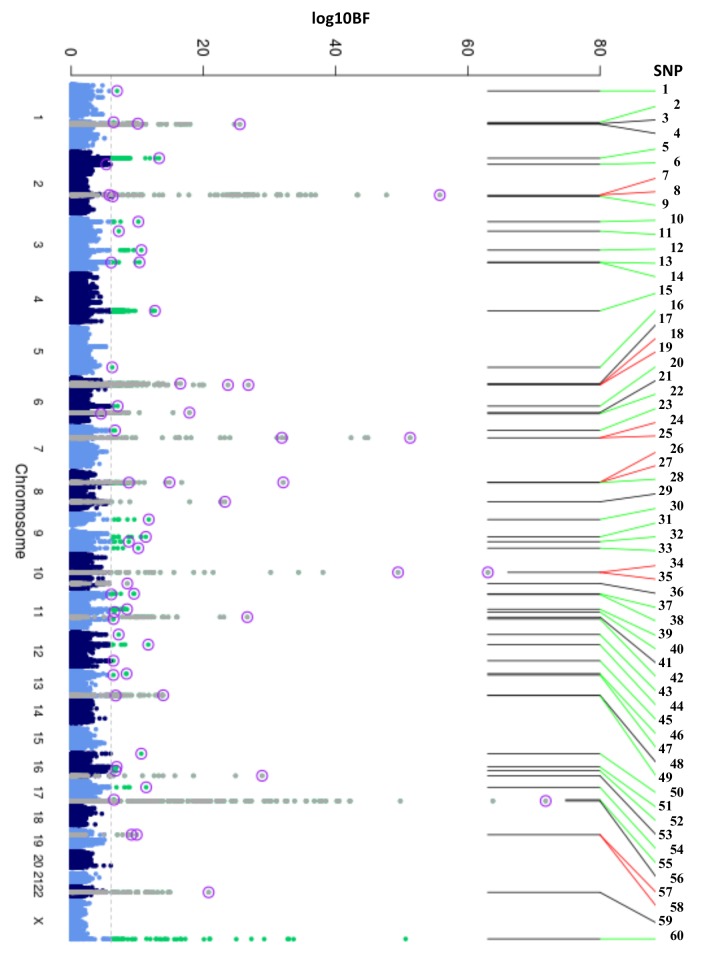
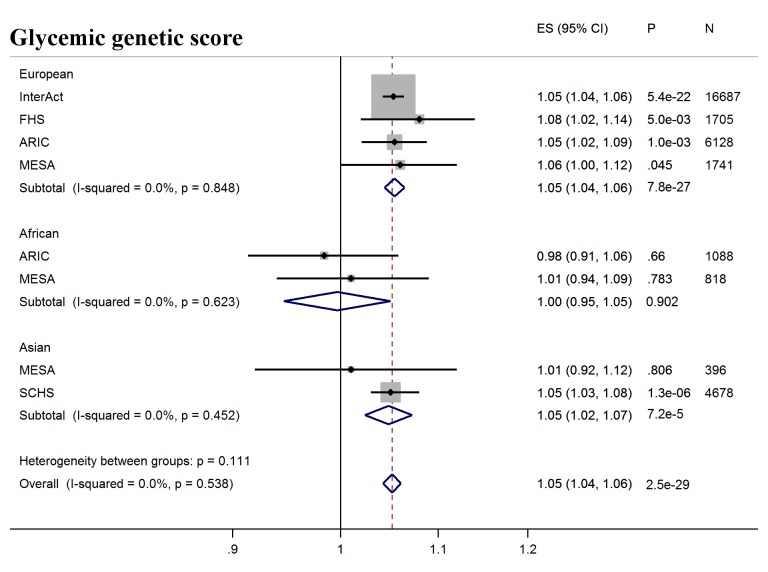
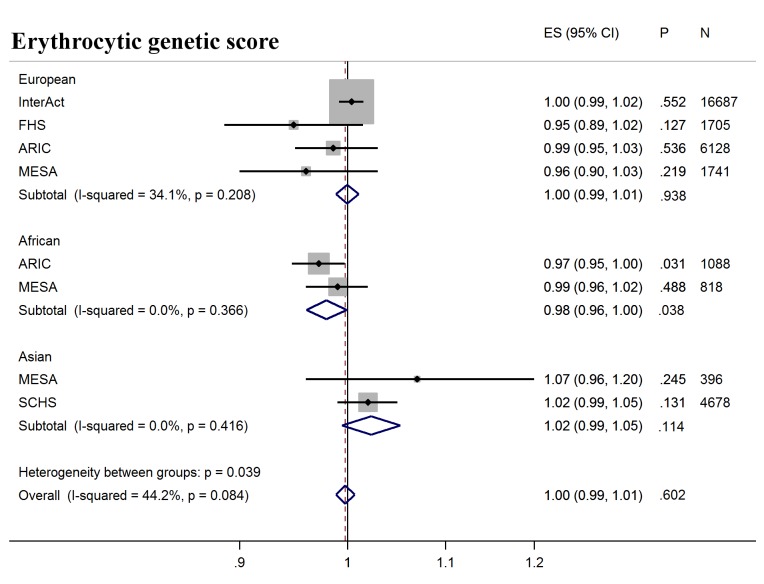
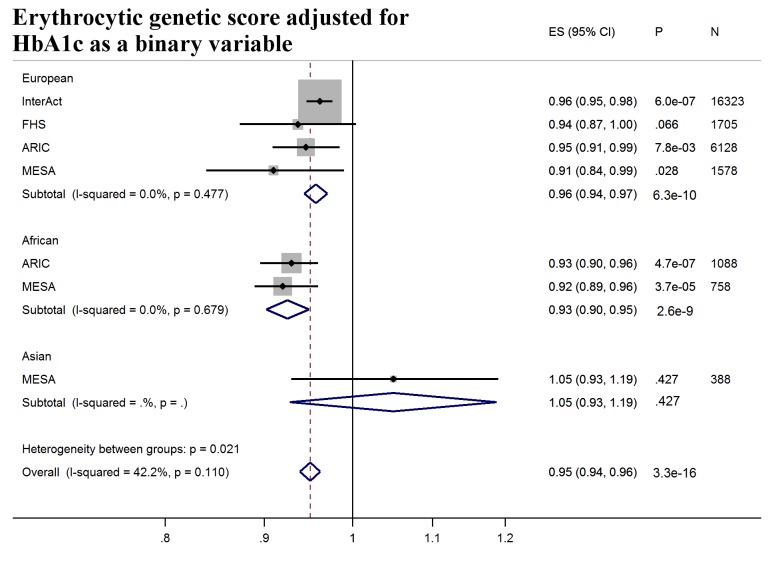
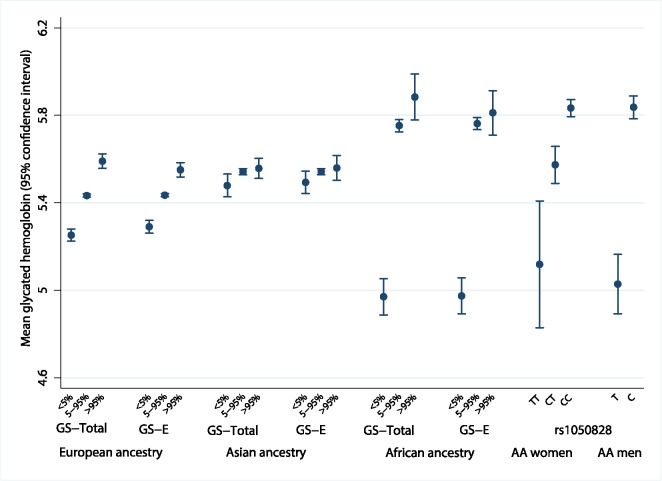
BACKGROUND: Glycated hemoglobin (HbA1c) is used to diagnose type 2 diabetes (T2D) and assess glycemic control in patients with diabetes. Previous genome-wide association studies (GWAS) have identified 18 HbA1c-associated genetic variants. These variants proved to be classifiable by their likely biological action as erythrocytic (also associated with erythrocyte traits) or glycemic (associated with other glucose-related traits). In this study, we tested the hypotheses that, in a very large scale GWAS, we would identify more genetic variants associated with HbA1c and that HbA1c variants implicated in erythrocytic biology would affect the diagnostic accuracy of HbA1c. We therefore expanded the number of HbA1c-associated loci and tested the effect of genetic risk-scores comprised of erythrocytic or glycemic variants on incident diabetes prediction and on prevalent diabetes screening performance. Throughout this multiancestry study, we kept a focus on interancestry differences in HbA1c genetics performance that might influence race-ancestry differences in health outcomes. METHODS & FINDINGS: Using genome-wide association meta-analyses in up to 159,940 individuals from 82 cohorts of European, African, East Asian, and South Asian ancestry, we identified 60 common genetic variants associated with HbA1c. We classified variants as implicated in glycemic, erythrocytic, or unclassified biology and tested whether additive genetic scores of erythrocytic variants (GS-E) or glycemic variants (GS-G) were associated with higher T2D incidence in multiethnic longitudinal cohorts (N = 33,241). Nineteen glycemic and 22 erythrocytic variants were associated with HbA1c at genome-wide significance. GS-G was associated with higher T2D risk (incidence OR = 1.05, 95% CI 1.04-1.06, per HbA1c-raising allele, p = 3 × 10-29); whereas GS-E was not (OR = 1.00, 95% CI 0.99-1.01, p = 0.60). In Europeans and Asians, erythrocytic variants in aggregate had only modest effects on the diagnostic accuracy of HbA1c. Yet, in African Americans, the X-linked G6PD G202A variant (T-allele frequency 11%) was associated with an absolute decrease in HbA1c of 0.81%-units (95% CI 0.66-0.96) per allele in hemizygous men, and 0.68%-units (95% CI 0.38-0.97) in homozygous women. The G6PD variant may cause approximately 2% (N = 0.65 million, 95% CI 0.55-0.74) of African American adults with T2D to remain undiagnosed when screened with HbA1c. Limitations include the smaller sample sizes for non-European ancestries and the inability to classify approximately one-third of the variants. Further studies in large multiethnic cohorts with HbA1c, glycemic, and erythrocytic traits are required to better determine the biological action of the unclassified variants. CONCLUSIONS: As G6PD deficiency can be clinically silent until illness strikes, we recommend investigation of the possible benefits of screening for the G6PD genotype along with using HbA1c to diagnose T2D in populations of African ancestry or groups where G6PD deficiency is common. Screening with direct glucose measurements, or genetically-informed HbA1c diagnostic thresholds in people with G6PD deficiency, may be required to avoid missed or delayed diagnoses.
Overview
The claims and statistics of this paper haven’t been checked yet.
Free: it reads the open-access text and checks the first 5 claims that cite a source we can check. Create a free account to check every claim.
Integrity signals
Registry
Cites
Statistics
Figures
Verification
Claims the paper makes
The claims and statistics of this paper haven’t been checked yet.
Free: it reads the open-access text and checks the first 5 claims that cite a source we can check. Create a free account to check every claim.
Claims other papers make about this one
Each is checked against this paper’s own text: does it say what the citing paper says it does?
The source backs part of the claim, not all of it — or backs it for a different population, condition or comparison.
In the citing paper
“A1C levels may be 0.4% to 0.6% higher in Blacks and Hispanics compared with Whites, despite equivalent levels of hyperglycemia in those with T2D.11-17”
From American Association of Clinical Endocrinology Clinical Practice Guideline: Developing a Diabetes Mellitus Comprehensive Care Plan-2022 Update. (2022) · cites this paper as [16]
Experimental — accuracy not yet measuredThe source backs part of the claim, not all of it — or backs it for a different population, condition or comparison.
In the citing paper
“Another genetic variant, X-linked glucose-6-phosphate dehydrogenase G202A, carried by 11% of African American individuals, was associated with a decrease in A1C of about 0.8% in hemizygous men and 0.7% in homozygous women compared with those without the trait (20).”
From 6. Glycemic Targets: Standards of Care in Diabetes—2023 (2023) · cites this paper as [20]
Experimental — accuracy not yet measuredThe source backs part of the claim, not all of it — or backs it for a different population, condition or comparison.
In the citing paper
“Another genetic variant, X-linked glucose-6-phosphate dehydrogenase G202A, carried by 11% of African American individuals in the U.S., is associated with a decrease in A1C of about 0.8% in homozygous men and 0.7% in homozygous women compared with levels in individuals without the variant (21).”
From 2. Diagnosis and Classification of Diabetes: Standards of Care in Diabetes—2024 (2024) · cites this paper as [21]
Experimental — accuracy not yet measuredThe source backs part of the claim, not all of it — or backs it for a different population, condition or comparison.
In the citing paper
“Another genetic variant, X-linked glucose-6-phosphate dehydrogenase G202A, carried by 11% of African American individuals in the U.S., is associated with a decrease in A1C of about 0.8% in homozygous men and 0.7% in homozygous women compared with levels in individuals without the variant (21).”
From 2. Diagnosis and classification of diabetes: standards of care in diabetes-2025 (2025) · cites this paper as [21]
Experimental — accuracy not yet measuredThe cited source says what the claim attributes to it.
In the citing paper
“There is an emerging understanding of genetic determinants that may modify the association between A1C and glucose levels (13).”
From 6. Glycemic Goals, Hypoglycemia, and Hyperglycemic Crises: Standards of Care in Diabetes-2026. (2026) · cites this paper as [13]
Self-check
Percentages, sums and reported differences re-computed from the paper’s own numbers.
The self-check needs the paper’s full text.
Citations
Cites
GCTA: a tool for genome-wide complex trait analysis
Yang, J., Lee, S. H., Goddard, M. E., & Visscher, P. M. (2011) · The American Journal of Human Genetics · doi:10.1016/j.ajhg.2010.11.011 · Cited by 8,279 · cited 1×
“We ran approximate conditional analyses using the Genome-wide Complex Trait Analysis (GCTA) software [22,23] (following analysis plans detailed in S1 Analysis Plans, Conditional analyses in GCTA) using the Women’s Genome Health Study (WGHS, Europeans), Jackson Heart Study (JHS, African Americans), Singapore Malay Eye…”
MethodMETAL: fast and efficient meta-analysis of genomewide association scans
Willer, C. J., Li, Y., & Abecasis, G. R. (2010) · Bioinformatics · doi:10.1093/bioinformatics/btq340 · Cited by 5,205
Self-citationA second generation human haplotype map of over 3.1 million SNPs
The International HapMap Consortium (2007) · Nature · doi:10.1038/nature06258 · Cited by 4,438
Genomic Control for Association Studies
Devlin, B., & Roeder, K. (1999) · Biometrics · doi:10.1111/j.0006-341x.1999.00997.x · Cited by 3,162 · cited 1×
“using the genomic control inflation factor, λGC [17,19].”
MethodClassification and Diagnosis of Diabetes
Fajans, S. S. (1990) · Medical Entomology and Zoology · Cited by 2,359
Genetic Investigation of ANthropometric Traits (GIANT) Consortium, Yang, J., DIAbetes Genetics Replication And Meta-analysis (DIAGRAM) Consortium, Ferreira, T., Morris, A. P., Medland, S. E., Madden, P. A. F., Heath, A. C., Martin, N. G., Montgomery, G. W., et al. (2012) · Nature Genetics · doi:10.1038/ng.2213 · Cited by 1,712
2. Classification and Diagnosis of Diabetes
American Diabetes Association (2017) · Diabetes Care · doi:10.2337/dc17-s005 · Cited by 1,603
Glycated hemoglobin, diabetes, and cardiovascular risk in nondiabetic adults
Selvin, E., Steffes, M. W., Zhu, H., Matsushita, K., Wagenknecht, L., Pankow, J., Coresh, J., & Brancati, F. L. (2010) · New England Journal of Medicine · doi:10.1056/nejmoa0908359 · Cited by 1,544
Scott, R. A., Lagou, V., Welch, R. P., Wheeler, E., Montasser, M. E., Luan, J., Mägi, R., Strawbridge, R. J., Rehnberg, E., Gustafsson, S., et al. (2012) · Nature Genetics · doi:10.1038/ng.2385 · Cited by 828 · cited 5×
“Two SNPs were classified based on evidence from the literature, rs12132919 (TMEM79) was classified as erythrocytic based on association with MCHC in Japanese individuals [28] and rs7616006 (SYN2) was classified as erythrocytic based on association with platelet count in Europeans [29].”
MethodInfluentialSelf-citationManning, A. K., Hivert, M.-F., Scott, R. A., Grimsby, J. L., Bouatia-Naji, N., Chen, H., Rybin, D., Liu, C.-T., Bielak, L. F., Prokopenko, I., et al. (2012) · Nature Genetics · doi:10.1038/ng.2274 · Cited by 827
Self-citation
Research works printed but not linked: 1
- (2015) IDAtE. https://www.idf.org/e-library/epidemiology-research/diabetes-atlas/13-diabetes-atlas-seventh-edition.html.
Cited by
Items 201–300 of 415
Westerman, K. E., Walker, M. E., Gaynor, S. M., Wessel, J., DICORPO, D. A., Ma, J., Alonso, Á., Aslibekyan, S. W., Baldridge, A. S., Bertoni, A. G., et al. (2023) · Diabetes · doi:10.2337/db22-0851 · Cited by 22
Self-citationNguyen, J., Arthur, T. D., Fujita, K., Salgado, B. M., Donovan, M. K. R., Aguiar, L. R., Arias, A. D., Benaglio, P., Berggren, W. T., Belmonte, J. C. I., et al. (2023) · Nature Communications · doi:10.1038/s41467-023-42560-4 · Cited by 17
Self-citationLiang, Y., Luo, S., Schooling, C. M., & Yeung, S. L. A. (2021) · Frontiers in Genetics · doi:10.3389/fgene.2021.699455 · Cited by 18
“…al., 2019)], body mass index (BMI) (Yengo et al., 2018), glycemic traits [fasting glucose (FG)] (Lagou et al., 2021), glycated hemoglobin (HbA1c) (Wheeler et al., 2017), and T2DM (Mahajan et al., 2018), but not lipids and stroke because they have been thoroughly investigated in previous studies…”
BackgroundThornton‐Swan, T. D., Armitage, L. C., Curtis, A. M., & Farmer, A. A. (2021) · Diabetic Medicine · doi:10.1111/dme.14777 · Cited by 22
A community driven GWAS summary statistics standardPreprint
Hayhurst, J. D., Buniello, A., Harris, L. W., Mosaku, A., Chang, C., Gignoux, C. R., Hatzikotoulas, K., Karim, M. A., Lambert, S. A., Lyon, M., et al. (2022) · bioRxiv (Cold Spring Harbor Laboratory) · doi:10.1101/2022.07.15.500230 · Cited by 21
Self-citationYang, G., & Schooling, C. M. (2022) · The Journal of Clinical Endocrinology & Metabolism · doi:10.1210/clinem/dgac562 · Cited by 17
Wang, Z., & Yang, Q. (2024) · Lipids in Health and Disease · doi:10.1186/s12944-024-02035-x · Cited by 19
Schindler, C., Birkenfeld, A. L., Hanefeld, M., Schatz, U., Köhler, C., Grüneberg, M., Tschöpe, D., Blüher, M., Hasslacher, C., & Bornstein, S. R. (2017) · Diabetes Therapy · doi:10.1007/s13300-017-0330-z · Cited by 19
Self-citationAlert to US physicians: DHEA, widely used as an OTC androgen supplement, may exacerbate COVID-19
Nyce, J. W. (2020) · Endocrine Related Cancer · doi:10.1530/erc-20-0439 · Cited by 13
Wang, S., Li, Q., Wei, H., Jiang, F., & Yan, A. (2022) · World Allergy Organization Journal · doi:10.1016/j.waojou.2022.100630 · Cited by 18
Patel, N. J., Tozzo, V., Higgins, J. M., & Stone, J. H. (2022) · Arthritis & Rheumatology · doi:10.1002/art.42405 · Cited by 16
“(7), glucose-6-phosphate dehydrogenase (G6PD) deficiency (8), pregnancy (9), and ethnicity (10).”
BackgroundMendelian randomisation in type 2 diabetes and coronary artery disease
Frayling, T. M., & Harlow, C. E. (2018) · Current Opinion in Genetics & Development · doi:10.1016/j.gde.2018.05.010 · Cited by 18
Gloaguen, E., Bendelac, N., Nicolino, M. P., Julier, C., & Mathieu, F. (2018) · Diabetes/Metabolism Research and Reviews · doi:10.1002/dmrr.3051 · Cited by 21
Enogieru, O. J., Ung, P. M. U., Yee, S. W., Schlessinger, A., & Giacomini, K. M. (2019) · Human Mutation · doi:10.1002/humu.23758 · Cited by 24
Liu, S., Liu, Y., & Liao, S. (2019) · Molecular Genetics and Genomics · doi:10.1007/s00438-019-01552-0 · Cited by 15
Self-citationLotta, L. A., Pietzner, M., Stewart, I. D., Wittemans, L. B. L., Li, C., Bonelli, R., Raffler, J., Biggs, E. K., Oliver‐Williams, C., Auyeung, V. P. W., et al. (2020) · bioRxiv (Cold Spring Harbor Laboratory) · doi:10.1101/2020.02.03.932541 · Cited by 15
Self-citationKhan, S. R., Ye, W. W., Van, J. A. D., Singh, I., Rabiee, Y., Rodricks, K. L., Zhang, X., Nicholson, R. J., Razani, B., Summers, S. A., et al. (2025) · Science Advances · doi:10.1126/sciadv.adr1725 · Cited by 18
Ceramide dependent lipotoxicity in metabolic diseases
Li, Y., Tippetts, T. S., & Chaurasia, B. (2017) · Nutrition and Healthy Aging · doi:10.3233/nha-170032 · Cited by 17
HemoglobinA1c Is a Risk Factor for Changes of Bone Mineral Density: A Mendelian Randomization Study
Ji, X., Hong, J., Qu, Z., Yang, W., Wang, Y., Lin, J., Li, C., Wang, J., Mou, H., Shi, M., et al. (2022) · Frontiers in Endocrinology · doi:10.3389/fendo.2022.942878 · Cited by 18
“Since HbA1c variants can be classified as “glycemic” or “erythrocytic” (17).”
BackgroundMethodInfluentialSelf-citationChallenges of the heterogeneous nutrition response: interpreting the group mean
Drew, J. E. (2019) · Proceedings of The Nutrition Society · doi:10.1017/s002966511900096x · Cited by 15
Lamri, A., Paoli, M. D., de Souza, R. J., Werstuck, G. H., Anand, S. S., & Pigeyre, M. (2022) · Frontiers in Cardiovascular Medicine · doi:10.3389/fcvm.2022.964743 · Cited by 19
Niwaha, A. J., Rodgers, L. R., Greiner, R., Balungi, P., Mwebaze, R. M., McDonald, T. J., Hattersley, A. T., Shields, B. M., Nyirenda, M., & Jones, A. G. (2021) · BMJ Open Diabetes Research & Care · doi:10.1136/bmjdrc-2021-002350 · Cited by 18
Zhu, J., Sun, L., Yang, J., Fan, J., Tse, L. A., & Li, Y. (2021) · The Journal of Clinical Endocrinology & Metabolism · doi:10.1210/clinem/dgab200 · Cited by 13
Self-citationZhao, J. V., & Schooling, C. M. (2020) · Diabetologia · doi:10.1007/s00125-020-05163-y · Cited by 15
“Genetic associations with glycaemic trait(s)We examined the role of eGFR in the glycaemic trait(s) identified by MR-BMA using genetic associations from the relevant MAGIC GWAS [19, 21], obtained using linear regression adjusted for age, sex, study site and geographic covariates in an additive genetic model [19].”
MethodClinical use of polygenic scores in type 2 diabetes: challenges and possibilities
Prasad, R. B., Hakaste, L., & Tuomi, T. (2025) · Diabetologia · doi:10.1007/s00125-025-06419-1 · Cited by 20
“A dominant effect of the erythrocytic G6PD variant on type 2 diabetes was seen only in individuals with African American ancestry [76].”
Martin, S., Samuel, M., Stow, D., Ridsdale, A. M., Chen, J., Young, K., Green, H., Hattersley, A. T., L’Esperance, V., McKinley, T. J., et al. (2025) · Diabetes Care · doi:10.2337/dc25-0556 · Cited by 18
“When dates of records were required, ICD-9 codes could not be used as associated dates were not available.”
InfluentialSelf-citationMorris, J., Leung, S. S. Y., Bailey, M. E. S., Cullen, B., Ferguson, A., Graham, N., Johnston, K. J. A., Lyall, D. M., Lyall, L. M., Ward, J., et al. (2020) · Genes · doi:10.3390/genes11111326 · Cited by 16
“In contrast, there was a great deal of overlap between the SNPs associated with SBP and DBP. Whilst the signals associated with HbA1C overlap with those for SBP and DBP, the SNPs are significantly associated either with blood pressure, or with HbA1c, but not with both (Table S4).”
BackgroundInfluentialSelf-citationReddy, R. K., Ardissino, M., & Ng, F. S. (2023) · Journal of the American Heart Association · doi:10.1161/jaha.123.030298 · Cited by 13
Muiño, E., Cárcel‐Márquez, J., Llucià‐Carol, L., Gallego-Fábrega, C., Cullell, N., Lledós, M., Martín-Campos, J. M., Villatoro-González, P., Sierra‐Marcos, A., Ros‐Castelló, V., et al. (2024) · Neurology · doi:10.1212/wnl.0000000000209666 · Cited by 13
Ethnic diversity in precision medicine: a reality or an aspiration?
Misra, S. (2025) · Diabetologia · doi:10.1007/s00125-025-06513-4 · Cited by 17
“A good example is the identification of a variant in G6PD (Val98Met [rs1050828]) [86], which lowers HbA 1c levels in African individuals to such an extent that it may lead to underdiagnosis of diabetes if based solely on HbA 1c .”
Genetic aetiology of glycaemic traits: approaches and insights
Wheeler, E., Marenne, G., & Barroso, I. (2017) · Human Molecular Genetics · doi:10.1093/hmg/ddx293 · Cited by 13
Self-citationA cellular and bioinformatics analysis of the SENP1 SUMO isopeptidase in pancreatic cancer
Bouchard, D., & Matunis, M. J. (2019) · Journal of Gastrointestinal Oncology · doi:10.21037/jgo.2019.05.09 · Cited by 12
“09 The rs10875742 variant was associated with vital lung function, and the rs2408955-T variant was associated with hemoglobin A1c (HbA1c) at genome-wide significance (43).”
BackgroundYang, F., Lu, Y., Chen, S., Wang, K., Hu, T., & Cui, H. (2022) · Nutrition Metabolism and Cardiovascular Diseases · doi:10.1016/j.numecd.2022.01.022 · Cited by 13
Self-citationLoomis, S. J., Köttgen, A., Li, M., Tin, A., Coresh, J., Boerwinkle, E., Gibbs, R., Muzny, D., Pankow, J., Selvin, E., et al. (2019) · Scientific Reports · doi:10.1038/s41598-019-42202-0 · Cited by 12
Self-citationLoomis, S. J., Tin, A., Coresh, J., Boerwinkle, E., Pankow, J. S., Köttgen, A., Selvin, E., & Duggal, P. (2019) · Genetic Epidemiology · doi:10.1002/gepi.22243 · Cited by 12
“Blood 1,5‐AG concentrations represent glycemic excursions above the renal threshold over the previous 1–2 weeks (Buse, Freeman, Edelman, Jovanovic, & McGill, 2003; Dungan, 2008; Yamanouchi & Akanuma, 1994).”
BackgroundSelf-citationHuerta‐Chagoya, A., Moreno-Macías, H., Sevilla-González, M. D. R., Rodríguez-Guillén, R., Ordóñez-Sánchez, M. L., Gómez‐Velasco, D., Muñóz-Hernández, L. L., Segura-Kato, Y., Arellano‐Campos, O., Cruz‐Bautista, I., et al. (2020) · Genes · doi:10.3390/genes11010114 · Cited by 15
“might artificially lower or elevate HbA1c levels independently from glucose concentration and has been reported in high diabetes-risk minority groups, like Mexican [34,35].”
BackgroundCheng, W., Ramachandran, S., & Crawford, L. A. (2020) · PLoS Genetics · doi:10.1371/journal.pgen.1008855 · Cited by 14
“019 Associated with Glycated hemoglobin which is affected by MCV [71]”
BackgroundInfluentialDrivas, T. G., Lucas, A., Zhang, X., & Ritchie, M. D. (2021) · The American Journal of Human Genetics · doi:10.1016/j.ajhg.2021.02.008 · Cited by 12
Validity of hemoglobin A1c for diagnosing diabetes among people with and without HIV in Uganda
Muchira, J. M., Stuart‐Shor, E., Manne‐Goehler, J., Lo, J., Tsai, A. C., Kakukire, B., Okello, S., & Siedner, M. J. (2019) · International Journal of STD & AIDS · doi:10.1177/0956462418823406 · Cited by 11
“5% in our study as well, raising questions about the optimal A1c threshold for diabetes screening in rural SSA.(13,24) Data elsewhere have demonstrated a lower A1c threshold may increase overall sensitivity of A1c to screen for diabetes.”
InfluentialZhu, J., Zhao, H., Chen, D., Tse, L. A., Kinra, S., & Li, Y. (2021) · Frontiers in Endocrinology · doi:10.3389/fendo.2021.777487 · Cited by 13
A Genomic Risk Score Identifies Individuals at High Risk for Intracerebral Hemorrhage
Myserlis, E. P., Georgakis, M. K., Demel, S. L., Sekar, P., Chung, J., Malik, R., Hyacinth, H. I., Comeau, M. E., Falcone, G. J., Langefeld, C. D., et al. (2023) · Stroke · doi:10.1161/strokeaha.122.041701 · Cited by 12
Harris, N., Weaver, K. D., Beal, S. G., & Winter, W. E. (2020) · The Journal of Applied Laboratory Medicine · doi:10.1093/jalm/jfaa202 · Cited by 14
Wang, J., Campos, A. I., García‐Marín, L. M., Rentería, M. E., & Xu, L. (2023) · Obesity · doi:10.1002/oby.23669 · Cited by 11
A Review of Diabetes Prediction Equations in African Descent Populations
Mugeni, R., ADUWO, J. Y., BRIKER, S. M., Hormenu, T., Sumner, A. E., & Horlyck-Romanovsky, M. (2019) · Frontiers in Endocrinology · doi:10.3389/fendo.2019.00663 · Cited by 14
“Diabetes prediction equations need to be specific because African descent populations experience diabetes at an age, BMI, waist circumference, A1C, triglyceride levels, and fasting glucose concentrations which are often different than standard American Diabetes Association, World Health Organization and International…”
BackgroundChai, J. F., Kao, S. L., Wang, C., Lim, V., Khor, I. W., Dou, J., Podgornaia, A., Chothani, S. P., Cheng, C., Sabanayagam, C., et al. (2020) · The Journal of Clinical Endocrinology & Metabolism · doi:10.1210/clinem/dgaa658 · Cited by 15
Self-citationTissue-Specific Alteration of Metabolic Pathways Influences Glycemic RegulationPreprint
Ng, N. H. J., Willems, S. M., Fernandez, J., Fine, R. S., Wheeler, E., Wessel, J., Kitajima, H., Marenne, G., Rundle, J. K., Sim, X., et al. (2019) · bioRxiv (Cold Spring Harbor Laboratory) · doi:10.1101/790618 · Cited by 13
Self-citationWu, Q. H., Sun, X., Chen, Q., Zhang, X., & Zhu, Y. (2021) · Journal of Trace Elements in Medicine and Biology · doi:10.1016/j.jtemb.2021.126785 · Cited by 13
Bayesian model comparison for rare-variant association studies
Venkataraman, G. R., DeBoever, C., Tanigawa, Y., Aguirre, M., Ioannidis, A. G., Mostafavi, H., Spencer, C. C. A., Poterba, T., Bustamante, C. D., Daly, M. J., et al. (2021) · The American Journal of Human Genetics · doi:10.1016/j.ajhg.2021.11.005 · Cited by 11
Mandla, R., Schroeder, P. H., Florez, J. C., Mercader, J. M., & Leong, A. (2024) · Diabetes Care · doi:10.2337/dc23-1691 · Cited by 13
Self-citationMoss, S., Minelli, C., Leavy, O. C., Allen, R. J., Oliver, N. S., Wain, L. V., Jenkins, G. R., & Stewart, I. D. (2024) · Thorax · doi:10.1136/thorax-2024-221472 · Cited by 12
Wang, X. T., Wang, X., Gong, Y., Chen, X., Zhong, D., Zhu, J., Zhuang, L., Gao, J., Fu, G., Lü, X., et al. (2022) · Nutrients · doi:10.3390/nu14163258 · Cited by 11
“A search of the PhenoScanner database revealed that all three SNPs were associated with HbA1c [34,35].”
BackgroundSelf-citationThom, C. S., Ding, Z., Levin, M. G., Damrauer, S. M., Lee, K. M., Lynch, J. A., Chang, K., Tsao, P. S., Cho, K., Wilson, P. W. F., et al. (2020) · Human Molecular Genetics · doi:10.1093/hmg/ddaa193 · Cited by 11
“As such, HbA1c level is a biochemical surrogate for type 2 diabetes.”
BackgroundMethodInfluentialLingyu, M., Li, H., Mingdong, Z., Na, L., & Liu, Y. (2024) · PLoS ONE · doi:10.1371/journal.pone.0302209 · Cited by 12
Self-citationSchott, C., Germain, A., Lacombe, J., Pata, M., Faubert, D., Boulais, J., Carmeliet, P., Côté, J., & Ferron, M. (2024) · Diabetes · doi:10.2337/db23-0802 · Cited by 11
RBC-GEM: A genome-scale metabolic model for systems biology of the human red blood cell
Haiman, Z. B., Key, A., D’Alessandro, A., & Palsson, B. Ø. (2025) · PLoS Computational Biology · doi:10.1371/journal.pcbi.1012109 · Cited by 19
Alsulami, S., Bodhini, D., Sudha, V., Rani, C. S. S., Pradeepa, R., Anjana, R. M., Radha, V., Lovegrove, J. A., Gayathri, R., Mohan, V., et al. (2021) · Nutrients · doi:10.3390/nu13093064 · Cited by 12
“Similarly, a large GWAS in 159,940 individuals of African, South Asian, East Asian and European ancestries identified 60 genetic variants influencing HbA1c [57], including SNPs located in the FTO and TCF7L2 genes.”
BackgroundDiabetes mellitus, glycemic traits, and cerebrovascular disease: a Mendelian randomization studyPreprint
Georgakis, M. K., Harshfield, E. L., Malik, R., Franceschini, N., Langenberg, C., Wareham, N. J., Markus, H. S., & Dichgans, M. (2019) · medRxiv · doi:10.1101/2019.12.27.19015834 · Cited by 9
Self-citationMulti-Trait Genetic Analysis Reveals Clinically Interpretable Hypertension Subtypes
Vaura, F. C., Kim, H., Udler, M. S., FinnGen*, Salomaa, V. V., Lahti, L., & Niiranen, T. (2022) · Circulation Genomic and Precision Medicine · doi:10.1161/circgen.121.003583 · Cited by 9
Lee, H. A., Park, H., & Park, B. (2023) · Nutrition Metabolism and Cardiovascular Diseases · doi:10.1016/j.numecd.2023.10.028 · Cited by 8
GWAS-by-subtraction reveals an IOP-independent component of primary open angle glaucoma
Huang, Y., Plotnikov, D., Wang, H., Shi, D., Li, C., Zhang, X., Zhang, X., Tang, S., Shang, X., Hu, Y., et al. (2024) · Nature Communications · doi:10.1038/s41467-024-53331-0 · Cited by 15
Self-citationWang, Y., Tang, S., Liu, H., & Li, Y. (2025) · BMC Cardiovascular Disorders · doi:10.1186/s12872-025-04711-x · Cited by 8
Carey, I. M., Critchley, J., Chaudhry, U. A. R., Cook, D. G., DeWilde, S., Limb, E. S., Bowen, L., Woolford, S. J., Whincup, P. H., Sattar, N. A., et al. (2024) · Diabetes Research and Clinical Practice · doi:10.1016/j.diabres.2024.111641 · Cited by 9
“Additionally, sickle cell and G6PD genetic traits are common and may result in some under-estimation of HbA1c[31].”
Self-citationGlycated Serum Protein Genetics and Pleiotropy with Cardiometabolic Risk Factors
Johnson, M. P., Keyho, R., Blackburn, N. B., Laston, S., Kumar, S., Peralta, J. M., Thapa, S. S., Towne, B., Subedi, J., Blangero, J., et al. (2019) · Journal of Diabetes Research · doi:10.1155/2019/2310235 · Cited by 12
“Used in conjunction with measures of HbA1c, GSP measures can monitor glycemic control over a 2- to 8-week period via the calculation of a “glycation gap” [6].”
BackgroundInfluentialA prospective observational prevalence study of elevated HbA1c among elective surgical patients
Teo, L. M., Lim, W. Y., Ke, Y., Sia, I. K. L., Gui, C. H., & Abdullah, H. R. (2020) · Scientific Reports · doi:10.1038/s41598-020-76105-2 · Cited by 11
Qiao, J., Shao, Z., Wu, Y., Zeng, P., & Wang, T. (2022) · Journal of Translational Medicine · doi:10.1186/s12967-022-03637-8 · Cited by 10
“First, unlike prior studies which often focused only on a single trait [22, 81, 82], we considered a lot of diseases/traits, which could offer more unbiased insights into the extent of trans-ethnic genetic foundation shared across different populations.”
BackgroundLiu, K., Wang, S., Zhou, Y., Huang, S., Liu, Y., Song, L., & He, Z. (2023) · European journal of medical research · doi:10.1186/s40001-023-01116-4 · Cited by 8
Self-citationWang, M., Zhang, Z., Georgakis, M. K., Karhunen, V., & Liu, D. (2023) · Journal of Stroke · doi:10.5853/jos.2022.03230 · Cited by 13
Willems, S. M., Ng, N. H. J., Fernandez, J., Fine, R. S., Wheeler, E., Wessel, J., Kitajima, H., Marenne, G., Sim, X., Yaghootkar, H., et al. (2023) · Wellcome Open Research · doi:10.12688/wellcomeopenres.18754.1 · Cited by 10
“This was likely because HbA1c levels are influenced not only by glycation but also by blood cell turnover rate 1,40,41 .”
BackgroundSelf-citationChang, Y.-S., Hsiao, L.-Y., Lin, C.-Y., Shih, M.-C., Hsieh, M.-C., & Chang, J.-G. (2020) · Clinica Chimica Acta · doi:10.1016/j.cca.2020.03.010 · Cited by 8
Understanding signatures of positive natural selection in human zinc transporter genes
Roca‐Umbert, A., Caro-Consuegra, R., Londoño-Correa, D., Rodriguez-Lozano, G. F., Vicente, R., & Bosch, E. (2022) · Scientific Reports · doi:10.1038/s41598-022-08439-y · Cited by 6
Causal Links Between Systemic Disorders and Keratoconus in European Population
Chen, X., & Chen, L. (2024) · American Journal of Ophthalmology · doi:10.1016/j.ajo.2024.04.032 · Cited by 8
The Trans-Ancestral Genomic Architecture of Glycaemic TraitsPreprint
Chen, J., Spracklen, C. N., Marenne, G., Varshney, A., Corbin, L. J., Luan, J., Willems, S. M., Wu, Y., Zhang, X., Horikoshi, M., et al. (2020) · bioRxiv (Cold Spring Harbor Laboratory) · doi:10.1101/2020.07.23.217646 · Cited by 7
Self-citationSoremekun, O. S., Park, Y., Tutino, M., Arruda, A. L., Kalungi, A., Rayner, N. W., Nyirenda, M. J., Fatumo, S., & Zeggini, E. (2026) · Nature Genetics · doi:10.1038/s41588-025-02421-w · Cited by 9
“In individuals with G6PD deficiency, there is increased susceptibility to hemolysis, which may lead to reduced HbA1c levels potentially leading to missed T2D diagnosis 34,35 .”
Genetic predisposition to gestational diabetes mellitus in the Kazakh population
Svyatova, G., Berezina, G., Danyarova, L., Kuanyshbekova, R., & Urazbayeva, G. (2022) · Diabetes & Metabolic Syndrome Clinical Research & Reviews · doi:10.1016/j.dsx.2022.102675 · Cited by 10
Liu, C., Merino, J., Rybin, D. V., DICORPO, D. A., Benke, K. S., Bragg‐Gresham, J. L., Canouil, M., Corre, T., Grallert, H., Isaacs, A. J., et al. (2019) · Scientific Reports · doi:10.1038/s41598-019-45823-7 · Cited by 8
Self-citationIdéfix: identifying accidental sample mix-ups in biobanks using polygenic scores
Warmerdam, R., Lanting, P., Study, L. C., Deelen, P., & Franke, L. (2021) · Bioinformatics · doi:10.1093/bioinformatics/btab783 · Cited by 10
Self-citationImplementation of Precision Genetic Approaches for Type 1 and 2 Diabetes
Ronald, C. W., & Chan, J. C. N. (2022) · Springer eBooks · doi:10.1007/978-3-030-98927-9_5 · Cited by 6
Racial and Ethnic Disparities in Diabetes Clinical Care and Management: A Narrative Review
Young, C., & Myers, A. K. (2022) · Endocrine Practice · doi:10.1016/j.eprac.2022.11.013 · Cited by 7
Identification of Genetic Loci Simultaneously Associated with Multiple Cardiometabolic Traits
Wood, A. C., Arora, A., Newell, M., Bland, V. L., Zhou, J. J., Pirastu, N., Ordovás, J. M., & Klimentidis, Y. C. (2021) · Nutrition Metabolism and Cardiovascular Diseases · doi:10.1016/j.numecd.2022.01.002 · Cited by 7
Aljaibeji, H., Mohammed, A. K., Alkayyali, S., Hachim, M. Y., Hasswan, H., El‐Huneidi, W., Taneera, J., & Sulaiman, N. D. (2020) · Genes · doi:10.3390/genes11060665 · Cited by 6
Monti, R., Eick, L., Hudjashov, G., Läll, K., Kanoni, S., Wolford, B. N., Wingfield, B., Pain, O., Wharrie, S., Jermy, B. S., et al. (2023) · medRxiv · doi:10.1101/2023.11.20.23298215 · Cited by 6
Self-citationSalto, A. B. R., Santoro, M. L., Hoexter, M. Q., Jackowski, A. P., Pan, P. M., do Rosário, M. C., Belangero, S. I., de Alvarenga, P. G., Doretto, V. F., Fumo, A., et al. (2021) · Frontiers in Psychiatry · doi:10.3389/fpsyt.2021.673595 · Cited by 8
“GWAS for chronic clinical conditions like coronary artery disease and type 2 diabetes include >100,000 of individuals (46, 47).”
BackgroundLee, M. A., McMahon, G., Karhunen, V., Wade, K. H., Corbin, L. J., Hughes, D. A., Smith, G. D., Lawlor, D. A., Järvelin, M., & Timpson, N. J. (2020) · Human Molecular Genetics · doi:10.1093/hmg/ddaa054 · Cited by 5
“The numbers of SNPs included in this analysis were as follows: type 2 diabetes = 1792, estimated glomerular filtration rate = 4196, BMI = 1860, fasting glucose = 290 and HBA1c = 821.”
BackgroundInfluentialChu, A. H. Y., Aris, I. M., Ng, S., Loy, S. L., Bernard, J. Y., Tint, M. T., Yuan, W. L., Godfrey, K. M., Chan, J. K. Y., Shek, L. P., et al. (2020) · Scientific Reports · doi:10.1038/s41598-020-66147-x · Cited by 5
Self-citationA framework for pathway knowledge driven prioritization in genome‐wide association studies
Biswas, S., Pal, S., Majumder, P. P., & Bhattacharjee, S. (2020) · Genetic Epidemiology · doi:10.1002/gepi.22345 · Cited by 5
“The SNP has been reported previously as GWS for “ proinsulin levels ” (Strawbridge et al., 2011) and “ lycated hemoglobin ” (Wheeler et al., 2017).”
BackgroundWang, X., Zhao, D., Cheng, L., Gao, J., Li, J., & Geng, C. (2023) · Medicine · doi:10.1097/md.0000000000034638 · Cited by 8
Self-citationBayesian model comparison for rare variant association studiesPreprint
Venkataraman, G. R., DeBoever, C., Tanigawa, Y., Aguirre, M., Ioannidis, A. G., Mostafavi, H., Spencer, C. C. A., Poterba, T., Bustamante, C. D., Daly, M. J., et al. (2018) · bioRxiv (Cold Spring Harbor Laboratory) · doi:10.1101/257162 · Cited by 5
Sarnowski, C., Leong, A., Raffield, L. M., Wu, P., de Vries, P. S., DICORPO, D. A., Guo, X., Xu, H., Liu, Y., Zheng, X., et al. (2019) · bioRxiv (Cold Spring Harbor Laboratory) · doi:10.1101/643932 · Cited by 5
“‘erythrocytic’ based on the probable biological mechanism through which they appeared to 130 influence HbA1c levels.(3) Genetic variants affecting HbA1c via erythrocyte biological pathways 131 may lead to diagnostic misclassification of ambient glycemia and thus diabetes status.”
BackgroundSelf-citationInference with many correlated weak instruments and summary statisticsPreprint
Patel, A., Burgess, S., Gill, D., & Newcombe, P. J. (2020) · arXiv (Cornell University) · Cited by 5
RBC-GEM: a Knowledge Base for Systems Biology of Human Red Blood Cell MetabolismPreprint
Haiman, Z. B., D’Alessandro, A., & Palsson, B. Ø. (2024) · bioRxiv (Cold Spring Harbor Laboratory) · doi:10.1101/2024.04.26.591249 · Cited by 5
Exploring and visualizing stratified GWAS results with PheWeb2
Bellavance, J., Xiao, H., Chang, L., Kazemi, M., Wickramasinghe, S., Mayhew, A., Raina, P., VandeHaar, P., Taliun, D., & Taliun, S. A. G. (2026) · Nature Genetics · doi:10.1038/s41588-025-02469-8 · Cited by 5
Self-citationBentley, A. R., Ntabadde, K., Kabeza, C. B., Ekoru, K., DuBose, C. W., Sacks, D. B., Adeyemo, A., Rotimi, C. N., & Sumner, A. E. (2026) · PLoS ONE · doi:10.1371/journal.pone.0334634 · Cited by 4
Health disparities in diabetes treatment: The challenge of G6PD deficiency
Israel, A., Raz, I., Green, I., Golan‐Cohen, A., Berkovitch, M., Magen, E., Vinker, S., & Merzon, E. (2024) · Diabetes Research and Clinical Practice · doi:10.1016/j.diabres.2024.111965 · Cited by 5
Şat, S., Aydınkoç-Tuzcu, K., Berger, F., Barakat, A., Schindler, K., & Fasching, P. (2021) · Diabetologie und Stoffwechsel · doi:10.1055/a-1507-2545 · Cited by 4
Kwok, M. K., & Schooling, C. M. (2023) · Journal of the American Heart Association · doi:10.1161/jaha.123.030943 · Cited by 6
Li, K., Leng, Y., Lei, D., Zhang, H., Ding, M., & Lo, W. L. A. (2024) · Frontiers in Nutrition · doi:10.3389/fnut.2024.1424286 · Cited by 4
Wuni, R., Curi-Quinto, K., Liu, L., Espinoza, D., Aquino, A. I., del Valle-Mendoza, J., Aguilar-Luis, M. Á., Murray, C. B., Nunes, R. J., Methven, L., et al. (2025) · Clinical Nutrition ESPEN · doi:10.1016/j.clnesp.2024.12.027 · Cited by 6
Wang, Z., Liu, Z., Yang, Q., Qiao, H., Yin, Y., Zhao, Z., & Shao, X. (2025) · Frontiers in Endocrinology · doi:10.3389/fendo.2024.1398691 · Cited by 6
Xue, H., Wu, C., & Pan, W. (2020) · Genetic Epidemiology · doi:10.1002/gepi.22333 · Cited by 5
“…et al., 2010; Lambert et al., 2013; Manning et al., 2012; Okbay et al., 2016; Ripke et al., 2011; Schunkert et al., 2011; Teslovich et al., 2010; Wheeler et al., 2017; Zheng et al., 2015) with the traits covering psychiatric/mental disorders (such as schizophrenia [SCZ], attention deficit ‐…”
BackgroundVaitinadin, N. S., Shi, M., Shaffer, C. M., Farber‐Eger, E. H., Lowery, B. D., Agrawal, V., Gupta, D. K., Roden, D. M., Wells, Q. S., & Mosley, J. D. (2022) · Journal of the American Heart Association · doi:10.1161/jaha.122.025578 · Cited by 5
Metadata
- Authors
- Wheeler, E., Leong, A., Liu, C.-T., Hivert, M.-F., Strawbridge, R. J., Podmore, C., Li, M., Yao, J., Sim, X., Hong, J., Chu, A. Y., Zhang, W., Wang, X., Chen, P., Maruthur, N. M., Porneala, B. C., Sharp, S. J., Jia, Y., Kabagambe, E. K., Chang, L.-C., Chen, W.-M., Elks, C. E., Evans, D. S., Fan, Q., Giulianini, F., Go, M. J., Hottenga, J.-J., Hu, Y., Jackson, A. U., Kanoni, S., Kim, Y. J., Kleber, M. E., Ladenvall, C., Lecoeur, C., Lim, S.-H., Lu, Y., Mahajan, A., Marzi, C., Nalls, M. A., Navarro, P., Nolte, I. M., Rose, L. M., Rybin, D. V., Sanna, S., Shi, Y., Stram, D. O., Takeuchi, F., Tan, S. P., van der Most, P. J., Van Vliet-Ostaptchouk, J. V., Wong, A., Yengo, L., Zhao, W., Goel, A., Martinez Larrad, M. T., Radke, D., Salo, P., Tanaka, T., van Iperen, E. P. A., Abecasis, G., Afaq, S., Alizadeh, B. Z., Bertoni, A. G., Bonnefond, A., Böttcher, Y., Bottinger, E. P., Campbell, H., Carlson, O. D., Chen, C.-H., Cho, Y. S., Garvey, W. T., Gieger, C., Goodarzi, M. O., Grallert, H., Hamsten, A., Hartman, C. A., Herder, C., Hsiung, C. A., Huang, J., Igase, M., Isono, M., Katsuya, T., Khor, C.-C., Kiess, W., Kohara, K., Kovacs, P., Lee, J., Lee, W.-J., Lehne, B., Li, H., Liu, J., Lobbens, S., Luan, J., Lyssenko, V., Meitinger, T., Miki, T., Miljkovic, I., Moon, S., Mulas, A., Müller, G., Müller-Nurasyid, M., Nagaraja, R., Nauck, M., Pankow, J. S., Polasek, O., Prokopenko, I., Ramos, P. S., Rasmussen-Torvik, L., Rathmann, W., Rich, S. S., Robertson, N. R., Roden, M., Roussel, R., Rudan, I., Scott, R. A., Scott, W. R., Sennblad, B., Siscovick, D. S., Strauch, K., Sun, L., Swertz, M., Tajuddin, S. M., Taylor, K. D., Teo, Y.-Y., Tham, Y. C., Tönjes, A., Wareham, N. J., Willemsen, G., Wilsgaard, T., Hingorani, A. D., EPIC-CVD Consortium, EPIC-InterAct Consortium, Study, L. C., Egan, J., Ferrucci, L., Hovingh, G. K., Jula, A., Kivimaki, M., Kumari, M., Njølstad, I., Palmer, C. N. A., Serrano Ríos, M., Stumvoll, M., Watkins, H., Aung, T., Blüher, M., Boehnke, M., Boomsma, D. I., Bornstein, S. R., Chambers, J. C., Chasman, D. I., Chen, Y.-D. I., Chen, Y.-T., Cheng, C.-Y., Cucca, F., de Geus, E. J. C., Deloukas, P., Evans, M. K., Fornage, M., Friedlander, Y., Froguel, P., Groop, L., Gross, M. D., Harris, T. B., Hayward, C., Heng, C.-K., Ingelsson, E., Kato, N., Kim, B.-J., Koh, W.-P., Kooner, J. S., Körner, A., Kuh, D., Kuusisto, J., Laakso, M., Lin, X., Liu, Y., Loos, R. J. F., Magnusson, P. K. E., März, W., McCarthy, M. I., Oldehinkel, A. J., Ong, K. K., Pedersen, N. L., Pereira, M. A., Peters, A., Ridker, P. M., Sabanayagam, C., Sale, M., Saleheen, D., Saltevo, J., Schwarz, P. E., Sheu, W. H. H., Snieder, H., Spector, T. D., Tabara, Y., Tuomilehto, J., van Dam, R. M., Wilson, J. G., Wilson, J. F., Wolffenbuttel, B. H. R., Wong, T. Y., Wu, J.-Y., Yuan, J.-M., Zonderman, A. B., Soranzo, N., Guo, X., Roberts, D. J., Florez, J. C., Sladek, R., Dupuis, J., Morris, A. P., Tai, E.-S., Selvin, E., Rotter, J. I., Langenberg, C., Barroso, I., & Meigs, J. B.
- Affiliations
- Wellcome Sanger Institute (GB)
- Harvard University (US)
- Boston University (US)
- Karolinska University Hospital (SE)
- University of Cambridge (GB)
- Johns Hopkins University (US)
- The Lundquist Institute (US)
- National University of Singapore (SG)
- Brigham and Women's Hospital (US)
- Ealing Hospital NHS Trust (GB)
- National Institutes of Health (US)
- Massachusetts General Hospital (US)
- Vanderbilt University Medical Center (US)
- Institute of Biomedical Sciences, Academia Sinica (TW)
- University of Virginia (US)
- AstraZeneca (United Kingdom) (GB)
- California Pacific Medical Center (US)
- Duke-NUS Medical School (SG)
- Korea National Institute of Health (KR)
- Vrije Universiteit Amsterdam (NL)
- Chinese Academy of Sciences (CN)
- University of Michigan (US)
- Queen Mary University of London (GB)
- Heidelberg University (DE)
- Uppsala University (SE)
- Singapore Eye Research Institute (SG)
- Icahn School of Medicine at Mount Sinai (US)
- Centre for Human Genetics (GB)
- Helmholtz Munich (DE)
- Western General Hospital (GB)
- University Medical Center Groningen (NL)
- Institute of Genetic and Biomedical Research (IT)
- University of Southern California (US)
- National Center for Global Health and Medicine (JP)
- MRC Unit for Lifelong Health and Ageing (GB)
- Universitätsmedizin Greifswald (DE)
- University of Helsinki (FI)
- National Institute on Aging (US)
- Imperial College London (GB)
- Wake Forest University Health Sciences (US)
- IFB Adiposity Diseases (DE)
- University of Edinburgh (GB)
- China Medical University (TW)
- Hallym University (KR)
- University of Alabama at Birmingham (US)
- Cedars-Sinai Medical Center (US)
- Deutsches Diabetes-Zentrum e.V. (DE)
- The Ohio State University Wexner Medical Center (US)
- Boston VA Research Institute (US)
- Ehime University (JP)
- The University of Osaka (JP)
- Agency for Science, Technology and Research (SG)
- University Hospital Leipzig (DE)
- Taichung Veterans General Hospital (TW)
- Lund University (SE)
- University of Pittsburgh (US)
- University Hospital Carl Gustav Carus (DE)
- University of Minnesota (US)
- Medical University of South Carolina (US)
- German Center for Diabetes Research (DE)
- Düsseldorf University Hospital (DE)
- Inserm (FR)
- New York Academy of Medicine (US)
- Leipzig University (DE)
- UiT The Arctic University of Norway (NO)
- University College London (GB)
- Amsterdam UMC Location University of Amsterdam (NL)
- Finnish Institute for Health and Welfare (FI)
- Ninewells Hospital (GB)
- Imperial College Healthcare NHS Trust (GB)
- Broad Institute (US)
- University of Sassari (IT)
- Hadassah Medical Center (IL)
- Centre National de la Recherche Scientifique (FR)
- University of Eastern Finland (FI)
- Karolinska Institutet (SE)
- Medical University of Graz (AT)
- Central Finland Health Care District (FI)
- Universität für Weiterbildung Krems (AT)
- NHS Blood and Transplant (GB)
- Corresponding author
- Barroso, Inês
- Meigs, James B.
- ORCID
- Wheeler, Eleanor
- Leong, Aaron
- Liu, Ching-Ti
- Hivert, Marie-France
- Strawbridge, Rona J.
- Podmore, Clara
- Li, Man
- Yao, Jie
- Sim, Xueling
- Hong, Jaeyoung
- Chu, Audrey Y.
- Zhang, Weihua
- Wang, Xu
- Chen, Peng
- Maruthur, Nisa M.
- Porneala, Bianca C.
- Sharp, Stephen J.
- Kabagambe, Edmond K.
- Chang, Li-Ching
- Chen, Wei-Min
- Evans, Daniel S.
- Fan, Qiao
- Hottenga, Jouke-Jan
- Hu, Yao
- Jackson, Anne U.
- Kanoni, Stavroula
- Kim, Young Jin
- Kleber, Marcus E.
- Ladenvall, Claes
- Lecoeur, Cecile
- Lim, Sing-Hui
- Lu, Yingchang
- Mahajan, Anubha
- Nalls, Mike A.
- Navarro, Pau
- Nolte, Ilja M.
- Rose, Lynda M.
- Rybin, Denis V.
- Sanna, Serena
- Shi, Yuan
- Stram, Daniel O.
- Takeuchi, Fumihiko
- van der Most, Peter J.
- Van Vliet-Ostaptchouk, Jana V.
- Wong, Andrew
- Yengo, Loic
- Zhao, Wanting
- Goel, Anuj
- Radke, Dörte
- Salo, Perttu
- Tanaka, Toshiko
- Alizadeh, Behrooz Z.
- Bertoni, Alain G.
- Böttcher, Yvonne
- Bottinger, Erwin P.
- Campbell, Harry
- Carlson, Olga D.
- Chen, Chien-Hsiun
- Cho, Yoon Shin
- Garvey, W. Timothy
- Gieger, Christian
- Goodarzi, Mark O.
- Grallert, Harald
- Hamsten, Anders
- Hartman, Catharina A.
- Herder, Christian
- Hsiung, Chao Agnes
- Huang, Jie
- Igase, Michiya
- Isono, Masato
- Katsuya, Tomohiro
- Khor, Chiea-Chuen
- Kiess, Wieland
- Kovacs, Peter
- Lee, Juyoung
- Lee, Wen-Jane
- Liu, Jianjun
- Luan, Jian'an
- Lyssenko, Valeriya
- Meitinger, Thomas
- Miljkovic, Iva
- Moon, Sanghoon
- Mulas, Antonella
- Müller, Gabriele
- Nagaraja, Ramaiah
- Nauck, Matthias
- Pankow, James S.
- Prokopenko, Inga
- Ramos, Paula S.
- Rathmann, Wolfgang
- Rich, Stephen S.
- Roden, Michael
- Roussel, Ronan
- Rudan, Igor
- Scott, William R.
- Sennblad, Bengt
- Siscovick, David S.
- Strauch, Konstantin
- Sun, Liang
- Swertz, Morris
- Tajuddin, Salman M.
- Taylor, Kent D.
- Teo, Yik-Ying
- Tham, Yih Chung
- Tönjes, Anke
- Wareham, Nicholas J.
- Willemsen, Gonneke
- Wilsgaard, Tom
- Hingorani, Aroon D.
- Ferrucci, Luigi
- Hovingh, G. Kees
- Jula, Antti
- Kivimaki, Mika
- Njølstad, Inger
- Palmer, Colin N. A.
- Watkins, Hugh
- Aung, Tin
- Blüher, Matthias
- Boehnke, Michael
- Boomsma, Dorret I.
- Bornstein, Stefan R.
- Chambers, John C.
- Chasman, Daniel I.
- Chen, Yii-Der Ida
- Cheng, Ching-Yu
- Cucca, Francesco
- de Geus, Eco J. C.
- Deloukas, Panos
- Evans, Michele K.
- Fornage, Myriam
- Friedlander, Yechiel
- Froguel, Philippe
- Groop, Leif
- Harris, Tamara B.
- Hayward, Caroline
- Heng, Chew-Kiat
- Ingelsson, Erik
- Kato, Norihiro
- Kim, Bong-Jo
- Koh, Woon-Puay
- Kooner, Jaspal S.
- Körner, Antje
- Kuh, Diana
- Kuusisto, Johanna
- Laakso, Markku
- Loos, Ruth J. F.
- Magnusson, Patrik K. E.
- März, Winfried
- McCarthy, Mark I.
- Oldehinkel, Albertine J.
- Ong, Ken K.
- Pedersen, Nancy L.
- Pereira, Mark A.
- Peters, Annette
- Ridker, Paul M.
- Sabanayagam, Charumathi
- Sale, Michele
- Saleheen, Danish
- Schwarz, Peter EH.
- Sheu, Wayne H. H.
- Snieder, Harold
- Tabara, Yasuharu
- Tuomilehto, Jaakko
- van Dam, Rob M.
- Wilson, James G.
- Wilson, James F.
- Wolffenbuttel, Bruce H. R.
- Wong, Tien Yin
- Yuan, Jian-Min
- Zonderman, Alan B.
- Soranzo, Nicole
- Guo, Xiuqing
- Roberts, David J.
- Sladek, Robert
- Dupuis, Josée
- Morris, Andrew P.
- Tai, E-Shyong
- Selvin, Elizabeth
- Rotter, Jerome I.
- Langenberg, Claudia
- Barroso, Inês
- Meigs, James B.
- Venue
- PLOS Medicine
- Publisher
- Public Library of Science (PLoS)
- Published
- 2017-09-12
- Volume
- 14
- Issue
- 9
- Pages
- e1002383
- ISSN
- 1549-1277 (ISSN-L)
- 1549-1676
- PMC
- PMC5595282
- OpenAlex
- W2755166087
- Cited by
- 408
- References
- 44
- Citations by year
- 2026: 21 · 2025: 26 · 2024: 39 · 2023: 44 · 2022: 45 · 2021: 68 · 2020: 63 · 2019: 58 · 2018: 35 · 2017: 9
- FWCI
- 5.84
- Type
- journal article
- Language
- en
- Open access
- gold
- doi.org
- Licence
- public-domain
- creativecommons.org/publicdomain/zero/1.0/ (vor)
- Locations
- PLoS Medicine (publishedVersion, public-domain)
- PubMed Central (publishedVersion, public-domain)
- PubMed (publishedVersion)
- ENLIGHTEN (Jurnal Bimbingan dan Konseling Islam) (acceptedVersion)
- Zurich Open Repository and Archive (University of Zurich) (acceptedVersion, public-domain)
- Open Access at Essex (University of Essex) (acceptedVersion)
- Informationszentrum Lebenswissenschaften (ZB MED) (submittedVersion, public-domain)
- IRIS (submittedVersion, public-domain)
- Edinburgh Research Explorer (University of Edinburgh) (submittedVersion, public-domain)
- PuSH - Publication Server of Helmholtz Zentrum München (submittedVersion, cc-by)
- Apollo (University of Cambridge) (submittedVersion, cc-by)
- Digital Access to Scholarship at Harvard (DASH) (Harvard University) (submittedVersion, cc-by)
- National University of Singapore (submittedVersion)
- Data Archiving and Networked Services (DANS) (submittedVersion)
- KTH Publication Database DiVA (KTH Royal Institute of Technology) (submittedVersion, other-oa)
- RePEc: Research Papers in Economics (submittedVersion)
- Discovery Research Portal (University of Dundee) (submittedVersion, public-domain)
- LA Referencia (Red Federada de Repositorios Institucionales de Publicaciones Científicas) (submittedVersion, other-oa)
- DOAJ (DOAJ: Directory of Open Access Journals) (submittedVersion, cc-by-sa)
- Utrecht University Repository (Utrecht University) (submittedVersion, other-oa)
- Open access LMU (Ludwid Maxmilian's Universitat Munchen) (submittedVersion)
- Figshare (submittedVersion, cc-by)
- Työväentutkimus Vuosikirja (submittedVersion)
- Institutional Repositories DataBase (IRDB) (submittedVersion, cc-by-nc-nd)
- Lund University Publications (Lund University) (submittedVersion)
- mediaTUM – the media and publications repository of the Technical University Munich (Technical University Munich) (submittedVersion)
- NORA - Norwegian Open Research Archives (submittedVersion, other-oa)
- Site cant be reached (submittedVersion)
- Pure Amsterdam UMC (submittedVersion, other-oa)
- University of Groningen research database (University of Groningen / Centre for Information Technology) (submittedVersion, cc-by)
- VU Research Portal (submittedVersion, other-oa)
- SERVAL (Université de Lausanne) (submittedVersion, public-domain)
- Spiral (Imperial College London) (submittedVersion, other-oa)
- STM:n Hallinnonalan avoin julkaisuarkisto (Julkari) (submittedVersion)
- Zurich Open Repository and Archive (University of Zurich) (submittedVersion, public-domain)
- Data Archiving and Networked Services (DANS) (submittedVersion, other-oa)
- Apollo (public-domain)
- Zurich Open Repository and Archive (University of Zurich)
- Funders
- Michael J. Fox Foundation for Parkinson's Research
- Amgen
- Eli Lilly and Company
- Pfizer
- AstraZeneca
- GlaxoSmithKline
- Sanofi
- NHS Blood and Transplant
- Regeneron Pharmaceuticals
- Incyte
- National Institute for Health and Care Research (NF-SI-0515-10091, NF-SI-0611-10099)
- British Heart Foundation (RG/10/12/28456, RG/14/5/30893)
- Kidney Research UK (SP/LOLIPOP/2016)
- Imperial College London
- University of Oxford
- National University of Singapore
- Institut National de la Santé et de la Recherche Médicale (U1018)
- Novo Nordisk
- Centre National de la Recherche Scientifique
- Universität Leipzig
- National Institutes of Health
- Centers for Disease Control and Prevention
- Medical Research Council (MR/K013351/1, MR/K002414/1, MC_UU_12015/2, MC_UU_12015/1)
- Japan Society for the Promotion of Science (17H04123)
- National Heart, Lung, and Blood Institute
- National Cancer Institute (R01CA144034, R01CA080205, UM1CA182876)
- Topics
- Life Sciences › Biochemistry, Genetics and Molecular Biology › Genetics › Genetic Associations and Epidemiology
- Life Sciences › Biochemistry, Genetics and Molecular Biology › Genetics › Genetic Mapping and Diversity in Plants and Animals
- Life Sciences › Biochemistry, Genetics and Molecular Biology › Genetics › Diabetes and associated disorders
- Keywords
- HbA1c, type 2 diabetes, polygenic risk score, diabetes diagnosis, diabetes screening, diagnostic accuracy, ancestry differences, African Americans
- MeSH terms
- Diabetes Mellitus, Type 2, Glycated Hemoglobin, Humans, Phenotype, Risk, Genetic Variation, Genome-Wide Association Study
About these checks
Registry, retraction, Cites and statistics results are computed, not judged, with one exception: a printed reference that no index lists is read once by a model before it counts as a citation error. Claims are extracted by a model and kept only when their quote appears verbatim in the text; each cited source is then checked, with a model’s help, for whether it says what the claim relies on. Those verdicts can be wrong — read the claim’s quote and the cited source before relying on one.
Statistics and arithmetic are recomputed, not judged.
Confidence bands are shown only for fields calibrated on our annotated test set. None is calibrated yet, so no band is shown.
What counts as a claim ›How we measure confidence ›How we check this ›
Are you an author, or do you see a problem with this page? Request a review
Data sources
Bibliographic data: Semantic Scholar, OpenAlex, Crossref.
Contains information from the Semantic Scholar Academic Graph Datasets, made available under the ODC Attribution License (ODC-BY 1.0).
Semantic Scholar’s data is described in: Kinney, R., et al. (2023). The Semantic Scholar Open Data Platform. arXiv:2301.10140.
