

Impact of common genetic determinants of Hemoglobin A1c on type 2 diabetes risk and diagnosis in ancestrally diverse populations: A transethnic genome-wide meta-analysis
Open accessThe DOI matches its Crossref record; 44 of the 44 references it cites were found in a registry or an index.
Abstract
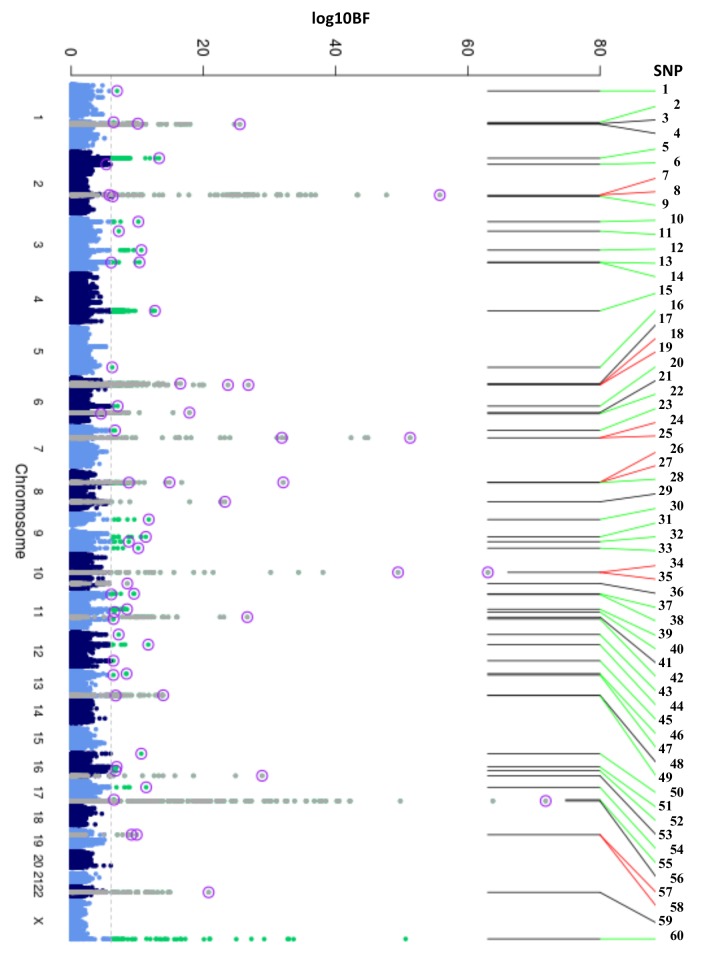
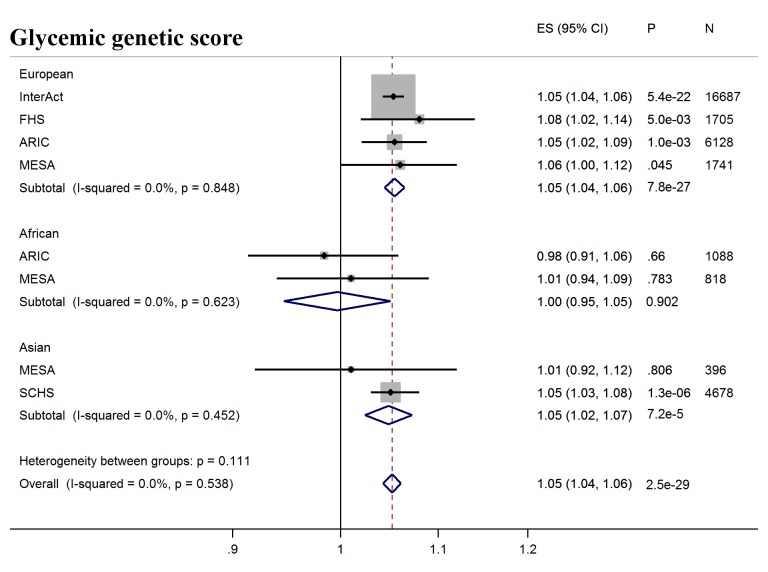
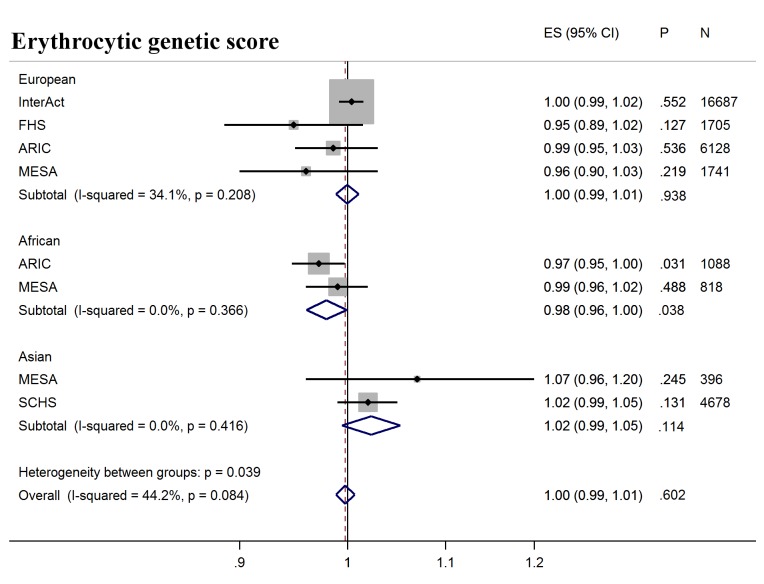
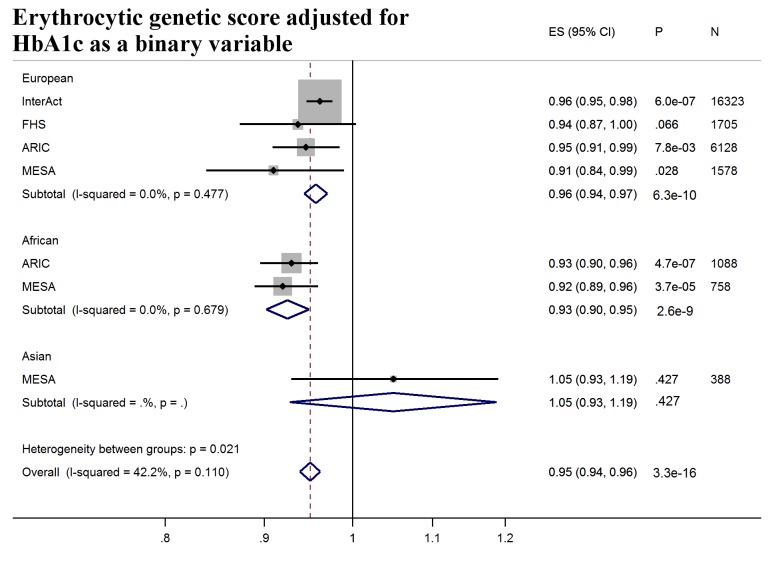
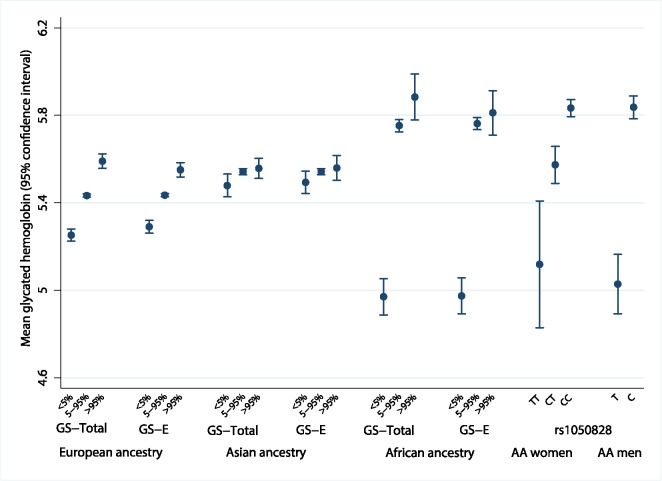
BACKGROUND: Glycated hemoglobin (HbA1c) is used to diagnose type 2 diabetes (T2D) and assess glycemic control in patients with diabetes. Previous genome-wide association studies (GWAS) have identified 18 HbA1c-associated genetic variants. These variants proved to be classifiable by their likely biological action as erythrocytic (also associated with erythrocyte traits) or glycemic (associated with other glucose-related traits). In this study, we tested the hypotheses that, in a very large scale GWAS, we would identify more genetic variants associated with HbA1c and that HbA1c variants implicated in erythrocytic biology would affect the diagnostic accuracy of HbA1c. We therefore expanded the number of HbA1c-associated loci and tested the effect of genetic risk-scores comprised of erythrocytic or glycemic variants on incident diabetes prediction and on prevalent diabetes screening performance. Throughout this multiancestry study, we kept a focus on interancestry differences in HbA1c genetics performance that might influence race-ancestry differences in health outcomes. METHODS & FINDINGS: Using genome-wide association meta-analyses in up to 159,940 individuals from 82 cohorts of European, African, East Asian, and South Asian ancestry, we identified 60 common genetic variants associated with HbA1c. We classified variants as implicated in glycemic, erythrocytic, or unclassified biology and tested whether additive genetic scores of erythrocytic variants (GS-E) or glycemic variants (GS-G) were associated with higher T2D incidence in multiethnic longitudinal cohorts (N = 33,241). Nineteen glycemic and 22 erythrocytic variants were associated with HbA1c at genome-wide significance. GS-G was associated with higher T2D risk (incidence OR = 1.05, 95% CI 1.04-1.06, per HbA1c-raising allele, p = 3 × 10-29); whereas GS-E was not (OR = 1.00, 95% CI 0.99-1.01, p = 0.60). In Europeans and Asians, erythrocytic variants in aggregate had only modest effects on the diagnostic accuracy of HbA1c. Yet, in African Americans, the X-linked G6PD G202A variant (T-allele frequency 11%) was associated with an absolute decrease in HbA1c of 0.81%-units (95% CI 0.66-0.96) per allele in hemizygous men, and 0.68%-units (95% CI 0.38-0.97) in homozygous women. The G6PD variant may cause approximately 2% (N = 0.65 million, 95% CI 0.55-0.74) of African American adults with T2D to remain undiagnosed when screened with HbA1c. Limitations include the smaller sample sizes for non-European ancestries and the inability to classify approximately one-third of the variants. Further studies in large multiethnic cohorts with HbA1c, glycemic, and erythrocytic traits are required to better determine the biological action of the unclassified variants. CONCLUSIONS: As G6PD deficiency can be clinically silent until illness strikes, we recommend investigation of the possible benefits of screening for the G6PD genotype along with using HbA1c to diagnose T2D in populations of African ancestry or groups where G6PD deficiency is common. Screening with direct glucose measurements, or genetically-informed HbA1c diagnostic thresholds in people with G6PD deficiency, may be required to avoid missed or delayed diagnoses.
Overview
The claims and statistics of this paper haven’t been checked yet.
Free: it reads the open-access text and checks the first 5 claims that cite a source we can check. Create a free account to check every claim.
Integrity signals
Registry
Cites
Statistics
Figures
Verification
Claims the paper makes
The claims and statistics of this paper haven’t been checked yet.
Free: it reads the open-access text and checks the first 5 claims that cite a source we can check. Create a free account to check every claim.
Claims other papers make about this one
Each is checked against this paper’s own text: does it say what the citing paper says it does?
The source backs part of the claim, not all of it — or backs it for a different population, condition or comparison.
In the citing paper
“A1C levels may be 0.4% to 0.6% higher in Blacks and Hispanics compared with Whites, despite equivalent levels of hyperglycemia in those with T2D.11-17”
From American Association of Clinical Endocrinology Clinical Practice Guideline: Developing a Diabetes Mellitus Comprehensive Care Plan-2022 Update. (2022) · cites this paper as [16]
Experimental — accuracy not yet measuredThe source backs part of the claim, not all of it — or backs it for a different population, condition or comparison.
In the citing paper
“Another genetic variant, X-linked glucose-6-phosphate dehydrogenase G202A, carried by 11% of African American individuals, was associated with a decrease in A1C of about 0.8% in hemizygous men and 0.7% in homozygous women compared with those without the trait (20).”
From 6. Glycemic Targets: Standards of Care in Diabetes—2023 (2023) · cites this paper as [20]
Experimental — accuracy not yet measuredThe source backs part of the claim, not all of it — or backs it for a different population, condition or comparison.
In the citing paper
“Another genetic variant, X-linked glucose-6-phosphate dehydrogenase G202A, carried by 11% of African American individuals in the U.S., is associated with a decrease in A1C of about 0.8% in homozygous men and 0.7% in homozygous women compared with levels in individuals without the variant (21).”
From 2. Diagnosis and Classification of Diabetes: Standards of Care in Diabetes—2024 (2024) · cites this paper as [21]
Experimental — accuracy not yet measuredThe source backs part of the claim, not all of it — or backs it for a different population, condition or comparison.
In the citing paper
“Another genetic variant, X-linked glucose-6-phosphate dehydrogenase G202A, carried by 11% of African American individuals in the U.S., is associated with a decrease in A1C of about 0.8% in homozygous men and 0.7% in homozygous women compared with levels in individuals without the variant (21).”
From 2. Diagnosis and classification of diabetes: standards of care in diabetes-2025 (2025) · cites this paper as [21]
Experimental — accuracy not yet measuredThe cited source says what the claim attributes to it.
In the citing paper
“There is an emerging understanding of genetic determinants that may modify the association between A1C and glucose levels (13).”
From 6. Glycemic Goals, Hypoglycemia, and Hyperglycemic Crises: Standards of Care in Diabetes-2026. (2026) · cites this paper as [13]
Self-check
Percentages, sums and reported differences re-computed from the paper’s own numbers.
The self-check needs the paper’s full text.
Citations
Cites
GCTA: a tool for genome-wide complex trait analysis
Yang, J., Lee, S. H., Goddard, M. E., & Visscher, P. M. (2011) · The American Journal of Human Genetics · doi:10.1016/j.ajhg.2010.11.011 · Cited by 8,279 · cited 1×
“We ran approximate conditional analyses using the Genome-wide Complex Trait Analysis (GCTA) software [22,23] (following analysis plans detailed in S1 Analysis Plans, Conditional analyses in GCTA) using the Women’s Genome Health Study (WGHS, Europeans), Jackson Heart Study (JHS, African Americans), Singapore Malay Eye…”
MethodMETAL: fast and efficient meta-analysis of genomewide association scans
Willer, C. J., Li, Y., & Abecasis, G. R. (2010) · Bioinformatics · doi:10.1093/bioinformatics/btq340 · Cited by 5,205
Self-citationA second generation human haplotype map of over 3.1 million SNPs
The International HapMap Consortium (2007) · Nature · doi:10.1038/nature06258 · Cited by 4,438
Genomic Control for Association Studies
Devlin, B., & Roeder, K. (1999) · Biometrics · doi:10.1111/j.0006-341x.1999.00997.x · Cited by 3,162 · cited 1×
“using the genomic control inflation factor, λGC [17,19].”
MethodClassification and Diagnosis of Diabetes
Fajans, S. S. (1990) · Medical Entomology and Zoology · Cited by 2,359
Genetic Investigation of ANthropometric Traits (GIANT) Consortium, Yang, J., DIAbetes Genetics Replication And Meta-analysis (DIAGRAM) Consortium, Ferreira, T., Morris, A. P., Medland, S. E., Madden, P. A. F., Heath, A. C., Martin, N. G., Montgomery, G. W., et al. (2012) · Nature Genetics · doi:10.1038/ng.2213 · Cited by 1,712
2. Classification and Diagnosis of Diabetes
American Diabetes Association (2017) · Diabetes Care · doi:10.2337/dc17-s005 · Cited by 1,603
Glycated hemoglobin, diabetes, and cardiovascular risk in nondiabetic adults
Selvin, E., Steffes, M. W., Zhu, H., Matsushita, K., Wagenknecht, L., Pankow, J., Coresh, J., & Brancati, F. L. (2010) · New England Journal of Medicine · doi:10.1056/nejmoa0908359 · Cited by 1,544
Scott, R. A., Lagou, V., Welch, R. P., Wheeler, E., Montasser, M. E., Luan, J., Mägi, R., Strawbridge, R. J., Rehnberg, E., Gustafsson, S., et al. (2012) · Nature Genetics · doi:10.1038/ng.2385 · Cited by 828 · cited 5×
“Two SNPs were classified based on evidence from the literature, rs12132919 (TMEM79) was classified as erythrocytic based on association with MCHC in Japanese individuals [28] and rs7616006 (SYN2) was classified as erythrocytic based on association with platelet count in Europeans [29].”
MethodInfluentialSelf-citationManning, A. K., Hivert, M.-F., Scott, R. A., Grimsby, J. L., Bouatia-Naji, N., Chen, H., Rybin, D., Liu, C.-T., Bielak, L. F., Prokopenko, I., et al. (2012) · Nature Genetics · doi:10.1038/ng.2274 · Cited by 827
Self-citation
Research works printed but not linked: 1
- (2015) IDAtE. https://www.idf.org/e-library/epidemiology-research/diabetes-atlas/13-diabetes-atlas-seventh-edition.html.
Cited by
Items 101–200 of 415
Yeung, S. L. A., & Schooling, C. M. (2019) · BMJ Open Diabetes Research & Care · doi:10.1136/bmjdrc-2019-000872 · Cited by 56
Cholesterol – the devil you know; ceramide – the devil you don’t
Tippetts, T. S., Holland, W. L., & Summers, S. A. (2021) · Trends in Pharmacological Sciences · doi:10.1016/j.tips.2021.10.001 · Cited by 58
Glycated albumin as biomarker: Evidence and its outcomes
Kohzuma, T., Tao, X., & Koga, M. (2021) · Journal of Diabetes and its Complications · doi:10.1016/j.jdiacomp.2021.108040 · Cited by 56
Comparing Ethnicity-Specific Reference Intervals for Clinical Laboratory Tests from EHR Data
Rappoport, N., Paik, H., Oskotsky, B., Tor, R., Ziv, E., Zaitlen, N., & Butte, A. J. (2018) · The Journal of Applied Laboratory Medicine · doi:10.1373/jalm.2018.026492 · Cited by 49
Cheung, C.-L., Tan, K. C. B., Au, P. C. M., Li, G. H. Y., & Cheung, B. M. Y. (2019) · EBioMedicine · doi:10.1016/j.ebiom.2019.02.021 · Cited by 48
“The currentMR study utilized summary statistics of the genetic instruments of GDF-15 from the GWAS or genome-wide meta-analysis of BMI [11], WHR [12], WC [12], WBLM [13], fat percentage [14], T2D [15], FG [16], FI [16], A1c [17], HDL-C [18], LDL-C [18], TC [18], TG [18], CAD [19] and eBMD [20].”
MethodInfluentialYeung, S. L. A., Borges, M. C., Lawlor, D. A., & Schooling, C. M. (2021) · Thorax · doi:10.1136/thoraxjnl-2020-215600 · Cited by 53
Gonzalez, A., Deng, Y., Lane, A. N., Benkeser, D. C., Cui, X., Staimez, L. R., Ford, C. N., Khan, F. N., WEBSTER, S. C. M., Leong, A., et al. (2019) · Diabetic Medicine · doi:10.1111/dme.14181 · Cited by 62
Self-citationLiu, X., Li, C., Sun, X., Yu, Y., Si, S., Hou, L., Yan, R., Yu, Y., Li, M., Li, H., et al. (2021) · Journal of the American Heart Association · doi:10.1161/jaha.120.020187 · Cited by 45
Self-citationA Transethnic Mendelian Randomization Study Identifies Causality of Obesity on Risk of Psoriasis
Ogawa, K., Stuart, P. E., Tsoi, L. C., Ken, S., Nair, R. P., Mochizuki, H., Elder, J. T., & Okada, Y. (2018) · Journal of Investigative Dermatology · doi:10.1016/j.jid.2018.11.023 · Cited by 57
Dornbos, P., Koesterer, R., Ruttenburg, A., Nguyen, T., Cole, J. B., AMP-T2D-GENES Consortium, Leong, A., Meigs, J. B., Florez, J. C., Rotter, J. I., et al. (2022) · Nature Genetics · doi:10.1038/s41588-022-01200-1 · Cited by 46
Self-citationLi, Z., Chen, P., Chen, J., Xu, Y., Wang, Q., Li, X., Li, C., He, L., & Shi, Y. (2018) · EBioMedicine · doi:10.1016/j.ebiom.2018.07.037 · Cited by 53
“Effect size estimates for single-nucleotide polymorphisms (SNPs) associated with glycemic and insulin traits (fasting glucose levels, HbA1c and fasting insulin levels) were obtained from the MAGIC (Meta-Analyses of Glucose and Insulin-Related Traits Consortium) data sets of Europeans [9–11] and transethnic groups [11]…”
MethodResultSelf-citationLuo, S., Schooling, C. M., Wong, I. C. K., & Yeung, S. L. A. (2020) · Diabetologia · doi:10.1007/s00125-020-05243-z · Cited by 52
Demographic Imbalances Resulting From the Bring-Your-Own-Device Study Design
Cho, P. J., Yi, J., Ho, E., Shandhi, M. M. H., Dinh, Y., Patil, A., Martin, L., Singh, G., Bent, B., Ginsburg, G. S., et al. (2022) · JMIR mhealth and uhealth · doi:10.2196/29510 · Cited by 52
“metabolic disease, cardiovascular disease, and sleep disturbances, among others [9-18].”
BackgroundIntegrative genomic analyses in adipocytes implicate DNA methylation in human obesity and diabetes
McAllan, L., Baranas̆ić, D., Villicaña, S., Brown, S., Zhang, W., Lehne, B. C., Adamo, M., Jenkinson, A. D., Elkalaawy, M., Mohammadi, B., et al. (2023) · Nature Communications · doi:10.1038/s41467-023-38439-z · Cited by 50
Self-citationGarfield, V., Farmaki, A., Fatemifar, G., Eastwood, S. V., Mathur, R., Rentsch, C. T., Denaxas, S., Bhaskaran, K., Smeeth, L. L., & Chaturvedi, N. (2021) · Diabetes · doi:10.2337/db20-0895 · Cited by 47
Monti, R., Eick, L., Hudjashov, G., Läll, K., Kanoni, S., Wolford, B. N., Wingfield, B., Pain, O., Wharrie, S., Jermy, B. S., et al. (2024) · The American Journal of Human Genetics · doi:10.1016/j.ajhg.2024.06.003 · Cited by 57
Self-citationXu, H., Jin, C., & Guan, Q. (2020) · Frontiers in Genetics · doi:10.3389/fgene.2020.00603 · Cited by 41
Type 2 Diabetes, Metabolic Traits, and Risk of Heart Failure: A Mendelian Randomization Study
Mordi, I. R., Lumbers, R. T., Palmer, C. N. A., Pearson, E. R., Sattar, N. A., Holmes, M. V., & Lang, C. C. (2021) · Diabetes Care · doi:10.2337/dc20-2518 · Cited by 48
Self-citationMajara, L., Kalungi, A., Koen, N., Tsuo, K., Wang, Y., Gupta, R., Nkambule, L. L., Zar, H. J., Stein, D. J., Kinyanda, E., et al. (2023) · Human Genetics and Genomics Advances · doi:10.1016/j.xhgg.2023.100184 · Cited by 78
Khosla, L., Bhat, S., Fullington, L. A., & Horlyck-Romanovsky, M. F. (2021) · Preventing Chronic Disease · doi:10.5888/pcd18.200365 · Cited by 40
Zhu, H., Zhao, Z., Liu, H., Cai, J., Lu, Q., Ji, L., & Xu, J. (2023) · Annals of Medicine · doi:10.1080/07853890.2023.2191218 · Cited by 46
Prediction of type 2 diabetes mellitus onset using logistic regression-based scorecards
Edlitz, Y., & Segal, E. (2022) · eLife · doi:10.7554/elife.71862 · Cited by 48
Red blood cells as biomarkers and mediators in complications of diabetes mellitus: A review
Obeagu, E. I. (2024) · Medicine · doi:10.1097/md.0000000000037265 · Cited by 51
“[62]”
Khamis, A., Canouil, M., Siddiq, A., Crouch, H. K., Falchi, M., von Bülow, M., Ehehalt, F., Marselli, L., Distler, M., Richter, D., et al. (2019) · Molecular Metabolism · doi:10.1016/j.molmet.2019.03.004 · Cited by 50
Self-citationLamri, A., Mao, S., Desai, D., Gupta, M., Paré, G., & Anand, S. S. (2020) · Scientific Reports · doi:10.1038/s41598-020-65360-y · Cited by 38
PRMT1 Is Required for the Maintenance of Mature β-Cell Identity
Kim, H., Yoon, B.-H., Oh, C.-M., Lee, J., Lee, K., Song, H., Kim, E., Yi, K., Kim, M., Kim, H., et al. (2020) · Diabetes · doi:10.2337/db19-0685 · Cited by 38
Self-citationThe quagmire of race, genetic ancestry, and health disparities
Sirugo, G., Tishkoff, S. A., & Williams, S. M. (2021) · Journal of Clinical Investigation · doi:10.1172/jci150255 · Cited by 50
Multi-ethnic GWAS and fine-mapping of glycaemic traits identify novel loci in the PAGE Study
Downie, C. G., Dimos, S. F., Bien, S. A., Hu, Y., Darst, B. F., Polfus, L. M., Wang, Y., Wojcik, G. L., Tao, R., Raffield, L. M., et al. (2021) · Diabetologia · doi:10.1007/s00125-021-05635-9 · Cited by 42
Self-citationLipidomics: An omics discipline with a key role in nutrition
de Castro, M. D. L., & Quiles-Zafra, R. (2020) · Talanta · doi:10.1016/j.talanta.2020.121197 · Cited by 40
Taylor, H. J., Hung, Y.-H., Narisu, N., Erdos, M. R., Kanke, M., Yan, T., Grenko, C. M., Swift, A. J., Bonnycastle, L. L., Sethupathy, P., et al. (2023) · Proceedings of the National Academy of Sciences · doi:10.1073/pnas.2206797120 · Cited by 36
“In addition, at this locus, a study partitioned HbA1c genetic associations into erythrocytic and glycemic effects (69).”
BackgroundMak, J. K. L., Kananen, L., Qin, C., Kuja‐Halkola, R., Tang, B., Lin, J., Wang, Y., Jääskeläinen, T., Koskinen, S. V. P., Lu, Y., et al. (2023) · Aging Cell · doi:10.1111/acel.13868 · Cited by 36
“HbA1c, CRP, lipids traits: • MAGIC (n = 123,665) • GLGC (n = 187,365) • CHARGE (n = 204,402) 1.”
BackgroundInfluentialSelf-citationGenetic Risk Scores for Complex Disease Traits in Youth
Xie, T., Wang, B., Nolte, I. M., van der Most, P. J., Oldehinkel, A. J., Hartman, C. A., & Snieder, H. (2020) · Circulation Genomic and Precision Medicine · doi:10.1161/circgen.119.002775 · Cited by 41
Self-citationMi, J., & Liu, Z. (2021) · Frontiers in Genetics · doi:10.3389/fgene.2021.688849 · Cited by 47
“We also assessed the causal effect of several obesity-related factors including arm fat mass, arm fat-free mass, waist circumference, lipid profile, and glycemic traits on the risk of CTS with summary data from publicly available GWAS (Scott et al., 2012; Willer et al., 2013; Wheeler et al., 2017).”
BackgroundInfluentialGormley, M., Dudding, T., Thomas, S. J., Tyrrell, J., Ness, A., Pring, M., Legge, D., Smith, G. D., Richmond, R. C., Vincent, E. E., et al. (2023) · eLife · doi:10.7554/elife.82674 · Cited by 37
Genome-wide polygenic risk score for retinopathy of type 2 diabetes
Forrest, I. S., Chaudhary, K., Paranjpe, I., Vy, H. M. T., Márquez‐Luna, C., Rocheleau, G., Saha, A., Chan, L., Vleck, T. T. V., Loos, R. J. F., et al. (2021) · Human Molecular Genetics · doi:10.1093/hmg/ddab067 · Cited by 38
“DR cases had a greater proportion of hypertension (95 versus 83%), with higher median glucose (143 mg/dl versus 116 mg/dl) and HbA1c concentrations [8.0% (64 mmol/mol) versus 7.3% (56 mmol/mol)] than controls (Table 1).”
MethodInfluentialSelf-citationPerry, B. I., Bowker, N., Burgess, S., Wareham, N. J., Upthegrove, R., Jones, P. B., Langenberg, C., & Khandaker, G. M. (2022) · Schizophrenia Bulletin Open · doi:10.1093/schizbullopen/sgac001 · Cited by 45
Self-citationDeciphering how early life adiposity influences breast cancer risk using Mendelian randomization
Vabistsevits, M., Smith, G. D., Sanderson, E. C. M., Richardson, T. G., Lloyd‐Lewis, B., & Richmond, R. C. (2022) · Communications Biology · doi:10.1038/s42003-022-03272-5 · Cited by 40
Adaptive selection at G6PD and disparities in diabetes complications
Breeyear, J. H., Hellwege, J. N., Schroeder, P. H., House, J. S., Poisner, H. M., Mitchell, S. L., CHAREST, B. R., Khakharia, A., Basnet, T. B., Halladay, C. W., et al. (2024) · Nature Medicine · doi:10.1038/s41591-024-03089-1 · Cited by 38
“We identified the TMPRSS6 locus, in which a nonsynonymous variant has been previously shown to increase HbA1c (rs855791-A, β = 0.027 ± 0.004, P = 2.74 × 10 −14 ) 40,41 .”
InfluentialSelf-citationMechanick, J. I., Adams, S., Davidson, J. A., Fergus, I. V., Galindo, R. J., McKinney, K. H., Petak, S. M., Sadhu, A. R., Samson, S. L., Vedanthan, R., et al. (2019) · Endocrine Practice · doi:10.4158/ps-2019-0080 · Cited by 33
Importance of Genetic Studies of Cardiometabolic Disease in Diverse Populations
Fernández‐Rhodes, L., Young, K. L., Lilly, A. G., Raffield, L. M., Highland, H. M., Wojcik, G. L., Agler, C. S., Love, S.-A. M., Okello, S., Petty, L. E., et al. (2020) · Circulation Research · doi:10.1161/circresaha.120.315893 · Cited by 39
The Emerging Physiological Role of AGMO 10 Years after Its Gene Identification
Sailer, S., Keller, M. A., Werner, E. R., & Watschinger, K. (2021) · Life · doi:10.3390/life11020088 · Cited by 38
Hypertension genomics and cardiovascular prevention
Ng, F. L., Warren, H. R., & Caulfield, M. J. (2018) · Annals of Translational Medicine · doi:10.21037/atm.2018.06.34 · Cited by 30
“I t i s a l so notab le tha t the ABO gene (α -1 ,3N - a c e t y l g a l a c t o s a m i n y l t r a n s f e r a s e a n d α - 1 , 3 galactosyltransferase), most commonly known for its influence on the ABO blood group, is a signal across multiple traits, including blood pressure (4), glycated haemoglobin A1c (50), hyp…”
BackgroundKhan, S. R., Manialawy, Y. M., Obersterescu, A., Cox, B., Gunderson, E. P., & Wheeler, M. B. (2020) · iScience · doi:10.1016/j.isci.2020.101566 · Cited by 39
Protein prediction for trait mapping in diverse populations
Schubert, R., Geoffroy, E., Gregga, I., Mulford, A. J., Aguet, F., Ardlie, K., Gerszten, R. E., Clish, C. B., Berg, D. V. D., Taylor, K. D., et al. (2022) · PLoS ONE · doi:10.1371/journal.pone.0264341 · Cited by 28
Self-citationDiscovery of Potent and Selective Inhibitors against Protein-Derived Electrophilic Cofactors
Wang, X., Lin, Z., Bustin, K. A., McKnight, N. R., Parsons, W. H., & Matthews, M. L. (2022) · Journal of the American Chemical Society · doi:10.1021/jacs.1c12748 · Cited by 31
Self-citationGarfield, V., Salzmann, A., Burgess, S., & Chaturvedi, N. (2023) · Diabetes · doi:10.2337/db22-0110 · Cited by 38
Hachiya, T., Komaki, S., Hasegawa, Y., Ohmomo, H., Tanno, K., Hozawa, A., Tamiya, G., Yamamoto, M. P., Ogasawara, K., Nakamura, M., et al. (2017) · Scientific Reports · doi:10.1038/s41598-017-16493-0 · Cited by 32
Dikilitas, O., Satterfield, B. A., & Kullo, I. J. (2020) · Journal of the American Heart Association · doi:10.1161/jaha.120.017740 · Cited by 27
Adams, D. M., Reay, W. R., Geaghan, M. P., & Cairns, M. J. (2020) · Neuropsychopharmacology · doi:10.1038/s41386-020-00847-w · Cited by 31
“IVs were genome-wide significant SNPs (P < 5 × 10, such that IV1 is satisfied) from the largest GWAS available for each trait [38, 39].”
BackgroundGenetics of HbA1c: a case study in clinical translation
Leong, A., & Wheeler, E. (2018) · Current Opinion in Genetics & Development · doi:10.1016/j.gde.2018.02.008 · Cited by 36
Self-citationAn Atlas of Gene Regulatory Elements in Adult Mouse Cerebrum
Li, Y. E., Preissl, S., Hou, X., Zhang, Z., Zhang, K., Fang, R., Qiu, Y., Poirion, O., Li, B., Liu, H., et al. (2020) · doi:10.1101/2020.05.10.087585 · Cited by 187
Self-citationZhang, J., Zhang, S., Qiao, J., Wang, T., & Zeng, P. (2023) · BMC Genomics · doi:10.1186/s12864-023-09434-x · Cited by 35
“Comparison our discoveries to prior studies Like the findings obtained from prior studies that however often focused only on a single trait [11, 40, 41], our work, which considered much more traits and diseases, further confirmed extensive genetic overlap and identified a large number of common associated genetic loci…”
BackgroundResultValid inference for machine learning-assisted genome-wide association studies
Miao, J., Wu, Y., Sun, Z., Miao, X., Lu, T., Zhao, J., & Lu, Q. (2024) · Nature Genetics · doi:10.1038/s41588-024-01934-0 · Cited by 28
“We looked up their associations with three glycemic traits and six erythrocyte traits 26 using publicly available GWAS summary statistics 29,30 .”
Rath, A. A., Lam, H. S., & Schooling, C. M. (2021) · European Journal of Clinical Nutrition · doi:10.1038/s41430-021-00882-w · Cited by 29
“Genetic associations with hemoglobin A1c (HbA1c) (%) were taken from a GW metaanalysis of 123,665 participants of European ancestry, mean age ~53 years for women and 54 years for men [19].”
BackgroundSiewert, K. M., & Voight, B. F. (2018) · Circulation Genomic and Precision Medicine · doi:10.1161/circgen.118.002239 · Cited by 27
Cao, M., & Cui, B. (2019) · The Journal of Clinical Endocrinology & Metabolism · doi:10.1210/clinem/dgz071 · Cited by 30
Multi-Omics Analysis Reveals MicroRNAs Associated With Cardiometabolic Traits
Mens, M. M. J., Maas, S. C. E., Klap, J. M., Weverling, G. J., Klatser, P. R., Brakenhoff, J. P. J., van Meurs, J. B. J., Uitterlinden, A. G., Ikram, M. A., Kavousi, M., et al. (2020) · Frontiers in Genetics · doi:10.3389/fgene.2020.00110 · Cited by 31
Evaluation of glycemic traits in susceptibility to COVID-19 risk: a Mendelian randomization study
Yeung, S. L. A., Zhao, J. V., & Schooling, C. M. (2021) · BMC Medicine · doi:10.1186/s12916-021-01944-3 · Cited by 30
Hivert, M., Christophi, C. A., Jablonski, K., Edelstein, S. L., Kahn, S. E., Golden, S. H., Dagogo-Jack, S. E., Mather, K. J., Luchsinger, J. A., Caballero, A. E., et al. (2018) · The Journal of Clinical Endocrinology & Metabolism · doi:10.1210/jc.2018-01416 · Cited by 30
Self-citationHbA1c for type 2 diabetes diagnosis in Africans and African Americans: personalized medicine now
Paterson, A. D. (2017) · PLOS Medicine · doi:10.1371/journal.pmed.1002384 · Cited by 26
Meisinger, C., Linseisen, J., Leitzmann, M. F., Baurecht, H., & Baumeister, S. E. (2020) · BMJ Open Diabetes Research & Care · doi:10.1136/bmjdrc-2020-001896 · Cited by 33
Ford, C. N., Leet, R. W., Kipling, L. M., Rhee, M. K., Jackson, S. L., Wilson, P. W. F., Phillips, L. S., & Staimez, L. R. (2019) · Diabetic Medicine · doi:10.1111/dme.13979 · Cited by 31
Fürtjes, A. E., Coleman, J. R. I., Tyrrell, J., Lewis, C. M., & Hagenaars, S. P. (2021) · Psychological Medicine · doi:10.1017/s0033291721000945 · Cited by 27
“PRSs were created for total cholesterol, LDL and HDL cholesterol, tri-glycerides (Willer et al., 2013), HbA1c (Wheeler et al., 2017), diastolic and systolic blood pressure (Evangelou et al., 2018), BMI (Locke et al., 2015), waist-to-hip ratio, unadjusted and adjusted for BMI (Shungin et al., 2015),…”
InfluentialMendelian randomization supports the causal role of fasting glucose on periodontitis
Wang, Y., Chu, T., Gong, Y., Li, S., Wu, L., Jin, L., Hu, R., & Deng, H. (2022) · Frontiers in Endocrinology · doi:10.3389/fendo.2022.860274 · Cited by 26
“The genetic data of fasting glucose and HbA1c have been reported with (21) and without body mass index (BMI) adjustment (22, 23).”
BackgroundHuang, M., Laina-Nicaise, L.-D., Zha, L., Tang, T., & Cheng, X. C. (2022) · Frontiers in Endocrinology · doi:10.3389/fendo.2022.840579 · Cited by 28
Exome-Derived Adiponectin-Associated Variants Implicate Obesity and Lipid Biology
Spracklen, C. N., Karaderi, T., Yaghootkar, H., Schurmann, C., Fine, R. S., Kutalik, Z., Preuss, M. H., Lu, Y., Wittemans, L. B. L., Adair, L. S., et al. (2019) · The American Journal of Human Genetics · doi:10.1016/j.ajhg.2019.05.002 · Cited by 33
Self-citationBarroso, I. (2021) · Diabetologia · doi:10.1007/s00125-021-05575-4 · Cited by 23
Self-citationKarhunen, V., Gill, D., Huang, J. V., Bouras, E., Malik, R., Ponsford, M., Ahola‐Olli, A., Papadopoulou, A., Palaniswamy, S., Sebert, S. P., et al. (2023) · BMJ Medicine · doi:10.1136/bmjmed-2022-000157 · Cited by 26
Self-citationLiang, Y., Luo, S., Wong, T. H. T., He, B., Schooling, C. M., & Yeung, S. L. A. (2023) · International Journal of Epidemiology · doi:10.1093/ije/dyad093 · Cited by 23
Self-citationBurgess, S., Malik, R., Liu, B., Mason, A. M., Georgakis, M. K., Dichgans, M., & Gill, D. (2021) · Diabetologia · doi:10.1007/s00125-020-05377-0 · Cited by 25
“The analyses were restricted to UK Biobank participants of European ancestry, and may not apply to other populations.”
MethodResultInfluentialNag, A., Dhindsa, R. S., Middleton, L., Jiang, X., Vitsios, D., Wigmore, E., Allman, E. L., Reznichenko, A., Carss, K., Smith, K. R., et al. (2023) · The American Journal of Human Genetics · doi:10.1016/j.ajhg.2023.02.002 · Cited by 22
Moon, J., Louie, T. L., Jain, D., Sofer, T., Schurmann, C., Below, J. E., Lai, C., Avilés-Santa, L. M., Talavera, G. A., Smith, C. E., et al. (2019) · Diabetes Care · doi:10.2337/dc19-0168 · Cited by 26
Self-citationLuo, S., Yeung, S. L. A., & Schooling, C. M. (2021) · Diabetologia · doi:10.1007/s00125-021-05537-w · Cited by 24
“Genetic risk score of HbA1c For each participant in the UK Biobank, we constructed an externally weighted genetic risk score (GRS) for HbA1c by summing the number of HbA1c increasing alleles each participant inherited at each variant, weighted by the variant-HbA1c coefficient effect derived from an independent study […”
MethodSandholm, N., Haukka, J. K., Toppila, I., Valo, E., Harjutsalo, V., Forsblom, C. M., & Groop, P. (2018) · Scientific Reports · doi:10.1038/s41598-018-29211-1 · Cited by 21
Effect of Glucagon on Ischemic Heart Disease and Its Risk Factors: A Mendelian Randomization Study
Ng, J. C. M., & Schooling, C. M. (2020) · The Journal of Clinical Endocrinology & Metabolism · doi:10.1210/clinem/dgaa259 · Cited by 27
Genome-wide association studies of brain structure and function in the UK BiobankPreprint
Elliott, L. T., Sharp, K., Alfaro‐Almagro, F., Shi, S., Miller, K. L., Douaud, G., Marchini, J., & Smith, S. M. (2017) · bioRxiv (Cold Spring Harbor Laboratory) · doi:10.1101/178806 · Cited by 30
Glycemic traits and Alzheimer’s disease: a mendelian randomization study
Pan, Y., Chen, W., Yan, H., Wang, M., & Xiang, X. (2020) · Aging · doi:10.18632/aging.103887 · Cited by 44
Self-citationLin, L., Wang, A., He, Y. L., Wang, W., Gao, Z., Tang, X., Yan, L., Wan, Q., Luo, Z., Qin, G., et al. (2021) · Diabetes Research and Clinical Practice · doi:10.1016/j.diabres.2021.109039 · Cited by 24
GWAS Identifies Multiple Genetic Loci for Skin Color in Korean Women
Seo, J. Y., You, S. W., Shin, J., Kim, Y., Park, S. G., Won, H., & Kang, N. G. (2021) · Journal of Investigative Dermatology · doi:10.1016/j.jid.2021.08.440 · Cited by 21
Self-citationLubberding, A. F., Juhl, C. R., Skovhøj, E. Z., Kanters, J. K., Mandrup-Poulsen, T. R., & Torekov, S. S. (2022) · Acta Physiologica · doi:10.1111/apha.13781 · Cited by 23
The Sickle Effect: The Silent Titan Affecting Glycated Hemoglobin Reliability
Gordon, D. K., Hussain, M., Kumar, P., Khan, S., & Khan, S. (2020) · Cureus · doi:10.7759/cureus.9685 · Cited by 26
“These cohorts included persons from South Asian, European, African, and East Asian ancestries and were able to identify 60 common genetic variants associated with HbA1c [35].”
BackgroundJuvinao-Quintero, D. L., Starling, A. P., Cárdenas, A., Powe, C. E., Perron, P., Bouchard, L., Dabelea, D., & Hivert, M. (2021) · Epigenomics · doi:10.2217/epi-2020-0279 · Cited by 21
“4% (r2) of the variation in maternal HbA1c in our sample, and this result is consistent with previous findings in Europeans [47].”
ResultInfluentialSelf-citationGenetic Determinants of Glycated Hemoglobin in Type 1 Diabetes
Syreeni, A., Sandholm, N., Cao, J., Toppila, I., Maahs, D. M., Rewers, M., Snell‐Bergeon, J. K., Costacou, T., Orchard, T. J., Caramori, M. L., et al. (2019) · Diabetes · doi:10.2337/db18-0573 · Cited by 20
Schmidt, S., Gallego, S. F., Zelnik, I. D., Kovalchuk, S. I., Albæk, N., Sprenger, R. R., Øverup, C., Pewzner‐Jung, Y., Futerman, A. H., Lindholm, M., et al. (2021) · Molecular Therapy · doi:10.1016/j.ymthe.2021.08.021 · Cited by 20
Identifying modifiable risk factors of lung cancer: Indications from Mendelian randomization
Ding, J., Tu, Z., Chen, H., & Liu, Z. (2021) · PLoS ONE · doi:10.1371/journal.pone.0258498 · Cited by 19
Magnus, M. C., Borges, M. C., Fraser, A., & Lawlor, D. A. (2022) · European Journal of Epidemiology · doi:10.1007/s10654-022-00903-3 · Cited by 23
Han, L., Xu, S., Chen, R., Zheng, Z., Ding, Y., Wu, Z., Li, S., He, B., & Bao, M. (2025) · Medicine · doi:10.1097/md.0000000000041861 · Cited by 21
“[55] 58] For instance, a Swedish cohort study involving 10,398 children and adults found no statistically significant difference in the risk of retinopathy or nephropathy between individuals with an average HbA1c level of 6.5% ( 48 mmol/mol) and those with HbA1c levels of 6.5% to 6.9% (48–52 mmol/…”
InfluentialLoomis, S. J., Li, M., Maruthur, N. M., Baldridge, A. S., North, K. E., Mei, H., Morrison, A. C., Carson, A. P., Pankow, J. S., Boerwinkle, E., et al. (2018) · Diabetes · doi:10.2337/db17-1362 · Cited by 21
“Both Soranzo and Chen found that taking nonglycemic variants into account modestly impacted diabetes reclassification, and Wheeler found a more substantial effect(19-21).”
BackgroundInfluentialSelf-citationLeong, A., Lim, V. J. Y., Wang, C., Chai, J.-F., Dorajoo, R., Heng, C.-K., van Dam, R. M., Koh, W.-P., Yuan, J.-M., Jonas, J. B., et al. (2020) · BMJ Open Diabetes Research & Care · doi:10.1136/bmjdrc-2019-001091 · Cited by 19
Self-citationKweka, B. V., Lyimo, E., Jeremiah, K., Filteau, S., Rehman, A. M., Friis, H., Manjurano, A. M., Faurholt‐Jepsen, D., Krogh‐Madsen, R., PrayGod, G., et al. (2020) · PLoS ONE · doi:10.1371/journal.pone.0244782 · Cited by 18
“G6PD deficiency, which is common in people of Mediterranean and African origin including Tanzania [12], also predisposes RBCs to hemolysis [14] and reduces the exposure time of hemoglobin to glucose, resulting in falsely low HbA1c levels [15,16].”
BackgroundNicholson, R. J., Poss, A. M., Maschek, J. A., Cox, J. E., Hopkins, P. N., Hunt, S. C., Playdon, M. C., Holland, W. L., & Summers, S. A. (2021) · The Journal of Clinical Endocrinology & Metabolism · doi:10.1210/clinem/dgab155 · Cited by 17
Circulating Nucleic Acid-Based Biomarkers of Type 2 Diabetes
Padilla-Martínez, F., Wojciechowska, G. E. P., Szczerbiński, Ł., & Kretowski, A. J. (2021) · International Journal of Molecular Sciences · doi:10.3390/ijms23010295 · Cited by 22
“Blood GWAS, microarray 33,241 ˆ G6PD [35]”
BackgroundSerum urate and heart failure: a bidirectional Mendelian randomization study
Yang, F., Hu, T., & Cui, H. (2022) · European Journal of Preventive Cardiology · doi:10.1093/eurjpc/zwac100 · Cited by 20
Staimez, L. R., Kipling, L. M., Ham, J. N., Legvold, B. T., Jackson, S. L., Wilson, P. W. F., Rhee, M. K., & Phillips, L. S. (2022) · Diabetes Research and Clinical Practice · doi:10.1016/j.diabres.2022.109935 · Cited by 22
Yeung, S. L. A., & Schooling, C. M. (2020) · Clinical Nutrition · doi:10.1016/j.clnu.2020.09.018 · Cited by 18
Yeung, S. L. A., Luo, S., & Schooling, C. M. (2019) · Journal of Hypertension · doi:10.1097/hjh.0000000000002210 · Cited by 23
“We identified strong genetic predictors of HbA1c (P value <5 10 (8)) from a large genome wide association study [16].”
BackgroundMethodInfluentialImpact of Genetic Determinants of HbA1c on Type 2 Diabetes Risk and Diagnosis
Sarnowski, C., & Hivert, M. (2018) · Current Diabetes Reports · doi:10.1007/s11892-018-1022-4 · Cited by 17
Self-citationIssues in Defining the Burden of Prediabetes Globally
Echouffo-Tcheugui, J. B., Kengne, A. P., & Ali, M. K. (2018) · Current Diabetes Reports · doi:10.1007/s11892-018-1089-y · Cited by 19
Genomic risk score provides predictive performance for type 2 diabetes in the UK biobank
Chen, X., Liu, C., Si, S., Li, Y., Li, W., Yuan, T., & Xue, F. (2021) · Acta Diabetologica · doi:10.1007/s00592-020-01650-1 · Cited by 19
Self-citationAi, S., Wang, X., Wang, S., Zhao, Y., Guo, S., Li, G., Chen, Z., Lin, F., Guo, S. J., Li, Y., et al. (2022) · Cardiovascular Diabetology · doi:10.1186/s12933-022-01540-6 · Cited by 21
“We selected genetic variants for fasting insulin from a large GWAS data, which included 108,557 individuals of European ancestry without diabetes (known as MAGIC) [12].”
MethodInfluentialSelf-citation
Metadata
- Authors
- Wheeler, E., Leong, A., Liu, C.-T., Hivert, M.-F., Strawbridge, R. J., Podmore, C., Li, M., Yao, J., Sim, X., Hong, J., Chu, A. Y., Zhang, W., Wang, X., Chen, P., Maruthur, N. M., Porneala, B. C., Sharp, S. J., Jia, Y., Kabagambe, E. K., Chang, L.-C., Chen, W.-M., Elks, C. E., Evans, D. S., Fan, Q., Giulianini, F., Go, M. J., Hottenga, J.-J., Hu, Y., Jackson, A. U., Kanoni, S., Kim, Y. J., Kleber, M. E., Ladenvall, C., Lecoeur, C., Lim, S.-H., Lu, Y., Mahajan, A., Marzi, C., Nalls, M. A., Navarro, P., Nolte, I. M., Rose, L. M., Rybin, D. V., Sanna, S., Shi, Y., Stram, D. O., Takeuchi, F., Tan, S. P., van der Most, P. J., Van Vliet-Ostaptchouk, J. V., Wong, A., Yengo, L., Zhao, W., Goel, A., Martinez Larrad, M. T., Radke, D., Salo, P., Tanaka, T., van Iperen, E. P. A., Abecasis, G., Afaq, S., Alizadeh, B. Z., Bertoni, A. G., Bonnefond, A., Böttcher, Y., Bottinger, E. P., Campbell, H., Carlson, O. D., Chen, C.-H., Cho, Y. S., Garvey, W. T., Gieger, C., Goodarzi, M. O., Grallert, H., Hamsten, A., Hartman, C. A., Herder, C., Hsiung, C. A., Huang, J., Igase, M., Isono, M., Katsuya, T., Khor, C.-C., Kiess, W., Kohara, K., Kovacs, P., Lee, J., Lee, W.-J., Lehne, B., Li, H., Liu, J., Lobbens, S., Luan, J., Lyssenko, V., Meitinger, T., Miki, T., Miljkovic, I., Moon, S., Mulas, A., Müller, G., Müller-Nurasyid, M., Nagaraja, R., Nauck, M., Pankow, J. S., Polasek, O., Prokopenko, I., Ramos, P. S., Rasmussen-Torvik, L., Rathmann, W., Rich, S. S., Robertson, N. R., Roden, M., Roussel, R., Rudan, I., Scott, R. A., Scott, W. R., Sennblad, B., Siscovick, D. S., Strauch, K., Sun, L., Swertz, M., Tajuddin, S. M., Taylor, K. D., Teo, Y.-Y., Tham, Y. C., Tönjes, A., Wareham, N. J., Willemsen, G., Wilsgaard, T., Hingorani, A. D., EPIC-CVD Consortium, EPIC-InterAct Consortium, Study, L. C., Egan, J., Ferrucci, L., Hovingh, G. K., Jula, A., Kivimaki, M., Kumari, M., Njølstad, I., Palmer, C. N. A., Serrano Ríos, M., Stumvoll, M., Watkins, H., Aung, T., Blüher, M., Boehnke, M., Boomsma, D. I., Bornstein, S. R., Chambers, J. C., Chasman, D. I., Chen, Y.-D. I., Chen, Y.-T., Cheng, C.-Y., Cucca, F., de Geus, E. J. C., Deloukas, P., Evans, M. K., Fornage, M., Friedlander, Y., Froguel, P., Groop, L., Gross, M. D., Harris, T. B., Hayward, C., Heng, C.-K., Ingelsson, E., Kato, N., Kim, B.-J., Koh, W.-P., Kooner, J. S., Körner, A., Kuh, D., Kuusisto, J., Laakso, M., Lin, X., Liu, Y., Loos, R. J. F., Magnusson, P. K. E., März, W., McCarthy, M. I., Oldehinkel, A. J., Ong, K. K., Pedersen, N. L., Pereira, M. A., Peters, A., Ridker, P. M., Sabanayagam, C., Sale, M., Saleheen, D., Saltevo, J., Schwarz, P. E., Sheu, W. H. H., Snieder, H., Spector, T. D., Tabara, Y., Tuomilehto, J., van Dam, R. M., Wilson, J. G., Wilson, J. F., Wolffenbuttel, B. H. R., Wong, T. Y., Wu, J.-Y., Yuan, J.-M., Zonderman, A. B., Soranzo, N., Guo, X., Roberts, D. J., Florez, J. C., Sladek, R., Dupuis, J., Morris, A. P., Tai, E.-S., Selvin, E., Rotter, J. I., Langenberg, C., Barroso, I., & Meigs, J. B.
- Affiliations
- Wellcome Sanger Institute (GB)
- Harvard University (US)
- Boston University (US)
- Karolinska University Hospital (SE)
- University of Cambridge (GB)
- Johns Hopkins University (US)
- The Lundquist Institute (US)
- National University of Singapore (SG)
- Brigham and Women's Hospital (US)
- Ealing Hospital NHS Trust (GB)
- National Institutes of Health (US)
- Massachusetts General Hospital (US)
- Vanderbilt University Medical Center (US)
- Institute of Biomedical Sciences, Academia Sinica (TW)
- University of Virginia (US)
- AstraZeneca (United Kingdom) (GB)
- California Pacific Medical Center (US)
- Duke-NUS Medical School (SG)
- Korea National Institute of Health (KR)
- Vrije Universiteit Amsterdam (NL)
- Chinese Academy of Sciences (CN)
- University of Michigan (US)
- Queen Mary University of London (GB)
- Heidelberg University (DE)
- Uppsala University (SE)
- Singapore Eye Research Institute (SG)
- Icahn School of Medicine at Mount Sinai (US)
- Centre for Human Genetics (GB)
- Helmholtz Munich (DE)
- Western General Hospital (GB)
- University Medical Center Groningen (NL)
- Institute of Genetic and Biomedical Research (IT)
- University of Southern California (US)
- National Center for Global Health and Medicine (JP)
- MRC Unit for Lifelong Health and Ageing (GB)
- Universitätsmedizin Greifswald (DE)
- University of Helsinki (FI)
- National Institute on Aging (US)
- Imperial College London (GB)
- Wake Forest University Health Sciences (US)
- IFB Adiposity Diseases (DE)
- University of Edinburgh (GB)
- China Medical University (TW)
- Hallym University (KR)
- University of Alabama at Birmingham (US)
- Cedars-Sinai Medical Center (US)
- Deutsches Diabetes-Zentrum e.V. (DE)
- The Ohio State University Wexner Medical Center (US)
- Boston VA Research Institute (US)
- Ehime University (JP)
- The University of Osaka (JP)
- Agency for Science, Technology and Research (SG)
- University Hospital Leipzig (DE)
- Taichung Veterans General Hospital (TW)
- Lund University (SE)
- University of Pittsburgh (US)
- University Hospital Carl Gustav Carus (DE)
- University of Minnesota (US)
- Medical University of South Carolina (US)
- German Center for Diabetes Research (DE)
- Düsseldorf University Hospital (DE)
- Inserm (FR)
- New York Academy of Medicine (US)
- Leipzig University (DE)
- UiT The Arctic University of Norway (NO)
- University College London (GB)
- Amsterdam UMC Location University of Amsterdam (NL)
- Finnish Institute for Health and Welfare (FI)
- Ninewells Hospital (GB)
- Imperial College Healthcare NHS Trust (GB)
- Broad Institute (US)
- University of Sassari (IT)
- Hadassah Medical Center (IL)
- Centre National de la Recherche Scientifique (FR)
- University of Eastern Finland (FI)
- Karolinska Institutet (SE)
- Medical University of Graz (AT)
- Central Finland Health Care District (FI)
- Universität für Weiterbildung Krems (AT)
- NHS Blood and Transplant (GB)
- Corresponding author
- Barroso, Inês
- Meigs, James B.
- ORCID
- Wheeler, Eleanor
- Leong, Aaron
- Liu, Ching-Ti
- Hivert, Marie-France
- Strawbridge, Rona J.
- Podmore, Clara
- Li, Man
- Yao, Jie
- Sim, Xueling
- Hong, Jaeyoung
- Chu, Audrey Y.
- Zhang, Weihua
- Wang, Xu
- Chen, Peng
- Maruthur, Nisa M.
- Porneala, Bianca C.
- Sharp, Stephen J.
- Kabagambe, Edmond K.
- Chang, Li-Ching
- Chen, Wei-Min
- Evans, Daniel S.
- Fan, Qiao
- Hottenga, Jouke-Jan
- Hu, Yao
- Jackson, Anne U.
- Kanoni, Stavroula
- Kim, Young Jin
- Kleber, Marcus E.
- Ladenvall, Claes
- Lecoeur, Cecile
- Lim, Sing-Hui
- Lu, Yingchang
- Mahajan, Anubha
- Nalls, Mike A.
- Navarro, Pau
- Nolte, Ilja M.
- Rose, Lynda M.
- Rybin, Denis V.
- Sanna, Serena
- Shi, Yuan
- Stram, Daniel O.
- Takeuchi, Fumihiko
- van der Most, Peter J.
- Van Vliet-Ostaptchouk, Jana V.
- Wong, Andrew
- Yengo, Loic
- Zhao, Wanting
- Goel, Anuj
- Radke, Dörte
- Salo, Perttu
- Tanaka, Toshiko
- Alizadeh, Behrooz Z.
- Bertoni, Alain G.
- Böttcher, Yvonne
- Bottinger, Erwin P.
- Campbell, Harry
- Carlson, Olga D.
- Chen, Chien-Hsiun
- Cho, Yoon Shin
- Garvey, W. Timothy
- Gieger, Christian
- Goodarzi, Mark O.
- Grallert, Harald
- Hamsten, Anders
- Hartman, Catharina A.
- Herder, Christian
- Hsiung, Chao Agnes
- Huang, Jie
- Igase, Michiya
- Isono, Masato
- Katsuya, Tomohiro
- Khor, Chiea-Chuen
- Kiess, Wieland
- Kovacs, Peter
- Lee, Juyoung
- Lee, Wen-Jane
- Liu, Jianjun
- Luan, Jian'an
- Lyssenko, Valeriya
- Meitinger, Thomas
- Miljkovic, Iva
- Moon, Sanghoon
- Mulas, Antonella
- Müller, Gabriele
- Nagaraja, Ramaiah
- Nauck, Matthias
- Pankow, James S.
- Prokopenko, Inga
- Ramos, Paula S.
- Rathmann, Wolfgang
- Rich, Stephen S.
- Roden, Michael
- Roussel, Ronan
- Rudan, Igor
- Scott, William R.
- Sennblad, Bengt
- Siscovick, David S.
- Strauch, Konstantin
- Sun, Liang
- Swertz, Morris
- Tajuddin, Salman M.
- Taylor, Kent D.
- Teo, Yik-Ying
- Tham, Yih Chung
- Tönjes, Anke
- Wareham, Nicholas J.
- Willemsen, Gonneke
- Wilsgaard, Tom
- Hingorani, Aroon D.
- Ferrucci, Luigi
- Hovingh, G. Kees
- Jula, Antti
- Kivimaki, Mika
- Njølstad, Inger
- Palmer, Colin N. A.
- Watkins, Hugh
- Aung, Tin
- Blüher, Matthias
- Boehnke, Michael
- Boomsma, Dorret I.
- Bornstein, Stefan R.
- Chambers, John C.
- Chasman, Daniel I.
- Chen, Yii-Der Ida
- Cheng, Ching-Yu
- Cucca, Francesco
- de Geus, Eco J. C.
- Deloukas, Panos
- Evans, Michele K.
- Fornage, Myriam
- Friedlander, Yechiel
- Froguel, Philippe
- Groop, Leif
- Harris, Tamara B.
- Hayward, Caroline
- Heng, Chew-Kiat
- Ingelsson, Erik
- Kato, Norihiro
- Kim, Bong-Jo
- Koh, Woon-Puay
- Kooner, Jaspal S.
- Körner, Antje
- Kuh, Diana
- Kuusisto, Johanna
- Laakso, Markku
- Loos, Ruth J. F.
- Magnusson, Patrik K. E.
- März, Winfried
- McCarthy, Mark I.
- Oldehinkel, Albertine J.
- Ong, Ken K.
- Pedersen, Nancy L.
- Pereira, Mark A.
- Peters, Annette
- Ridker, Paul M.
- Sabanayagam, Charumathi
- Sale, Michele
- Saleheen, Danish
- Schwarz, Peter EH.
- Sheu, Wayne H. H.
- Snieder, Harold
- Tabara, Yasuharu
- Tuomilehto, Jaakko
- van Dam, Rob M.
- Wilson, James G.
- Wilson, James F.
- Wolffenbuttel, Bruce H. R.
- Wong, Tien Yin
- Yuan, Jian-Min
- Zonderman, Alan B.
- Soranzo, Nicole
- Guo, Xiuqing
- Roberts, David J.
- Sladek, Robert
- Dupuis, Josée
- Morris, Andrew P.
- Tai, E-Shyong
- Selvin, Elizabeth
- Rotter, Jerome I.
- Langenberg, Claudia
- Barroso, Inês
- Meigs, James B.
- Venue
- PLOS Medicine
- Publisher
- Public Library of Science (PLoS)
- Published
- 2017-09-12
- Volume
- 14
- Issue
- 9
- Pages
- e1002383
- ISSN
- 1549-1277 (ISSN-L)
- 1549-1676
- PMC
- PMC5595282
- OpenAlex
- W2755166087
- Cited by
- 408
- References
- 44
- Citations by year
- 2026: 21 · 2025: 26 · 2024: 39 · 2023: 44 · 2022: 45 · 2021: 68 · 2020: 63 · 2019: 58 · 2018: 35 · 2017: 9
- FWCI
- 5.84
- Type
- journal article
- Language
- en
- Open access
- gold
- doi.org
- Licence
- public-domain
- creativecommons.org/publicdomain/zero/1.0/ (vor)
- Locations
- PLoS Medicine (publishedVersion, public-domain)
- PubMed Central (publishedVersion, public-domain)
- PubMed (publishedVersion)
- ENLIGHTEN (Jurnal Bimbingan dan Konseling Islam) (acceptedVersion)
- Zurich Open Repository and Archive (University of Zurich) (acceptedVersion, public-domain)
- Open Access at Essex (University of Essex) (acceptedVersion)
- Informationszentrum Lebenswissenschaften (ZB MED) (submittedVersion, public-domain)
- IRIS (submittedVersion, public-domain)
- Edinburgh Research Explorer (University of Edinburgh) (submittedVersion, public-domain)
- PuSH - Publication Server of Helmholtz Zentrum München (submittedVersion, cc-by)
- Apollo (University of Cambridge) (submittedVersion, cc-by)
- Digital Access to Scholarship at Harvard (DASH) (Harvard University) (submittedVersion, cc-by)
- National University of Singapore (submittedVersion)
- Data Archiving and Networked Services (DANS) (submittedVersion)
- KTH Publication Database DiVA (KTH Royal Institute of Technology) (submittedVersion, other-oa)
- RePEc: Research Papers in Economics (submittedVersion)
- Discovery Research Portal (University of Dundee) (submittedVersion, public-domain)
- LA Referencia (Red Federada de Repositorios Institucionales de Publicaciones Científicas) (submittedVersion, other-oa)
- DOAJ (DOAJ: Directory of Open Access Journals) (submittedVersion, cc-by-sa)
- Utrecht University Repository (Utrecht University) (submittedVersion, other-oa)
- Open access LMU (Ludwid Maxmilian's Universitat Munchen) (submittedVersion)
- Figshare (submittedVersion, cc-by)
- Työväentutkimus Vuosikirja (submittedVersion)
- Institutional Repositories DataBase (IRDB) (submittedVersion, cc-by-nc-nd)
- Lund University Publications (Lund University) (submittedVersion)
- mediaTUM – the media and publications repository of the Technical University Munich (Technical University Munich) (submittedVersion)
- NORA - Norwegian Open Research Archives (submittedVersion, other-oa)
- Site cant be reached (submittedVersion)
- Pure Amsterdam UMC (submittedVersion, other-oa)
- University of Groningen research database (University of Groningen / Centre for Information Technology) (submittedVersion, cc-by)
- VU Research Portal (submittedVersion, other-oa)
- SERVAL (Université de Lausanne) (submittedVersion, public-domain)
- Spiral (Imperial College London) (submittedVersion, other-oa)
- STM:n Hallinnonalan avoin julkaisuarkisto (Julkari) (submittedVersion)
- Zurich Open Repository and Archive (University of Zurich) (submittedVersion, public-domain)
- Data Archiving and Networked Services (DANS) (submittedVersion, other-oa)
- Apollo (public-domain)
- Zurich Open Repository and Archive (University of Zurich)
- Funders
- Michael J. Fox Foundation for Parkinson's Research
- Amgen
- Eli Lilly and Company
- Pfizer
- AstraZeneca
- GlaxoSmithKline
- Sanofi
- NHS Blood and Transplant
- Regeneron Pharmaceuticals
- Incyte
- National Institute for Health and Care Research (NF-SI-0515-10091, NF-SI-0611-10099)
- British Heart Foundation (RG/10/12/28456, RG/14/5/30893)
- Kidney Research UK (SP/LOLIPOP/2016)
- Imperial College London
- University of Oxford
- National University of Singapore
- Institut National de la Santé et de la Recherche Médicale (U1018)
- Novo Nordisk
- Centre National de la Recherche Scientifique
- Universität Leipzig
- National Institutes of Health
- Centers for Disease Control and Prevention
- Medical Research Council (MR/K013351/1, MR/K002414/1, MC_UU_12015/2, MC_UU_12015/1)
- Japan Society for the Promotion of Science (17H04123)
- National Heart, Lung, and Blood Institute
- National Cancer Institute (R01CA144034, R01CA080205, UM1CA182876)
- Topics
- Life Sciences › Biochemistry, Genetics and Molecular Biology › Genetics › Genetic Associations and Epidemiology
- Life Sciences › Biochemistry, Genetics and Molecular Biology › Genetics › Genetic Mapping and Diversity in Plants and Animals
- Life Sciences › Biochemistry, Genetics and Molecular Biology › Genetics › Diabetes and associated disorders
- Keywords
- HbA1c, type 2 diabetes, polygenic risk score, diabetes diagnosis, diabetes screening, diagnostic accuracy, ancestry differences, African Americans
- MeSH terms
- Diabetes Mellitus, Type 2, Glycated Hemoglobin, Humans, Phenotype, Risk, Genetic Variation, Genome-Wide Association Study
About these checks
Registry, retraction, Cites and statistics results are computed, not judged, with one exception: a printed reference that no index lists is read once by a model before it counts as a citation error. Claims are extracted by a model and kept only when their quote appears verbatim in the text; each cited source is then checked, with a model’s help, for whether it says what the claim relies on. Those verdicts can be wrong — read the claim’s quote and the cited source before relying on one.
Statistics and arithmetic are recomputed, not judged.
Confidence bands are shown only for fields calibrated on our annotated test set. None is calibrated yet, so no band is shown.
What counts as a claim ›How we measure confidence ›How we check this ›
Are you an author, or do you see a problem with this page? Request a review
Data sources
Bibliographic data: Semantic Scholar, OpenAlex, Crossref.
Contains information from the Semantic Scholar Academic Graph Datasets, made available under the ODC Attribution License (ODC-BY 1.0).
Semantic Scholar’s data is described in: Kinney, R., et al. (2023). The Semantic Scholar Open Data Platform. arXiv:2301.10140.
