

Quadrupling Muscle Mass in Mice by Targeting TGF-ß Signaling Pathways
Open accessThe DOI matches its Crossref record; 26 of the 27 references it cites were found in a registry or an index.
Abstract
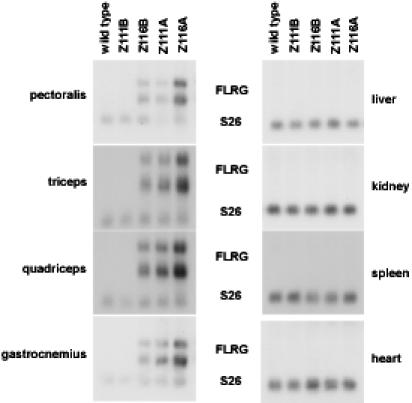
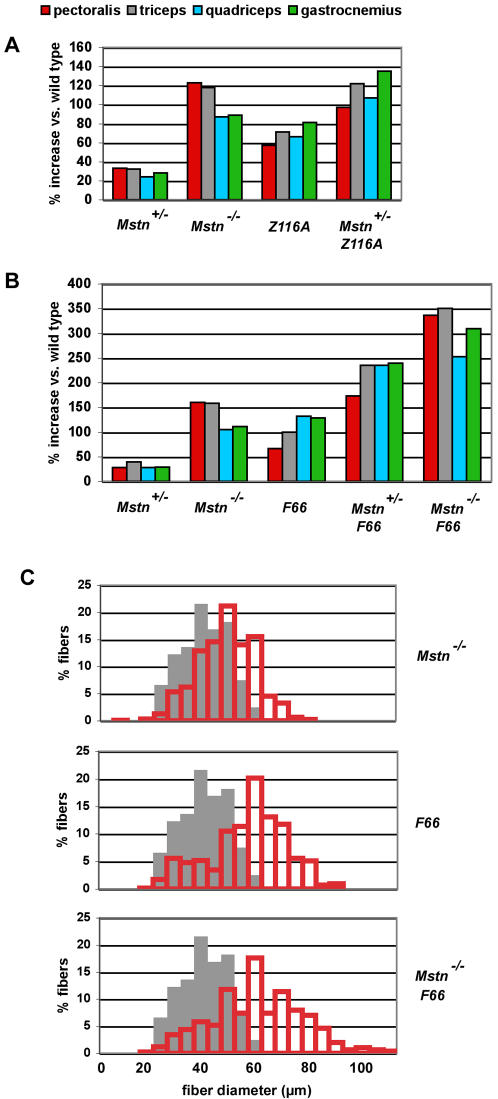
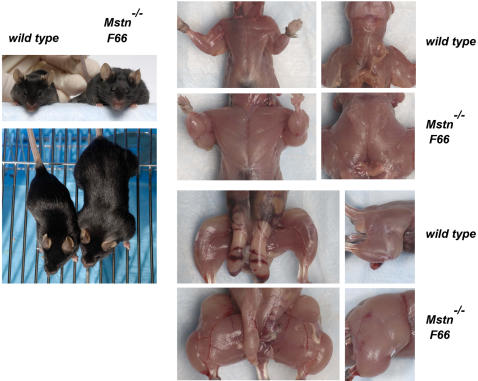
Myostatin is a transforming growth factor-beta family member that normally acts to limit skeletal muscle growth. Mice genetically engineered to lack myostatin activity have about twice the amount of muscle mass throughout the body, and similar effects are seen in cattle, sheep, dogs, and a human with naturally occurring loss-of-function mutations in the myostatin gene. Hence, there is considerable interest in developing agents capable of inhibiting myostatin activity for both agricultural and human therapeutic applications. We previously showed that the myostatin binding protein, follistatin, can induce dramatic increases in muscle mass when overexpressed as a transgene in mice. In order to determine whether this effect of follistatin results solely from inhibition of myostatin activity, I analyzed the effect of this transgene in myostatin-null mice. Mstn(-/-) mice carrying a follistatin transgene had about four times the muscle mass of wild type mice, demonstrating the existence of other regulators of muscle mass with similar activity to myostatin. The greatest effect on muscle mass was observed in offspring of mothers homozygous for the Mstn mutation, raising the possibility that either myostatin itself or a downstream regulator may normally be transferred from the maternal to fetal circulations. These findings demonstrate that the capacity for increasing muscle growth by manipulating TGF-beta signaling pathways is much more extensive than previously appreciated and suggest that muscle mass may be controlled at least in part by a systemic mode of action of myostatin.
Overview
The claims and statistics of this paper haven’t been checked yet.
Free: it reads the open-access text and checks the first 5 claims that cite a source we can check. Create a free account to check every claim.
Integrity signals
Registry
Cites
Statistics
Figures
Verification
Claims the paper makes
The claims and statistics of this paper haven’t been checked yet.
Free: it reads the open-access text and checks the first 5 claims that cite a source we can check. Create a free account to check every claim.
Claims other papers make about this one
Each is checked against this paper’s own text: does it say what the citing paper says it does?
The source backs part of the claim, not all of it — or backs it for a different population, condition or comparison.
In the citing paper
“The function of MSTN in muscle is at least partially redundant with that of another TGF-β family member, activin A (13–16).”
From Targeting myostatin/activin A protects against skeletal muscle and bone loss during spaceflight (2020) · cites this paper as [14]
Experimental — accuracy not yet measuredThe cited source says what the claim attributes to it.
In the citing paper
“If the loss of myostatin is combined with the overexpression of a follistatin transgene, then muscle mass quadruples, suggesting that myostatin is not the only muscle mass regulator in the TGFβ-Smad system (79).”
From The Hippo signal transduction network for exercise physiologists (2016) · cites this paper as [79]
Self-check
Percentages, sums and reported differences re-computed from the paper’s own numbers.
The self-check needs the paper’s full text.
Citations
Cites
Regulation of skeletal muscle mass in mice by a new TGF-p superfamily member
McPherron, A. C., Lawler, A. M., & Lee, S.-J. (1997) · Nature · doi:10.1038/387083a0 · Cited by 4,013 · cited 1×
“gene have about a doubling of skeletal muscle mass throughout the body as a result of a combination of muscle fiber hyperplasia and hypertrophy”
Self-citationDouble muscling in cattle due to mutations in the myostatin gene
McPherron, A. C., & Lee, S.-J. (1997) · Proceedings of the National Academy of Sciences · doi:10.1073/pnas.94.23.12457 · Cited by 2,039 · cited 1×
“The function of myostatin appears to have been conserved across species, as inactivating mutations in the myostatin gene have been demonstrated to cause increased muscling in cattle [8–11] , sheep [12], dogs [13] and humans [14].”
Self-citationRegulation of myostatin activity and muscle growth
Lee, S.-J., & McPherron, A. C. (2001) · Proceedings of the National Academy of Sciences · doi:10.1073/pnas.151270098 · Cited by 1,616
Self-citationA deletion in the bovine myostatin gene causes the double–muscled phenotype in cattle
Grobet, L., Royo Martin, L. J., Poncelet, D., Pirottin, D., Brouwers, B., Riquet, J., Schoeberlein, A., Dunner, S., Ménissier, F., Massabanda, J., et al. (1997) · Nature Genetics · doi:10.1038/ng0997-71 · Cited by 1,556 · cited 1×
“can also lead to significant muscle growth. Hence, myostatin appears to play as least two distinct roles, one to regulate the number of muscle fibers that are formed during development and a second to regulate growth of muscle fibers postnatally. The function of myostatin appears to have been conserved across species,…”
Myostatin Mutation Associated with Gross Muscle Hypertrophy in a Child
Schuelke, M., Wagner, K. R., Stolz, L. E., Hübner, C., Riebel, T., Kömen, W., Braun, T., Tobin, J. F., & Lee, S.-J. (2004) · New England Journal of Medicine · doi:10.1056/nejmoa040933 · Cited by 1,399
Self-citationClop, A., Marcq, F., Takeda, H., Pirottin, D., Tordoir, X., Bibé, B., Bouix, J., Caiment, F., Elsen, J.-M., Eychenne, F., et al. (2006) · Nature Genetics · doi:10.1038/ng1810 · Cited by 1,260
Mutations in myostatin ( GDF8 ) in Double-Muscled Belgian Blue and Piedmontese Cattle
Kambadur, R., Sharma, M., Smith, T. P. L., & Bass, J. J. (1997) · Genome Research · doi:10.1101/gr.7.9.910 · Cited by 1,204 · cited 1×
“The function of myostatin appears to have been conserved across species, as inactivating mutations in the myostatin gene have been demonstrated to cause increased muscling in cattle [8–11] , sheep [12], dogs [13] and humans [14].”
Induction of Cachexia in Mice by Systemically Administered Myostatin
Zimmers, T. A., Davies, M. V., Koniaris, L. G., Haynes, P., Esquela, A. F., Tomkinson, K. N., McPherron, A. C., Wolfman, N. M., & Lee, S.-J. (2002) · Science · doi:10.1126/science.1069525 · Cited by 907
Self-citationFunctional improvement of dystrophic muscle by myostatin blockade
Bogdanovich, S., Krag, T. O. B., Barton, E. R., Morris, L. D., Whittemore, L.-A., Ahima, R. S., & Khurana, T. S. (2002) · Nature · doi:10.1038/nature01154 · Cited by 831
Mosher, D. S., Quignon, P., Bustamante, C. D., Sutter, N. B., Mellersh, C. S., Parker, H. G., & Ostrander, E. A. (2007) · PLoS Genetics · doi:10.1371/journal.pgen.0030079 · Cited by 826
Cited by
Cellular and molecular mechanisms of muscle atrophy
Bonaldo, P., & Sandri, M. (2013) · Disease Models & Mechanisms · doi:10.1242/dmm.010389 · Cited by 1,284
“…transgenic Muscle hypertrophy Lee and McPherron, 2001 Myostatin + FLRG specific FLRG transgenic Myostatin KO + muscle- Marked muscle hypertrophy Lee, 2007 Inflammatory cytokines and NF B signaling pathway TRAF6 Muscle-specific KO No phenotype, but protection from denervation-…”
BackgroundSignaling in Muscle Atrophy and Hypertrophy
Sandri, M. (2008) · Physiology · doi:10.1152/physiol.00041.2007 · Cited by 827
Myostatin reduces Akt/TORC1/p70S6K signaling, inhibiting myoblast differentiation and myotube size
Trendelenburg, A. U., Meyer, A., Rohner, D., Boyle, J., Hatakeyama, S., & Glass, D. J. (2009) · American Journal of Physiology-Cell Physiology · doi:10.1152/ajpcell.00105.2009 · Cited by 792
A PGC-1α isoform induced by resistance training regulates skeletal muscle hypertrophy
Ruas, J. L., White, J. P., Rao, R. R., Kleiner, S., Brannan, K. T., Harrison, B. C., Greene, N. P., Wu, J., Estall, J. L., Irving, B. A., et al. (2012) · Cell · doi:10.1016/j.cell.2012.10.050 · Cited by 677
“Muscle mass changes in myostatin heterozygous mice range from 7% to 35%, depending on the muscle type and study (Gentry et al., 2011; Lee, 2007; Mendias et al., 2006).”
Signaling pathways controlling skeletal muscle mass
Egerman, M. A., & Glass, D. J. (2014) · Critical Reviews in Biochemistry and Molecular Biology · doi:10.3109/10409238.2013.857291 · Cited by 555
“Genetic mutations in MSTN and therapeutic inhibition against myostatin result in an increase in the overall skeletal muscle mass, a phenotype conserved across multiple species, including mice, cattle, and humans (Grobet et al., 1997; Lee, 2007; McPherron & Lee, 1997; McPherron et al., 1997).”
BackgroundSmad2 and 3 transcription factors control muscle mass in adulthood
Sartori, R., Milan, G., Patron, M., Mammucari, C., Blaauw, B., Abraham, R., & Sandri, M. (2009) · American Journal of Physiology-Cell Physiology · doi:10.1152/ajpcell.00104.2009 · Cited by 517
mTOR as a key regulator in maintaining skeletal muscle mass
Yoon, M.-S. (2017) · Frontiers in Physiology · doi:10.3389/fphys.2017.00788 · Cited by 495
“Myostatin regulates the number of muscle fibers during development and the growth of muscle fibers postnatally (Lee, 2007).”
BackgroundHarnessing genomic information for livestock improvement
Georges, M., Charlier, C., & Hayes, B. (2019) · Nature Reviews Genetics · doi:10.1038/s41576-018-0082-2 · Cited by 384
Signaling pathways perturbing muscle mass.
Glass, D. J. (2010) · Current Opinion in Clinical Nutrition and Metabolic Care · doi:10.1097/mco.0b013e32833862df · Cited by 359
The emerging biology of satellite cells and their therapeutic potential
Kuang, S., & Rudnicki, M. A. (2008) · Trends in Molecular Medicine · doi:10.1016/j.molmed.2007.12.004 · Cited by 339
PI3 Kinase Regulation of Skeletal Muscle Hypertrophy and Atrophy
Glass, D. J. (2010) · Current Topics in Microbiology and Immunology · doi:10.1007/82_2010_78 · Cited by 333
Sarcopenia: assessment of disease burden and strategies to improve outcomes
Liguori, I., Russo, G., Aran, L., Bulli, G., Curcio, F., Della-Morte, D., Gargiulo, G., Testa, G., Cacciatore, F., Bonaduce, D., et al. (2018) · Clinical Interventions in Aging · doi:10.2147/cia.s149232 · Cited by 300
Lach-Trifilieff, E., Minetti, G. C., Sheppard, K., Ibebunjo, C., Feige, J. N., Hartmann, S., Brachat, S., Rivet, H., Koelbing, C., Morvan, F., et al. (2014) · Molecular and Cellular Biology · doi:10.1128/mcb.01307-13 · Cited by 306
“This implication was strengthened by the genetic cross of the myostatin-null mouse with a follistatin transgenic animal, resulting in much greater hypertrophy (48).”
BackgroundSkeletal muscle tissue engineering: methods to form skeletal myotubes and their applications
Ostrovidov, S., Hosseini, V., Ahadian, S., Fujie, T., Parthiban, S. P., Ramalingam, M., Bae, H., Kaji, H., & Khademhosseini, A. (2014) · Tissue Engineering Part B: Reviews · doi:10.1089/ten.teb.2013.0534 · Cited by 302
Mechanisms Modulating Skeletal Muscle Phenotype
Blaauw, B., Schiaffino, S., & Reggiani, C. (2013) · Comprehensive Physiology · doi:10.1002/cphy.c130009 · Cited by 256
“However, it is clear from recent studies that the pathways through which myostatin and follistatin induce hypertrophy are not only independent, but also additive as overexpression of follistatin in myostatin knockout mice leads to an even more significant hypertrophy (298).”
Haidet, A. M., Rizo, L., Handy, C., Umapathi, P., Eagle, A., Shilling, C., Boue, D., Martin, P. T., Sahenk, Z., Mendell, J. R., et al. (2008) · Proceedings of the National Academy of Sciences · doi:10.1073/pnas.0709144105 · Cited by 267
Regulation of Muscle Mass by Follistatin and Activins
Lee, S.-J., Lee, Y.-S., Zimmers, T. A., Soleimani, A., Matzuk, M. M., Tsuchida, K., Cohn, R. D., & Barton, E. R. (2010) · Molecular Endocrinology · doi:10.1210/me.2010-0127 · Cited by 273
Self-citationFibro–Adipogenic Progenitors Cross-Talk in Skeletal Muscle: The Social Network
Biferali, B., Proietti, D., Mozzetta, C., & Madaro, L. (2019) · Frontiers in Physiology · doi:10.3389/fphys.2019.01074 · Cited by 239
“…potent natural antagonist of myostatin and activin A, two TGF-β superfamily cytokines implicated in muscle growth inhibition, and it is therefore a potent pro-myogenic factor (Lee, 2007; Nakatani et al., 2008; Guo et al., 2009; Kota et al., 2009; Rodino-Klapac et al., 2009; Winbanks et al., 2012).”
BackgroundA Phase 1/2a Follistatin Gene Therapy Trial for Becker Muscular Dystrophy
Mendell, J. R., Sahenk, Z., Malik, V., Gomez, A. M., Flanigan, K. M., Lowes, L. P., Alfano, L. N., Berry, K., Meadows, E., Lewis, S., et al. (2015) · Molecular Therapy · doi:10.1038/mt.2014.200 · Cited by 246
Gilson, H., Schakman, O., Kalista, S., Lause, P., Tsuchida, K., & Thissen, J.-P. (2009) · American Journal of Physiology-Endocrinology and Metabolism · doi:10.1152/ajpendo.00193.2009 · Cited by 248
Clinical, Agricultural, and Evolutionary Biology of Myostatin: A Comparative Review
Rodgers, B. D., & Garikipati, D. K. (2008) · Endocrine Reviews · doi:10.1210/er.2008-0003 · Cited by 237
“Indeed, transgenic Mighty mice overexpressing follistatin have even greater muscle mass than follistatin transgenics alone (53), which produces muscles four times larger than those in wild-type mice (i.”
BackgroundAge-related changes in skeletal muscle: changes to life-style as a therapy
McCormick, R., & Vasilaki, A. (2018) · Biogerontology · doi:10.1007/s10522-018-9775-3 · Cited by 205
“For example the inhibition of myostatin, a negative regulator of muscle mass, increased muscle size in mice and cattle (Lee 2007) and the use of sex hormones have improved muscle strength and mass (Stárka 2006).”
BackgroundThe bone morphogenetic protein axis is a positive regulator of skeletal muscle mass
Winbanks, C. E., Chen, J. L., Qian, H., Liu, Y., Bernardo, B. C., Beyer, C., Watt, K. I., Thomson, R. E., Connor, T., Turner, B. J., et al. (2013) · Journal of Cell Biology · doi:10.1083/jcb.201211134 · Cited by 225
“…with loss of muscle mass and strength as (a) deletion of myostatin (Kambadur et al., 1997; McPherron et al., 1997; Lee and McPherron, 2001; Lee, 2007); (b) antagonism of myostatin by inhibitory proteins, antibodies, or soluble activin receptors (Bogdanovich et al., 2002; Zhou et al.,…”
Biomarkers in sarcopenia: A multifactorial approach
Curcio, F., Ferro, G., Basile, C., Liguori, I., Parrella, P., Pirozzi, F., Della-Morte, D., Gargiulo, G., Testa, G., Tocchetti, C. G., et al. (2016) · Experimental Gerontology · doi:10.1016/j.exger.2016.09.007 · Cited by 225
“The increase of muscle mass in animals that over-expressed FST was greater than the one observed in MYO knock-out animals, and muscle increase was even greater in those which presented both a FST transgene and a deletion of theMYO gene (Lee, 2007).”
Hudson, N. J., Reverter, A., & Dalrymple, B. P. (2009) · PLoS Computational Biology · doi:10.1371/journal.pcbi.1000382 · Cited by 221
“. The resulting dysfunctional myostatin protein is a transcriptional regulator that releases the brakes on muscle growth reflecting the importance of TGF-β signalling pathways in the determination of final muscle mass and fibre composition”
Winbanks, C. E., Weeks, K. L., Thomson, R. E., Sepulveda, P. V., Beyer, C., Qian, H., Chen, J. L., Allen, J. M., Lancaster, G. I., Febbraio, M. A., et al. (2012) · Journal of Cell Biology · doi:10.1083/jcb.201109091 · Cited by 218
“…that other TGF- family members likely contribute to the repression of muscle growth via regulation of Smad3 phosphorylation (Lee et al., 2005) and mTOR signaling (Trendelenburg et al., 2009), and that Fst could serve as an inhibitory binding partner for these other members as well (Lee, 2007).”
InfluentialExpression and function of myostatin in obesity, diabetes, and exercise adaptation
ALLEN, D. L., HITTEL, D. S., & MCPHERRON, A. C. (2011) · Medicine & Science in Sports & Exercise · doi:10.1249/mss.0b013e3182178bb4 · Cited by 207
Brooks, N. E., & Myburgh, K. H. (2014) · Frontiers in Physiology · doi:10.3389/fphys.2014.00099 · Cited by 194
“There was also a reduced phosphorylation of AKT and p70S6K (Glover et al., 2008).”
BackgroundHansen, J., Brandt, C., Nielsen, A. R., Hojman, P., Whitham, M., Febbraio, M. A., Pedersen, B. K., & Plomgaard, P. (2011) · Endocrinology · doi:10.1210/en.2010-0868 · Cited by 200
Qian, L., Tang, M., Yang, J., Wang, Q., Cai, C., Jiang, S., Li, H., Jiang, K., Gao, P., Ma, D., et al. (2015) · Scientific Reports · doi:10.1038/srep14435 · Cited by 189
Inhibition of myostatin with emphasis on follistatin as a therapy for muscle disease
Rodino‐Klapac, L. R., Haidet, A. M., Kota, J., Handy, C., Kaspar, B. K., & Mendell, J. R. (2009) · Muscle & Nerve · doi:10.1002/mus.21244 · Cited by 194
Myostatin and Sarcopenia: Opportunities and Challenges - A Mini-Review
White, T. A., & LeBrasseur, N. K. (2014) · Gerontology · doi:10.1159/000356740 · Cited by 191
Sarcopenia – The search for emerging biomarkers
Kalinkovich, A., & Livshits, G. (2015) · Ageing Research Reviews · doi:10.1016/j.arr.2015.05.001 · Cited by 187
“This occurred much more in myostatin knockout mice and myostatin-null mice carrying a FST transgene, which displayed about four times the muscle mass of the wild-type mice (Lee et al., 2001; Lee, 2007).”
The central role of myostatin in skeletal muscle and whole body homeostasis
Elliott, B., Renshaw, D., Getting, S., & Mackenzie, R. (2012) · Acta Physiologica · doi:10.1111/j.1748-1716.2012.02423.x · Cited by 183
“It is worth noting that follistatin overexpression in myostatin / mice results in further increases in muscle mass over myostatin / mice alone (Lee 2007), which may be via the effects of follistatin on other TGF-b family members.”
BackgroundTGFβ and BMP signaling in skeletal muscle: potential significance for muscle-related disease
Sartori, R., Gregorevic, P., & Sandri, M. (2014) · Trends in Endocrinology & Metabolism · doi:10.1016/j.tem.2014.06.002 · Cited by 177
Lee, S.-J., Huynh, T. V., Lee, Y.-S., Sebald, S. M., Wilcox-Adelman, S. A., Iwamori, N., Lepper, C., Matzuk, M. M., & Fan, C.-M. (2012) · Proceedings of the National Academy of Sciences · doi:10.1073/pnas.1206410109 · Cited by 167
“For the genetic approach, we examined the effect of overexpressing the myostatin/activin A inhibitor follistatin by crossing Sdc4 mutants to F66 transgenic mice, which express follistatin under the control of a myosin light chain promoter and enhancer (20).”
BackgroundMethodInfluentialSelf-citationFollistatin Gene Delivery Enhances Muscle Growth and Strength in Nonhuman Primates
Kota, J., Handy, C. R., Haidet, A. M., Montgomery, C. L., Eagle, A., Rodino-Klapac, L. R., Tucker, D., Shilling, C. J., Therlfall, W. R., Walker, C. M., et al. (2009) · Science Translational Medicine · doi:10.1126/scitranslmed.3000112 · Cited by 166
“Follistatin is an especially robust antagonistofmyostatinandhasevenshownmuscle-enhancingeffectsbeyond those predicted by myostatin inhibition alone ( 24 ).”
BackgroundRoles of nonmyogenic mesenchymal progenitors in pathogenesis and regeneration of skeletal muscle
Uezumi, A., Ikemoto-Uezumi, M., & Tsuchida, K. (2014) · Frontiers in Physiology · doi:10.3389/fphys.2014.00068 · Cited by 165
“Fst has been shown to inhibit other TGFβ family members in addition to myostatin to regulate muscle size (Lee, 2007; Lee et al., 2010).”
BackgroundMechanisms Limiting Body Growth in Mammals
Lui, J. C., & Baron, J. (2011) · Endocrine Reviews · doi:10.1210/er.2011-0001 · Cited by 169
Redundancy of myostatin and growth/differentiation factor 11 function
McPherron, A. C., Huynh, T. V., & Lee, S.-J. (2009) · BMC Developmental Biology · doi:10.1186/1471-213x-9-24 · Cited by 165
“This other Acvr2b-binding ligand(s) must also be inhibited by follistatin; Mstn-/- mice have double the muscle mass of Mstn+/+ mice while Mstn-/- mice overexpressing a muscle-specific follistatin transgene have quadruple the skeletal muscle mass of Mstn+/+ mice [32].”
Self-citationThe structure of myostatin:follistatin 288: insights into receptor utilization and heparin binding
Cash, J. N., Rejon, C. A., McPherron, A. C., Bernard, D. J., & Thompson, T. B. (2009) · The EMBO Journal · doi:10.1038/emboj.2009.205 · Cited by 163
“Although it is likely that other TGF-b family members also have some function in muscle development (Lee et al, 2005; Lee, 2007), myostatin seems to predominantly and specifi- cally negatively regulate muscle growth.”
BackgroundKishimoto, K., Washio, Y., Yoshiura, Y., Toyoda, A., Ueno, T., Fukuyama, H., Kato, K., & Kinoshita, M. (2018) · Aquaculture · doi:10.1016/j.aquaculture.2018.05.055 · Cited by 163
Increased Proteolysis, Myosin Depletion, and Atrophic AKT-FOXO Signaling in Human Diaphragm Disuse
Levine, S., Biswas, C., Dierov, J., Barsotti, R., Shrager, J. B., Nguyen, T., Sonnad, S., Kucharchzuk, J. C., Kaiser, L. R., Singhal, S., et al. (2011) · American Journal of Respiratory and Critical Care Medicine · doi:10.1164/rccm.200910-1487oc · Cited by 157
“, noncanonical) nuclear factor–kB (29, 32, 33); P-38 mitogenactivated protein kinase (34, 35); myostatin (28, 35), other members of the transforming growth factor–b family (28, 36, 37).”
BackgroundWilkes, J. J., Lloyd, D. J., & Gekakis, N. (2009) · Diabetes · doi:10.2337/db08-0245 · Cited by 156
Muscle-bone interactions: From experimental models to the clinic? A critical update
Laurent, M. R., Dubois, V., Claessens, F., Verschueren, S., Vanderschueren, D., Gielen, E., & Jardí, F. (2015) · Molecular and Cellular Endocrinology · doi:10.1016/j.mce.2015.10.017 · Cited by 164
“Pharmacological inhibition of activin signaling by a soluble ActRIIB/Fc fusion protein results in greater muscle hypertrophy compared to earlier studies with monoclonal antibodies against myostatin, and the former also remain effective in Mstn / mice (Lee et al., 2005; Lee, 2007).”
Targeting the myostatin signaling pathway to treat muscle loss and metabolic dysfunction
Lee, S.-J. (2021) · Journal of Clinical Investigation · doi:10.1172/jci148372 · Cited by 143
“Studies in mice have shown that targeting MSTN alone is sufficient to induce muscle growth but that targeting MSTN along with other TGF-β family members, most notably activin A, can have a much greater effect (24, 26, 33, 40, 41), and this seems to have been borne out in the clinical trials as well.”
Self-citationSouza, T. A., Chen, X., Guo, Y., Sava, P., Zhang, J., Hill, J. J., Yaworsky, P. J., & Qiu, Y. (2008) · Molecular Endocrinology · doi:10.1210/me.2008-0290 · Cited by 142
“Very recently, Lee (56) reported that myo-”
InfluentialIs Bone's Response to Mechanical Signals Dominated by Muscle Forces?
ROBLING, A. G. (2009) · Medicine & Science in Sports & Exercise · doi:10.1249/mss.0b013e3181a8c702 · Cited by 132
“For example, targeted deletion of the myostatin gene (GDF-8; a negative regulator of skeletal muscle growth) or muscle-specific overexpression of follistatin (an inhibitor of myostatin)—produce a dramatic increase in skeletal muscle mass.(10, 13)”
BackgroundMechanisms by Which Skeletal Muscle Myokines Ameliorate Insulin Resistance
Balakrishnan, R., & Thurmond, D. C. (2022) · International Journal of Molecular Sciences · doi:10.3390/ijms23094636 · Cited by 124
“Follistatin: Follistatin is vital for the formation and growth of skeletal muscle fibers [155,156], and it has autocrine and paracrine functions in metabolism [157,158].”
BackgroundMyostatin from the heart: local and systemic actions in cardiac failure and muscle wasting
Breitbart, A., Auger-Messier, M., Molkentin, J. D., & Heineke, J. (2011) · American Journal of Physiology-Heart and Circulatory Physiology · doi:10.1152/ajpheart.00200.2011 · Cited by 131
Cardiac myocyte follistatin-like 1 functions to attenuate hypertrophy following pressure overload
Shimano, M., Ouchi, N., Nakamura, K., van Wijk, B., Ohashi, K., Asaumi, Y., Higuchi, A., Pimentel, D. R., Sam, F., Murohara, T., et al. (2011) · Proceedings of the National Academy of Sciences · doi:10.1073/pnas.1108559108 · Cited by 133
“Additionally, transgenic expression of Fstl1 from the striated muscle-specific creatine kinase M promoter had no effect on skeletal muscle mass or body weight, in marked contrast to other follistatin family members whose transgenic overexpression increased muscle mass (33).”
ResultRecent advances in the biology and therapy of muscle wasting
Glass, D., & Roubenoff, R. (2010) · Annals of the New York Academy of Sciences · doi:10.1111/j.1749-6632.2010.05809.x · Cited by 128
Metabolic Functions of Myostatin and GDF11
C. McPherron, A. (2010) · Immunology‚ Endocrine & Metabolic Agents in Medicinal Chemistry · doi:10.2174/187152210793663810 · Cited by 124
Zhu, J., Li, Y., Lu, A., Gharaibeh, B., Ma, J., Kobayashi, T., Quintero, A., & Huard, J. (2011) · American Journal Of Pathology · doi:10.1016/j.ajpath.2011.04.008 · Cited by 139
Gene therapy for muscular dystrophy: Lessons learned and path forward
Mendell, J. R., Rodino-Klapac, L., Sahenk, Z., Malik, V., Kaspar, B. K., Walker, C. M., & Clark, K. R. (2012) · Neuroscience Letters · doi:10.1016/j.neulet.2012.04.078 · Cited by 120
“Follistatin is a powerful inhibitor of myostatin plus having the advantage of controlling muscle mass through pathways independent of the myostatin signaling cascade [21].”
Parker, C. C., Gopalakrishnan, S., Carbonetto, P., Gonzales, N. M., Leung, E., Park, Y. J., Aryee, E., Davis, J., Blizard, D. A., Ackert-Bicknell, C. L., et al. (2016) · Nature Genetics · doi:10.1038/ng.3609 · Cited by 121
Chen, J. L., Walton, K. L., Hagg, A., Colgan, T. D., Johnson, K., Qian, H., Gregorevic, P., & Harrison, C. A. (2017) · Proceedings of the National Academy of Sciences · doi:10.1073/pnas.1620013114 · Cited by 116
Targeting myostatin/activin A protects against skeletal muscle and bone loss during spaceflight
Lee, S.-J., Lehar, A., Meir, J. U., Koch, C., Morgan, A., Warren, L. E., Rydzik, R., Youngstrom, D. W., Chandok, H., George, J., et al. (2020) · Proceedings of the National Academy of Sciences · doi:10.1073/pnas.2014716117 · Cited by 115
Self-citationGuo, W., Flanagan, J., Jasuja, R., Kirkland, J., Jiang, L., & Bhasin, S. (2008) · Journal of Biological Chemistry · doi:10.1074/jbc.m708968200 · Cited by 115
Molecular Mechanisms and Treatment Options for Muscle Wasting Diseases
Rüegg, M. A., & Glass, D. J. (2011) · Annual Review of Pharmacology and Toxicology · doi:10.1146/annurev-pharmtox-010510-100537 · Cited by 109
Genetic Analysis of the Role of Proteolysis in the Activation of Latent Myostatin
Lee, S.-J. (2008) · PLoS ONE · doi:10.1371/journal.pone.0001628 · Cited by 113
“mice compared to wild type mice, and mean fiber diameter at the widest point of the muscles was increased by 16%, which would be predicted to result in an approximately 34% increase in cross-sectional area. Hence, consistent with what I reported previously”
ResultSelf-citationMyostatin in the Pathophysiology of Skeletal Muscle
Bonnieu, A., Carnac, G., & Vernus, B. (2007) · Current Genomics · doi:10.2174/138920207783591672 · Cited by 123
“fr teins are summarized in Table 1 [2, 7-17].”
BackgroundFollistatin Gene Therapy for Sporadic Inclusion Body Myositis Improves Functional Outcomes
Mendell, J. R., Sahenk, Z., Al-Zaidy, S., Rodino-Klapac, L. R., Lowes, L. P., Alfano, L. N., Berry, K., Miller, N., Yalvac, M., Dvorchik, I., et al. (2017) · Molecular Therapy · doi:10.1016/j.ymthe.2017.02.015 · Cited by 109
“The muscle-building effects of follistatin (FS) were even more profound, as demonstrated in myostatin (Mstn / ) knockout mice that carried the FS transgene, making it an attractive target for translation.(33) In clinical application, the alternatively spliced FS cDNA isoform FS344, preferred because of minimal effects…”
BackgroundSarcopenia associated with portosystemic shunting is reversed by follistatin
Dasarathy, S., McCullough, A. J., Muc, S., Schneyer, A., Bennett, C. D., Dodig, M., & Kalhan, S. C. (2011) · Journal of Hepatology · doi:10.1016/j.jhep.2010.08.032 · Cited by 112
“Although the inhibition of myostatin by follistatin has been reported previously [14,21–23], this is the first study to demonstrate the causal role of myostatin in the reduced skeletal muscle mass in PSS that commonly accompanies cirrhosis.”
BackgroundRose, F. F., Mattis, V. B., Rindt, H., & Lorson, C. L. (2009) · Human Molecular Genetics · doi:10.1093/hmg/ddn426 · Cited by 106
Myostatin/Activin Receptor Ligands in Muscle and the Development Status of Attenuating Drugs
Rodgers, B. D., & Ward, C. W. (2022) · Endocrine Reviews · doi:10.1210/endrev/bnab030 · Cited by 111
Ratkevicius, A., Joyson, A., Selmer, I., Dhanani, T., Grierson, C., Tommasi, A. M., DeVries, A., Rauchhaus, P., Crowther, D., Alesci, S., et al. (2011) · The Journals of Gerontology Series A: Biological Sciences and Medical Sciences · doi:10.1093/gerona/glr025 · Cited by 104
TAK-1/p38/nNFκB signaling inhibits myoblast differentiation by increasing levels of Activin A
Trendelenburg, A., Meyer, A., Jacobi, C., Feige, J. N., & Glass, D. J. (2012) · Skeletal Muscle · doi:10.1186/2044-5040-2-3 · Cited by 104
“This was unexpected, because TGF-b molecules themselves have been shown in multiple studies to block muscle differentiation [13,39-41], suggesting that TAK-1 is a negative modulator of muscle differentiation.”
BackgroundHadjipavlou, G., Matika, O., Clop, A., & Bishop, S. C. (2008) · Animal Genetics · doi:10.1111/j.1365-2052.2008.01734.x · Cited by 124
Weinbaum, J. S., Broekelmann, T. J., Pierce, R. A., WERNECK, C. C., Segade, F., Craft, C. S., Knutsen, R. H., & Mecham, R. P. (2008) · Journal of Biological Chemistry · doi:10.1074/jbc.m709962200 · Cited by 101
Overexpression of follistatin in trout stimulates increased muscling
Medeiros, E. F., Phelps, M. P., Fuentes, F. D., & Bradley, T. M. (2009) · American Journal of Physiology-Regulatory, Integrative and Comparative Physiology · doi:10.1152/ajpregu.91020.2008 · Cited by 97
Wnt/β-catenin controls follistatin signalling to regulate satellite cell myogenic potential
Jones, A. E., Price, F. D., Le Grand, F., Soleimani, V. D., Dick, S. A., Megeney, L. A., & Rudnicki, M. A. (2015) · Skeletal Muscle · doi:10.1186/s13395-015-0038-6 · Cited by 90
“Strikingly, follistatin regulation remains functional in myostatin-null mice, suggesting a myostatinindependent function [54,55].”
BackgroundSmad7 gene delivery prevents muscle wasting associated with cancer cachexia in mice
Winbanks, C. E., Murphy, K. T., Bernardo, B. C., Qian, H., Liu, Y., Sepulveda, P. V., Beyer, C., Hagg, A., Thomson, R. E., Chen, J. L., et al. (2016) · Science Translational Medicine · doi:10.1126/scitranslmed.aac4976 · Cited by 95
“The comparatively diminished hypertrophic action of rAAV6:Smad7 in mice lacking myostatin is consistent with the fact that additional ActRIIB ligands (for example, activin and GDF11) act in concert with myostatin to negatively regulate muscle mass (18, 19).”
BackgroundMyostatin Inhibitors: Panacea or Predicament for Musculoskeletal Disorders?
Suh, J., & Lee, Y. (2020) · Journal of Bone Metabolism · doi:10.11005/jbm.2020.27.3.151 · Cited by 104
Mafi, F., Biglari, S., Ghardashi Afousi, A., & Gaeini, A. A. (2019) · Journal of Aging and Physical Activity · doi:10.1123/japa.2017-0389 · Cited by 86
Extracellular Regulation of Myostatin: A Molecular Rheostat for Muscle Mass
Lee, S.-J. (2010) · Immunology‚ Endocrine & Metabolic Agents in Medicinal Chemistry · doi:10.2174/187152210793663748 · Cited by 87
Self-citationSuh, J., Kim, N.-K., Lee, S.-H., Eom, J.-H., Lee, Y., Park, J.-C., Woo, K. M., Baek, J.-H., Kim, J.-E., Ryoo, H.-M., et al. (2020) · Proceedings of the National Academy of Sciences · doi:10.1073/pnas.1916034117 · Cited by 80
“In previous studies, we showed that transgenic mice overexpressing FST, a MSTN and GDF11 inhibitor (5), from a myosin light chain promoter/enhancer ( F66 mice) exhibit about a doubling of skeletal muscle mass comparable to that seen in Mstn − / − mice (46).”
Self-citationAbati, E., Manini, A., Comi, G. P., & Corti, S. P. (2022) · Cellular and Molecular Life Sciences · doi:10.1007/s00018-022-04408-w · Cited by 91
Myostatin: a skeletal muscle chalone
Lee, S.-J. (2023) · Annual Review of Physiology · doi:10.1146/annurev-physiol-012422-112116 · Cited by 84
Self-citationThe Role of the Skeletal Muscle Secretome in Mediating Endurance and Resistance Training Adaptations
Leuchtmann, A. B., Adak, V., Dilbaz, S., & Handschin, C. (2021) · Frontiers in Physiology · doi:10.3389/fphys.2021.709807 · Cited by 84
“Myostatin loss alone increases muscle mass by about twofold, but intriguingly, combined myostatin KO and follistatin overexpression results in quadrupling of muscle mass (Lee, 2007), indicating that follistatin also acts independent of myostatin.”
BackgroundmiR-206 Represses Hypertrophy of Myogenic Cells but Not Muscle Fibers via Inhibition of HDAC4
Winbanks, C. E., Beyer, C., Hagg, A., Qian, H., Sepulveda, P. V., & Gregorevic, P. (2013) · PLoS ONE · doi:10.1371/journal.pone.0073589 · Cited by 90
“Specific microRNAs are increasingly being characterized as pivotal regulators of myogenic commitment, muscle formation, and skeletal muscle adaptation [5,30,31].”
BackgroundDumonceaux, J., Marie, S., Beley, C., Trollet, C., Vignaud, A., Ferry, A., Butler-Browne, G. S., & García, L. (2010) · Molecular Therapy · doi:10.1038/mt.2009.322 · Cited by 85
Inhibition of myostatin does not ameliorate disease features of severe spinal muscular atrophy mice
Sumner, C. J., Wee, C. D., Warsing, L. C., Choe, D. W., Ng, A. S., Lutz, C. M., & Wagner, K. R. (2009) · Human Molecular Genetics · doi:10.1093/hmg/ddp253 · Cited by 84
The TGF-β Signalling Network in Muscle Development, Adaptation and Disease
Chen, J. L., Colgan, T. D., Walton, K. L., Gregorevic, P., & Harrison, C. A. (2016) · Advances in experimental medicine and biology · doi:10.1007/978-3-319-27511-6_5 · Cited by 89
Wetzlich, B., Nyakundi, B. B., & Yang, J. (2024) · Molecular and Cellular Biochemistry · doi:10.1007/s11010-024-05120-y · Cited by 78
“FST-over-expressing MSTN-null mice display an even more extreme fourfold increase in muscle [77].”
Morine, K. J., Bish, L. T., Selsby, J. T., Gazzara, J. A., Pendrak, K., Sleeper, M. M., Barton, E. R., Lee, S., & Sweeney, H. L. (2010) · Muscle & Nerve · doi:10.1002/mus.21743 · Cited by 71
“Further, muscle mass is nearly quadrupled in a transgenic cross between the myostatin knockout and a skeletal muscle specific overexpression of follistatin.(19) Thus, there is at least one other circulating factor that signals through the activin IIB receptor and negatively regulates muscle mass.”
BackgroundSelf-citationKong, B. C., Hudson, N. J., Seo, D., Lee, S., Khatri, B., Lassiter, K., Cook, D., Piekarski, A., Dridi, S., Anthony, N. B., et al. (2017) · BMC Genomics · doi:10.1186/s12864-016-3471-y · Cited by 95
Self-citationGiesige, C. R., Wallace, L. M., Heller, K. N., Eidahl, J. O., Saad, N. Y., Fowler, A. M., Pyne, N. K., Al-Kharsan, M., Rashnonejad, A., Chermahini, G. A., et al. (2018) · JCI Insight · doi:10.1172/jci.insight.123538 · Cited by 71
Muscle Hyperplasia in Japanese Quail by Single Amino Acid Deletion in MSTN Propeptide
Lee, J., Kim, D., & Lee, K. (2020) · International Journal of Molecular Sciences · doi:10.3390/ijms21041504 · Cited by 76
“To compare the histological difference between C42del/C42del and WT/WT quail, muscle fiber cross-sectional area (CSA) and total fiber number of pectoralis major (PM) and gastrocnemius muscles was measured as a representative muscle of breast and leg, respectively [21,33].”
MethodElevated circulating follistatin associates with an increased risk of type 2 diabetes
Wu, C., Borné, Y., Gao, R., López Rodriguez, M., Roell, W. C., Wilson, J. M., Regmi, A., Luan, C., Aly, D. M., Peter, A., et al. (2021) · Nature Communications · doi:10.1038/s41467-021-26536-w · Cited by 67
Akt deficiency attenuates muscle size and function but not the response to ActRIIB inhibition
Goncalves, M. D., Pistilli, E. E., Balduzzi, A., Birnbaum, M. J., Lachey, J., Khurana, T. S., & Ahima, R. S. (2010) · PLoS ONE · doi:10.1371/journal.pone.0012707 · Cited by 69
“Inhibition of ActRIIB signaling can be achieved by genetically overexpressing regulatory proteins (such as follistatin), which binds and inhibits endogenous TGFb superfamily ligands [18,19].”
BackgroundOhama, M., Washio, Y., Kishimoto, K., Kinoshita, M., & Kato, K. (2020) · Aquaculture · doi:10.1016/j.aquaculture.2020.735672 · Cited by 70
Micro-dystrophin and follistatin co-delivery restores muscle function in aged DMD model
Rodino‐Klapac, L. R., Janssen, P. M. L., Shontz, K. M., Canan, B. D., Montgomery, C. L., Griffin, D., Heller, K. N., Schmelzer, L., Handy, C. R., Clark, K. R., et al. (2013) · Human Molecular Genetics · doi:10.1093/hmg/ddt342 · Cited by 72
Genes Contributing to Genetic Variation of Muscling in Sheep
Tellam, R. L., Cockett, N., Vuocolo, T., & Bidwell, C. A. (2012) · Frontiers in Genetics · doi:10.3389/fgene.2012.00164 · Cited by 77
“The remarkable quadrupling of skeletal muscle mass in a murine transgenic mouse engineered to have a MSTN knockout and over-expression of follistatin highlights the enormous plasticity of skeletal muscle and its potential for enhancement in livestock (Lee, 2007).”
BackgroundMuscle and bone effects of androgen deprivation therapy: current and emerging therapies
Cheung, A. S., Zajac, J. D., & Grossmann, M. (2014) · Endocrine Related Cancer · doi:10.1530/erc-14-0172 · Cited by 73
“Overexpression of a protein that inhibits myostatin, follistatin, induced dramatic increases in muscle mass in transgenic mice, reduced fat mass, and improved metabolism (Lee 2007, Basaria & Bhasin 2012).”
Jespersen, J. G., Nedergaard, A., Andersen, L. L., Schjerling, P., & Andersen, J. L. (2011) · Scandinavian Journal of Medicine & Science in Sports · doi:10.1111/j.1600-0838.2009.01044.x · Cited by 67
“Certainly, one should consider the potential cross-reaction with existing muscle mass-regulating ligands similar to myostatin (Lee et al., 2005; Lee, 2007), even though GDF-11 does not seem to contribute to the regulation of muscle size (McPherron et al., 2009).”
BackgroundFeng, Z., Ling, K., Zhao, X., Zhou, C., Karp, G. M., Welch, E. M., Naryshkin, N. A., Ratni, H., Chen, K. S., Metzger, F., et al. (2016) · Human Molecular Genetics · doi:10.1093/hmg/ddv629 · Cited by 70
Myostatin as a therapeutic target for musculoskeletal disease
Bradley, L., Yaworsky, P. J., & Walsh, F. S. (2008) · Cellular and Molecular Life Sciences · doi:10.1007/s00018-008-8077-3 · Cited by 74
Hindlimb skeletal muscle function in myostatin‐deficient mice
Gentry, B. A., Ferreira, J. A., Phillips, C. L., & Brown, M. (2011) · Muscle & Nerve · doi:10.1002/mus.21796 · Cited by 66
“All mice used in the study were the result of Mstnþ/ Mstnþ/ crosses so that maternal MSTN status remained constant.(6) Mice”
BackgroundResultMurphy, K. T., Ryall, J. G., Snell, S. M., Nair, L., Koopman, R., Krasney, P. A., Ibebunjo, C., Holden, K. S., Loria, P. M., Salatto, C. T., et al. (2010) · American Journal Of Pathology · doi:10.2353/ajpath.2010.090932 · Cited by 72
Metadata
- Authors
- Lee, S.-J.
- Affiliations
- Johns Hopkins University (US)
- Corresponding author
- Lee, Se-Jin
- ORCID
- Lee, Se-Jin
- Venue
- PLoS ONE
- Publisher
- Public Library of Science (PLoS)
- Published
- 2007-08-29
- Volume
- 2
- Issue
- 8
- Pages
- e789
- ISSN
- 1932-6203 (ISSN-L)
- PMC
- PMC1949143
- OpenAlex
- W2097171062
- Cited by
- 316
- References
- 27
- Citations by year
- 2026: 7 · 2025: 5 · 2024: 7 · 2023: 8 · 2022: 12 · 2021: 13 · 2020: 19 · 2019: 11 · 2018: 18 · 2017: 12 · 2016: 18 · 2015: 13 · 2014: 26 · 2013: 23 · 2012: 20
- FWCI
- 10.62
- Type
- journal article
- Language
- en
- Open access
- gold
- doi.org
- Locations
- PLoS ONE (publishedVersion, cc-by)
- PubMed Central (publishedVersion, cc-by)
- PubMed (publishedVersion)
- DOAJ (DOAJ: Directory of Open Access Journals) (submittedVersion, cc-by-sa)
- Funders
- Muscular Dystrophy Association
- Johns Hopkins University
- National Institutes of Health
- National Institute of Arthritis and Musculoskeletal and Skin Diseases (U54AR052646, US4AR052646)
- Eunice Kennedy Shriver National Institute of Child Health and Human Development (R01HD035887)
- Topics
- Life Sciences › Biochemistry, Genetics and Molecular Biology › Molecular Biology › Muscle Physiology and Disorders
- Life Sciences › Biochemistry, Genetics and Molecular Biology › Molecular Biology › TGF-β signaling in diseases
- Life Sciences › Agricultural and Biological Sciences › Animal Science and Zoology › Meat and Animal Product Quality
- Keywords
- myostatin, follistatin, TGF-beta signaling, muscle mass, skeletal muscle growth, transgenic mice, maternal-fetal transfer, systemic signaling, muscle hypertrophy
- MeSH terms
- Animals, Mice, Transgenic, Mutation, Proteins, Signal Transduction, Muscle, Skeletal, Follistatin-Related Proteins, Mice, Myostatin
About these checks
Registry, retraction, Cites and statistics results are computed, not judged, with one exception: a printed reference that no index lists is read once by a model before it counts as a citation error. Claims are extracted by a model and kept only when their quote appears verbatim in the text; each cited source is then checked, with a model’s help, for whether it says what the claim relies on. Those verdicts can be wrong — read the claim’s quote and the cited source before relying on one.
Statistics and arithmetic are recomputed, not judged.
Confidence bands are shown only for fields calibrated on our annotated test set. None is calibrated yet, so no band is shown.
What counts as a claim ›How we measure confidence ›How we check this ›
Are you an author, or do you see a problem with this page? Request a review
Data sources
Bibliographic data: Semantic Scholar, OpenAlex, Crossref.
Contains information from the Semantic Scholar Academic Graph Datasets, made available under the ODC Attribution License (ODC-BY 1.0).
Semantic Scholar’s data is described in: Kinney, R., et al. (2023). The Semantic Scholar Open Data Platform. arXiv:2301.10140.
