

Influenza Virus in Human Exhaled Breath: An Observational Study
Open accessThe DOI matches its Crossref record; 44 of the 44 references it cites were found in a registry or an index.
Abstract
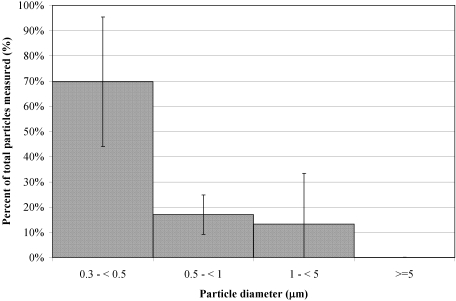
BACKGROUND: Recent studies suggest that humans exhale fine particles during tidal breathing but little is known of their composition, particularly during infection. METHODOLOGY/PRINCIPAL FINDINGS: We conducted a study of influenza infected patients to characterize influenza virus and particle concentrations in their exhaled breath. Patients presenting with influenza-like-illness, confirmed influenza A or B virus by rapid test, and onset within 3 days were recruited at three clinics in Hong Kong, China. We collected exhaled breath from each subject onto Teflon filters and measured exhaled particle concentrations using an optical particle counter. Filters were analyzed for influenza A and B viruses by quantitative polymerase chain reaction (qPCR). Twelve out of thirteen rapid test positive patients provided exhaled breath filter samples (7 subjects infected with influenza B virus and 5 subjects infected with influenza A virus). We detected influenza virus RNA in the exhaled breath of 4 (33%) subjects--three (60%) of the five patients infected with influenza A virus and one (14%) of the seven infected with influenza B virus. Exhaled influenza virus RNA generation rates ranged from <3.2 to 20 influenza virus RNA particles per minute. Over 87% of particles exhaled were under 1 microm in diameter. CONCLUSIONS: These findings regarding influenza virus RNA suggest that influenza virus may be contained in fine particles generated during tidal breathing, and add to the body of literature suggesting that fine particle aerosols may play a role in influenza transmission.
Overview
The claims and statistics of this paper haven’t been checked yet.
Free: it reads the open-access text and checks the first 5 claims that cite a source we can check. Create a free account to check every claim.
Integrity signals
Registry
Cites
Statistics
Figures
Verification
Claims the paper makes
The claims and statistics of this paper haven’t been checked yet.
Free: it reads the open-access text and checks the first 5 claims that cite a source we can check. Create a free account to check every claim.
Claims other papers make about this one
Each is checked against this paper’s own text: does it say what the citing paper says it does?
The source backs part of the claim, not all of it — or backs it for a different population, condition or comparison.
In the citing paper
“Results for four subjects showed influenza virus particles in exhaled breath and over 87% of particles were under 1 μ m in diameter.”
From A Quantitative Assessment of the Total Inward Leakage of NaCl Aerosol Representing Submicron-Size Bioaerosol Through N95 Filtering Facepiece Respirators and Surgical Masks (2014) · cites this paper as [2]
Experimental — accuracy not yet measuredThe source backs part of the claim, not all of it — or backs it for a different population, condition or comparison.
In the citing paper
“Numerous earlier studies have established that aerosol expelled during normal respiratory activities can contain infectious influenza virus [42, 45–54].”
From The protective performance of reusable cloth face masks, disposable procedure masks, KN95 masks and N95 respirators: Filtration and total inward leakage (2021) · cites this paper as [52]
Experimental — accuracy not yet measuredThe cited source says what the claim attributes to it.
In the citing paper
“This size range of particles is similar to the size of bioaerosols released by subjects under breathing conditions as reported previously. (2-5)”
The cited source says what the claim attributes to it.
In the citing paper
“Normal human subjects and infected individuals release considerable numbers of submicron diameter particles in the exhaled breath. (2-4)”
Self-check
Percentages, sums and reported differences re-computed from the paper’s own numbers.
The self-check needs the paper’s full text.
Citations
Cites
Influenza Virus Transmission Is Dependent on Relative Humidity and Temperature
Lowen, A. C., Mubareka, S., Steel, J., & Palese, P. (2007) · PLoS Pathogens · doi:10.1371/journal.ppat.0030151 · Cited by 1,669 · cited 1×
“In animal models, influenza infection by airborne transmission has been demonstrated in monkeys [9], ferrets [10–12], mice [13–20], and guinea pigs [21,22].”
BackgroundAIRBORNE SPREAD OF MEASLES IN A SUBURBAN ELEMENTARY SCHOOL
RILEY, E. C., MURPHY, G., & RILEY, R. L. (1978) · American Journal of Epidemiology · doi:10.1093/oxfordjournals.aje.a112560 · Cited by 932 · cited 1×
“Rudnick and Milton [30] used data from the influenza outbreak aboard an aircraft reported by Moser et al [31] and the WellsRiley equation for non-steady-state conditions [32] to estimate a quantum generation rate of from 79 to 128 quanta per hour for a highly infectious influenza case.”
MethodReview of Aerosol Transmission of Influenza A virus
Tellier, R. (2006) · Emerging Infectious Diseases · doi:10.3201/eid1211.060426 · Cited by 803 · cited 2×
“conclusions about how influenza is transmitted [3,4].”
BackgroundTransmission of influenza A in human beings
Brankston, G., Gitterman, L., Hirji, Z., Lemieux, C., & Gardam, M. (2007) · The Lancet Infectious Diseases · doi:10.1016/s1473-3099(07)70029-4 · Cited by 744 · cited 2×
“conclusions about how influenza is transmitted [3,4].”
BackgroundThe size distribution of droplets in the exhaled breath of healthy human subjects
PAPINENI, R. S., & ROSENTHAL, F. S. (1997) · Journal of Aerosol Medicine · doi:10.1089/jam.1997.10.105 · Cited by 690 · cited 2×
“3 mm in diameter [6–8].”
ResultRudnick, S. N., & Milton, D. K. (2003) · Indoor Air · doi:10.1034/j.1600-0668.2003.00189.x · Cited by 624 · cited 4×
“Rudnick and Milton [30] used data from the influenza outbreak aboard an aircraft reported by Moser et al [31] and the WellsRiley equation for non-steady-state conditions [32] to estimate a quantum generation rate of from 79 to 128 quanta per hour for a highly infectious influenza case.”
MethodInfluentialSelf-citationAN OUTBREAK OF INFLUENZA ABOARD A COMMERCIAL AIRLINER
MOSER, M. R., BENDER, T. R., MARGOLIS, H. S., NOBLE, G. R., KENDAL, A. P., & RITTER, D. G. (1979) · American Journal of Epidemiology · doi:10.1093/oxfordjournals.aje.a112781 · Cited by 605 · cited 2×
“Rudnick and Milton [30] used data from the influenza outbreak aboard an aircraft reported by Moser et al [31] and the WellsRiley equation for non-steady-state conditions [32] to estimate a quantum generation rate of from 79 to 128 quanta per hour for a highly infectious influenza case.”
MethodSimultaneous Detection of Influenza Viruses A and B Using Real-Time Quantitative PCR
van Elden, L. J. R., Nijhuis, M., Schipper, P., Schuurman, R., & van Loon, A. M. (2001) · Journal of Clinical Microbiology · doi:10.1128/jcm.39.1.196-200.2001 · Cited by 456
Human Influenza Resulting from Aerosol Inhalation
Alford, R. H., Kasel, J. A., Gerone, P. J., & Knight, V. (1966) · Experimental Biology and Medicine · doi:10.3181/00379727-122-31255 · Cited by 363 · cited 1×
“Assuming each RNA copy represents one infectious virus, and if, as Alford et al suggested [34,35], the human infectious dose 50% (ID50) by aerosol is between 0.”
BackgroundInhaling to mitigate exhaled bioaerosols
Edwards, D. A., Man, J. C., Brand, P., Katstra, J. P., Sommerer, K., Stone, H. A., Nardell, E., & Scheuch, G. (2004) · Proceedings of the National Academy of Sciences · doi:10.1073/pnas.0408159101 · Cited by 362 · cited 3×
“98% of the particles and concluded that these subjects–classified as ‘‘high producers’’–could over time exhale more particles during normal tidal breathing than during relatively infrequent coughing or sneezing events [8].”
BackgroundResultInfluential
Research works printed but not linked: 1
- Gebhart J Anselm A Heyder J Stahlhofen W 1988 The human lung as aerosol particle generator. J Aerosol Med 1 196 197
Cited by
Items 201–300 of 494
Lv, J., Wei, B., Yang, Y., Yao, M., Cai, Y., Gao, Y., Xia, X., Zhao, X., Liu, Z., Li, X., et al. (2012) · Virus Research · doi:10.1016/j.virusres.2012.09.003 · Cited by 32
Guha, S., McCaffrey, B., Hariharan, P., & Myers, M. R. (2017) · Journal of Occupational and Environmental Hygiene · doi:10.1080/15459624.2016.1237029 · Cited by 36
“Briefly, charge-neutralized, dried, and polydispersed sodium chloride (NaCl) was used as a surrogate for submicron pathogens.[33-35] A scanning mobility particle sizer (model # 3936, TSI Inc.”
MethodLindsley, W. G., Blachère, F. M., McClelland, T. L., Neu, D. T., Mnatsakanova, A., Martin, S. B., Mead, K. R., & Noti, J. D. (2019) · Journal of Occupational and Environmental Hygiene · doi:10.1080/15459624.2019.1674858 · Cited by 34
Wurie, F. B., de Waroux, O. L. P., Brande, M., DeHaan, W. H., Holdgate, K., Mannan, R., Milton, D. K., Swerdlow, D. I., & Hayward, A. C. (2013) · F1000Research · doi:10.12688/f1000research.2-14.v1 · Cited by 33
Self-citationWan, G., Wu, C., Chen, Y., Huang, S.-H., Wang, Y., & Chen, C.-W. (2014) · PLoS ONE · doi:10.1371/journal.pone.0087088 · Cited by 33
“This result resembled those of previous studies involving healthy adults [1,5,6,16] and patients with the common cold [17] that exhaled particles sized below 1 mm.”
Engineering control of respiratory infection and low-energy design of healthcare facilities
Li, Y., Tang, J. W.-T., Noakes, C. J., & Hodgson, M. J. (2014) · Science and Technology for the Built Environment · doi:10.1080/10789669.2014.965557 · Cited by 33
Exhaled breath condensate sampling is not a new method for detection of respiratory viruses
Houspie, L., Coster, S. D., Keyaerts, E., Narongsack, P., Roy, R. D., Talboom, I., Sisk, M., Maes, P., Verbeeck, J., & Ranst, M. A. V. (2011) · Virology Journal · doi:10.1186/1743-422x-8-98 · Cited by 35
“Most studies that perform breath analyses for viral detection use modified face masks, with a removable central region in electret or a removable Teflon filter on which exhaled particles impact [12-14].”
BackgroundMethodInfluentialLiu, H., Liu, Z., He, J., Hu, C., Rong, R., Han, H., Wang, L., & Wang, D. (2023) · Environmental Research · doi:10.1016/j.envres.2023.116952 · Cited by 33
Patrucco, F., Gavelli, F., Ravanini, P., Daverio, M., Statti, G., Castello, L. M., Andreoni, S., & Balbo, P. E. (2018) · Journal of Breath Research · doi:10.1088/1752-7163/aaf010 · Cited by 29
“5 μm and for this reason some negative PneumoniaCheck results are in contrast with those positive obtained with BAL [56].”
ResultModeling rapidly disseminating infectious disease during mass gatherings
Chowell, G., Nishiura, H., & Viboud, C. G. (2012) · BMC Medicine · doi:10.1186/1741-7015-10-159 · Cited by 34
“In particular, the Wells-Riley model [87-90] has been shown to be useful for well-mixed confined spaces, which can readily incorporate environmental and pathogen-specific variables such as room ventilation rates, pulmonary respiratory rates, number of infectious individuals, and infectivity, as a function of virus con…”
MethodDetermination of Air Filter Anti-Viral Efficiency against an Airborne Infectious Virus
Park, D. H., Joe, Y. H., Piri, A., An, S., & Hwang, J. (2020) · Journal of Hazardous Materials · doi:10.1016/j.jhazmat.2020.122640 · Cited by 29
Buszewski, B., Sibińska, E., Złoch, M., Railean‐Plugaru, V., Kłodzińska, E., & Pomastowski, P. (2021) · TrAC Trends in Analytical Chemistry · doi:10.1016/j.trac.2021.116250 · Cited by 29
“Since it is possible to detect viral RNA in tidal breath samples [40], ESI-MALDI-MS technique offers an ideal solution to rapid and non-invasive detection of viral infections, potentially also SARS-CoV-2.”
BackgroundAerosol Transmission of Coronavirus and Influenza Virus of Animal Origin
Lv, J., Gao, J., Wu, B., Yao, M., Yang, Y.-D., Chai, T., & Li, N. (2021) · Frontiers in Veterinary Science · doi:10.3389/fvets.2021.572012 · Cited by 30
“(68) reported that, among 12 influenza patients, the virus was directly detected in the exhaled breath of four patients through qPCR.”
BackgroundCharacterization of Aerosol Generation During Various Intensities of Exercise
Sajgalik, P., Garzona-Navas, A. F., Csécs, I., Askew, J. W., López-Jiménez, F. A., Niven, A. S., Johnson, B. D., & Allison, T. G. (2021) · CHEST Journal · doi:10.1016/j.chest.2021.04.041 · Cited by 28
“Aerosols may remain in suspension up to 3 hours and contaminate distant surfaces.(7,8)”
BackgroundInfluentialCOVID-19 aerodynamic evaluation of social distancing in indoor environments, a numerical study
Sarhan, A. R., Naser, P., & Naser, J. (2021) · Journal of Environmental Health Science and Engineering · doi:10.1007/s40201-021-00748-0 · Cited by 29
Fluorescent Bioaerosol Particles Resulting from Human Occupancy with and Without Respirators
Xu, C., Wu, C., & Yao, M. (2017) · Aerosol and Air Quality Research · doi:10.4209/aaqr.2016.09.0400 · Cited by 29
“In past studies, both viruses and bacteria were detected from exhaled breath (Fabian et al. , 2008; Shen et al. , 2012; Xu et al. , 2012; Milton et al. , 2013).”
Kutter, J. S., de Meulder, D., Bestebroer, T. M., Mulders, A., Fouchier, R. A. M., & Herfst, S. (2021) · Indoor Air · doi:10.1111/ina.12875 · Cited by 31
Löhner, R., Antil, H., Srinivasan, A., Idelsohn, S. R., & Oñate, E. (2021) · Archives of Computational Methods in Engineering · doi:10.1007/s11831-021-09606-6 · Cited by 30
“However, it stands to reason that the size and amount of particles released—and hence the amount of viruses in them—is much higher and much more concentrated when sneezing or coughing [3, 5, 25, 59, 70, 104].”
BackgroundAn experimental study of respiratory aerosol transport in phantom lung bronchioles
Mallik, A. K., Mukherjee, S., & Panchagnula, M. V. (2020) · Physics of Fluids · doi:10.1063/5.0029899 · Cited by 29
Micro and Nanoscale Technologies for Diagnosis of Viral Infections
Nasrollahi, F., Haghniaz, R., Hosseini, V., Davoodi, E., Mahmoodi, M., Karamikamkar, S., Darabi, M. A., Zhu, Y., Lee, J., Diltemiz, S. E., et al. (2021) · Small · doi:10.1002/smll.202100692 · Cited by 29
Szabadi, J., Meyer, J., Lehmann, M. J., & Dittler, A. (2021) · Journal of Aerosol Science · doi:10.1016/j.jaerosci.2021.105906 · Cited by 29
Andrup, L., Krogfelt, K. A., Stephansen, L., Hansen, K. S., Graversen, B. K., Wolkoff, P., & Madsen, A. M. (2024) · Frontiers in Public Health · doi:10.3389/fpubh.2024.1332078 · Cited by 35
A New Method for Testing Filtration Efficiency of Mask Materials Under Sneeze-like Pressure
XIAO, L., Sakagami, H., & Miwa, N. (2020) · In Vivo · doi:10.21873/invivo.11955 · Cited by 27
Condensation sampler efficiency for the recovery and infectivity preservation of viral bioaerosols
Degois, J., Dubuis, M.-È., Turgeon, N., Veillette, M., & Duchaine, C. (2021) · Aerosol Science and Technology · doi:10.1080/02786826.2021.1889960 · Cited by 30
Numerical simulation of the aerosol formation and spreading in an air-conditioned train compartment
Konstantinov, M., Schmeling, D., & Wagner, C. D. (2023) · Journal of Aerosol Science · doi:10.1016/j.jaerosci.2023.106139 · Cited by 27
Liu, Z., Han, Z., Hu, L., Hu, C., & Rong, R. (2023) · Building and Environment · doi:10.1016/j.buildenv.2023.111065 · Cited by 26
Respiratory viruses and their impact in healthcare
Rao, S., & Nyquist, A. (2014) · Current Opinion in Infectious Diseases · doi:10.1097/qco.0000000000000079 · Cited by 26
Quantifying the size-resolved dynamics of indoor bioaerosol transport and control
Kunkel, S. A., Azimi, P., Zhao, H., Stark, B. C., & Stephens, B. (2017) · Indoor Air · doi:10.1111/ina.12374 · Cited by 28
Hu, N., Feng, Y., Gram, A., Yao, R., & Sadrizadeh, S. (2023) · Building and Environment · doi:10.1016/j.buildenv.2023.110994 · Cited by 26
Healthcare-associated infection impact with bioaerosol treatment and COVID-19 mitigation measures
Ereth, M. H., Fine, J., Stamatatos, F., Mathew, B., Hess, D. H., & Simpser, E. F. (2021) · Journal of Hospital Infection · doi:10.1016/j.jhin.2021.07.006 · Cited by 27
“speaking and breathing release and disperse droplets and virus particles [1,2].”
The Ongoing Battle Against Influenza: The challenge of flu transmission
Lakdawala, S. S., & Subbarao, K. (2012) · Nature Medicine · doi:10.1038/nm.2953 · Cited by 26
Performance comparison of heat recovery systems to reduce viral contagion in indoor environments
Schibuola, L., & Tambani, C. (2021) · Applied Thermal Engineering · doi:10.1016/j.applthermaleng.2021.116843 · Cited by 26
Jiang, C., Liu, Z., Wang, Y., Yao, G., Li, S., Rong, R., Liang, Z., Liu, H., Liu, J., Wan, T., et al. (2024) · Journal of Cleaner Production · doi:10.1016/j.jclepro.2024.141796 · Cited by 24
Yip, L., Finn, M., Granados, A., Prost, K., McGeer, A., Gubbay, J. B., Scott, J. A., & Mubareka, S. (2019) · Journal of Occupational and Environmental Hygiene · doi:10.1080/15459624.2019.1591626 · Cited by 24
“Several studies involving human subjects have revealed that most of influenza virus RNA was detected in smaller (<5 mm) aerosolized particles([26,27]) and that these aerosols were present in the healthcare setting.”
BackgroundMeasures against COVID‐19 concerning Summer Indoor Environment in Japan
Hayashi, M., Yanagi, U., Azuma, K., Kagi, N., OGATA, M., Morimoto, S., HAYAMA, H., Mori, T., Kikuta, K., Tanabe, S., et al. (2020) · Japan Architectural Review · doi:10.1002/2475-8876.12183 · Cited by 27
Characterization of exhaled particle deposition and ventilation in an indoor setting
Eilts, S. M., Li, L., Pope, Z., & Hogan, C. J. (2021) · Atmospheric Environment · doi:10.1016/j.atmosenv.2021.118602 · Cited by 25
Optical Biosensors for the Diagnosis of COVID-19 and Other Viruses—A Review
John, P., Vasa, N. J., & Zam, A. (2023) · Diagnostics · doi:10.3390/diagnostics13142418 · Cited by 26
Transmission of Aerosolized Seasonal H1N1 Influenza A to Ferrets
MacInnes, H., Zhou, Y., Gouveia, K., Cromwell, J. S., Lowery, K. S., Layton, R. C., Zubelewicz, M., Sampath, R., Hofstadler, S. A., Liu, Y., et al. (2011) · PLoS ONE · doi:10.1371/journal.pone.0024448 · Cited by 25
“In spite of its major morbidity and mortality our knowledge of influenza transmission is poor [4], with little quantitative data available on exhaled virus from contagious hosts [5] or level of inhaled virus needed to initiate infection.”
BackgroundMethodBekking, C., Yip, L., Groulx, N., Doggett, N., Finn, M., & Mubareka, S. (2019) · Influenza and Other Respiratory Viruses · doi:10.1111/irv.12678 · Cited by 28
“[18] [19] [20] [21] [22] [23] [24] [25] [26] [27] [28] [29] [30] [31] [32] Limited study sizes underscore the need for consistent approaches across studies in similar settings in order to generate robust comparative data to form clearer conclusions.”
ResultSolomay, T. V., Семененко, Т. А., Nn, F., Kolbutova, K. B., Oleinikova, D. Y., & Каражас, Н. В. (2020) · CHILDREN INFECTIONS · doi:10.22627/2072-8107-2020-19-3-5-11 · Cited by 24
Ho, C. K. (2021) · International journal of computational fluid dynamics · doi:10.1080/10618562.2021.1910678 · Cited by 26
“Assuming ∼1000 viral copies/TCID50 (Ward et al. 2004; Fabian et al. 2008), this corresponds to ∼108–109 copies/mL, which falls well within the reported ranges for SARS-CoV-2 (Pan et al.”
BackgroundMethodResultInfluentialTransmission of Respiratory Viral Diseases to Health Care Workers: COVID-19 as an Example
Wilson, A. M., Sleeth, D. K., Schaefer, C., & Jones, R. M. (2022) · Annual Review of Public Health · doi:10.1146/annurev-publhealth-052120-110009 · Cited by 27
“…individuals with influenza, seasonal coronavirus, or rhinovirus infection contain viral genetic material in particles <5 μm and >5 μm in diameter ( 29, 59): Only influenza has been assessed for viability using the same experimental apparatus, which found that a minority of samples in the smaller…”
Influenza Infection Risk and Predominate Exposure Route: Uncertainty Analysis
Jones, R. M., & Adida, E. (2011) · Risk Analysis · doi:10.1111/j.1539-6924.2011.01600.x · Cited by 27
“01 μm in diameter, and these particles are formed by the breaking of fluid films or bubbles during the opening of terminal airways during inhalation.(41,47,48) Cough particles, however, form from wind shear in the respiratory tract, and Morawska(49) has hypothesized that this formation mechanism means that the number…”
BackgroundCritical Review and Uncertainty Analysis of Factors Influencing Influenza Transmission
Jones, R. M. (2011) · Risk Analysis · doi:10.1111/j.1539-6924.2011.01598.x · Cited by 24
“Influenza virus has been found in air exhaled during breathing and talking,(9,10) and in the air in a hospital emergency room.”
BackgroundWu, C. L., Yang, Y., Wong, S. L., & Lai, A. C. K. (2011) · Journal of Hazardous Materials · doi:10.1016/j.jhazmat.2011.02.022 · Cited by 23
Airborne Transmission of Influenza Virus in a Hospital of Qinhuangdao During 2017–2018 Flu Season
Zhao, X., Nie, W., Zhou, C., Cheng, M., Wang, C., Liu, Y., Li, J., Qian, Y., Ma, X., Zhang, L., et al. (2019) · Food and Environmental Virology · doi:10.1007/s12560-019-09404-1 · Cited by 28
Occupational exposures to influenza among healthcare workers in the United States
Jones, R. M., & Xia, Y. (2016) · Journal of Occupational and Environmental Hygiene · doi:10.1080/15459624.2015.1096363 · Cited by 22
Anzai, H., Shindo, Y., Kohata, Y., Hasegawa, M., Takana, H., Matsunaga, T., Akaike, T., & Ohta, M. (2022) · Scientific Reports · doi:10.1038/s41598-022-18788-3 · Cited by 26
Burnham, A. J., Armstrong, J., Lowen, A. C., Webster, R. G., & Govorkova, E. A. (2015) · Journal of Virology · doi:10.1128/jvi.02473-14 · Cited by 25
In vitro exposure system for study of aerosolized influenza virus
Creager, H. M., Zeng, H., Pulit-Penaloza, J. A., Maines, T. R., Tumpey, T. M., & Belser, J. A. (2016) · Virology · doi:10.1016/j.virol.2016.10.007 · Cited by 25
“Studies of infected patients found low viral concentrations in aerosols generated by breathing, coughing, and/or sneezing (Fabian et al., 2008; Milton et al., 2013; Yang et al., 2011), and fewer than five TCID50 are capable of initiating symptomatic infection in experimentally exposed volunteers…”
Harmon, M., & Lau, J. (2021) · Indoor and Built Environment · doi:10.1177/1420326x211039544 · Cited by 22
Wu, J., Weng, W., Shen, L., & Fu, M. (2021) · The Science of The Total Environment · doi:10.1016/j.scitotenv.2021.149970 · Cited by 21
Zuo, Z., de Abin, M. F., Chander, Y., Kuehn, T. H., Goyal, S. M., & Pui, D. Y. H. (2013) · Influenza and Other Respiratory Viruses · doi:10.1111/irv.12095 · Cited by 22
Park, D. H., Joe, Y. H., & Hwang, J. (2019) · Aerosol and Air Quality Research · doi:10.4209/aaqr.2019.04.0212 · Cited by 20
Moreno, T., & Gibbons, W. (2021) · Geoscience Frontiers · doi:10.1016/j.gsf.2021.101282 · Cited by 21
“…of the increasing sensitivity of measuring instruments such as optical particle counters and sizers which demonstrate that most such particles range in size from just several hundred nanometres to a few microns (e.g. Fairchild and Stamper, 1987; Papeneni and Rosenthal 1997; Fabian et al., 2008).”
Fennelly, K. P., Acuña-Villaorduña, C., Jones‐López, E. C., Lindsley, W. G., & Milton, D. K. (2019) · CHEST Journal · doi:10.1016/j.chest.2019.10.012 · Cited by 21
“Respiratory viruses have been detected in the exhaled breath and cough aerosols from infected patients, especially influenza virus.(14,15) Milton et al(16) collected aerosol particles in the exhaled breath and cough of 37 subjects for 30 min and found influenza virus RNA in 35 samples (95%) (Fig 3).”
BackgroundSelf-citationPersonal protective equipment (PPE) for vitreoretinal surgery during COVID-19
Chandra, A., Haynes, R., Burdon, M., Laidlaw, A. H., Neffendorf, J. E., Eames, I., da Cruz, L., Lee, R. W., Charles, S., Wilson, P., et al. (2020) · Eye · doi:10.1038/s41433-020-0948-3 · Cited by 21
“Numerous studies have demonstrated the presence of influenza virus in exhaled breath [26, 27].”
BackgroundHow do temperature, humidity, and air saturation state affect the COVID-19 transmission risk?
Mao, N., Zhang, D., Li, Y., Li, Y., Li, J. H., Zhao, L., Wang, Q., Zhu, C., Zhang, Y., & Long, E. (2022) · Environmental Science and Pollution Research · doi:10.1007/s11356-022-21766-x · Cited by 25
Indoor air as a vehicle for human pathogens: Introduction, objectives, and expectation of outcome
Sattar, S. A. (2016) · American Journal of Infection Control · doi:10.1016/j.ajic.2016.06.010 · Cited by 19
“It is noteworthy here that persons with respiratory infections breathe out pathogen-laden particles during tidal breathing. 11 A human adult at rest breathes in an average of 11,000 L of air per day.”
A numerical framework for the analysis of indoor air quality in a classroom
Mahmoud, M. M. A., Bahl, P., Aquino, A. F. V. D. A., MacIntyre, C. R., Bhattacharjee, S., Green, D., Cooper, N. J., Doolan, C. J., & de Silva, C. M. (2024) · Journal of Building Engineering · doi:10.1016/j.jobe.2024.109659 · Cited by 26
Vukotich, C. J., Coulborn, R. M., Aragón, T., Baker, M. G., Burrus, B., Aiello, A. E., Cowling, B. J., Duncan, A. R., Enanoria, W. T. A., Fabian, M. P., et al. (2010) · Emerging infectious diseases · doi:10.3201/eid1604.090719 · Cited by 17
“Influenza virus nucleic acid was present in fine-particle aerosols from influenza patients in tidal breathing (14%–33%) and coughing (64%) (5).”
Self-citationWedel, J., Steinmann, P., Štrakl, M., Hriberšek, M., & Ravnik, J. (2021) · Archives of Computational Methods in Engineering · doi:10.1007/s11831-021-09613-7 · Cited by 20
Nwanochie, E., & Linnes, J. C. (2022) · Journal of Breath Research · doi:10.1088/1752-7163/ac59c7 · Cited by 19
Virus transport and infection evaluation in a passenger elevator with a COVID ‐19 patient
Du, C., & Chen, Q. (2022) · Indoor Air · doi:10.1111/ina.13125 · Cited by 19
Investigating the airborne transmission pathway - different approaches with the same objectives
Tang, J. W.-T. (2015) · Indoor Air · doi:10.1111/ina.12175 · Cited by 19
Liu, H., Liu, Z., He, J., Hu, C., & Rong, R. (2024) · Building and Environment · doi:10.1016/j.buildenv.2024.111812 · Cited by 16
Nirmala, J., Alves, G. F., Vilalta, C., Yang, M., Rendahl, A., Olson, B. A., & Torremorell, M. (2020) · Journal of Aerosol Science · doi:10.1016/j.jaerosci.2020.105624 · Cited by 16
Aerosol measurement identifies SARS-CoV 2 PCR positive adults compared with healthy controls
Gutmann, D., Scheuch, G., Lehmkühler, T., Herrlich, L., Landeis, A., Hutter, M., Stephan, C., Vehreschild, M. J. G. T., Khodamoradi, Y., Goßmann, A., et al. (2022) · Environmental Research · doi:10.1016/j.envres.2022.114417 · Cited by 22
“…investigated previously; e.g., in Mycobacterium tuberculosis , influenza viruses, and respiratory syncytial viruses (RSV) (Jayaweera et al., 2020; Fabian et al., 2008; Fennelly et al., 2004; Leung et al., 2020), and aerosols are characterized as an important factor in the spread of related…”
Preventing the spread of influenza A H1N1 2009 to health-care workers
Mermel, L. A. (2009) · The Lancet Infectious Diseases · doi:10.1016/s1473-3099(09)70299-3 · Cited by 16
Yang, Y., Song, B., Wang, Y., Fan, J.-N., Karkri, M., & Wei, Y. (2019) · Building and Environment · doi:10.1016/j.buildenv.2019.04.021 · Cited by 16
Indoor air sampling for detection of viral nucleic acids
Justen, L. J., Grimm, S. L., Esvelt, K. M., & Bradshaw, W. J. (2025) · Journal of Aerosol Science · doi:10.1016/j.jaerosci.2025.106549 · Cited by 19
Procedimientos endoscópicos y pandemia COVID19. Consideraciones básicas
Regino, W. O., Zuleta, M. A. G., Arango, L. A. Á., Morales, O. F. R., Fernández, H. M., Riveros, J., Junca, E. G., Ballén-Párraga, H., Rodríguez, A., Ovalle, L. F. P., et al. (2020) · Revista Colombiana de Gastroenterología · doi:10.22516/25007440.526 · Cited by 27
Serological Analysis of Human Pandemic Influenza (H1N1) in Thailand
Prachayangprecha, S., Makkoch, J., Payungporn, S., Chieochansin, T., Vuthitanachot, C., Vuthitanachot, V., Theamboonlers, A., & Poovoranwan, Y. (2010) · Journal of Health Population and Nutrition · doi:10.3329/jhpn.v28i6.6601 · Cited by 15
“The pandemic spread through overcrowded public areas, such as Pattaya and schools in Bangkok, and the virus was probably transmitted from person to person by droplet transmission (11).”
BackgroundA Review of Methods Applied to Study Airborne Biocontaminants inside Aircraft Cabins
Conceição, S. T., Pereira, M. L., & Tribess, A. (2011) · International Journal of Aerospace Engineering · doi:10.1155/2011/824591 · Cited by 16
“[39] Exp Breathing Human subject, polydispersed ? 8.”
BackgroundPandemic Influenza: Implications for Preparation and Delivery of Critical Care Services
Manuell, M., Co, M. D. T., & Ellison, R. T. (2011) · Journal of Intensive Care Medicine · doi:10.1177/0885066610393314 · Cited by 19
Non-invasive detection of pulmonary pathogens in ventilator-circuit filters by PCR.
Isaacs, R. J., Debelak, K., Norris, P. R., Jenkins, J. M., Rooks, J. C., Young, T., May, A. K., & Boczko, E. M. (2012) · PubMed Central · Cited by 15
Liu, F., Zhang, L., Chen, Z., Ma, J., Dong, Q., & Qian, H. (2025) · Building and Environment · doi:10.1016/j.buildenv.2025.113225 · Cited by 17
Environmental Effects on Viable Virus Transport and Resuspension in Ventilation Airflow
Baig, T. A., Zhang, M., Smith, B. L., & King, M. D. (2022) · Viruses · doi:10.3390/v14030616 · Cited by 15
“Over 87% of particles exhaled by flu influenza patients were under 1 μm [9].”
BackgroundHigh fidelity modeling of aerosol pathogen propagation in built environments with moving pedestrians
Löhner, R., & Antil, H. (2021) · International Journal for Numerical Methods in Biomedical Engineering · doi:10.1002/cnm.3428 · Cited by 16
“However, it stands to reason that the size and amount of particles released - and hence the amount of viruses in them—is much higher and much more concentrated when sneezing or coughing [2,3,19,37,44,69,18].”
BackgroundNumerical study of when and who will get infected by coronavirus in passenger car
Sarhan, A. R., Naser, P., & Naser, J. (2022) · Environmental Science and Pollution Research · doi:10.1007/s11356-022-19824-5 · Cited by 15
Onsite infectious agents and toxins monitoring in 12 May Sichuan earthquake affected areas
Yao, M., Zhu, T., Li, K., Dong, S., Wu, Y. H., Qiu, X., Jiang, B., Chen, L., & Zhen, S. (2009) · Journal of Environmental Monitoring · doi:10.1039/b910243d · Cited by 16
Pulit-Penaloza, J. A., Belser, J. A., Tumpey, T. M., & Maines, T. R. (2019) · Applied and Environmental Microbiology · doi:10.1128/aem.00210-19 · Cited by 15
“Mathematical modeling studies (8) and detection of influenza RNA 71 in the air collected from spaces occupied by infected individuals (9-16), or in air directly 72 exhaled from patients (17-24), support a role for aerosol transmission in the spread of 73”
BackgroundCo-occupant's exposure of expiratory droplets—Effects of mouth coverings
Xiao-ping, L., Niu, J., & Gao, N. (2012) · Science and Technology for the Built Environment · doi:10.1080/10789669.2011.607879 · Cited by 14
Wu, J., & Zha, P. (2020) · Preprints.org · doi:10.20944/preprints202003.0246.v1 · Cited by 14
Chow, V. T. K., Tay, D. J. W., Chen, M. I.-C., Tang, J. W.-T., Milton, D. K., & Tham, K. W. (2023) · Viruses · doi:10.3390/v15102033 · Cited by 13
“Viral RNA copy numbers were signifi-Viruses cantly greater in the fine fraction than in the coarse fraction, consistent with the results obtained from other studies [3,7,19].”
BackgroundResultSelf-citationInfluenza virus infection and aerosol shedding kinetics in a controlled human infection model
Shetty, N., Shephard, M. J., Rockey, N. C., Macenczak, H., Traenkner, J. J., Danzy, S., Vargas-Maldonado, N., Arts, P. J., Sage, V. L., Anderson, E. J., et al. (2024) · Journal of Virology · doi:10.1128/jvi.01612-24 · Cited by 14
“Our results equated to an emission rate ~6– 70 gene copies per minute, which is consistent with previous measurements of influenza virus in exhaled breath (27, 28).”
Yang, Y., Sze-To, G. N., & Chao, C. Y. H. (2011) · Aerosol Science and Technology · doi:10.1080/02786826.2011.604108 · Cited by 13
“Some examples are the work of Fennelly et al. (2004), who studied the size profile of the coughgenerated expiratory aerosols of humans infected with TB, and Fabian et al. (2008), who studied the size profile of aerosols exhaled by humans infected with influenza.”
BackgroundGarcía, D. M., Moyano, J. J., & Bienvenido-Huertas, D. (2020) · Indoor Air · doi:10.1111/ina.12738 · Cited by 16
Droplet-capturing coatings on environmental surfaces based on cosmetic ingredients
Yu, Z., Kadir, M., Liu, Y., & Huang, J. (2021) · Chem · doi:10.1016/j.chempr.2021.05.017 · Cited by 13
Smolinska, A., Jessop, D. S., Pappan, K. L., de Saedeleer, A., Kang, A., Martin, A. L., Allsworth, M., Tyson, C., Bos, M. P., Clancy, M., et al. (2021) · Scientific Reports · doi:10.1038/s41598-021-92665-3 · Cited by 14
Iddon, C. R., Jones, B., Sharpe, P., Çevik, M., & Fitzgerald, S. (2022) · Building and Environment · doi:10.1016/j.buildenv.2022.109309 · Cited by 15
“Some studies suggest that the number of virions in small aerosols with a diameter of <1 μm is higher than would be expected given the viral oncentration in the respiratory fluid [51,52] and that for SARS-CoVthere may be more genomic material in the smallest aerosols [53].”
BackgroundPrice, G. E., Lo, C.-Y., Misplon, J. A., & Epstein, S. L. (2018) · Vaccine · doi:10.1016/j.vaccine.2018.06.051 · Cited by 13
Detection of respiratory viruses on air filters from aircraft
Korves, T. M., Johnson, D., Jones, B., Watson, J. L., Wolk, D. M., & Hwang, G. M. (2011) · Letters in Applied Microbiology · doi:10.1111/j.1472-765x.2011.03107.x · Cited by 13
“…at present, it is not known which viruses are typically present in aircraft cabin air, whether viruses are often present in infectious amounts (Fabian et al. 2008; Stelzer-Braid et al. 2009; Wagner et al. 2009; Hwang et al. 2011) and whether viruses survive degradation in cabin air to remain…”
BackgroundSong, A. J., Manukian, G., Taylor, A. K., Anne, P. R., & Simone, N. L. (2020) · Advances in Radiation Oncology · doi:10.1016/j.adro.2020.03.009 · Cited by 14
“Viral aerosols, such as those generated by influenza, tend to skew toward this size distribution.(13) The Active Breathing Coordinator uses a mouthpiece and filter kit that are designed for single patient use.”
BackgroundYu, J., Kim, C., Lee, Y. G., & Bae, S. (2021) · Building and Environment · doi:10.1016/j.buildenv.2021.107951 · Cited by 12
“OPC is commonly used to detect airborne particulates [35,36] and conduct virus-related experiments, such as the evaluation of face mask performance [37] and exhaled particle concentrations [38].”
BackgroundSenerat, A. M., Pope, Z., Rydell, S. A., Mullan, A. F., Roger, V. L., & Pereira, M. A. (2021) · Mayo Clinic Proceedings Innovations Quality & Outcomes · doi:10.1016/j.mayocpiqo.2021.08.014 · Cited by 15
Hao, W., Huang, Y., & Wang, Y. (2023) · Nanotechnology · doi:10.1088/1361-6528/ad14b4 · Cited by 12
“Inhalation of these particles can pose potential health risks to humans which include respiratory infections, allergies, and infectious diseases ( Ostro et al 2001, Fabian et al 2008, Xu et al 2011 ) .”
BackgroundBacteriophages as surrogates for the study of viral dispersion in open air
Machado, G. T., Pinto, C. R. D. C., da Fonseca, L. A. V., Ramos, T. C. D. S., Paggi, T. F. P., & Spira, B. (2021) · Archives of Microbiology · doi:10.1007/s00203-021-02382-8 · Cited by 13
“The reported size of the droplets produced by human respiratory activities is inconsistent (Han et al. 2013; Fabian et al. 2008; Yang et al. 2007; Buckland and Tyrrel 1964).”
BackgroundEffectiveness of facemasks for pediatric populations against submicron-sized aerosols
Guha, S., Mejía-Alfaro, A., Hariharan, P., & Myers, M. R. (2015) · American Journal of Infection Control · doi:10.1016/j.ajic.2015.03.032 · Cited by 15
Bergeron, V., Chalfine, A., Misset, B., Moulés, V., Laudinet, N., Carlet, J. M., & Lina, B. (2010) · American Journal of Infection Control · doi:10.1016/j.ajic.2010.06.013 · Cited by 13
“5-10 mm) expelled from human coughs and sneezes, smaller fine particles and droplet nuclei (,5 mm) that travel over large distances may be an effective contamination source as well.(1-5) Specifically, Fabian et al(1) detected RNA from influenza A and B viruses in the exhaled breath of infected patients, with the vast…”
Background
Metadata
- Authors
- Fabian, P., McDevitt, J. J., DeHaan, W. H., Fung, R. O. P., Cowling, B. J., Chan, K. H., Leung, G. M., & Milton, D. K.
- Affiliations
- University of Massachusetts Lowell (US)
- Pulmatrix (United States) (US)
- University of Hong Kong (HK)
- Queen Mary Hospital (CN)
- Venue
- PLoS ONE
- Publisher
- Public Library of Science (PLoS)
- Published
- 2008-07-16
- Volume
- 3
- Issue
- 7
- Pages
- e2691
- ISSN
- 1932-6203 (ISSN-L)
- PMC
- PMC2442192
- OpenAlex
- W2061268350
- Cited by
- 496
- References
- 43
- Citations by year
- 2026: 6 · 2025: 25 · 2024: 27 · 2023: 29 · 2022: 48 · 2021: 62 · 2020: 67 · 2019: 23 · 2018: 12 · 2017: 12 · 2016: 17 · 2015: 16 · 2014: 24 · 2013: 31 · 2012: 26
- FWCI
- 17.57
- Type
- journal article
- Language
- en
- Open access
- gold
- doi.org
- Locations
- PLoS ONE (publishedVersion, cc-by)
- PubMed Central (publishedVersion, cc-by)
- PubMed (publishedVersion)
- Digital Access to Scholarship at Harvard (DASH) (Harvard University) (submittedVersion, cc-by)
- DOAJ (DOAJ: Directory of Open Access Journals) (submittedVersion, cc-by-sa)
- The HKU Scholars Hub (University of Hong Kong) (submittedVersion)
- Funders
- Food and Health Bureau
- Centers for Disease Control and Prevention (U01CI000439, 1u01ci000446-01, 1u01ci000439-01, U01CI000446, 1U01CI000446)
- Federal Aviation Administration (04-C-ACE-HU)
- National Institute of Allergy and Infectious Diseases (F31AI061884)
- Topics
- Health Sciences › Medicine › Epidemiology › Influenza Virus Research Studies
- Health Sciences › Medicine › Pulmonary and Respiratory Medicine › Infection Control and Ventilation
- Health Sciences › Medicine › Epidemiology › Respiratory viral infections research
- Keywords
- influenza virus, exhaled breath, fine particles, airborne transmission, influenza A virus, influenza B, viral RNA, particle size, respiratory infections, tidal breathing
- MeSH terms
- Adolescent, Adult, Air, Breath Tests, Female, Humans, Influenza, Human, Male, Middle Aged, Mouth Breathing, Orthomyxoviridae, Polytetrafluoroethylene, Respiration, RNA, Viral, Exhalation
About these checks
Registry, retraction, Cites and statistics results are computed, not judged, with one exception: a printed reference that no index lists is read once by a model before it counts as a citation error. Claims are extracted by a model and kept only when their quote appears verbatim in the text; each cited source is then checked, with a model’s help, for whether it says what the claim relies on. Those verdicts can be wrong — read the claim’s quote and the cited source before relying on one.
Statistics and arithmetic are recomputed, not judged.
Confidence bands are shown only for fields calibrated on our annotated test set. None is calibrated yet, so no band is shown.
What counts as a claim ›How we measure confidence ›How we check this ›
Are you an author, or do you see a problem with this page? Request a review
Data sources
Bibliographic data: Semantic Scholar, OpenAlex, Crossref.
Contains information from the Semantic Scholar Academic Graph Datasets, made available under the ODC Attribution License (ODC-BY 1.0).
Semantic Scholar’s data is described in: Kinney, R., et al. (2023). The Semantic Scholar Open Data Platform. arXiv:2301.10140.
