

Influenza Virus in Human Exhaled Breath: An Observational Study
Open accessThe DOI matches its Crossref record; 44 of the 44 references it cites were found in a registry or an index.
Abstract
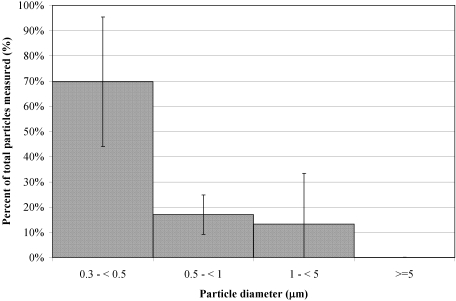
BACKGROUND: Recent studies suggest that humans exhale fine particles during tidal breathing but little is known of their composition, particularly during infection. METHODOLOGY/PRINCIPAL FINDINGS: We conducted a study of influenza infected patients to characterize influenza virus and particle concentrations in their exhaled breath. Patients presenting with influenza-like-illness, confirmed influenza A or B virus by rapid test, and onset within 3 days were recruited at three clinics in Hong Kong, China. We collected exhaled breath from each subject onto Teflon filters and measured exhaled particle concentrations using an optical particle counter. Filters were analyzed for influenza A and B viruses by quantitative polymerase chain reaction (qPCR). Twelve out of thirteen rapid test positive patients provided exhaled breath filter samples (7 subjects infected with influenza B virus and 5 subjects infected with influenza A virus). We detected influenza virus RNA in the exhaled breath of 4 (33%) subjects--three (60%) of the five patients infected with influenza A virus and one (14%) of the seven infected with influenza B virus. Exhaled influenza virus RNA generation rates ranged from <3.2 to 20 influenza virus RNA particles per minute. Over 87% of particles exhaled were under 1 microm in diameter. CONCLUSIONS: These findings regarding influenza virus RNA suggest that influenza virus may be contained in fine particles generated during tidal breathing, and add to the body of literature suggesting that fine particle aerosols may play a role in influenza transmission.
Overview
The claims and statistics of this paper haven’t been checked yet.
Free: it reads the open-access text and checks the first 5 claims that cite a source we can check. Create a free account to check every claim.
Integrity signals
Registry
Cites
Statistics
Figures
Verification
Claims the paper makes
The claims and statistics of this paper haven’t been checked yet.
Free: it reads the open-access text and checks the first 5 claims that cite a source we can check. Create a free account to check every claim.
Claims other papers make about this one
Each is checked against this paper’s own text: does it say what the citing paper says it does?
The source backs part of the claim, not all of it — or backs it for a different population, condition or comparison.
In the citing paper
“Results for four subjects showed influenza virus particles in exhaled breath and over 87% of particles were under 1 μ m in diameter.”
From A Quantitative Assessment of the Total Inward Leakage of NaCl Aerosol Representing Submicron-Size Bioaerosol Through N95 Filtering Facepiece Respirators and Surgical Masks (2014) · cites this paper as [2]
Experimental — accuracy not yet measuredThe source backs part of the claim, not all of it — or backs it for a different population, condition or comparison.
In the citing paper
“Numerous earlier studies have established that aerosol expelled during normal respiratory activities can contain infectious influenza virus [42, 45–54].”
From The protective performance of reusable cloth face masks, disposable procedure masks, KN95 masks and N95 respirators: Filtration and total inward leakage (2021) · cites this paper as [52]
Experimental — accuracy not yet measuredThe cited source says what the claim attributes to it.
In the citing paper
“This size range of particles is similar to the size of bioaerosols released by subjects under breathing conditions as reported previously. (2-5)”
The cited source says what the claim attributes to it.
In the citing paper
“Normal human subjects and infected individuals release considerable numbers of submicron diameter particles in the exhaled breath. (2-4)”
Self-check
Percentages, sums and reported differences re-computed from the paper’s own numbers.
The self-check needs the paper’s full text.
Citations
Cites
Influenza Virus Transmission Is Dependent on Relative Humidity and Temperature
Lowen, A. C., Mubareka, S., Steel, J., & Palese, P. (2007) · PLoS Pathogens · doi:10.1371/journal.ppat.0030151 · Cited by 1,669 · cited 1×
“In animal models, influenza infection by airborne transmission has been demonstrated in monkeys [9], ferrets [10–12], mice [13–20], and guinea pigs [21,22].”
BackgroundAIRBORNE SPREAD OF MEASLES IN A SUBURBAN ELEMENTARY SCHOOL
RILEY, E. C., MURPHY, G., & RILEY, R. L. (1978) · American Journal of Epidemiology · doi:10.1093/oxfordjournals.aje.a112560 · Cited by 932 · cited 1×
“Rudnick and Milton [30] used data from the influenza outbreak aboard an aircraft reported by Moser et al [31] and the WellsRiley equation for non-steady-state conditions [32] to estimate a quantum generation rate of from 79 to 128 quanta per hour for a highly infectious influenza case.”
MethodReview of Aerosol Transmission of Influenza A virus
Tellier, R. (2006) · Emerging Infectious Diseases · doi:10.3201/eid1211.060426 · Cited by 803 · cited 2×
“conclusions about how influenza is transmitted [3,4].”
BackgroundTransmission of influenza A in human beings
Brankston, G., Gitterman, L., Hirji, Z., Lemieux, C., & Gardam, M. (2007) · The Lancet Infectious Diseases · doi:10.1016/s1473-3099(07)70029-4 · Cited by 744 · cited 2×
“conclusions about how influenza is transmitted [3,4].”
BackgroundThe size distribution of droplets in the exhaled breath of healthy human subjects
PAPINENI, R. S., & ROSENTHAL, F. S. (1997) · Journal of Aerosol Medicine · doi:10.1089/jam.1997.10.105 · Cited by 690 · cited 2×
“3 mm in diameter [6–8].”
ResultRudnick, S. N., & Milton, D. K. (2003) · Indoor Air · doi:10.1034/j.1600-0668.2003.00189.x · Cited by 624 · cited 4×
“Rudnick and Milton [30] used data from the influenza outbreak aboard an aircraft reported by Moser et al [31] and the WellsRiley equation for non-steady-state conditions [32] to estimate a quantum generation rate of from 79 to 128 quanta per hour for a highly infectious influenza case.”
MethodInfluentialSelf-citationAN OUTBREAK OF INFLUENZA ABOARD A COMMERCIAL AIRLINER
MOSER, M. R., BENDER, T. R., MARGOLIS, H. S., NOBLE, G. R., KENDAL, A. P., & RITTER, D. G. (1979) · American Journal of Epidemiology · doi:10.1093/oxfordjournals.aje.a112781 · Cited by 605 · cited 2×
“Rudnick and Milton [30] used data from the influenza outbreak aboard an aircraft reported by Moser et al [31] and the WellsRiley equation for non-steady-state conditions [32] to estimate a quantum generation rate of from 79 to 128 quanta per hour for a highly infectious influenza case.”
MethodSimultaneous Detection of Influenza Viruses A and B Using Real-Time Quantitative PCR
van Elden, L. J. R., Nijhuis, M., Schipper, P., Schuurman, R., & van Loon, A. M. (2001) · Journal of Clinical Microbiology · doi:10.1128/jcm.39.1.196-200.2001 · Cited by 456
Human Influenza Resulting from Aerosol Inhalation
Alford, R. H., Kasel, J. A., Gerone, P. J., & Knight, V. (1966) · Experimental Biology and Medicine · doi:10.3181/00379727-122-31255 · Cited by 363 · cited 1×
“Assuming each RNA copy represents one infectious virus, and if, as Alford et al suggested [34,35], the human infectious dose 50% (ID50) by aerosol is between 0.”
BackgroundInhaling to mitigate exhaled bioaerosols
Edwards, D. A., Man, J. C., Brand, P., Katstra, J. P., Sommerer, K., Stone, H. A., Nardell, E., & Scheuch, G. (2004) · Proceedings of the National Academy of Sciences · doi:10.1073/pnas.0408159101 · Cited by 362 · cited 3×
“98% of the particles and concluded that these subjects–classified as ‘‘high producers’’–could over time exhale more particles during normal tidal breathing than during relatively infrequent coughing or sneezing events [8].”
BackgroundResultInfluential
Research works printed but not linked: 1
- Gebhart J Anselm A Heyder J Stahlhofen W 1988 The human lung as aerosol particle generator. J Aerosol Med 1 196 197
Cited by
Respiratory virus shedding in exhaled breath and efficacy of face masks
Leung, N. H. L., Chu, D. K. W., Shiu, E. Y. C., Chan, K.-H., McDevitt, J. J., Hau, B. J. P., Yen, H.-L., Li, Y., Ip, D. K. M., Peiris, J. S. M., et al. (2020) · Nature Medicine · doi:10.1038/s41591-020-0843-2 · Cited by 2,270
Self-citationAerosol Emission and Superemission during Human Speech Increase with Voice Loudness
Asadi, S., Wexler, A. S., Cappa, C. D., Barreda, S., Bouvier, N. M., & Ristenpart, W. D. (2019) · Scientific Reports · doi:10.1038/s41598-019-38808-z · Cited by 919
Recognition of aerosol transmission of infectious agents: a commentary
Tellier, R., Li, Y., Cowling, B. J., & Tang, J. W. (2019) · BMC Infectious Diseases · doi:10.1186/s12879-019-3707-y · Cited by 746
“Numerous studies have shown the emission of influenza RNA from the exhaled breath of naturally influenzainfected human subjects [62] [63] [64] [65] [66] and have detected influenza RNA in environmental air [67] [68] [69] .”
BackgroundSelf-citationMilton, D. K., Fabian, M. P., Cowling, B. J., Grantham, M. L., & McDevitt, J. J. (2013) · PLoS Pathogens · doi:10.1371/journal.ppat.1003205 · Cited by 669
Self-citationThe role of particle size in aerosolised pathogen transmission: a review
Gralton, J., Tovey, E., McLaws, M.-L., & Rawlinson, W. D. (2011) · Journal of Infection · doi:10.1016/j.jinf.2010.11.010 · Cited by 665
“Despite recent evidence 49, 101, 125, 126 suggesting the role of aerosol transmission has been severely underestimated in the past, the lack of strong observational data for the trajectory of individual respiratory pathogens, especially for viruses, expelled from different respiratory activities discourages updating o…”
Modality of human expired aerosol size distributions
Johnson, G. R., Morawska, L., Ristovski, Z. D., Hargreaves, M., Mengersen, K., Chao, C. Y. H., Wan, M. P., Li, Y., Xie, X., Katoshevski, D., et al. (2011) · Journal of Aerosol Science · doi:10.1016/j.jaerosci.2011.07.009 · Cited by 655
The effect of environmental parameters on the survival of airborne infectious agents
Tang, J. W. (2009) · Journal of The Royal Society Interface · doi:10.1098/rsif.2009.0227.focus · Cited by 631
“Since the advent of PCR methods to assess the presence of influenza and other respiratory virus RNA in the air (Xiao et al. 2004; Fabian et al. 2008; Blachere et al. 2009), there is often the question of whether such viral RNA detection really represents viable viruses.”
BackgroundMethodParticle Sizes of Infectious Aerosols: Implications for Infection Control
Fennelly, K. P. (2020) · The Lancet Respiratory Medicine · doi:10.1016/s2213-2600(20)30323-4 · Cited by 621
Transmission routes of respiratory viruses among humans
Kutter, J. S., Spronken, M. I., Fraaij, P. L., Fouchier, R. A., & Herfst, S. (2018) · Current Opinion in Virology · doi:10.1016/j.coviro.2018.01.001 · Cited by 611
Aerosol transmission of influenza A virus: a review of new studies
Tellier, R. (2009) · Journal of The Royal Society Interface · doi:10.1098/rsif.2009.0302.focus · Cited by 589
“Based on their RT – PCR assay and the influenza virus stock they used for calibration, Fabian et al. (2008) established a ratio of 300 copies per tissue culture infectious 50 per cent (TCID 50 ), which is well within previously published estimates of 100 –350 or 650 (van Elden et al. 2001; Wei et…”
BackgroundMethodResultInfluentialCharacterizing exhaled airflow from breathing and talking
Gupta, J. K., Lin, C.-H., & Chen, Q. (2010) · Indoor Air · doi:10.1111/j.1600-0668.2009.00623.x · Cited by 564
“, 2009) and the subjects infected by influenza (Fabian et al., 2008).”
BackgroundMethodInfluentialAerosol transmission of SARS-CoV-2? Evidence, prevention and control
Tang, S., Mao, Y., Jones, R. M., Tan, Q., Ji, J. S., Li, N., Shen, J., Lv, Y., Pan, L., Ding, P., et al. (2020) · Environment International · doi:10.1016/j.envint.2020.106039 · Cited by 553
Airborne spread of infectious agents in the indoor environment
Wei, J., & Li, Y. (2016) · American Journal of Infection Control · doi:10.1016/j.ajic.2016.06.003 · Cited by 519
“32, 33 Lindsley et al 34 measured the content of influenza virus in aerosol particles from human coughs.”
BackgroundVuorinen, V., Aarnio, M., Alava, M., Alopaeus, V., Atanasova, N., Auvinen, M., Balasubramanian, N., Bordbar, H., Erästö, P., Grande, R., et al. (2020) · Safety Science · doi:10.1016/j.ssci.2020.104866 · Cited by 472
Sources of airborne microorganisms in the built environment
Prussin, A. J., & Marr, L. C. (2015) · Microbiome · doi:10.1186/s40168-015-0144-z · Cited by 453
“[44–47]; this topic provides excellent avenues for future research.”
BackgroundMeasurements of Airborne Influenza Virus in Aerosol Particles from Human Coughs
Lindsley, W. G., Blachere, F. M., Thewlis, R. E., Vishnu, A., Davis, K. A., Cao, G., Palmer, J. E., Clark, K. E., Fisher, M. A., Khakoo, R., et al. (2010) · PLoS ONE · doi:10.1371/journal.pone.0015100 · Cited by 423
“[9] showed that 60% of patients with influenza A and 14% of patients with influenza B had detectable levels of viral RNA in their exhaled breath; they also reported that over 87% of the exhaled particles were less than 1 mm in diameter.”
BackgroundCoughs and Sneezes: Their Role in Transmission of Respiratory Viral Infections, Including SARS-CoV-2
Dhand, R., & Li, J. (2020) · American Journal of Respiratory and Critical Care Medicine · doi:10.1164/rccm.202004-1263pp · Cited by 409
“During tidal breathing, virus particles may be contained in fine particles (48, 49).”
BackgroundCharacterizations of particle size distribution of the droplets exhaled by sneeze
Han, Z. Y., Weng, W. G., & Huang, Q. Y. (2013) · Journal of The Royal Society Interface · doi:10.1098/rsif.2013.0560 · Cited by 383
Animal Models for Influenza Virus Pathogenesis and Transmission
Bouvier, N. M., & Lowen, A. C. (2010) · Viruses · doi:10.3390/v20801530 · Cited by 367
“That a pre-symptomatic or asymptomatic person might act as an index case is also supported by the detection of influenza viruses in the normal exhaled breaths of infected individuals [11, 12] .”
ResultSolid-state gas sensors for breath analysis: A review
Di Natale, C., Paolesse, R., Martinelli, E., & Capuano, R. (2014) · Analytica Chimica Acta · doi:10.1016/j.aca.2014.03.014 · Cited by 365
Tang, J. W., Bahnfleth, W. P., Bluyssen, P. M., Buonanno, G., Jimenez, J. L., Kurnitski, J., Li, Y., Miller, S., Sekhar, C., Morawska, L., et al. (2021) · Journal of Hospital Infection · doi:10.1016/j.jhin.2020.12.022 · Cited by 350
(2010) · The Annals of Occupational Hygiene · doi:10.1093/annhyg/meq044 · Cited by 352
“…significant levels of submicron as well as larger size particles including the size of many viruses during breathing, coughing, and talking (Fairchild and Stampfer, 1987; Papineni and Rosenthal, 1997; Edwards et al., 2004; Yang et al., 2007; Fabian et al., 2008; Blachere et al., 2009;…”
BackgroundRussell, C. A., Fonville, J. M., Brown, A. E. X., Burke, D. F., Smith, D. L., James, S. L., Herfst, S., van Boheemen, S., Linster, M., Schrauwen, E. J., et al. (2012) · Science · doi:10.1126/science.1222526 · Cited by 352
Aerosol transmission is an important mode of influenza A virus spread
Cowling, B. J., Ip, D. K. M., Fang, V. J., Suntarattiwong, P., Olsen, S. J., Levy, J., Uyeki, T. M., Leung, G. M., Malik Peiris, J. S., Chotpitayasunondh, T., et al. (2013) · Nature Communications · doi:10.1038/ncomms2922 · Cited by 346
Self-citationMeasurement of Airborne Influenza Virus in a Hospital Emergency Department
Blachere, F. M., Lindsley, W. G., Pearce, T. A., Anderson, S. E., Fisher, M., Khakoo, R., Meade, B. J., Lander, O., Davis, S., Thewlis, R. E., et al. (2009) · Clinical Infectious Diseases · doi:10.1086/596478 · Cited by 342
“secretions [13], and the mean duration of influenza viral shedding is ∼5 days [2].”
BackgroundMask or no mask for COVID-19: A public health and market study
Li, T., Liu, Y., Li, M., Qian, X., & Dai, S. Y. (2020) · PLOS ONE · doi:10.1371/journal.pone.0237691 · Cited by 307
“In one influenza study, influenza virus RNA was detected in the exhaled breath of 33% of influenza patients while most people exhale more than 500 particles per liter of air [28].”
BackgroundLindsley, W. G., Pearce, T. A., Hudnall, J. B., Davis, K. A., Davis, S. M., Fisher, M. A., Khakoo, R., Palmer, J. E., Clark, K. E., Celik, I., et al. (2012) · Journal of Occupational and Environmental Hygiene · doi:10.1080/15459624.2012.684582 · Cited by 300
“Fabian et al. (11) tested 10 patients with influenza and found that the concentration of particles exhaled by these subjects ranged from 67 to 8500 particles/liter of air; similar results were later reported for patients with rhinovirus infections.”
Yang, W., Elankumaran, S., & Marr, L. C. (2012) · PLoS ONE · doi:10.1371/journal.pone.0046789 · Cited by 274
“On the other hand, submicron aerosols such as those exhaled in human breath [41] would remain aloft, and thanks to the lower temperatures and suitable RHs for survival, transmission by these submicron droplets via the aerosol route might still be effective.”
BackgroundAirborne spread of expiratory droplet nuclei between the occupants of indoor environments: A review
Ai, Z. T., & Melikov, A. K. (2018) · Indoor Air · doi:10.1111/ina.12465 · Cited by 278
Yang, W., Elankumaran, S., & Marr, L. C. (2011) · Journal of The Royal Society Interface · doi:10.1098/rsif.2010.0686 · Cited by 260
Dynamics of Airborne Influenza A Viruses Indoors and Dependence on Humidity
Yang, W., & Marr, L. C. (2011) · PLoS ONE · doi:10.1371/journal.pone.0021481 · Cited by 263
“Sneezing is a less common clinical manifestation of influenza than is coughing, which is manifested in ,80% of patients [21,46,47,48].”
BackgroundSullivan, S. J., Jacobson, R. M., Dowdle, W. R., & Poland, G. A. (2010) · Mayo Clinic Proceedings · doi:10.4065/mcp.2009.0588 · Cited by 225
Exposure to Influenza Virus Aerosols During Routine Patient Care
Bischoff, W. E., Swett, K., Leng, I., & Peters, T. R. (2013) · The Journal of Infectious Diseases · doi:10.1093/infdis/jis773 · Cited by 226
“The published data and our findings indicate that small particles carry the majority of influenza virus other than virus released during aerosol-generating procedures [17, 27, 29].”
BackgroundMethodInfluentialMick, P., & Murphy, R. (2020) · Journal of Otolaryngology - Head & Neck Surgery · doi:10.1186/s40463-020-00424-7 · Cited by 224
Lindsley, W. G., Blachere, F. M., Davis, K. A., Pearce, T. A., Fisher, M. A., Khakoo, R., Davis, S. M., Rogers, M. E., Thewlis, R. E., Posada, J. A., et al. (2010) · Clinical Infectious Diseases · doi:10.1086/650457 · Cited by 217
“[8] showed that 60% of patients with influenza A and 14% of patients with influenza B had detectable levels of viral RNA in their exhaled breath.”
BackgroundTransport of expiratory droplets in an aircraft cabin
Gupta, J. K., Lin, C.-H., & Chen, Q. (2011) · Indoor Air · doi:10.1111/j.1600-0668.2010.00676.x · Cited by 214
Transmission of Influenza Virus via Aerosols and Fomites in the Guinea Pig Model
Mubareka, S., Lowen, A. C., Steel, J., Coates, A. L., García‐Sastre, A., & Palese, P. (2009) · The Journal of Infectious Diseases · doi:10.1086/597073 · Cited by 210
Accuracy, Precision, and Method Detection Limits of Quantitative PCR for Airborne Bacteria and Fungi
Hospodsky, D., Yamamoto, N., & Peccia, J. (2010) · Applied and Environmental Microbiology · doi:10.1128/aem.01240-10 · Cited by 205
“Over the last decade, the application of qPCR has advanced research in the human health, environmental, and the national security arenas by enabling the specific measurement of airborne allergenic mold, pathogenic bacteria, and human viruses (6, 7, 9, 13, 37, 45).”
BackgroundShao, S., Zhou, D., He, R., Li, J., Zou, S., Mallery, K., Kumar, S., Yang, S., & Hong, J. (2021) · Journal of Aerosol Science · doi:10.1016/j.jaerosci.2020.105661 · Cited by 214
Respiratory aerosols and droplets in the transmission of infectious diseases
Pöhlker, M. L., Pöhlker, C., Krüger, O. O., Förster, J., Berkemeier, T., Elbert, W., Fröhlich‐Nowoisky, J., Pöschl, U., Bagheri, G., Bodenschatz, E., et al. (2023) · Reviews of Modern Physics · doi:10.1103/revmodphys.95.045001 · Cited by 228
“A) as well as different OPC models (Almstrand et al., 2010, 2009; Fabian et al., 2011, 2008; Hartmann et al., 2020; Haslbeck et al., 2010; Holmgren et al., 2013, 2010; Mürbe et al., 2020; Schwarz et al., 2010, 2015) (i.e., 0.3 to 3 µm) (see Table IV).”
BackgroundInfluentialAzimi, P., & Stephens, B. (2013) · Building and Environment · doi:10.1016/j.buildenv.2013.08.025 · Cited by 202
Influenza Virus Infectivity Is Retained in Aerosols and Droplets Independent of Relative Humidity
Kormuth, K. A., Lin, K., Prussin, A. J., Vejerano, E. P., Tiwari, A. J., Cox, S. S., Myerburg, M. M., Lakdawala, S. S., & Marr, L. C. (2018) · The Journal of Infectious Diseases · doi:10.1093/infdis/jiy221 · Cited by 205
High Humidity Leads to Loss of Infectious Influenza Virus from Simulated Coughs
Noti, J. D., Blachere, F. M., McMillen, C. M., Lindsley, W. G., Kashon, M. L., Slaughter, D. R., & Beezhold, D. H. (2013) · PLoS ONE · doi:10.1371/journal.pone.0057485 · Cited by 200
“Influenza RNA has been detected in the exhaled breath and coughs of patients with influenza [9–11] and clinical studies during influenza seasons indicated that influenza was detected in aerosol particles #4 mm [12,13].”
BackgroundLakdawala, S. S., Lamirande, E. W., Suguitan, A. L., Wang, W., Santos, C. P., Vogel, L., Matsuoka, Y., Lindsley, W. G., Jin, H., & Subbarao, K. (2011) · PLoS Pathogens · doi:10.1371/journal.ppat.1002443 · Cited by 185
“Aerosol sampling in different environments suggests that humans predominantly release small, respirable particles that likely result in the respiratory or aerosol transmission of influenza viruses [22,23,34].”
BackgroundHobday, R. A., & Dancer, S. J. (2013) · Journal of Hospital Infection · doi:10.1016/j.jhin.2013.04.011 · Cited by 175
“Despite more than a century of infection study, detailed specifications needed to prevent airborne dispersal of pathogens are still unknown, with ongoing controversy over the importance of airborne spread for certain pathogens.(8,187,188) There is lack of consensus on particle size, transmission characteristics and as…”
BackgroundAerosol Susceptibility of Influenza Virus to UV-C Light
McDevitt, J. J., Rudnick, S. N., & Radonovich, L. J. (2012) · Applied and Environmental Microbiology · doi:10.1128/aem.06960-11 · Cited by 177
“There is considerable evidence for the airborne transmission of influenza via fine aerosols: influenza aerosols have been shown to remain infective in laboratory experiments; the aerosol transmission of influenza has also been shown to occur in animal and human volunteer studies (1, 17); influenza nucleic acids have b…”
BackgroundSelf-citationBreathing Is Enough: For the Spread of Influenza Virus and SARS-CoV-2 by Breathing Only
Scheuch, G. (2020) · Journal of Aerosol Medicine and Pulmonary Drug Delivery · doi:10.1089/jamp.2020.1616 · Cited by 172
“(4) Masks have to be developed that provide adequate protection for the clinical personnel working with infectious patients.”
BackgroundInfluentialNoti, J. D., Lindsley, W. G., Blachere, F. M., Cao, G., Kashon, M. L., Thewlis, R. E., McMillen, C. M., King, W. P., Szalajda, J. V., & Beezhold, D. H. (2012) · Clinical Infectious Diseases · doi:10.1093/cid/cis237 · Cited by 170
“Several studies have detected influenza RNA in the exhaled breath and coughs of patients with influenza [19–23].”
Influenza A viruses are transmitted via the air from the nasal respiratory epithelium of ferrets
Richard, M., van den Brand, J. M. A., Bestebroer, T. M., Lexmond, P., de Meulder, D., Fouchier, R. A. M., Lowen, A. C., & Herfst, S. (2020) · Nature Communications · doi:10.1038/s41467-020-14626-0 · Cited by 178
Hotle, S., Murray-Tuite, P., & Singh, K. (2020) · Transportation Research Interdisciplinary Perspectives · doi:10.1016/j.trip.2020.100127 · Cited by 167
“This type of employment allows greater opportunities for exposure to viruses through the exhalation of infected individuals (Fabian et al., 2008) as well as coughing and sneezing.”
BackgroundExhalation of respiratory viruses by breathing, coughing, and talking
Stelzer‐Braid, S., Oliver, B. G., Blazey, A. J., Argent, E., Newsome, T. P., Rawlinson, W. D., & Tovey, E. R. (2009) · Journal of Medical Virology · doi:10.1002/jmv.21556 · Cited by 165
“However, performing this more invasive sampling procedure would have limited recruitment in this setting; (c) sampling time was short; the only other study to measure exhaled influenza used 20 min [Fabian et al., 2008], whereas the protocol sampled for 5 or 10 min.”
BackgroundResultDisease transmission through expiratory aerosols on an urban bus
Zhang, Z., Han, T., Yoo, K. H., Capecelatro, J., Boehman, A. L., & Maki, K. J. (2021) · Physics of Fluids · doi:10.1063/5.0037452 · Cited by 178
Origin of Exhaled Breath Particles from Healthy and Human Rhinovirus-Infected Subjects
Fabian, P., Brain, J., Houseman, E. A., Gern, J., & Milton, D. K. (2011) · Journal of Aerosol Medicine and Pulmonary Drug Delivery · doi:10.1089/jamp.2010.0815 · Cited by 166
“In our previous study of influenza subjects, 50% were HPPs.((9)) Significant predictors of high particle production included minute ventilation (MV), maximum airflow measured during exhalation (Q), and FEV1 expressed as % predicted (Table 1).”
BackgroundMethodInfluentialSelf-citationEnvironmental Role in Influenza Virus Outbreaks
Sooryanarain, H., & Elankumaran, S. (2015) · Annual Review of Animal Biosciences · doi:10.1146/annurev-animal-022114-111017 · Cited by 158
Influenza in long‐term care facilities
Lansbury, L., Brown, C. S., & Nguyen‐Van‐Tam, J. S. (2017) · Influenza and Other Respiratory Viruses · doi:10.1111/irv.12464 · Cited by 178
“[26] [27] [28] [29] [30] [31] However, most influenza transmission is short-range, and when it has occurred over longer distances, contact transmission has generally not been ruled out.”
BackgroundFabian, P., McDevitt, J. J., Houseman, E. A., & Milton, D. K. (2009) · Indoor Air · doi:10.1111/j.1600-0668.2009.00609.x · Cited by 154
“Viruses detected via PCR from exhaled breath samples include influenza (Fabian et al., 2008), human rhinovirus and parainfluenza (Huynh et al.”
BackgroundMethodResultInfluentialSelf-citationExhaled Air Dispersion during Coughing with and without Wearing a Surgical or N95 Mask
Hui, D. S. C., Chow, B., Chu, L. C. Y., Ng, S. S., Lee, N. L. S., Gin, T., & Chan, M. T. V. (2012) · PLoS ONE · doi:10.1371/journal.pone.0050845 · Cited by 157
“In recent years, there is growing evidence that viral infections such as seasonal influenza may potentially spread by airborne route, [3] [4] [5] 6] whereas non-invasive ventilation in the presence of an imbalanced medical ward airflow may lead to opportunistic airborne influenza transmission [7] .”
BackgroundRapid Flu Diagnosis Using Silicon Nanowire Sensor
Shen, F., Wang, J., Xu, Z., Wu, Y. H., Chen, Q., Li, X., Xu, J., Li, L., Yao, M., Guo, X., et al. (2012) · Nano Letters · doi:10.1021/nl301516z · Cited by 149
Viable influenza A virus in airborne particles expelled during coughs versus exhalations
Lindsley, W. G., Blachere, F. M., Beezhold, D. H., Thewlis, R. E., Noorbakhsh, B., Othumpangat, S., Goldsmith, W. T., McMillen, C. M., Andrew, M. E., Burrell, C. N., et al. (2016) · Influenza and Other Respiratory Viruses · doi:10.1111/irv.12390 · Cited by 147
Heterogeneity in transmissibility and shedding SARS-CoV-2 via droplets and aerosols
Chen, P., Bobrovitz, N., Premji, Z., Koopmans, M., Fisman, D. N., & Gu, F. (2021) · eLife · doi:10.7554/elife.65774 · Cited by 157
“The 50% human infectious dose 506 (HID50) of aerosolized A(H1N1)pdm09 was taken to be 1-3 virions (26).”
BackgroundThe Effect of Mask Use on the Spread of Influenza During a Pandemic
Brienen, N. C. J. V., Timen, A., Wallinga, J., van Steenbergen, J., & Teunis, P. F. M. (2010) · Risk Analysis · doi:10.1111/j.1539-6924.2010.01428.x · Cited by 155
“5 and < 1 μm, and 13% between 1 μm and < 5 μm(21) < 0.”
BackgroundTang, J. W.-T., Noakes, C. J., Nielsen, P. V., Eames, I., Nicolle, A., Li, Y., & Settles, G. S. (2010) · Journal of Hospital Infection · doi:10.1016/j.jhin.2010.09.037 · Cited by 150
Exhaled Air Dispersion Distances During Noninvasive Ventilation via Different Respironics Face Masks
Hui, D. S., Chow, B. K., Ng, S. S., Chu, L. C. Y., Hall, S. D., Gin, T., Sung, J. J. Y., & Chan, M. T. V. (2009) · Chest · doi:10.1378/chest.09-0434 · Cited by 141
Exhaled Air Dispersion During Noninvasive Ventilation via Helmets and a Total Facemask
Hui, D. S., Chow, B. K., Lo, T., Ng, S. S., Ko, F. W., Gin, T., & Chan, M. T. V. (2015) · Chest · doi:10.1378/chest.14-1934 · Cited by 137
Concentration, Size Distribution, and Infectivity of Airborne Particles Carrying Swine Viruses
Alonso, C. M., Raynor, P. C., Davies, P. R., & Torremorell, M. (2015) · PLoS ONE · doi:10.1371/journal.pone.0135675 · Cited by 136
“In humans, measures of particle size for influenza A virus (IAV) have been evaluated in controlled laboratory and health care settings, airplanes, daycares and households [6] [7] [8] [9] [10] .”
BackgroundInactivated influenza vaccines
Fiore, A. E., Bridges, C. B., Katz, J. M., & Cox, N. J. (2013) · Elsevier eBooks · doi:10.1016/b978-1-4557-0090-5.00026-4 · Cited by 147
Richard, M., & Fouchier, R. A. M. (2015) · FEMS Microbiology Reviews · doi:10.1093/femsre/fuv039 · Cited by 139
“Both respiratory droplets and aerosols can be expelled by coughing, sneezing, talking and during tidal breathing (Fabian et al.”
BackgroundViable Influenza A Virus in Airborne Particles from Human Coughs
Lindsley, W. G., Noti, J. D., Blachere, F. M., Thewlis, R. E., Martin, S. B., Othumpangat, S., Noorbakhsh, B., Goldsmith, W. T., Vishnu, A., Palmer, J. E., et al. (2015) · Journal of Occupational and Environmental Hygiene · doi:10.1080/15459624.2014.973113 · Cited by 132
“(14) (15) (16) (17) (18) (19) Multiple respiratory viruses, including influenza, were found in particles ≤5 µm that were collected during breathing (80% of samples) and coughing (82%) from 12 adults and 41 children with symptomatic respiratory infections.”
BackgroundInfluenza Virus Aerosols in the Air and Their Infectiousness
Nikitin, N. A., Petrova, E. K., Trifonova, E. A., & Karpova, O. V. (2014) · Advances in Virology · doi:10.1155/2014/859090 · Cited by 144
“Given the extensive debate in the literature [21, 22] and the likelihood that a large percentage of viral copies detected bymolecularmethods are defective [23, 24], it would be important for new studies to quantify infectious viruses and not merely measure the total viral RNA copy numbers.”
BackgroundAirborne Microorganisms From Livestock Production Systems and Their Relation to Dust
Zhao, Y., Aarnink, A. J. A., de Jong, M. C. M., & Koerkamp, P. W. G. G. (2013) · Critical Reviews in Environmental Science and Technology · doi:10.1080/10643389.2012.746064 · Cited by 151
“This source of airborne microorganisms is widely accepted in the human model of disease transmission, and pathogenic microorganisms have been frequently recovered from the exhaled aerosols (Fabian et al., 2008; Weber and Stilianakis, 2008).”
BackgroundFluid Dynamics of Respiratory Infectious Diseases
Bourouiba, L. (2021) · Annual Review of Biomedical Engineering · doi:10.1146/annurev-bioeng-111820-025044 · Cited by 129
Respiratory virus RNA is detectable in airborne and droplet particles
Gralton, J., Tovey, E. R., McLaws, M., & Rawlinson, W. D. (2013) · Journal of Medical Virology · doi:10.1002/jmv.23698 · Cited by 129
“Studies by others have used optical particle counting to demonstrate that the majority of expelled particles are <0.5 mm in diameter; these studies however did not report virus carriage within the collected particles [Fabian et al., 2008, 2011a,b].”
BackgroundResultInfluentialZhang, X., Ji, Z., Yue, Y., Liu, H., & Wang, J. (2020) · Environmental Science & Technology · doi:10.1021/acs.est.0c02895 · Cited by 134
A Cough Aerosol Simulator for the Study of Disease Transmission by Human Cough-Generated Aerosols
Lindsley, W. G., Reynolds, J. S., Szalajda, J. V., Noti, J. D., & Beezhold, D. H. (2013) · Aerosol Science and Technology · doi:10.1080/02786826.2013.803019 · Cited by 124
“…studies have shown that people expel aerosol particles containing potentially infectious microorganisms during coughing, speaking, or breathing (Fabian et al. 2008; Morawska et al. 2009; Stelzer-Braid et al. 2009; Lindsley et al. 2010; Fennelly et al. 2012), but the dispersion of cough…”
Does Influenza Transmission Occur from Asymptomatic Infection or Prior to Symptom Onset?
Patrozou, E., & Mermel, L. A. (2009) · Public Health Reports® · doi:10.1177/003335490912400205 · Cited by 122
Influenza virus aerosol exposure and analytical system for ferrets
Gustin, K. M., Belser, J. A., Wadford, D. A., Pearce, M. B., Katz, J. M., Tumpey, T. M., & Maines, T. R. (2011) · Proceedings of the National Academy of Sciences · doi:10.1073/pnas.1100768108 · Cited by 123
Influenza A virus is transmissible via aerosolized fomites
Asadi, S., Gaaloul ben Hnia, N., Barre, R. S., Wexler, A. S., Ristenpart, W. D., & Bouvier, N. M. (2020) · Nature Communications · doi:10.1038/s41467-020-17888-w · Cited by 127
Peng, S., Chen, Q., & Liu, E. (2020) · The Science of The Total Environment · doi:10.1016/j.scitotenv.2020.142090 · Cited by 132
“Besides, this model was proved to be well performing in studies of Heffernan et al. (2005), Li et al. (2005b), Fabian et al. (2008), Mendell et al. (2013), Atkinson and Wein (2008).”
Ge, M. Q., Ho, A. W. S., Tang, Y., Wong, K. H. S., Chua, B. Y. L., Gasser, S., & Kemeny, D. M. (2012) · The Journal of Immunology · doi:10.4049/jimmunol.1103474 · Cited by 149
“In this study, we used a low dose of influenza A to infect mice, closely resembling the physiological conditions under which humans are infected (21).”
BackgroundMethodWan, M. P., Sze-To, G. N., Chao, C. Y. H., Fang, L., & Melikov, A. K. (2009) · Aerosol Science and Technology · doi:10.1080/02786820802641461 · Cited by 132
“Several studies employing sampling-based optical particle counts reported that the majority of exhaled particles were in the submicron size range, eg, Papineni and Rosenthal (1997) , Fabian et al.”
BackgroundSmartphone-based sensing system using ZnO and graphene modified electrodes for VOCs detection
Liu, L., Zhang, D., Zhang, Q. Y., Chen, X., Xu, G., Lu, Y., & Liu, Q. (2016) · Biosensors and Bioelectronics · doi:10.1016/j.bios.2016.09.084 · Cited by 119
Possible Role of Aerosol Transmission in a Hospital Outbreak of Influenza
Wong, B. C. K., Lee, N. L. S., Li, Y., Chan, P. K. S., Qiu, H., Luo, Z., Lai, R. W. M., Ngai, K. L. K., Hui, D. S. C., Choi, K. W. Y., et al. (2010) · Clinical Infectious Diseases · doi:10.1086/656743 · Cited by 120
“In clinical studies, virus-laden particles less than 5–6 mm (ie, within the respirable aerosol fraction) have been detected in exhaled breaths of patients with influenza and in the air sampled from an acute healthcare setting during seasonal peak [19, 35, 36].”
BackgroundThompson, K., Pappachan, J., Bennett, A., Mittal, H., Macken, S., Dove, B. K., Nguyen‐Van‐Tam, J. S., Copley, V. R., O’Brien, S. J., Hoffman, P. N., et al. (2013) · PLoS ONE · doi:10.1371/journal.pone.0056278 · Cited by 113
“[22, 26, 27, 28, 29] .”
Wu, Z., Harrich, D., Li, Z., Hu, D., & Li, D. (2020) · Reviews in Medical Virology · doi:10.1002/rmv.2171 · Cited by 120
Effects of human activities on concentrations of culturable bioaerosols in indoor air environments
Heo, K. J., Lim, C. E., Kim, H. B., & Lee, B. U. (2016) · Journal of Aerosol Science · doi:10.1016/j.jaerosci.2016.11.008 · Cited by 107
“From another point of view, several research groups found that aerosol particles exhaled by humans are composed of small droplets of airway-lining fluid (Fiegel et al., 2006; Han, Weng & Huang, 2013) , and some of these exhaled droplets contain pathogens, such as influenza viruses (Fabian et al., 2008; Milton, Fabian,…”
BackgroundResultHuynh, E., Olinger, A., Woolley, D., Kohli, R. K., Choczynski, J. M., Davies, J. F., Lin, K., Marr, L. C., & Davis, R. D. (2022) · Proceedings of the National Academy of Sciences · doi:10.1073/pnas.2109750119 · Cited by 112
Tuberculosis Infectiousness and Host Susceptibility
Turner, R. D., Chiu, C., Churchyard, G., Esmail, H., Lewinsohn, D. M., Gandhi, N. R., & Fennelly, K. P. (2017) · The Journal of Infectious Diseases · doi:10.1093/infdis/jix361 · Cited by 129
“Although influenza virus is found in exhaled breath [39], the larger size of M.”
BackgroundLee, J., Yoo, D., Ryu, S., Ham, S., Lee, K., Yeo, M.-S., Min, K., & Yoon, C. (2019) · Aerosol and Air Quality Research · doi:10.4209/aaqr.2018.01.0031 · Cited by 107
“For example, larger pathogens, such as bacteria (1–2 µm), are found in larger particles (Wainwright et al. , 2009), whereas smaller pathogens, such as viruses (20–30 nm), are found in smaller particles (Fabian et al. , 2008; Hersen et al. , 2008).”
Recent advancements in the measurement of pathogenic airborne viruses
Bhardwaj, J., Hong, S., Jang, J., Han, C.-H., Lee, J., & Jang, J. (2021) · Journal of Hazardous Materials · doi:10.1016/j.jhazmat.2021.126574 · Cited by 107
Airborne transmission and precautions: facts and myths
Seto, W. H. (2015) · Journal of Hospital Infection · doi:10.1016/j.jhin.2014.11.005 · Cited by 101
“However, there are now at least two studies showing the presence of viable viral aerosols in exhaled breath.(16,17) Nevertheless this is not sufficient to confirm airborne transmission unless there is also evidence to indicate inoculation of these viable viral particles into a susceptible patient.”
BackgroundExhaled Air and Aerosolized Droplet Dispersion During Application of a Jet Nebulizer
Hui, D. S. C., Chow, B., Chu, L. C. Y., Ng, S. S., Hall, S. D., Gin, T., & Chan, M. T. V. (2009) · CHEST Journal · doi:10.1378/chest.08-1998 · Cited by 101
You, R., Cui, W., Chen, C., & Zhao, B. (2013) · Aerosol and Air Quality Research · doi:10.4209/aaqr.2012.03.0061 · Cited by 109
“It has been proved that exhaled droplets can be a significant particle source from human, whose emission characteristics have been reported in many studies (e.g., Fabian et al. , 2008; Chao et al. , 2009; Morawska et al. , 2009b).”
InfluentialMeasuring the exhaled breath of a manikin and human subjects
Xu, C., Nielsen, P. V., Gong, G., Liu, L., & Jensen, R. L. (2015) · Indoor Air · doi:10.1111/ina.12129 · Cited by 97
“…al., 2009; Chao et al., 2009; Redrow et al., 2011) have thoroughly studied coughing and sneezing that are generally considered of higher infectious risk, while some influenza viruses have been found present in human breathing (Fabian et al., 2008; Milton et al., 2013; Stelzer-Braid et al., 2009).”
BackgroundBagheri, G., Schlenczek, O., Turco, L., Thiede, B., Stieger, K., Kosub, J. M., Clauberg, S., Pöhlker, M. L., Pöhlker, C., Moláček, J., et al. (2022) · Journal of Aerosol Science · doi:10.1016/j.jaerosci.2022.106102 · Cited by 101
High infectivity and pathogenicity of influenza A virus via aerosol and droplet transmission
Teunis, P. F. M., Brienen, N., & Kretzschmar, M. E. E. (2010) · Epidemics · doi:10.1016/j.epidem.2010.10.001 · Cited by 91
“Infectious virus present in or on the mucosae of the upper respiratory tract is expelled through coughing or sneezing, or even through normal exhalation, producing small droplets that may contain various amounts of virus (Fabian et al., 2008; Blachere et al., 2009).”
BackgroundPredicting ‘airborne’ influenza viruses: (trans-) mission impossible?
Sorrell, E. M., Schrauwen, E., Linster, M., de Graaf, M., Herfst, S., & Fouchier, R. A. M. (2011) · Current Opinion in Virology · doi:10.1016/j.coviro.2011.07.003 · Cited by 92
“Humans exhale droplets of widely varying size and quantity [26] and the generation of aerosol particles by coughing or sneezing has been well documented, with the majority of particles expelled during breathing and sneezing measured at <1 mm [27,28].”
BackgroundBiological fluid dynamics of airborne COVID-19 infection
Seminara, G., Carli, B., Forni, G., Fuzzi, S., Mazzino, A., & Rinaldo, A. (2020) · RENDICONTI LINCEI · doi:10.1007/s12210-020-00938-2 · Cited by 96
Prentiss, M. G., Chu, A., & Berggren, K. K. (2022) · PLoS ONE · doi:10.1371/journal.pone.0265816 · Cited by 97
“[61], Ward et al .”
Association of Airborne Virus Infectivity and Survivability with its Carrier Particle Size
Zuo, Z., Kuehn, T. H., Verma, H., Kumar, S., Goyal, S. M., Appert, J., Raynor, P. C., Ge, S., & Pui, D. Y. H. (2012) · Aerosol Science and Technology · doi:10.1080/02786826.2012.754841 · Cited by 95
“However, recent human subject studies and field measurements have suggested that the aerosol route could also be an important mode of virus transmission (Sattar and Ijaz 1987; Fabian et al. 2008; Tellier 2009).”
BackgroundDefining the sizes of airborne particles that mediate influenza transmission in ferrets
Zhou, J., Wei, J., Choy, K.-T., Sia, S. F., Rowlands, D. K., Yu, D., Wu, C.-Y., Lindsley, W. G., Cowling, B. J., McDevitt, J., et al. (2018) · Proceedings of the National Academy of Sciences · doi:10.1073/pnas.1716771115 · Cited by 86
Self-citation
Metadata
- Authors
- Fabian, P., McDevitt, J. J., DeHaan, W. H., Fung, R. O. P., Cowling, B. J., Chan, K. H., Leung, G. M., & Milton, D. K.
- Affiliations
- University of Massachusetts Lowell (US)
- Pulmatrix (United States) (US)
- University of Hong Kong (HK)
- Queen Mary Hospital (CN)
- Venue
- PLoS ONE
- Publisher
- Public Library of Science (PLoS)
- Published
- 2008-07-16
- Volume
- 3
- Issue
- 7
- Pages
- e2691
- ISSN
- 1932-6203 (ISSN-L)
- PMC
- PMC2442192
- OpenAlex
- W2061268350
- Cited by
- 496
- References
- 43
- Citations by year
- 2026: 6 · 2025: 25 · 2024: 27 · 2023: 29 · 2022: 48 · 2021: 62 · 2020: 67 · 2019: 23 · 2018: 12 · 2017: 12 · 2016: 17 · 2015: 16 · 2014: 24 · 2013: 31 · 2012: 26
- FWCI
- 17.57
- Type
- journal article
- Language
- en
- Open access
- gold
- doi.org
- Locations
- PLoS ONE (publishedVersion, cc-by)
- PubMed Central (publishedVersion, cc-by)
- PubMed (publishedVersion)
- Digital Access to Scholarship at Harvard (DASH) (Harvard University) (submittedVersion, cc-by)
- DOAJ (DOAJ: Directory of Open Access Journals) (submittedVersion, cc-by-sa)
- The HKU Scholars Hub (University of Hong Kong) (submittedVersion)
- Funders
- Food and Health Bureau
- Centers for Disease Control and Prevention (U01CI000439, 1u01ci000446-01, 1u01ci000439-01, U01CI000446, 1U01CI000446)
- Federal Aviation Administration (04-C-ACE-HU)
- National Institute of Allergy and Infectious Diseases (F31AI061884)
- Topics
- Health Sciences › Medicine › Epidemiology › Influenza Virus Research Studies
- Health Sciences › Medicine › Pulmonary and Respiratory Medicine › Infection Control and Ventilation
- Health Sciences › Medicine › Epidemiology › Respiratory viral infections research
- Keywords
- influenza virus, exhaled breath, fine particles, airborne transmission, influenza A virus, influenza B, viral RNA, particle size, respiratory infections, tidal breathing
- MeSH terms
- Adolescent, Adult, Air, Breath Tests, Female, Humans, Influenza, Human, Male, Middle Aged, Mouth Breathing, Orthomyxoviridae, Polytetrafluoroethylene, Respiration, RNA, Viral, Exhalation
About these checks
Registry, retraction, Cites and statistics results are computed, not judged, with one exception: a printed reference that no index lists is read once by a model before it counts as a citation error. Claims are extracted by a model and kept only when their quote appears verbatim in the text; each cited source is then checked, with a model’s help, for whether it says what the claim relies on. Those verdicts can be wrong — read the claim’s quote and the cited source before relying on one.
Statistics and arithmetic are recomputed, not judged.
Confidence bands are shown only for fields calibrated on our annotated test set. None is calibrated yet, so no band is shown.
What counts as a claim ›How we measure confidence ›How we check this ›
Are you an author, or do you see a problem with this page? Request a review
Data sources
Bibliographic data: Semantic Scholar, OpenAlex, Crossref.
Contains information from the Semantic Scholar Academic Graph Datasets, made available under the ODC Attribution License (ODC-BY 1.0).
Semantic Scholar’s data is described in: Kinney, R., et al. (2023). The Semantic Scholar Open Data Platform. arXiv:2301.10140.
