

Influenza Virus in Human Exhaled Breath: An Observational Study
Open accessThe DOI matches its Crossref record; 44 of the 44 references it cites were found in a registry or an index.
Abstract
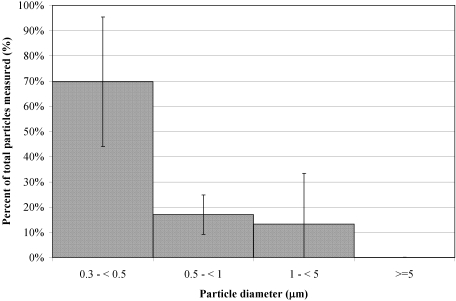
BACKGROUND: Recent studies suggest that humans exhale fine particles during tidal breathing but little is known of their composition, particularly during infection. METHODOLOGY/PRINCIPAL FINDINGS: We conducted a study of influenza infected patients to characterize influenza virus and particle concentrations in their exhaled breath. Patients presenting with influenza-like-illness, confirmed influenza A or B virus by rapid test, and onset within 3 days were recruited at three clinics in Hong Kong, China. We collected exhaled breath from each subject onto Teflon filters and measured exhaled particle concentrations using an optical particle counter. Filters were analyzed for influenza A and B viruses by quantitative polymerase chain reaction (qPCR). Twelve out of thirteen rapid test positive patients provided exhaled breath filter samples (7 subjects infected with influenza B virus and 5 subjects infected with influenza A virus). We detected influenza virus RNA in the exhaled breath of 4 (33%) subjects--three (60%) of the five patients infected with influenza A virus and one (14%) of the seven infected with influenza B virus. Exhaled influenza virus RNA generation rates ranged from <3.2 to 20 influenza virus RNA particles per minute. Over 87% of particles exhaled were under 1 microm in diameter. CONCLUSIONS: These findings regarding influenza virus RNA suggest that influenza virus may be contained in fine particles generated during tidal breathing, and add to the body of literature suggesting that fine particle aerosols may play a role in influenza transmission.
Overview
The claims and statistics of this paper haven’t been checked yet.
Free: it reads the open-access text and checks the first 5 claims that cite a source we can check. Create a free account to check every claim.
Integrity signals
Registry
Cites
Statistics
Figures
Verification
Claims the paper makes
The claims and statistics of this paper haven’t been checked yet.
Free: it reads the open-access text and checks the first 5 claims that cite a source we can check. Create a free account to check every claim.
Claims other papers make about this one
Each is checked against this paper’s own text: does it say what the citing paper says it does?
The source backs part of the claim, not all of it — or backs it for a different population, condition or comparison.
In the citing paper
“Results for four subjects showed influenza virus particles in exhaled breath and over 87% of particles were under 1 μ m in diameter.”
From A Quantitative Assessment of the Total Inward Leakage of NaCl Aerosol Representing Submicron-Size Bioaerosol Through N95 Filtering Facepiece Respirators and Surgical Masks (2014) · cites this paper as [2]
Experimental — accuracy not yet measuredThe source backs part of the claim, not all of it — or backs it for a different population, condition or comparison.
In the citing paper
“Numerous earlier studies have established that aerosol expelled during normal respiratory activities can contain infectious influenza virus [42, 45–54].”
From The protective performance of reusable cloth face masks, disposable procedure masks, KN95 masks and N95 respirators: Filtration and total inward leakage (2021) · cites this paper as [52]
Experimental — accuracy not yet measuredThe cited source says what the claim attributes to it.
In the citing paper
“This size range of particles is similar to the size of bioaerosols released by subjects under breathing conditions as reported previously. (2-5)”
The cited source says what the claim attributes to it.
In the citing paper
“Normal human subjects and infected individuals release considerable numbers of submicron diameter particles in the exhaled breath. (2-4)”
Self-check
Percentages, sums and reported differences re-computed from the paper’s own numbers.
The self-check needs the paper’s full text.
Citations
Cites
Influenza Virus Transmission Is Dependent on Relative Humidity and Temperature
Lowen, A. C., Mubareka, S., Steel, J., & Palese, P. (2007) · PLoS Pathogens · doi:10.1371/journal.ppat.0030151 · Cited by 1,669 · cited 1×
“In animal models, influenza infection by airborne transmission has been demonstrated in monkeys [9], ferrets [10–12], mice [13–20], and guinea pigs [21,22].”
BackgroundAIRBORNE SPREAD OF MEASLES IN A SUBURBAN ELEMENTARY SCHOOL
RILEY, E. C., MURPHY, G., & RILEY, R. L. (1978) · American Journal of Epidemiology · doi:10.1093/oxfordjournals.aje.a112560 · Cited by 932 · cited 1×
“Rudnick and Milton [30] used data from the influenza outbreak aboard an aircraft reported by Moser et al [31] and the WellsRiley equation for non-steady-state conditions [32] to estimate a quantum generation rate of from 79 to 128 quanta per hour for a highly infectious influenza case.”
MethodReview of Aerosol Transmission of Influenza A virus
Tellier, R. (2006) · Emerging Infectious Diseases · doi:10.3201/eid1211.060426 · Cited by 803 · cited 2×
“conclusions about how influenza is transmitted [3,4].”
BackgroundTransmission of influenza A in human beings
Brankston, G., Gitterman, L., Hirji, Z., Lemieux, C., & Gardam, M. (2007) · The Lancet Infectious Diseases · doi:10.1016/s1473-3099(07)70029-4 · Cited by 744 · cited 2×
“conclusions about how influenza is transmitted [3,4].”
BackgroundThe size distribution of droplets in the exhaled breath of healthy human subjects
PAPINENI, R. S., & ROSENTHAL, F. S. (1997) · Journal of Aerosol Medicine · doi:10.1089/jam.1997.10.105 · Cited by 690 · cited 2×
“3 mm in diameter [6–8].”
ResultRudnick, S. N., & Milton, D. K. (2003) · Indoor Air · doi:10.1034/j.1600-0668.2003.00189.x · Cited by 624 · cited 4×
“Rudnick and Milton [30] used data from the influenza outbreak aboard an aircraft reported by Moser et al [31] and the WellsRiley equation for non-steady-state conditions [32] to estimate a quantum generation rate of from 79 to 128 quanta per hour for a highly infectious influenza case.”
MethodInfluentialSelf-citationAN OUTBREAK OF INFLUENZA ABOARD A COMMERCIAL AIRLINER
MOSER, M. R., BENDER, T. R., MARGOLIS, H. S., NOBLE, G. R., KENDAL, A. P., & RITTER, D. G. (1979) · American Journal of Epidemiology · doi:10.1093/oxfordjournals.aje.a112781 · Cited by 605 · cited 2×
“Rudnick and Milton [30] used data from the influenza outbreak aboard an aircraft reported by Moser et al [31] and the WellsRiley equation for non-steady-state conditions [32] to estimate a quantum generation rate of from 79 to 128 quanta per hour for a highly infectious influenza case.”
MethodSimultaneous Detection of Influenza Viruses A and B Using Real-Time Quantitative PCR
van Elden, L. J. R., Nijhuis, M., Schipper, P., Schuurman, R., & van Loon, A. M. (2001) · Journal of Clinical Microbiology · doi:10.1128/jcm.39.1.196-200.2001 · Cited by 456
Human Influenza Resulting from Aerosol Inhalation
Alford, R. H., Kasel, J. A., Gerone, P. J., & Knight, V. (1966) · Experimental Biology and Medicine · doi:10.3181/00379727-122-31255 · Cited by 363 · cited 1×
“Assuming each RNA copy represents one infectious virus, and if, as Alford et al suggested [34,35], the human infectious dose 50% (ID50) by aerosol is between 0.”
BackgroundInhaling to mitigate exhaled bioaerosols
Edwards, D. A., Man, J. C., Brand, P., Katstra, J. P., Sommerer, K., Stone, H. A., Nardell, E., & Scheuch, G. (2004) · Proceedings of the National Academy of Sciences · doi:10.1073/pnas.0408159101 · Cited by 362 · cited 3×
“98% of the particles and concluded that these subjects–classified as ‘‘high producers’’–could over time exhale more particles during normal tidal breathing than during relatively infrequent coughing or sneezing events [8].”
BackgroundResultInfluential
Research works printed but not linked: 1
- Gebhart J Anselm A Heyder J Stahlhofen W 1988 The human lung as aerosol particle generator. J Aerosol Med 1 196 197
Cited by
Items 101–200 of 494
Natural sources and experimental generation of bioaerosols: Challenges and perspectives
Alsved, M., Bourouiba, L., Duchaine, C., Löndahl, J., Marr, L. C., Parker, S. T., Prussin, A. J., & Thomas, R. J. (2019) · Aerosol Science and Technology · doi:10.1080/02786826.2019.1682509 · Cited by 94
“Finally, humans and animals produce liquid bioaerosols when breathing, coughing, sneezing, or vomiting (Fabian et al. 2008; Heo et al. 2017; Johnson and Morawska 2009; Xie et al. 2009; Bourouiba, Dehandschoewercker, and Bush 2014; Scharfman et al. 2016; Bourouiba 2016; Alsved et al. 2019).”
BackgroundAvian Influenza Virus Transmission to Mammals
Herfst, S., Imai, M., Kawaoka, Y., & Fouchier, R. A. M. (2014) · Current topics in microbiology and immunology · doi:10.1007/82_2014_387 · Cited by 96
Cold oxygen plasma technology efficiency against different airborne respiratory viruses
Terrier, O., Essere, B., Yver, M., Barthélémy, M., Bouscambert‐Duchamp, M., Kurtz, P., VanMechelen, D., Morfin, F., Billaud, G., Ferraris, O., et al. (2009) · Journal of Clinical Virology · doi:10.1016/j.jcv.2009.03.017 · Cited by 92
Niazi, S., Groth, R., Spann, K. M., & Johnson, G. R. (2020) · Environmental Pollution · doi:10.1016/j.envpol.2020.115767 · Cited by 89
“However, in most of these studies, healthy individuals were used, and few have examined the aerosol production of participants with a respiratory virus infection, including influenza (Fabian et al., 2008; Lindsley et al., 2010, 2012; Stelzer-Braid et al., 2009) and rhinovirus (Fabian et al.”
Position Paper for the State-of-the-Art Application of Respiratory Support in Patients with COVID-19
Pfeifer, M., Ewig, S., Voshaar, T., Randerath, W. J., Bauer, T. T., Geiseler, J. G., Dellweg, D., Westhoff, M., Windisch, W., Schönhofer, B., et al. (2020) · Respiration · doi:10.1159/000509104 · Cited by 88
Transmission of influenza A/H5N1 viruses in mammals
Imai, M., Herfst, S., Sorrell, E. M., Schrauwen, E. J. A., Linster, M., de Graaf, M., Fouchier, R. A. M., & Kawaoka, Y. (2013) · Virus Research · doi:10.1016/j.virusres.2013.07.017 · Cited by 86
“Coughing and sneezing has been documented to generate mostly aerosol particles with sizes under 1 µm (Fabian et al., 2008; Lindsley et al., 2010).”
BackgroundCalculating the potential for within-flight transmission of influenza A (H1N1)
Wagner, B. G., Coburn, B. J., & Blower, S. (2009) · BMC Medicine · doi:10.1186/1741-7015-7-81 · Cited by 77
“These pathogens can be transmitted both by direct contact with large respiratory droplets and by airborne transmission of small, aerosolized droplets [2-4].”
BackgroundMethodInfluentialDevelopment and Performance Evaluation of an Exhaled-Breath Bioaerosol Collector for Influenza Virus
McDevitt, J. J., Koutrakis, P., Ferguson, S. T., Wolfson, J. M., Fabian, M. P., Martins, M., Pantelic, J., & Milton, D. K. (2013) · Aerosol Science and Technology · doi:10.1080/02786826.2012.762973 · Cited by 76
“Based on expected low exhaled-breath generation of influenza virus (Fabian et al. 2008), the sensitivity of the device requires maximization by collecting all exhaled breath and allowance for extended sampling times (30 min).”
BackgroundSelf-citationTang, J. W.-T., Nicolle, A. D. G., Pantelic, J., Jiang, M., Sekhr, C., Cheong, D. K. W., & Tham, K. W. (2011) · PLoS ONE · doi:10.1371/journal.pone.0021392 · Cited by 78
“[8,9], talking [9] and coughing [9,10], and suspended in the air in”
BackgroundDuncan, S., Bodurtha, P., & Naqvi, S. (2021) · PLOS ONE · doi:10.1371/journal.pone.0258191 · Cited by 75
Documentary Research of Human Respiratory Droplet Characteristics
Zhang, H., Li, D., Xie, L., & Xiao, Y. (2015) · Procedia Engineering · doi:10.1016/j.proeng.2015.09.023 · Cited by 83
“There are much documented experiments using the optical instruments that can effectively measure size and concentration of fine droplets [47-55].”
BackgroundSmieszek, T., Lazzari, G., & Salathé, M. (2019) · Scientific Reports · doi:10.1038/s41598-019-38825-y · Cited by 86
Tang, J. W.-T., Nicolle, A., Pantelic, J., Koh, G. C., Wang, L. D., Amin, M., Klettner, C. A., Cheong, D. K. W., Sekhar, C., & Tham, K. W. (2012) · PLoS ONE · doi:10.1371/journal.pone.0034818 · Cited by 75
“Many of these have involved the sampling of air directly from various indoor healthcare environments [2] [3] [4] or human volunteers [5] [6] [7] .”
BackgroundZhang, N., & Li, Y. (2018) · International Journal of Environmental Research and Public Health · doi:10.3390/ijerph15081699 · Cited by 78
“Summarising the previous studies [23] [24] [25] [26] [27] [28] [29] , the total volume of small particles (d a < 10 µm) by breathing (V vb ), talking (V vt ) (counting from 1 to 100, which takes about 100 s), coughing (V vc ) and sneezing (V vs ) are estimated as 1.02 × 10 −10 mL, 1.47 × 10 −7 mL, 1.65 × 10 −7 mL and…”
BackgroundInfluentialBreath analysis for detection of viral infection, the current position of the field
Gould, O., Ratcliffe, N. A., Król, E., & Costello, B. D. L. (2020) · Journal of Breath Research · doi:10.1088/1752-7163/ab9c32 · Cited by 72
“2 to 20 RNA particles per minute [22], whichmeans that a techniques, that is capable of analysing large molecules, may be the ideal solution to rapid, and non-invasive viral infection detection.”
BackgroundAiello, A. E., Coulborn, R. M., Aragón, T., Baker, M. G., Burrus, B., Cowling, B. J., Duncan, A. R., Enanoria, W. T. A., Fabian, M. P., Ferng, Y., et al. (2010) · American Journal of Infection Control · doi:10.1016/j.ajic.2009.12.007 · Cited by 72
“In a laboratory study conducted by researchers at University of Massachusetts, Lowell (C), influenza virus nucleic acid was present in fine-particle aerosols from influenza patients in both tidal breathing (14%-33%) and coughing (64%).(6) Preliminary results demonstrated that surgical ear-loop face masks limit the gen…”
BackgroundSelf-citationAirborne Influenza A Virus Exposure in an Elementary School
Coleman, K. K., & Sigler, W. V. (2020) · Scientific Reports · doi:10.1038/s41598-020-58588-1 · Cited by 73
“† Irrespective of IAV target gene; Based on the assumption that one TCID 50 is equivalent to ~300 PCR-detectable IAV RNA copies [47] [48] [49] [50] .”
BackgroundVo, E., Rengasamy, S., & Shaffer, R. E. (2009) · Applied and Environmental Microbiology · doi:10.1128/aem.00799-09 · Cited by 77
“Although several studies have reported the sizes and numbers of particles (droplets and/or droplet nuclei) emitted by healthy and symptomatic human test subjects while they are sneezing, coughing, talking, and breathing (9, 11, 13, 16, 22, 24, 32), there is no consensus concerning the typical droplet size or the suspe…”
BackgroundFiltration Performance of FDA-Cleared Surgical Masks
Rengasamy*, S., Miller, A., Eimer, B. C., & Shaffer, R. E. (2009) · Journal of the International Society for Respiratory Protection · doi:10.66828/001c.167200 · Cited by 69
“For example, a recent study on the exhaled breath of influenza infected patients contained about 70% of influenza virus particles in the 300– 500 nm range (Fabian et al. 2008).”
Global Geographical and Temporal Patterns of Seasonal Influenza and Associated Climatic Factors
Dave, K., & Lee, P. C. (2019) · Epidemiologic Reviews · doi:10.1093/epirev/mxz008 · Cited by 68
Sedlmaier, N., Hoppenheidt, K., Krist, H., Lehmann, S., Lang, H., & Büttner, M. (2009) · Veterinary Microbiology · doi:10.1016/j.vetmic.2009.05.005 · Cited by 69
Evaluation of SARS‐COV‐2 transmission and infection in airliner cabins
Wang, W., Wang, F., Lai, D., & Chen, Q. (2022) · Indoor Air · doi:10.1111/ina.12979 · Cited by 70
Park, K., & Hwang, J. (2014) · Carbon · doi:10.1016/j.carbon.2014.04.019 · Cited by 69
“[8] Fabian P, McDevitt JJ, DeHaan WH, Fung RO, Cowling BJ, Chan KH.”
BackgroundAvian Influenza A Viruses: From Zoonosis to Pandemic
Richard, M., de Graaf, M., & Herfst, S. (2014) · Future Virology · doi:10.2217/fvl.14.30 · Cited by 68
Wedel, J., Steinmann, P., Štrakl, M., Hriberšek, M., Cui, Y., & Ravnik, J. (2022) · Computer Methods in Applied Mechanics and Engineering · doi:10.1016/j.cma.2022.115372 · Cited by 67
“[9], found that breathing can generate more infectious material in the air over ime than coughing, typically producing particles with a predominant diameter of dp ≤ 1 μm, [10].”
BackgroundQuantifying the risk of respiratory infection in healthcare workers performing high-risk procedures
MacIntyre, C. R., Seale, H., Yang, P., Zhang, Y., Shi, W., Almatroudi, A., Moa, A., Wang, X., LI, X., PANG, X., et al. (2013) · Epidemiology and Infection · doi:10.1017/s095026881300304x · Cited by 72
“However, influenza virus has also been documented to be transmitted by the airborne route, which results in infectious particles being present in the air for longer periods of time [9] [10] [11] [12] .”
BackgroundZuo, Z., Kuehn, T. H., Bekele, A. Z., Mor, S. K., Verma, H., Goyal, S. M., Raynor, P. C., & Pui, D. Y. H. (2014) · Applied and Environmental Microbiology · doi:10.1128/aem.00056-14 · Cited by 71
“When infected individuals cough, sneeze, speak, or simply breathe, particles of saliva and/or respiratory mucus that carry viruses can be easily generated (4, 5), resulting in an increased risk of viral infection by aerosols.”
BackgroundBioaerosols in the Barcelona subway system
Triadó–Margarit, X., Veillette, M., Duchaine, C., Talbot, M., Amato, F., Minguillón, M. C., Martins, V., de Miguel, E., Casamayor, E. O., & Moreno, T. (2016) · Indoor Air · doi:10.1111/ina.12343 · Cited by 70
Bu, Y., Ooka, R., Kikumoto, H., & Oh, W. (2021) · Sustainable Cities and Society · doi:10.1016/j.scs.2021.103106 · Cited by 66
“Moreover, the number of small particles (< 1 μm) accounted for the largest proportion of exhaled particles by coughing and breathing (Fabian et al., 2008; Zayas et al., 2012) (Table 1).”
BackgroundRengasamy, S., Eimer, B. C., & Szalajda, J. (2014) · Journal of Occupational and Environmental Hygiene · doi:10.1080/15459624.2013.866715 · Cited by 61
“(24) TIL was measured in two general configurations: (1) sealed to the manikin face with no artificial leaks induced through needles; and (2) sealed to the manikin face with artificial leaks induced through needles.”
Liquid impinger BioSampler's performance for size-resolved viable bioaerosol particles
Zheng, Y., & Yao, M. (2017) · Journal of Aerosol Science · doi:10.1016/j.jaerosci.2017.01.003 · Cited by 65
Inhalation of expiratory droplets in aircraft cabins
Gupta, J. K., Lin, C.-H., & Chen, Q. (2011) · Indoor Air · doi:10.1111/j.1600-0668.2011.00709.x · Cited by 60
“, (2010a) using the measurements performed by Fabian et al., (2008) and Edwards et al.”
MethodExhaled Aerosol Transmission of Pandemic and Seasonal H1N1 Influenza Viruses in the Ferret
Koster, F. T., Gouveia, K., Zhou, Y., Lowery, K. S., Russell, R., MacInnes, H., Pollock, Z. E., Layton, R. C., Cromwell, J., Toleno, D., et al. (2012) · PLoS ONE · doi:10.1371/journal.pone.0033118 · Cited by 60
“Influenza RNA, but not cultured virus, was detected in aerosols exhaled from three of five individuals infected with influenza A [49].”
BackgroundHagan, K. A., Reedy, C. R., Uchimoto, M. L., Basu, D., Engel, D. A., & Landers, J. P. (2010) · Lab on a Chip · doi:10.1039/c0lc00136h · Cited by 59
Pfeifer, M., Ewig, S., Voshaar, T., Randerath, W., Bauer, T., Geiseler, J., Dellweg, D., Westhoff, M., Windisch, W., Schönhofer, B., et al. (2020) · Pneumologie · doi:10.1055/a-1157-9976 · Cited by 69
Xu, Z., Shen, F., Li, X., Wu, Y. H., Chen, Q., Xu, J., & Yao, M. (2012) · PLoS ONE · doi:10.1371/journal.pone.0041137 · Cited by 60
“In previous studies, similar particle size distribution trend in exhaled breath was also found using the OPC, although the droplet concentrations for respective size ranges were slightly different [21,39].”
MethodResultBacterial pathogens were detected from human exhaled breath using a novel protocol
Zheng, Y., Chen, H., Yao, M., & Li, X. (2017) · Journal of Aerosol Science · doi:10.1016/j.jaerosci.2017.12.009 · Cited by 58
“The transmission of airborne pathogens further worsens the situation, e.g., influenza viruses (Fabian et al., 2008; O’Brien & Nonnenmann, 2016; Smith et al., 2009).”
BackgroundEvaluation of airborne particle exposure for riding elevators
Liu, S., Zhao, X., Nichols, S. R., Bonilha, M. W., Derwinski, T., Auxier, J. T., & Chen, Q. (2021) · Building and Environment · doi:10.1016/j.buildenv.2021.108543 · Cited by 61
Joe, Y. H., Woo, K., & Hwang, J. (2014) · Journal of Hazardous Materials · doi:10.1016/j.jhazmat.2014.08.013 · Cited by 57
“Previous studies reported that viruses can exist in the air of hospital rooms [7, 8] and also in human breath [9, 10] .”
BackgroundMadas, B. G., Füri, P., Farkas, Á., Nagy, A., Czitrovszky, A., Balásházy, I., Schay, G. G., & Horváth, A. (2020) · Scientific Reports · doi:10.1038/s41598-020-79985-6 · Cited by 60
A dynamical overview of droplets in the transmission of respiratory infectious diseases
Zhou, M., & Zou, J. T. (2021) · Physics of Fluids · doi:10.1063/5.0039487 · Cited by 62
Liu, H., Liu, Z., Wang, Y., Hu, C., & Rong, R. (2022) · Building and Environment · doi:10.1016/j.buildenv.2022.109690 · Cited by 62
A review on the applied techniques of exhaled airflow and droplets characterization
Merghani, K. M. M., Benoit, S., Géhin, É., Da, G., & Motzkus, C. (2020) · Indoor Air · doi:10.1111/ina.12770 · Cited by 59
Use of carbon nanotube filter in removing bioaerosols
Guan, T., & Yao, M. (2010) · Journal of Aerosol Science · doi:10.1016/j.jaerosci.2010.03.002 · Cited by 53
Hong, S., Bhardwaj, J., Han, C.-H., & Jang, J. (2016) · Environmental Science & Technology · doi:10.1021/acs.est.6b03464 · Cited by 58
Modeling airborne pathogen transport and transmission risks of SARS-CoV-2
Ho, C. K. (2021) · Applied Mathematical Modelling · doi:10.1016/j.apm.2021.02.018 · Cited by 56
A Review of Airborne Contaminated Microorganisms Associated with Human Diseases
Hussain, H. H., Ibraheem, N. T., AL-Rubaey, N. K. F., Radhi, M. M., Hindi, N. K. K., & AL-Jubori, R. H. K. (2022) · Medical Journal of Babylon · doi:10.4103/mjbl.mjbl_20_22 · Cited by 61
Price, G. E., Lo, C.-Y., Misplon, J. A., & Epstein, S. L. (2014) · Journal of Virology · doi:10.1128/jvi.03101-13 · Cited by 52
“In human influenza patients, viral RNA was detected in exhaled breath in the absence of coughing, with 99% of exhaled particles from these patients being 5 m in diameter (47), which is small enough to penetrate the alveoli (48).”
BackgroundWurie, F. B., Lawn, S. D., Booth, H., Sonnenberg, P., & Hayward, A. C. (2016) · Thorax · doi:10.1136/thoraxjnl-2015-207295 · Cited by 52
“However as normal breathing is continuous, the majority of bio-aerosols are in effect produced by normal breathing,[11-14] with some studies reporting up to 10,000 bio-aerosols per litre[15].”
Zuraimi, M. S., Nilsson, G., & Magee, R. J. (2011) · Building and Environment · doi:10.1016/j.buildenv.2011.06.008 · Cited by 62
Gustin, K. M., Katz, J. M., Tumpey, T. M., & Maines, T. R. (2013) · Journal of Virology · doi:10.1128/jvi.00719-13 · Cited by 59
“Multiple laboratories have reported the detection of the majority of influenza virus RNA in exhaled aerosols from humans in the respirable size range (8, 28–31) and that infected patients exhaled up to 20 copies/min (32).”
BackgroundRoberts, K. L., Shelton, H. A., Stilwell, P., & Barclay, W. (2012) · PLoS ONE · doi:10.1371/journal.pone.0043303 · Cited by 57
“The issue of whether coughing and sneezing are required to expel infectious virus to the air has been nullified by several studies in which virus has been detected in exhaled air during tidal breathing [30,31].”
BackgroundMyatt, T. A., Kaufman, M., Allen, J. G., MacIntosh, D. L., Fabian, M. P., & McDevitt, J. (2010) · Environmental Health · doi:10.1186/1476-069x-9-55 · Cited by 60
“Emission rates for influenza virus were derived from our previous studies with regard to particle counts, particle sizes, and influenza virus RNA concentrations in persons with confirmed flu and were used as input into the CONTAM model [28-30].”
MethodSelf-citationFabian, P., McDevitt, J. J., Lee, W.-M., Houseman, E. A., & Milton, D. K. (2009) · J. Environ. Monit. · doi:10.1039/b813520g · Cited by 49
Self-citationSurvival of influenza virus on hands and fomites in community and laboratory settings
Mukherjee, D. V., Cohen, B., Bovino, M. E., Desai, S. Y., Whittier, S., & Larson, E. (2012) · American Journal of Infection Control · doi:10.1016/j.ajic.2011.09.006 · Cited by 49
Communication through Breath: Aerosol Transmission
Khalid, M., Amin, O., Ahmed, S., Shihada, B., & Alouini, M.-S. (2019) · IEEE Communications Magazine · doi:10.1109/mcom.2018.1800530 · Cited by 48
Jiang, G., Wang, C., Song, L., Wang, X., Zhou, Y., Fei, C., & Liu, H. (2020) · Frontiers of Environmental Science & Engineering · doi:10.1007/s11783-021-1386-6 · Cited by 53
Use of gelatin filter and BioSampler in detecting airborne H5N1 nucleotides, bacteria and allergens
Wu, Y. H., Shen, F., & Yao, M. (2010) · Journal of Aerosol Science · doi:10.1016/j.jaerosci.2010.05.006 · Cited by 48
Infection Spread and High-Resolution Detection of Close Contact Behaviors
Zhang, N., Su, B., Chan, P., Miao, T., Wang, P., & Li, Y. (2020) · International Journal of Environmental Research and Public Health · doi:10.3390/ijerph17041445 · Cited by 61
“Human respiratory activities such as breathing, talking, and coughing can generate droplets of different numbers and sizes [14] [15] [16] [17] [18] .”
BackgroundGuo, W., Fu, Y., Jia, R., Guo, Z., Su, C., Li, J., Zhao, X., Jin, Y., Li, P., Fan, J., et al. (2022) · Environment International · doi:10.1016/j.envint.2022.107153 · Cited by 49
Aldekheel, M., Altuwayjiri, A. H., Tohidi, R., Farahani, V. J., & Sioutas, C. (2022) · International Journal of Environmental Research and Public Health · doi:10.2139/ssrn.4151658 · Cited by 52
Edenborough, K. M., Gilbertson, B. P., & Brown, L. E. (2012) · Journal of Virology · doi:10.1128/jvi.00859-12 · Cited by 49
“tribute to the transmission of influenza virus in humans (12).”
BackgroundIn situ airborne virus inactivation by microwave irradiation
Wu, Y. H., & Yao, M. (2014) · Chinese Science Bulletin · doi:10.1007/s11434-014-0171-3 · Cited by 46
“The airborne transmission of infectious virus is further strengthened by the fact that exhaled breath from a person with flu symptoms was found to contain large amount influenza viruses [8] [9] [10] .”
Lärstad, M., Almstrand, A., Larsson, P., Bake, B., Larsson, S., Ljungström, E., Mirgorodskaya, E. E., & Olin, A. (2015) · PLoS ONE · doi:10.1371/journal.pone.0144463 · Cited by 47
Comparison of samplers collecting airborne influenza viruses: 1. Primarily impingers and cyclones
Raynor, P. C., Adesina, A., Aboubakr, H. A., Yang, M., Torremorell, M., & Goyal, S. M. (2021) · PLoS ONE · doi:10.1371/journal.pone.0244977 · Cited by 48
What is suitable social distancing for people wearing face masks during the COVID‐19 pandemic?
Deng, Z., & Chen, Q. (2021) · Indoor Air · doi:10.1111/ina.12935 · Cited by 49
Aerosol sampling using an electrostatic precipitator integrated with a microfluidic interface
Pardon, G., Ladhani, L., Sandström, N., Ettori, M., Lobov, G. S., & van der Wijngaart, W. (2015) · Sensors and Actuators B Chemical · doi:10.1016/j.snb.2015.02.008 · Cited by 78
Safer Singing During the SARS-CoV-2 Pandemic: What We Know and What We Don't
Naunheim, M. R., Bock, J. M., Doucette, P., Hoch, M., Howell, I. B., Johns, M. M. E., Johnson, A. M., Krishna, P. D., Meyer, D. I., Milstein, C. F., et al. (2020) · Journal of Voice · doi:10.1016/j.jvoice.2020.06.028 · Cited by 50
“Respiratory particles, including droplets and aerosols, exist in human exhaled breath.(5,14,23,26,27) Other functions of the respiratory tract that also are thought to produce these particles at a higher level than breathing include phonation,(4) sneezing,(28) and coughing.”
BackgroundTransmission of droplet aerosols in an elevator cabin: Effect of the ventilation mode
Li, X., & Feng, B. (2023) · Building and Environment · doi:10.1016/j.buildenv.2023.110261 · Cited by 44
“Compared with coughing, breathing produces only a small quantity of droplets smaller than 5 μm [12].”
Sung, M., & Kato, S. (2011) · Building and Environment · doi:10.1016/j.buildenv.2011.05.015 · Cited by 42
“Moreover, McDevitt performed a series of experiment using an atomizer for illustrating constant exhaled breath [27].”
MethodDaikoku, T., Takemoto, M., Yoshida, Y., Okuda, T., Takahashi, Y., Ota, K., Tokuoka, F., Kawaguchi, A. T., & Shiraki, K. (2015) · Aerosol and Air Quality Research · doi:10.4209/aaqr.2014.10.0256 · Cited by 44
“Over 87% of particles exhaled were under 1 µm in diameter (Fabian et al. , 2008).”
Probable aerosol transmission of SARS‐CoV‐2 in a poorly ventilated courtroom
Vernez, D., Schwarz, S., Sauvain, J., Pétignat, C., & Suárez, G. (2021) · Indoor Air · doi:10.1111/ina.12866 · Cited by 44
“The model of the wellmixed room, previously described in Equations (4) and (5), was used to calculate the probability of contamination in the courtroom, with a variable air exchange rate, ranging between 0 and 5 h−1 and three possible event durations: 0.”
BackgroundMethodKillingley, B., Greatorex, J. S., Digard, P., Wise, H. M., Garcia, F., Varsani, H., Cauchemez, S., Enstone, J. E., Hayward, A. C., Curran, M. D., et al. (2015) · Journal of Infection and Public Health · doi:10.1016/j.jiph.2015.10.009 · Cited by 45
May, A. K., Brady, J. S., Romano-Keeler, J., Drake, W. P., Norris, P. R., Jenkins, J. M., Isaacs, R. J., & Boczko, E. M. (2015) · Chest · doi:10.1378/chest.14-1687 · Cited by 40
Tang, J. W.-T., Gao, C. X., Cowling, B. J., Koh, G. C., Chu, D. K. W., Heilbronn, C., Lloyd, B. K., Pantelic, J., Nicolle, A. D., Klettner, C. A., et al. (2014) · PLoS ONE · doi:10.1371/journal.pone.0107338 · Cited by 44
“Other studies have detected low levels of virus in exhaled particles from coughing and breathing in enclosed chambers for complete particle exposure/inhalation counts [15,17,28,29], with longer exposure and collection times of up to 20–30 minutes [15,29], but these are artificial experimental situations.”
BackgroundSelf-citationExperimental analysis of the air velocity and contaminant dispersion of human exhalation flows
Berlanga, F. A., Olmedo, I., & de Adana, M. R. (2016) · Indoor Air · doi:10.1111/ina.12357 · Cited by 46
Which Health Care Workers Were Most Affected During the Spring 2009 H1N1 Pandemic?
Santos, C. D., Bristow, R. B., & Vorenkamp, J. V. L. (2010) · Disaster Medicine and Public Health Preparedness · doi:10.1017/s193578930000241x · Cited by 41
Bioaerosols and Transmission, a Diverse and Growing Community of Practice
Mubareka, S., Groulx, N., Savory, E., Cutts, T. A., Theriault, S., Scott, J. A., Roy, C. J., Turgeon, N., Bryce, E., Astrakianakis, G., et al. (2019) · Frontiers in Public Health · doi:10.3389/fpubh.2019.00023 · Cited by 41
“Our understanding of bioaerosol production from expulsion events such as breathing, talking, sneezing, and coughing have generally been extrapolated from models, though more recent empiric evidence has become available, significantly enhancing our understanding of the transmission potential of bioaerosol emissions fro…”
BackgroundSinganayagam, A., Zhou, J., Elderfield, R. A., Frise, R., Ashcroft, J., Galiano, M., Miah, S., Nicolaou, L., & Barclay, W. (2020) · PLoS Pathogens · doi:10.1371/journal.ppat.1008362 · Cited by 41
Detailed simulation of viral propagation in the built environment
Löhner, R., Antil, H., Idelsohn, S. R., & Oñate, E. (2020) · Computational Mechanics · doi:10.1007/s00466-020-01881-7 · Cited by 40
Assaad, D. A., Ghali, K., Ghaddar, N., Katramiz, E., & Ghani, S. A. (2021) · Building and Environment · doi:10.1016/j.buildenv.2021.107637 · Cited by 44
Approaches in CFD modeling of respiratory droplet dispersion – issues and challenges
Sedighi, A. A., Haghighat, F., Nasiri, F., Cao, S., & Ren, C. (2023) · Sustainable Cities and Society · doi:10.1016/j.scs.2023.104696 · Cited by 42
Ishmatov, A. N. (2019) · Atmospheric Environment · doi:10.1016/j.atmosenv.2019.117226 · Cited by 41
Park, J., Lee, K. S., & Park, H. (2022) · Journal of Hazardous Materials · doi:10.1016/j.jhazmat.2022.128978 · Cited by 38
“, 2019) and most of the aerosols (87%) with influenza viral RNA such as COVID-19 are found to be less than 1 μm in size (Fabian et al., 2008; Fennelly, 2020).”
Enhanced detection of infectious airborne influenza virus
Blachère, F. M., Cao, G., Lindsley, W. G., Noti, J. D., & Beezhold, D. H. (2011) · Journal of Virological Methods · doi:10.1016/j.jviromet.2011.05.030 · Cited by 36
Aerosol influenza transmission risk contours: A study of humid tropics versus winter temperate zone
Hanley, B. P., & Borup, B. (2010) · Virology Journal · doi:10.1186/1743-422x-7-98 · Cited by 38
“1 micron to 5 micron[2,4], and these smallest particles are primary vectors of contagion[5,6].”
BackgroundSundaram, M. S., Ravikumar, N., Bansal, A., Nallasamy, K., Basavaraja, G. V., Lodha, R., Gupta, D., Odena, M. P., Ram, A., & Jayashree, M. (2020) · Indian Pediatrics · doi:10.1007/s13312-020-1786-x · Cited by 41
Guo, Y., Wei, J., Ou, C., Liu, L., Sadrizadeh, S., Jin, T., Tang, L., Zhang, Y., & Li, Y. (2020) · Aerosol Science and Technology · doi:10.1080/02786826.2020.1772459 · Cited by 40
Implications of the Coffee-Ring Effect on Virus Infectivity
Huang, Q., Wang, W., & Vikesland, P. J. (2021) · Langmuir · doi:10.1021/acs.langmuir.1c01610 · Cited by 35
Belser, J. A., Gustin, K. M., Katz, J. M., Maines, T. R., & Tumpey, T. M. (2015) · Virology · doi:10.1016/j.virol.2015.02.041 · Cited by 35
“Numerous studies have found that aerosol particles <1 μm represent the dominant size of expelled aerosols in the exhaled breath of humans (Fabian et al., 2008; Papineni and Rosenthal, 1997).”
BackgroundPerić, R., & Perić, M. (2020) · Journal of Applied Fluid Mechanics · doi:10.47176/jafm.13.06.31812 · Cited by 41
“Fabian et al. (2008) found that humans exhale > 500 droplets per liter of air, of which 99.9% had diameters ar X iv :2 00 5.”
BackgroundInfluentialDetection of influenza virus in air samples of patient rooms
Chamseddine, A., Soudani, N., Kanafani, Z. A., Alameddine, I., Dbaibo, G. S., Zaraket, H., & El‐Fadel, M. (2020) · Journal of Hospital Infection · doi:10.1016/j.jhin.2020.10.020 · Cited by 35
“Although these aerosolized particles contain a low concentration of infectious particles, they are likely to cause lower respiratory tract infections because of their small size [3,27,28].”
Rashid, T. U., Sharmeen, S., & Biswas, S. (2022) · ACS Chemical Health & Safety · doi:10.1021/acs.chas.1c00016 · Cited by 38
Wang, F., You, R., Zhang, T., & Chen, Q. (2022) · Indoor Air · doi:10.1111/ina.13032 · Cited by 34
TR-PIV measurement of exhaled flow using a breathing thermal manikin
Feng, L., Yao, S., Sun, H., Jiang, N., & Liu, J. (2015) · Building and Environment · doi:10.1016/j.buildenv.2015.11.001 · Cited by 39
“Coughing and sneezing are considered to be high-risk behaviors for transmitting infectious diseases, and some influenza viruses have also been found in human breathing [1,2], occurring even in a higher concentration than in sneezing and coughing [3].”
BackgroundWen, Z., Yu, L., Yang, W., Hu, L., Li, N., Wang, J., Li, J., Lu, J., Dong, X., Yin, Z., et al. (2012) · Aerobiologia · doi:10.1007/s10453-012-9286-7 · Cited by 35
“The samples were collected according to particle size, and [87 % of particles were\1 lm (Fabian et al. 2008).”
MethodYoung, N., Pebody, R. G., Smith, G., Olowokure, B., Shankar, G., Höschler, K., Galiano, M., Green, H. E., Wallensten, A., Hogan, A. H., et al. (2013) · Influenza and Other Respiratory Viruses · doi:10.1111/irv.12181 · Cited by 36
Innovations in infectious disease testing: Leveraging COVID-19 pandemic technologies for the future
Tran, N. K., Albahra, S., Rashidi, H. H., & May, L. S. (2022) · Clinical Biochemistry · doi:10.1016/j.clinbiochem.2021.12.011 · Cited by 32
“In addition to VOCs, breath samples have been shown to also contain virions including Influenza A [41].”
BackgroundCheng, Y., Wang, C.-H., YOU, S.-H., Hsieh, N., Chen, W., Chio, C., & Liao, C. (2015) · Epidemiology and Infection · doi:10.1017/s0950268815001739 · Cited by 34
“[12] recently indicated that the exhaled influenza virus RNA generation rate was in the range of <3·2–20 influenza virus RNA droplets min and up to 87% of droplets exhaled were <1 μm in diameter.”
Yang, Y., Zhang, B., Feng, Q., Cai, H., Jiang, M., Zhou, K., Li, F., Liu, S., & Li, X. (2019) · Building and Environment · doi:10.1016/j.buildenv.2019.106413 · Cited by 33
Metadata
- Authors
- Fabian, P., McDevitt, J. J., DeHaan, W. H., Fung, R. O. P., Cowling, B. J., Chan, K. H., Leung, G. M., & Milton, D. K.
- Affiliations
- University of Massachusetts Lowell (US)
- Pulmatrix (United States) (US)
- University of Hong Kong (HK)
- Queen Mary Hospital (CN)
- Venue
- PLoS ONE
- Publisher
- Public Library of Science (PLoS)
- Published
- 2008-07-16
- Volume
- 3
- Issue
- 7
- Pages
- e2691
- ISSN
- 1932-6203 (ISSN-L)
- PMC
- PMC2442192
- OpenAlex
- W2061268350
- Cited by
- 496
- References
- 43
- Citations by year
- 2026: 6 · 2025: 25 · 2024: 27 · 2023: 29 · 2022: 48 · 2021: 62 · 2020: 67 · 2019: 23 · 2018: 12 · 2017: 12 · 2016: 17 · 2015: 16 · 2014: 24 · 2013: 31 · 2012: 26
- FWCI
- 17.57
- Type
- journal article
- Language
- en
- Open access
- gold
- doi.org
- Locations
- PLoS ONE (publishedVersion, cc-by)
- PubMed Central (publishedVersion, cc-by)
- PubMed (publishedVersion)
- Digital Access to Scholarship at Harvard (DASH) (Harvard University) (submittedVersion, cc-by)
- DOAJ (DOAJ: Directory of Open Access Journals) (submittedVersion, cc-by-sa)
- The HKU Scholars Hub (University of Hong Kong) (submittedVersion)
- Funders
- Food and Health Bureau
- Centers for Disease Control and Prevention (U01CI000439, 1u01ci000446-01, 1u01ci000439-01, U01CI000446, 1U01CI000446)
- Federal Aviation Administration (04-C-ACE-HU)
- National Institute of Allergy and Infectious Diseases (F31AI061884)
- Topics
- Health Sciences › Medicine › Epidemiology › Influenza Virus Research Studies
- Health Sciences › Medicine › Pulmonary and Respiratory Medicine › Infection Control and Ventilation
- Health Sciences › Medicine › Epidemiology › Respiratory viral infections research
- Keywords
- influenza virus, exhaled breath, fine particles, airborne transmission, influenza A virus, influenza B, viral RNA, particle size, respiratory infections, tidal breathing
- MeSH terms
- Adolescent, Adult, Air, Breath Tests, Female, Humans, Influenza, Human, Male, Middle Aged, Mouth Breathing, Orthomyxoviridae, Polytetrafluoroethylene, Respiration, RNA, Viral, Exhalation
About these checks
Registry, retraction, Cites and statistics results are computed, not judged, with one exception: a printed reference that no index lists is read once by a model before it counts as a citation error. Claims are extracted by a model and kept only when their quote appears verbatim in the text; each cited source is then checked, with a model’s help, for whether it says what the claim relies on. Those verdicts can be wrong — read the claim’s quote and the cited source before relying on one.
Statistics and arithmetic are recomputed, not judged.
Confidence bands are shown only for fields calibrated on our annotated test set. None is calibrated yet, so no band is shown.
What counts as a claim ›How we measure confidence ›How we check this ›
Are you an author, or do you see a problem with this page? Request a review
Data sources
Bibliographic data: Semantic Scholar, OpenAlex, Crossref.
Contains information from the Semantic Scholar Academic Graph Datasets, made available under the ODC Attribution License (ODC-BY 1.0).
Semantic Scholar’s data is described in: Kinney, R., et al. (2023). The Semantic Scholar Open Data Platform. arXiv:2301.10140.
