

Influenza Virus in Human Exhaled Breath: An Observational Study
Open accessThe DOI matches its Crossref record; 44 of the 44 references it cites were found in a registry or an index.
Abstract
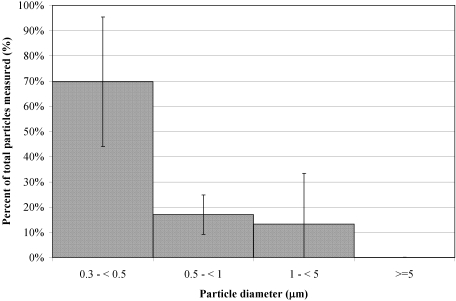
BACKGROUND: Recent studies suggest that humans exhale fine particles during tidal breathing but little is known of their composition, particularly during infection. METHODOLOGY/PRINCIPAL FINDINGS: We conducted a study of influenza infected patients to characterize influenza virus and particle concentrations in their exhaled breath. Patients presenting with influenza-like-illness, confirmed influenza A or B virus by rapid test, and onset within 3 days were recruited at three clinics in Hong Kong, China. We collected exhaled breath from each subject onto Teflon filters and measured exhaled particle concentrations using an optical particle counter. Filters were analyzed for influenza A and B viruses by quantitative polymerase chain reaction (qPCR). Twelve out of thirteen rapid test positive patients provided exhaled breath filter samples (7 subjects infected with influenza B virus and 5 subjects infected with influenza A virus). We detected influenza virus RNA in the exhaled breath of 4 (33%) subjects--three (60%) of the five patients infected with influenza A virus and one (14%) of the seven infected with influenza B virus. Exhaled influenza virus RNA generation rates ranged from <3.2 to 20 influenza virus RNA particles per minute. Over 87% of particles exhaled were under 1 microm in diameter. CONCLUSIONS: These findings regarding influenza virus RNA suggest that influenza virus may be contained in fine particles generated during tidal breathing, and add to the body of literature suggesting that fine particle aerosols may play a role in influenza transmission.
Overview
The claims and statistics of this paper haven’t been checked yet.
Free: it reads the open-access text and checks the first 5 claims that cite a source we can check. Create a free account to check every claim.
Integrity signals
Registry
Cites
Statistics
Figures
Verification
Claims the paper makes
The claims and statistics of this paper haven’t been checked yet.
Free: it reads the open-access text and checks the first 5 claims that cite a source we can check. Create a free account to check every claim.
Claims other papers make about this one
Each is checked against this paper’s own text: does it say what the citing paper says it does?
The source backs part of the claim, not all of it — or backs it for a different population, condition or comparison.
In the citing paper
“Results for four subjects showed influenza virus particles in exhaled breath and over 87% of particles were under 1 μ m in diameter.”
From A Quantitative Assessment of the Total Inward Leakage of NaCl Aerosol Representing Submicron-Size Bioaerosol Through N95 Filtering Facepiece Respirators and Surgical Masks (2014) · cites this paper as [2]
Experimental — accuracy not yet measuredThe source backs part of the claim, not all of it — or backs it for a different population, condition or comparison.
In the citing paper
“Numerous earlier studies have established that aerosol expelled during normal respiratory activities can contain infectious influenza virus [42, 45–54].”
From The protective performance of reusable cloth face masks, disposable procedure masks, KN95 masks and N95 respirators: Filtration and total inward leakage (2021) · cites this paper as [52]
Experimental — accuracy not yet measuredThe cited source says what the claim attributes to it.
In the citing paper
“This size range of particles is similar to the size of bioaerosols released by subjects under breathing conditions as reported previously. (2-5)”
The cited source says what the claim attributes to it.
In the citing paper
“Normal human subjects and infected individuals release considerable numbers of submicron diameter particles in the exhaled breath. (2-4)”
Self-check
Percentages, sums and reported differences re-computed from the paper’s own numbers.
The self-check needs the paper’s full text.
Citations
Cites
Influenza Virus Transmission Is Dependent on Relative Humidity and Temperature
Lowen, A. C., Mubareka, S., Steel, J., & Palese, P. (2007) · PLoS Pathogens · doi:10.1371/journal.ppat.0030151 · Cited by 1,669 · cited 1×
“In animal models, influenza infection by airborne transmission has been demonstrated in monkeys [9], ferrets [10–12], mice [13–20], and guinea pigs [21,22].”
BackgroundAIRBORNE SPREAD OF MEASLES IN A SUBURBAN ELEMENTARY SCHOOL
RILEY, E. C., MURPHY, G., & RILEY, R. L. (1978) · American Journal of Epidemiology · doi:10.1093/oxfordjournals.aje.a112560 · Cited by 932 · cited 1×
“Rudnick and Milton [30] used data from the influenza outbreak aboard an aircraft reported by Moser et al [31] and the WellsRiley equation for non-steady-state conditions [32] to estimate a quantum generation rate of from 79 to 128 quanta per hour for a highly infectious influenza case.”
MethodReview of Aerosol Transmission of Influenza A virus
Tellier, R. (2006) · Emerging Infectious Diseases · doi:10.3201/eid1211.060426 · Cited by 803 · cited 2×
“conclusions about how influenza is transmitted [3,4].”
BackgroundTransmission of influenza A in human beings
Brankston, G., Gitterman, L., Hirji, Z., Lemieux, C., & Gardam, M. (2007) · The Lancet Infectious Diseases · doi:10.1016/s1473-3099(07)70029-4 · Cited by 744 · cited 2×
“conclusions about how influenza is transmitted [3,4].”
BackgroundThe size distribution of droplets in the exhaled breath of healthy human subjects
PAPINENI, R. S., & ROSENTHAL, F. S. (1997) · Journal of Aerosol Medicine · doi:10.1089/jam.1997.10.105 · Cited by 690 · cited 2×
“3 mm in diameter [6–8].”
ResultRudnick, S. N., & Milton, D. K. (2003) · Indoor Air · doi:10.1034/j.1600-0668.2003.00189.x · Cited by 624 · cited 4×
“Rudnick and Milton [30] used data from the influenza outbreak aboard an aircraft reported by Moser et al [31] and the WellsRiley equation for non-steady-state conditions [32] to estimate a quantum generation rate of from 79 to 128 quanta per hour for a highly infectious influenza case.”
MethodInfluentialSelf-citationAN OUTBREAK OF INFLUENZA ABOARD A COMMERCIAL AIRLINER
MOSER, M. R., BENDER, T. R., MARGOLIS, H. S., NOBLE, G. R., KENDAL, A. P., & RITTER, D. G. (1979) · American Journal of Epidemiology · doi:10.1093/oxfordjournals.aje.a112781 · Cited by 605 · cited 2×
“Rudnick and Milton [30] used data from the influenza outbreak aboard an aircraft reported by Moser et al [31] and the WellsRiley equation for non-steady-state conditions [32] to estimate a quantum generation rate of from 79 to 128 quanta per hour for a highly infectious influenza case.”
MethodSimultaneous Detection of Influenza Viruses A and B Using Real-Time Quantitative PCR
van Elden, L. J. R., Nijhuis, M., Schipper, P., Schuurman, R., & van Loon, A. M. (2001) · Journal of Clinical Microbiology · doi:10.1128/jcm.39.1.196-200.2001 · Cited by 456
Human Influenza Resulting from Aerosol Inhalation
Alford, R. H., Kasel, J. A., Gerone, P. J., & Knight, V. (1966) · Experimental Biology and Medicine · doi:10.3181/00379727-122-31255 · Cited by 363 · cited 1×
“Assuming each RNA copy represents one infectious virus, and if, as Alford et al suggested [34,35], the human infectious dose 50% (ID50) by aerosol is between 0.”
BackgroundInhaling to mitigate exhaled bioaerosols
Edwards, D. A., Man, J. C., Brand, P., Katstra, J. P., Sommerer, K., Stone, H. A., Nardell, E., & Scheuch, G. (2004) · Proceedings of the National Academy of Sciences · doi:10.1073/pnas.0408159101 · Cited by 362 · cited 3×
“98% of the particles and concluded that these subjects–classified as ‘‘high producers’’–could over time exhale more particles during normal tidal breathing than during relatively infrequent coughing or sneezing events [8].”
BackgroundResultInfluential
Research works printed but not linked: 1
- Gebhart J Anselm A Heyder J Stahlhofen W 1988 The human lung as aerosol particle generator. J Aerosol Med 1 196 197
Cited by
Items 301–400 of 494
Mask Is a Double-edged Sword in the Fight Against COVID-19 PandemicPreprint
Wu, J., & Zha, P. (2020) · SSRN Electronic Journal · doi:10.2139/ssrn.3563851 · Cited by 12
Girolamo, P. D. (2020) · Bulletin of Atmospheric Science and Technology · doi:10.1007/s42865-020-00024-3 · Cited by 12
“Aerosols can represent an important vehicle for virus transmission (Sattar and Ijaz 1987; Fabian et al. 2008; Tellier 2009).”
BackgroundLi, L., He, R., Kong, M., Eilts, S. M., Hong, J., Hogan, C. J., & Pope, Z. (2022) · Journal of Aerosol Science · doi:10.1016/j.jaerosci.2022.106048 · Cited by 12
Xia, F., Gao, Y., Tian, E., Afshari, A., & Mo, J. (2021) · Separation and Purification Technology · doi:10.1016/j.seppur.2021.119076 · Cited by 11
Variability of the penetration of particles through facemasks
Pushpawela, B., Amanatidis, S., Huang, Y., & Flagan, R. C. (2021) · Aerosol Science and Technology · doi:10.1080/02786826.2021.2003291 · Cited by 11
“Counts of particles >5 lm were much lower (Fabian et al. 2008).”
BackgroundKong, M., Li, L., Eilts, S. M., Li, L., Hogan, C. J., & Pope, Z. (2022) · ACS ES&T Engineering · doi:10.1021/acsestengg.1c00321 · Cited by 12
Hung, Y. (2018) · Cited by 13
Multiple Infections and Lung Damage Models Imply Strategies for Containing the COVID-19 PandemicPreprint
Wu, J., & Zha, P. (2020) · SSRN Electronic Journal · doi:10.2139/ssrn.3544428 · Cited by 11
Balancing infection risk and thermal comfort with impinging jet ventilation in hospital elevators
Zhu, L., Zhang, N., Li, X., Zhu, D., Ma, P., Di, S., & Hou, S. (2025) · Journal of Building Engineering · doi:10.1016/j.jobe.2025.112851 · Cited by 10
Aerosols, Droplets, and Airborne Spread: Everything you could possibly want to know
Morgenstern, J. (2020) · First10EM blog · doi:10.51684/firs.17317 · Cited by 17
Efficacy of dental evacuation systems for aerosol exposure mitigation in dental clinic settings
Hawley, B., Anderson, K. R., Panagakos, F. S., Chipps, T., & Virji, M. A. (2022) · Journal of Occupational and Environmental Hygiene · doi:10.1080/15459624.2022.2053140 · Cited by 12
“…during speech and breathing with most aerosols falling in the submicron size range (Duguid 1946; Loudon and Roberts 1967; Papineni and Rosenthal 1997; Edwards et al. 2004; Fabian et al. 2008; Morawska et al. 2009; Xie et al. 2009; Gupta et al. 2010; Asadi et al. 2019; Stadnytskyi et al. 2020).”
BackgroundElectrostatic Sampling of Patient Breath for Pathogen Detection: A Pilot Study
Ladhani, L., Pardon, G., Moons, P., Goossens, H., & van der Wijngaart, W. (2020) · Frontiers in Mechanical Engineering · doi:10.3389/fmech.2020.00040 · Cited by 11
Nucleic acid detection and quantitative analysis of influenza virus using exhaled breath condensate
Li, X., Wang, M., Chen, J., Lin, F., & Wang, W. (2021) · Journal of Breath Research · doi:10.1088/1752-7163/abd14c · Cited by 10
“Moreover, Fabian et al [15] reported four cases of influenza virus RNA in the EBC (three were influenza A virus and onewas influenza B virus in 12 cases influenza-like illnesses).”
BackgroundJung, M., Chung, W. J., Sung, M., Jo, S., & Hong, J. (2022) · International Journal of Environmental Research and Public Health · doi:10.3390/ijerph19052512 · Cited by 10
Weller, C. B., Cadmus, K. J., Ehrhart, E. J., Powers, B. E., & Pabilonia, K. L. (2013) · Journal of Veterinary Diagnostic Investigation · doi:10.1177/1040638713503655 · Cited by 10
Estimating the reduction in SARS-CoV-2 viral load by common face masks with a simple leak model
Freitag, S., Howell, S. G., & Jim, K. T. C. (2022) · Aerosol Science and Technology · doi:10.1080/02786826.2022.2053656 · Cited by 10
Ferrets as a model for tuberculosis transmission
Gupta, T., Somanna, N. K., Rowe, T., LaGatta, M., Helms, S., Owino, S. O., Jelesijevic, T. P., Harvey, S. B., Jacobs, W., Voss, T., et al. (2022) · Frontiers in Cellular and Infection Microbiology · doi:10.3389/fcimb.2022.873416 · Cited by 9
“Several studies have shown that the virus has been detected in exhaled air during tidal breathing, as well as during episodes of sneezing and coughing (Fabian et al., 2008).”
BackgroundLung aerosol particle emission increases with age at rest and during exercise
Schumm, B., Bremer, S., Knödlseder, K., Schönfelder, M., Hain, R., Semmler, L., Lorenz, E., Jörres, R. A., Wackerhage, H., & Kähler, C. J. (2023) · Proceedings of the National Academy of Sciences · doi:10.1073/pnas.2301145120 · Cited by 10
Wu, J., He, F., Xie, Z., Fu, M., Li, Y., Wang, J., Pan, Y., & Weng, W. (2024) · Emergency Management Science and Technology · doi:10.48130/emst-0024-0006 · Cited by 9
Liu, Z., Lin, C., Shi, J., Ding, M., Liu, H., Chu, J., Li, H., Huang, Z., Xiao, X., Wan, T., et al. (2024) · Journal of Building Engineering · doi:10.1016/j.jobe.2024.109885 · Cited by 13
Does a surgical helmet provide protection against aerosol transmitted disease?
Temmesfeld, M. J., Jakobsen, R. B., & Grant, P. (2020) · Acta Orthopaedica · doi:10.1080/17453674.2020.1771525 · Cited by 9
“…tested were of the same size as found in aerosols of healthy patients and patients with influenza during coughing, assisted and regular breathing where a majority of particles have been found to be less than 1 µm (Papineni and Rosenthal 1997, Yang et al. 2007, Fabian et al. 2008, Wan et al. 2014).”
BackgroundMethodTakamure, K., SAKAMOTO, Y., Iwatani, Y., Amano, H., Yagi, T., & Uchiyama, T. (2022) · Environment International · doi:10.1016/j.envint.2022.107580 · Cited by 9
Assessment of aerosol persistence in ICUs via low-cost sensor network and zonal models
Glenn, K., He, J., Rochlin, R., Teng, S., Hecker, J. G., & Novosselov, I. V. (2023) · Scientific Reports · doi:10.1038/s41598-023-30778-7 · Cited by 9
Cowling, B. J. (2012) · Clinical Infectious Diseases · doi:10.1093/cid/cis240 · Cited by 12
“Some studies have reported that influenza virus can be detected in both large and small particles from exhaled breaths and coughs [10, 11] and in the air in medical clinics during epidemic periods [12].”
BackgroundSelf-citationCho, S., Kwak, D.-B., & Pui, D. Y. H. (2024) · Building and Environment · doi:10.1016/j.buildenv.2024.112453 · Cited by 8
Khan, M. M., & Parab, S. R. (2020) · Indian Journal of Otolaryngology and Head & Neck Surgery · doi:10.1007/s12070-020-02078-3 · Cited by 8
Distribution of airborne respiratory pathogens in pediatric emergency department waiting room
Cabral, C. Z., Guaragna, J. B. D. A., Amantéa, F. C., Lopes, P. G. M., Pasqualotto, A. C., Rhoden, C. R., & Amantéa, S. L. (2021) · Pediatric Pulmonology · doi:10.1002/ppul.25469 · Cited by 8
“In addition, cyclone sampling is more efficient than air impaction/capture onto media plates, which is usually more cumbersome and associated with higher risk of cross contamination.(11,12,14) In this study there was no pathogens identified in the TABLE 1 Prevalence of airborne pathogens detected in two data collectio…”
A practical method to target individuals for outbreak detection and control
Chowell, G., & Viboud, C. G. (2013) · BMC Medicine · doi:10.1186/1741-7015-11-36 · Cited by 8
“In the future, more elaborate studies should collect local environmental variables such as room ventilation rates to better quantify influenza transmission potential in confined settings [17].”
BackgroundLi, W., Pi, X., Qiao, P., & Liu, H. (2016) · PLoS ONE · doi:10.1371/journal.pone.0150481 · Cited by 10
“Collection of biomarkers such as influenza virus and human rhinovirus using electret filters has been attempted with success [26, 27], but studies on the collection of protein biomarkers using this method are rarely seen.”
MethodAbility of device to collect bacteria from cough aerosols generated by adults with cystic fibrosis
Ku, D. N., Ku, S., Helfman, B. R., McCarty, N. A., Wolff, B. J., Winchell, J. M., & Anderson, L. J. (2016) · F1000Research · doi:10.12688/f1000research.9251.1 · Cited by 8
King, M., Camargo‐Valero, M. A., Matamoros‐Veloza, A., Sleigh, A., & Noakes, C. J. (2017) · Atmosphere · doi:10.3390/atmos8120238 · Cited by 8
Coronavirus Infection Prevention by Wearing Masks
Vo, T. S., Vo, T. T. T. N., & Vo, T. T. B. C. (2020) · Eurasian Journal of Medicine · doi:10.5152/eurasianjmed.2020.20056 · Cited by 8
“According to some references, the velocity of the exhaled air in sneezing is much larger than that of breathing and coughing [18-20], and the created total number of droplets during the sneeze is also larger than that of other respiratory activities [21]; one can refer to some references of the distribution of size of…”
BackgroundZhang, T., Fan, M., & Liu, S. (2022) · Applied Sciences · doi:10.3390/app12094538 · Cited by 8
Gudymo, A. S., Onkhonova, G. S., Danilenko, A. V., Susloparov, I. M., Danilchenko, N. V., Kosenko, M. N., Moiseeva, A. A., Kolosova, N. P., Svyatchenko, S. V., Marchenko, V. Y., et al. (2023) · Atmosphere · doi:10.3390/atmos14030471 · Cited by 11
You, S., Chen, S., Wang, C.-H., & Liao, C. (2013) · Journal of Epidemiology · doi:10.2188/jea.je20120031 · Cited by 9
Hossain, M., Chinenye-Kanu, N. M., Faisal, N. H., Prathuru, A. K., Asim, T., & Banik, S. (2022) · Aerosol Science and Engineering · doi:10.1007/s41810-022-00165-2 · Cited by 9
An Analysis on the Detection of Biological Contaminants Aboard Aircraft
Hwang, G. M., DiCarlo, A. A., & Lin, G. C. (2011) · PLoS ONE · doi:10.1371/journal.pone.0014520 · Cited by 9
“sampled directly from a breathing apparatus with Teflon filters and identified the collected particles by RNA extraction [38].”
BackgroundMethodInfluentialInstitute of Medicine (2009) · National Academies Press eBooks · doi:10.17226/12748 · Cited by 26
Wang, L., Yang, M., Qiao, Y., Olson, B. A., Hogan, C. J., Raynor, P. C., Goyal, S. M., & Torremorell, M. (2024) · Journal of Aerosol Science · doi:10.1016/j.jaerosci.2024.106454 · Cited by 7
Lee, H., & Rim, D. (2024) · Journal of Building Engineering · doi:10.1016/j.jobe.2024.110760 · Cited by 9
The Fate of Mengovirus on Fiberglass Filter of Air Handling Units
Bandaly, V., Joubert, A., Cann, P. L., & Andrès, Y. (2017) · Food and Environmental Virology · doi:10.1007/s12560-017-9310-8 · Cited by 8
“Some studies have shown that ventilation systems and AHUs spread and transport viral particles inside buildings (Ezratty and Squinazi 2008; Fabian et al. 2008; Tang et al. 2006).”
BackgroundTransmission of SARS-CoV-2 Indoor and Outdoor Environments
Xu, X., Zhang, J., Zhu, L., & Huang, Q. (2021) · Atmosphere · doi:10.3390/atmos12121640 · Cited by 8
“Most particles with influenza virus RNA (87%) were found to be less than 1 micron after aerosol particle size measurements of exhaled virus particles [122], and it can survive in the air for a long time and spread with distance.”
BackgroundGopesh, T., Grant, A. M., Wen, J. H., Wen, T. H., Criado-Hidalgo, E., Connacher, W., Friend, J. R., & Morris, T. A. (2021) · Infection Control and Hospital Epidemiology · doi:10.1017/ice.2020.1414 · Cited by 7
Public Health Intervention Framework for Reviving Economy Amid the COVID-19 Pandemic: A ConceptPreprint
Wu, J., & Zha, P. (2020) · SSRN Electronic Journal · doi:10.2139/ssrn.3571775 · Cited by 7
“Based on influenza study, normal (tidal) breathing can shed viral particles by the exhaled air [27].”
Air-liquid interface model for influenza aerosol exposure in vitro
Seibert, B., Cáceres, C. J., Gay, L. C., Shetty, N., Faccin, F. C., Carnaccini, S., Walters, M. S., Marr, L. C., Lowen, A. C., Rajão, D. S., et al. (2025) · Journal of Virology · doi:10.1128/jvi.00619-25 · Cited by 7
Zhang, J., Liu, J., Deng, Z., & Liu, S. (2025) · Renewable and Sustainable Energy Reviews · doi:10.1016/j.rser.2025.116175 · Cited by 7
Exhaled Breath Analysis Through the Lens of Molecular Communication: A Survey
Bhattacharjee, S., Bi, D., Hofmann, P., Wietfeld, A., Becke, S., Lommel, M., Zhou, P., Zheng, R., Kertzscher, U., Deng, Y., et al. (2025) · IEEE Communications Surveys & Tutorials · doi:10.1109/comst.2025.3605748 · Cited by 14
“Apart from SARS-CoV-2, for example, the Influenza virus RNA is detected in exhaled breath using Quantitative Polymerase Chain Reaction (qPCR) [212].”
Li, Z., Ma, X., & Liao, Y. (2024) · Building and Environment · doi:10.1016/j.buildenv.2024.112230 · Cited by 7
Jiang, C., Liu, Z., Wang, Y., Yao, G., He, J., Li, S., Rong, R., Liang, Z., Chu, J., & Liu, J. (2024) · Sustainable Cities and Society · doi:10.1016/j.scs.2024.106003 · Cited by 7
Zerr, D. M., Milstone, A. M., Huskins, W. C., & Bryant, K. A. (2010) · Infection Control and Hospital Epidemiology · doi:10.1086/655990 · Cited by 6
“In addition, environmental air in a clinical setting in which influenza virus– infected patients are present was demonstrated to contain airborne influenza virus,(5) and the exhaled breath of patients infected with influenza A virus has been shown to contain influenza particles of a respirable size.(6) On the other ha…”
BackgroundAirborne virus detection by a sensing system using a disposable integrated impaction device
Takenaka, K., Togashi, S., Miyake, R., Sakaguchi, T., & Hide, M. (2016) · Journal of Breath Research · doi:10.1088/1752-7155/10/3/036009 · Cited by 6
“The SSBAP may be able to detect only some infected patients at its present sensitivity because there are from 67–8500 particles l−1 in a breath blown by an influenza-infected patient [5].”
BackgroundLi, L., Pope, Z., Son, Y. J., Eilts, S. M., Hogan, C. J., & Kong, M. (2023) · Building and Environment · doi:10.1016/j.buildenv.2023.110454 · Cited by 7
Gangwar, M., Jamal, Y., Usmani, M., Wu, C., & Jutla, A. S. (2024) · Environmental Research Health · doi:10.1088/2752-5309/ad1c41 · Cited by 12
COVID-19: Focus on masks and respirators - Implications for oral health-care workers
Mulder, R., Layloo, N., & Staden, S. M. V. (2020) · South African Dental Journal · doi:10.17159/2519-0105/2020/v75no4a1 · Cited by 7
A Novel Pandemic Tracking Map: From Theory to Implementation
Gouissem, A., Abualsaud, K., Yaacoub, E. E., Khattab, T. M., & Guizani, M. (2021) · IEEE Access · doi:10.1109/access.2021.3067824 · Cited by 6
“Some others investigated smaller particles emitted during sneezing and coughing as well as during breathing [34]–[36] and talking [35], [37], [38].”
BackgroundFate and transport of microorganisms in the air
Fagade, O. E., Ogunjobi, A. A., Abiala, M. A., & Falodun, O. I. (2023) · Elsevier eBooks · doi:10.1016/b978-0-323-96122-6.00006-2 · Cited by 11
Leow, V. M., Mohamad, I. S., & Subramaniam, M. (2020) · BMJ Case Reports · doi:10.1136/bcr-2020-236918 · Cited by 6
Collection of Aerosolized Human Cytokines Using Teflon® Filters
McKenzie, J. H., McDevitt, J., Fabian, M. P., Hwang, G. M., & Milton, D. K. (2012) · PLoS ONE · doi:10.1371/journal.pone.0035814 · Cited by 6
“Several recent papers suggest that collection of respiratory particles by more efficient methods may be feasible and avoid some of the problems with EBC including variable collection efficiency with variable tidal flow [15,16,17,18].”
BackgroundResultSelf-citationThedell, T. A., Boles, C., Cwiertny, D. M., Qian, J., Brown, G., & Nonnenmann, M. W. (2018) · bioRxiv (Cold Spring Harbor Laboratory) · doi:10.1101/441154 · Cited by 7
Berger, S., Azimian, M., Eichheimer, P., Hoch, D., Cheng, L., & Niessner, J. (2023) · Chemical Engineering & Technology · doi:10.1002/ceat.202200460 · Cited by 5
Human emissions of size-resolved fluorescent bioaerosols in control situations
Xie, Y., Wang, Y., He, J., Yang, X., Duan, X., & Zhao, B. (2024) · The Science of The Total Environment · doi:10.1016/j.scitotenv.2024.171661 · Cited by 5
Matvejeff, A. T., Silvonen, V., Heikkilä, P., Sanmark, E., Hakala, J. P., Kuittinen, N., Geneid, A., Laukkanen, A.-M., Alku, P., Oksanen, L., et al. (2025) · Journal of Aerosol Science · doi:10.1016/j.jaerosci.2025.106619 · Cited by 6
Sampling efficiencies of two modified viable cascade impactors
Kesavan, J. S., Kesavan, M., & Rule, A. M. (2017) · Aerosol Science and Technology · doi:10.1080/02786826.2017.1349870 · Cited by 7
“These aerosol particles range in size depending on the mechanism of release: submicron particles are released during breathing while micron size particles are released during sneezing and coughing (Fabian et al. 2008; Johnson and Morawska 2009).”
BackgroundAdenovirus behavior in air handling unit fiberglass filters
Bandaly, V., Joubert, A., Andrès, Y., & Cann, P. L. (2019) · Aerobiologia · doi:10.1007/s10453-019-09565-3 · Cited by 6
Numerical analysis of droplets exhaled by train cabin passengers
Ko, S., Jeong, W., Park, D., & Kwon, S.-B. (2019) · Journal of Odor and Indoor Environment · doi:10.15250/joie.2019.18.2.131 · Cited by 5
Chronic exposure to arsenite enhances influenza virus infection in cultured cells
Amouzougan, E. A., Lira, R., & Klimecki, W. T. (2020) · Journal of Applied Toxicology · doi:10.1002/jat.3918 · Cited by 7
“Influenza A virus is a pathogen that can cause severe respiratory illness (ranging from mild to life-threatening) in humans (Fabian et al., 2008; Taubenberger & Morens, 2008; Wong & Yuen, 2006).”
BackgroundGall, E. T., Laguerre, A., Noelck, M. B., Meurs, A. V., Austin, J. P., & Foster, B. A. (2021) · Journal of Hospital Infection · doi:10.1016/j.jhin.2021.04.002 · Cited by 5
Characterization of Materials Used as Face Coverings for Respiratory Protection
Stackhouse, C. A., Yan, S., Wang, L., Kisslinger, K., Tappero, R. V., Head, A. R., Tallman, K. R., Takeuchi, E. S., Bock, D. C., Takeuchi, K. J., et al. (2021) · ACS Applied Materials & Interfaces · doi:10.1021/acsami.1c11200 · Cited by 8
Aerodynamic Prediction of Time Duration to Becoming Infected with Coronavirus in a Public Place
Sarhan, A. R., Naser, P., & Naser, J. (2022) · Fluids · doi:10.3390/fluids7050176 · Cited by 6
“Researchers reported that the concentration of aerosol particles in human exhaled breath is ~10,000 particles per litre [17,35].”
BackgroundComparison of Aerosol Emissions during Specific Speech Tasks
van Mersbergen, M., Marchetta, J. G., Foti, D., Pillow, E., Dasgupta, A., Cain, C., & Morvant, S. (2023) · Journal of Voice · doi:10.1016/j.jvoice.2023.05.004 · Cited by 5
Hanna, F., Alameddine, I., Zaraket, H., Alkalamouni, H., & El‐Fadel, M. (2023) · PLoS ONE · doi:10.1371/journal.pone.0290124 · Cited by 5
Hotels as quarantine facilities with airborne virus controls
Sobhani, H., Zhu, S., & Srebric, J. (2025) · Building and Environment · doi:10.1016/j.buildenv.2025.112765 · Cited by 4
Exhaled aerosols among PCR-confirmed SARS-CoV-2-infected children
Schuchmann, P., Scheuch, G., Naumann, R., Keute, M., Lücke, T., Zielen, S., & Brinkmann, F. (2023) · Frontiers in Pediatrics · doi:10.3389/fped.2023.1156366 · Cited by 5
Ralijaona, M. S., Igumbor, E., Bhamjee, M., Otwombe, K. N., Nabeemeeah, F., Milovanovic, M., Martinson, N. A., Mafa, P., Leeuw, L. L., & Connell, S. H. (2024) · Computers & Fluids · doi:10.1016/j.compfluid.2024.106242 · Cited by 4
Symptom propagation in respiratory pathogens of public health concern: a review of the evidence
Asplin, P., Mancy, R., Finnie, T., Cumming, F., Keeling, M. J., & Hill, E. M. (2024) · Journal of The Royal Society Interface · doi:10.1098/rsif.2024.0009 · Cited by 5
Park, J., Lee, K. H., Song, Y. G., Park, H., & Lee, K. S. (2024) · PLoS ONE · doi:10.1371/journal.pone.0311274 · Cited by 8
“The mass median aerodynamic diameter (MMAD) of the generated virus droplet is 5 μ m, which was set to target the size of exhaled aerosols that do not fall directly to the floor and faithfully follow the airflow [26–30].”
BackgroundHan, Q., Huang, H., Li, C., & Tang, H. (2024) · Building and Environment · doi:10.1016/j.buildenv.2024.112314 · Cited by 4
Shi, H., Zhang, X., & Ross, T. M. (2025) · PLoS ONE · doi:10.1371/journal.pone.0308680 · Cited by 4
“Influenza virus dose as low as 1.95 * 10 3 viral copies can effectively infect people [52], which is 3 logs lower than the dose (10 6 infectious particles/ferret) used to infect ferrets in this study.”
InfluentialNoninvasive Mechanical Ventilation: Models to Assess Air and Particle Dispersion
Hui, D. S. C. (2013) · Springer eBooks · doi:10.1007/978-3-7091-1496-4_2 · Cited by 4
Gupta, M. K., Singh, A., & Gupta, M. (2020) · Indian Journal of Otolaryngology and Head & Neck Surgery · doi:10.1007/s12070-020-02248-3 · Cited by 5
Efficiency of Respiratory Protective Equipment in the SARS-CoV-2 Pandemic
Lukanina, K. I., Будыка, А. К., Rebrov, I. E., Антипова, К. Г., Malakhov, S. N., Shepelev, A. D., Grigoriev, T. Е., Yamshchikov, V. A., & Чвалун, С. Н. (2021) · Nanobiotechnology Reports · doi:10.1134/s2635167621010080 · Cited by 4
Nanofibers functionalized with surfactants to Eliminate SARS-CoV-2 and other airborne pathogens
da Mata, G. C., de Almeida, D. S., de Oliveira, W. P., & Aguiar, M. L. (2022) · Conjecturas · doi:10.53660/conj-708-a18 · Cited by 4
“Studies show that 87% of exhaled particles of patients infected with influenza were minor than 1000 nm in diameter (FABIAN et al., 2008).”
BackgroundPreventing Airborne Disease Transmission: Implications for Patients During Mechanical Ventilation
Flores, M. V., & Cohen, M. (2013) · Springer eBooks · doi:10.1007/978-3-7091-1496-4_34 · Cited by 4
Characteristics of respiratory microdroplet nuclei on common substrates
Kosmidis-Papadimitriou, A., Qi, S., Squillace, O., Rosik, N., Bale, M., Fryer, P. J., & Zhang, Z. J. (2021) · Interface Focus · doi:10.1098/rsfs.2021.0044 · Cited by 6
Silica‐encapsulated DNA tracers for measuring aerosol distribution dynamics in real‐world settings
Luescher, A. M., Koch, J., Stark, W. J., & Grass, R. N. (2021) · Indoor Air · doi:10.1111/ina.12945 · Cited by 4
A Home Toolkit for Primary Prevention of Influenza by Individuals and Families
Finkelstein, S. N., Prakash, S., Nigmatulina, K. R., McDevitt, J., & Larson, R. C. (2011) · Disaster Medicine and Public Health Preparedness · doi:10.1001/dmp.2011.78 · Cited by 4
“33”
Self-citationMeasuring airborne microorganisms and dust from livestock houses
Zhao, Y. (2011) · doi:10.18174/165388 · Cited by 8
“This source of airborne microorganisms is widely accepted in the human model of disease transmission, and pathogenic microorganisms have been frequently recovered from the exhaled aerosols (Fabian et al., 2008; Weber and Stilianakis, 2008).”
BackgroundJung, Y., Wilson, A. M., & Wilson, A. M. (2025) · Building and Environment · doi:10.1016/j.buildenv.2025.112878 · Cited by 4
Zhao, Z., Wu, M., Yang, J., Gao, Z. J., Xu, F., Wang, H., Meng, F., Zhang, X., & Zhang, J. “. (2025) · Building and Environment · doi:10.1016/j.buildenv.2025.114050 · Cited by 4
Huang, C. Z., Zhang, Y., Wu, C., Hu, Y., Wang, F., & Xu, X. (2026) · Journal of Building Engineering · doi:10.1016/j.jobe.2026.115719 · Cited by 3
Chen, N., He, W., Chen, X., Li, Y., Cheng, X., Liu, L., Qian, H., Qiao, F., Cheng, F., Deng, Y. P., et al. (2024) · Journal of Clinical Nursing · doi:10.1111/jocn.17134 · Cited by 3
A Manikin-Based Study of Particle Dispersion in a Vehicle Cabin
Nabilou, F., Derwein, D., Kirmas, A., Dhake, A., Vogt, R., Eckstein, L., Rewitz, K., & Müller, D. (2025) · Atmosphere · doi:10.3390/atmos16020116 · Cited by 3
Study on the Impact of Ventilation Methods on Droplet Nuclei Transmission in Subway Carriages
Wu, X., Ling, R., Wan, X., Ren, H., Jing, X., & Feng, G. (2025) · Applied Sciences · doi:10.3390/app15094919 · Cited by 5
Fan, Y., Nishimura, H., Katsumi, M., Yang, J., Sakata, S., Kohzuki, M., & Ebihara, S. (2025) · Microbiology and Immunology · doi:10.1111/1348-0421.13226 · Cited by 3
“The risk of influenza infection via exposure to exhaled aerosols is increased in temperate regions, where people spend most of their time indoors during winter [3 – 5].”
Gutmann, D., Donath, H., Herrlich, L., Lehmkühler, T., Landeis, A., Ume, E. R., Hutter, M., Goßmann, A., Weis, F., Weiß, M., et al. (2022) · Frontiers in Pediatrics · doi:10.3389/fped.2022.941785 · Cited by 6
Wei, J., Xie, H., Chen, X., Quan, X., Zhang, Z., Xie, X., Shi, J., & Zeng, G. (2022) · Atmosphere · doi:10.3390/atmos13122050 · Cited by 3
“Fabian’s research group [5] reported that fine particles produced during exhalation may contain influenza viruses and that aerosols of fine particles may play a role in the transmission of diseases.”
BackgroundJiang, C., Liu, Z., Wang, Y., Yao, G., He, J., Li, S., Rong, R., Liang, Z., & Liu, J. (2024) · Journal of Hazardous Materials · doi:10.1016/j.jhazmat.2024.136695 · Cited by 4
Barr, G. D. (2020) · American Journal of Epidemiology & Public Health · doi:10.37871/ajeph.id32 · Cited by 3
“Cowling found that 87% of particles [20] emitted are less than 1 micron, at this size there is less potential space for a virus, for instance an aerosol particle 1 micron in diameter is much more likely to have a maximum of one SARS-CoVid-2 particle measuring 0.”
BackgroundYoung, C. C., Byrne, J. D., Wentworth, A. J., Collins, J. E., Chu, J. N., & Traverso, G. (2022) · Global Challenges · doi:10.1002/gch2.202200001 · Cited by 4
Schoen, C. N., Morgan, E. A., Leftwich, H. K., Rogers, C. A., Soorneedi, A., Suther, C., & Moore, M. D. (2022) · Frontiers in Public Health · doi:10.3389/fpubh.2022.881613 · Cited by 3
Metadata
- Authors
- Fabian, P., McDevitt, J. J., DeHaan, W. H., Fung, R. O. P., Cowling, B. J., Chan, K. H., Leung, G. M., & Milton, D. K.
- Affiliations
- University of Massachusetts Lowell (US)
- Pulmatrix (United States) (US)
- University of Hong Kong (HK)
- Queen Mary Hospital (CN)
- Venue
- PLoS ONE
- Publisher
- Public Library of Science (PLoS)
- Published
- 2008-07-16
- Volume
- 3
- Issue
- 7
- Pages
- e2691
- ISSN
- 1932-6203 (ISSN-L)
- PMC
- PMC2442192
- OpenAlex
- W2061268350
- Cited by
- 496
- References
- 43
- Citations by year
- 2026: 6 · 2025: 25 · 2024: 27 · 2023: 29 · 2022: 48 · 2021: 62 · 2020: 67 · 2019: 23 · 2018: 12 · 2017: 12 · 2016: 17 · 2015: 16 · 2014: 24 · 2013: 31 · 2012: 26
- FWCI
- 17.57
- Type
- journal article
- Language
- en
- Open access
- gold
- doi.org
- Locations
- PLoS ONE (publishedVersion, cc-by)
- PubMed Central (publishedVersion, cc-by)
- PubMed (publishedVersion)
- Digital Access to Scholarship at Harvard (DASH) (Harvard University) (submittedVersion, cc-by)
- DOAJ (DOAJ: Directory of Open Access Journals) (submittedVersion, cc-by-sa)
- The HKU Scholars Hub (University of Hong Kong) (submittedVersion)
- Funders
- Food and Health Bureau
- Centers for Disease Control and Prevention (U01CI000439, 1u01ci000446-01, 1u01ci000439-01, U01CI000446, 1U01CI000446)
- Federal Aviation Administration (04-C-ACE-HU)
- National Institute of Allergy and Infectious Diseases (F31AI061884)
- Topics
- Health Sciences › Medicine › Epidemiology › Influenza Virus Research Studies
- Health Sciences › Medicine › Pulmonary and Respiratory Medicine › Infection Control and Ventilation
- Health Sciences › Medicine › Epidemiology › Respiratory viral infections research
- Keywords
- influenza virus, exhaled breath, fine particles, airborne transmission, influenza A virus, influenza B, viral RNA, particle size, respiratory infections, tidal breathing
- MeSH terms
- Adolescent, Adult, Air, Breath Tests, Female, Humans, Influenza, Human, Male, Middle Aged, Mouth Breathing, Orthomyxoviridae, Polytetrafluoroethylene, Respiration, RNA, Viral, Exhalation
About these checks
Registry, retraction, Cites and statistics results are computed, not judged, with one exception: a printed reference that no index lists is read once by a model before it counts as a citation error. Claims are extracted by a model and kept only when their quote appears verbatim in the text; each cited source is then checked, with a model’s help, for whether it says what the claim relies on. Those verdicts can be wrong — read the claim’s quote and the cited source before relying on one.
Statistics and arithmetic are recomputed, not judged.
Confidence bands are shown only for fields calibrated on our annotated test set. None is calibrated yet, so no band is shown.
What counts as a claim ›How we measure confidence ›How we check this ›
Are you an author, or do you see a problem with this page? Request a review
Data sources
Bibliographic data: Semantic Scholar, OpenAlex, Crossref.
Contains information from the Semantic Scholar Academic Graph Datasets, made available under the ODC Attribution License (ODC-BY 1.0).
Semantic Scholar’s data is described in: Kinney, R., et al. (2023). The Semantic Scholar Open Data Platform. arXiv:2301.10140.
