

Metabolic Profiling of the Response to an Oral Glucose Tolerance Test Detects Subtle Metabolic Changes
Open accessThe DOI matches its Crossref record; 55 of the 56 references it cites were found in a registry or an index.
Abstract
BACKGROUND: The prevalence of overweight is increasing globally and has become a serious health problem. Low-grade chronic inflammation in overweight subjects is thought to play an important role in disease development. Novel tools to understand these processes are needed. Metabolic profiling is one such tool that can provide novel insights into the impact of treatments on metabolism. METHODOLOGY: To study the metabolic changes induced by a mild anti-inflammatory drug intervention, plasma metabolic profiling was applied in overweight human volunteers with elevated levels of the inflammatory plasma marker C-reactive protein. Liquid and gas chromatography mass spectrometric methods were used to detect high and low abundant plasma metabolites both in fasted conditions and during an oral glucose tolerance test. This is based on the concept that the resilience of the system can be assessed after perturbing a homeostatic situation. CONCLUSIONS: Metabolic changes were subtle and were only detected using metabolic profiling in combination with an oral glucose tolerance test. The repeated measurements during the oral glucose tolerance test increased statistical power, but the metabolic perturbation also revealed metabolites that respond differentially to the oral glucose tolerance test. Specifically, multiple metabolic intermediates of the glutathione synthesis pathway showed time-dependent suppression in response to the glucose challenge test. The fact that this is an insulin sensitive pathway suggests that inflammatory modulation may alter insulin signaling in overweight men.
Overview
The claims and statistics of this paper haven’t been checked yet.
Free: it reads the open-access text and checks the first 5 claims that cite a source we can check. Create a free account to check every claim.
Integrity signals
Registry
Cites
Statistics
Figures
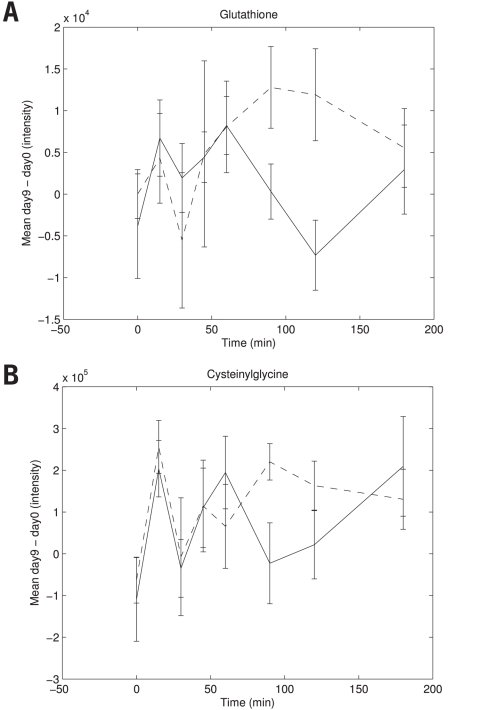
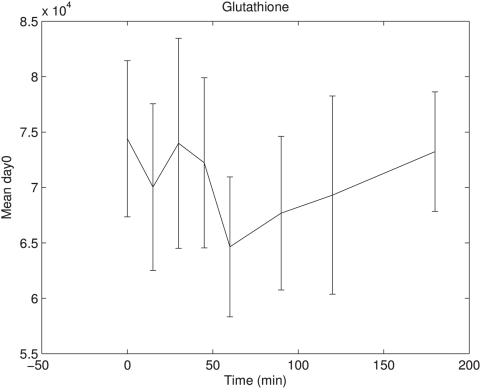
Verification
Claims the paper makes
The claims and statistics of this paper haven’t been checked yet.
Free: it reads the open-access text and checks the first 5 claims that cite a source we can check. Create a free account to check every claim.
Claims other papers make about this one
Each is checked against this paper’s own text: does it say what the citing paper says it does?
In the citing paper
“Recent cross-sectional studies have documented differences in blood metabolite profiles before and after glucose loading15-17 and in obese compared with lean individuals14.”
From Metabolite profiles and the risk of developing diabetes (2011) · cites this paper as [16]
Self-check
Percentages, sums and reported differences re-computed from the paper’s own numbers.
The self-check needs the paper’s full text.
Citations
Cites
Inflammation, Atherosclerosis, and Coronary Artery Disease
Hansson, G. K. (2005) · New England Journal of Medicine · doi:10.1056/nejmra043430 · Cited by 8,773
Goodall, C. (1988) · Technometrics · doi:10.1080/00401706.1988.10488412 · Cited by 8,675
Jolliffe, I. T. (1986) · Springer Series in Statistics · doi:10.1007/978-1-4757-1904-8 · Cited by 8,273
Glutathione Metabolism and Its Implications for Health
Wu, G., Lupton, J. R., Turner, N. D., Fang, Y.-Z., & Yang, S. (2004) · The Journal of Nutrition · doi:10.1093/jn/134.3.489 · Cited by 3,842 · cited 1×
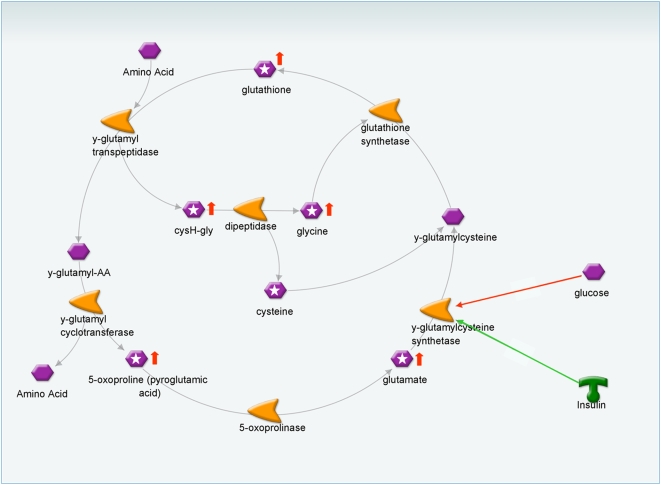
“Interestingly, it is known that insulin action increases and glucose decreases the regulation of GSH synthesis by GCS [48–50].”
Partial least squares for discrimination
Barker, M., & Rayens, W. (2003) · Journal of Chemometrics · doi:10.1002/cem.785 · Cited by 2,841
Inflammation: the link between insulin resistance, obesity and diabetes
Dandona, P. (2004) · Trends in Immunology · doi:10.1016/j.it.2003.10.013 · Cited by 2,170 · cited 1×
“This inflammatory state has been associated with cardiovascular diseases [1], diabetes, insulin resistance [2] and cancer [3].”
Regulation of glutathione synthesis
Lu, S. C. (2009) · Molecular Aspects of Medicine · doi:10.1016/j.mam.2008.05.005 · Cited by 2,116 · cited 3×
“Interestingly, it is known that insulin action increases and glucose decreases the regulation of GSH synthesis by GCS (Townsend et al., 2003; Lu, 2000; Wu et al., 2004).”
Handbook of Chemometrics and Qualimetrics: Part A
(1998) · Data Handling in Science and Technology · doi:10.1016/s0922-3487(97)x8000-1 · Cited by 2,027
The importance of glutathione in human disease
Townsend, D. M., Tew, K. D., & Tapiero, H. (2003) · Biomedicine & Pharmacotherapy · doi:10.1016/s0753-3322(03)00043-x · Cited by 2,004 · cited 2×
“GSH synthesis is predominantly regulated by activity of c - glutamylcysteine synthetase (GCS) and availability of the rate-limiting substrate cysteine [48].”
Multivariate Analysis: Methods and Applications
Dillon, W. R., & Goldstein, M. (1984) · CERN Document Server (European Organization for Nuclear Research) · Cited by 1,905
Cited by
Metabolite profiles and the risk of developing diabetes
Wang, T. J., Larson, M. G., Vasan, R. S., Cheng, S., Rhee, E. P., McCabe, E., Lewis, G. D., Fox, C. S., Jacques, P. F., Fernandez, C., et al. (2011) · Nature Medicine · doi:10.1038/nm.2307 · Cited by 3,143
Floegel, A., Stefan, N., Yu, Z., Mühlenbruch, K., Drogan, D., Joost, H.-G., Fritsche, A., Häring, H.-U., Hrabě de Angelis, M., Peters, A., et al. (2013) · Diabetes · doi:10.2337/db12-0495 · Cited by 988
“Cross-sectional studies have linked alterations in metabolic profiles with obesity (10), glucose tolerance (11), and prevalent diabetes (12–14).”
BackgroundNovel biomarkers for pre-diabetes identified by metabolomics
Wang‐Sattler, R., Yu, Z., Herder, C., Messias, A. C., Floegel, A., He, Y., Heim, K., Campillos, M., Holzapfel, C., Thorand, B., et al. (2012) · Molecular Systems Biology · doi:10.1038/msb.2012.43 · Cited by 701
Rhee, E. P., Cheng, S., Larson, M. G., Walford, G. A., Lewis, G. D., McCabe, E., Yang, E., Farrell, L., Fox, C. S., O’Donnell, C. J., et al. (2011) · Journal of Clinical Investigation · doi:10.1172/jci44442 · Cited by 647
“These findings were not appreciated during recent metabolomic surveys of oral glucose ingestion (9, 16, 17).”
BackgroundZhou, B., Xiao, J. F., Tuli, L., & Ressom, H. W. (2011) · Molecular BioSystems · doi:10.1039/c1mb05350g · Cited by 639
Metabolite Profiling Identifies Pathways Associated With Metabolic Risk in Humans
Cheng, S., Rhee, E. P., Larson, M. G., Lewis, G. D., McCabe, E. L., Shen, D., Palma, M. J., Roberts, L. D., Dejam, A., Souza, A. L., et al. (2012) · Circulation · doi:10.1161/circulationaha.111.067827 · Cited by 587
Scalbert, A., Brennan, L., Fiehn, O., Hankemeier, T., Kristal, B. S., van Ommen, B., Pujos-Guillot, E., Verheij, E., Wishart, D., & Wopereis, S. (2009) · Metabolomics · doi:10.1007/s11306-009-0168-0 · Cited by 565
“7) to guide the development of analytical metabolomics platforms.”
BackgroundSelf-citationA Consideration of Biomarkers to be Used for Evaluation of Inflammation in Human Nutritional Studies
Calder, P. C., Ahluwalia, N., Albers, R., Bosco, N., Bourdet-Sicard, R., Haller, D., Holgate, S. T., Jönsson, L. S., Latulippe, M. E., Marcos, A., et al. (2013) · British Journal of Nutrition · doi:10.1017/s0007114512005119 · Cited by 425
The dynamic range of the human metabolome revealed by challenges
Krug, S., Kastenmüller, G., Stückler, F., Rist, M. J., Skurk, T., Sailer, M., Raffler, J., Römisch‐Margl, W., Adamski, J., Prehn, C., et al. (2012) · The FASEB Journal · doi:10.1096/fj.11-198093 · Cited by 327
“(7) analyzed metabolome changes during an OGTT in overweight human volunteers during a 9-wk intervention with a mild acting anti-inflammatory drug and demonstrated”
Backgroundvan der Kloet, F. M., Bobeldijk, I., Verheij, E. R., & Jellema, R. H. (2009) · Journal of Proteome Research · doi:10.1021/pr900499r · Cited by 317
Self-citationNutritional Metabolomics: Progress in Addressing Complexity in Diet and Health
Jones, D. P., Park, Y., & Ziegler, T. R. (2012) · Annual Review of Nutrition · doi:10.1146/annurev-nutr-072610-145159 · Cited by 257
Bakker, G. C., van Erk, M. J., Pellis, L., Wopereis, S., Rubingh, C. M., Cnubben, N. H., Kooistra, T., van Ommen, B., & Hendriks, H. F. (2010) · The American Journal of Clinical Nutrition · doi:10.3945/ajcn.2009.28822 · Cited by 252
Self-citationMetabonomic fingerprints of fasting plasma and spot urine reveal human pre-diabetic metabolic traits
Zhao, X., Fritsche, J., Wang, J., Chen, J., Rittig, K., Schmitt-Kopplin, P., Fritsche, A., Häring, H.-U., Schleicher, E. D., Xu, G., et al. (2010) · Metabolomics · doi:10.1007/s11306-010-0203-1 · Cited by 206
“…animal and a few human metabonomics studies had be published investigating the metabolic effects of an oral glucose challenge (Shaham et al. 2008; Wopereis et al. 2009; Zhao et al. 2009), insulin resistance (Chen et al. 2008; Plumb et al. 2006; Shaham et al. 2008; Shearer et al. 2008; Toye et…”
BackgroundThe metabolic fate of red wine and grape juice polyphenols in humans assessed by metabolomics
van Dorsten, F. A., Grün, C. H., van Velzen, E. J. J., Jacobs, D. M., Draijer, R., & van Duynhoven, J. P. M. (2010) · Molecular Nutrition & Food Research · doi:10.1002/mnfr.200900212 · Cited by 165
Metabolomics, a novel tool for studies of nutrition, metabolism and lipid dysfunction
Orešič, M. (2009) · Nutrition, Metabolism and Cardiovascular Diseases · doi:10.1016/j.numecd.2009.04.018 · Cited by 163
Metabolite Profiles During Oral Glucose Challenge
Ho, J. E., Larson, M. G., Vasan, R. S., Ghorbani, A., Cheng, S., Rhee, E. P., Florez, J. C., Clish, C. B., Gerszten, R. E., & Wang, T. J. (2013) · Diabetes · doi:10.2337/db12-0754 · Cited by 157
“Several smaller studies have reported changes in metabolites with glucose challenge in humans (8,15,16) and animal models (17).”
BackgroundAlbers, R., Bourdet-Sicard, R., Braun, D., Calder, P. C., Herz, U., Lambert, C., Lenoir-Wijnkoop, I., Méheust, A., Ouwehand, A., Phothirath, P., et al. (2013) · British Journal of Nutrition · doi:10.1017/s0007114513001505 · Cited by 150
Pellis, L., van Erk, M. J., van Ommen, B., Bakker, G. C. M., Hendriks, H. F. J., Cnubben, N. H. P., Kleemann, R., van Someren, E. P., Bobeldijk, I., Rubingh, C. M., et al. (2012) · Metabolomics · doi:10.1007/s11306-011-0320-5 · Cited by 146
“Plasma metabolome changes were reported during an oral glucose tolerance test (OGTT) (Shaham et al. 2008; Wopereis et al. 2009; Zhao et al. 2009), similarly, the plasma lipidome response was assessed during a lipid challenge (Zivkovic et al. 2008).”
BackgroundSelf-citationLipidomic profiles, lipid trajectories and clinical biomarkers in female elite endurance athletes
Varga, T. V., Ali, A., Herrera, J. A. R., Ahonen, L. L., Mattila, I. M., Al-Sari, N. H., Legido-Quigley, C., Skouby, S., Brunak, S., & Tornberg, Å. B. (2020) · Scientific Reports · doi:10.1038/s41598-020-59127-8 · Cited by 146
Human metabolomics: strategies to understand biology
Ramautar, R., Berger, R., van der Greef, J., & Hankemeier, T. (2013) · Current Opinion in Chemical Biology · doi:10.1016/j.cbpa.2013.06.015 · Cited by 164
“from a broader system perspective yielded even more insights [49].”
BackgroundPhenotypic flexibility as key factor in the human nutrition and health relationship
van Ommen, B., van der Greef, J., Ordovas, J. M., & Daniel, H. (2014) · Genes & Nutrition · doi:10.1007/s12263-014-0423-5 · Cited by 133
“Connected pathways and regulatory networks act as ‘‘adaptive response systems’’ with metabolic and inflammatory processes as a core—but embedded into psycho-neuro-endocrine control mechanisms that in their totality define the phenotypic flexibility in an individual.”
BackgroundPhenotypic flexibility as a measure of health: the optimal nutritional stress response test
Stroeve, J. H. M., van Wietmarschen, H., Kremer, B. H. A., van Ommen, B., & Wopereis, S. (2015) · Genes & Nutrition · doi:10.1007/s12263-015-0459-1 · Cited by 126
“…from proteolysis in skeletal muscle and associated release of amino acids to amino acid uptake and protein synthesis is shown by decreased plasma concentrations of several amino acids and urea cycle intermediates in response to OGTT (Shaham et al. 2008; Skurk et al. 2011; Wopereis et al. 2009).”
BackgroundSelf-citationLips, M. A., Van Klinken, J. B., van Harmelen, V., Dharuri, H. K., ’t Hoen, P. A. C., Laros, J. F. J., van Ommen, G.-J., Janssen, I. M., Van Ramshorst, B., Van Wagensveld, B. A., et al. (2014) · Diabetes Care · doi:10.2337/dc14-0195 · Cited by 93
Molecular Nutrition Research—The Modern Way Of Performing Nutritional Science
Norheim, F., Gjelstad, I., Hjorth, M., Vinknes, K., Langleite, T., Holen, T., Jensen, J., Dalen, K., Karlsen, A., Kielland, A., et al. (2012) · Nutrients · doi:10.3390/nu4121898 · Cited by 83
“samples taken during an OGTT-challenge as compared with the fasting state [215].”
BackgroundNovel Metabolic Markers for the Risk of Diabetes Development in American Indians
Zhao, J., Zhu, Y., Hyun, N., Zeng, D., Uppal, K., Tran, V., Yu, T., Jones, D. P., He, J., Lee, E. T., et al. (2014) · Diabetes Care · doi:10.2337/dc14-2033 · Cited by 81
Human nutrigenomics of gene regulation by dietary fatty acids
Afman, L. A., & Müller, M. M. (2011) · Progress in Lipid Research · doi:10.1016/j.plipres.2011.11.005 · Cited by 89
“Furthermore, itmayallow to predict differences in the responses between treatments [74].”
BackgroundMetabolomics of prolonged fasting in humans reveals new catabolic markers
Rubio‐Aliaga, I., de Roos, B., Duthie, S. J., Crosley, L. K., Mayer, C., Horgan, G. W., Colquhoun, I. J., Gall, G. L., Huber, F., Kremer, W., et al. (2010) · Metabolomics · doi:10.1007/s11306-010-0255-2 · Cited by 78
“In this respect we provide a snapshot of the ‘‘catabolic metabolome’’ that may be taken as a mirror image of the ‘‘anabolic metabolome’’ reported in three recent metabolomics studies in human volunteers that used the oral glucose tolerance test (OGTT) as a challenge (Zhao et al. 2009; Shaham et al. 2008; Wopereis et a…”
BackgroundMethodSelf-citationLipidomics in nutrition and food research
Hyötyläinen, T., Bondia‐Pons, I., & Orešič, M. (2013) · Molecular Nutrition & Food Research · doi:10.1002/mnfr.201200759 · Cited by 72
“showed that obesity, independent of genetic factors, was related to distinct changes in the global serum lipid profile, as obtained by the UPLC-QTOF/MS platform [46].”
MethodLucio, M., Fekete, A., Weigert, C., Wägele, B., Zhao, X., Chen, J., Fritsche, A., Häring, H.-U., Schleicher, E. D., Xu, G., et al. (2010) · PLoS ONE · doi:10.1371/journal.pone.0013317 · Cited by 65
“Manifest type 2 diabetes has been investigated in several recent targeted- and non-targeted- (NT-) human studies [11–20].”
BackgroundConnaughton, R. M., McMorrow, A. M., McGillicuddy, F. C., Lithander, F. E., & Roche, H. M. (2016) · Proceedings of The Nutrition Society · doi:10.1017/s0029665116000070 · Cited by 71
“Conventional methods of profiling metabolic parameters using fasting blood samples may not reveal changes in response to a nutritional intervention((112)).”
MethodLi, X., Luo, X., Lu, X., Duan, J., & Xu, G. (2011) · Molecular BioSystems · doi:10.1039/c0mb00341g · Cited by 64
Looking back into the future: 30 years of metabolomics at TNO
van der Greef, J., van Wietmarschen, H., van Ommen, B., & Verheij, E. R. (2013) · Mass Spectrometry Reviews · doi:10.1002/mas.21370 · Cited by 75
“Metabolomics has become a standard tool in research with mouse models in the area of metabolic and inflammatory disorders (Kleemann et al., 2007, 2010; Wopereis et al., 2012).”
MethodSelf-citationvan den Berg, R. A., Coccia, M., Ballou, W. R., Kester, K. E., Ockenhouse, C. F., Vekemans, J., Jongert, E., Didierlaurent, A. M., & van der Most, R. G. (2017) · Frontiers in Immunology · doi:10.3389/fimmu.2017.00557 · Cited by 55
van Dijk, S. J., Mensink, M., Esser, D., Feskens, E. J. M., Müller, M. M., & Afman, L. A. (2012) · PLoS ONE · doi:10.1371/journal.pone.0041388 · Cited by 59
“As shown in previous studies, extensive profiling could identify subtle changes of genes, proteins or metabolites in pathways and clusters [14,36].”
Comparative transcriptomic and metabolomic analysis of fenofibrate and fish oil treatments in mice
Lu, Y., Boekschoten, M. V., Wopereis, S., Müller, M. M., & Kersten, S. (2011) · Physiological Genomics · doi:10.1152/physiolgenomics.00100.2011 · Cited by 53
“The performance of the methods was carefully monitored by using multiple internal standards (5–10 depending on the method, including analogs and 2H- and 13C-labeled metabolites) as described previously (68).”
MethodSelf-citationWilliamson, G. (2022) · Molecular Nutrition & Food Research · doi:10.1002/mnfr.202101113 · Cited by 56
Wei, H., Pasman, W. J., Rubingh, C. M., Wopereis, S., Tienstra, M., Schroën, J., Wang, M., Verheij, E. R., & van der Greef, J. (2012) · Molecular BioSystems · doi:10.1039/c2mb05445k · Cited by 55
Self-citationGeidenstam, N., Spégel, P., Mulder, H., Filipsson, K., Ridderstråle, M., & Danielsson, A. P. H. (2014) · Obesity · doi:10.1002/oby.20868 · Cited by 52
“On the other hand, metabolomics data from lean individuals have shown to be very consistent (12,13,16-22,35).”
BackgroundCampbell, C., Grapov, D., Fiehn, O., Chandler, C. J., Burnett, D. J., Souza, E. C., Casazza, G. A., Gustafson, M. B., Keim, N. L., Newman, J. W., et al. (2014) · PLoS ONE · doi:10.1371/journal.pone.0084260 · Cited by 45
“To our knowledge, only five studies have reported post-OGTT blood metabolite profiling in humans [17–21].”
BackgroundKuehnbaum, N. L., Gillen, J. B., Gibala, M. J., & Britz‐McKibbin, P. (2014) · Scientific Reports · doi:10.1038/srep06166 · Cited by 54
Metabolome and fecal microbiota in monozygotic twin pairs discordant for weight: a Big Mac challenge
Bondia‐Pons, I., Maukonen, J., Mattila, I., Rissanen, A., Saarela, M., Kaprio, J., Hakkarainen, A., Lundbom, J., Lundbom, N., Hyötyläinen, T., et al. (2014) · The FASEB Journal · doi:10.1096/fj.14-250167 · Cited by 45
Wu, T., Yang, M., Wei, H.-F., He, S.-H., Wang, S.-C., & Ji, G. (2012) · Evidence-based Complementary and Alternative Medicine · doi:10.1155/2012/968083 · Cited by 47
“Hindawi Publishing Corporation Evidence-Based Complementary and Alternative Medicine Volume 2012, Article ID 968083, 11 pages doi:10.1155/2012/968083”
BackgroundInfluentialLépine, G., Tremblay‐Franco, M., Bouder, S., Dimina, L., Fouillet, H., Mariotti, F., & Polakof, S. (2022) · Nutrients · doi:10.3390/nu14030472 · Cited by 55
“[30] in overweight human volunteers during a 9-day intervention with a mildacting anti-inflammatory drug.”
BackgroundLin, S., Yang, Z., Liu, H., Tang, L., & Cai, Z. (2011) · Molecular BioSystems · doi:10.1039/c0mb00246a · Cited by 46
van Erk, M. J., Wopereis, S., Rubingh, C. M., van Vliet, T., Verheij, E. R., Cnubben, N. H. P., Pedersen, T. L., Newman, J. W. I., Smilde, A. K., van der Greef, J., et al. (2010) · BMC Medical Genomics · doi:10.1186/1755-8794-3-5 · Cited by 44
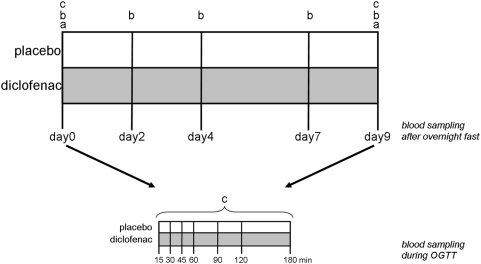
“Subjects underwent an oral glucose tolerance test (OGTT) on day 0 and day 9 (data discussed in [21]).”
InfluentialSelf-citationGlucose prediction by analysis of exhaled metabolites – a systematic review
Leopold, J. H., van Hooijdonk, R. T. M., Sterk, P. J., Abu–Hanna, A., Schultz, M. J., & Bos, L. D. J. (2014) · BMC Anesthesiology · doi:10.1186/1471-2253-14-46 · Cited by 46
Metabolomics of Type 1 and Type 2 Diabetes: Insights into Risk Prediction and Mechanisms
Izundegui, D. G., & Nayor, M. G. (2022) · Current Diabetes Reports · doi:10.1007/s11892-022-01449-0 · Cited by 40
Metabolomic biomarkers for personalised glucose lowering drugs treatment in type 2 diabetes
den Ouden, H., Pellis, L., Rutten, G. E. H. M., van Vonderen, I. K., Rubingh, C. M., van Ommen, B., van Erk, M. J., & Beulens, J. W. J. (2016) · Metabolomics · doi:10.1007/s11306-015-0930-4 · Cited by 38
“The GC–MS method used for analysing a broad range of metabolites was identical to the method reported for microbial metabolic profiling, (Van der Greef et al. 2007; Wopereis et al. 2009) except for the sample type.”
MethodSelf-citationBragt, M. C. E., & Mensink, R. P. (2011) · Nutrition Metabolism and Cardiovascular Diseases · doi:10.1016/j.numecd.2010.12.010 · Cited by 39
“The free EPA and DHA content in plasma as a compliance marker, was determined with LC-MS methodology (TNO, Zeist, the Netherlands) as described [8] in heparin plasma of week 6 from each period.”
MethodKong, X., Yang, X., Zhou, J., Chen, S., Li, X., Jian, F., Deng, P., & Li, W. (2014) · Oncology Letters · doi:10.3892/ol.2014.2619 · Cited by 35
“Furthermore, consistent with Tiziani et al (4), the present study observed relatively high concentrations of glucose, possibly due to an increase in the demand of carbon skeletons and energy required to sustain metabolic activities (24).”
Perspective: a systems approach to diabetes research
Kussmann, M., Morine, M. J., Hager, J., Sonderegger, B., & Kaput, J. (2013) · Frontiers in Genetics · doi:10.3389/fgene.2013.00205 · Cited by 39
“Results from such challenge studies using extensive omics, similar to the approach described in this article, have been published (Wopereis et al., 2009; Heinzmann et al., 2012) and confirm the large intra-individual variability observed at homeostasis.”
Kim, S., Kim, J., Lim, Y., Kim, Y. J., Kim, J. Y., & Kwon, O. (2015) · Nutrition Journal · doi:10.1186/s12937-016-0174-9 · Cited by 38
“Early changes in metabolic markers may not be easily identified due to the robustness of homeostatic vigor of healthy subjects [14].”
BackgroundAnalyzing metabolomics-based challenge tests
Vis, D. J., Westerhuis, J. A., Jacobs, D. M., van Duynhoven, J., Wopereis, S., van Ommen, B., Hendriks, M. M. W. B., & Smilde, A. K. (2014) · Metabolomics · doi:10.1007/s11306-014-0673-7 · Cited by 36
“…diabetes status (Shaham et al. 2008; Rhee et al. 2011), (3) to assess the effect of a pharmacological intervention on glucose and insulin metabolism (Wopereis et al. 2009), and (4) for the mechanistic understanding of processes related to glucose and insulin control (Matysik et al. 2011; Lin et…”
BackgroundMethodInfluentialSelf-citationToward Metabolomic Signatures of Cardiovascular Disease
Lewis, G. D., & Gerszten, R. E. (2010) · Circulation Cardiovascular Genetics · doi:10.1161/circgenetics.110.954941 · Cited by 29
Nyamundanda, G., Gormley, I. C., & Brennan, L. (2014) · Journal of the Royal Statistical Society Series C (Applied Statistics) · doi:10.1111/rssc.12060 · Cited by 27
Beckmann, M., Joosen, A. M. C. P., Clarke, M., Mugridge, O., Frost, G. S., Engel, B., Taillart, K., Lloyd, A. J., Draper, J., & Lodge, J. K. (2015) · Molecular Nutrition & Food Research · doi:10.1002/mnfr.201500495 · Cited by 27
“In studies investigating the effects of glucose on metabolism during an oral glucose tolerance test, metabolic changes to a number of pathways in central metabolism including proteolysis, lipolysis, ketogenesis and glycolysis were revealed [9-11].”
BackgroundEtxeberría, U., Arias, N., Boqué, N., Romo‐Hualde, A., Macarulla, M. T., Portillo, M. P., Milagro, F. I., & Martínez, J. A. (2015) · Food & Function · doi:10.1039/c5fo00473j · Cited by 25
van den Broek, T. J., Kremer, B. H. A., Rezende, M. M., Hoevenaars, F. P. M., Weber, P., Hoeller, U., van Ommen, B., & Wopereis, S. (2017) · Genes & Nutrition · doi:10.1186/s12263-017-0553-7 · Cited by 27
Self-citationRadonjić, M., Wielinga, P. Y., Wopereis, S., Kelder, T., Goelela, V. S., Verschuren, L., Toet, K. H., van Duyvenvoorde, W., der Vat, B. J. C. V. D. W.-V., Stroeve, J. H. M., et al. (2013) · PLoS ONE · doi:10.1371/journal.pone.0056122 · Cited by 24
“The protocols for control of performance of the GC-MS system, normalization of study samples and correction of systematic errors and annotation of metabolites have been reported in [20].”
MethodSelf-citationDynamic patterns of postprandial metabolic responses to three dietary challenges
Weinisch, P., Fiamoncini, J., Schranner, D., Raffler, J., Skurk, T., Rist, M. J., Römisch‐Margl, W., Prehn, C. P., Adamski, J., Hauner, H., et al. (2022) · Frontiers in Nutrition · doi:10.3389/fnut.2022.933526 · Cited by 23
Friedrich, N., Budde, K., Suhre, K., Völker, U., John, U., Felix, S. B., Kroemer, H. K., Grabe, H. J., Völzke, H., Nauck, M. A., et al. (2015) · Metabolomics · doi:10.1007/s11306-015-0795-6 · Cited by 22
“Each line and column represents one metabolite; the diagonal contains results for single metabolites, all other boxes represent the respective ratio Sex differences in diabetes related urine metabolites 1411 were found (Shaham et al. 2008; Wopereis et al. 2009).”
BackgroundNutrition to Optimise Human Health—How to Obtain Physiological Substantiation?
Witkamp, R. F. (2021) · Nutrients · doi:10.3390/nu13072155 · Cited by 32
Ren, M., Lin, D. Z., Liu, Z. P., Sun, K., Wang, C., Lao, G. J., Fan, Y., Wang, X. Y., Liu, J., Du, J., et al. (2022) · Frontiers in Endocrinology · doi:10.3389/fendo.2021.745214 · Cited by 20
“Cross-sectional analyses have reported associations of altered metabolite levels with obesity (4), insulin resistance (5), prediabetes (6), and overt diabetes (7).”
BackgroundContreras-Zentella, M. L., & Hernández-Muñoz, R. E. (2021) · Antioxidants · doi:10.3390/antiox10111729 · Cited by 20
Body mass index mediates inflammatory response to acute dietary challenges
Matone, A., O’Grada, C. M., Dillon, E., Morris, C., Ryan, M. F., Walsh, M. C., Gibney, E. R., Brennan, L., Gibney, M. J., Morine, M. J., et al. (2015) · Molecular Nutrition & Food Research · doi:10.1002/mnfr.201500184 · Cited by 19
“More recently metabolic challenges have been used to identify preclinical biomarkers of disease [2].”
Rämö, J. T., Kaye, S. M., Jukarainen, S., Bogl, L. H., Hakkarainen, A., Lundbom, J., Lundbom, N. M. I., Rissanen, A., Kaprio, J. A., Matikainen, N., et al. (2016) · The Journal of Clinical Endocrinology & Metabolism · doi:10.1210/jc.2015-3512 · Cited by 23
Wei, H., Hu, C., Wang, M., van den Hoek, A. M., Reijmers, T. H., Wopereis, S., Bouwman, J., Ramaker, R., Korthout, H. A. A. J., Vennik, M., et al. (2012) · PLoS ONE · doi:10.1371/journal.pone.0030332 · Cited by 19
“The QC sample data is also used to correct systematic errors such as batch to batch response differences by a single point calibration model [28,29].”
Self-citationPantophlet, A. J., Wopereis, S., Eelderink, C., Vonk, R. J., Stroeve, J. H. M., Bijlsma, S., van Stee, L., Bobeldijk, I., & Priebe, M. G. (2016) · Journal of Nutrition · doi:10.3945/jn.116.237404 · Cited by 19
“The data quality was considered to be good [comparable to or of higher quality than in other human studies that used the same methodology (3, 6)].”
MethodSelf-citationExploring the Diversity of Sugar Compounds in Healthy, Prediabetic, and Diabetic Volunteers
Mack, C. I., Ferrario, P. G., Weinert, C. H., Egert, B., Hoefle, A. S., Lee, Y., Skurk, T., Kulling, S. E., & Daniel, H. (2020) · Molecular Nutrition & Food Research · doi:10.1002/mnfr.201901190 · Cited by 16
Hu, C., Wei, H., van den Hoek, A. M., Wang, M., van der Heijden, R., Spijksma, G. K., Reijmers, T. H., Bouwman, J., Wopereis, S., Havekes, L. M., et al. (2011) · PLoS ONE · doi:10.1371/journal.pone.0019423 · Cited by 22
“The availability of novel analytical and advanced instrumental as well as powerful informatics technologies has facilitated the characterization of global changes of lipids in metabolic conditions such as obesity [19], insulin resistance [20], atherosclerosis [21], diabetes [22], and hepatic steatosis [23] and has fac…”
BackgroundSelf-citationBurgos, R. C. R., Wijk, E. P. A. V., Wijk, R. V., He, M., & van der Greef, J. (2016) · Frontiers in Physiology · doi:10.3389/fphys.2016.00611 · Cited by 17
“Such strategies have been developed recently using metabolomics-based strategies (Wopereis et al., 2009; van Ommen et al., 2014); however, the need still exists for a dynamic tool that can integrate, interpret, and correlate detailed information regarding regulatory mechanisms with a higher level…”
BackgroundMetabolome responses to physiological and nutritional challenges
Puiggròs, F., Canela-Canela, N., & Arola, L. (2015) · Current Opinion in Food Science · doi:10.1016/j.cofs.2015.06.001 · Cited by 14
Olmstead, K. I., Frano, M. R. L., Fahrmann, J. F., Grapov, D., Viscarra, J. A., Newman, J. W. I., Fiehn, O., Crocker, D. E., Filipp, F. V., & Ortiz, R. M. (2017) · Metabolomics · doi:10.1007/s11306-017-1186-y · Cited by 10
“2010), and the metabolomic response to an oGTT in humans have been performed (Wopereis et al. 2009; Zhao et al. 2009; Lanza et al. 2010; Spégel 2010).”
MethodMoissl, A. P., Lorkowski, S., Meinitzer, A., Pilz, S., Scharnagl, H., Delgado, G. E., Kleber, M. E., Krämer, B. K., Pieske, B. M., Grübler, M. R., et al. (2023) · iScience · doi:10.1016/j.isci.2023.106459 · Cited by 12
Perspectives for metabolomics in testosterone replacement therapy
Haring, R. (2012) · Journal of Endocrinology · doi:10.1530/joe-12-0119 · Cited by 13
Mathioudaki, A., Fanni, G., Eriksson, J. W., & Pereira, M. J. (2024) · Metabolites · doi:10.3390/metabo14080411 · Cited by 10
“The positive association of BCAAs like isoleucine and leucine with central adiposity is consistent with studies implicating these amino acids in obesity and metabolic syndrome through their roles in protein synthesis and energy metabolism [24,31].”
Metabolomics Reveals Unexpected Responses to Oral Glucose
Bain, J. R., & Muehlbauer, M. J. (2013) · Diabetes · doi:10.2337/db13-0605 · Cited by 9
“Glutathione fell then rose after glucose was consumed (19).”
BackgroundIdentifying metabotypes of insulin resistance severity in children with metabolic syndrome
González‐Domínguez, Á., Domínguez‐Riscart, J., Savolainen, O. I., Lechuga-Sancho, A. M., Landberg, R., & González‐Domínguez, R. (2024) · Cardiovascular Diabetology · doi:10.1186/s12933-024-02412-x · Cited by 9
“The challenge test also provoked a post-prandial reduction of erythroid cysteinyl-glycine, an intermediate in glutathione biosynthesis, as previously reported by Wopereis et al. [40].”
ResultHall, P. A., Erickson, K. I., Lowe, C. J., & Sakib, M. N. (2020) · Psychosomatic Medicine · doi:10.1097/psy.0000000000000785 · Cited by 8
Michielsen, C. C. J. R., Hangelbroek, R., Bragt, M. C. E., Verheij, E. R., Wopereis, S., Mensink, R. P., & Afman, L. A. (2021) · Molecular Nutrition & Food Research · doi:10.1002/mnfr.202100192 · Cited by 9
Self-citationTwo Roads Diverge: Weight Loss Interventions and Circulating Amino Acids
Gerszten, R. E., & Wang, T. J. (2011) · Science Translational Medicine · doi:10.1126/scitranslmed.3002377 · Cited by 8
Herrod, P., Gharahdaghi, N., Rudrappa, S. S., Phillips, H. G., Ranat, R. A., Hardy, E., Rathmacher, J. A., Atherton, P. J., & Phillips, B. E. (2020) · Journal of Functional Foods · doi:10.1016/j.jff.2020.104163 · Cited by 8
Bayle, M.-L., Wopereis, S., Bouwman, J., van Ommen, B., Scalbert, A., & Pujos‐Guillot, E. (2012) · Metabolomics · doi:10.1007/s11306-012-0419-3 · Cited by 9
“This list includes fatty acids, (unsaturated, epoxy, hydroxyl, and oxo fatty acids), eicosanoids (prostaglandins, leukotrienes, thromboxanes, epoxyeicosatrienoic acids, hydroxyeicosatrieneoic acids and hydroxyeicosatetraenoic acids), triacylglycerols, glycerophospholipids, sphingolipids and steroids (Wopereis et al. 2…”
BackgroundSelf-citationMallu, A. C. T., Vasudevan, M., Allanki, S., Nathan, A. A., Ravi, M. M., Ramanathan, G. S., Pradeepa, R., Mohan, V., & Dixit, M. (2020) · Clinical Nutrition · doi:10.1016/j.clnu.2020.08.007 · Cited by 9
González‐Domínguez, Á., Savolainen, O. I., Domínguez‐Riscart, J., Landberg, R., Lechuga-Sancho, A. M., & González‐Domínguez, R. (2024) · Cardiovascular Diabetology · doi:10.1186/s12933-024-02395-9 · Cited by 7
“The OGTT was also associated with lower levels of various glutathionyl intermediates, which could be indicative of impaired GSH synthesis [46].”
BackgroundDiscovery of subtle effects in a human intervention trial through multilevel modeling
Rubingh, C. M., van Erk, M. J., Wopereis, S., van Vliet, T., Verheij, E. R., Cnubben, N. H. P., van Ommen, B., van der Greef, J., Hendriks, H., & Smilde, A. K. (2010) · Chemometrics and Intelligent Laboratory Systems · doi:10.1016/j.chemolab.2010.06.003 · Cited by 7
“However, the analysis approach was applied to all platforms and results of all platforms can be found in Wopereis et al. (2009).”
BackgroundMethodSelf-citationIzundegui, D. G., Miller, P. E., Shah, R. V., Clish, C. B., Walker, M. E., Mitchell, G. F., Gerszten, R. E., Larson, M. G., Vasan, R. S., & Nayor, M. G. (2022) · Cardiovascular Diabetology · doi:10.1186/s12933-022-01647-w · Cited by 8
“Glutamate Glutamate/glutamine cycle ↓ (20) ↑ Contributes to gluconeogenesis, proteolysis, inflammation [52, 53], cellular metabolism (anaplerosis); high fasting glutamate associated with higher CVD and diabetes risk [39, 40]”
BackgroundUse of nutrigenomics endpoints in dietary interventions
Hendriks, H. (2013) · Proceedings of The Nutrition Society · doi:10.1017/s0029665113001304 · Cited by 9
Self-citationLin, Y.-W., Montassier, E., Knights, D., & Wei, L. (2016) · Scientific Reports · doi:10.1038/srep38599 · Cited by 7
Endogenous Metabolites in Metabolic Diseases: Pathophysiologic Roles and Therapeutic Implications
Xiao, M., Zhou, N., Tian, Z., & Sun, C. (2025) · Journal of Nutrition · doi:10.1016/j.tjnut.2025.04.017 · Cited by 6
Application of lipidomics in nutrition research
Han, X., & Zhou, Y. (2014) · Elsevier eBooks · doi:10.1016/b978-1-78242-084-2.00004-6 · Cited by 7
Metabolomics: An Emerging Tool for Precision Medicine
Meiliana, A., Dewi, N. M., & Wijaya, A. (2021) · The Indonesian Biomedical Journal · doi:10.18585/inabj.v13i1.1309 · Cited by 5
“(7680) By having a complete profile of individual metabolites, we can elucidate specific metabolites' role in metabolic disorders development and its sequelae.(81-84) There are many dietary guidelines to promote wellbeing and prevent chronic diseases.”
BackgroundLee, H. G., Joo, M., Park, J., Kim, M. A., Mok, J.-H., Cho, S., Sohn, Y. C., & Lee, H. (2022) · Journal of Analytical Methods in Chemistry · doi:10.1155/2022/5822562 · Cited by 6
“Lipids with % rsd values exceeding 50 were also removed to minimize error [44, 45].”
BackgroundPhansak, P., Siriwong, S., Sangpueak, R., Kanawapee, N., Thumanu, K., & Buensanteai, N. (2021) · Emirates Journal of Food and Agriculture · doi:10.9755/ejfa.2021.v33.i9.2758 · Cited by 6
Han, X., Xiao, H., Liu, Q., Zhang, L., Yang, Q., Zhao, N., Huang, Y., & Zhang, D. (2013) · Analytical Letters · doi:10.1080/00032719.2013.814055 · Cited by 5
“Recent clinical studies indicate that early intervention could mitigate progression and improve therapeutic outcomes in the disease and biomarkers enable early disease prevention to improve prognosis (Shaham et al. 2008; Wopereis et al. 2009; Leichtle et al. 2010).”
BackgroundMetabolomics in Systems Toxicology: Towards Personalized Medicine
Schnackenberg, L. K., Sun, J., & Beger, R. D. (2009) · Wiley eBooks · doi:10.1002/9780470744307.gat217 · Cited by 5
Kim, Y. J., Choi, S., Lee, S., Park, S., Kim, J. Y., Park, T., & Kwon, O. (2019) · Oxidative Medicine and Cellular Longevity · doi:10.1155/2019/9526725 · Cited by 5
“Recent liquid chromatography-mass spectrometry studies have added other detailed scientific information by characterizing the specific metabolic changes occurring in healthy subjects receiving an oral glucose load [4, 5].”
BackgroundKelly, J. M., Matuszek, G., van den Broek, T. J., Huggins, G. S., Smith, C. E., Ordovás, J. M., Wopereis, S., & Booth, S. L. (2020) · Current Developments in Nutrition · doi:10.1093/cdn/nzaa089 · Cited by 5
“Plasma lipids were analyzed directly after study conclusion (2006/2007) with electrospray LC-MS using a Thermo Linear Trap Quadrupole equipped with a Thermo Surveyor HPLC pump, described previously (19).”
MethodSelf-citationFujita, S., Karasawa, Y., Fujii, M., Hironaka, K., Uda, S., Kubota, H., Inoue, H., Sumitomo, Y., Hirayama, A., Soga, T., et al. (2022) · npj Systems Biology and Applications · doi:10.1038/s41540-022-00213-0 · Cited by 6
“xk 1⁄4 x0 1;k;0 h ; ; x0 1;k;240; x0 2;k;0; ; x0 j;k;0; ; x0 20;k;240 i (14)”
„Metabolomics“ in der Diabetesforschung
Wörmann, K., Lucio, M., Forcisi, S., Heinzmann, S. S., Kenar, E., Franken, H., Rosenbaum, L., Schmitt‐Kopplin, P., Kohlbacher, O., Zell, A., et al. (2012) · Der Diabetologe · doi:10.1007/s11428-011-0778-9 · Cited by 5
Metadata
- Authors
- Wopereis, S., Rubingh, C. M., van Erk, M. J., Verheij, E. R., van Vliet, T., Cnubben, N. H. P., Smilde, A. K., van der Greef, J., van Ommen, B., & Hendriks, H. F. J.
- Affiliations
- Netherlands Organisation for Applied Scientific Research (NL)
- University of Amsterdam (NL)
- Corresponding author
- Wopereis, Suzan
- Venue
- PLoS ONE
- Publisher
- Public Library of Science (PLoS)
- Published
- 2009-02-26
- Volume
- 4
- Issue
- 2
- Pages
- e4525
- ISSN
- 1932-6203 (ISSN-L)
- PMC
- PMC2643463
- OpenAlex
- W2074399756
- Cited by
- 123
- References
- 56
- Citations by year
- 2025: 1 · 2024: 5 · 2023: 3 · 2022: 12 · 2021: 6 · 2020: 7 · 2019: 1 · 2017: 4 · 2016: 7 · 2015: 10 · 2014: 12 · 2013: 14 · 2012: 15
- FWCI
- 5.50
- Type
- journal article
- Language
- en
- Open access
- gold
- doi.org
- Locations
- PLoS ONE (publishedVersion, cc-by)
- PubMed Central (publishedVersion, cc-by)
- PubMed (publishedVersion)
- Leiden Repository (Leiden University) (submittedVersion)
- TNO Repository (submittedVersion)
- Data Archiving and Networked Services (DANS) (submittedVersion, other-oa)
- UvA-DARE (University of Amsterdam) (submittedVersion, other-oa)
- DOAJ (DOAJ: Directory of Open Access Journals) (submittedVersion, cc-by-sa)
- Repository hosted by TU Delft Library (TU Delft) (submittedVersion)
- Topics
- Life Sciences › Biochemistry, Genetics and Molecular Biology › Molecular Biology › Metabolomics and Mass Spectrometry Studies
- Health Sciences › Medicine › Endocrinology, Diabetes and Metabolism › Adipokines, Inflammation, and Metabolic Diseases
- Health Sciences › Medicine › Endocrinology, Diabetes and Metabolism › Diet, Metabolism, and Disease
- Keywords
- metabolite profiling, oral glucose tolerance test, overweight, low-grade inflammation, C-reactive protein, plasma metabolites, insulin signaling, metabolic perturbation
- MeSH terms
- Blood Glucose, C-Reactive Protein, Glucose Tolerance Test, Glutathione, Humans, Inflammation, Insulin, Male, Mass Spectrometry, Overweight, Metabolic Networks and Pathways, Metabolome
About these checks
Registry, retraction, Cites and statistics results are computed, not judged, with one exception: a printed reference that no index lists is read once by a model before it counts as a citation error. Claims are extracted by a model and kept only when their quote appears verbatim in the text; each cited source is then checked, with a model’s help, for whether it says what the claim relies on. Those verdicts can be wrong — read the claim’s quote and the cited source before relying on one.
Statistics and arithmetic are recomputed, not judged.
Confidence bands are shown only for fields calibrated on our annotated test set. None is calibrated yet, so no band is shown.
What counts as a claim ›How we measure confidence ›How we check this ›
Are you an author, or do you see a problem with this page? Request a review
Data sources
Bibliographic data: Semantic Scholar, OpenAlex, Crossref.
Contains information from the Semantic Scholar Academic Graph Datasets, made available under the ODC Attribution License (ODC-BY 1.0).
Semantic Scholar’s data is described in: Kinney, R., et al. (2023). The Semantic Scholar Open Data Platform. arXiv:2301.10140.
