

The DOI matches its Crossref record; 49 of the 51 references it cites were found in a registry or an index.
Myostatin Inhibition in Muscle, but Not Adipose Tissue, Decreases Fat Mass and Improves Insulin Sensitivity
Open accessAbstract
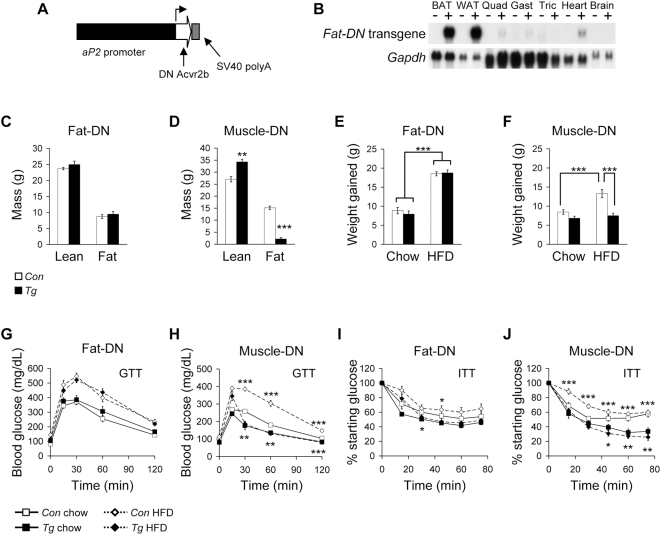
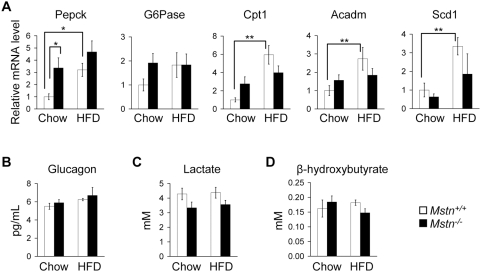
Myostatin (Mstn) is a secreted growth factor expressed in skeletal muscle and adipose tissue that negatively regulates skeletal muscle mass. Mstn(-/-) mice have a dramatic increase in muscle mass, reduction in fat mass, and resistance to diet-induced and genetic obesity. To determine how Mstn deletion causes reduced adiposity and resistance to obesity, we analyzed substrate utilization and insulin sensitivity in Mstn(-/-) mice fed a standard chow. Despite reduced lipid oxidation in skeletal muscle, Mstn(-/-) mice had no change in the rate of whole body lipid oxidation. In contrast, Mstn(-/-) mice had increased glucose utilization and insulin sensitivity as measured by indirect calorimetry, glucose and insulin tolerance tests, and hyperinsulinemic-euglycemic clamp. To determine whether these metabolic effects were due primarily to the loss of myostatin signaling in muscle or adipose tissue, we compared two transgenic mouse lines carrying a dominant negative activin IIB receptor expressed specifically in adipocytes or skeletal muscle. We found that inhibition of myostatin signaling in adipose tissue had no effect on body composition, weight gain, or glucose and insulin tolerance in mice fed a standard diet or a high-fat diet. In contrast, inhibition of myostatin signaling in skeletal muscle, like Mstn deletion, resulted in increased lean mass, decreased fat mass, improved glucose metabolism on standard and high-fat diets, and resistance to diet-induced obesity. Our results demonstrate that Mstn(-/-) mice have an increase in insulin sensitivity and glucose uptake, and that the reduction in adipose tissue mass in Mstn(-/-) mice is an indirect result of metabolic changes in skeletal muscle. These data suggest that increasing muscle mass by administration of myostatin antagonists may be a promising therapeutic target for treating patients with obesity or diabetes.
Overview
The claims and statistics of this paper haven’t been checked yet.
Run the check — free, no account needed. It reads the open-access text and checks the sources it cites.
Integrity signals
Registry
Cites
Statistics
Figures
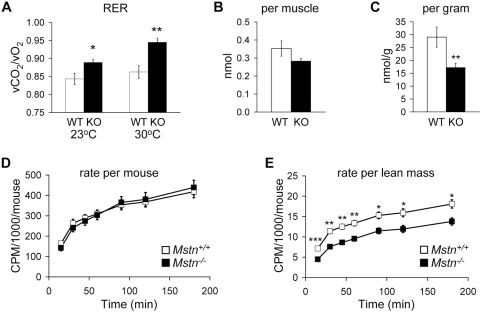
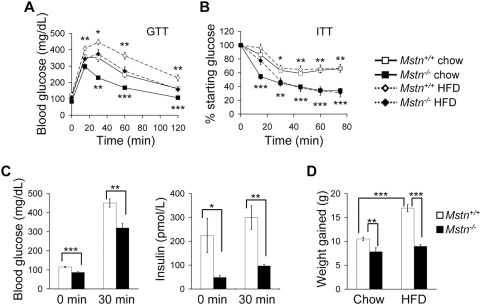
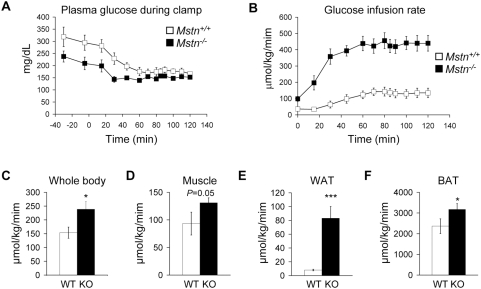
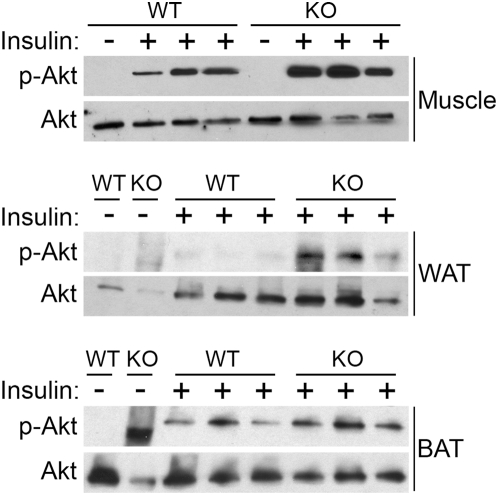
Verification
Claims the paper makes
The claims and statistics of this paper haven’t been checked yet.
Run the check — free, no account needed. It reads the open-access text and checks the sources it cites.
Claims other papers make about this one
Each is checked against this paper’s own text: does it say what the citing paper says it does?
The cited source doesn’t support the claim as written.
In the citing paper
“Its importance in this tissue is related to the maintenance of adipose mass and greater sensitivity to insulin (Hamrick et al., 2006; Guo et al., 2009).”
From Physical Exercise-Induced Myokines and Muscle-Adipose Tissue Crosstalk: A Review of Current Knowledge and the Implications for Health and Metabolic Diseases (2018) · cites this paper as Guo et al., 2009
Checked by a reasoning model — may be wrong.
Experimental — accuracy not yet measuredThe source backs part of the claim, not all of it — or backs it for a different population, condition or comparison.
In the citing paper
“Evidence that myostatin needs to act on skeletal muscle to cause fat loss comes from a study where the knock out myostatin receptor in adipose tissue had no effect on body composition, weight gain, or glucose and insulin tolerance in mice fed a standard or high-fat diet [181].”
From Effects of Skeletal Muscle Hypertrophy on Fat Mass and Glucose Homeostasis in Humans and Animals: A Narrative Review with Systematic Literature Search (2025) · cites this paper as [181]
Experimental — accuracy not yet measuredThe source backs part of the claim, not all of it — or backs it for a different population, condition or comparison.
In the citing paper
“For example, the stimulation of skeletal muscle hypertrophy by expressing constitutively active Akt1 [22] only within muscle, or by knocking down the myostatin (i.e., activin IIB) receptor only in muscle [181], demonstrates that muscle hypertrophy is sufficient to cause fat loss and improve glucose homeostasis as secondary effects.”
From Effects of Skeletal Muscle Hypertrophy on Fat Mass and Glucose Homeostasis in Humans and Animals: A Narrative Review with Systematic Literature Search (2025) · cites this paper as [181]
Experimental — accuracy not yet measuredThe source backs part of the claim, not all of it — or backs it for a different population, condition or comparison.
In the citing paper
“It also exerts a significant regulatory influence on adipose tissue function, energy metabolism, and systemic energy homeostasis [62].”
From Exercise-Induced Muscle–Fat Crosstalk: Molecular Mediators and Their Pharmacological Modulation for the Maintenance of Metabolic Flexibility in Aging (2025) · cites this paper as [62]
Experimental — accuracy not yet measuredThe source backs part of the claim, not all of it — or backs it for a different population, condition or comparison.
In the citing paper
“However, myostatin is not exclusively secreted by SkM tissue, with studies indicating that AT also secretes this protein.”
From Physical Exercise-Induced Myokines and Muscle-Adipose Tissue Crosstalk: A Review of Current Knowledge and the Implications for Health and Metabolic Diseases (2018) · cites this paper as Guo et al., 2009
Experimental — accuracy not yet measured
In the citing paper
“Adipocyte-specific expression of a dominant negative form of Acvr2b did not induce any changes in body composition, suggesting that changes in fat mass are not directly due to loss of ActRII signaling in adipose tissue [26].”
From Antibody blockade of activin type II receptors preserves skeletal muscle mass and enhances fat loss during GLP-1 receptor agonism (2024) · cites this paper as [26]
Self-check
Percentages, sums and reported differences re-computed from the paper’s own numbers.
The self-check needs the paper’s full text.
Citations
Cites
Regulation of skeletal muscle mass in mice by a new TGF-p superfamily member
McPherron, A. C., Lawler, A. M., & Lee, S.-J. (1997) · Nature · doi:10.1038/387083a0 · Cited by 4,013
Self-citationRegulation of myostatin activity and muscle growth
Lee, S.-J., & McPherron, A. C. (2001) · Proceedings of the National Academy of Sciences · doi:10.1073/pnas.151270098 · Cited by 1,616
Self-citationFolland, J. P., & Williams, A. G. (2007) · Sports Medicine · doi:10.2165/00007256-200737020-00004 · Cited by 1,347
Musarò, A., McCullagh, K., Paul, A., Houghton, L., Dobrowolny, G., Molinaro, M., Barton, E. R., L Sweeney, H., & Rosenthal, N. (2001) · Nature Genetics · doi:10.1038/84839 · Cited by 1,137
Physical Activity/Exercise and Type 2 Diabetes
Sigal, R. J., Kenny, G. P., Wasserman, D. H., Castaneda-Sceppa, C., & White, R. D. (2006) · Diabetes Care · doi:10.2337/dc06-9910 · Cited by 949
Induction of Cachexia in Mice by Systemically Administered Myostatin
Zimmers, T. A., Davies, M. V., Koniaris, L. G., Haynes, P. A., Esquela‐Kerscher, A., Tomkinson, K. N., McPherron, A. C., Wolfman, N. M., & Lee, S. (2002) · Science · doi:10.1126/science.1069525 · Cited by 908
Self-citationFunctional improvement of dystrophic muscle by myostatin blockade
Bogdanovich, S., Krag, T. O. B., Barton, E. R., Morris, L. D., Whittemore, L.-A., Ahima, R. S., & Khurana, T. S. (2002) · Nature · doi:10.1038/nature01154 · Cited by 831
REGULATION OF MUSCLE MASS BY MYOSTATIN
Lee, S.-J. (2004) · Annual Review of Cell and Developmental Biology · doi:10.1146/annurev.cellbio.20.012103.135836 · Cited by 819
Life without white fat: a transgenic mousePreprint
Moitra, J., Mason, M. M., Olive, M., Krylov, D. Y., Gavrilova, O., Marcus‐Samuels, B., Feigenbaum, L., Lee, E., Aoyama, T., Eckhaus, M., et al. (1998) · Genes & Development · doi:10.1101/gad.12.20.3168 · Cited by 776
Self-citationInhibition of myostatin in adult mice increases skeletal muscle mass and strength
Whittemore, L.-A., Song, K., Li, X., Aghajanian, J. D., Davies, M. V., Girgenrath, S., Hill, J. J., Jalenak, M., Kelley, P. E., Knight, A., et al. (2003) · Biochemical and Biophysical Research Communications · doi:10.1016/s0006-291x(02)02953-4 · Cited by 512
Cited by
Sorted by citations
Items 101–200 of 400
Increasing muscle mass to improve metabolism
McPherron, A. C., Guo, T., Bond, N. D., & Gavrilova, O. (2013) · Adipocyte · doi:10.4161/adip.22500 · Cited by 59
Self-citationActivins in adipogenesis and obesity
Dani, C. (2012) · International Journal of Obesity · doi:10.1038/ijo.2012.28 · Cited by 64
Araki, S., Izumiya, Y., Hanatani, S., Rokutanda, T., Usuku, H., Akasaki, Y., Takeo, T., Nakagata, N., Walsh, K. X., & Ogawa, H. (2011) · Circulation Heart Failure · doi:10.1161/circheartfailure.111.964783 · Cited by 53
AMPK activation by AICAR inhibits myogenic differentiation and myostatin expression in Cattle
Miyake, M., Takahashi, H., Kitagawa, E., Watanabe, H., Sakurada, T., Aso, H., & Yamaguchi, T. (2012) · Cell and Tissue Research · doi:10.1007/s00441-012-1422-8 · Cited by 51
Ryu, J. Y., Choi, H. M., Yang, H.-I., & Kim, K. S. (2020) · International Journal of Molecular Sciences · doi:10.3390/ijms21186887 · Cited by 52
Ryan, A. S., & Li, G. (2021) · JCSM Clinical Reports · doi:10.1002/crt2.43 · Cited by 50
Increased Smad signaling and reduced MRF expression in skeletal muscle from obese subjects
Watts, R., McAinch, A. J., Dixon, J. B., O’Brien, P. E., & Cameron‐Smith, D. (2013) · Obesity · doi:10.1002/oby.20070 · Cited by 52
Sarcopenia and cachexia: molecular mechanisms and therapeutic interventions
Wang, T., Zhou, D., & Hong, Z. (2025) · MedComm · doi:10.1002/mco2.70030 · Cited by 46
Saeidi, A., Habashi, A. N., Razi, O., Ataeinosrat, A., Rahmani, H., Mollabashi, S. S., Bagherzadeh-Rahmani, B., Aghdam, S. M., Khalajzadeh, L., Kiyumi, M. H. A., et al. (2023) · Nutrients · doi:10.3390/nu15020286 · Cited by 52
Brandt, C., Hansen, R. H., Hansen, J. B., Olsen, C. H., Galle, P., Mandrup-Poulsen, T. R., Gehl, J., Pedersen, B. K., & Højman, P. (2014) · Metabolism · doi:10.1016/j.metabol.2014.10.007 · Cited by 51
Cai, C., Qian, L., Jiang, S., Sun, Y., Wang, Q., Ma, D., Xiao, G., Li, B., Xie, S., Gao, T., et al. (2017) · Oncotarget · doi:10.18632/oncotarget.16822 · Cited by 51
Alterations of maternal serum and placental follistatin‐like 3 and myostatin in pre‐eclampsia
Guo, J., Tian, T., Lu, D., Xia, G.-Y., Wang, H., & Dong, M. (2012) · Journal of obstetrics and gynaecology research · doi:10.1111/j.1447-0756.2011.01823.x · Cited by 48
Choi, S. J., Yablonka‐Reuveni, Z., Kaiyala, K. J., Ogimoto, K., Schwartz, M. W., & Wisse, B. E. (2011) · American Journal of Physiology-Endocrinology and Metabolism · doi:10.1152/ajpendo.00656.2010 · Cited by 51
Efficient TALEN-mediated myostatin gene editing in goats
Yu, B., Lü, R., Yuan, Y., Zhang, T., Song, S., Qi, Z., Shao, B., Zhu, M., Mi, F., & Cheng, Y. (2016) · BMC Developmental Biology · doi:10.1186/s12861-016-0126-9 · Cited by 48
Myostatin regulates preadipocyte differentiation and lipid metabolism of adipocyte via ERK1/2
Li, F., Yang, H., Duan, Y., & Yin, Y. (2011) · Cell Biology International · doi:10.1042/cbi20110112 · Cited by 47
Giannesini, B., Vilmen, C., Amthor, H., Bernard, M., & Bendahan, D. (2013) · American Journal of Physiology-Endocrinology and Metabolism · doi:10.1152/ajpendo.00651.2012 · Cited by 47
Building muscle, browning fat and preventing obesity by inhibiting myostatin
LeBrasseur, N. K. (2012) · Diabetologia · doi:10.1007/s00125-011-2361-8 · Cited by 46
The histone deacetylase SIRT6 blocks myostatin expression and development of muscle atrophy
Samant, S. A., Kanwal, A., Pillai, V. B., Bao, R., & Gupta, M. P. (2017) · Scientific Reports · doi:10.1038/s41598-017-10838-5 · Cited by 46
Endurance exercise training in myostatin null mice
Savage, K. J., & McPherron, A. C. (2010) · Muscle & Nerve · doi:10.1002/mus.21688 · Cited by 47
Self-citationChen, M., Han, D., Yang, J., Yang, Y., Ho, H., & Yang, W. (2012) · Human Reproduction · doi:10.1093/humrep/des209 · Cited by 44
Lee, E. J., Ahmad, S. S., Lim, J. H., Ahmad, K., Shaikh, S., Lee, Y., Park, S. J., Jin, J., Lee, Y., & Choi, I. (2021) · Cells · doi:10.3390/cells10082083 · Cited by 46
Mammalian Mss51 is a Skeletal Muscle-Specific Gene Modulating Cellular Metabolism
Moyer, A. L., & Wagner, K. R. (2015) · Journal of Neuromuscular Diseases · doi:10.3233/jnd-150119 · Cited by 43
Micielska, K., Gmiat, A., Żychowska, M., Flis, M., Walentukiewicz, A., Łysak, A., Jaworska, J., Rodziewicz-Flis, E. A., Duda-Biernacka, B., & Ziemann, E. (2019) · Diabetes Research and Clinical Practice · doi:10.1016/j.diabres.2019.05.009 · Cited by 43
The potential of astragalus polysaccharide for treating diabetes and its action mechanism
Liu, S., Wang, L., Zhang, Z., Leng, Y., Yang, Y. X., Fu, X., Xie, H., Gao, H., & Xie, C. (2024) · Frontiers in Pharmacology · doi:10.3389/fphar.2024.1339406 · Cited by 46
Tero-Vescan, A., Degens, H., Matsakas, A., Ștefănescu, R., Ősz, B. E., & Slevin, M. (2025) · Pharmaceuticals · doi:10.3390/ph18081222 · Cited by 44
“It also exerts a significant regulatory influence on adipose tissue function, energy metabolism, and systemic energy homeostasis [62].”
Thadhani, R., Powe, C. E., Tjoa, M. L., Khankin, E. V., Ye, J., Ecker, J. L., Schneyer, A. L., & Karumanchi, S. A. (2009) · Diabetes Care · doi:10.2337/dc09-1745 · Cited by 41
Irimia, J. M., Guerrero, M., Rodriguez‐Miguelez, P., Cadefau, J. A., Tesch, P. A., Cussó, R., & Fernandez‐Gonzalo, R. (2016) · Journal of Applied Physiology · doi:10.1152/japplphysiol.00521.2016 · Cited by 41
Lyons, J., Haring, J. S., & Biga, P. R. (2010) · PLoS ONE · doi:10.1371/journal.pone.0012928 · Cited by 40
Shero, J. A., Lindholm, M. E., Sandri, M. F., & Stanford, K. I. (2025) · Circulation Research · doi:10.1161/circresaha.124.325614 · Cited by 45
Role of IGF-I in follistatin-induced skeletal muscle hypertrophy
Barbé, C., Kalista, S., Loumaye, A., Ritvos, O., Lause, P., Ferracin, B., & Thissen, J. (2015) · American Journal of Physiology-Endocrinology and Metabolism · doi:10.1152/ajpendo.00098.2015 · Cited by 40
Early second trimester maternal serum markers in the prediction of gestational diabetes mellitus
Zhao, B., Han, X., Meng, Q., & Luo, Q. (2017) · Journal of Diabetes Investigation · doi:10.1111/jdi.12798 · Cited by 38
Myostatin induces mitochondrial metabolic alteration and typical apoptosis in cancer cells
Liu, Y., Cheng, H., Zhou, Y., Zhu, Y., Bian, R., Chen, Y., Li, C., Ma, Q., Zheng, Q., Zhang, Y., et al. (2013) · Cell Death and Disease · doi:10.1038/cddis.2013.31 · Cited by 38
Xin, X., Yang, S., Li, X., Liu, X., Zhang, L.-L., Ding, X., Zhang, S., Li, G., & Guo, H. (2019) · General and Comparative Endocrinology · doi:10.1016/j.ygcen.2019.113237 · Cited by 37
Wilhelmsen, A., Tsintzas, K., & Jones, S. W. (2021) · GeroScience · doi:10.1007/s11357-021-00322-4 · Cited by 42
Havekes, B., & Sauerwein, H. P. (2010) · Current Opinion in Clinical Nutrition & Metabolic Care · doi:10.1097/mco.0b013e32833e341d · Cited by 37
Busquets, S., Toledo, M., Marmonti, E., Orpí, M., Capdevila, E., Betancourt, A., López-Soriano, F. J., & Argilés, J. M. A. (2011) · Oncology Letters · doi:10.3892/ol.2011.442 · Cited by 37
Increasing Muscle Mass Improves Vascular Function in Obese ( db/db ) Mice
Qiu, S., MINTZ, J. D., Salet, C., Han, W., Giannis, A., Chen, F., Yu, Y., Su, Y., Fulton, D. J., & Stepp, D. W. (2014) · Journal of the American Heart Association · doi:10.1161/jaha.114.000854 · Cited by 36
RNA-seq reveals transcriptome changes in goats following myostatin gene knockout
Wang, L., Cai, B., Zhou, S., Zhu, H., Qu, L., Wang, X., & Chen, Y. (2017) · PLoS ONE · doi:10.1371/journal.pone.0187966 · Cited by 35
Purnell, J. Q., & le Roux, C. W. (2024) · Diabetes Obesity and Metabolism · doi:10.1111/dom.15478 · Cited by 38
Lu‐Nguyen, N., Malerba, A., Popplewell, L. J., Schnell, F., Hanson, G. J., & Dickson, G. (2016) · Molecular Therapy — Nucleic Acids · doi:10.1016/j.omtn.2016.11.009 · Cited by 38
Nakatani, M., Kokubo, M., Ohsawa, Y., Sunada, Y., & Tsuchida, K. (2011) · American Journal of Physiology-Endocrinology and Metabolism · doi:10.1152/ajpendo.00430.2010 · Cited by 34
Eccentric Exercise Leads to Performance Decrease and Insulin Signaling Impairment
Pereira, B. C., Pauli, J. R., de Souza, C. T., Ropelle, E. R., Cintra, D. E., de Freitas, E. C., & da Silva, A. S. R. (2013) · Medicine & Science in Sports & Exercise · doi:10.1249/mss.0000000000000149 · Cited by 34
Verzola, D., Milanesi, S., Viazzi, F. C., Ansaldo, F., Saio, M., Garibaldi, S., Carta, A., Costigliolo, F., Salvidio, G., Barisione, C., et al. (2020) · Scientific Reports · doi:10.1038/s41598-020-62875-2 · Cited by 35
Vav2 catalysis-dependent pathways contribute to skeletal muscle growth and metabolic homeostasis
Rodríguez‐Fdez, S., Lorenzo‐Martín, L. F., Fernández‐Pisonero, I., Porteiro, B., Veyrat‐Durebex, C., Beiroa, D., Al–Massadi, O., Abad, A., Diéguez, C., Coppari, R., et al. (2020) · Nature Communications · doi:10.1038/s41467-020-19489-z · Cited by 33
Muscle–bone interactions: movement in the field of mechano–humoral coupling of muscle and bone
Cardozo, C. P., & Graham, Z. (2017) · Annals of the New York Academy of Sciences · doi:10.1111/nyas.13411 · Cited by 32
Carvalho, L. P., Basso-Vanelli, R. P., Thommazo‐Luporini, L. D., Mendes, R. G., Oliveira‐Junior, M. C., Vieira, R. P., Bonjorno-Júnior, J. C., de Oliveira, C. R., Luporini, R. L., & Borghi‐Silva, A. (2017) · Cytokine · doi:10.1016/j.cyto.2017.12.008 · Cited by 33
Tanaka, M., Masuda, S., Yamakage, H., Inoue, T., Ohue‐Kitano, R., Yokota, S., Kusakabe, T., Wada, H., Sanada, K., Ishii, K., et al. (2018) · Diabetes Research and Clinical Practice · doi:10.1016/j.diabres.2018.05.041 · Cited by 32
Targeting TGFβ Signaling to Address Fibrosis Using Antisense Oligonucleotides
March, J. T., Golshirazi, G., Cernisova, V., Carr, H., Leong, Y., Lu‐Nguyen, N., & Popplewell, L. J. (2018) · Biomedicines · doi:10.3390/biomedicines6030074 · Cited by 33
Bai, L., Wang, W., Yu, X., Wang, S., Wan, S., & Zhu, Y. (2020) · Molecular Therapy — Nucleic Acids · doi:10.1016/j.omtn.2020.11.005 · Cited by 33
Kazemi, F. (2015) · Journal of Endocrinological Investigation · doi:10.1007/s40618-015-0373-9 · Cited by 33
Ubiquitous Gasp1 overexpression in mice leads mainly to a hypermuscular phenotype
Monestier, O., Brun, C. E., Heu, K., Passet, B., Malhouroux, M. M., Magnol, L., Vilotte, J., & Blanquet, V. (2012) · BMC Genomics · doi:10.1186/1471-2164-13-541 · Cited by 36
Myostatin inhibition therapy for insulin-deficient type 1 diabetes
Coleman, S. K., Rebalka, I. A., D’Souza, D. M., Deodhare, N., Desjardins, E. M., & Hawke, T. J. (2016) · Scientific Reports · doi:10.1038/srep32495 · Cited by 34
Dasarathy, S. (2014) · Hepatology · doi:10.1002/hep.27134 · Cited by 32
Rho GTPases in Skeletal Muscle Development and Homeostasis
Rodríguez‐Fdez, S., & Bustelo, X. R. (2021) · Cells · doi:10.3390/cells10112984 · Cited by 33
Henríquez‐Olguín, C., Meneses‐Valdés, R., Raun, S. H., Gallero, S., Knudsen, J. R., Li, Z., Li, J., Sylow, L., Jaimovich, E., & Jensen, T. E. (2023) · Redox Biology · doi:10.1016/j.redox.2023.102842 · Cited by 32
Mss51 deletion enhances muscle metabolism and glucose homeostasis in mice
Gonzalez, Y. I. R., Moyer, A. L., LeTexier, N. J., Bratti, A. D., Feng, S., Sun, C., Liu, T., Mula, J., Jha, P., Iyer, S. R., et al. (2019) · JCI Insight · doi:10.1172/jci.insight.122247 · Cited by 31
Deciphering Myostatin’s Regulatory, Metabolic, and Developmental Influence in Skeletal Diseases
Omosule, C. L., & Phillips, C. L. (2021) · Frontiers in Genetics · doi:10.3389/fgene.2021.662908 · Cited by 32
Myostatin deficiency is associated with lipidomic abnormalities in skeletal muscles
Baati, N., Feillet‐Coudray, C., Fouret, G., Vernus, B., Goustard, B., Coudray, C., Lecomte, J., Blanquet, V., Magnol, L., Bonnieu, A., et al. (2017) · Biochimica et Biophysica Acta (BBA) - Molecular and Cell Biology of Lipids · doi:10.1016/j.bbalip.2017.06.017 · Cited by 31
Jerobin, J., Ramanjaneya, M., Bettahi, I., Parammal, R., Siveen, K. S., Alkasem, M., Aye, M., Sathyapalan, T., Skarulis, M. C., Atkin, S. L., et al. (2021) · Lipids in Health and Disease · doi:10.1186/s12944-021-01463-3 · Cited by 29
Myostatin Attenuation In Vivo Reduces Adiposity, but Activates Adipogenesis
Li, N., Yang, Q., Walker, R. G., Thompson, T. B., Du, ., & Rodgers, B. D. (2015) · Endocrinology · doi:10.1210/en.2015-1546 · Cited by 29
Role of p110a subunit of PI3-kinase in skeletal muscle mitochondrial homeostasis and metabolism
Li, M. E., Lauritzen, H. P. M. M., O'Neill, B. T., Wang, C., Cai, W., Brandão, B. B., Sakaguchi, M., Tao, R., Hirshman, M. F., Softic, S., et al. (2019) · Nature Communications · doi:10.1038/s41467-019-11265-y · Cited by 31
Pei, Y., Chen, C., Mu, Y., Yang, Y., Zheng, F., Li, B., Li, H., & Li, K. (2021) · Frontiers in Microbiology · doi:10.3389/fmicb.2021.628685 · Cited by 30
Hashimoto, O., & Funaba, M. (2011) · Vitamins and hormones · doi:10.1016/b978-0-12-385961-7.00011-1 · Cited by 29
Burgess, K., Xu, T., Brown, R. H., Han, B., & Welle, S. L. (2011) · PLoS ONE · doi:10.1371/journal.pone.0017090 · Cited by 28
White, brite, and brown adipocytes: the evolution and function of a heater organ in mammals
Li, Y., Lasar, D., Fromme, T., & Klingenspor, M. (2013) · Canadian Journal of Zoology · doi:10.1139/cjz-2013-0165 · Cited by 29
Comparative Proteomic and Transcriptomic Analysis of Follistatin-Induced Skeletal Muscle Hypertrophy
Barbé, C., Bray, F., Gueugneau, M., Flament, S., Lause, P., Tokarski, C., Rolando, C. H., & Thissen, J. (2017) · Journal of Proteome Research · doi:10.1021/acs.jproteome.7b00069 · Cited by 30
Penniman, C. M., Beltran, P. A. S., Bhardwaj, G., Junck, T. L., Jena, J., Poro, K., Hirshman, M. F., Goodyear, L. J., & O'Neill, B. T. (2019) · Molecular Metabolism · doi:10.1016/j.molmet.2019.10.001 · Cited by 27
Analysis of myostatin and its related factors in various porcine tissues1
Jiao, J., Yuan, T., Zhou, Y., Xie, W., Zhao, Y., Zhao, J., Ouyang, H., & Pang, D. (2011) · Journal of Animal Science · doi:10.2527/jas.2010-3827 · Cited by 28
Tsao, J., Vernet, D. A., Gelfand, R., Kovanecz, I., Nolazco, G., Bruhn, K. W., & González-Cadavid, N. F. (2013) · Stem Cell Research & Therapy · doi:10.1186/scrt152 · Cited by 27
Eilers, W., Chambers, D. J., Cleasby, M. E., & Foster, K. (2020) · American Journal of Physiology-Endocrinology and Metabolism · doi:10.1152/ajpendo.00185.2019 · Cited by 29
Kurose, S., Onishi, K., Takao, N., Miyauchi, T., Takahashi, K., & Kimura, Y. (2021) · PLoS ONE · doi:10.1371/journal.pone.0245678 · Cited by 29
Molecular pathways regulating the formation of brown‐like adipocytes in white adipose tissue
Fu, J., Li, Z., Zhang, H., Mao, Y., Wang, A., Wang, X., Zou, Z., & Zhang, X. (2014) · Diabetes/Metabolism Research and Reviews · doi:10.1002/dmrr.2600 · Cited by 29
K153R polymorphism in myostatin gene increases the rate of promyostatin activation by furin
Szláma, G., Trexler, M., Buday, L., & Patthy, L. (2014) · FEBS Letters · doi:10.1016/j.febslet.2014.12.011 · Cited by 27
Deng, B., Wen, J., Ding, Y., Gao, Q., Huang, H., Ran, Z., Qian, Y., Peng, J., & Jiang, S. (2011) · Molecular and Cellular Biochemistry · doi:10.1007/s11010-011-1181-y · Cited by 26
Differential synthesis and action of TGFβ superfamily ligands in mouse and rat islets
Brown, M., Kimura, F., Bonomi, L. M., Ungerleider, N., & Schneyer, A. L. (2011) · Islets · doi:10.4161/isl.3.6.18013 · Cited by 25
Fighting obesity: When muscle meets fat
Yang, X., Bi, P., & Kuang, S. (2014) · Adipocyte · doi:10.4161/21623945.2014.964075 · Cited by 25
Matsakas, A., Prosdocimo, D. A., Mitchell, R., Collins‐Hooper, H., Giallourou, N., Swann, J. R., Potter, P. K., Epting, T., Jain, M. K., & Patel, K. (2015) · Skeletal Muscle · doi:10.1186/s13395-015-0063-5 · Cited by 28
Skeletal muscle and metabolic flexibility in response to changing energy demands in wild birds
Swanson, D. L., Zhang, Y., & Jiménez, A. G. (2022) · Frontiers in Physiology · doi:10.3389/fphys.2022.961392 · Cited by 28
Zhang, W., Li, X., Jiang, Y., Zhou, M., Liu, L., Su, S., Xu, C., Li, X., & Wang, C. (2022) · Frontiers in Genetics · doi:10.3389/fgene.2022.1022261 · Cited by 23
Adipokines in Rheumatoid Arthritis: Emerging Biomarkers and Therapeutic Targets
Bilski, J., Schramm‐Luc, A., Szczepanik, M., Mazur-Biały, A. I., Bonior, J., Luc, K., Zawojska, K., & Szklarczyk, J. (2023) · Biomedicines · doi:10.3390/biomedicines11112998 · Cited by 28
McPherron, A. C., Guo, T., Wang, Q., & Portas, J. (2011) · Diabetes Obesity and Metabolism · doi:10.1111/j.1463-1326.2011.01520.x · Cited by 24
Self-citationThe critical role of myostatin in differentiation of sheep myoblasts
Liu, C., Li, W., Zhang, X., Zhang, N., He, S., Huang, J., Ge, Y., & Liu, M. (2012) · Biochemical and Biophysical Research Communications · doi:10.1016/j.bbrc.2012.04.151 · Cited by 24
Mosler, S., Relizani, K., Mouisel, É., Amthor, H., & Diel, P. R. (2014) · Physiological Reports · doi:10.1002/phy2.262 · Cited by 24
Guo, W., Wong, S., & Bhasin, S. (2013) · PLoS ONE · doi:10.1371/journal.pone.0071017 · Cited by 24
Expression of myostatin, myostatin receptors and follistatin in diabetic rats submitted to exercise
Dibai, D. B., Bueno, P. G., Silva, R. N., Nakahara, N. H., Selistre-de-Araújo, H. S., Nonaka, K. O., & Leal, A. M. O. (2012) · Clinical and Experimental Pharmacology and Physiology · doi:10.1111/j.1440-1681.2012.05690.x · Cited by 24
Miao, Y., Yang, J., Xu, Z., Lü, J., Zhao, S., & Li, X. (2015) · International Journal of Molecular Sciences · doi:10.3390/ijms16047976 · Cited by 23
Legaard, G. E., & Pedersen, B. K. (2018) · Elsevier eBooks · doi:10.1016/b978-0-12-814593-7.00013-x · Cited by 24
Myostatin inhibits porcine intramuscular preadipocyte differentiation in vitro
Sun, W. X., Dodson, M. V., Jiang, Z., Yu, S., Chu, W., & Chen, J. (2015) · Domestic Animal Endocrinology · doi:10.1016/j.domaniend.2015.10.005 · Cited by 23
Dasarathy, S., Muc, S., Runkana, A., Mullen, K. D., Kaminsky-Russ, K., & McCullough, A. J. (2011) · American Journal of Physiology-Gastrointestinal and Liver Physiology · doi:10.1152/ajpgi.00161.2011 · Cited by 23
Exogenous GDF11, but not GDF8, reduces body weight and improves glucose homeostasis in mice
Walker, R. G., Barrandon, O., Poggioli, T., Dağdeviren, S., Carroll, S. H., Mills, M. J., Mendello, K. R., Gomez, Y. D. L. C., Loffredo, F. S., Pancoast, J. R., et al. (2020) · Scientific Reports · doi:10.1038/s41598-020-61443-y · Cited by 25
Tang, L. V., Luo, K., Liu, C., Wang, X., Zhang, D., Chi, A., Zhang, J., & Sun, L. (2014) · Chinese Medical Journal · doi:10.3760/cma.j.issn.0366-6999.20140022 · Cited by 23
Wang, H., Guo, S., Gao, H., Ding, J., Li, H., Kong, X., Zhang, S., He, M., Feng, Y., Wu, W., et al. (2024) · Journal of Clinical Investigation · doi:10.1172/jci178303 · Cited by 22
Béchir, N., Pecchi, É., Vilmen, C., Fur, Y. L., Amthor, H., Bernard, M., Bendahan, D., & Giannesini, B. (2016) · The FASEB Journal · doi:10.1096/fj.201600271rr · Cited by 22
Raciti, G. A., Bera, T. K., Gavrilova, O., & Pastan, I. H. (2011) · Diabetologia · doi:10.1007/s00125-011-2263-9 · Cited by 22
Self-citationVerbrugge, S. A. J., Alhusen, J. A., Kempin, S., Pillon, N. J., Rozman, J., Wackerhage, H., & Kleinert, M. (2022) · Journal of Cellular Biochemistry · doi:10.1002/jcb.30179 · Cited by 21
Morelos‐Castro, R. M., Ramírez, J. L., Garcı́a-Gasca, A., & Ibarra, A. M. (2015) · Journal of Experimental Zoology Part A Ecological Genetics and Physiology · doi:10.1002/jez.1914 · Cited by 21
Razi, O., de Moraes, C., Zamani, N., Saeidi, A., Hadjicharalambous, M., Hackney, A. C., Coso, J. D., Laher, I., & Zouhal, H. (2025) · Diabetes/Metabolism Research and Reviews · doi:10.1002/dmrr.70094 · Cited by 24
Galt, N. J., Froehlich, J. M., Meyer, B. M., Barrows, F. T., & Biga, P. R. (2013) · Fish Physiology and Biochemistry · doi:10.1007/s10695-013-9893-4 · Cited by 19
The expression and potential functions of placental myostatin
Peiris, H. N., & Mitchell, M. D. (2012) · Placenta · doi:10.1016/j.placenta.2012.06.021 · Cited by 20
Liu, X., Pan, J. P., Bauman, W. A., & Cardozo, C. P. (2019) · Physiological Reports · doi:10.14814/phy2.14152 · Cited by 18
Metadata
- Authors
- Guo, T., Jou, W., Chanturiya, T., Portas, J., Gavrilova, O., & McPherron, A. C.
- Affiliations
- National Institutes of Health (US)
- Corresponding author
- McPherron, Alexandra C.
- Venue
- PLoS ONE
- Publisher
- Public Library of Science (PLoS)
- Published
- 2009-03-19
- Volume
- 4
- Issue
- 3
- Pages
- e4937
- ISSN
- 1932-6203 (ISSN-L)
- PMC
- PMC2654157
- OpenAlex
- W2028966038
- Cited by
- 402
- References
- 51
- Citations by year
- 2026: 17 · 2025: 18 · 2024: 20 · 2023: 17 · 2022: 27 · 2021: 31 · 2020: 23 · 2019: 25 · 2018: 15 · 2017: 23 · 2016: 17 · 2015: 28 · 2014: 27 · 2013: 29 · 2012: 27
- FWCI
- 11.40
- Type
- journal article
- Language
- en
- Open access
- gold
- doi.org
- Licence
- Locations
- PLoS ONE (publishedVersion, public-domain)
- PubMed Central (publishedVersion, public-domain)
- PubMed (publishedVersion)
- DOAJ (DOAJ: Directory of Open Access Journals) (submittedVersion)
- Figshare (submittedVersion, cc-by)
- Funders
- Johns Hopkins University
- National Institutes of Health
- National Institute of Diabetes and Digestive and Kidney Diseases
- Topics
- Life Sciences › Biochemistry, Genetics and Molecular Biology › Molecular Biology › Muscle Physiology and Disorders
- Health Sciences › Medicine › Endocrinology, Diabetes and Metabolism › Adipokines, Inflammation, and Metabolic Diseases
- Health Sciences › Medicine › Physiology (medical) › Adipose Tissue and Metabolism
- Keywords
- myostatin, Mstn knockout mice, skeletal muscle, adipose tissue, fat mass, insulin sensitivity, glucose metabolism, lipid oxidation, diet-induced obesity, obesity resistance, muscle mass, high-fat diet, diabetes treatment
- MeSH terms
- Adipose Tissue, Animals, Diet, Dietary Fats, Glucose, Humans, Insulin, Insulin Resistance, Male, Mice, Inbred C57BL, Oxidation-Reduction, Glucose Clamp Technique, Signal Transduction, Mice, Knockout, Muscle, Skeletal, Lipid Metabolism, Proto-Oncogene Proteins c-akt, Mice, Myostatin
About these checks
Registry, retraction, Cites and statistics results are computed, not judged, with one exception: a printed reference that no index lists is read once by a model before it counts as a citation error. Claims are extracted by a model and kept only when their quote appears verbatim in the text; each cited source is then checked, with a model’s help, for whether it says what the claim relies on. Those verdicts can be wrong — read the claim’s quote and the cited source before relying on one.
Statistics and arithmetic are recomputed, not judged.
Confidence bands are shown only for fields calibrated on our annotated test set. None is calibrated yet, so no band is shown.
What counts as a claim ›How we measure confidence ›How we check this ›
Are you an author, or do you see a problem with this page? Request a review
