

Dispersal of Group A Streptococcal Biofilms by the Cysteine Protease SpeB Leads to Increased Disease Severity in a Murine Model
Open accessThe DOI matches its Crossref record; 71 of the 71 references it cites were found in a registry or an index.
Abstract
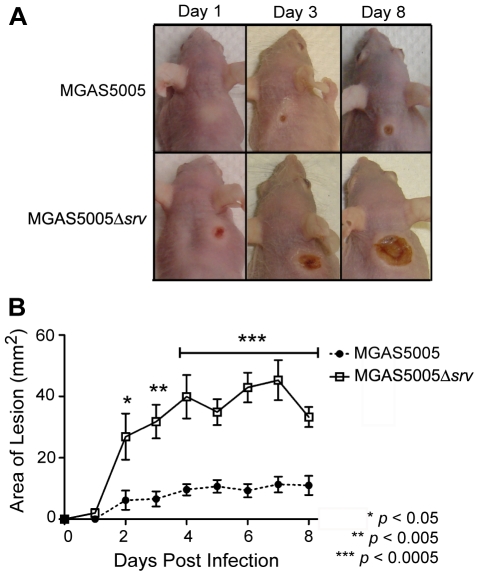
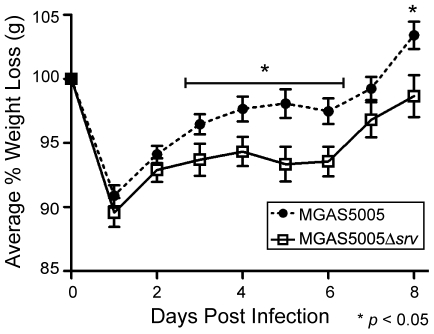
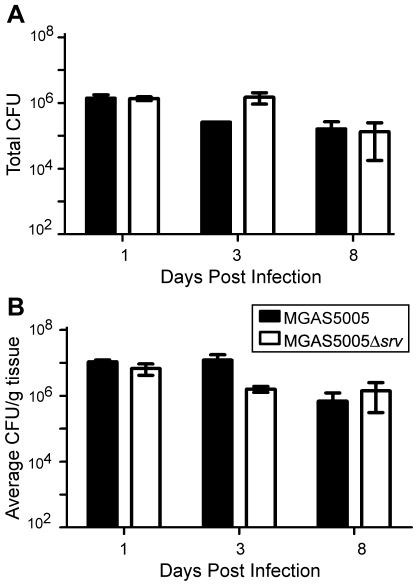
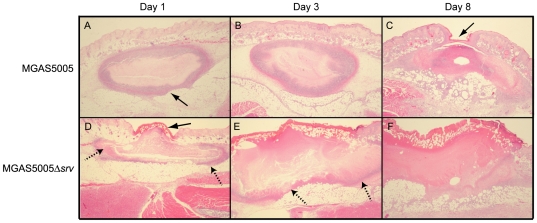
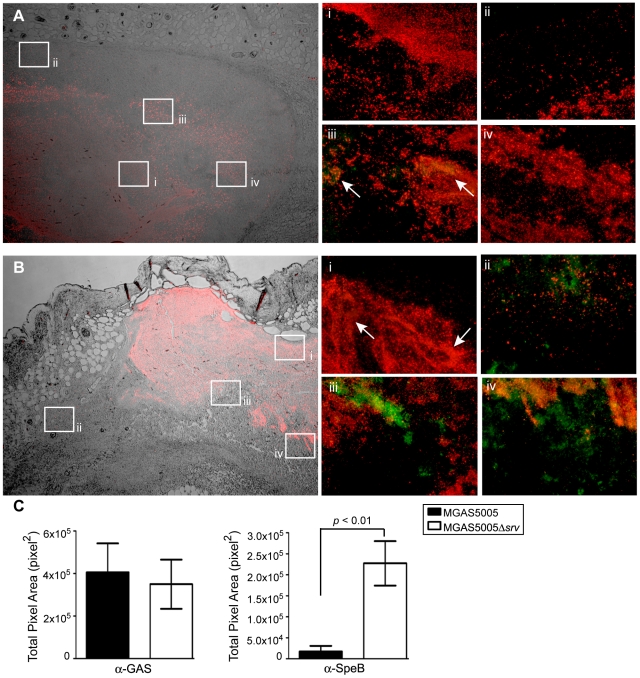
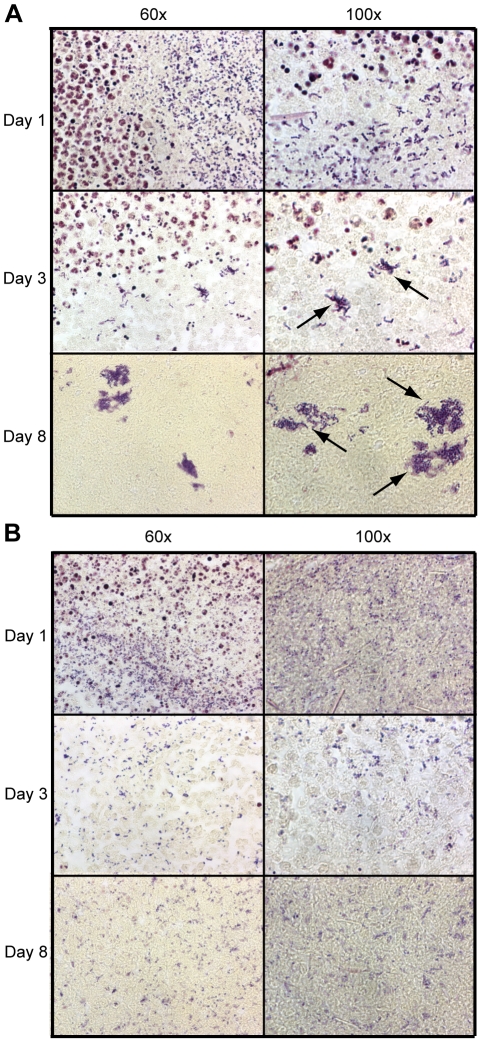
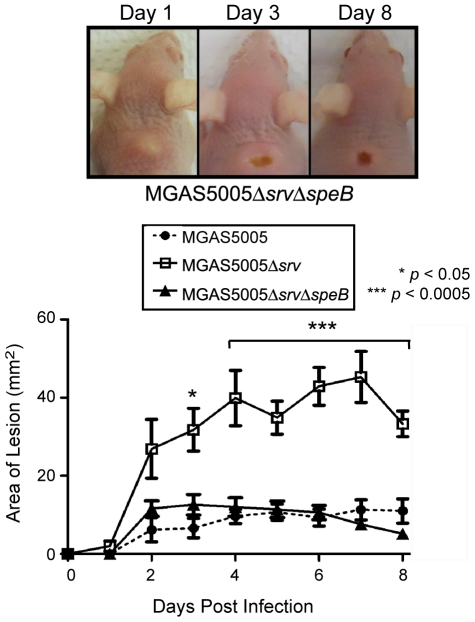
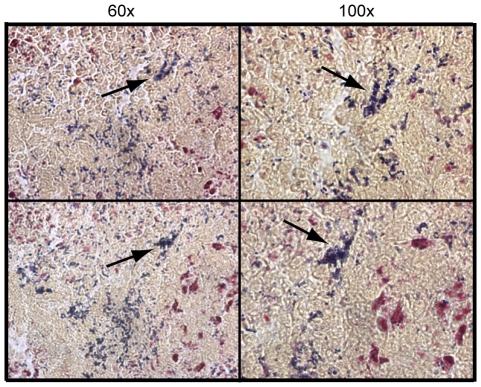
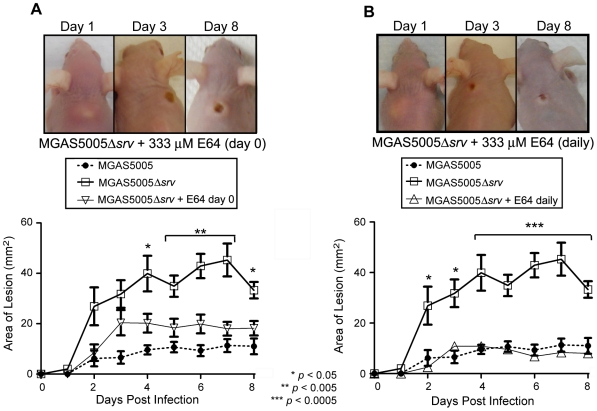
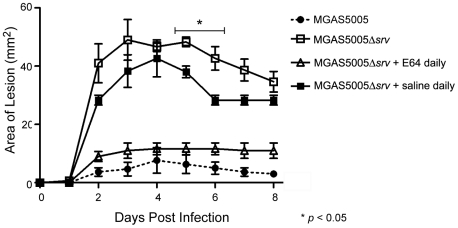
Group A Streptococcus (GAS) is a Gram-positive human pathogen best known for causing pharyngeal and mild skin infections. However, in the 1980's there was an increase in severe GAS infections including cellulitis and deeper tissue infections like necrotizing fasciitis. Particularly striking about this elevation in the incidence of severe disease was that those most often affected were previously healthy individuals. Several groups have shown that changes in gene content or regulation, as with proteases, may contribute to severe disease; yet strains harboring these proteases continue to cause mild disease as well. We and others have shown that group A streptococci (MGAS5005) reside within biofilms both in vitro and in vivo. That is to say that the organism colonizes a host surface and forms a 3-dimensional community encased in a protective matrix of extracellular protein, DNA and polysaccharide(s). However, the mechanism of assembly or dispersal of these structures is unclear, as is the relationship of these structures to disease outcome. Recently we reported that allelic replacement of the streptococcal regulator srv resulted in constitutive production of the streptococcal cysteine protease SpeB. We further showed that the constitutive production of SpeB significantly decreased MGAS5005Δsrv biofilm formation in vitro. Here we show that mice infected with MGAS5005Δsrv had significantly larger lesion development than wild-type infected animals. Histopathology, Gram-staining and immunofluorescence link the increased lesion development with lack of disease containment, lack of biofilm formation, and readily detectable levels of SpeB in the tissue. Treatment of MGAS5005Δsrv infected lesions with a chemical inhibitor of SpeB significantly reduced lesion formation and disease spread to wild-type levels. Furthermore, inactivation of speB in the MGAS5005Δsrv background reduced lesion formation to wild-type levels. Taken together, these data suggest a mechanism by which GAS disease may transition from mild to severe through the Srv mediated dispersal of GAS biofilms.
Overview
The claims and statistics of this paper haven’t been checked yet.
Free: it reads the open-access text and checks the first 5 claims that cite a source we can check. Create a free account to check every claim.
Integrity signals
Registry
Cites
Statistics
Figures
Verification
Claims the paper makes
The claims and statistics of this paper haven’t been checked yet.
Free: it reads the open-access text and checks the first 5 claims that cite a source we can check. Create a free account to check every claim.
Self-check
Percentages, sums and reported differences re-computed from the paper’s own numbers.
The self-check needs the paper’s full text.
Citations
Cites
Biofilms: Survival Mechanisms of Clinically Relevant Microorganisms
Donlan, R. M., & Costerton, J. W. (2002) · Clinical Microbiology Reviews · doi:10.1128/cmr.15.2.167-193.2002 · Cited by 6,644 · cited 2×
“Some estimates suggest that upwards of 60% of all bacterial infections involve biofilms, including soft tissue infection and necrotizing fasciitis [14,32,35].”
BackgroundPathogenesis of Group A Streptococcal Infections
Cunningham, M. W. (2000) · Clinical Microbiology Reviews · doi:10.1128/cmr.13.3.470 · Cited by 2,261 · cited 1×
“(GAS) is a Gram-positive human pathogen that is capable of causing a variety of infections in the human host, and is often associated with cellulitis and other soft tissue infections ranging in severity from impetigo to severe necrotizing fasciitis”
BackgroundPractice Guidelines for the Diagnosis and Management of Skin and Soft-Tissue Infections
Stevens, D. L., Bisno, A. L., Chambers, H. F., Everett, E. D., Dellinger, P., Goldstein, E. J. C., Gorbach, S. L., Hirschmann, J. V., Kaplan, E. L., Montoya, J. G., et al. (2005) · Clinical Infectious Diseases · doi:10.1086/497143 · Cited by 1,602
Barrett, A. J., Kembhavi, A. A., Brown, M. A., Kirschke, H., Knight, C. G., Tamai, M., & Hanada, K. (1982) · Biochemical Journal · doi:10.1042/bj2010189 · Cited by 1,026
Buchanan, J. T., Simpson, A. J., Aziz, R. K., Liu, G. Y., Kristian, S. A., Kotb, M., Feramisco, J., & Nizet, V. (2006) · Current Biology · doi:10.1016/j.cub.2005.12.039 · Cited by 682 · cited 1×
“It has been hypothesized that downregulation of SpeB in DcovS strains would prevent cleavage and degradation of virulence factors that may aid in GAS transitioning from a localized to a systemic infection [45,54,56,57,64,65].”
BackgroundBiofilm Susceptibility to Antimicrobials
Gilbert, P., Das, J., & Foley, I. (1997) · Advances in Dental Research · doi:10.1177/08959374970110010701 · Cited by 493 · cited 1×
“Biofilms are believed to be inherently tolerant to host defenses and antibiotic therapies and often linked to chronic illness due to impaired clearance [33,34].”
BackgroundSumby, P., Whitney, A. R., Graviss, E. A., DeLeo, F. R., & Musser, J. M. (2006) · PLoS Pathogens · doi:10.1371/journal.ppat.0020005 · Cited by 459
DNase Sda1 provides selection pressure for a switch to invasive group A streptococcal infection
Walker, M. J., Hollands, A., Sanderson-Smith, M. L., Cole, J. N., Kirk, J. K., Henningham, A., McArthur, J. D., Dinkla, K., Aziz, R. K., Kansal, R. G., et al. (2007) · Nature Medicine · doi:10.1038/nm1612 · Cited by 426
Bisno, A. L. (2001) · New England Journal of Medicine · doi:10.1056/nejm200101183440308 · Cited by 394
Sumby, P., Porcella, S. F., Madrigal, A. G., Barbian, K. D., Virtaneva, K., Ricklefs, S. M., Sturdevant, D. E., Graham, M. R., Vuopio‐Varkila, J., Hoe, N. P., et al. (2005) · The Journal of Infectious Diseases · doi:10.1086/432514 · Cited by 360 · cited 1×
“frequency and disease severity in the mid-1980’s [12].”
Background
Cited by
Roy, R., Tiwari, M., Donelli, G., & Tiwari, V. (2018) · Virulence · doi:10.1080/21505594.2017.1313372 · Cited by 1,523
“169 Additionally, Connolly et al.170 and Park et al.171 reported the use of cysteine protease SpeB and proteases from Group A Streptococcus and P. aeruginosa, respectively, for the biofilm dispersal.”
Strategies for combating bacterial biofilm infections
Wu, H., Moser, C., Wang, H.-Z., Høiby, N., & Song, Z.-J. (2015) · International Journal of Oral Science · doi:10.1038/ijos.2014.65 · Cited by 925
Biofilm infections, their resilience to therapy and innovative treatment strategies
Römling, U., & Balsalobre, C. (2012) · Journal of Internal Medicine · doi:10.1111/joim.12004 · Cited by 865
Biofilms as Promoters of Bacterial Antibiotic Resistance and Tolerance
Uruén, C., Chopo-Escuin, G., Tommassen, J., Mainar-Jaime, R. C., & Arenas, J. (2020) · Antibiotics · doi:10.3390/antibiotics10010003 · Cited by 769
“Additionally, proteases that cleave proteins of the ECM or proteins located at the bacterial cell surface with a function in biofilm formation disrupted streptococcal [279] and S.”
BackgroundChua, S. L., Liu, Y., Yam, J. K. H., Chen, Y., Vejborg, R. M., Tan, B. G. C., Kjelleberg, S., Tolker-Nielsen, T., Givskov, M., & Yang, L. (2014) · Nature Communications · doi:10.1038/ncomms5462 · Cited by 421
“Bis-(30-50)-cyclic dimeric GMP (c-di-GMP) is an essential secondary messenger that many bacterial species employ in the control of biofilm formation and dispersal11.”
BackgroundApproaches to Dispersing Medical Biofilms
Fleming, D., & Rumbaugh, K. (2017) · Microorganisms · doi:10.3390/microorganisms5020015 · Cited by 329
Strategy to combat biofilms: a focus on biofilm dispersal enzymes
Wang, S., Zhao, Y., Breslawec, A. P., Liang, T., Deng, Z., Kuperman, L. L., & Yu, Q. (2023) · npj Biofilms and Microbiomes · doi:10.1038/s41522-023-00427-y · Cited by 240
“SpeB disperses bio fi lms and facilitates bacterial colonization and occupation of new areas, resulting in infections caused by S. pyogenes to vary from mild to severe 172 .”
BackgroundInfluentialGuilhen, C., Forestier, C., & Balestrino, D. (2017) · Molecular Microbiology · doi:10.1111/mmi.13698 · Cited by 228
“…form biofilms during infection, the streptococcal pyrogenic exotoxin B (SpeB) is capable of cleaving proteins from both the bacteria (including protein M and protein F1) and the host (including fibronectin, vitronectin and pro-matrix metalloproteases) (Roberts et al., 2010; Connolly et al., 2011).”
BackgroundInfluentialTargeting Biofilms Therapy: Current Research Strategies and Development Hurdles
Jiang, Y., Geng, M., & Bai, L. (2020) · Microorganisms · doi:10.3390/microorganisms8081222 · Cited by 195
An Overview of Biofilm Formation–Combating Strategies and Mechanisms of Action of Antibiofilm Agents
Asma, S. T., Imre, K., Morar, A., Herman, V., Acaroz, U., Mukhtar, H., Arslan-Acaroz, D., Shah, S. R. A., & Gerlach, R. (2022) · Life · doi:10.3390/life12081110 · Cited by 164
Nelson, D. C., Garbe, J., & Collin, M. (2011) · bchm · doi:10.1515/bc.2011.208 · Cited by 160
“…d fa sc ii ti s Sp eB c on tr ib ut es n ot n ec ro ti zi ng f as ci it is O ls en e t a l. (2 01 0) in mice and that low production of SpeBm in an mtsR knockout leads to decreased fasciitis in both mouse and macaque models of necrotizing fasciitis (Olsen et al. , 2010 ; Connolly et al. , 2011 ).”
BackgroundRoberts, A. L., Connolly, K. L., Kirse, D. J., Evans, A. K., Poehling, K. A., Peters, T. R., & Reid, S. D. (2012) · BMC Pediatrics · doi:10.1186/1471-2431-12-3 · Cited by 139
“Gram-staining are representative of the presence of biofilm [16,21,26,27].”
BackgroundSelf-citationStreptococcus pyogenes biofilms—formation, biology, and clinical relevance
Fiedler, T., Köller, T., & Kreikemeyer, B. (2015) · Frontiers in Cellular and Infection Microbiology · doi:10.3389/fcimb.2015.00015 · Cited by 107
Streptococcus pyogenes adhesion and colonization
Brouwer, S., Barnett, T. C., Rivera‐Hernandez, T., Rohde, M., & Walker, M. J. (2016) · FEBS Letters · doi:10.1002/1873-3468.12254 · Cited by 113
Pirlar, R. F., Emaneini, M., Beigverdi, R., Banar, M., van Leeuwen, W. B., & Jabalameli, F. (2020) · PLoS ONE · doi:10.1371/journal.pone.0235093 · Cited by 104
Sonobactericide: An Emerging Treatment Strategy for Bacterial Infections
Lattwein, K. R., Shekhar, H., Kouijzer, J. J. P., van Wamel, W. J. B., Holland, C. K., & Kooiman, K. (2019) · Ultrasound in Medicine & Biology · doi:10.1016/j.ultrasmedbio.2019.09.011 · Cited by 101
“This finding is supported further by studies that manipulated biofilm dispersal, which led to increased disease severity and progression in mice and a transition from asymptomatic colonization to active infection, respectively (Connolly et al. 2011; Marks et al. 2013).”
ResultA Histone Deacetylase Complex Mediates Biofilm Dispersal and Drug Resistance in Candida albicans
Nobile, C. J., Fox, E. P., Hartooni, N., Mitchell, K. F., Hnisz, D., Andes, D. R., Kuchler, K., & Johnson, A. D. (2014) · mBio · doi:10.1128/mbio.01201-14 · Cited by 87
“Indeed, srv mutant strains were observed to form larger lesions than wild-type strains in a murine subcutaneous infection model (39, 40).”
BackgroundLu, L., Zhao, Y., Li, M., Wang, X., Zhu, J., Liao, L., & Wang, J. (2023) · Journal of Pharmaceutical Analysis · doi:10.1016/j.jpha.2023.11.013 · Cited by 85
Fecal Protease Activity Is Associated with Compositional Alterations in the Intestinal Microbiota
Carroll, I. M., Ringel-Kulka, T., Ferrier, L., Wu, M. C., Siddle, J. P., Bueno, L., & Ringel, Y. (2013) · PLoS ONE · doi:10.1371/journal.pone.0078017 · Cited by 70
“Interestingly, members of the Streptococcus genus have been found to produce proteases with a broad range of functions [28-33].”
BackgroundOliver-Kozup, H. A., Elliott, M., Bachert, B. A., Martin, K. H., Reid, S. D., Schwegler‐Berry, D., Green, B. J., & Łukomski, S. (2011) · BMC Microbiology · doi:10.1186/1471-2180-11-262 · Cited by 61
“Dispersal of biofilm has also been proposed to augment infection spread [3-8].”
BackgroundSelf-citationLe Breton, Y., Belew, A. T., Freiberg, J. A., Sundar, G. S., Islam, E., Lieberman, J., Shirtliff, M. E., Tettelin, H., El-Sayed, N. M., & McIver, K. S. (2017) · PLOS Pathogens · doi:10.1371/journal.ppat.1006584 · Cited by 46
“and 24 HPI, leading to an abscess formation by 48 HPI in the mouse model of GAS skin and soft tissue infection as previously observed with other GAS strains [44, 45].”
ResultOliver-Kozup, H. A., Martin, K. H., Schwegler‐Berry, D., Green, B. J., Betts, C. B., Shinde, A. V., Water, L. V. D., & Łukomski, S. (2012) · Molecular Microbiology · doi:10.1111/mmi.12125 · Cited by 50
“, 2003) and through animal model research (Roberts et al., 2010; Connolly et al., 2011).”
BackgroundOlsen, R. J., Raghuram, A. C., Cantu, C. C., Hartman, M. H., Jimenez, F. E., Lee, S., Ngo, A., Rice, K. A., Saddington, D., Spillman, H., et al. (2015) · Infection and Immunity · doi:10.1128/iai.00989-15 · Cited by 43
Aggarwal, C., Jimenez, J. C., Lee, H., Chlipala, G. E., Ratia, K. M., & Federle, M. J. (2015) · mBio · doi:10.1128/mbio.00393-15 · Cited by 42
“It should be cautioned that disruption of biofilms may not be ideal, as it has been demonstrated that dispersion of GAS biofilms as a consequence of enhanced activity of the SpeB protease (a primary transcriptional target of RopB [Rgg1]) in a skin infection model led to enhanced lesions (56).”
BackgroundGlobal Analysis and Comparison of the Transcriptomes and Proteomes of Group A Streptococcus Biofilms
Freiberg, J. A., Breton, Y. S. L., Tran, B. Q., Scott, A. J., Harro, J. M., Ernst, R. K., Goo, Y. A., Mongodin, E. F., Goodlett, D. R., McIver, K. S., et al. (2016) · mSystems · doi:10.1128/msystems.00149-16 · Cited by 39
“As suggested by work done with a murine model of a GAS biofilm infection, increased SpeB expression led to greater biofilm dispersal and disease dissemination (4).”
Viszwapriya, D., Ganapathy, A. S., Prithika, U., Balamurugan, K., & Pandian, S. K. (2016) · Pathogens and Disease · doi:10.1093/femspd/ftw088 · Cited by 38
Secretory Proteases of the Human Skin Microbiome
Chua, W., Poh, S. E., & Li, H. (2021) · Infection and Immunity · doi:10.1128/iai.00397-21 · Cited by 35
“Furthermore, a mutant strain that constitutively expressed SpeB in a murine subcutaneous infection model resulted in increased lesion size compared to the wild-type control (184).”
BackgroundGera, K., Le, T., Jamin, R., Eichenbaum, Z., & McIver, K. S. (2013) · Infection and Immunity · doi:10.1128/iai.01271-13 · Cited by 32
Singularities of Pyogenic Streptococcal Biofilms – From Formation to Health Implication
Alves‐Barroco, C., Paquete-Ferreira, J., Santos‐Silva, T., & Fernandes, A. R. (2020) · Frontiers in Microbiology · doi:10.3389/fmicb.2020.584947 · Cited by 31
“When the srv is active, SpeB levels increase, promoting degradation of components in the biofilm matrix allow biofilm cells to return to a planktonic form (Doern et al., 2009; Roberts et al., 2010a,b; Connolly et al., 2011).”
BackgroundInfluentialVirulence-Related Transcriptional Regulators of Streptococcus pyogenes
Vega, L. A., Malke, H., & McIver, K. S. (2016) · Cited by 31
Roncase, E. J., Moon, C., Chatterjee, S., González-Páez, G. E., Craik, C. S., O’Donoghue, A. J., & Wolan, D. W. (2017) · ACS Chemical Biology · doi:10.1021/acschembio.7b00143 · Cited by 30
Abu‐Hashem, A. A., Yousif, M. N. M., El-Gazzar, A.-R. B. A., & Hafez, H. N. (2023) · Journal of the Chinese Chemical Society · doi:10.1002/jccs.202300212 · Cited by 29
Alves‐Barroco, C., Roma‐Rodrigues, C., Balasubramanian, N., Guimarães, M. A., Ferreira‐Carvalho, B. T., Muthukumaran, J., Nunes, D., Fortunato, E. M. C., Martins, R., Santos‐Silva, T., et al. (2019) · International Journal of Medical Microbiology · doi:10.1016/j.ijmm.2019.02.001 · Cited by 28
Current Understanding of Group A Streptococcal Biofilms
Vyas, H. K. N., Proctor, E., McArthur, J. D., Gorman, J., & Sanderson‐Smith, M. L. (2019) · Current Drug Targets · doi:10.2174/1389450120666190405095712 · Cited by 28
Biofilm is associated with chronic streptococcal meningoencephalitis in fish
Isiaku, A. I., Sabri, M. Y., Yasin, I. S. M., Hassan, M. D. A., Tanko, P. N., & Bello, M. B. (2016) · Microbial Pathogenesis · doi:10.1016/j.micpath.2016.10.029 · Cited by 28
Carothers, K. E., Liang, Z., Mayfield, J. A., Donahue, D. L., Lee, M., Boggess, B., Ploplis, V. A., Castellino, F., & Lee, S. W. (2020) · Journal of Bacteriology · doi:10.1128/jb.00008-20 · Cited by 27
“A more recent study 92 showed that an inactivation of the streptococcal regulator srv resulted in constitutive 93 expression of SpeB, which in turn led to increased lesion size in mice indicative of 94 greater bacterial dissemination (28).”
Young, C., Gordon, L. D., Fang, Z., Holder, R. C., & Reid, S. D. (2015) · Journal of Bacteriology · doi:10.1128/jb.00127-15 · Cited by 25
Self-citationSequence variability is correlated with weak immunogenicity in Streptococcus pyogenes M protein
Lannergård, J., Kristensen, B. M., Gustafsson, M. C. U., Persson, J., Norrby‐Teglund, A., Stålhammar‐Carlemalm, M., & Lindahl, G. (2015) · MicrobiologyOpen · doi:10.1002/mbo3.278 · Cited by 21
“If the HVR promotes adhesion, an additional role for protease attack could be to promote bacterial dispersal in the infected tissue (Connolly et al. 2011).”
BackgroundCondren, A. R., Kahl, L. J., Boelter, G., Kritikos, G., Banzhaf, M., Dietrich, L. E. P., & Sanchez, L. M. (2019) · ACS Infectious Diseases · doi:10.1021/acsinfecdis.9b00424 · Cited by 21
Srv Mediated Dispersal of Streptococcal Biofilms Through SpeB Is Observed in CovRS+ Strains
Connolly, K. L., Braden, A. K., Holder, R. C., & Reid, S. D. (2011) · PLoS ONE · doi:10.1371/journal.pone.0028640 · Cited by 20
“Decreased biofilm formation by MGAS5005Dsrv in a murine subcutaneous infection model correlated with increased tissue damage at the site of infection [42].”
BackgroundResultSelf-citationA dual-therapy approach for the treatment of biofilm-mediated Salmonella gallbladder carriage
Sandala, J. L., Eichar, B. W., Kuo, L. G., Hahn, M. M., Basak, A. K., Huggins, W. M., Woolard, K., Melander, C., & Gunn, J. S. (2020) · PLoS Pathogens · doi:10.1371/journal.ppat.1009192 · Cited by 20
Bachert, B. A., Choi, S. J., LaSala, P. R., Harper, T., McNitt, D. H., Boehm, D. T., Caswell, C. C., Ciborowski, P. S., Keene, D. R., Flores, A. R., et al. (2016) · Frontiers in Cellular and Infection Microbiology · doi:10.3389/fcimb.2016.00090 · Cited by 20
Vajjala, A., Biswas, D., Chong, K. K. L., Tay, W. H., Hanski, E., & Kline, K. A. (2018) · Cellular Microbiology · doi:10.1111/cmi.12956 · Cited by 18
Streptococcus pyogenes Biofilm
Young, C., Holder, R. C., Dubois, L. N. E., & Reid, S. D. (2016) · Europe PMC (PubMed Central) · Cited by 17
Self-citationRNase Y-mediated regulation of the streptococcal pyrogenic exotoxin B
Broglia, L., Materne, S. L., Lécrivain, A.-L., Hahnke, K., Rhun, A. L., & Charpentier, E. (2018) · RNA Biology · doi:10.1080/15476286.2018.1532253 · Cited by 16
“The production of SpeB is also particularly crucial in the development of necrotizing fasciitis [17,18] and acute post-streptococcal glomerulonephritis [19], two severe diseases associated to infections by S.”
BackgroundOriginal article Enzymes as competent tool for efficient management of pathogen’s biofilms
Kanwar, K., Pandey, R., Gezici, S., & Azmi, W. (2019) · Annals of Phytomedicine An International Journal · doi:10.21276/ap.2019.8.1.8 · Cited by 16
The serine protease HtrA plays a key role in heat-induced dispersal of pneumococcal biofilms
Chao, Y., Bergenfelz, C., Sun, R., Han, X. Y., Achour, A., & Håkansson, A. (2020) · Scientific Reports · doi:10.1038/s41598-020-80233-0 · Cited by 15
Krishnan, K. C., Mukundan, S., Figueroa, J. A. L., Caruso, J. A., & Kotb, M. (2014) · Infection and Immunity · doi:10.1128/iai.01770-14 · Cited by 15
“As discussed previously, SpeB has been shown to be essential for skin infections (26) and in biofilm dispersal (27, 28); however, once the bacteria invade to gain access to normally sterile sites, they downregulate expression of SpeB to preserve many of their important secreted virulence proteins that mediate disease…”
Dispersing and Sonoporating Biofilm-Associated Bacteria with Sonobactericide
Lattwein, K. R., Beekers, I., Kouijzer, J. J. P., Leon-Grooters, M., Langeveld, S. A. G., van Rooij, T., van der Steen, A. F. W., de Jong, N., van Wamel, W. J. B., & Kooiman, K. (2022) · Pharmaceutics · doi:10.3390/pharmaceutics14061164 · Cited by 14
In vitro evaluation of loaded chitosan membranes for pain relief and infection prevention
Harrison, Z. L., Bumgardner, J. D., Fujiwara, T., Baker, D. L., & Jennings, J. A. (2021) · Journal of Biomedical Materials Research Part B Applied Biomaterials · doi:10.1002/jbm.b.34831 · Cited by 14
“These molecules have proven successful in preventing biofilm formation for MRSA and Staphylococcus epidermidis both in vitro and in vivo [81; 82; 83].”
BackgroundCellular chaining influences biofilm formation and structure in group A Streptococcus
Matysik, A. S., Ho, F. K., Tan, A. Q. L., Vajjala, A., & Kline, K. A. (2019) · Biofilm · doi:10.1016/j.bioflm.2019.100013 · Cited by 12
“Investigations into GAS biofilm formation may yield new therapeutic targets and thus far, numerous bacterial factors, including virulence determinants such as M protein surface adhesin [10], pili [11,12], capsule [10,13], and secreted SpeB protease [14] have been implicated in GAS biofilm formation.”
BackgroundBhange, K., Chaturvedi, V., & Bhatt, R. (2015) · Biocatalysis and Agricultural Biotechnology · doi:10.1016/j.bcab.2015.10.010 · Cited by 12
Rather, I. A., Wani, M. Y., Kamli, M. R., Sabir, J. S. M., Hakeem, K. R., Firoz, A., Park, Y.-H., & Hor, Y.-Y. (2022) · Pharmaceutics · doi:10.3390/pharmaceutics14122702 · Cited by 10
“Furthermore, speB (streptococcal erythrogenic toxin B; secreted streptococcal cysteine protease) is responsible for tissue damage and the dissemination of infection [10].”
BackgroundFreiberg, J. A., McIver, K. S., & Shirtliff, M. E. (2014) · Infection and Immunity · doi:10.1128/iai.01831-14 · Cited by 10
Identification and Co-complex Structure of a New S. pyogenes SpeB Small Molecule Inhibitor
Wang, A. Y., González-Páez, G. E., & Wolan, D. W. (2015) · Biochemistry · doi:10.1021/acs.biochem.5b00607 · Cited by 9
Targeting Quorum Sensing Mediated Staphylococcus aureus Biofilms: A Proteolytic Approach
Kalia, V. C., Koul, S., Ray, S., & Prakash, J. (2018) · Springer eBooks · doi:10.1007/978-981-10-9026-4_2 · Cited by 7
Amri, N., & Abu‐Hashem, A. A. (2025) · Pharmaceuticals · doi:10.3390/ph19010083 · Cited by 6
“The role of S. pyogenes biofilm in cellulitis was investigated using a murine model for soft-tissue infection [92].”
Iwamoto, A., Nakamura, T., Narisawa, N., Kawasaki, Y., Abe, S., Torii, Y., Senpuku, H., & TAKENAGA, F. (2018) · Food Science and Technology Research · doi:10.3136/fstr.24.129 · Cited by 6
“Conversely, bacterial extracellular protease functions to cleave the host protein and contributes to tissue damage and dissemination (Connolly et al., 2011).”
BackgroundŠmitran, A., Opavski, N., Eric-Marinkovic, J., Gajić, I., & Ranin, L. T. (2013) · Archives of Biological Sciences · doi:10.2298/abs1304353s · Cited by 6
“Dispersal of the GAS biofilm and the constitutive production of SpeB would result in increased virulence and tissue damage (Connolly et al, 2011).”
BackgroundRoncase, E. J., González-Páez, G. E., & Wolan, D. W. (2019) · Biochemistry · doi:10.1021/acs.biochem.9b00098 · Cited by 6
Kant, S., & Pancholi, V. (2021) · Frontiers in Microbiology · doi:10.3389/fmicb.2021.689246 · Cited by 6
“However, the literature on bacterial tyrosine kinase as a virulence factor is very minimal (Cozzone, 2005; Chao et al., 2014; Kohler et al., 2020).”
BackgroundImaging Biofilms in Tissue Specimens
James, G. A., & Hunt, A. M. A. (2014) · Springer series on biofilms · doi:10.1007/978-3-642-53833-9_3 · Cited by 4
“Nonetheless, antibodies against group A Streptococci have been successfully used to image these bacteria in mouse wounds (Connolly et al. 2011) and within the crypts of the palatine tonsils from children (Roberts et al.”
BackgroundClinical Translation of Biofilm Dispersal Agents
Redman, W. K., Fleming, D. F., Sauer, K., & Rumbaugh, K. P. (2022) · Springer series on biofilms · doi:10.1007/978-3-031-10992-8_6 · Cited by 4
Local Delivery of Anti-biofilm Therapeutics
Harrison, Z. L., Pace, L. R., Awais, R., & Jennings, J. A. (2020) · Springer eBooks · doi:10.1007/978-3-030-34475-7_21 · Cited by 3
Nakazwe, Z., Ries, S., Kar, S., Sarkar‐Tyson, M., Debowski, A. W., Haese, E. C., Stubbs, K. A., Eijkenboom, M., Swaminathan-Iyer, K., & BARKER, A. (2026) · Frontiers in Microbiology · doi:10.3389/fmicb.2026.1783729 · Cited by 2
“While it can improve antimicrobial efficacy and immune access, dispersal may also increase the risk of sepsis or enhanced virulence (Connolly et al., 2011), particularly in fungal biofilms, where it can exacerbate infection spread.”
Aikawa, C., Shimizu, A., Nakakido, M., Murase, K., Nozawa, T., Tsumoto, K., & Nakagawa, I. (2023) · Biochemical and Biophysical Research Communications · doi:10.1016/j.bbrc.2023.07.052 · Cited by 2
Gazia, M. A., Tousson, E., El-Fatah, M. A., & Shoheib, A. S. (2013) · Toxicology and Industrial Health · doi:10.1177/0748233712471701 · Cited by 2
“The pathogenesis of acute RF is believed to involve the triad of the genetically susceptible individual, infection with group A streptococci (GAS) and an abnormal host immune response, which provoke complement activation and induce inflammatory reaction (Bessen and Lizano, 2010; Connolly et al., 2011; Rohde et al., 20…”
BackgroundInfluentialStudies on secreted cysteine proteases of Streptococcus pyogenes : IdeS and SpeB
Vindebro, R. (2014) · DiVA at Umeå University (Umeå University)
Surgical management of necrotizing fasciitis
Hartzell, T. L., & Orgill, D. P. (2012) · Informa Healthcare eBooks · doi:10.3109/9781841849270.003
Vajjala, A. (2017) · DR-NTU (Nanyang Technological University) · doi:10.32657/10356/70164
Roncase, E. J., González-Páez, G. E., & Wolan, D. W. (2019) · bioRxiv (Cold Spring Harbor Laboratory) · doi:10.1101/522870
“For example, the clostripain-like protease Clp secreted from the commensal pathogen Clostridium perfringens hydrolyzes a degradation signal on host neutrophils to promote macrophage phagocytosis (3, 4).”
BackgroundOliver-Kozup, H. A. (2013) · The Research Repository @ WVU (West Virginia University) · doi:10.33915/etd.570
“experimental animals (20, 25, 62), and the present study demonstrates a significant role of Scl1.”
InfluentialMcNitt, D. H. (2019) · The Research Repository @ WVU (West Virginia University) · doi:10.33915/etd.3862
Bachert, B. A. (2016) · The Research Repository @ WVU (West Virginia University) · doi:10.33915/etd.5137
New Insights on Biofilm Antimicrobial Strategies
Melo, L. F., & Azevedo, N. F. (2021) · MDPI eBooks · doi:10.3390/books978-3-0365-1220-4
Long-term Stationary Phase Behavior of Streptococcus pyogenes Biofilms
Steinberg, G. R. (2012) · TUScholarShare (Temple University)
Gera, K. (2014) · University Libraries (University of Maryland)
Potential Approaches to Limiting Group A Streptococcus Virulence
Young, C. (2015) · WakeSpace Scholarship (Wake Forest University)
Unraveling the host specificity within streptococcus dysgalactiae subsp.dysgalactiae
Barroco, C. A. B. A. (2022) · Portuguese National Funding Agency for Science, Research and Technology (RCAAP Project by FCT)
Guilhen, C. (2017) · theses.fr (ABES) · doi:10.70675/7f5f8f4ez5c7ez4c01zb3a2z4f1dc341cbb8
Yunus, J., Jemon, K. B., Mohamad, S. E., Jonet, M. A., Jamaluddin, H., & Dagang, W. R. Z. W. (2026) · Critical Reviews in Microbiology · doi:10.1080/1040841x.2026.2688093
Abu‐Hashem, A. A., Amri, N., Mukhrish, Y. E., Hafez, H. N., & Hussein, H. A. R. (2026) · ChemistrySelect · doi:10.1002/slct.74478
BindingDB (2015) · UC San Diego · doi:10.7270/q2kd1wnp
Metadata
- Authors
- Connolly, K. L., Roberts, A. L., Holder, R. C., & Reid, S. D.
- Affiliations
- Wake Forest University Health Sciences (US)
- Corresponding author
- Reid, Sean D.
- Venue
- PLoS ONE
- Publisher
- Public Library of Science (PLoS)
- Published
- 2011-04-25
- Volume
- 6
- Issue
- 4
- Pages
- e18984
- ISSN
- 1932-6203 (ISSN-L)
- PMC
- PMC3081844
- OpenAlex
- W2126657273
- Cited by
- 77
- References
- 71
- Citations by year
- 2026: 3 · 2023: 4 · 2022: 4 · 2021: 3 · 2020: 8 · 2019: 9 · 2018: 4 · 2017: 7 · 2016: 7 · 2015: 7 · 2014: 7 · 2013: 5 · 2012: 5
- FWCI
- 6.60
- Type
- journal article
- Language
- en
- Open access
- gold
- doi.org
- Locations
- PLoS ONE (publishedVersion, cc-by)
- Europe PMC (PubMed Central) (publishedVersion, cc-by)
- PubMed Central (publishedVersion, cc-by)
- PubMed (publishedVersion)
- DOAJ (DOAJ: Directory of Open Access Journals) (submittedVersion, cc-by-sa)
- Funders
- Ohio State University
- Wake Forest University
- National Institutes of Health
- National Institute of Allergy and Infectious Diseases (R01AI063453)
- Topics
- Health Sciences › Medicine › Infectious Diseases › Streptococcal Infections and Treatments
- Life Sciences › Biochemistry, Genetics and Molecular Biology › Molecular Biology › Bacterial biofilms and quorum sensing
- Health Sciences › Medicine › Infectious Diseases › Antimicrobial Resistance in Staphylococcus
- Keywords
- Streptococcus pyogenes, biofilm dispersal, necrotizing fasciitis, disease severity, streptococcal virulence, extracellular matrix
- MeSH terms
- Animals, Cysteine Endopeptidases, Female, Streptococcal Infections, Streptococcus, Virulence, Biofilms, Mice
About these checks
Registry, retraction, Cites and statistics results are computed, not judged, with one exception: a printed reference that no index lists is read once by a model before it counts as a citation error. Claims are extracted by a model and kept only when their quote appears verbatim in the text; each cited source is then checked, with a model’s help, for whether it says what the claim relies on. Those verdicts can be wrong — read the claim’s quote and the cited source before relying on one.
Statistics and arithmetic are recomputed, not judged.
Confidence bands are shown only for fields calibrated on our annotated test set. None is calibrated yet, so no band is shown.
What counts as a claim ›How we measure confidence ›How we check this ›
Are you an author, or do you see a problem with this page? Request a review
Data sources
Bibliographic data: Semantic Scholar, OpenAlex, Crossref.
Contains information from the Semantic Scholar Academic Graph Datasets, made available under the ODC Attribution License (ODC-BY 1.0).
Semantic Scholar’s data is described in: Kinney, R., et al. (2023). The Semantic Scholar Open Data Platform. arXiv:2301.10140.
