

A Collaborative Brain-Computer Interface for Improving Human Performance
Open accessThe DOI matches its Crossref record; 41 of the 44 references it cites were found in a registry or an index.
Abstract
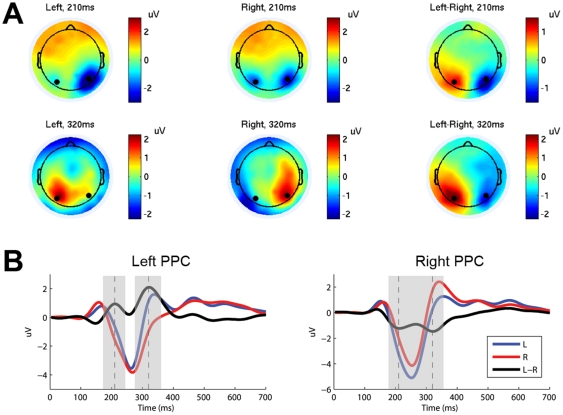
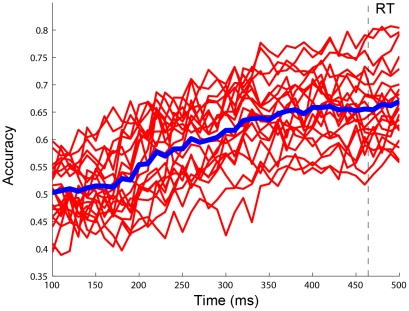
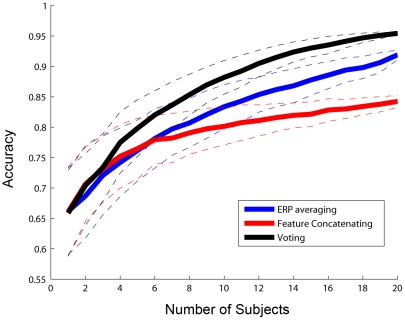
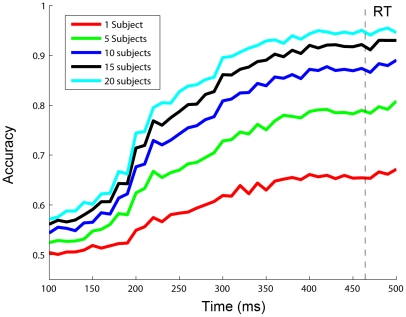
Electroencephalogram (EEG) based brain-computer interfaces (BCI) have been studied since the 1970s. Currently, the main focus of BCI research lies on the clinical use, which aims to provide a new communication channel to patients with motor disabilities to improve their quality of life. However, the BCI technology can also be used to improve human performance for normal healthy users. Although this application has been proposed for a long time, little progress has been made in real-world practices due to technical limits of EEG. To overcome the bottleneck of low single-user BCI performance, this study proposes a collaborative paradigm to improve overall BCI performance by integrating information from multiple users. To test the feasibility of a collaborative BCI, this study quantitatively compares the classification accuracies of collaborative and single-user BCI applied to the EEG data collected from 20 subjects in a movement-planning experiment. This study also explores three different methods for fusing and analyzing EEG data from multiple subjects: (1) Event-related potentials (ERP) averaging, (2) Feature concatenating, and (3) Voting. In a demonstration system using the Voting method, the classification accuracy of predicting movement directions (reaching left vs. reaching right) was enhanced substantially from 66% to 80%, 88%, 93%, and 95% as the numbers of subjects increased from 1 to 5, 10, 15, and 20, respectively. Furthermore, the decision of reaching direction could be made around 100-250 ms earlier than the subject's actual motor response by decoding the ERP activities arising mainly from the posterior parietal cortex (PPC), which are related to the processing of visuomotor transmission. Taken together, these results suggest that a collaborative BCI can effectively fuse brain activities of a group of people to improve the overall performance of natural human behavior.
Overview
The claims and statistics of this paper haven’t been checked yet.
Free: it reads the open-access text and checks the first 5 claims that cite a source we can check. Create a free account to check every claim.
Integrity signals
Registry
Cites
Statistics
Figures
Verification
Claims the paper makes
The claims and statistics of this paper haven’t been checked yet.
Free: it reads the open-access text and checks the first 5 claims that cite a source we can check. Create a free account to check every claim.
Claims other papers make about this one
Each is checked against this paper’s own text: does it say what the citing paper says it does?
The cited source says what the claim attributes to it.
In the citing paper
“however, subjects performed the task on different days and no brain stimulation was used to convey information directly to subjects’ brains.”
From BrainNet: A Multi-Person Brain-to-Brain Interface for Direct Collaboration Between Brains (2019) · cites this paper as [23]
Experimental — accuracy not yet measuredThe cited source says what the claim attributes to it.
In the citing paper
“In humans, researchers have studied “collaborative BCIs” (rather than BBIs) that pool information from multiple human brains to improve performance in a delayed saccade-or-reach task23”
From BrainNet: A Multi-Person Brain-to-Brain Interface for Direct Collaboration Between Brains (2019) · cites this paper as [23]
Self-check
Percentages, sums and reported differences re-computed from the paper’s own numbers.
The self-check needs the paper’s full text.
Citations
Cites
Delorme, A., & Makeig, S. (2004) · Journal of Neuroscience Methods · doi:10.1016/j.jneumeth.2003.10.009 · Cited by 24,371 · cited 1×
“We used independent component analysis (ICA) as an unsupervised spatial filtering technique to remove artifacts arising from eye and muscle movements. For each subject, all trials were band-pass filtered (1–30 Hz), concatenated, and then decomposed using the EEGLAB toolbox”
Brain–computer interfaces for communication and control
Wolpaw, J. R., Birbaumer, N., McFarland, D. J., Pfurtscheller, G., & Vaughan, T. M. (2002) · Clinical Neurophysiology · doi:10.1016/s1388-2457(02)00057-3 · Cited by 7,927
(2005) · Cited by 5,977
A review of classification algorithms for EEG-based brain–computer interfaces
Lotte, F., Congedo, M., Lécuyer, A., Lamarche, F., & Arnaldi, B. (2007) · Journal of Neural Engineering · doi:10.1088/1741-2560/4/2/r01 · Cited by 2,665 · cited 2×
“Recently, following the wide employment of machine learning techniques in BCI studies, feature combination methods have been introduced in EEG classification [5,27].”
Optimal spatial filtering of single trial EEG during imagined hand movement
Ramoser, H., Muller-Gerking, J., & Pfurtscheller, G. (2000) · IEEE Transactions on Rehabilitation Engineering · doi:10.1109/86.895946 · Cited by 2,457 · cited 1×
“Firstly, for more electrodes over the PPC area, spatial filtering techniques can be applied to improve the SNR through removing task irrelevant activities [35,36].”
Brain-computer interface technology: a review of the first international meeting
Wolpaw, J. R., Birbaumer, N., Heetderks, W. J., McFarland, D. J., Peckham, P. H., Schalk, G., Donchin, E., Quatrano, L. A., Robinson, C. J., & Vaughan, T. M. (2000) · IEEE Transactions on Rehabilitation Engineering · doi:10.1109/tre.2000.847807 · Cited by 2,324 · cited 2×
“On one hand, some researchers sought to develop biofeedback techniques that would improve performance of military personnel engaged in tasks involving high mental loads [7].”
Pattern Classification (2nd Edition)
Duda, R. O., Hart, P. E., & Stork, D. G. (2000) · Wiley-Interscience eBooks · Cited by 2,070
Brain–machine interfaces: past, present and future
Lebedev, M. A., & Nicolelis, M. A. L. (2006) · Trends in Neurosciences · doi:10.1016/j.tins.2006.07.004 · Cited by 1,875
Thut, G., Nietzel, A., Brandt, S. A., & Pascual-Leone, A. (2006) · The Journal of Neuroscience · doi:10.1523/jneurosci.0875-06.2006 · Cited by 1,494
The Wisdom of Teams: Creating the High-Performance Organization
(1997) · Quality Management Journal · doi:10.1080/10686967.1997.11918781 · Cited by 1,493
Cited by
Brain-Machine Interfaces: From Basic Science to Neuroprostheses and Neurorehabilitation
Lebedev, M. A., & Nicolelis, M. A. L. (2017) · Physiological Reviews · doi:10.1152/physrev.00027.2016 · Cited by 653
“These include a BMI for spacecraft navigation controlled by two users (644), BMIs for group decision making (217, 645, 883), and a cooperative BMI for movement planning (841).”
BackgroundVisual and Auditory Brain–Computer Interfaces
Gao, S., Wang, Y., Gao, X., & Hong, B. (2014) · IEEE Transactions on Biomedical Engineering · doi:10.1109/tbme.2014.2300164 · Cited by 449
Self-citationA HIGH-SPEED BRAIN SPELLER USING STEADY-STATE VISUAL EVOKED POTENTIALS
NAKANISHI, M., WANG, Y., WANG, Y.-T., MITSUKURA, Y., & JUNG, T.-P. (2014) · International Journal of Neural Systems · doi:10.1142/s0129065714500191 · Cited by 369
Self-citationIntra- and Inter-subject Variability in EEG-Based Sensorimotor Brain Computer Interface: A Review
Saha, S., & Baumert, M. (2020) · Frontiers in Computational Neuroscience · doi:10.3389/fncom.2019.00087 · Cited by 325
“Brain computer interfaces (BCI) exploiting sensorimotor rhythms (SMR) have shown promise for both the improvement of motor performance in normal subjects and the rehabilitation of motor function in patients (Dobkin, 2007; Wang and Jung, 2011).”
BackgroundInterface, interaction, and intelligence in generalized brain–computer interfaces
Gao, X., Wang, Y., Chen, X., & Gao, S. (2021) · Trends in Cognitive Sciences · doi:10.1016/j.tics.2021.04.003 · Cited by 304
Self-citationIntelligent Computing: The Latest Advances, Challenges, and Future
Zhu, S., Yu, T., Xu, T., Chen, H., Dustdar, S., Gigan, S., Gunduz, D., Hossain, E., Jin, Y., Lin, F., et al. (2023) · Intelligent Computing · doi:10.34133/icomputing.0006 · Cited by 290
“It includes strengthening the decision-making ability of the system based on human visual information and the control ability of the system based on human kinesthesia information [154, 155].”
BackgroundBrain–Computer Interface Technologies in the Coming Decades
Lance, B. J., Kerick, S. E., Ries, A. J., Oie, K. S., & McDowell, K. (2012) · Proceedings of the IEEE · doi:10.1109/jproc.2012.2184830 · Cited by 231
“performance among groups of people [3], eye trackers [4], speech and language [5], touch screens, gesture, and mo-”
BackgroundA novel hybrid BCI speller based on the incorporation of SSVEP into the P300 paradigm
Yin, E., Zhou, Z., Jiang, J., Chen, F., Liu, Y., & Hu, D. (2013) · Journal of Neural Engineering · doi:10.1088/1741-2560/10/2/026012 · Cited by 225
“In recent years, BCI research has been successful not only in clinical research and practice but also in improving the performance of individuals without disabilities [3, 4].”
BackgroundNeurotechnologies for Human Cognitive Augmentation: Current State of the Art and Future Prospects
Cinel, C., Valeriani, D., & Poli, R. (2019) · Frontiers in Human Neuroscience · doi:10.3389/fnhum.2019.00013 · Cited by 178
“Various studies (Wang and Jung, 2011; Matran-Fernandez et al., 2013; Stoica et al., 2013; Jiang et al., 2015) suggest that this voting method is often optimal for collaborative EEG-based classification, especially when the scores of the single classifiers (instead of the predicted class) are used…”
BackgroundMethodBrainNet: A Multi-Person Brain-to-Brain Interface for Direct Collaboration Between Brains
Jiang, L., Stocco, A., Losey, D. M., Abernethy, J. A., Prat, C. S., & Rao, R. P. N. (2019) · Scientific Reports · doi:10.1038/s41598-019-41895-7 · Cited by 190
“…“collaborative BCIs” (rather than BBIs) that pool information from multiple human brains to improve performance in a delayed saccade-or-reach task 23 ; however, subjects performed the task on different days and no brain stimulation was used to convey information directly to subjects’ brains.”
BackgroundA review of rapid serial visual presentation-based brain–computer interfaces
Lees, S., Dayan, N., Cecotti, H., McCullagh, P., Maguire, L., Lotte, F., & Coyle, D. (2018) · Journal of Neural Engineering · doi:10.1088/1741-2552/aa9817 · Cited by 149
Yuan, P., Chen, X., Wang, Y., Gao, X., & Gao, S. (2015) · Journal of Neural Engineering · doi:10.1088/1741-2560/12/4/046006 · Cited by 146
“Wang et al [33] and Yuan et al [34, 35] proposed to integrate multiple subjects ’ EEGs to implement collaborative BCIs.”
BackgroundSelf-citationDoing things with thoughts: brain–computer interfaces and disembodied agency
Steinert, S., Bublitz, C., Jox, R., & Friedrich, O. (2019) · Philosophy & Technology · doi:10.1007/s13347-018-0308-4 · Cited by 117
“One line of current research focuses on BCIs that read out brain states to predict users ’ movement intentions (Wang and Jung 2011).”
BackgroundSecurity in Brain-Computer Interfaces: State-of-the-Art, Opportunities, and Future Challenges
Bernal, S. L., Celdrán, A. H., Pérez, G. M., Barros, M. T., & Balasubramaniam, S. (2021) · ACM Computing Surveys · doi:10.1145/3427376 · Cited by 136
“[176] Brainet O’Doherty et al.”
Martins, N. R. B., Angelica, A., Chakravarthy, K., Svidinenko, Y., Boehm, F. J., Opris, I., Lebedev, M. A., Swan, M., Garan, S. A., Rosenfeld, J. V., et al. (2019) · Frontiers in Neuroscience · doi:10.3389/fnins.2019.00112 · Cited by 91
Ding, Y., Hu, X., Xia, Z., Liu, Y., & Zhang, D. (2018) · IEEE Transactions on Affective Computing · doi:10.1109/taffc.2018.2849758 · Cited by 79
Wu, D., Lance, B. J., & Parsons, T. D. (2013) · PLoS ONE · doi:10.1371/journal.pone.0056624 · Cited by 70
“There are also a small number of existing collaborative filtering systems for BCI [8,37–40], which integrate information from other users to improve the performance for the current user.”
BackgroundIndependent Component Ensemble of EEG for Brain–Computer Interface
Chuang, C., Ko, L., Lin, Y., Jung, T., & Lin, C. (2014) · IEEE Transactions on Neural Systems and Rehabilitation Engineering · doi:10.1109/tnsre.2013.2293139 · Cited by 69
Self-citationApplications of electroencephalography in construction
Saedi, S., Fini, A. A. F., Khanzadi, M., Wong, J. K. W., Sheikhkhoshkar, M., & Banaei, M. (2021) · Automation in Construction · doi:10.1016/j.autcon.2021.103985 · Cited by 67
Brain–computer interface based on intermodulation frequency
Chen, X., Chen, Z., Gao, S., & Gao, X. (2013) · Journal of Neural Engineering · doi:10.1088/1741-2560/10/6/066009 · Cited by 62
“Recently, BCI technology is beneficial not only to individuals with severe motor diseases, but also has been applied for various types of non-medical purposes (Lalor et al 2005, M¨uller-Putz and Pfurtscheller 2008, Bin et al 2009, Wang and Jung 2011, Hwang et al 2012).”
BackgroundCollaborative Brain-Computer Interface for Aiding Decision-Making
Poli, R., Valeriani, D., & Cinel, C. (2014) · PLoS ONE · doi:10.1371/journal.pone.0102693 · Cited by 58
“For example, in [25] the performance of single and offline collaborative BCI in a task of movement planning have been compared.”
BackgroundMethodComputing Arm Movements with a Monkey Brainet
Ramakrishnan, A., Ifft, P. J., Pais-Vieira, M., Byun, Y. W., Zhuang, K. Z., Lebedev, M. A., & Nicolelis, M. A. L. (2015) · Scientific Reports · doi:10.1038/srep10767 · Cited by 54
Bibri, S. E. (2023) · Smart Cities · doi:10.3390/smartcities6030065 · Cited by 71
Matran-Fernandez, A., & Poli, R. (2017) · PLOS ONE · doi:10.1371/journal.pone.0178498 · Cited by 45
Towards cooperative brain-computer interfaces for space navigation
Poli, R., Cinel, C., Matran-Fernandez, A., Sepulveda, F., & Stoica, A. (2013) · Proceedings of the 2013 international conference on Intelligent user interfaces · doi:10.1145/2449396.2449417 · Cited by 44
“In particular, Wang and collaborators [37] have compared the performance of single-user and collaborative (offline) BCIs in a task of movement planning.”
BackgroundInfluentialEnhancement of Group Perception via a Collaborative Brain–Computer Interface
Valeriani, D., Poli, R., & Cinel, C. (2016) · IEEE Transactions on Biomedical Engineering · doi:10.1109/tbme.2016.2598875 · Cited by 46
“In [27], a support vector machine (SVM) classifier was used to predict the answer of each participant.”
BackgroundMethodInfluentialStudy on an online collaborative BCI to accelerate response to visual targets
Yuan, P., Wang, Y., Wu, W., Xu, H., Gao, X., & Gao, S. (2012) · Annual International Conference of the IEEE Engineering in Medicine and Biology Society (EMBC) · doi:10.1109/embc.2012.6346284 · Cited by 42
“In online experiments with three groups of participants (each with three subjects), the system achieved significantly enhanced accuracies (79%, 82%, and 95% for three groups, respectively) at 120 ms after the target onset, which on average was 11% higher than the average individual accuracy, and 6%…”
BackgroundMethodInfluentialSelf-citationImproving Brain–Computer Interfaces Using Independent Component Analysis
Wang, Y., & Jung, T. (2012) · Biological and medical physics series · doi:10.1007/978-3-642-29746-5_4 · Cited by 47
“To bette sents a from jo followin poses, 2 [16-19], tion of o enhance tivities s tion aim the spat details o and type visual e related chematic overv omponents ( ), f , which c atial pattern of a tivities of the IC”
BackgroundMethodSelf-citationA Collaborative Brain-Computer Interface for Accelerating Human Decision Making
Yuan, P., Wang, Y., Gao, X., Jung, T., & Gao, S. (2013) · Lecture notes in computer science · doi:10.1007/978-3-642-39188-0_72 · Cited by 41
Self-citationA Survey on Brain-Computer Interface-Inspired Communications: Opportunities and Challenges
Hu, H., Wang, Z., Zhao, X., Li, R., Li, A., Si, Y., Wang, J., Zhou, T., & Xu, T. (2024) · IEEE Communications Surveys & Tutorials · doi:10.1109/comst.2024.3396847 · Cited by 54
Competing and Collaborating Brains: Multi-brain Computer Interfacing
Nijholt, A. (2014) · Intelligent systems reference library · doi:10.1007/978-3-319-10978-7_12 · Cited by 37
Korczowski, L., Congedo, M., & Jutten, C. (2015) · 2015 37th Annual International Conference of the IEEE Engineering in Medicine and Biology Society (EMBC) · doi:10.1109/embc.2015.7318721 · Cited by 33
“The EEG signals were filtered by a fourth order forward-backward Butterworth band pass filter [1-20] Hz and down-sampled at 128Hz.”
BackgroundMethodLi, Z., Sun, S., Zhao, H., Pei, W., Chen, H., Gao, X., Zhang, L., & Wang, Y. (2020) · Frontiers in Neuroscience · doi:10.3389/fnins.2020.579469 · Cited by 29
“By combining brain activities of multiple subjects, collaborative BCIs can improve the performance of single-trial ERP detection (Wang and Jung, 2011).”
BackgroundMethodSelf-citationMore Playful User Interfaces: Interfaces that Invite Social and Physical Interaction
Nijholt, A. (2015) · Gaming media and social effects · doi:10.1007/978-981-287-546-4 · Cited by 31
Poststroke Cognitive Impairment Research Progress on Application of Brain‐Computer Interface
Sun, X., Li, M., Li, Q., Yin, H.-N., Jiang, X., Li, H., Sun, Z., & Yang, T. (2022) · BioMed Research International · doi:10.1155/2022/9935192 · Cited by 31
“Compared with single-user BCIs, this system e ff ectively integrates the brain activities of a group of people, which vastly improves the overall performance [49].”
Park, C., Plank, M., Snider, J., Kim, S., Huang, H., Gepshtein, S., Coleman, T. P., & Poizner, H. (2014) · IEEE Transactions on Neural Systems and Rehabilitation Engineering · doi:10.1109/tnsre.2014.2332450 · Cited by 31
“For example, Bathellier et al. showed that local cortical responses predict discrimination performance of sounds in behaving mice using SVM [16] and Wang et al. applied SVM to predict intended arm movement using EEG [17].”
MethodKaplan, A., Kochetova, A. G., Shishkin, S. L., Basyul, I. A., Ганин, И. П., Vasilev, A. N., & Либуркина, С. П. (2013) · Bulletin of Siberian Medicine · doi:10.20538/1682-0363-2013-2-21-29 · Cited by 35
Social and Affective Neuroscience of Everyday Human Interaction: From Theory to Methodology
Boggio, P. S., Wingenbach, T. S. H., Coêlho, M. L. D. S., Comfort, W. E., Marques, L. M., & Alves, M. V. (2022) · Springer eBooks · doi:10.1007/978-3-031-08651-9 · Cited by 31
Sinusoidal Signal Assisted Multivariate Empirical Mode Decomposition for Brain–Computer Interfaces
Ge, S., Wang, H., Zheng, W., Shi, Y., Wang, R., Lin, P., Gao, J., Sun, G., Iramina, K., Yang, Y., et al. (2017) · IEEE Journal of Biomedical and Health Informatics · doi:10.1109/jbhi.2017.2775657 · Cited by 21
“Moreover, because the EEG electrodes are placed on the scalp, the data suffers from a very low signal-to-noise ratio [10], [11].”
BackgroundBrain–Computer Interface—A Brain-in-the-Loop Communication System
Gao, X., Wang, Y., Chen, X., Liu, B., & Gao, S. (2025) · Proceedings of the IEEE · doi:10.1109/jproc.2025.3600389 · Cited by 32
“By aggregating signals from multiple users, the collaborative multiuser BCI system significantly improves the communication system’s performance without increasing the signal acquisition time [261].”
InfluentialSelf-citationImproving decision-making based on visual perception via a collaborative brain-computer interface
Poli, R., Cinel, C., Sepulveda, F., & Stoica, A. (2013) · IEEE International Multi-Disciplinary Conference on Cognitive Methods in Situation Awareness and Decision Support · doi:10.1109/cogsima.2013.6523816 · Cited by 20
“The results show that there can be an advantage on the overall performance when brain activity of a group of individuals is integrated, compared to single performance, and the larger the group the better the overall performance (groups of up to 20 people were tested in both [10] and [31]).”
BackgroundMindMusic: Playful and Social Installations at the Interface Between Music and the Brain
Mullen, T. R., Khalil, A. K., Ward, T. E., Iversen, J. R., Leslie, G. A., Warp, R., Whitman, M., Minces, V. H., McCoy, A., Ojeda, A., et al. (2015) · Gaming media and social effects · doi:10.1007/978-981-287-546-4_9 · Cited by 21
Cost-Efficient, Portable, and Custom Multi-Subject Electroencephalogram Recording System
Chuang, K.-C., & Lin, Y. (2019) · IEEE Access · doi:10.1109/access.2019.2914088 · Cited by 21
“synchronizes multiple EEG amplifiers, as well as coordinates multiple EEG streams to external events/triggers [34], [38].”
BackgroundInfluentialMulti-Brain Games: Cooperation and Competition
Nijholt, A., & Gürkök, H. (2013) · Lecture notes in computer science · doi:10.1007/978-3-642-39188-0_70 · Cited by 20
“Collaborative brain-computer interfaces have also been studied by Wang and colleagues [21].”
Intelligent Computing: The Latest Advances, Challenges and Future
Zhu, S., Yu, T., Xu, T., Chen, H., Dustdar, S., Gigan, S., Gündüz, D., Hossain, E., Jin, Y., Lin, F., et al. (2022) · Strathprints: The University of Strathclyde institutional repository (University of Strathclyde) · doi:10.48550/arxiv.2211.11281 · Cited by 19
“It includes strengthening the decision-making ability of the system based on human visual information and the control ability of the system based on human kinesthesia information [154, 155].”
BackgroundValeriani, D., Poli, R., & Cinel, C. (2015) · International IEEE/EMBS Conference on Neural Engineering · doi:10.1109/ner.2015.7146551 · Cited by 22
“proposed in [15] could make motor decisions much faster than a non-BCI user, but with a much lower level of accuracy.”
BackgroundA collaborative brain-computer interface
Wang, Y., Wang, Y.-T., Jung, T., Gao, X., & Gao, S. (2011) · International Conference on Biomedical Engineering and Informatics (BMEI) · doi:10.1109/bmei.2011.6098286 · Cited by 19
Self-citationSpark and Rule-KNN based scalable machine learning framework for EEG deceit identification
Santosh, T., Ramesh, D., & Edla, D. R. (2020) · Biomedical Signal Processing and Control · doi:10.1016/j.bspc.2020.101886 · Cited by 19
Ronca, V., Aricò, P., Tamborra, L., Biagi, A., & Flumeri, G. D. (2025) · Bioengineering · doi:10.3390/bioengineering12060597 · Cited by 26
“Researchers have begun to use these tools to investigate learning in classrooms, online environments, and even during outdoor activities [5–8].”
Collaborative brain-computer interfaces for the automatic classification of images
Matran‐Fernandez, A., Poli, R., & Cinel, C. (2013) · International IEEE/EMBS Conference on Neural Engineering · doi:10.1109/ner.2013.6696128 · Cited by 18
“Collaborative BCIs work by merging the EEG signals (or the corresponding control commands) from several users with the aim of controlling a single device [8].”
BackgroundCollaborative brain-computer interfaces for target localisation in rapid serial visual presentation
Matran‐Fernandez, A., & Poli, R. (2014) · Computer Science and Electronic Engineering Conference · doi:10.1109/ceec.2014.6958567 · Cited by 20
“, key presses), and bigger groups lead to higher accuracies [4], [8], [18], [22].”
BackgroundSingle-trial P300 classification algorithm based on centralized multi-person data fusion CNN
Du, P., Li, P., Cheng, L., Li, X., & Su, J. (2023) · Frontiers in Neuroscience · doi:10.3389/fnins.2023.1132290 · Cited by 17
“Wang and Jung (2011) demonstrated that cBCI can improve the performance of single-trial P300 measurements by fusing brain activity from multiple subjects.”
BackgroundMethodCollaborative Brain-Computer Interface for People with Motor Disabilities [Research Frontier]
Li, Y., & Nam, C. S. (2016) · IEEE Computational Intelligence Magazine · doi:10.1109/mci.2016.2572558 · Cited by 20
“Lim, Hwang, Han, Jung & Im [41] have examined the SSVEP-based BCI with the binary intentions classifications.”
Stress analysis of a computer game player using electroencephalogram
Appaji, A., & Suma, H. N. (2014) · International Conference on Circuits, Control, Communication and Computing (I4C) · doi:10.1109/cimca.2014.7057749 · Cited by 17
“Sourina et al., did the work in hospital of Singapore implementation of real-time brain recognition and the improvement on the real-time filtering artifacts of different origin [10].”
BackgroundSimultaneous EEG Acquisition System for Multiple Users: Development and Related Issues
Lee, S., Cho, H., Kim, K., & Jun, S. C. (2019) · Sensors · doi:10.3390/s19204592 · Cited by 19
“Among them, a collaborative BCI, which may be a method to overcome BCI’s limitations, can be combined with hyperscanning technology to improve BCI performance [56,57] or assist patients [58].”
MethodA collaborative Brain-Computer Interface to improve human performance in a visual search task
Valeriani, D., Poli, R., & Cinel, C. (2015) · International IEEE/EMBS Conference on Neural Engineering · doi:10.1109/ner.2015.7146599 · Cited by 18
“These include cBCIs for a movement planning task [20], the visual discrimination between rapidly presented pictures of cars and faces [21], [22], detecting the onset of visual stimuli presented on”
MethodTowards predicting task performance from EEG signals
Papakostas, M., Tsiakas, K., Γιαννακόπουλος, Θ., & Makedon, F. S. (2017) · IEEE International Conference on Big Data (BigData) · doi:10.1109/bigdata.2017.8258478 · Cited by 18
“[3].”
Cecotti, H., & Rivet, B. (2014) · Brain Sciences · doi:10.3390/brainsci4020335 · Cited by 18
“In a cooperative BCI, the decision is based on the combination of brain signals from multiple users [27,28].”
BackgroundThe Cyber Security Environment to 2022: Trends, Drivers and ImplicationsPreprint
Dupont, B. (2013) · SSRN Electronic Journal · doi:10.2139/ssrn.2208548 · Cited by 16
Computational EEG Analysis for Hyperscanning and Social Neuroscience
Zhang, D. (2018) · Biological and medical physics, biomedical engineering · doi:10.1007/978-981-13-0908-3_10 · Cited by 18
Yadav, H., & Maini, S. (2025) · Computers in Biology and Medicine · doi:10.1016/j.compbiomed.2025.110937 · Cited by 22
Multi-brain fusion and applications to intelligence analysis
Stoica, A., Matran‐Fernandez, A., Andreou, D., Poli, R., Cinel, C., Iwashita, Y., & Padgett, C. W. (2013) · Proceedings of SPIE, the International Society for Optical Engineering/Proceedings of SPIE · doi:10.1117/12.2016456 · Cited by 14
Non-Invasive BCI for the Decoding of Intended Arm Reaching Movement in Prosthetic Limb Control
Kuo, C., Knight, J. L., Dressel, C. A., & Chiu, A. W. L. (2012) · American Journal of Biomedical Engineering · doi:10.5923/j.ajbe.20120204.02 · Cited by 14
“The high frequency noise in the EEG data was reduced through the elimination of IMF1 and IMF2[36], since the ERP difference of intended movement direct ion have been reported to be <12 Hz[37].”
BackgroundZhao, Z., Lin, Y., Wang, Y., & Gao, X. (2023) · IEEE Transactions on Biomedical Engineering · doi:10.1109/tbme.2023.3309255 · Cited by 13
“As group information fusion can improve BCI performance, the collaborative BCI (cBCI) has been proposed [1], [5], [6].”
MethodSelf-citationA Review on Visual Brain Computer Interface
Kapgate, D. D., & Kalbande, D. R. (2015) · Lecture notes in bioengineering · doi:10.1007/978-81-322-2256-9_18 · Cited by 16
A wearable group-synchronized EEG system for multi-subject brain–computer interfaces
Huang, Y. P., Huan, Y., Zou, Z., Pei, W., Gao, X., Wang, Y., & Zheng, L. (2023) · Frontiers in Neuroscience · doi:10.3389/fnins.2023.1176344 · Cited by 16
“In addition, some collaborative approaches have demonstrated an mBCI that fused event-related potential (ERP) data for collective decision-making (Wang and Jung, 2011).”
BackgroundSelf-citationSmartphone Household Wireless Electroencephalogram Hat
Szu, H. H., Hsu, C. C.-C., Moon, G., Yamakawa, T., Tran, B. Q., Jung, T., & Landa, J. (2013) · Applied Computational Intelligence and Soft Computing · doi:10.1155/2013/241489 · Cited by 12
“Wang and colleagues of UCSD [1, 2] have demonstrated the efficacy of an untethered, wireless brain machine interface (BMI) system using 20 dry electrodes embedded into a head cap.”
BackgroundSelf-citationYang, L., Leung, H. W. H., Peterson, D. A., B, T. J. S. A., & Howard Poizner, A. (2014) · PLoS ONE · doi:10.1371/journal.pone.0088915 · Cited by 13
“They may also provide an assistive mechanism to healthy individuals in particularly demanding tasks [5–7].”
BackgroundOptimization of Task Allocation for Collaborative Brain–Computer Interface Based on Motor Imagery
Gu, B., Xu, M., Xu, L., Chen, L., Ke, Y., Wang, K., Tang, J., & Ming, D. (2021) · Frontiers in Neuroscience · doi:10.3389/fnins.2021.683784 · Cited by 15
“The other kind of cBCI systems focuses on the output by movement intentions, which can carry out active control instructions much faster and more conveniently (Wang and Jung, 2011; Zhou et al., 2019).”
BackgroundMethodOptimized Collaborative Brain-Computer Interfaces for Enhancing Face Recognition
Salvatore, C., Valeriani, D., Piccialli, V., & Bianchi, L. (2022) · IEEE Transactions on Neural Systems and Rehabilitation Engineering · doi:10.1109/tnsre.2022.3173079 · Cited by 12
Multi-Brain BCI: Characteristics and Social Interactions
Nijholt, A., & Poel, M. (2016) · Lecture notes in computer science · doi:10.1007/978-3-319-39955-3_8 · Cited by 13
“For example, in [12] we have users using motor imagery only and in [27–29] we have examples of multi-brain interaction using ERP only when performing a joint task.”
MethodWinners and losers in brain computer interface competitive gaming: directional connectivity analysis
Putri, F. D., Luca, I. S., Pedro, J. A. G., Ding, H., & Vučković, A. (2022) · Journal of Neural Engineering · doi:10.1088/1741-2552/ac8451 · Cited by 9
“Multiuser BCI has shown the potential to improve the performance of single user BCI for people with disabilities (Li and Nam 2016, Short et al 2021), as well as augment the performance of healthy people (Wang and Jung 2011).”
Multi-Brain Coding Expands the Instruction Set in SSVEP-Based Brain-Computer Interfaces
Chu, X., Yu, Y., Liu, K., Ye, Z., Hu, D., & Zeng, L. (2023) · IEEE Transactions on Human-Machine Systems · doi:10.1109/thms.2023.3273538 · Cited by 11
Wang, Z., Lyu, S., Schalk, G., & Ji, Q. (2012) · neural information processing systems · Cited by 10
Multi-modal and multi-brain-computer interfaces: A review
Nijholt, A. (2015) · International Conference on Information, Communications & Signal Processing (ICICS) · doi:10.1109/icics.2015.7459835 · Cited by 11
“In [29] a cooperative movement planning task is discussed using ERP for directional cues.”
MethodSong, X., Zeng, Y., Tong, L., Shu, J., Yang, Q., Kou, J., Minghua, S., & Yan, B. (2022) · Computational Intelligence and Neuroscience · doi:10.1155/2022/4752450 · Cited by 9
“…al. preliminarily verified that the decision fusion in the cBCI performs better than any single-mind BCI (sBCI) for the single-trial P300 detection [19–21]. relevant studies indicated that the decision-level fusion performs better than signal-level fusion and feature-level fusion in the cBCI [22].”
Mosaad, N., Refai, M. K., Elshafey, K., & Ayoub, B. M. (2024) · Journal of Al-Azhar University Engineering Sector · doi:10.21608/auej.2024.249243.1477 · Cited by 10
“He also talked about how invasive BCIs have been developed to forecast and mitigate the lack of epileptic episodes [78].”
BackgroundMatran‐Fernandez, A., & Poli, R. (2015) · International IEEE/EMBS Conference on Neural Engineering · doi:10.1109/ner.2015.7146563 · Cited by 8
“For this reason, in this study we decided to borrow a technique commonly used in collaborative BCIs (cBCIs) [17], 7th Annual International IEEE EMBS Conference on Neural Engineering Montpellier, France, 22 - 24 April, 2015”
MethodEnhancing training performance for brain–computer interface with object-directed 3D visual guidance
Liang, S., Choi, K., Qin, J., Pang, W., & Heng, P. (2016) · International Journal of Computer Assisted Radiology and Surgery · doi:10.1007/s11548-015-1336-5 · Cited by 8
“In the testing procedure, the output results of these classifiers were combined by a voting mechanism [20].”
BackgroundMethodInfluentialSybeldon, M., Schmit, L., & Akçakaya, M. (2017) · Entropy · doi:10.3390/e19010041 · Cited by 8
“Transfer learning approaches have also been used to develop collaborative BCI systems with multiple simultaneous users [5,6].”
Trambaiolli, L. R., & Falk, T. H. (2018) · Elsevier eBooks · doi:10.1016/b978-0-12-812892-3.00010-8 · Cited by 12
“For example, BCIs have been used in rehabilitation (Daly and Wolpaw, 2008), to improve communication (Kübler et al., 2001), in computer gaming (Nijholt, 2009), wheelchair locomotion (Fernández-Rodríguez et al., 2016), and even in experiments with interaction between two humans (Wang and Jung, 2011).”
MethodGroup-member selection for RSVP-based collaborative brain-computer interfaces
Si, Y., Wang, Z., Xu, G., Wang, Z., Xu, T., Zhou, T., & Hu, H. (2024) · Frontiers in Neuroscience · doi:10.3389/fnins.2024.1402154 · Cited by 6
Tabanfar, Z., Ghassemi, F., & Moradi, M. H. (2022) · Biomedical Signal Processing and Control · doi:10.1016/j.bspc.2022.104171 · Cited by 6
Liang, S., Choi, K., Qin, J., Pang, W., & Heng, P. (2014) · International Conference on Biomedical Engineering and Informatics (BMEI) · doi:10.1109/bmei.2014.7002788 · Cited by 6
“On the other side, the multiple-subject paradigm has been applied to solve the problem of poor performance by the low signal-to-noise ratio (SNR) of EEG signals [12].”
A collaborative BCI system based on P300 signals as a new tool for life log indexing
Touyama, H. (2014) · Conference proceedings/Conference proceedings - IEEE International Conference on Systems, Man, and Cybernetics · doi:10.1109/smc.2014.6974360 · Cited by 6
“also investigated the collaborative BCI system [4] and they analyzed the EEG signals of 20 subjects.”
BackgroundMethodPhysiopucks: Increasing User Motivation by Combining Tangible and Implicit Physiological Interaction
Cincuegrani, S. M., Jordà, S., & Väljamäe, A. (2016) · ACM Transactions on Computer-Human Interaction · doi:10.1145/2838732 · Cited by 8
A Collaborative Brain-Computer Interface (BCI) for ALS Patients
Li, Y., & Nam, C. S. (2015) · Proceedings of the Human Factors and Ergonomics Society Annual Meeting · doi:10.1177/1541931215591169 · Cited by 6
A Multiuser Collaborative Strategy for MI-BCI System
Zhou, Y., Gu, B., Dai, T., Wang, Z., Song, X., Xu, M., He, F., & Dong, M. (2018) · IEEE International Conference on Digital Signal Processing (DSP) · doi:10.1109/icdsp.2018.8631864 · Cited by 6
“3[8].”
A multi-layer EEG fusion decoding method with channel selection for multi-brain motor imagery
Zhu, L., Xin, Y., Yu, Y., & Kong, W. (2025) · Computer Methods and Programs in Biomedicine · doi:10.1016/j.cmpb.2025.108595 · Cited by 6
Hybrid Collaborative Brain–Computer Interfaces to Augment Group Decision-Making
Valeriani, D., Cinel, C., & Poli, R. (2018) · Elsevier eBooks · doi:10.1016/b978-0-12-811926-6.00031-2 · Cited by 5
Multiple Frequency Effects on Human-Brain Based Steady-State Visual Evoked Potential (SSVEP)
Aljshamee, M., Malekpour, A., & Luksch, P. (2016) · IEEE International Conference on Advanced Computing (IACC) · doi:10.1109/iacc.2016.139 · Cited by 5
“Currently, BCI technology is advantageous not only to the people had a severe motor disable, also applied for various types of non-medical purposes [1-5].”
BackgroundGroup study via collaborative BCI
Bianchi, L., Gambardella, F., Liti, C., & Piccialli, V. (2019) · Conference proceedings/Conference proceedings - IEEE International Conference on Systems, Man, and Cybernetics · doi:10.1109/smc.2019.8914482 · Cited by 5
“In [12], the aforementioned”
Chen, W.-J., & Lin, Y. (2023) · IEEE Transactions on Cognitive and Developmental Systems · doi:10.1109/tcds.2023.3245048 · Cited by 6
“…post-hoc by fusing available brains from conventional single-subject recordings (i.e., pseudo-hyperscanning brains), all cBCI endeavors shared the same perspective in improving single-brain BCI performance and even plausibly accelerating human behavioral responses with reliable accuracy [1], [12].”
BackgroundMethodResultInfluentialThe Use of Evolutionary Algorithm-Based Methods in EEG Based BCI Systems
Atyabi, A., Luerssen, M. H., Fitzgibbon, S. P., & Powers, D. M. W. (2012) · IGI Global eBooks · doi:10.4018/978-1-4666-2666-9.ch016 · Cited by 6
Empowering Negotiating Skills in Law Professionals: Neuro-Cognitive Applications
Cominelli, L., Folgieri, R., & Lucchiari, C. (2020) · Springer eBooks · doi:10.1007/978-3-030-38840-9_8 · Cited by 4
Computer-Generated Emotional Face Retrieval with P300 Signals of Multiple Subjects
Fan, J., & Touyama, H. (2016) · Journal of Advanced Computational Intelligence and Intelligent Informatics · doi:10.20965/jaciii.2016.p0902 · Cited by 4
“In recent years, it has been reported that the EEG recordings with multiple subjects lead to the improved classification performances in the detection of ERP signals [10,11].”
BackgroundTransfer learning for EEG based BCI using LEARN++.NSE and mutual information
Sybeldon, M., Schmit, L., Sejdić, E., & Akçakaya, M. (2017) · IEEE International Conference on Acoustics Speech and Signal Processing · doi:10.1109/icassp.2017.7952633 · Cited by 4
“The final voting weights for the k-th classifier, are obtained by taking the log reciprocal of the β̄ k [2].”
MethodMajority Rule Using Collaborative P300 by Auditory Stimulation
Fujita, K., & Touyama, H. (2017) · Journal of Advanced Computational Intelligence and Intelligent Informatics · doi:10.20965/jaciii.2017.p1312 · Cited by 4
Analysis of behavioral characteristics during prolonged cognitive load
Kuc, A. K., & Grubov, V. (2021) · Scientific School Dynamics of Complex Networks and their Applications (DCNA) · doi:10.1109/dcna53427.2021.9587326 · Cited by 4
Li, P., Su, J., Belkacem, A. N., Cheng, L., & Chen, C. (2022) · Frontiers in Neuroscience · doi:10.3389/fnins.2022.971039 · Cited by 4
“The structure of cBCI system The cBCI system mainly has two structural forms: distributed and centralized (Wang and Jung, 2011).”
Metadata
- Authors
- Wang, Y., & Jung, T.-P.
- Affiliations
- University of California San Diego (US)
- Corresponding author
- Wang, Yijun
- Jung, Tzyy-Ping
- Venue
- PLoS ONE
- Publisher
- Public Library of Science (PLoS)
- Published
- 2011-05-31
- Volume
- 6
- Issue
- 5
- Pages
- e20422
- ISSN
- 1932-6203 (ISSN-L)
- PMC
- PMC3105048
- OpenAlex
- W2137916148
- Cited by
- 147
- References
- 41
- Citations by year
- 2026: 2 · 2025: 9 · 2024: 3 · 2023: 10 · 2022: 11 · 2021: 13 · 2020: 9 · 2019: 8 · 2018: 8 · 2017: 12 · 2016: 11 · 2015: 14 · 2014: 13 · 2013: 14 · 2012: 9
- FWCI
- 6.00
- Type
- journal article
- Language
- en
- Open access
- gold
- doi.org
- Locations
- PLoS ONE (publishedVersion, cc-by)
- PubMed Central (publishedVersion, cc-by)
- PubMed (publishedVersion)
- DOAJ (DOAJ: Directory of Open Access Journals) (submittedVersion, cc-by-sa)
- eScholarship (California Digital Library) (submittedVersion)
- eScholarship (California Digital Library) (submittedVersion, cc-by)
- Funders
- Army Research Laboratory (W911-NF-10-2-0022, Cooperative Agreement Number W911NF-10-2-0022, W911NF, W911NF-10)
- Topics
- Life Sciences › Neuroscience › Cognitive Neuroscience › EEG and Brain-Computer Interfaces
- Physical Sciences › Computer Science › Human-Computer Interaction › Gaze Tracking and Assistive Technology
- Physical Sciences › Engineering › Biomedical Engineering › Muscle activation and electromyography studies
- Keywords
- EEG, event-related potentials, voting classifier, feature concatenation, posterior parietal cortex, visuomotor processing, motor planning
- MeSH terms
- Adult, Brain, Electroencephalography, Evoked Potentials, Female, Humans, Male, Motor Activity, Signal Processing, Computer-Assisted, User-Computer Interface, Young Adult
About these checks
Registry, retraction, Cites and statistics results are computed, not judged, with one exception: a printed reference that no index lists is read once by a model before it counts as a citation error. Claims are extracted by a model and kept only when their quote appears verbatim in the text; each cited source is then checked, with a model’s help, for whether it says what the claim relies on. Those verdicts can be wrong — read the claim’s quote and the cited source before relying on one.
Statistics and arithmetic are recomputed, not judged.
Confidence bands are shown only for fields calibrated on our annotated test set. None is calibrated yet, so no band is shown.
What counts as a claim ›How we measure confidence ›How we check this ›
Are you an author, or do you see a problem with this page? Request a review
Data sources
Bibliographic data: Semantic Scholar, OpenAlex, Crossref.
Contains information from the Semantic Scholar Academic Graph Datasets, made available under the ODC Attribution License (ODC-BY 1.0).
Semantic Scholar’s data is described in: Kinney, R., et al. (2023). The Semantic Scholar Open Data Platform. arXiv:2301.10140.
