

The DOI matches its Crossref record; 84 of the 84 references it cites were found in a registry or an index.
STAT3 Activation in Skeletal Muscle Links Muscle Wasting and the Acute Phase Response in Cancer Cachexia
Open accessAbstract
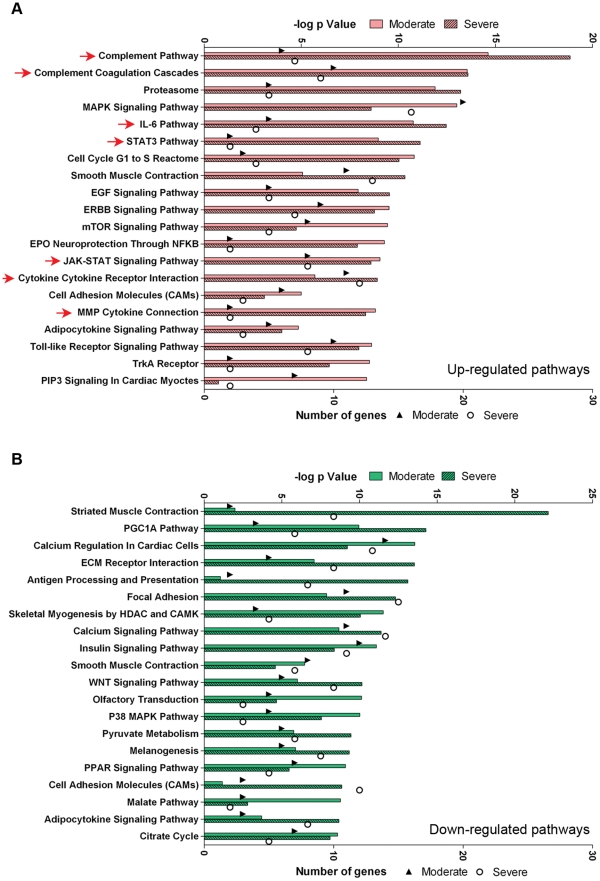
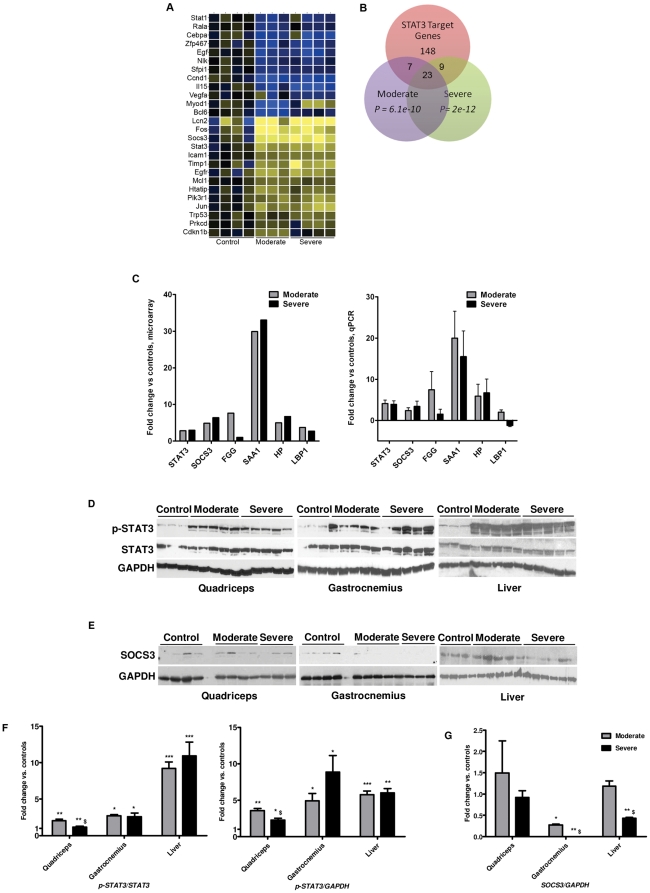
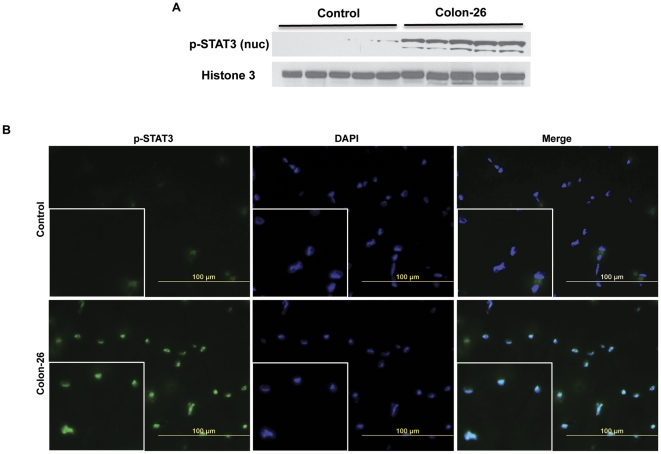
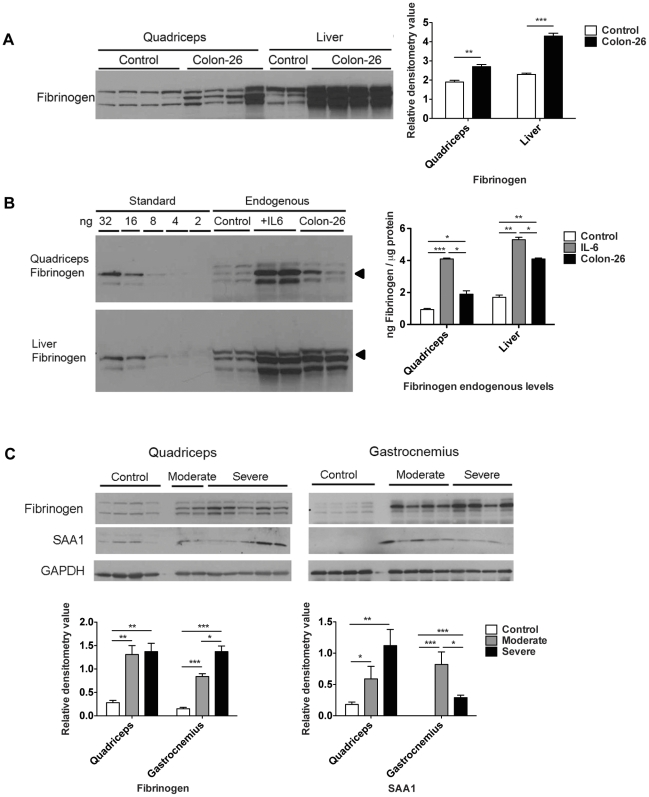
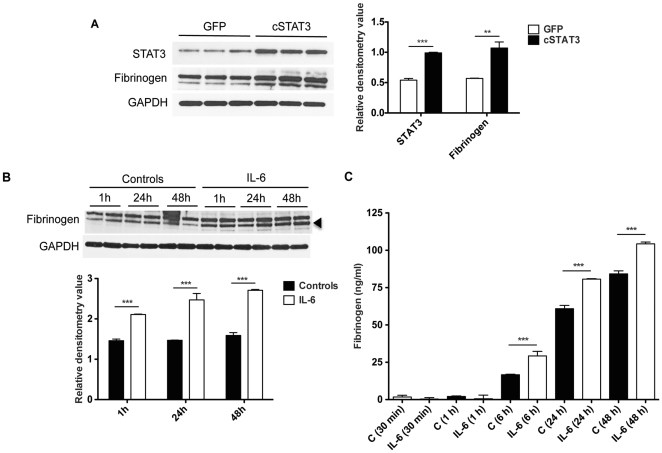
BACKGROUND: Cachexia, or weight loss despite adequate nutrition, significantly impairs quality of life and response to therapy in cancer patients. In cancer patients, skeletal muscle wasting, weight loss and mortality are all positively associated with increased serum cytokines, particularly Interleukin-6 (IL-6), and the presence of the acute phase response. Acute phase proteins, including fibrinogen and serum amyloid A (SAA) are synthesized by hepatocytes in response to IL-6 as part of the innate immune response. To gain insight into the relationships among these observations, we studied mice with moderate and severe Colon-26 (C26)-carcinoma cachexia. METHODOLOGY/PRINCIPAL FINDINGS: Moderate and severe C26 cachexia was associated with high serum IL-6 and IL-6 family cytokines and highly similar patterns of skeletal muscle gene expression. The top canonical pathways up-regulated in both were the complement/coagulation cascade, proteasome, MAPK signaling, and the IL-6 and STAT3 pathways. Cachexia was associated with increased muscle pY705-STAT3 and increased STAT3 localization in myonuclei. STAT3 target genes, including SOCS3 mRNA and acute phase response proteins, were highly induced in cachectic muscle. IL-6 treatment and STAT3 activation both also induced fibrinogen in cultured C2C12 myotubes. Quantitation of muscle versus liver fibrinogen and SAA protein levels indicates that muscle contributes a large fraction of serum acute phase proteins in cancer. CONCLUSIONS/SIGNIFICANCE: These results suggest that the STAT3 transcriptome is a major mechanism for wasting in cancer. Through IL-6/STAT3 activation, skeletal muscle is induced to synthesize acute phase proteins, thus establishing a molecular link between the observations of high IL-6, increased acute phase response proteins and muscle wasting in cancer. These results suggest a mechanism by which STAT3 might causally influence muscle wasting by altering the profile of genes expressed and translated in muscle such that amino acids liberated by increased proteolysis in cachexia are synthesized into acute phase proteins and exported into the blood.
Overview
The claims and statistics of this paper haven’t been checked yet.
Run the check — free, no account needed. It reads the open-access text and checks the sources it cites.
Integrity signals
Registry
Cites
Statistics
Figures
Verification
Claims the paper makes
The claims and statistics of this paper haven’t been checked yet.
Run the check — free, no account needed. It reads the open-access text and checks the sources it cites.
Claims other papers make about this one
Each is checked against this paper’s own text: does it say what the citing paper says it does?
The source backs part of the claim, not all of it — or backs it for a different population, condition or comparison.
In the citing paper
“While an acute increase in systemic IL‐6 promotes muscle growth and hypertrophy, its sustained elevation, as occurring in cancer or diabetes, causes muscle atrophy.”
From Sepsis induces interleukin 6, gp130/JAK2/STAT3, and muscle wasting (2022) · cites this paper as [15]
Experimental — accuracy not yet measuredThe source backs part of the claim, not all of it — or backs it for a different population, condition or comparison.
In the citing paper
“Our data are in accordance with previous reports showing that gp130 via the JAK/STAT pathway mediates muscle atrophy in a cancer cachexia mouse model. 15 , 27 , 28”
From Sepsis induces interleukin 6, gp130/JAK2/STAT3, and muscle wasting (2022) · cites this paper as [15]
Experimental — accuracy not yet measured
Self-check
Percentages, sums and reported differences re-computed from the paper’s own numbers.
The self-check needs the paper’s full text.
Citations
Cites
Analyzing real-time PCR data by the comparative CT method
Schmittgen, T. D., & Livak, K. J. (2008) · Nature Protocols · doi:10.1038/nprot.2008.73 · Cited by 26,190
Darnell, J. E., Kerr, L. M., & Stark, G. R. (1994) · Science · doi:10.1126/science.8197455 · Cited by 6,080 · cited 1×
“STAT3 is activated in part by phosphorylation at Y705, which induces dimerization, nuclear translocation and DNA binding [51,52].”
BackgroundRegulation of skeletal muscle mass in mice by a new TGF-p superfamily member
McPherron, A. C., Lawler, A. M., & Lee, S.-J. (1997) · Nature · doi:10.1038/387083a0 · Cited by 4,013
Identification of ubiquitin ligases required for skeletal muscle atrophy.
Bodine, S. C., Latres, E., Baumhueter, S., Lai, V. K.-M., Nunez, L., Clarke, B. A., Poueymirou, W. T., Panaro, F. J., Na, E., Dharmarajan, K., et al. (2001) · Science · doi:10.1126/science.1065874 · Cited by 3,521
Bromberg, J. F., Wrzeszczynska, M. H., Devgan, G., Zhao, Y., Pestell, R. G., Albanese, C., & Darnell, J. E. (1999) · Cell · doi:10.1016/s0092-8674(00)81959-5 · Cited by 2,790
Bodine, S. C., Stitt, T. N., Gonzalez, M., Kline, W. O., Stover, G. L., Bauerlein, R., Zlotchenko, E., Scrimgeour, A., Lawrence, J. C., Glass, D. J., et al. (2001) · Nature Cell Biology · doi:10.1038/ncb1101-1014 · Cited by 2,752
Chen, X., Han, X., Yuan, P., Fang, F., Huss, M., Vega, V. B., Wong, E., Orlov, Y. L., Zhang, W., Jiang, J., et al. (2008) · Cell · doi:10.1016/j.cell.2008.04.043 · Cited by 2,547
Evans, W., Morley, J., Argilés, J., Bales, C., Baracos, V., Guttridge, D., Jatoi, A., Kalantar-zadeh, K., Lochs, H., Mantovani, G., et al. (2008) · Clinical Nutrition · doi:10.1016/j.clnu.2008.06.013 · Cited by 2,341
Stitt, T. N., Drujan, D., Clarke, B. A., Panaro, F., Timofeyva, Y., Kline, W. O., Gonzalez, M., Yancopoulos, G. D., & Glass, D. J. (2004) · Molecular Cell · doi:10.1016/s1097-2765(04)00211-4 · Cited by 1,964
Atrogin-1, a muscle-specific F-box protein highly expressed during muscle atrophy
Gomes, M. D., Lecker, S. H., Jagoe, R. T., Navon, A., & Goldberg, A. L. (2001) · Proceedings of the National Academy of Sciences · doi:10.1073/pnas.251541198 · Cited by 1,774
Research works printed but not linked: 1
- JR Libonati, 2001, Brief muscle hypoperfusion/hyperemia: an ergogenic aid?, J Strength Cond Res, 15, 362
Cited by
Sorted by citations
Cancer Cachexia: Mediators, Signaling, and Metabolic Pathways
Fearon, K. C. H., Glass, D. J., & Guttridge, D. C. (2012) · Cell Metabolism · doi:10.1016/j.cmet.2012.06.011 · Cited by 1,244
Interleukin‐6 myokine signaling in skeletal muscle: a double‐edged sword?
Muñoz‐Cánoves, P., Scheele, C., Pedersen, B. K., & Serrano, A. L. (2013) · The FEBS Journal · doi:10.1111/febs.12338 · Cited by 774
IL-6 and related cytokines as the critical lynchpins between inflammation and cancer
Taniguchi, K., & Karin, M. (2014) · Seminars in Immunology · doi:10.1016/j.smim.2014.01.001 · Cited by 724
Understanding cachexia as a cancer metabolism syndrome
Porporato, P. E. (2016) · Oncogenesis · doi:10.1038/oncsis.2016.3 · Cited by 562
Role of Inflammation in Muscle Homeostasis and Myogenesis
Costamagna, D., Costelli, P., Sampaolesi, M., & Penna, F. (2015) · Mediators of Inflammation · doi:10.1155/2015/805172 · Cited by 554
Bonetto, A., Aydogdu, T., Jin, X., Zhang, Z., Zhan, R., Puzis, L., Koniaris, L. G., & Zimmers, T. A. (2012) · American Journal of Physiology-Endocrinology and Metabolism · doi:10.1152/ajpendo.00039.2012 · Cited by 463
Self-citationSTAT3 signaling controls satellite cell expansion and skeletal muscle repair
Tierney, M. T., Aydogdu, T., Sala, D., Malecova, B., Gatto, S., Puri, P. L., Latella, L., & Sacco, A. (2014) · Nature Medicine · doi:10.1038/nm.3656 · Cited by 401
Self-citationCancer cachexia and its pathophysiology: links with sarcopenia, anorexia and asthenia
da Silva, S. P., Santos, J., Silva, M. P. C. E., da Costa, R. M. G., & Medeiros, R. (2020) · Journal of Cachexia Sarcopenia and Muscle · doi:10.1002/jcsm.12528 · Cited by 392
Cancer cachexia: molecular mechanisms and treatment strategies
Setiawan, T., Sari, I. N., Wijaya, Y. T., Julianto, N. M., Muhammad, J. A., Lee, H., Chae, J. H., & Kwon, H. Y. (2023) · Journal of Hematology & Oncology · doi:10.1186/s13045-023-01454-0 · Cited by 342
Madaro, L., Passafaro, M., Sala, D., Etxaniz, U., Lugarini, F., Proietti, D., Alfonsi, M. V., Nicoletti, C., Gatto, S., De Bardi, M., et al. (2018) · Nature Cell Biology · doi:10.1038/s41556-018-0151-y · Cited by 310
Stat3 Activation Links a C/EBPδ to Myostatin Pathway to Stimulate Loss of Muscle Mass
Zhang, L., Pan, J. S.-C., Dong, Y., Tweardy, D. J., Dong, Y., Garibotto, G., & Mitch, W. E. (2013) · Cell Metabolism · doi:10.1016/j.cmet.2013.07.012 · Cited by 263
Lung adenocarcinoma distally rewires hepatic circadian homeostasis
Masri, S., Papagiannakopoulos, T., Kinouchi, K., Liu, Y., Cervantes, M., Baldi, P., Jacks, T., & Sassone-Corsi, P. (2016) · Cell · doi:10.1016/j.cell.2016.04.039 · Cited by 234
Silva, K. A. S., Dong, J., Dong, Y., Dong, Y., Schor, N., Tweardy, D. J., Zhang, L., & Mitch, W. E. (2015) · Journal of Biological Chemistry · doi:10.1074/jbc.m115.641514 · Cited by 229
Sepsis induces interleukin 6, gp130/JAK2/STAT3, and muscle wasting
Zanders, L., Kny, M., Hahn, A., Schmidt, S., Wundersitz, S., Todiras, M., Lahmann, I., Bandyopadhyay, A., Wollersheim, T., Kaderali, L., et al. (2022) · Journal of Cachexia, Sarcopenia and Muscle · doi:10.1002/jcsm.12867 · Cited by 225
“and hypertrophy, its sustained elevation, as occurring in cancer or diabetes, causes muscle atrophy.(15,16) However, the role of IL-6 signalling in sepsis-induced muscle atrophy is not well understood.”
BackgroundSTAT3 in the systemic inflammation of cancer cachexia
Zimmers, T. A., Fishel, M. L., & Bonetto, A. (2016) · Seminars in Cell and Developmental Biology · doi:10.1016/j.semcdb.2016.02.009 · Cited by 231
Self-citationRupert, J. E., Narasimhan, A., Jengelley, D. H. A., Jiang, Y., Liu, J., Au, E. D., Silverman, L. M., Sandusky, G. E., Bonetto, A., Cao, S., et al. (2021) · The Journal of Experimental Medicine · doi:10.1084/jem.20190450 · Cited by 225
Self-citationCancer Cachexia: More Than Skeletal Muscle Wasting
Schmidt, S. F., Rohm, M., Herzig, S., & Díaz, M. B. (2018) · Trends in cancer · doi:10.1016/j.trecan.2018.10.001 · Cited by 229
Cachexia induced by cancer and chemotherapy yield distinct perturbations to energy metabolism
Pin, F., Barreto, R., Couch, M. E., Bonetto, A., & O’Connell, T. M. (2019) · Journal of Cachexia Sarcopenia and Muscle · doi:10.1002/jcsm.12360 · Cited by 211
Self-citationRole of interleukin-6 in cachexia
Narsale, A. A., & Carson, J. A. (2014) · Current Opinion in Supportive and Palliative Care · doi:10.1097/spc.0000000000000091 · Cited by 205
Understanding cachexia in the context of metastatic progression
Biswas, A., & Acharyya, S. (2020) · Nature reviews. Cancer · doi:10.1038/s41568-020-0251-4 · Cited by 199
Barreto, R., Waning, D. L., Gao, H., Liu, Y., Zimmers, T. A., & Bonetto, A. (2016) · Oncotarget · doi:10.18632/oncotarget.9779 · Cited by 205
Self-citationCancer and Chemotherapy Contribute to Muscle Loss by Activating Common Signaling Pathways
Barreto, R., Mandili, G., Witzmann, F. A., Novelli, F., Zimmers, T. A., & Bonetto, A. (2016) · Frontiers in Physiology · doi:10.3389/fphys.2016.00472 · Cited by 183
Self-citationJohns, N., Stephens, N. A., & Fearon, K. C. H. (2013) · The International Journal of Biochemistry & Cell Biology · doi:10.1016/j.biocel.2013.05.032 · Cited by 196
Metastatic cancers promote cachexia through ZIP14 upregulation in skeletal muscle
Wang, G., Biswas, A. K., Ma, W., Kandpal, M., Coker, C., Grandgenett, P. M., Hollingsworth, M. A., Jain, R., Tanji, K., Lόpez-Pintado, S., et al. (2018) · Nature Medicine · doi:10.1038/s41591-018-0054-2 · Cited by 188
VanderVeen, B. N., Fix, D. K., & Carson, J. A. (2017) · Oxidative Medicine and Cellular Longevity · doi:10.1155/2017/3292087 · Cited by 188
Kabacaoğlu, D., Ciecielski, K. J., Ruess, D. A., & Algül, H. (2018) · Frontiers in Immunology · doi:10.3389/fimmu.2018.01878 · Cited by 181
Muscle mTORC1 suppression by IL-6 during cancer cachexia: a role for AMPK
White, J. P., Puppa, M., Gao, S., Sato, S., Welle, S. L., & Carson, J. A. (2013) · American Journal of Physiology-Endocrinology and Metabolism · doi:10.1152/ajpendo.00410.2012 · Cited by 187
Cancer cachexia: malignant inflammation, tumorkines, and metabolic mayhem
Tsoli, M., & Robertson, G. R. (2012) · Trends in Endocrinology and Metabolism · doi:10.1016/j.tem.2012.10.006 · Cited by 172
Triggers and mechanisms of skeletal muscle wasting in chronic obstructive pulmonary disease
LANGEN, R. C. J., Gosker, H. R., Remels, A. H. V., & Schols, A. M. W. J. (2013) · The International Journal of Biochemistry & Cell Biology · doi:10.1016/j.biocel.2013.06.015 · Cited by 167
Inflammation Based Regulation of Cancer Cachexia
Onesti, J. K., & Guttridge, D. C. (2014) · BioMed Research International · doi:10.1155/2014/168407 · Cited by 157
Perturbed BMP signaling and denervation promote muscle wasting in cancer cachexia
Sartori, R., Hagg, A., Zampieri, S., Armani, A., Winbanks, C. E., Viana, L. R., Haidar, M., Watt, K. I., Qian, H., Pezzini, C., et al. (2021) · Science Translational Medicine · doi:10.1126/scitranslmed.aay9592 · Cited by 159
Assessment of muscle mass and strength in mice
Bonetto, A., Andersson, D. C., & Waning, D. L. (2015) · BoneKEy Reports · doi:10.1038/bonekey.2015.101 · Cited by 152
Self-citationKays, J. K., Shahda, S., Stanley, M., Bell, T. M., O'Neill, B. H., Kohli, M. D., Couch, M. E., Koniaris, L. G., & Zimmers, T. A. (2018) · Journal of Cachexia Sarcopenia and Muscle · doi:10.1002/jcsm.12307 · Cited by 152
Self-citationModeling Human Cancer-induced Cachexia
Talbert, E. E., Cuitiño, M. C., Ladner, K. J., Rajasekerea, P. V., Siebert, M., Shakya, R., Leone, G. W., Ostrowski, M. C., Paleo, B. J., Weisleder, N. L., et al. (2019) · Cell Reports · doi:10.1016/j.celrep.2019.07.016 · Cited by 151
The JAK/STAT Pathway in Skeletal Muscle Pathophysiology
Moresi, V., Adamo, S., & Berghella, L. (2019) · Frontiers in Physiology · doi:10.3389/fphys.2019.00500 · Cited by 145
Mechanisms of muscle growth and atrophy in mammals and Drosophila
Piccirillo, R., Demontis, F., Perrimon, N., & Goldberg, A. L. (2013) · Developmental Dynamics · doi:10.1002/dvdy.24036 · Cited by 147
STAT3 promotes IFNγ/TNFα‐induced muscle wasting in an NF‐κB‐dependent and IL‐6‐independent manner
Ma, J. F., Sánchez, B. J., Hall, D. T., Tremblay, A. K., Marco, S. D., & Gallouzi, I. (2017) · EMBO Molecular Medicine · doi:10.15252/emmm.201607052 · Cited by 143
Skeletal muscle glycoprotein 130's role in Lewis lung carcinoma–induced cachexia
Puppa, M. J., Gao, S., Narsale, A. A., & Carson, J. A. (2014) · The FASEB Journal · doi:10.1096/fj.13-240580 · Cited by 143
Adipose tissue-derived factors as potential biomarkers in cachectic cancer patients
Júnior, M. L. B., Oliván, M., de Alcântara, P. S. M., Sandoval, R., Peres, S. B., das Neves, R. X., Silvério, R., Maximiano, L. F., Otoch, J. P., & Seelaender, M. C. L. (2012) · Cytokine · doi:10.1016/j.cyto.2012.10.023 · Cited by 126
A Key Role for Leukemia Inhibitory Factor in C26 Cancer Cachexia
Seto, D. N., Kandarian, S. C., & Jackman, R. W. (2015) · Journal of Biological Chemistry · doi:10.1074/jbc.m115.638411 · Cited by 123
Protein calorie malnutrition, nutritional intervention and personalized cancer care
Gangadharan, A., Choi, S. E., Hassan, A., Ayoub, N. M., Durante, G., Balwani, S., Kim, Y. H., Pecora, A. L., Goy, A. H., & Suh, K. S. (2017) · Oncotarget · doi:10.18632/oncotarget.15103 · Cited by 120
Sex Differences in Cancer Cachexia
Zhong, X.-L., & Zimmers, T. (2020) · Current Osteoporosis Reports · doi:10.1007/s11914-020-00628-w · Cited by 98
Self-citationMurphy, K. T., Chee, A., Trieu, J., Naim, T., & Lynch, G. S. (2012) · Disease Models & Mechanisms · doi:10.1242/dmm.008839 · Cited by 114
Protein imbalance in the development of skeletal muscle wasting in tumour‐bearing mice
Brown, J. L., Lee, D. E., Rosa‐Caldwell, M. E., Brown, L. A., Perry, R. A., Haynie, W. S., Huseman, K., Sataranatarajan, K., Remmen, H. V., Washington, T. A., et al. (2018) · Journal of Cachexia Sarcopenia and Muscle · doi:10.1002/jcsm.12354 · Cited by 117
Martin, A., Gallot, Y. S., & Freyssenet, D. G. (2023) · Journal of Cachexia Sarcopenia and Muscle · doi:10.1002/jcsm.13073 · Cited by 127
Mfge8 promotes obesity by mediating the uptake of dietary fats and serum fatty acids
Khalifeh‐Soltani, A., McKleroy, W., Sakuma, S., Cheung, Y. Y., Tharp, K. M., Qiu, Y., Turner, S., Chawla, A., Stahl, A., & Atabai, K. (2014) · Nature Medicine · doi:10.1038/nm.3450 · Cited by 113
The Colon-26 Carcinoma Tumor-bearing Mouse as a Model for the Study of Cancer Cachexia
Bonetto, A., Rupert, J. E., Barreto, R., & Zimmers, T. A. (2016) · Journal of Visualized Experiments · doi:10.3791/54893 · Cited by 113
Self-citationLipolytic and thermogenic depletion of adipose tissue in cancer cachexia
Tsoli, M., Swarbrick, M. M., & Robertson, G. R. (2015) · Seminars in Cell and Developmental Biology · doi:10.1016/j.semcdb.2015.10.039 · Cited by 113
Judge, S. M., Wu, C.-L., Beharry, A. W., Roberts, B. M., Ferreira, L. F., Kandarian, S. C., & Judge, A. R. (2014) · BMC Cancer · doi:10.1186/1471-2407-14-997 · Cited by 111
Understanding the Role of Exercise in Cancer Cachexia Therapy
Hardee, J. P., Counts, B. R., & Carson, J. A. (2017) · American Journal of Lifestyle Medicine · doi:10.1177/1559827617725283 · Cited by 111
Diaphragm and ventilatory dysfunction during cancer cachexia
Roberts, B. M., Ahn, B., Smuder, A. J., Al‐Rajhi, M., Gill, L., Beharry, A. W., Powers, S. K., Fuller, D. D., Ferreira, L. F., & Judge, A. R. (2013) · The FASEB Journal · doi:10.1096/fj.12-222844 · Cited by 111
Out of Control: The Role of the Ubiquitin Proteasome System in Skeletal Muscle during Inflammation
Haberecht-Müller, S., Krüger, E., & Fielitz, J. (2021) · Biomolecules · doi:10.3390/biom11091327 · Cited by 108
Ubiquitin-proteasome pathway in skeletal muscle atrophy
Pang, X., Zhang, P., Chen, X., & Liu, W. (2023) · Frontiers in Physiology · doi:10.3389/fphys.2023.1289537 · Cited by 120
Cancer cachexia: multilevel metabolic dysfunction
Díaz, M. B., Rohm, M., & Herzig, S. (2024) · Nature Metabolism · doi:10.1038/s42255-024-01167-9 · Cited by 113
Increased Adiposity, Dysregulated Glucose Metabolism and Systemic Inflammation in Galectin-3 KO Mice
Pang, J., Rhodes, D., Pini, M., Akasheh, R. T., Castellanos, K. J., Cabay, R. J., Cooper, D., Perretti, M., & Fantuzzi, G. (2013) · PLoS ONE · doi:10.1371/journal.pone.0057915 · Cited by 104
Pin, F., Barreto, R., Kitase, Y., Mitra, S., Erne, C. E., Novinger, L. J., Zimmers, T. A., Couch, M. E., Bonewald, L. F., & Bonetto, A. (2018) · Journal of Cachexia Sarcopenia and Muscle · doi:10.1002/jcsm.12311 · Cited by 100
Self-citationMiller, A., McLeod, L., Alhayyani, S., Szczepny, A., Watkins, D. N., Chen, W., Enriori, P. J., Ferlin, W. G., Ruwanpura, S. M., & Jenkins, B. J. (2016) · Oncogene · doi:10.1038/onc.2016.437 · Cited by 103
Inflammation-Induced Acute Phase Response in Skeletal Muscle and Critical Illness Myopathy
Langhans, C., Weber-Carstens, S., Schmidt, F., Hamati, J., Kny, M., Zhu, X., Wollersheim, T., Koch, S., Krebs, M., Schulz, H., et al. (2014) · PLoS ONE · doi:10.1371/journal.pone.0092048 · Cited by 101
Mediators and Patterns of Muscle Loss in Chronic Systemic Inflammation
Pérez-Baos, S., Prieto‐Potín, I., Roman‐Blas, J. A., Sánchez‐Pernaute, O., Largo, R., & Herrero‐Beaumont, G. (2018) · Frontiers in Physiology · doi:10.3389/fphys.2018.00409 · Cited by 101
Prevalence and Mechanisms of Skeletal Muscle Atrophy in Metabolic Conditions
Jun, L., Robinson, M., Geetha, T., Broderick, T. L., & Babu, J. R. (2023) · International Journal of Molecular Sciences · doi:10.3390/ijms24032973 · Cited by 107
Martin, A., & Freyssenet, D. G. (2021) · Journal of Cachexia Sarcopenia and Muscle · doi:10.1002/jcsm.12678 · Cited by 100
Mueller, T. C., Bachmann, J., Prokopchuk, O., Friess, H., & Martignoni, M. E. (2016) · BMC Cancer · doi:10.1186/s12885-016-2121-8 · Cited by 95
STAT3 in Skeletal Muscle Function and Disorders
Guadagnin, E., Mázala, D. A. G., & Chen, Y. (2018) · International Journal of Molecular Sciences · doi:10.3390/ijms19082265 · Cited by 93
Kandarian, S. C., Nosacka, R. L., Delitto, A. E., Judge, A. R., Judge, S. M., Ganey, J. D., Moreira, J. D., & Jackman, R. W. (2018) · Journal of Cachexia Sarcopenia and Muscle · doi:10.1002/jcsm.12346 · Cited by 94
Dewulf, M., Köster, D., Sinha, B., de Lesegno, C. V., Chambon, V., Bigot, A., Bensalah, M., Négroni, E., Tardif, N., Podkalicka, J., et al. (2019) · Nature Communications · doi:10.1038/s41467-019-09405-5 · Cited by 96
Tsoli, M., Schweiger, M., Vanniasinghe, A. S., Painter, A., Zechner, R., Clarke, S. J., & Robertson, G. R. (2014) · PLoS ONE · doi:10.1371/journal.pone.0092966 · Cited by 89
Hall, D. T., Griss, T., Ma, J. F., Sanchez, B. J., Sadek, J., Tremblay, A. M. K., Mubaid, S., Omer, A., Ford, R. J., Bedard, N., et al. (2018) · EMBO Molecular Medicine · doi:10.15252/emmm.201708307 · Cited by 88
Differential Effects of IL6 and Activin A in the Development of Cancer-Associated Cachexia
Chen, J. L., Walton, K. L., Qian, H., Colgan, T. D., Hagg, A., Watt, M. J., Harrison, C. A., & Gregorevic, P. (2016) · Cancer Research · doi:10.1158/0008-5472.can-15-3152 · Cited by 91
Khamoui, A. V., Park, B., Kim, D.-H., Yeh, M.-C., Oh, S.-L., Elam, M., Jo, E., Arjmandi, B., Salazar, G., Grant, S., et al. (2016) · Metabolism: Clinical and Experimental · doi:10.1016/j.metabol.2016.01.014 · Cited by 87
New insights on the regulation of cancer cachexia by N-3 polyunsaturated fatty acids
Gorjão, R., Momesso, C. M., Serdan, T. D. A., Diniz, V. L. S., Alba‐Loureiro, T. C., Cury‐Boaventura, M. F., Hatanaka, E., Levada‐Pires, A. C., Sato, F. T., Pithon‐Curi, T. C., et al. (2018) · Pharmacology & Therapeutics · doi:10.1016/j.pharmthera.2018.12.001 · Cited by 88
Sex Differences in the Relationship of IL-6 Signaling to Cancer Cachexia Progression
Hetzler, K. L., Hardee, J., Puppa, M. J., Narsale, A. A., Sato, S., Davis, J., & Carson, J. (2014) · Biochimica et Biophysica Acta · doi:10.1016/j.bbadis.2014.12.015 · Cited by 75
McKay, B. R., Ogborn, D. I., Baker, J. M., Toth, K., Tarnopolsky, M. A., & Parise, G. (2013) · American Journal of Physiology-Cell Physiology · doi:10.1152/ajpcell.00305.2012 · Cited by 87
Muscle-Bone Crosstalk in the Masticatory System: From Biomechanical to Molecular Interactions
Buvinic, S., Balanta‐Melo, J., Kupczik, K., Vásquez, W., Beato, C., & Toro‐Ibacache, V. (2021) · Frontiers in Endocrinology · doi:10.3389/fendo.2020.606947 · Cited by 82
Fibroblasts as Modulators of Local and Systemic Cancer Metabolism
Sanford-Crane, H., Abrego, J., & Sherman, M. H. (2019) · Cancers · doi:10.3390/cancers11050619 · Cited by 77
Nutritional issues in patients with cancer
Kim, D. H. (2019) · Intestinal Research · doi:10.5217/ir.2019.00076 · Cited by 75
Patsalos, O., Dalton, B., & Himmerich, H. (2020) · International Journal of Molecular Sciences · doi:10.3390/ijms21176290 · Cited by 72
Differential Bone Loss in Mouse Models of Colon Cancer Cachexia
Bonetto, A., Kays, J. K., Parker, V. A., Matthews, R. R., Barreto, R., Puppa, M., Kang, K. S., Carson, J. A., Guise, T. A., Mohammad, K. S., et al. (2017) · Frontiers in Physiology · doi:10.3389/fphys.2016.00679 · Cited by 73
Self-citationShieh, J., Tseng, H., Jung, F., Yang, S., & Lin, J. (2019) · Mediators of Inflammation · doi:10.1155/2019/7947596 · Cited by 74
Pancreatic Cancer‐Induced Cachexia Is Jak2‐Dependent in Mice
Gilabert, M., Calvo, E. L., Airoldi, A., Hamidi, T., Moutardier, V., Turrini, O., & Iovanna, J. (2014) · Journal of Cellular Physiology · doi:10.1002/jcp.24580 · Cited by 71
Connecting the Metabolic and Immune Responses to Cancer
Flint, T. R., Fearon, D. T., & Janowitz, T. (2017) · Trends in Molecular Medicine · doi:10.1016/j.molmed.2017.03.001 · Cited by 71
Cancer-Mediated Muscle Cachexia: Etiology and Clinical Management
Siff, T. E., Parajuli, P., Razzaque, M. S., & Atfi, A. (2021) · Trends in Endocrinology and Metabolism · doi:10.1016/j.tem.2021.03.007 · Cited by 73
Emerging signaling mediators in the anorexia–cachexia syndrome of cancer
Talbert, E. E., & Guttridge, D. C. (2022) · Trends in cancer · doi:10.1016/j.trecan.2022.01.004 · Cited by 74
Acute myotube protein synthesis regulation by IL-6-related cytokines
Gao, S., Durstine, J. L., Koh, H.-J., Carver, W. E., Frizzell, N., & Carson, J. A. (2017) · American Journal of Physiology-Cell Physiology · doi:10.1152/ajpcell.00112.2017 · Cited by 69
The Skeletal Muscle as an Active Player Against Cancer Cachexia
Penna, F., Ballarò, R., Beltrà, M., Lucia, S. D., Garcia‐Castillo, L., & Costelli, P. (2019) · Frontiers in Physiology · doi:10.3389/fphys.2019.00041 · Cited by 73
VanderVeen, B. N., Fix, D. K., Montalvo, R. N., Counts, B. R., Smuder, A. J., Murphy, E. A., Koh, H., & Carson, J. A. (2018) · Experimental Physiology · doi:10.1113/ep087429 · Cited by 71
Serum amyloid A1 mediates myotube atrophy via Toll‐like receptors
Hahn, A., Kny, M., Pablo‐Tortola, C., Todiras, M., Willenbrock, M., Schmidt, S., Schmoeckel, K., Jorde, I., Nowak, M., Jarosch, E., et al. (2020) · Journal of Cachexia, Sarcopenia and Muscle · doi:10.1002/jcsm.12491 · Cited by 67
Brzeszczyńska, J., Meyer, A. S., McGregor, R. A., Schilb, A., Degen, S., Tadini, V., Johns, N., LANGEN, R. C. J., Schols, A. M. W. J., Glass, D. J., et al. (2017) · Journal of Cachexia Sarcopenia and Muscle · doi:10.1002/jcsm.12252 · Cited by 69
Impaired regeneration: A role for the muscle microenvironment in cancer cachexia
Talbert, E. E., & Guttridge, D. C. (2015) · Seminars in Cell and Developmental Biology · doi:10.1016/j.semcdb.2015.09.009 · Cited by 71
Liver Inflammation and Metabolic Signaling in ApcMin/+ Mice: The Role of Cachexia Progression
Narsale, A. A., Enos, R. T., Puppa, M. J., Chatterjee, S., Murphy, E., Fayad, R., Peña, M. O., Durstine, J., & Carson, J. (2015) · PLoS ONE · doi:10.1371/journal.pone.0119888 · Cited by 64
Inflammation, organomegaly, and muscle wasting despite hyperphagia in a mouse model of burn cachexia
Pedroso, F. E., Spalding, P. B., Cheung, M. C., Yang, R., Gutierrez, J. C., Bonetto, A., Zhan, R., Chan, H. L., Namias, N., Koniaris, L. G., et al. (2012) · Journal of Cachexia Sarcopenia and Muscle · doi:10.1007/s13539-012-0062-x · Cited by 66
Self-citationMacDonald, E. M., Andrés‐Mateos, E., Mejías, R., Simmers, J. L., Mi, R., Park, J.-S., Ying, S., Höke, A., Lee, S., & Cohn, R. D. (2014) · Disease Models & Mechanisms · doi:10.1242/dmm.014126 · Cited by 67
Johns, N., Stretch, C., Tan, B. H. L., Solheim, T. S., Sørhaug, S., Stephens, N. A., Gioulbasanis, I., Skipworth, R. J. E., Deans, D. A. C., Vigano, A. A. L., et al. (2016) · Journal of Cachexia Sarcopenia and Muscle · doi:10.1002/jcsm.12138 · Cited by 66
Bladder cancer-induced skeletal muscle wasting: disclosing the role of mitochondria plasticity.
Padrão, A., Oliveira, P., Vitorino, R., Colaço, B., Pires, M., Márquez, M., Castellanos, E., Neuparth, M., Teixeira, C., Costa, C., et al. (2013) · International Journal of Biochemistry and Cell Biology · doi:10.1016/j.biocel.2013.04.014 · Cited by 61
Quercetin supplementation attenuates the progression of cancer cachexia in ApcMin/+ mice.
Velázquez, K. T., Enos, R. T., Narsale, A. A., Puppa, M. J., Davis, J., Murphy, E., & Carson, J. (2014) · Journal of NutriLife · doi:10.3945/jn.113.188367 · Cited by 71
Eccentric contraction-induced myofiber growth in tumor-bearing mice
Hardee, J. P., Mangum, J. E., Gao, S., Sato, S., Hetzler, K. L., Puppa, M., Fix, D. K., & Carson, J. A. (2015) · Journal of Applied Physiology · doi:10.1152/japplphysiol.00416.2015 · Cited by 68
ACVR2B/Fc counteracts chemotherapy-induced loss of muscle and bone mass
Barreto, R., Kitase, Y., Matsumoto, T., Pin, F., Colston, K. C., Couch, K. E., O’Connell, T. M., Couch, M. E., Bonewald, L. F., & Bonetto, A. (2017) · Scientific Reports · doi:10.1038/s41598-017-15040-1 · Cited by 65
Self-citationMolecular mechanisms of cancer cachexia‑induced muscle atrophy (Review)
Yang, W., Huang, J., Wu, H., Wang, Y., Du, Z., Ling, Y., Wang, W., Wu, Q., & Gao, W. (2020) · Molecular Medicine Reports · doi:10.3892/mmr.2020.11608 · Cited by 67
Nissinen, T. A., Hentilä, J., Penna, F., Lampinen, A., Lautaoja-Kivipelto, J. H., Fachada, V., Holopainen, T., Ritvos, O., Kivelä, R., & Hulmi, J. J. (2018) · Journal of Cachexia Sarcopenia and Muscle · doi:10.1002/jcsm.12310 · Cited by 63
Toledo, M., Busquets, S., Penna, F., Zhou, X., Marmonti, E., Betancourt, A., Massa, D., López-Soriano, F. J., Han, H. Q., & Argilés, J. M. A. (2015) · International Journal of Cancer · doi:10.1002/ijc.29930 · Cited by 63
Moreira‐Pais, A., Ferreira, R. M., & da Costa, R. M. G. (2018) · Life Sciences · doi:10.1016/j.lfs.2018.07.010 · Cited by 63
Metadata
- Authors
- Bonetto, A., Aydogdu, T., Kunzevitzky, N., Guttridge, D. C., Khuri, S., Koniaris, L. G., & Zimmers, T. A.
- Affiliations
- University of Miami (US)
- Corresponding author
- Zimmers, Teresa A.
- Venue
- PLoS ONE
- Publisher
- Public Library of Science (PLoS)
- Published
- 2011-07-20
- Volume
- 6
- Issue
- 7
- Pages
- e22538
- ISSN
- 1932-6203 (ISSN-L)
- PMC
- PMC3140523
- OpenAlex
- W2052712443
- Cited by
- 348
- References
- 84
- Citations by year
- 2026: 17 · 2025: 24 · 2024: 16 · 2023: 21 · 2022: 17 · 2021: 30 · 2020: 38 · 2019: 28 · 2018: 38 · 2017: 23 · 2016: 20 · 2015: 21 · 2014: 23 · 2013: 19 · 2012: 11
- FWCI
- 7.15
- Type
- journal article
- Language
- en
- Open access
- gold
- doi.org
- Locations
- PLoS ONE (publishedVersion, cc-by)
- Europe PMC (PubMed Central) (publishedVersion, cc-by)
- PubMed Central (publishedVersion, cc-by)
- PubMed (publishedVersion)
- DOAJ (DOAJ: Directory of Open Access Journals) (submittedVersion, cc-by-sa)
- Figshare (submittedVersion, cc-by)
- Funders
- U.S. Department of Defense
- American Cancer Society
- University of Miami
- National Cancer Institute (CA122596, R01CA122596)
- National Institute of General Medical Sciences (R01GM092758)
- Topics
- Life Sciences › Biochemistry, Genetics and Molecular Biology › Molecular Biology › Muscle Physiology and Disorders
- Health Sciences › Medicine › Physiology (medical) › Nutrition and Health in Aging
- Life Sciences › Immunology and Microbiology › Immunology › Cytokine Signaling Pathways and Interactions
- Keywords
- cancer cachexia, STAT3 signaling, skeletal muscle atrophy, interleukin-6, acute phase response, acute phase proteins, fibrinogen, serum amyloid A, SOCS3, C26 colon carcinoma, muscle protein degradation, muscle transcriptome, IL-6 family cytokines
- MeSH terms
- Acute-Phase Reaction, Animals, Cachexia, Colonic Neoplasms, Female, Humans, Liver, Gene Expression Regulation, Neoplastic, Cytokines, Muscle, Skeletal, Cell Line, Tumor, STAT3 Transcription Factor, Mice, Transcriptome
About these checks
Registry, retraction, Cites and statistics results are computed, not judged, with one exception: a printed reference that no index lists is read once by a model before it counts as a citation error. Claims are extracted by a model and kept only when their quote appears verbatim in the text; each cited source is then checked, with a model’s help, for whether it says what the claim relies on. Those verdicts can be wrong — read the claim’s quote and the cited source before relying on one.
Statistics and arithmetic are recomputed, not judged.
Confidence bands are shown only for fields calibrated on our annotated test set. None is calibrated yet, so no band is shown.
What counts as a claim ›How we measure confidence ›How we check this ›
Are you an author, or do you see a problem with this page? Request a review
